Search

Results 1–100 of 259

1.15 billion artificial neurons arrive at Sandia

News Article, April 22, 2024 • Sandia received a brain-based computing system from Intel Corp. that has 1.15 billion artificial neurons, aiming to advance large-scale brain-inspired computing. This innovative system, ten times faster and denser than its predecessor, holds potential for various applications from scientific simulations to societal enhancements like smarter soldier gear and rapid medical...
2006 Winners

Page • Compute Process Allocator is a computer algorithm technology that increases processing efficiency on massively parallel supercomputers. Developed in conjunction with colleagues at the State University of New York and the University of Illinois, the CPA was licensed to Cray Inc. in 2005.» Download (PDF, 1.2 MB) HTSS10V is a solid-state,...

2007 Winners

Page • ArcSafe© with Pulsed Arrested Spark Discharge is a patented electrical wiring diagnostic that is effective in detecting and locating wiring insulation defects in commercial aircraft.» Download (PDF, 1.8 MB)» Watch video Mode-Filtered Fiber Amplifier is a breakthrough technology that enables the fabrication of practical, high-power, high-beam-quality laser sources that are...

2008 Winners

Page • XyceTM Parallel Electronic Simulator 4.0.2 is the world's first analog tool capable of full simulation of large digital-circuit systems through the use of massively parallel computation, rather than resorting to accuracy-compromising simplifications used by other tools. Xyce, under development at Sandia since 1999, accurately simulates more than 10 million circuit...

2009 Winners

Page • Ultralow-Power Silicon Microphotonic Communications Platform enables optical data transmission and routing on a silicon platform at nanosecond-switching speeds with up to 100 times less power consumption and 100 times the bandwidth density compared to traditional electronic approaches.» Download (PDF, 1.4 MB)» Watch video Hyperspectral Confocal Fluorescence Microscope System rapidly finds...

2010 Winners

Page • CANARY: Event Detection Software is a software package that performs online, multivariate event detection from networked sensor data. Employing statistical forecasting and classification algorithms, CANARY continuously analyzes time series signals for anomalous conditions. This unique software enables online contaminant event detection for time-critical decision making in both routine and emergency...

2011 Winners

Page • Biomimetic membranes for water purificationSelective, high-flux desalination membranes based on self-assembled nanopores were tuned with atomic-layer deposition to mimic the structures of natural membrane-bound biological channels.» Download (PDF, 1.7 MB)» Watch video Microresonator filters and frequency referencesOur miniature acoustic resonators perform RF filtering and frequency synthesis in next-generation wireless devices...

2012 Winners

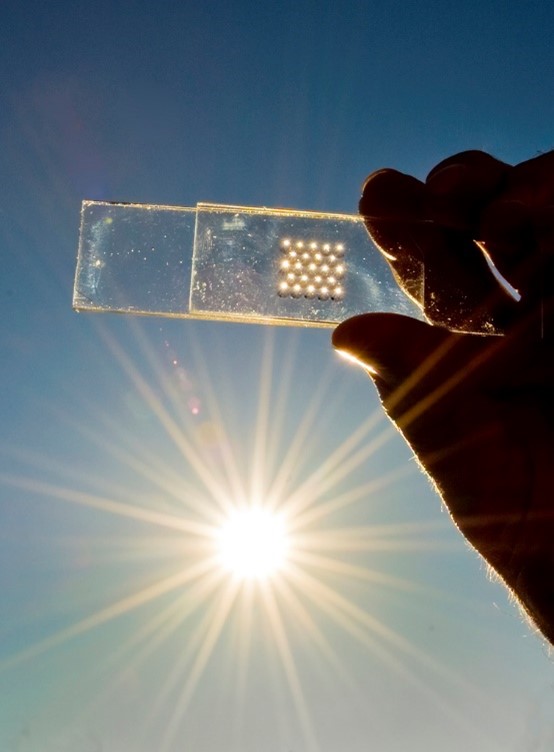
Page • Microsystems Enabled PhotovoltaicsSandia developed tiny glitter-sized photovoltaic (PV) cells that could revolutionize solar energy collection. The crystalline silicon micro-PV cells will be cheaper and have greater efficiencies than current PV collectors. Micro-PV cells require relatively little material to form well-controlled, highly efficient devices. Cell fabrication uses common microelectronic and micro-electromechanical...
2013 Winners

Page • Membrane Projection LithographyThis fabrication technique enables the creation of a diverse array of microscopic 3-D structures with macroscopic impact. For instance, the technique can be used to create 3-dimensional integrated circuits, the next step in the evolution of 2-dimensional microprocessors, which could lead to truly 3-D microelectronics. Currently, the technique...

2014 Winners

Page • Portable Diagnostic Device for Bacillus Anthracis Detection in Ultra-Low Resource Environments BaDx is a stand-alone, diagnostics cartridge used in resource-limited and challenging environments to sense real-world concentrations (>100 spores) of virulent B. anthracis, the bacteria that causes anthrax infection. Resembling a pocket-sized laboratory, BaDx has integrated all diagnosis-necessary lab components...

2015 Winners

Page • CO2 MemzymeThe CO2 Memzyme is an ultra-thin membrane that is the first cost-effective technology for carbon dioxide separation and capture to meet and exceed the Department of Energy's (DOE) targets for helping to reduce the threat of climate change. The memzyme surpasses earlier polymeric membrane technology by capturing more carbon...

2016 Winners

Page • Falling Particle Receiver for Concentrated Solar EnergyThe Falling Particle Receiver for Concentrated Solar Energy enables concentrated solar energy with thermal storage for on-demand electricity production, heating, and thermochemical processing at significantly higher efficiencies and lower costs.» Watch video Ultra-fast X-ray Imager (UXI)The UXI is the world's fastest multi-frame digital X-ray...

2017 Winners

Page • High-fidelity Adaptive Deception & Emulation System (HADES) PlatformHADES radically changes the way cybersecurity defenders protect their networks and gain insight on adversaries. The platform emulates a realistic environment of as many as 10,000 machines, creating a far richer deception than honeypots and other techniques. It encourages adversaries to stay long...

2018 Winners

Page • Detergent-assisted Fabrication of Multifunctional Nanomaterials Application of ordinary detergents can produce uniform sizes and shapes of multifunctional materials at the nanoscale level, boosting their performance. Possible uses of the technique range from environmental cleanup to cancer treatment, while reducing costs. Watch the video. Large Field-of-View Bench Top 3-D X-Ray Phase...

2019 Winners

Page • ADDSec: Artificial Diversity and Defense Security Addsec 2019 Industrial control-system environments, such as the electric power grid, oil and natural gas refineries and water pipelines, continue to use predictable communication paths, static configurations and unpatched software, all of which benefit adversaries. Sandia has developed a technology that automatically detects and...

2020 Winners

Page • Binary Solvent Diffusion for Fabrication of Large Nanoparticle Supercrystals Using an artful combination of nanotechnology and basic chemistry, Sandia synthesized and self-assembled gold nanoparticles into unusually large millimeter size supercrystals that could significantly improve the detection sensitivity for trace amounts of chemicals. The enhanced sensing capability derives from giant electromagnetic...

2021 Winners

Page • Secure-Firmware Over-the-Air REMOTE CONTROL — Secure-Firmware Over-the-Air can allow car manufacturers to remotely manage firmware updates and provides enhanced security. (Graphic courtesy of Sandia) The embedded software known as firmware requires frequent updates in most modern cars. But when these updates occur remotely over the airwaves, the process is vulnerable...

2022 Winners

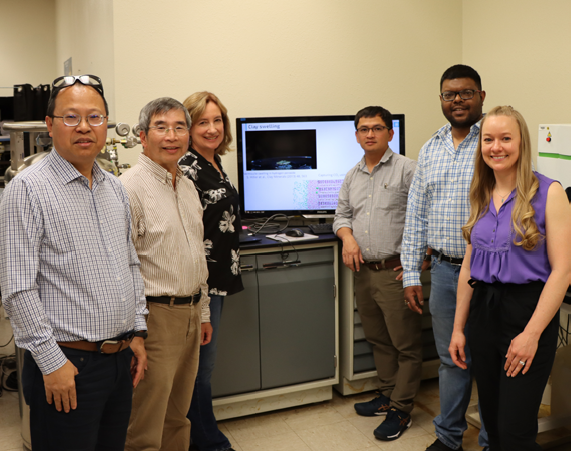
Page • Ultra-Stable Thermally Excellent Advancements in Material Strength Guangping Xu, right, with his team of Sandia National Laboratories researchers, from left, Hongyou Fan, Haley Davis, Chad McCoy, Jens Schwarz and Melissa Mills, won an R&D 100 award for Ultra-Stable Thermally Excellent Advancements in Material Strength. Taking note of the strength demonstrated...

2024 Winners

Page • Machinable, Larger-Scale, Self-Healing Refractory High-Entropy Alloys (RHEA) for Energy and Aerospace Applications RHEAs are special materials made up of four or more elements that can withstand very high temperatures. These elements are often mixed in equal amounts. Because of the variety of elements and their sizes, RHEAs form unique structures...

3-D World Model Building

Page • Technical Challenge Our goal was to create an immersive, texture rich 3-D model within minutes of entering a room using nothing more than a laptop and a consumer color and depth camera (e.g., the Microsoft Kinect & ASUS sensor). The sensor generates a noisy cloud of 300 thousand 3-D points...

About Robotics

Page • With more than 25 years of experience and hundreds of successful projects in the research, design, development, and delivery of complex micro- to macro-sized automated systems, Sandia's High Consequence, Automation, & Robotics (HCAR) group is a world leader in responding to high-consequence challenges that impact national security. Our capabilities and...

Accelerating multiscale materials modeling with machine learning

News Article, May 9, 2023 • Multiscale materials modeling fundamental insight into microscopic mechanisms that determine materials properties in nuclear stockpile applications that leverage radiation harden semiconductors, advanced manufacturing, shock compression, and energetic materials. This LDRD team including three postdoctoral researchers developed a new ML surrogate model for density functional theory using deep neural networks to...
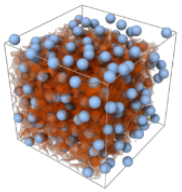
A cube with balls represents atoms configured on a grid.

Accelerating navigation algorithms

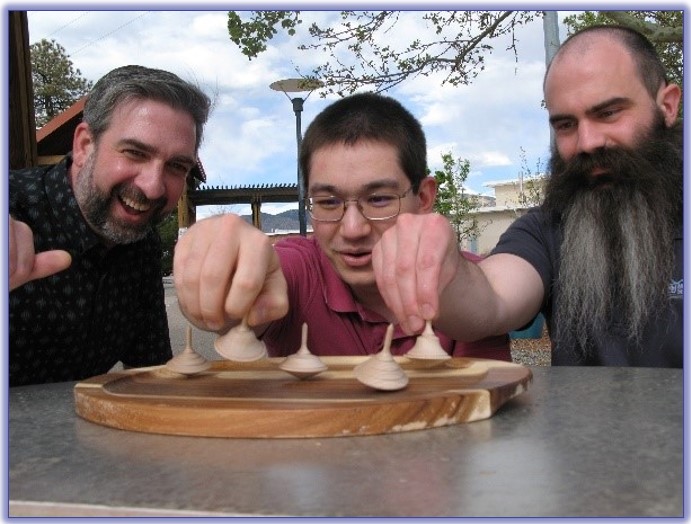
News Article, July 14, 2025 • Thinking creatively about rotations, the team discovered new numerical methods for solving differential equations on rotation groups with increased precision. Here, Mike Walker (left), Daniel Foreman (center), and Michael Sparapany (right) spin toy tops. (Photo by Jennifer Sanderson) One Laboratory Directed Research & Development (LDRD) team took on a critical...
Accelerating phase field simulations to understand liquid-metal dealloying

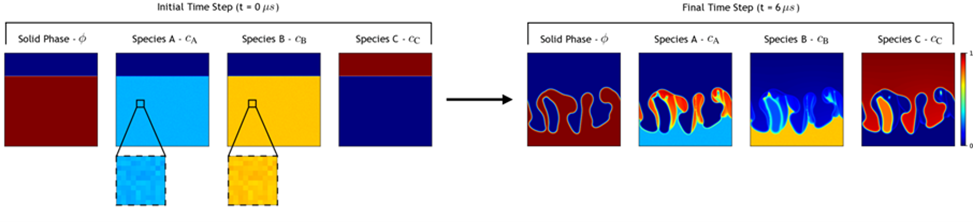
News Article, March 3, 2025 • Liquid metal dealloying. The initial species fields (cA and cB at t=0) are contaminated with low-amplitude random white noise (left fields). Given the chaotic nature of the dealloying process, the initial noise perturbation eventually leads to widely different solid phase fields at late time (e.g., right fields, at t=6⁢μs, after 6 million time steps). When...

Advanced Controls

Page • Sandia's High Consequence, Automation, & Robotics (HCAR) team specializes in the development of advanced control technology that enables a range of applications such as the control of multiple heterogeneous unmanned systems by one operator, to the control of a swarm of robotic platforms operating toward a common goal. Our control...

Advanced Manipulation

Page • Addressing robotics challenges The Sandia Hand has overcome issues that have prevented widespread adoption of other robotic hands, including cost, durability, dexterity and modularity. High Consequence, Automation, & Robotics (HCAR) has a long history of automating robots for difficult manipulation tasks. Leveraging Sandia-developed sensor technologies to locate objects in the...

Advanced Materials Laboratory (AML)

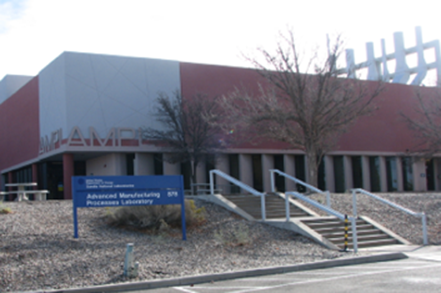
Facility • AML focuses on ceramics, porous materials, catalysts, electronic materials, materials synthesis, and advanced manufacturing research.
Scientist observing electronic materials

Advanced Power Electronic Conversion Systems (APEX)

Facility • The Advanced Power Electronic Conversion Systems (APEX) Laboratory supports the development of advanced power conversion topologies and intelligent control strategies. Research in the APEX laboratory focuses on robust and fault-tolerant conversion systems for utility-scale energy storage. Applications of interest range from individual cell-level battery interfaces to cascaded and modular multilevel...
Researcher working in APEX lab

Advanced Power Source Engineering Facility

Facility • The Power Sources Technology Group (PSTG) group provides comprehensive capabilities in power source research, design, engineering, characterization, evaluation, and testing.
Advanced Power Source Engineering Facility

Advancing turbulence models for hypersonic flows using machine learning 

News Article, July 14, 2025 • Sandia researchers utilized machine learning techniques to address the limitations of Reynolds-averaged Navier-Stokes (RANS) turbulence models in predicting hypersonic turbulent flows, with a particular emphasis on inaccuracies in wall heating predictions for flows involving shock boundary layer interactions. This research has led to the development of neural-network-based machine learned turbulence...

Advancing understanding of acoustic signals in underground tunnel structures

News Article, July 14, 2025 • Sandia researchers are using remote data to determine the structure of underground tunnels. Specifically, their research focuses on understanding acoustic resonance in these structures, specifically how changes in tunnel configurations affect the acoustic signals observed from a distance. The potential benefits of this work were presented in May 2024 at...

Aerial Cable Facility (ACF)

Facility • The ACF is a unique capability for simulating drop and high-velocity impact testing combining a breadth of instrumentation.
Worker preparing for a cable pulldown test

AI center to combine hardware, software for practical gains

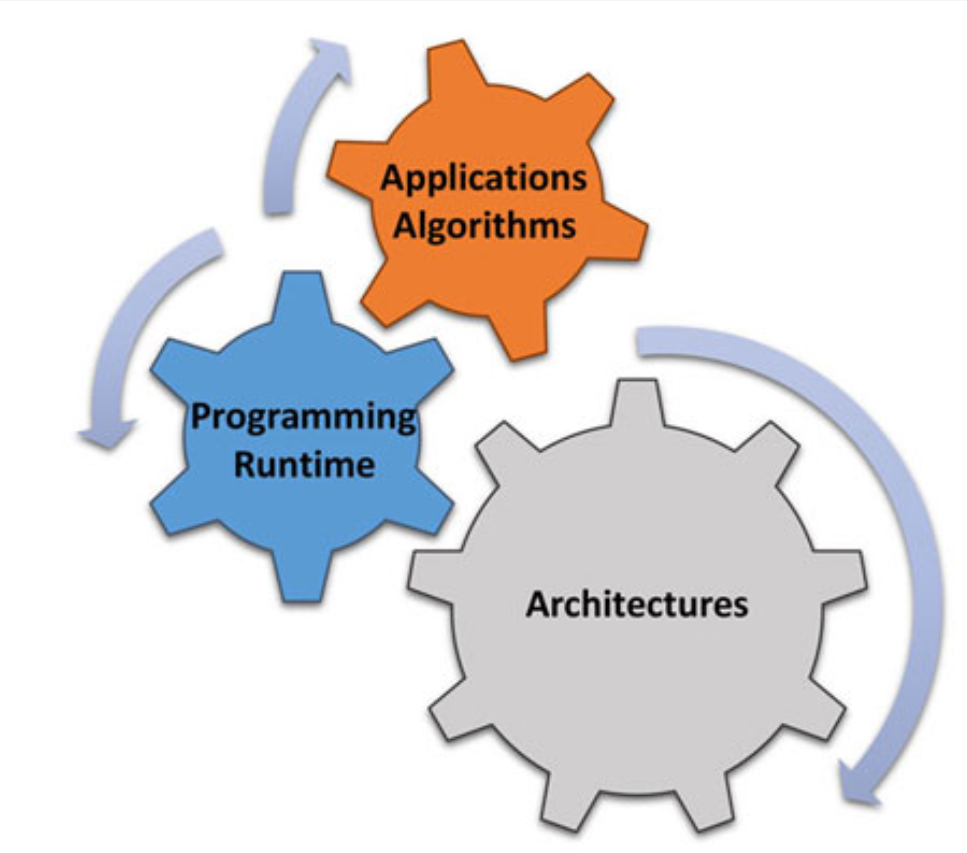
News Article, April 23, 2024 • Sandia and Pacific Northwest national laboratories and the Georgia Institute of Technology in Atlanta are launching a research center that combines hardware and software design and development to improve artificial intelligence technologies that will ultimately benefit the public. Read more about AI center
Applications algorithms, programming runtime and architectures will all work synergistically in the new ARIAA center. (Image by Robert Gioiosa and Siva Rajamanickam)

Annular Core Research Reactor (ACRR)

Facility • ACRR is used to test objects in a mixed photon and neutron irradiation environment. Researchers conduct a wide variety of experiments in nearly every branch of nuclear science.
Annular Core Research Reactor (ACRR)

Annular Core Research Reactor facility

Page • At the Annular Core Research Reactor (ACRR) facility, Sandia researchers can subject various test objects to a mixed photon and neutron irradiation environment featuring either a very rapid pulse rate or a long-term, steady-state rate. Research and other activities The radiation produced at the ACRR is used for the following...

Applied Biosciences Lab (ABL)

Facility • The ABL located in Livermore, CA focuses on energy security, confronting the risks of global warming and biosecurity research focused on reducing threats from infectious diseases and biological weapons.
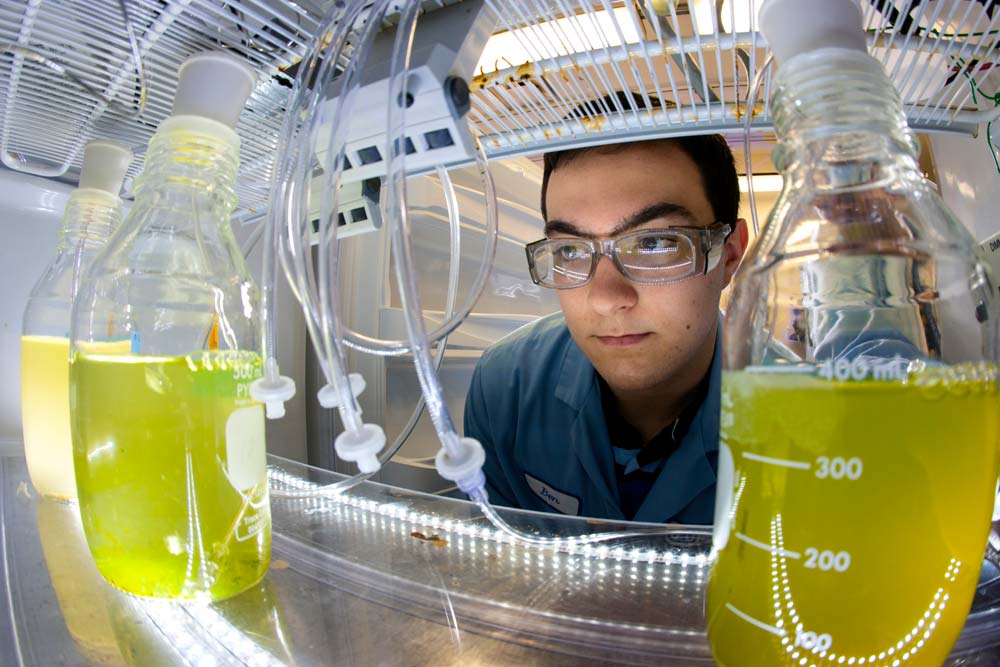
Scientist observing bottled solution

Artificial Intelligence (AI)

Page • Artificial Intelligence at Sandia Sandia's AI Strategic Focus Areas Introduction Sandia delivers essential science and technology to resolve the most challenging national security issues. Science-based, systems-engineering solutions are delivered through ground-breaking work in secure AI, computing co-design, and scientific machine learning. Sandia is partnering with industry, government, and academia to...

Auxiliary Hot Cell Facility (AHCF)

Facility • The AHCF is a nuclear facility used to characterize, treat, and repackage radioactive and mixed material and waste for reuse, recycling, or ultimate disposal.

Biodefense & Emerging Infectious Diseases

Page • Creating novel tools for detecting and fighting disease The threat of bioterrorism is something that a national security laboratory like Sandia is expected to tackle for the nation. Infectious disease diagnosis and treatment is most often associated with the public health domain. Both bioterrorism and naturally occurring infectious disease share...

Bioenergy/Biomass Conversion

Page • Overcoming challenges to make advanced "drop-in" biofuels a reality Sandia researchers are creating thermochemical, chemical, and biochemical conversion technologies to efficiently generate renewable biofuels that can displace gasoline, diesel, and jet fuel with no loss of performance or engine efficiency. Sandia is focused on two primary feedstock types—lignocellulose and microalgae—that...

Biological Science

Page • Wearable sensor to monitor ‘last line of defense’ antibiotic Preventing collateral damage in cancer treatment Tiny needles yielding big results Sandia has a dynamic biological research mission that addresses important national security challenges.  Sandia’s research in two strategic areas—biomanufacturing and biodefense—aims to provide biological solutions to critical challenges in energy...

Biometric calcification for carbon sequestration from seawater 

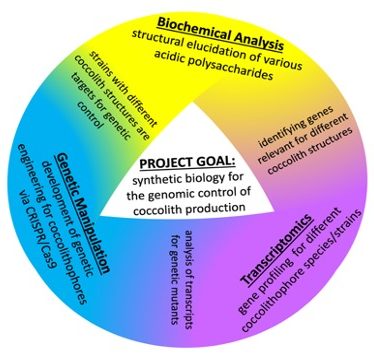
News Article, June 7, 2023 • Numerous objectives are involved in helping researchers work on biomimetic calcification for carbon sequestration from seawater. An integrated data science and experimental approach is being taken to the challenges of direct capture of CO2 from the ocean. A large group of marine microalgae, coccolithophores, produce calcium carbonate (calcite) plates referred...
A circular diagram with the research project goal broken into three objectives being worked on by researchers.

Blast Tube Facility

Facility • The Blast Tube facility provides tests using different blast tube configurations with varying lengths and diameters to perform tests with energetic and hazardous materials.
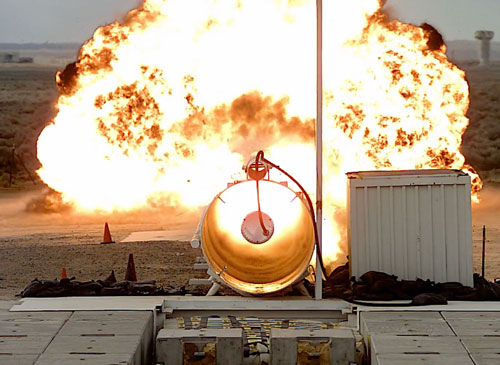
Blast tube flow shot with fireball

Brain-based computing for ND solutions

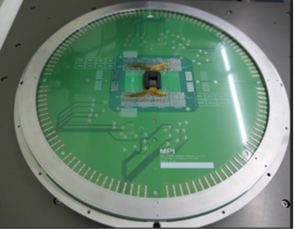
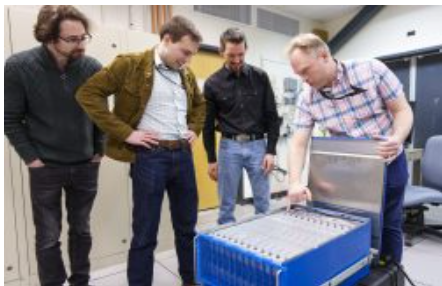
News Article, June 4, 2025 • New neuromorphic computing system arrives at Sandia THE HARDWARE BEHIND THE BRAIN — NERL Braunfels consists of three chassis, or frames, each capable of holding up to 18 boards with 48 chips on each board. Photo by Craig Fritz. As artificial intelligence-capable computing systems continue to evolve, so do challenges facing...

Brandon Talamini

Page • Google Scholar Profile email: btalami@sandia.gov I am a Senior Member of the technical staff in the Mechanics of Materials Department at Sandia National Laboratories in Livermore, California. I work broadly in the field of computational solid mechanics. My main research interest is in understanding (and predicting) fracture, particularly beyond the...

Build-a-satellite program could fast track national security space missions

News Article, April 10, 2024 • Satellites equipped with remote sensing technology execute many critical national security missions, from detecting explosions to tracking sea ice, but until now it could take a team years to move from a concept to a deployable space system. Read more about Build-a-satellite program
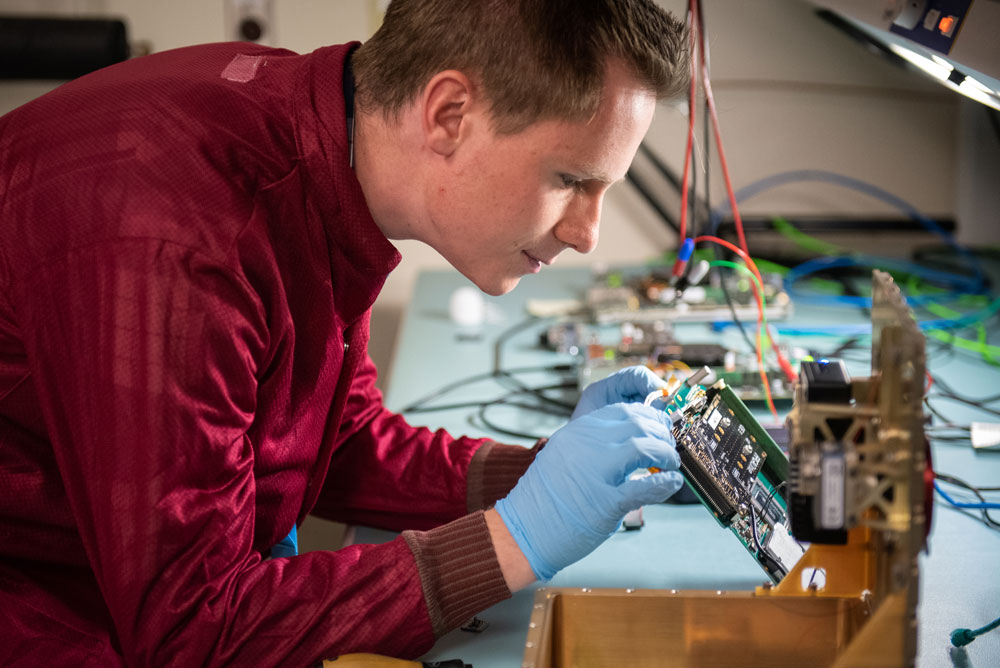
SPACE-BOUND BOARD — Thomas Bradshaw, electrical engineer and flight software lead, inspects a computer board for an upcoming remote sensing mission designed to demonstrate next-generation high-performance computing in space. The team used Valhalla, a Python-based high-performance computing program developed at Sandia, to quickly generate the concept design and estimate mission performance for the payload. (Photo by Craig Fritz)

Burn Site

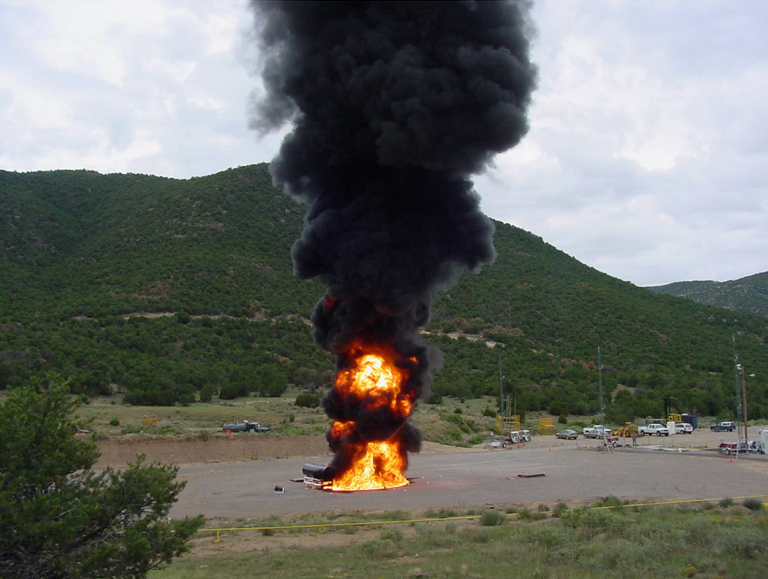
Facility • Lurance Canyon Burn Site (LCBS) provides controlled fire environments to perform fundamental studies, simulate transportation and handling accidents for nuclear safety studies, and evaluate and certify hazardous materials shipping containers.
Item on fire at the burn site

Capabilities

Page • Leveraging biology and engineering for new solutions Tackling biological questions often requires a diverse set of capabilities to be brought together. One of Sandia’s key strengths is its ability to form and optimize multidisciplinary teams to carry out its mission. In integrating strengths in synthetic biology and gene-editing, infectious disease...

Catherine Mageeney is seeking a “kill shot” in bacterial pathogens

News Article, January 17, 2023 • Catherine Mageeney, a senior member of Sandia’s technical staff in bioengineering and biotechnology, has expertise in phage biology and genetics with broad applications and implications for scientific research. Phages, or viruses that infect bacteria, are the most numerous and diverse biological-organism in Earth’s biosphere. With approximately 1031 existing phages to be...
Catherine Mageeney in front of Sandia’s Thunderbird logo.

Center for Computing Research

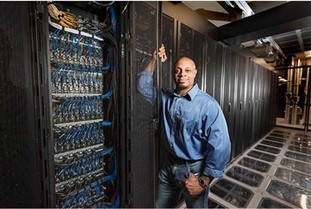
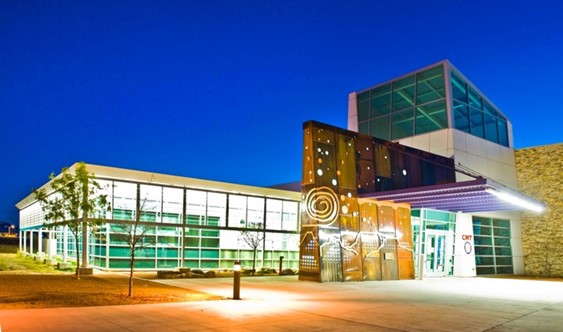
Facility • The CCR work includes computer system architecture (both hardware and software); enabling technology for modeling physical and engineering systems; and research in discrete mathematics, data analytics, cognitive modeling, and decision support materials.
Engineer standing in front of a computer newtork at the Center for Computing Research (CCR)

Center for Frontiers of Subsurface Energy Security

Page • A geoscience project under Sandia's Energy, Climate, & Infrastructure Security mission area. Problem Fossil fuel consumption has caused a dramatic increase in atmospheric CO2 levels. Natural underground reservoirs of CO2 and the successful injection of CO2 into the subsurface for enhanced oil recovery indicate the feasibility of storing CO2 in...

Centrifuge/Superfuge

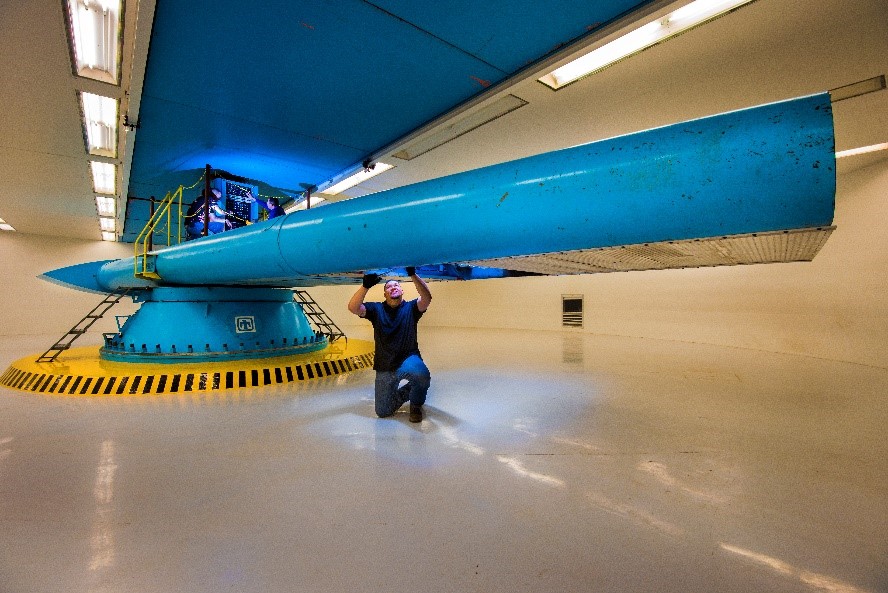
Facility • The Superfuge capability provides the most realistic flight environments beyond the typical launch, reentry, and flight inertial loads by combining vibration, spin, thermal, and shock.
Three technicians/engineers working on a component

Cloud-resolving climate model meets world’s fastest supercomputer

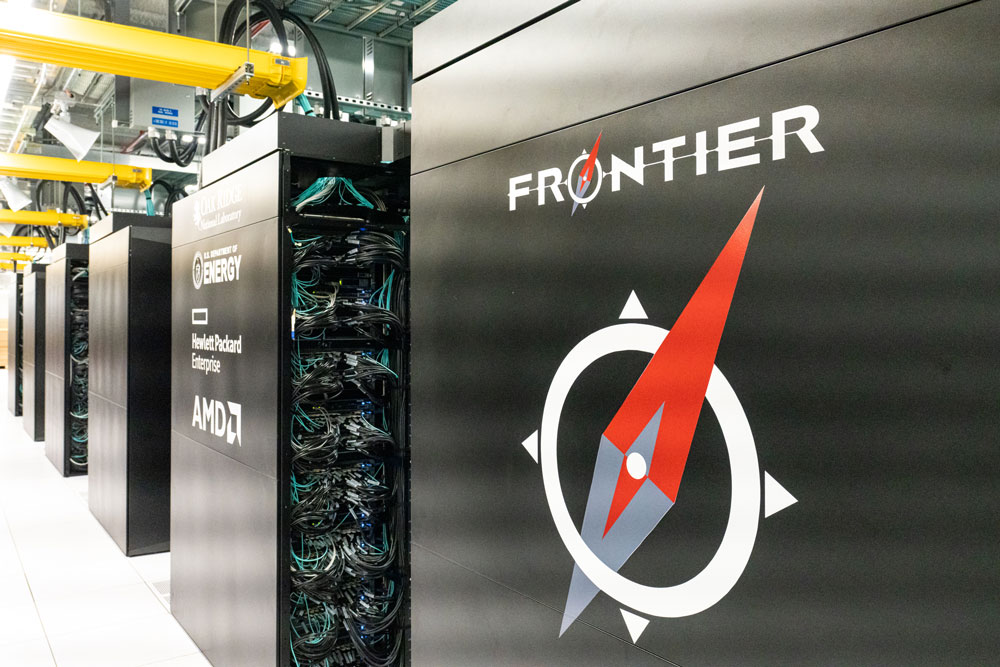
News Article, April 10, 2024 • Focused on improving the accuracy of climate predictions, a Sandia-led computational team recently achieved a major milestone with a cloud-resolving model they ran on Frontier, the world’s first exascale supercomputer. Read more about Cloud-resolving climate model
THE NEW FRONTIER — The world’s fastest supercomputer, Frontier at Oak Ridge National Laboratory, has reached 1.1 exaflops, breaking the exascale speed barrier — a threshold of a quintillion calculations per second — and ranking number one on the Top500 list of the world’s most powerful supercomputers. (Photo by Calos Jones, Oak Ridge National Laboratory)

Combustion Research Facility (CRF)

Facility • The CRF responds to the nation’s evolving energy challenges with ever increasing expertise and capacity aimed at improving our nation’s ability to use and control combustion processes.
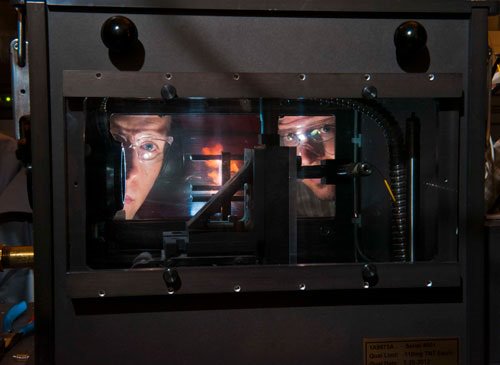
Two scientists working with laser beams

Commercialization & Partnering

Page • Partnership Mechanisms We routinely partner with other organizations to help transition our scientific discoveries and technologies to the marketplace. We also form collaborative research partnerships with industry, universities, and government agencies so that collectively, we can change the world for the better. Explore the various mechanisms through which we can...

Computer Science Research Institute (CSRI)

Facility • CSRI brings university faculty and students to Sandia for focused collaborative research on Department of Energy computer and computational science problems.
Two scientists working on computational science problems

Computing Collaborations

Page • The Advanced Memory Technology program kicks off round three with Cerebras THE TRI-LABS AND CEREBRAS MEET AT SANDIA – The program and team leads from Sandia, Los Alamos, and Lawrence Livermore National Laboratories convened at Sandia’s Computer Science Research Institute for a workshop to collaborate in person. (Photo provided by...
Team leads from Sandia, Los Alamos, and Lawrence Livermore National Laboratories stand in front of Sandia’s Computer Science Research Institute for a workshop to collaborate in person. Twenty two individuals are photographed.

Computing, Information Science, and Mathematics

Page • Swifter simulations for modern science...all of it Researchers demonstrate ability to detect atom loss Sandia AI chat: New tool for creating efficiencies Why Our Work Matters All branches of science and engineering at Sandia require the capabilities created through these areas of research. As advances are made in future computing...

Confirming dismantlement of nuclear warheads while protecting sensitive information

News Article, July 14, 2025 • When it comes to nuclear arms control, verification is essential. By detecting unique metastable radionuclide signatures in non-nuclear material disposition pathways, an LDRD research team created a reliable verification measure to confirm dismantlement of nuclear warheads without disclosing sensitive information. Researcher Peter Marleau led an LDRD team that developed a...

Contact Robotics

Page • For more information, please contact us. * Items are Required

Cybernetics

Page • We leverage Sandia’s expertise in material science, microsystems, and advanced modeling and simulation to design and develop advanced cybernetic technologies for a variety of applications. Cybernetics includes the development of mechanical, physical, biological, and cognitive systems that enable the development of advanced man-machine interface technologies. Our work in this area...

Deeper insight into radiation-formed defects

News Article, March 3, 2025 • Scientists at Sandia have created a new way to create atomic structures that show the important features of different materials. In the past, scientists could only recreate certain characteristics, like how atoms are arranged in a random mixture, using small crystal structures. Now, they have introduced a new method called...

Demilitarization of Retired Munitions (Demil)

Page • The U.S. Army is responsible for coordinating the demilitarization of all outdated and retired munitions across all branches of the military. For more than 14 years, Sandia has been designing, developing, and delivering advanced demilitarization systems to the Army. These systems are designed to be robust to a wide variety...

Detonation in multilayer explosives: Effects of characteristic length scale of mixing

News Article, April 10, 2023 • Predicting explosive performance at length scales near the minimum needed for a detonation to propagate is often a challenge—surrounding materials, non-ideal interfaces, sample geometry, and local microstructure variations can all significantly impact explosive output. For accurate predictions of performance, reactive burn models are needed that can capture the details around...
A graphic indicates testing measurements

Developing engineered probiotics to combat respiratory infections

News Article, July 14, 2025 • Sandia researchers are focused on protecting soldiers and citizens from biological threats by creating innovative solutions to prevent and treat infectious diseases, especially those affecting the respiratory system. Advances in synthetic biology have led to the concept of “living countermeasures,” where cells are genetically engineered to act as sensors and...

Digital Assurance for High Consequence Systems

Page • The DAHCS Mission Campaign aims to develop the scientific foundation needed for rigorous, rapid, cost-effective, generalizable digital assurance across high consequence lifecycles, enabling the efficient characterization, assessment, and management of digital risk. The Digital Assurance for High Consequence Systems (DAHCS, pronounced "Dax") Mission Campaign seeks to create new tools and...

Digital Assurance for High Consequence Systems (DAHCS) Mission Campaign Resources

Page • LEARN MORE ABOUT THE DAHCS MISSION CAMPAIGN: FY26 Call for DAHCS Laboratory Directed Research & Development (LDRD) proposals (This is informational only and not a request for external submissions) FY26 DAHCS LDRD Info Session complete presentation (This is informational only and not a request for external submissions) FY26 DAHCS LDRD...

Distributed Energy Technology Laboratory (DETL)

Facility • DETL is a multipurpose research facility designed to integrate emerging energy technologies into new and existing electricity infrastructure to accommodate the nation’s increasing demands for clean, secure, and reliable energy.
Scientist showing algorithm on computer

DOE Office of Science Early Career Research Program Awards

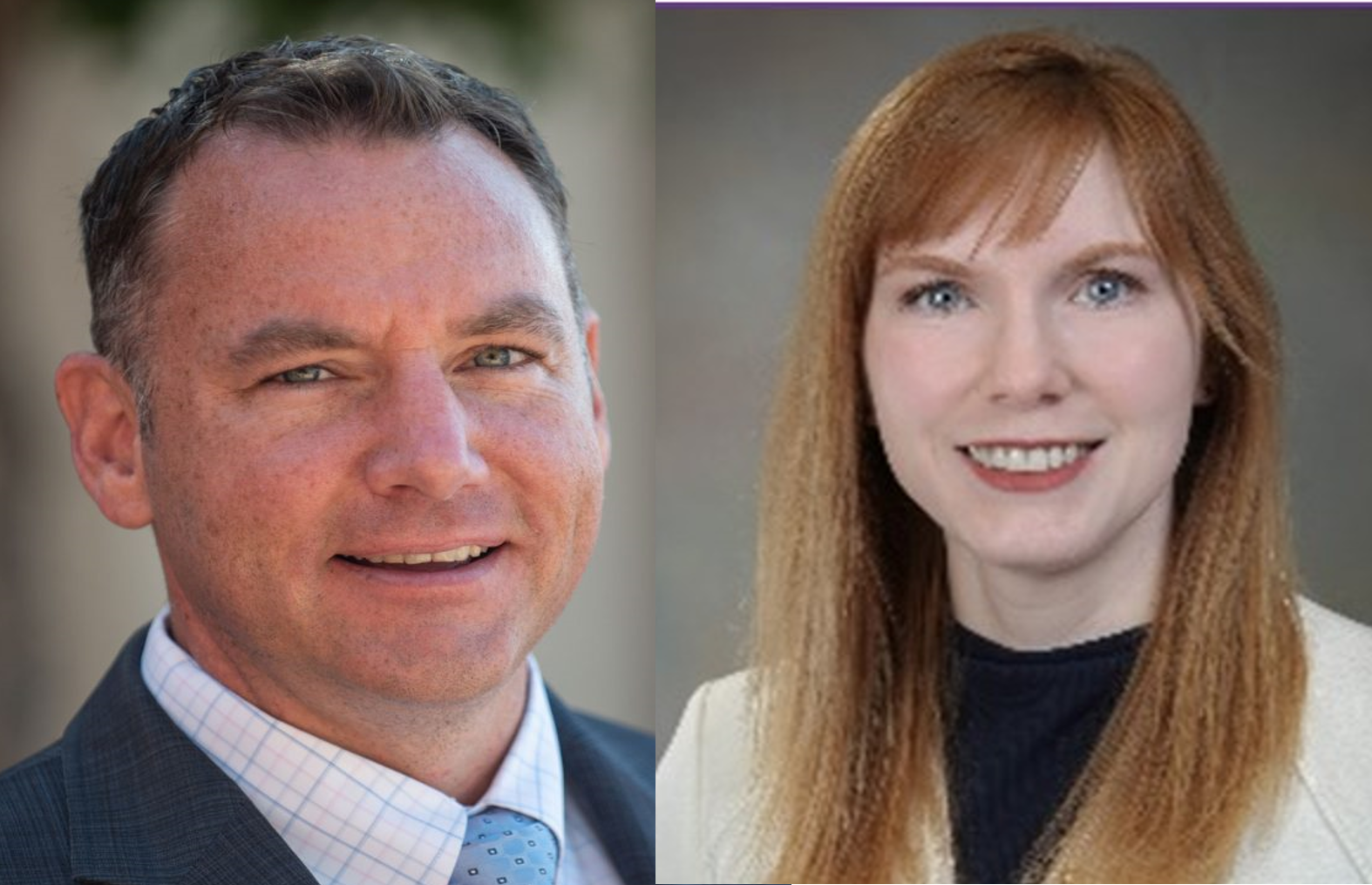
News Article, August 13, 2025 • Sandia scientists Mitchell Wood (left) and Gianluca Geraci (right) received 2024 DOE Office of Science Early Career Research Program awards. Each will receive $2.75 million over five years to support their research in Fusion Energy Sciences and Advanced Scientific Computing Research. They were selected from a competitive pool of applicants,...

Dynamic Socket

Page • Challenge A prosthetic socket is the interface between an amputee's residual limb and a prosthetic limb. Unlike the tissues under the foot, the soft tissues of the residual limb aren't well adapted to tolerate weight-bearing loads. Prosthetists are tasked with creating a comfortable, custom interface for the amputee that appropriately...

Earth, Energy, and Environmental Science

Page • Electrical circuits encased in fluid may reshape data-center design Detecting battery failures quicker Sandia supports superior geothermal bits Sandia’s world-class work in earth, energy, and environmental science contributes solutions to areas of national importance, including energy and climate security, defense, intelligence, nuclear weapons, nonproliferation, and disaster response.  Why Our Work...

Electromagnetic Environments Simulator (EMES)

Page • The Electromagnetic Environments Simulator (EMES) is a large transverse electromagnetic (TEM) cell that propagates a uniform, planar electromagnetic wave through the cell volume where test items are placed. EMES can be used for continuous wave (CW) Electromagnetic Radiation (EMR) and transient Electromagnetic Pulse (EMP) testing. The electric field is vertically...

Electromagnetics

Page • Electromagnetic Technology at Sandia National Laboratories Electromagnetics (EM) is the study of the nature and interaction of static and dynamic electric and magnetic fields. Telecommunications, navigational guidance, radar, and power transmission depend on our ability to generate, guide, radiate, receive, and detect electromagnetic waves. Virtually all electronic devices either produce or...

Electrostatic Discharge (ESD) Laboratory

Page • Electrostatic Discharge (ESD) Laboratory We have field and laboratory capabilities to measure electrostatic environment generation, storage, and charge transfer effects. Non-contact electrostatic field surveillance techniques are available to monitor charge generation of conductors or dielectrics, and induction or physical contact charging of wiring or pin voltage for electrical system components....

Elongated ring polymers get tied up in knots

News Article, October 13, 2022 • Many polymer liquids flow easily when stretched gently but become viscous and solid-like when stretched rapidly. This phenomenon, known as strain hardening, happens when the liquid is deformed so fast that individual polymer chains become elongated at the molecular scale. Understanding the physics of strain hardening is important for a range...

Enabling fully predictive simulations using disruptive computational mechanics and novel diagnostics

News Article, April 10, 2023 • Sandia Researcher Rekha Rao Accurately capturing solidification of fluids and the development of residual stress is critical for fully predictive simulations for numerous applications in geoscience, nuclear safety, manufacturing, energy production, and bioscience. Researchers on this LDRD project developed, implemented, and demonstrated advanced constitutive models with yield stress to represent...
A female engineer

Energy Storage Test Pad (ESTP)

Facility • ESTP, in conjunction with the Energy Storage Analysis Laboratory (ESAL), provides long-term testing and validation for electrical energy storage systems. The goal of the ESTP is to develop advanced energy storage technologies that will increase reliability, performance, and competitiveness of electricity generation and transmission.
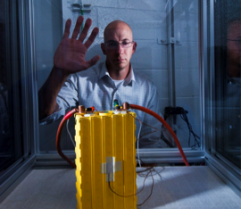
Man standing next to an energy storage test pad

Engineering Science

Page • Testing heat shields for space Engineering high-reliability W80-4 components Radar is advancing at historic speed. How engineers are setting the pace. The Engineering Science research area at Sandia leads engineering transitions in advanced, highly critical systems by integrating theory development, experimental discovery and diagnostics, modeling, and computational approaches to refine...

Enhancing metasurface performance potential

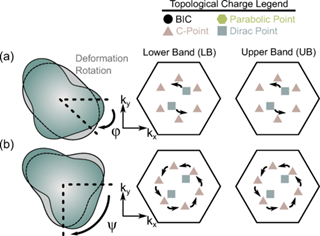
News Article, March 3, 2025 • By rotating the 𝐶3 symmetry breaking deformation ( 𝜑), the angular positions of the Dirac points and the corresponding polarization singularities for both bands can be controlled. New uses for metasurfaces in both regular and quantum optics are creating a need for better control over how light is polarized, especially...

Ensure machine learning results are accurate

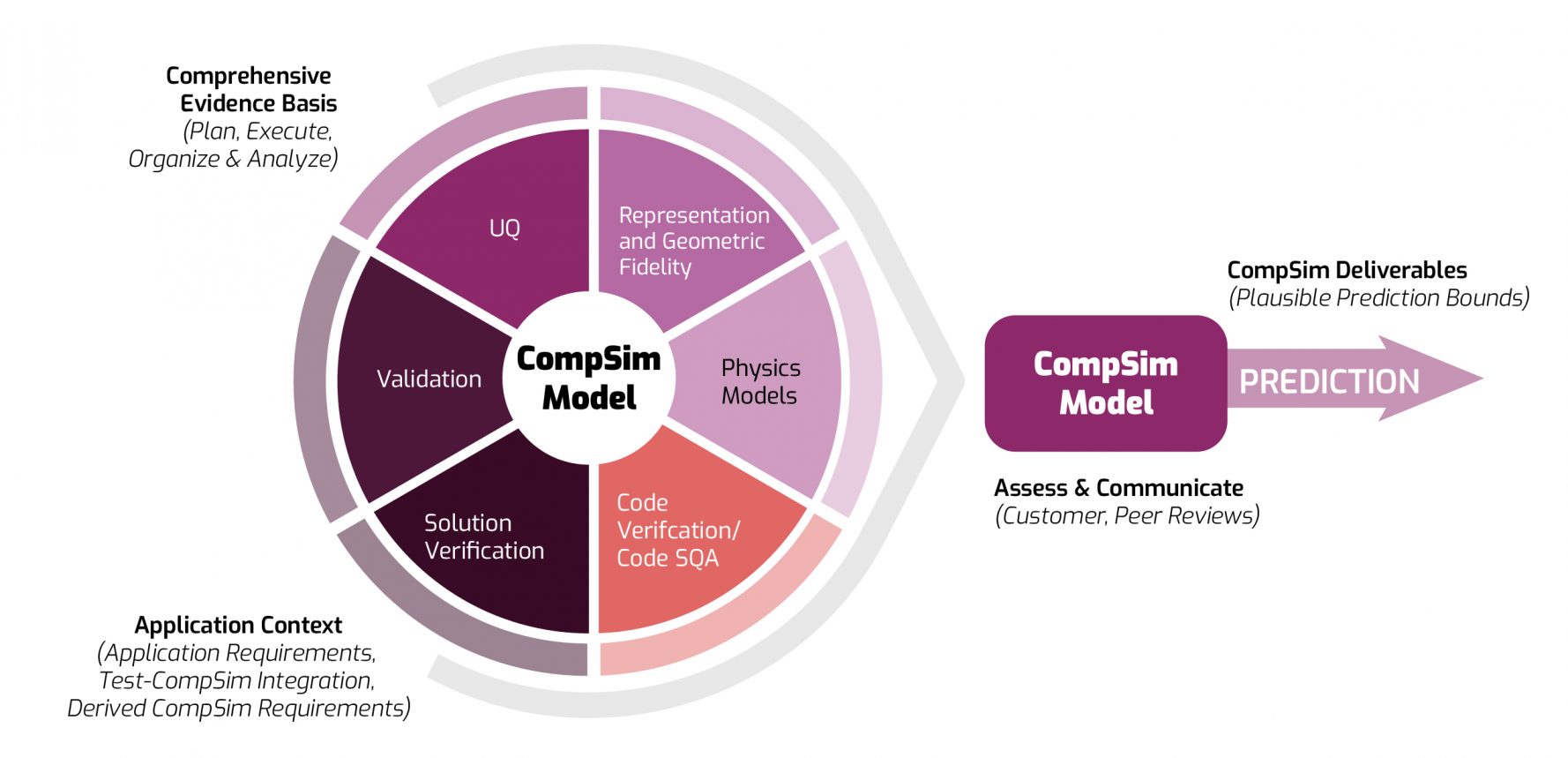
News Article, April 22, 2024 • Computational simulation, or CompSim, models are digital prototypes of something a researcher is interested in building or testing. These prototypes make it easier and faster for the researcher to design a product that accomplishes a specific goal without first having to build and test a long list of physical prototypes....

Exascale Earth System Model will harness the next level of supercomputer

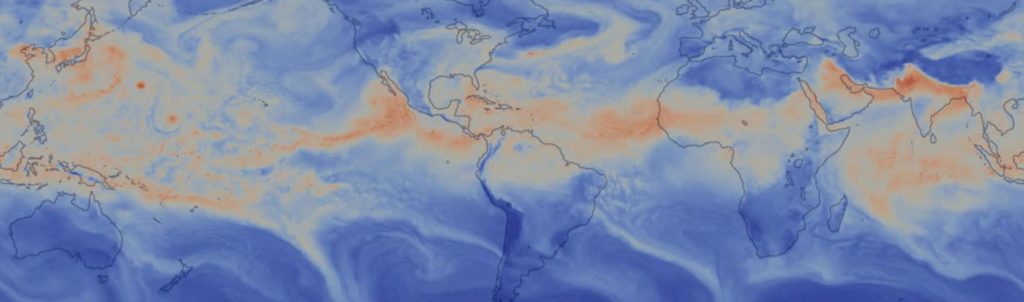
News Article, October 12, 2022 • Sandia visualization experts are working with climate scientists to visualize complex simulation results from the Energy Exascale Earth System Model (E3SM) as part of a DOE project sponsored by the Office of Science. The Sandia team has developed visualization workflows that incorporate DOE open-source visualization tools like ParaView with commercial...
Image of Exascale Earth System Model

Explore capabilities in popular AI models

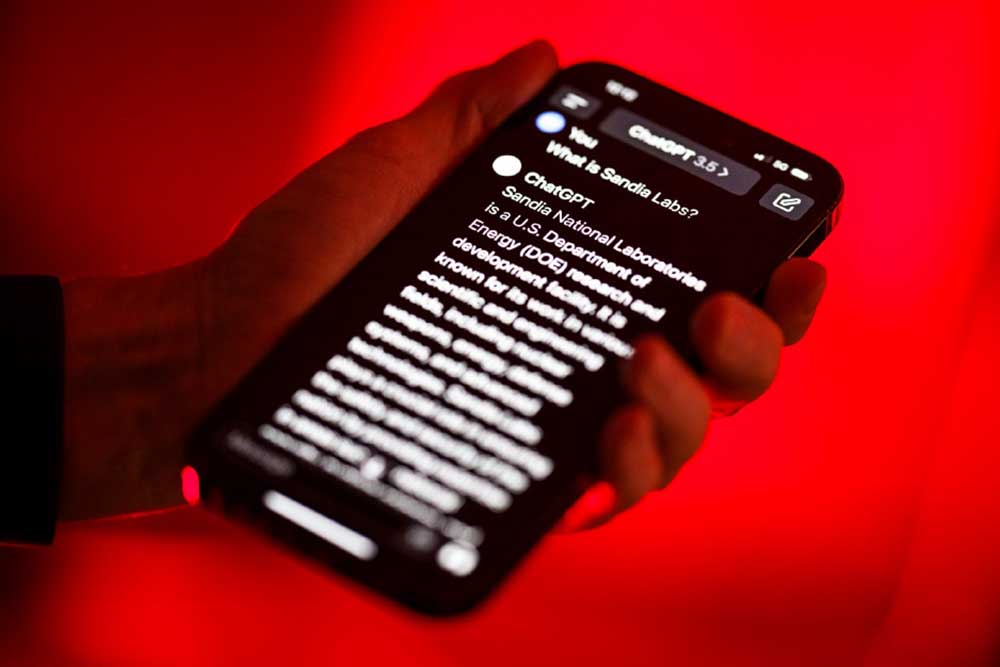
News Article, April 10, 2024 • With a couple thousand years and modern science, humanity now knows quite a bit more about human intelligence and the natural world. However, artificial intelligence has humanity once again asking, “What do we really know?” Read more about Capabilities in popular AI models
Person holding mobile phone with ChatGPT on screen

Explosive Components Facility (ECF)

Facility • The ECF provides unique capabilities allowing staff to design, test, and prototype a wide variety of energetic components in support of Sandia's ND mission.
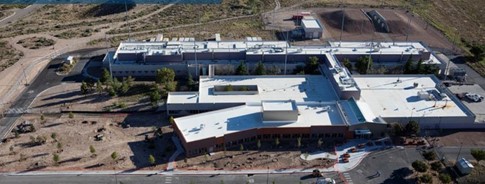
Explosive Components Facility Building

Explosive Ordnance Disposal (EOD) Decision Support Tools

Page • X-ray Toolkit (XTK) X-ray Toolkit (XTK) is a software program developed by Sandia National Laboratories for the United States Government under funding from the National Nuclear Security Administration (NNSA) and the Technical Support Working Group. XTK is a radiography planning, acquisition, processing, and analysis program designed specifically for explosive ordnance...
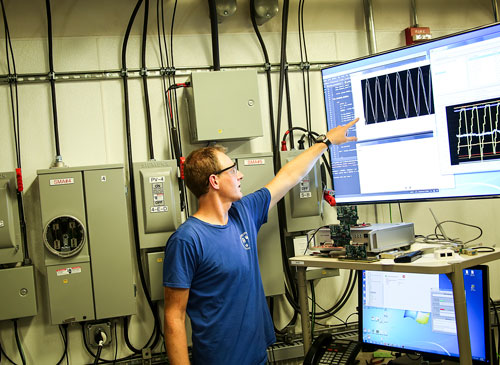
Explosive Technology Group (ETG)

Facility • ETG provides diverse technical expertise and an agile, integrated approach to solve complex challenges for all classes of energetic materials (EM) and explosive components.
Two scientists looking at components

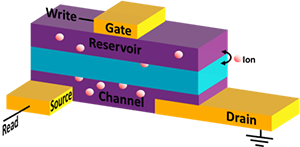
Fin-ion tunable transistor for ultra-low power computing 

News Article, June 7, 2023 • Work on this project revealed fundamental principles of electrochemical random access memory and established a viable path toward its integration with complementary metal-oxide semiconductor. Data-heavy workflows such as AI require in to increase system efficiency. Work on this memory computing, so this LDRD team focused on creating analog resistive nonvolatile...
NM - 218372 - Ulta Low Power Computing.png

Four Sandia researchers win PECASE awards in 2024

News Article, August 13, 2025 • The Presidential Early Career Awards for Scientists and Engineers (PECASE) is the highest honor bestowed by the U.S. government on outstanding scientists and engineers beginning their independent careers. The PECASE awards aim to encourage innovation, raise awareness about careers in science and engineering, and connect research with national goals.Four Sandia...
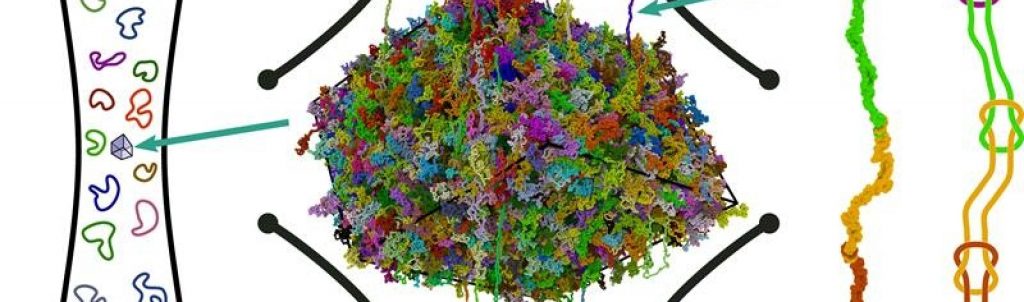
Future hypersonics could be artificially intelligent

News Article, April 22, 2024 • A test launch for a hypersonic weapon — a long-range missile that flies a mile per second and faster — takes weeks of planning. So, while the U.S. and other states are racing to deploy hypersonic technologies, it remains uncertain how useful the systems will be against urgent, mobile or...

FY24 Hruby and Truman Postdoctoral Distinguished Fellows

News Article, August 14, 2025 • The Harry S. Truman Postdoctoral Fellowships and Jill Hruby Postdoctoral Fellowships are three-year distinguished positions at Sandia created to attract nationally recognized PhD scientists and engineers. They each conduct groundbreaking research that support Sandia's national security mission. Hruby Fellow Samantha Jaszewski (top right) is researching computer memory based on ferroelectric...
Results 1–100 of 259