R&D World magazine honors inventors by identifying the 100 most technologically significant products and advancements each year and recognizing the winning innovators and their organizations. Winners are chosen from an international pool of submissions from universities, private corporations, and government labs.
In 2025, Sandia researchers took home eight R&D 100 Awards. Since 1963, Sandia has earned 165 awards, including this year’s winners — often referred to as the “Oscars of invention” or “the Nobel Prizes of technology.”
2026 R&D 100 Winners
LAPIS: Linear Algebra Performance for Intermediate Subprograms
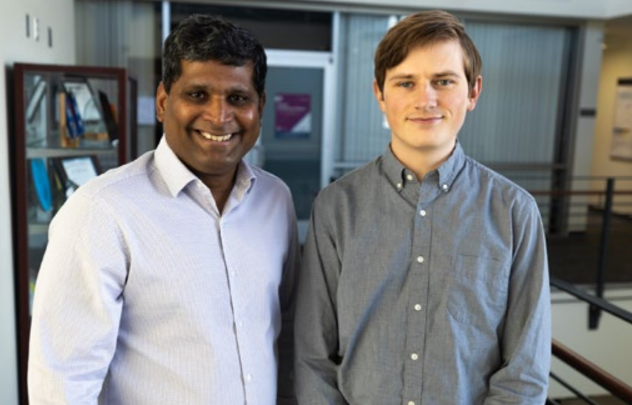


Experts in materials science or plasma physics want to focus on designing better simulations and more accurate models, instead of wrangling software dependencies and learning the advanced features of Kokkos. The LAPIS compiler helps in two ways. First, it lets scientists rapidly design and train machine-learning models in Python and then use those models in their C++ codes without interfacing between the two languages. Second, it lets users write custom algorithms in high-level Python and then turn them into expert-level Kokkos automatically. Unlike other linear algebra compilers, LAPIS processes an entire program at once and supports any sparse or dense tensor format. This means it can be used to generate any algorithm used in a modern simulation code. For example, LAPIS can generate a complete, efficient implementation of the preconditioned conjugate gradient (PCG) method in under one second. Writing the same code by hand could take a day. LAPIS supports both sparse and dense linear algebra, and the Kokkos code it generates can run on all supercomputer architectures.
This advancement was rooted in an Laboratory Directed Research & Development (LDRD) project.
Grayscale Lithography via Annealed Resin Engineering (GLARE)
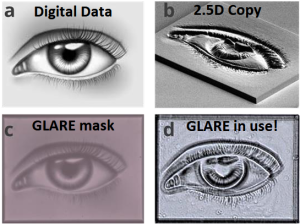
Grayscale Lithography via Annealed Resin Engineering (GLARE) is a method for producing the world’s smallest, continuously varying grayscale images on transparent substrates for use as photolithography masks in standard semiconductor processing. GLARE is the first new practical true grayscale contact lithography technique developed in more than 30 years. It offers significant improvements over existing technologies by using non-specialty equipment, which broadens the potential market size and makes the technology more accessible to a wider range of users. The ability to produce masks quickly and affordably allows for rapid design iterations, avoiding the limitations of the traditional “first time right” approach that can stifle creativity and innovation. GLARE makes high-precision microfabrication accessible to a wider range of innovators, including those who may have previously been excluded due to high costs. Schematic representation of the GLARE process, illustrating the transformation of 2.5D polymer patterns into carbon masks that control light transmission.
Fenix: Rising from Failure
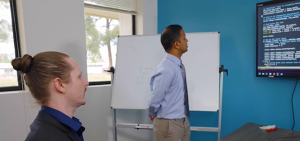
Fenix is a software fault-tolerance framework designed to enhance the performance and efficiency of large-scale computing. It utilizes existing resources and reduces the reliance on hardware reliability. This addresses the rising energy demands and environmental impacts associated with the modern computational power requirements of scientific computing and machine learning.
Fenix offers remarkable speed and scalability to applications running on the latest supercomputing hardware, enabling efficiency in complex code bases with minimal modification. When modelled against the latest failure rate data from Meta’s production AI clusters, Fenix’s in-memory checkpoints and PLR design is 58% faster than current GR solutions on 100K-GPU systems and 10 times faster on 1M-GPU systems. Fenix is a game-changing technology that will enable scientific computing applications to continue pushing the boundaries of science on hardware that is increasingly driven by AI compute demands to eschew reliability for greater performance and efficiency.
Pele Suite of Exascale Reacting Flow
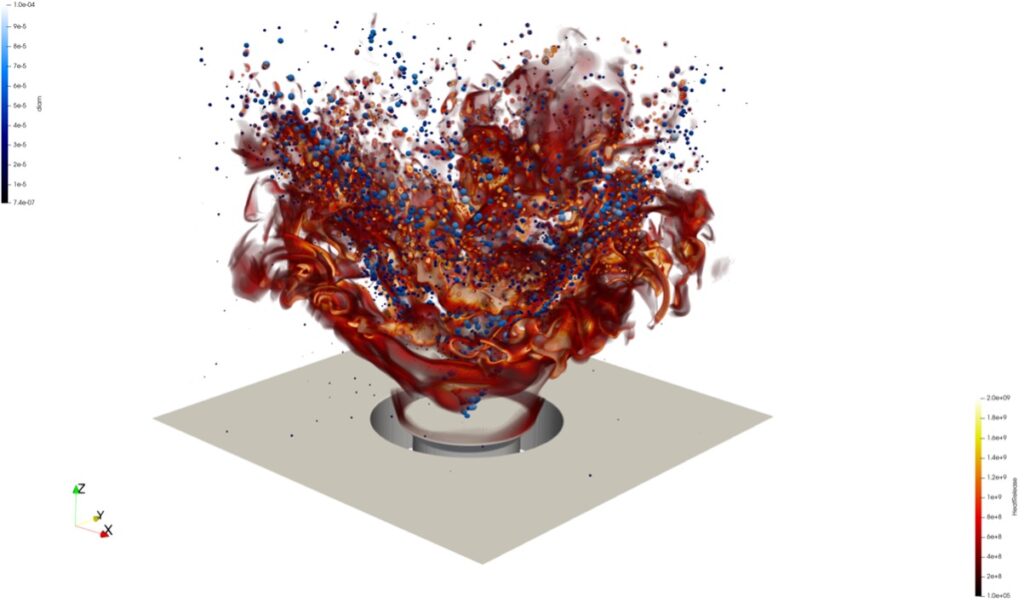
The Pele suite of codes simulates turbulent reacting flows, which are critical to transportation, electricity generation, manufacturing, and national security, with unprecedented accuracy. Pele combines the software engineering needed to take advantage of exascale computing with a modular open-source architecture that allows integration with artificial intelligence so users can easily modify the code and to advance scientific discovery and de-risk technologies. National laboratory researchers, universities, and industry partners are using this capability to accelerate the development of new technologies and explore new scientific frontiers.
Led by National Laboratory of the Rockies with co-developers: Sandia National Laboratories; Lawrence Berkeley National Laboratory (LBNL); Oak Ridge National Laboratory (ORNL); Argonne National Laboratory (ANL); Lawrence Livermore National Laboratory (LLNL)
Persistent DynAMICS
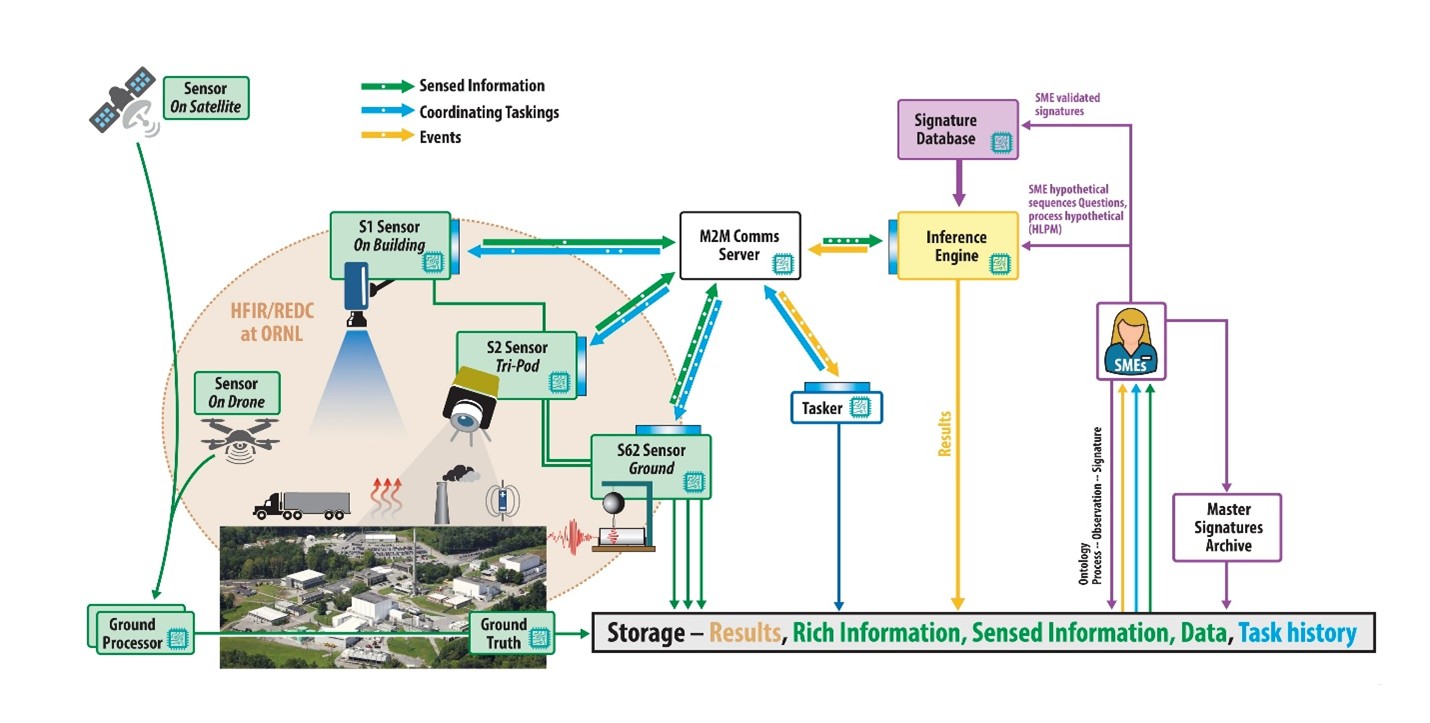
Persistent DynAMICS is an intelligent sensing architecture that safeguards high-value assets by balancing cost and continuity inherent in large-scale monitoring. Rather than continuous, exhaustive data collection, Persistent DynAMICS adds a layer of decision-making on top of existing sensing systems delivering real-time activity tracking, improving detection sensitivity, and reducing false alarms. By adjusting sensor activity in real time, the system reduces unnecessary data collection, improves responsiveness, and makes more effective use of existing sensing infrastructure without requiring hardware replacement. The platform is designed for flexible deployment and integration so components can be containerized and incorporated into existing computing environments, enabling adoption without significant modification to existing hardware, software, or infrastructure.
Led by Los Alamos National Laboratory with co-developers: Sandia National Laboratories; Lawrence Livermore National Laboratory; Nevada National Security Site; Oak Ridge National Laboratory; Pacific Northwest National Laboratory
Previous winners
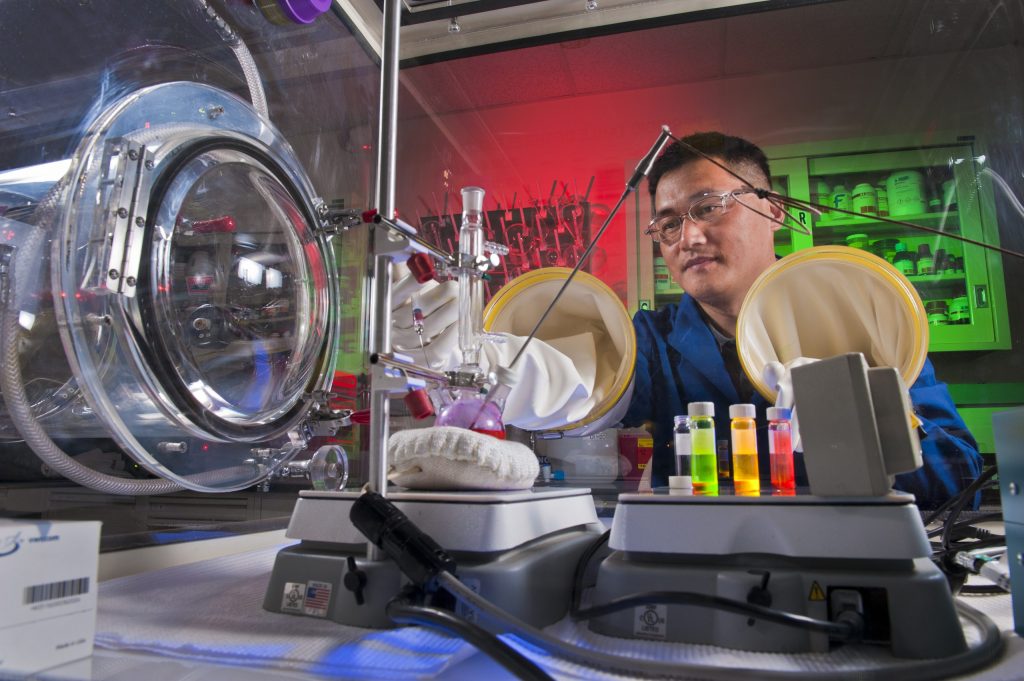
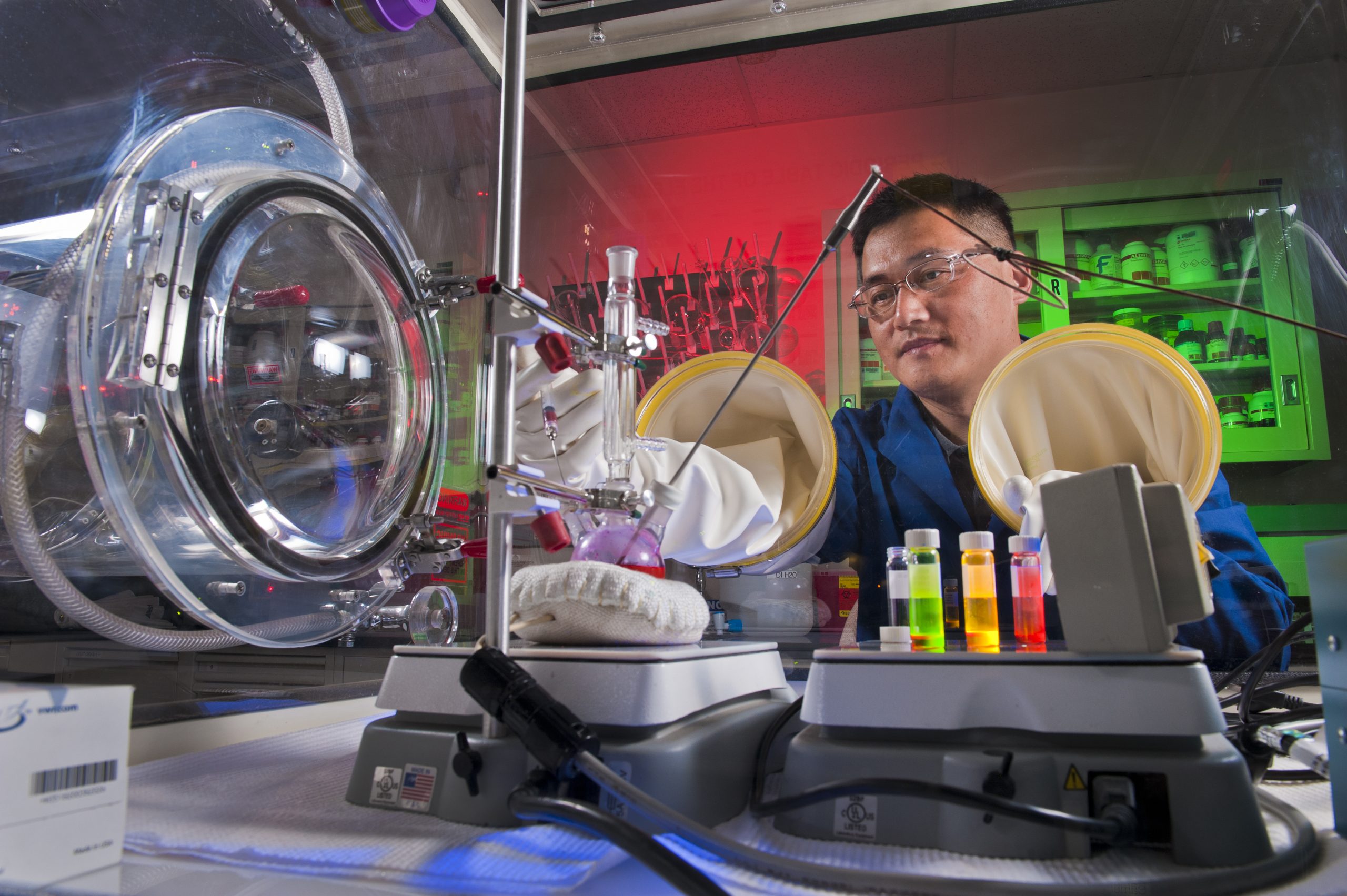
Researcher of the Year: Hongyou Fan
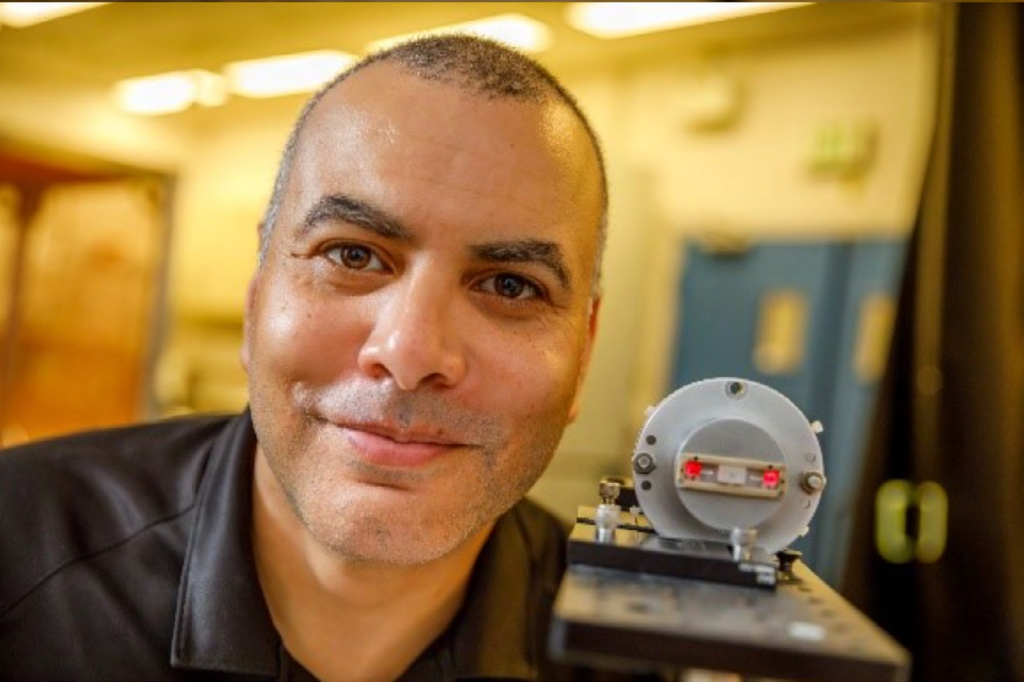
Electro-Optical Sensor for High-Energy Environments and Applications
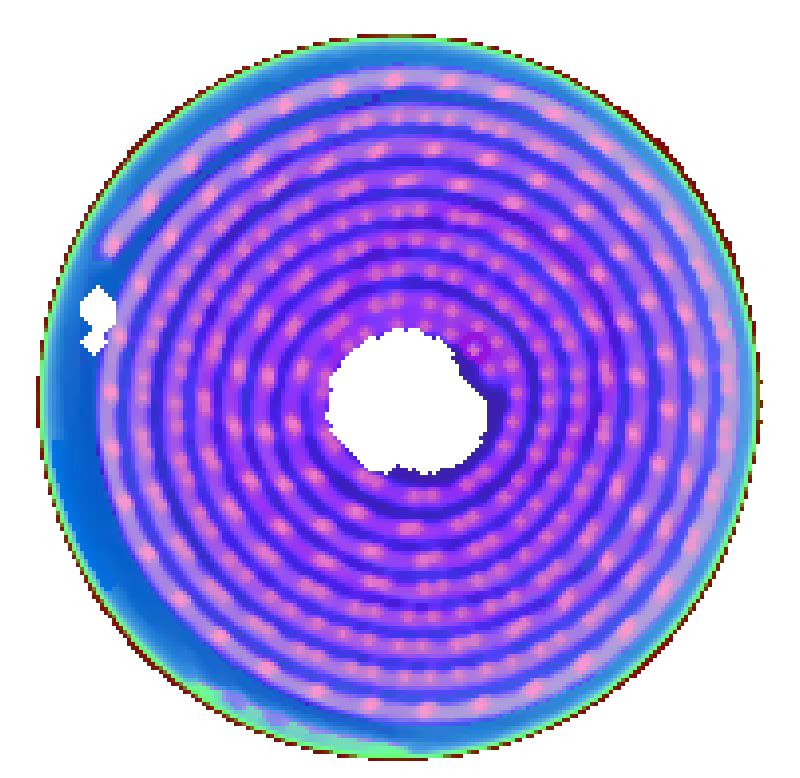
Colorized Hyperspectral X-Ray Imaging with Multi-Metal Targets
Fentanyl Analog Independent Detector (FAID)
Low Coefficient of Thermal Expansion Molecules to Resolve Thermal Expansion Problems in Polymers
Hafnia Gate Dielectrics for Energy Conversion
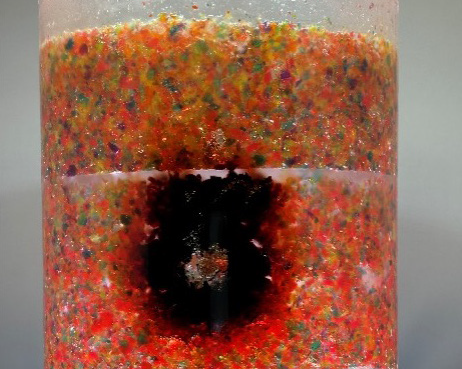
Bleeding Materials & Enclosures
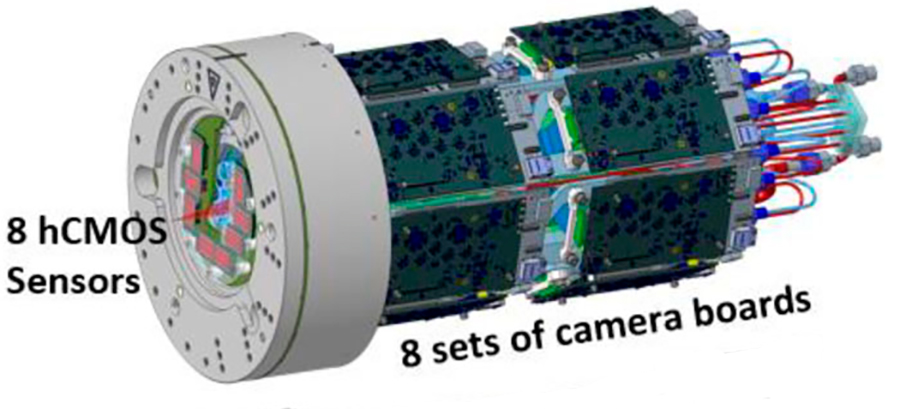
Time-Resolved Diffraction for the National Ignition Facility
Low-cost Direct Air Capture of CO2 with Clay Nanointerlayer
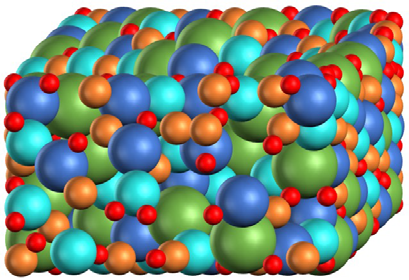
Machinable, Larger-Scale, Self-Healing RHEAs for Energy and Aerospace Applications
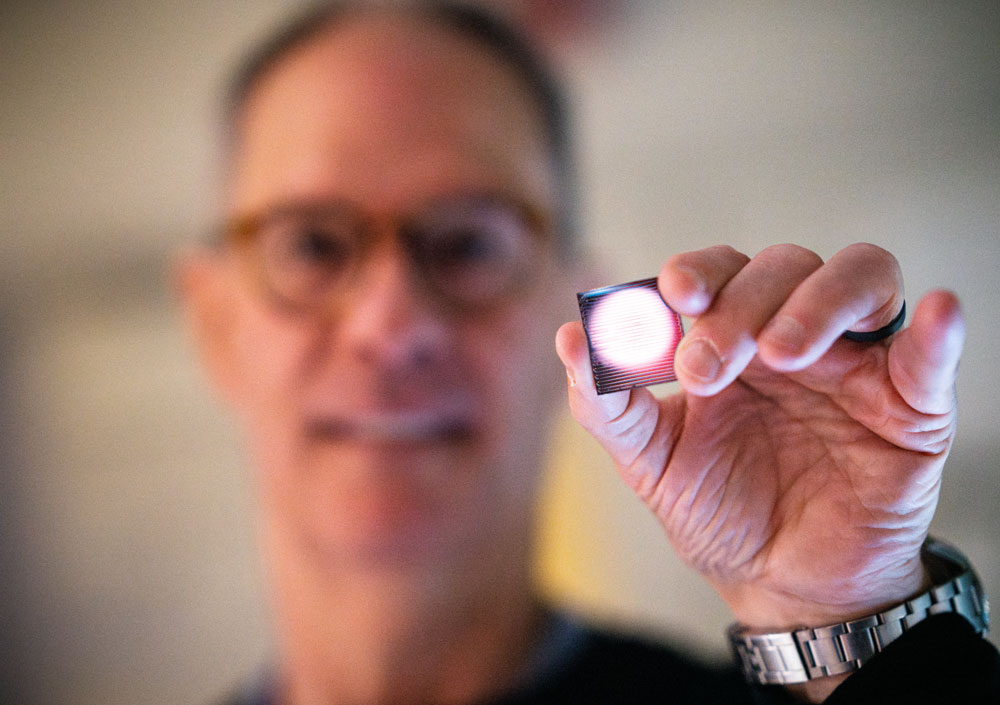
Pre-Symptomatic Volatile Organic Compounds Detector of Seizure Events

ETA Optics Studio

Materials Learning Algorithms
Materials Data-Driven Design
PowerModelsONM
Electro3D
Ultra-Stable Thermally Excellent Advancements in Material Strength
Iron Nitride Soft Magnetics

Automated Threat Estimator for Networks and Applications

Proactive Intrusion Detection and Mitigation System

MOSAICS

Secure-Firmware Over-the-Air (S-FOTA) Update
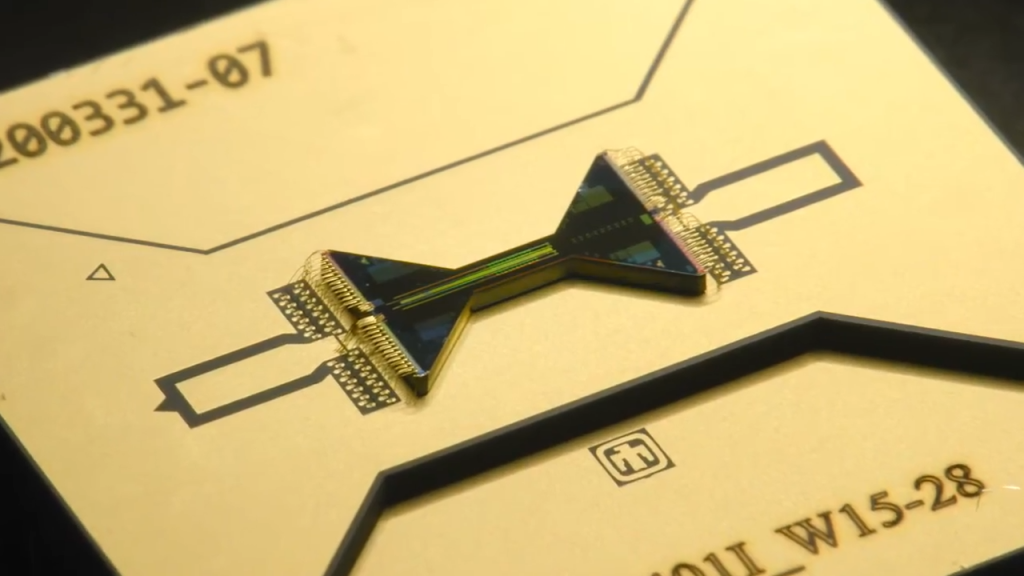
Quantum Scientific Computing Open User Testbed
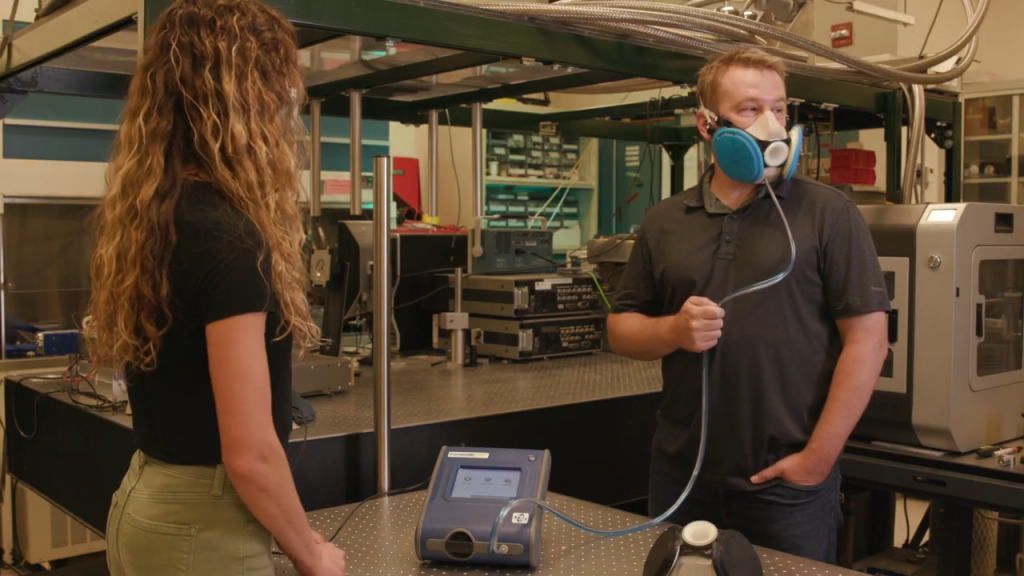
Rapidly Producible/Reusable N95 Respirator (RAPTR)
WEC-Sim
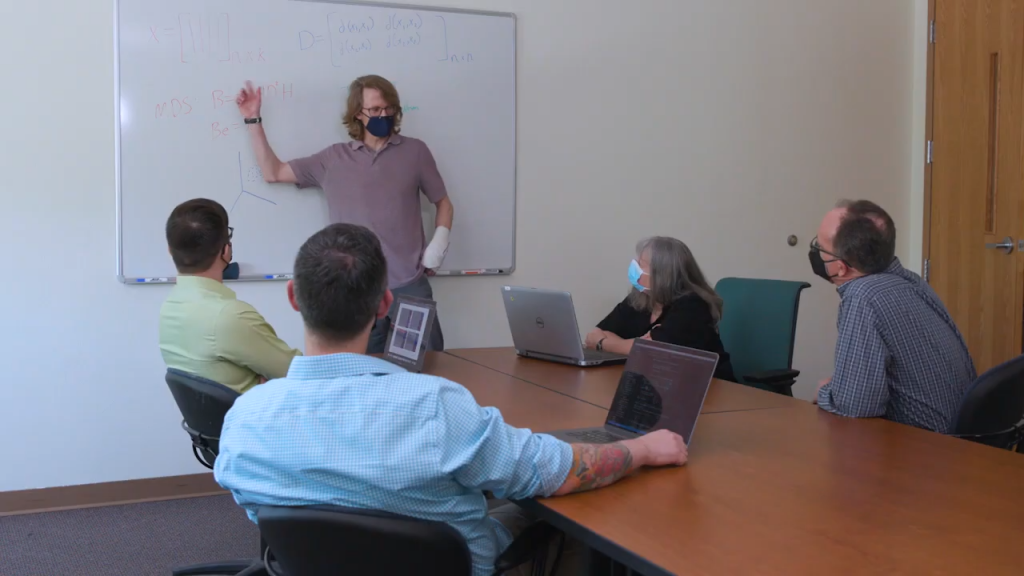
Slycat: Scalable Ensemble Analysis and Visualization
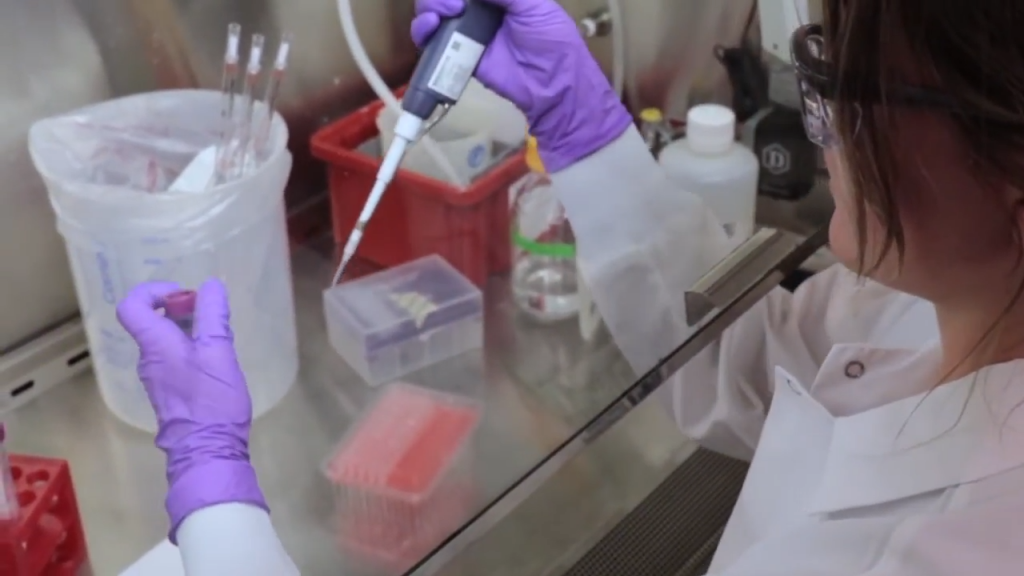
Antibody Therapeutic for SARS-CoV-2
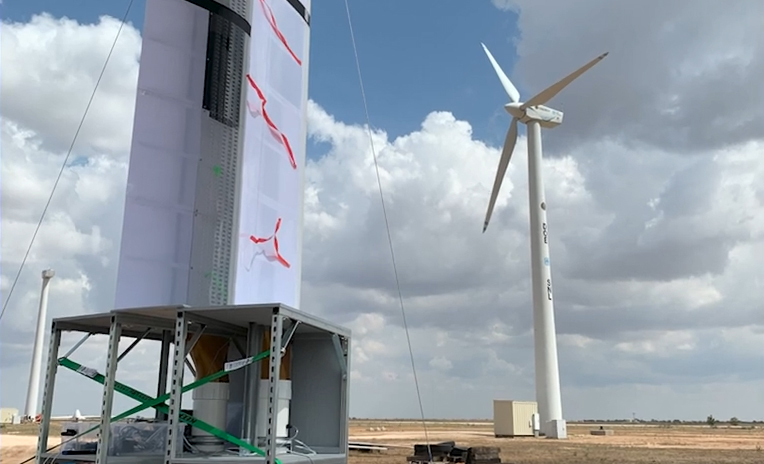
AeroMINE — Stationary Harvesting of Distributed Wind Energy
Binary Solvent Diffusion for Fabrication of Large Nanoparticle Supercrystals

Tracktable

HECATE – Software Supply Chain and Assurance Platform

(IDAES) Process Systems Engineering Computational Framework
XRPBS: X-ray Polarizing Beam Splitter
Legion: A Data-Centric Programming System

ADDSec: Artificial Diversity and Defense Security

CHIRP: Cloud Hypervisor-forensics and Incident Response Platform

MIRaGE: Multiscale Inverse Rapid Group-theory for Engineered-metamaterials
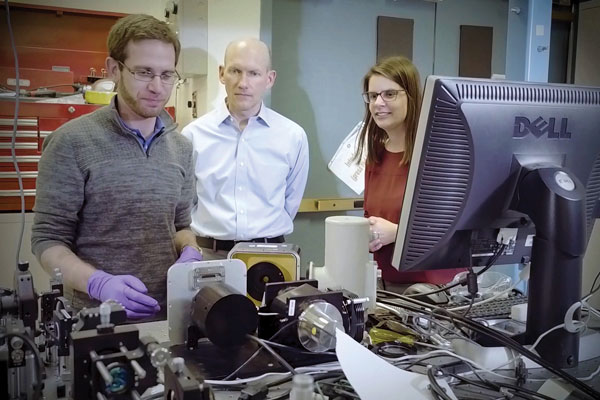
NEDs: High-Performance Nanoantenna-Enabled Detectors
Detergent-assisted Fabrication of Multifunctional Nanomaterials
Large Field-of-View Bench Top 3-D X-Ray Phase Contrast Imaging System
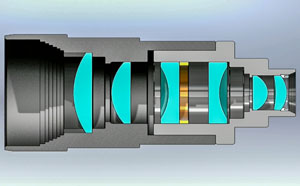
SWiCK Zoom
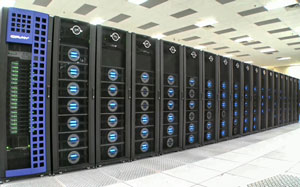
LAMMPS: Atomistic Simulation of Materials
Power API
High-fidelity Adaptive Deception & Emulation System (HADES) Platform
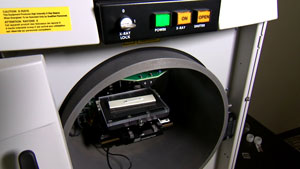
SolidSense “Gas Analyzer on a Chip”
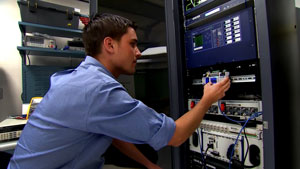
Control System for Active Damping of Inter-area Oscillations
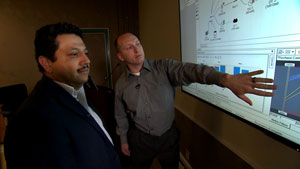
Microgrid Design Toolkit
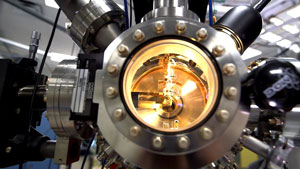
Ultra-Wide Bandgap Power Electronic Devices

Falling Particle Receiver for Concentrated Solar Energy
Ultra-fast X-ray Imager (UXI)
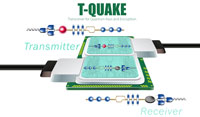
Transceiver for Quantum Keys and Encryption (T-QUAKE)

Pyomo v4.1

Stress-Induced Fabrication of Functionally Designed Nanomaterials
Precision High Power Battery Tester
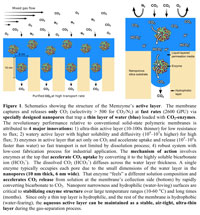
CO2 Memzyme
LED Pulser
Integrated Circuit Identification
Lightweight Distributed Metric Service
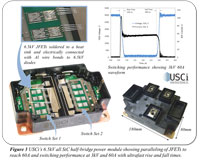
Silicon Carbide JFET Switch

Portable Diagnostic Device for Bacillus Anthracis Detection in Ultra-Low Resource Environments
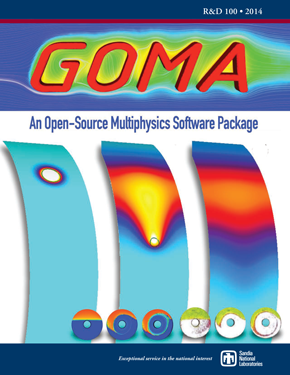
GOMA 6.0
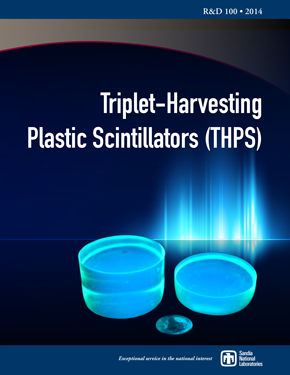
Triple Harvesting Plastic Scintillators
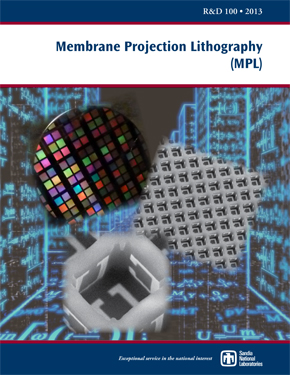
Membrane Projection Lithography

Mantevo Suite 1.0

Solar Glare Hazard Analysis Tool (SGHAT)
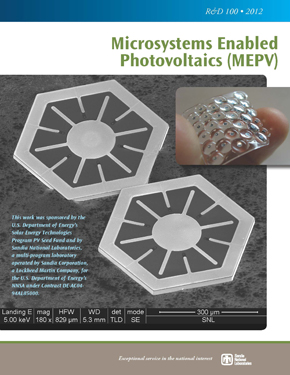
Microsystems Enabled Photovoltaics
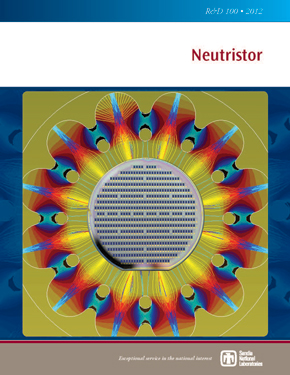
Neutristor
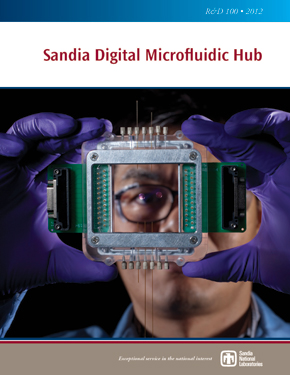
Sandia Digital Microfluidic Hub
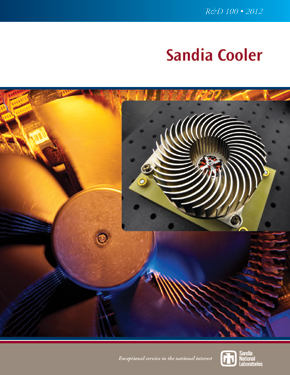
Sandia Cooler

Biomimetic membranes for water purification
Microresonator filters and frequency references
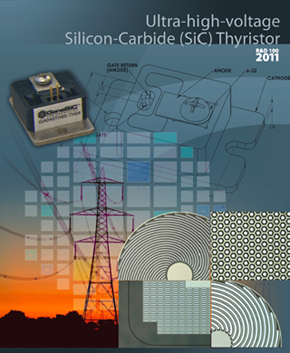
Ultra-high-voltage Silicon Carbide Thyristor

CANARY: Event Detection Software
Multifunctional Optical Coatings

Acoustic Wave Biosensors, Rapid Point-of-Care Medical Diagnostics
Micro Power Source
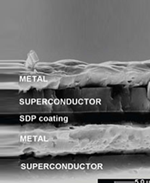
Solution Deposition Planarization (SDP), Superconductor Substrate Preparation Process
Ultralow-Power Silicon Microphotonic Communications Platform
Hyperspectral Confocal Fluorescence Microscope System
NanoCoral TM

Artificial Retina Project

SiCPower Module

Catamount N-Way (CNW) Lightweight Kernel

XyceTM Parallel Electronic Simulator 4.0.2
Silicon Micromachined Dimensional Calibration Artifact for Mesoscale Measurement Machines

Superhydrophobic Coating

ArcSafe© with Pulsed Arrested Spark Discharge

Mode-Filtered Fiber Amplifier

ElectroNeedle™ Biomedical Sensor Array

Self-Assembling Process for Fabricating Tailored Thin Films