Search

Results 101–200 of 260

FY24 Hruby and Truman Postdoctoral Distinguished Fellows

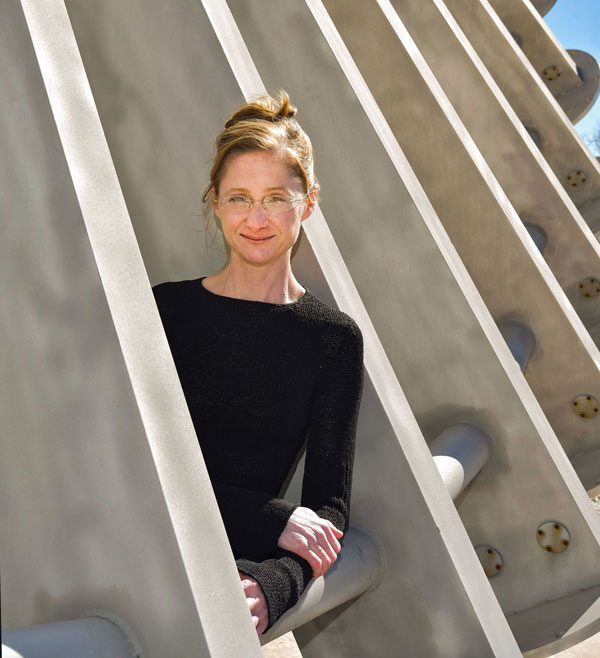
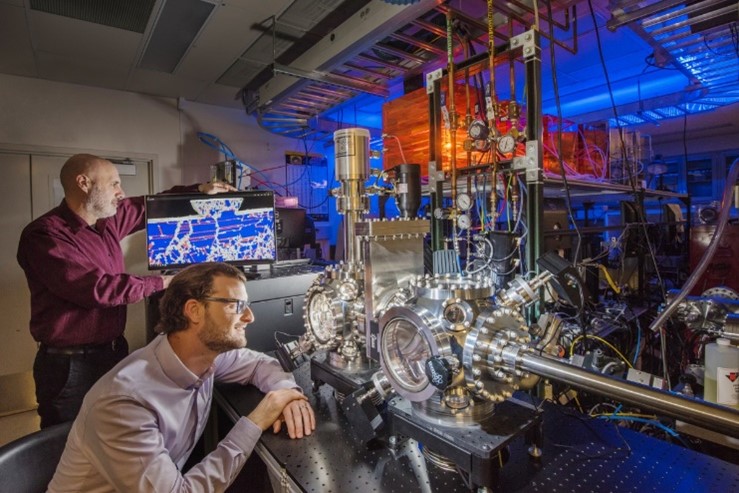
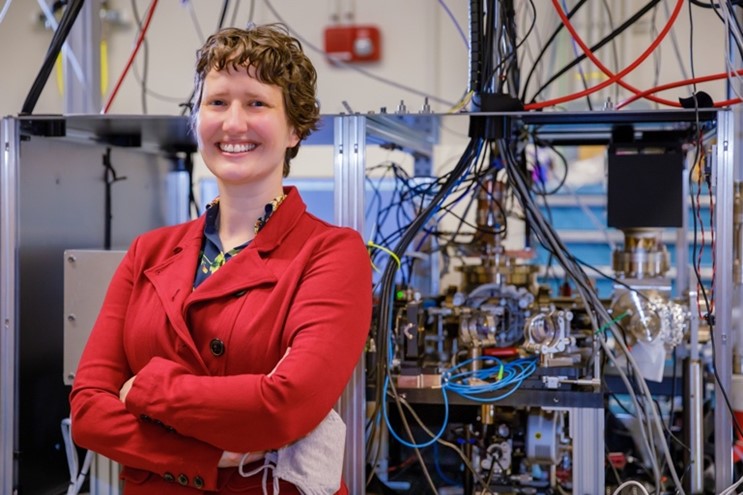
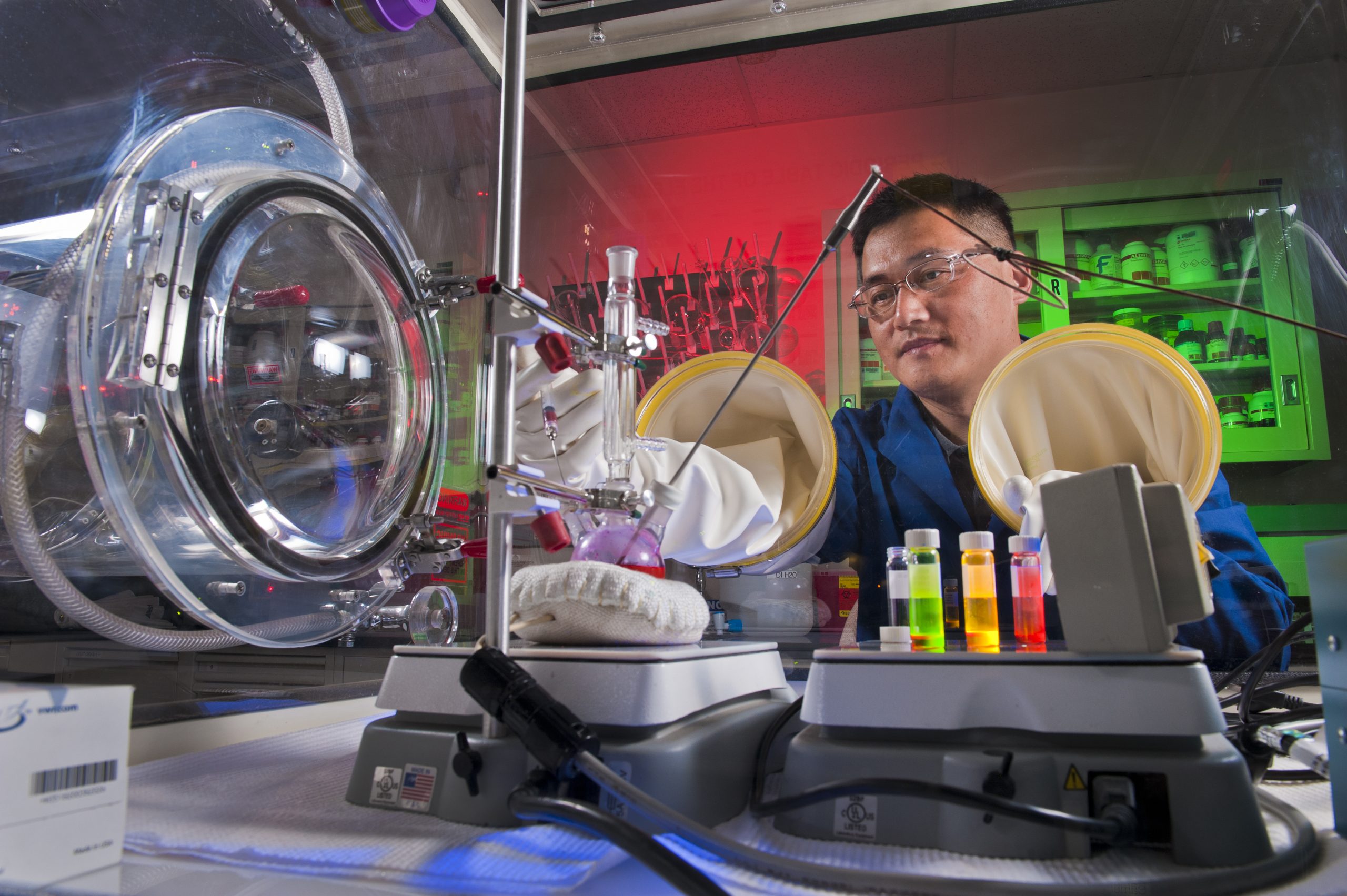
News Article, August 14, 2025 • The Harry S. Truman Postdoctoral Fellowships and Jill Hruby Postdoctoral Fellowships are three-year distinguished positions at Sandia created to attract nationally recognized PhD scientists and engineers. They each conduct groundbreaking research that support Sandia's national security mission. Hruby Fellow Samantha Jaszewski (top right) is researching computer memory based on ferroelectric...

Gamma Irradiation Facility (GIF)

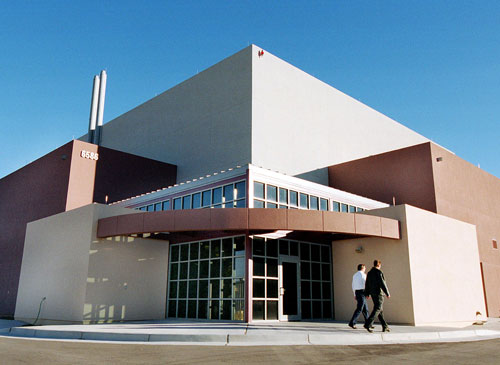
Facility • The GIF provides high-fidelity simulation of nuclear radiation environments for materials and component testing.
Two colleagues walking outside of GIF building, located in Albuquerque, NM.

Gamma Irradiation Facility and Low-Dose-Rate Irradiation Facility

Page • The Gamma Irradiation Facility (GIF) provides high-fidelity simulation of nuclear radiation environments for materials and component testing. The GIF can produce a wide range of gamma radiation environments (from 10-3 to over 6.5 x 10^2 rad/second) using cobalt-60 sources and can irradiate objects as small as electronic components and as...
Gemini-Scout Mine Rescue Vehicle

Page • The Gemini-Scout Mine Rescue Robot was designed by Sandia robotics engineers to replace humans in the early stages of rescue planning and response during a mining accident. The robot can enter potentially dangerous situations ahead of rescuers to evaluate hazardous environments and help them determine how operations should proceed, even...
Geochemistry of Interfaces

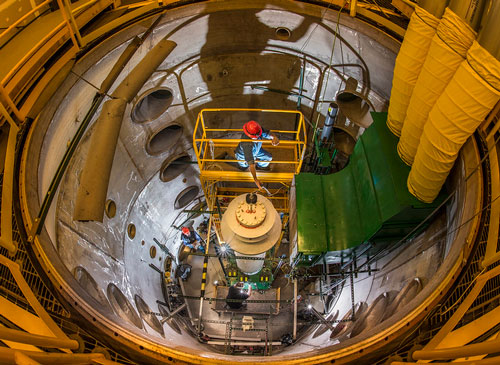
Page • From surfaces to interlayers to clusters A geoscience project under Sandia's Energy, Climate, & Infrastructure Security mission area. Problem Molecular phenomena at the metal oxide-water interface control many geochemical and environmental processes critical to water quality and treatment, the fate and transport of contaminants, radionuclide isolation and waste forms, carbon...
Geomechanics Laboratory

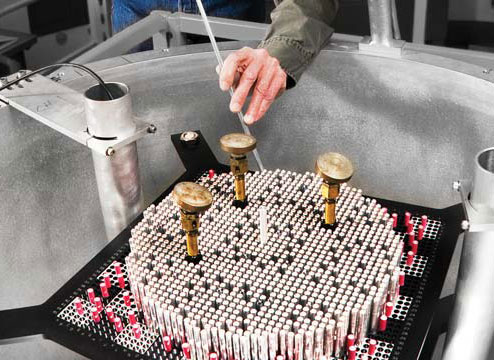
Facility • The Geomechanics Laboratory enables researchers to measure rock properties under a wide range of simulated environmental conditions, including high-pressure and complex load paths
Scientist observing rock properties

Guided Bullet Technology

Page • Leveraging the capabilities of the High Consequence, Automation, & Robotics Precision Micro Assembly Lab, we have designed a self-guided .50 caliber projectile that utilizes a laser designated target and is configured to be fired from a small caliber, smooth bore gun barrel. Self-guided projectiles increase the probability of hit at...

Heavy Ion Backscattering Spectrometry (HIBS)

Page • Description of Technique: HIBS is used to detect ultra-trace levels of heavy impurities on the surface of a Si wafer. HIBS has advantages over TXRF, including: Improved sensitivity for most elementsQuantifying composition without standardsMeasurement on rough surfaces. HIBS is accomplished by focusing a 120 keV beam of C+ions onto a...

High Altitude Chamber

Page • High Altitude Chamber Technical Characteristics 27-foot diameter vacuum sphereSimulate altitudes up to 230,000 feetTest articles up to 1-ton weight and 60 inch diameterTesting centrifuge to 600 rpm15-20 minutes to reach maximum altitudeExplosive and pyrotechnic testingEjection, inflation, and free-fall testingRemote high-speed video capability

High Consequence, Automation, & Robotics

Page • High-Consequence Automation Developing cost-effective, reliable systems to handle materials used in conventional and nuclear weapons Unique Mobility Specializing in advanced mobility technologies to support a broad range of challenging missions Advanced Manipulation Automating robots for difficult manipulation tasks for more than 25 years Cybernetics Specializing in the development of advanced...

High Operating Temperature (HOT)

Facility • The HOT site researchers simulate conditions found deep underground to study the effects of heat on the drill rig hammer, and drill into various types of rock.
Two researchers observing effects of heat on the drill rig hammerTwo researchers observing effects of heat on the drill rig hammer

High-Consequence Automation

Page • High Consequence, Automation, & Robotics specializes in the research, design, and development of automated systems for high-consequence tasks; tasks where a system failure can result in catastrophic consequences. These systems must be robust to a wide variety of failure modes and in the event of a failure, must fail-safely. In...

High-quality feedstocks address sustainability challenges associated with rising global demand for protein

News Article, January 23, 2023 • RuBisCO variants increase Methionine and Lysine content. (Graphic courtesy of Sandia Licensing and Technology Transfer.) Ryan Davis, a principal member of Sandia’s technical staff in Bioresource and Environmental Security, and his team developed a high-quality feedstock to address sustainability challenges to meet the growing global demand for protein. RuBisCO (Ribulose-1,5-bisphosphate...
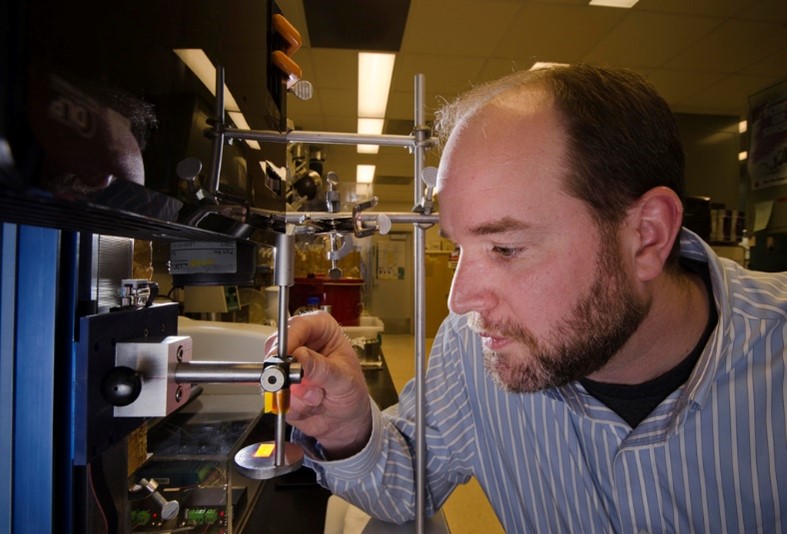
Image of a male scientist looking at a test tube

Hongyou Fan awarded Materials Research Society Medal

News Article, August 13, 2025 • Sandia researcher Hongyou Fan was awarded the prestigious 2024 Materials Research Society (MRS) Medal, recognizing his innovative approach to synthesizing nanomaterials using pressure instead of traditional chemical solutions. The MRS Medal is the society’s highest accolade, celebrating significant advances expected to greatly impact progress in materials science. His work is...

Hypersonic Wind Tunnel

Page • Technical Characteristics Blowdown to vacuumM = 5, 8, 14Re = 0.2 - 10 x 106/ftRun times: ~45 sec at 45 minute intervalsGases:air at Mach 5N2 at Mach 8 and 1418" diameter test section4" - 5" maximum diameter model sizeStagnation temperature to 2500°R Related Links Wind tunnel operation mapsOverview briefing of...

Hyperspectral Upper-Bound Spectrum

Page • Sandia Hyperspectral Upper-Bound Spectrum (Sandia Hyper-UBS) v 1.0 Download (Matlab Code) Sandia Hyper-UBS is designed to remove cosmic ray spikes from hyperspectral data sets. This software was based upon the UBS-DM algorithm by D.M. Zhang and D. Ben-Amotz.1 The UBS-DM-HS algorithm is designed to be more robust and is better...

Imaging gas-phase methyl radicals

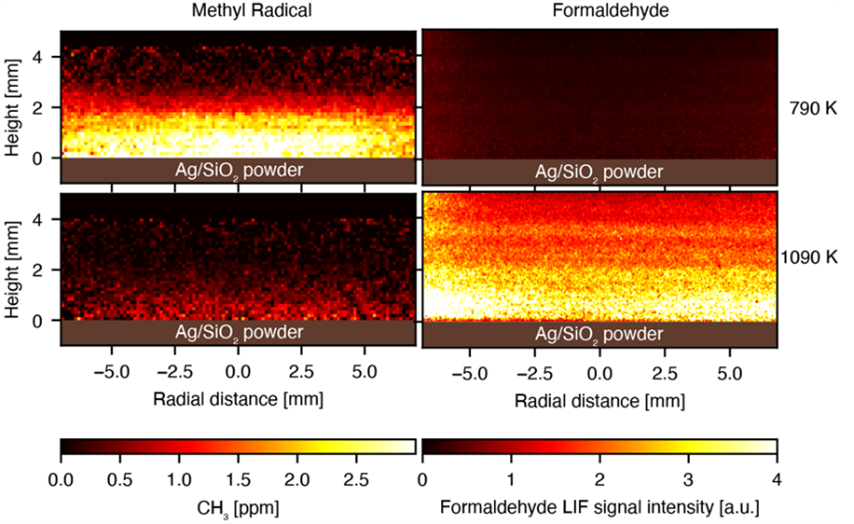
News Article, March 3, 2025 • Positive and negative correlations of measured gas-phase methyl and formaldehyde with predicted surface coverages Scientists at Sandia are studying how certain chemical reactions happen on surfaces, especially when using special techniques that allows them to see what is occurring while the reactions are taking place. This is important because many...

Imaging the visible emissions from plasmas in pulsed power experiments

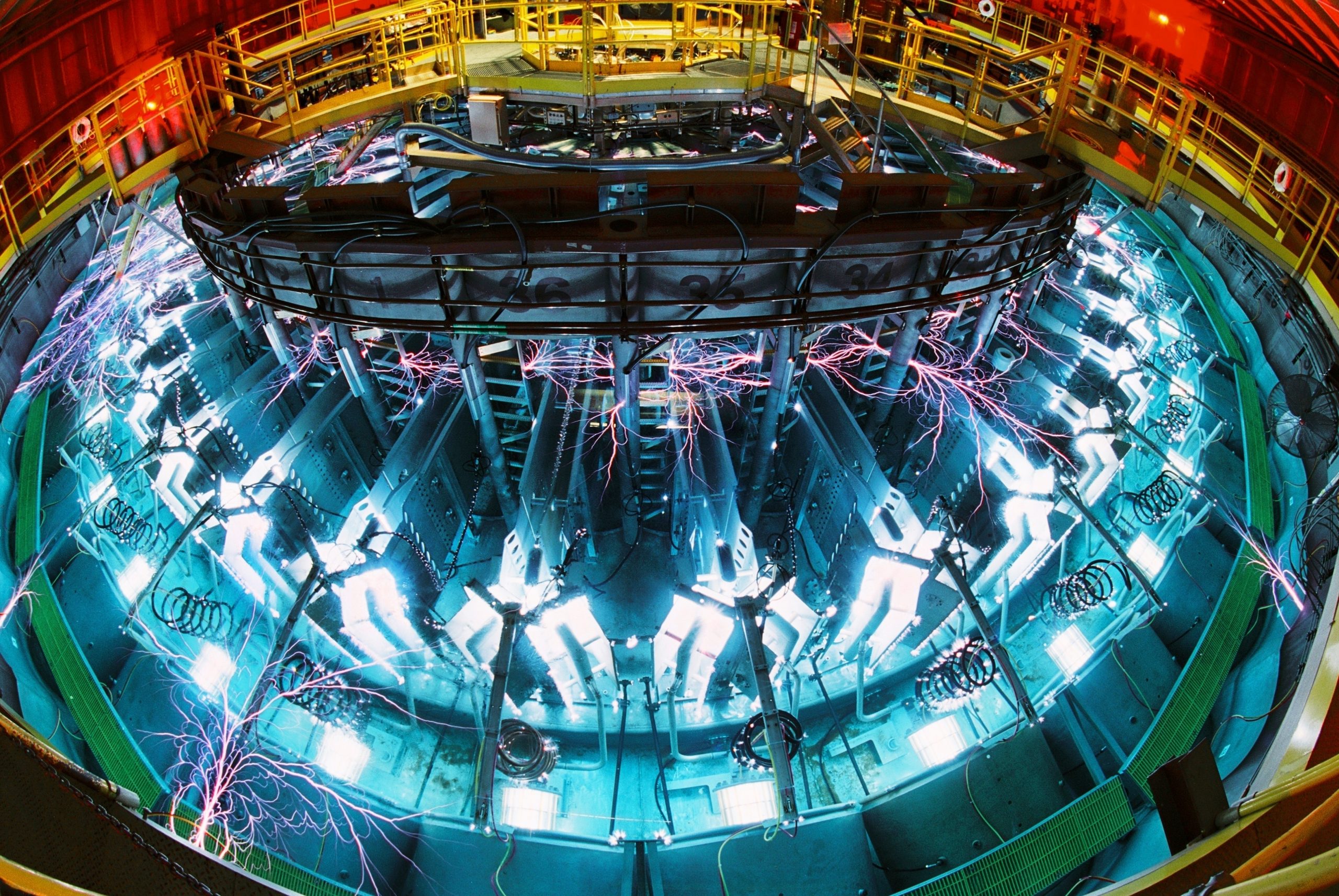
News Article, March 16, 2023 • The center section of Sandia's Z Machine Low density plasmas are predicted to impact Sandia’s Z machine experiments in a variety of ways. Magnetic Resonance Tomography instability development during the target implosion can lead to broad trailing density profiles and potentially redistribute current away from the on-axis stagnation region. Low...
A technician gets a target ready for the center section in the Z machine pulsed power facility

Improving assurance of high-consequence systems using formal methods and automated reasoning 

News Article, July 14, 2025 • Error from imperfect computer representations of numbers when visualizing a sphere at 1km and 20,000km distance from an observer. Computers typically represent numbers one of two ways: fixed-point (via integers) and floating-point numbers. Floating point provides improved efficiency and productivity, but errors can accumulate if not managed carefully. Error from...

Improving predictive capability in REHEDS simulations with fast, accurate, and consistent nonequilibrium material properties 

News Article, June 22, 2023 • Sandia scientist Stephanie Hansen was elected Fellow of the American Physical Society by its Division of Plasma Physics. (Photo by Randy Montoya) Predictive design of experiments in Radiation, Electrical, and High Energy Density Science (REHEDS) requires knowledge of material properties (e.g., equations of state (EOS), transport coefficients, and radiation physics). Interpreting...
Sandia scientist Stephanie Hansen

Improving understanding of microbial roles in permafrost carbon release

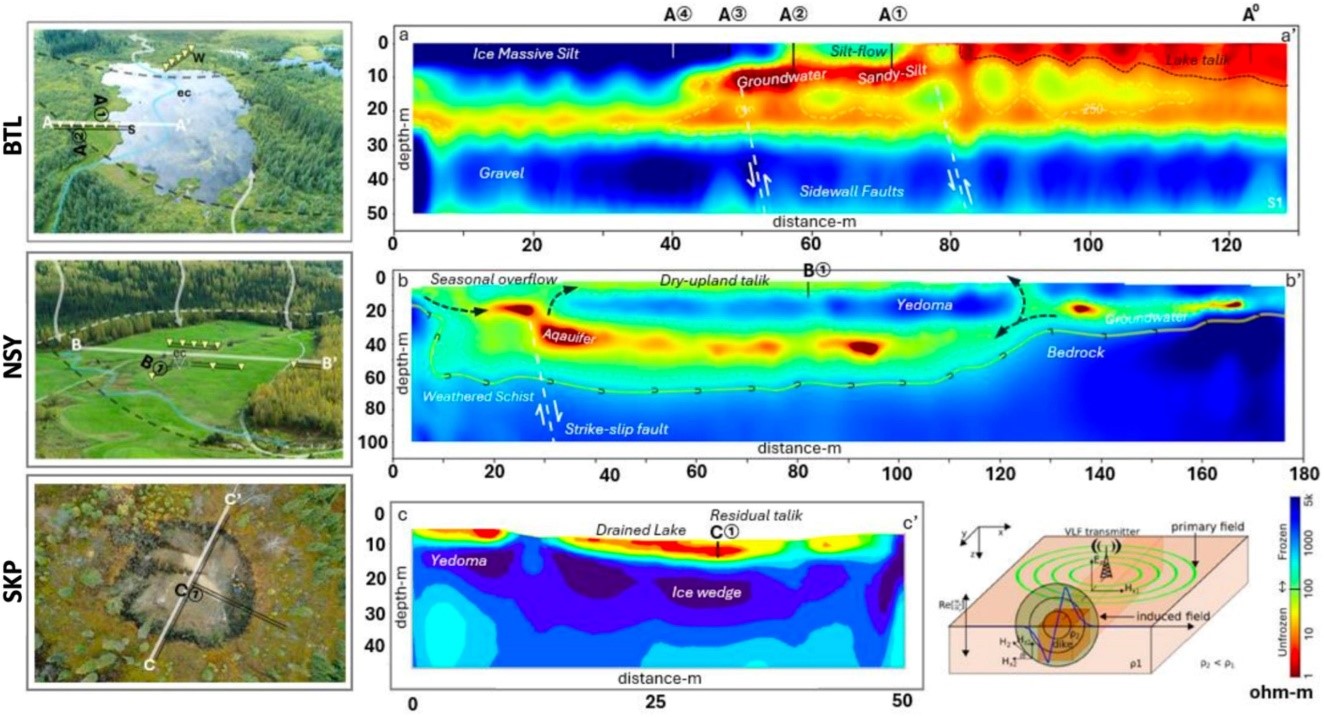
News Article, June 2, 2025 • As permafrost thaws, it exposes ancient organic matter that microbes can use as fuel. This process contributes to the release of gases like carbon dioxide, methane (CH₄) and volatile organic compounds (VOCs). In areas like the Yedoma permafrost, which holds large amounts of frozen organic material, the formation of thermokarst...

Integrated Materials Research Laboratory (IMRL)

Facility • IMRL integrates research from atomic scale to full scale components, investigates organic materials, advanced alloys, electronic and photonic semiconductors, high temperature superconductors, ceramics, quantum systems, and laser, optical and dielectric materials.
Integrated Materials Research Laboratory Facility

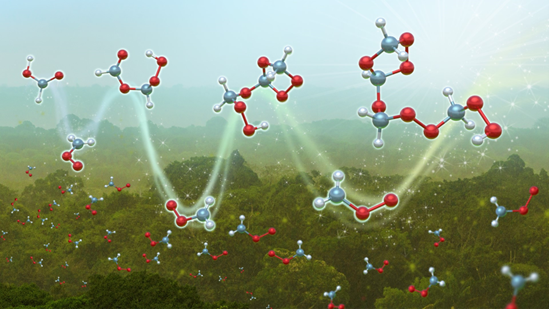
International team makes breakthrough in the chemistry of atmospheric aerosol formation.

News Article, March 14, 2024 • Figure 1 — Sequential insertion reactions of Criegee intermediates (CH2OO) produce low volatility, highly oxygenated molecules that may form organic aerosols in the troposphere. (Figure courtesy of Ellen Weiss, Argonne National Laboratory) A multidisciplinary team has combined measurements in the Amazon forest with experimental and theoretical kinetics to show the...

Ion Beam Laboratory (IBL)

Facility • The IBL enables scientists to study and modify materials systems using ion and electron accelerators.
Scientist observing materials

Jessica K. Kustas

Page • Jessica K. Kustas Senior Member of the Technical Staff Analytical Chemistry Dr. Jessica Kustas is an analytical chemist at Sandia National Laboratories located in Albuquerque, New Mexico. Recruited from the U.S. Army Corps of Engineers, Champaign Illinois, her career has been focused heavily on mass spectrometry analysis of materials and...

Joint BioEnergy Institute (JBEI)

Facility • JBEI is a DOE Bioenergy Research Center dedicated to developing advanced biofuels—liquid fuels derived from the solar energy stored in plant biomass that can replace gasoline, diesel, and jet fuels.
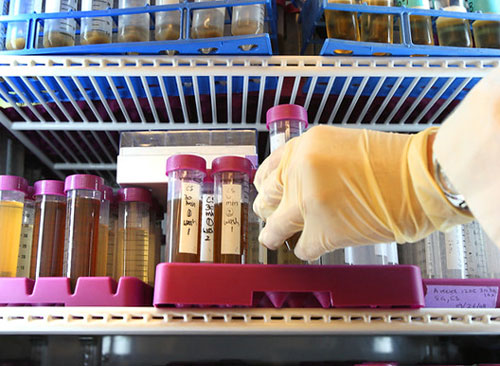
Scientist places test tube in tray

Joint Test Assembly (JTA)

Facility • JTA program allows critical assessment of weapon systems, Department of Defense (DOD) platforms, and support personnel performance.
Researcher working on a component

Krupa Ramasesha named Fulbright US Scholar

News Article, August 14, 2025 • The Department of State named chemist Krupa Ramasesha to the Fulbright U.S. Scholar Program to Austria for the 2025-2026 academic year. During her time in Austria, Krupa will hold the Fulbright-NAWI Graz Visiting Professorship in the Natural Sciences at the Institute of Experimental Physics at Graz University of Technology. In this position,...

Laboratory Directed R&D

Page • Locating lost qubits Recycling products from the inside out Landing planes with cell phone signals Creating the mother of all motion sensors High-risk, potentially high-payoff science and engineering research is at the heart of Sandia’s Laboratory Directed Research & Development (LDRD) program. This program provides the flexibility needed to anticipate...

Laser Application Facility (LAZAP)

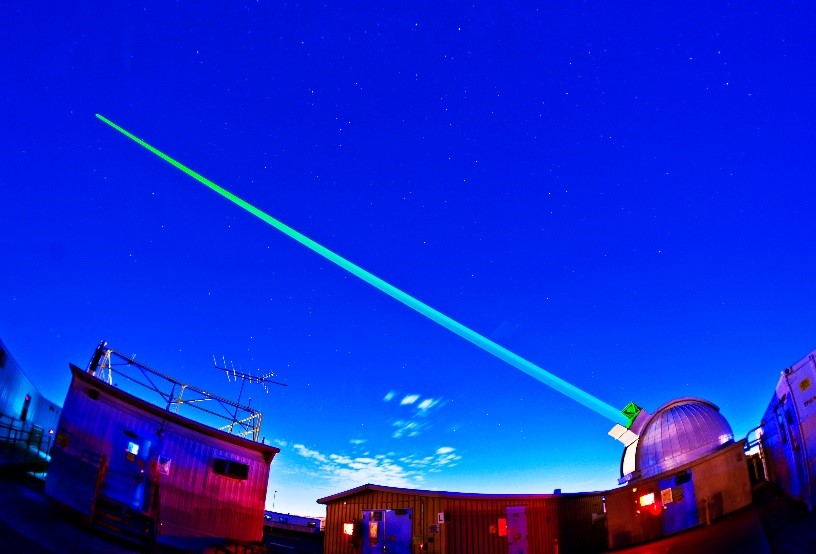
Facility • LAZAP tests and calibrates U.S. reconnaissance and Global Positioning System (GPS) satellites. The facility propagates visible high-powered lasers of multiple wavelengths through the atmosphere with a large aperture beam director.
High-powered laser directed at the sky at dusk

Leveraging machine learning to refine material models for fusion applications

News Article, July 14, 2025 • To enable future innovative designs for fusion platforms on the Z machine, a Sandia LDRD team developed an automated framework for constructing material models. This directly addressed the challenge of creating comprehensive material models that can leverage machine learning and integrate data from multi-fidelity datasets, something vital for uncertainty quantification...

Lightning Facility

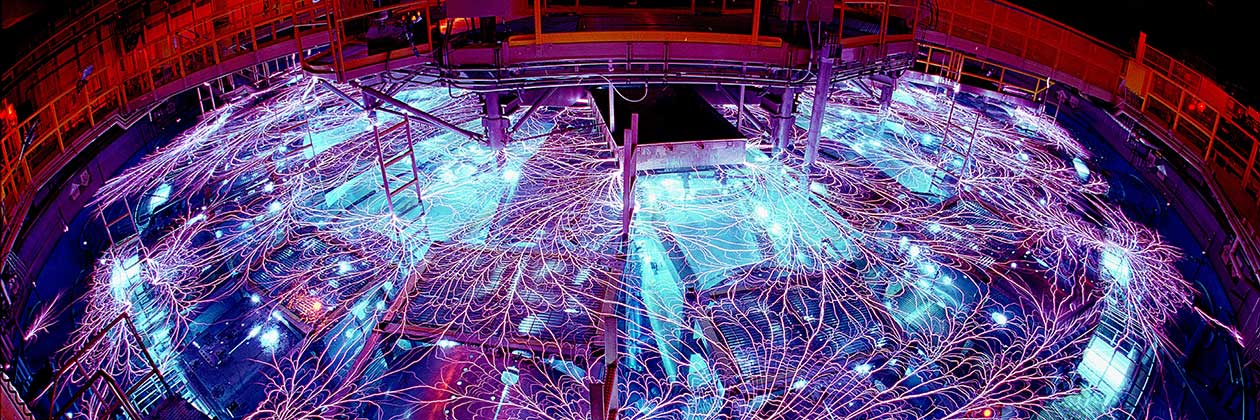
Page • The Sandia Lightning Simulator (SLS) allows test objects to be subjected to simulated lightning currents up to severe levels. The SLS can be configured to produce either one or two simulated strokes, with or without continuing current. It can deliver a maximum peak current of 200 kA for a single...

Lignin processing with machine learning approaches

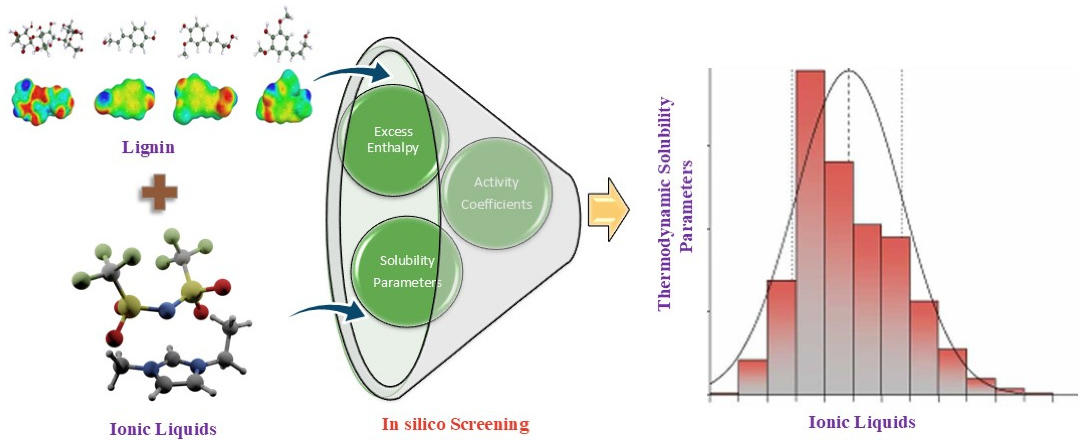
News Article, March 3, 2025 • The schematic diagram for screening of solvents for lignin dissolution. Using ionic liquids (IL) to break down and make use of lignin is really important for creating eco-friendly energy sources and a sustainable economy. Scientists at Sandia, who are part of the Joint Bioenergy Institute (JBEI), are looking closely at...

Materials and Advanced Manufacturing

Page • Award-winning materials scientists Creating cleaner ways to purify critical metals Creating products that kill viruses, bacteria and fungi  Fundamental research in materials science provides the solid technical basis needed for Sandia’s engineering decisions and future mission work. This research includes innovative and hypothesis-driven science efforts that combine theory, computation, and...

Materials science researcher is Sandia’s first outbound Faculty Loan joint appointee  

News Article, June 22, 2023 • Jonathan Pegues, a researcher in Sandia’s Coatings & Additive Manufacturing department, was approved to be the first formally approved Sandia outbound Faculty Loan joint appointee. Pegues’ joint appointment is an agreement between Sandia and Auburn University’s (AU) National Center for Additive Manufacturing Excellence (NCAME). The NCAME is a collaborative effort...
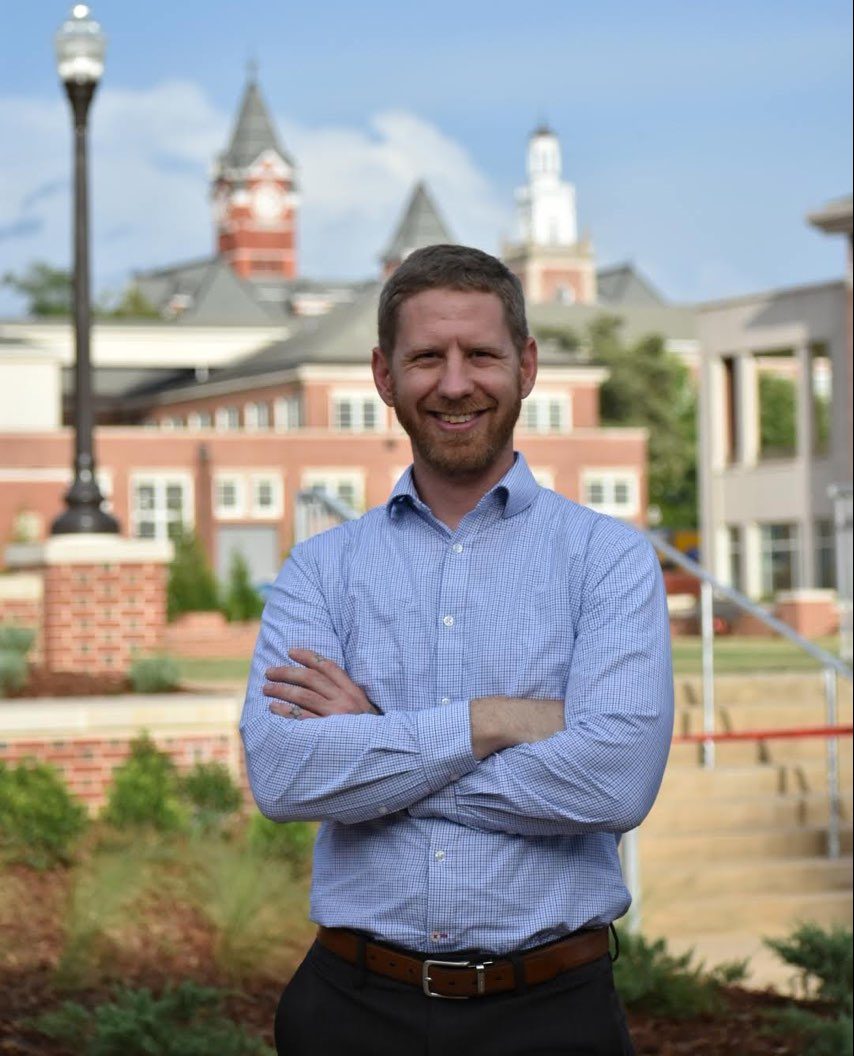
Jonathan Pegues stands in front of a building of Auburn University

Mechanical Shock Complex

Facility • The Mechanical Shock Complex provides tailored impact environments, such as shock and crush. The complex simulates dynamic environments such as weapon delivery, severe accident, and pyroshock.
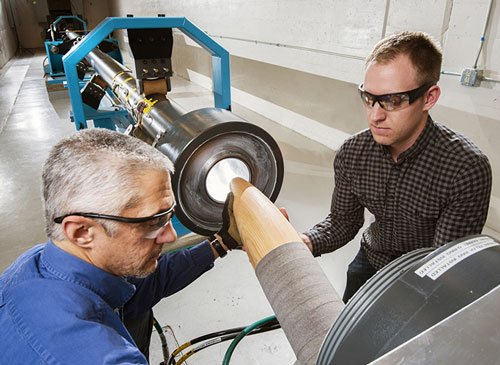
Two researchers holding Davis Gun to prepare for a test

Mechanical Test and Evaluation Facility

Facility • The Mechanical Test and Evaluation Facility conducts experimental research and develops diagnostics to study the mechanical behavioral of materials.
Researchers observing mechanical behavior of materials

Micro and Nano Technologies Laboratories (MANTL)

Facility • MANTL comprises four buildings with office and lab space and Sandia’s Plating Research Laboratory. MANTL research focuses on mechanical and electrical engineering, chemistry, radiography plating, and more.
MANTL facility

Microbiome editing to improve economic viability of algae growth as a feedstock

News Article, June 27, 2023 • The major challenge with using algae as a feedstock is growing it economically, which hinges strongly on the ability to prevent pond crashes due to biotic factors, like bacteria. Phages, the viruses of bacteria, offer an unexplored solution to this problem. In contrast to antibiotics, phages are typically species-specific and...
Algae is shown growing from underneath the water.

Microsystems Engineering, Science and Applications (MESA)

Facility • MESA integrates scientific disciplines to produce functional, robust, integrated microsystems. Today researchers pursue advanced concepts that integrate not only electronics at the micro scale, but embody sensors, photonics, and MEMS components.
Researcher proudly displaying microsystem

Mighty Mouse (M2)

Page • Mighty Mouse, or M2, earned its heroic name by saving the day at the White Sands Missile Range in southern New Mexico when a radioactive cylinder became jammed inside a metal sleeve. Its radiation field was far too dangerous for a human, even in a protective suit, to get near...

Mobile Gun Test Complex

Facility • The MGTC is a set of mobile projectile launch systems (guns) used to test a variety of projectiles and/or targets. The MGTC enables investigation of terminal ballistic events into in-situ geologies or engineered targets.
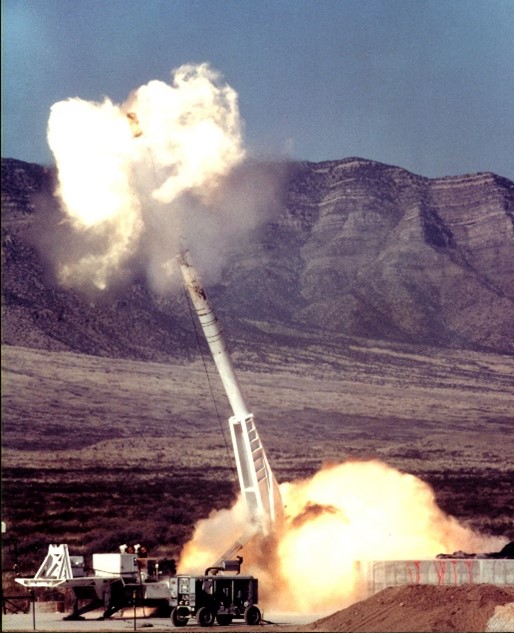
Davis gun in mid launch

Mode Stirred Chamber

Page • The Mode Stirred chamber is essentially a large microwave oven. It consists of a metal room that serves as a high-Q chamber and a metal paddle wheel to "stir" the chamber modes. Mixing the modes in this manner allows test objects, in a single orientation to be exposed to EM...

Multi-Robot Cooperative Behavior

Page • Challenge Operators often face complex tasks and missions, such as picking up a large heavy item, or taking an X-ray of a vehicle that would be complicated for one robotic system to complete independently. Having multiple robotic systems capable of working together under the control of one operator, can simplify...

Nanodevices and Microsystems

Page • Smelling incipient seizures with sensors Cofounding a new microelectronics research center Testing new technology and research on orbit Precisely controlling materials, devices and information is critical to enabling science, technology, and industry. At Sandia, we are enabling new and increasingly powerful capabilities for critical national systems through our research increasing...

National Solar Thermal Test Facility (NSTTF)

Facility • Operated by Sandia for the U.S. Department of Energy (DOE), the National Solar Thermal Test Facility (NSTTF) is the only large-scale concentrating solar power (CSP) and solar thermal test facility in the United States.
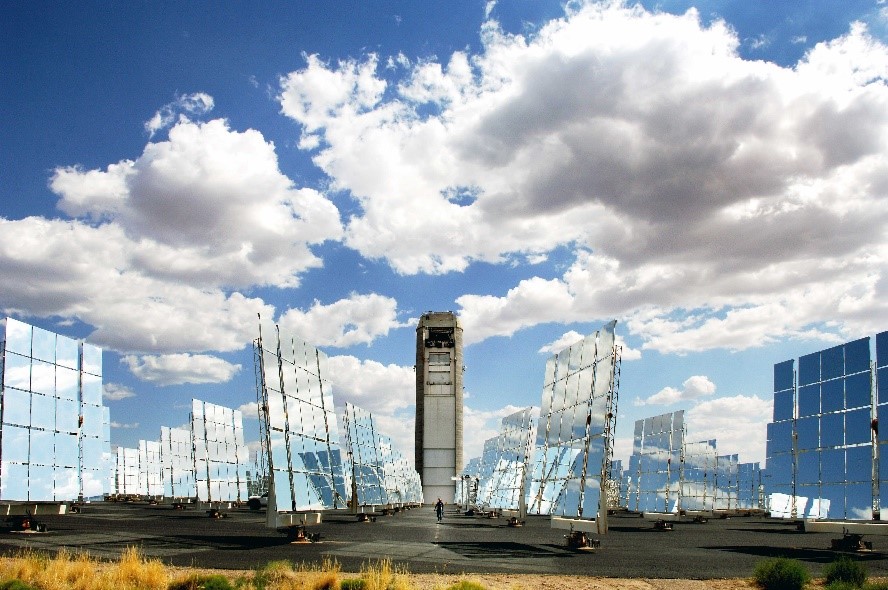
Tower surrounded by large mirrors

Neural Control of Prosthetics

Page • Researchers in High Consequence, Automation, & Robotics are working on ways to improve amputees’ control over prosthetics with direct help from their own nervous systems. Neural interfaces operate where the nervous system and an artificial device intersect. Interfaces can monitor nerve signals or provide inputs that let amputees control prosthetic devices...

Neuromorphic computing for nuclear deterrence solutions: Sandia partners with German startup SpiNNcloud

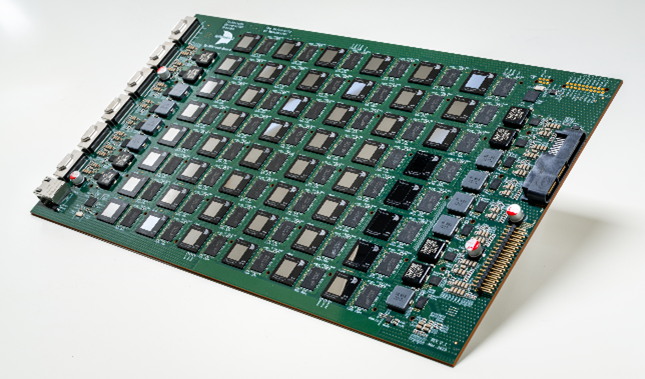
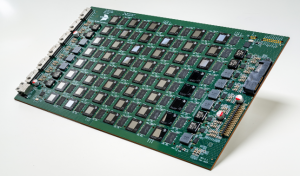
News Article, May 8, 2024 • New server board integrating 48 SpiNNaker2 chips through a seamless energy-proportional infrastructure.(Image courtesy of SpiNNcloud) Sandia National Laboratories has announced a partnership with AI and neuromorphic computing company, SpiNNcloud. Leveraging a next generation system, SpiNNaker2, this partnership seeks to advance neuromorphic architecture. Funded through NNSA’s Advanced Simulation and Computing (ASC) program,...

Neuromorphic computing for nuclear deterrence solutions: Sandia partners with German startup SpiNNcloud

Post, May 8, 2024 • New server board integrating 48 SpiNNaker2 chips through a seamless energy-proportional infrastructure.(Image courtesy of SpiNNcloud) Sandia National Laboratories has announced a partnership with AI and neuromorphic computing company, SpiNNcloud. Leveraging a next generation system, SpiNNaker2, this partnership seeks to advance neuromorphic architecture. Funded through NNSA’s Advanced Simulation and Computing (ASC)...

Neuromorphic computing widely applicable, Sandia researchers show

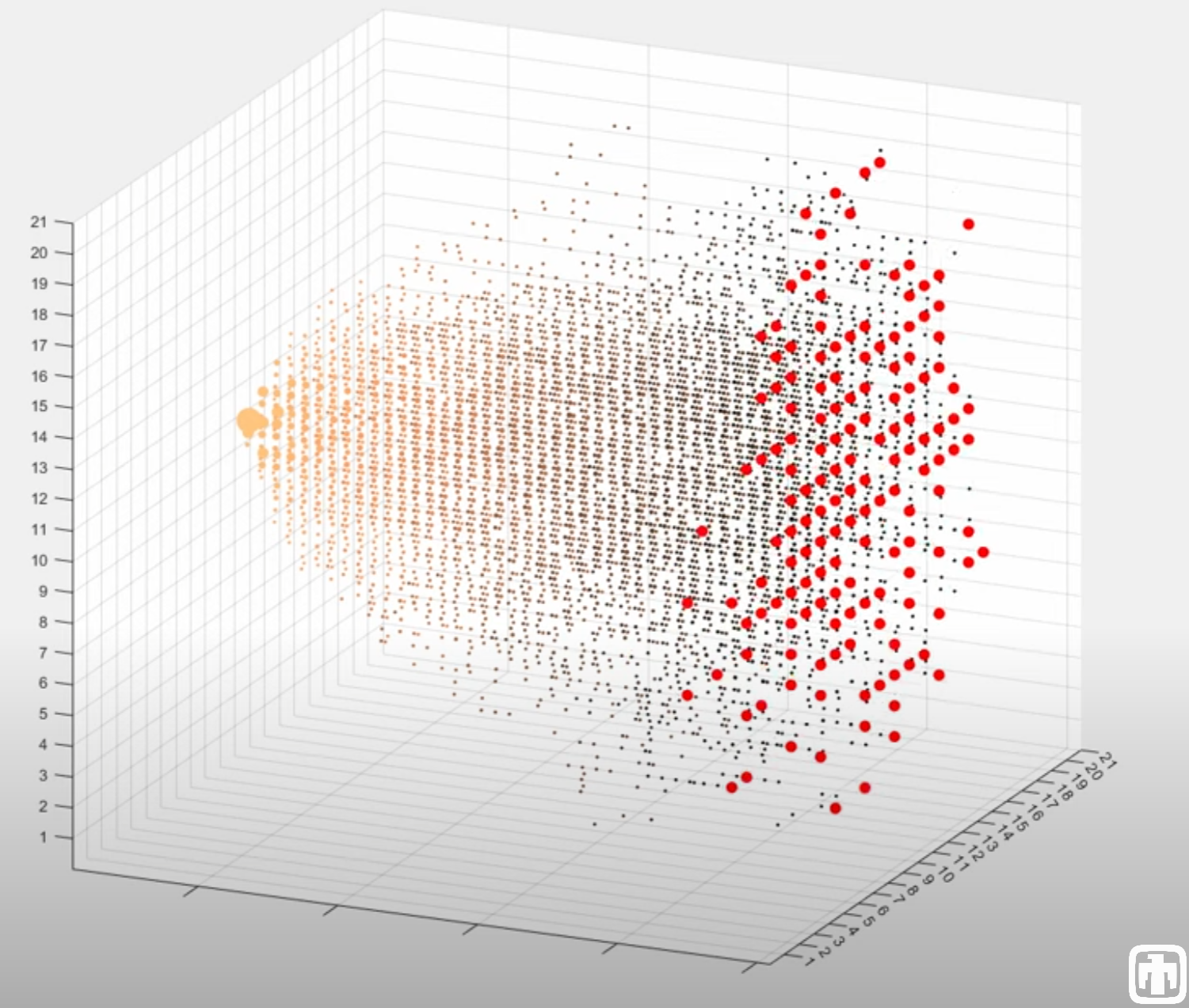
News Article, April 10, 2024 • With the insertion of a little math, Sandia researchers have shown that neuromorphic computers, which synthetically imitate the brain’s logic, can solve more complex problems than those posed by artificial intelligence and may even earn a place in high-performance computing. Read more about Neuromorphic computing
SIMULATED WALKS — A diffusion model on the Intel Loihi platform based on data from Sandia algorithms working. (Graphic by Brad Aimone)

New 2.5D neuromorphic discovery platform will enable AI-enhanced co-design 

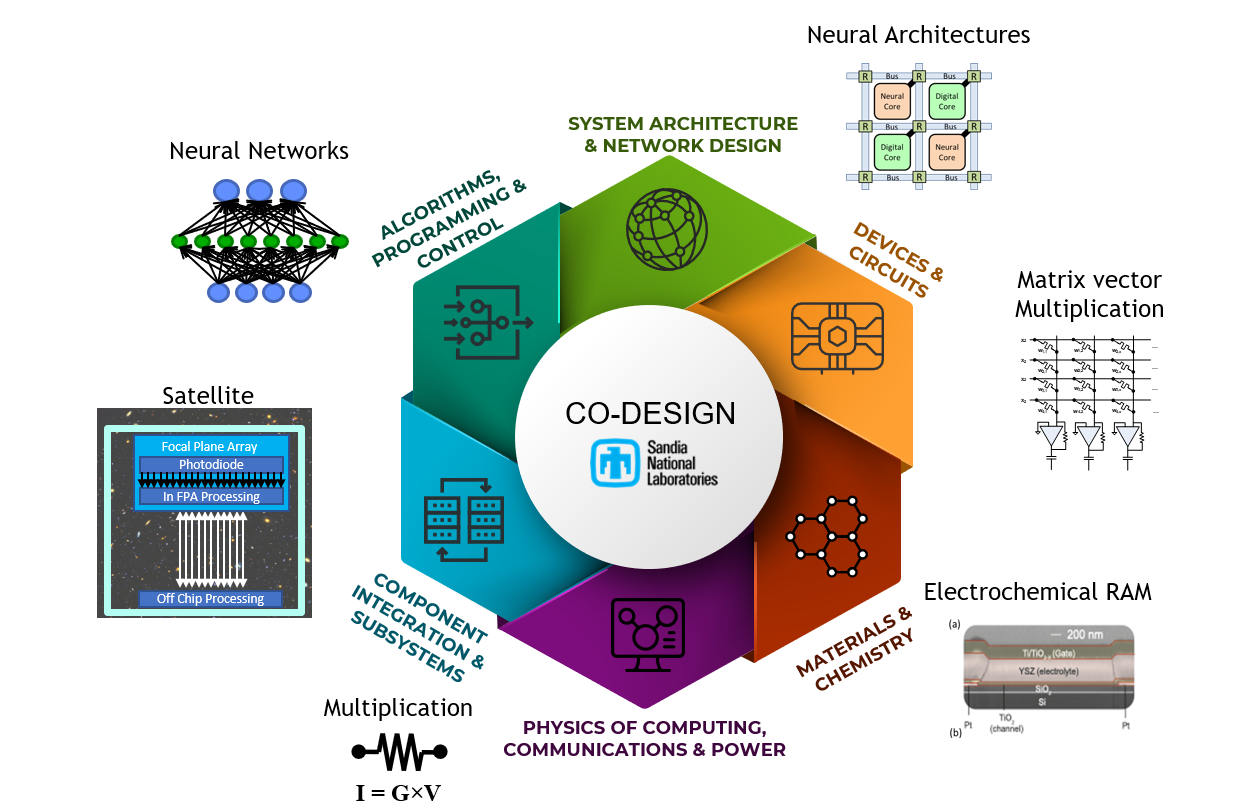
News Article, June 7, 2023 • AI-enhanced co-design will be enabled through Sandia’s 2.5D neuromorphic discovery platform. Novel material and device concepts previously took years for iteration. Discoveries in this LDRD project will now allow them to be iterated on in weeks thanks to a new easy fabrication substrate platform for novel devices. The team designed...
A segmented graphic design showing six elements of Sandia’s 2.5D neuromorphic discovery platform.

New Mexico Artificial Intelligence Consortium (NMAIC)

Page • New Mexico AI Consortium Groundbreaking collaboration propelling NM to forefront of AI What is the New Mexico AI Consortium? The New Mexico Artificial Intelligence Consortium (NMAIC) is a groundbreaking collaboration between the state's leading national laboratories, universities, and colleges. Its mission is to propel New Mexico to the forefront of...
the state of New Mexico outlined on a computer chip with logos of participants

New technology for heterogeneously integrated devices allows for underfilling of complex geometries using driven fluids 

News Article, June 7, 2023 • Underfilling is a widely used manufacturing process that helps stabilize and reinforce solder joints in electronic parts. However, heterogeneously integrated (HI) devices are challenging to underfill using standard capillary flow methods, due to large areas with narrow gaps—trenches that act as strong flow barriers, and high bump density that cause...

Nuclear Energy Systems Laboratory (NESL)/Brayton Lab

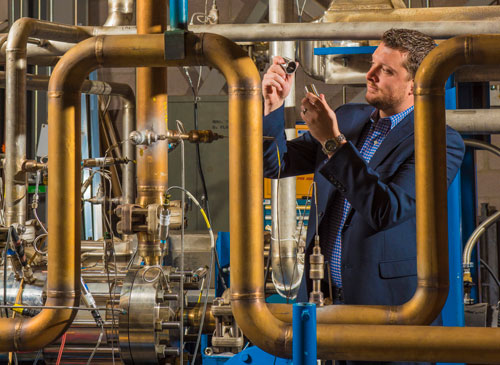
Facility • NESL focuses on creating a thermal-to-electric power conversion technology in a configuration called the recompression closed Brayton cycle that uses supercritical carbon dioxide as the working fluid.
Researcher observing component in the Brayton Lab

One-Control Many

Page • As unmanned systems (UMS) are increasingly used in the battlefield, advantages provided by strategy, tactics, and training must be translated into UMS control systems. It’s a challenge to effectively control large numbers of UMS. The human operator must focus on high-level perception, tactics, and strategy while the system automates lower-level...

Optimizing machine learning decisions with prediction uncertainty

News Article, May 9, 2023 • Digital background depicting innovative technologies in (AI) artificial systems, neural interfaces and internet machine learning technologies While ML classifiers are widespread, output is often not part of a follow-on decision-making process because of lack of uncertainty quantification. Through this project, the team developed decision analysis methods that combined uncertainty estimates...
Digital background image of brain connectors

Other Facilities and Capabilities

Page • Other Facilities and Capabilities High Voltage Breakdown TestingWe can perform high voltage standoff testing with DC and pulsed voltages.  DC testing can be conducted up to 200 kV.  Pulsed voltage from 140 – 400 kV can be attained, with a typical lightning waveform – unipolar, 1.2 microsecond risetime and 50...

Out of the desert, a quantum powerhouse rises

News Article, April 23, 2024 • They knew it was an ambitious goal. But by the time they announced it in 2022, Sandia and The University of New Mexico — two of the state’s largest research institutions — had been working out their strategy for more than a year. Read more about quantum powerhouse
Postdoctoral researcher Caitlin McCowan inspects pieces of silicon at the atomic level. She uses a scanning tunneling microscope to spot imperfections as part of a quantum research project at Sandia. (Photo by Craig Fritz)

Partnership Mechanisms

Page • We routinely partner with other organizations to help transition our scientific discoveries and technologies to the marketplace. We also form collaborative research partnerships with industry, universities, and government agencies so that collectively, we can change the world for the better. Licensing We offer a variety of licenses covering the breadth...

Partnership Opportunities

Page • Sandia placed a high value on its interactions with other federal agencies, universities, and private industry. Several contract vehicles exist to partner with Sandia to purchase services, transfer technology through Cooperative Research and Development Agreements or to license Sandia-developed technology. Our staff will work with you to develop the appropriate...

People

Page • Sandia excels in innovative fundamental materials science research – developing and integrating the theoretical insights, computational simulation tools and deliberate experiments that provide foundational, predictive understanding of the performance of Sandia’s current and future mission-critical materials in order to provide the solid technical basis for Sandia’s engineering decisions and enabling...

Perception & Decision Tools

Page • High Consequence, Automation, & Robotics (HCAR) specializes in the development of advanced perception technologies and decision tools that enable robotic and unmanned systems to perform more complex and autonomous tasks, such as simultaneous localization and mapping of a building. Our perception capabilities include 3-D geometric modeling and texture mapping, 3-D...

Photovoltaic System Evaluation Laboratory (PSEL)

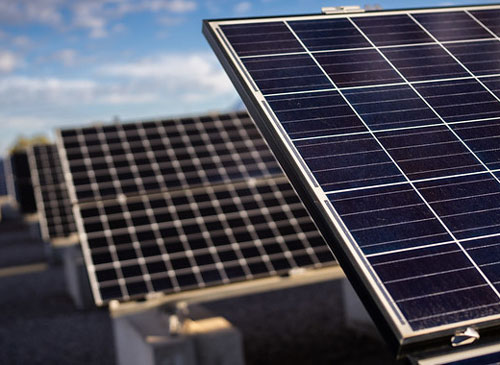
Facility • Sandia’s Photovoltaic Systems Evaluation Laboratory (PSEL) enables performance characterization of photovoltaic (PV) cells, modules, and systems. PSEL research is conducted on behalf of the Department of Energy (DOE) and other government sponsors, in direct collaboration with industry and academic partners.
Photovoltaic modules

Physical Science

Page • Recycling products from the inside out Detecting battery failures quicker Studying subterranean storage of hydrogen Sandia’s research in physical science creates innovative, science-based, solutions to our nation’s most challenging problems. Our work for the DOE’s Office of Basic Energy Sciences (BES) includes materials science and engineering, chemical sciences, geosciences, and...

Plasma Research Facility (PRF)

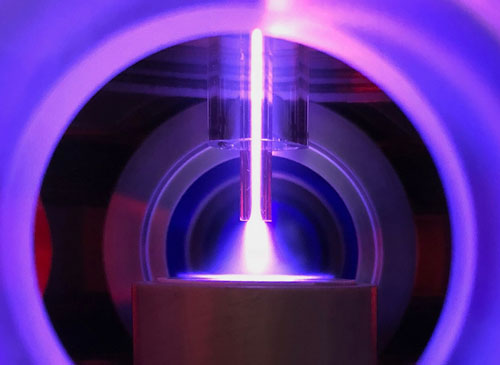
Facility • The PRF offers collaborators access to cutting edge diagnostic and computational capabilities and the expertise that is needed to set up and execute experiments and analyze data generated during the collaborative endeavor.
Atmospheric pressure plasma jet

Powerful Sandia machine-learning model shows diamond melting at high pressure

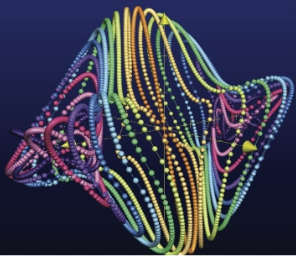
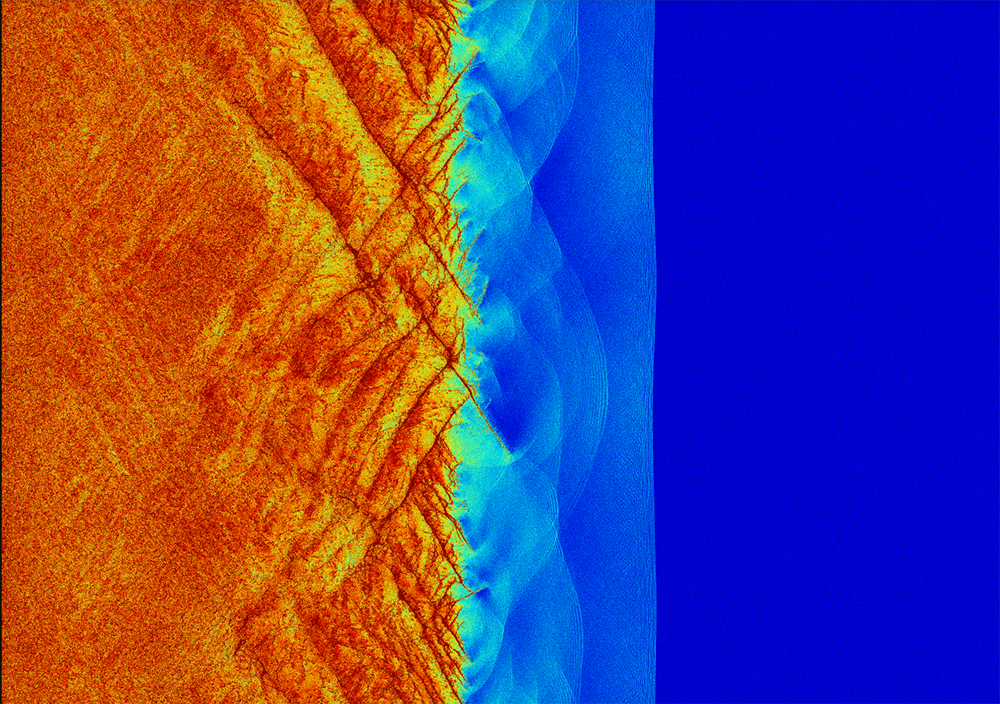
News Article, April 10, 2024 • A Sandia supercomputer simulation model called SNAP, or Spectral Neighbor Analysis Potential, that rapidly predicts the behavior of billions of interacting atoms has captured the melting of diamond when compressed by extreme pressures and temperatures. Read more about the Powerful Sandia machine-learning model
DIAMOND BREAKDOWN — This multibillion atom simulation of shockwave propagation into initially uncompressed diamond (blue) uses Sandia’s high-accuracy SNAP, or Spectral Neighbor Analysis Potential, model to predict that the final state (orange) is formed by recrystallization of amorphous cracks (red) that take shape in the light blue, green and yellow compressed material. (Computer image by Aidan Thompson)

Precision Micro Assembly

Page • In optoelectronics and optomechanics manufacturing, precision assembly of increasingly small devices has become a critical capability. Microscopic machines are the focus of the High Consequence, Automation, & Robotics (HCAR) Precision Micro Assembly Lab. Created to investigate the automated assembly of microelectromechanical (MEMS) components, the laboratory is developing technologies for a...

Predicting catastrophic failure and collapse in infrastructure

News Article, March 20, 2023 • The team, led by Sandia principal investigator Jessica Rimsza, developed new modeling capabilities for evaluating multiphase phenomena in cement-based materials in energy and infrastructure applications, a chemo-mechanical model for cement fracture, identified sources of uncertainty in cement degradation and concrete fracture, and created six new capabilities for modeling brittle fracture...
A large urban suspension bridge

Pressure Measurement Sensors

Page • Challenge Tactile (touch) sensing has many engineering and medical applications. Robotic and prosthetic hands can use tactile sensing to manipulate objects or provide feedback to the user. Sensors can also measure the interface pressure and shear loads on human soft tissues (e.g., skin) in a prosthetic device, exoskeleton, or shoe....

Primary Standards Laboratory (PSL)

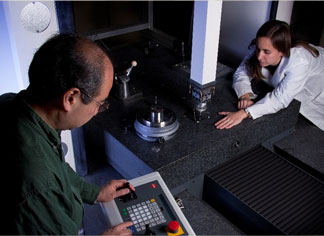
Facility • The PSL provides technical guidance, support, and consultation and anticipates future measurement needs of the nuclear weapons complex and other DOE programs.
Two researchers observing dimensional measurement systems

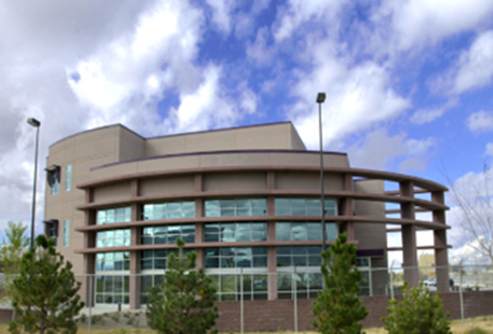
Processing & Environmental Lab (PETL)

Facility • PETL R&D ranges from understanding mechanisms at the atomic level to developing nuclear weapons components and evaluating the lifetime and reliability of the nuclear stockpile.
Processing & Environmental Laboratory Building

Programs & Capabilities

Page • EM Program Areas Broadband EM response (EMR), electromagnetic pulse (EMP), electrostatic discharge (ESD), and LightningSystem response to hostile (X-ray) environments, such as system-generated EM pulse (SGEMP)Lightning environment assessment of facilities and processesPulsed Power model and analysisHigh voltage breakdown and arcingTerawatt beams and power flow analysisAntenna evaluationDevelopment of validated, high physical-fidelity...

Publications and Factsheets

Page • Factsheets Intelligent Systems, Robotics, and Cybernetics (PDF, 991 KB) - (now called High Consequence, Automation, & Robotics)Gemini Scout - Mine Rescue Vehicle (PDF, 922 KB)One Controlling Many (PDF, 922 MB)Small Caliber Guided Bullet (651 KB)The Sandia Hand (PDF, 999 KB)Urban Hopper Program (PDF, 848 KB)Western National Robot Rodeo & CAPEX June 23-27,...

Quantum-accurate multiscale modeling in highly compressed metals  

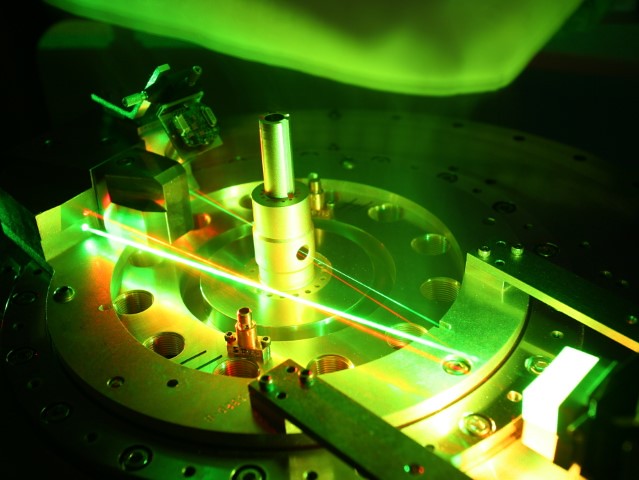
News Article, June 22, 2023 • Lasers are used to align diagnostics and hardware prior to shooting on Sandia's Z machine, the world's most powerful and efficient laboratory radiation source. The development of equations-of-state and transport models in areas such as shock compression and fusion energy science is critical to DOE programs. Notable shortcomings in these...
Lasers are aligning diagnostics and hardware.

R&D 100 Awards

Page • R&D World magazine honors inventors by identifying the 100 most technologically significant products and advancements each year and recognizing the winning innovators and their organizations. Winners are chosen from an international pool of submissions from universities, private corporations, and government labs.  In 2025, Sandia researchers took home eight R&D 100 Awards. Since...

Radiation Effects and High Energy Physics

Page • Detecting nuclear materials using light Deflecting doom: How Sandia research could save Earth from asteroids Testing materials to create the next generation of fusion reactors Advancing science and engineering in the areas of radiation effects sciences, electromagnetics, high energy density science, and pulsed-power science and technology is critical to addressing...

Remotely Operated Weapon Systems (ROWS)

Page • High Consequence, Automation, & Robotics (HCAR) has leveraged its long history and experience in the design and development of automated systems for high-consequence operations for the development of an advanced command and control system for Remotely Operated Weapon Systems (ROWS) technology, enabling the development of new applications for a variety...

Research

Page • Innovation at the interface of science and engineering Committed to science with the mission in mind, Sandia creates innovative, science-based, systems-engineering solutions to our nation's most challenging national security problems. Recent Highlights .highlight-article { padding: 16px 16px 40px 16px; width: auto 100%; } .lower-btn { position: absolute; bottom: 10px; margin-top:...

Research & Development

Page • Sandia's High Consequence, Automation, & Robotics (HCAR) group has the capabilities, expertise, and experience to develop advanced automation solutions for a variety of complex and high-consequence tasks and missions. HCAR has expertise in six core research areas that are the foundations for robotic and intelligent systems research and development. Bringing...

Research Areas

Page • Biological Science Computing, Information Science, and Mathematics Earth, Energy, and Environmental Science Engineering Science Materials and Advanced Manufacturing Nanodevices and Microsystems Physical Science Radiation Effects and High Energy Physics

Research Awards

Page • Sandia is pursing a broad range of innovative, science-based, systems-engineering solutions to address some of the most challenging national security problems. This commitment to excellence can be seen in the outstanding contributions of individual researchers and teams across the laboratories who are winning prestigious awards. In this environment, where creativity...

Research Foundations

Page • Leadership in innovation Integrating unique resources and technical excellence to benefit our nation. Certain research areas are considered key to the success of Sandia's national security programs. These areas — known as research foundations — underpin Sandia's innovations at the interface of science and technology. Research foundations have strong ties...

Research Highlights Archive

Page • .highlight-article { padding: 16px 16px 40px 16px; width: auto 100%; } .lower-btn { position: absolute; bottom: 10px; margin-top: 16px; } .highlight-title { font-size: .8em; } .list-view-block .highlight-title { font-size: 1.2em; } .news-slider-content { color: #212529 !important; } .highlight-next, .highlight-all, .highlight-prev { float: right; } .highlighted-returns { display: inline-block; vertical-align: top;...

Researchers develop a tantalizing method to study cyberdeterrence

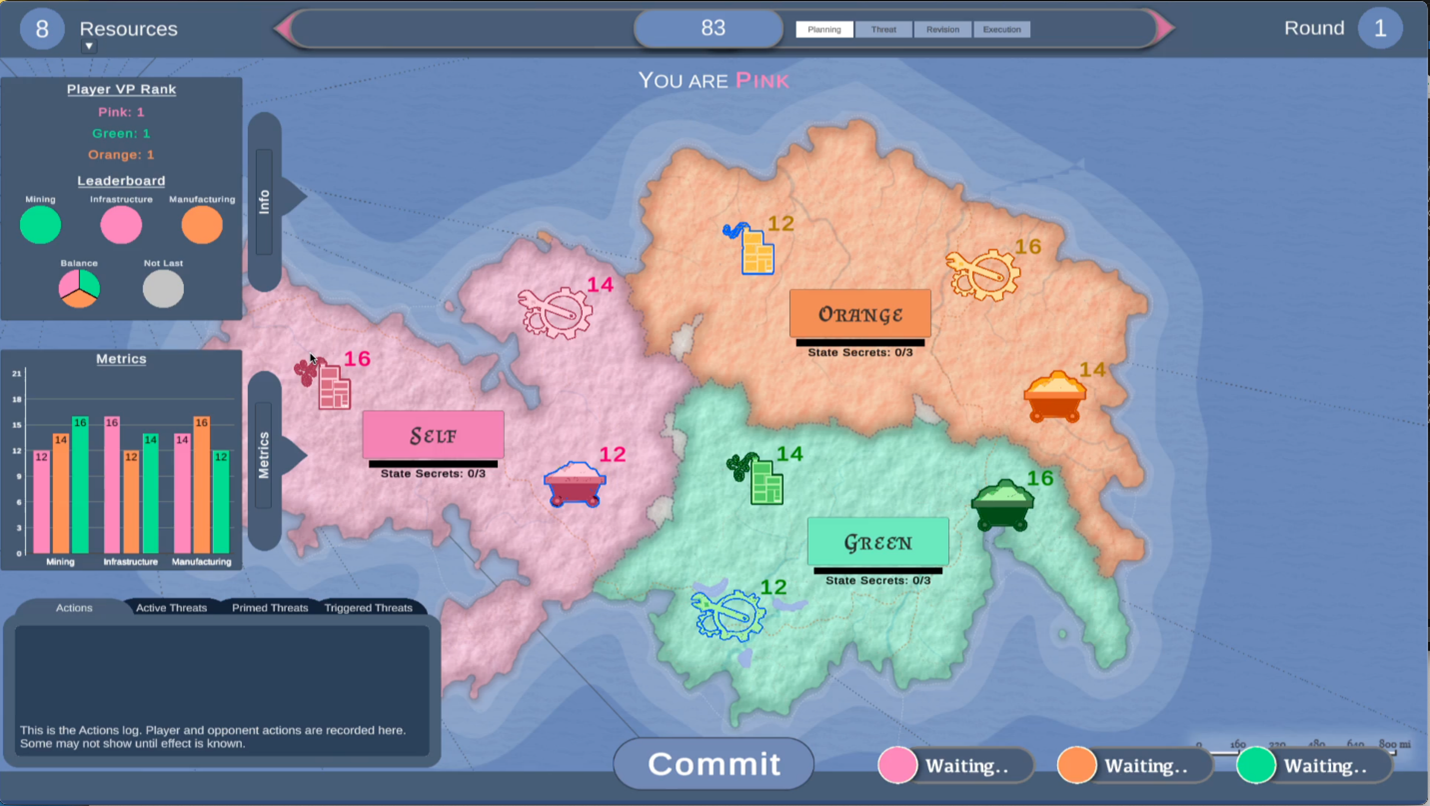
News Article, November 27, 2023 • TANTALUS — The online game simulates how success or failure is within a player’s reach. Experimental war gaming provides insightful data for real-world cyberattacks In Greek mythology, Tantalus was the king of Sipylus who so angered Zeus with his treachery that his punishment was to go thirsty and hungry while...
Three countries illustrated in a cyberdeterrence game

Revealing the kinetics of atmospheric corrosion damage through in-situ x-ray computed tomography and machine vision 

News Article, June 8, 2023 • In-situ XCT enables both the growth rate and morphology (yellow) of pits to be directly characterized in relationship to the evolving electrolyte (blue) and prior stages of pit morphology (black).  Atmospheric corrosion is a critical materials degradation problem, yet the ability to predict its kinetics remains elusive. Conventional approaches provide...

Rich Lehoucq chosen as Society for Industrial and Applied Mathematical Fellow

News Article, August 13, 2025 • Rich Lehoucq was chosen as a SIAM Fellow for his significant contributions to the fields of applied mathematics, computational science, and data science. His work spans nonlocal modeling, numerical linear algebra, continuum mechanics, and the applications of probability to optimization and high dimensional data analysis. Lehoucq’s innovative approach to extending...

Robotics Image Gallery

Page • STEPPR RobotWANDERER RobotWANDERER & STEPPR RobotsWANDERER & STEPPR RobotsWANDERER & STEPPR RobotsSandia Robotic HandEnergy-efficient legged roboticsA better fit for prostheticsRobotic Hand with RosesRobotic hand with cardsRobotic Sandia Hand Mighty Mouse robotGemini-Scout Mine Rescue RobotGemini-Scout Mine Rescue RobotGemini-Scout Mine Rescue RobotMighty MouseMine safetyMine safetyBody RescuePrecision Urban Hopper

Rocket Sled Track

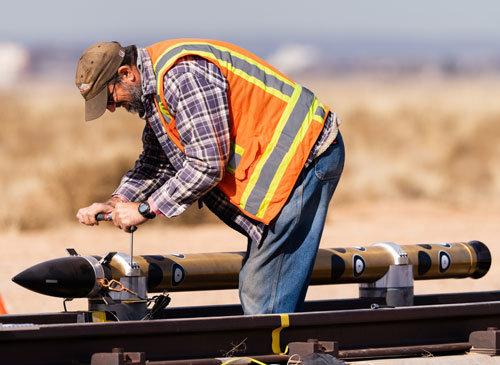
Facility • The sled track provides a controlled environment for high-velocity impact, aerodynamic, acceleration, and other related testing for both small and large test items.
Worker prepares for a test at the Rocket Sled Track.

Sandia and DataDirect Networks Collaboration delivers next generation storage solution for future DOE systems

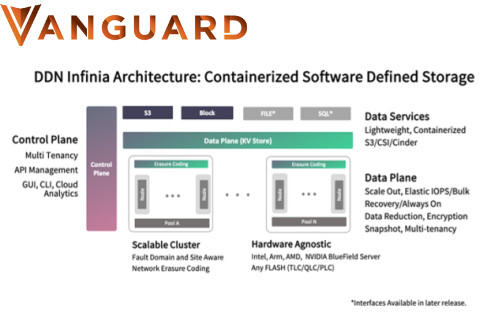
News Article, May 8, 2024 • (Image courtesy of DataDirect Networks) Sandia National Laboratories and DataDirect Networks (DDN) have partnered over the last 3.5+ years to design a next generation parallel storage system to meet the needs of current and future scientific workloads executing on large-scale High Performance Computing (HPC) systems. This partnership has successfully resulted...
A schematic of the DDN Infinia architecture showing the Control Plane, Data Services and the Data Plane
Results 101–200 of 260