
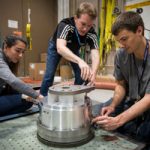
Process modernization
Modernizing the nuclear deterrent also means modernizing the weapon development process. To this end, Sandia and the Kansas City National Security Campus have established the New Product Introduction initiative. By integrating lessons learned from past weapons programs and industry best practices into the existing process, NPI can help enhance the security, reliability and performance of the nation’s nuclear deterrent.
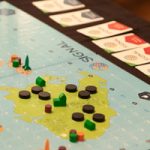
CALLING GAMERS: Future nuclear security experts train with Sandia-designed game
The next generation of nuclear security experts is being trained in an exciting new way — by playing a first-of-its-kind war game Sandia helped design. The game, Signal, which goes online this spring after its launch as a board game last year, offers players a chance to make strategic decisions using modern political, economic and military tools.
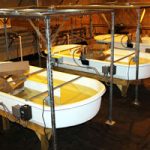
Hear ye, hear ye: open call for algae
To make algae biofuels more competitive with petroleum, growers must increase productivity and keep their ponds from crashing. That’s why Sandia and partners are inviting participants to help in the search for the toughest algae strains and most innovative farming techniques.
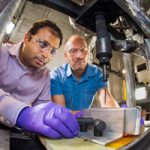
Extreme fast-charging batteries
A key roadblock to widespread use of long-range electric vehicles — the longer time needed for a complete recharge compared to a gas station fill-up — may soon be overcome, thanks to DOE support for extreme fast-charging battery research. Fueled by a $1.5 million award from DOE’s Vehicle Technology Office, Sandia and the University of Michigan have teamed up to develop engineered battery materials that can be charged in less than 10 minutes.
Digesting hydrocarbons
Volatile organic compounds can be found in the air — everywhere. Sources such as plants, cooking fuels and household cleaners emit these compounds directly, and they're also formed in the atmosphere. Sandia researchers and colleagues from other institutions have investigated the reactions of hydrocarbons to understand their impact on the atmosphere’s ability to process pollutants.

Tamara Kolda named editor-in-chief of new SIAM Journal on Mathematics of Data Science
Tamara Kolda has been named founding editor-in-chief of the new SIAM Journal on Mathematics of Data Science (SIMODS), published by the Society for Industrial and Applied Mathematics (SIAM). The new journal brings foundational mathematical and statistical advances in data science to the center stage.
Sandia Labs spending tops $1 billion, economic impact booms in FY18
Sandia spent nearly $1.3 billion in goods and services in fiscal year 2018, with spending on New Mexico companies up by $55 million compared to the previous year, according to the Labs’ latest economic impact report.
Modeling terrorist behavior with Sandia social-cultural assessments
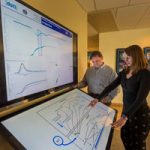
A team of Sandia social-behavioral scientists and computational modelers recently completed a two-year effort, dubbed “Mustang,” to assess interactions and behaviors of two extremist groups. The purpose of their study was to inform U.S. and U.K. decision-makers about the groups' possible reactions to specific communications.
Quantum computing steps further ahead with new Labs projects
Quantum computing is a term that periodically flashes across the media sky like heat lightning in the desert: brilliant, attention-getting and then vanishing from the public’s mind with no apparent aftereffects. Yet a multimillion-dollar international effort to build quantum computers is hardly going away. Now, three new Sandia projects (and a fourth a year underway) aim to bring the wiggly subject into steady illumination.
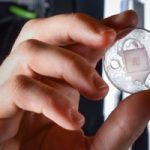
Sandia microneedles technique may mean quicker diagnoses of major illnesses
A new technique using microneedles that are able to draw relatively large amounts of interstitial fluid — a liquid that lurks just under the skin and carries more immune cells than blood — could be effective in rapidly measuring exposure to chemical and biological warfare agents, as well as diagnosing cancer and other diseases.