Laboratory Directed R&D

Results 1–25 of 34
Current Filters Clear all

Accelerating multiscale materials modeling with machine learning

News Article, May 9, 2023 • Multiscale materials modeling fundamental insight into microscopic mechanisms that determine materials properties in nuclear stockpile applications that leverage radiation harden semiconductors, advanced manufacturing, shock compression, and energetic materials. This LDRD team including three postdoctoral researchers developed a new ML surrogate model for density functional theory using deep neural networks to...
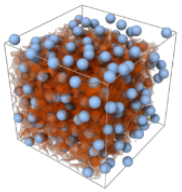
A cube with balls represents atoms configured on a grid.

Accelerating navigation algorithms

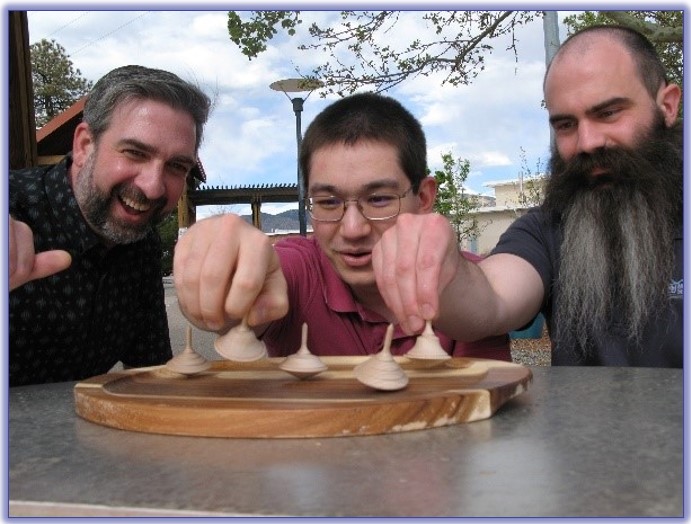
News Article, July 14, 2025 • Thinking creatively about rotations, the team discovered new numerical methods for solving differential equations on rotation groups with increased precision. Here, Mike Walker (left), Daniel Foreman (center), and Michael Sparapany (right) spin toy tops. (Photo by Jennifer Sanderson) One Laboratory Directed Research & Development (LDRD) team took on a critical...

Advancing turbulence models for hypersonic flows using machine learning 

News Article, July 14, 2025 • Sandia researchers utilized machine learning techniques to address the limitations of Reynolds-averaged Navier-Stokes (RANS) turbulence models in predicting hypersonic turbulent flows, with a particular emphasis on inaccuracies in wall heating predictions for flows involving shock boundary layer interactions. This research has led to the development of neural-network-based machine learned turbulence...

Advancing understanding of acoustic signals in underground tunnel structures

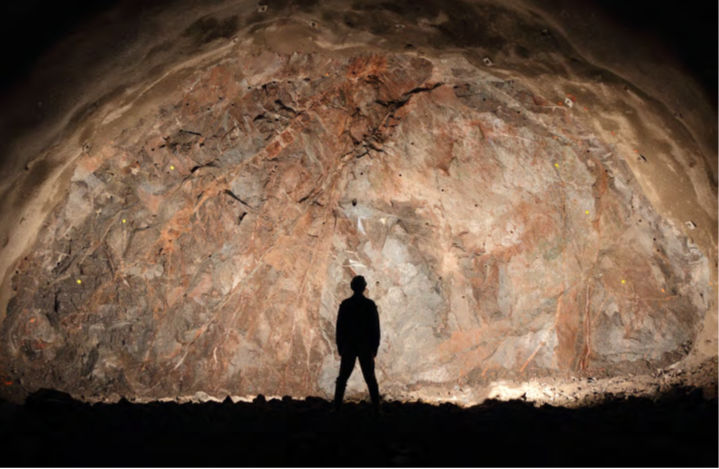
News Article, July 14, 2025 • Sandia researchers are using remote data to determine the structure of underground tunnels. Specifically, their research focuses on understanding acoustic resonance in these structures, specifically how changes in tunnel configurations affect the acoustic signals observed from a distance. The potential benefits of this work were presented in May 2024 at...

Biometric calcification for carbon sequestration from seawater 

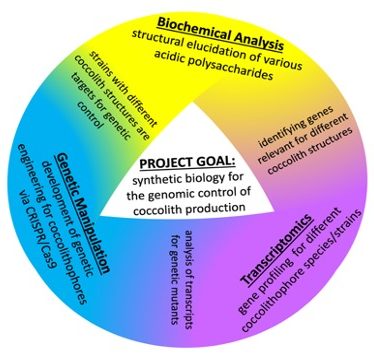
News Article, June 7, 2023 • Numerous objectives are involved in helping researchers work on biomimetic calcification for carbon sequestration from seawater. An integrated data science and experimental approach is being taken to the challenges of direct capture of CO2 from the ocean. A large group of marine microalgae, coccolithophores, produce calcium carbonate (calcite) plates referred...
A circular diagram with the research project goal broken into three objectives being worked on by researchers.

Developing engineered probiotics to combat respiratory infections

News Article, July 14, 2025 • Sandia researchers are focused on protecting soldiers and citizens from biological threats by creating innovative solutions to prevent and treat infectious diseases, especially those affecting the respiratory system. Advances in synthetic biology have led to the concept of “living countermeasures,” where cells are genetically engineered to act as sensors and...

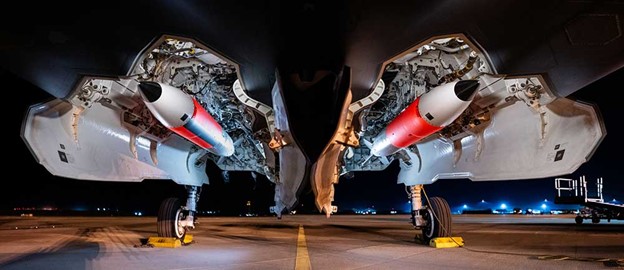
Developing new and improved safety technology for nuclear weapons

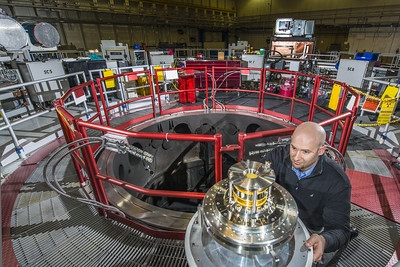
News Article, May 13, 2026 • Two B61-12 joint test assemblies loaded on an F-35 aircraft for a flight test on Aug. 19, 2025. (Photo by Craig Fritz) The Time-Resolved Elastodynamic Discrimination (TRUE-D) Laboratory Directed Research & Development project is focused on improving safety systems for new nuclear weapons, with the goal of making them more...

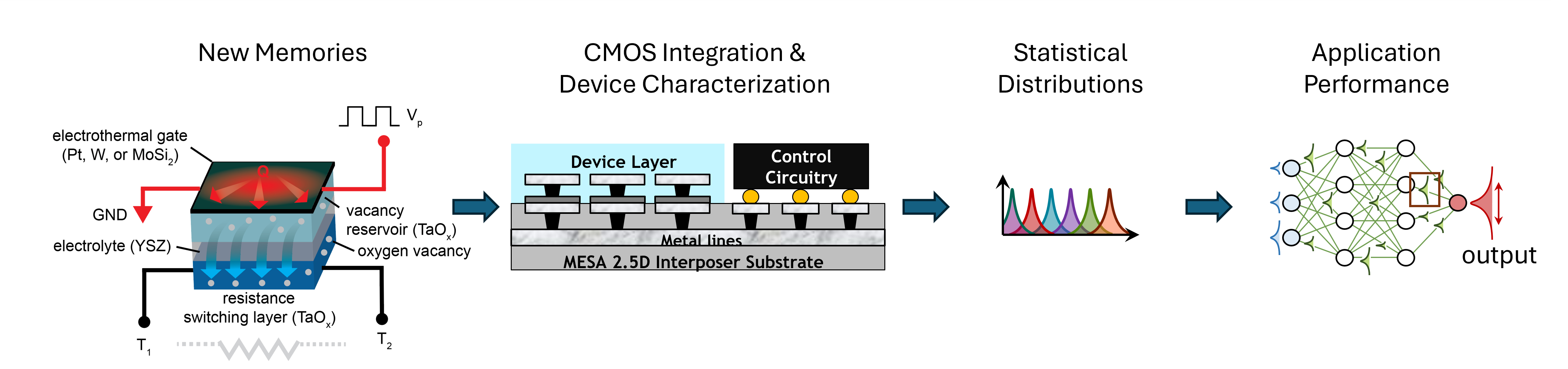
Extreme environments: Sandia is ready

News Article, May 13, 2026 • Accelerating real-time AI with advanced analog in-memory computing Sandia LDRD researchers have developed tools to go from the invention of new computing devices to application-level performance estimates. (Click image to expand) Sandia is advancing computing capabilities in environments where traditional digital systems struggle, such as space missions exposed to radiation....

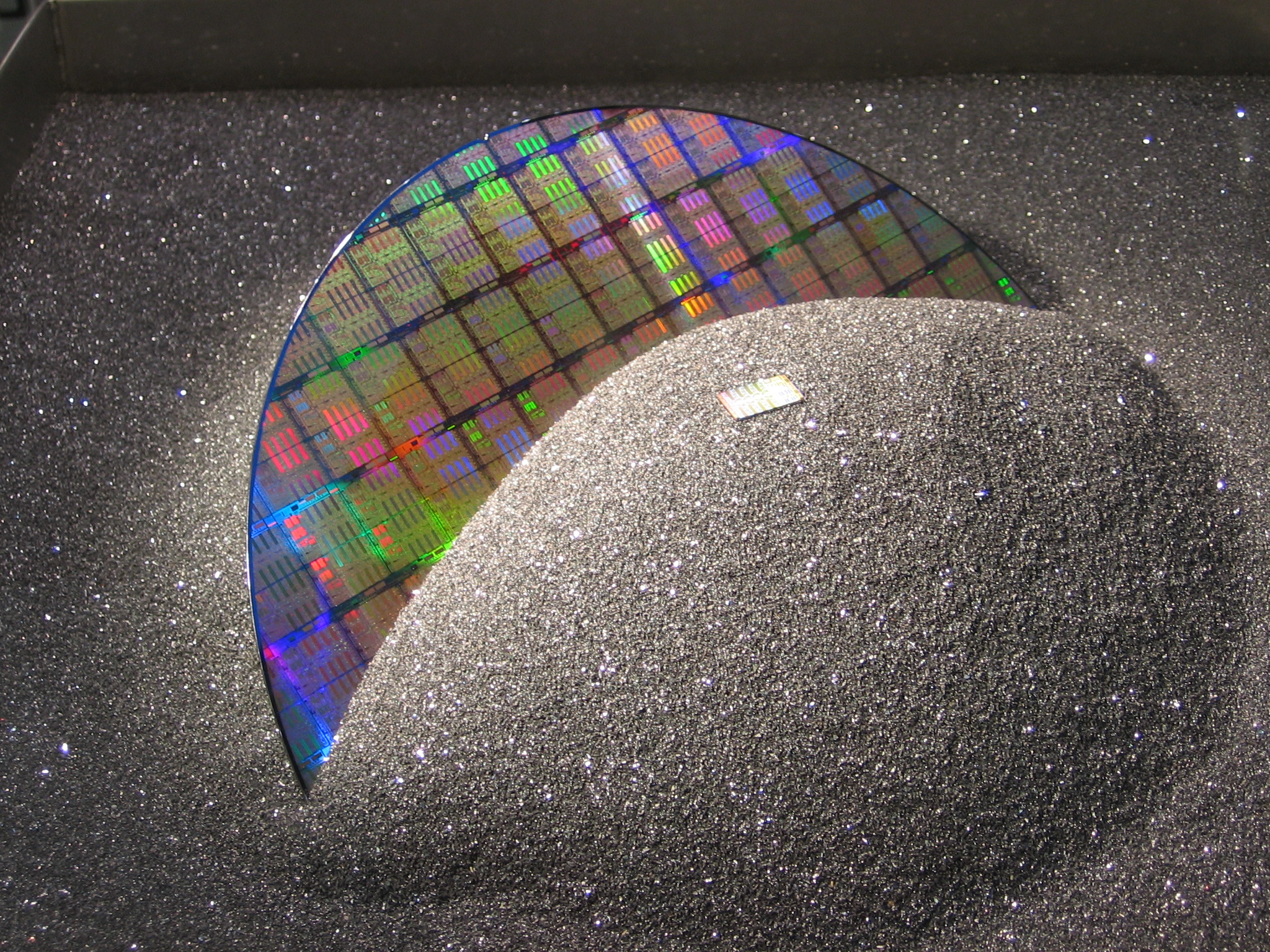
Facing radiation challenges head on

News Article, May 13, 2026 • Evolving semiconductor technology for national security applications Silicon wafers serve as the foundationalsubstrate in semiconductor production. With the goal of enhancing the reliability and performance of microelectronics in the face of radiation challenges, Laboratory Directed Research & Development researchers have made significant strides in developing non-volatile, radiation-hard ferroelectric memory using...

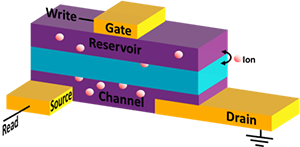
Fin-ion tunable transistor for ultra-low power computing 

News Article, June 7, 2023 • Work on this project revealed fundamental principles of electrochemical random access memory and established a viable path toward its integration with complementary metal-oxide semiconductor. Data-heavy workflows such as AI require in to increase system efficiency. Work on this memory computing, so this LDRD team focused on creating analog resistive nonvolatile...
NM - 218372 - Ulta Low Power Computing.png

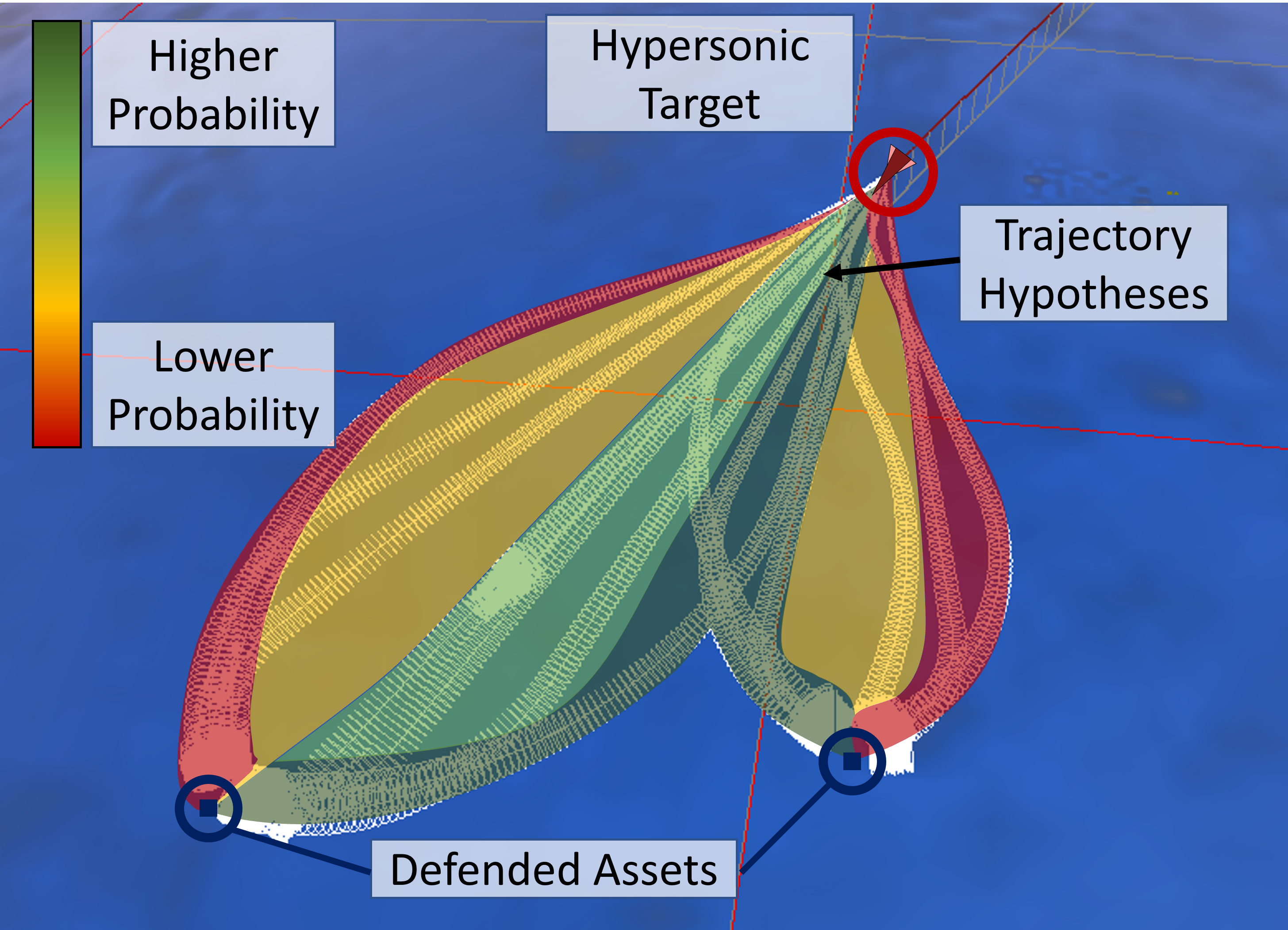
Fortifying fire control algorithms for cooperative hypersonic target prediction and interception

News Article, May 13, 2026 • Side-by-side comparison of aimpoint selection methods including traditional, literature-based, and Sandia’s multi-hypothesis approach for defending an asset from a hypersonic threat. (Click image to expand) Hypersonic weapons pose a challenge to missile defense systems due to their extreme speed, unpredictable maneuvers, and aimpoint ambiguity. To meet this threat, Sandia Laboratory...

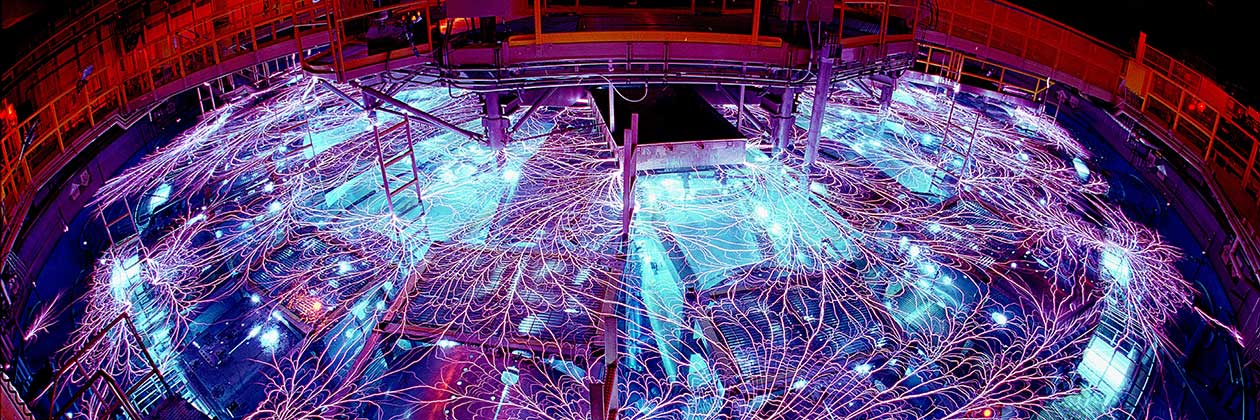
Imaging the visible emissions from plasmas in pulsed power experiments

News Article, March 16, 2023 • The center section of Sandia's Z Machine Low density plasmas are predicted to impact Sandia’s Z machine experiments in a variety of ways. Magnetic Resonance Tomography instability development during the target implosion can lead to broad trailing density profiles and potentially redistribute current away from the on-axis stagnation region. Low...
A technician gets a target ready for the center section in the Z machine pulsed power facility

Improving assurance of high-consequence systems using formal methods and automated reasoning 

News Article, July 14, 2025 • Error from imperfect computer representations of numbers when visualizing a sphere at 1km and 20,000km distance from an observer. Computers typically represent numbers one of two ways: fixed-point (via integers) and floating-point numbers. Floating point provides improved efficiency and productivity, but errors can accumulate if not managed carefully. Error from...

Improving predictive capability in REHEDS simulations with fast, accurate, and consistent nonequilibrium material properties 

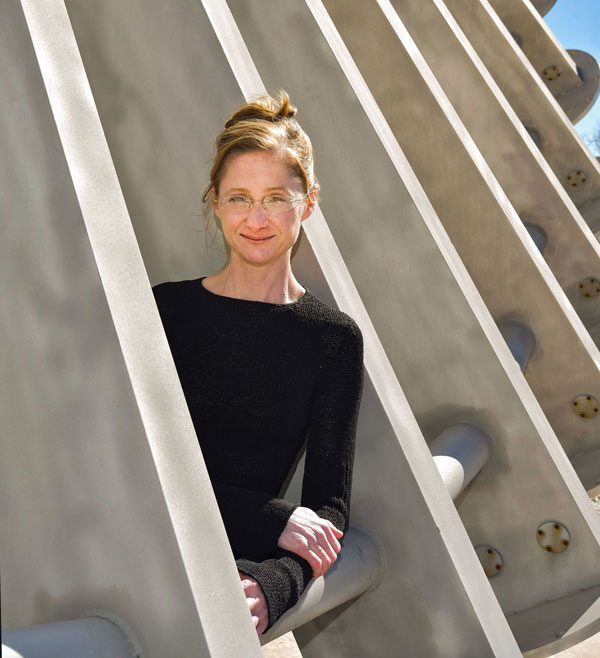
News Article, June 22, 2023 • Sandia scientist Stephanie Hansen was elected Fellow of the American Physical Society by its Division of Plasma Physics. (Photo by Randy Montoya) Predictive design of experiments in Radiation, Electrical, and High Energy Density Science (REHEDS) requires knowledge of material properties (e.g., equations of state (EOS), transport coefficients, and radiation physics). Interpreting...
Sandia scientist Stephanie Hansen

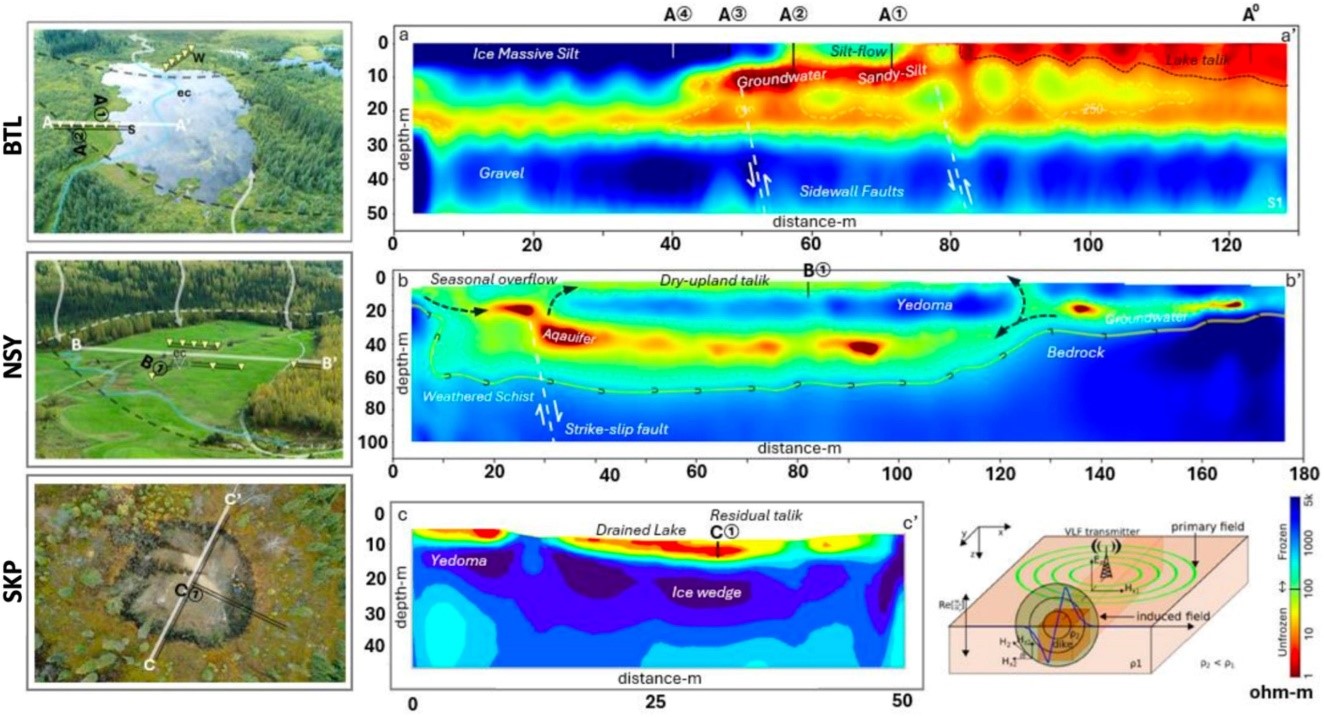
Improving understanding of microbial roles in permafrost carbon release

News Article, June 2, 2025 • As permafrost thaws, it exposes ancient organic matter that microbes can use as fuel. This process contributes to the release of gases like carbon dioxide, methane (CH₄) and volatile organic compounds (VOCs). In areas like the Yedoma permafrost, which holds large amounts of frozen organic material, the formation of thermokarst...

Leveraging machine learning to refine material models for fusion applications

News Article, July 14, 2025 • To enable future innovative designs for fusion platforms on the Z machine, a Sandia LDRD team developed an automated framework for constructing material models. This directly addressed the challenge of creating comprehensive material models that can leverage machine learning and integrate data from multi-fidelity datasets, something vital for uncertainty quantification...

Microbiome editing to improve economic viability of algae growth as a feedstock

News Article, June 27, 2023 • The major challenge with using algae as a feedstock is growing it economically, which hinges strongly on the ability to prevent pond crashes due to biotic factors, like bacteria. Phages, the viruses of bacteria, offer an unexplored solution to this problem. In contrast to antibiotics, phages are typically species-specific and...
Algae is shown growing from underneath the water.

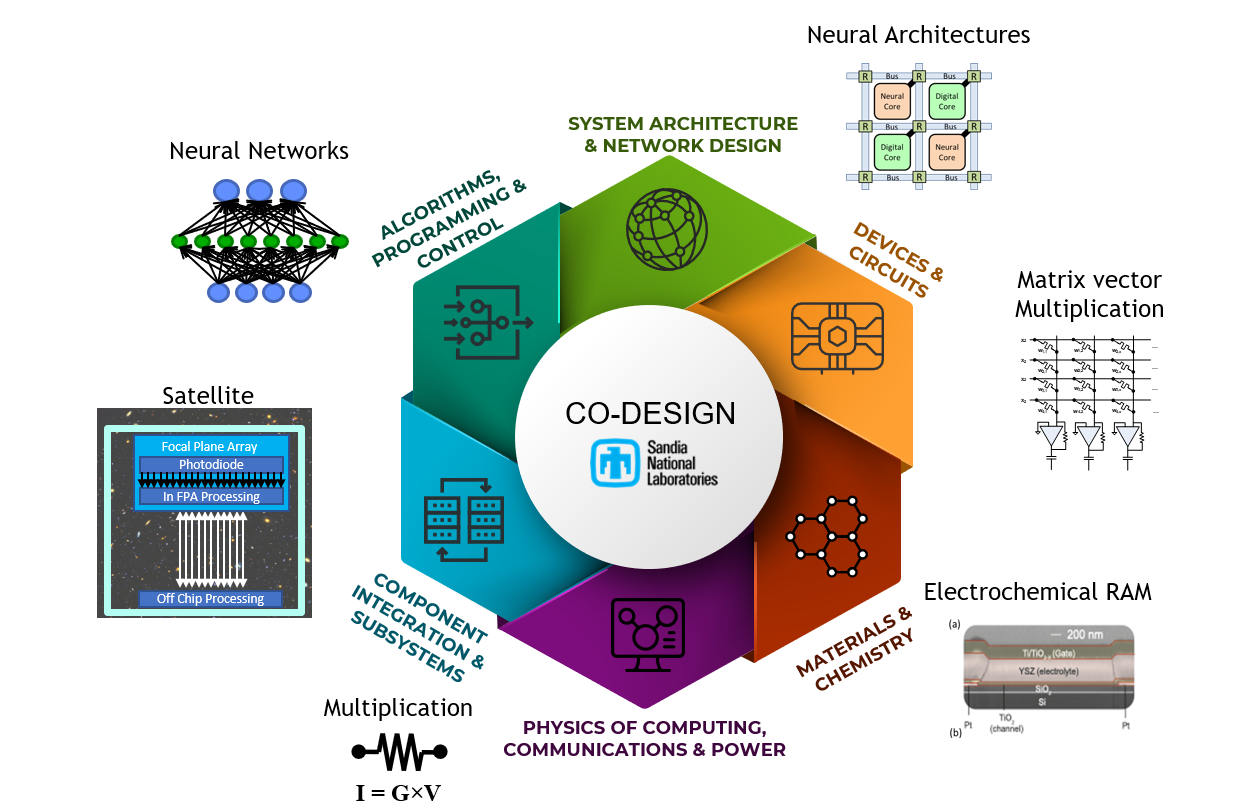
New 2.5D neuromorphic discovery platform will enable AI-enhanced co-design 

News Article, June 7, 2023 • AI-enhanced co-design will be enabled through Sandia’s 2.5D neuromorphic discovery platform. Novel material and device concepts previously took years for iteration. Discoveries in this LDRD project will now allow them to be iterated on in weeks thanks to a new easy fabrication substrate platform for novel devices. The team designed...
A segmented graphic design showing six elements of Sandia’s 2.5D neuromorphic discovery platform.

New technology for heterogeneously integrated devices allows for underfilling of complex geometries using driven fluids 

News Article, June 7, 2023 • Underfilling is a widely used manufacturing process that helps stabilize and reinforce solder joints in electronic parts. However, heterogeneously integrated (HI) devices are challenging to underfill using standard capillary flow methods, due to large areas with narrow gaps—trenches that act as strong flow barriers, and high bump density that cause...

Optimizing machine learning decisions with prediction uncertainty

News Article, May 9, 2023 • Digital background depicting innovative technologies in (AI) artificial systems, neural interfaces and internet machine learning technologies While ML classifiers are widespread, output is often not part of a follow-on decision-making process because of lack of uncertainty quantification. Through this project, the team developed decision analysis methods that combined uncertainty estimates...
Digital background image of brain connectors

Predicting catastrophic failure and collapse in infrastructure

News Article, March 20, 2023 • The team, led by Sandia principal investigator Jessica Rimsza, developed new modeling capabilities for evaluating multiphase phenomena in cement-based materials in energy and infrastructure applications, a chemo-mechanical model for cement fracture, identified sources of uncertainty in cement degradation and concrete fracture, and created six new capabilities for modeling brittle fracture...
A large urban suspension bridge

Quantum-accurate multiscale modeling in highly compressed metals  

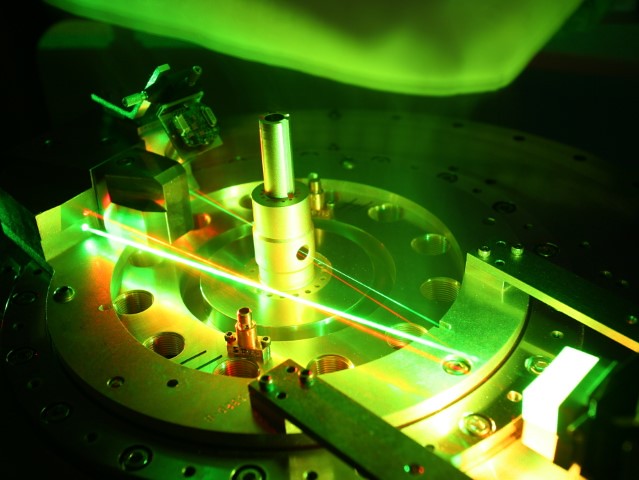
News Article, June 22, 2023 • Lasers are used to align diagnostics and hardware prior to shooting on Sandia's Z machine, the world's most powerful and efficient laboratory radiation source. The development of equations-of-state and transport models in areas such as shock compression and fusion energy science is critical to DOE programs. Notable shortcomings in these...
Lasers are aligning diagnostics and hardware.

Researchers develop a tantalizing method to study cyberdeterrence

News Article, November 27, 2023 • TANTALUS — The online game simulates how success or failure is within a player’s reach. Experimental war gaming provides insightful data for real-world cyberattacks In Greek mythology, Tantalus was the king of Sipylus who so angered Zeus with his treachery that his punishment was to go thirsty and hungry while...
Three countries illustrated in a cyberdeterrence game

Revealing the kinetics of atmospheric corrosion damage through in-situ x-ray computed tomography and machine vision 

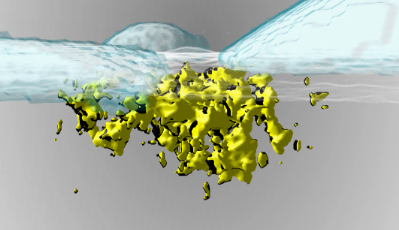
News Article, June 8, 2023 • In-situ XCT enables both the growth rate and morphology (yellow) of pits to be directly characterized in relationship to the evolving electrolyte (blue) and prior stages of pit morphology (black).  Atmospheric corrosion is a critical materials degradation problem, yet the ability to predict its kinetics remains elusive. Conventional approaches provide...
Results 1–25 of 34