
Accelerating real-time AI with advanced analog in-memory computing
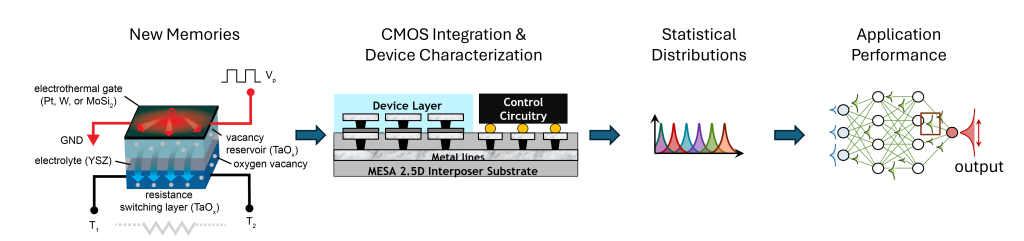


Sandia is advancing computing capabilities in environments where traditional digital systems struggle, such as space missions exposed to radiation. The team developed innovative analog in-memory computing technologies that significantly reduce energy consumption and enable more processing in edge systems. This research, part of the Advanced RAD-EDGE Grand Challenge Laboratory Directed Research & Development initiative, focuses on creating resilient AI computing systems for extreme environments.
(Click image to expand)
(Click image to expand)
(Click image to expand)
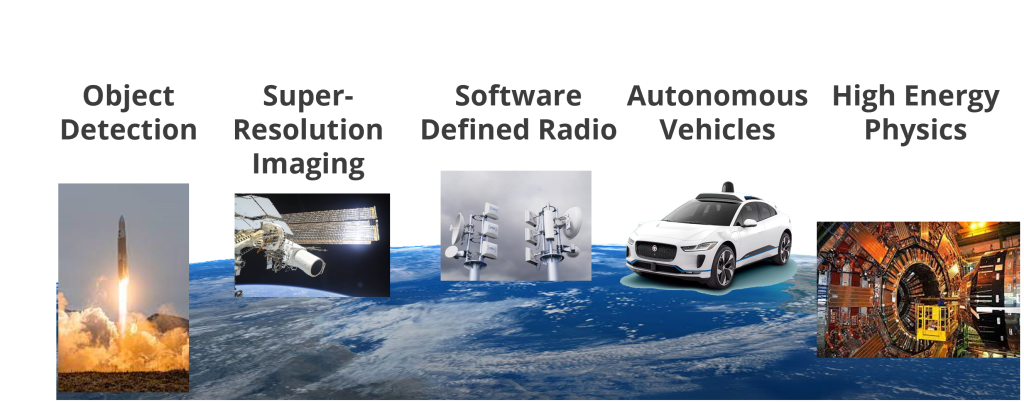
Through this project, Sandia researchers have created low-noise, radiation-resistant memory devices and co-design tools for accurate and efficient computations. By leveraging analog computing, the team aims to accelerate data processing for applications like space-based sensing, flight systems, and large language models. Their work shows that analog computing can outperform conventional digital systems, paving the way for more efficient computing solutions in many applications.
May 13, 2026