Microsystems Engineering, Science and Applications (MESA)
National Solar Thermal Test Facility (NSTTF)
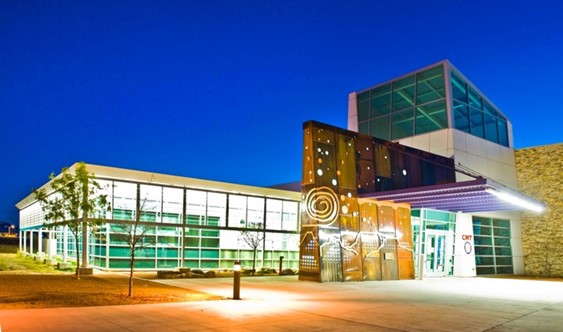
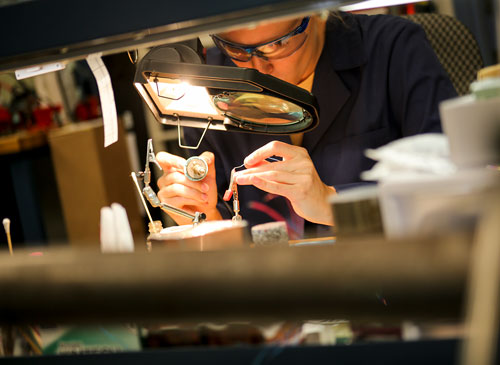
Center for Integrated Nanotechnologies (CINT)
Z Pulsed Power Facility
Science & Technology Facilities
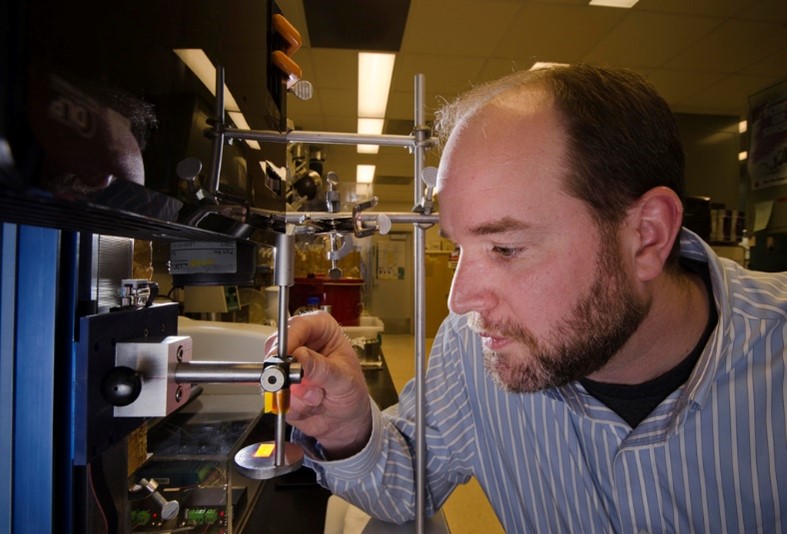
Microsystems Engineering, Science and Applications (MESA)
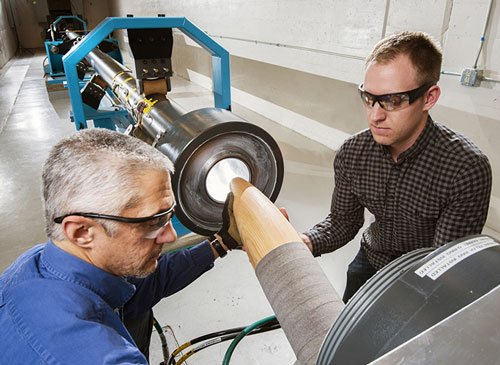
National Solar Thermal Test Facility (NSTTF)
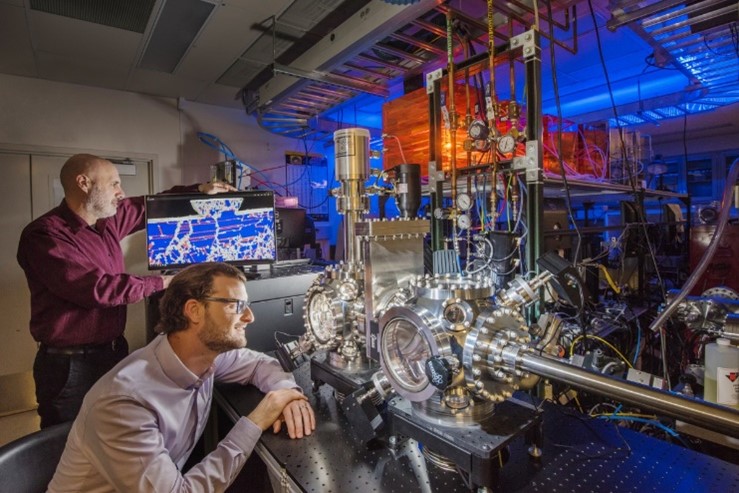
Center for Integrated Nanotechnologies (CINT)
Z Pulsed Power Facility
Sandia National Laboratories, one of the largest Department of Energy (DOE) research facilities, utilizes specialized buildings and equipment to conduct world-class research and effectively meet unique program requirements. The facilities tagged as a Technology Deployment Center (TDC) can be used by outside researchers; see this Work With Sandia page for more information on collaboration opportunities.
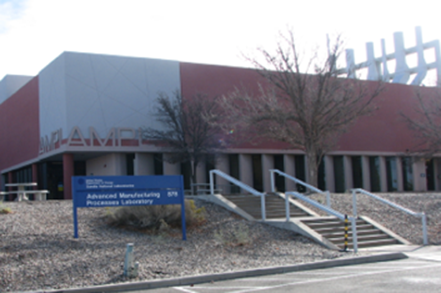
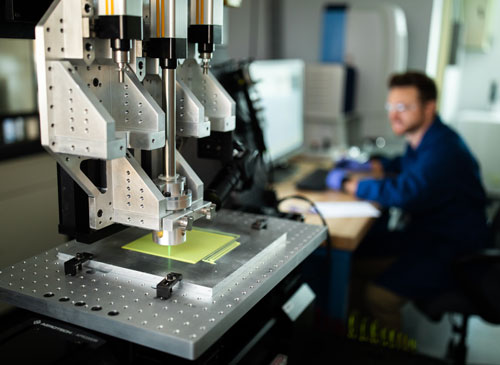
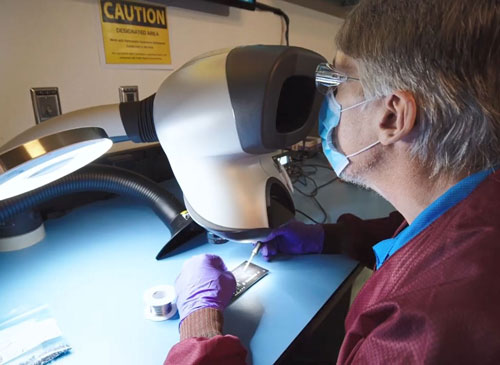
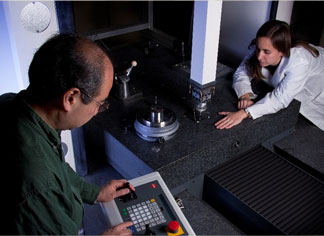
AMPL provides extensive expertise in the areas of manufacturing research and development, as well as advanced engineering and prototyping capabilities.
Earth, Energy & Environmental Science, Engineering Science
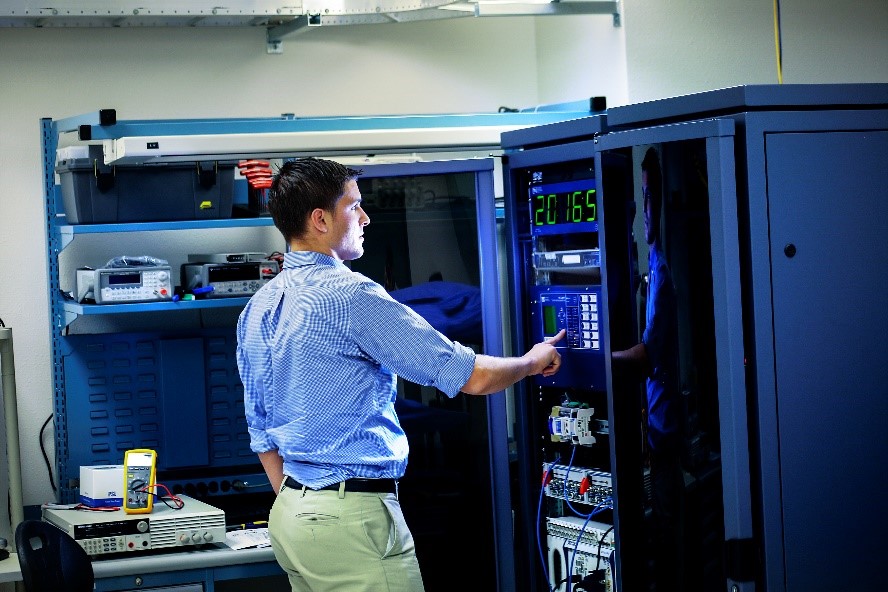
The Advanced Power Electronic Conversion Systems (APEX) Laboratory supports the development of advanced power conversion topologies and intelligent control strategies. Research in the APEX laboratory focuses on robust and fault-tolerant conversion systems for utility-scale...
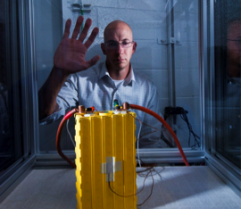
The Power Sources Technology Group (PSTG) group provides comprehensive capabilities in power source research, design, engineering, characterization, evaluation, and testing.
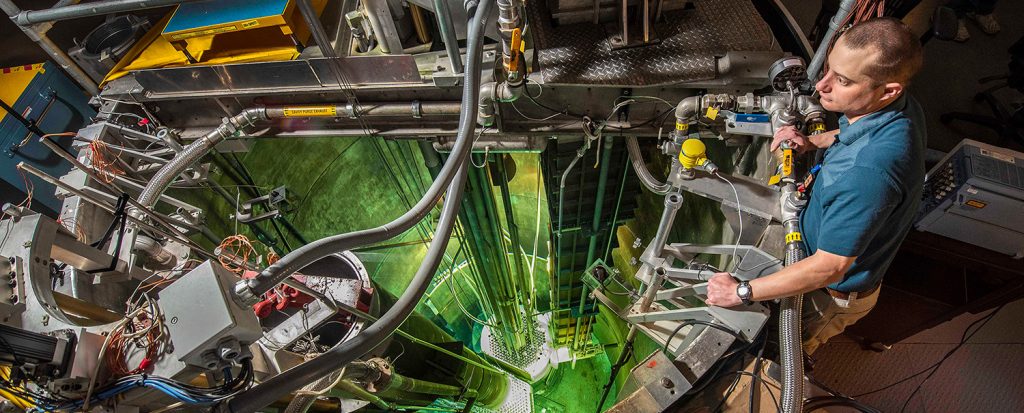
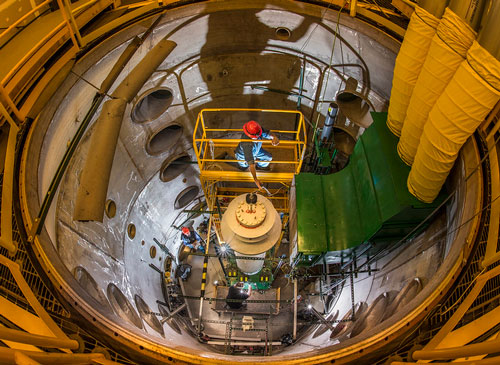
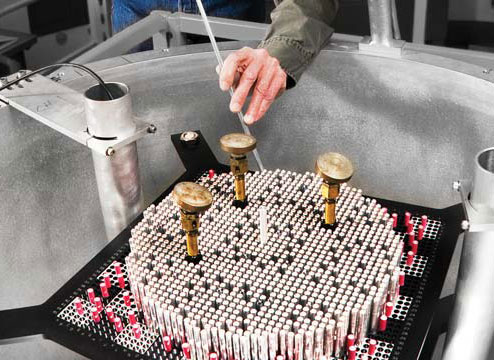
Annular Core Research Reactor (ACRR) is a unique nuclear reactor facility, regarded as a national treasure due to its unmatched attributes and capabilities. It is a pool-type reactor with large dry testing cavities, operating...
The ABL located in Livermore, CA focuses on energy security and biosecurity research focused on reducing threats from infectious diseases and biological weapons.
The AHCF is a nuclear facility used to characterize, treat, and repackage radioactive and mixed material and waste for reuse, recycling, or ultimate disposal.
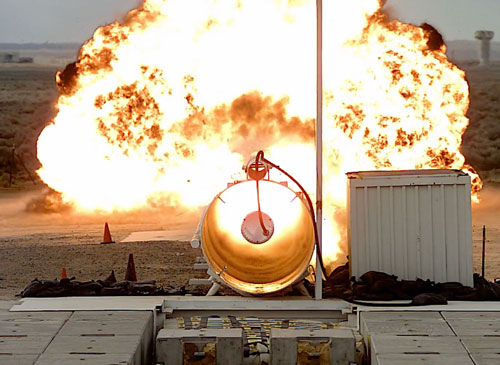
The Blast Tube facility provides tests using different blast tube configurations with varying lengths and diameters to perform tests with energetic and hazardous materials.
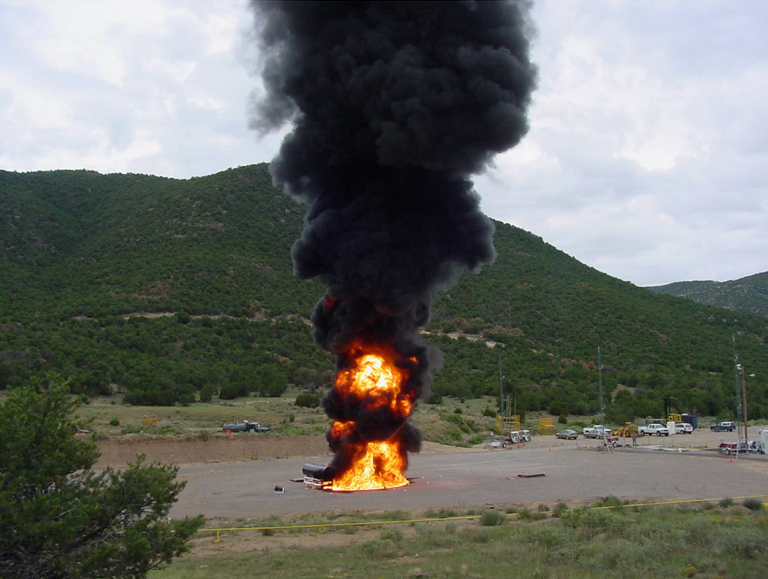
Lurance Canyon Burn Site (LCBS) provides controlled fire environments to perform fundamental studies, simulate transportation and handling accidents for nuclear safety studies, and evaluate and certify hazardous materials shipping containers.
The Center for Advanced Manufacturing and Innovation (CAMINO) is Sandia’s initiative to build advanced manufacturing competencies and mission-grade trust that will accelerate product realization for critical missions. Advanced Manufacturing represents a paradigm shift in...
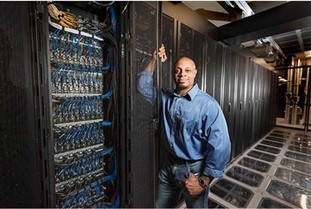
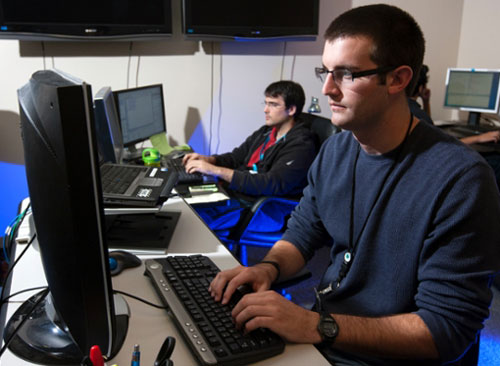
The CCR work includes computer system architecture (both hardware and software); enabling technology for modeling physical and engineering systems; and research in discrete mathematics, data analytics, cognitive modeling, and decision support materials.
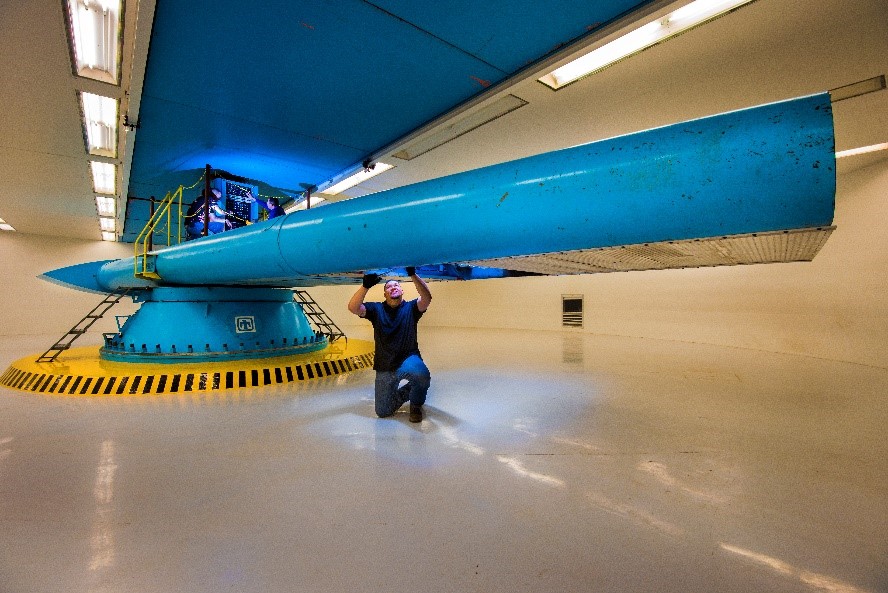
The Superfuge capability provides the most realistic flight environments beyond the typical launch, reentry, and flight inertial loads by combining vibration, spin, thermal, and shock.
The CRF responds to the nation’s evolving energy challenges with ever increasing expertise and capacity aimed at improving our nation’s ability to use and control combustion processes.
CSRI brings university faculty and students to Sandia for focused collaborative research on Department of Energy computer and computational science problems.
Earth, Energy & Environmental Science, Materials & Advanced Manufacturing, TDC
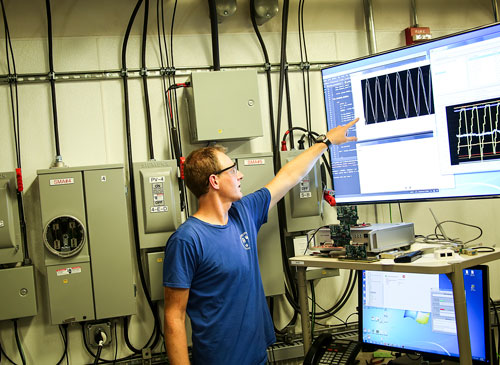
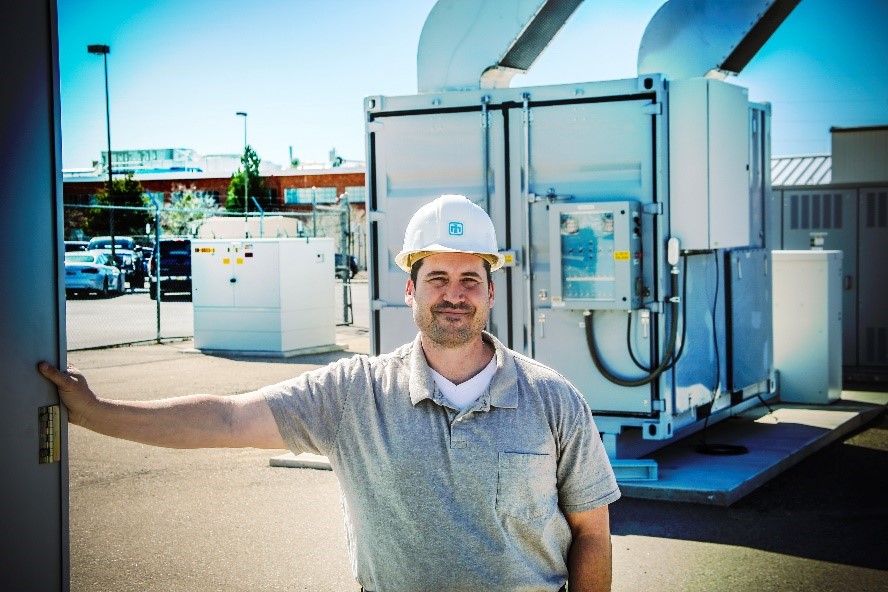
DETL is a multipurpose research facility designed to integrate emerging energy technologies into new and existing electricity infrastructure to accommodate the nation’s increasing demands for clean, secure, and reliable energy.
ESTP, in conjunction with the Energy Storage Analysis Laboratory (ESAL), provides long-term testing and validation for electrical energy storage systems. The goal of the ESTP is to develop advanced energy storage technologies that will...
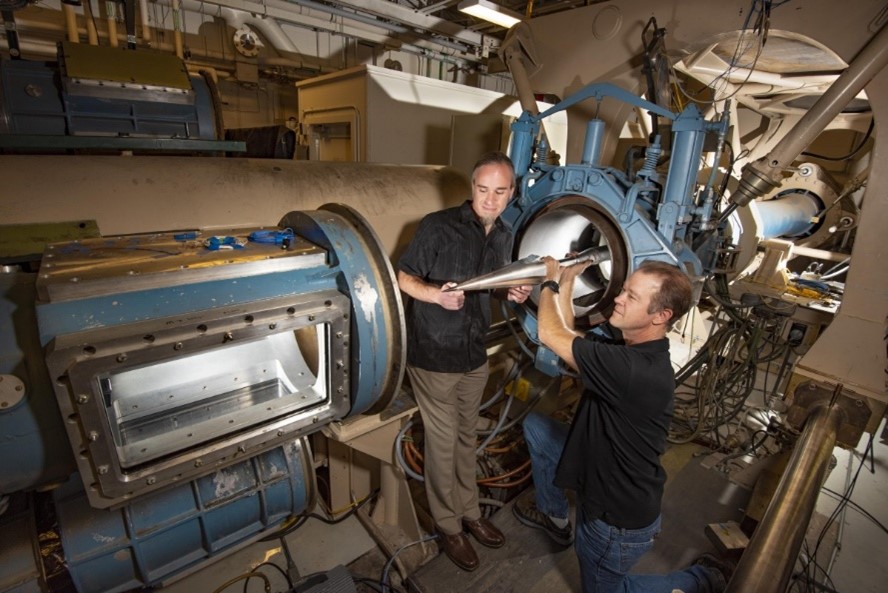
The ESEF focuses on advanced diagnostics and fundamental experiments. Researchers seek to improve understanding of phenomena in areas of fluid flow, heat transfer, and aerodynamics.
The ECF provides unique capabilities allowing staff to design, test, and prototype a wide variety of energetic components in support of Sandia's ND mission.
ETG provides diverse technical expertise and an agile, integrated approach to solve complex challenges for all classes of energetic materials (EM) and explosive components.
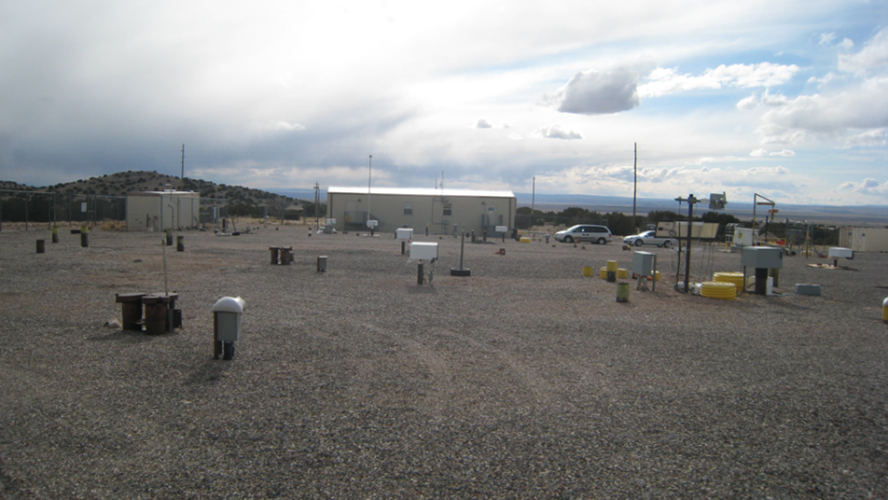
The FACT site provides the equipment and seismically quiet surroundings required for testing infrasound and seismic sensors, instrumentation, and monitoring systems.
The Gamma Irradiation Facility (GIF) provides high-fidelity simulation of nuclear radiation environments for materials and component testing. The GIF can produce a wide range of gamma radiation environments (from 10-3 to over 6.5 x 10^2 rad/second)...
The Geomechanics Laboratory enables researchers to measure rock properties under a wide range of simulated environmental conditions, including high-pressure and complex load paths
Engineering Science, Radiation Effects & High Energy Physics
The HOT site researchers simulate conditions found deep underground to study the effects of heat on the drill rig hammer, and drill into various types of rock.
IMRL integrates research from atomic scale to full scale components, investigates organic materials, advanced alloys, electronic and photonic semiconductors, high temperature superconductors, ceramics, quantum systems, and laser, optical and dielectric materials.
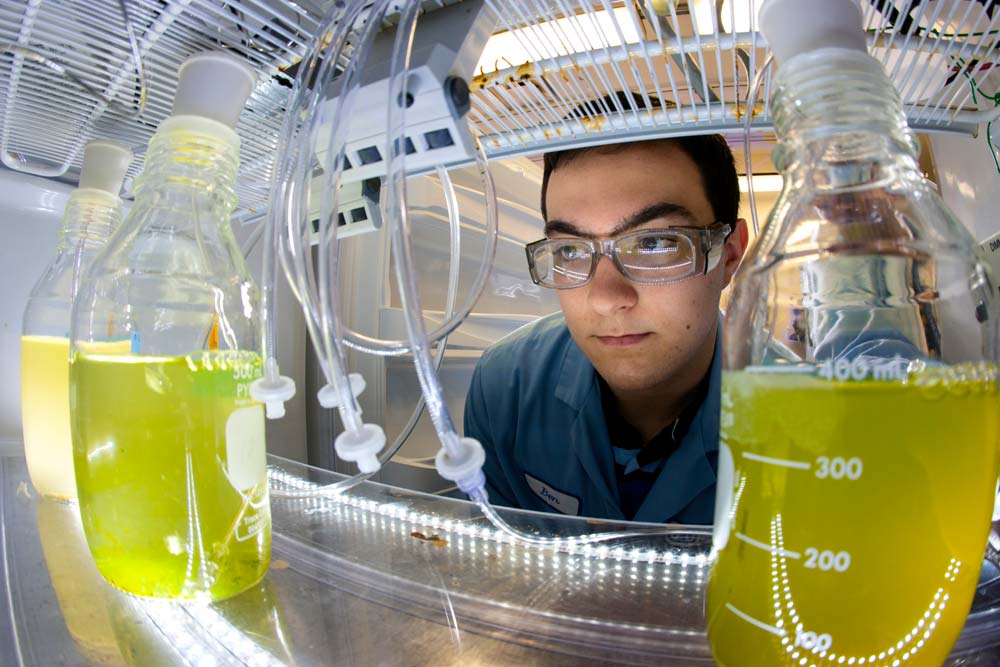
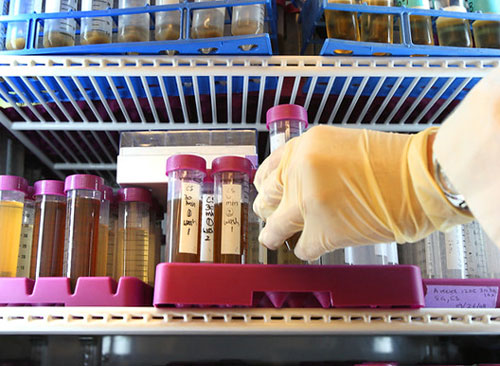
JBEI is a DOE Bioenergy Research Center dedicated to developing advanced biofuels—liquid fuels derived from the solar energy stored in plant biomass that can replace gasoline, diesel, and jet fuels.
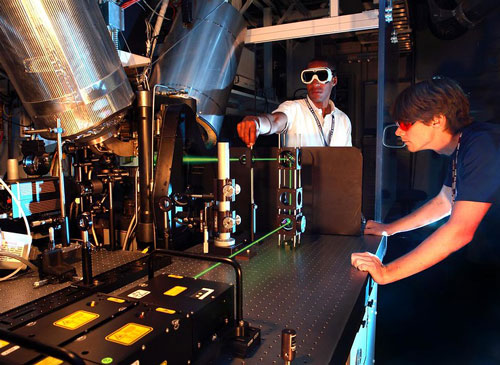
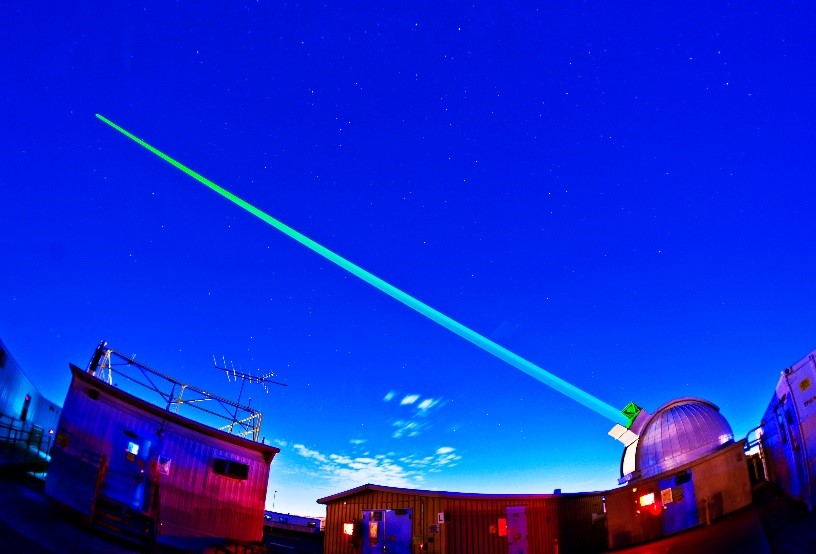
LAZAP tests and calibrates U.S. reconnaissance and Global Positioning System (GPS) satellites. The facility propagates visible high-powered lasers of multiple wavelengths through the atmosphere with a large aperture beam director.
The Mechanical Shock Complex provides tailored impact environments, such as shock and crush. The complex simulates dynamic environments such as weapon delivery, severe accident, and pyroshock.
MANTL comprises four buildings with office and lab space and Sandia’s Plating Research Laboratory. MANTL research focuses on mechanical and electrical engineering, chemistry, radiography plating, and more.
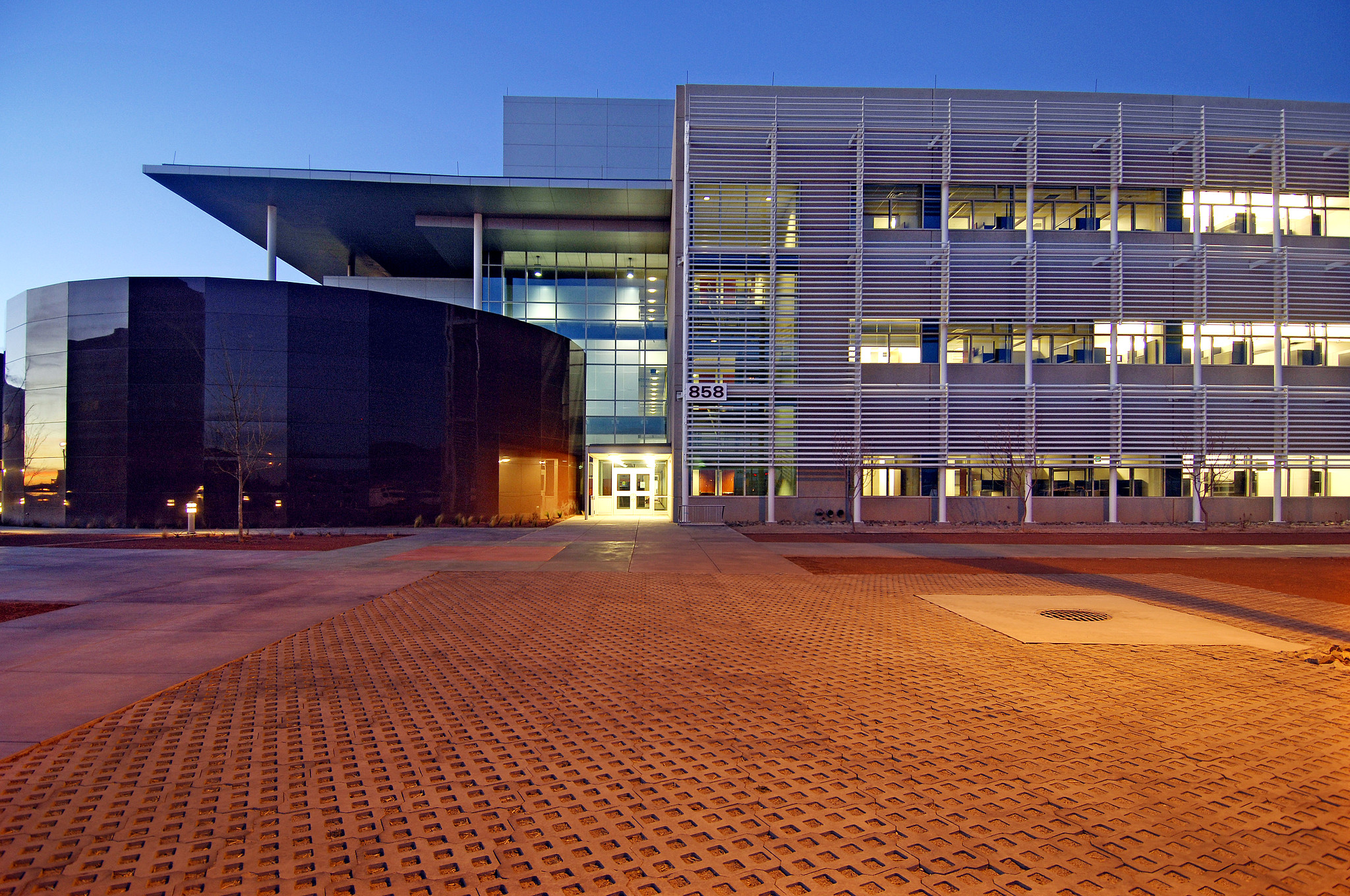
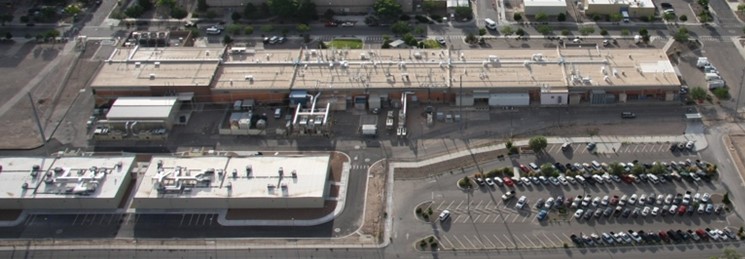
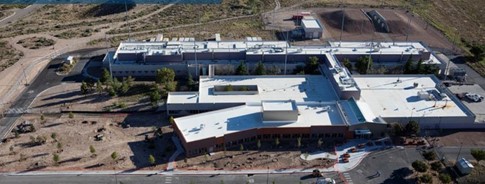
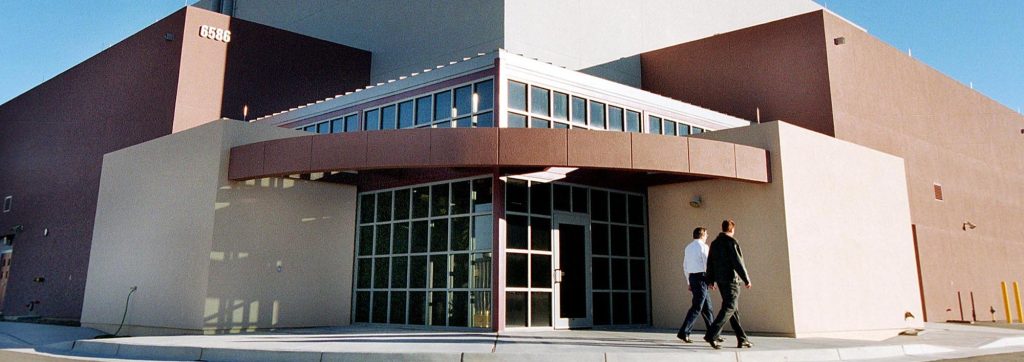
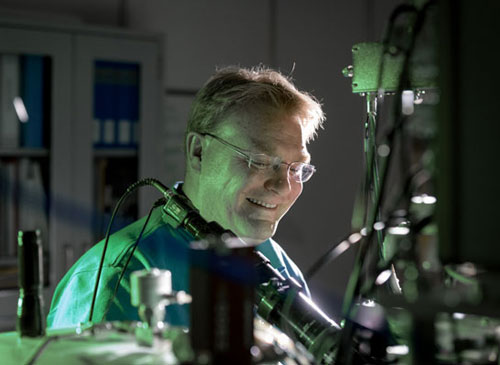
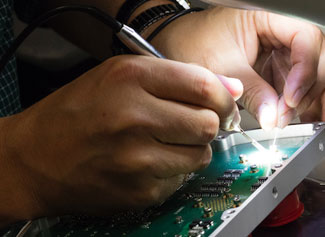
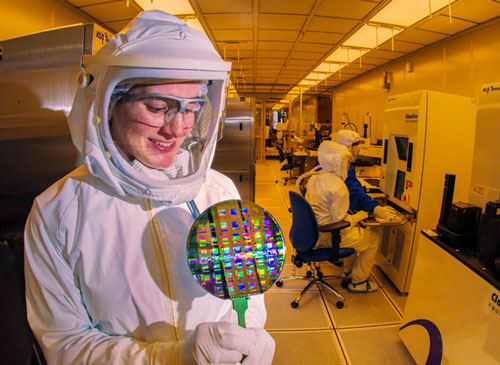
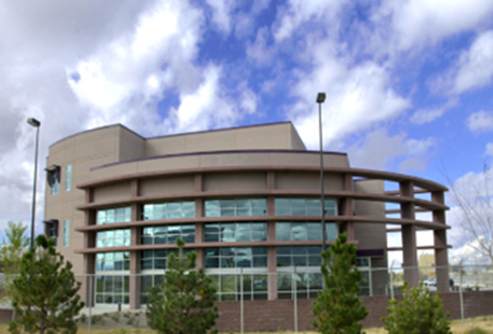
MESA integrates scientific disciplines to produce functional, robust, integrated microsystems. Today researchers pursue advanced concepts that integrate not only electronics at the micro scale, but embody sensors, photonics, and MEMS components.
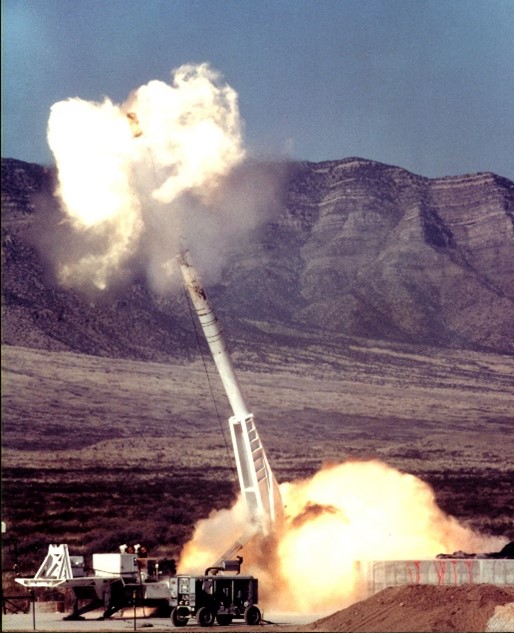
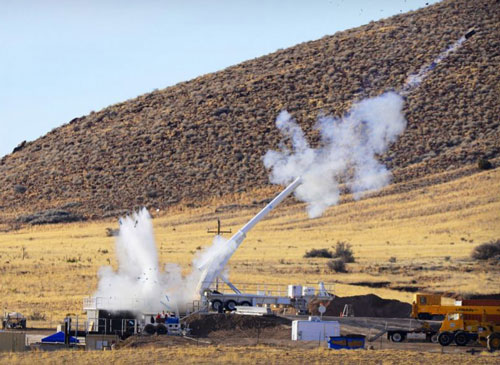
The MGTC is a set of mobile projectile launch systems (guns) used to test a variety of projectiles and/or targets. The MGTC enables investigation of terminal ballistic events into in-situ geologies or engineered targets.
Earth, Energy & Environmental Science, Engineering Science, Materials & Advanced Manufacturing, Radiation Effects & High Energy Physics, TDC
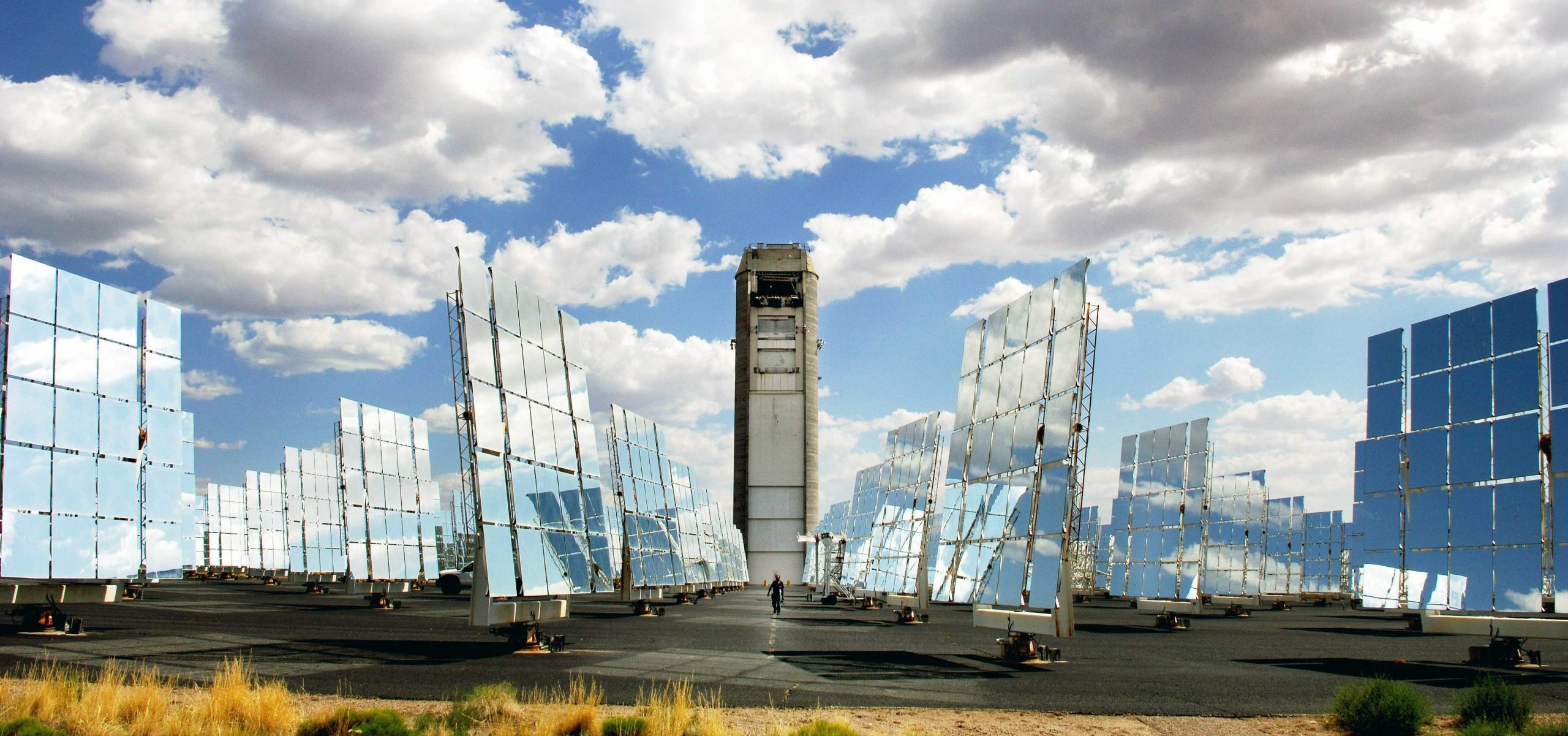
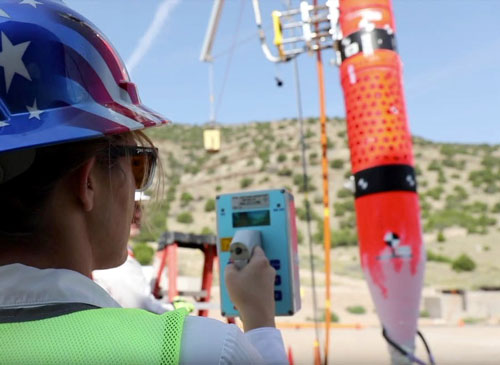
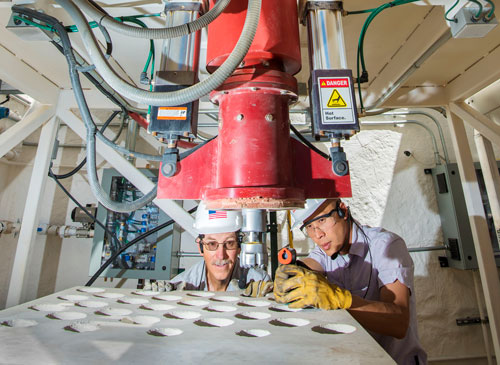
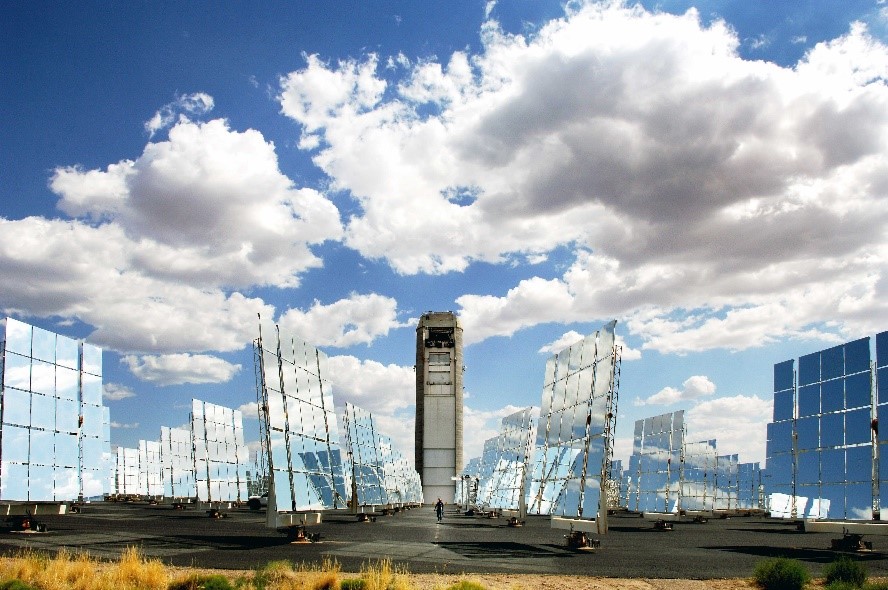
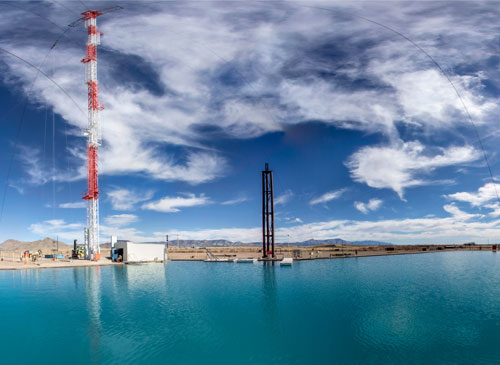
Operated by Sandia for the U.S. Department of Energy (DOE), the National Solar Thermal Test Facility (NSTTF) is the only large-scale concentrating solar power (CSP) and solar thermal test facility in the United States.
Earth, Energy & Environmental Science, Engineering Science
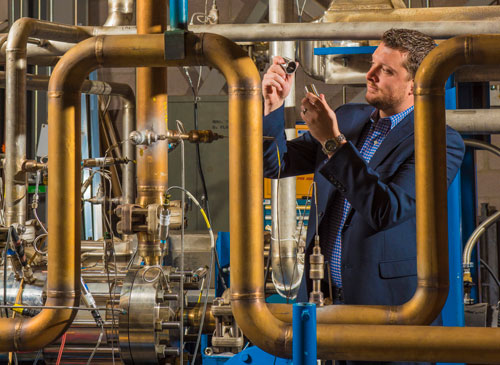
NESL focuses on creating a thermal-to-electric power conversion technology in a configuration called the recompression closed Brayton cycle that uses supercritical carbon dioxide as the working fluid.
NEWC focuses on performing high-quality and real-world testing of nuclear power components, including prototypic spent fuel assemblies and storage systems.
Earth, Energy & Environmental Science, Engineering Science, TDC
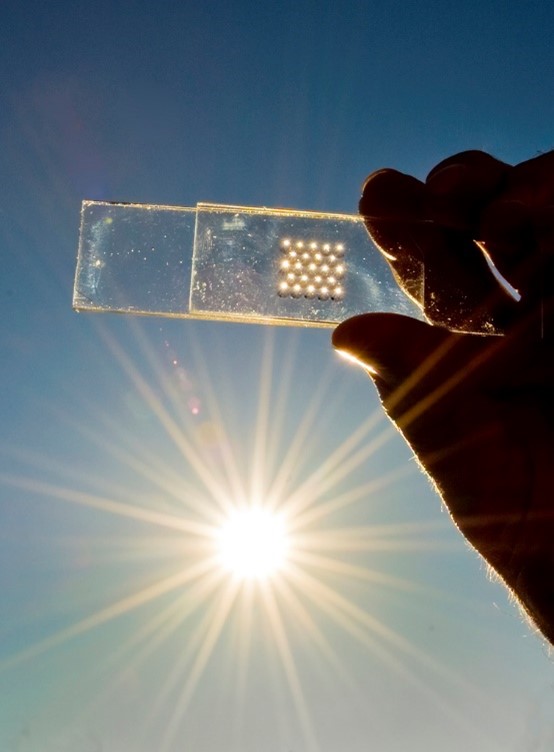
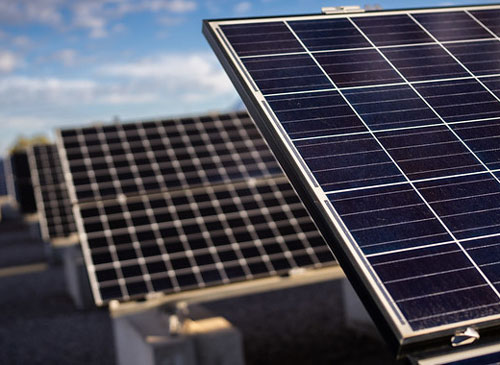
Sandia’s Photovoltaic Systems Evaluation Laboratory (PSEL) enables performance characterization of photovoltaic (PV) cells, modules, and systems. PSEL research is conducted on behalf of the Department of Energy (DOE) and other government sponsors, in direct...
Physical Science, Radiation Effects & High Energy Physics, TDC
The PRF offers collaborators access to cutting edge diagnostic and computational capabilities and the expertise that is needed to set up and execute experiments and analyze data generated during the collaborative endeavor.
Engineering Science, Radiation Effects & High Energy Physics, TDC
The PSL provides technical guidance, support, and consultation and anticipates future measurement needs of the nuclear weapons complex and other DOE programs.
PETL R&D ranges from understanding mechanisms at the atomic level to developing nuclear weapons components and evaluating the lifetime and reliability of the nuclear stockpile.
Materials & Advanced Manufacturing, Mathematics, Computing & Info Science, TDC
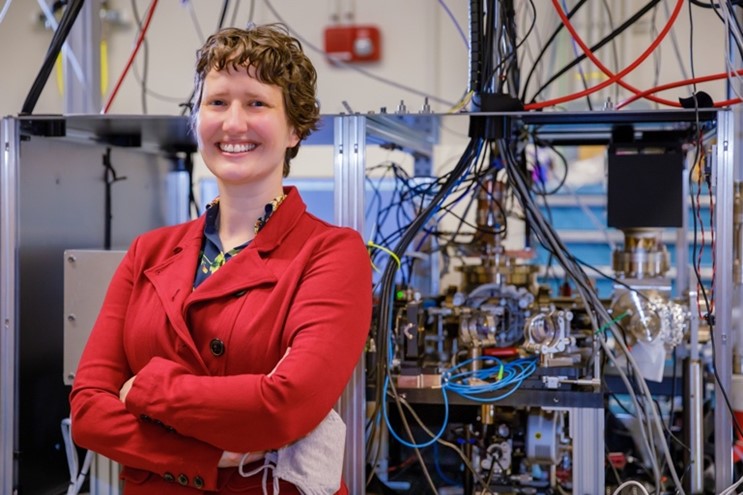
QSCOUT is a quantum computing testbed based on trapped ions that is available to the research community as an open platform for a range of quantum computing applications.
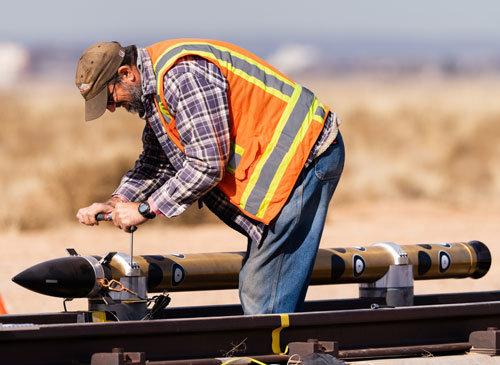
The sled track provides a controlled environment for high-velocity impact, aerodynamic, acceleration, and other related testing for both small and large test items.
Earth, Energy & Environmental Science, Engineering Science
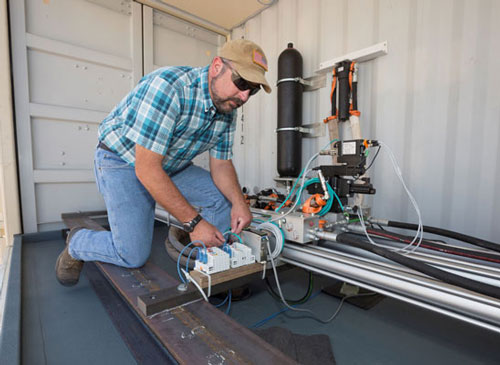
The Sandia Wave Energy Power Take-off (SWEPT) Laboratory offers mobile, specialized testing for systems that produce power from wave energy. SWEPT is used to test wave energy converter (WEC) power take-off (PTO) systems.
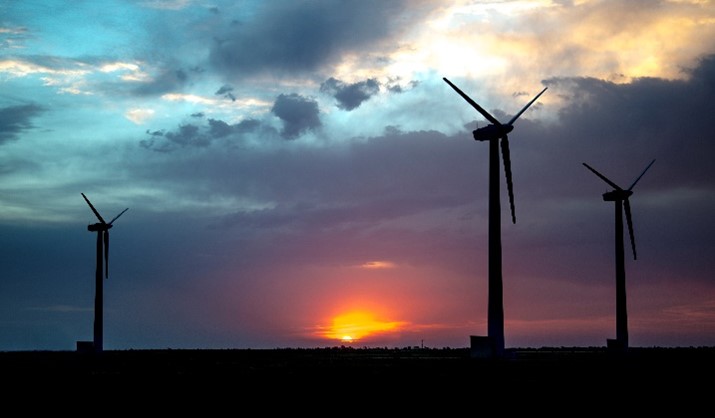
Sandia National Laboratories’ Scaled Wind Farm Technology Facility (SWiFT) in Lubbock, Texas, was a state-of-the-art public research and training facility funded by the U.S. Department of Energy. Additional information regarding activities during the site’s...
Engineering Science, Materials & Advanced Manufacturing, Radiation Effects & High Energy Physics, TDC
The STAR facility provides a full range of pressure (bars to multi-Mbar) for material property study utilizing gas/propellant launchers, ramp-loading pulsers, and ballistic applications.
TSL capabilities include traditional thermal spray processes, cold spray, and controlled atmosphere plasma spray, process diagnostics, process modeling, and advanced process control.
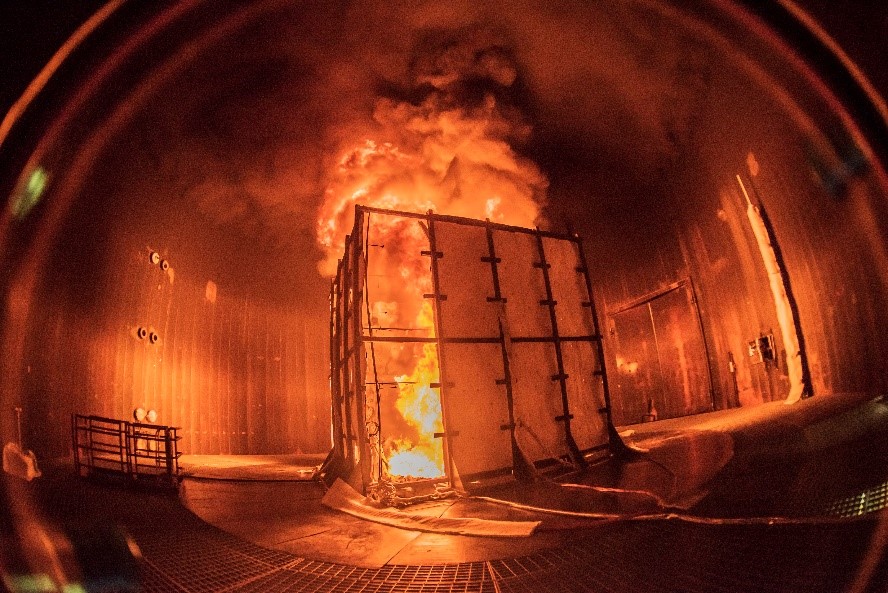
The TTC is used to study quiescent, large-scale combustion events, as well as to assess the effect of wind driven fires. Fires include hydrocarbon liquid, combustible solids, and propellant fires.
Earth, Energy & Environmental Science, Engineering Science, Physical Science
Sandia and the University of Alaska Fairbanks have teamed up to advance the concept of a permanent, comprehensive multi-agency USHARC in the Prudhoe Bay area.
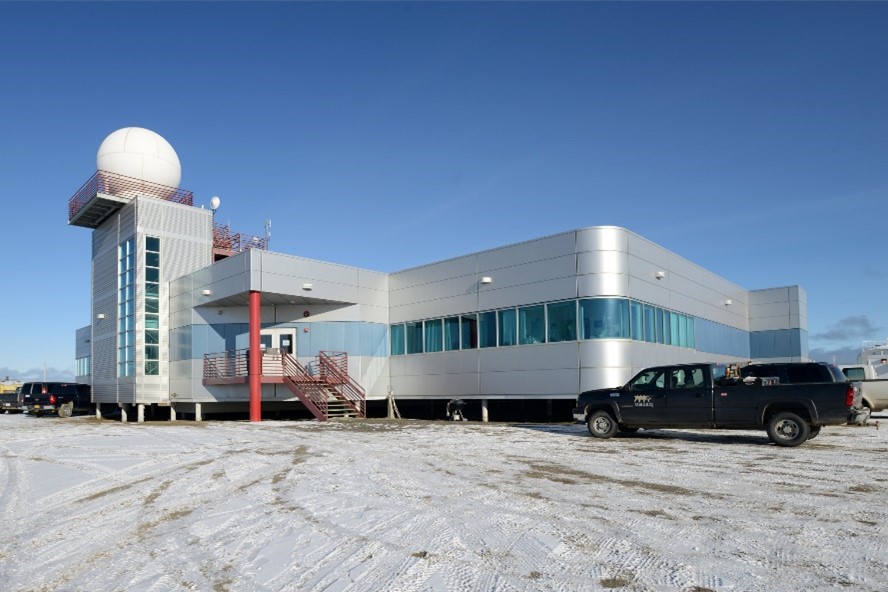
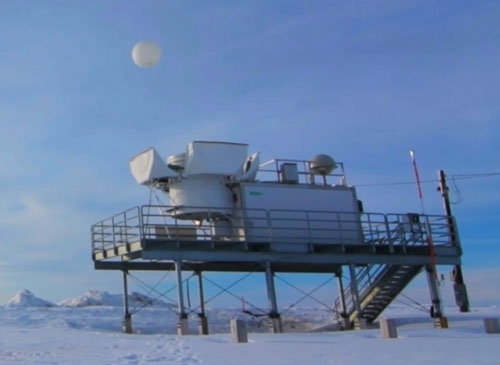
The Utqiagvik facility supports instrumentation built specifically for the Arctic to obtain continuous measurements of clouds, aerosols, precipitation, energy, and other meteorological variables.
The Water Impact Facility provides a controlled environment for high-velocity water impact testing, gravity-assisted drop testing, and underwater testing.
Engineering Science, Materials & Advanced Manufacturing, Radiation Effects & High Energy Physics
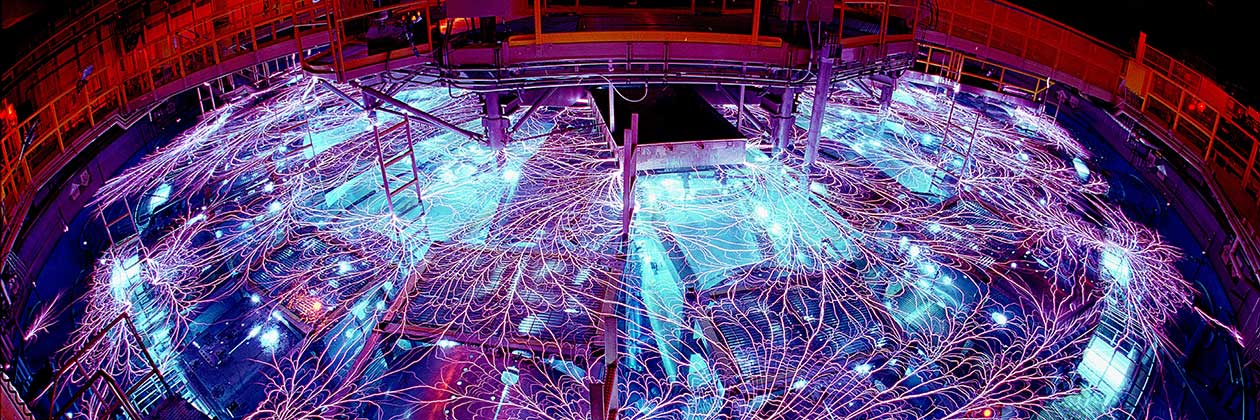
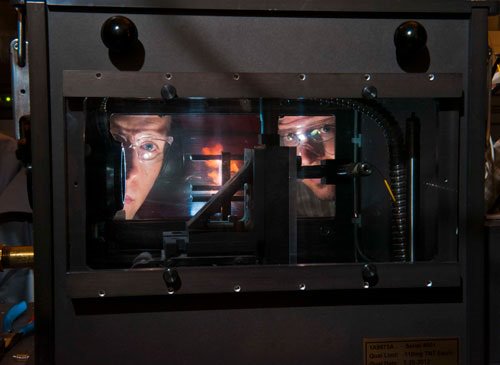
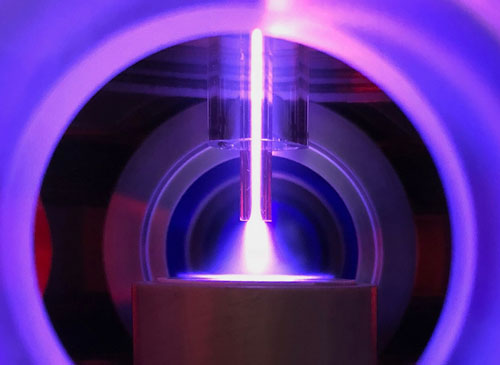
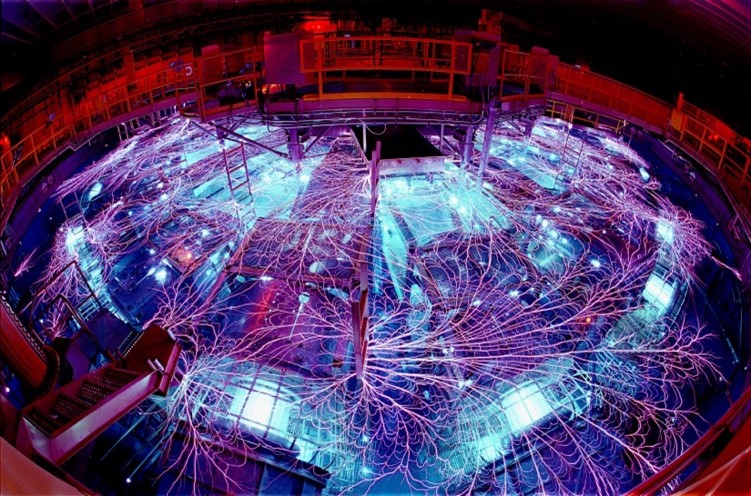
Z is the world’s largest and highest-current pulsed power machine and one of three flagship facilities in the U.S. Inertial Confinement Fusion Program.