
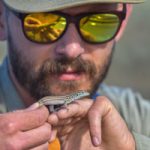
Slithering science
As part of Sandia's ecology program, wildlife biologists set up and check herpetofaunal traps around Sandia lands to gather data on species in the area. The data, combined with other baseline monitoring, are used to to observe long-term habitat changes.
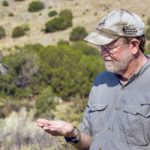
The early biologist catches the bird
Its heart beating rapidly, a wild gray flycatcher sits in the palm of a steady hand, waiting for just the right moment to make its escape. The moment lasts mere seconds, but it’s filled with emotion, from fear to connection to protection. Moments like this don’t happen for most people, but for a handful of biologists in Sandia's ecology program, they do.
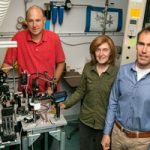
Cracking the code to soot formation
The longstanding mystery of soot formation, which combustion scientists have been trying to explain for decades, appears finally solved, thanks to research led by Sandia.
Keeping perspective during a long recovery
Sean Dunagan knows firsthand how to bring a major project back online after a three-year shutdown. Following the February 2014 events that closed the Waste Isolation Pilot Plant in Carlsbad, New Mexico, he was the senior WIPP recovery manager at DOE. Now back in Sandia’s employ, Sean manages special projects and remote site support for the Labs’ Carlsbad office.
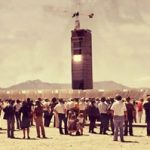
Sandia to celebrate 40 years of solar power research
In 1978, Sandia began a unique program of research on concentrating solar power at the newly constructed National Solar Thermal Test Facility. Forty years later, the facility is still the only one of its kind in the United States. Sandia will celebrate the solar tower’s 40th anniversary on July 31.
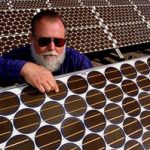
The amazing growth of renewable energy from solar cells: A lesson for how we fund research?
Since 2004, the rate at which solar cell power is installed has doubled every 22 months and is now in excess of 0.1 terawatts per year. Research driving some of this expansion began right here at Sandia more than 40 years ago.
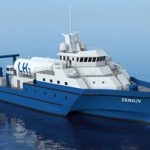
Diesel doesn’t float this boat
Marine research could soon be possible without the risk of polluting either the air or the ocean, thanks to a new hydrogen fuel cell ship design and feasibility study led by Sandia. Hydrogen fuel cells have existed for decades, but the feasibility of a hydrogen-powered research vessel has never been studied or proven. Until now.
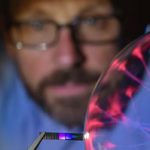
Generating electrical power from waste heat
Directly converting electrical power to heat is easy, but the opposite, converting heat into electrical power, hasn't been so easy — until now. Sandia researchers have developed a tiny silicon-based device that can harness what was previously called waste heat and turn it into DC power.
Raising the heat to lower the cost of solar energy
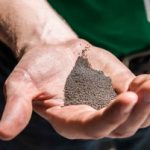
Sandia will receive $10.5 million from DOE to research and design a cheaper and more efficient solar energy system. The work focuses on refining a specific type of utility-scale solar energy technology, called concentrating solar power, which is appealing because it can supply renewable energy — even when the sun is not shining — without using batteries for storage.
Riding bacterium to the bank
What does jet fuel have in common with pantyhose and plastic soda bottles? They’re all products currently derived from petroleum. Sandia scientists have demonstrated a new technology based on bioengineered bacteria that could make it economically feasible to produce all three from renewable plant sources.