

Sandia helps provide water data for secure energy supply
Electricity powers nearly two-thirds of all cooking in U.S. homes and most of us don't think about how much water it takes to produce that energy, but Sandia's Vince Tidwell does. His work focuses on the unique relationship between energy production and water use, referred to as the energy-water nexus, and he’s helped to map water availability, cost and use data for power plants.
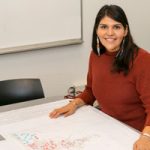
My story: Positive energy, opportunities highlight Native American Heritage Month
In honor of National Native American Heritage Month, Sandian Rachael Gutierrez shares her story of childhood visits to her relatives on the Yomba Shoshone Reservation in central Nevada. Rachael chose to study urban planning out of a desire to improve reservation life and encourage people to connect with their cultures, which led her to Sandia.
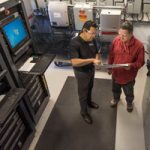
CRADA enables resilient microgrid research between Sandia, Emera Technologies
Sandia and Emera Technologies have signed an 18-month Cooperative Research and Development Agreement to work on microgrids, small-scale versions of interconnected electric grids that locally manage energy storage and resources such as solar, wind and thermal systems, and which may connect to a larger host grid.
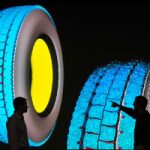
CRADA boom spurs innovation, collaboration with Sandia Labs
Sandia signed 42 CRADAs in fiscal year 2018, more Cooperative Research and Development Agreements than in any previous year this century, sparking dozens of new collaborations and potential technological innovations. A CRADA is an agreement between a government agency and a nonfederal entity to work together on research and development.
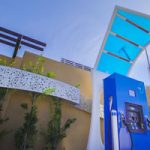
Some like it cryogenic
Sandia helped design the first generation of fueling stations for hydrogen-powered cars to be as safe as conventional gas stations. Now, a Sandia team is working to do the same for the next generation of hydrogen stations.
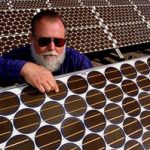
The amazing growth of renewable energy from solar cells: A lesson for how we fund research?
Since 2004, the rate at which solar cell power is installed has doubled every 22 months and is now in excess of 0.1 terawatts per year. Research driving some of this expansion began right here at Sandia more than 40 years ago.
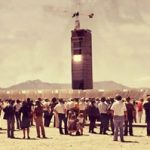
Sandia to celebrate 40 years of solar power research
In 1978, Sandia began a unique program of research on concentrating solar power at the newly constructed National Solar Thermal Test Facility. Forty years later, the facility is still the only one of its kind in the United States. Sandia will celebrate the solar tower’s 40th anniversary on July 31.
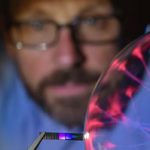
Generating electrical power from waste heat
Directly converting electrical power to heat is easy, but the opposite, converting heat into electrical power, hasn't been so easy — until now. Sandia researchers have developed a tiny silicon-based device that can harness what was previously called waste heat and turn it into DC power.
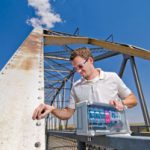
Smarter, safer bridges with Sandia sensors
Sandia and UK-based Structural Monitoring Systems PLC have been working together for 15 years to create transportation systems that can send a signal when they're damaged. They've outfitted a U.S. bridge with a network of sensors that will alert maintenance engineers when they detect a crack large enough to require repair.
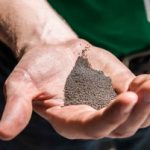
Raising the heat to lower the cost of solar energy
Sandia will receive $10.5 million from DOE to research and design a cheaper and more efficient solar energy system. The work focuses on refining a specific type of utility-scale solar energy technology, called concentrating solar power, which is appealing because it can supply renewable energy — even when the sun is not shining — without using batteries for storage.