
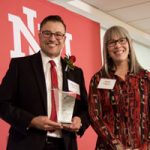
Kenneth Armijo wins UNM Zia award
Sandia mechanical engineer Kenneth Armijo, who leads bilingual family science events by night and researches solar energy and assists small businesses by day, received the prestigious Zia Award from his alma mater, the University of New Mexico.
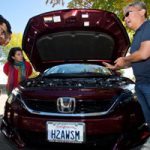
H2AWSM: Cool cars, more fueling stations
Sandia/California celebrated the fourth annual National Hydrogen and Fuel Cell Day with an event on Oct. 8, highlighting the Labs' advanced research involving hydrogen fuel and how that research impacts transportation energy at the national level.
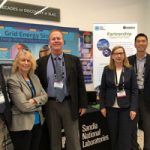
First-ever Innovation XLab takes energy storage research, technology to investor community
A Sandia team attended DOE’s first-ever Innovation XLab — an event targeting the commercialization and innovation of energy technologies. This particular Innovation XLab focused on energy storage, an essential tool for a reliable, resilient, and flexible power grid and electric vehicles.
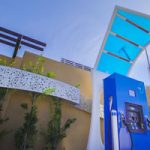
Some like it cryogenic
Sandia helped design the first generation of fueling stations for hydrogen-powered cars to be as safe as conventional gas stations. Now, a Sandia team is working to do the same for the next generation of hydrogen stations.

Labs Director signs annual assessment letter
In late September, Sandia President and Laboratories Director Steve Younger signed Sandia’s annual assessment letter. Each year, Sandia assesses the safety, reliability and performance aspects of the nation’s nuclear weapons stockpile for which it has responsibility.
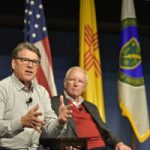
Rick Perry thanks employees for national service
Energy Secretary Rick Perry emphatically thanked Sandia employees for their contributions to science and issues of national and international security, equating research to public service during a visit to the Labs on Oct. 9.
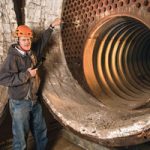
Small-business recycling ventures propelled by Sandia engineering
Through New Mexico Small Business Assistance (NMSBA), Sandia is solving technical challenges for Tucumcari Bio-Energy and, in a separate project, helping a cohort of companies led by PJ Woodlands to figure out how to market new composite materials made from forest slash.
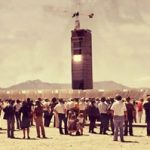
Sandia to celebrate 40 years of solar power research
In 1978, Sandia began a unique program of research on concentrating solar power at the newly constructed National Solar Thermal Test Facility. Forty years later, the facility is still the only one of its kind in the United States. Sandia will celebrate the solar tower’s 40th anniversary on July 31.
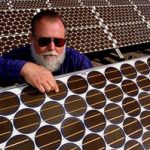
The amazing growth of renewable energy from solar cells: A lesson for how we fund research?
Since 2004, the rate at which solar cell power is installed has doubled every 22 months and is now in excess of 0.1 terawatts per year. Research driving some of this expansion began right here at Sandia more than 40 years ago.
Diesel doesn’t float this boat
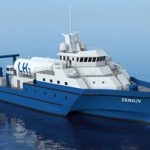
Marine research could soon be possible without the risk of polluting either the air or the ocean, thanks to a new hydrogen fuel cell ship design and feasibility study led by Sandia. Hydrogen fuel cells have existed for decades, but the feasibility of a hydrogen-powered research vessel has never been studied or proven. Until now.