
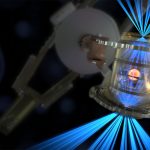
Labs-directed research drives innovation to advance fusion ignition
In August, Sandia developed diagnostic sensors and imagers that contributed to a groundbreaking experiment at the National Ignition Facility.

Testing sensors in fog to make future transportation safer
The fog facility at Sandia enables researchers to test new technology, like self-flying vehicles, in conditions that mimic nature.
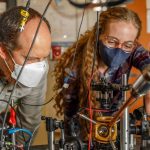
This device could usher in GPS-free navigation
Sandia scientists designed and built a handheld device that tracks navigational measurements. This technology could be a pivotal component of next-generation navigation systems.
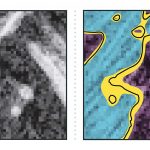
Sandia 3D-imaging workflow has benefits for medicine, electric cars and nuclear deterrence
The new method produces a range of computer-simulated outcomes, which could equip engineers and doctors with better information.

Mimicking mother nature: New membrane to make fresh water
Sandia scientists and their collaborators design an electrodialysis membrane inspired by a protein in algae that may be more effective than reverse osmosis.
Sandia-developed solar cell technology reaches space on board small satellite
mPower Technology’s DragonSCALES was initially developed at the Labs to reduce the cost of creating solar technology and increase its efficiencies. Future projects may take the technology as far as the moon.
World’s smallest, best acoustic amplifier emerges from 50-year-old hypothesis
Acousto-electric devices reveal new road to miniaturizing wireless tech

Using a mineral ‘sponge’ to catch uranium
Remediation technology reduces uranium levels 10,000-fold at legacy site in Colorado

Hruby and Truman Fellows take time out to chat
Bette Webster, Nils Otterstrom and Aaron Sharpe talk about their research careers and Sandia

Common ‘core’: Using molecular fragments to detect deadly opioids
Sandia detection method might someday be incorporated into hand-held instruments