
Page • LEARN MORE ABOUT THE DAHCS MISSION CAMPAIGN: FY26 Call for DAHCS Laboratory Directed Research & Development (LDRD) proposals (This is informational only and not a request for external submissions) FY26 DAHCS LDRD Info Session complete presentation (This is informational only and not a request for external submissions) FY26 DAHCS LDRD...
Search
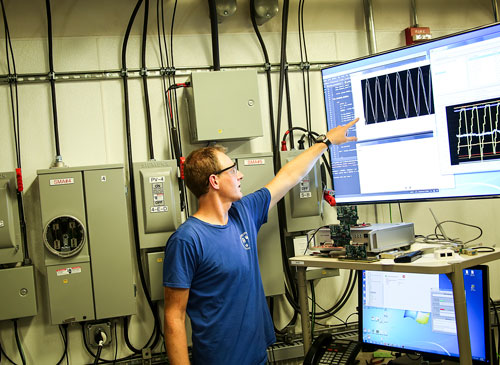
Distributed Energy Technology Laboratory (DETL)
Facility • DETL is a multipurpose research facility designed to integrate emerging energy technologies into new and existing electricity infrastructure to accommodate the nation’s increasing demands for clean, secure, and reliable energy.
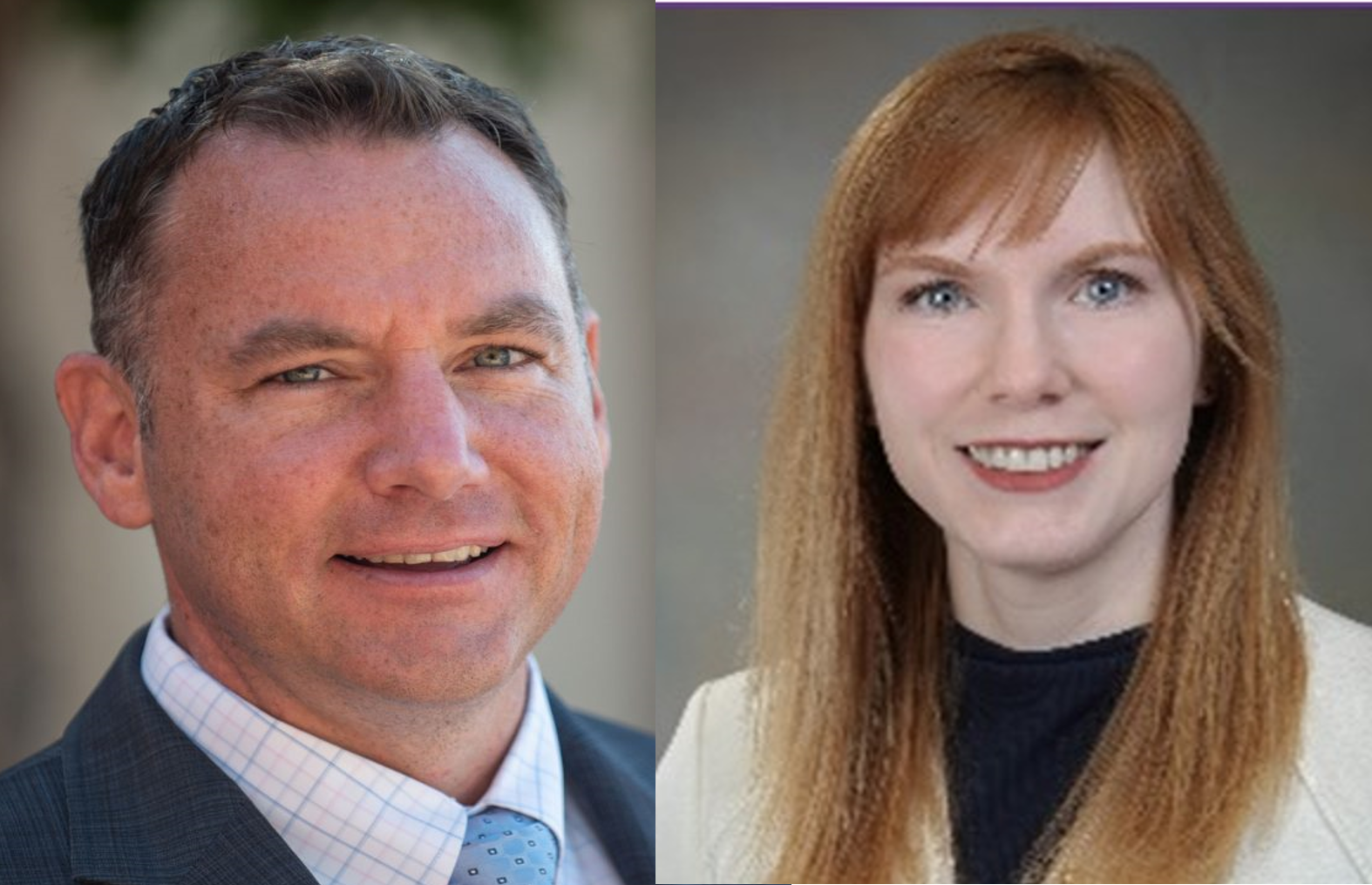
DOE Office of Science Early Career Research Program Awards
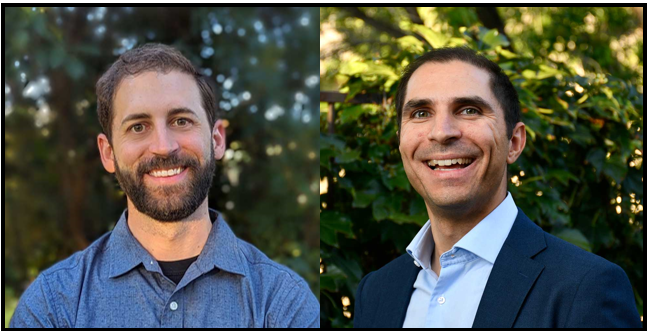
News Article, August 13, 2025 • Sandia scientists Mitchell Wood (left) and Gianluca Geraci (right) received 2024 DOE Office of Science Early Career Research Program awards. Each will receive $2.75 million over five years to support their research in Fusion Energy Sciences and Advanced Scientific Computing Research. They were selected from a competitive pool of applicants,...
Dynamic Socket
Page • Challenge A prosthetic socket is the interface between an amputee's residual limb and a prosthetic limb. Unlike the tissues under the foot, the soft tissues of the residual limb aren't well adapted to tolerate weight-bearing loads. Prosthetists are tasked with creating a comfortable, custom interface for the amputee that appropriately...
Earth, Energy, and Environmental Science
Page • Electrical circuits encased in fluid may reshape data-center design Detecting battery failures quicker Sandia supports superior geothermal bits Sandia’s world-class work in earth, energy, and environmental science contributes solutions to areas of national importance, including energy and climate security, defense, intelligence, nuclear weapons, nonproliferation, and disaster response. Why Our Work...
Electromagnetic Environments Simulator (EMES)
Page • The Electromagnetic Environments Simulator (EMES) is a large transverse electromagnetic (TEM) cell that propagates a uniform, planar electromagnetic wave through the cell volume where test items are placed. EMES can be used for continuous wave (CW) Electromagnetic Radiation (EMR) and transient Electromagnetic Pulse (EMP) testing. The electric field is vertically...
Electromagnetics
Page • Electromagnetic Technology at Sandia National Laboratories Electromagnetics (EM) is the study of the nature and interaction of static and dynamic electric and magnetic fields. Telecommunications, navigational guidance, radar, and power transmission depend on our ability to generate, guide, radiate, receive, and detect electromagnetic waves. Virtually all electronic devices either produce or...
Electrostatic Discharge (ESD) Laboratory
Page • Electrostatic Discharge (ESD) Laboratory We have field and laboratory capabilities to measure electrostatic environment generation, storage, and charge transfer effects. Non-contact electrostatic field surveillance techniques are available to monitor charge generation of conductors or dielectrics, and induction or physical contact charging of wiring or pin voltage for electrical system components....
Elongated ring polymers get tied up in knots
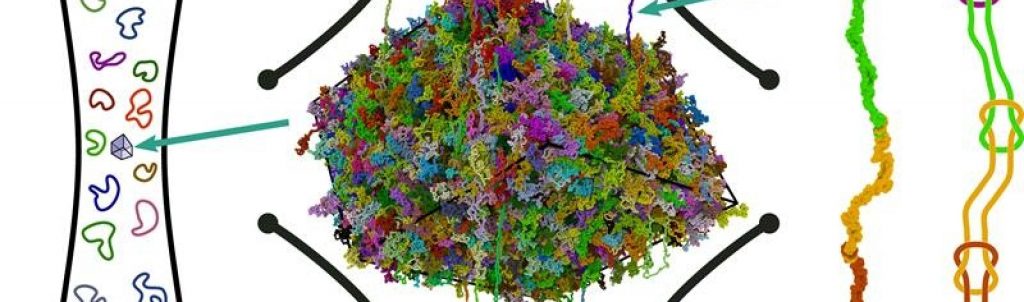
News Article, October 13, 2022 • Many polymer liquids flow easily when stretched gently but become viscous and solid-like when stretched rapidly. This phenomenon, known as strain hardening, happens when the liquid is deformed so fast that individual polymer chains become elongated at the molecular scale. Understanding the physics of strain hardening is important for a range...
Enabling fully predictive simulations using disruptive computational mechanics and novel diagnostics
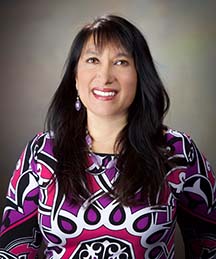
News Article, April 10, 2023 • Sandia Researcher Rekha Rao Accurately capturing solidification of fluids and the development of residual stress is critical for fully predictive simulations for numerous applications in geoscience, nuclear safety, manufacturing, energy production, and bioscience. Researchers on this LDRD project developed, implemented, and demonstrated advanced constitutive models with yield stress to represent...
Energy Storage Test Pad (ESTP)
Facility • ESTP, in conjunction with the Energy Storage Analysis Laboratory (ESAL), provides long-term testing and validation for electrical energy storage systems. The goal of the ESTP is to develop advanced energy storage technologies that will increase reliability, performance, and competitiveness of electricity generation and transmission.
Engineering Science
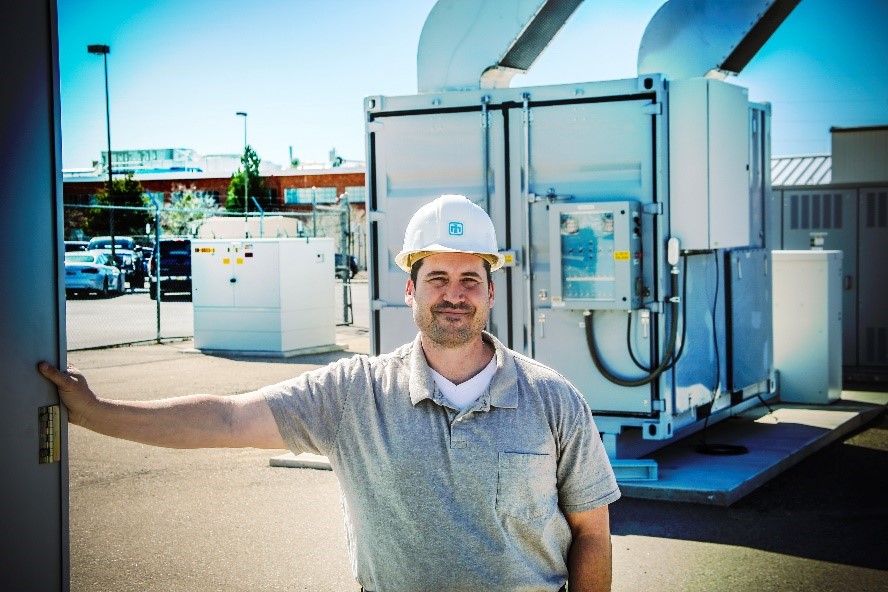
Page • Testing heat shields for space Engineering high-reliability W80-4 components Radar is advancing at historic speed. How engineers are setting the pace. The Engineering Science research area at Sandia leads engineering transitions in advanced, highly critical systems by integrating theory development, experimental discovery and diagnostics, modeling, and computational approaches to refine...
Engineering Sciences Experimental Facilities (ESEF)
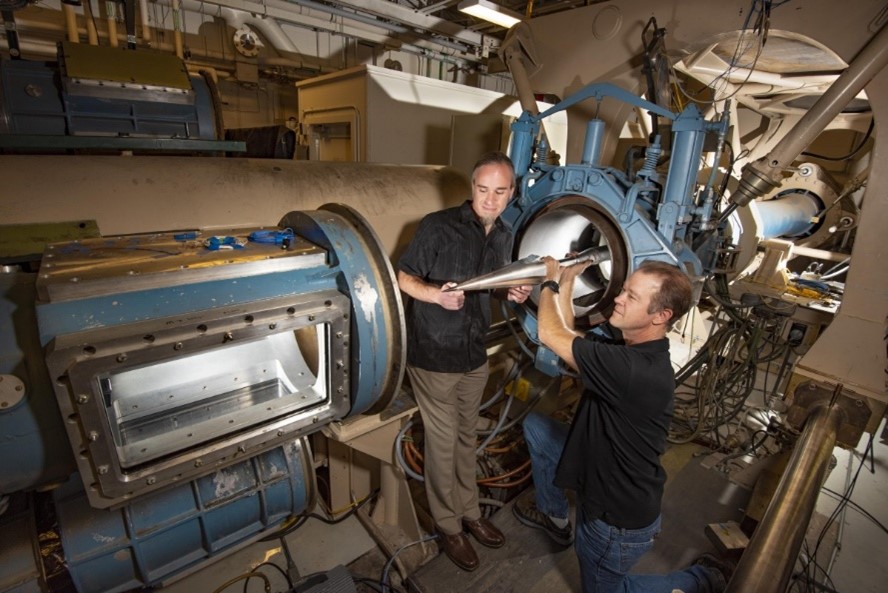
Facility • The ESEF focuses on advanced diagnostics and fundamental experiments. Researchers seek to improve understanding of phenomena in areas of fluid flow, heat transfer, and aerodynamics.
Enhancing metasurface performance potential
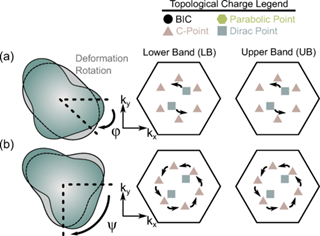
News Article, March 3, 2025 • By rotating the 𝐶3 symmetry breaking deformation ( 𝜑), the angular positions of the Dirac points and the corresponding polarization singularities for both bands can be controlled. New uses for metasurfaces in both regular and quantum optics are creating a need for better control over how light is polarized, especially...
Ensure machine learning results are accurate
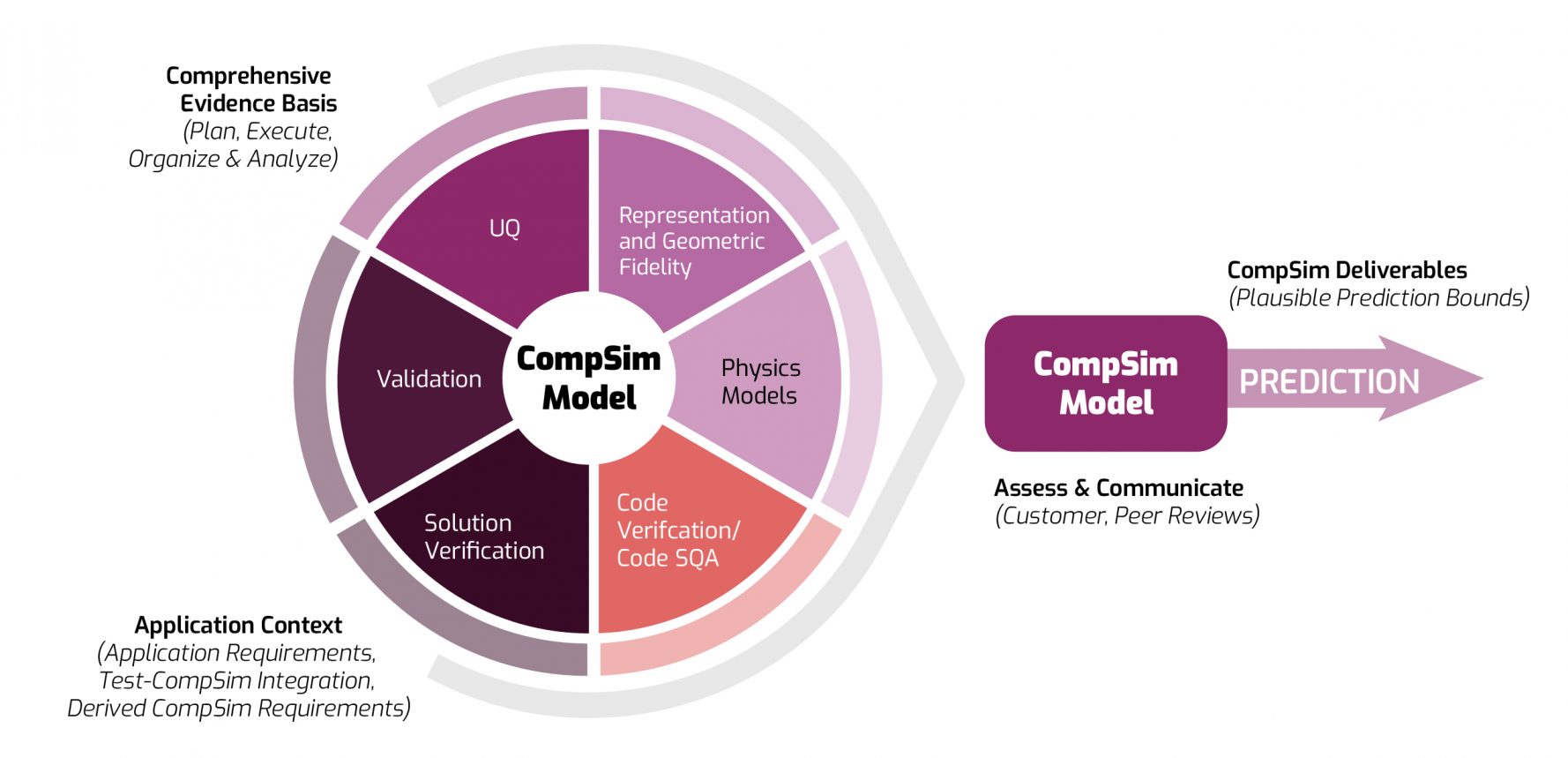
News Article, April 22, 2024 • Computational simulation, or CompSim, models are digital prototypes of something a researcher is interested in building or testing. These prototypes make it easier and faster for the researcher to design a product that accomplishes a specific goal without first having to build and test a long list of physical prototypes....
Exascale Earth System Model will harness the next level of supercomputer
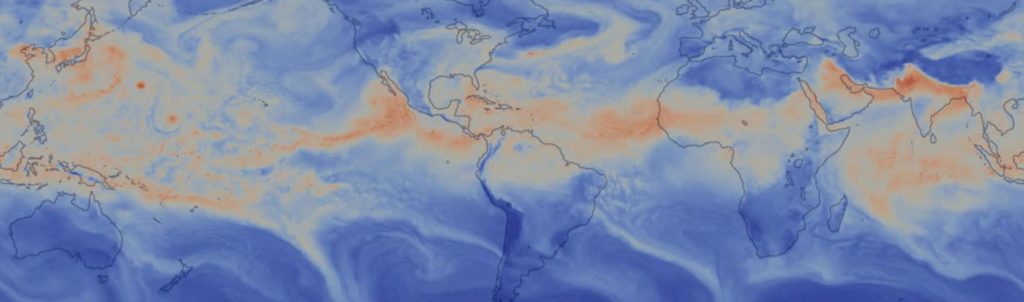
News Article, October 12, 2022 • Sandia visualization experts are working with climate scientists to visualize complex simulation results from the Energy Exascale Earth System Model (E3SM) as part of a DOE project sponsored by the Office of Science. The Sandia team has developed visualization workflows that incorporate DOE open-source visualization tools like ParaView with commercial...
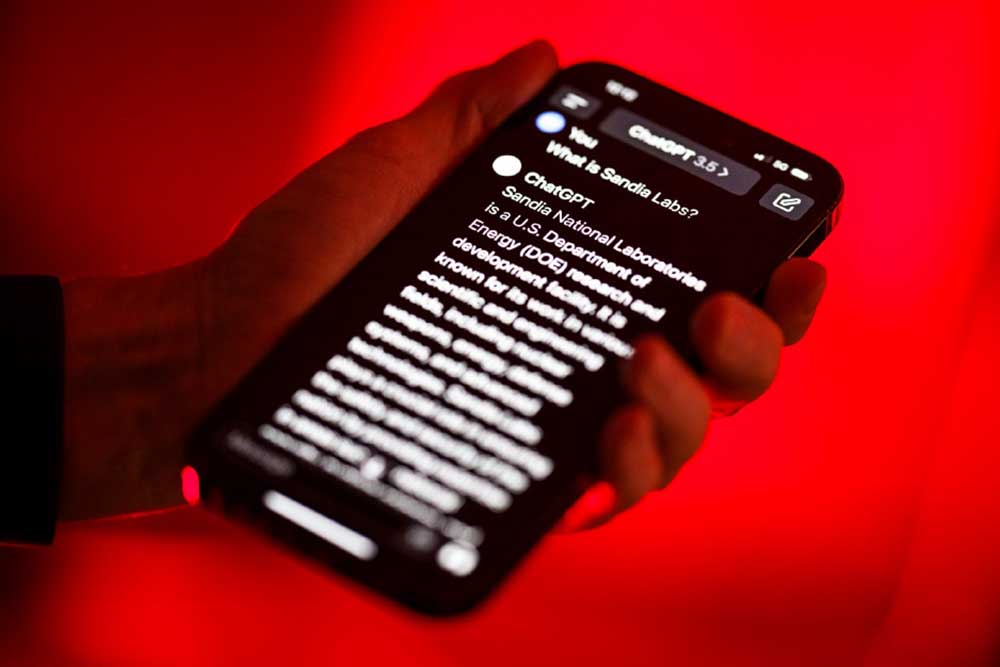
Explore capabilities in popular AI models
News Article, April 10, 2024 • With a couple thousand years and modern science, humanity now knows quite a bit more about human intelligence and the natural world. However, artificial intelligence has humanity once again asking, “What do we really know?” Read more about Capabilities in popular AI models
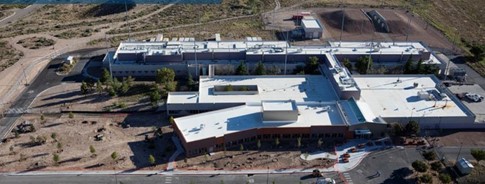
Explosive Components Facility (ECF)
Facility • The ECF provides unique capabilities allowing staff to design, test, and prototype a wide variety of energetic components in support of Sandia's ND mission.
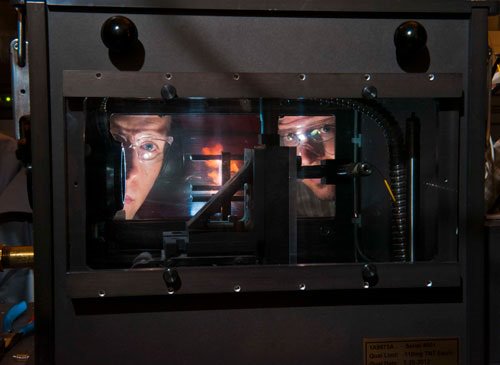
Explosive Ordnance Disposal (EOD) Decision Support Tools
Page • X-ray Toolkit (XTK) X-ray Toolkit (XTK) is a software program developed by Sandia National Laboratories for the United States Government under funding from the National Nuclear Security Administration (NNSA) and the Technical Support Working Group. XTK is a radiography planning, acquisition, processing, and analysis program designed specifically for explosive ordnance...
Explosive Technology Group (ETG)
Facility • ETG provides diverse technical expertise and an agile, integrated approach to solve complex challenges for all classes of energetic materials (EM) and explosive components.
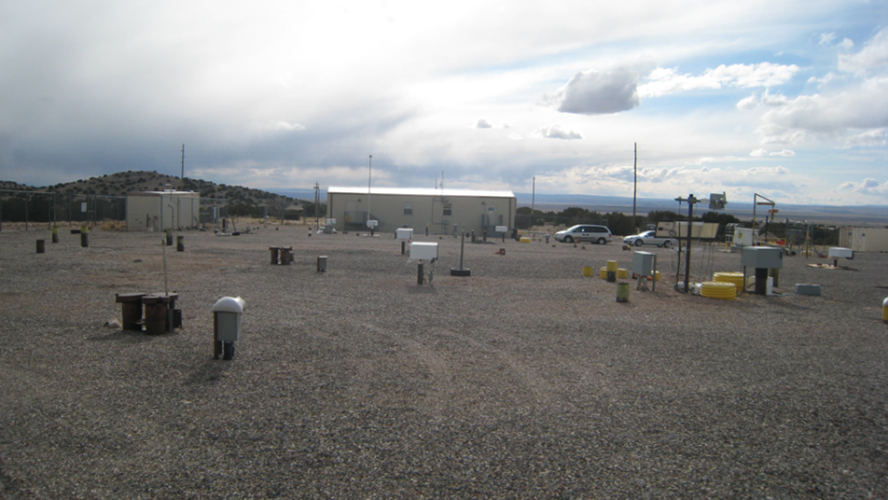
Facility for Acceptance, Calibration, and Testing (FACT Site)
Facility • The FACT site provides the equipment and seismically quiet surroundings required for testing infrasound and seismic sensors, instrumentation, and monitoring systems.
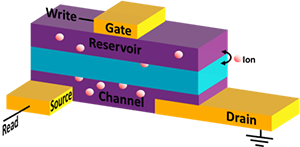
Fin-ion tunable transistor for ultra-low power computing
News Article, June 7, 2023 • Work on this project revealed fundamental principles of electrochemical random access memory and established a viable path toward its integration with complementary metal-oxide semiconductor. Data-heavy workflows such as AI require in to increase system efficiency. Work on this memory computing, so this LDRD team focused on creating analog resistive nonvolatile...
Four Sandia researchers win PECASE awards in 2024
News Article, August 13, 2025 • The Presidential Early Career Awards for Scientists and Engineers (PECASE) is the highest honor bestowed by the U.S. government on outstanding scientists and engineers beginning their independent careers. The PECASE awards aim to encourage innovation, raise awareness about careers in science and engineering, and connect research with national goals.Four Sandia...
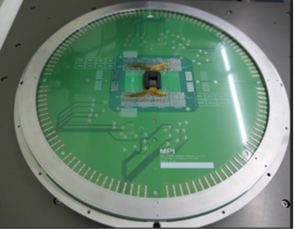
From early R&D to mature technology
News Article, January 8, 2026 • Advancing memory technologies through strategic partnerships HARNESSING INNOVATION - This memory tester probe card with the landing zone for one of the instances of the stacked DRAM demonstrates both the manufactured material meeting the assembly and design objectives, as well as the automated tester equipment that aligns with standard memory...
Future hypersonics could be artificially intelligent
News Article, April 22, 2024 • A test launch for a hypersonic weapon — a long-range missile that flies a mile per second and faster — takes weeks of planning. So, while the U.S. and other states are racing to deploy hypersonic technologies, it remains uncertain how useful the systems will be against urgent, mobile or...

Results 76–100 of 260