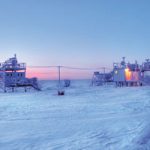
From Afghanistan to Alaska, with atmosphere in between
For Justin LaPierre, helping maintain an atmospheric research station at the northern tip of Alaska is “eerily reminiscent” of being deployed in the deserts of Afghanistan — just much colder. A U.S. Marine Corps veteran, LaPierre has worked as an observer at Oliktok Point for two years.
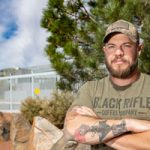
With grit and determination
Army veteran Mark Small started working at Sandia as an intern through the former Wounded Warrior Career Development Program, now called the Exceptional Warrior Career Development Program. Working with Sandia mentors, he completed bachelor's and master's degrees and secured a staff position at the Labs. He is one of the program’s success stories, and he now works to recruit other veterans to Sandia.
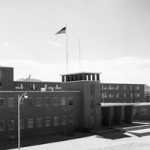
Building Sandia: 1940s to 1960s
Sandia’s built environment tells a story of its adaptation and vision for the future. The buildings and structures reflect a rich and varied 70-year architectural history that first began to take shape in the fall of 1945, when the Los Alamos based Z Division started moving down to the site of the current Albuquerque campus.
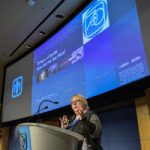
Labs historian Rebecca Ullrich presents 70 years of Sandia
As part Sandia’s 70th anniversary celebration, Labs employees were treated to an insightful, humorous and engaging presentation, “70 years of Sandia: How did we get here?” by Sandia historian Rebecca Ullrich. During the presentation, Rebecca described the Labs’ path from its beginnings as part of Los Alamos National Laboratory to the launch of Sandia Corporation and the Albuquerque campus to the expansion of the Labs to its current state.
Exceptional service in the national interest
Two dates are well known to Sandians: the day President Harry Truman wrote a letter calling for “exceptional service in the national interest” and the day Sandia (previously Z Division) separated from its parent, Los Alamos National Laboratory, and became the entity we know it as today.
Strategic Priority No. 7
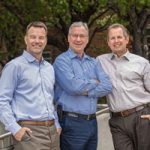
Sandia's Strategic Priority No. 7 is a call to action to identify better, easier ways to do our job on behalf of the nation. We need to be more agile, make more focused decisions to create and sustain an exceptional institution and remove organizational barriers that are slowing us down and reducing our impact.
Sandia health educator invited to speak at Virgin Pulse HERO forum
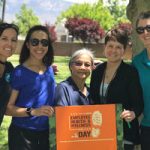
Virgin Pulse invited Sandia health educator and program coordinator Callie Lovato to speak at HEROForum19 in early September. A national non-profit, the Health Enhancement Research Organization has a mission to identify and share best practices in employee health and well-being.
Engineering success through predicting failure
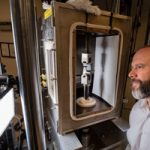
Around the world, materials scientists and engineers are trying different ways to predict fractures in ductile metals, but it’s not clear which approach is most accurate. To compare the different methods, Sandia researchers have presented three voluntary challenges to their colleagues: Given the same basic information about the shape, composition and loading of a metal part, could they predict how it would eventually fracture?
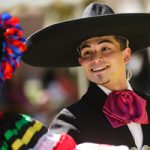
Sandia celebrates Hispanic Heritage Month
In an annual tradition, Sandia commemorated National Hispanic Heritage Month with lively events to celebrate the cultures, histories and contributions of the Hispanic population.
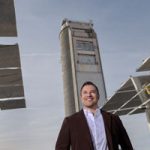
Hispanics and STEM education at Sandia
The population of Hispanics/Latinos in the U.S. is expected to grow by approximately 40% by 2045, although only approximately 14.4% have bachelor’s degrees or higher and 7% are employed in STEM industries. Presently at Sandia, Hispanics and other minorities make up a significant 34% of the overall workforce. That number is expected to increase, thus promoting diversity at our sites.