

Neuromorphic computing widely applicable, Sandia researchers show
Brain-based computing chips can solve more complex problems than those posed by artificial intelligence and may even apply to high-performance computing.

Atomic-scale manufacturing might not just be for qubits anymore
A recent LDRD Grand Challenge project could transform electronics and solve energy challenges.

Powerful Sandia machine-learning model shows diamond melting at high pressure
Improvements to software and hardware shorten the process from one year to a day.

Measuring a quantum computer’s power now faster and more accurate
Quantum computers, like the top picks in a sports draft, are highly valued and constantly evaluated. Sandia scientists invent a new yardstick for benchmarking their performance.

New testing method yields pathway to better, longer-lasting batteries
Scientists may have discovered how to make more efficient batteries using a microscopic solution.
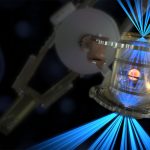
Labs-directed research drives innovation to advance fusion ignition
In August, Sandia developed diagnostic sensors and imagers that contributed to a groundbreaking experiment at the National Ignition Facility.
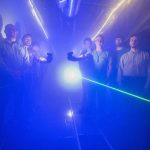
Testing sensors in fog to make future transportation safer
The fog facility at Sandia enables researchers to test new technology, like self-flying vehicles, in conditions that mimic nature.
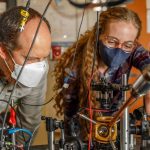
This device could usher in GPS-free navigation
Sandia scientists designed and built a handheld device that tracks navigational measurements. This technology could be a pivotal component of next-generation navigation systems.
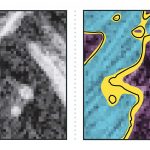
Sandia 3D-imaging workflow has benefits for medicine, electric cars and nuclear deterrence
The new method produces a range of computer-simulated outcomes, which could equip engineers and doctors with better information.

Mimicking mother nature: New membrane to make fresh water
Sandia scientists and their collaborators design an electrodialysis membrane inspired by a protein in algae that may be more effective than reverse osmosis.