News Articles

Results 51–75 of 101
Date Inputs. Currently set to enter a start and end date.
–

Out of the desert, a quantum powerhouse rises

April 23, 2024 • They knew it was an ambitious goal. But by the time they announced it in 2022, Sandia and The University of New Mexico — two of the state’s largest research institutions — had been working out their strategy for more than a year. Read more about quantum powerhouse

Postdoctoral researcher Caitlin McCowan inspects pieces of silicon at the atomic level. She uses a scanning tunneling microscope to spot imperfections as part of a quantum research project at Sandia. (Photo by Craig Fritz)

AI center to combine hardware, software for practical gains

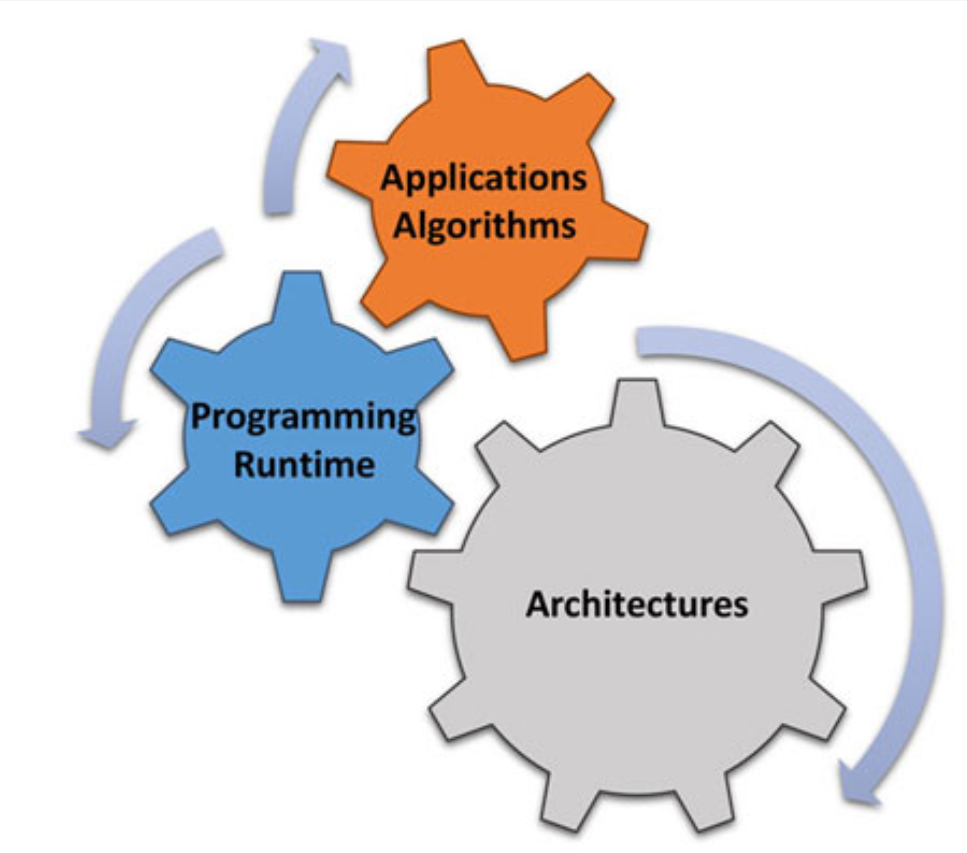
April 23, 2024 • Sandia and Pacific Northwest national laboratories and the Georgia Institute of Technology in Atlanta are launching a research center that combines hardware and software design and development to improve artificial intelligence technologies that will ultimately benefit the public. Read more about AI center
Applications algorithms, programming runtime and architectures will all work synergistically in the new ARIAA center. (Image by Robert Gioiosa and Siva Rajamanickam)

Strong and flexible interlocking metasurfaces

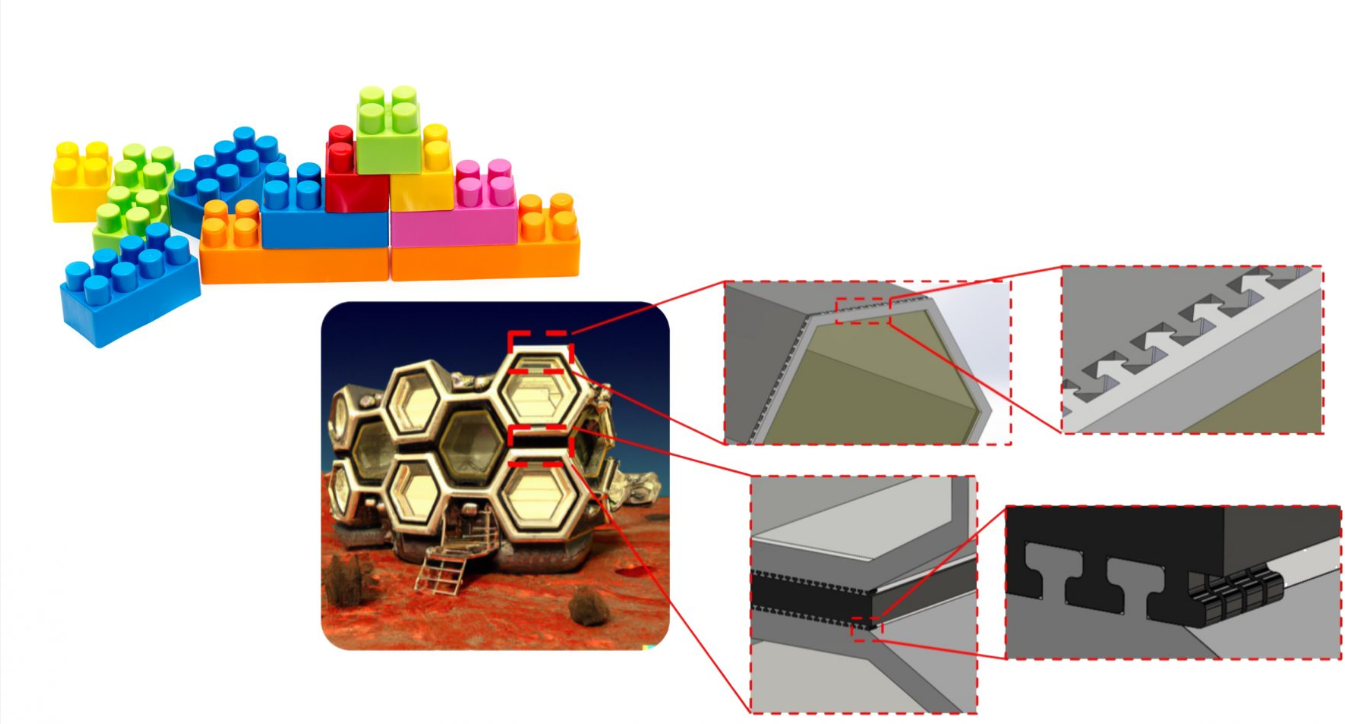
April 22, 2024 • Interlocking metasurfaces are a recent Sandia-invented joining technology that may replace other structural joining methods, such as bolts and adhesives. Much like LEGO® bricks (see Figure 1), they are patterned, modular surfaces that constrain motion between two bodies when assembled into a larger structure. Unlike LEGO bricks, they are designed...

Ensure machine learning results are accurate

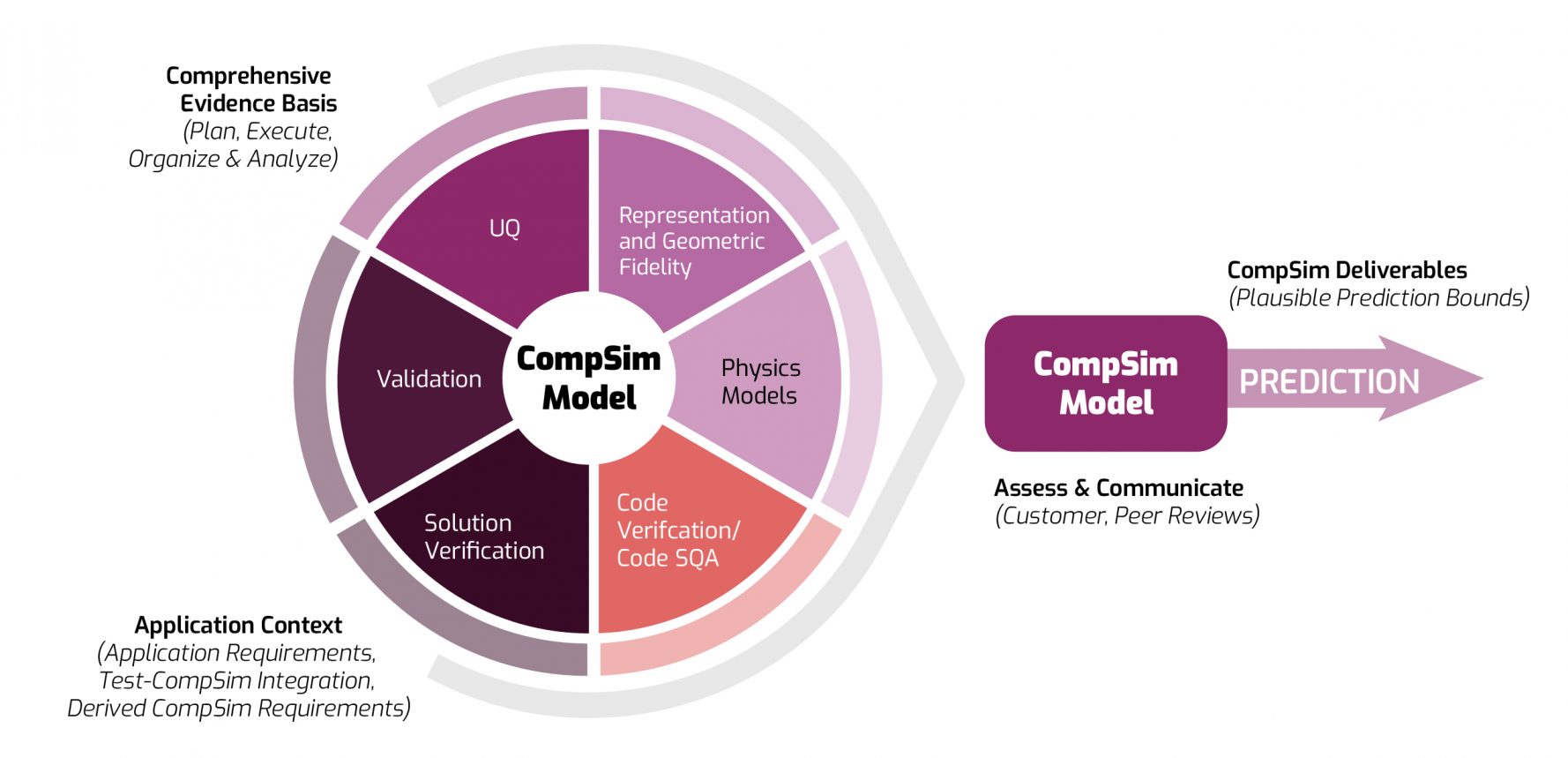
April 22, 2024 • Computational simulation, or CompSim, models are digital prototypes of something a researcher is interested in building or testing. These prototypes make it easier and faster for the researcher to design a product that accomplishes a specific goal without first having to build and test a long list of physical prototypes....

1.15 billion artificial neurons arrive at Sandia

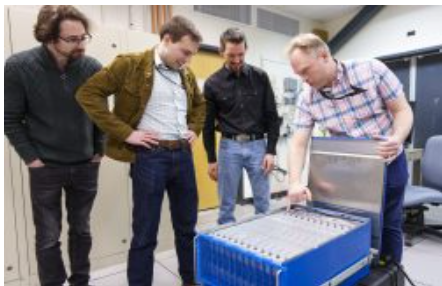
April 22, 2024 • Sandia received a brain-based computing system from Intel Corp. that has 1.15 billion artificial neurons, aiming to advance large-scale brain-inspired computing. This innovative system, ten times faster and denser than its predecessor, holds potential for various applications from scientific simulations to societal enhancements like smarter soldier gear and rapid medical...

Future hypersonics could be artificially intelligent

April 22, 2024 • A test launch for a hypersonic weapon — a long-range missile that flies a mile per second and faster — takes weeks of planning. So, while the U.S. and other states are racing to deploy hypersonic technologies, it remains uncertain how useful the systems will be against urgent, mobile or...

Sandia partners with other labs to bolster nuclear security

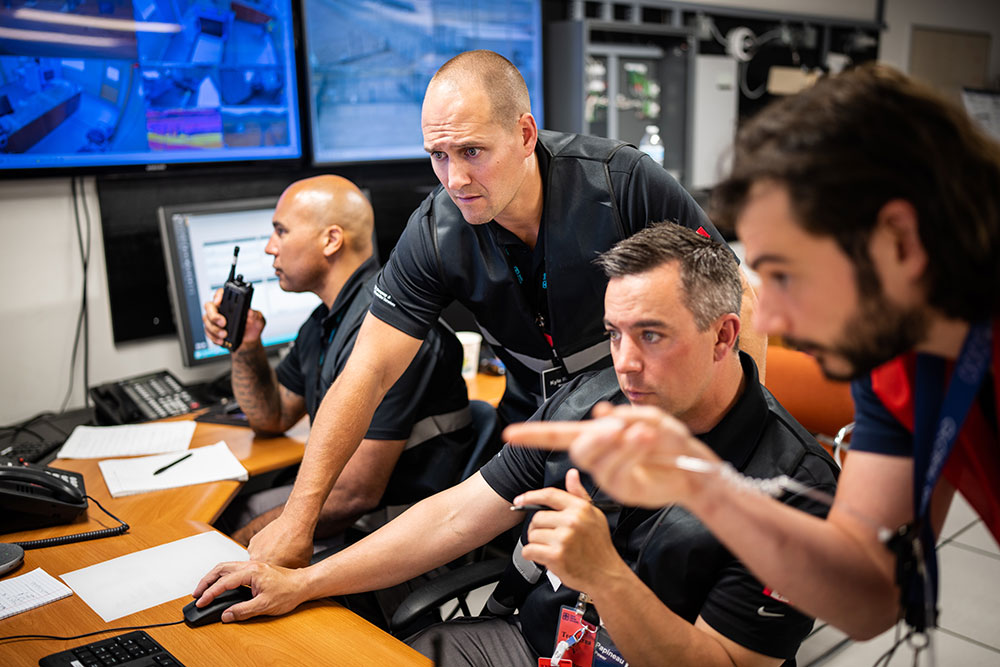
April 10, 2024 • Sandia is collaborating with international partners to collect data to better protect nuclear sites from cyberattacks and physical intrusions. As part of the multiyear research project with Canadian Nuclear Laboratories, Sandia developed software to emulate a cyberattack on a site’s central alarm station during exercises, with the goal of improving...
DUAL ATTACK — Sandia global security staff works with a team from a private Canadian nuclear power plant during a cyberattack exercise on May 17. The mock cyberattack was followed by a simulated physical intrusion. The exercise was the culmination of two-year project involving Sandia, Idaho National Laboratory and Canadian Nuclear Laboratories. (Photo by Craig Fritz)

Cloud-resolving climate model meets world’s fastest supercomputer

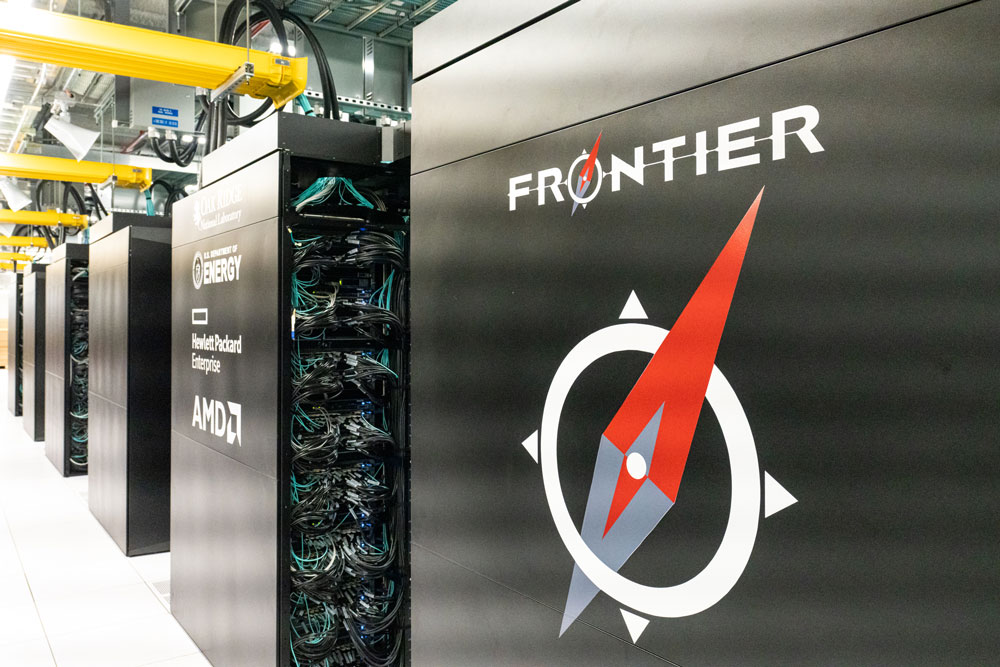
April 10, 2024 • Focused on improving the accuracy of climate predictions, a Sandia-led computational team recently achieved a major milestone with a cloud-resolving model they ran on Frontier, the world’s first exascale supercomputer. Read more about Cloud-resolving climate model
THE NEW FRONTIER — The world’s fastest supercomputer, Frontier at Oak Ridge National Laboratory, has reached 1.1 exaflops, breaking the exascale speed barrier — a threshold of a quintillion calculations per second — and ranking number one on the Top500 list of the world’s most powerful supercomputers. (Photo by Calos Jones, Oak Ridge National Laboratory)

Supercomputer Stout brews breakthroughs

April 10, 2024 • Stout, a new Sandia supercomputer, secured its place on the Top500 computers list that was released Nov. 13. Boasting a performance of 8.9 petaflops, Stout claimed the No. 87 spot on the renowned benchmark list of the world’s fastest computers. Read more about Supercomputer Stout brews breakthroughs
STOUT SUCCESS — Sandia supercomputer Stout has earned the 87th spot on the Top500 computers list that was released Nov. 13. (Photo illustration by Craig Fritz)

Powerful Sandia machine-learning model shows diamond melting at high pressure

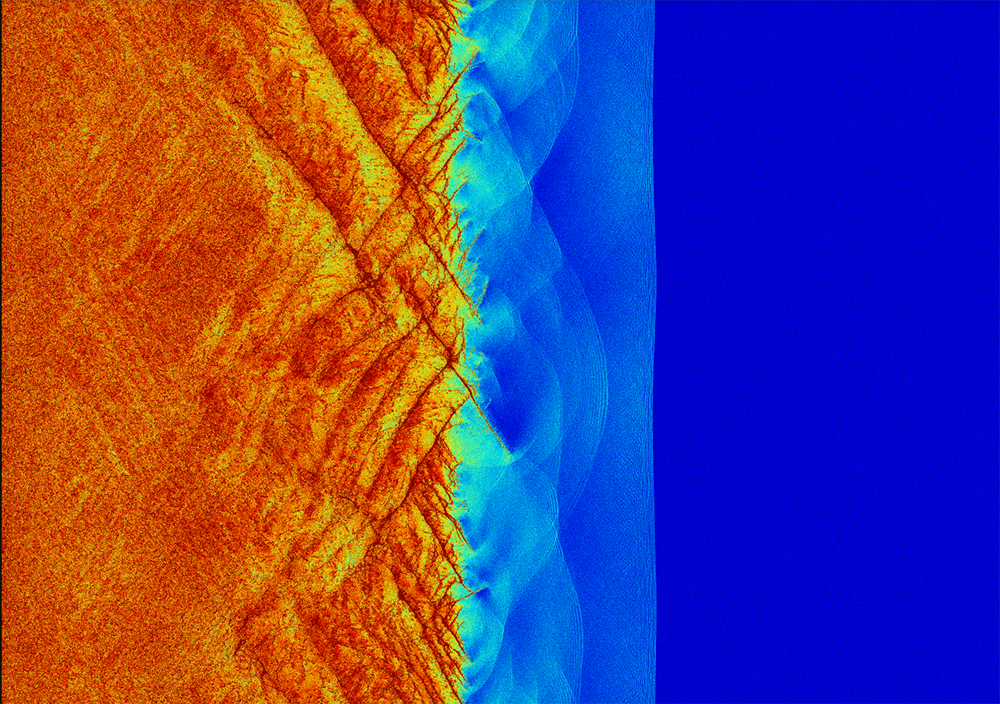
April 10, 2024 • A Sandia supercomputer simulation model called SNAP, or Spectral Neighbor Analysis Potential, that rapidly predicts the behavior of billions of interacting atoms has captured the melting of diamond when compressed by extreme pressures and temperatures. Read more about the Powerful Sandia machine-learning model
DIAMOND BREAKDOWN — This multibillion atom simulation of shockwave propagation into initially uncompressed diamond (blue) uses Sandia’s high-accuracy SNAP, or Spectral Neighbor Analysis Potential, model to predict that the final state (orange) is formed by recrystallization of amorphous cracks (red) that take shape in the light blue, green and yellow compressed material. (Computer image by Aidan Thompson)

Neuromorphic computing widely applicable, Sandia researchers show

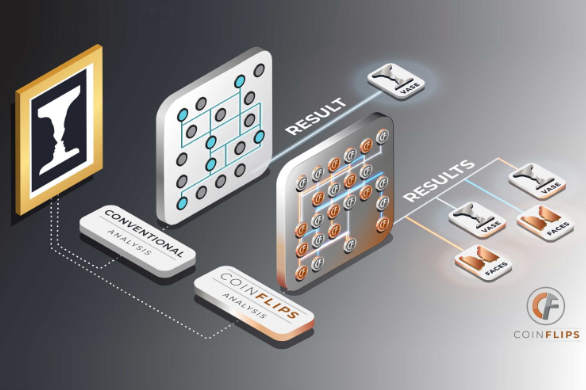
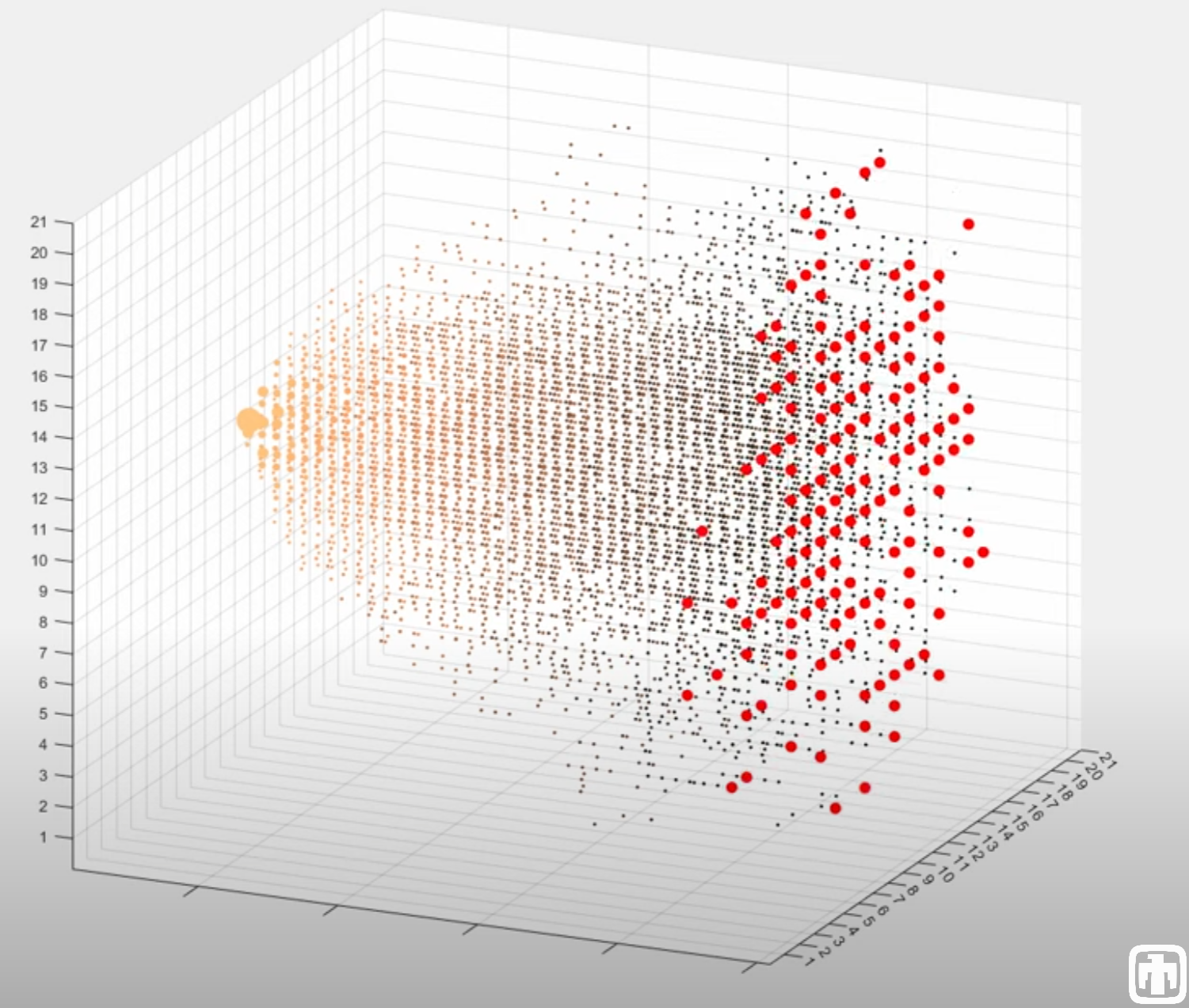
April 10, 2024 • With the insertion of a little math, Sandia researchers have shown that neuromorphic computers, which synthetically imitate the brain’s logic, can solve more complex problems than those posed by artificial intelligence and may even earn a place in high-performance computing. Read more about Neuromorphic computing
SIMULATED WALKS — A diffusion model on the Intel Loihi platform based on data from Sandia algorithms working. (Graphic by Brad Aimone)

Build-a-satellite program could fast track national security space missions

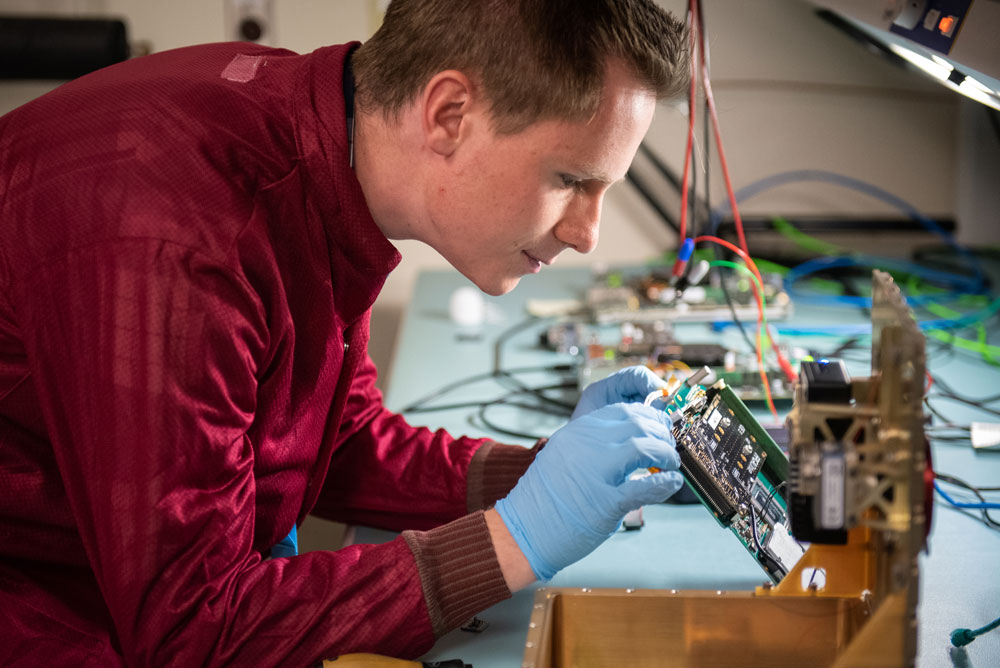
April 10, 2024 • Satellites equipped with remote sensing technology execute many critical national security missions, from detecting explosions to tracking sea ice, but until now it could take a team years to move from a concept to a deployable space system. Read more about Build-a-satellite program
SPACE-BOUND BOARD — Thomas Bradshaw, electrical engineer and flight software lead, inspects a computer board for an upcoming remote sensing mission designed to demonstrate next-generation high-performance computing in space. The team used Valhalla, a Python-based high-performance computing program developed at Sandia, to quickly generate the concept design and estimate mission performance for the payload. (Photo by Craig Fritz)

Sandia partners with Alabama A&M to open AI cage

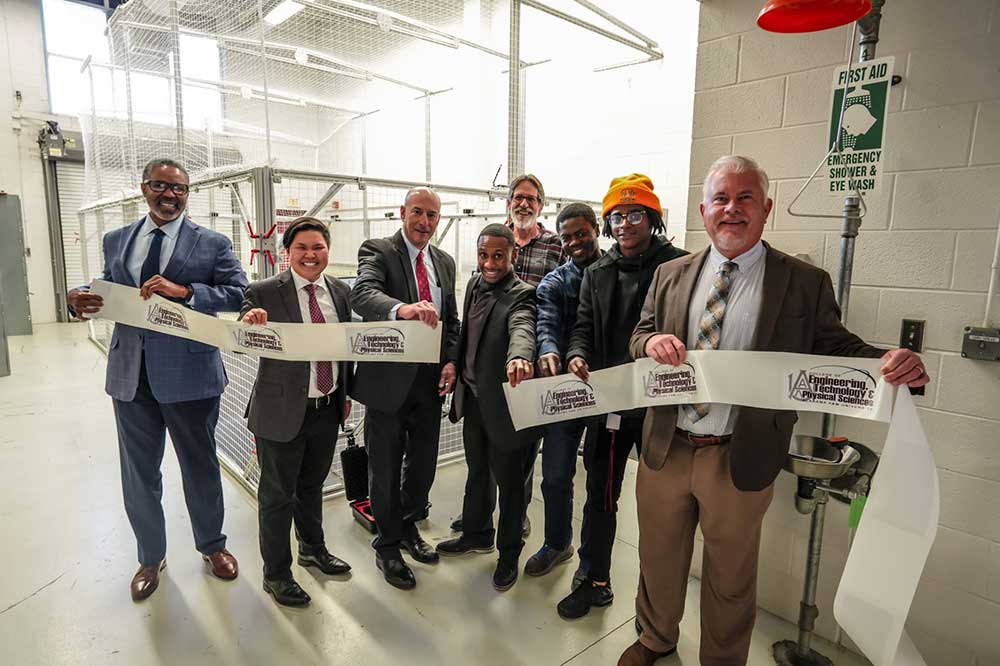
April 10, 2024 • Nestled on the Alabama A&M University campus lies a state-of-the-art facility that allows faculty and students to conduct groundbreaking research and analyze the intelligence of artificial entities. On Nov. 28, AAMU and Sandia cut the ribbon on the university’s new artificial intelligence cage to conduct drone and robotic AI research....
REACHING NEW HEIGHTS — START HBCU partners, Alabama A&M University faculty and students cut the ribbon to new artificial intelligence cage in November. (Photo courtesy of Alabama A&M University)

Explore capabilities in popular AI models

April 10, 2024 • With a couple thousand years and modern science, humanity now knows quite a bit more about human intelligence and the natural world. However, artificial intelligence has humanity once again asking, “What do we really know?” Read more about Capabilities in popular AI models
Person holding mobile phone with ChatGPT on screen

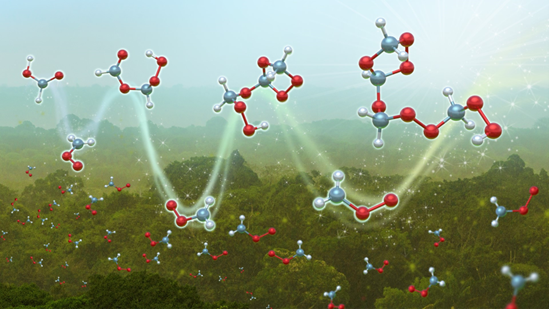
International team makes breakthrough in the chemistry of atmospheric aerosol formation.

March 14, 2024 • Figure 1 — Sequential insertion reactions of Criegee intermediates (CH2OO) produce low volatility, highly oxygenated molecules that may form organic aerosols in the troposphere. (Figure courtesy of Ellen Weiss, Argonne National Laboratory) A multidisciplinary team has combined measurements in the Amazon forest with experimental and theoretical kinetics to show the...

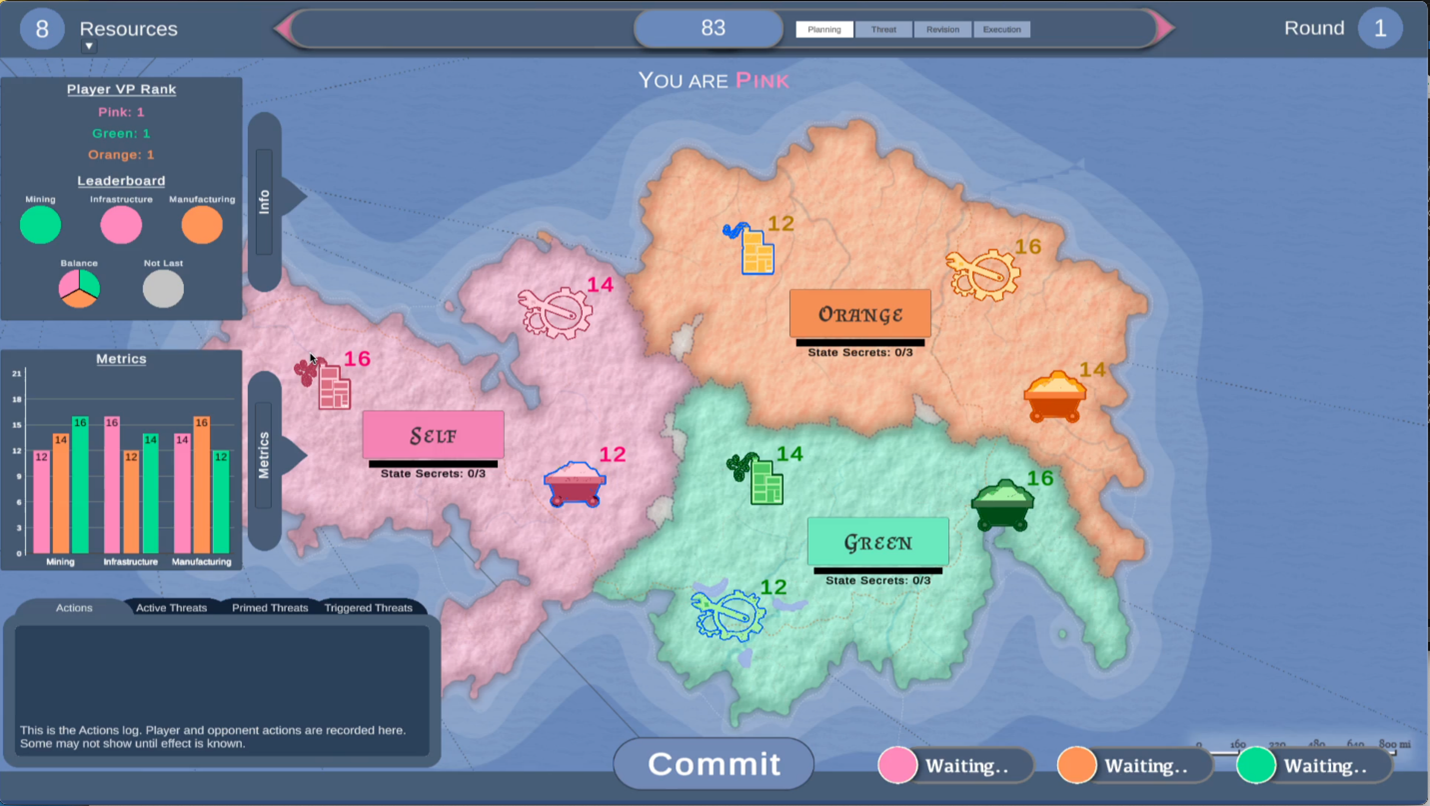
Researchers develop a tantalizing method to study cyberdeterrence

November 27, 2023 • TANTALUS — The online game simulates how success or failure is within a player’s reach. Experimental war gaming provides insightful data for real-world cyberattacks In Greek mythology, Tantalus was the king of Sipylus who so angered Zeus with his treachery that his punishment was to go thirsty and hungry while...
Three countries illustrated in a cyberdeterrence game

Microbiome editing to improve economic viability of algae growth as a feedstock

June 27, 2023 • The major challenge with using algae as a feedstock is growing it economically, which hinges strongly on the ability to prevent pond crashes due to biotic factors, like bacteria. Phages, the viruses of bacteria, offer an unexplored solution to this problem. In contrast to antibiotics, phages are typically species-specific and...
Algae is shown growing from underneath the water.

Stress intensity thresholds for development of reliable brittle materials 

June 22, 2023 • Cover of the Journal of the American Ceramic Society Brittle material failure can appear random and unpredictable at subcritical stresses. A fundamental understanding of how structural and environmental factors impact fracture propagation is necessary to predict fracture in these systems. Through this project, a physics-based model of glass fracture was...
The Journal of the American Ceramic Society featuring the Sandia research projects.

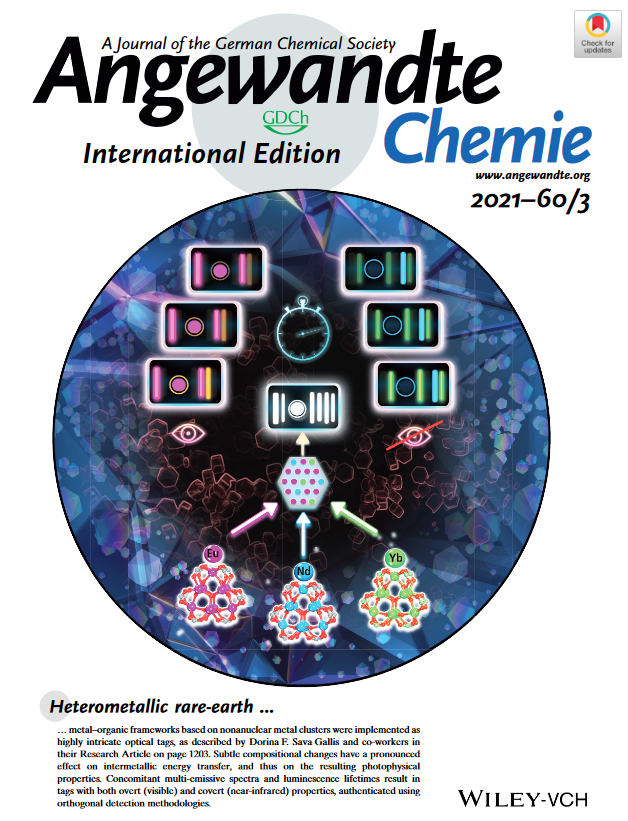
Smart materials for highly complex tags with environmental response 

June 22, 2023 • Cover of the Journal of the German Chemical Society Angewandte Chemie International Edition As counterfeiting methods become more sophisticated, countermeasures must be developed at the same pace. In this Sandia LDRD project, unique exemplars of next generation anticounterfeiting optical tags were developed that leverage the luminescent properties of materials for...
Cover of the Journal of the German Chemical Society Angewandte Chemie International Edition

Materials science researcher is Sandia’s first outbound Faculty Loan joint appointee  

June 22, 2023 • Jonathan Pegues, a researcher in Sandia’s Coatings & Additive Manufacturing department, was approved to be the first formally approved Sandia outbound Faculty Loan joint appointee. Pegues’ joint appointment is an agreement between Sandia and Auburn University’s (AU) National Center for Additive Manufacturing Excellence (NCAME). The NCAME is a collaborative effort...
Jonathan Pegues stands in front of a building of Auburn University
Results 51–75 of 101