
Page • Addressing robotics challenges The Sandia Hand has overcome issues that have prevented widespread adoption of other robotic hands, including cost, durability, dexterity and modularity. High Consequence, Automation, & Robotics (HCAR) has a long history of automating robots for difficult manipulation tasks. Leveraging Sandia-developed sensor technologies to locate objects in the...
Search
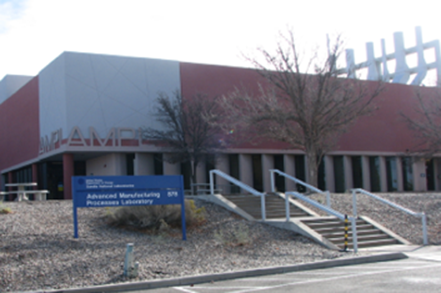
Advanced Manufacturing Processing Lab (AMPL)
Facility • AMPL provides extensive expertise in the areas of manufacturing research and development, as well as advanced engineering and prototyping capabilities.
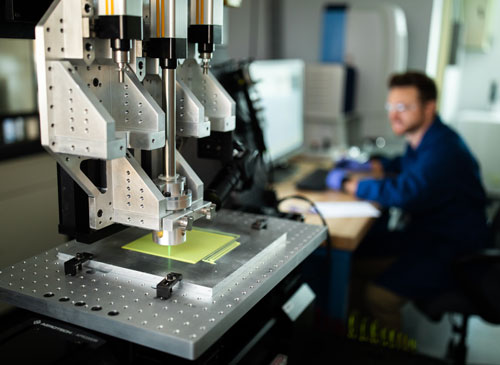
Advanced Materials Laboratory (AML)
Facility • AML focuses on ceramics, porous materials, catalysts, electronic materials, materials synthesis, and advanced manufacturing research.
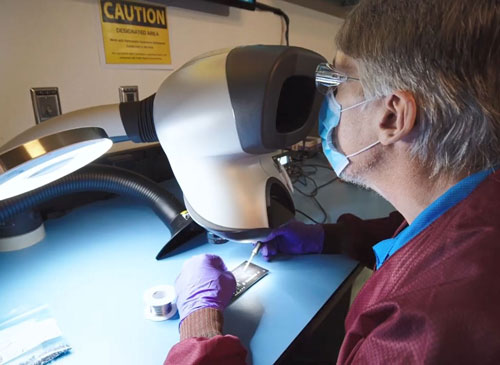
Advanced Power Electronic Conversion Systems (APEX)
Facility • The Advanced Power Electronic Conversion Systems (APEX) Laboratory supports the development of advanced power conversion topologies and intelligent control strategies. Research in the APEX laboratory focuses on robust and fault-tolerant conversion systems for utility-scale energy storage. Applications of interest range from individual cell-level battery interfaces to cascaded and modular multilevel...
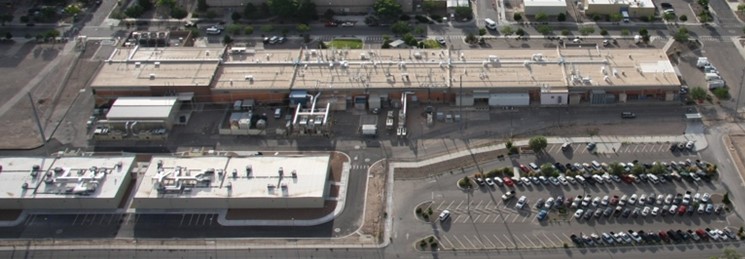
Advanced Power Source Engineering Facility
Facility • The Power Sources Technology Group (PSTG) group provides comprehensive capabilities in power source research, design, engineering, characterization, evaluation, and testing.
Advancing turbulence models for hypersonic flows using machine learning
News Article, July 14, 2025 • Sandia researchers utilized machine learning techniques to address the limitations of Reynolds-averaged Navier-Stokes (RANS) turbulence models in predicting hypersonic turbulent flows, with a particular emphasis on inaccuracies in wall heating predictions for flows involving shock boundary layer interactions. This research has led to the development of neural-network-based machine learned turbulence...
Advancing understanding of acoustic signals in underground tunnel structures
News Article, July 14, 2025 • Sandia researchers are using remote data to determine the structure of underground tunnels. Specifically, their research focuses on understanding acoustic resonance in these structures, specifically how changes in tunnel configurations affect the acoustic signals observed from a distance. The potential benefits of this work were presented in May 2024 at...
Aerial Cable Facility (ACF)
Facility • The ACF is a unique capability for simulating drop and high-velocity impact testing combining a breadth of instrumentation.
AI center to combine hardware, software for practical gains
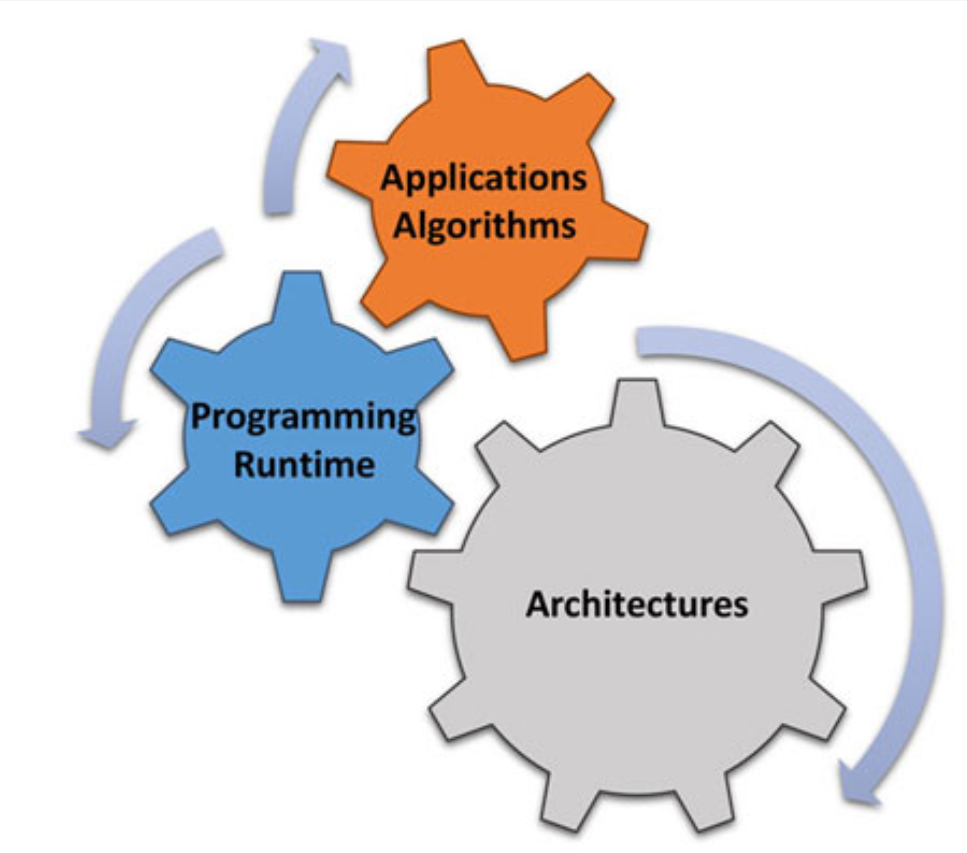
News Article, April 23, 2024 • Sandia and Pacific Northwest national laboratories and the Georgia Institute of Technology in Atlanta are launching a research center that combines hardware and software design and development to improve artificial intelligence technologies that will ultimately benefit the public. Read more about AI center
Annular Core Research Reactor (ACRR)
Facility • ACRR is used to test objects in a mixed photon and neutron irradiation environment. Researchers conduct a wide variety of experiments in nearly every branch of nuclear science.
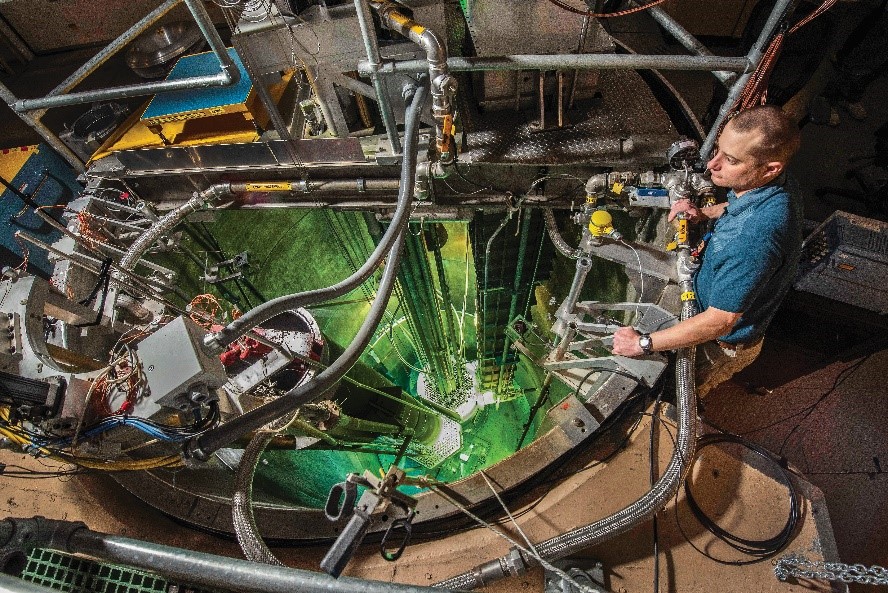
Annular Core Research Reactor facility
Page • At the Annular Core Research Reactor (ACRR) facility, Sandia researchers can subject various test objects to a mixed photon and neutron irradiation environment featuring either a very rapid pulse rate or a long-term, steady-state rate. Research and other activities The radiation produced at the ACRR is used for the following...
Applied Biosciences Lab (ABL)
Facility • The ABL located in Livermore, CA focuses on energy security, confronting the risks of global warming and biosecurity research focused on reducing threats from infectious diseases and biological weapons.
Archive
Page •
Artificial Intelligence (AI)
Page • Artificial Intelligence at Sandia Sandia's AI Strategic Focus Areas Introduction Sandia delivers essential science and technology to resolve the most challenging national security issues. Science-based, systems-engineering solutions are delivered through ground-breaking work in secure AI, computing co-design, and scientific machine learning. Sandia is partnering with industry, government, and academia to...
Associated Videos
Page • VideosLoading… USTEAMS Stress corrosion cracking R&D Multi-material additive manufacturing Iron Nitride Soft Magnetics Additive Manufacturing Alinstante: A Robotic Workcell for High-Throughput Automation 3D Printed Telescope
Auxiliary Hot Cell Facility (AHCF)
Facility • The AHCF is a nuclear facility used to characterize, treat, and repackage radioactive and mixed material and waste for reuse, recycling, or ultimate disposal.
Battery Abuse Testing Laboratory (BATLab)
Facility • The BATLab is an internationally recognized leader in energy storage system safety research.
Biodefense & Emerging Infectious Diseases
Page • Creating novel tools for detecting and fighting disease The threat of bioterrorism is something that a national security laboratory like Sandia is expected to tackle for the nation. Infectious disease diagnosis and treatment is most often associated with the public health domain. Both bioterrorism and naturally occurring infectious disease share...
Bioenergy/Biomass Conversion
Page • Overcoming challenges to make advanced "drop-in" biofuels a reality Sandia researchers are creating thermochemical, chemical, and biochemical conversion technologies to efficiently generate renewable biofuels that can displace gasoline, diesel, and jet fuel with no loss of performance or engine efficiency. Sandia is focused on two primary feedstock types—lignocellulose and microalgae—that...
Biological Science
Page • Wearable sensor to monitor ‘last line of defense’ antibiotic Preventing collateral damage in cancer treatment Tiny needles yielding big results Sandia has a dynamic biological research mission that addresses important national security challenges. Sandia’s research in two strategic areas—biomanufacturing and biodefense—aims to provide biological solutions to critical challenges in energy...
Biometric calcification for carbon sequestration from seawater
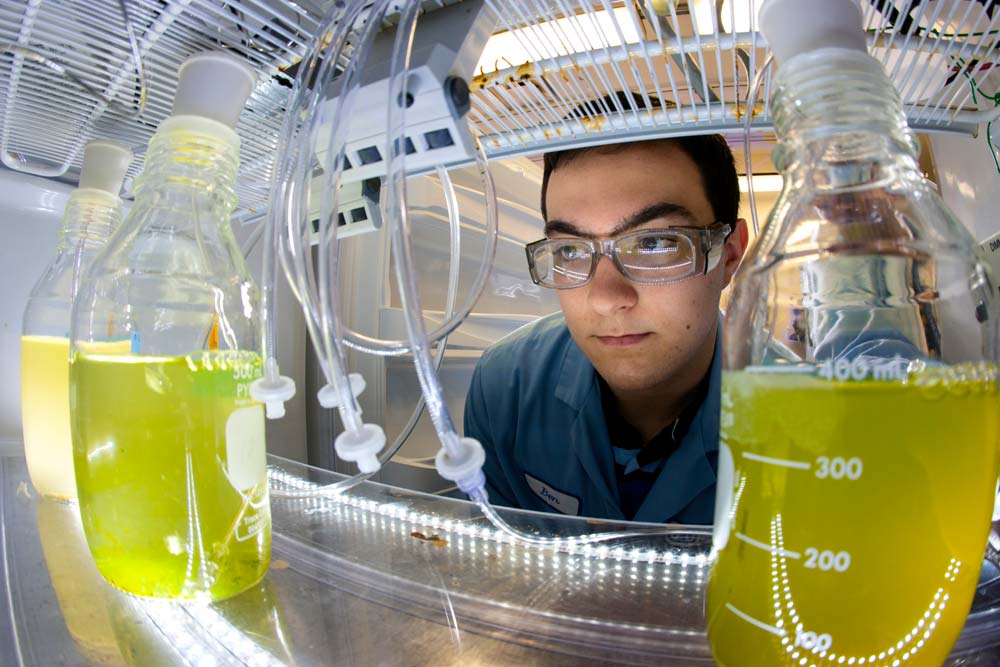
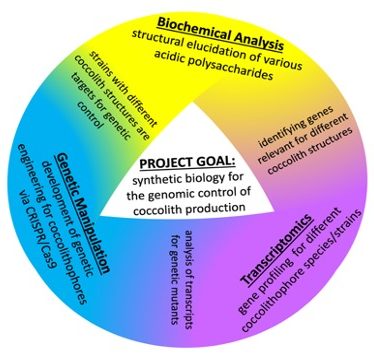
News Article, June 7, 2023 • Numerous objectives are involved in helping researchers work on biomimetic calcification for carbon sequestration from seawater. An integrated data science and experimental approach is being taken to the challenges of direct capture of CO2 from the ocean. A large group of marine microalgae, coccolithophores, produce calcium carbonate (calcite) plates referred...
Blast Tube Facility
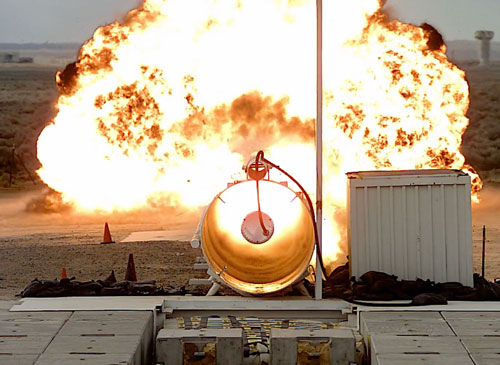
Facility • The Blast Tube facility provides tests using different blast tube configurations with varying lengths and diameters to perform tests with energetic and hazardous materials.
Brain-based computing for ND solutions
News Article, June 4, 2025 • New neuromorphic computing system arrives at Sandia THE HARDWARE BEHIND THE BRAIN — NERL Braunfels consists of three chassis, or frames, each capable of holding up to 18 boards with 48 chips on each board. Photo by Craig Fritz. As artificial intelligence-capable computing systems continue to evolve, so do challenges facing...

Brandon Talamini
Page • Google Scholar Profile email: btalami@sandia.gov I am a Senior Member of the technical staff in the Mechanics of Materials Department at Sandia National Laboratories in Livermore, California. I work broadly in the field of computational solid mechanics. My main research interest is in understanding (and predicting) fracture, particularly beyond the...
Build-a-satellite program could fast track national security space missions
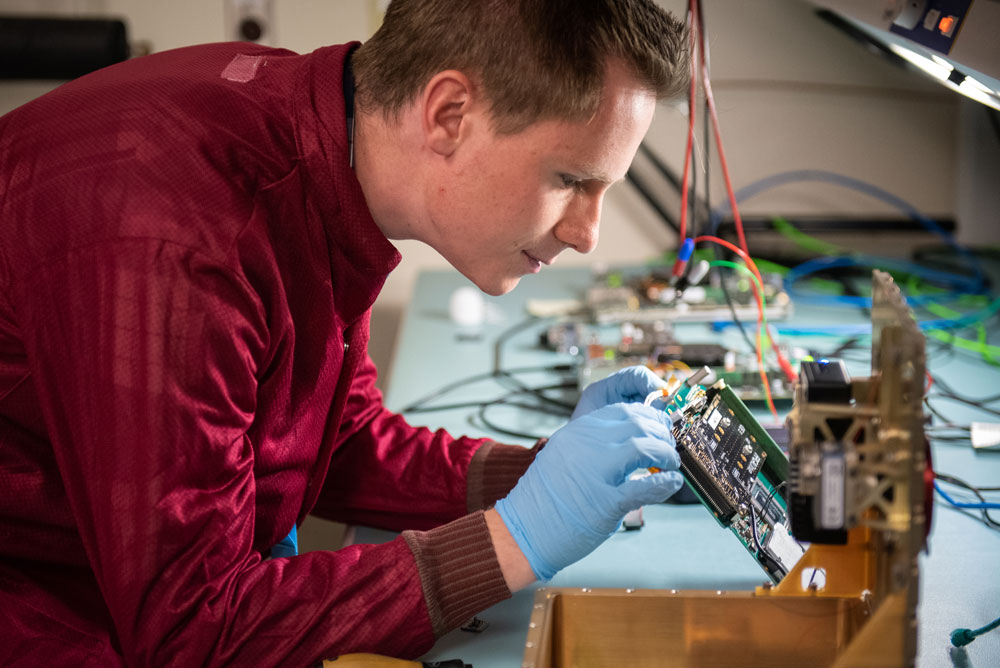
News Article, April 10, 2024 • Satellites equipped with remote sensing technology execute many critical national security missions, from detecting explosions to tracking sea ice, but until now it could take a team years to move from a concept to a deployable space system. Read more about Build-a-satellite program
Results 26–50 of 260