
Three Sandia projects highlighted for their significant impact
What do a solar glare analysis tool, the trajectory and optimization software known as TAOS and the quantum boom in New Mexico all have in common? They were all developed at Sandia and are all winners of the 2026 Federal Laboratory Consortium Awards for Excellence in Technology Transfer.
2026 FLC Awards
Each year, the FLC recognizes outstanding partnerships that help turn cutting-edge research at national laboratories and research centers into impactful products and services in the marketplace. This year, there are 27 FLC award winners and seven honorable mentions. Three of those projects were born at Sandia.
Together, the awards reflect the range of Sandia’s impact, from improving safety around solar installations and supporting aerospace flight analysis to helping build a growing quantum ecosystem in New Mexico.
Solar Glare Hazard Analysis tool/ForgeSolar
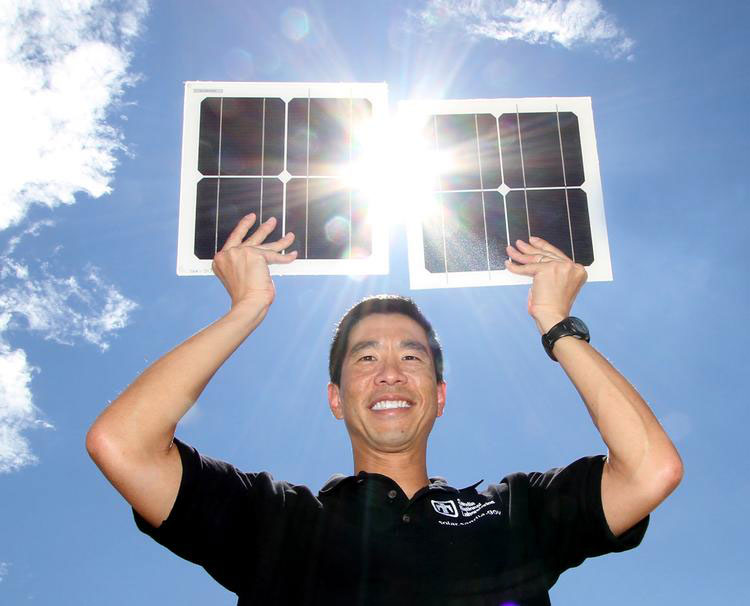
Solar energy installations began spreading across the country in the 2010s after the DOE launched its SunShot Initiative. While it represented a huge step toward making solar more affordable, it didn’t take long for some to recognize a glaring problem, including former Sandia senior scientist Cliff Ho.
The massive installations, many of which were built in open areas near airports, were creating blinding glare, putting pilots, air traffic controllers, motorists and communities in danger. With the Federal Aviation Administration, DOE, Air Force and Department of Transportation all flagging safety concerns, there was a big push to quickly solve the problem. That is where Cliff and Sandia came in.
With the help of then-Sandia graduate student intern Cianan Sims, Ho created the Solar Glare Hazard Analysis Tool. The web-based software allows users to quickly locate a site, draw an outline of a proposed array and identify hazardous glare throughout the year. If glare is found, the tool calculates and suggests alternative configurations. The tool can also predict annual energy production when evaluating design layouts and locations to maximize energy production while mitigating glare impacts.
Cliff and Sims won an R&D 100 Award for the technology in 2013.
The tool was made available for free on a Sandia-managed website and provided guidance to 6,000 users in 60 countries. As the initial DOE-supported phase of the project wound down around 2015, commercialization became the next step for the tool.
By that time, Sims had moved on from Sandia and had started his own software engineering business, Sims Industries LLC. This provided an opportunity for him and Cliff to work together again. With the help of Sandia licensing executive Bob Westervelt, Sims licensed the tool, added new features and renamed it ForgeSolar.
Fast forward to 2026, and the tool is now used in 140 countries, with an average of 20,000 solar glare analyses performed annually. Among the users are the 10 busiest airports in the world.
The FLC agrees the technology is a prime example of a national laboratory harnessing its creativity and resources to address a significant global need, awarding it the Impact Award.
TAOS
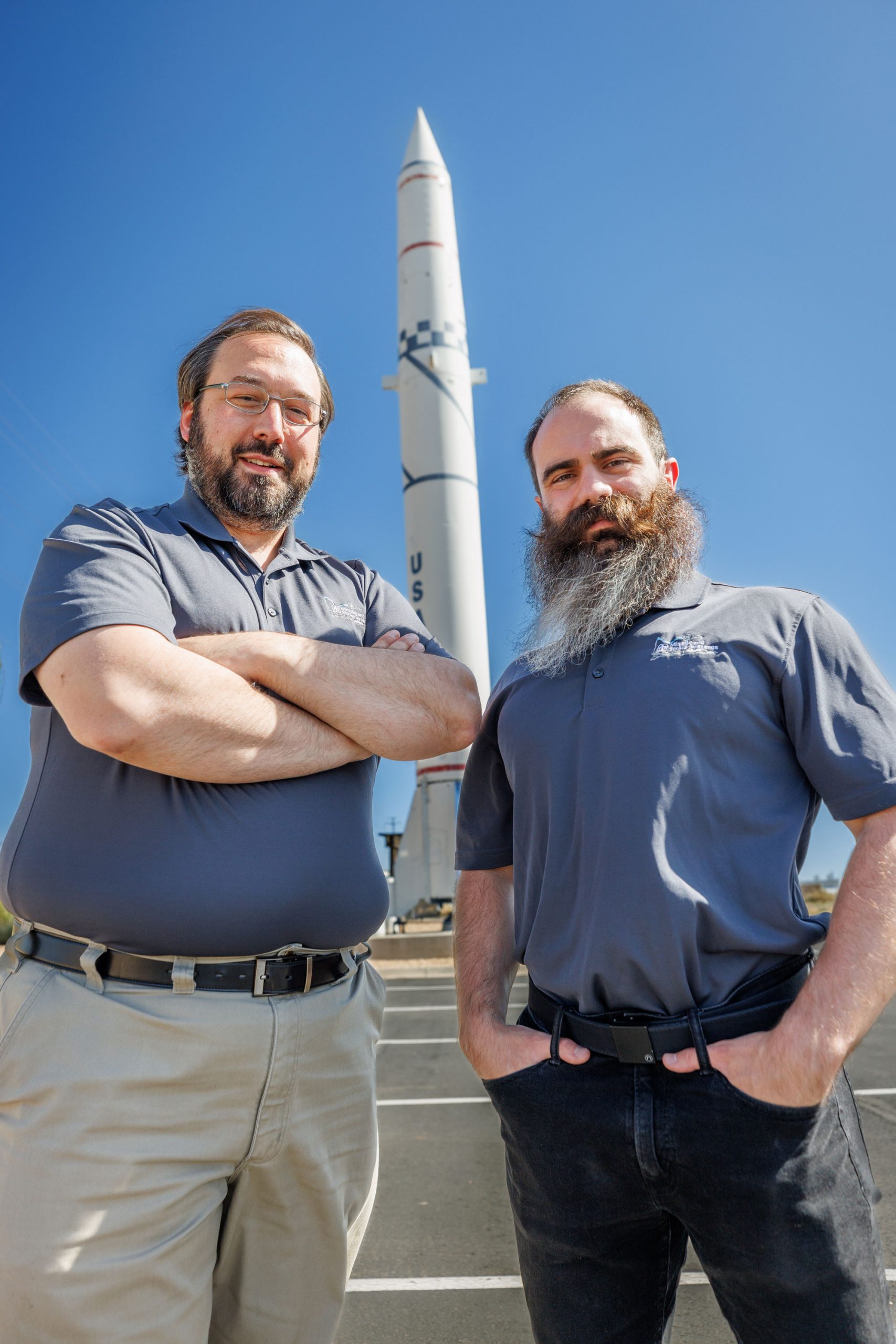
While the name Taos may bring to mind the popular tourist town in northern New Mexico, it is also the name of a flight analysis tool developed at Sandia in 1995 for planning research rocket launches.
At the time, creator David Salguero had no idea that his TAOS — short for Trajectory Analysis and Optimization Software — would go on to become a critical asset for government organizations, space companies and the commercial space market.
When it was created, TAOS stood out from other available software tools. Existing software was often tailored to narrow or highly specific problems.
TAOS combined multiple trajectory-solving capabilities into one analysis and optimization package, supporting every step of safety analysis, from conceptual design through postflight analysis. Just as important, TAOS was designed to be intuitive and remains so today.
In 2012, TAOS was licensed to the Federal Aviation Administration and later approved by NASA as an acceptable safety analysis tool. Since then, it has been used to model everything from hypersonic reentry vehicles and satellites to subsonic cruise missiles, unmanned aerial vehicles and sensor darts.
With the rise of the commercial space industry in recent years, the reach of TAOS has grown further. But getting it approved for use within that industry was not easy. Because TAOS fell under International Traffic in Arms Regulations, licensing it for broader use in the commercial space industry required extensive coordination with Sandia and DOE legal teams as well as creativity in establishing a path for distribution.
Sandia was successful in its efforts and, to date, has licensed the software to six major rocket companies and to more than 200 users under government contracts. TAOS is now used by the companies that accounted for 84% of the commercial rockets launched in the U.S. in 2024.
The FLC recognized that effort with its Excellence in Technology Transfer Award, honoring Sandia’s outstanding work collaborating to move a specialized lab-developed technology to the marketplace.
The software’s success, colleagues say, has relied on years of contributions from dozens of people in addition to Salguero, who retired from Sandia in 2013. They include aeronautical engineers Michael Sparapany, Michael Grant, Jon Christensen and Nathaniel Grady; David Wick; licensing and contract administrators Amanda Malherbe and Sandra Pino; and administrative assistants Elisabeta Cosarca Cordova and Victoria Martinez.
“TAOS is where it is today due to the hard work of several individuals, but it wouldn’t be what it is today without the foresight of its original author Dave Salguero,” Michael said. “The fact that TAOS has stood the test of time and is one of the preferred tools nationwide is a testament to Dave’s original architecture.”
New Mexico’s quantum future
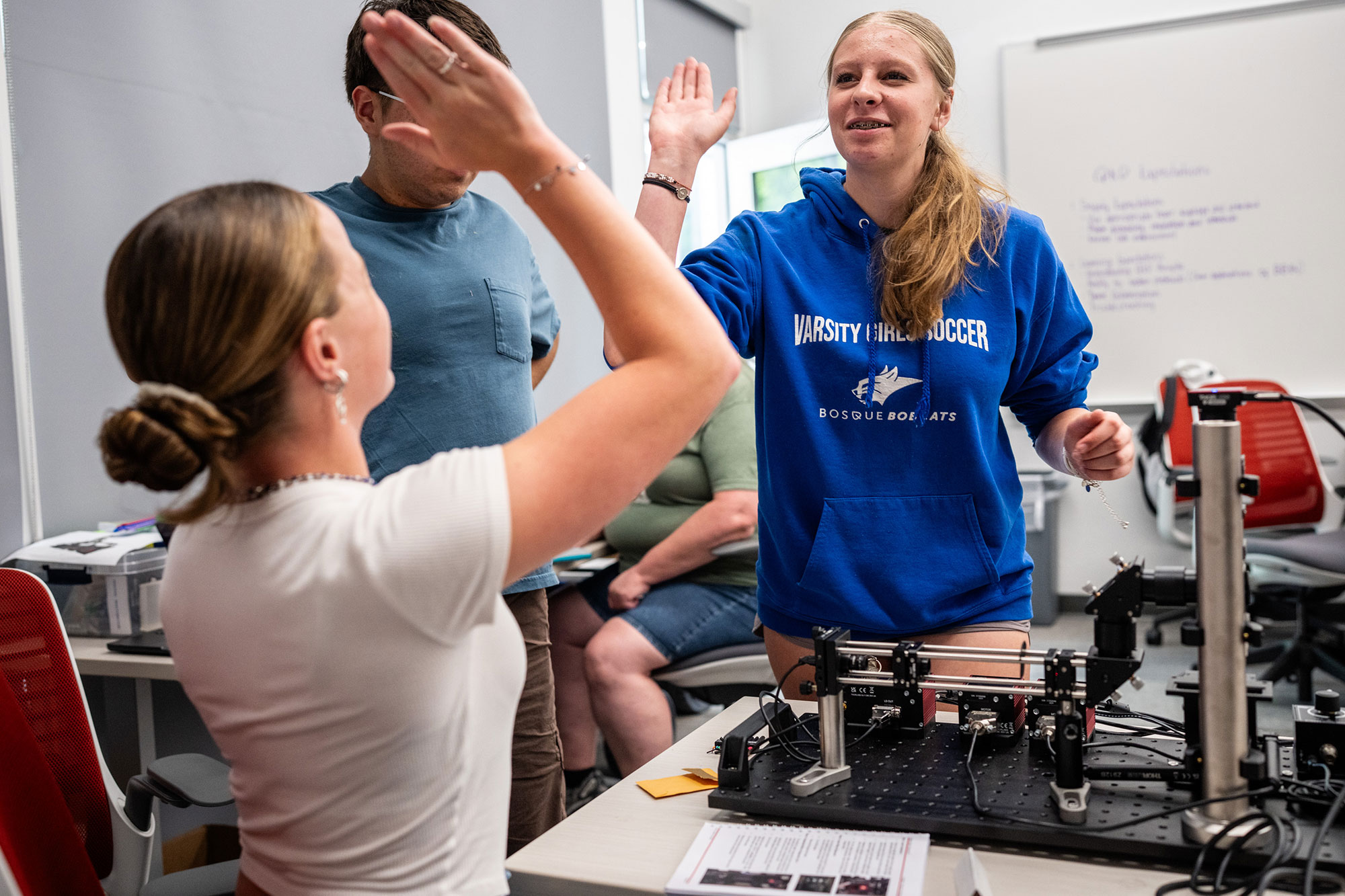
Sandia and its partners also were recognized for a different kind of technology transfer effort, one aimed not at a single tool or product, but at helping grow New Mexico’s quantum future.
Over the past two years, Sandia has worked with other national labs, academic partners, state institutions and private firms to help advance quantum innovation and economic development in the state. That work has included partnerships focused on commercialization, workforce development, facilities, company growth and long-term industry presence.
- Elevate Quantum, a $127 million grant-funded program to accelerate quantum commercialization through public-private partnerships with more than 140 members.
- Quantum Frontiers Project, a memorandum of agreement between the state of New Mexico and the Defense Advanced Research Projects Agency to develop an industry presence through the development of practical quantum computers and partnerships with private industry.
- Quantum Venture Studio, a $25 million initiative through the Roadrunner Venture Studios and the New Mexico Economic Development Department to create advanced facilities that foster collaboration.
- The Quantum Learning Lab and Technician Bootcamp, led by Central New Mexico Community College and Sandia, and funded through the federal “Elevate Quantum” Tech Hub.
- A pilot program that funds $100,000 grants to quantum companies that establish operations in the state.
Together, those efforts are helping build the infrastructure needed for an in-state quantum sector. In a year’s time, New Mexico went from having zero quantum companies to at least five.
The FLC awarded Sandia and its government partners the State and Local Economic Development Award for that broader work to help position New Mexico as a center for quantum science and technology.
Key players in that work include Sandia quantum business development lead Jake Douglass and quantum physicist Megan Ivory. The pair has a long history of working to foster quantum in the state, including launching QCaMP back in 2022 to introduce quantum concepts at the high school level. In the years since, they have remained leading voices in the quantum movement and advocates for growing New Mexico’s role in the field.
“A major part of making New Mexico the place to be for quantum is by building new and innovative public-private partnerships,” Jake said.
“We’re excited to see companies taking advantage of these programs and people growing their businesses,” Megan said.
The DARPA partnership alone is expected to bring up to $120 million in funding over the next four years to expand research, engineering and testing tied to quantum technologies in New Mexico.
“New Mexico has a strong history of being a crucial player in world-changing technology development. The field of quantum science is at an inflection point and New Mexico is the place to be to realize the impact of these emerging technologies,” Jake said.