
Storage Clean-up Challenge drives results and culture change
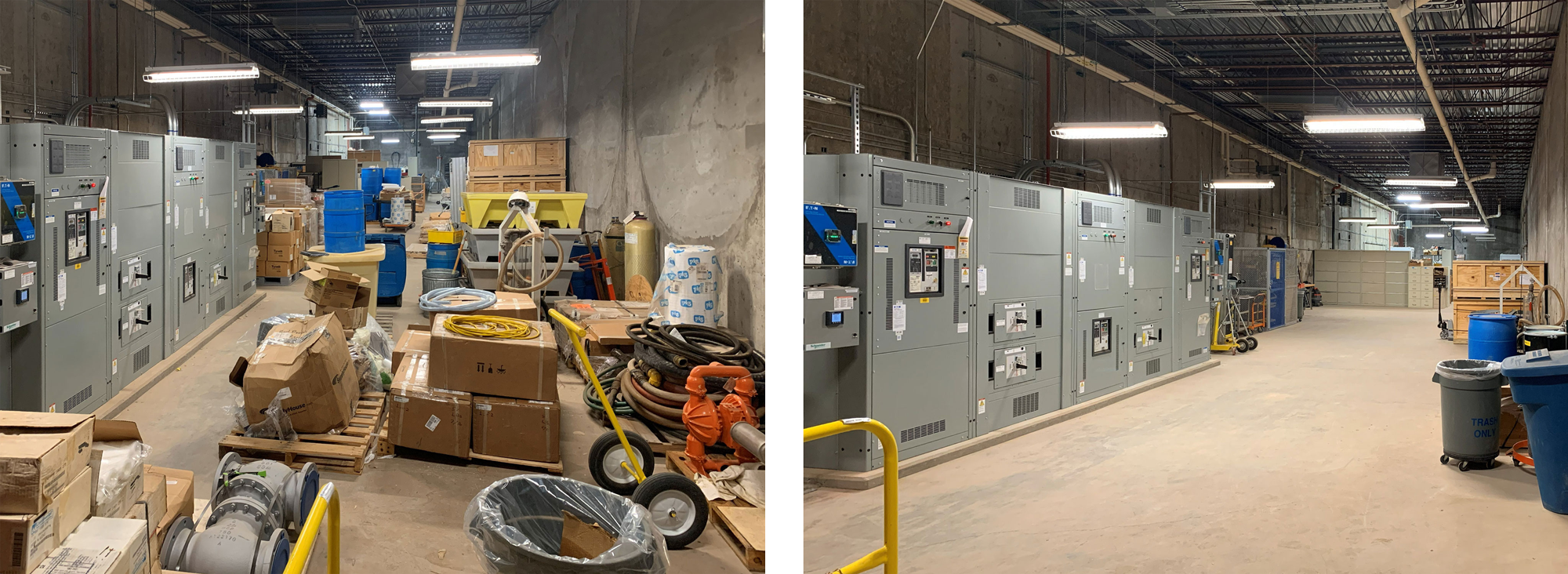
Sandia recently completed the Storage Clean-up Challenge, part of the broader Storage Improvement Initiative. This effort, created to optimize storage practices and spaces across the Labs, has drawn many participants and sparked a cultural shift toward better stewardship of storage spaces at Sandia.
The Storage Improvement Initiative was launched to address the growing need for well-optimized storage spaces, which are critical for future-readiness and mission success. Supported by subteams focused on storage policy, data accuracy and Corporate Storage improvements, the initiative has streamlined storage practices by consolidating storage policy provisions, validating walks-downs of over 200,000 net square feet of storage space and implementing an annual review process for items in Corporate Storage space using the new Storage Portal.
In the fall, the Storage Clean-up Challenge took center stage as a grassroots effort to engage Sandians in improving their own spaces. With no top-down mandate or funding, the challenge encouraged groups to set their own goals and tackle storage issues within their span of control. The response was remarkable: all divisions participated, submitting 50 transformative and impactful improvement goals.
Impactful results
The Enterprise Assurance and Risk Management department led a cross-Labs collaboration to clean out and disposition three abandoned transportainers in Tech Area I, one of which contained moldy, forgotten items dating back to the Vietnam era.
“Our team now knows how rewarding it is to conquer a mountain of mess, which others have chosen to ignore. It is vital to make time to get clean-up work done,” quality engineer Jeanette Burmester said.
The Environmental Systems department’s Ecology Program tackled their storage room, transportainers and truck, transforming their spaces into safer, more effective workspace.
In California, the Engineering Services Program and Operations team optimized the site’s classified storage facility, reducing inventory from 120% to 80% capacity and implementing a bar-coded inventory system to streamline operations and enhance readiness for mission success.
The Above Ground Testing Accelerator Operations team reclaimed a neglected shared space by clearing out years of accumulated tools, chemicals and equipment, creating a cleaner, more functional environment for storage and maintenance activities.
A Silicon Microfabrication Process Engineering team cleared out 144 lots of semiconductor wafers, retiring outdated inventory categories and implementing processes to better manage future releases.
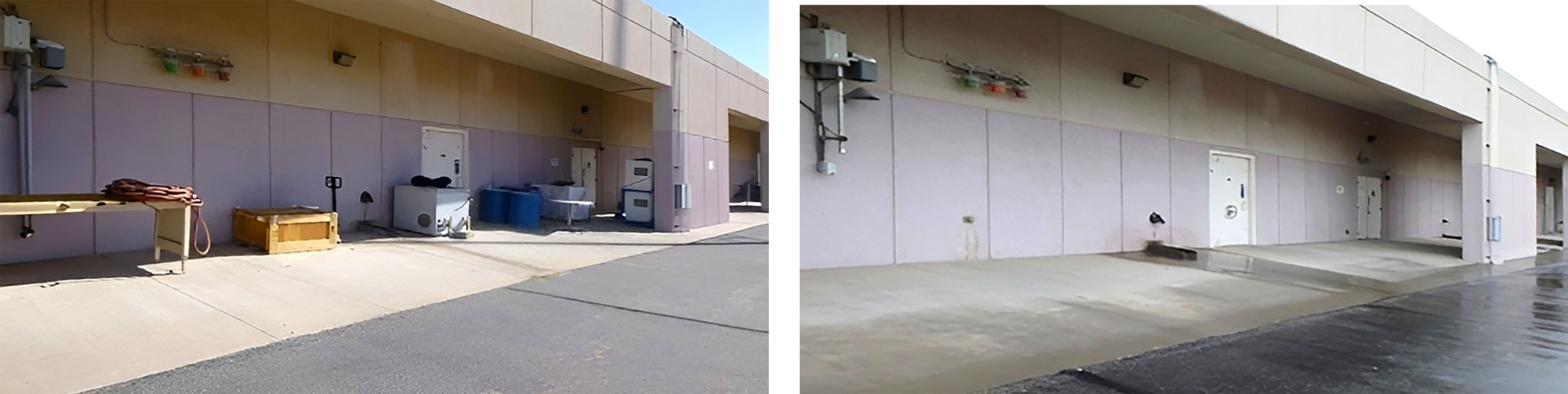
The Explosive Technologies group overhauled an outdoor area, filling multiple roll-off containers with unneeded items and transforming the area into a clear space that fosters safety and pride.
“Better stewardship of the areas we occupy allows us to use space more efficiently and keep better track of our inventory and equipment. Between cleaning and reorganizing, nothing is stored outside the building,” said Doug Taylor, a manager in the Explosive Technologies group.
These efforts, along with many other impressive results, demonstrate the Labs’ strong appetite for improvement work and the power of collaboration in driving meaningful change.
Reframing storage
The challenge also highlighted enthusiasm across the Labs for addressing storage pressures when framed as mission-critical work. Sandians embraced the idea of being good stewards of taxpayer money and Labs resources, taking ownership of their spaces and creating room for agility and innovation.
“The challenge is recognizing the value of stopping our immediate work to organize. The boon to productivity rapidly made up for our initial sunk time,” participant and electrical engineer William Brooks said.
Looking ahead, the Storage Clean-up Challenge is planned as a recurring event to sustain the cultural shift toward improved storage stewardship. Future efforts will focus on encouraging organizations to establish their own guidelines for storage duration, working toward improved compliance with regular federal storage requirements and exploring strategies for building clean-up days and transportainer optimization.
The success of the challenge would not have been possible without the dedication of over 200 Sandians — early adopters who leaned into this culture change. Their efforts have laid the foundation for continued progress and demonstrated Sandia’s commitment to operational efficiency, enhanced safety and future-readiness.
Read more success stories from the Storage Clean-up Challenge, including what was accomplished by each division.