
Edward Cole, Charles Hanley named IEEE fellows
The road to becoming a medical doctor took an unexpected turn in the 1980s for North Carolina native Edward Cole. Now, nearly 39 years later, the Sandia Fellow is being recognized by the Institute of Electrical and Electronics Engineers for the significant role he has played in microelectronics.
Senior Manager Charles Hanley joins him in receiving the prestigious recognition from his peers. Charles, an engineer who has spent most of his 37 years at Sandia improving the resilience of critical energy infrastructure and renewable energy technologies in rural areas, said his curiosity and fascination with the craft began as a boy helping his dad fix things.
Senior Fellow Edward Cole
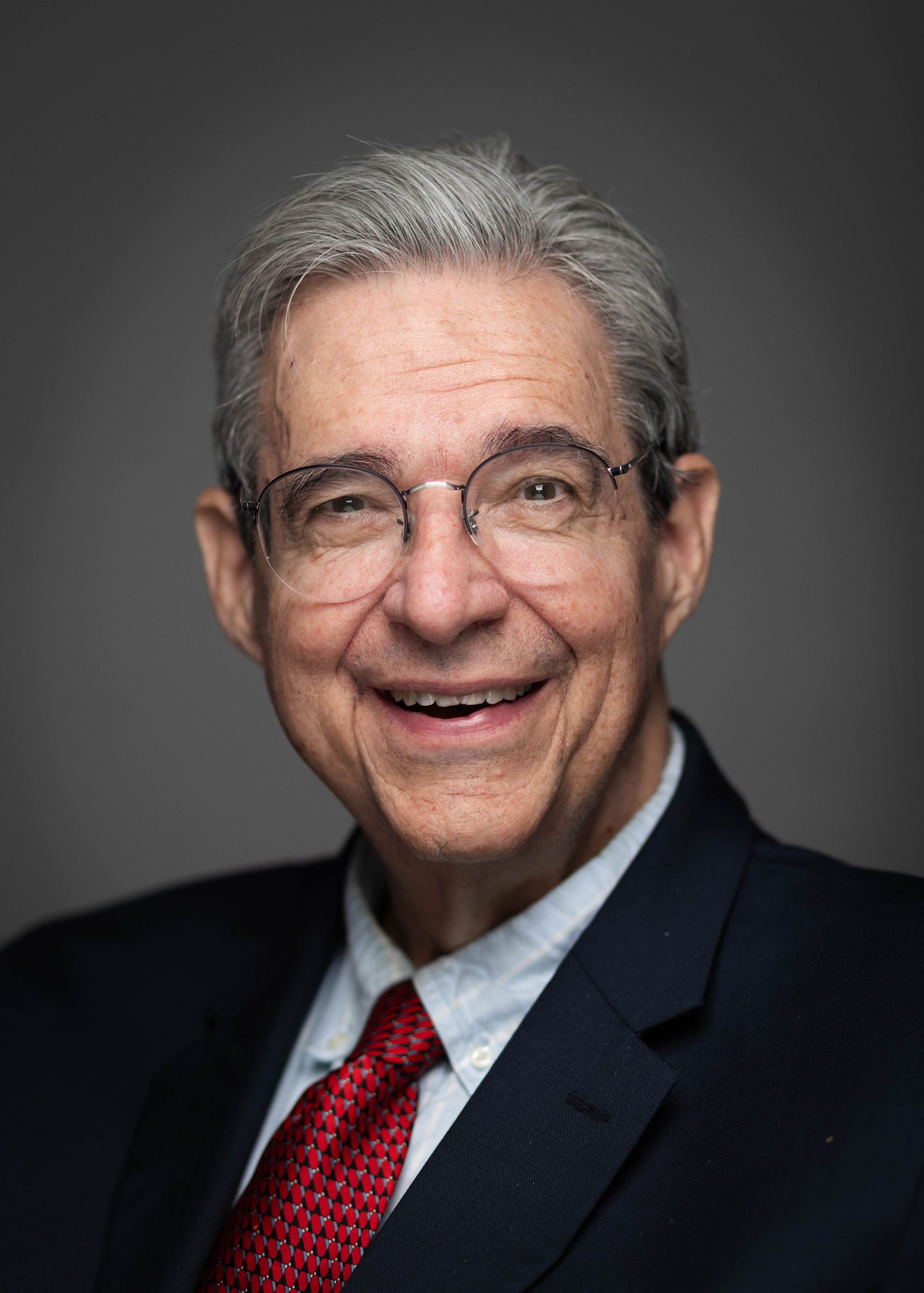
Little did Edward Cole know at the time how a simple conversation more than 40 years ago would change his life.
“I had been in medical school for a year,” Ed said. “One day, my wife of nine months asked me, ‘What’s wrong?’ I told her, ‘I’m really not liking this.’ She told me, ‘You’ve got nothing to prove to me. Go do something you want.’ So, with her encouragement, I left medical school in April. By June, I was enrolled in the graduate program at the University of North Carolina.”
It was there that Ed discovered his fascination with integrated circuits.
A professor approached him and said he had a grant to use a scanning electron microscope to study integrated circuits and asked whether Ed would be interested.
“It sounded fun, so I said yes,” Ed said.
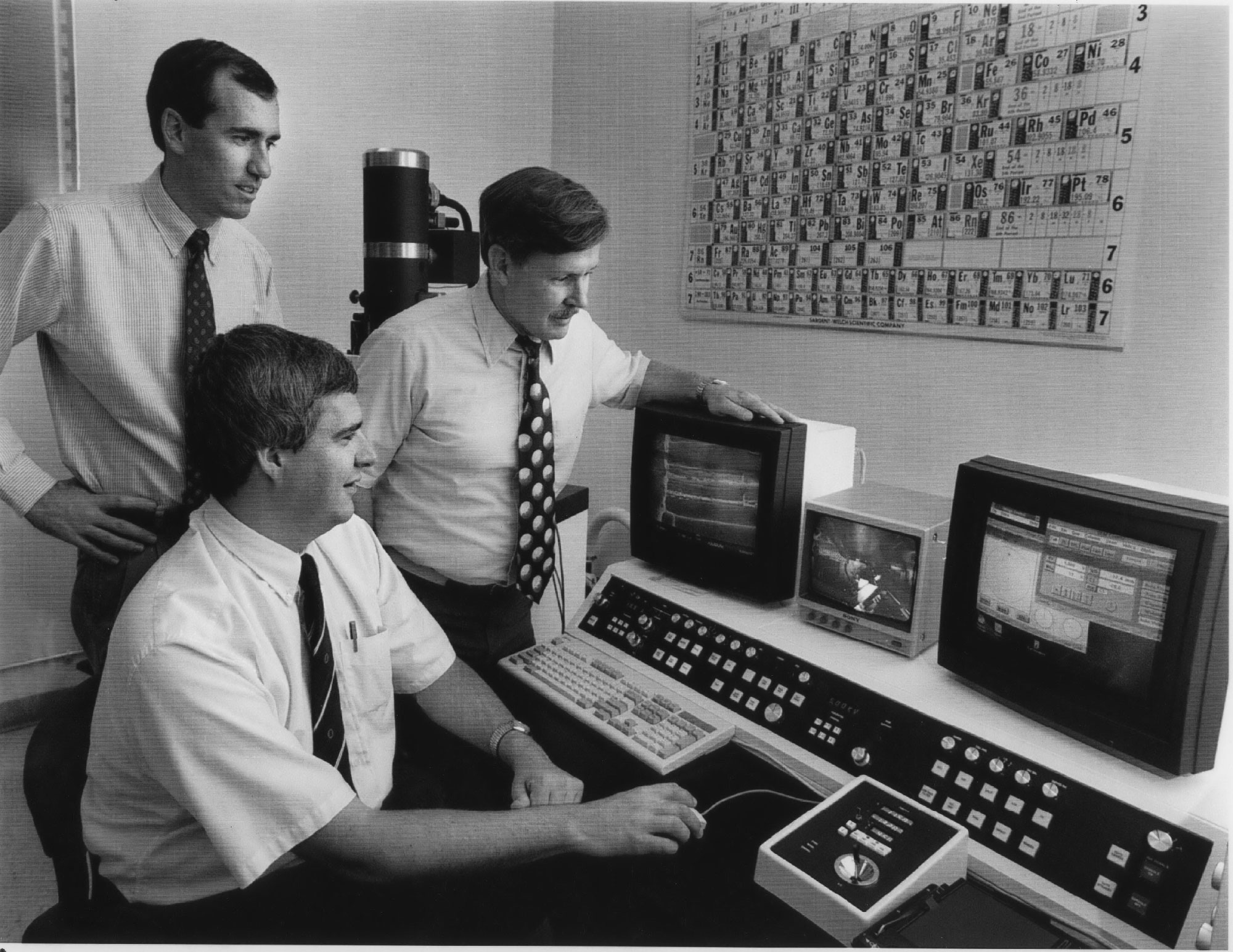
Ed, who was earning a doctorate in physics, joined a team that included students from different backgrounds, including biomedical engineering and computer science.
“We had a lot of leeway to try to do things that would make a difference,” he said.
That work caught the attention of someone at Sandia who invited Ed for a job interview.
That was 1987, during a tough job market, but Ed also received an offer from IBM in New York. “IBM was restarting its failure analysis laboratory from scratch, and I found that intriguing,” Ed said.
But ultimately, Sandia became Ed’s home. “When I came out to Sandia, it was in the middle of nowhere. No family for 1,000 miles, but the work was intriguing and the people were engaging,” Ed said.
With a baby on the way, and worries about his wife getting snowbound in New York, Albuquerque it was. “We made the leap to come out there, at least for a limited time,” Ed said. “I guess that limited time is still running.”
Ed has been at Sandia for nearly 39 years, and his impact has been significant. He started in Sandia’s Failure Analysis Department and hit the ground running.
“In those days we were in full scale production,” Ed said. “As you might imagine, for high-reliability, high-consequence missions at Sandia, failure was not an option. In industry, you might have a day or week to work on a problem. If you don’t solve it, you move on. Here at Sandia, you keep working until you have a solution.”
Ed led the teams that developed two failure analysis techniques still used today: the charge-inducted voltage alteration, or CIVA, which is a scanning electron microscopy technique that rapidly locates open-circuit floating conductors; and the light-inducted voltage alteration, known as LIVA, which is a non-destructive, scan-based failure analysis technique that uses a laser or infrared light source to localize defects.
“We were thinking outside the box, taking advantage of other physics. Suddenly, you could look at integrated circuits through the back,” Ed said. “We got there three to four years before the rest of the world and industry.”
Ed’s work earned him the title senior scientist in 2004 and, in 2013, he was named a Sandia Lab Fellow and Fellow of ASM International. More than a decade later, he decided to apply to become an IEEE fellow.
“I was asked to write a letter of recommendation for another IEEE Fellow applicant. When he found out I wasn’t one myself, he insisted on me putting in an application,” Ed said.
Ed was elected to the 2026 class for his “leadership in microelectronics defect localization equipment, science and techniques.”
“It’s a great honor,” Ed said. “It’s nice to see that my early work had enough longevity. I’ve had people who I haven’t heard from in 15 years congratulating me, so it’s a notoriety that I didn’t expect.”
Ed, who raised three daughters in Albuquerque, now spends his days at Sandia focused on helping the next generation.
“I’m under no illusion that they’re not smarter than I am,” Ed said. “But I’m older, and every once in a while, I know a little more. It’s been encouraging to me to see young people come in who get the mission from day one. I can’t bottle that. They understand why we’re here and that what we’re doing is important for national security. Helping them succeed is probably the most fun thing I do now.”
Ed said Sandia is the perfect place for that. “It was clear early in my career at Sandia that if you came across a problem or observed something unusual, it was expected that you would find a way to pursue it if you thought it would make an impact. Sandia facilitates that — to think outside the box and then act on that. It opens the door to capabilities that didn’t exist before.”
Senior Manager Charles Hanley
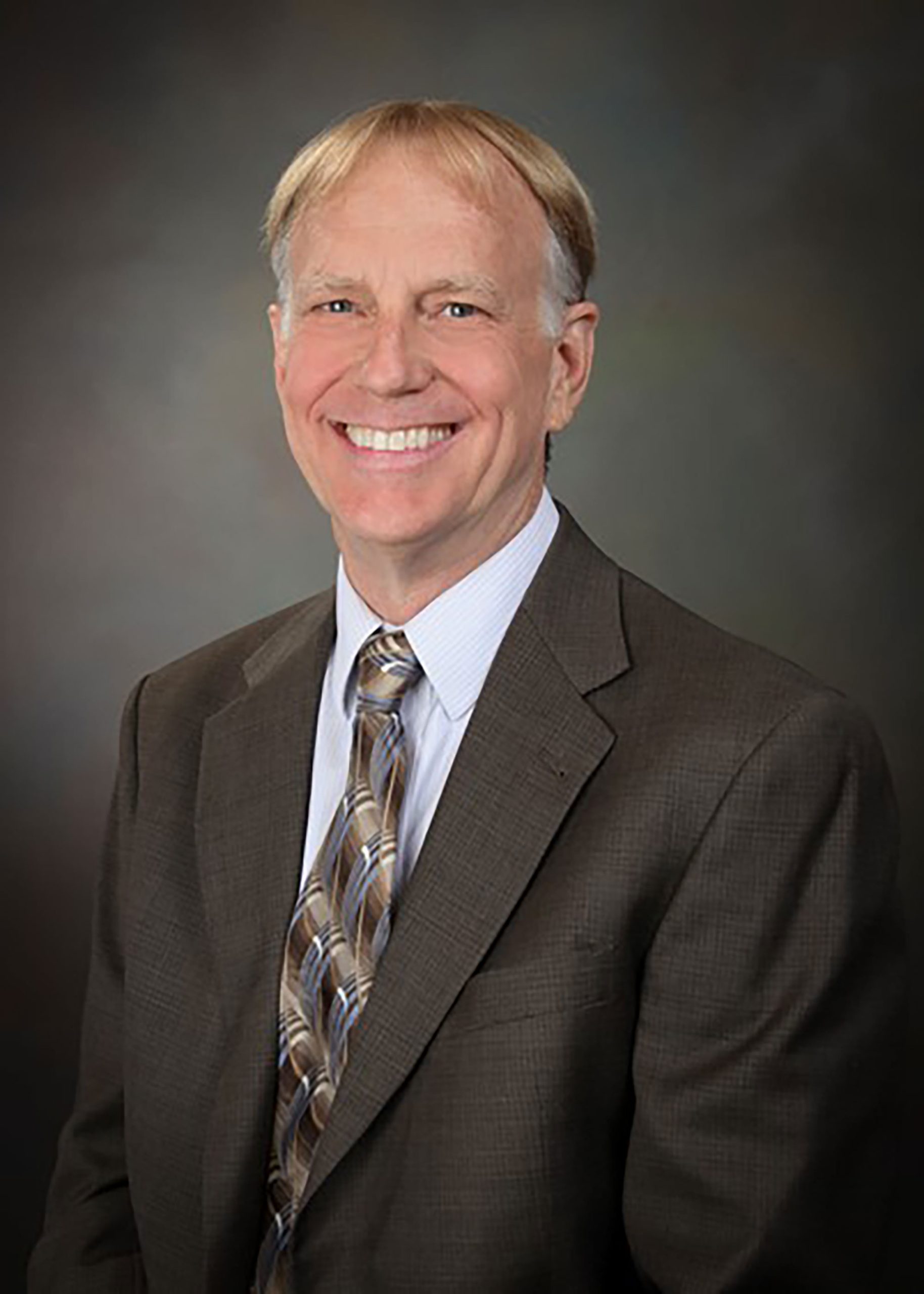
For Charles Hanley, the passion for engineering started when he was a boy.
“My dad was always one of those super fix-it people,” Charles said. “He could put his hands on something and either fix it or build something. It was always fun to take on projects with him.”
Charles said he was fortunate to attend a high school with a strong STEM program where teachers recognized his strengths in math. He went on to earn a bachelor’s degree in engineering science and a master’s degree in electrical engineering. Soon after graduation, he found himself in New Mexico and at Sandia.
“It just drew me in,” Charles said. “It was such an opportunity to be able to surround myself with incredibly bright people. It was one that I just couldn’t pass up.”
Charles spent the first six years of his career in controls work but his passion was energy. In 1994, he moved into Sandia’s renewable energy and electric grid programs where he remains today.
One of the early highlights of his career was his work in Mexico and Central America to aid recovery from natural disasters, including Hurricane Mitch.
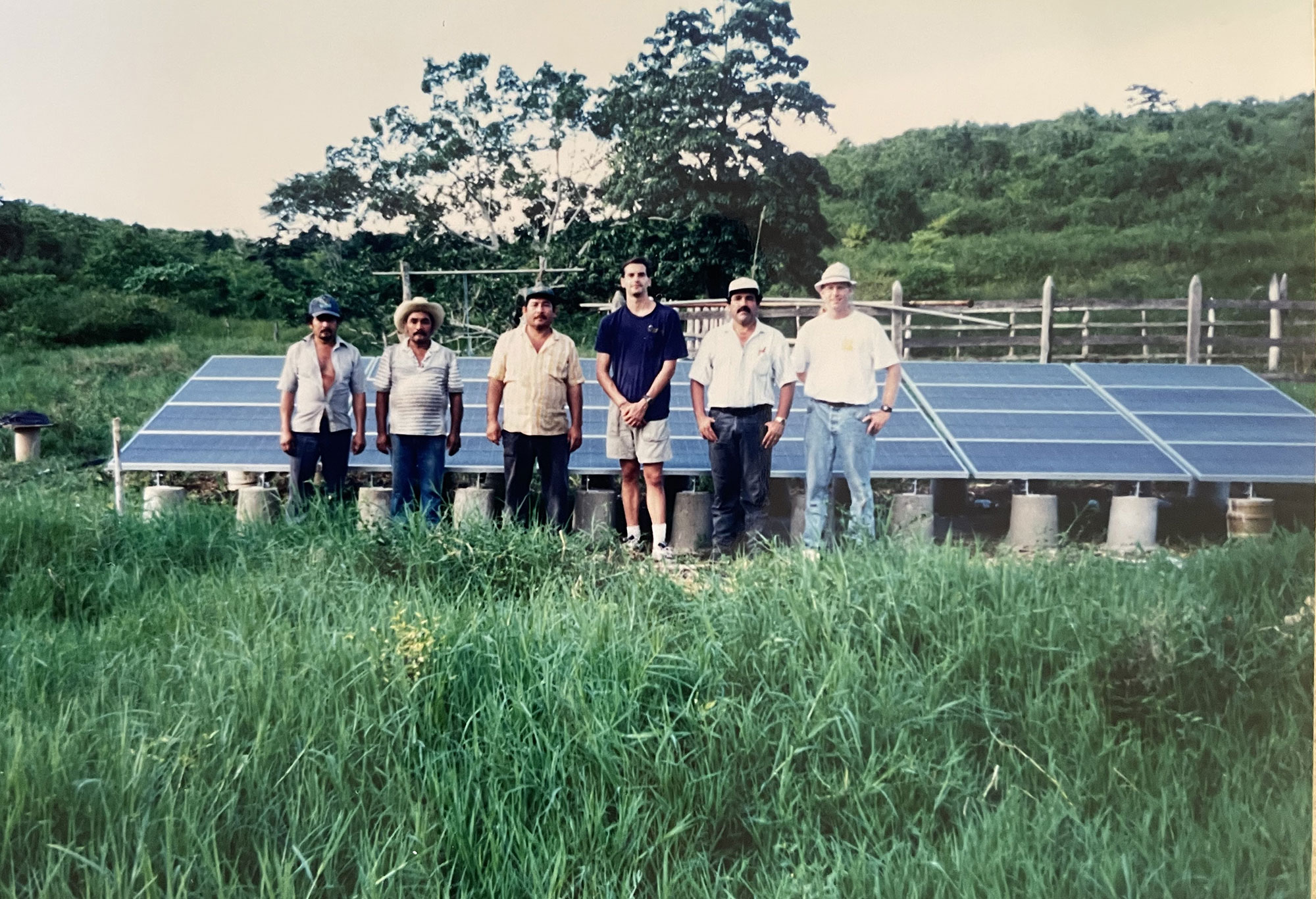
“I was leading teams that were introducing novel applications of renewable energy,” Charles said. “We built an ice maker for a fishing village, refrigeration for a remote vaccination clinic, water pumping systems for ranchers and pumping stations for communities.”
Charles said it was fulfilling work. “It reduced the amount of time families had to spend going to a central tap in their community and gave them access to cleaner water,” he said. “It dramatically enhanced life for these communities. There would be ribbon cuttings when the systems first started pumping, and the whole community would be out there with food and cheering. Those were great moments.”
Charles was also a key contributor to DOE’s SunShot Initiative which began in 2011 and helped reduce the cost of solar energy by 75%.
Most recently, Charles has helped lead Sandia’s work in system security for the grid as part of the DOE Grid Modernization Lab Consortium.
“We’re improving transmission and distribution systems and coming up with new conversion technologies to improve functionality,” Charles said. “Energy storage is a big part of that, and from Sandia’s perspective, it’s all about security — ensuring the security of our electric system from cyber and physical threats, both human-caused and natural. It’s something I’m very proud of.”
Charles will continue that work, along with the volunteer work he does for IEEE. He said it is a tremendous honor to be named an IEEE Fellow.
“IEEE is such an amazing organization that provides a home for thousands of people around the globe and offers them so many opportunities to grow, gain new insights into the kind of work that they do and build their networks,” Charles said. “I feel a strong commitment to give back to the organization so that people can benefit from it. I’ll be doing that for the rest of my life, essentially.”
Charles is clearly passionate about the work he does. “Energy technologies and the role of energy are so fundamental to every aspect of human civilization,” Charles said. “That is fascinating to me. It is a very multidisciplinary field, and it impacts everything we do. You just think about the impact we’re having both on enhancing people’s lives and providing national security, and it’s just been tremendous.”