
From grasshoppers that inspired hopping robots to the wonders of photography, hobbies can fuel innovation and connection. But what does that mean, really?
Lab News asked Sandians how their hobbies have inspired them, helped them or provided an unexpected insight or solution.
Lessons from the open road
Equipment failures. Steep ascents at towering altitudes. Blind turns at blistering speeds. Some Sandians’ hobbies take them to the open road — figuratively and literally — requiring practice, consistency and trust. To navigate the challenges they set for themselves, these Sandians learned to rely on their preparation and team.
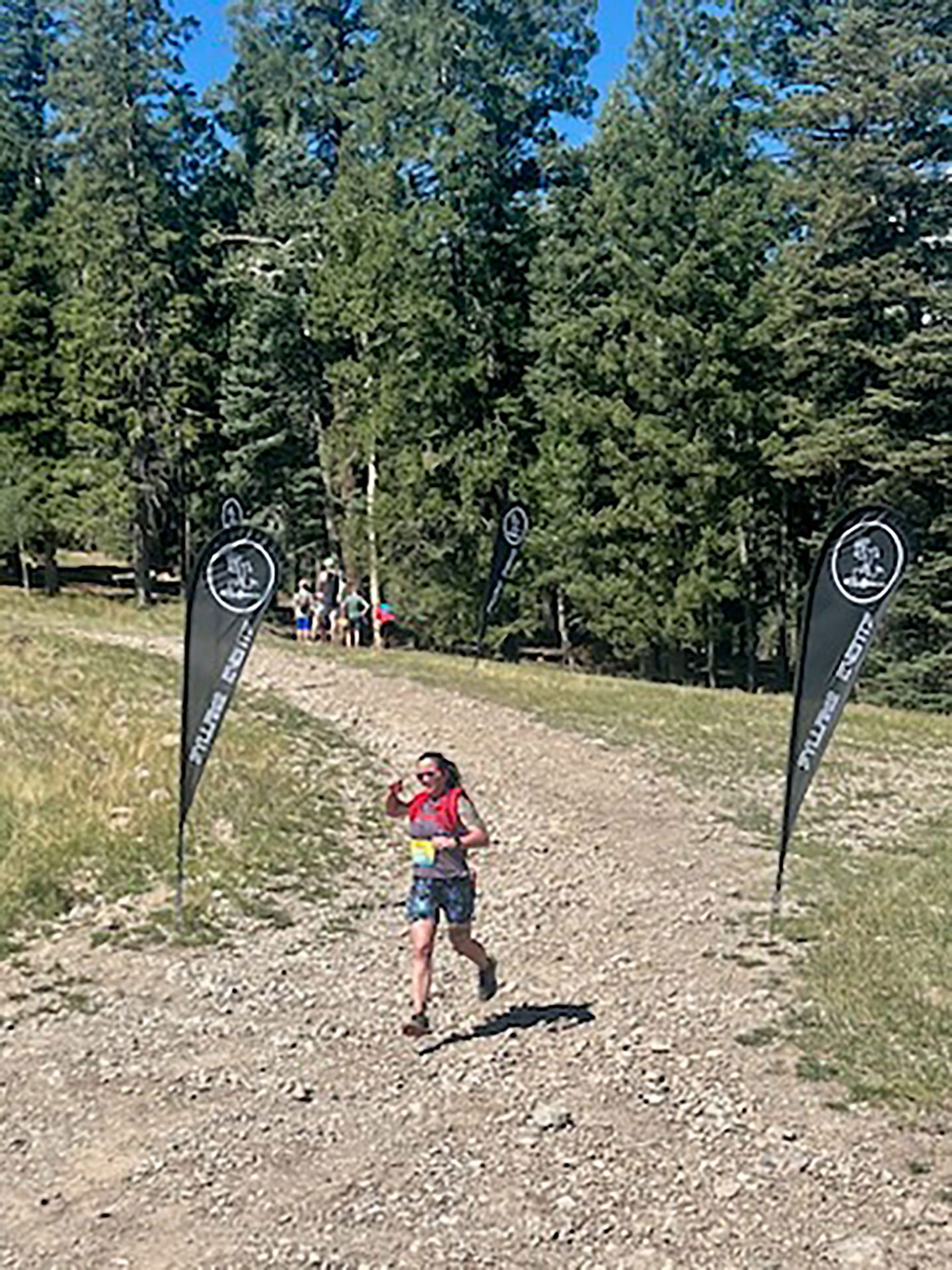
Amelia Pond, web development and design technologist
Amelia has been road- and trail-running for a year and a half. “I never thought the lessons learned on my feet could have so many parallels to other parts of my life,” she said. “You have to take care of yourself to perform your best. You must eat well, sleep well, have strong relationships and be nourished in life in all ways if you want to perform your absolute best.”
While she advises consistency, Amelia says her experience offers an important caveat: even with preparation, some runs still fall flat. “But it’s in the consistency of the movement, showing up every day and never giving up that success will find you.”
Bill Harvey, manager
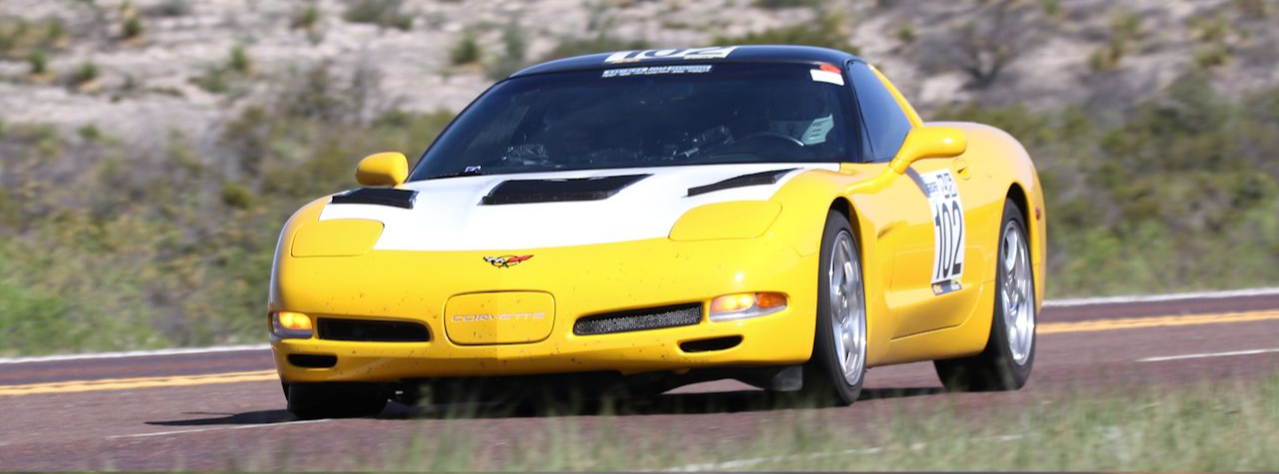
When he’s not managing Sandia’s Major Pulsed Power Systems Engineering Department, Bill Harvey’s pastime involves a power system of its own: a lightly modified 2000 Chevrolet Corvette. Bill participates in open-road racing, an interest sparked in the 1990s when Hot Rod Magazine published an often-referenced article about the sport.
“Open-road racing is a form of time-speed-distance event — also called a regularity rally — with the object of driving a course in a specified time based on the specified target or average speed you chose,” he said. “These events are carried out at high speeds on closed public highways.”
With strict safety requirements and rules, the events are run by nonprofit organizations, and proceeds are donated to community causes. Preparation is a significant part of each rally. For high-speed races, drivers often recruit a navigator to call out obstacles and keep time.
In April, Bill and his navigator ran the Big Bend Open Road Race, cited as “the most challenging open-road race in the world” by its organizers. “My navigator had very detailed notes of the road to help me navigate the 60 turns over each of the 59-mile legs.”
“Open-road racing has become a passion for me,” Bill said. “In addition to the thrill of speed and challenge of hitting the proper time, I enjoy the camaraderie we share among the participants and locals who help make the events happen.”
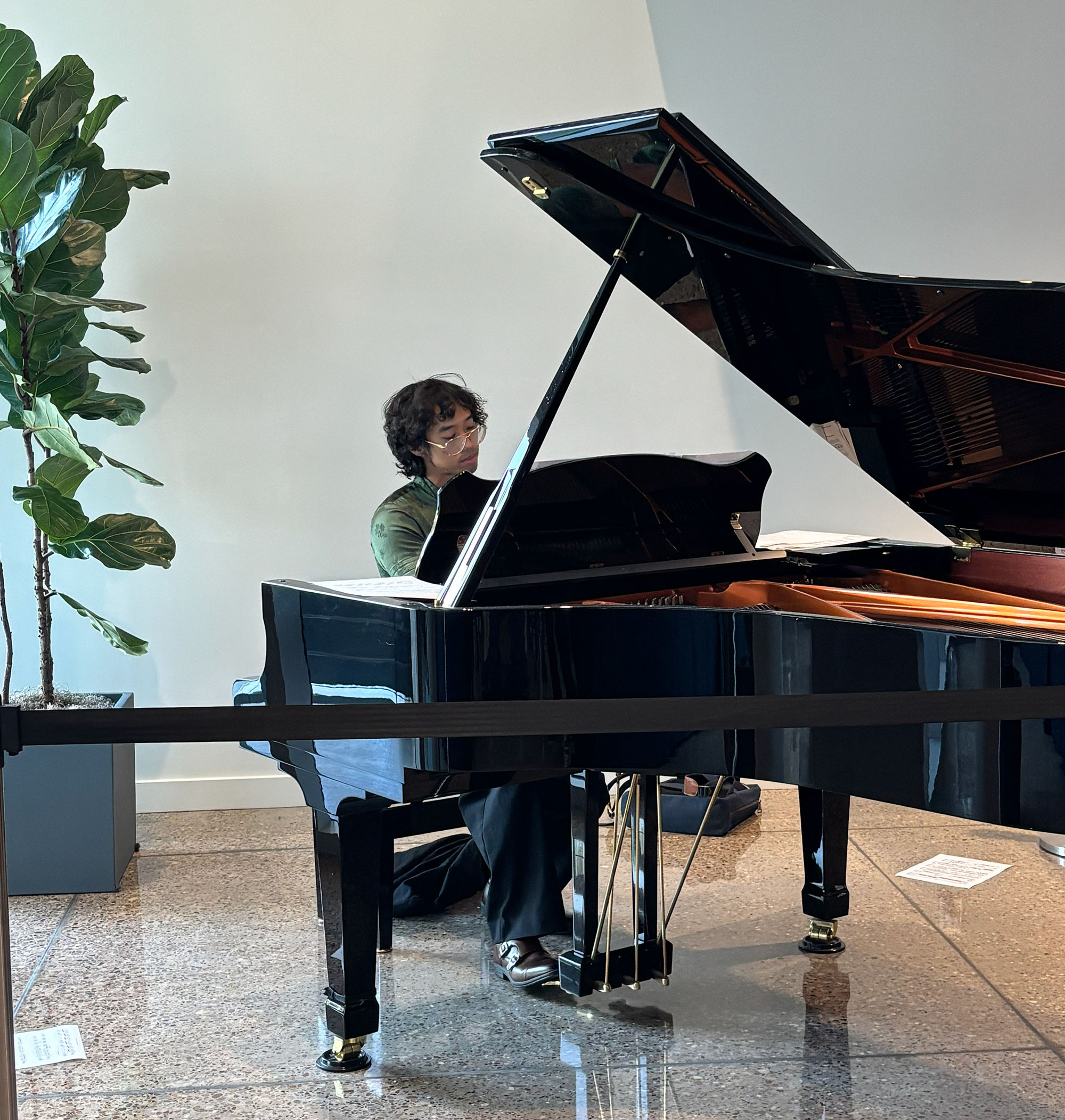
Jeremy Espano, postdoctoral appointee
Jeremy Espano plays the piano and lifts weights competitively. In both, Jeremy constantly iterates and finds ways to improve.
Jeremy says that he sees parallels between his hobbies, research and collaboration. A highlight this year was a competition that required him to trust his team.
“There’s so much I can do in terms of bodybuilding, but there is a lot of waiting and relying on the work that your team does in this specific situation,” Jeremy said. “I’ve used those lessons of actively waiting to really trust my team here at the Labs. There’s a small subset of skills that I can do, but one of the most important things that I can add is trust in the work that my peers and mentors also put in.”
Jenna deCastro, cybersecurity researcher
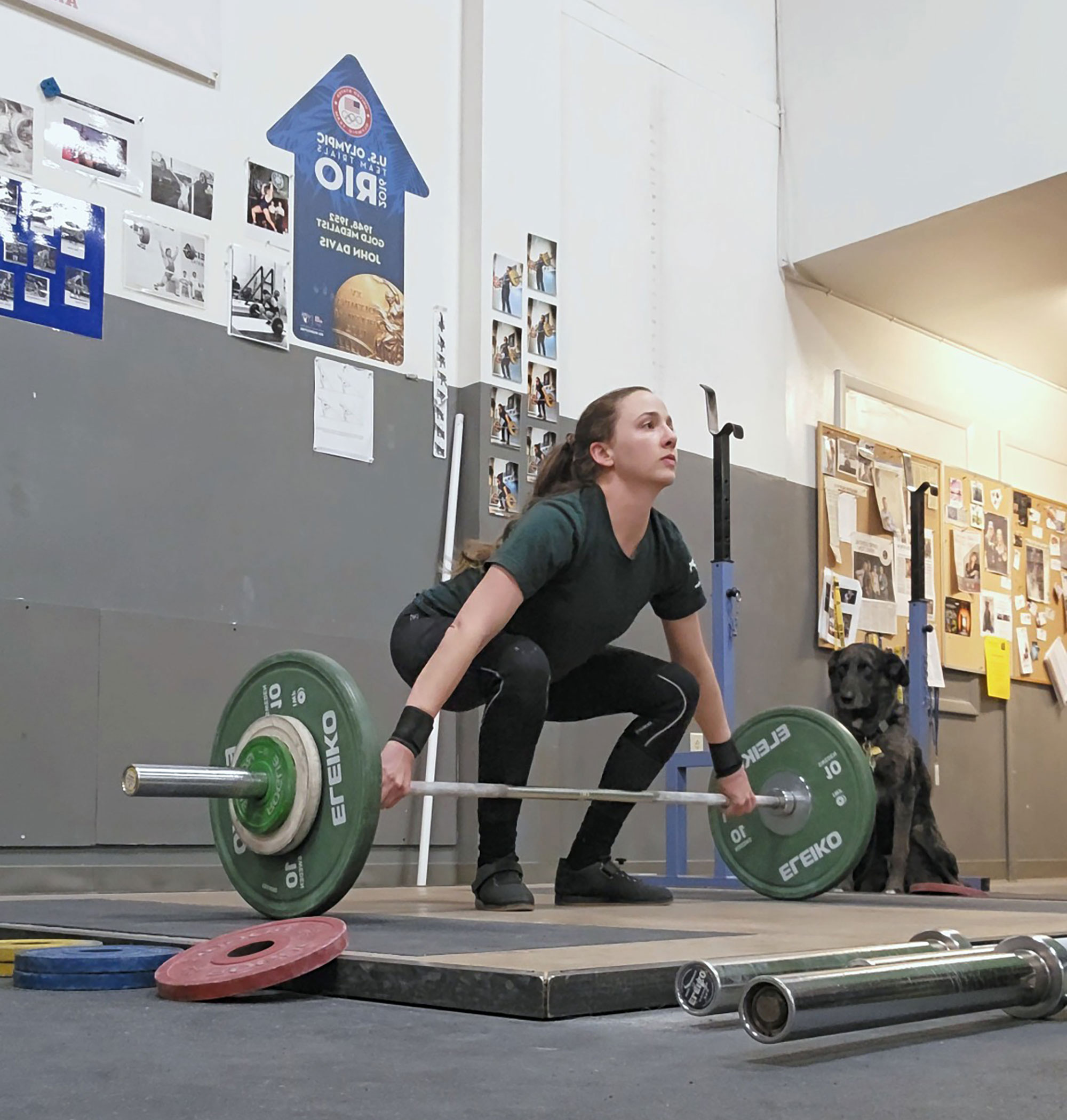
Olympic weightlifting and hunting are favorite hobbies for Jenna deCastro, whose work supports Sandia’s efforts to enhance energy security. “Both hobbies have taught me a tremendous amount about patience, persistence and technical skill,” she said. Jenna spent years trying to harvest her first buck, until, she said, “preparation, opportunity and skill finally came together.”
“Weightlifting has taught me a similar lesson from the opposite direction: progress is painstakingly incremental,” Jenna said. “Last year, each minute technical improvement clicked at a national meet, where I went 6 for 6, set new personal competition bests and brought home a belt buckle.
“Both hobbies have taught me that failure is information and that it is worth the effort to take the time to figure out what went wrong, refine your technique and try again rather than expecting competence to manifest all at once.”
Rob Kolasinski, materials scientist
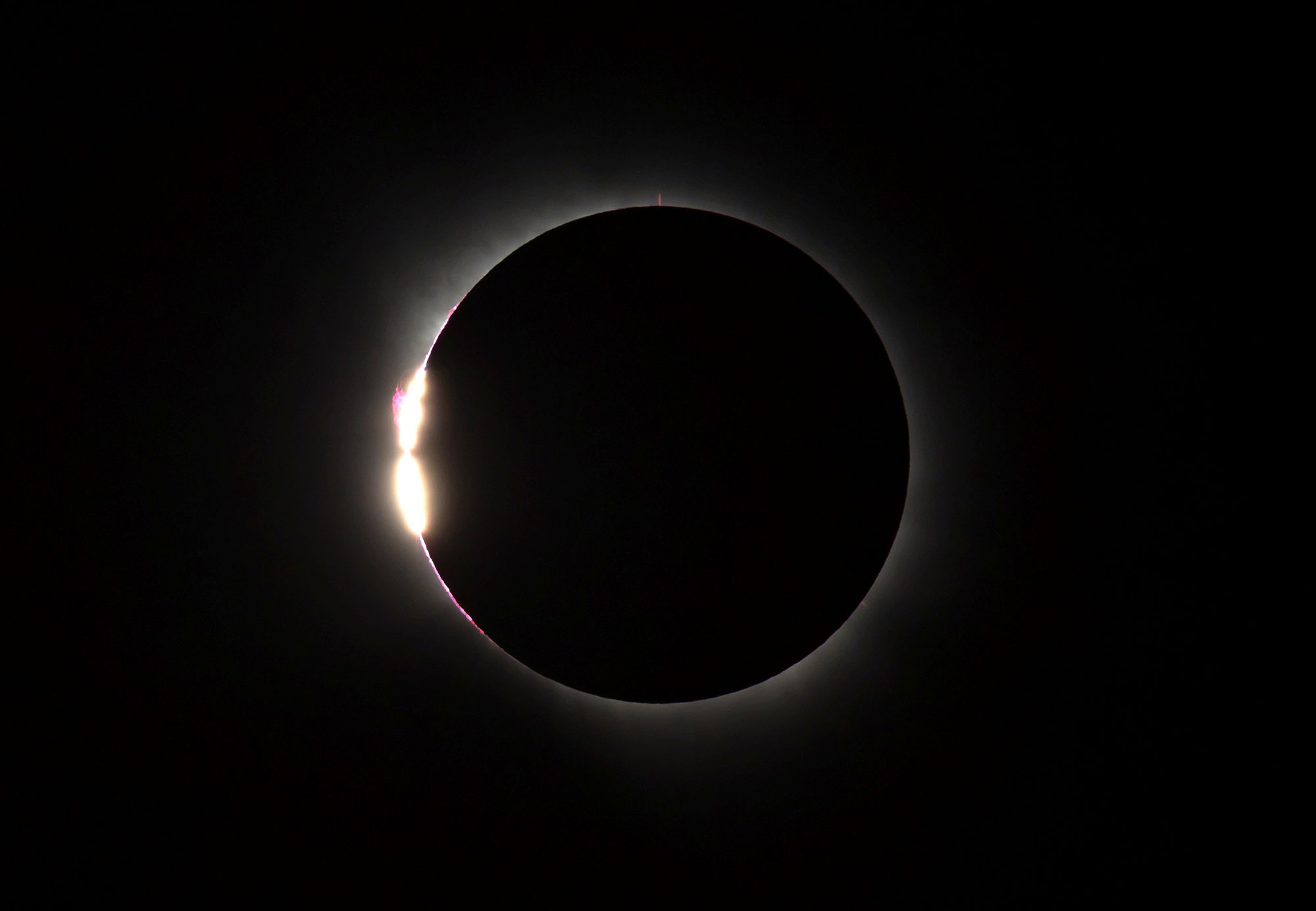
Ten years ago, Rob Kolasinski mainly ran and hiked during his free time near Fremont, California, where he lives. However, he needed another outlet for his energy after undergoing a series of knee surgeries. Inspired by a colleague, Rob took up astrophotography.
“Given the severe light pollution here in the Bay Area, I think many people are not aware of how much they can see and image from their backyard,” Rob said. “Imaging planets, emission nebulas, the moon and the sun are all possible even from light-polluted areas and can be done nearly as well from the Bay Area as anywhere else, even with the limitations that we have.”
Thanks to advances in astronomy cameras, tracking mounts and image processing techniques, Rob said, astrophotographers can acquire images that were unthinkable even five years ago.
The activity complements Rob’s work at Sandia. “I have learned a lot about optics, camera sensors and image processing from this hobby, and I have used insight from it to design different optical components for use in our labs, including hardware to capture images from a microchannel plate during ion beam irradiation,” he said. “The imaging skills I have picked up have been helpful in many other areas, including optimizing microscopy images.”