
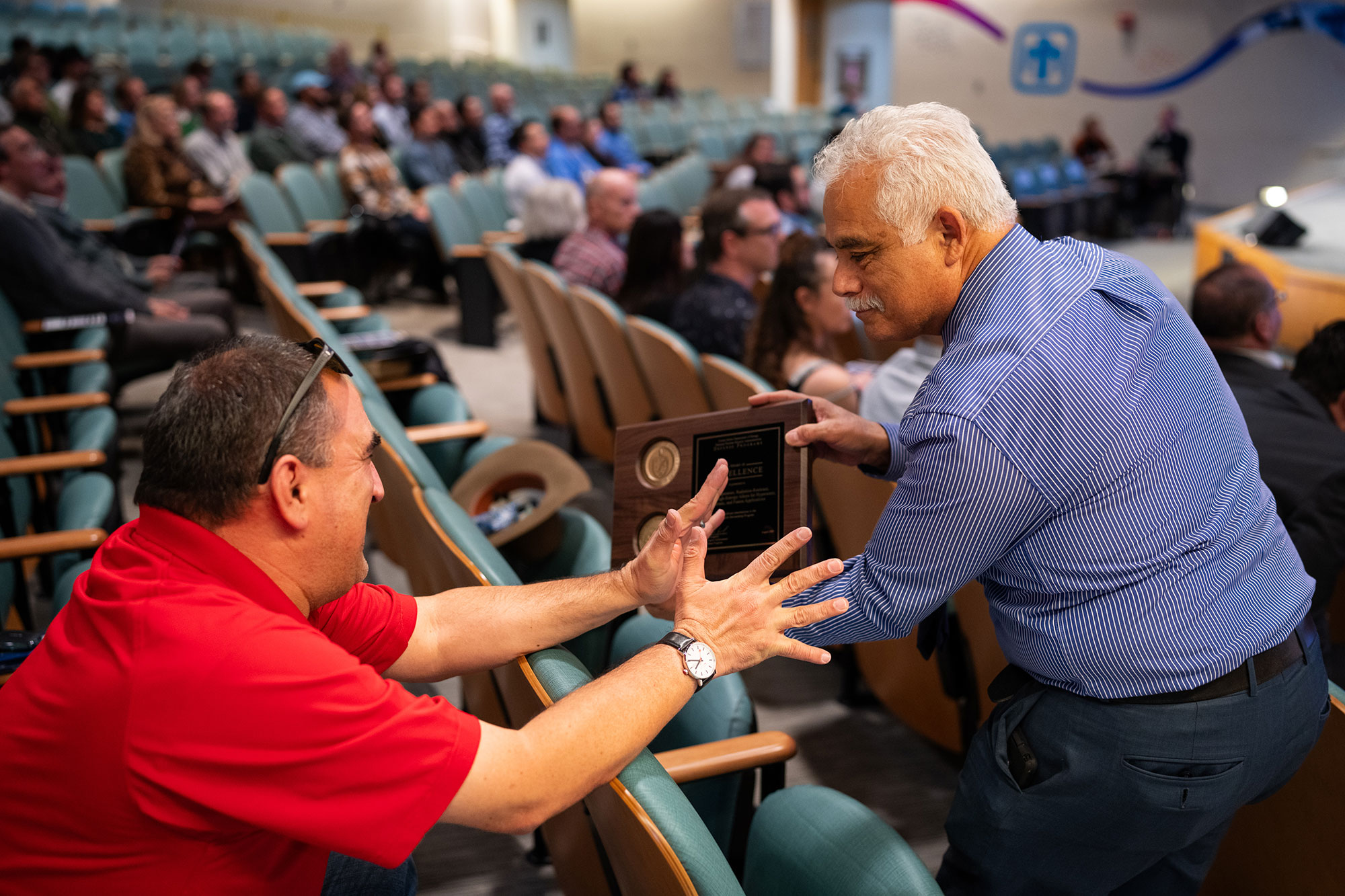
Dozens of Sandians received one of NNSA’s most prestigious awards: the Defense Programs Award of Excellence.
“The work recognized today is being performed at a time of great evolution of our global threat landscape. These threats come from adversaries, both new and old,” said Steve Girrens, associate Labs director for Nuclear Deterrence Components and Production. “We must rethink the ways we respond to our most complex issues and challenge the status quo.”
Steve told those gathered in New Mexico and California for the award ceremony on Dec. 11 that their work is making a difference.
“These awards recognize extraordinary achievement in 2024,” he said. “Your achievements carry great meaning.”
NNSA said that Sandia is demonstrating it can move at a pace that responds to new threats.
“I continue to be impressed by the passion shown by our engineers, scientists, technologists and analysts and how they’re responding to the call to accelerate,” NNSA Assistant Deputy Administrator for Stockpile Modernization Rob McKay said. “We cannot succeed without your continued passion and drive.”
McKay went on to recognize and celebrate a culture of achievement and accountability. He emphasized the importance of ensuring the stockpile is safe, secure and effective, while delivering new capabilities for future security needs of our nation and our allies.
NNSA recognized eight teams from Sandia, one individual and two NNSA-led teams with the Defense Programs Award of Excellence.

Sandia Fellow Susan Esfahani’s efforts to rescope the Mobile Guardian Transporter electrical system earned her the Defense Programs Award of Excellence in the individual category. The Mobile Guardian Transporter trailer is a critical element for the nuclear deterrence mission. Susan led a technical team to design a new electrical architecture in less than three months and completed the electrical system baseline design review nine months later.
Throughout the redesign effort, she placed equal emphasis on mentorship while using her decades of expertise in electrical design and product development. She fostered new relationships with both internal and external partners and navigated challenging decisions with customers. Her leadership and technical expertise transformed the electrical system. The new architecture was a key enabler for the Mobile Guardian Transporter Program to move forward.
Team awards
B61-12 Electronic Neutron Generator Reacceptance Team
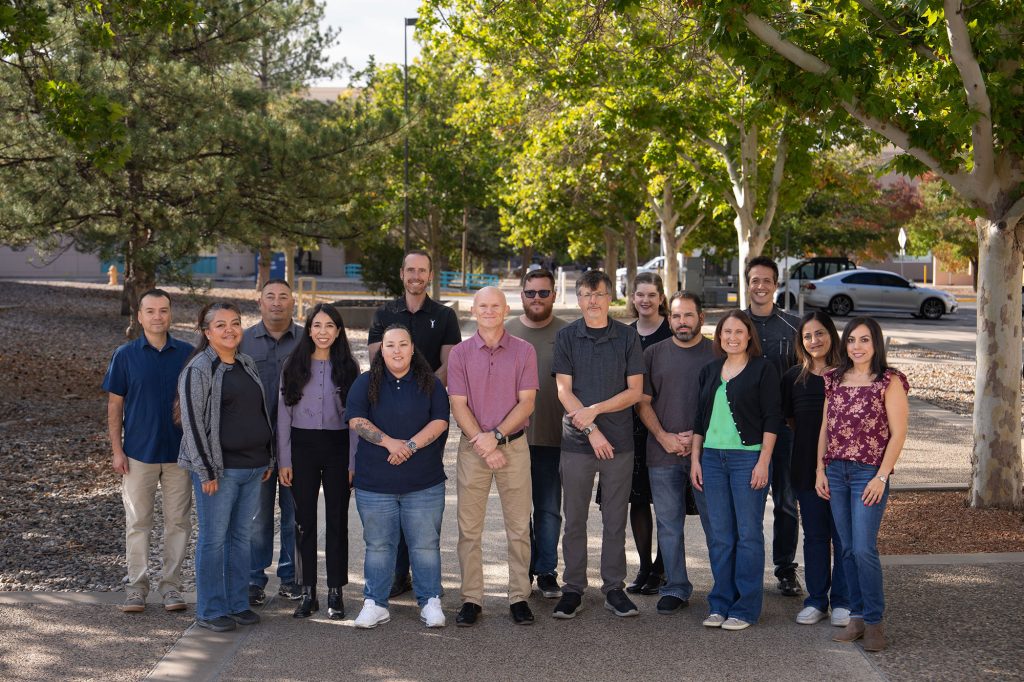
The B61-12 Electronic Neutron Generator Reacceptance Team received authorization to implement a new reprocessing and reacceptance process for electronic neutron generators that’s projected to save $32 million. The primary goal of the reprocessing initiative was to reduce the overall number of electronic neutron generators produced.
NNSA approved the product realization team’s request to increase sampling rates of neutron generators for environmental testing. Increasing the number of units sampled from production lots means those additional units can be incorporated into the electronic neutron generator shelf-life plan. With more units entering the shelf-life plan, field return units can be reprocessed for reacceptance. The project required strong collaboration from across Sandia, particularly between the design and production agencies. Changes included generating new requirements, implementing new workflows and developing collection plans, among other activities. The methodology is expected to be deployed to additional programs for additional cost savings.
Tri-lab Cerebras Advanced Memory Technology Program Team
Exceptional Achievement Team Winners
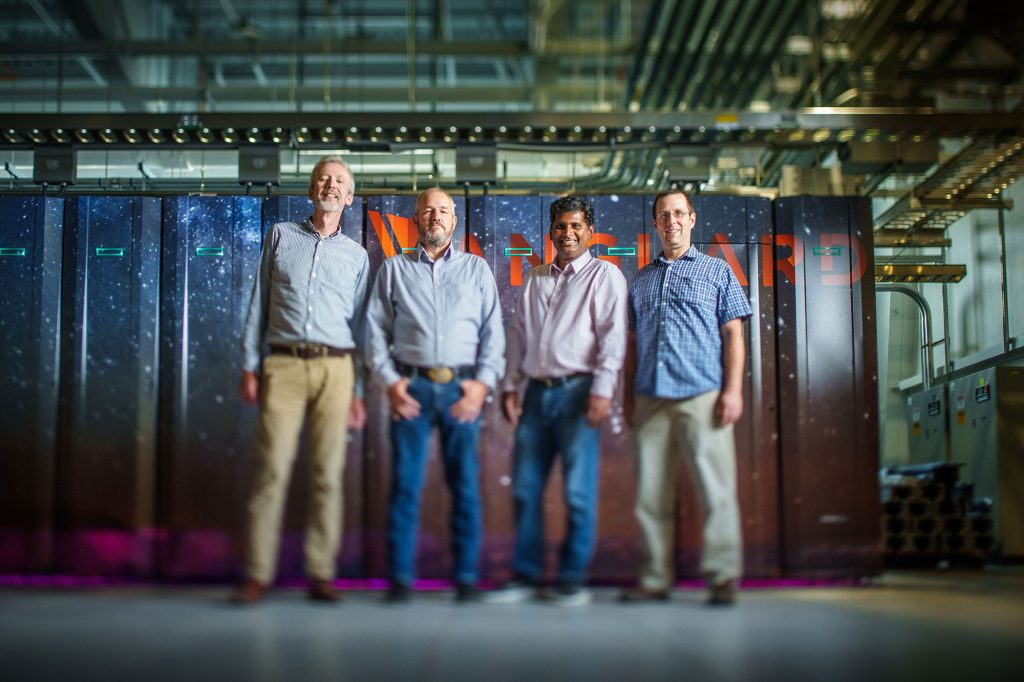
A partnership between Sandia, Lawrence Livermore and Los Alamos national laboratories and Cerebras Systems is increasing stockpile stewardship capabilities. The partnership delivered on NNSA’s Advanced Simulation and Computing program’s goal of exceeding the application performance of current exascale platforms by 40 times. The Advanced Memory Technology Program exceeded the goal by achieving a 745-times improvement.
The work broke a longtime simulation timescale barrier in the field of molecular dynamics. Molecular dynamics simulations of materials are crucial for stockpile stewardship because they allow scientists to study certain microscopic behaviors of materials within nuclear weapons, such as plutonium, which are difficult or impossible to study through experimental observations and engineering simulation codes. This accomplishment was also selected as a finalist for the Gordon Bell Prize, which recognizes outstanding achievement in the field of high-performance computing.
W87-1 Ferroelectric Neutron Generator Development Annular Core Research Reactor Test Team
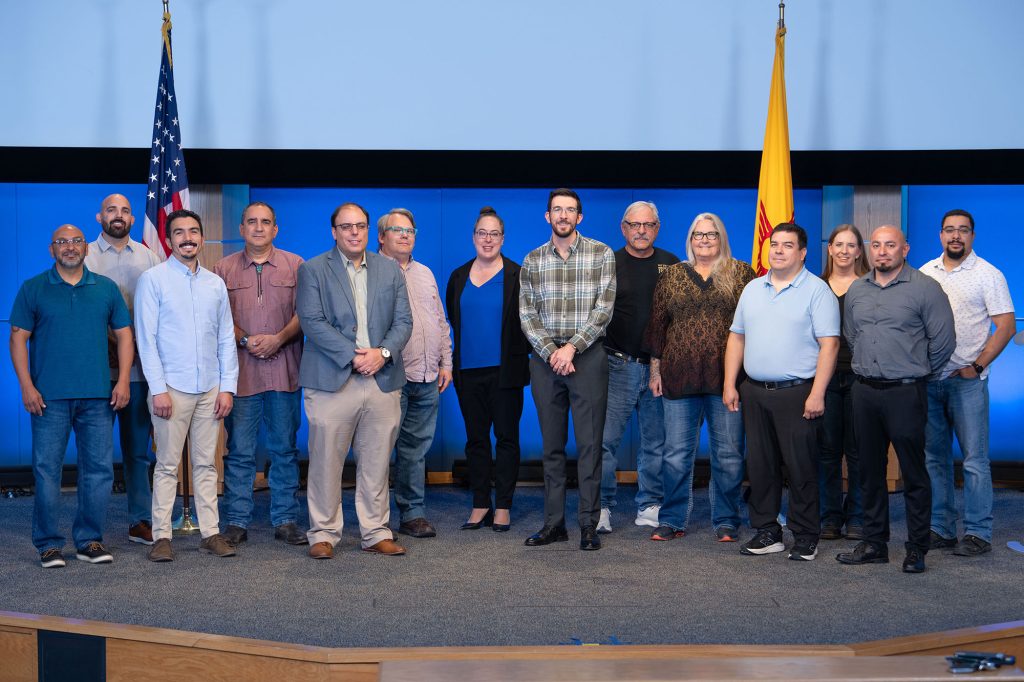
Following a four-year effort with contributions by 11 departments across Sandia, an essential component test for the W87-1 was completed at the Annular Core Research Reactor. Testing of the W87-1 Ferroelectric Neutron Generator took place in 2024, providing critical qualification data and reinvigoration of explosive testing capabilities at the Annular Core Research Reactor.
To conduct the test safely and successfully, the team had to overcome many challenges without a predefined roadmap. Two major challenges were the development and rigorous certification of a containment vessel and radiation-hardened firing set. These developments expanded test capabilities and are already benefiting other programs.
Additionally, an extensive modeling and simulation effort was undertaken to support the project. The modeling and simulation results in combination with the experimental data enabled the generation of high-quality evidence to support qualification of the component.
High-Temperature, Radiation-Resistant, Refractory High-Entropy Alloys for Hypersonic, Electronic and Fusion Applications
Tech Transfer Winner
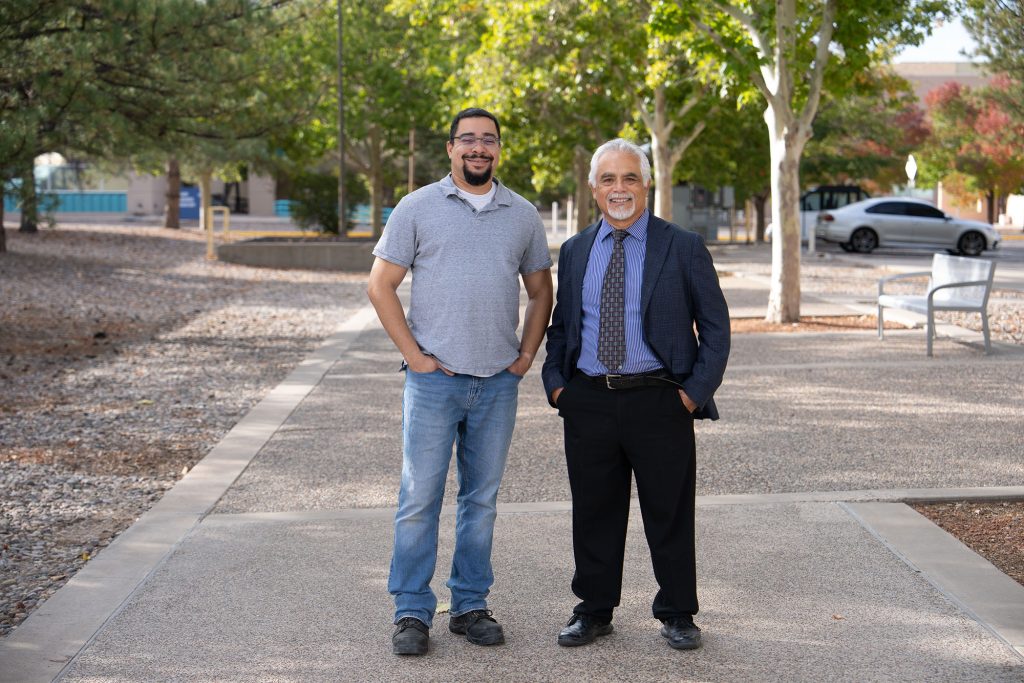
Sandia has added new features to refractory high-entropy alloys that enable them to withstand severe conditions, including extreme neutron radiation and high temperatures associated with fusion and hypersonic vehicles.
Engineers at Sandia and Westwind Computer Products have found an innovative way to transition the refractory high-entropy alloys into the commercial market using an advanced manufacturing process that creates the machinable alloys on a larger scale, currently the world record with respect to size. Producing large-scale alloys on a commercial level had been challenging prior to this collaboration. Roadrunner3D provided fast prototyping, spark plasma sintering and binder jet guidance.
The new, high-yield-strength refractory high-entropy alloys have potential to enhance radiation-resistant electronics, hypersonic applications and energy reliability. In addition, they can self-heal or self-repair when exposed to radiation, making them an instrumental advanced material among the NNSA resources for security and deterrence missions. The alloys — which can be used for fusion-related components, radiation-resistant electronics and hypersonic components — are the result of Sandia’s dedication to cutting-edge science and research.
Quality Evaluation Requirements Tracking System and Logistics, Accountability, Planning and Scheduling Application Modernization
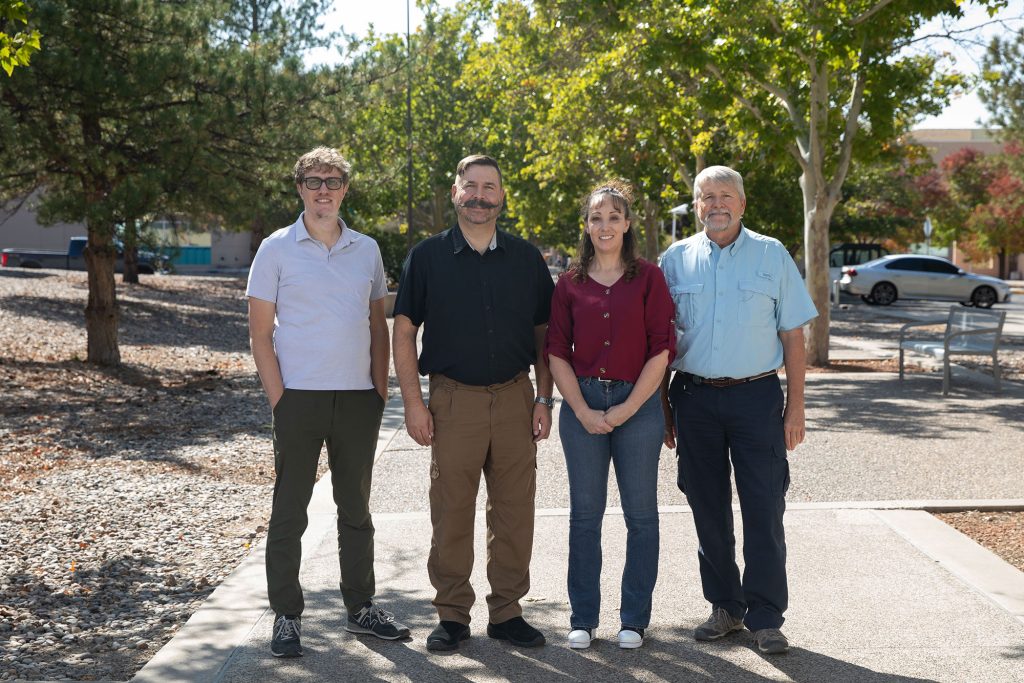
Modernization of the NNSA stockpile evaluation requirements tracking software suite has led to integration with additional databases. This has improved communication and processes across the nuclear security enterprise. The Quality Evaluation Requirements Tracking System application plays a pivotal role in ensuring operational efficiency, specifically for design agency testing requirements, production agency planning and testing and federal funding approval tracking.
Integration of the software with other databases, such as the Logistics, Accountability, Planning and Scheduling application, has significantly minimized data redundancy and reduced manual data entry. The successful completion of this project lowered future maintenance costs by approximately 50% and also enhanced overall communication within the nuclear security enterprise from both programmatic and technical perspectives. This update and integration removed the need to manually enter data from one application to the other, which resulted in a vast number of hours saved annually by application users.
Component-Scale and High-Throughput Radiation Testing on Z
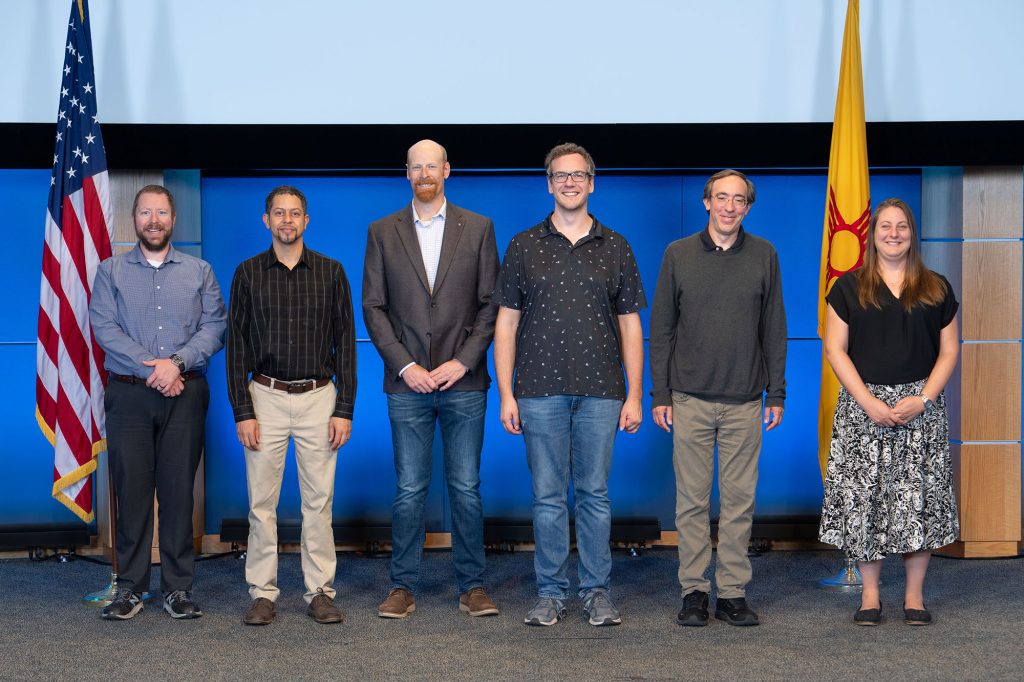
Understanding survivability to warm X-ray insults is a critical enabling capability for qualification of new materials and components for future stockpile use. In calendar year 2024, a Sandia team successfully developed a new capability called the Non-Orthogonal Testing for Large-Area Threats, or NOT-FLAT. The new enclosure protected experiments at the Z machine from machine-related environmental insults to conduct the first component-scale warm X-ray tests since the cessation of underground testing in 1992. The NOT-FLAT enclosure was also used to demonstrate high-throughput X-ray materials testing, quadrupling the data return rate for testing at the Z machine — the world’s most energetic X-ray source.
Developing this capability for large objects reestablished experimental competence for component and subsystem qualification in X-ray environments, important for avoiding technical surprise during qualification, which will accelerate assessment and reduce qualification costs. Rapid assessment of material and design options in X-ray environments will benefit multiple future programs of record.
W80-4 Explosive Actuator Component Team
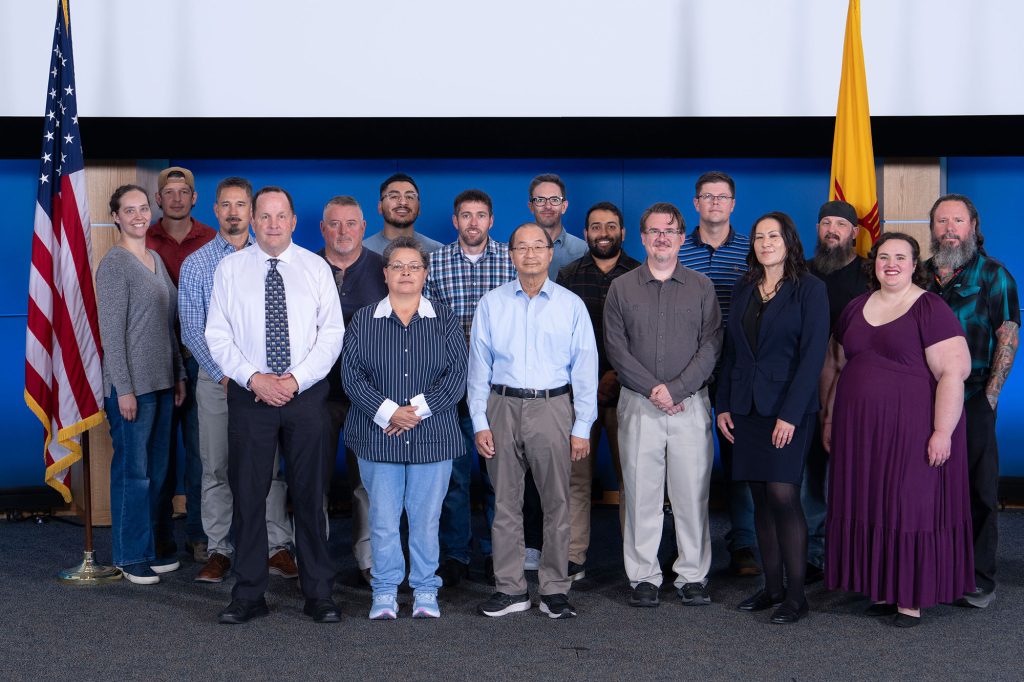
The Explosive Actuator Component Team successfully redesigned the explosive actuator component to meet W80-4 requirements, delivering the first W80-4 Actuator War Reserve lot in an impressive 15 months, avoiding production impacts at the Kansas City National Security Complex and the Savannah River Site.
The culmination of these efforts was the successful acceptance of two lots of the W80-4 Actuator delivered in 2024. These successful deliveries were ahead of schedule on a fast-turn project resulting in cost savings of over $10 million through improved operational efficiencies, reducing the overall cycle time by approximately 30% and streamlining production processes, which contributed to enhanced performance and reliability.
As summarized by the W80-4 peer panel and echoed by Jennifer Harder, W80-4 federal program manager, “There was a problem, you solved it and you did it ahead of schedule.”
Mk21 Fuze Modernization Team
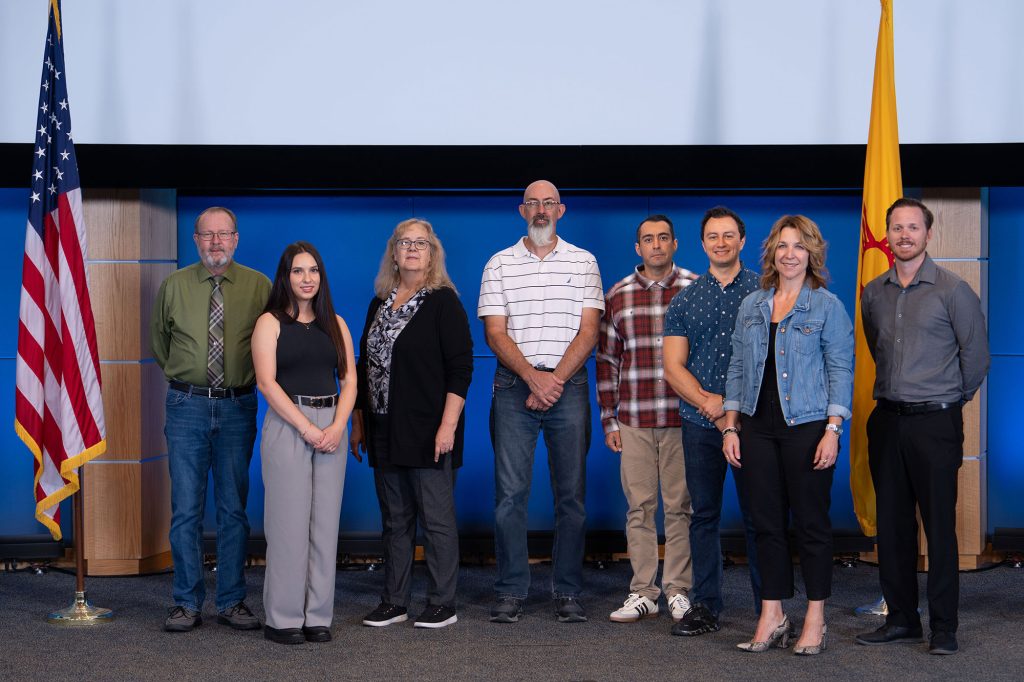
Sandia and the Kansas City National Security Campus completed the first production unit of the Mk21 Modernization Fuze in 2024. The fuze interfaces with the W87-0 warhead for deployment onto the Minuteman III and eventually the Sentinel Intercontinental Ballistic Missile.
The Mk21 Fuze, an integrated assembly of Sandia-designed logic and sensing devices, directs the warhead to initiate firing sequences at the correct point in targeting parameters. The Mk21 Fuze Modernization Program is a Strategic Partnership Program effort with the U.S. Air Force. Sandia worked closely with the Kansas City National Security Campus to ensure the design was producible and it was delivered ahead of schedule.
NNSA-led team winners
NA-12 Digital Engineering Transformation Team
The Digital Engineering Transformation Team played a pivotal role in cross-site efforts to begin to establish and mature the digital thread for the nuclear security enterprise. The team’s contributions included delivery of the Product Data Management System and the Requirements Management System in 2024 for nuclear deterrence systems, laying the groundwork for the future of digital engineering.
These two new capabilities are helping codify consistent product information and requirements and simplifying collaborations, ultimately improving how nuclear deterrence work is completed across the enterprise.
Saturn X-ray Accelerator Refurbishment Phase 1 Team
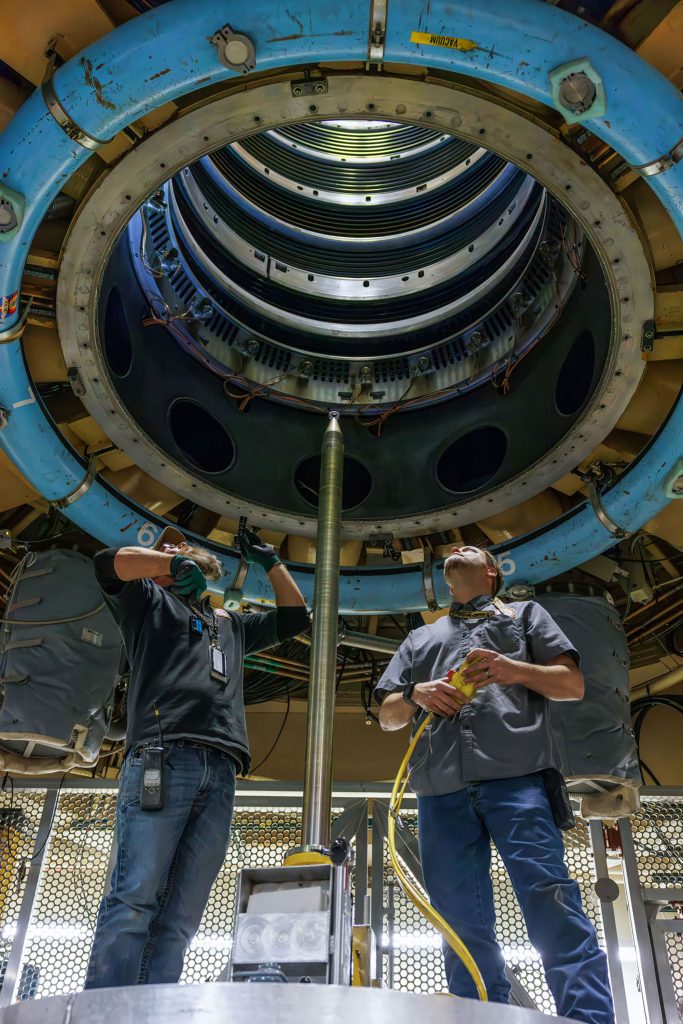
The Saturn accelerator, a critical nuclear deterrence facility for component qualification in a short-pulse, intense, hot X-ray environment, underwent a major refurbishment. It included redesigning and replacement of the triggered megavolt gas switches, vacuum insulator, power feed sections and X-ray generating load.
The effort was a culmination of four years of activity that included simulation-based redesign and fabrication of parts followed by assembly, installation and testing.
Following an 11-month shutdown to install critical components, Saturn resumed operations as planned and provided excellent performance for the first scheduled nuclear deterrence customer.