
Sandia engineers scoop up three national awards
Science can be as dynamic as the researchers who explore it. The Society of Asian Scientists and Engineers is recognizing three Sandia engineers who pushed beyond the boundaries of linear research to expand their knowledge and impact across multiple fields.
Mechanical engineer Anton Sumali earned an SASE Career Achievement Award, chemist and nanoengineer Bishnu Khanal received an SASE Professional Achievement Award and transportation systems engineer Esther Woon Lyn John was honored with an SASE Promising Professional Achievement Award.
Each has their own journey but with striking similarities — constantly moving forward, continually learning, pivoting to new endeavors and applying past experience to master fresh challenges along the way.
Anton Sumali — SASE Career Achievement Award
Mechanical Engineer, Manager, Research and Development Science and Engineering, National Security Programs, Autonomous Sensing and Control
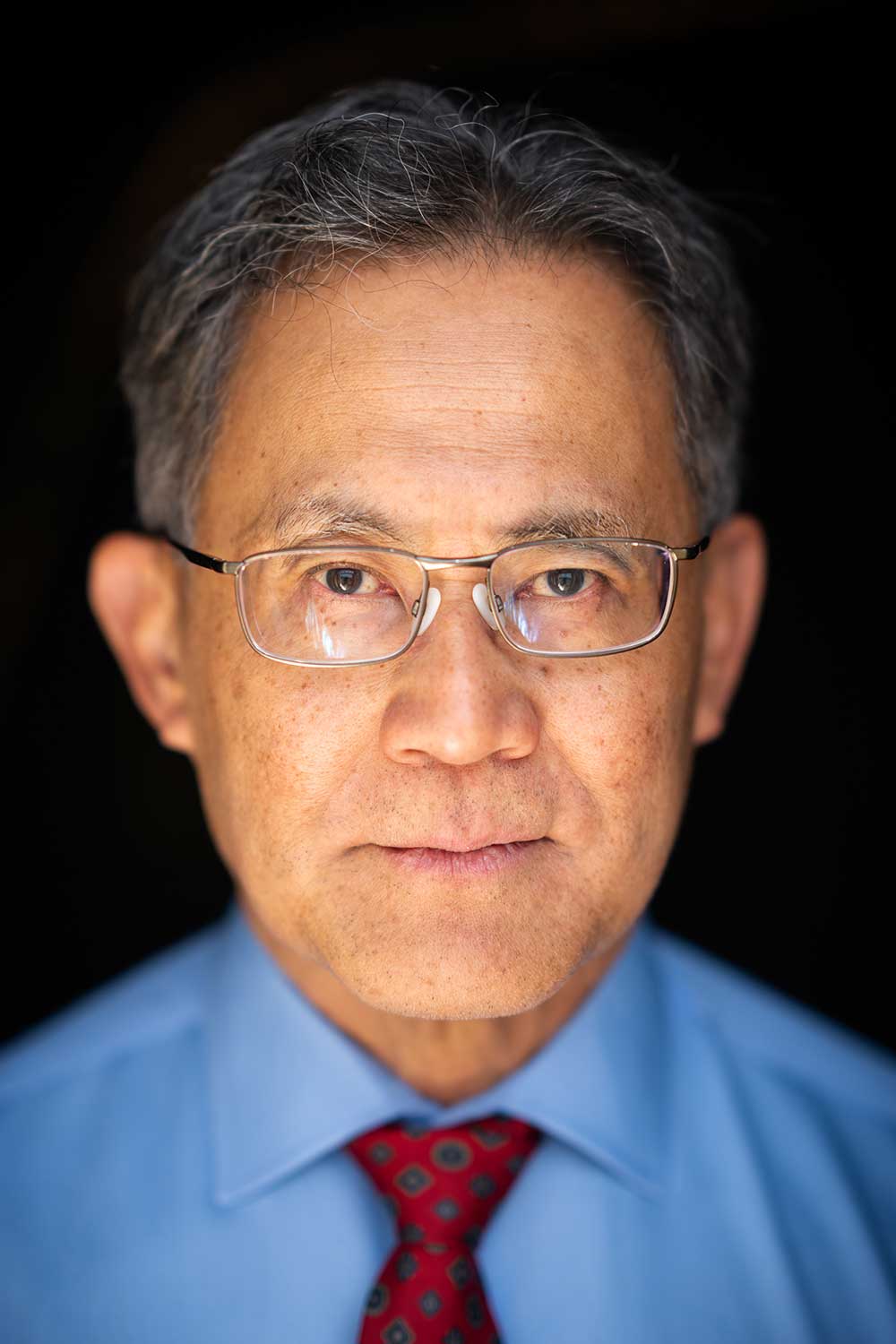
Anton Sumali began his career in 1987 as a control systems engineer in the petroleum industry in Southeast Asia after earning a Bachelor of Science degree in mechanical engineering from Indonesia’s Bandung Institute of Technology. “It was a thriving business with a lot of money, but I found it uninspiring,” Anton said.
After a few years, he realized he enjoyed the engineering and learning aspects but not the business side, so he returned to school, earning advanced degrees in mechanical engineering from Virginia Tech.
“It took me too long to earn my master’s and doctorate. As intrigued as I was with engineering, I learned something about myself,” he said. “I loved school — learning, exploring and exchanging ideas. I was drawn to academia and wanted to stay.” And so he did, landing an assistant professor position at Purdue University.
Then came the Sept. 11 attacks, which affected people he knew, including his Ph.D. student and her family. Its impact on Anton was profound. “At that time, I happened to sit in on a Sandia Labs student recruiting presentation and was compelled by the national security work being done here,” he said.
He took a yearlong leave from Purdue and worked in structural dynamics at the Labs. He was hooked and, in 2002, joined Sandia full time working on micro electro-mechanical systems. “I enjoyed it so much, partly because it was an extension of my Ph.D. work,” he said.
Over the next decade, his skills as an engineer and manager synthesized with his passion for learning, teaching and mentoring. That made him a natural fit to establish and lead the AutonomyNM Intern Institute, a Sandia innovation hub supporting advanced flight and space systems focused on sensing, navigation, guidance and control for hypersonic vehicles.
In addition to making breakthroughs in artificial intelligence and reinforcement learning, Anton helped energize the institute, which brings in promising university students each summer. “That’s exciting for me,” he said. “We develop new talent from top universities to actually apply AI to national security.”
Guidance for up-and-comers:
“Learning is not a task or project or accomplishment — it’s a state of mind that enriches your life. Enjoy learning everything you can but maintain your focus on improving your career.”
Bishnu Khanal — SASE Professional Achievement Award
Chemist, Manager, Research and Development Science and Engineering, Nuclear Deterrence Components and Production, High-Reliability Innovative Technology and Surveillance
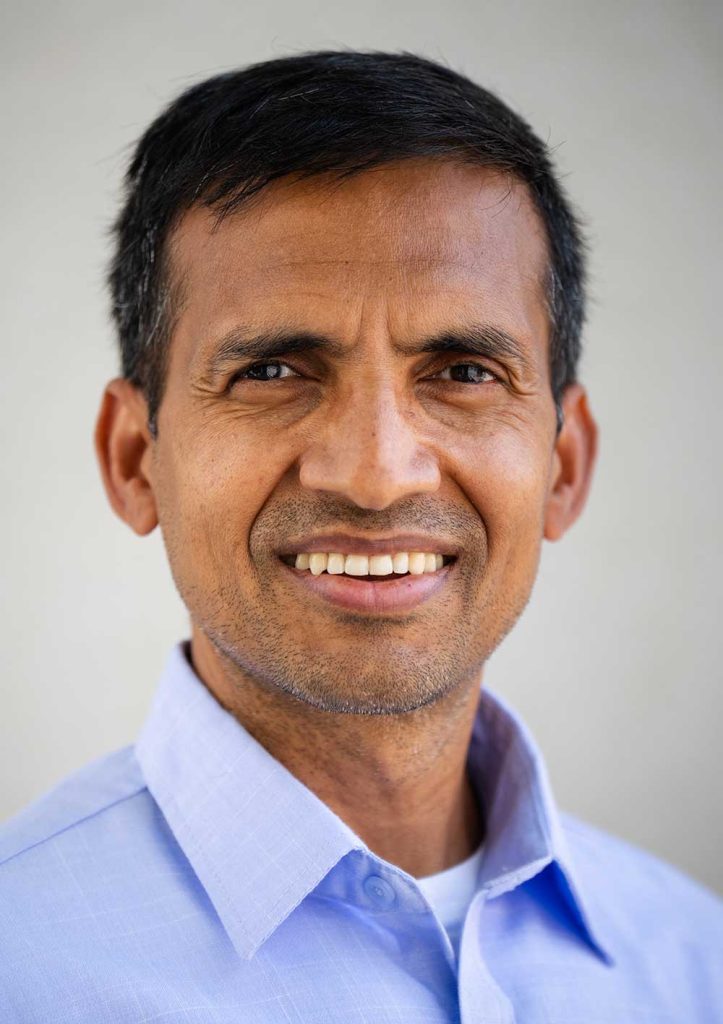
Bishnu Khanal grew up in a small village in western Nepal, where he was encouraged to focus on school — a focus that sparked a lifelong interest in science, math and problem-solving.
After earning his undergraduate and master’s degrees in chemistry in Nepal, Bishnu stepped into academia as a graduate chemistry lecturer at various colleges in Kathmandu. “I didn’t know what came after earning my master’s, but a Ph.D. seemed like the next step,” he said.
In 2005, he was accepted to Rice University in Houston to pursue a doctorate in chemistry and nanotechnology. There, he excelled in nanomaterials and nanotechnology research and earned several national awards and fellowships.
Bishnu joined Los Alamos National Laboratory in 2009 for postdoctoral research in semiconductor quantum dots and rods. He worked briefly as a research and development engineer at Micron Technology before joining Intel in 2011 as a research and development process engineer. There, he led advanced process development and technology transfers.
In 2018, he joined Sandia to lead advanced optical photolithography R&D activities at the Microsystems, Engineering, Science and Applications complex, or MESA. He quickly became an innovator in patterning technologies, including complementary metal-oxide semiconductors and quantum computing.
In 2022, Bishnu was selected as R&D manager to lead the Materials Mechanics and Tribology department. Today, he leads a diverse team focusing on commercial electronics components and their surveillance.
His dynamic career often summons knowledge from previous jobs, whether it’s product development, quality assurance or management styles. “So much of my previous knowledge is transferrable to present day problem-solving,” he said. “It seems that almost every skill set I have acquired can be applied to a new challenge.”
He’s also energized by leading others. “There’s something rewarding in stepping outside of problem-solving on my own and watching the entire team solve problems,” he said.
Outside work, Bishnu is establishing a trust to support underprivileged students in his home village in Nepal. “I want every child to know the possibilities that exist beyond the world they live in,” he said. “Some kids just need that little extra support, like I did. Who knows what they can grow up to accomplish?”
Guidance for up-and-comers:
“Work hard, stay focused and be consistent in everything you do. It doesn’t matter how big or small the task is. Do it right, do it well and do it with enthusiasm. Make it successful, and people will take notice. Then bigger things will come your way.”
Esther Woon Lyn John — SASE Promising Professional Achievement Award
Computer Engineer, Research and Development Science and Engineering, Data Science, National Security Programs, Complex Systems Risk and Resilience
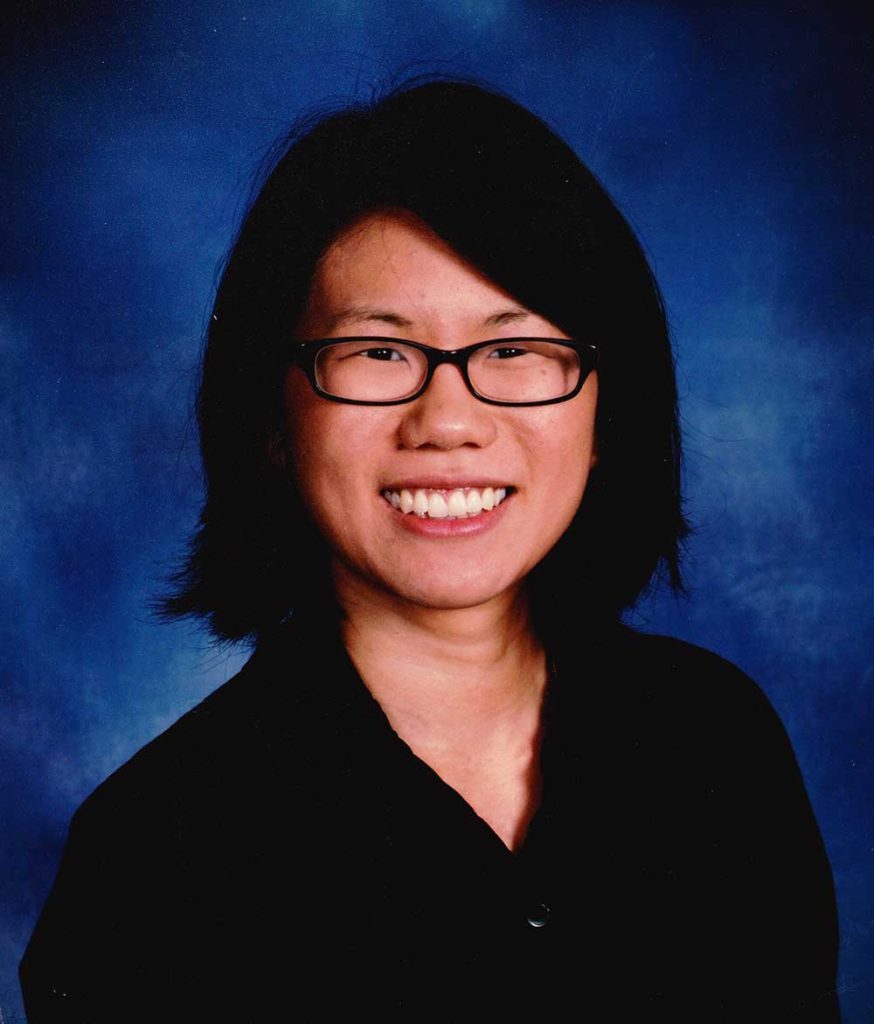
In just 10 years, Esther John has held influential positions at Cornell University, the World Bank and now Sandia Labs. At Sandia, she has applied her skills in data science and analytics to create actionable national security tools, including anomaly threat mapping for body scanners and logistics models for nuclear deterrence programs.
Her academic path began in math and continued into operations research and programming focusing on modeling and simulation, culminating in a doctorate in transportation systems engineering with an emphasis in transport economics.
“I liked math and the logic and reasoning it presented,” Esther said. “But I didn’t know anything about computer science until undergrad.”
In her second year of undergrad, a compulsory computer course led to a passion for programming, eventually shaping her focus on modeling and simulation.
During her doctoral program, she became deeply engaged in systems engineering modeling. “The math, logic and reasoning kept presenting themselves in various forms, like behavioral economics and transportation,” she said.
Professionally, Esther’s journey has mirrored that interdisciplinary approach. Despite the lack of obvious connections, none of her professional pursuits are happenstance. “My career path has evolved through my experiences and networking,” Esther said. After a colleague from Cornell joined the World Bank, she was brought on as a transportation engineering consultant focusing on port infrastructure — experience that now ties directly to her global supply chain and security research at Sandia.
At the Labs, Esther devises simulation-based logistics models and data-driven analytics for the Transportation Security Administration, Customs and Border Protection, NNSA and DOE. “There are so many different projects to work on, and we need a different approach for every single one of them,” she said. The breadth of her studies and prior work fosters unique approaches to current challenges.
“I find modeling and simulation — translating real-world problems into a computer programs — enable us to explore different scenarios, develop solutions and present them to the client,” she said. “That exploration is really interesting for me.” She applies these skills to a wide range of topics: transportation research, energy policy, community detection algorithms, rail delivery and more.
Esther is also a prolific mentor to local middle and high school students, as well as Sandia interns and staff. “I’ve always enjoyed mentoring,” she said. “It’s the one thing from academia that I really miss. There’s more than one way to learn, and I learn so much from people with whom I interact.”
Guidance for up-and-comers:
“Aim high and aim wide. See what’s out there, what kind of work you can do and what you might enjoy. Take every experience as it comes and don’t lock into something just because someone tells you to. Explore!”
Each SASE award recipient must be actively working in an IT, engineering or scientific field; have made significant, measurable contributions; and demonstrate consistent commitment to the growth and advancement of their discipline.