
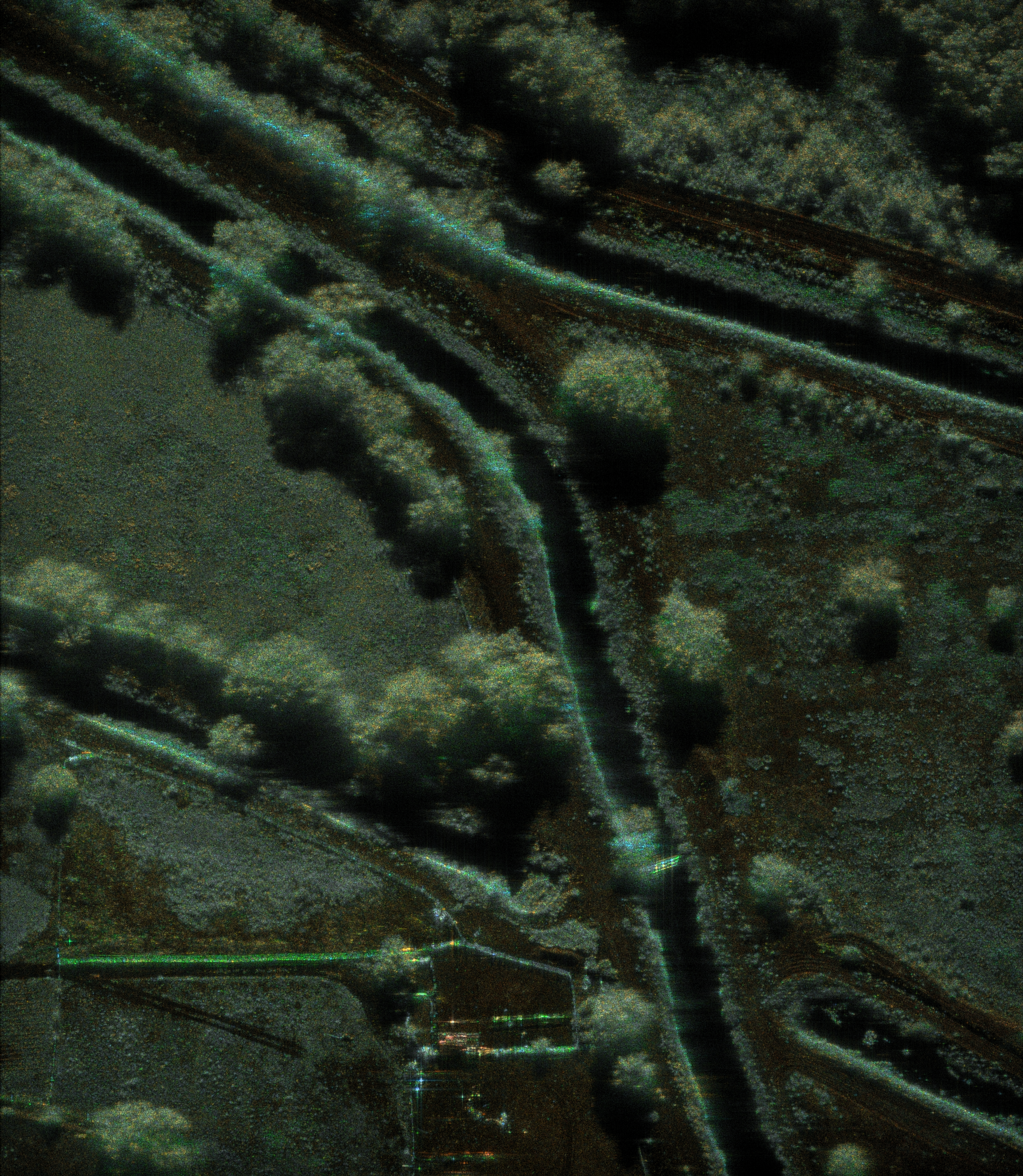
Sandia National Laboratories is a global leader in advancing the next generation of Synthetic Aperture Radar (SAR) and Intelligence, Surveillance, and Reconnaissance (ISR) systems.
Our mission is dedicated to producing exquisite radars by continually shrinking sensor size, increasing resolution, improving image quality, and advancing real-time on-board processing, ultimately delivering highly integrated, miniaturized, and fully mission-capable radar systems crucial for tactical Surveillance and Reconnaissance (S&R). Sandia brings a broad spectrum of engineering, testing, and analysis capabilities to Radar ISR systems. Our expertise spans from fundamental hardware and software design and development to operating state-of-the-art facilities, centers, and technologies.
Featured Capabilities
Our demonstrated capabilities in user interaction design and evaluation ensure that Sandia’s systems generate accessible, timely, and useful information for a broad range of decision-making environments. We develop technologies with the total system concept in mind, ensuring successful integration over the entire process, from mission engineering and system development through image exploitation and interaction designs that enable exquisite human detection and characterization performance for high-consequence decision-making.
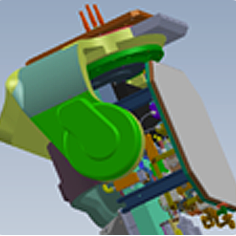
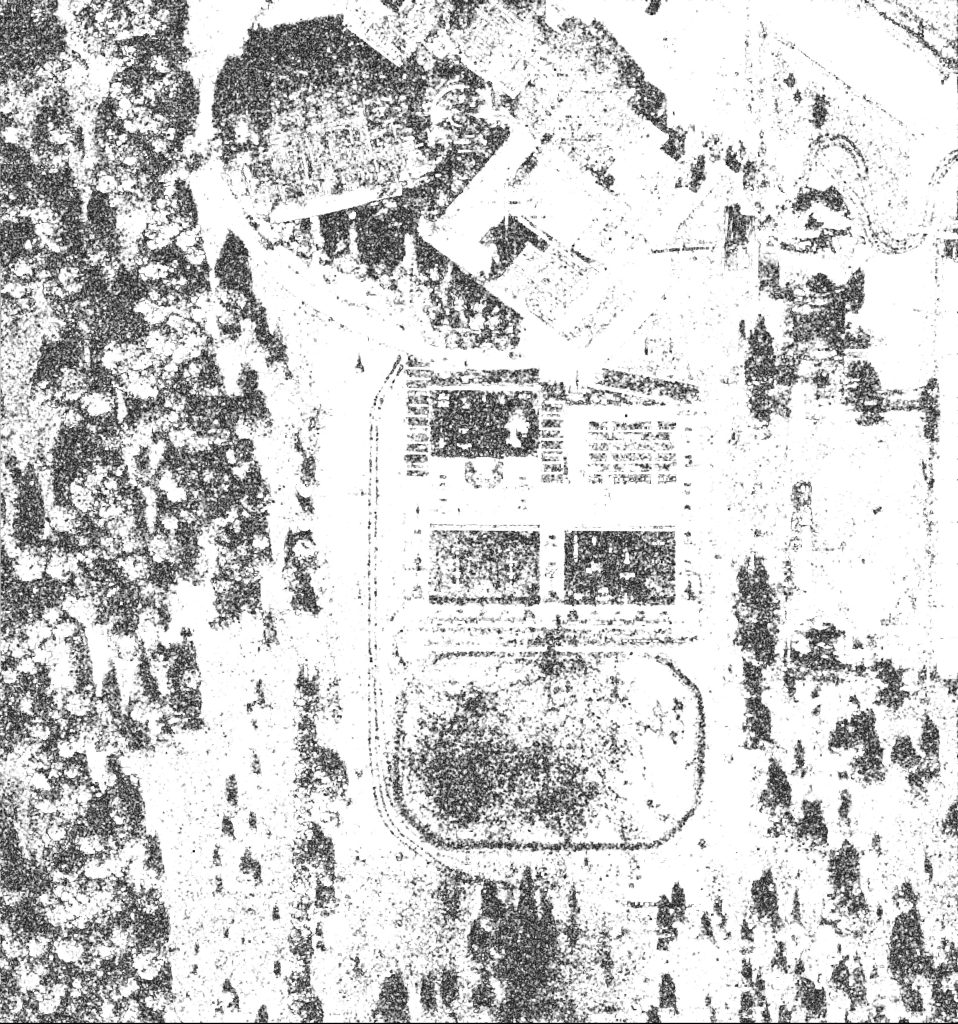
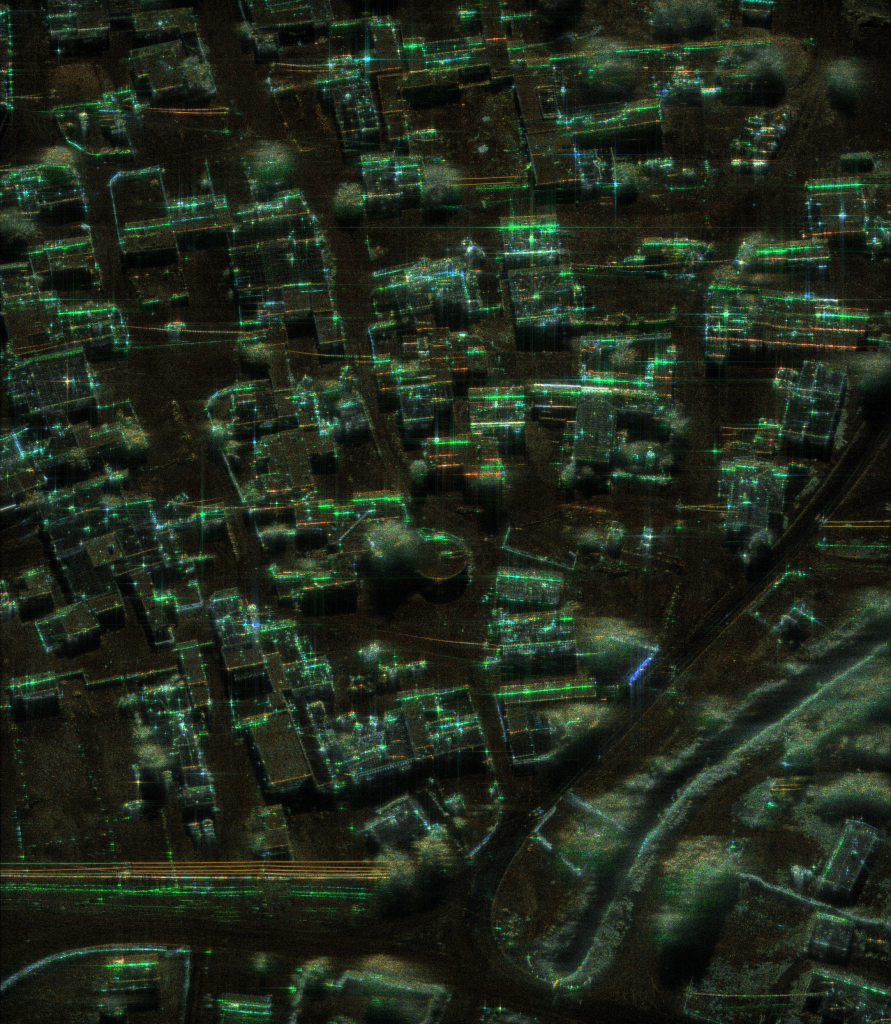
Sandia utilizes PolSAR, a cutting-edge technology to enhance remote sensing capabilities through the analysis of radar signals that capture the polarization state of electromagnetic waves. This advanced radar technique allows for improved target detection, classification, and characterization in various environments, making it invaluable for applications in national security, environmental monitoring, and disaster response.
At Sandia, researchers are leveraging PolSAR technology to develop innovative solutions for complex challenges, such as identifying and tracking objects in cluttered environments and assessing terrain features. The lab’s work in PolSAR includes the integration of advanced algorithms and machine learning techniques to process and analyze the rich data provided by polarimetric radar systems, enabling more accurate interpretations of the radar imagery.
Sandia’s PolSAR initiatives are part of a broader effort to enhance situational awareness and operational effectiveness for military and civilian applications. By advancing the capabilities of PolSAR, Sandia aims to support government partners in their mission to address emerging threats and improve decision-making processes in critical scenarios.
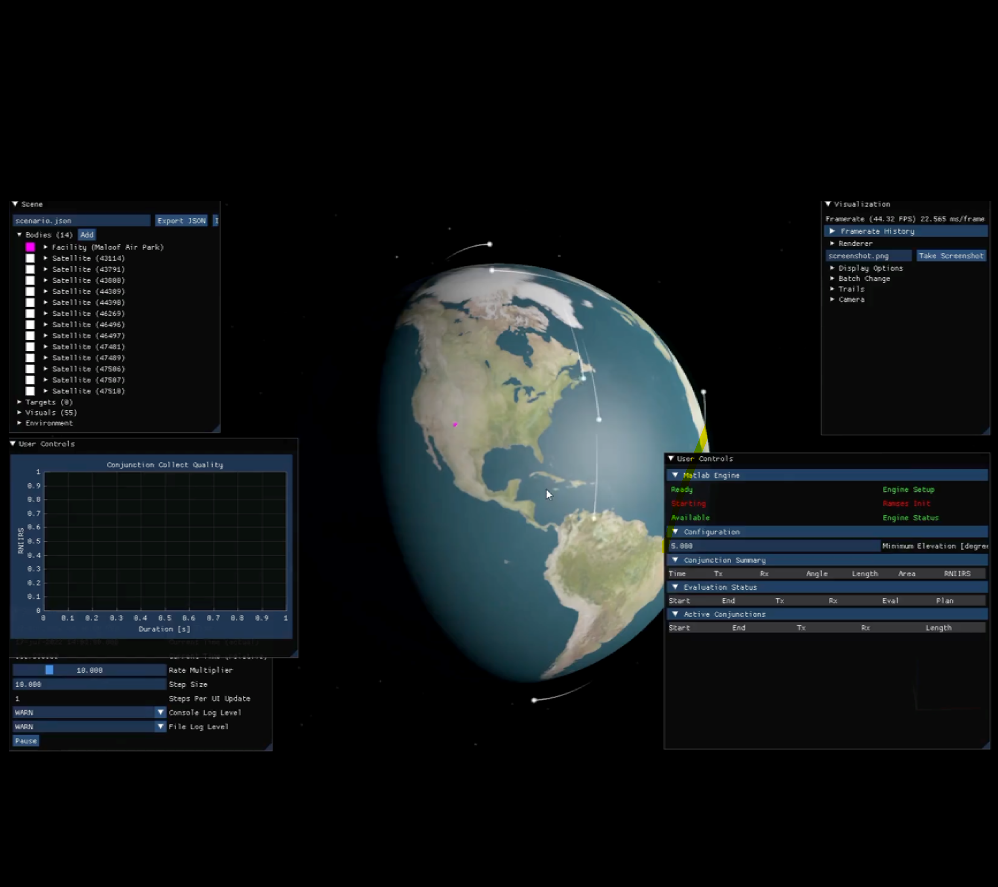
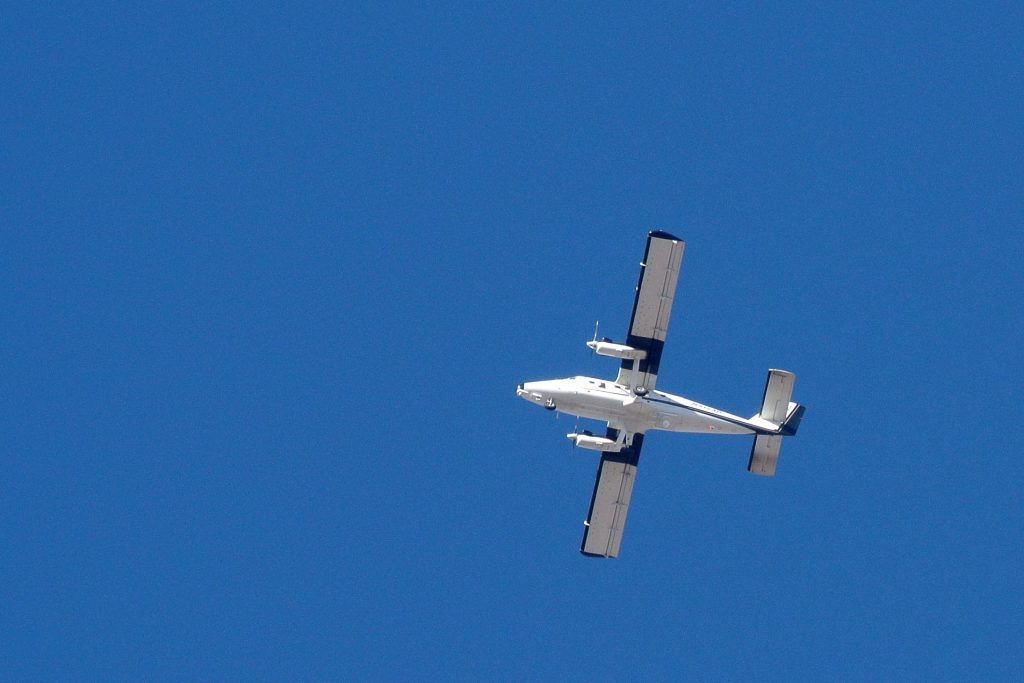
Bistatic radar, a cornerstone of advanced radar architecture, represents a significant evolution from traditional monostatic systems by physically separating the transmitter and receiver. This spatial distribution introduces unique operational advantages, particularly for covert operations and resilience in complex scenarios. Sandia National Laboratories is actively engaged in pioneering bistatic radar research, leveraging its distinct capabilities to address critical national security requirements.
Rather than co-locating the transmitter and receiver, bistatic radar employs widely spaced components. The transmitter illuminates the target, and a separate, often passive, receiver detects the scattered signal. This configuration offers inherent benefits, including the ability for the receiver to operate covertly without emitting detectable signals, enhancing survivability against anti-radiation threats. Furthermore, the unique geometric perspective of bistatic systems allows for the exploitation of target characteristics that are invisible to monostatic radars, such as the detection of stealth platforms through forward-scatter phenomena.
Sandia’s research into bistatic radar systems enables significant advancements in areas such as passive surveillance, enhanced resistance to electronic warfare, and novel target detection techniques. By exploring and developing these architectures, Sandia provides innovative solutions for challenging intelligence, surveillance, and reconnaissance missions, ensuring robust radar capabilities for diverse national security applications.

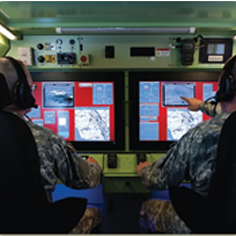
Contested environments pose the most significant challenges for modern radar systems, demanding capabilities that can withstand and overcome sophisticated adversarial threats designed to disrupt, degrade, or deny critical operations. Sandia National Laboratories is at the forefront of developing resilient radar technologies specifically engineered to thrive in these complex and adversarial conditions, ensuring persistent and effective intelligence, surveillance, and reconnaissance.
Contested environments are characterized by aggressive electronic warfare (EW) – including advanced jamming, spoofing, and anti-radiation weapons – coupled with the proliferation of low observable (stealth) targets and complex operational clutter. Traditional radar systems often struggle against these multifaceted threats.
Sandia’s expertise in radar design, signal processing, and system integration directly addresses these challenges. We develop cutting-edge solutions rooted in advanced algorithms, distributed architectures (like bistatic and multistatic radar), and dynamic spectrum management. Our work enhances anti-jamming capabilities, enables the covert operation of radar assets, and develops methods to detect and track even the most advanced stealth platforms. By focusing on these areas, Sandia ensures that our radar systems provide robust and reliable information, maintaining a decisive advantage for national security missions in all operational domains.
Facilities/Resources
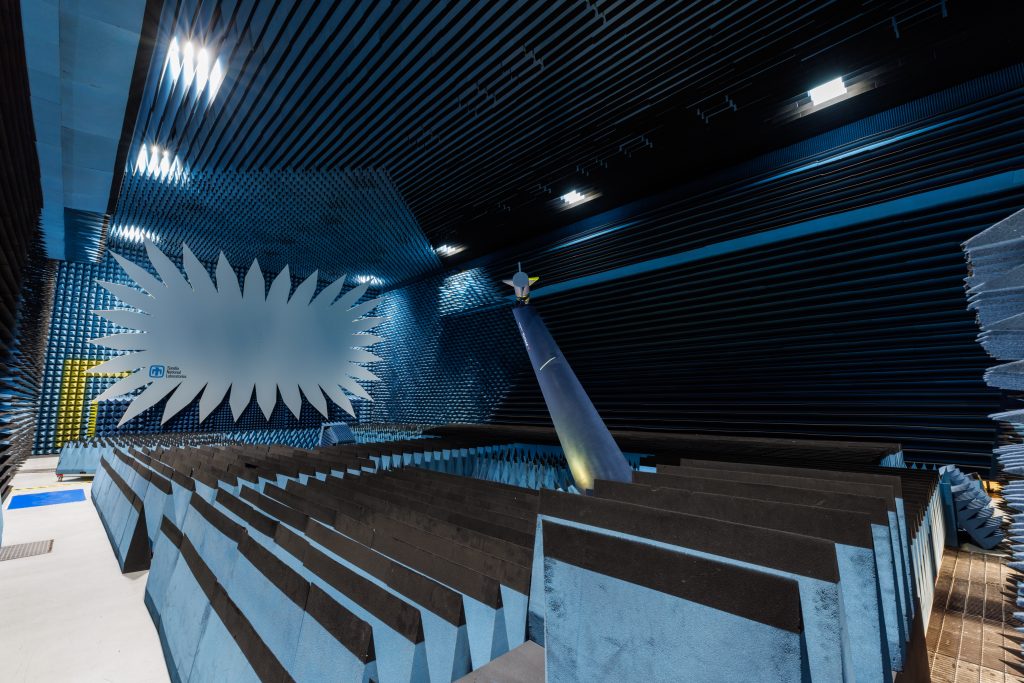
The Facility for Antenna and Radar Cross Section (RCS) Measurements (FARM) provides capabilities for antenna testing and engineering, and radar cross section (RCS) measurements.
It offers advanced instrumentation for measuring and obtaining data for a wide range of antenna and electromagnetic (EM) technologies. Research and data gathering are conducted within an evaluation infrastructure comprised of an outdoor measurement facility, a broad-band, high resolution compact range facility; and near-field antenna measurement facilities.