
Enhancing nuclear explosion monitoring capabilities
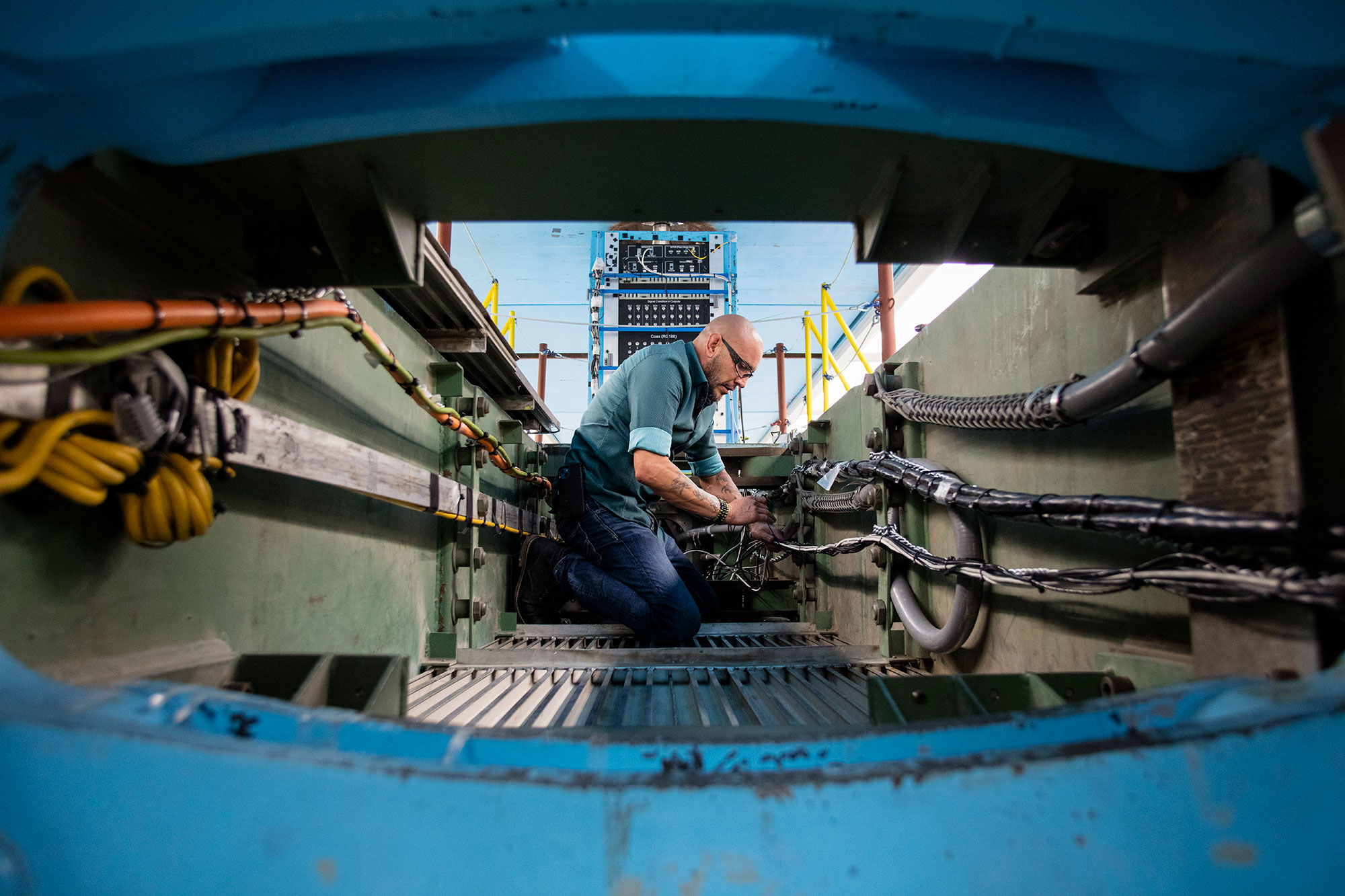
Experiments at Sandia’s Large Centrifuge Facility advanced U.S. capabilities in monitoring low-yield underground nuclear explosions. The team used the superfuge to achieve acceleration-scaled yield and depth conditions that nearly matched those of field-scale experiments. These methods significantly lowered costs and increased the frequency of experiments compared to field-scale tests. Superfuge experiments produced multiphenomenological datasets that help develop and validate models for seismic signals generated by underground explosions, gas migration, damage and other geologic effects, such as the formation and evolution of geologic stress cages. 1000, 6000, 8000
Real-time sensor processing system fully operational
Sandia has successfully designed and deployed a real-time processing system capable of managing 10 national sensors around the clock. The federal government declared the system fully operational. The robust system has over 4 million lines of code and 100 racks of equipment across four environments, including cloud infrastructure, has been declared fully operational by the U.S. government. With the successful transition of two new national sensors into operation with full mission capability, this achievement reflects five years of dedicated effort by Sandia’s teams, building on more than a decade of innovation to enhance national security. 6000
Next-generation space sensor payload Red Door
The Space Mission program is tackling new challenges in space and advancing the nation’s defense capabilities by developing Red Door, a next-generation space sensor payload. The project has secured customer funding to refine the sensor design and reach a system design review level of maturity, underscoring its importance. This project helps advance flight system technology, ultimately supporting the Golden Dome for America, and highlights Sandia’s leadership in national security. 6000
Accelerating cesium irradiator replacement
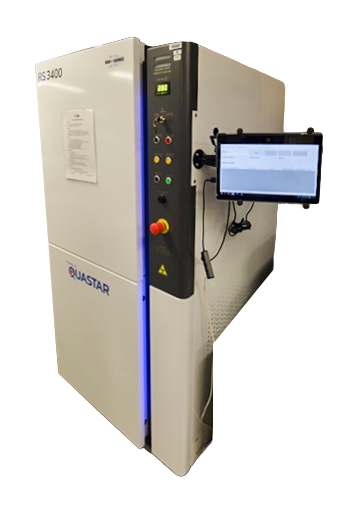
In support of a congressional mandate, Sandia accelerated NNSA’s initiative to eliminate cesium-137-based blood irradiators in the U.S. by the end of 2027. Through research and development studies and workshops, Sandia encouraged sites to participate voluntarily, resulting in the negotiation and awarding of 27 contracts for replacing devices and removing cesium-137 by Los Alamos National Laboratory or Idaho National Laboratory. By exceeding the goal of 15 contracts, Sandia enhanced NNSA’s ability to fulfill its commitment and mitigate risks related to the misuse of radioactive materials. 6000, LANL, INL
security and drive innovation
Mission Systems Engineering experts validate critical information for national security
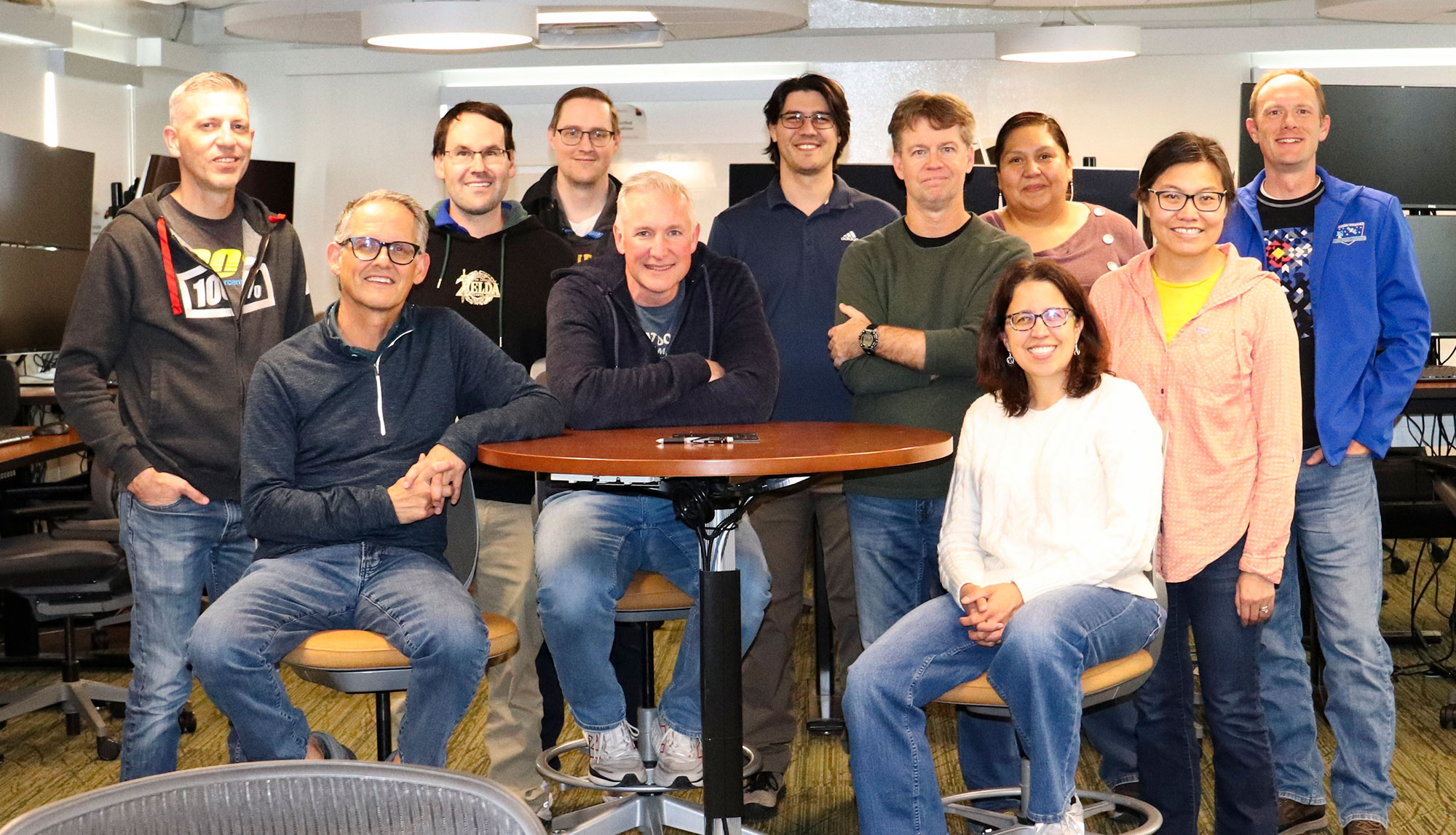
Mission Systems Engineering experts confirmed the effectiveness of new national sensors. Sandia developed and validated 100-plus tailored sensor mission configurations, using advanced modeling and simulation tools to create realistic scenarios for testing data-processing software. Following deployment, Sandia conducted a rigorous five-month, around-the-clock checkout to ensure precise sensor control and optimal data performance. This culminated in a monthlong multinational test campaign of 500 orchestrated strategic live events, successfully operationalizing sensors that provide real-time, critical national security information. 6000
ARQS delivers critical accident response capabilities
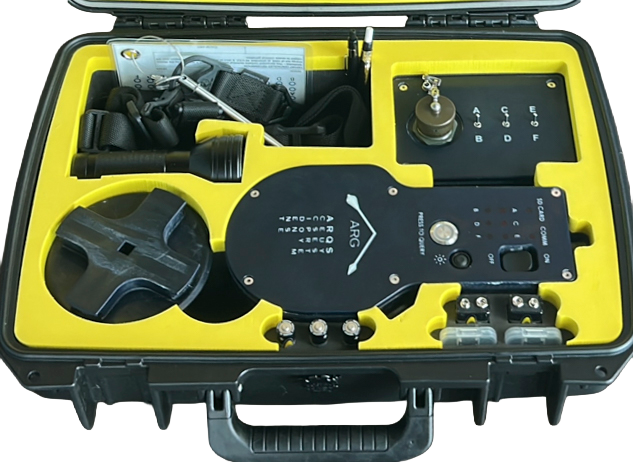
The Accident Response Query System team delivered its first units to the Accident Response Group Federal Program Office in September 2025, on time and within budget. This system fills a Nuclear Emergency Support Team Device Response Division requirement for the B61-12 by providing weapon system data through a rugged user interface. 6000
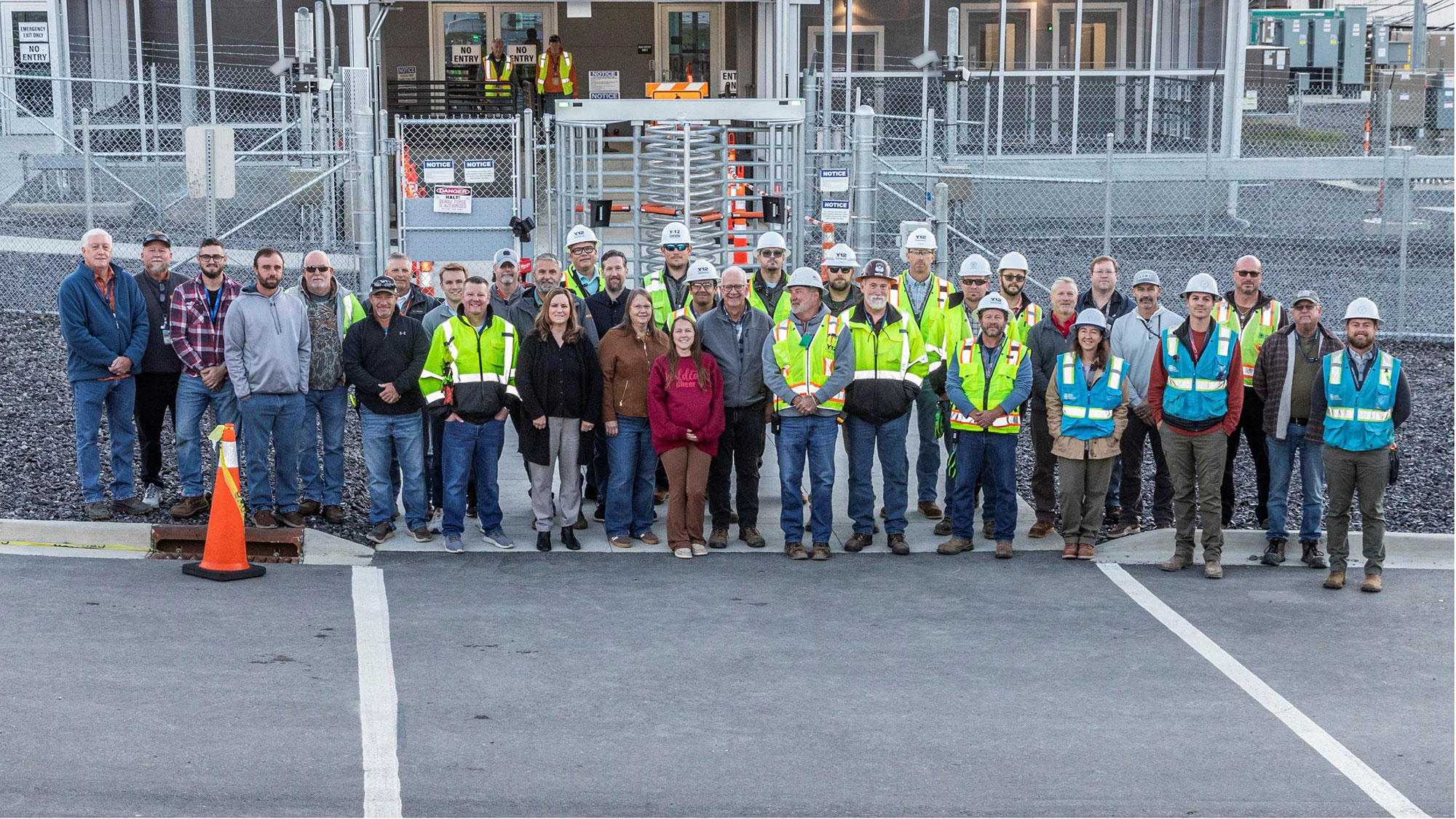
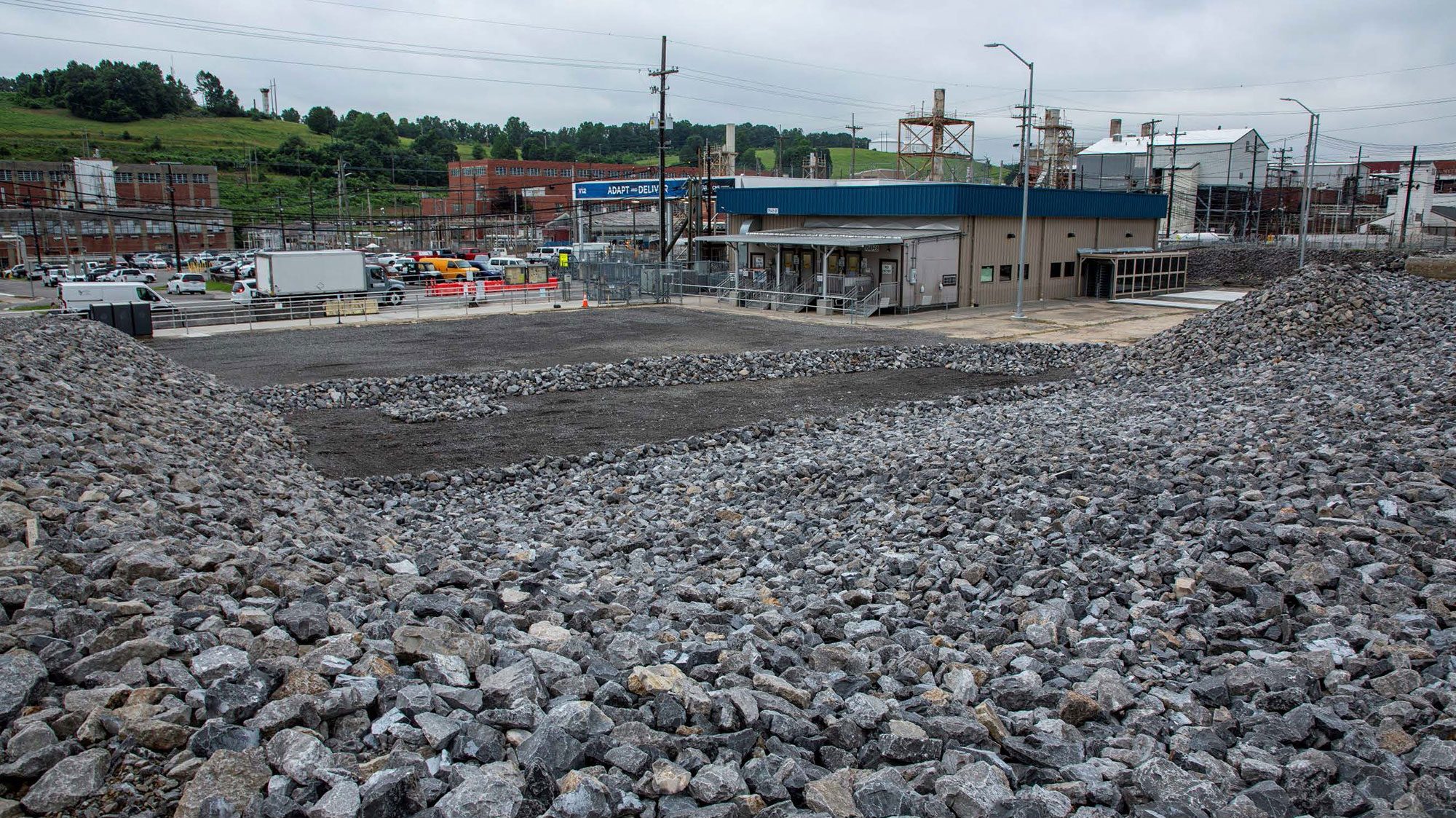
entry control facility.
WEPAR delivers final milestone in transforming Y-12 Protected Area
The West End Protected Area Reduction project achieved interim beneficial occupancy, implementing a western Protected Area boundary at the Y-12 National Security Complex. The project cleaned up Y-12 legacy site conditions and constructed state-of-the-art Perimeter Intrusion Detection, an Analysis System and Entry Control Facility. Once these were active, the Y-12 Protected Area was reduced by about 70 acres, allowing less restricted access to Cold War-era contaminated facilities for demolition and further site cleanup. 6000, Y-12
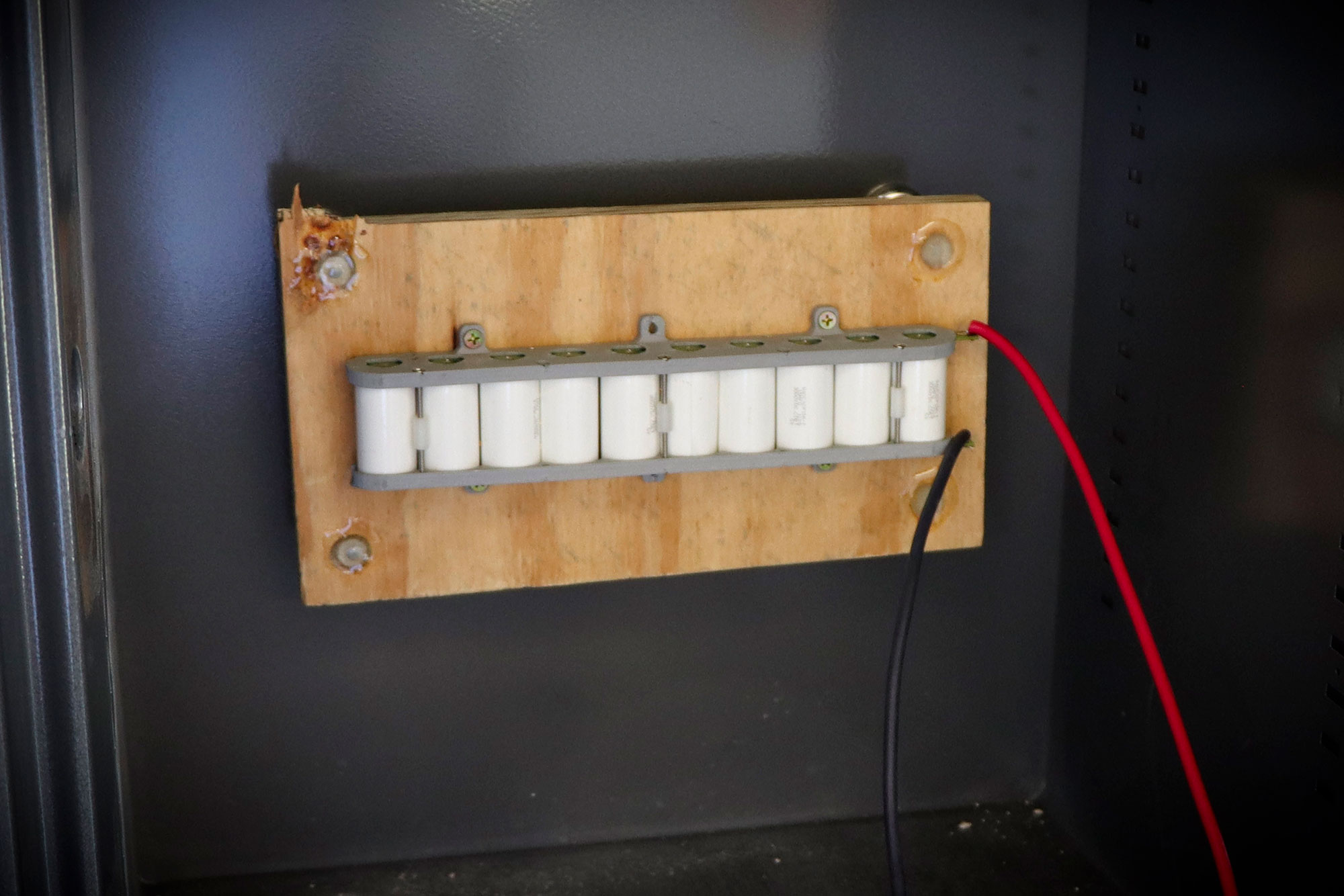
a multiwalled container prior to
Diagnostic Heavy Replay Testing.
Diagnostic Heavy Replay Tests advance insights into component failures
The Diagnostic Heavy Replay Tests used advanced equipment and techniques to evaluate how electrical components and containers perform and fail when used in improvised fire sets. This test series included a diverse selection of components, including capacitors, sensors, connectors and multiple container materials. The team captured different signatures from the test objects, and data processing and analysis provided valuable insight into component failure. The results significantly enhanced the ability to predict performance under unusual conditions. 6000
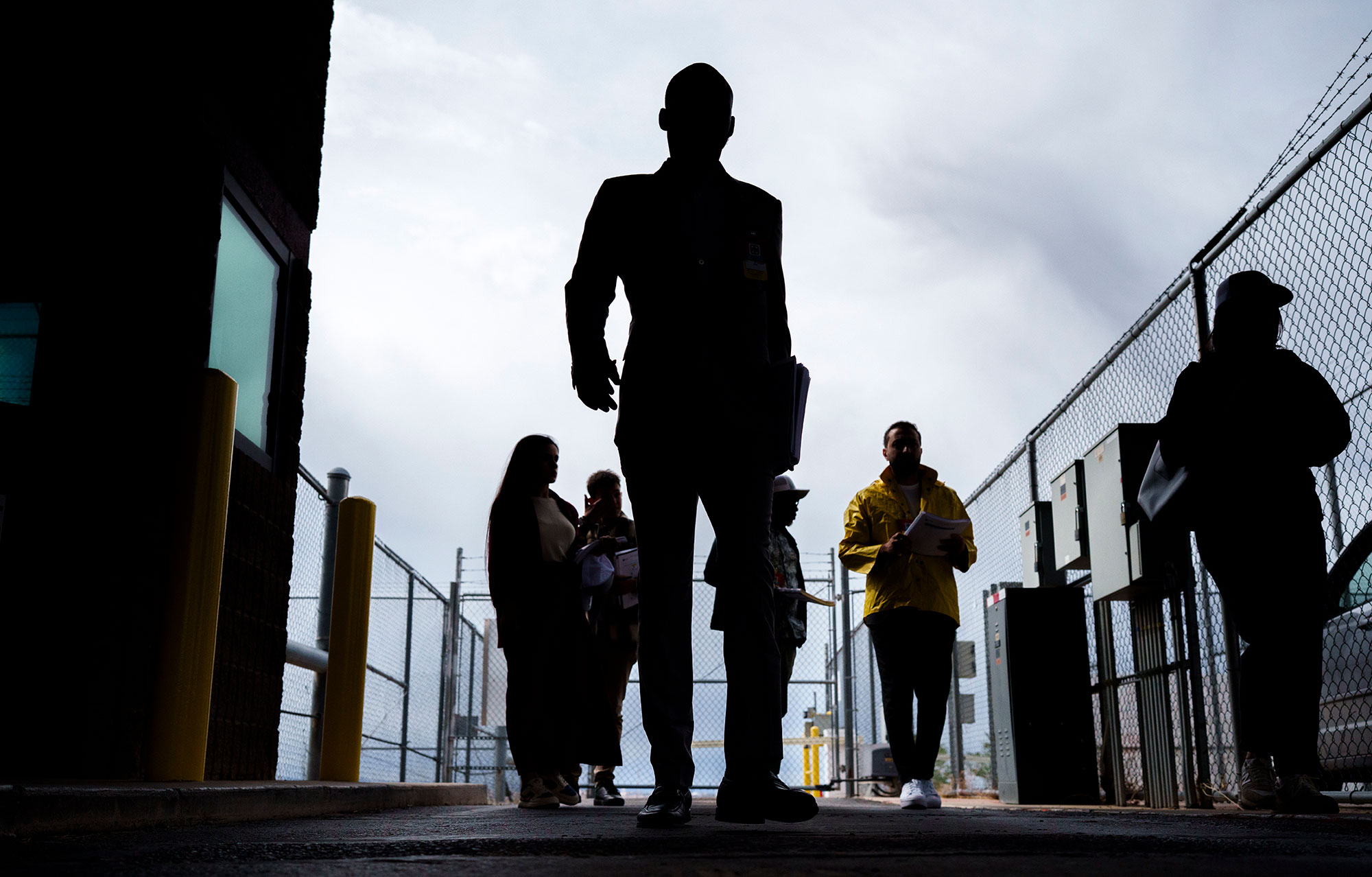
30th International Training Course enhances nuclear safety
Sandia hosted more than 40 nuclear site operators, regulators and policymakers from 28 countries for the 30th session of the International Training Course on the Physical Protection of Nuclear Materials and Nuclear Facilities, first held in 1978. Drawing on decades of Labs expertise and a year of project development and planning, the two-week course showcased how a system engineering approach can enhance nuclear security globally. This initiative underscores Sandia’s commitment to fostering international collaboration and improving the safety and protection of nuclear materials and facilities. 6000
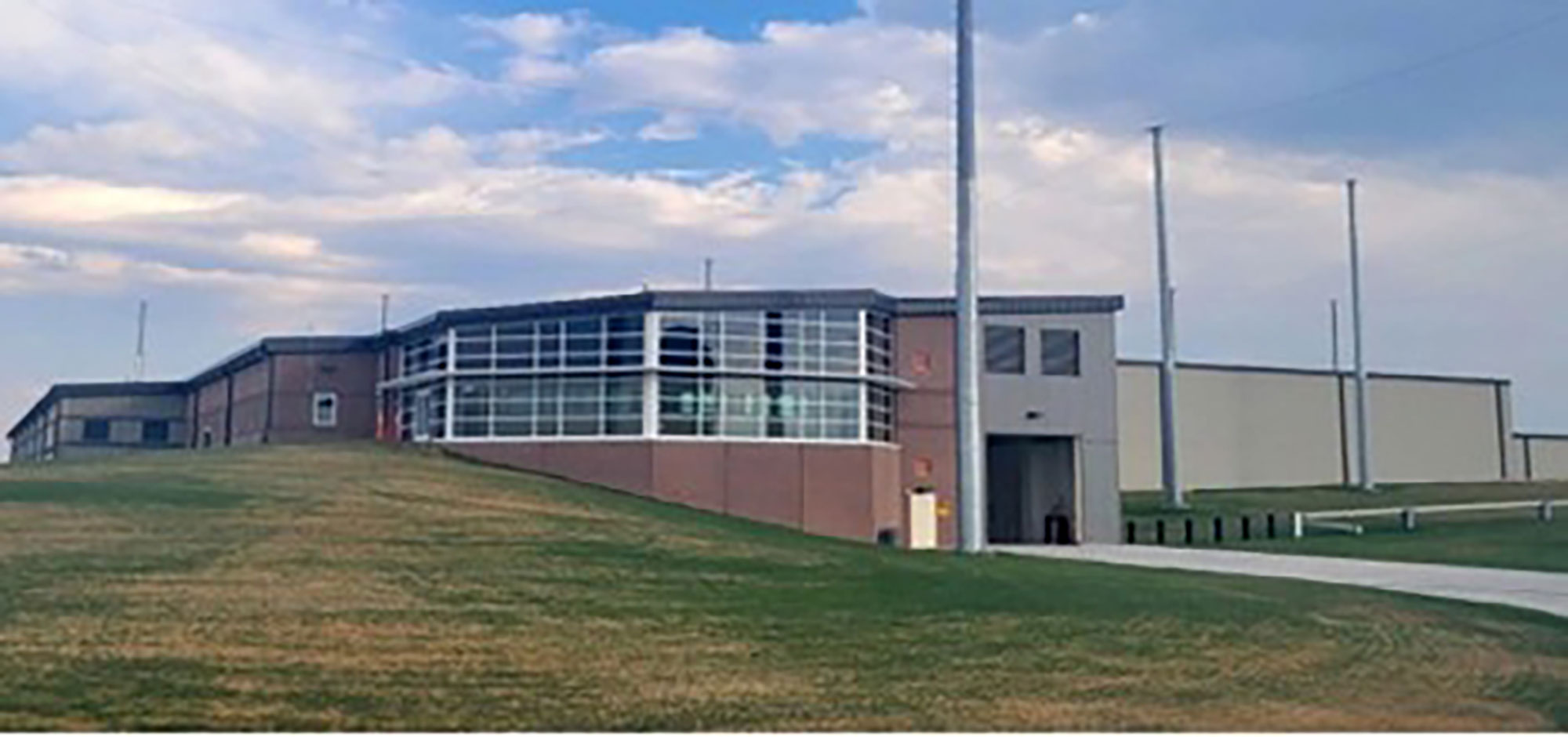
Security system upgrade for vital security assets
The Sandia Weapons and Force Protection program expertly executed the design, implementation and acceptance testing for an Air Force Lifecycle Management Center project aimed at a significant security at a system upgrade at F.E. Warren Air Force Base in Wyoming. These advanced systems bolster the protection and resilience of critical national security assets. This milestone signifies a key step in the ongoing effort to modernize the Air Force’s vital infrastructure. Following the successful tests, the Air Force has officially embraced the new systems and will collaborate with its contractor partners to ensure a seamless transition to full government ownership. 6000
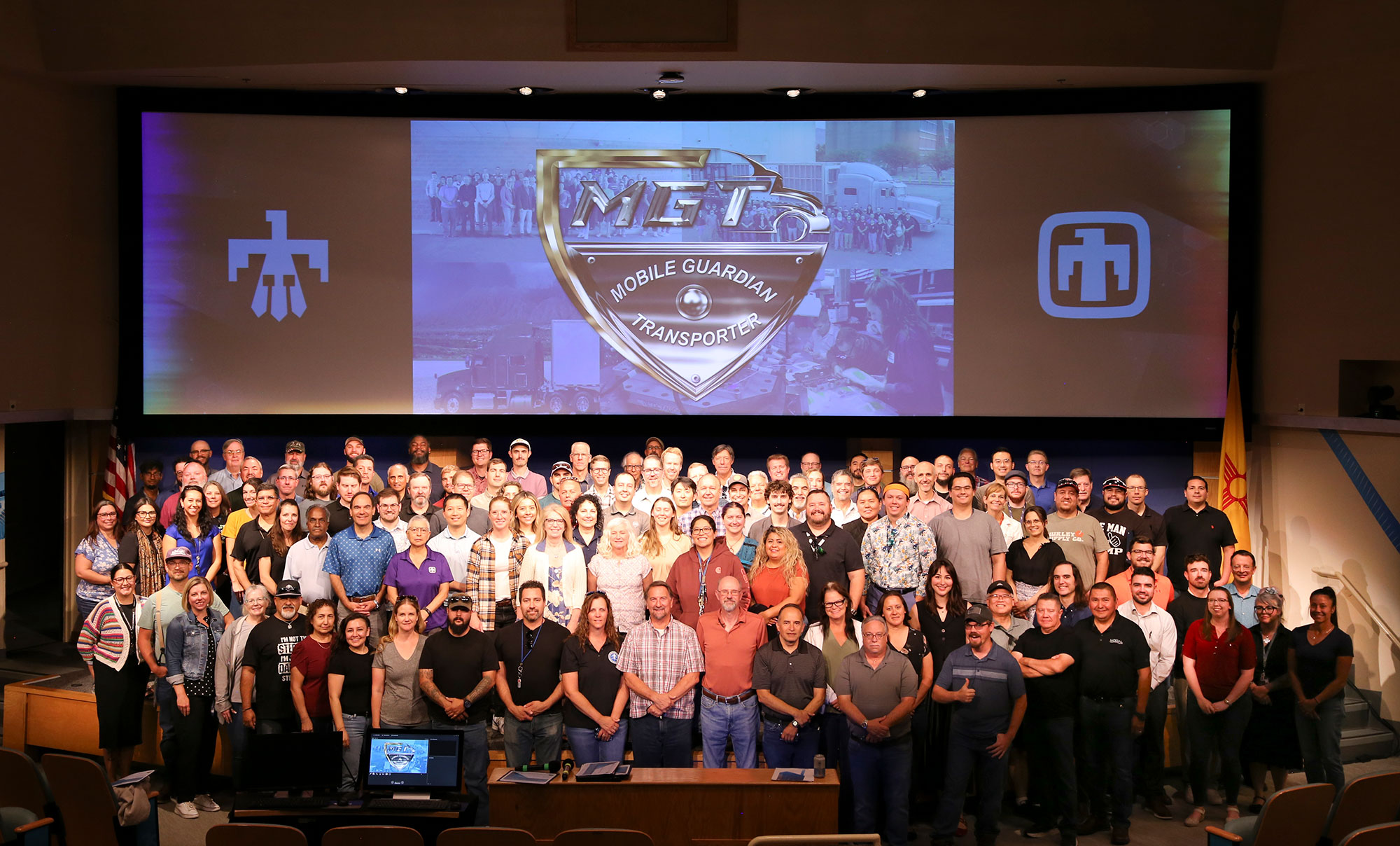
MGT establishes baseline for next-gen secure transport
The Mobile Guardian Transporter program is developing next-generation secure transportation solutions for the NNSA. It recently achieved a significant milestone by holding the Delta System baseline design review, which demonstrated closure of the integrated Mobile Guardian Transport system design. Experts from Sandia and Kansas City National Security Campus New Mexico Operations evaluated this integration. Positive feedback allowed the program to establish a technical baseline for final development, qualification and production, enhancing NNSA’s fleet and ensuring the security of critical national assets. 6000, KCNSC
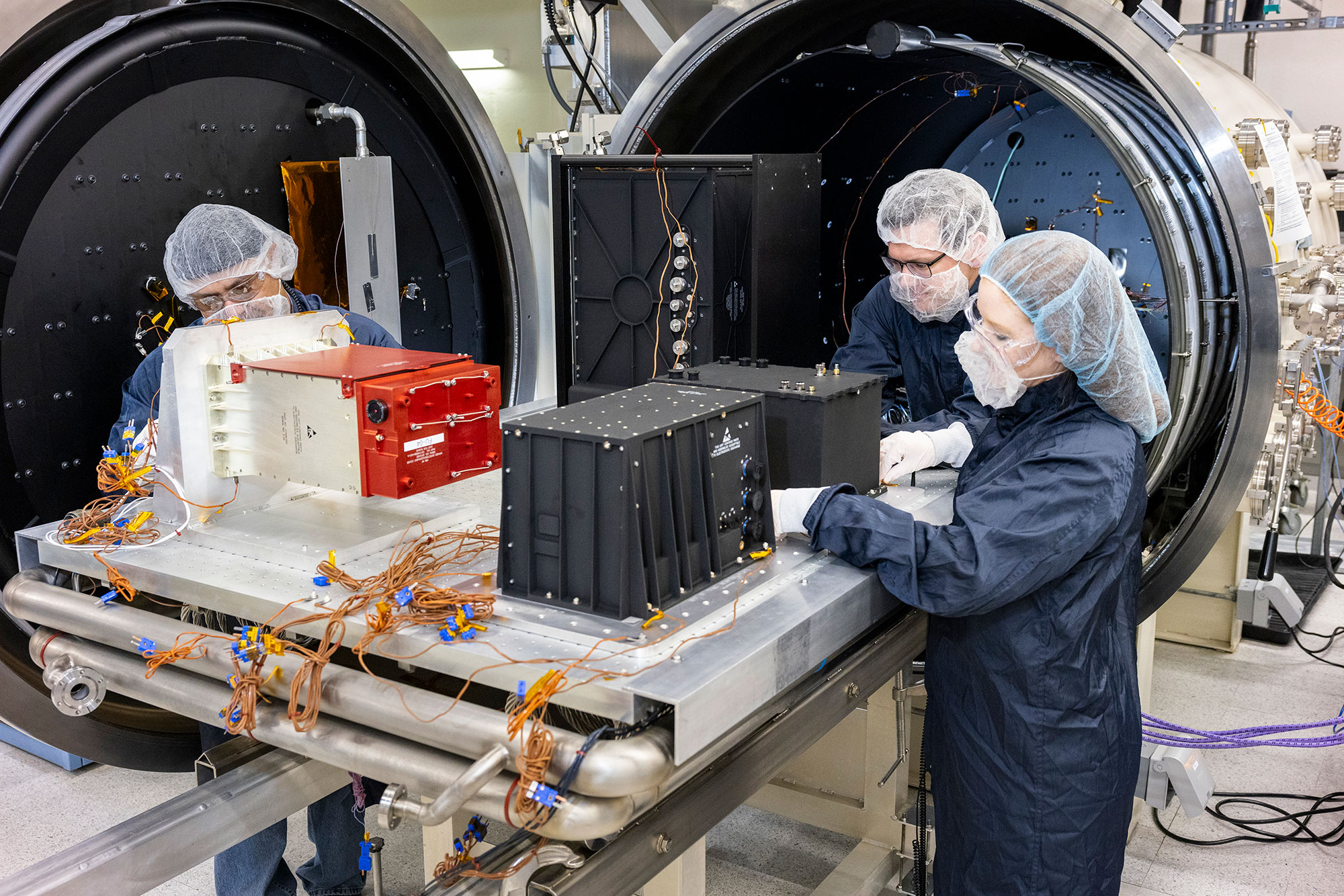
Global Burst Detector team marks critical milestone
The Global Burst Detector IIIF team successfully completed a critical milestone in the design phase of the next-generation flight system. This review confirmed that the Global Burst Detector payload, hosted on GPS satellites, meets all mission requirements for detecting aboveground nuclear detonations globally. Multiple Sandia divisions contributed to its success. Partnership with Los Alamos National Laboratory ensured integration of six advanced subsystems, enhancing nuclear detection capabilities and bolstering national and global security. 5000, 6000, 10000, LANL
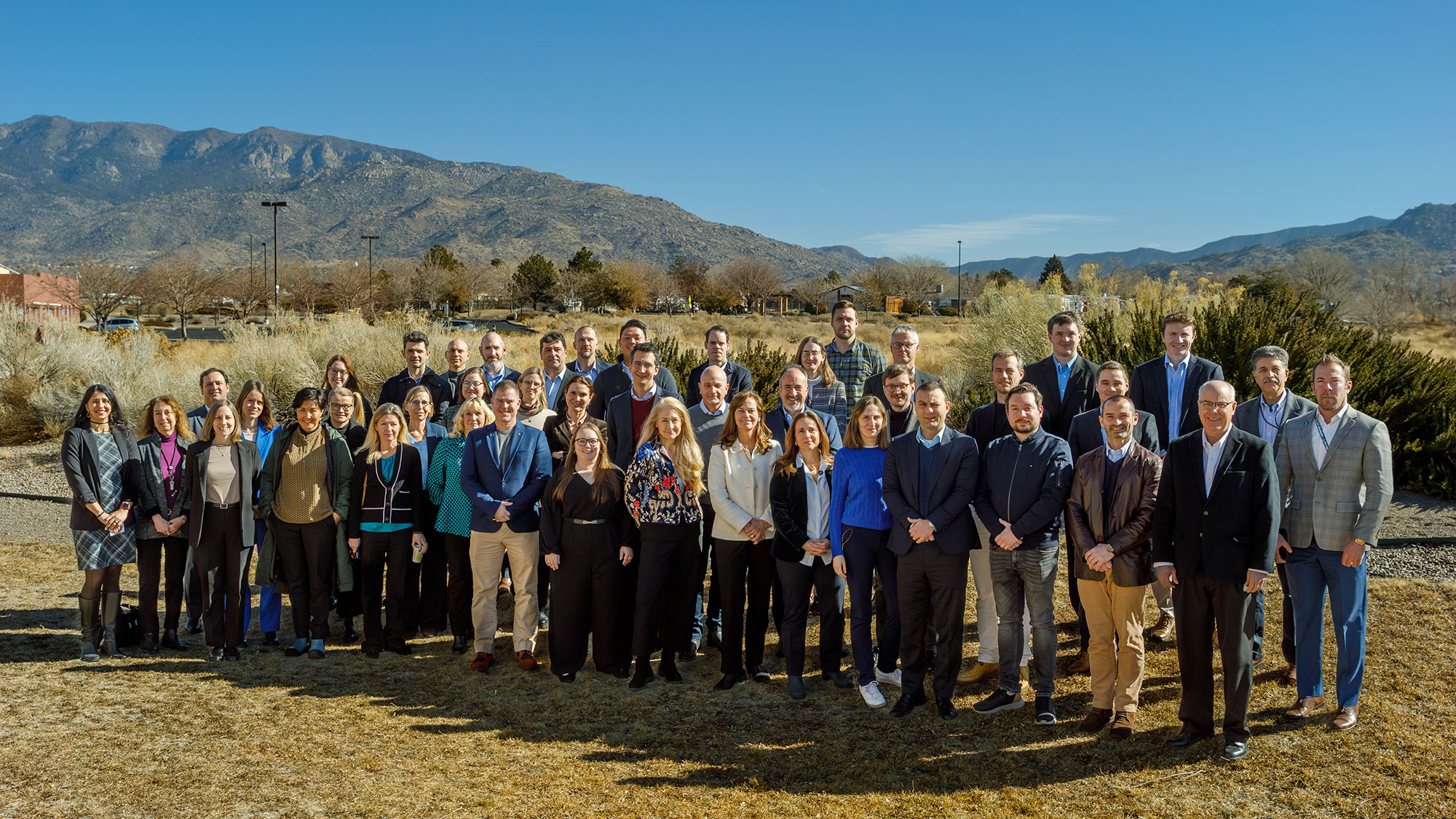
NATO arms control visit
On behalf of the NNSA and the Department of State, Sandia hosted a delegation of more than 37 members from the North Atlantic Treaty Organization Arms Control, Deterrence and Nonproliferation Committee, representing 22 countries. This visit reaffirmed the U.S. government’s commitment to nuclear nonproliferation, advanced global security initiatives and international partnerships. The event included in-depth briefings on Sandia’s critical contributions to stockpile readiness and nonproliferation, as well as a tour showcasing advanced capabilities for countering unmanned aerial systems, underscoring the importance of collaborative efforts in enhancing global security. 6000
SIRP transforms Y-12 security with innovative improvements
The Y-12 Security Infrastructure Revitalization Project improved parts of the legacy Protected Area boundary and installed modern communication pathways to support the new perimeter and security systems for the West End Protected Area Reduction. The Physical Security Center of Excellence reduced project scope to meet the minimum NNSA Office of Security Operations and Programmatic Planning requirements through engineering and system design changes while reducing costs. 6000, Y-12