
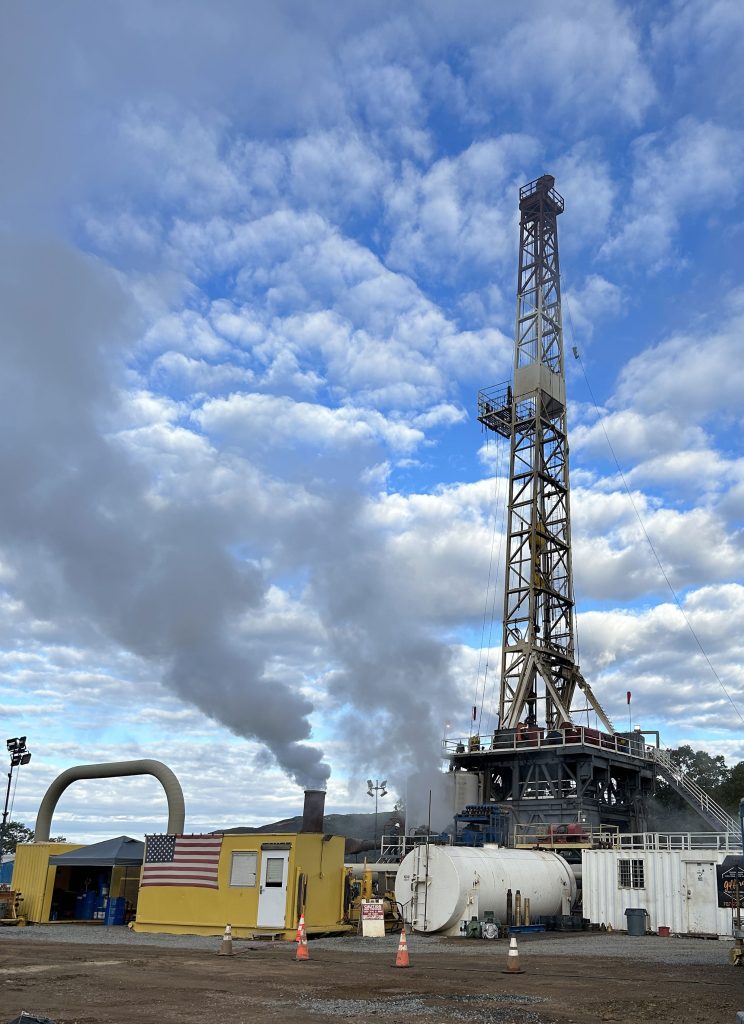
Research improves geothermal energy drilling rates
Sandia partnered with Calpine Corp., Texas A&M University and the University of Utah to improve geothermal energy drilling rates, which are a major barrier to widespread deployment of geothermal energy. The team implemented redesign workflows and alternative bit designs to significantly reduce the on-bottom time, the period when the drill bit is actively cutting rock, over multiple wells drilled as part of the project. The methodology was implemented at The Geysers, the largest complex of geothermal power plants in the world and continues to be deployed beyond the project wells to reduce drilling costs. 8000
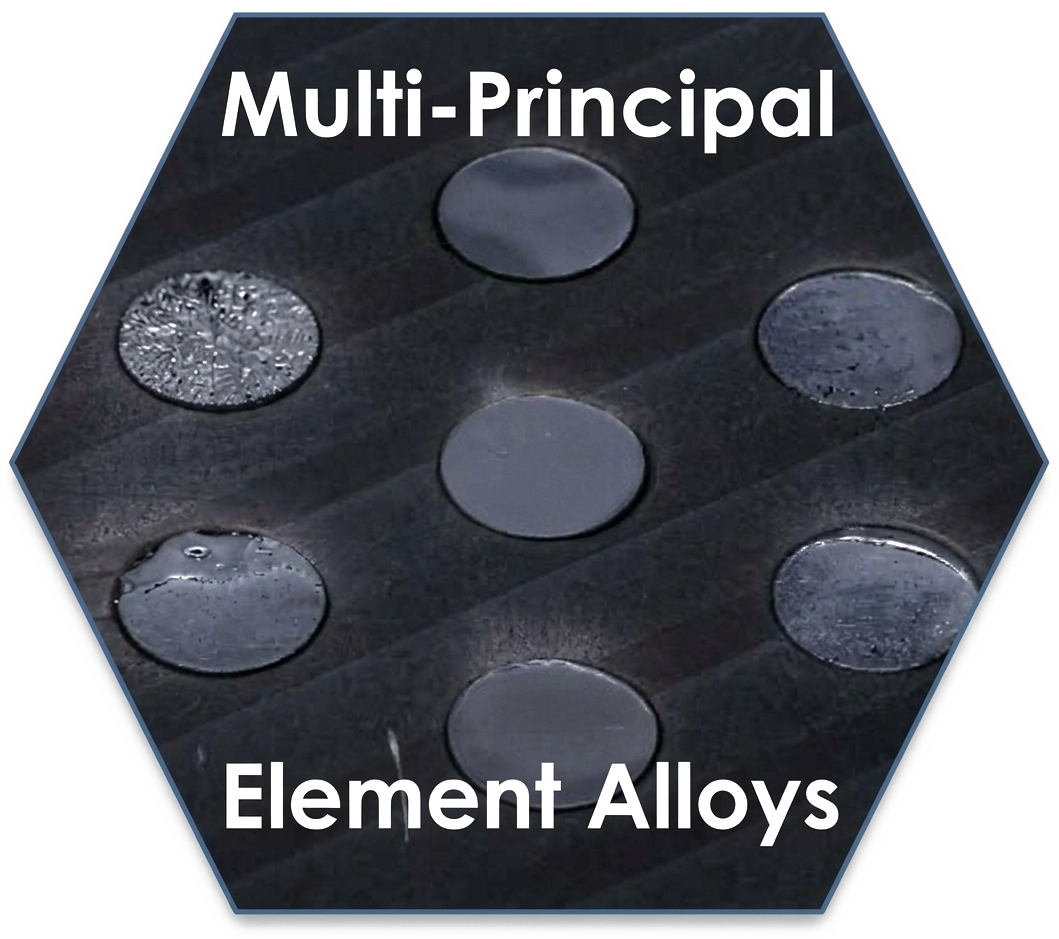
Materials testing for fusion pilot plants
A main challenge in commercializing fusion energy is selecting materials for the first wall of the reactor that can withstand extreme temperatures, energetic particle bombardment and high-energy neutrons. Researchers have proposed various materials, such as refractory metal alloys, ceramics and liquid metals. To test how well these materials perform, Sandia led experiments at DOE DIII-D National Fusion Facility, testing 51 novel material samples from 20 organizations. Standardized testing conditions ensured all samples were exposed to fusion plasma in a consistent way, advancing materials selection for use in fusion reactors. 1000, 8000
MELCOR software for molten salt reactors
Sandia has released a new version of MELCOR, the go-to reactor safety code for utilities and nuclear regulators worldwide for more than 35 years. This update includes enhanced capabilities for modeling molten salt reactors and modern architecture for advanced nuclear safety analysis. It enables rapid safety assessments for a subset of new small modular reactor designs, including the generalized prismatic heat pipe reactor known as eVinci. The update also lays the groundwork for adding capabilities for other types of new reactor technologies in the future. 8000
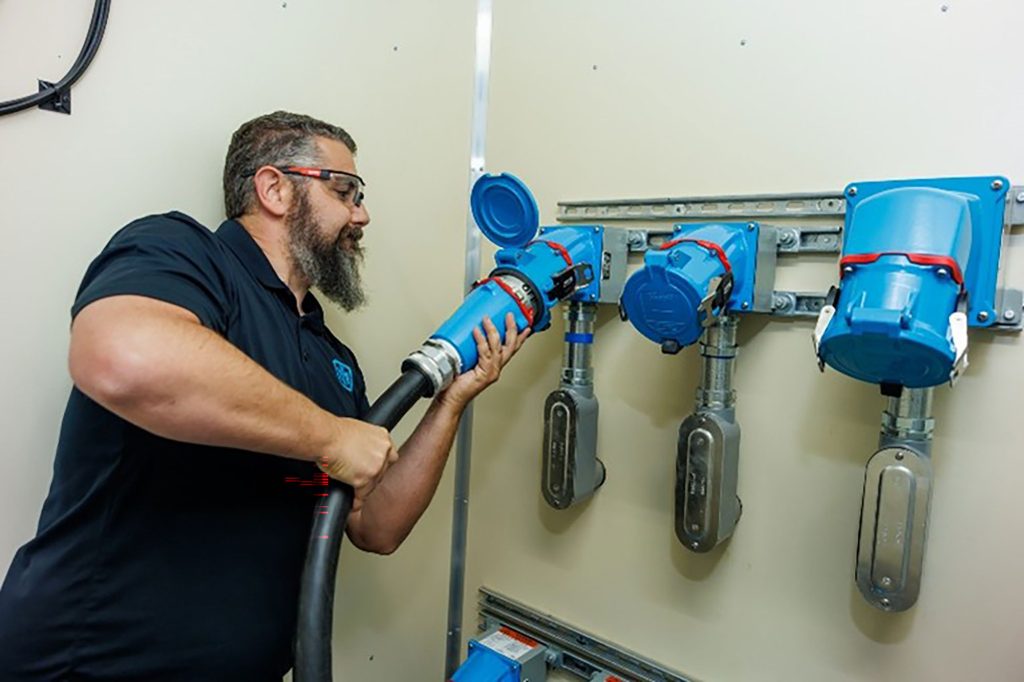
Electric Grid Medium Voltage Lab opens
The new Electric Grid Medium Voltage Laboratory enables research at medium voltage, or 15 kilovolts, a new capability for Sandia. This research is critical for optimizing energy systems, supporting energy integration and ensuring grid reliability, safety and efficiency. In parallel, Sandia is scoping an extension of the facility to expand its capabilities in this area, including high-inertia sources with realistic fault current capability. The lab will improve U.S. grid resilience and help deepen understanding of the nation’s grid stability against outages and threats. 8000