
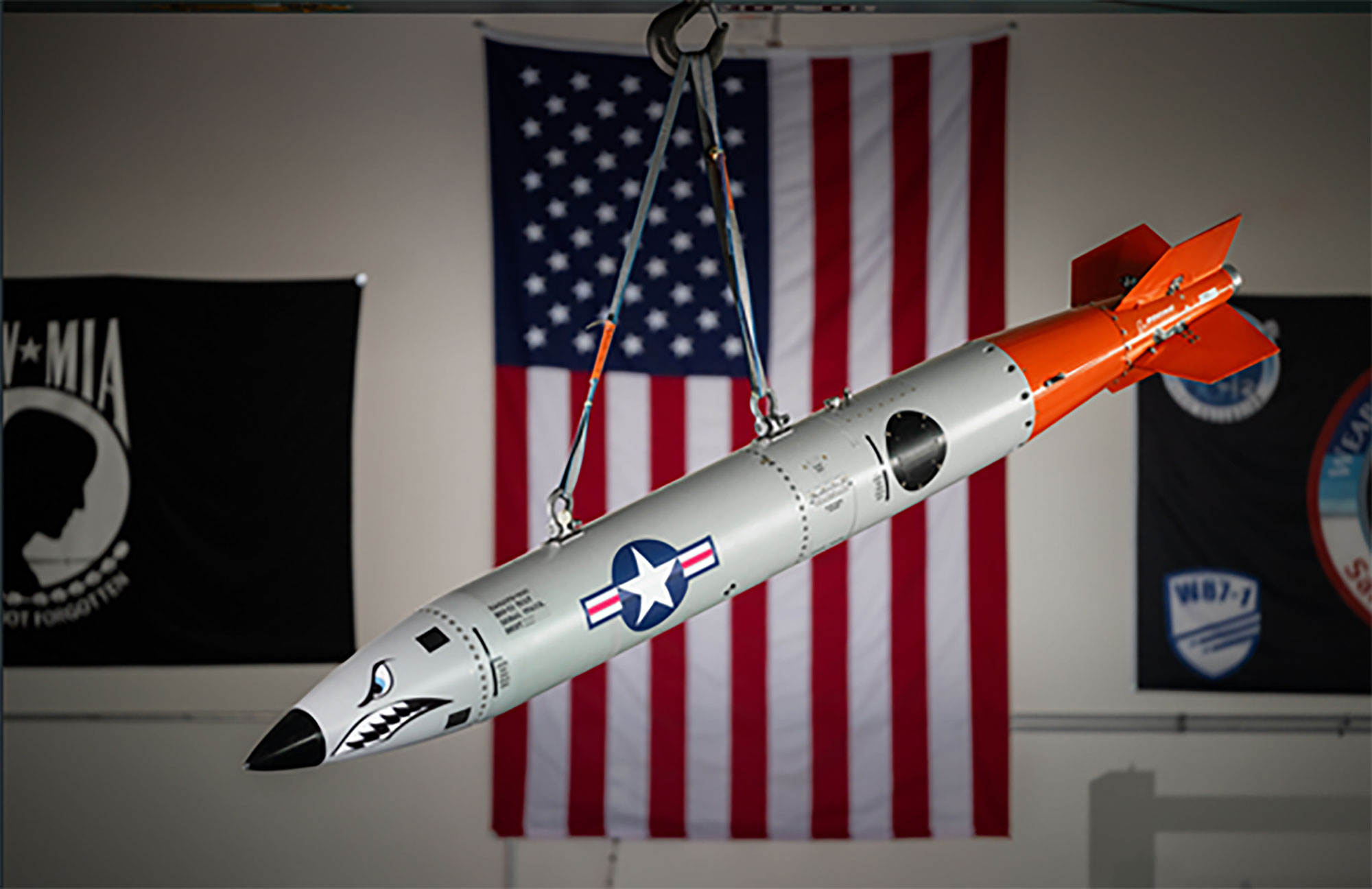
B61-13 realized one year ahead of schedule
To reduce the weapon’s production timeline by 50%, the B61-13 team developed a novel approach to system qualification resulting in completion of the newest weapon in the U.S. nuclear stockpile a year ahead of schedule. Activities included Pantex authorization basis reviews, final design review, system qualification evaluation releases, first production unit, flight and ground tests, and a design review and acceptance group review over only eight months. 1000, 2000, 3000, 5000, 7000, 8000
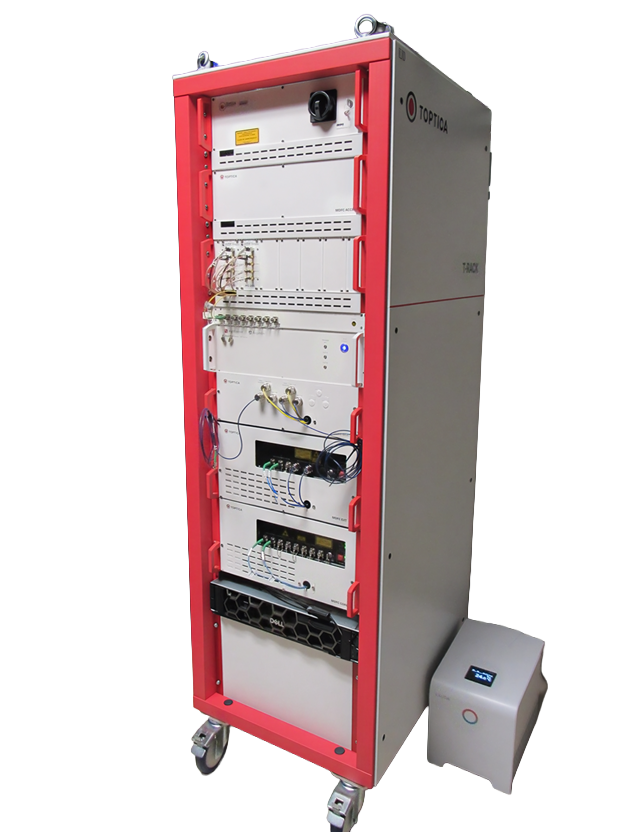
Helium-neon lasers now calibrated on-site
A new frequency-comb system enables in-house calibration of Sandia’s high-precision helium-neon lasers. These lasers, which are essential for the most accurate length measurements, were previously sent overseas for calibration, introducing unnecessary risks and delays. The new system streamlines the calibration process and positions Sandia for the upcoming redefinition of the second in the International System of Units. The future definition will use advanced optical clocks, promising unprecedented stability and accuracy. 2000
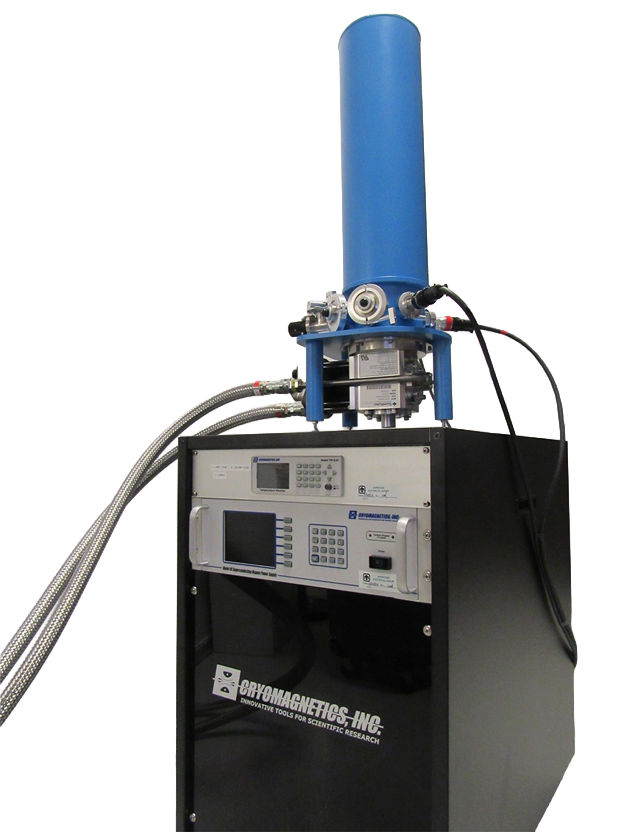
Resistor calibration time reduced from six months to one week
Sandia implemented a system that directly realizes the unit of resistance, called the ohm. This new tabletop quantum hall resistance system can calibrate resistors at the Labs rather than sending them off-site, slashing turnaround time from six months to one week. It is the only resistance standard traceable to the International System of Units for the nuclear security enterprise, and it supports more than 7,000 instruments. The advance boosts measurement confidence, ensures compliance with global standards and reinforces Sandia’s position as a leader in collaborative research. 2000
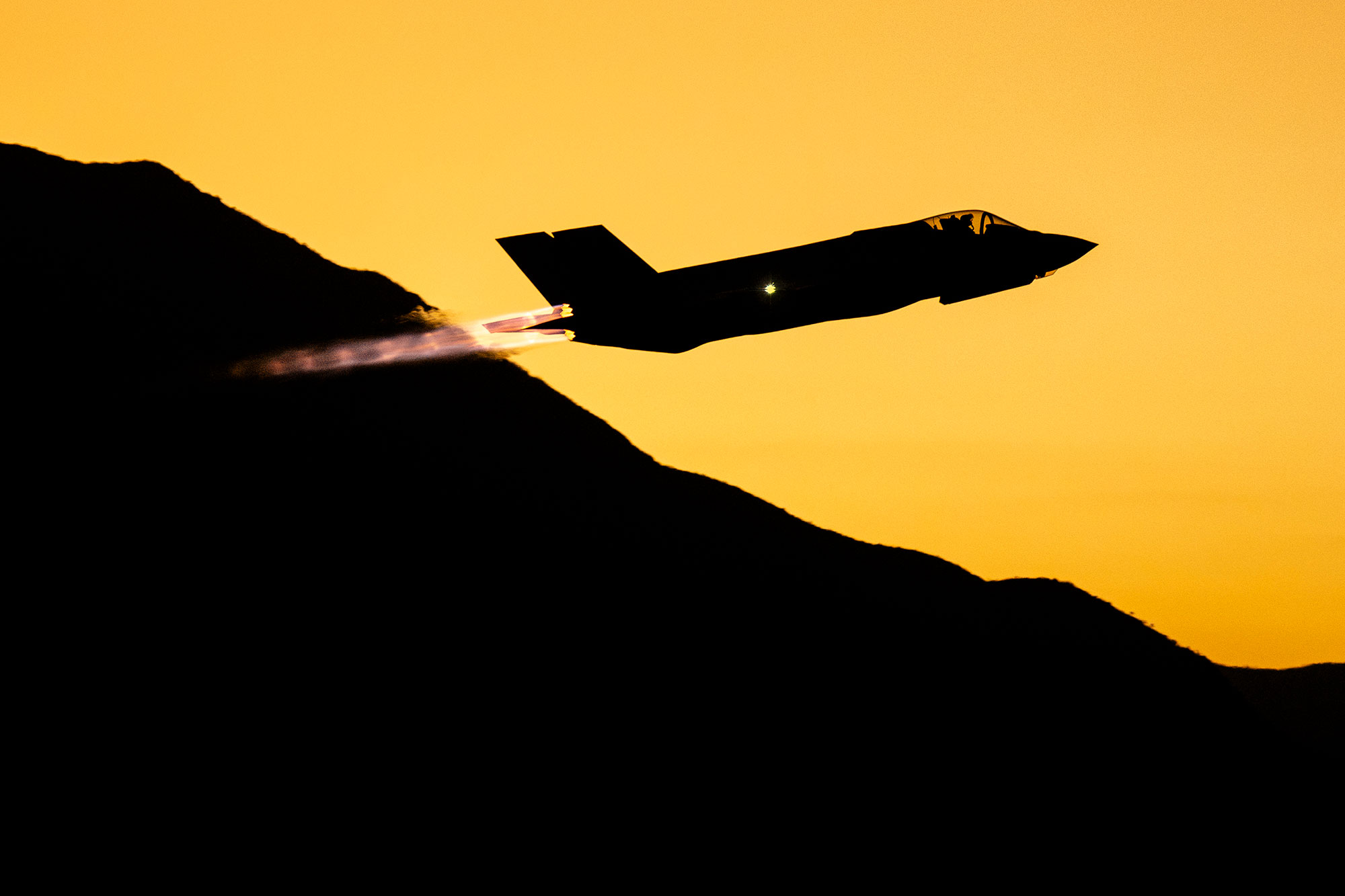
System flight testing demonstrates readiness of nuclear weapons
Readiness across the nuclear triad was demonstrated with 32 flight tests of inert weapons systems: Three W78 and two W87 weapons were tested in U.S. Air Force intercontinental ballistic missiles tests flown to the Reagan Test Site; seven W76 and five W88 weapons were tested in submarine-launched missiles flown on the U.S. Navy D5 system in the Atlantic and Pacific ranges; one air-launched cruise missile test with the W80 was conducted at the Utah Test and Training Range; and 14 total tests of the B61 gravity bomb were conducted at Tonopah Test Range — eleven B61-12, two B61-13 and one B61-11 earth-penetrator weapons. 2000, 8000
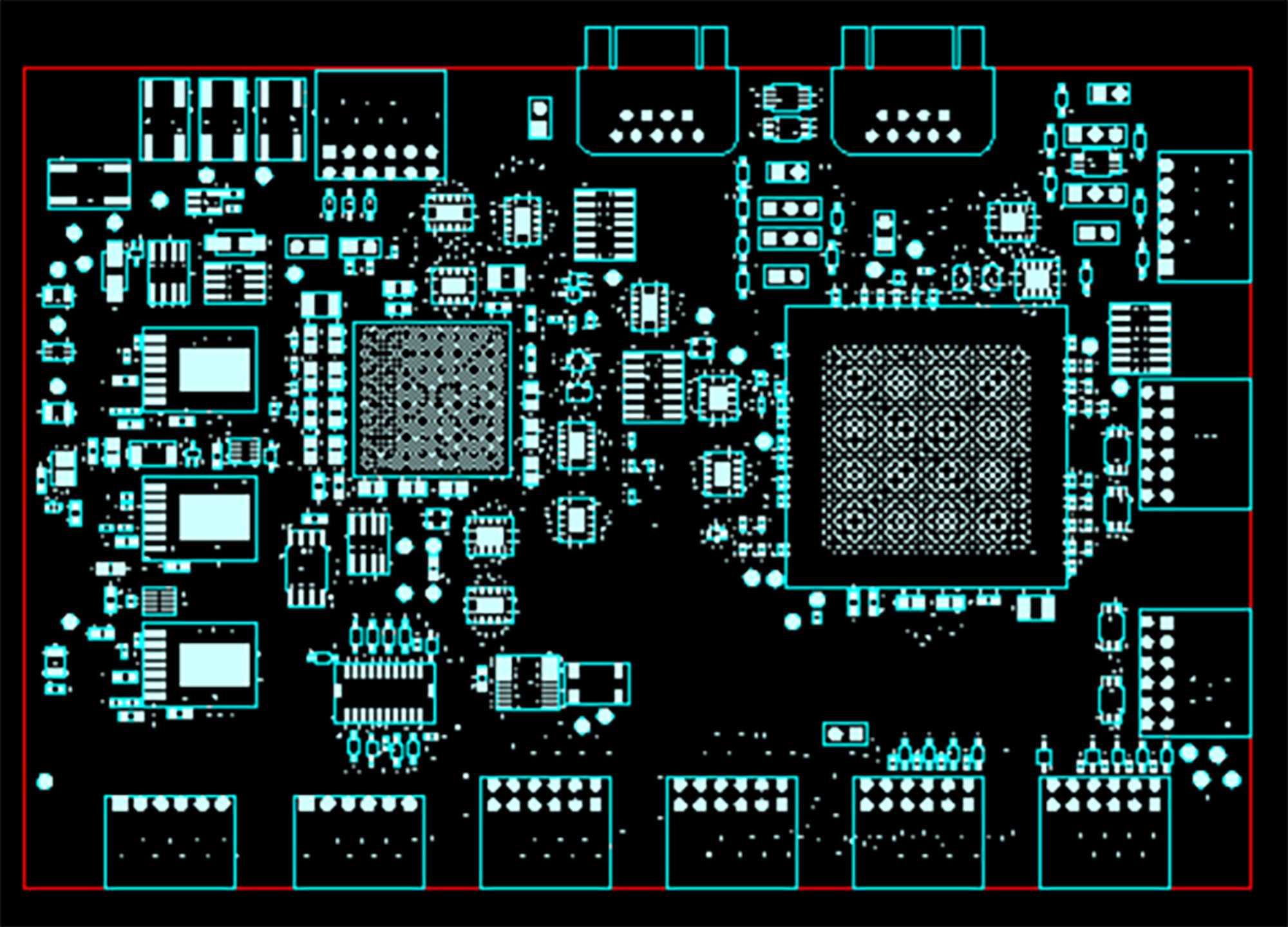
Electronic CAD for printed circuit board design dramatically improved
Two major improvements in electronic computer-aided design for printed circuit boards have dramatically reduced workflow times and production defects. New library tools and process improvements have sped up the creation of printed circuit board library parts, cutting lead times from weeks or months to three days. In addition, implementation of a new configuration management system aligns printed circuit board definitions with industry standards, paving the way for digital engineering implementation across the nuclear security enterprise. 2000
Flight tests improve accuracy of simulated flight environments
The biggest risk for new weapon systems designs is damage from the conditions they face while flying. To address this, Sandia uses validated simulations to “fly on the ground” and accelerate delivery timelines for future systems. The Atrax-Birdeater flight tests, which featured highly instrumented reentry bodies, were flown out of Sandia’s Kauai Test Facility and collected valuable data that helps make simulations more accurate in predicting flight conditions. Sandia engineers are actively using these models for future system designs. 0002, 1000, 2000, 5000
KCNSC partnership reduces time from design to production
Sandia’s Engineering Data Management Team and Product Lifecycle Management Leadership Team worked closely with Design Engineering, Quality, Systems and Components teams to increase the number of first-time releases of engineering authorizations and product definition to the Kansas City National Security Campus. In fall 2024, more than 10% of releases required rework for quality or form-fit-function clarification for acceptance into the KCNSC Matrix system. By summer 2025, the teams achieved a 95% first-time release rate, resulting in shortened time from design to procurement or production. 2000, 7000, 8000, KCNSC
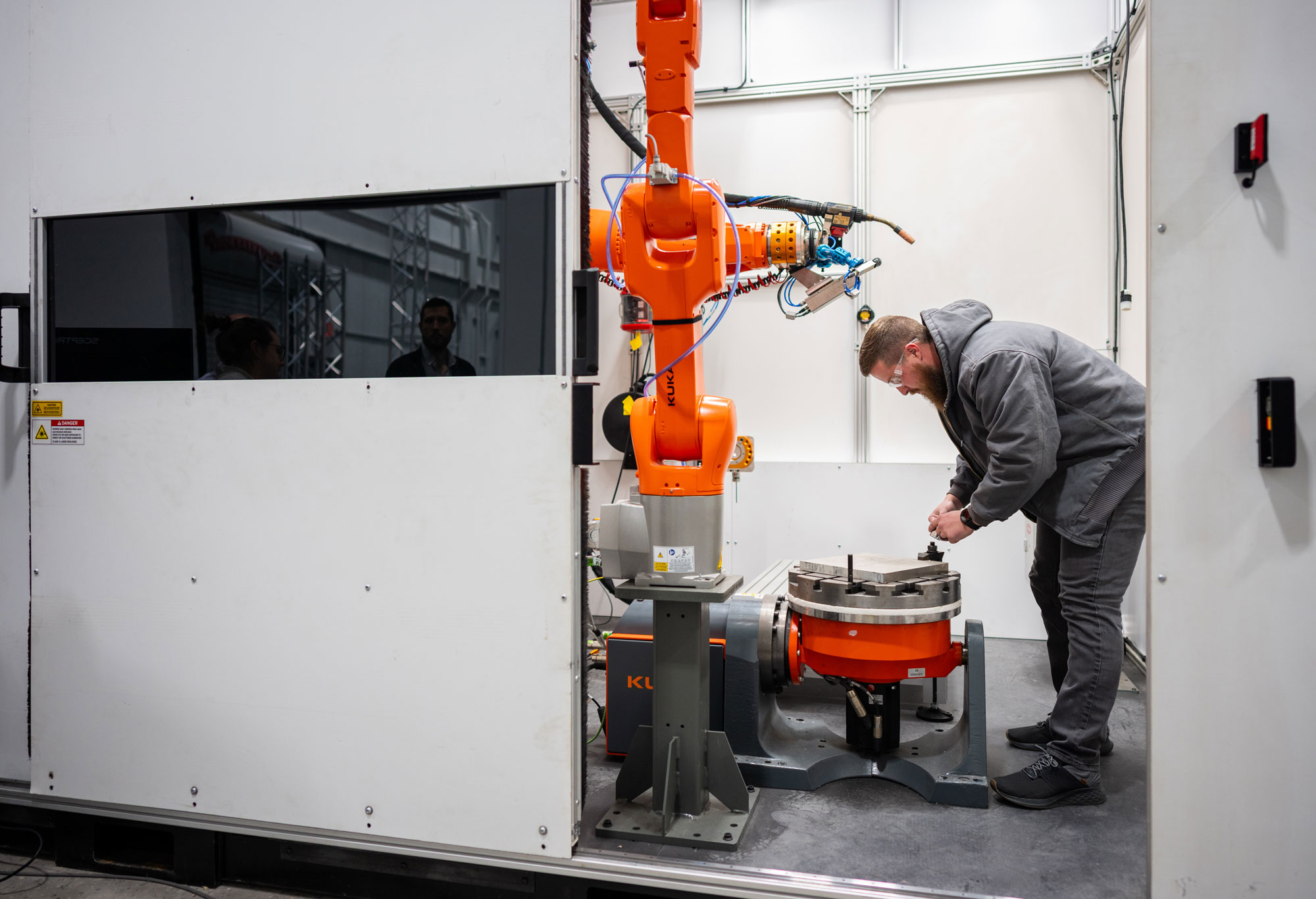
New CAMINO-supporting facility launches
The Enterprise Assurance department launched operations at a new leased facility supporting the Center for Advanced Manufacturing and Innovation on Development Road — and the first piece of equipment became operational for CAMINO. Safety and security experts collaborated with Advanced Manufacturing to create essential safety documents, including hazard analyses and worker qualifications, and to ensure a secure environment. Readiness reviews identified gaps before work began, and with more than a dozen pieces of equipment to assess, Enterprise Assurance coordinated permits and developed comprehensive training for all users. 7000
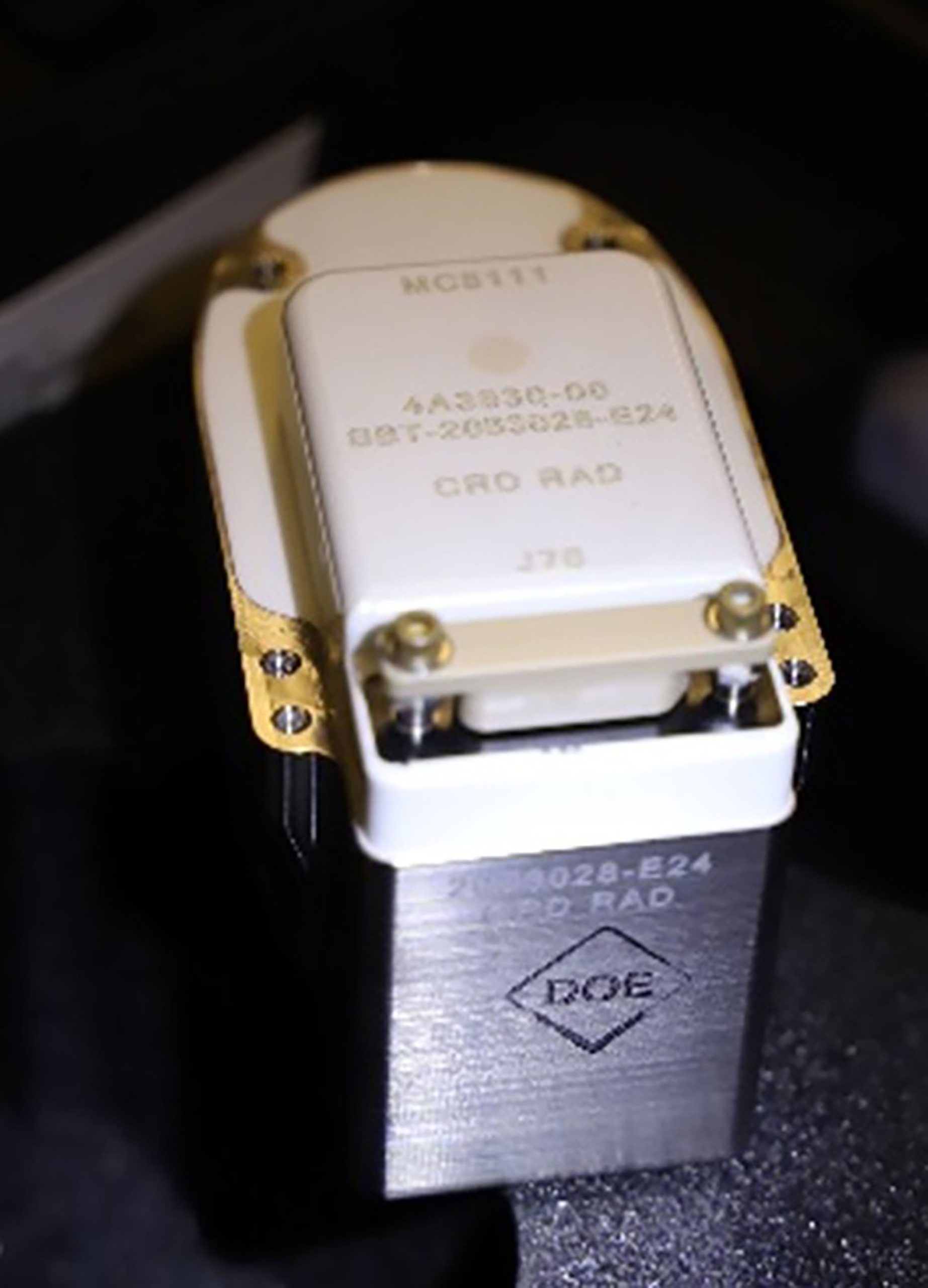
Production deliveries include firsts
Sandia Production successfully delivered more than 18,000 critical nuclear weapon components in support of seven stockpile systems and five modernization programs. Among these deliveries are two significant milestones for Sandia and the stockpile: the first electronic neutron generator delivered to replace an explosive neutron generator; and the first microsystem accepted as a war reserve component, called the Electrical Environmental Sensing Device. 5000, 7000, 10000
Lab transformed for explosive production a year ahead of schedule
Sandia teams fast-tracked transformation of an existing laboratory and stood up an internal production capability for headers for explosive components. This initiative involved installation of two new furnaces essential for manufacturing. By addressing increasing production demand, the team completed the project ahead of schedule and under budget, providing a one-year head start on future production plans. 4000, 7000
Innovative nondestructive technique measures tritium content in metal hydrides
Engineers developed a new nondestructive way to directly measure tritium content in metal hydride films. Traditionally, determining a tritium-to-metal ratio has required destructive techniques. The new method, called Beta-Induced X-ray Spectroscopy, preserves the target, reduces analysis time by about 80% and eliminates the need for destructive gas analysis. This represents a major advancement in tritium quantification and target characterization, improving the process for neutron generation via deuterium–tritium fusion reactions. 7000
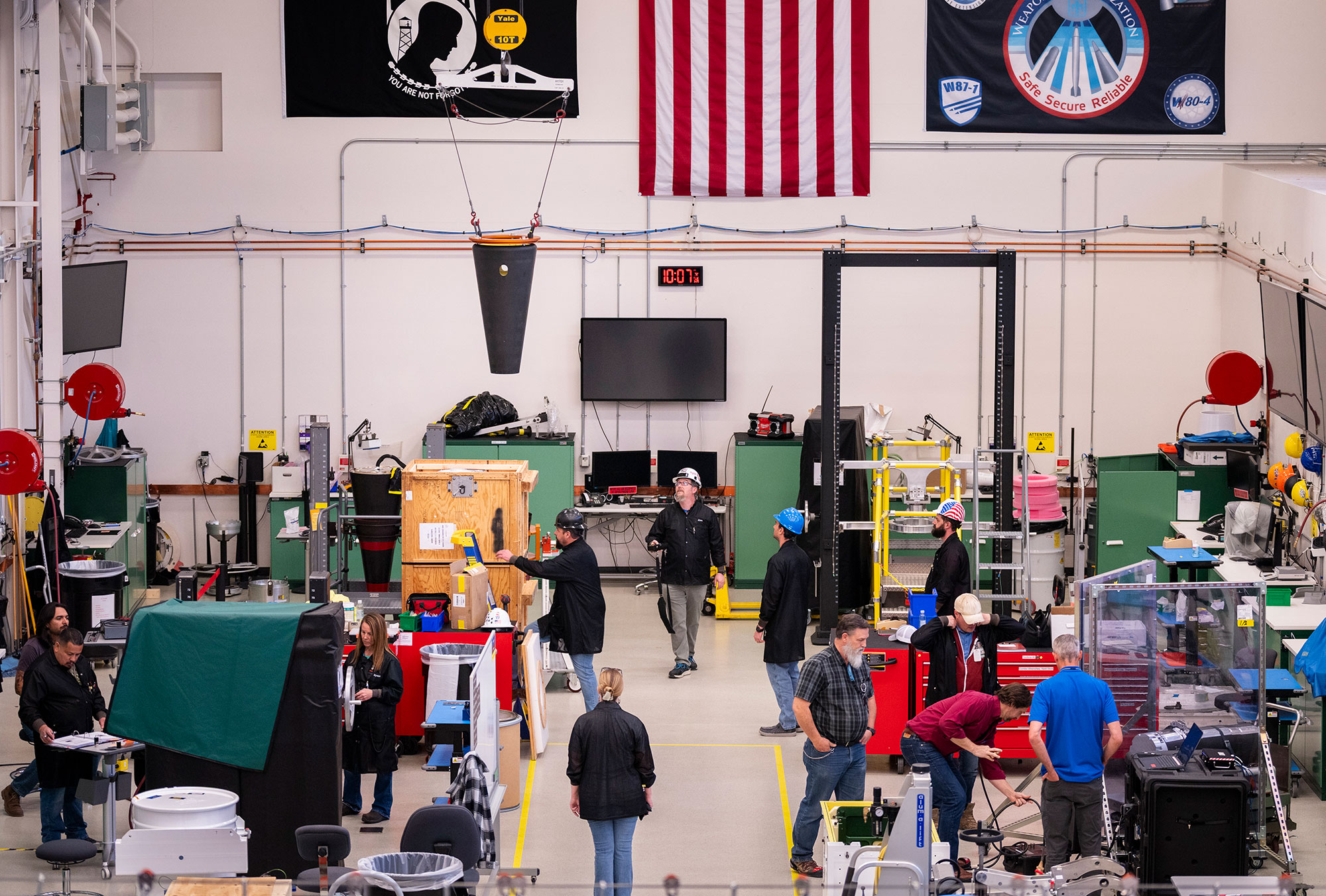
W87-1 program replan completed
While progressing on Phase 6.3, development engineering, of the weapon lifecycle process, the W87-1 team completed a program replan that includes updating and integrating schedules and cost plans, aligning hardware and major tests, and integrating with Sentinel and Mk21A Air Force programs. The replan met the NNSA target schedule for the first production unit, incorporated scope updates and extended the program of record. This effort required collaboration between project controls teams and technical staff over nine months to replan and rebaseline the program. 2000, 5000, 7000, 8000, 10000
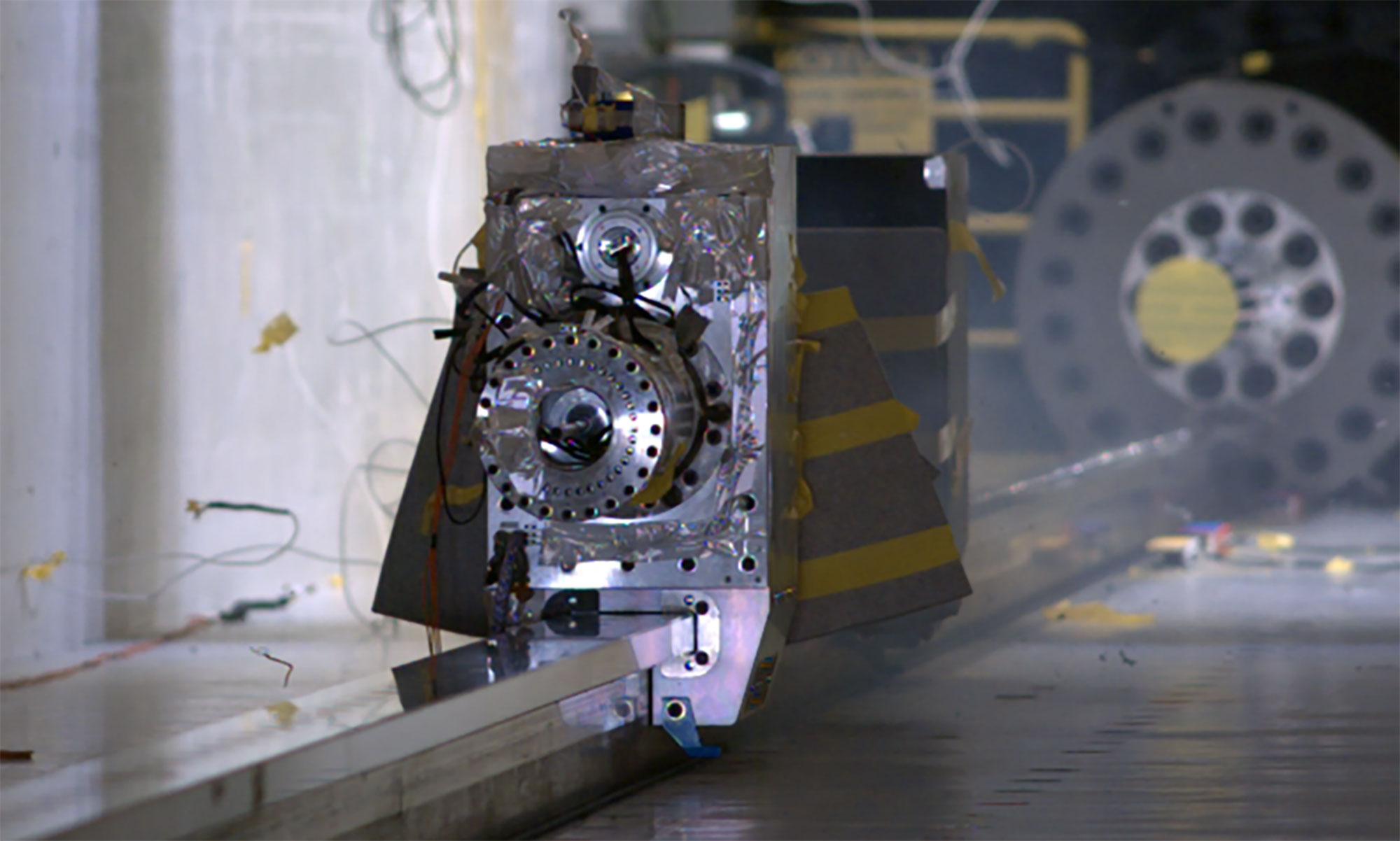
Prototype for reducing rapid deceleration damage
Sandia engineers responded to an innovation challenge to reduce damage from rapid deceleration by designing and testing prototype assemblies with new impact mitigation techniques. Prototypes employed different materials arranged to absorb or guide energy around critical components, minimizing damage in key locations. The successful performance of these tests in sudden deceleration at the Linear Actuator facility validated digital modeling and simulation and boosted confidence in new design approaches to robust mechanical design. 0003, 1000
Digital thread makes significant advances across ND
The Power Sources Technology group demonstrated a fully integrated and automated digital thread that ties requirements, functional models and Creo software design definition together using a central definition file managed through GitLab. Sandia also developed a digital thread vision to integrate requirements, design guides and testing data into a single web-based interface for design trade exploration for neutron generators. A digital thread has the potential to save hundreds of hours of labor, optimize internal processes and improve overall efficiency in nuclear deterrence. 0002, 1000, 6000, 7000
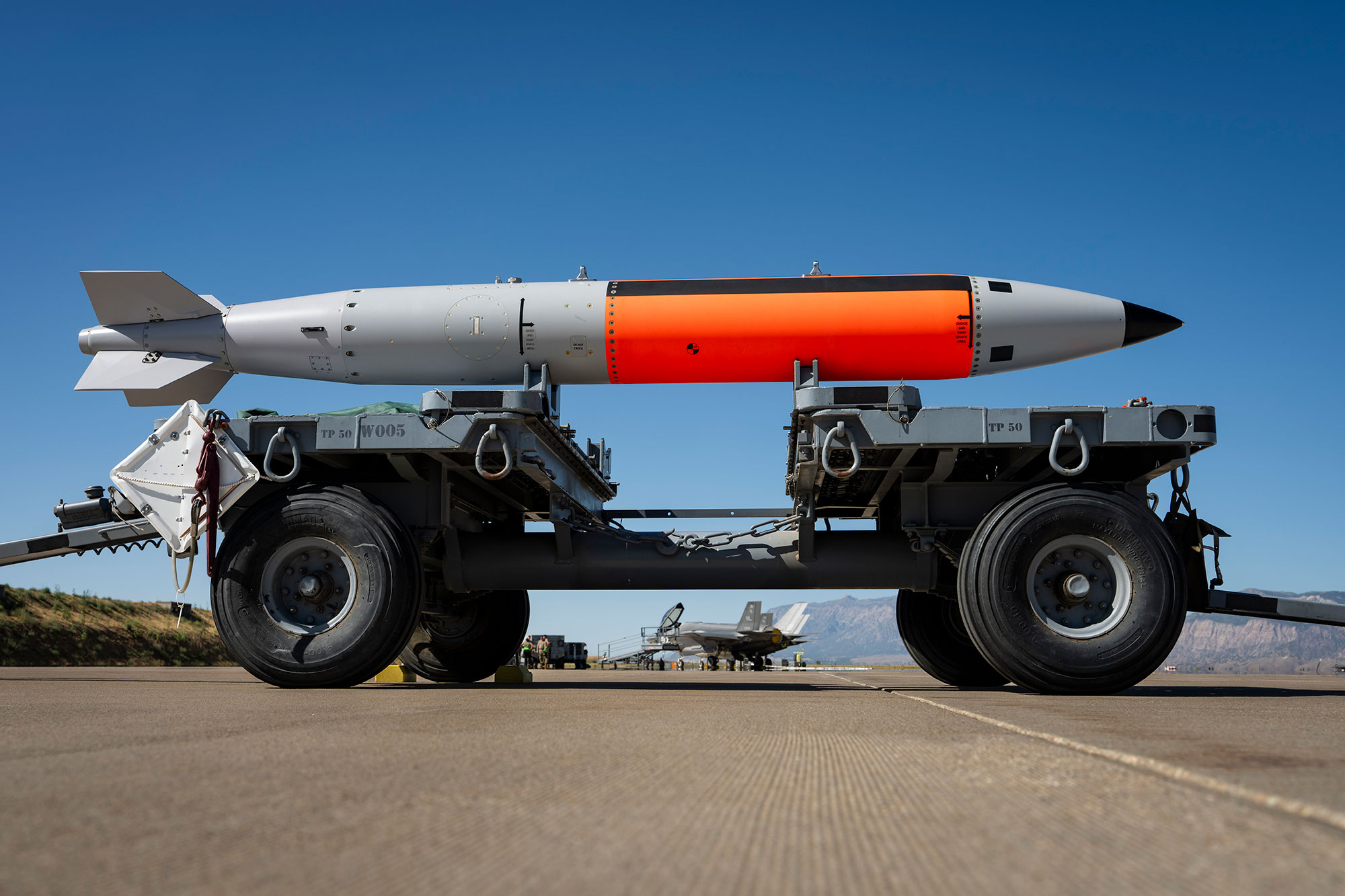
Strong production of power sources parts
The Power Sources Technology group delivered 1,149 diamond-stamped parts. The group produced the last production unit of thermal batteries for the B61-12 and made significant progress toward last production unit of two other product lines. Additionally, the group built a robust program to maintain production readiness in anticipation of future demands from new programs or for additional lots of products that have ceased production. 0003, 7000
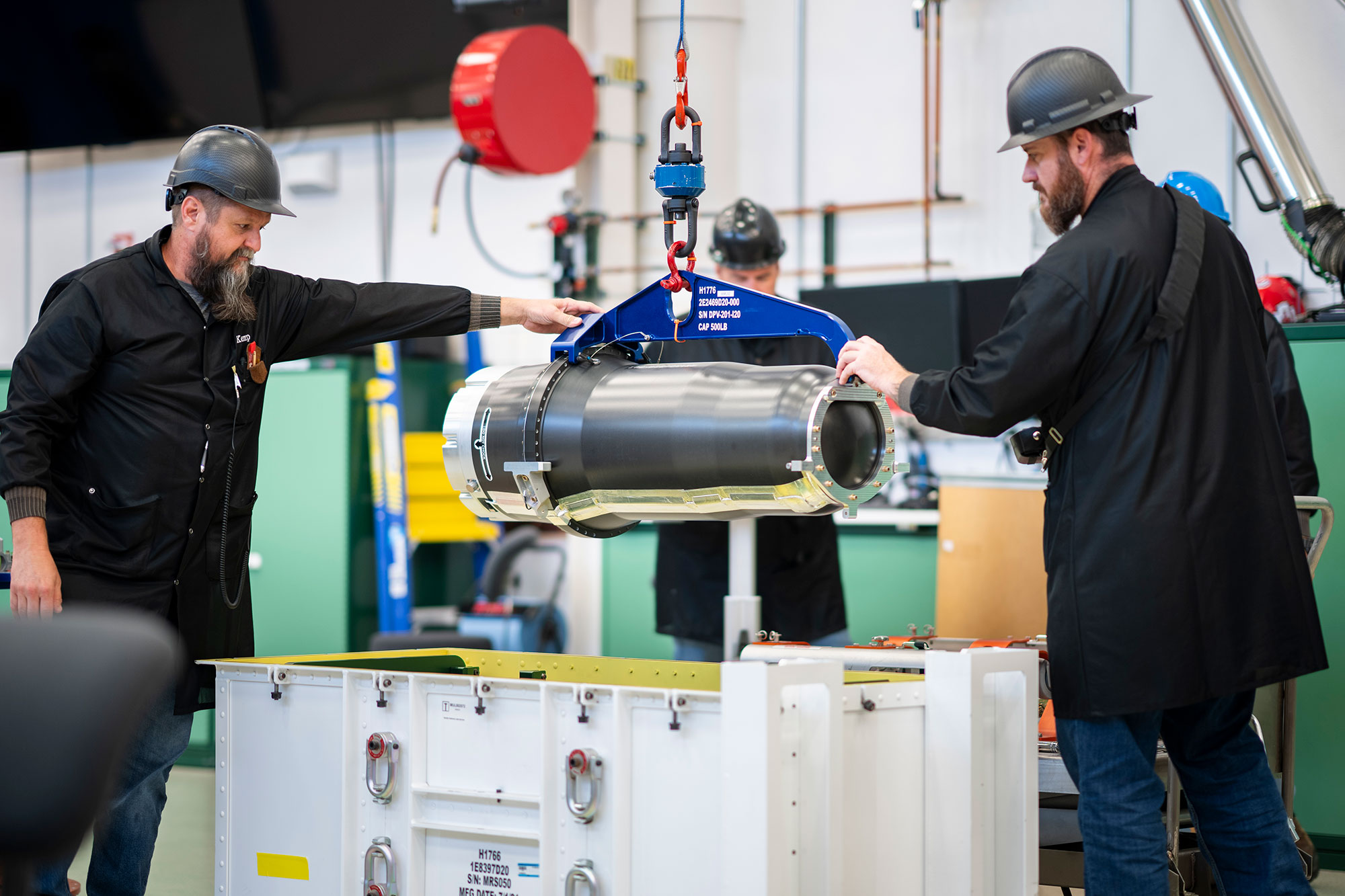
Chemical decapsulation capability clears testing backlog
The Electronic Parts Program established a chemical decapsulation capability that cleared a significant backlog of electrical part testing for commercial electronic parts assurance and nuclear deterrence electronic part surveillance programs. This new capability also allowed the program to complete all W80-4 piece-part radiation testing and is a critical resource in the execution of the newly released drawings. 7000
Pioneering supplier assessment process implemented
Sandia implemented a new process that transforms supplier assessments at the Labs and across the national security enterprise. The process aligns with industry standards to streamline certification of suppliers for mark quality, a designation for materials and components that are fit for nuclear weapons production. Teams updated all necessary documentation and enhanced IT infrastructure to meet the standards. These changes were implemented ahead of schedule, leading the way for all other sites in the national security enterprise. 2000, 7000
Teams achieve early first production units for stronglinks
The W87-1 Cables Product Realization team used additive manufacturing to enhance design maturation and defect prevention. A three-phased approach was implemented to validate mechanical requirements and ensure design accuracy. This approach saved the program an estimated $2.4 million and promoted meeting full production milestones. 7000
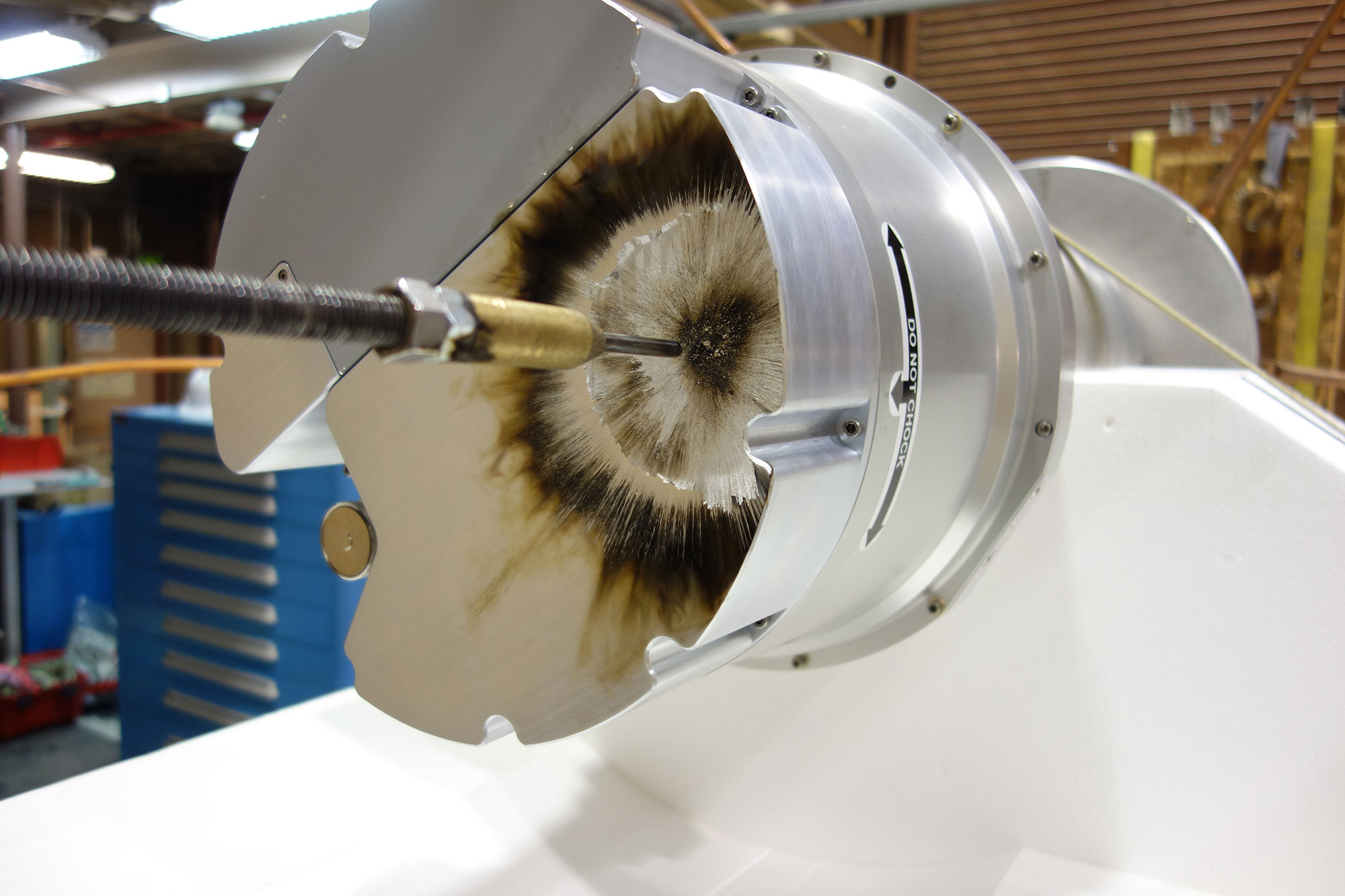
W80-4 system integration and qualification
The W80-4 program successfully completed several milestones that provided confidence in the final design to meet requirements and close knowledge gaps, including completion of all remaining war reserve component final design reviews. Additionally, the teams completed 15 system-level ground-test activities with final design development hardware, including fully functional lifetime mechanical and thermal testing, electromagnetic testing, benchtop electrical testing over a wide range of inputs and abnormal environment and use control testing, successfully compiling all evidence required for system final design review in fiscal year 2026. 1000, 2000, 8000
SLCM-N warhead down-selected to W80 family
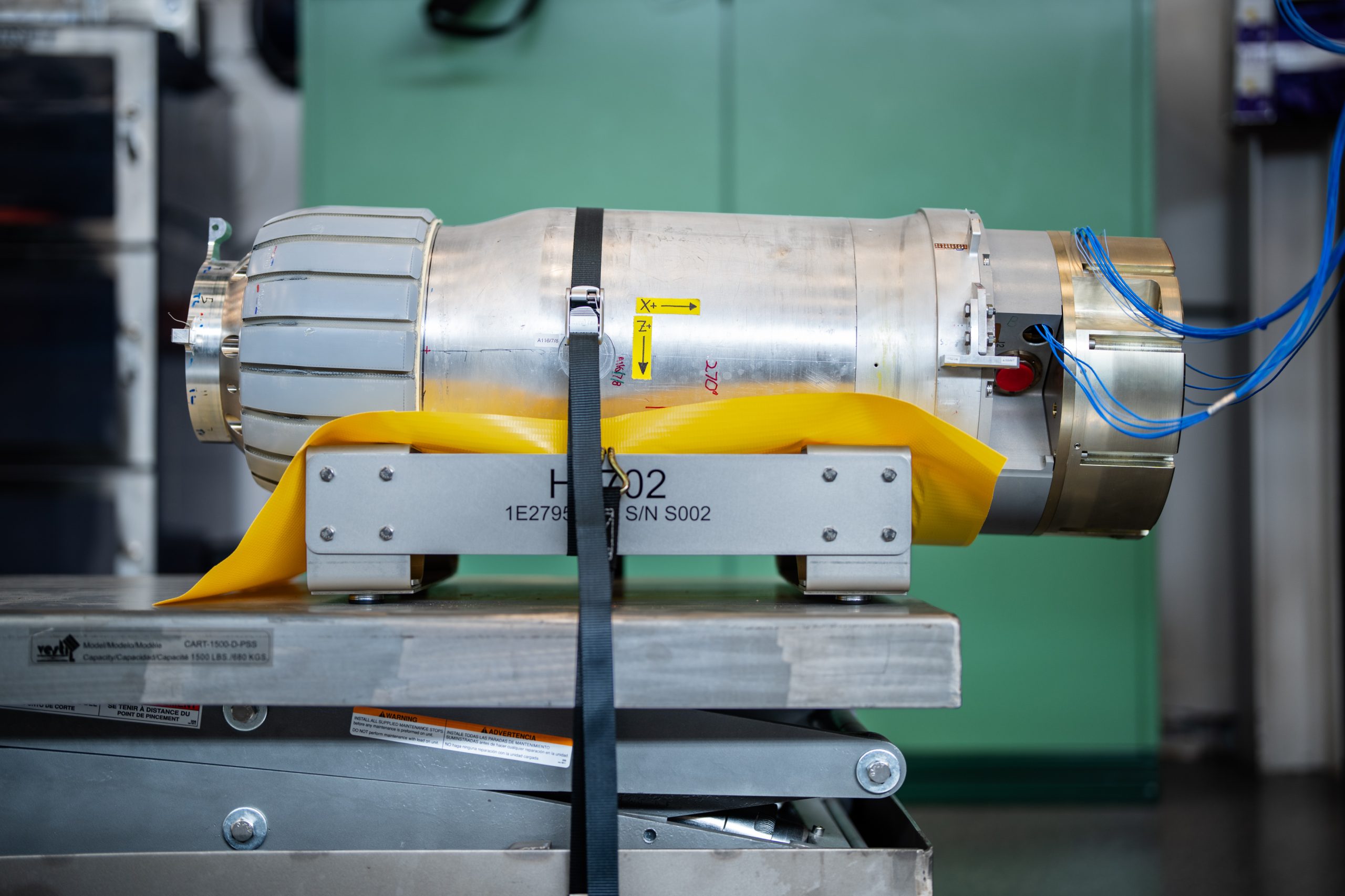
After significant consideration, the NNSA signed a memorandum validating the Sea-Launched Cruise Missile-Nuclear warhead down-selection to the W80 weapons system family. Numerous analyses of alternatives, white papers, Weapon Intern Program projects and proposals contributed ideas for which warhead configuration would be optimal in a modern SLCM-N. Prior to the SLCM-N team’s efforts to generate a consistent ranking matrix, no single source contained the information needed by stakeholders for this complex, multifaceted decision. 0003
CAMINO and the DREA2M LDRD Mission Campaign launch
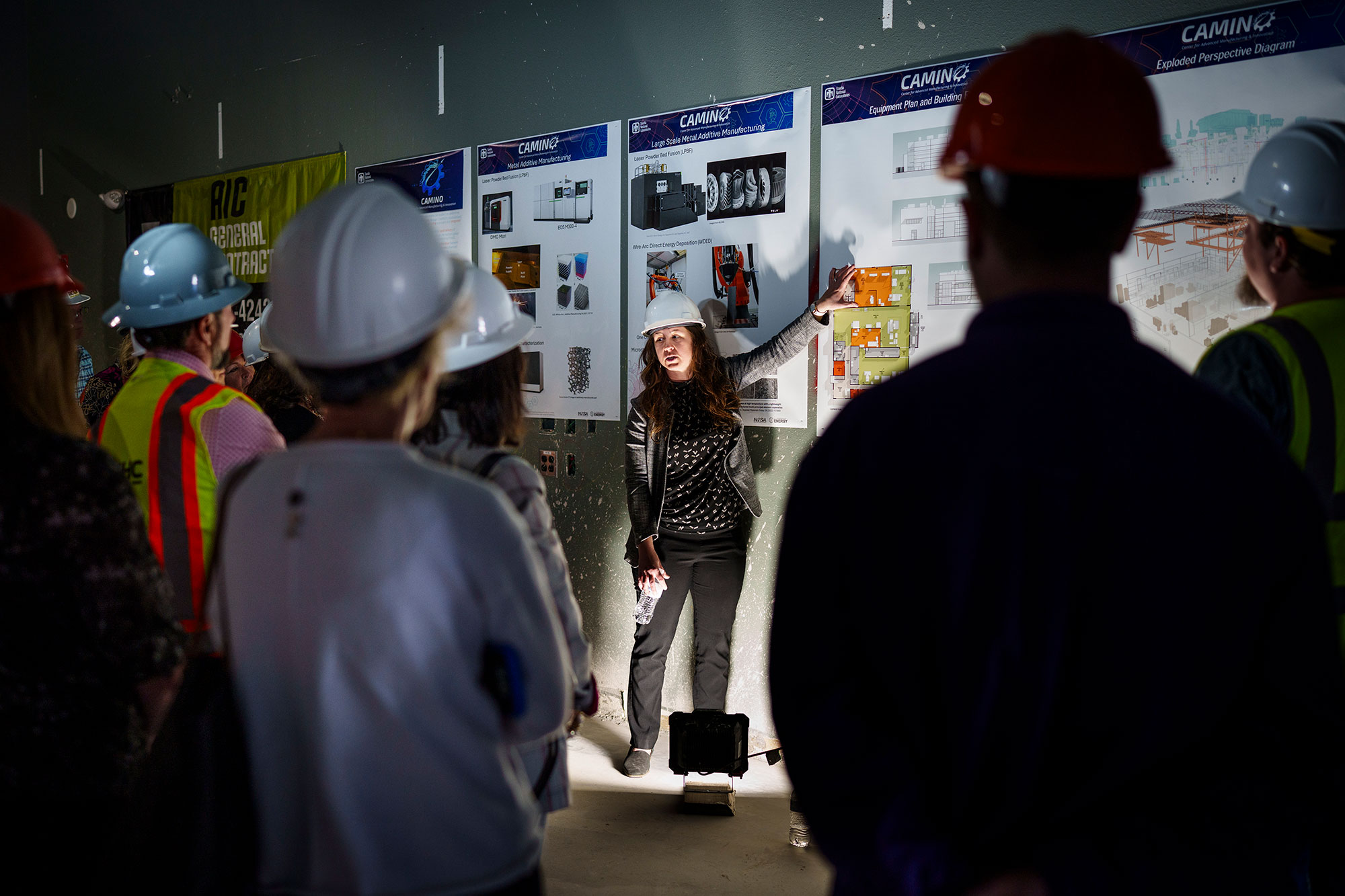
The Center for Advanced Manufacturing and Innovation facility on Development Road and the Digitally Realized and Enabled Agile Advanced Manufacturing campaign address mission demand by establishing trust in advanced manufacturing. CAMINO opened a facility, delivered product demonstrators and forged cross-site partnerships to reinforce trust and agility. DREA²M, a seven-year, $45 million Laboratory Directed Research and Development Mission Campaign, selected 13 proposals for $6 million in total funding. Both projects provide funding, equipment, space, tools and partnerships to erase knowledge gaps and accelerate production. 1000, 7000, LDRD
Additive manufacturing enhances production of cables
The W80-4 Detonator Stronglink team, which is introducing technology into the stockpile, achieved first production unit 68 days early, while the Firing Set Stronglink team accomplished this nine months ahead of the next level assembly need. Both teams collaborated closely with Kansas City National Security Campus to build, test, characterize and qualify designs, ensuring they meet or exceed rigorous requirements. These safety devices are critical for ensuring that the weapon remains safe throughout its lifetime, regardless of intended or unintended environments. 7000, KCNSC
W80-4 Code Management System update
The W80-4 Code Management System was updated in support of its upcoming deployment. The Sandia W80-4 team developed, qualified and delivered several software updates to the Defense Threat Reduction Agency. These updates were installed at DOD sites with Sandia support, and DOD personnel were trained for the system recertification. The updated system is now in use in the U.S. nuclear stockpile. 8000
Simplified approach to onboarding nuclear deterrence staff
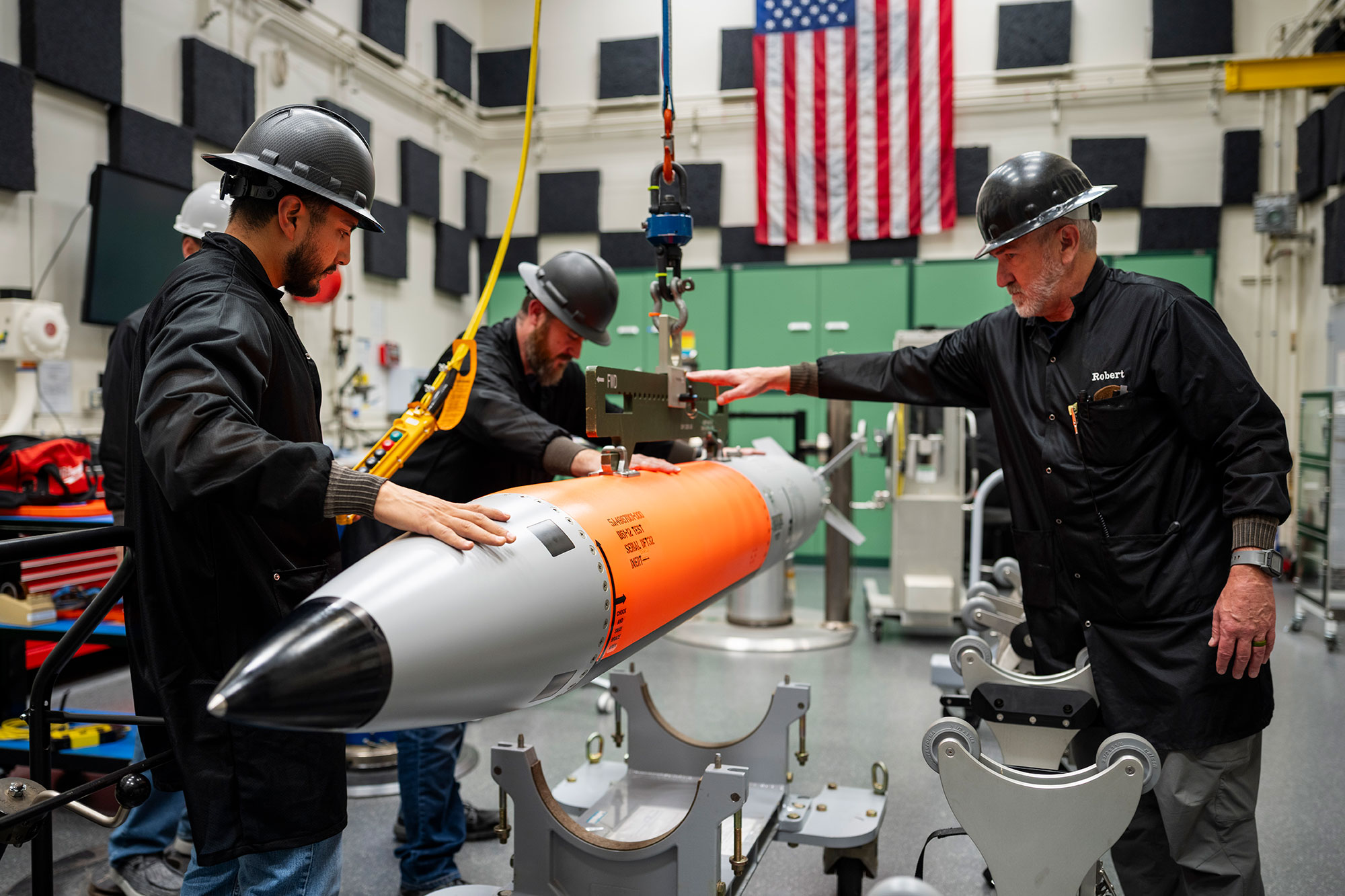
Weaponeer Professional Development and Nuclear Deterrence Transformation teams developed an innovative onboarding program with the goal of fast-tracking proficiency for staff supporting Nuclear Deterrence. A single source of information with on-demand training, resources and insights into engineering, governance and mission drivers has received over 2,500 views since launch and fostered knowledge transfer and collaboration. Coupled with in-person networking opportunities, including tours of key facilities, this initiative has ensured consistent, scalable onboarding, empowering staff and strengthening the nation’s nuclear deterrent. 0003
New W87-0 Firing Set Assembly facilitates rebuilds of the W87-0 warhead
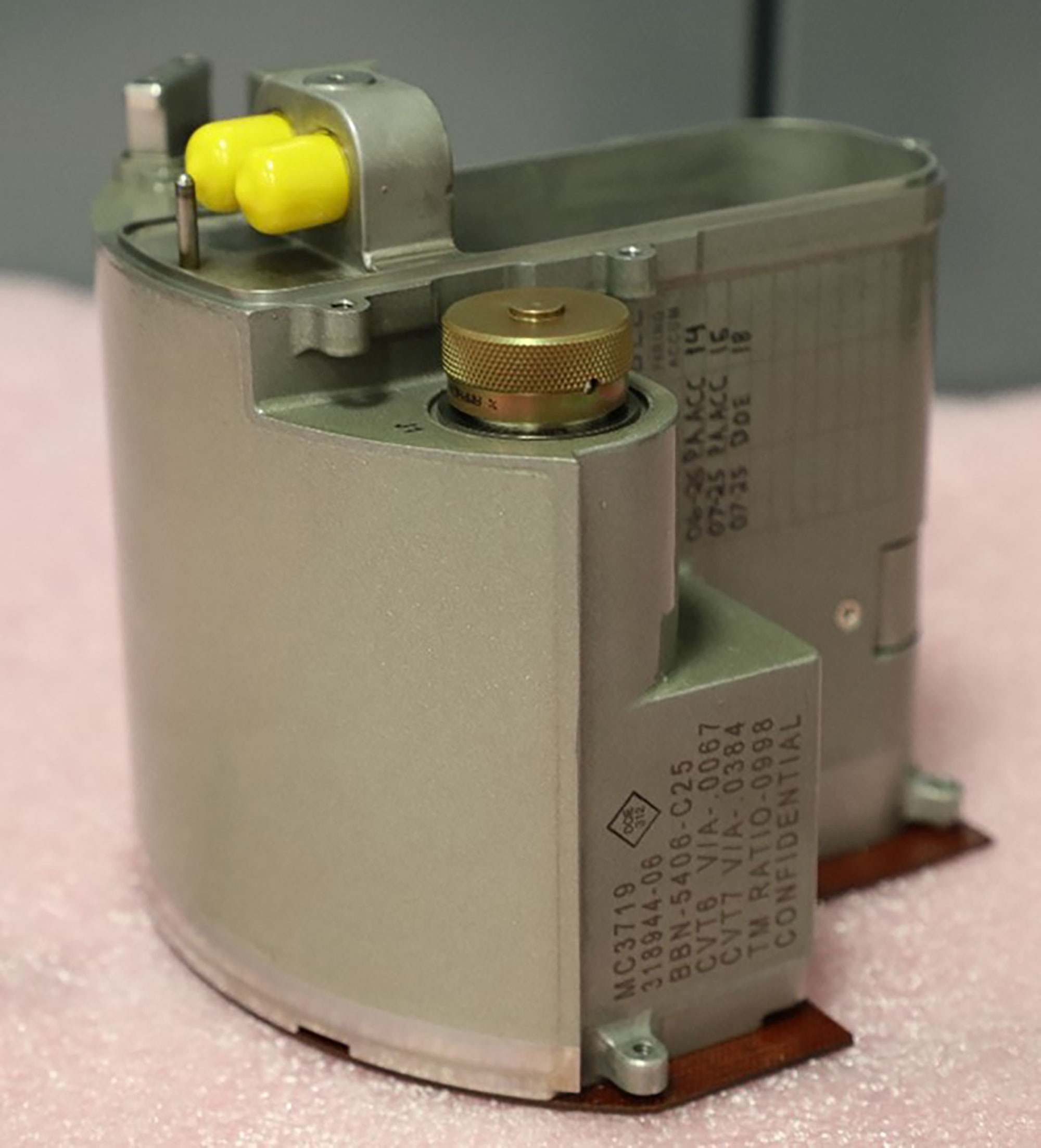
One of the Major Component Firing Set Assembly Project Realization teams achieved first production unit for the -06 suffix, a showcase of extensive collaboration across the nuclear security enterprise. Production of the -06 suffix is planned through fiscal year 2036, facilitating Pantex rebuilds of the W87-0 warhead to meet the needs of U.S. Strategic Command. 7000
Standardized terminology takes guesswork out of ND documentation
An extensive eight-year effort to improve terminology associated with nuclear weapon safety, surety, weapon readiness and weapon effectiveness has reduced confusing, unclear or incomplete wording in nuclear weapon realization and operational activities and artifacts. Sandia’s Independent Technical Assessment and Military Liaison teams partnered with the Defense Threat Reduction Agency to reach agreement across all U.S. nuclear deterrent stakeholders on new terminology for the DOD and DOE joint dictionary for nuclear weapons. 0003, 2000
Reliability-risk communications with nuclear weapons stakeholders improved
The Uncertainty Based on Recent Surveillance team successfully finalized innovative methodologies and toolsets that incorporate surveillance data currency into quantified nuclear warhead and bomb reliability uncertainty reporting. This update concludes a multiyear effort to better communicate reliability risk to nuclear weapons stakeholders and war planners. 0003, 2000, 5000, 8000