
HMTech program returns for 40th year
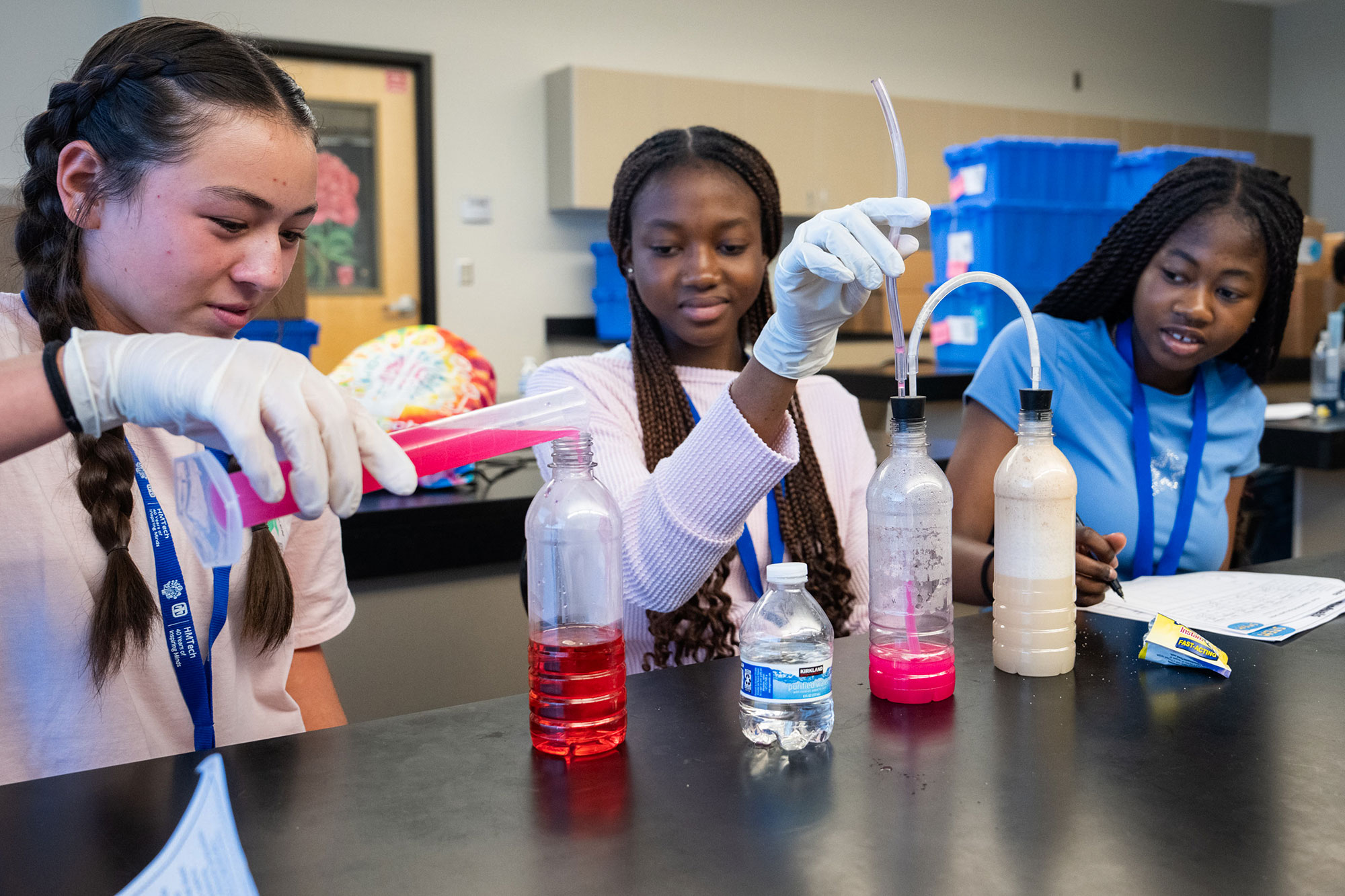
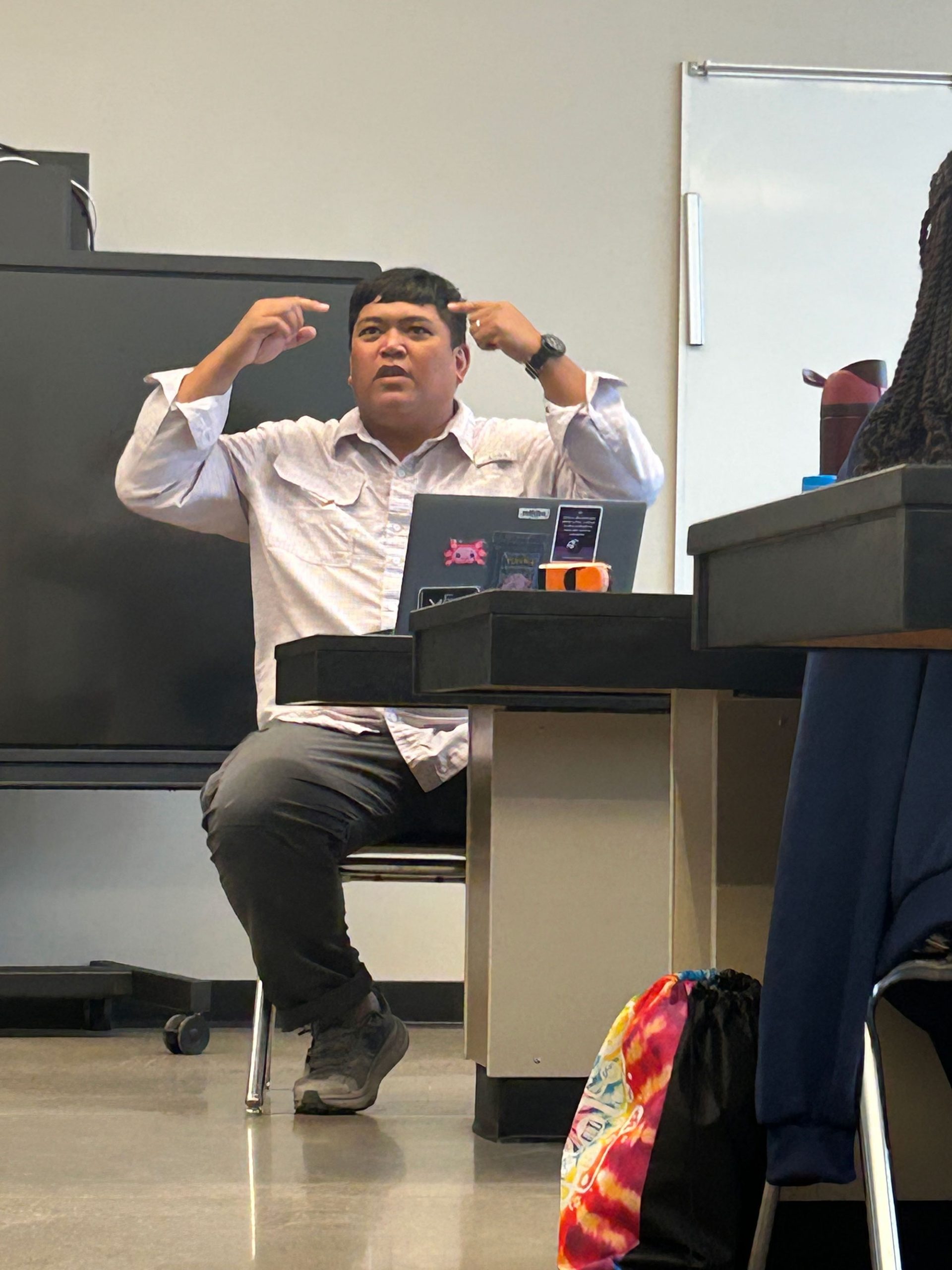
“I love to teach science. Even in my sleep I teach science,” said Alexis “Ace” Maranan when asked why he volunteered at this year’s HMTech program. “I like to teach kids critical thinking skills, data analysis and data literacy. I want to get them involved in STEM in any way I can.”
Maranan, a science teacher at Carlsbad High School in New Mexico, and a first-year HMTech volunteer, drove eight hours round-trip over three Saturdays, to be part of the program. He teaches students about fermentation and how to use infrared thermometers on surfaces and analyze the data.
“This class is my favorite,” said Elijah Sheafe, a sixth grader from Cottonwood Classical Preparatory School. “It’s teaching me that when people say to wear lighter colors in summer to stay cooler, it’s really true.”
That enthusiasm for science was evident among the 100 other volunteers who gave their time and talents to be part of the Hands-On, Minds-On Technology Program known as HMTech. Now in its 40th year, HMTech is the longest-running education outreach program at Sandia.
“The goal of this program is to expose students to STEM experiences in different ways to see if it interests them,” said Shaina Saint-Lot, Sandia procurement manager and HMTech organizer.
Shaina recognizes how a program like this could have changed her career path.
“I was really good at math growing up, but I had this fixed idea of what engineering and STEM were — and honestly, it just seemed boring,” Shaina said. “So I completely wrote it off. If I’d had access to a program like this back then, I probably would’ve ended up majoring in math or engineering.”
Shaina is one of many Sandians who volunteer for this program, which dates to the 1970s. It was started by a small group of Sandians as Saturday Science Academy. It was officially launched as HMTech in 1986.
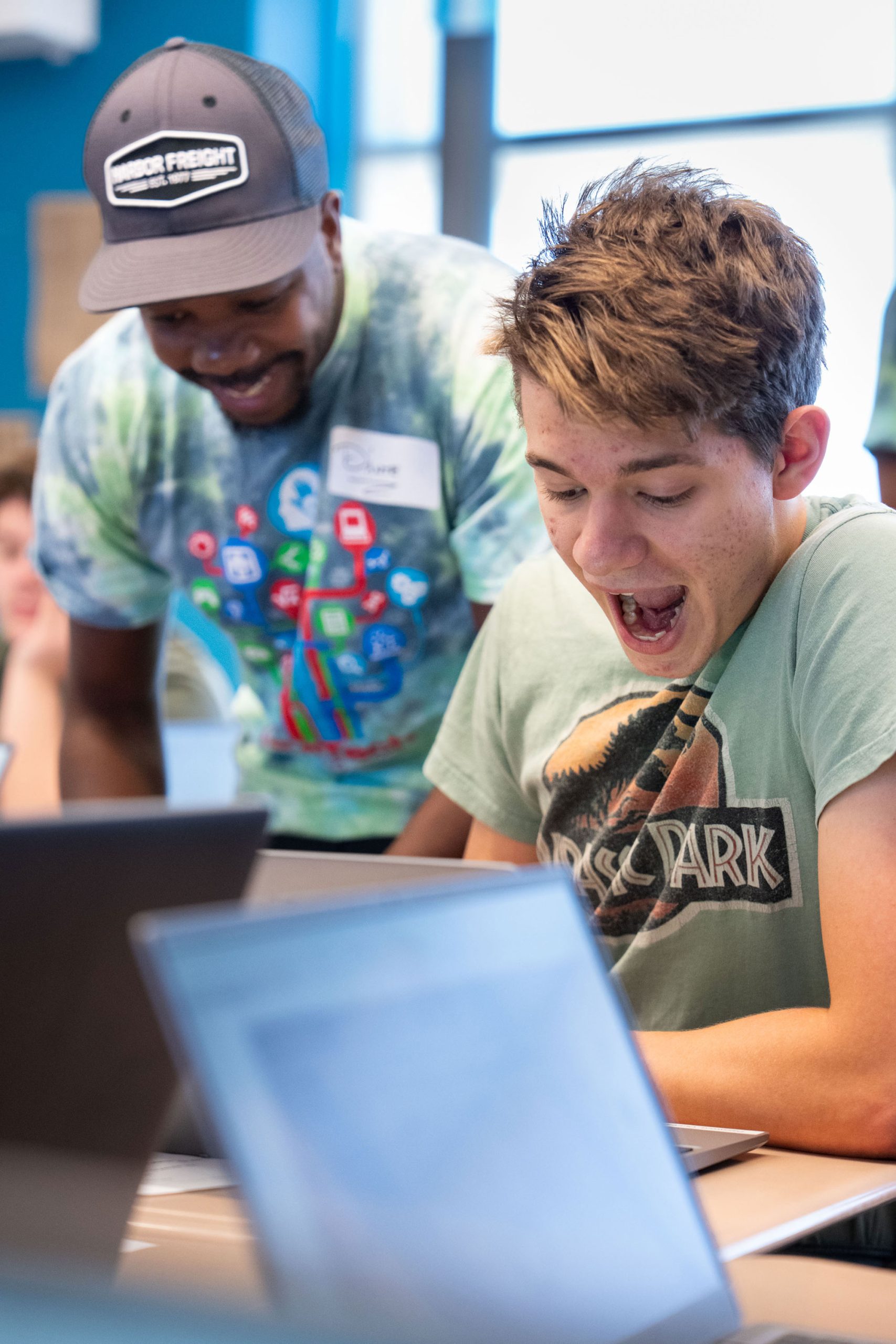
Sandians Charles Reinke, Warren Davis and Chris Jenkins were among this year’s volunteers. They taught a class on cybersecurity and programming.
“I like seeing kids get excited about concepts that could be really great careers down the line,” Charles said.
“These are really bright kids,” Warren said. “It’s surprising sometimes, the things they’ve done already, and it’s great to see what they take away and want to study more.”
“I was part of similar programs when I was younger, so it’s about giving back,” Chris said.
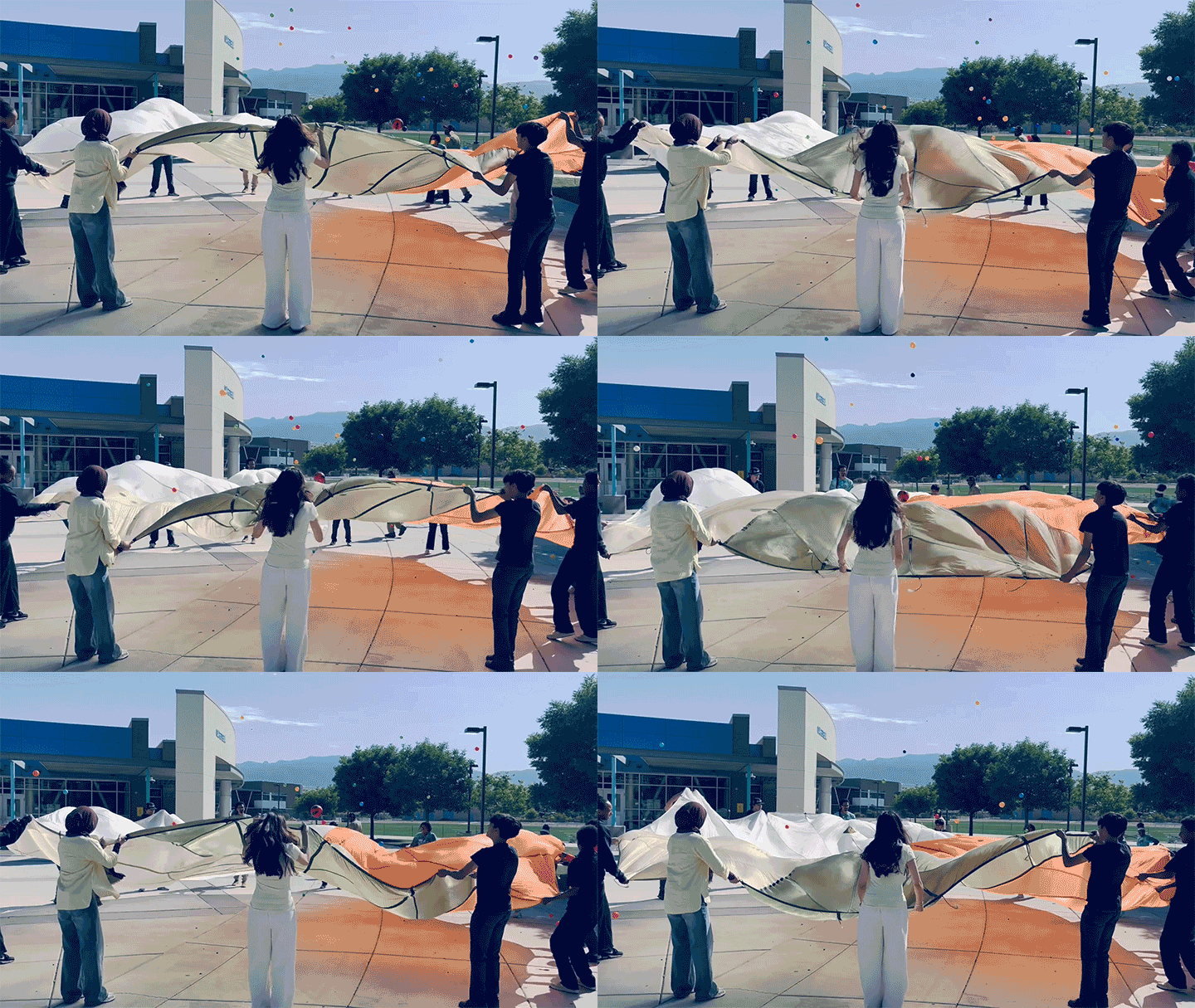
Volunteers also included Lt. Col. Alex Carothers, who is part of the local Tuskegee Airmen program and has been an HMTech volunteer since the ’90s. He taught kids the importance of electromagnetic waves using balls and a parachute.
“It’s a fun, interactive lesson to teach them,” he said. “They come back all sweaty and have a visceral understanding of high-energy, high-frequency waves and their impacts on particles.”
Carothers said hands-on learning is the best way.
“I learned physics at an amusement park on the roller coaster called Greezed Lightnin’. This is the way I was raised, and I want to pass it on.”
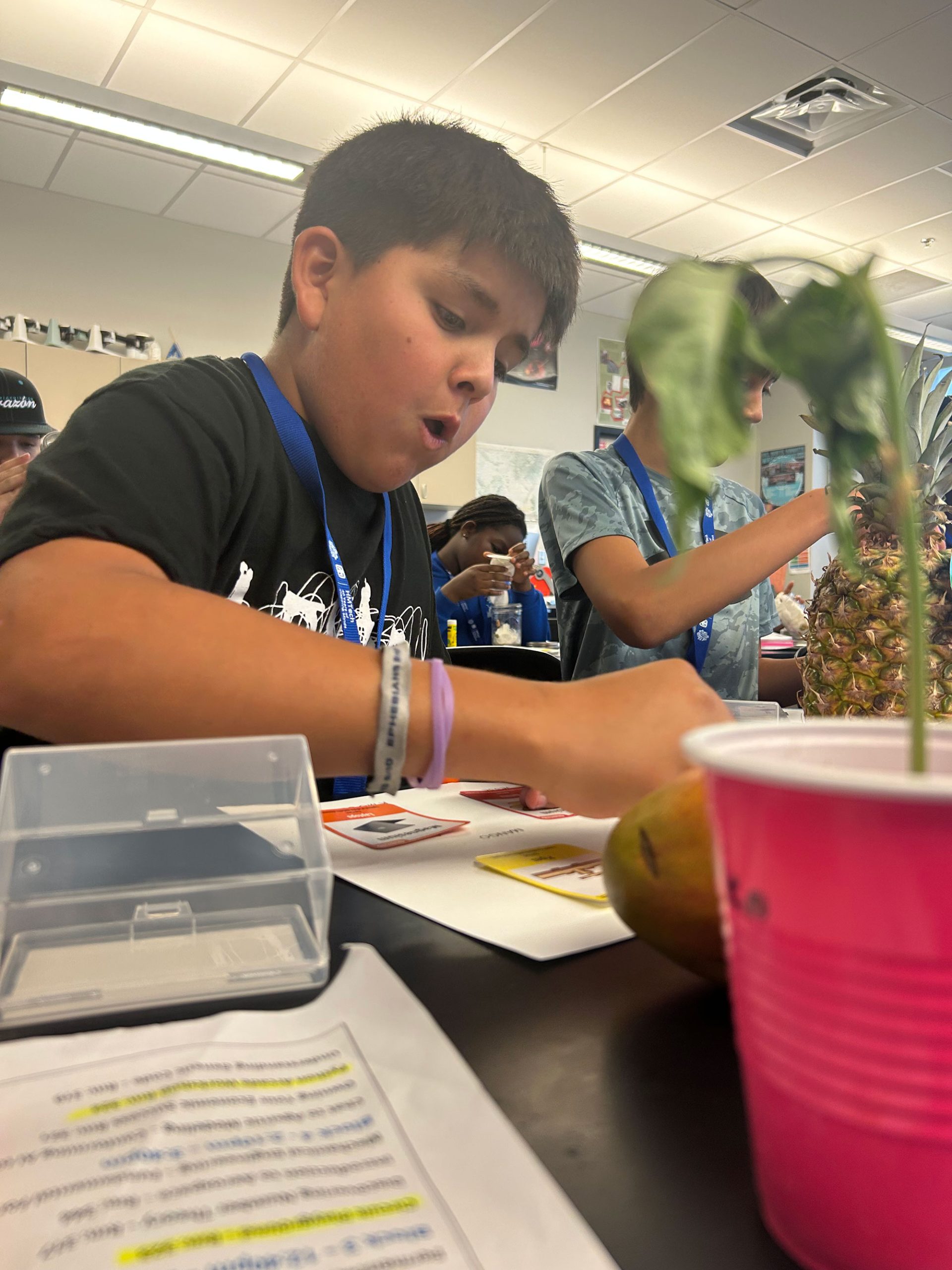
Beverly McMillan, known to the kids as Ms. Bev, also volunteers with HMTech. She has a degree in textiles and had a long career in retail and management, but on this day, she taught kids three methods of germination.
“Once you get your hands in the soil, you talk to the soil and the soil talks to you,” McMillan said. “It’s really relaxing, and that’s why I do it. You can see the kids get really excited as they’re learning.”
Ms. Bev’s class was many students’ favorite.
“I love it because I really love gardening and I really love STEM!” sixth grader Sebastian Ramirez said. He couldn’t wait to head home to put what he learned to the test. “My goal is to try to genetically modify something like a coconut. I want to get it to grow bigger so it has more fruit in it.”
The volunteers said working with these students and seeing their excitement is what keeps them coming back year after year. They also know that they’re helping shape the STEM leaders of tomorrow.
“Students often show up convinced they already know what they like but then experience something new and learn that’s not the case,” Shaina said. “One student told me this year she thought she would hate programming and afterward wondered what else she could do with it. Moments like that are why this program and getting students in front of people from different walks of life is important. It makes them say, ‘If this person can do it, I can do it.’”