

Sandia is not just participating in conversations about the nation’s most pressing challenges; it’s leading the charge. The Offsite Extended Duty Assignment program is a vital initiative that empowers Sandia’s workforce to extend their expertise beyond the Labs and into the heart of critical government operations.
Each year, dedicated Sandia professionals are assigned to support high-stakes initiatives for the NNSA, DOE, DOD, Congress, Department of Homeland Security and beyond, providing guidance that aids in safeguarding our nation’s security and ensuring the success of essential missions.
Most assignments start with a one-year term and are often renewed, a reflection of the ever-growing demand for specialized expertise in an increasingly complex security landscape. Sandia’s commitment to excellence and innovation shines as staff members step into these pivotal roles, ready to make a difference where it matters most.
Day in the life of Joint Staff IPA Justin Fernandez
Sandian Justin Fernandez recently completed an Intergovernmental Personnel Act assignment with the Joint Staff, J-5 Directorate for Strategy, Plans and Policy. As an action officer on the Nuclear Weapons Council, Justin’s role positioned him at the forefront of national security, where every decision could have global implications.
Justin served as a subject matter expert and special advisor to the deputy director for Strategic Stability and the vice chairman of the Joint Chiefs of Staff.
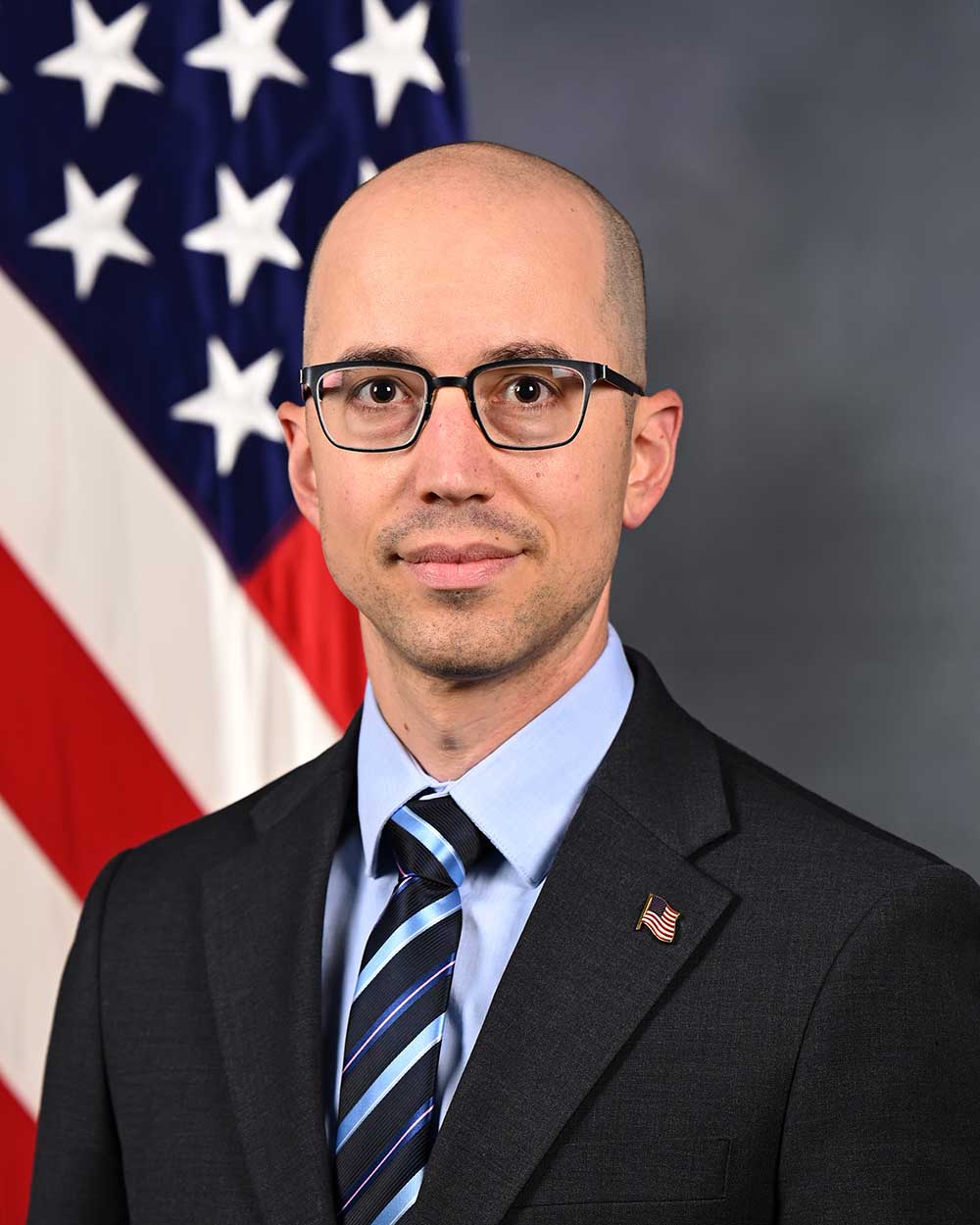
“It’s not often that you get a combination of technical expertise, strategic acuity and interpersonal skills like the Joint Staff got in Justin,” said U.S. Air Force Col. Aaron Baum, division chief of Strategic Deterrence and Nuclear Policy. “He understands adversary and friendly capabilities and can communicate the implications in simple, comprehendible fashion. His quick grasp of the Pentagon’s interagency process facilitated the movement of information between key stakeholders — the grease that makes the J5 nuclear cog run smoothly. Throw in Justin’s quick wit and you have the formula for an ideal analyst to Dr. Long’s team.”
With a wealth of knowledge in nuclear weapons, design, development, acquisition processes and strategic threats, Justin’s expertise proved indispensable. His work shaped Joint Staff positions and policies that influenced nuclear weapon requirements, sustainment, and modernization of the stockpile, while also crafting strategies to counter weapons of mass destruction.
Justin received a bachelor’s degree in mechanical engineering from Rutgers University, a master’s degree in mechanical engineering from Georgia Institute of Technology and a Graduate Certificate in International Security from Stanford University. His journey reflects the depth of knowledge and experience that Joint Staff Intergovernmental Personnel Act assignees bring to their roles.
Explore the snapshot of a day in the life of a Joint Staff Intergovernmental Personnel Act assignee from Justin’s perspective. He highlights the dynamic and impactful nature of the role, showcasing a blend of strategic planning, collaboration and critical thinking that defines Sandia’s work.
A look at Justin’s day
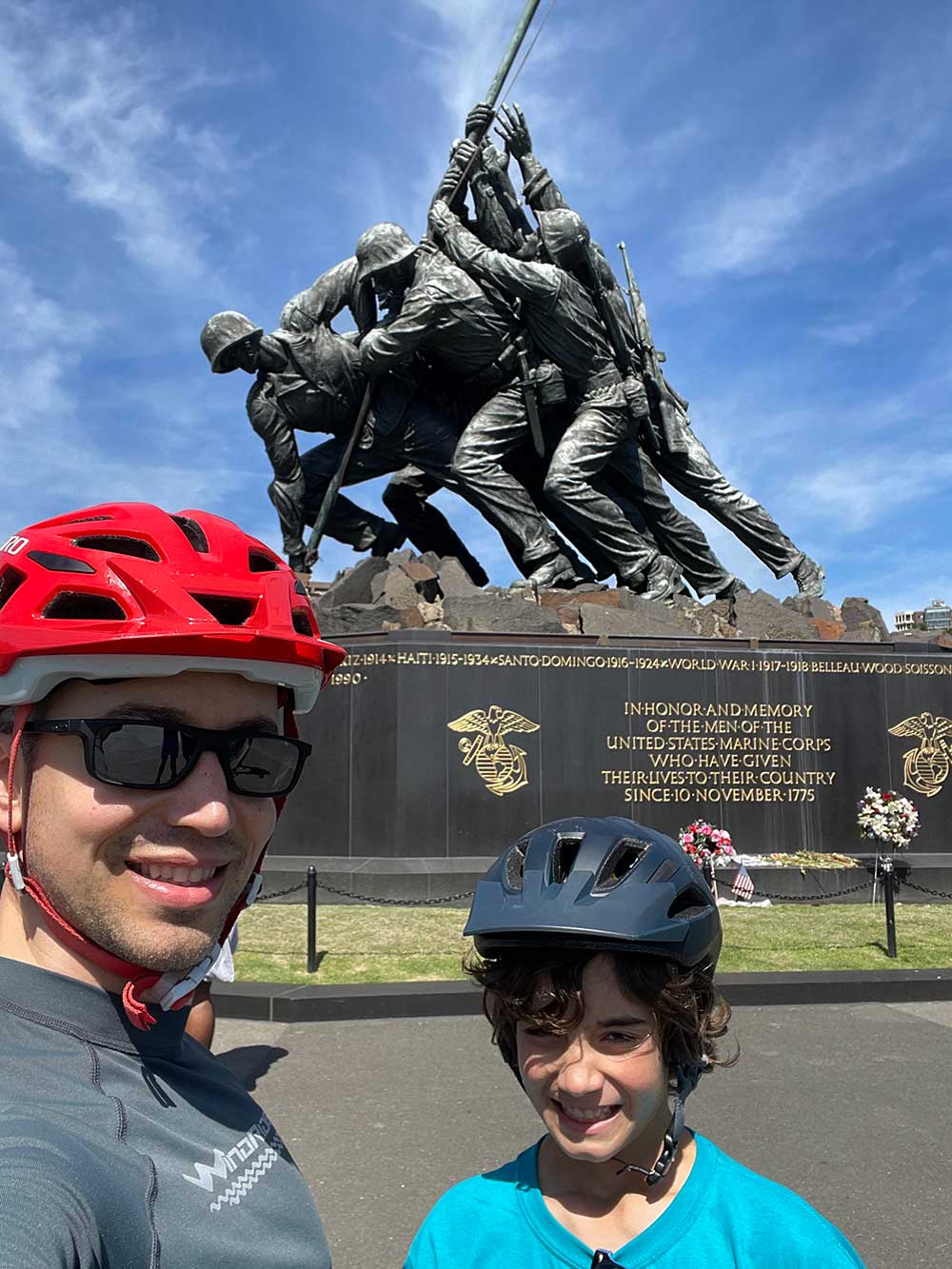
8:10 a.m. – Morning commute
The day begins with a refreshing bike ride along the scenic trails of Arlington, Virginia, as I make my way to the Pentagon. The brisk morning air and beautiful surroundings make this commute both faster than the metro and more invigorating.
8:30 a.m. – Fuel up
Upon arrival, I head to the Chairman’s Mess to grab a coffee. It’s one of several dining options available, and it’s a perfect way to fuel up for the busy day ahead.
8:45 a.m. – Intel updates
Once I reach my office, I dive into the daily intelligence updates and senior leader briefings. Staying informed is crucial in my role, and these briefings provide valuable insights into current events and strategic priorities.
9 a.m. – ETMS-2 review
Next, I review the Enterprise Task Management System to check the status of coordination, Freedom of Information Act and Mandatory Declassification Review requests. I connect with various departments, including Legal Counsel, Legislative Affairs, Defense Threat Reduction Agency, United States European Command, Joint Staff J-8 and Joint Staff J-3, ensuring that all requests are on track.
9:30 a.m. – Preparing for congressional hearing
I shift my focus to an upcoming congressional hearing for the incoming chairman of the Joint Chiefs of Staff. The chairman’s Legislative Affairs Office is tasked with anticipating around 300 questions, including 30 related to nuclear issues that go directly to our team to provide responses. We divide the questions among ourselves to ensure thorough preparation.
11 a.m. – Teleconference with USSTRATCOM
I’m engaged in a secure video teleconference with U.S. Strategic Command. We discuss our positions on the upcoming Nuclear Weapons Council regarding the Requirements and Planning Document. Collaboration is key as we navigate these critical discussions.
Noon – Working lunch
I have a working lunch with a colleague from Nuclear Matters. We delve into the path forward for the Nuclear Weapon Innovation Process, exchanging ideas and strategies to enhance our initiatives.
1:30 p.m. – Executive summary preparation
After lunch, I dedicate time to prepare an executive summary, talking points and a briefing book for the vice chairman meeting scheduled in three days. This requires careful attention to detail and a clear understanding of the topics at hand.
3:30 p.m. – Meeting with deputy director
I meet with the deputy director for Strategic Stability and Rita Gonzales, Sandia deputy Labs director. We discuss the DOD’s priorities and recent topics from the Nuclear Weapons Council, ensuring alignment on our strategic objectives.
4:30 p.m. – Review of SLCM-N tasking
As the day winds down, I review consolidated input from Combatant Commands regarding the Nuclear-Armed Sea Launch Cruise Missile tasking, collaborating with the Navy Strategic Systems Programs and Office of the Chief of Naval Operations N5 to ensure we are on the same page.
5:30 p.m. – Closing out the day
I close out my meetings with my Joint Staff Intergovernmental Personnel Act colleagues from Los Alamos and Lawrence Livermore national laboratories. Reflecting on the day’s accomplishments, I feel a sense of fulfillment knowing that our efforts contribute to the broader mission of national security.
From early morning bike rides to the Pentagon to engaging in high-stakes discussions with senior leaders and interagency partners, Justin’s day demonstrates the commitment and expertise required for his position.
Read Sandia’s policy regarding its status as a Federally Funded Research and Development Center, which supports Offsite Extended Duty Assignments, available on Sandia’s policy website.