
A California intern details how Sandia redefined her passion
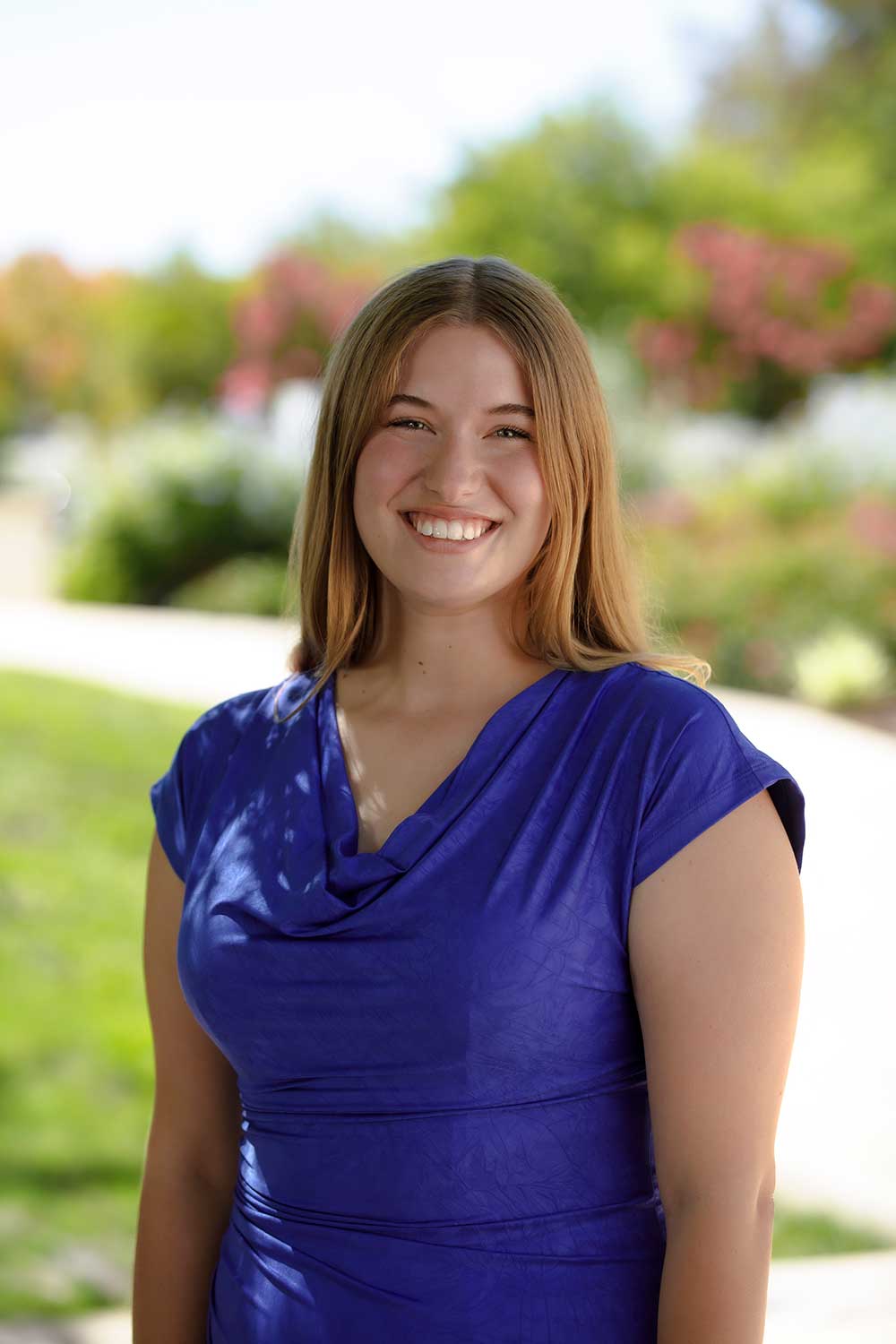
As a previously aspiring marine biologist, I never felt discouraged when I realized conducting research in a lab wasn’t for me. Rather, I wanted to use my fascination and love of science to help others understand complex topics, which has now come to life through Sandia’s intern program.
I joined Sandia in the Deterrence, Science and Energy Division’s communications department on May 5. From the moment I was hired, I’ve enjoyed opportunities to grow and challenge myself in a national lab environment.
My role as an intern in Community Involvement has provided meaningful perspective into my professional and academic aspirations, specifically in the field of science communication.
Early exposure, deep fascination
From a young age, I’ve been connected to the ocean and fascinated by the creatures within. This curiosity has fueled a desire to explore the ocean’s environment. However, when it came to science, I found that I didn’t have the knowledge or resources to develop an in-depth understanding.
Bridging the gap between communication studies and complex scientific issues seemed out of reach. While studying communication and the environment at San Jose State University I became intrigued by the possibilities of becoming a scientific communicator. I received a scholarship for an essay I wrote regarding my desire to combine communication studies with science to change the world. The primary focus of my essay was illustrating the importance of educating and informing others on scientific matters that can dramatically affect the general population and the natural world.
Connecting with the community
At Sandia, our mission is to render exceptional service in the national interest, and a significant way to accomplish this is by connecting directly with our local communities.
A critical aspect of working as the Community Involvement intern is teaching science, technology, engineering and math to children. Kids are the future of science, and it’s critical to expand their knowledge and understanding of complex scientific issues. This passion for teaching a STEM curriculum to children has further reignited my passion toward science communication.
Interns are often depicted as doing grunt work or delivering coffee. It’s an often-used trope in our culture. However, my role at Sandia challenges that narrative — our perspectives, voices and opinions are not only acknowledged but also valued. While here, I’ve felt encouraged by the teamwork and collaboration occurring all around me.
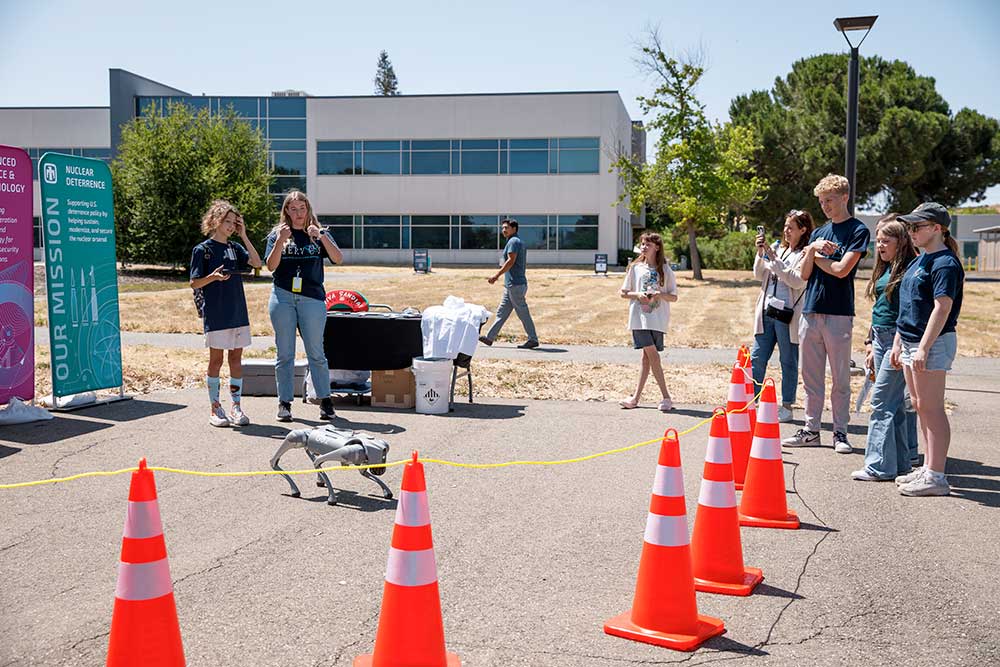
My first experience observing this culture at the Labs was through Kids Day, an event that welcomed nearly 200 fifth through 12th grade students to Sandia California in June. I was selected to help organize the event, despite how new I was.
My role during Kids Day included crafting surveys and serving at an engineering activity with Lawrence Hall of Science. In addition, I was able to design an interactive activity and photobooth with Chip Watson the robot dog where I could share about the significance of robotics for safety and security.
It was incredible to witness everyone’s desire to work across organizations and departments to ensure the children experienced an unforgettable time visiting Sandia.
Investigating internship interests
Aside from Kids Day, I’ve received other incredible opportunities, including conducting interviews with two Labs leaders. During the interviews, I gained insight on making technical concepts more meaningful to the public, as both leaders had experience in technical communications.
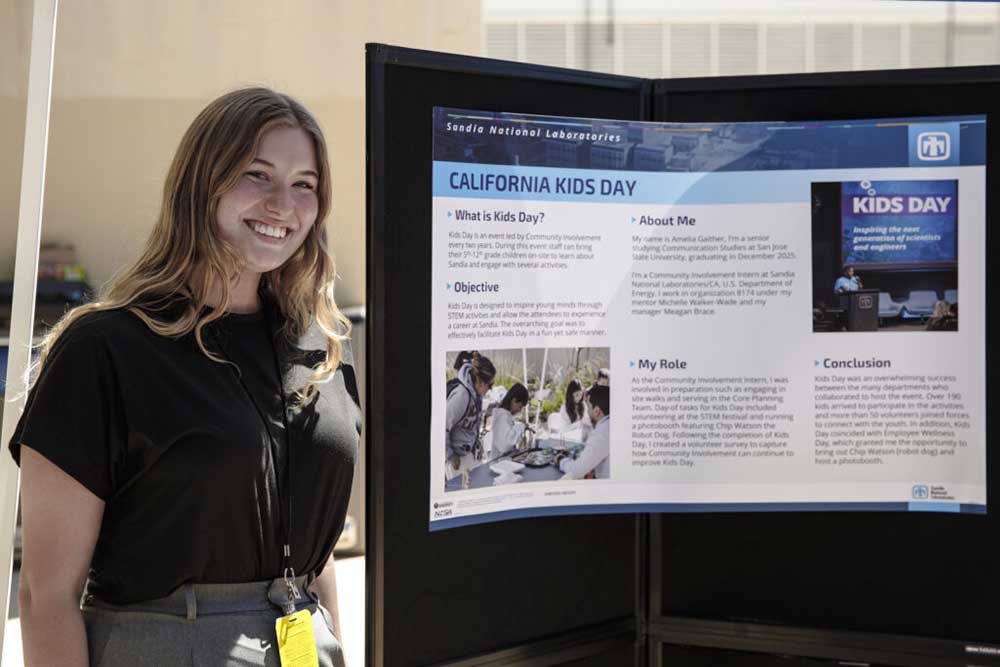
As a participant in Sandia’s Student Internship Program, I used the leaders’ advice while preparing for the California intern symposium that had seven students deliver talks with slideshows and 22 others present posters. I presented a poster about my experience serving on the Core Planning Team for Kids Day. I found it deeply encouraging that the mentors, managers and peers who attended the symposium were eager to discuss my experience.
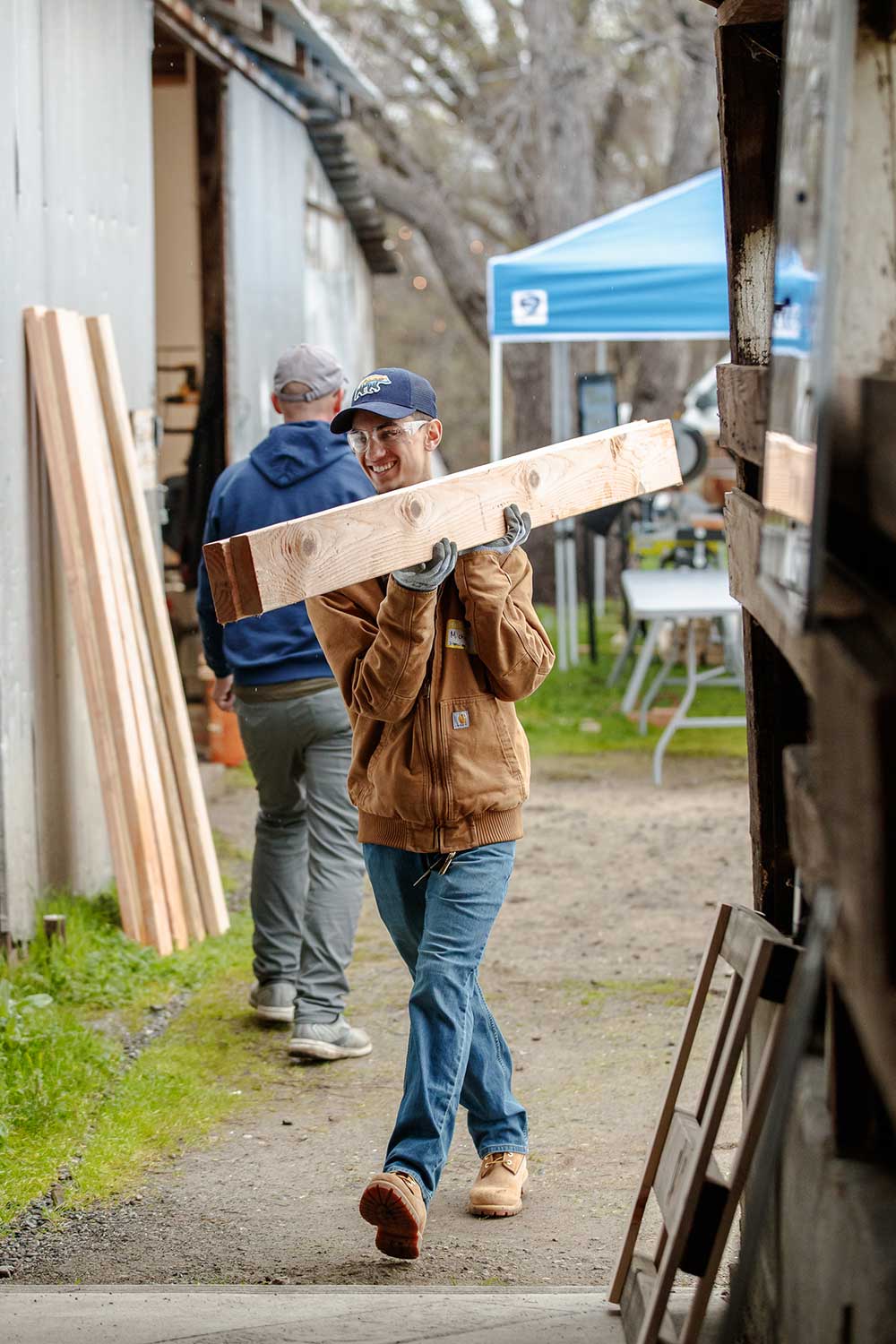
My great interactions with leaders at Sandia as an intern is not an anomaly. I had an opportunity to speak with former Community Involvement intern Michael Shaik, who said he was able to “network with some of the greatest minds in the world.” Through his experience he learned about himself and his passions, which motivated him to pursue a career in construction management.
“I began to learn more about myself and what I’m passionate about,” Michael said. “This allowed me to have a clear direction in my career and educational goals, something I wouldn’t have obtained otherwise.”
Similarly, this internship has provided valuable growth both in my academic and professional journey, inspiring me to pursue a master’s degree in technical communications with an emphasis on scientific communication.
Sharing science
Working in a DOE laboratory has exposed me to the opportunities that exist to be a communicator while specializing in scientific fields. This substantiates my belief that it’s my responsibility to convey critical scientific matters to the public and help people understand the importance of what’s transpiring in the scientific community.
How can I bridge the gap and make scientific education more accessible and empower communities to engage with STEM? This question has pushed and inspired me to provide people the opportunities I feel I lacked throughout my youth and inspire others to involve themselves in our world shaped by science.