
As the United States approaches its 250th anniversary, we celebrate the pivotal moments when Sandia has stepped up to support the nation. Through innovation, collaboration and dedication, Sandia has consistently demonstrated its commitment to addressing the challenges that shape national security and the future.
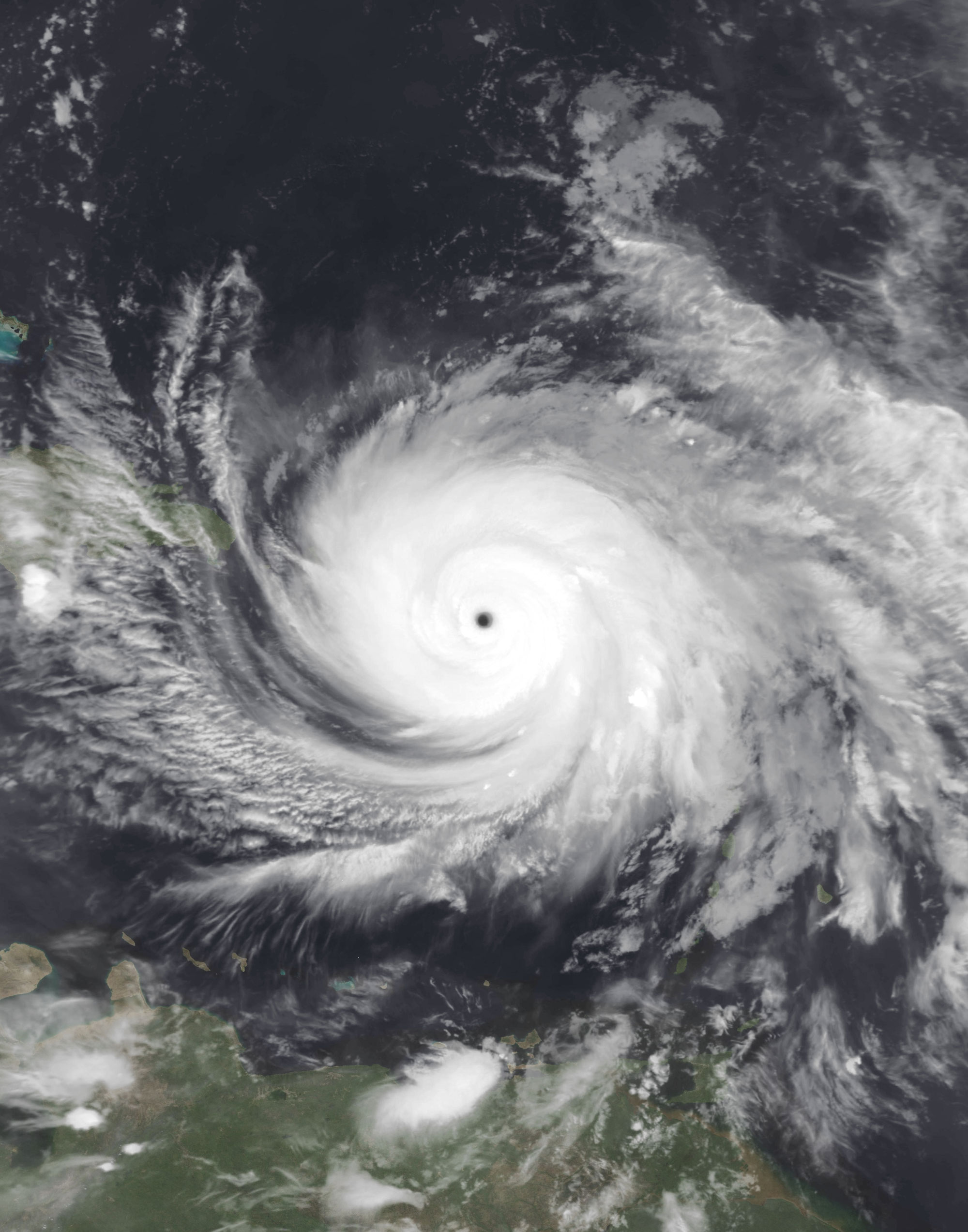
When the winds of Hurricane Maria finally ceased in September 2017, they were replaced by a deafening silence and something more ominous than the storm.
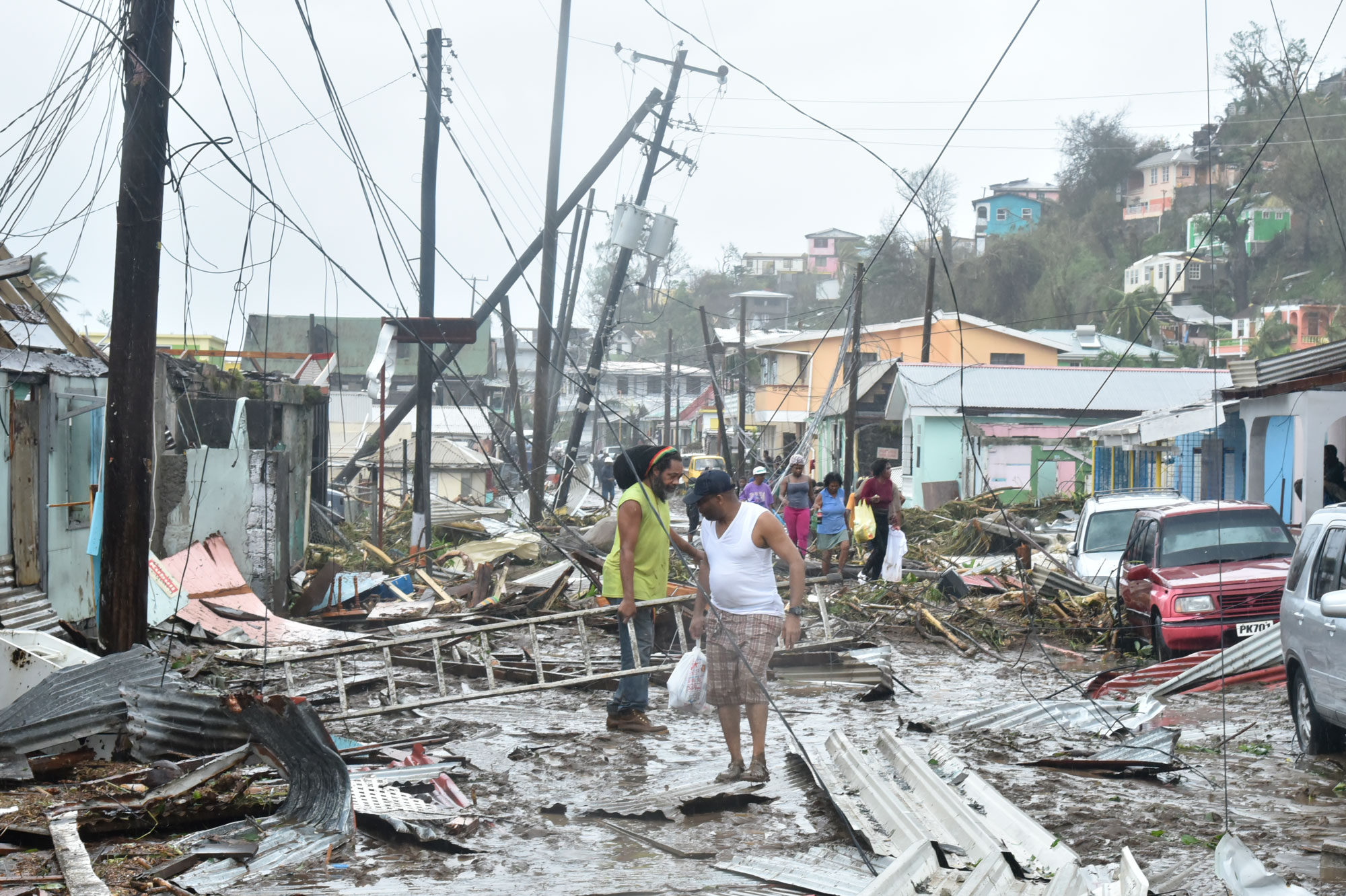
For nearly three million Americans in Puerto Rico, the world went completely dark as the Category 4 storm took out 80 percent of the island’s power lines and vital infrastructure failed due to flooding.
What followed in the aftermath was much more than an inconvenience; it was a fight for survival. People in more remote areas of the island were left without power for nearly a year, creating an absence of healthcare, food security and safety. The blackout that followed Hurricane Maria is the longest in United States history and contributed to the storm’s final death toll of 2,975 citizens.
The darkness demanded a critical call to action. Puerto Rico’s dependence on its local electric supply prompted necessary DOE-funded research on grid modernization and improvement — research that Sandia was well-positioned to take on.
With funding from the DOE, the U.S. Marine Corps and the Federal Emergency Management Agency, Sandia developed a microgrid resilience modeling tool that helps identify critical infrastructures in isolated and island communities.
Engineering an answer
Most blackouts are caused by damage to power lines, such as debris falling on the wires or high winds knocking down poles. Creating a less vulnerable system means expensive infrastructure costs. In some instances, power lines can be buried underground, but even with this approach, hardware remains vulnerable to storm surges and flooding. For these reasons, most utilities focus on how to get the power back on as quickly as possible after a storm, rather than how to create more resilient systems.
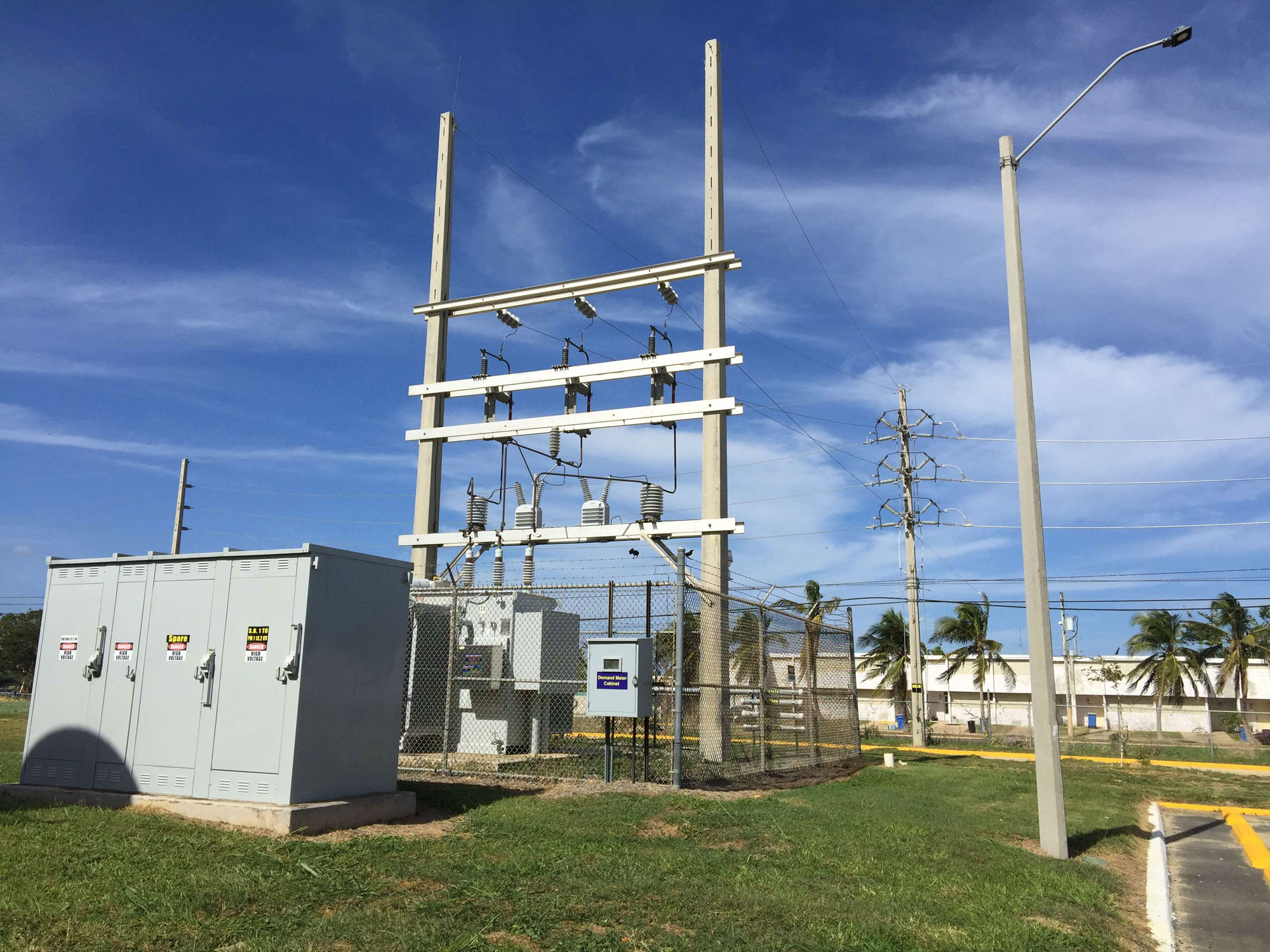
For a country like Puerto Rico that already has an older and less accessible power grid, relying on quick restoration is not a sustainable solution. This is where microgrids come into play. Microgrids are localized small-scale power grids that connect to a main utility grid but have the capacity to operate independently in the event of an outage.
Sandia worked alongside the Puerto Rico Industrial Development Corporation to implement six microgrid demo sites across the island. These sites were intended to generate power to key infrastructure buildings, such as hospitals and military bases to help ensure that essential services had power during emergencies. The demo sites were also used to develop replicable microgrids that could be used across Puerto Rico and eventually be translated to other rural or isolated communities.
“In general, the reason you build a microgrid is so that it will provide power to critical loads — things you don’t want to lose — when the larger transmission system goes down,” Robert Jeffers, a former systems researcher at Sandia, shared in a 2020 interview with Popular Science.
Today, that vision continues to be realized through the deployment of the Microgrid Design Toolkit.
Modeling the recovery
Sandia’s Microgrid Design Toolkit is a decision support software for microgrid designers that is freely available for public download. Intended for use in the early stages of the design process, the tool uses powerful search algorithms to identify and characterize alternative microgrid designs in terms of user-defined inputs and objectives such as cost, performance and reliability.
Using the Microgrid Design Toolkit, designers can tailor inputs to specific site conditions, efficiently explore a wide range of design alternatives and assess the combined effects of multiple design choices. The tool provides quantitative insights into how different objectives relate and the tradeoffs involved with different technologies. Altogether, this enables users to make well-supported, data-driven decisions throughout the microgrid design process.
Beyond the many improvements made in Puerto Rico after Hurricane Maria, the Microgrid Design Toolkit and its technologies have been used in several additional projects. The software aided with the Smart Power Infrastructure Demonstration and Energy Reliability and Security project and DOE’s Energy Transitions Initiative Partnership Project. It was also used for the backup power system for the City of Hoboken, New Jersey, as a part of ongoing Hurricane Sandy relief efforts.
Beyond the grid
In spite of evolving technologies over the last nine years, the transformation of Puerto Rico’s energy grid has still been met with ongoing challenges.
“Unfortunately, the modernization of the grid has been much slower and complex than expected and, in the meantime, service reliability remains painfully low,” said Sandia manager Abraham Ellis, who has overseen much of this work.
Despite these challenges, Abraham mentioned a bright spot. “A large and growing number of individuals and communities have installed their own solar systems with batteries that help them get through grid outages — that’s where the paradigm has shifted the most since Hurricane Maria.”
The heart of grid resilience efforts is not just about power; it’s also about the people. When a community-scale microgrid or a household solar-plus-battery system is installed, it represents a fundamental shift. It means sick patients still have access to medicine in the remote regions of the island. It could also mean a neighborhood grocer can keep dairy and meat cold and available to the community. When modernization efforts are implemented, isolated communities are no longer forced to wait for help to arrive. The power is back in their hands.
By supporting both large-scale upgrades and community-driven solutions, the Microgrid Design Toolkit continues to play a crucial role in providing the concepts for a more resilient energy future in Puerto Rico and other vulnerable areas.