
Science, collaboration and innovation
As the United States approaches its 250th anniversary, we celebrate the pivotal moments when Sandia has stepped up to support the nation. Through innovation, collaboration and dedication, Sandia has consistently demonstrated its commitment to addressing the challenges that shape national security and future.
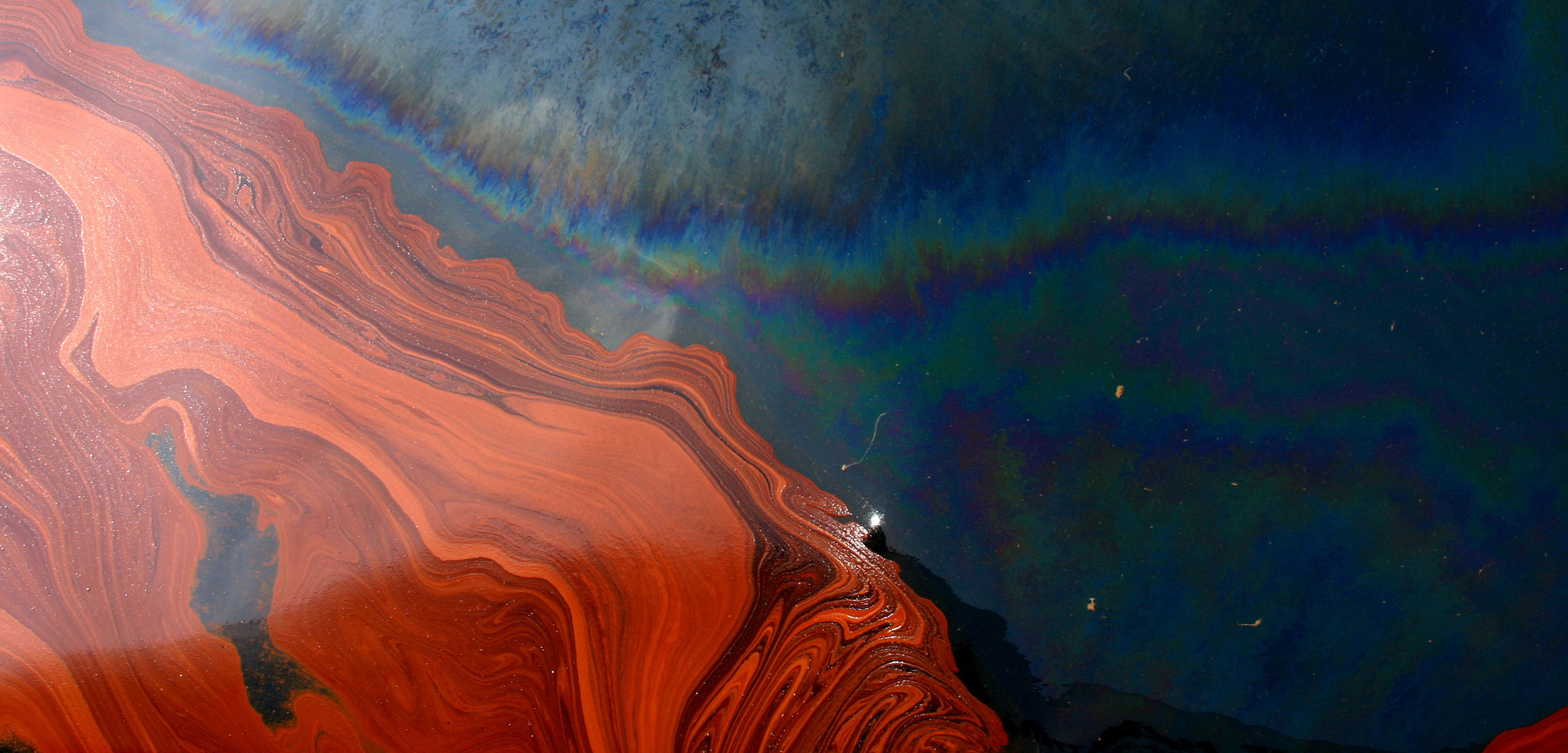
On April 20, 2010, the BP Macondo well experienced a blowout, causing oil and gas to rise up to the Deepwater Horizon production platform. When the oil spill erupted, most people saw the tragic images: flames against the night sky, the collapsing oil rig, crude oil spreading across the Gulf of Mexico and the devastating loss of 11 lives.
Behind the scenes, scientists and engineers from multiple DOE national laboratories, including Sandia, were called upon for their expertise in understanding what happens when things go wrong in extreme, high-risk environments.
Call for expertise
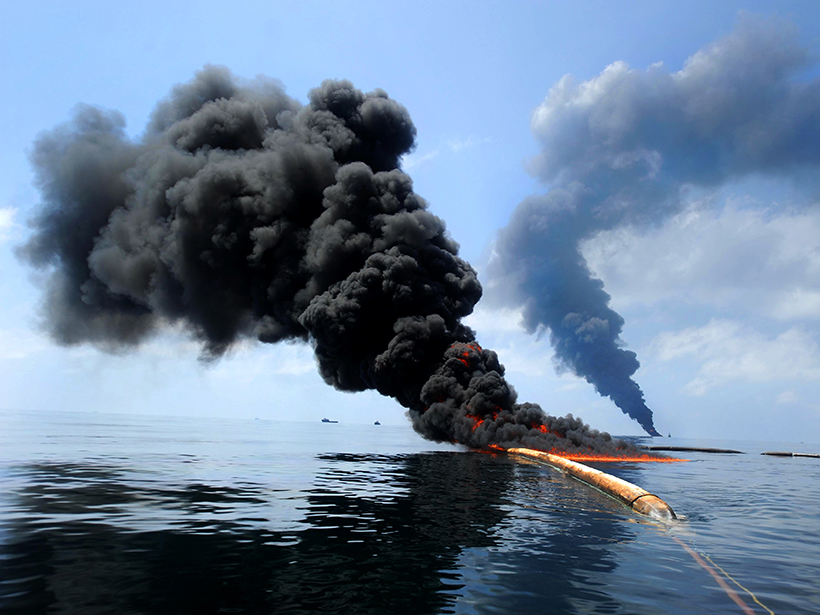
Many of these scientists and engineers study pressure, explosions, system failures and worst-case scenarios — thinking that was essential in response to the Deepwater Horizon accident. Oil was spouting from deep beneath the ocean floor under intense pressure, which made it incredibly difficult to measure, predict and stop.
Sandians offered a multidisciplinary approach that combined computational modeling, sensor technology and materials science to the response effort. By modeling how oil and gas were flowing, the team helped analyze what was happening far below the surface. The team estimated the amount escaping and evaluated potential future developments.
Every estimate shaped real-world decisions: how to contain the spill, how to protect coastlines and how to reduce further damage.
One of Sandia’s first critical tasks was to assess the state and strain of the riser pipe — specifically investigating a kinked section to determine how many pipes were inside based on its external shape. This analysis was crucial for planning intervention methods and preventing further damage.
Understanding pressure and structural integrity
Sandia researchers used advanced computer simulations to better comprehend what went wrong during the spill. By creating detailed virtual models of the well, the blowout preventer and the internal structure of the pipe, they were able to see how oil and gas flowed under extreme pressure and how the equipment responded.
The simulations revealed that the pipe had suffered significant damage and deformation, which weakened the well’s integrity and prevented the safety device from sealing the well properly. These insights showed why the blowout preventer failed and helped identify weak points, not only in the equipment design, but also in the pipe and well construction. Once the damaged structure was retrieved, Sandia’s analysis was confirmed.
Overall, this deeper understanding helps engineers improve safety measures and prevent similar disasters in the future.
CANARY and real-time monitoring
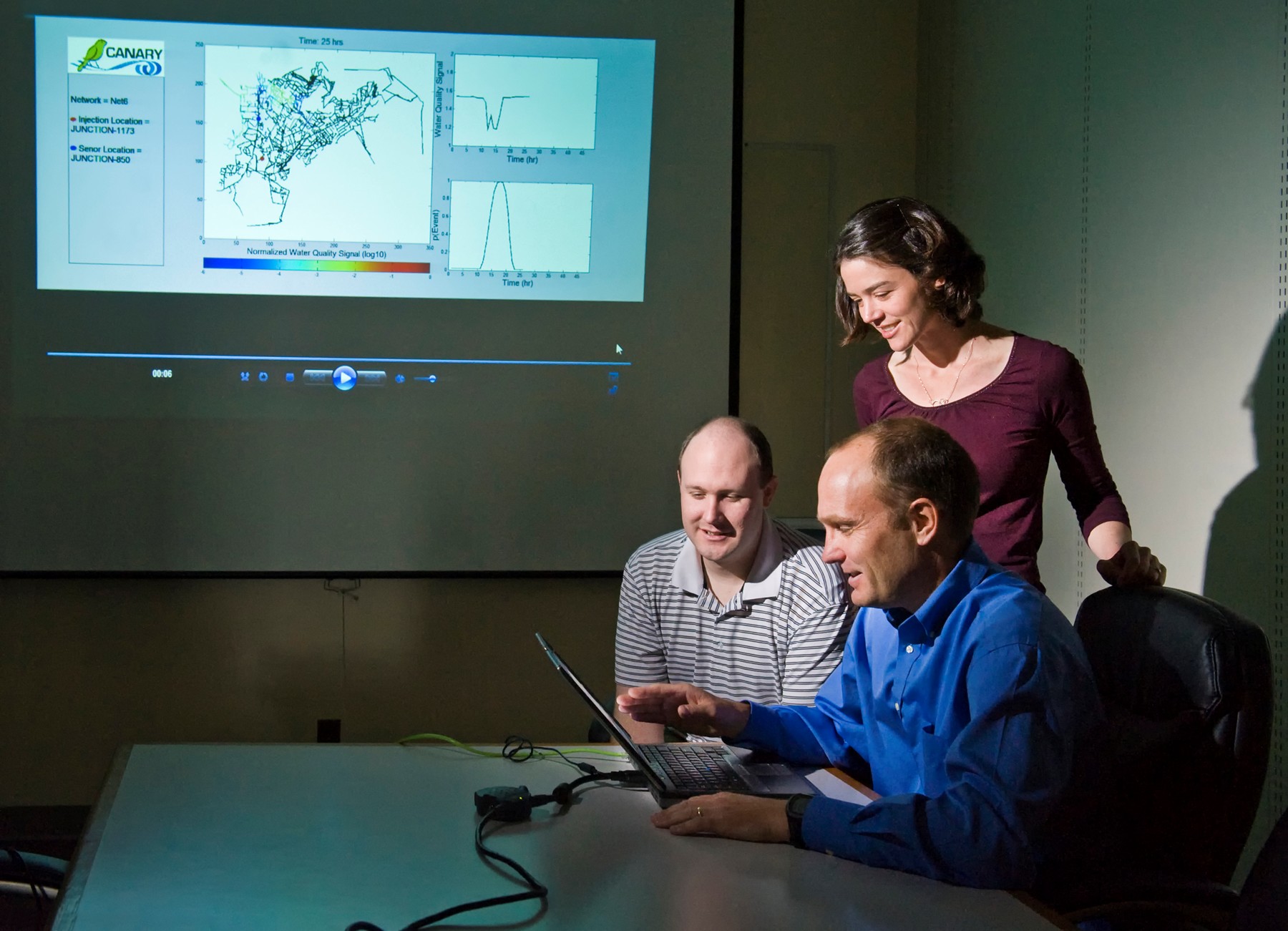
(Photo by Randy Montoya)
Sandia’s CANARY software, developed in partnership with the U.S. Environmental Protection Agency’s National Homeland Security Research Center, was originally created to provide real-time anomaly detection for critical infrastructure systems, such as water distribution networks and other complex engineered systems. Its purpose was, and is, to detect subtle changes in water-quality sensor data that could indicate emerging problems before they become serious failures. When it came to the spill response, CANARY played a vital role in detecting oil concentrations and monitoring the effectiveness of dispersants.
After the BP oil spill and similar industrial incidents, CANARY’s capabilities gained increased attention for potential application in monitoring offshore oil and gas operations and improving safety in that sector.
Partnerships are key
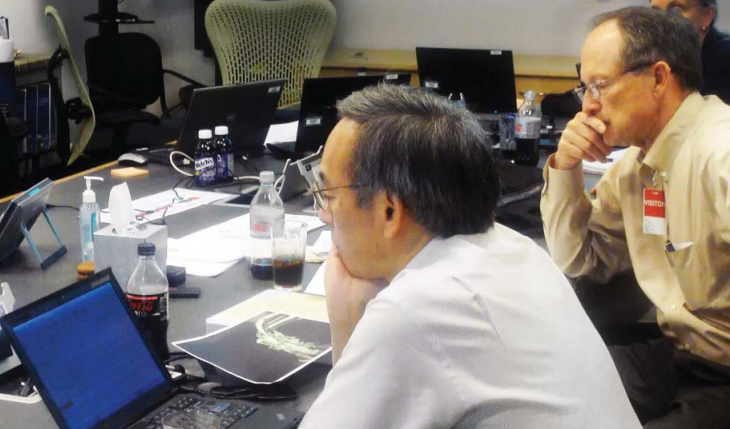
In May 2010, at the request from then-Secretary of Energy Steven Chu, Sandia, along with Lawrence Livermore and Los Alamos national laboratories, deployed experts to BP’s crisis center in Houston. By combining Sandia’s expertise in modeling, simulation and materials analysis with expertise from the other labs, teams quickly diagnosed the causes of the blowout and identified ways to improve safety. This collaboration ensured that cutting-edge research directly informed practical solutions to contain the spill and prevent future incidents.
Equally important was the close coordination between government agencies — including the DOE, Environmental Protection Agency, Coast Guard and Department of the Interior — and industry partners. This unified effort streamlined response activities, accelerated cleanup operations and supported the development of stronger regulatory standards. Together, these partnerships not only enhanced the immediate crisis response but also laid the groundwork for improved offshore drilling safety, demonstrating how collaboration across government, industry and national laboratories can drive innovation and protect the environment.
Legacy and ongoing impact
The Deepwater Horizon disaster highlighted the critical role of national laboratories like Sandia in response to complex environmental emergencies. Through advanced modeling, sensor development and collaborative problem-solving, it forced significant advancements in oil spill science and preparedness. Beyond the immediate crisis, Sandia’s contributions to these advancements continue to influence current research and operational practices — advancing scientific understanding, improving preparedness and enhancing the nation’s ability to respond to future offshore drilling accidents.