
As the United States approaches its 250th anniversary, we celebrate the pivotal moments when Sandia has stepped up to support the nation. Through innovation, collaboration and dedication, Sandia has consistently demonstrated its commitment to addressing the challenges that shape national security and future.
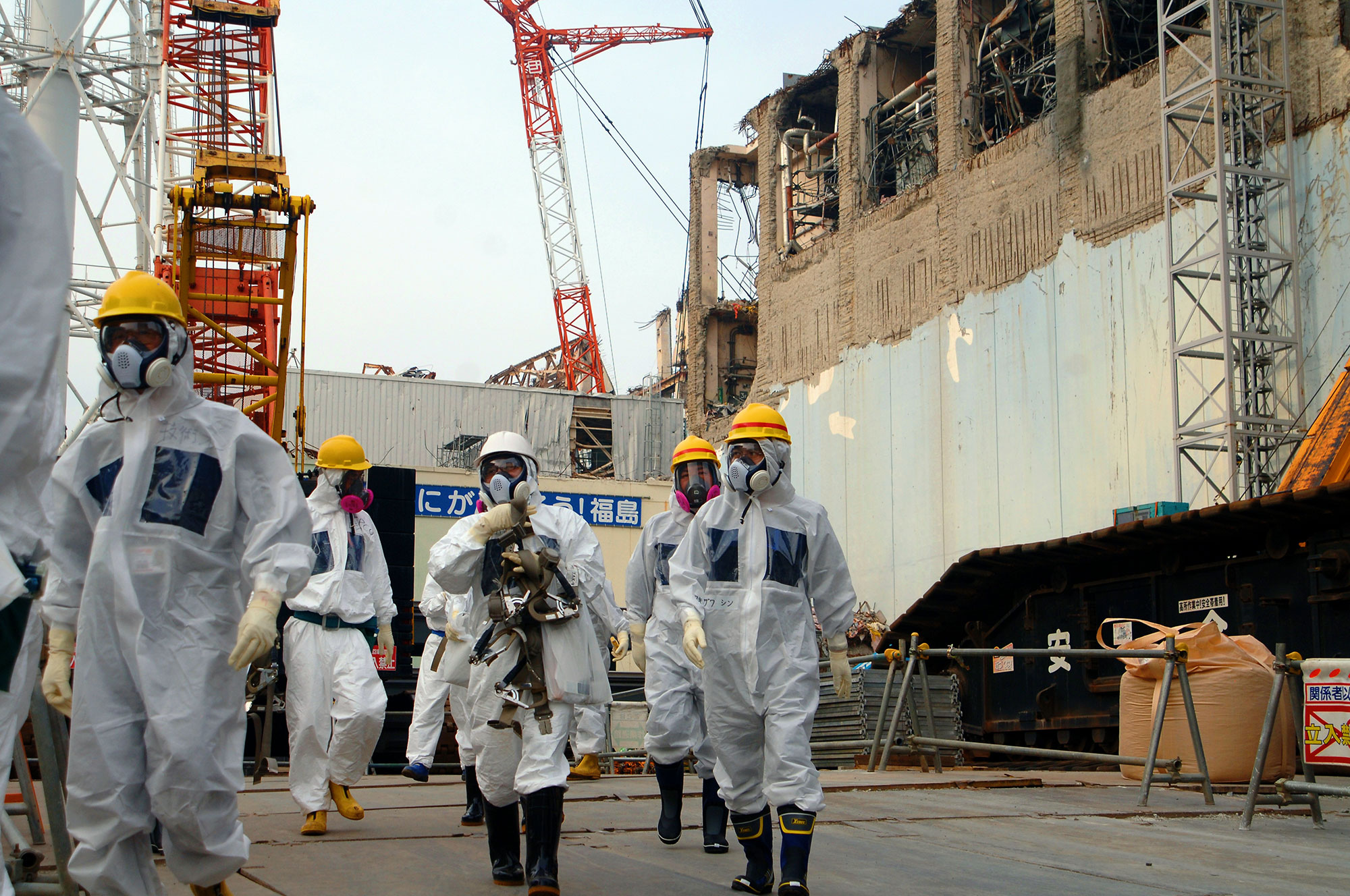
When one of the largest earthquakes in recorded history hit the northern Pacific on March 11, 2011, it triggered a devastating tsunami that engulfed the northeast coast of Japan and flooded the Fukushima Dai-ichi nuclear power site. The one-two punch of the earthquake and subsequent seawater surge knocked out power systems used to keep the plant’s reactors cool.
Within 24 hours of the disaster, Sandia scientists were called upon to help model potential accident progressions, analyze impacts, project radiological doses and coordinate with the NNSA Office of Nuclear Incident Response and various other federal agencies.
Sandia is a trusted expert in nuclear power accidents that stem from decades of studies and response. The U.S. Nuclear Regulatory Commission relies on Sandia and its long history of objective expertise in nuclear safety.
Sandia’s work in the wake of the Fukushima nuclear accident would be critical in providing information that would help the global community make life-saving decisions and delivering solutions that would help mitigate further disaster.
Helping make decisions very clear
In the days after the Fukushima Dai-ichi crisis, President Barack Obama’s primary concern was the welfare of the U.S. citizens and military personnel living and stationed in Japan.
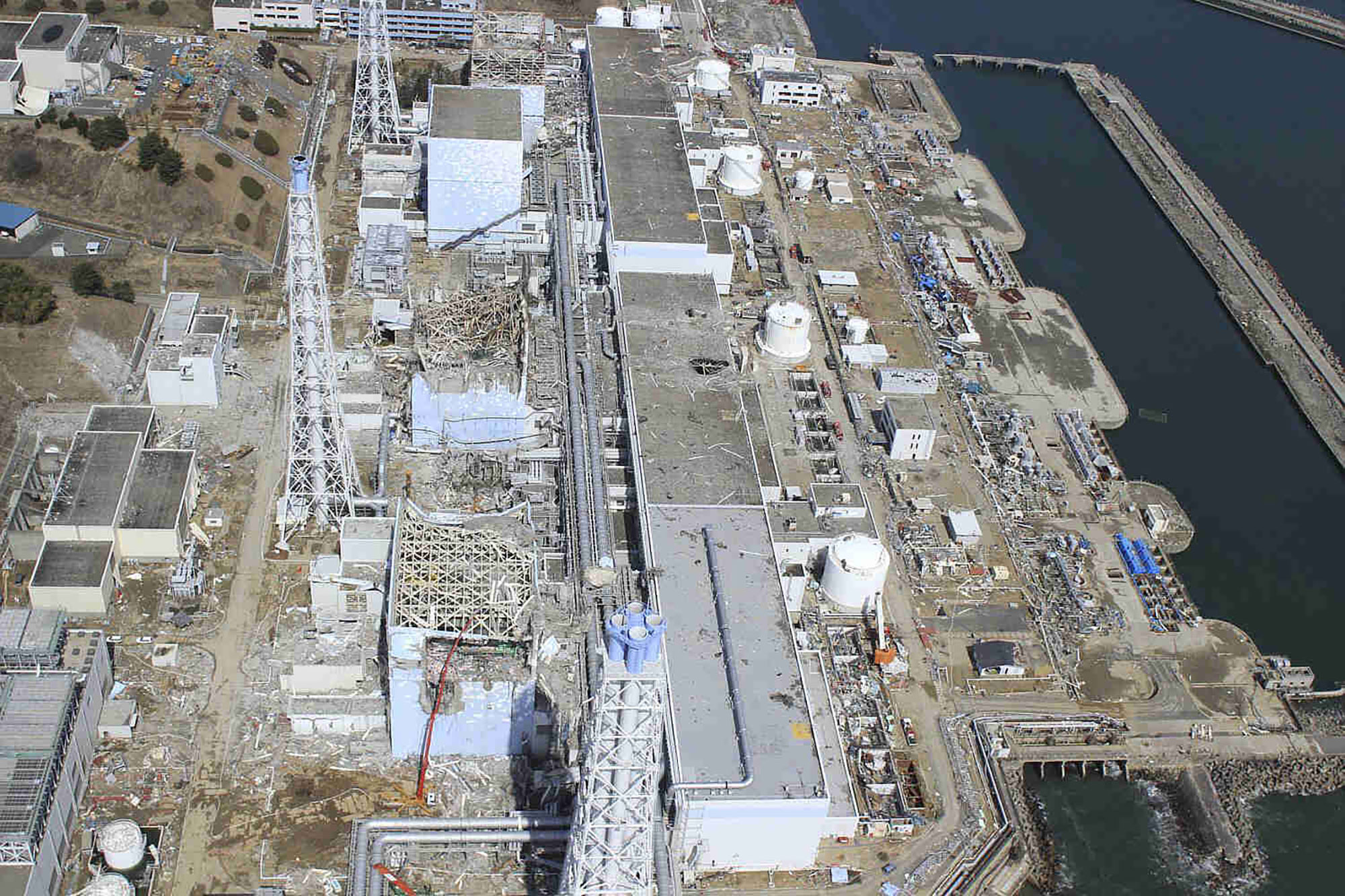
“Once the White House’s Office of Science & Technology Policy started relaying data from the U.S. Embassy in Japan, our role was to provide analyses to inform key decisions,” explained Arthur Shanks, who was a member of the 24/7 on-call NNSA Consequence Management Response team. Today, Arthur leads Sandia’s Nuclear Counter Terrorism and Incident Response Program.
“When called into action, the main purpose of our consequence management team is to conduct radiation dose assessments that help decision-makers understand what the impacts might be to people and the environment,” Arthur said. “Second is to develop the formality of field measurements and lab analysis to obtain the necessary data to understand the reality of the situation.”
The significance of the team’s rapid assessments were noted in President Obama’s briefing on March 15 when he said, “Many Americans are also worried about potential risks to the United States. So, I want to be very clear, we do not expect harmful levels of radiation to reach the West Coast, Hawaii, Alaska or U.S. territories in the Pacific. That is the judgment of our Nuclear Regulatory Commission and many other experts.”
The severe accident experts
While the consequence management team was providing radiation monitoring and assessments, another technical team travelled to Japan to assist the Nuclear Regulatory Commission and provide comprehensive data modeling of the entire power station — from the nuclear fuel rods through the reactor plumbing, containment structures and environmental effects, to the impact of safety systems and operator actions.
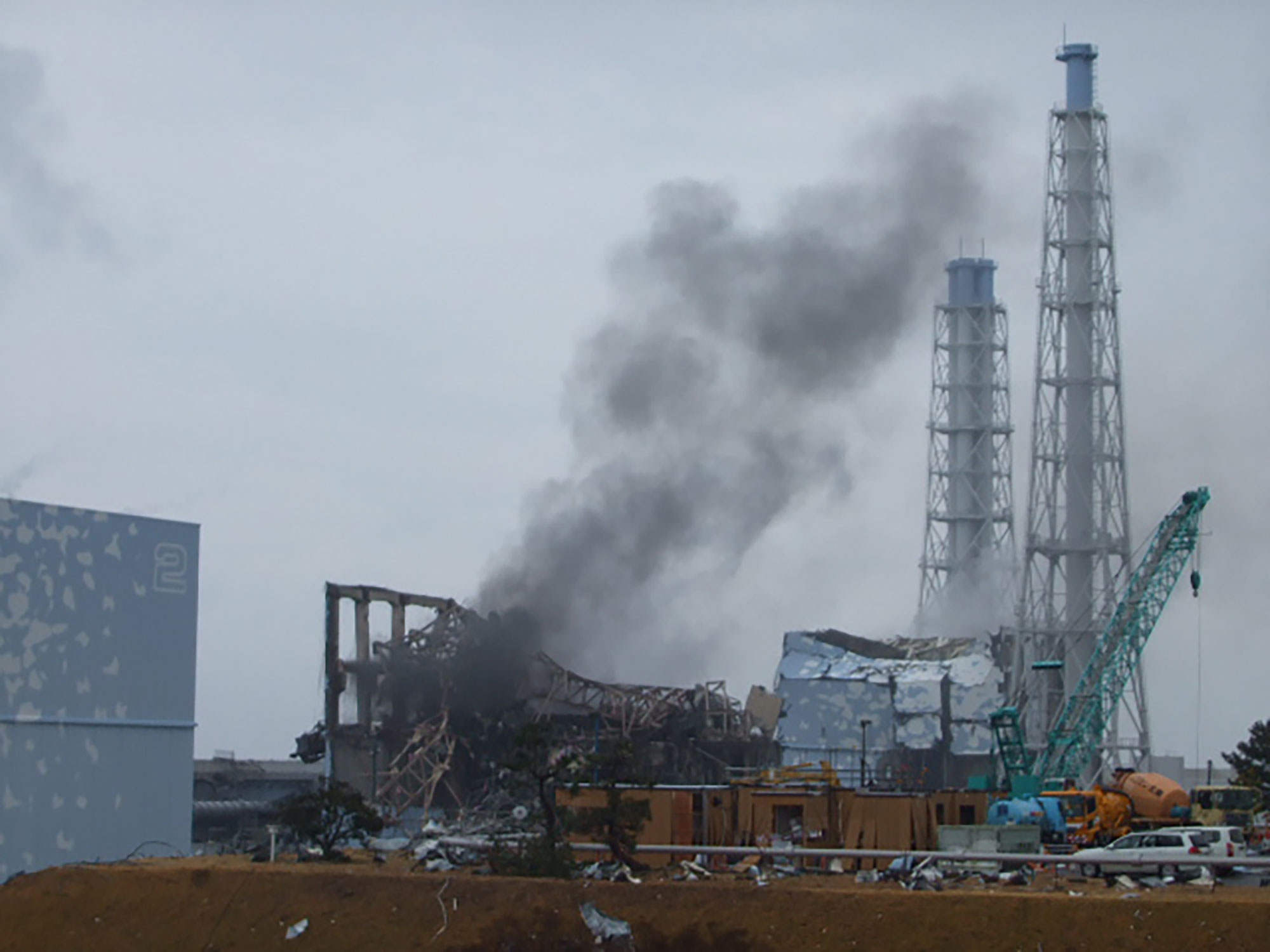
“By simulating an accident’s progression based on a power plant’s state immediately before an incident, our models can serve as a critical tool for plant operators and response teams,” said nuclear engineer Doug Osborn, a former member of Sandia’s severe accident analysis group.
Doug added that some things about the Fukushima incident progressed as expected according to the models, other things did not, emphasizing that no nuclear power unit or accident is the same.
For example, Doug explained that expected reactions that typically create hydrogen expectedly led to explosions in three of the six reactor buildings. It was the timing of the failures and explosion at one of the reactor buildings that was unpredictable. Ultimately, containment systems failed, resulting in the release of radioactivity into the reactor buildings and the surrounding environment.
Call in the chemists
As the incident progressed, seawater used to cool the reactors became contaminated with cesium, an environmental hazard if released back into the ocean.
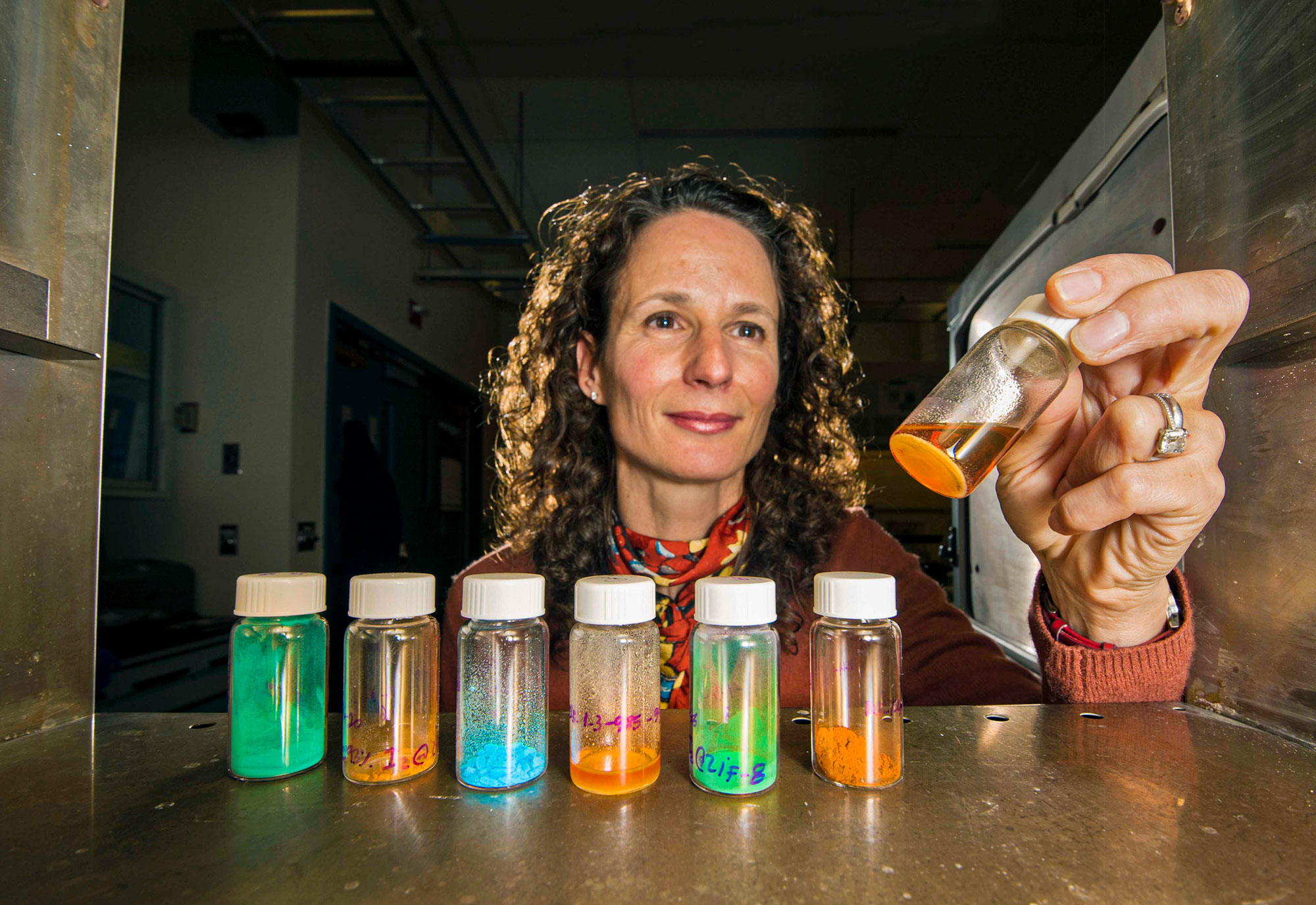
Sandia chemist Tina Nenoff’s early work on crystalline silico-titanate and related molecular sieves came to the forefront in addressing this environmental crisis.
Tina’s work throughout the 1990s focused on crystalline silico-titanates, an innovative class of inorganic, molecularly engineered ion exchangers. These were specifically designed to capture volatile radioactive elements like cesium, which enabled safer treatment of lower-level radioactive waste.
Fast forward to Fukushima, DOE contacted Tina because of her extensive background in developing crystalline silico-titanates and related molecular sieves. Tina led intensive testing over a 10-day period to confirm that they would perform effectively in the complex chemical environment of seawater. The rigorous studies ultimately confirmed that crystalline silico-titanates not only functioned effectively in seawater but significantly outperformed alternative materials in removing cesium.
The crystalline silico-titanates were effective and removed radioactive material from more than 160 million gallons of contaminated wastewater at the Fukushima Dai-ichi site.
Exceptional service
For Tina, the success of the tests held a special meaning. “It was the reason I came to Sandia,” she said, expressing a deep sense of fulfillment as her early work played an essential role in addressing this global emergency.
“Our teams stayed on call for several months, adjusting and responding to the dynamic changes in conditions and complexity,” Arthur said. “But it was the heavy technical thinking and planning ahead of the incident that was most impactful.”
“When it comes to future severe events, we want nuclear plant operators to know that they aren’t alone if an accident occurs,” Doug said. “We want them to know that there are tools to help them, and there are experts that they can turn to.”