
Sandia expertise helps pinpoint lightning as cause of deadly Sago Mine explosion

As the United States approaches its 250th anniversary, we celebrate the pivotal moments when Sandia has stepped up to support the nation. Through innovation, collaboration and dedication, Sandia has consistently demonstrated its commitment to addressing the challenges that shape national security and the future.
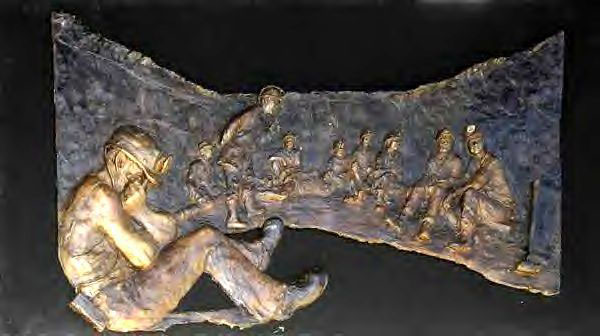
Just two days after 2006 rang in, an explosion at the Sago Mine in Sago, West Virginia, triggered a collapse that trapped 13 miners who had just descended for the first shift of the day.
One miner was killed immediately by the blast. The others, entombed two miles from the mine’s entrance, hung a curtain to protect themselves from toxic methane gas.
“The mine filled quickly with fumes and thick smoke and breathing conditions were nearly unbearable,” Randal McCloy Jr. wrote in a letter published in the Charleston Gazette months after the explosion.
Over the next 40 hours, McCloy said the men tried to signal their location, using a sledgehammer to pound on bolts and plates in the walls. Exhausted, they eventually gave up. As the men began to accept their fate, they prayed together and wrote letters to their loved ones, but soon, one by one, they lost consciousness.
McCloy would be the sole survivor. All the others would die from carbon monoxide poisoning as search and rescue teams worked through dangerous gas levels to reach them.
At the time, it was the worst mining disaster in the state since 1968. The tragedy prompted a multitude of investigations as officials searched for answers.
Lightning theories
Investigators with the U.S. Mine Safety and Health Administration believed lightning was responsible for the blast. National detection networks recorded three strikes just before the explosion, and eyewitnesses reported seeing lightning near the mine’s entrance. But MSHA had no way to explain how a surface strike could ignite methane sealed hundreds of feet underground.
Sandia did. Known for its expertise in preventing electrostatic discharge — developed through decades of keeping the nuclear weapons stockpile safe — Sandia was called in to help.
“Accident investigators had been suspicious all along that lightning was the cause of the explosion, but there had been no definite proof one way or the other,” Michele Caldwell, manager of Sandia’s Electromagnetic Qualification and Engineering Department, said in a 2007 Lab News article.
Sandia goes underground
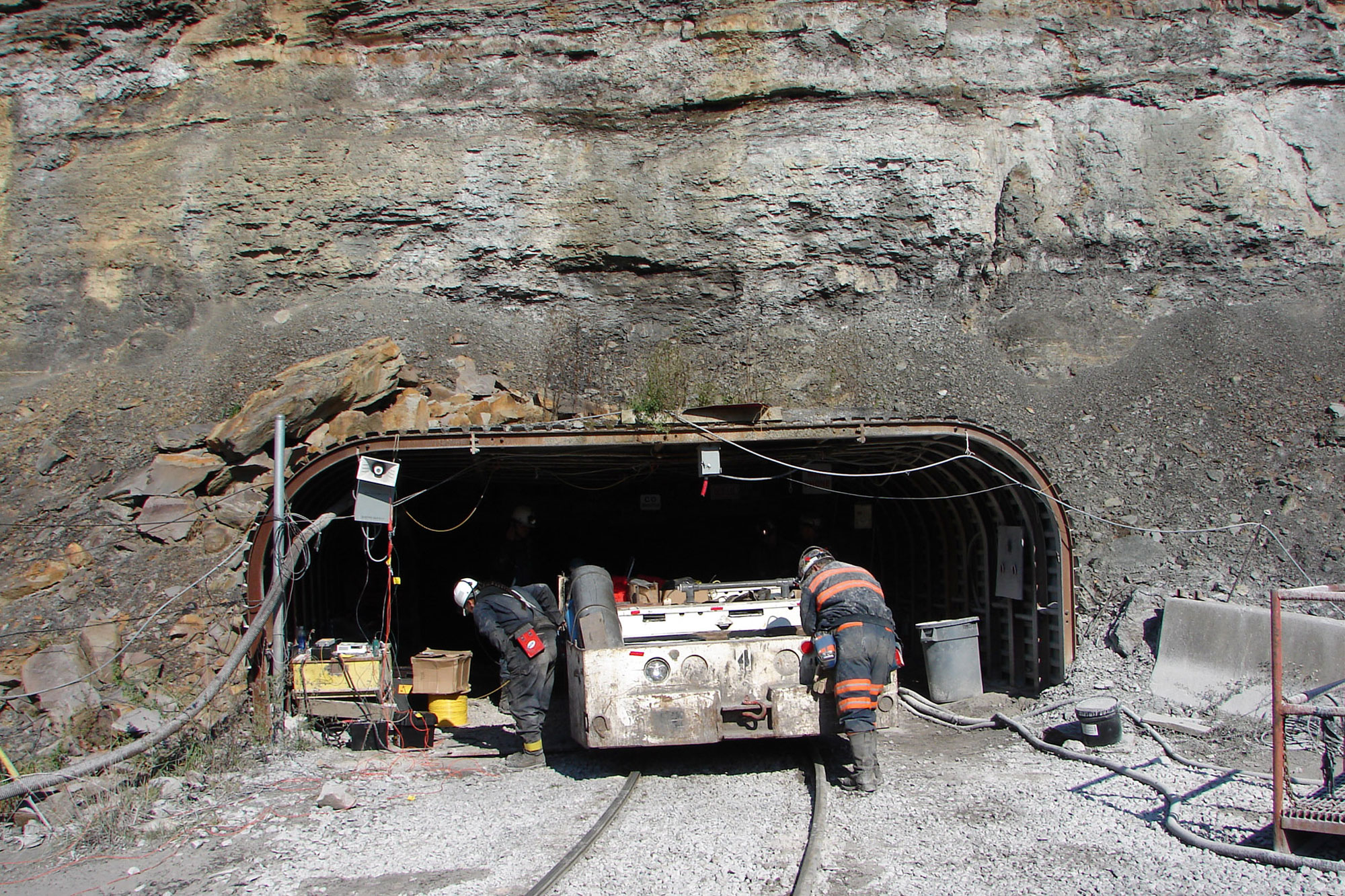
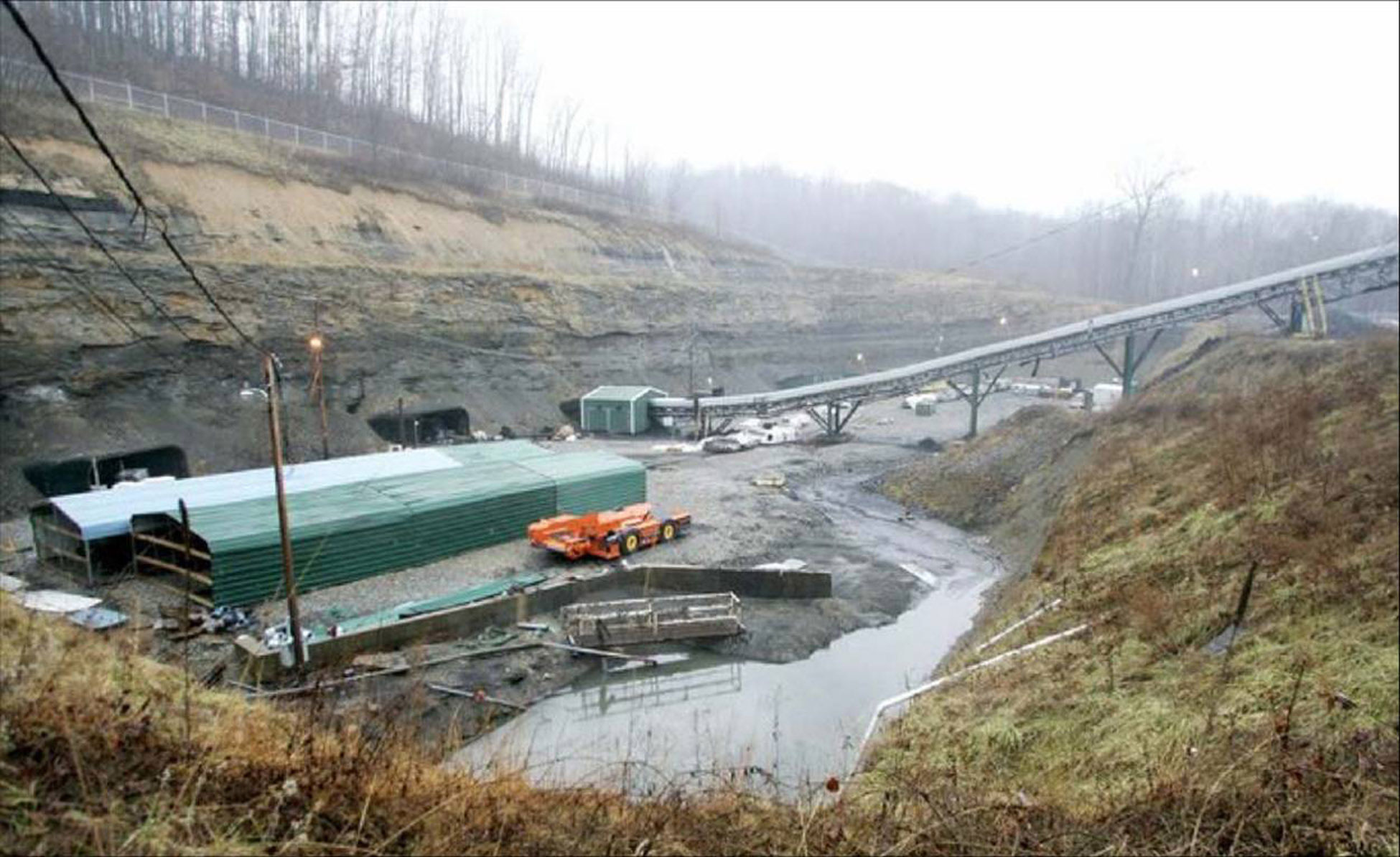
In November 2006, a team of Sandians packed up their monitoring equipment and traveled to West Virginia to examine the Sago Mine. The group spent 10 days investigating two possible ways lightning energy was transmitted deep into the coal mine.
The first was direct attachment in which lightning travels along metallic infrastructure such as conveyor belts, rail lines and power and communication cables running deep underground from the mine entrance. The second was electromagnetic energy propagating through the earth itself from a surface strike.
The team concluded it was highly unlikely that lightning had traveled along wires or other conductors into the sealed area. But they pursued a theory not previously considered: that a nearby lightning strike could send electromagnetic energy through the ground, generating enough voltage underground to produce a spark — and a spark was all it took to ignite methane.
“We never expected to discover a smoking gun, nor did we,” said Larry Schneider, then senior manager of Sandia’s Pulsed Power Technology Department, in a 2007 Sandia news release.
But the discovery that energy could be transmitted deep into a mine without physical conductors on or near the surface had “profound implications,” Schneider said.
“The team’s work at Sago was only a brief, but powerful look into this effect,” he added. “We need to better understand this phenomenon in the variety of scenarios seen in the U.S. mining system.”
The last word on lightning
Sandia’s findings were included in the final report MSHA delivered to Congress in May 2007, which identified lightning as the likely cause of the explosion.
“The electromagnetic energy could induce a voltage onto the pump cable (that) generates an arc near the explosive methane mixture in the sealed area,” the 198-page report stated. “Measurements and analyses indicate that the pump cable is the most likely receiver of electromagnetic energy in the sealed area.”
The report prompted MSHA to propose new emergency regulations that would require mine operators to remove insulated cables from abandoned areas before sealing them, build stronger seals and regularly monitor methane levels.
While Sandia’s findings did not result in a dedicated push for specific lightning protection standards within mines, Schneider applauded the agency’s decision to bring in Sandia.
“The techniques we used in our work were not generally understood outside the nuclear weapons community,” he said in 2007. “It took technical insight and courage on their part to embrace this work. We’re very pleased that Sandia played an important role in this investigation.”