
QCaMP equips students and educators with essential tools for a quantum-powered future.
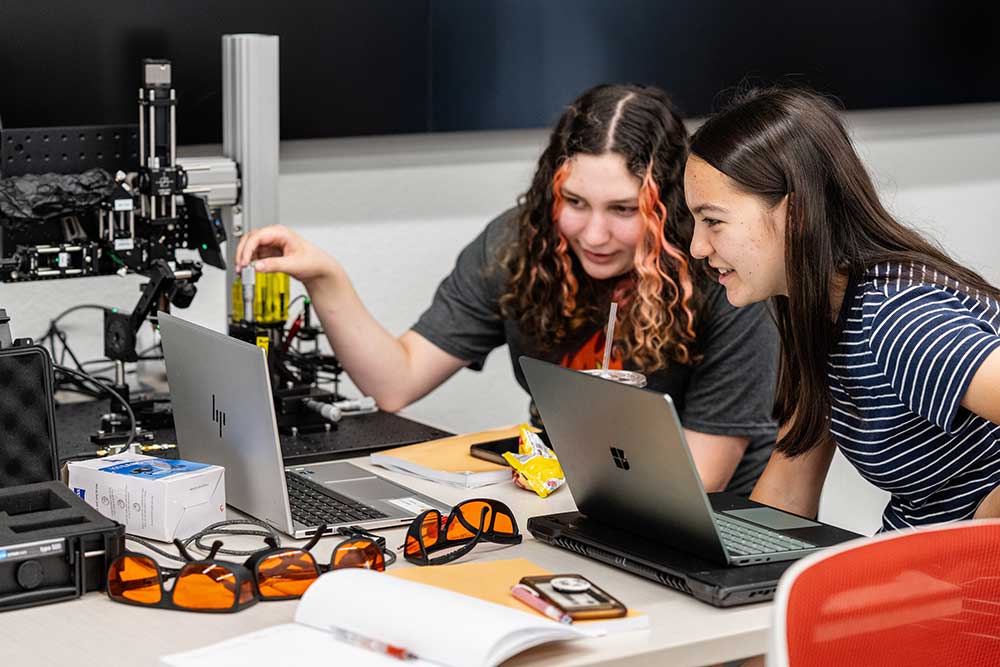
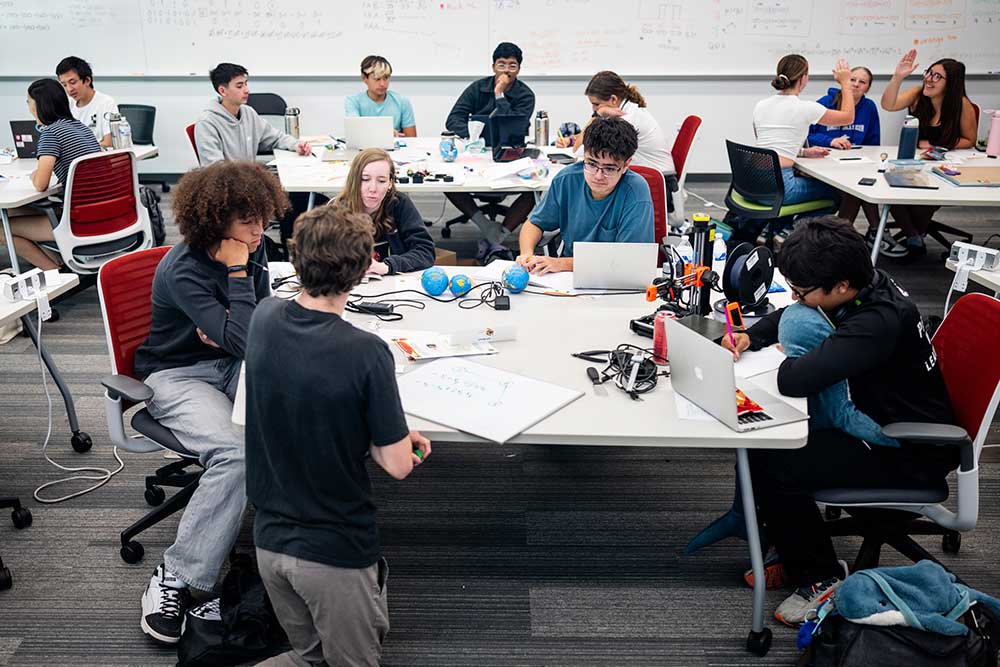
This summer, the QCaMP team expanded its efforts to reach students and educators and equip them with the knowledge and ability to teach various topics in quantum physics. Launched in 2022, QCaMP began as a virtual weeklong program that drew 32 students and 20 educators. After the success of its first year, the initiative grew into longer in-person camps and one-day sessions for educators and college students. Now, in 2025, QCaMP for teachers has grown to include 131 educators across eight states, with plans for continued growth nationwide. The student program had another successful year, reaching 39 participants. Overall, QCaMP has engaged a total of over 490 participants.
QCaMP aims to increase the number of students pursuing careers in quantum information science across the U.S. To lay a solid foundation in quantum studies and to build students’ confidence in STEM, the team recognized that it is essential to first equip K-12 teachers with the tools needed to prepare their students. This mission led to the development of QCaMP for educators.
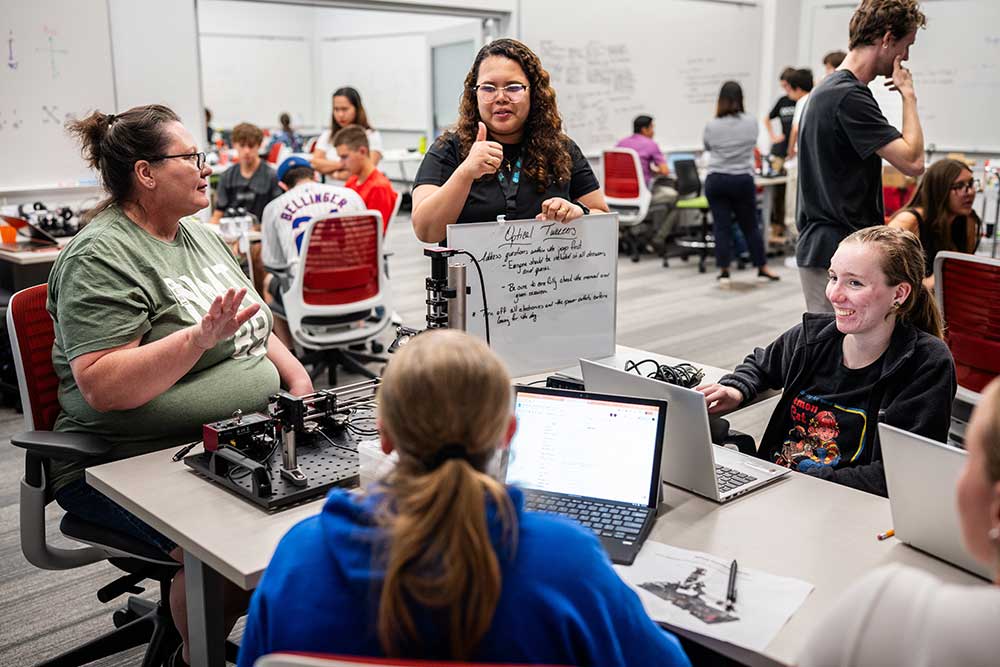
The 2025 QCaMP for educators, held from June 16-20, hosted participants from 14 cohort locations across Arizona, California, Colorado, Illinois, Louisiana, New Mexico, New York, Missouri and Pennsylvania. During the four-day program, attendees explored the fundamentals of quantum information science, covering topics such as superposition, entanglement, polarization, qubits and probability.
“QCaMP offers unique resources and training opportunities that can equip educators with the tools they need to effectively teach complex quantum concepts,” said Community Relations Specialist Deb Menke, who is part of the QCaMP team. “This outreach not only strengthens the educational framework but also builds a robust pipeline of talent ready to tackle the challenges of the future in quantum research and application.”
While QCaMP for educators has expanded significantly since its inception, there remains a strong demand across the U.S., particularly in small, rural areas. The QCaMP team is committed to finding sustainable ways to expand while ensuring a positive and impactful experience for the communities they serve. Currently, the team is working to renew the QCaMP program for an additional five years, with the goal of expanding to 25 states during that time. To learn more about QCaMP or to get involved next summer, please reach out to QCaMP@sandia.gov.