

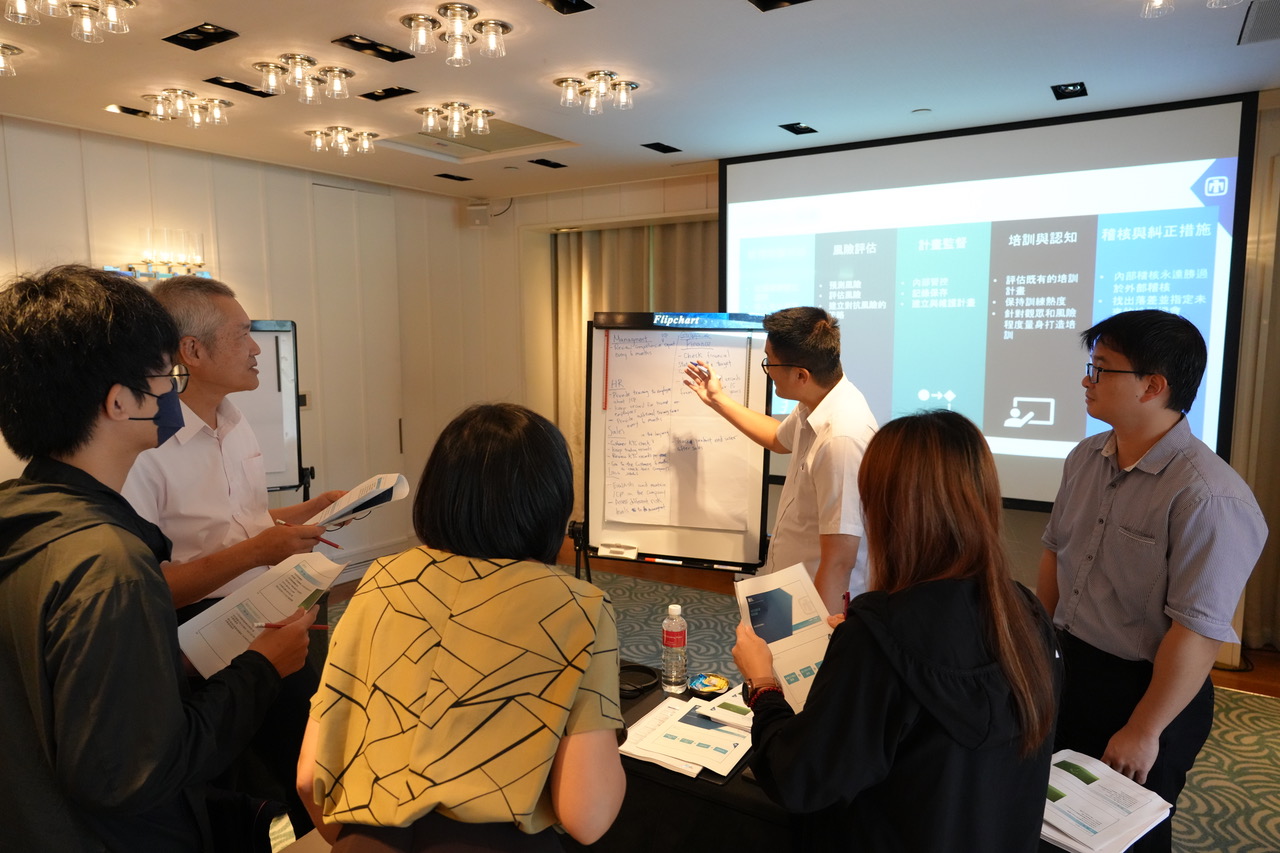
Sandia National Laboratories delivers counter-proliferation workshops in four focus areas—Supply-Chain Security, Maritime Trade Security, Sanctions Enforcement, and Cybersecurity Controls—helping partners strengthen their defense against illicit actors and enhance global security.
States seeking to evade sanctions exploit manufacturers and distributors to covertly acquire sensitive tech. We offer training to manufacturers and distributors that educates participants on evolving sanctions regimes and the associated risks of diversion to enhance sanctions literacy and promote risk management throughout industry. Through interactive exercises, attendees learn to effectively utilize open-source due diligence tools and the importance of know-your-customer practices.
In an era where open ship registries and transshipment hubs face increasing threats from state-directed sanctions evaders, we offer specialized training to key maritime authorities, including ship registry administrators, coast guards, and port authorities. Our program equips participants with the knowledge and tools necessary to identify and mitigate risks associated with the exploitation of their flags, ports, or territorial waters to covertly transfer sanctioned commodities.
Sanctions evasion networks exploit jurisdictions with gaps in regulatory controls or inconsistent enforcement of sanctions restrictions. Our workshops equip regulators and enforcement authorities with the tools to implement and enforce sector-specific sanctions regimes effectively. Participants examine how such sanctions are structured, where enforcement gaps commonly emerge, and how to resolve jurisdictional weaknesses. Through analysis of real-world evasion typologies and scenario-based exercises, attendees strengthen their ability to identify prohibited transactions, develop and impose designation packages, and improve interagency coordination.
Advanced persistent threats (APTs) continue to threaten global security through sophisticated cyber-attacks, including theft and laundering of virtual assets, disruption and ransomware campaigns, and espionage to aid in military advancements. Since many vulnerable industry practitioners do not explicitly account for APTs in their cyber hygiene postures, we provide research-backed cybersecurity training to at-risk industries—including finance, maritime, semiconductor manufacturing, and defense—to help entities identify and manage the unique risks posed by state-directed cyber actors by augmenting their existing cybersecurity policies and processes.



Interested in a Workshop? Let us Know:
"*" indicates required fields