
K-2 Winners
| Place (1, 2, 3) | School Name | Student Grade | Judging Category | Artwork Image | Descriptive Paragraph | Entry ID |
|---|---|---|---|---|---|---|
| Albuquerque school of excellence | 11 | High School 9-12 | 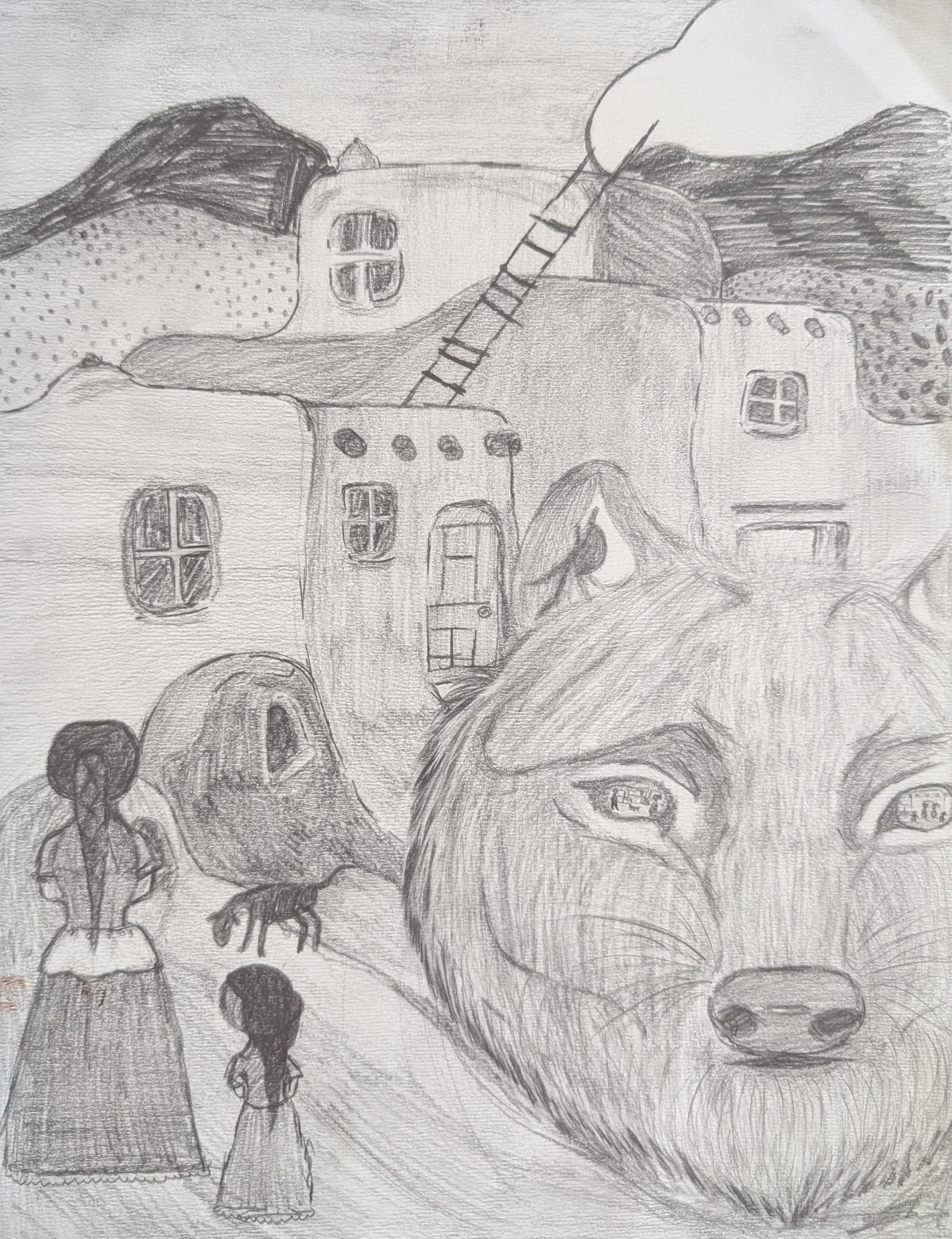 |
My drawing portrays a Hispanic mother and daughter standing in front of their adobe houses. The background is of the Sandia Mountains and a Lobo reflecting on the Hispanic community. The historical context behind the adobe houses and story of the lobo highlights their Hispanic culture and the love we have for it. This is important to Hispanic families since the significance in presenting different cultures is important to share with others. I picked the mountains because they have a nice pink and red hue in the sunset. I picked the lobo because of the romantic and tragic story it portrays. | 1.736 | |
| Albuquerque School of Excellence | 3 | Elementary K-2 | 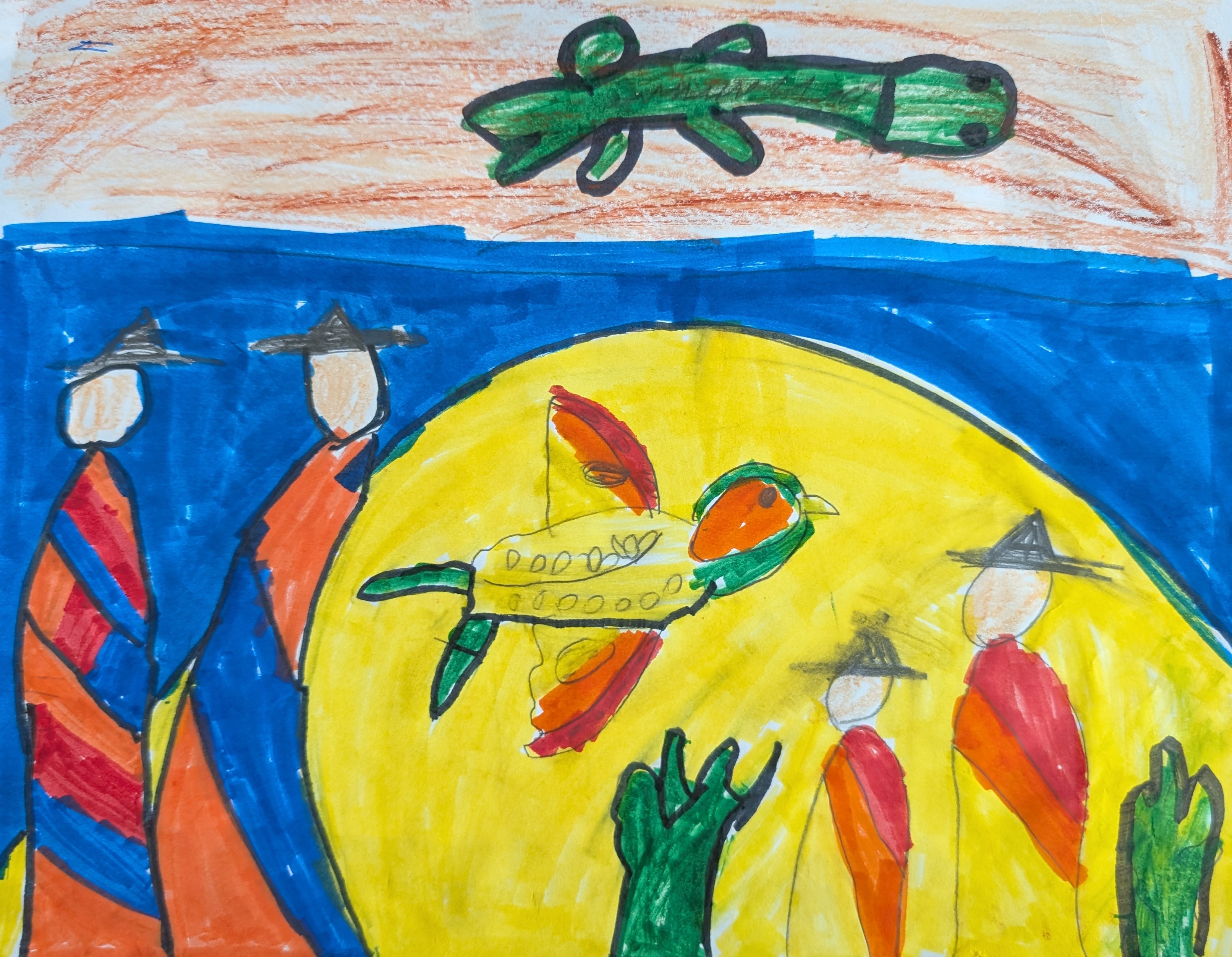 |
I drew a lizard and a bird from New Mexico. I drew cactus and sky and a lot of people. | 591 | |
| Albuquerque School of Excellence | 3 | Elementary 3-5 | 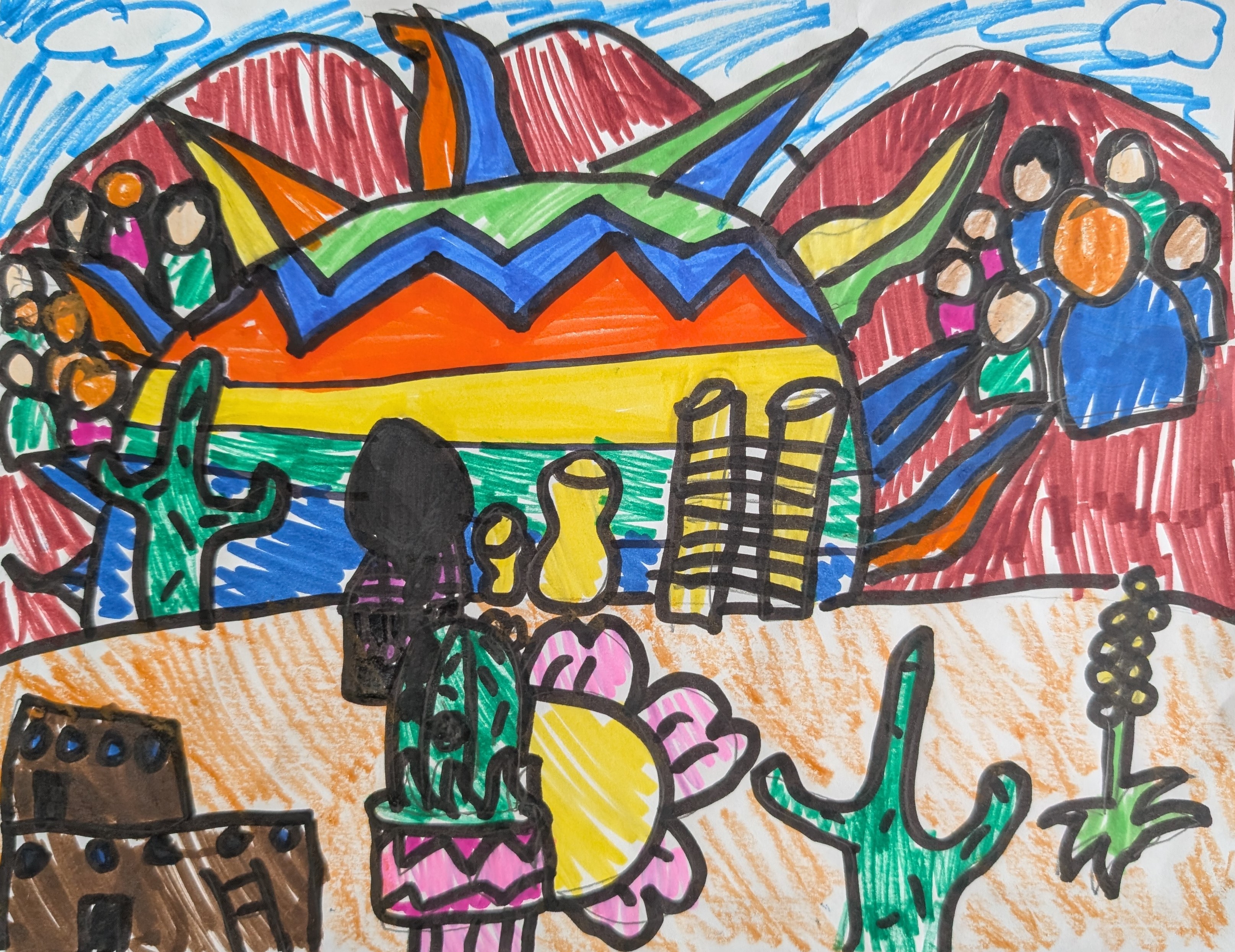 |
I drew the New Mexico community and ancestors. I drew the pattern in the sun because I think it shows NEW Mexico culture. I drew what I think about New Mexico. | 592 | |
| Albuquerque School of Excellence | 4 | Elementary K-2 | 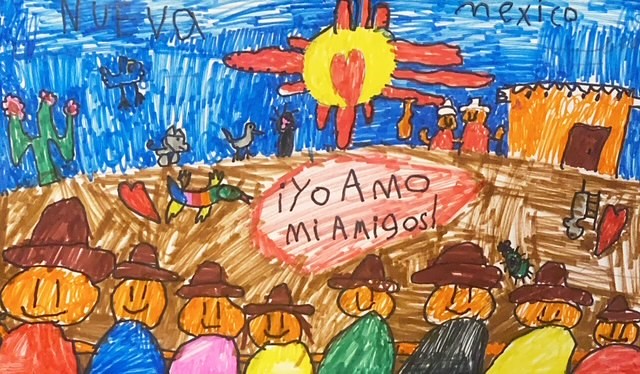 |
I am a Hispanic and I like all my friends. We're all from different cultures and love playing tag. | 596 | |
| Albuquerque School of Excellence | 4 | Elementary 3-5 | 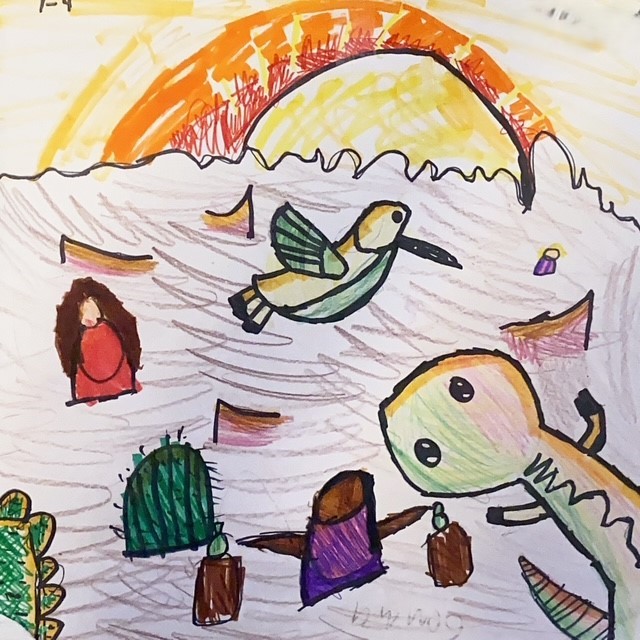 |
I just love hummingbirds and lizards. and you can do whatever you dream of if you work hard. I also like pottery. The people represents community. | 600 | |
| Albuquerque School of Excellence | 4 | Elementary 3-5 | 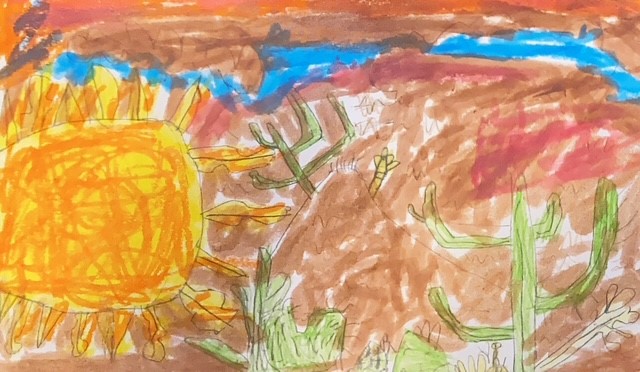 |
I like living in New Mexico because we a have no tornadoes but I like them. I like having cactuses. When I grow up I would take a Lamborghini and drive by the desert. | 604 | |
| Albuquerque School of Excellence | 3 | Elementary 3-5 | 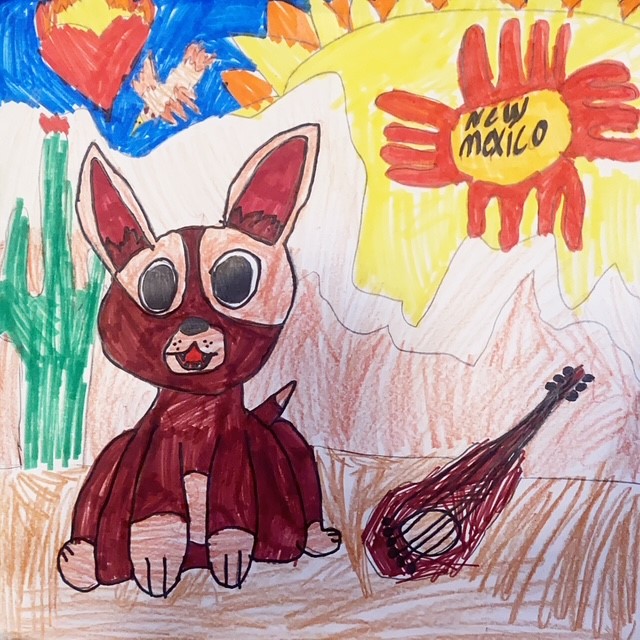 |
My picture is all about New Mexico. I love chihuahuas so I added a chihuahua.I love the sunset and I added that. My Dad plays music so I added an instrument. | 608 | |
| Albuquerque School of Excellence | 4 | Elementary 3-5 | 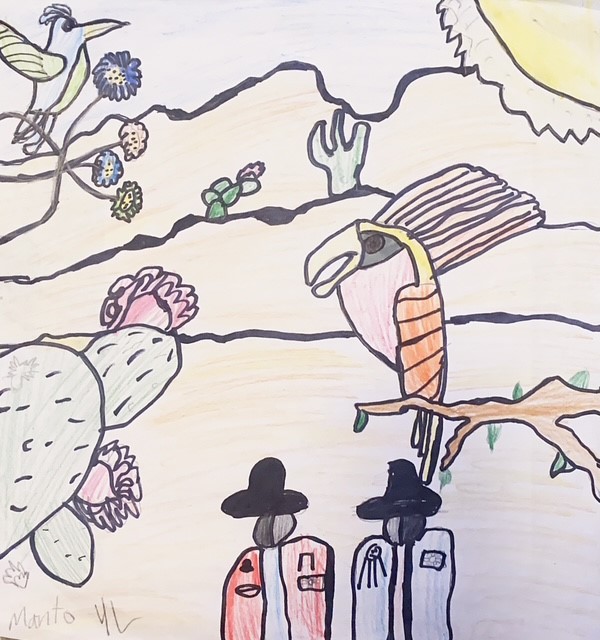 |
The best trip was visiting my cousins, Ants, & Uncles in New Mexico. I love the desert sunsets and got to see a hummingbird and parrot. I can't wait to see them again. | 616 | |
| Albuquerque School of Excellence | 4 | Elementary 3-5 | 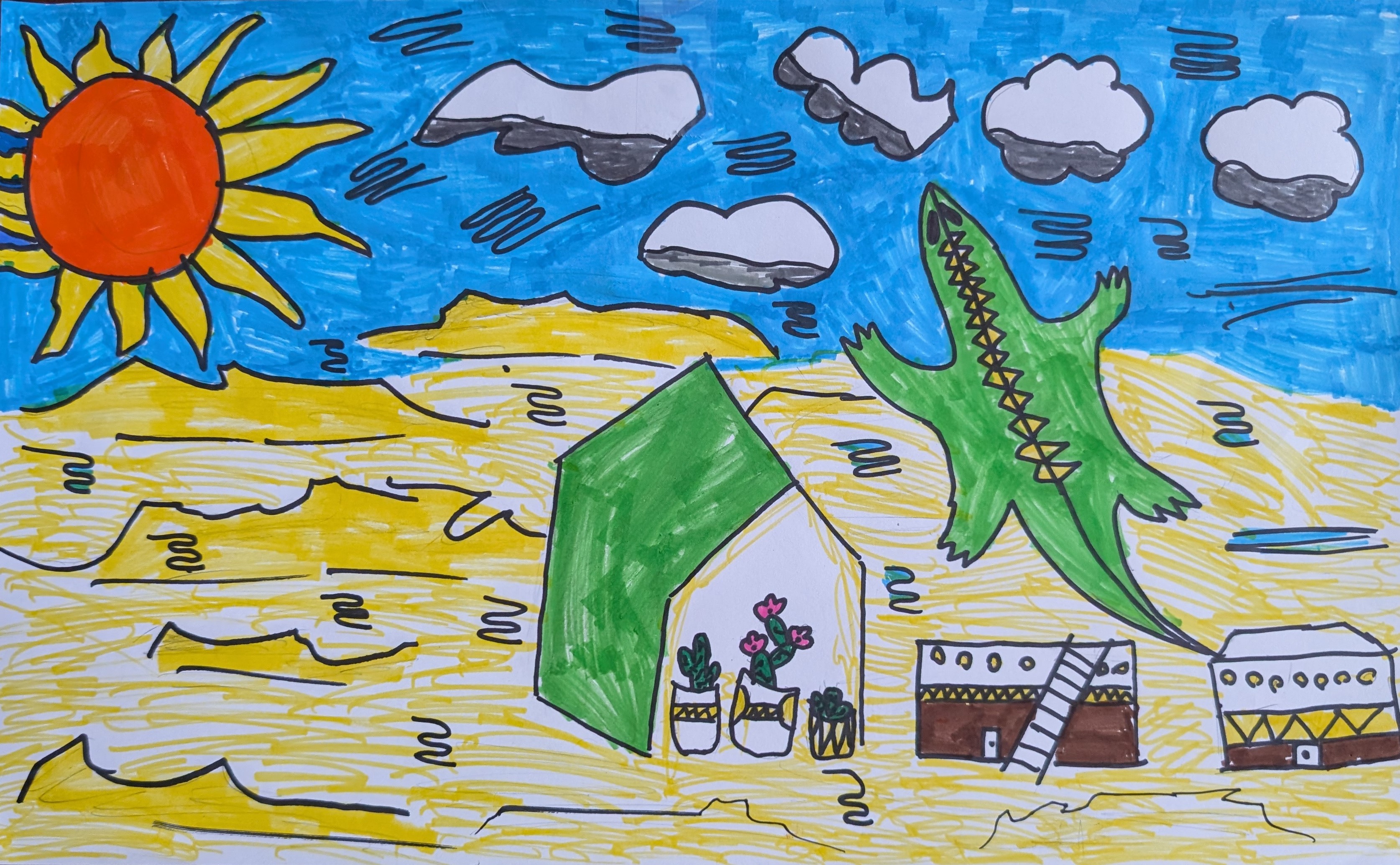 |
This art is about New Mexico. It is about our culture. It reminds us of things in our hot culture. | 620 | |
| Albuquerque School of Excellence | 4 | Elementary 3-5 | 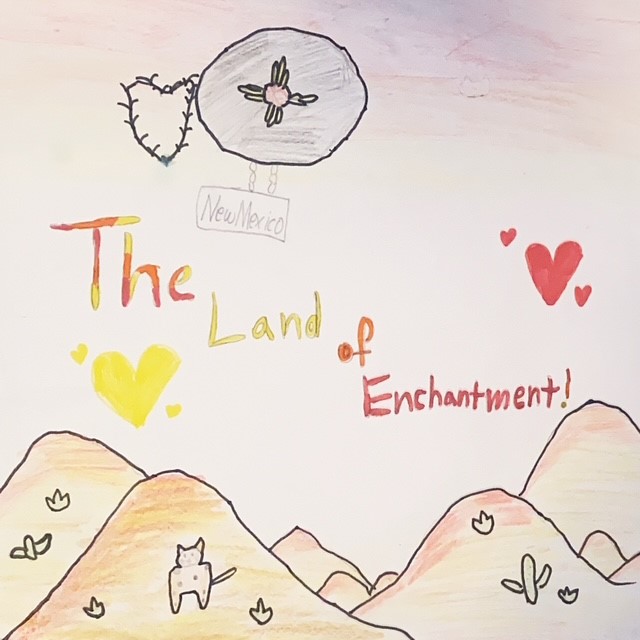 |
So my picture is White Sands National Park. There is a sunset as well. Even though there is no bobcats there, I drew one anyway. | 624 | |
| Albuquerque School of Excellence | 4 | Elementary 3-5 | 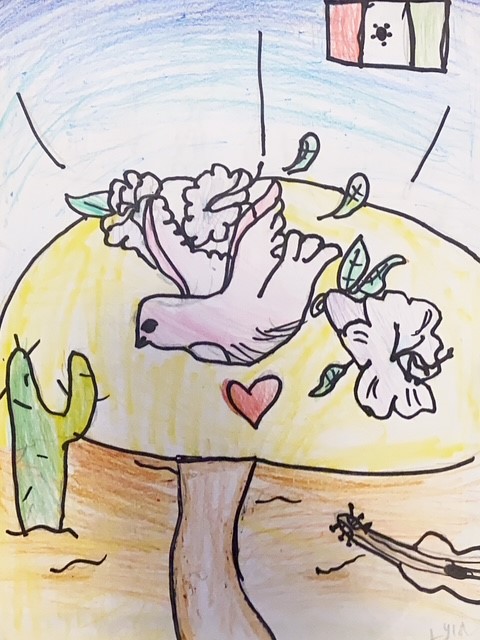 |
There was a bird that means hope. I am Native American! I love New Mexico! | 628 | |
| Albuquerque School of Excellence | 4 | Elementary 3-5 | 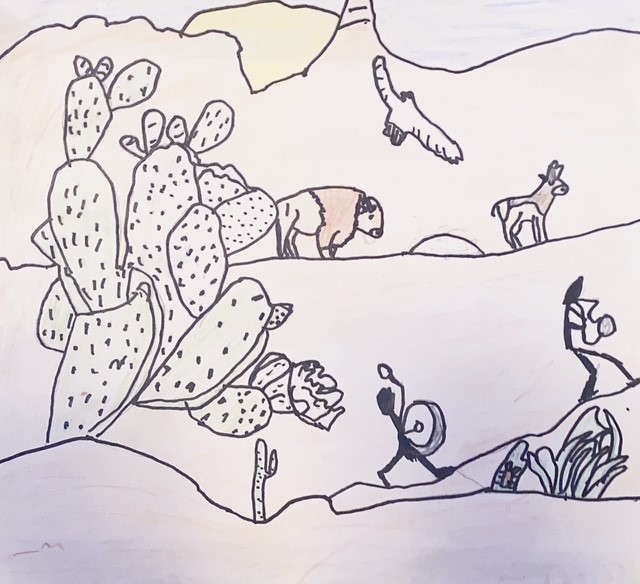 |
I am in art. I try to draw a mountain. I like how my art came out. I still think it needs more. Still needs mountains. | 632 | |
| Albuquerque School of Excellence | 4 | Elementary 3-5 | 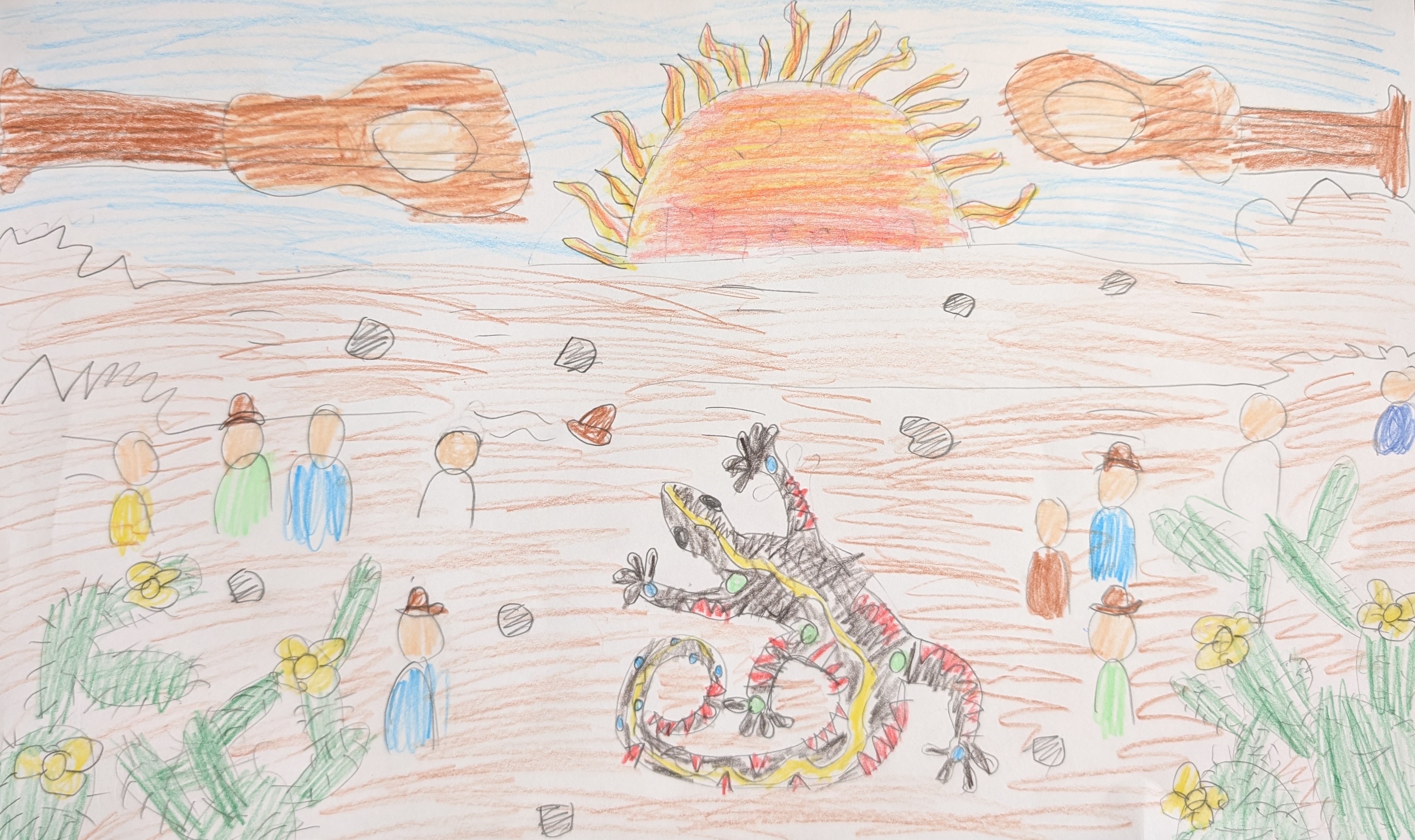 |
I put a lizrd because my favorite animal is a lizard. I put cactuses because it is New Mexico plant. I put people for family and culture. I put a sunset because it looks cool and the ground looks orange. | 636 | |
| Albuquerque School of Excellence | 3 | Elementary 3-5 | 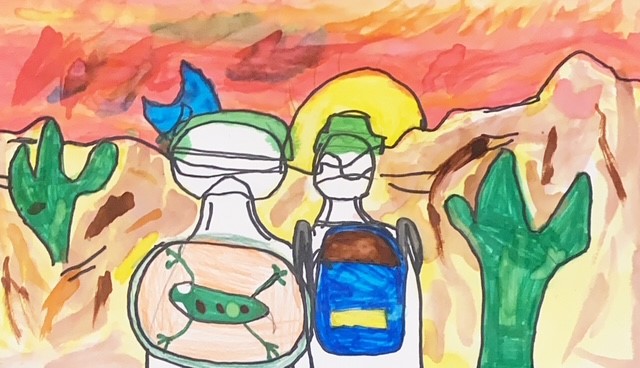 |
In my art I painted 2 friends exploring the desert and talking to eachother. | 640 | |
| Albuquerque School of Excellence | 4 | Elementary 3-5 | 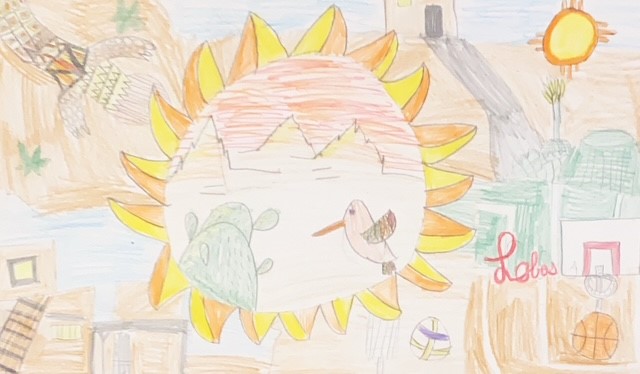 |
I drew a New Mexico landscape with adobe houses and mountains. I drew about the sports that like such as soccer, basketball, and volleyball. I also made adobe houses. There are some of the animals there such as humming birds and lizards. My plants are cacti and yucca. | 644 | |
| Albuquerque School of Excellence | 3 | Elementary 3-5 | 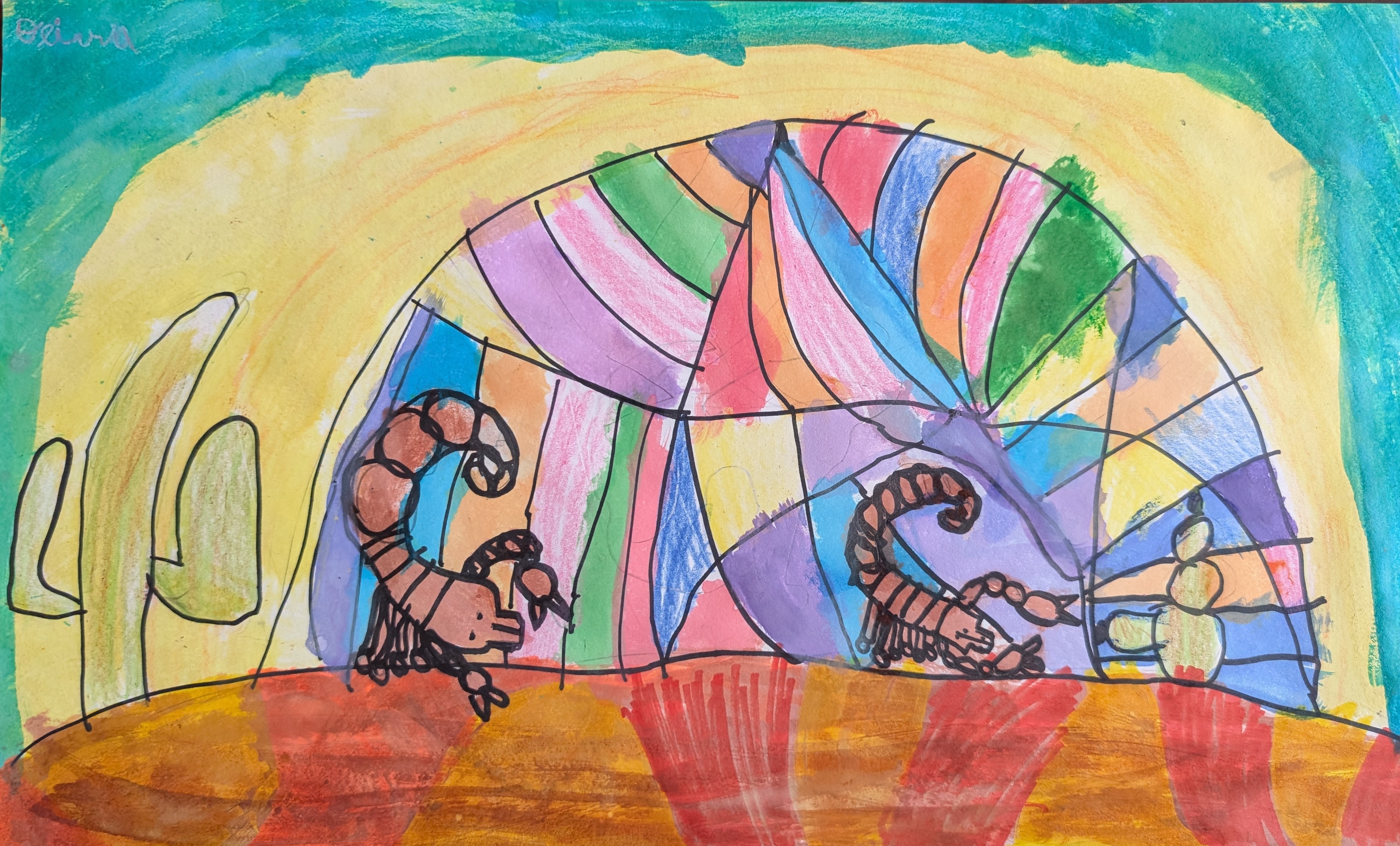 |
I like all the colors we see in the sky. The land is full of cactus and I love looking at the scorpions. This is why i love New Mexico. | 648 | |
| Albuquerque School of Excellence | 3 | Elementary K-2 | 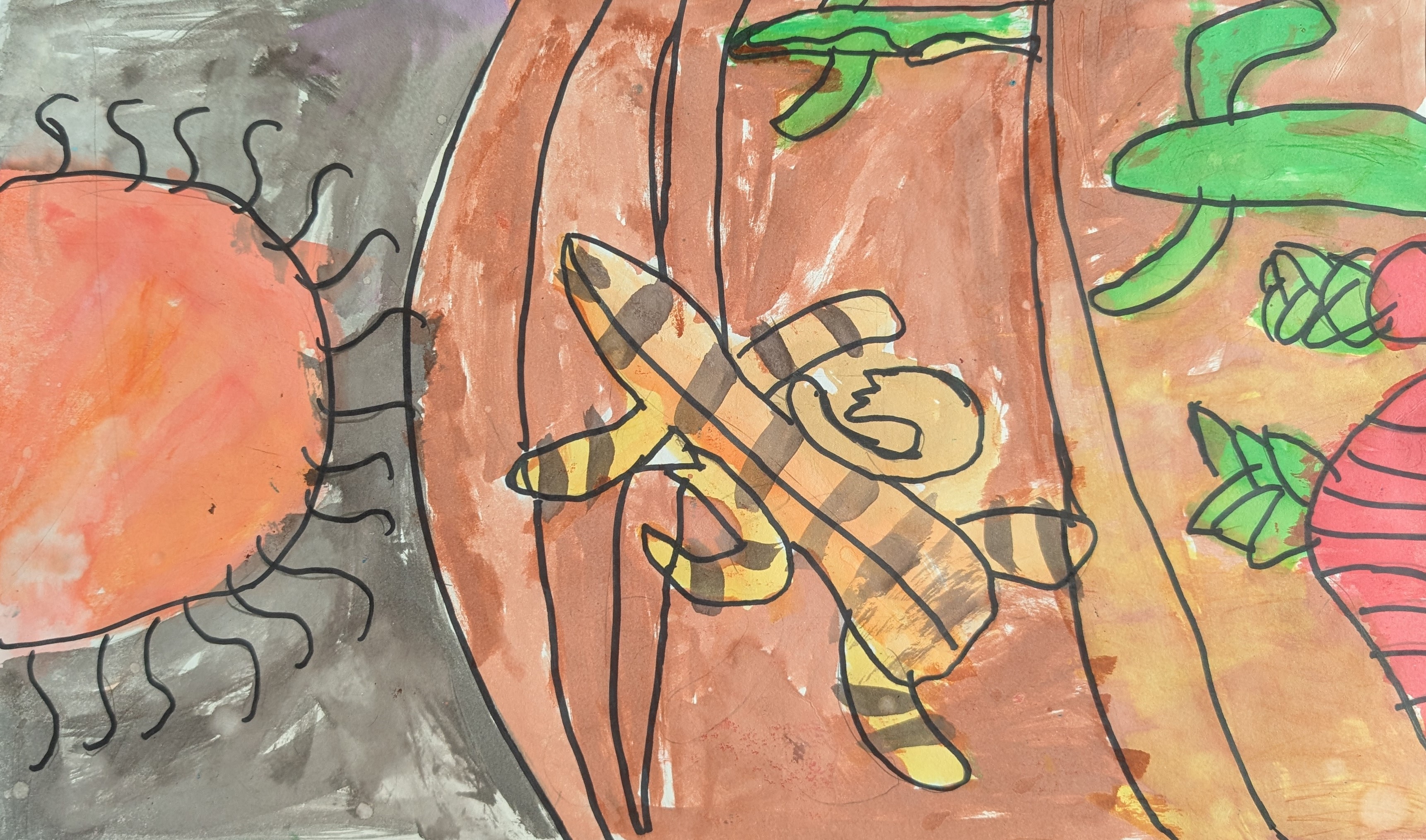 |
I drew a desert lizard because it has to stay in the desert so it does not get cold. If it does not stay in warm it will die. We want them to stay safe it will happen. Byby | 652 | |
| Albuquerque School of Excellence | 3 | Elementary 3-5 | 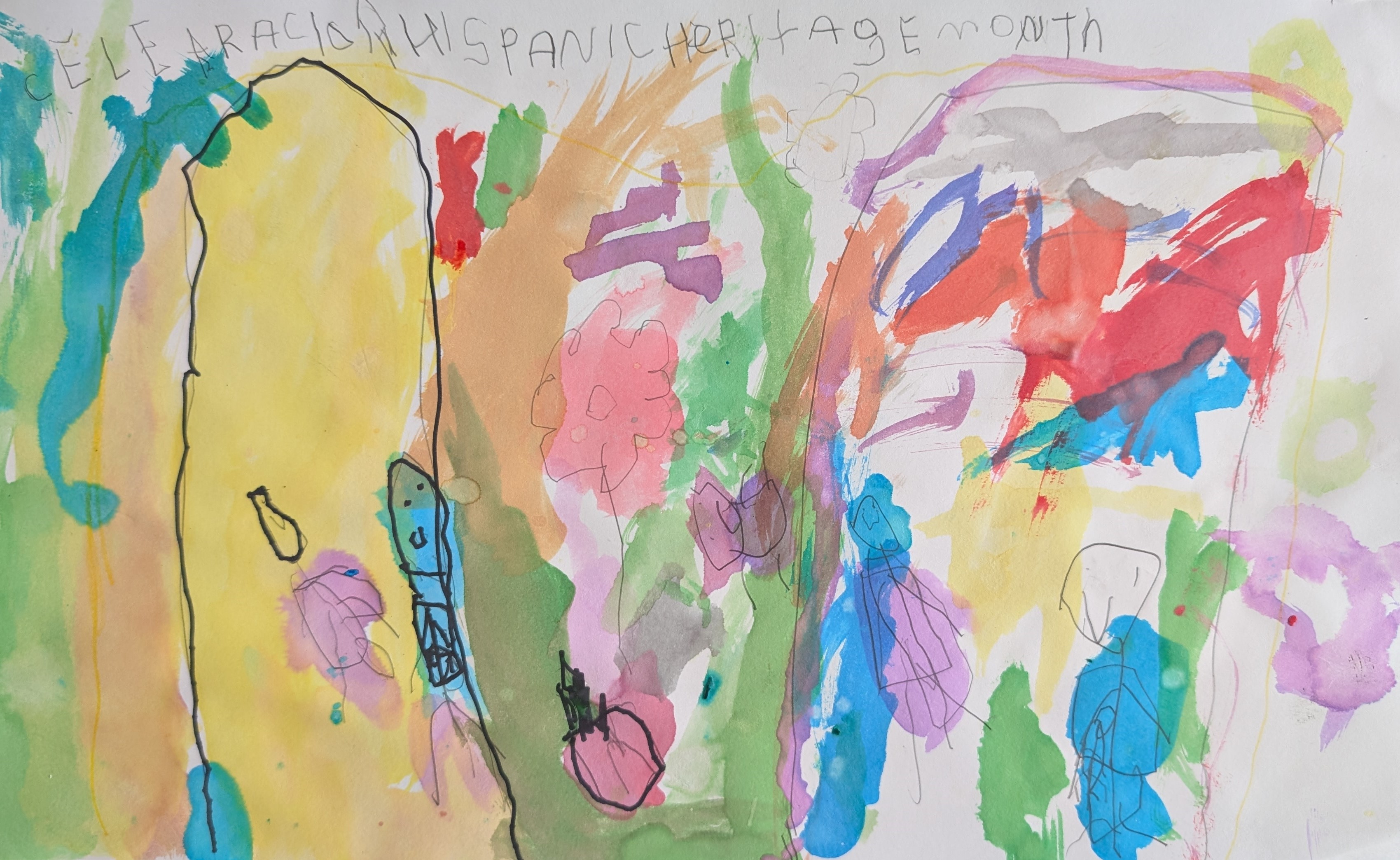 |
I have lived in New Mexico for 8 years. I have a lot of friends at school. It is a great community. | 656 | |
| Albuquerque School of Excellence | 3 | Elementary 3-5 | 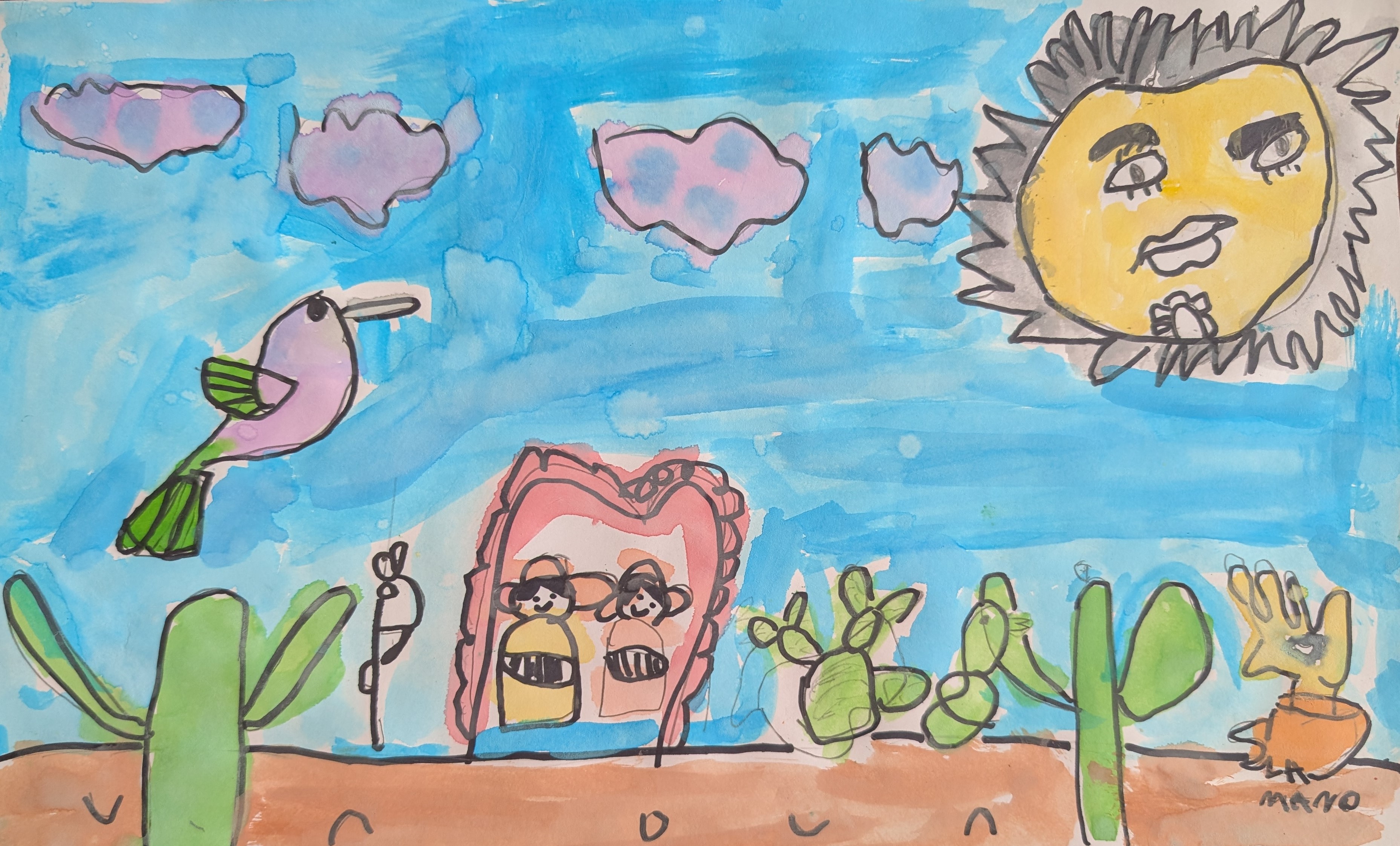 |
I love New Mexico because I grew up here and it is so pretty. I draw the humming bird because its my favorite. | 660 | |
| Albuquerque School of Excellence | 3 | Elementary 3-5 | 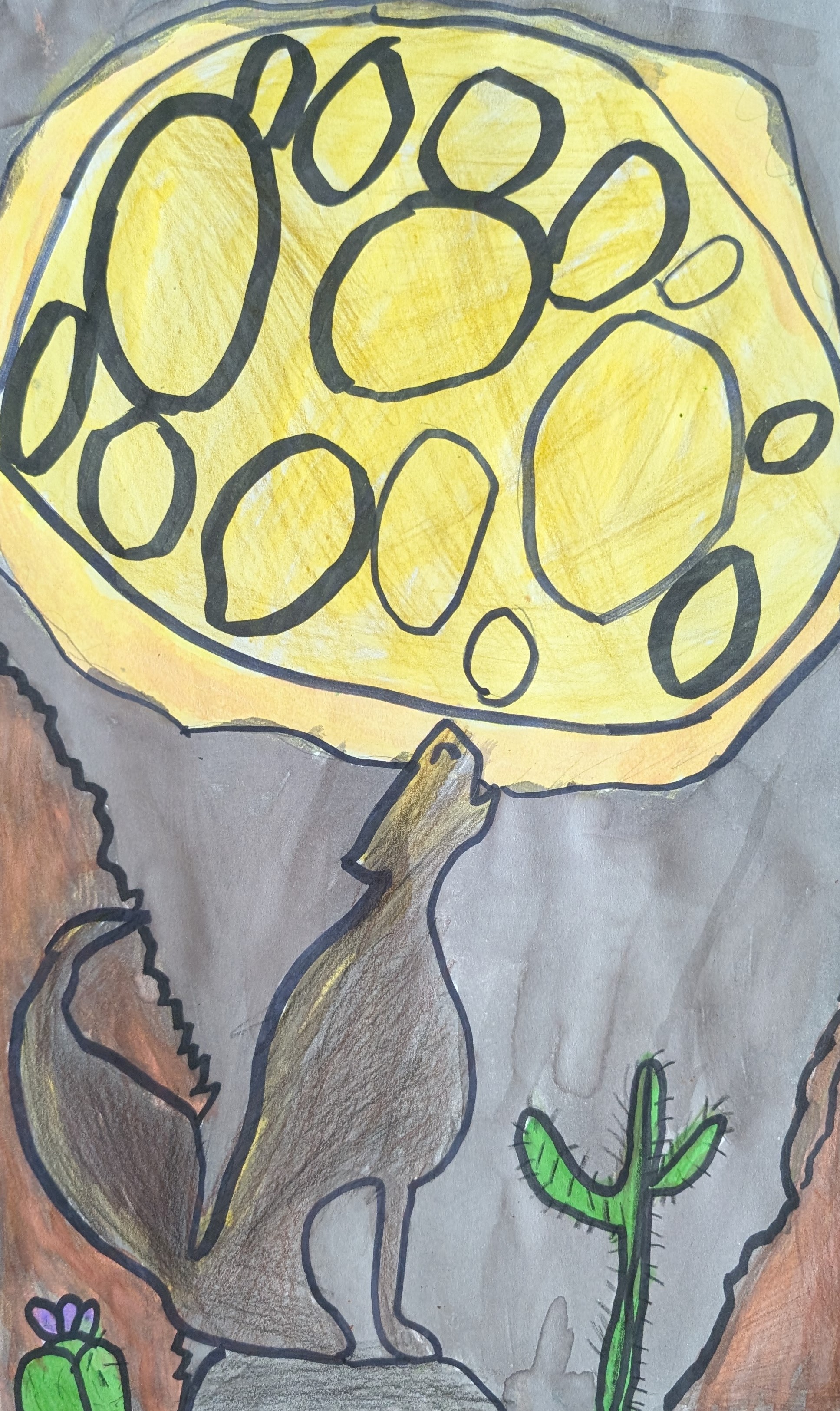 |
I chose the coyote because I like to listen to them howlingat the moon & playing with eachother. I drew this picture because we are celebrating New Mexico and how we all come from different cultures. | 664 | |
| Albuquerque School of Excellence | 3 | Elementary 3-5 | 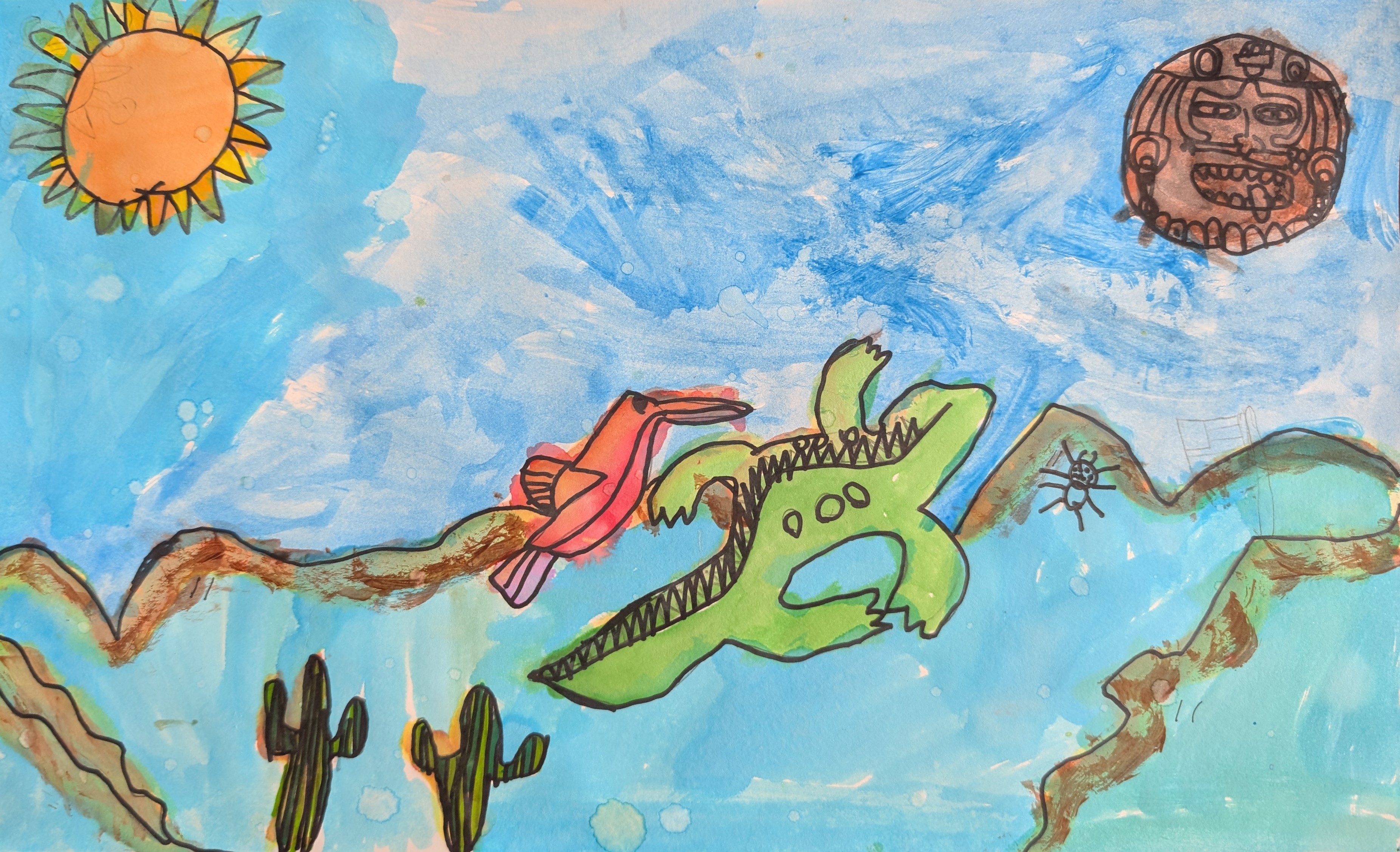 |
I love New Mexico because I was born here. | 668 | |
| Albuquerque School of Excellence | 3 | Elementary 3-5 | 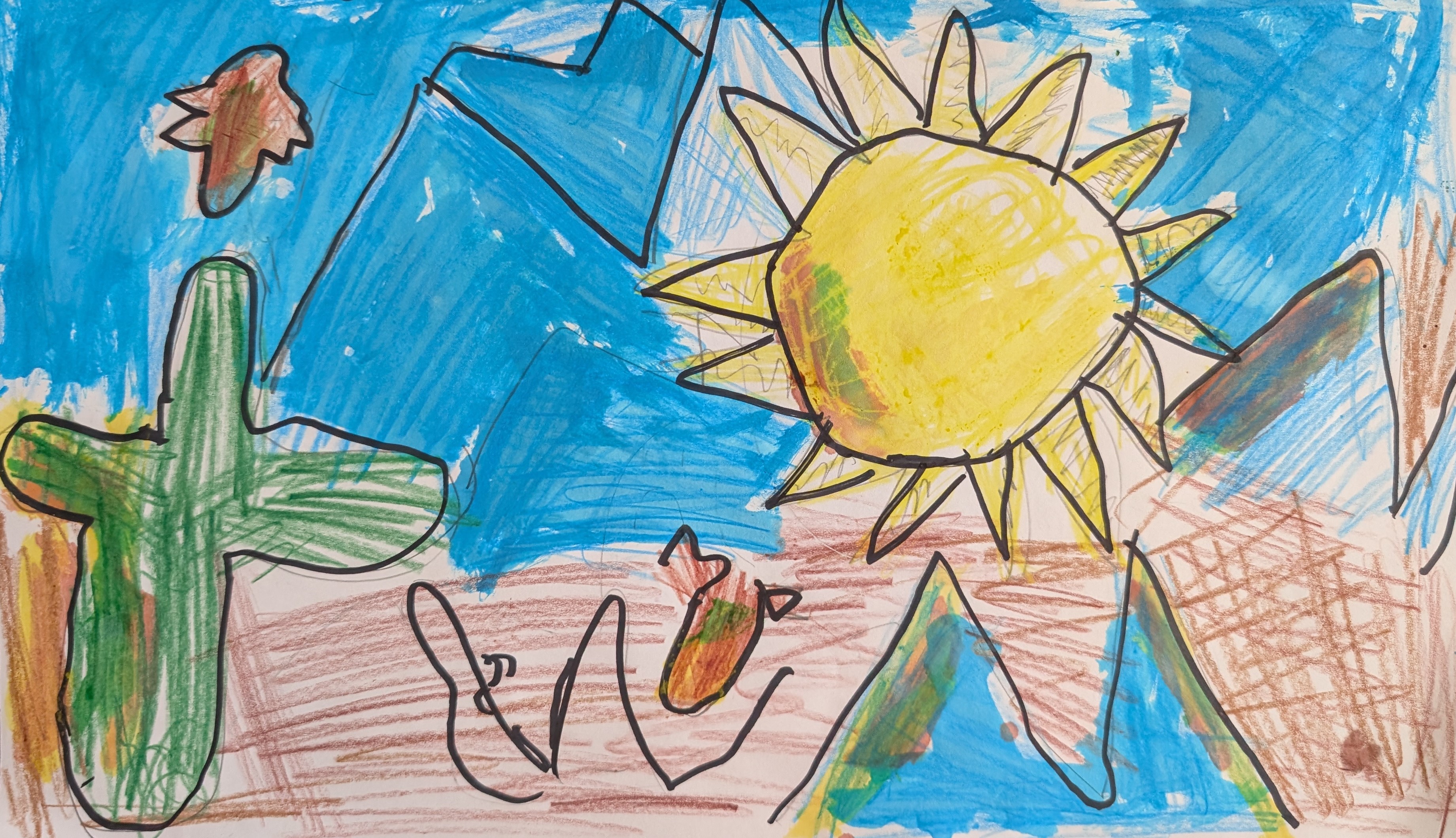 |
I have been in New Mexico my whole life. I like to play basketball outside. I have a big family and we have fun together. | 672 | |
| Albuquerque School of Excellence | 3 | Elementary 3-5 | 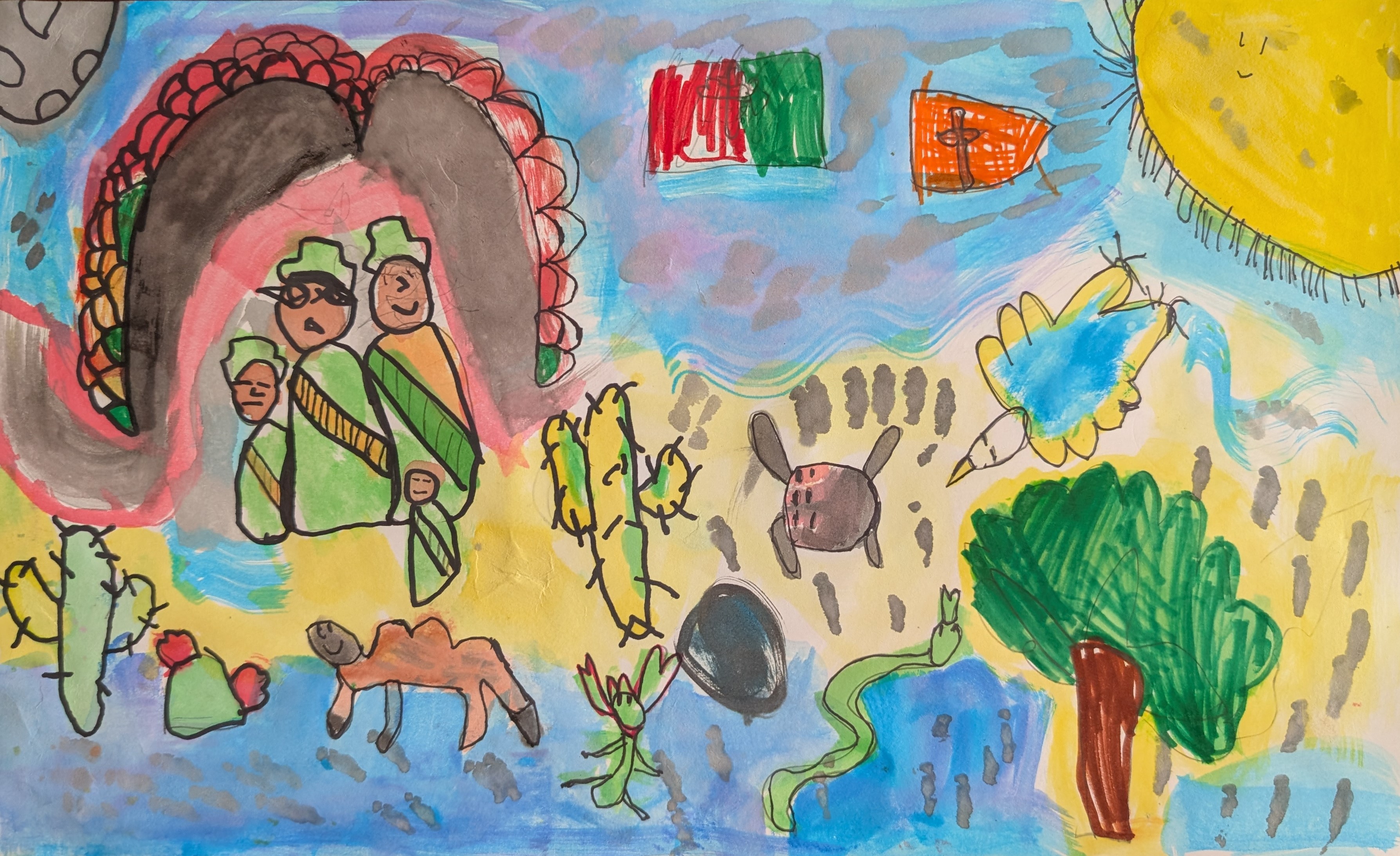 |
My parents were born in Mexico and I was born in New Mexico. My painting shows us celebrating being a family. | 676 | |
| Albuquerque School of Excellence | 3 | Elementary 3-5 | 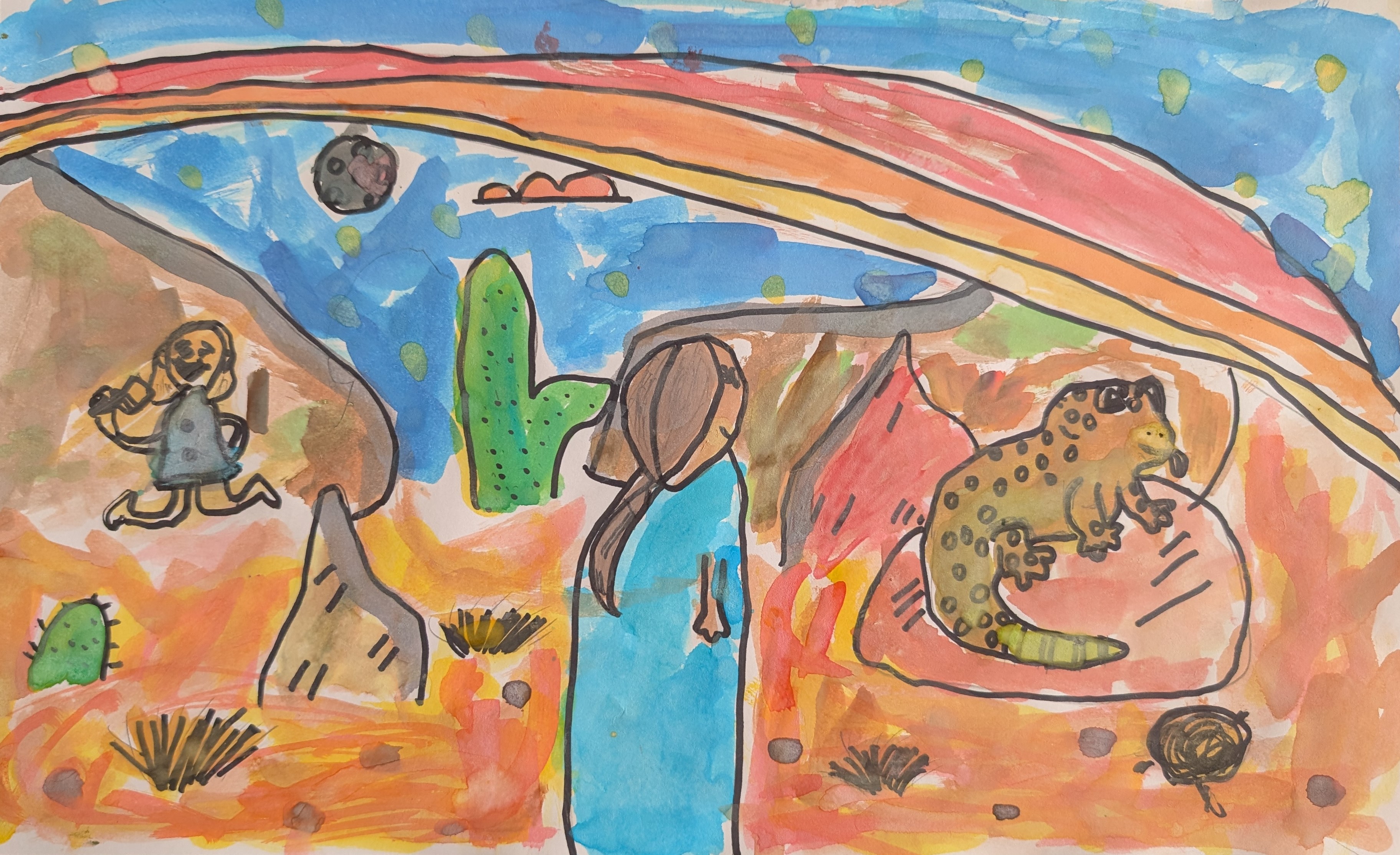 |
I painted two Hispanic girls playing outside in New Mexico. They are making music with the rattle for the animals to hear. | 680 | |
| Albuquerque School of Excellence | 6 | Middle School 6-8 | 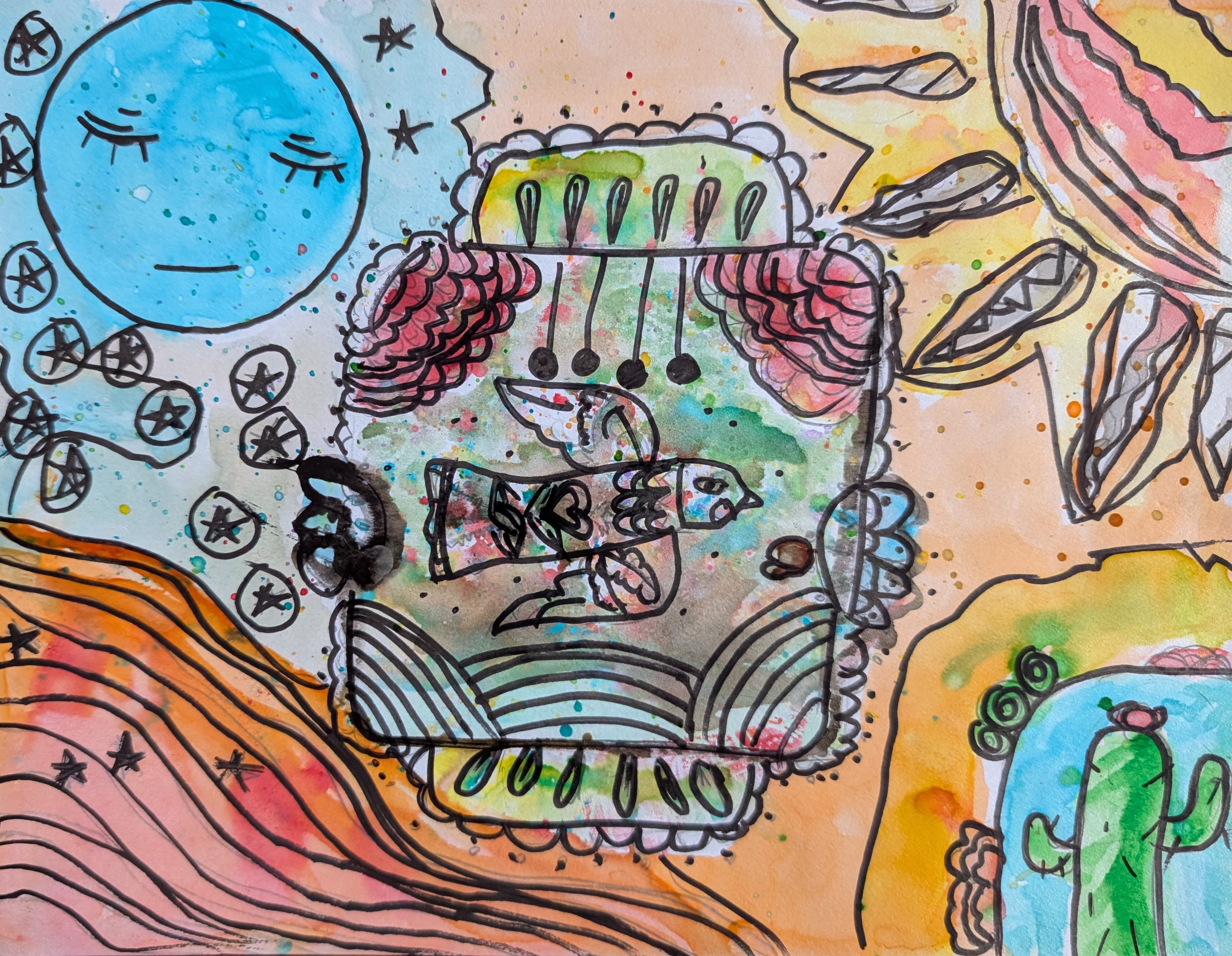 |
I made one side the moon, and the other the sun to represent the culture. And then I put a designed bird. I put sand with stars to make it have culture. | 684 | |
| Albuquerque School of Excellence | 11 | High School 9-12 | 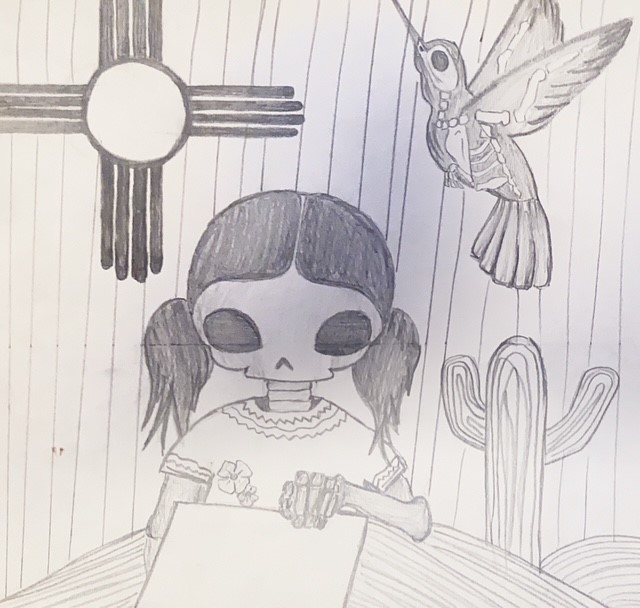 |
My drawing represents the new Mexico Hispanic heritage. The skeleton girl represents the day of the dead as part of the Hispanic heritage. The sun shines just how the New Mexico flag shines. The bird and girl are both a representation of the New Mexico community, they are both together just like a family or as friends. I drew this because it reminds me that I am part of New Mexico and because I'll know that whenever I go, I won't be alone. | 688 | |
| Albuquerque school of excellence | 9 | High School 9-12 | 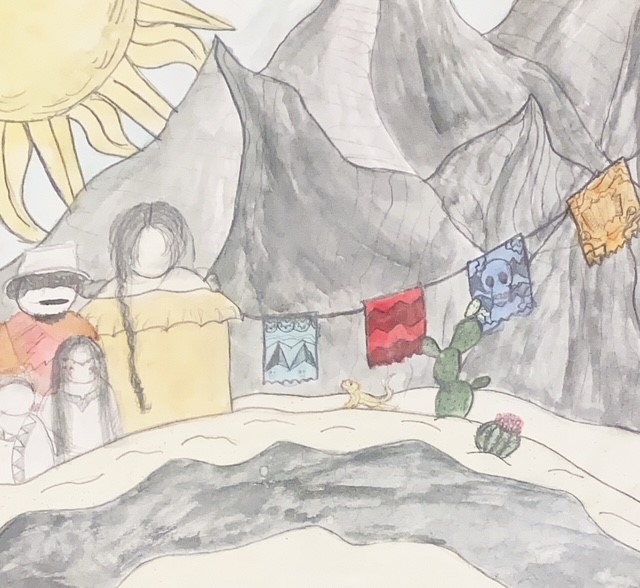 |
This artwork resembles the New Mexico community, where everyone comes together as a cohesive unit. The mountains in the background resemble the gorgeous rocky mountains we have here in New Mexico. The Papel Picado hanging in the drawing corresponds to Dia de los Muertos, also known as the Day of the Dead. I wanted to add this because it reminds me of loved ones who have passed, and my family would do this tradition for them every year, like everyone else who does it. | 692 | |
| Albuquerque School of Excellence | 6 | Middle School 6-8 | 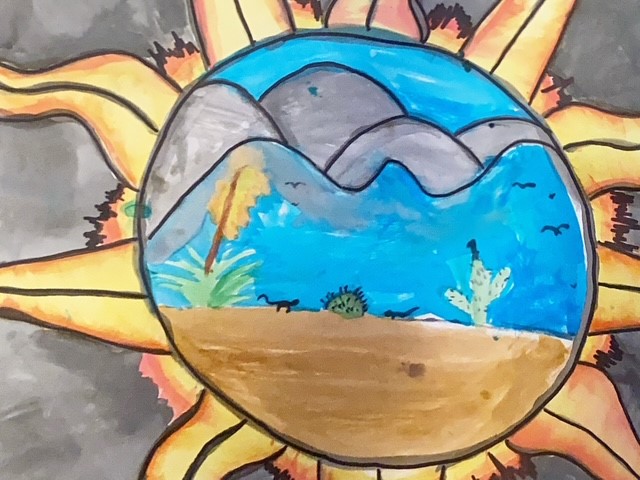 |
I drew and painted this picture because we had to draw/paint New Mexico Culture. I put mountains as a replica to the NM mountains. I painted cactuses and geckos for the plants that are in NM, and sand because NM is a desert. | 696 | |
| Albuquerque School of Excellence | 12 | High School 9-12 | 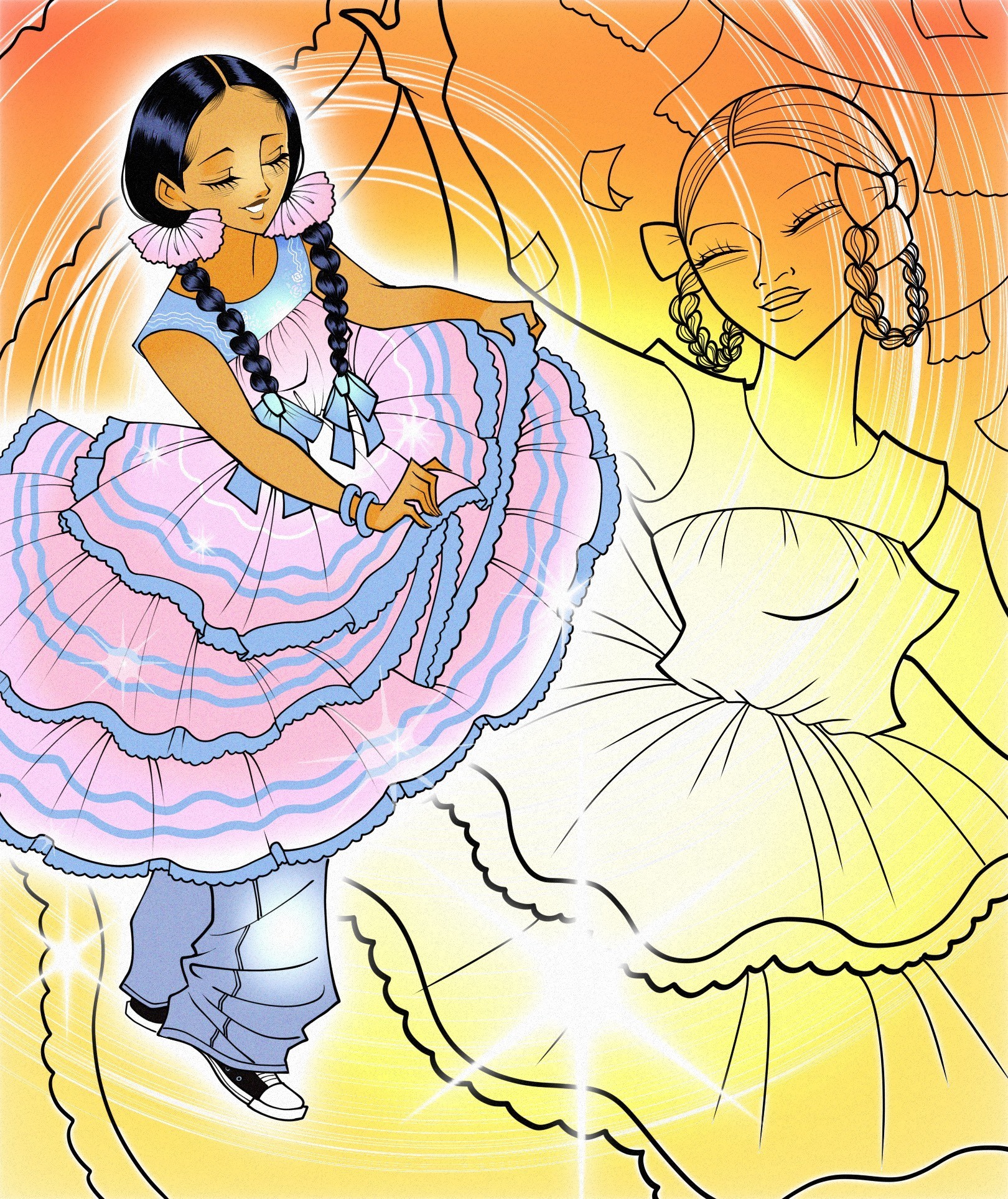 |
Note: This is a digital piece of art. This artwork references an older piece I made back in 2019, evoking that idea of the old and new generations connecting through an object or a memory. That object is represented by a dress worn by the main woman, since I can imagine her grandmother gifting that to her and passing it down to a new generation. I’m not Hispanic, but Hispanic culture is beautiful and vibrant to me, so I wanted to capture the vividness and colorful nature of its art and fashion. |
700 | |
| 2 | Albuquerque School of Excellence | 6 | Middle School 6-8 | 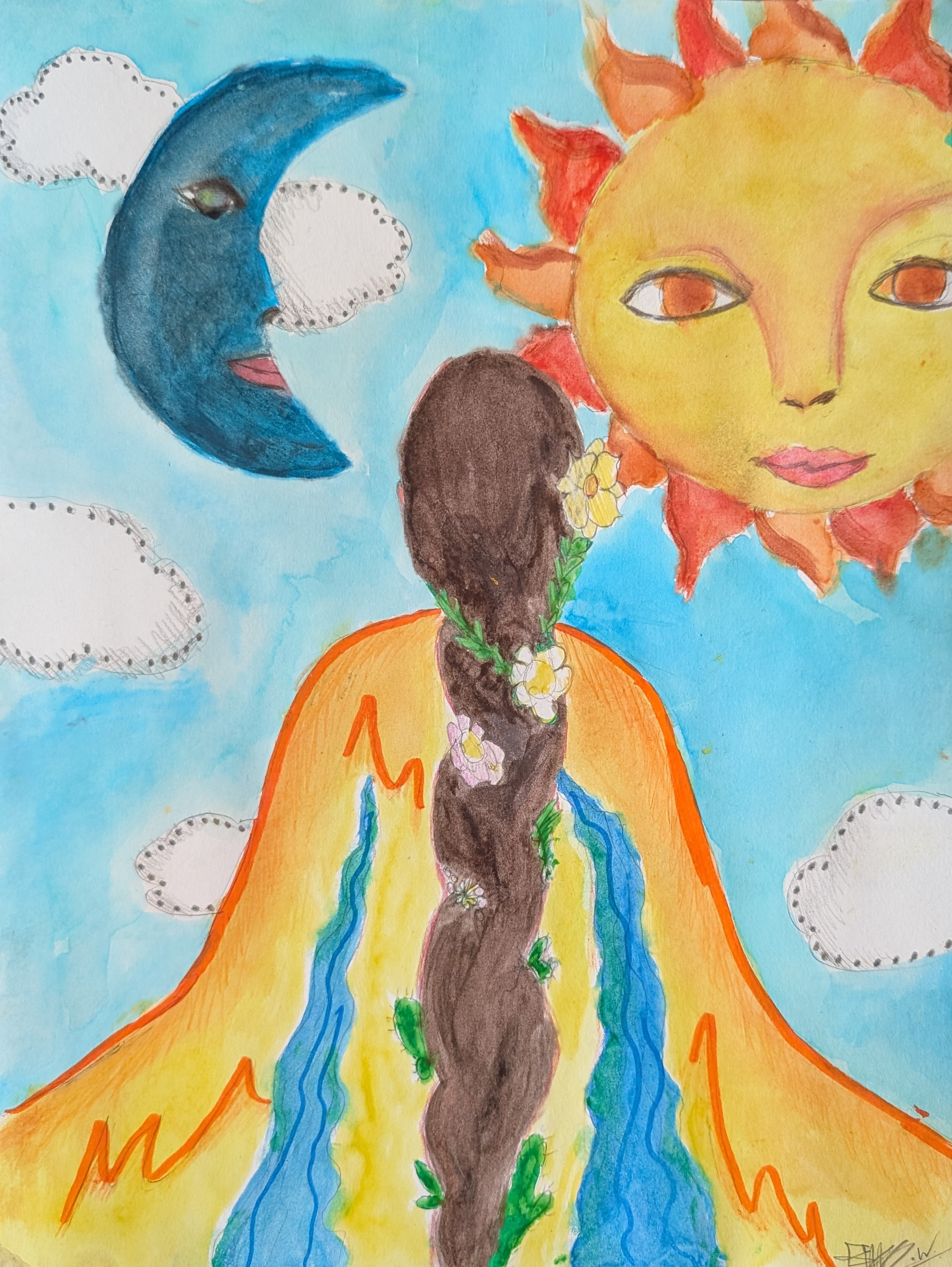 |
In my artwork I have painted a hispanic woman who is walking through the desert of New Mexico as the moon and sun are looking down on her. As she walks she becomes more and more like the very desert she is walking in. The sun gave her a cape made of sand. The moon gave her stripes of the river in her cape. The clouds twisted her hair into a braid with wildflowers weaved in. The reason she was walking in the desert was to meet the other ladies of the land. She suddenly stopped and thought "she was the lady of the land," and she was going to stay here and wait for next year to meet the other woman with the same goal that she had in the past to meet the ladies of the land. Then the sun and the moon told her that was her destiny. | 704 |
| Albuquerque School of Excellence | 6 | Middle School 6-8 | 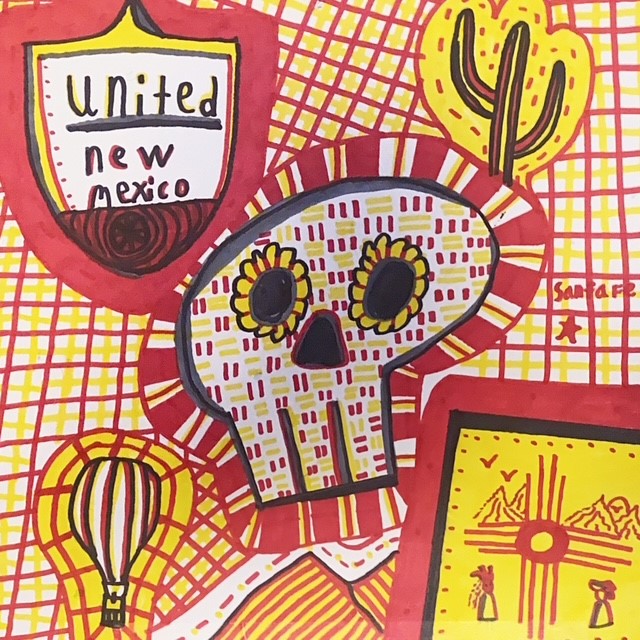 |
I made this art work because it represents us and what New Mexico is about. Art is just not drawings, art is feelings. Thats why I did this work to show us. | 708 | |
| Albuquerque School of Excellence | 7 | Middle School 6-8 | 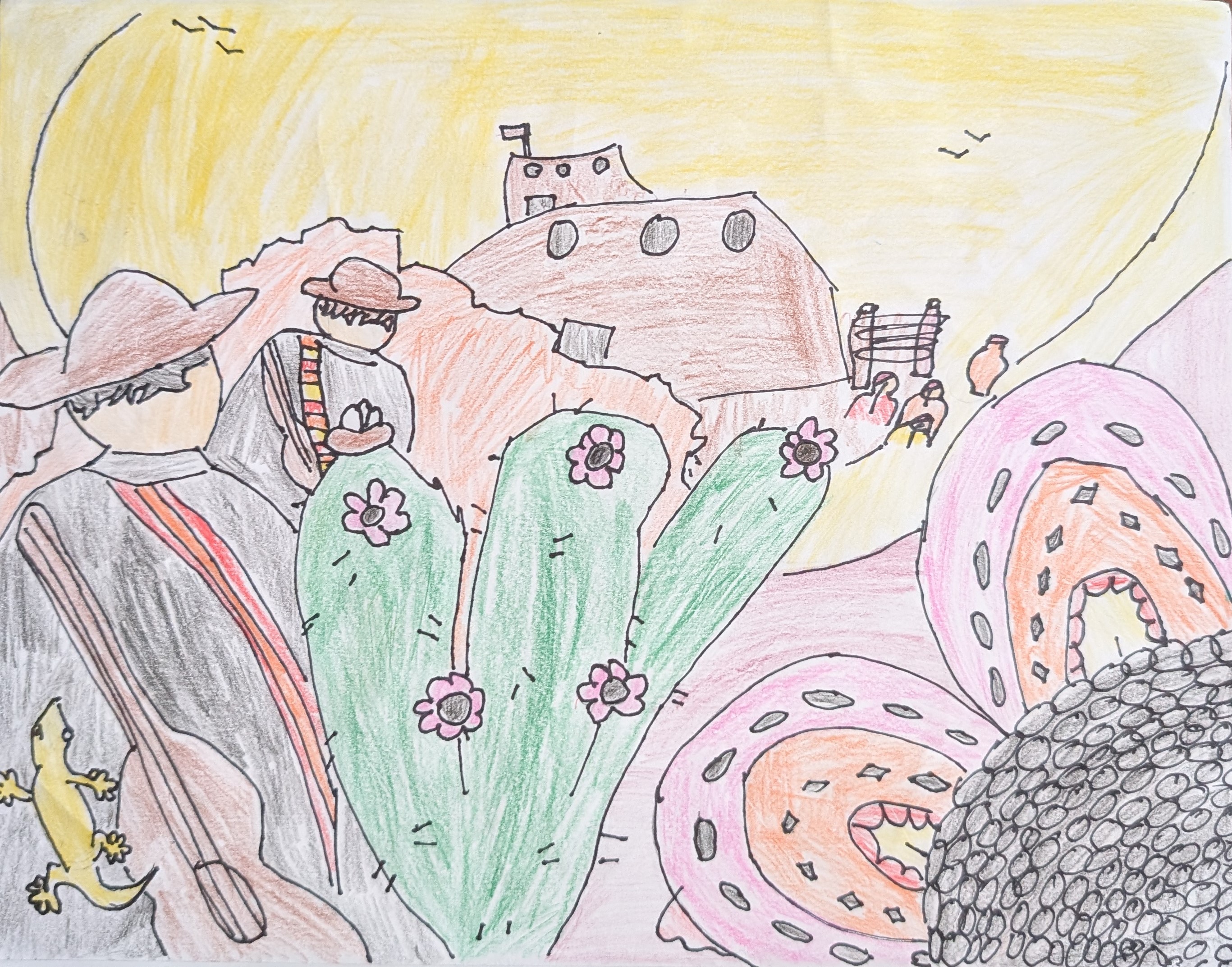 |
A settlement on the southside of New Mexico with gators and use materials like string and cloth to make clothing. As well as pottery to make decor and supplies. I got the drawings inspiration from one of my art teachers examples. The two guys are coming back from gathering materials. The three other at the settlement are teaching each other knitting and pottery. | 712 | |
| Albuquerque School of Excellence | 6 | Middle School 6-8 | 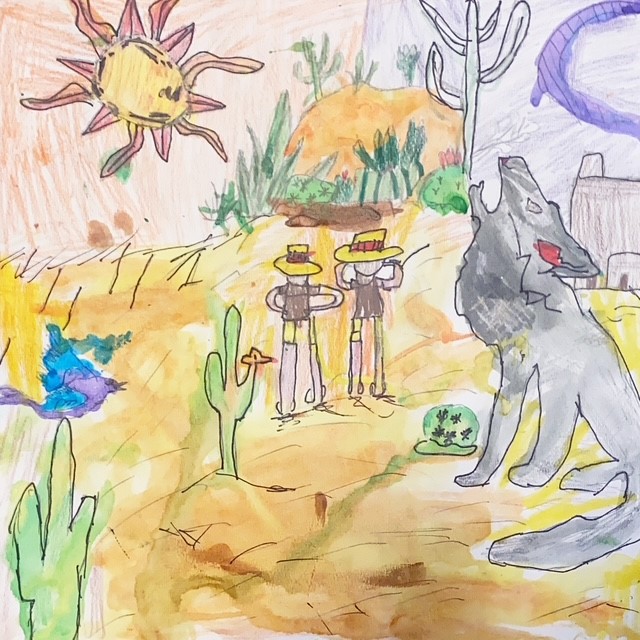 |
In my drawing, I drew a picture about the New Mexico Hispanic Culture. I drew a picture of some people taking a picture for a holiday of theirs. I chose this picture because I live in New Mexico and I like to choose picture of Hispanic Heritage Traditions. | 716 | |
| Albuquerque School of Excellence | 6 | Middle School 6-8 | 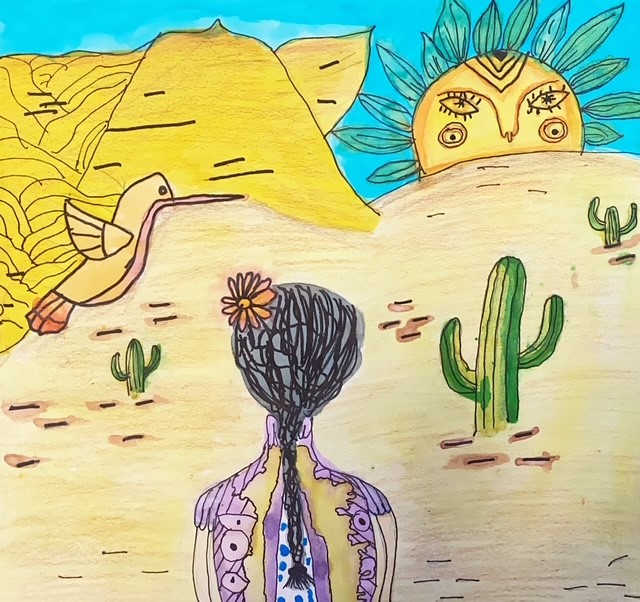 |
My art shows a Hispanic girl looking at the New Mexico sunset and birds. I dew New Mexico sun. I drew Hispanic girl. I drew a desert. | 720 | |
| Albuquerque School of Excellence | 11 | High School 9-12 | 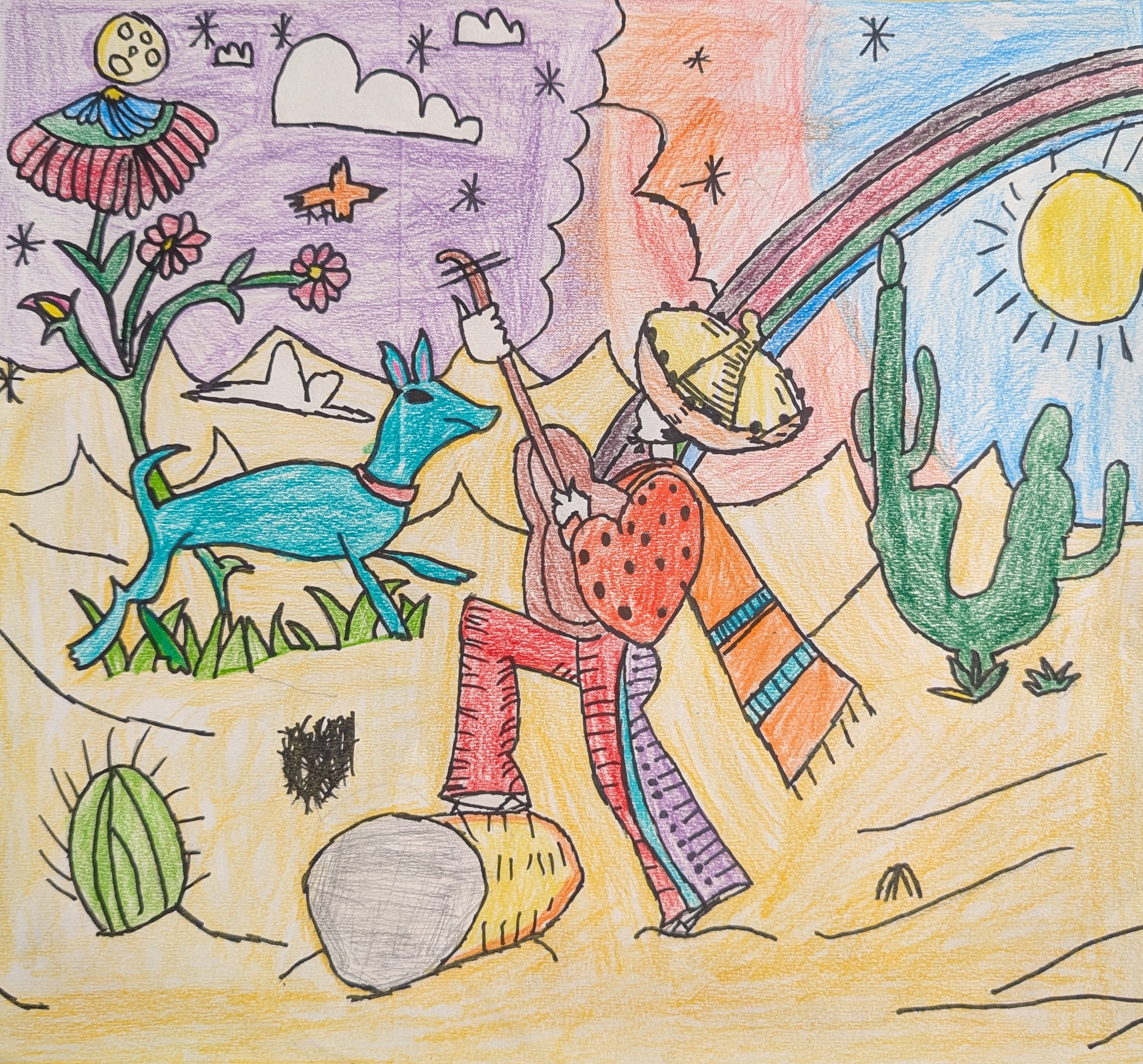 |
I made this piece because it shows aspects of New Mexicothat I personally love. I love the sunset, terrain, and music. On the inside there is a dog that is colored turquoise because it is New Mexico's state color. The desert lanscape symbolizes New Mexico. | 724 | |
| Albuquerque School of Excellence | 6 | Middle School 6-8 | 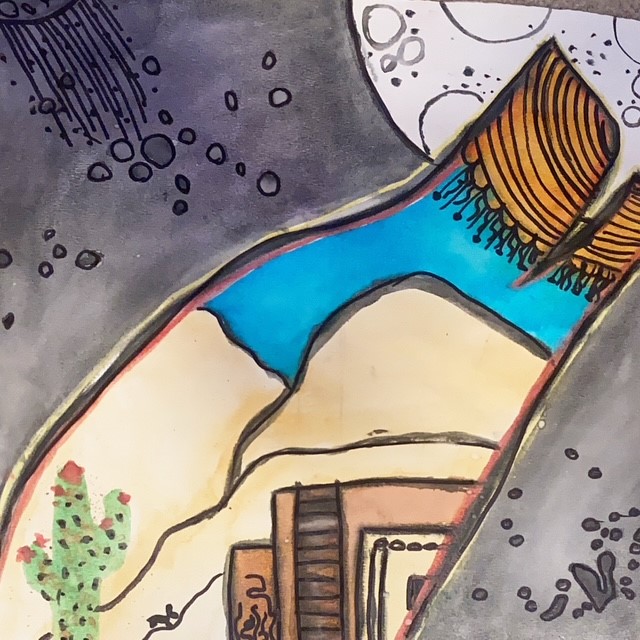 |
The coyote represents daylight and the little house is older house. The coyote is searching for his food day and night. Working hard you can succeed your goal. | 728 | |
| Albuquerque School of Excellence | 6 | Middle School 6-8 | 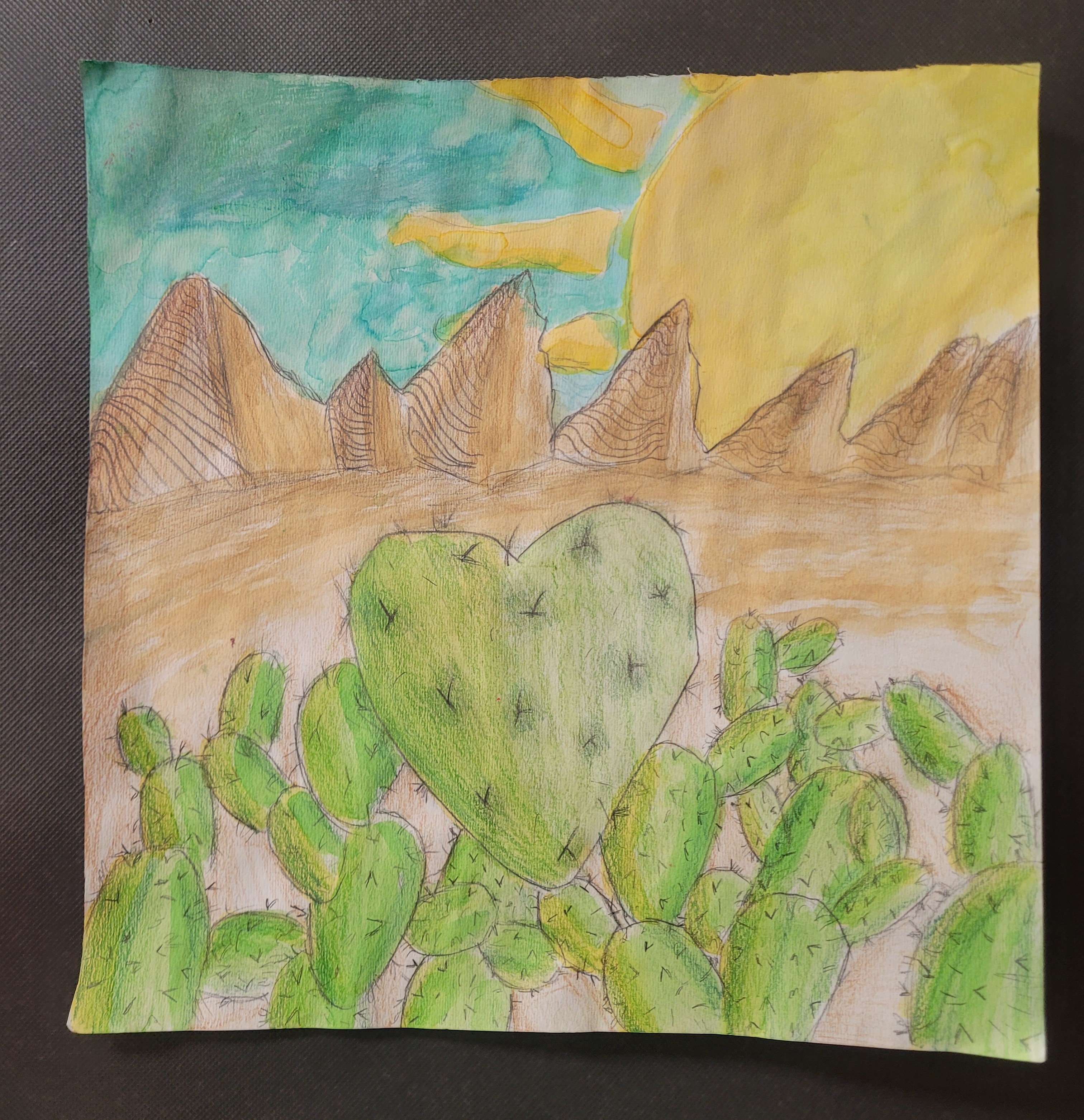 |
This artwork is me and my family at our homein the desert. Which is full of beautiful cacti, and amazing views of the mountains. We go on road trips, take detours in the desert. It is one of my favorite views because of its beauty. The view of the seemingly endless sand, the mountains that look perfect, and the classic desert cactus is what makes New Mexico feel like home to me and my family. | 732 | |
| Albuquerque School of Excellence | 6 | Middle School 6-8 | 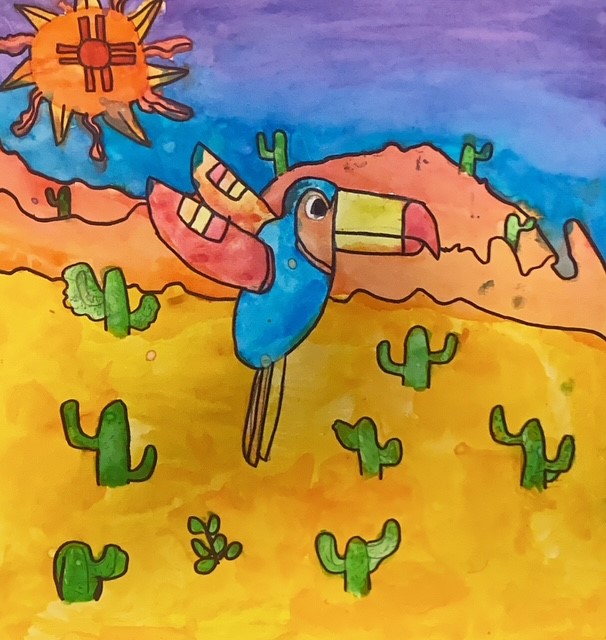 |
I drew New Mexico landscape because I love he deserts and mountains of New Mexico and I drew a toucan because I think there cool. | 736 | |
| Albuquerque School of Excellence | 7 | Middle School 6-8 | 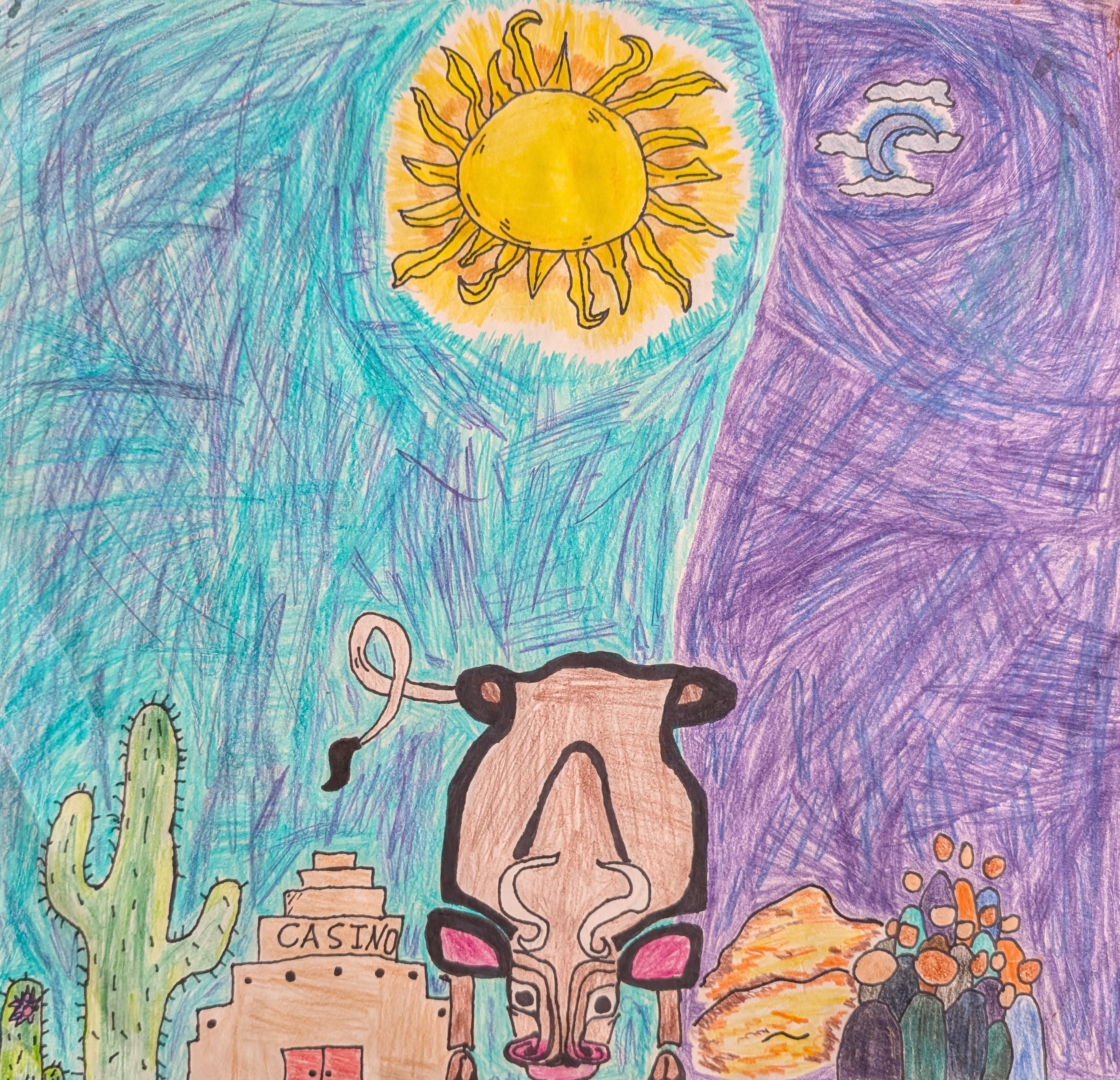 |
The sun represents day and the moon represents night. The two cactus is showing that New Mexico is a desert. The casino is a hobby that some New Mexicans do. The bull represents bull fighting and bull riding. The sandy hill represents lands in Mexico and New Mexico, the people next to the hills shows how the community comes together. | 740 | |
| Albuquerque School of Excellence | 12 | High School 9-12 | 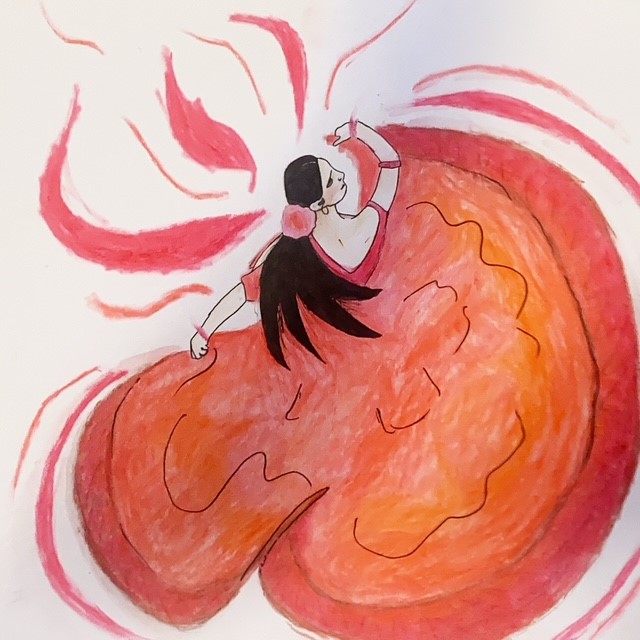 |
I drew a Flamenco dancer. I used watercolors, oil pastels, and black ink. I wanted to show the tradition of Flamenco dancing in more modern dress, showing how the tradition has been passed down. | 744 | |
| Albuquerque School of Excellence | 6 | Middle School 6-8 | 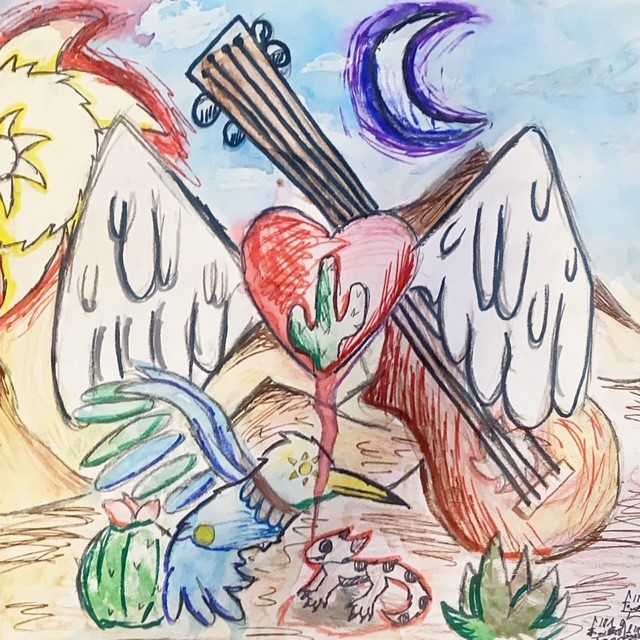 |
This picture has a moon and sun in a afternoon sky. There's a heart with wings and a cactus in the heart. Behind the heart is a gator, a humming bird, and a lizard on a rock. The ground contains sandy mountains and a couple of cacti. | 748 | |
| Albuquerque School of Excellence | 6 | Middle School 6-8 | 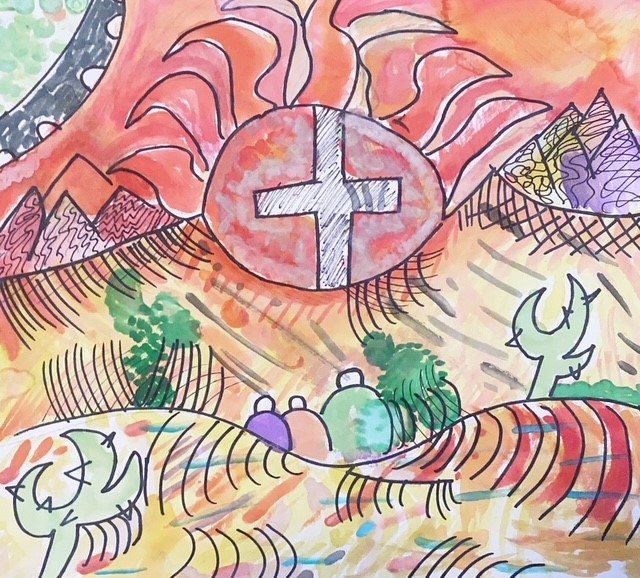 |
I chose this pic because when she said "New Mexico" my mind went boom because no one know New Mexico and how cool the Hispanic Heritage is like learning the tradition or about our ancesttors history. I just wanna show the New Mexico community! I really I hope I win. | 752 | |
| Albuquerque School of Excellence | 6 | Middle School 6-8 | 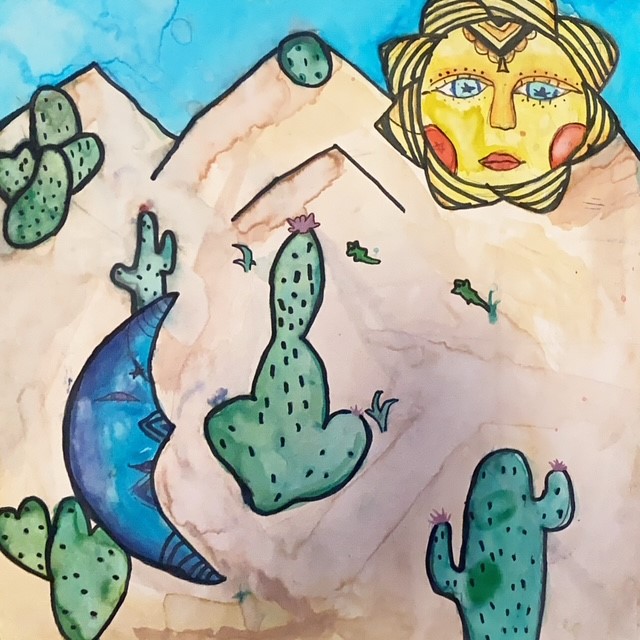 |
Every time, I go to Arizona and comeback to New Mexico, I see cacti and sand dunes. When I see them I feel amazement. I want to show their structure and height. They remind me of my family, because we grow them and eat their fruit. My family has a long history and respect for the desert and what it provides. | 756 | |
| Albuquerque School of Excellence | 6 | Middle School 6-8 | 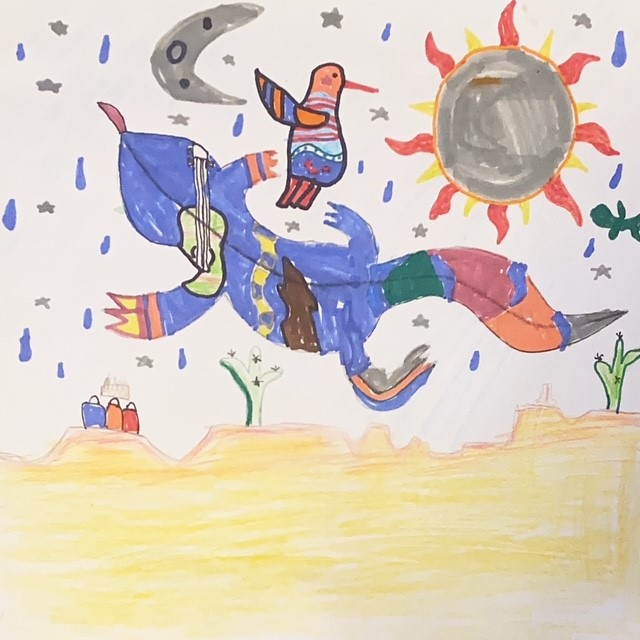 |
I picked guitar because a guitar really represents the Hispanic community and any community. I feel like music has been past, present, future, and it is a great way to communicate in any language. I only have 3 people because your community is your family. I drew a lizard and cacti because it is a part of New Mexico landscape for generations. | 760 | |
| Albuquerque School of Excellence | 7 | Middle School 6-8 | 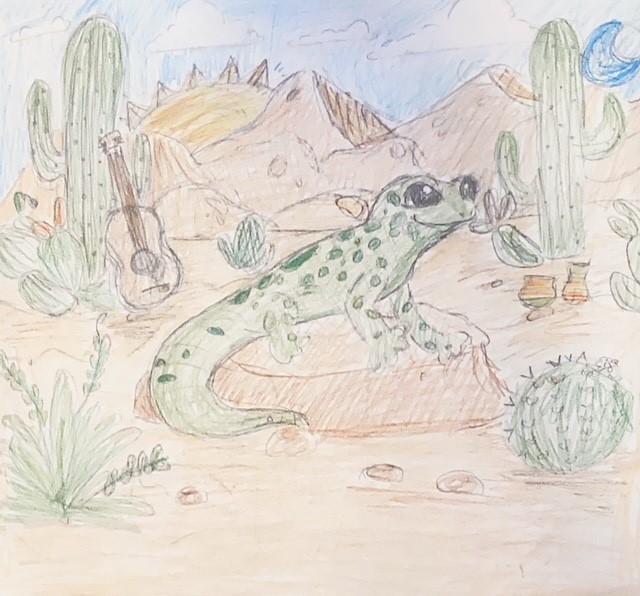 |
This art shows how New Mexico is known for the state being very dry and the humid weather. The lizard in the picture representsthat there are so many reptiles. I added a guitar because Hispanics celebrate with a guitar for its music. The poetry is shown for its recongition in the culture as a hobby. I drew this as a desert because New Mexico is known for its humid weather and for its area being dry. | 764 | |
| Albuquerque School of Excellence | 6 | Middle School 6-8 | 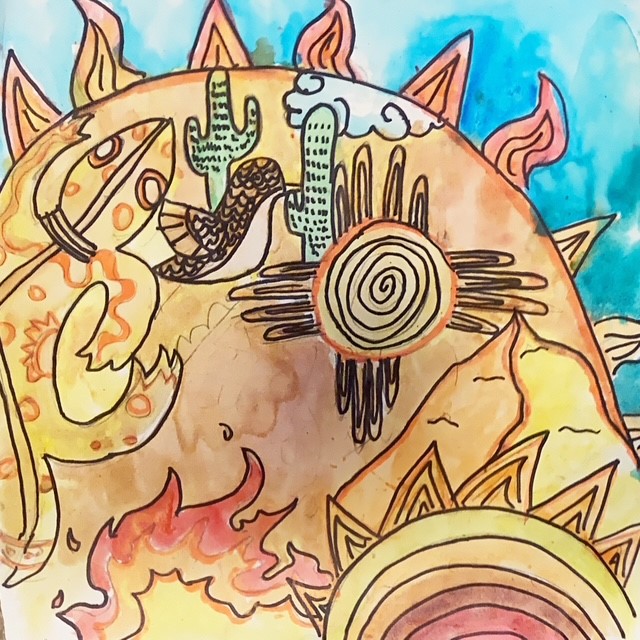 |
I added two suns because New Mexico is hot and most of the time the sun is always visible. I put cacti and lizards because they are native to New Mexico. I put a fire because we get a lot of fires. And lastly , I put mountains representing the Sandia Mountains. | 768 | |
| Albuquerque School of Excellence | 6 | Middle School 6-8 | 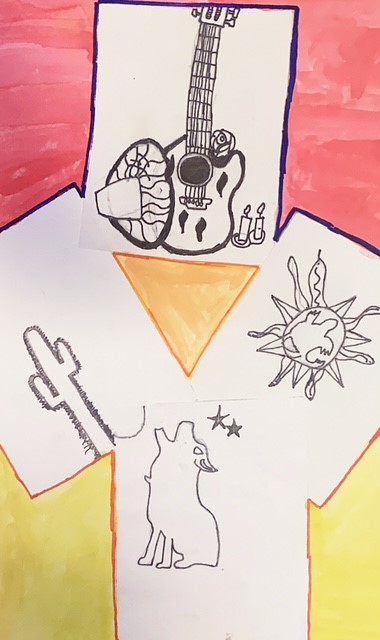 |
I drew a guitar because I still play in the present and my family plays too. I drew a wolf because they are one of my favorite animals. I drew a catus because I love the desert. I drew the sun with a lizard in it because it symbolizes a lizard lying on a rock to warm up. | 772 | |
| Albuquerque School of Excellence | 6 | Middle School 6-8 | 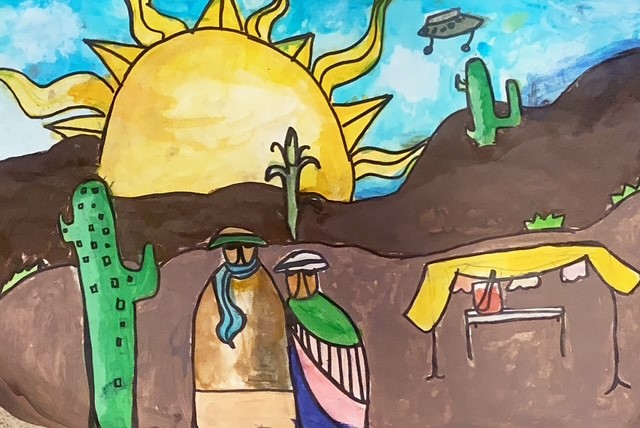 |
I chose to draw the sun cause it's their symbol on the flag. Also their tradition so I put things that had been around for awhile. Also the landscape is representing the desert landscapes on the farther part of New Mexico. Lastly, for the two guys they are wearing things scars, hats, etc. from the past men of Mexico who wore scars, and hats a lot as it is part of their culture. | 776 | |
| Albuquerque school of excellence | 5 | Elementary 3-5 | 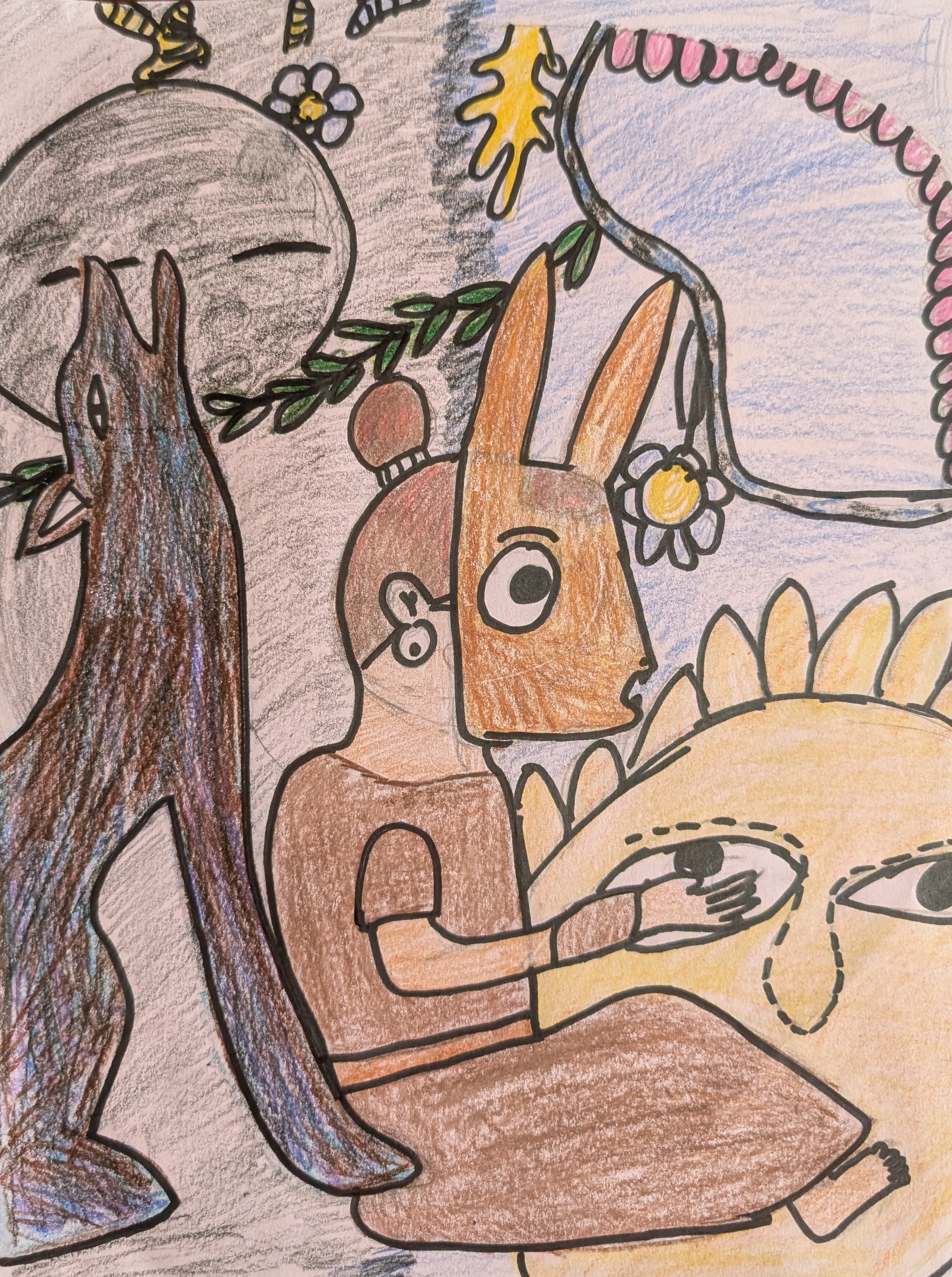 |
My art shows a Hispanic girl that is practicing her culture. My art also shows a dog that is next to the girl that has blue on it. There is a moon and sun that shows the day and night. There is plants that show how pretty they can look in the day and night. | 988 | |
| Albuquerque school of excellence | 9 | High School 9-12 | 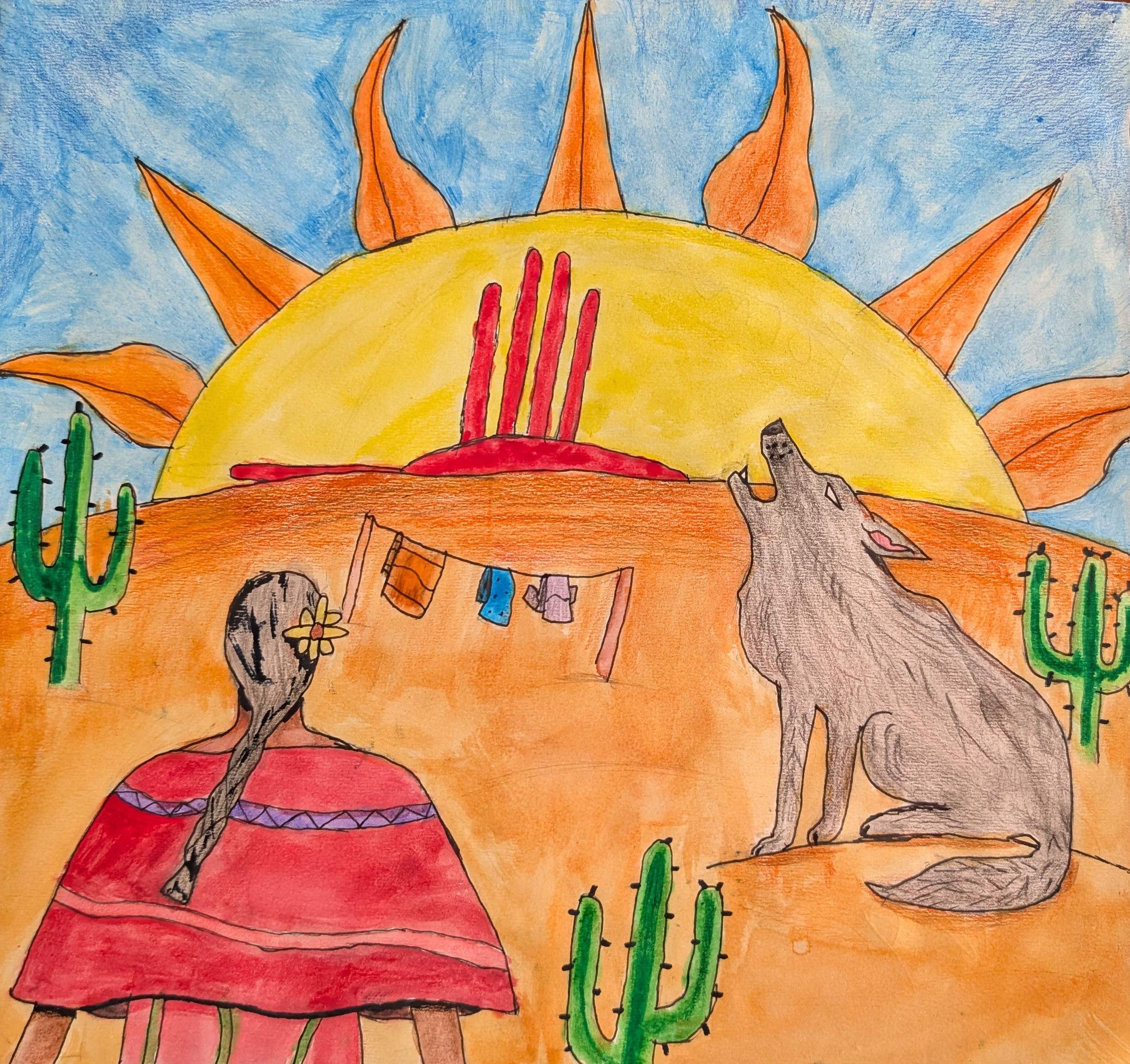 |
My art is about a woman living in New Mexico. The woman is staring, waiting for the sun to reach its peak while it's rising bright. Waiting for the sun to fully uncover itself and dry the clothes she left. Waiting with a black coyote in a desert protecting her from danger. | 992 | |
| Albuquerque School of Excellence | 7 | Middle School 6-8 | 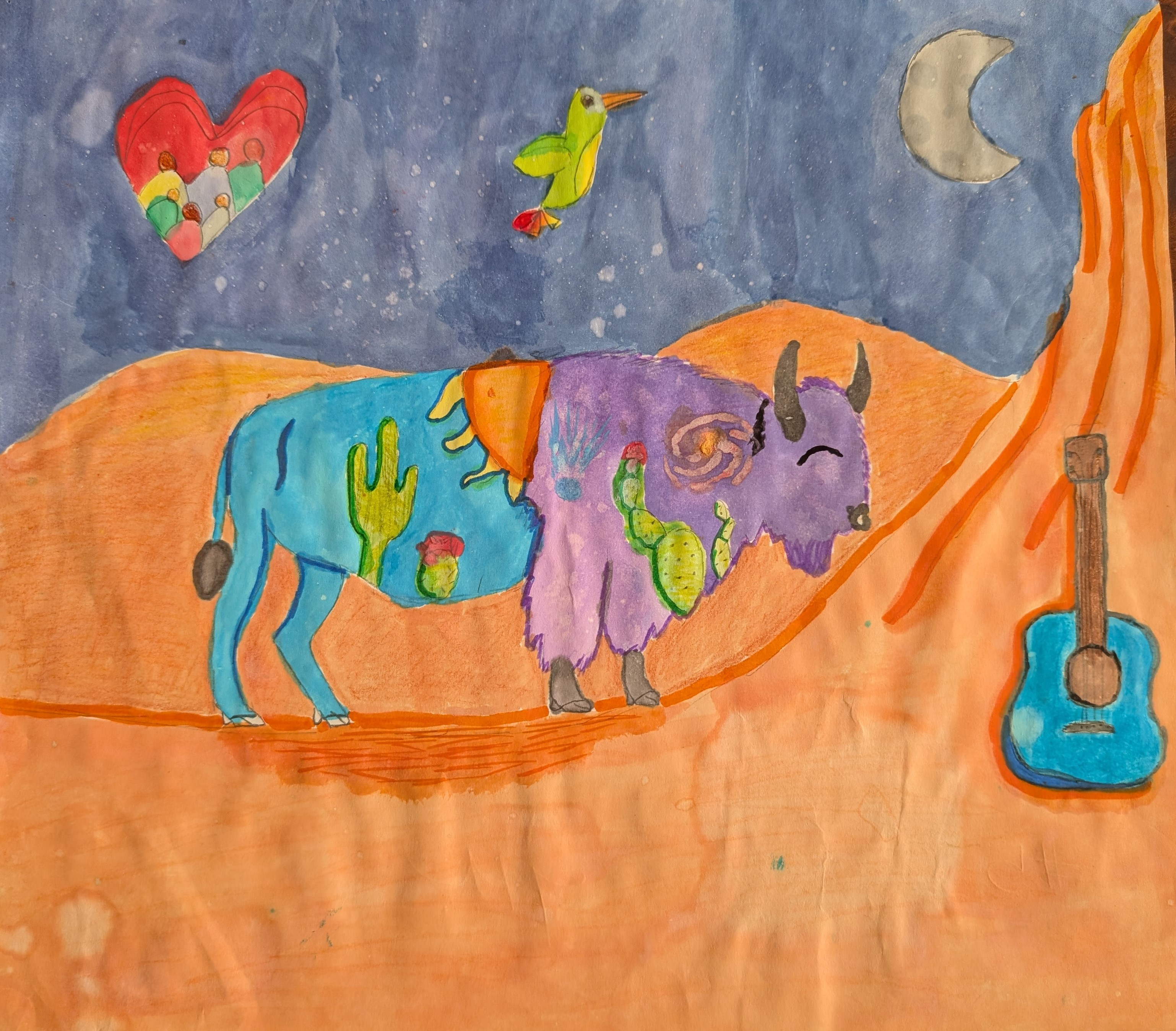 |
In my drawing I chose a guitar because my parents taught me and I want to pass down the tradition. I chose the heart with people in it to symbolize community and friendship. I chose the humming bird and bull because they symbolize nature and New Mexico. The sun and moon because they represent light and the dark. It represents a new day. | 996 | |
| 2 | Albuquerque School of Excellence | 11 | High School 9-12 | 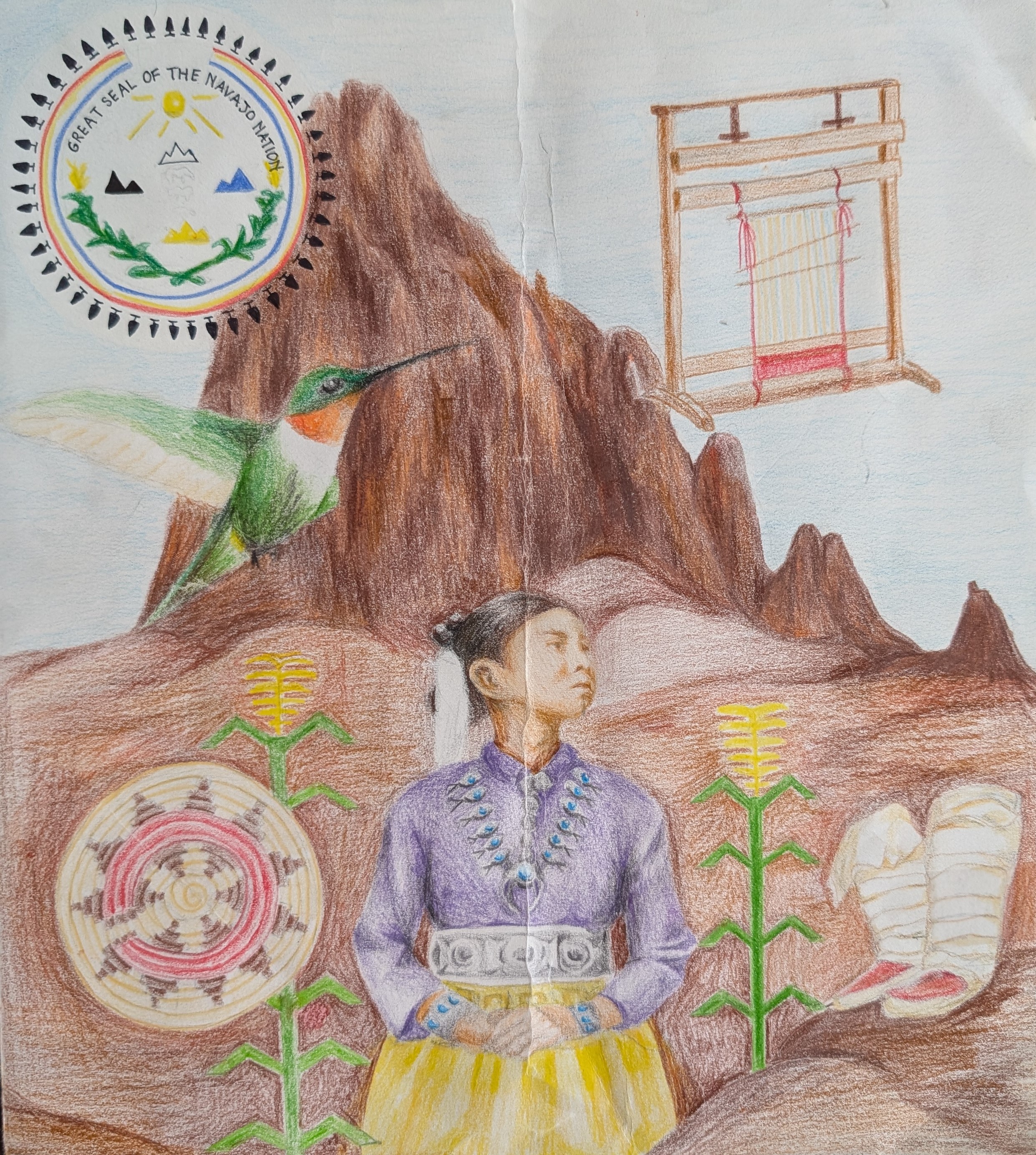 |
In my artwork, I illustrate the shared cultural ties and identities Native American culture can have in relation to Hispanic culture in New Mexico. Both cultures are represented by origins in New Mexico. Because of this, both Indigenous and Hispanic cultures have similar but not exact traits. For this reason, I chose to draw the Navajo Nation culture. As seen in the illustration, there is a rug weaving and basket weaving, being an essential key in Navajo culture. In the background, there is a drawing of Shiprock, one of the significant landmarks in Navajo culture. Additionally, there are corn maise in rug weave style and a hummingbird. Both objects are important, being a staple in life, symbolizing the fertility of life and wisdom. Finally, in the center of the page is a Navajo woman with a squash blossom on her neck with additional turquoise bracelets and Tsiiyéél (Navajo Bun). Off to the right is a pair of moccasins with a deerskin wrap. Overall, with the factors making up the tribe, it can be seen that both Indigenous and Hispanic cultures share importance in different values/symbols. | 1.000 |
| Albuquerque School of Excellence | 9 | High School 9-12 | 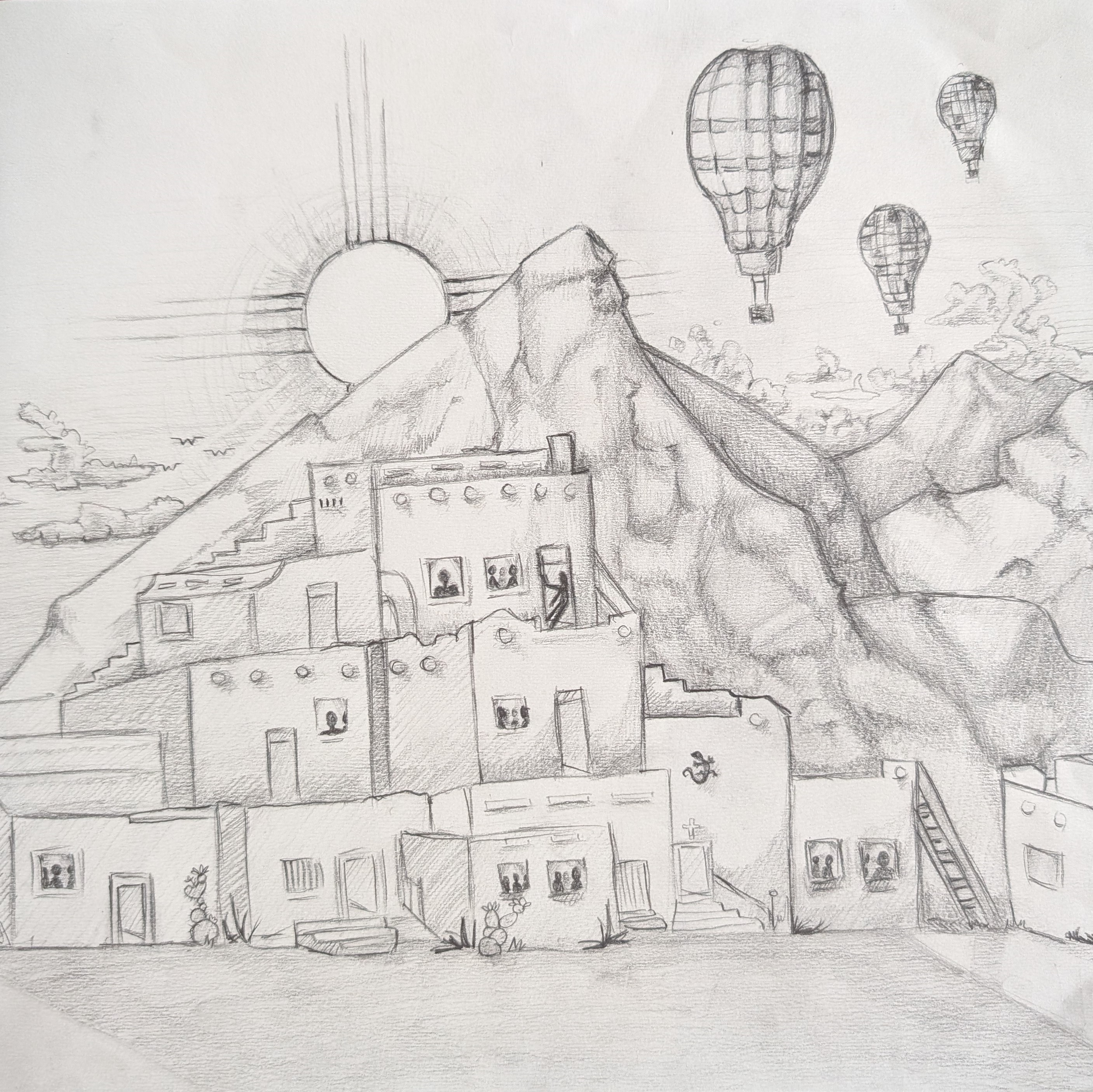 |
My art depicts the Sandia Mountains with adobes in the foreground. The housing below holds the Hispanic community, hence the silhouettes in the windows and doorways. To represent the sun, I chose the Zia symbol because it is featured on the New Mexico flag and the red sun, which also symbolizes life's “circle of life” and spirit. The hot air balloons show Albuquerque’s International Balloon Fiesta and attract community and family members from all over the globe. The Sandias are important to Albuquerque residents and indigenous people because it is a place of spiritual meaning and a place of historical and geological significance. The Sandias inspire local artists because of their glow at sunset and sunrise; the mountains also work as a very aesthetically pleasing backdrop for photos of the hot air balloons during the fiesta. | 1.004 | |
| Albuquerque School of Excellence | 6 | Middle School 6-8 | 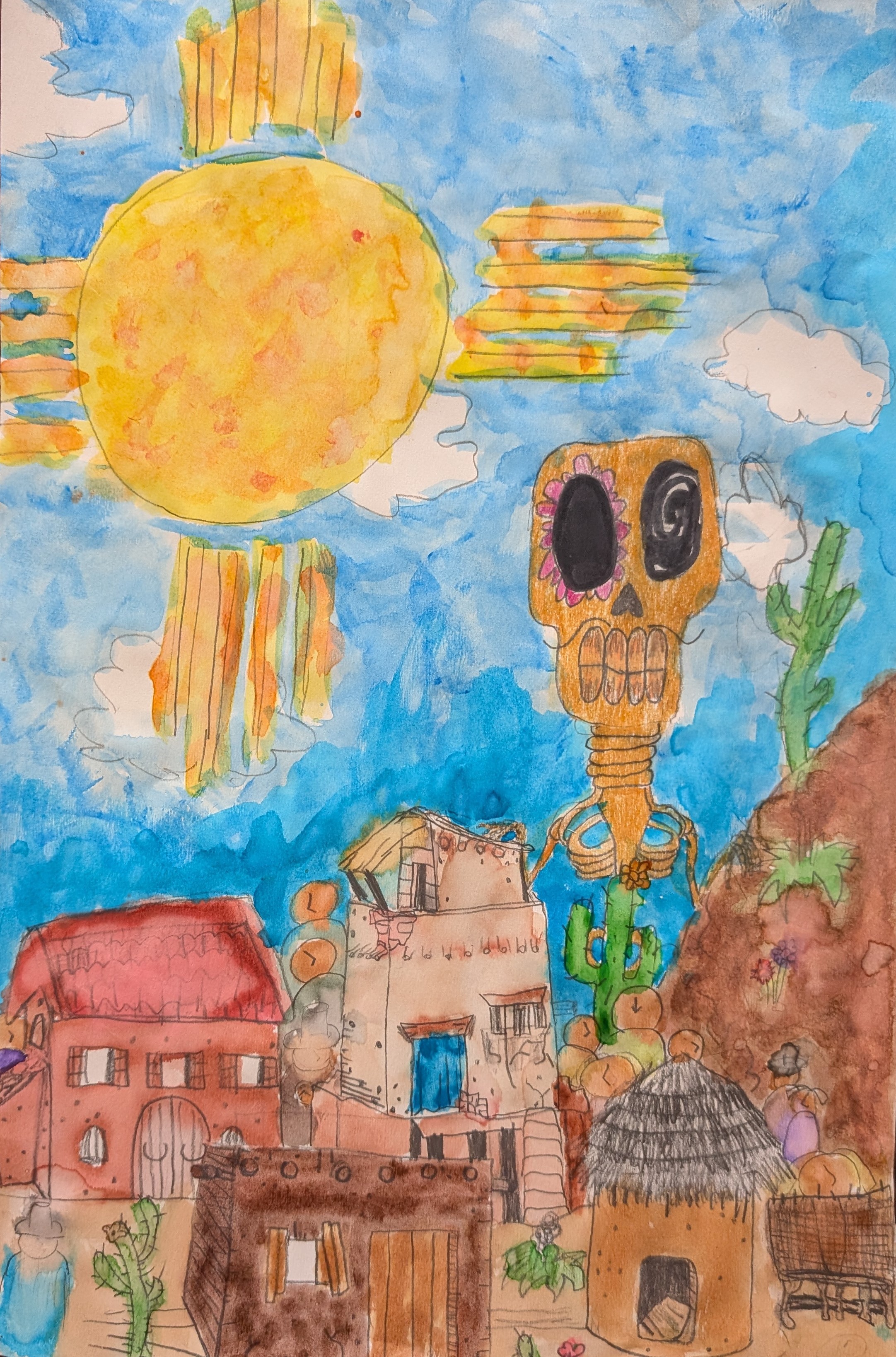 |
This New Mexico painting describes a lot of elements form New Mexico. Some of these architectures, buildings, animals and characters from New Mexico. All of these elements that have been listed describe my painting and also describes New Mexico. The painting that i created is filled with a community that has a guardian guarding their city. My painting also uses the Zia symbol as a sun. | 1.008 | |
| Albuquerque School of Excellence | 6 | Middle School 6-8 | 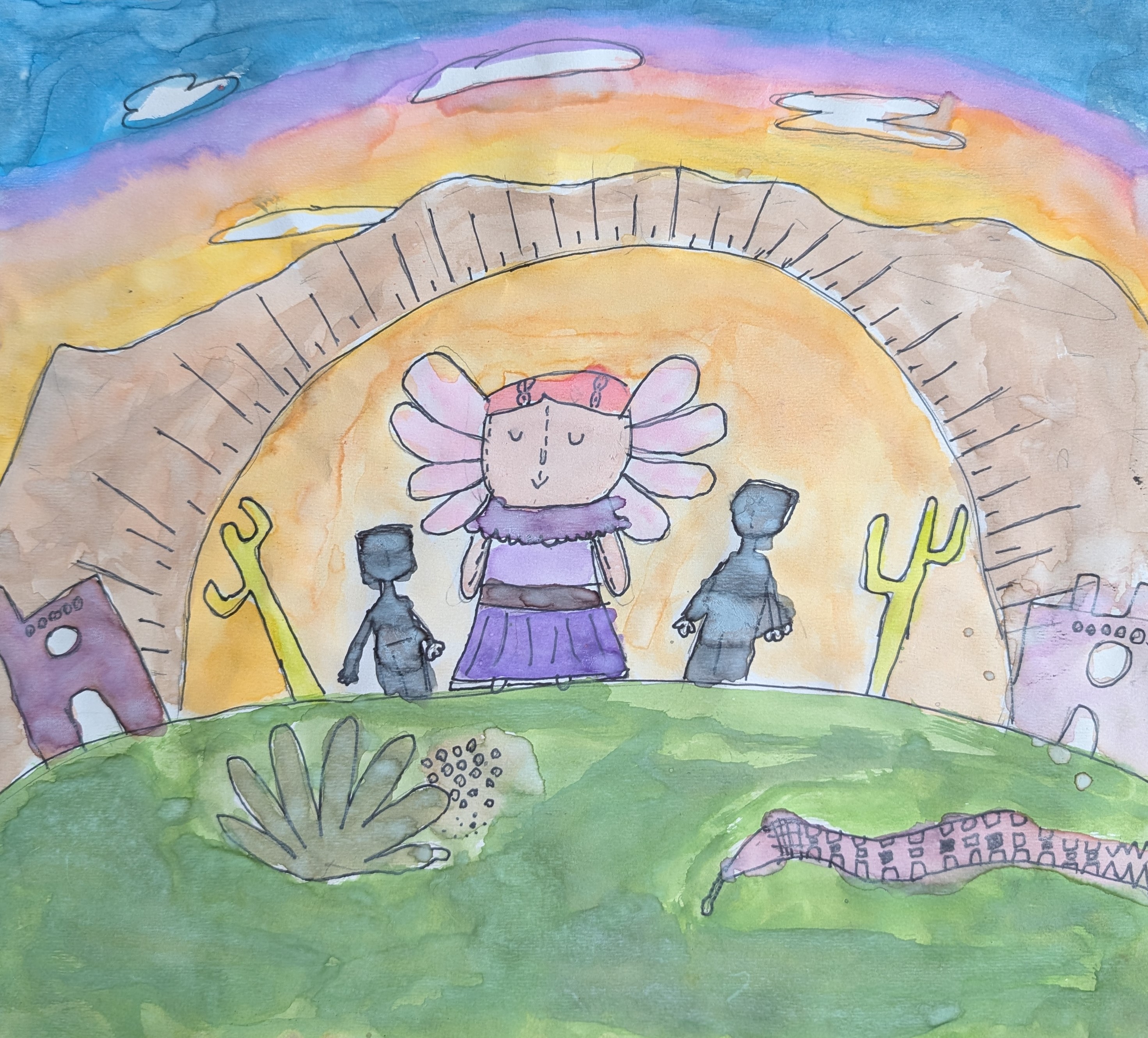 |
In my drawing you can see a doll like person with two people behind her, those4 people represent the community. Even more behind them there is a big sun with some cactus in front of the sun. To your left and right there is a mountain behind the sun. Last but not least, the sunset represents a beautiful New Mexico morning. | 1.012 | |
| Albuquerque School of Excellence | 7 | Middle School 6-8 | 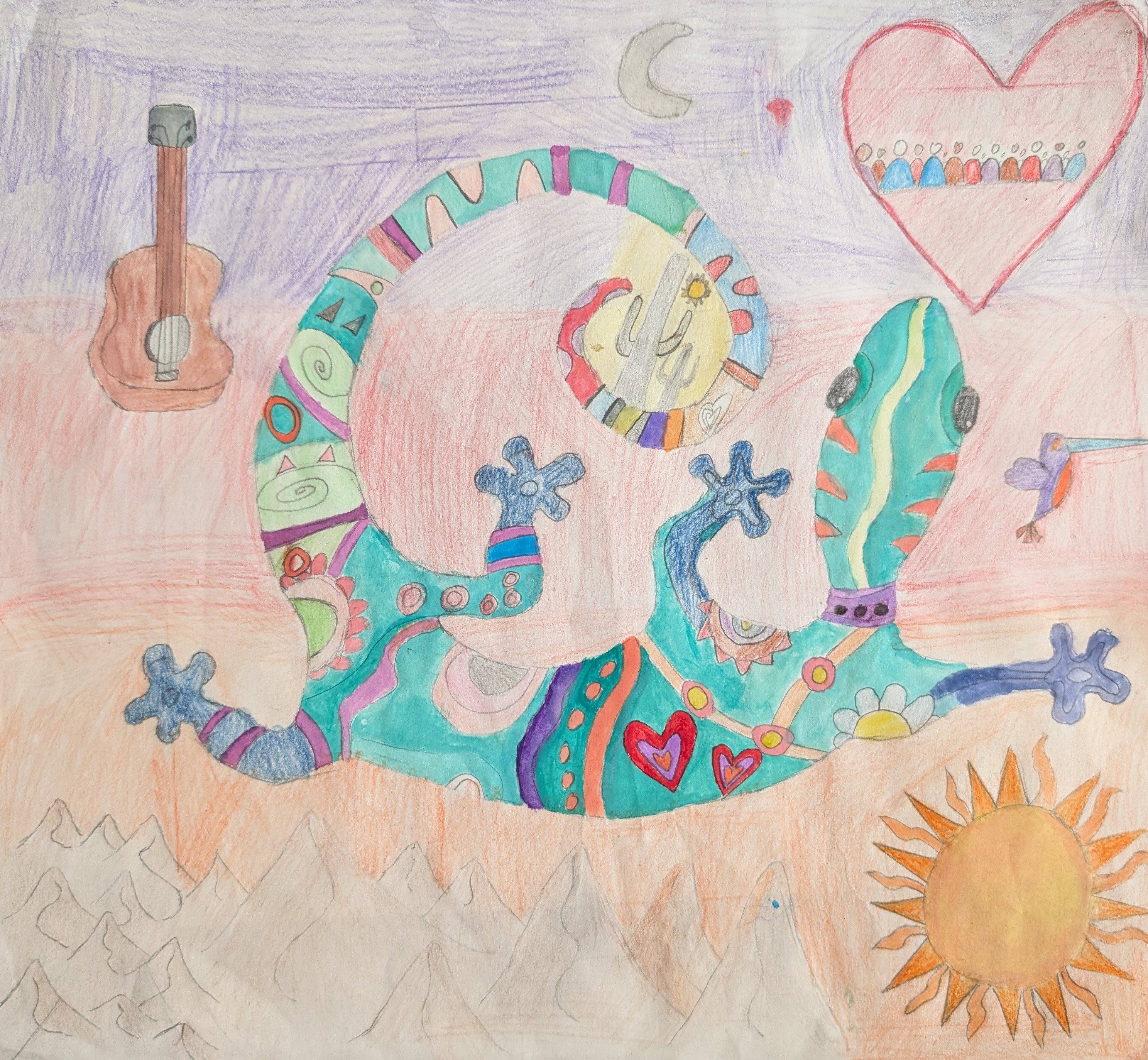 |
I drew the lizard because it symbolizes life and to keep moving even when things are hard. I drew the heart with people for community, friendship, family and love. I drew the guitar because it's for the heritage like me I used to play the guitar, culture in New Mexico. I drew the sun to symbolize the new day when the sun rises and life for new challenges. I drew the mountains to symbolize the harder challenges in life and when you are on a trail you start to get tired but keep going not giving up all the way until the end to rest and head back. Orange is the weather and nice warm outside, red is the community and like a symbol because of the flag and some cultures. Purple is for the night and how nice it is when at night. | 1.016 | |
| Albuquerque School of Excellence | 9 | High School 9-12 | 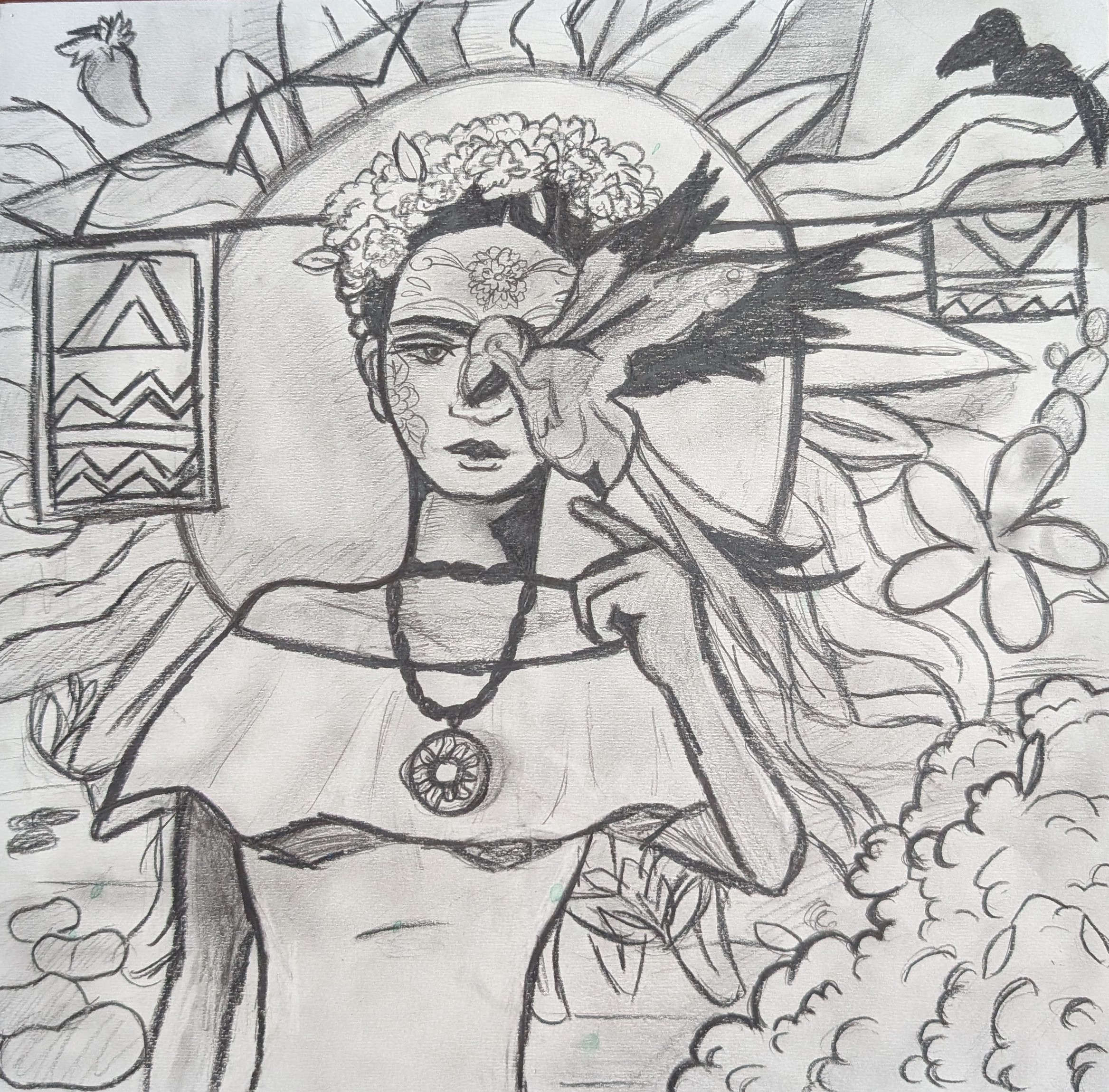 |
The many different attributes of New Mexico inspired my art. These attributes were Day of the Dead and Frida Kahlo, along with many other characteristics of Hispanic Heritage. I chose those two main ones because Day of the Dead is a beautiful holiday to remember loved ones who have passed, which brings the community together. This tradition includes putting passed family or friends on an altar and putting food there for them as if to lead their spirits there. I did an inspirational art piece of Frida Kahlo because I find it inspiring how she painted her self-portrait for who she was and what she looked like, not caring about looking appealing to look at or looking attractive for men. It’s a powerful piece because women typically have the social pressure to be beautiful and to never show insecurities due to social media and society as a whole. | 1.020 | |
| Albuquerque School of Excellence | 7 | Middle School 6-8 | 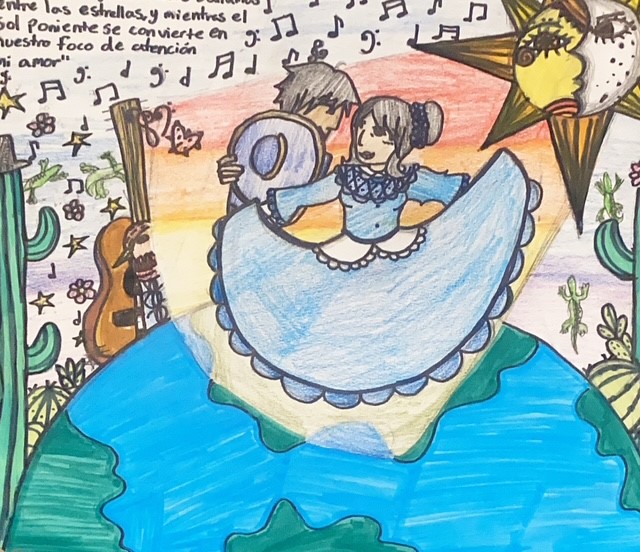 |
My artwork represents 2 Hispanic Jarabe tapatío dancers dancing on the world, while imagery that represents New Mexico surrounds them, stars and flowers decorate the sky, as well as music notes. The two-toned sky, a sunset, and the night sky references the quote “Que el mundo gire mientras bailamos entre las estrellas, y mientras el sol poniente en nuestro foco de atención, mi amor,” which means “May the world turn as we dance among the stars, and as the setting sun becomes our focus, my love.” I added this quote because it shows community, and the jarabe tapatio dancers are supposed to represent tradition, ancestry, and how people continue this tradition in the present and hopefully in the future. | 1.028 | |
| Albuquerque School of Excellence | 4 | Elementary 3-5 | 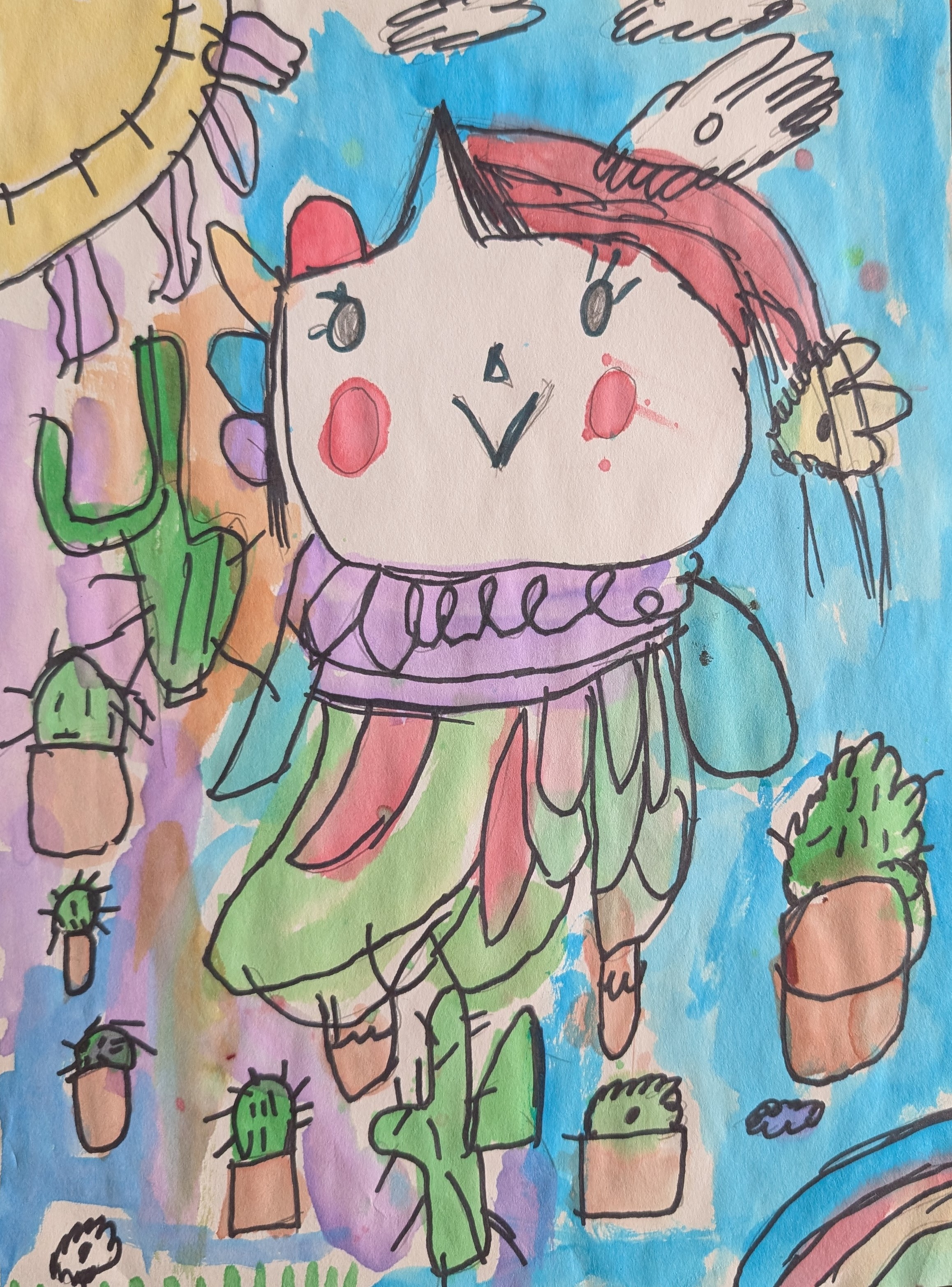 |
My picture is about Hispanic girl standing in the New Mexico desert, which has lots of plants. Like cactuses. She loves to plant in the garden. | 1.032 | |
| Albuquerque School of Excellence | 4 | Elementary 3-5 | 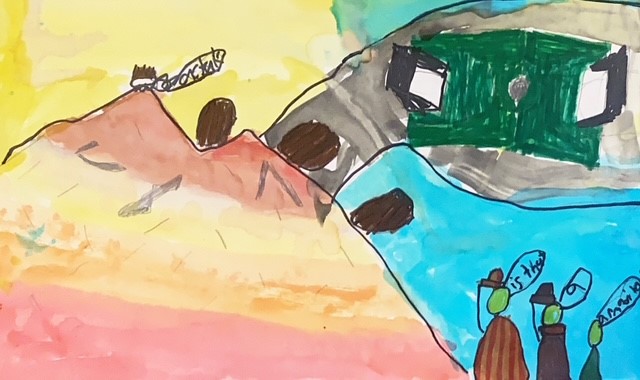 |
My art shows me and my brother and my dad climbing mountains in New Mexico. And playing soccer with friends. | 1.036 | |
| Albuquerque School of Excellence | 6 | Middle School 6-8 | 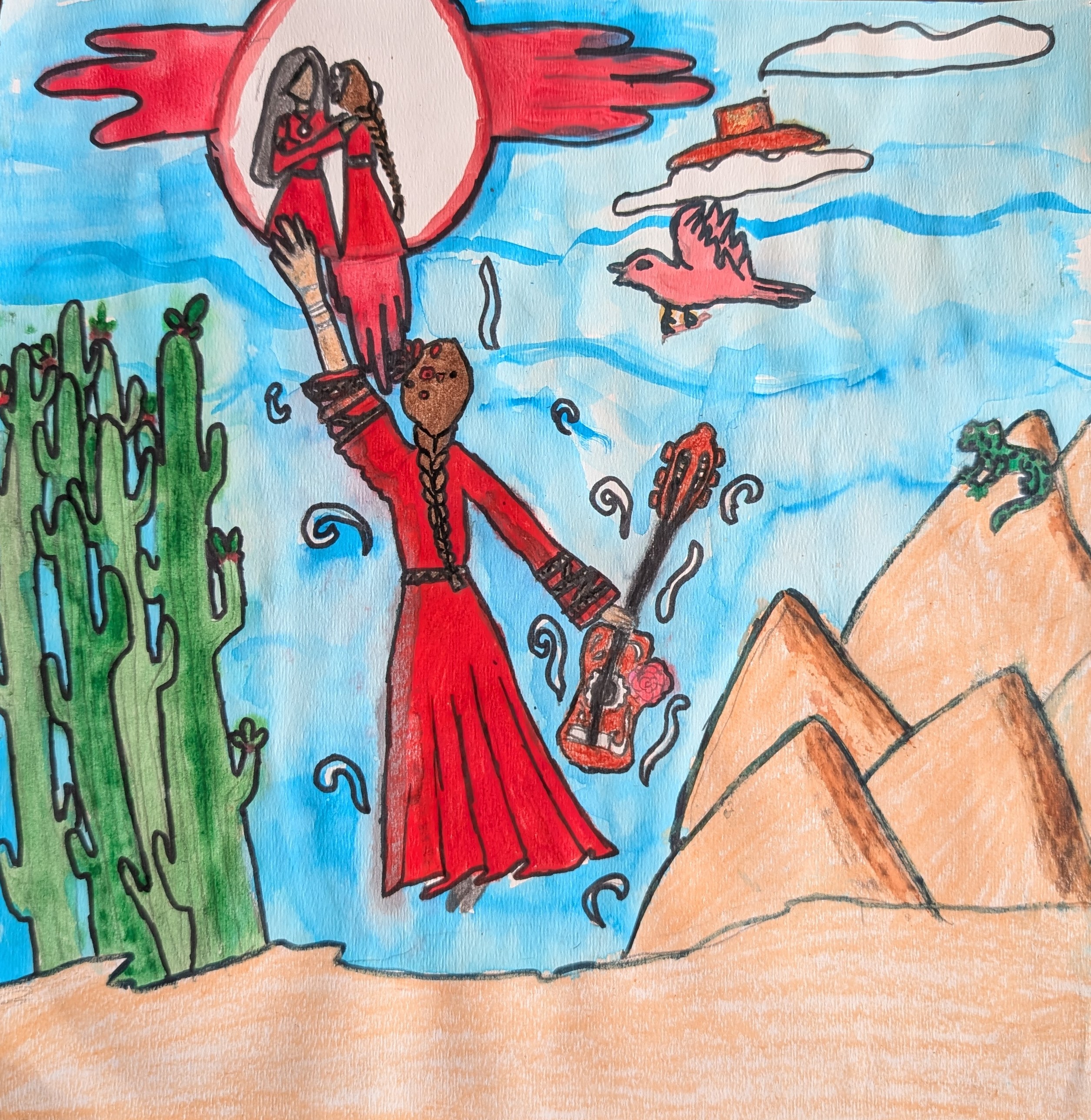 |
I drew a girl from New Mexico. She lost her best friend and her only one. She wants to use the guitars magic to bring her back to her and tell her thank you for everything. | 1.040 | |
| Albuquerque School of Excellence | 6 | Middle School 6-8 | 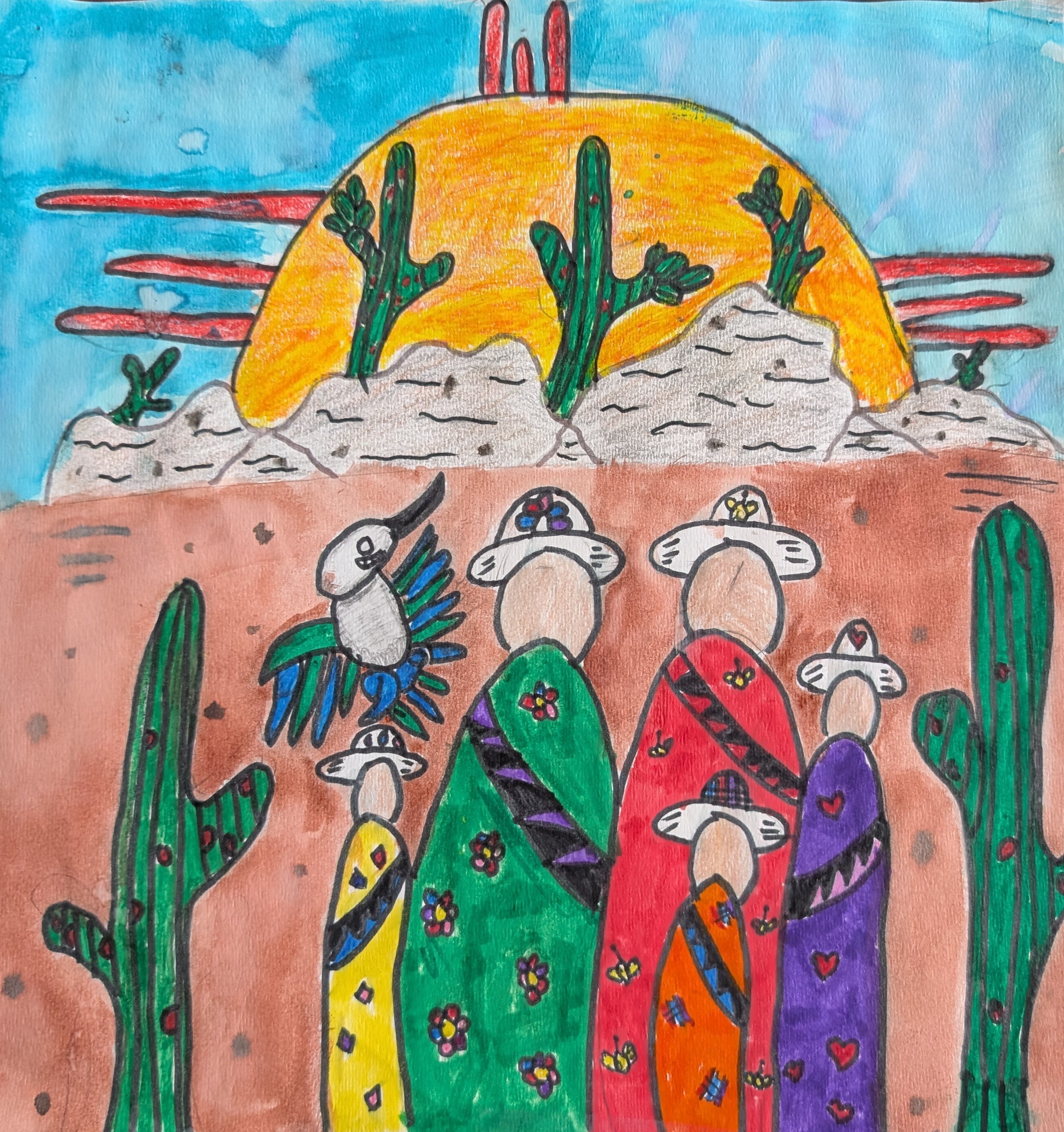 |
I choose to do this drawing because me and my family love going to the rocky mountains of New Mexico. I also love spending time with my family. Me and my family also love to go on family trips. Lastly family, community is one thing I enjoy in New Mexico. | 1.044 | |
| Albuquerque School of Excellence | 5 | Elementary 3-5 | 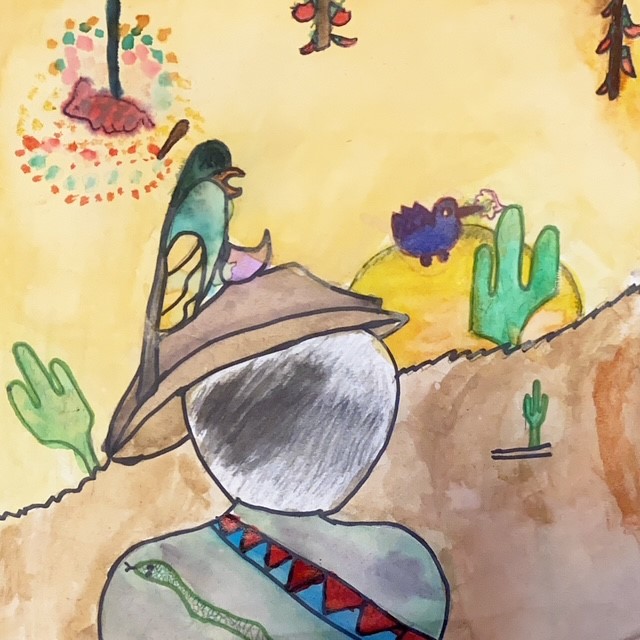 |
This picture shows Hispanic culture. Some traditional things are religious art like santos and cultural celebrations such as fiesta quinceanera. Some traditional foods are carne adovada or green chili stew. Some traditional places are El Sanuario de Chimayo and casa sanysidro. In my picture I drew a boy behind him a sunset. I drew this because it made me think of Hispanic culture. | 1.048 | |
| Albuquerque School of Excellence | 5 | Elementary 3-5 | 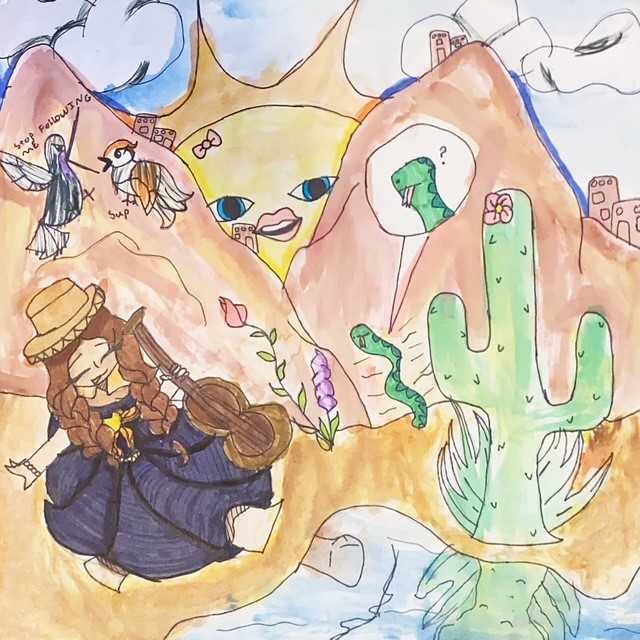 |
The girl in the picture her top of her outfit is filled with patterns. The hat is, "well worn hats holding memories of important life events." In the background you see some Adobe houses which is apart of New Mexico history. The water in the drawings is important to us because there is not much left due to the drought. Do you see the plants in the picture? Well they represent "cultural heritage." The animals are supposed to represent our desert, mountain, and wild environment. The plants of New Mexico represent the sun and desert type of climate. | 1.052 | |
| Albuquerque School of Excellence | 5 | Elementary 3-5 | 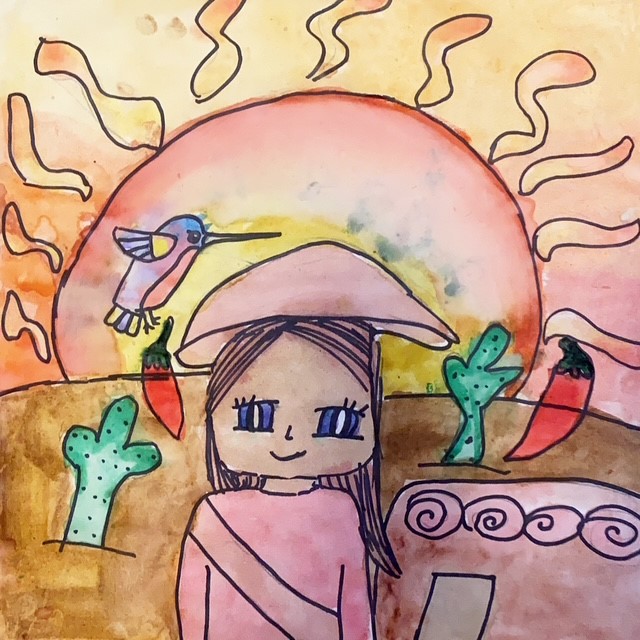 |
This drawing is about Hispanic Heritage. Hispanic Heritage is history and specific aspects of New Mexico. Dancing, singing is also a tradition of New Mexico. Another example is Day of the Dead (Día de los Muertos). In my culture (Turkey) we also appreciate the sunset. The girl in the drawing is also enjoying the sunset. Some types of traditional foods are tacos, enchiladas, chili relleno and stuffed and cooked peppers. | 1.056 | |
| Albuquerque School of Excellence | 5 | Elementary 3-5 | 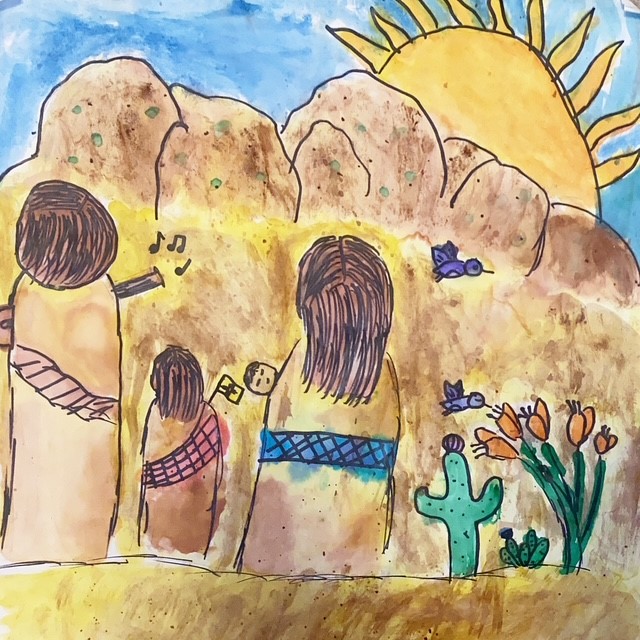 |
Heritage is a way to celebrate community. New Mexico has a bunch of different religions and traditions. Like food is a tradition that we all have. I chose to draw a beautiful family that represent mine. My family is Arab, it has many cool traditions too. The family is standing next to cactus, hummingbirds and flowers. The New Mexico heritage is so fascinating. | 1.060 | |
| 2 | Albuquerque School of Excellence | 4 | Elementary 3-5 | 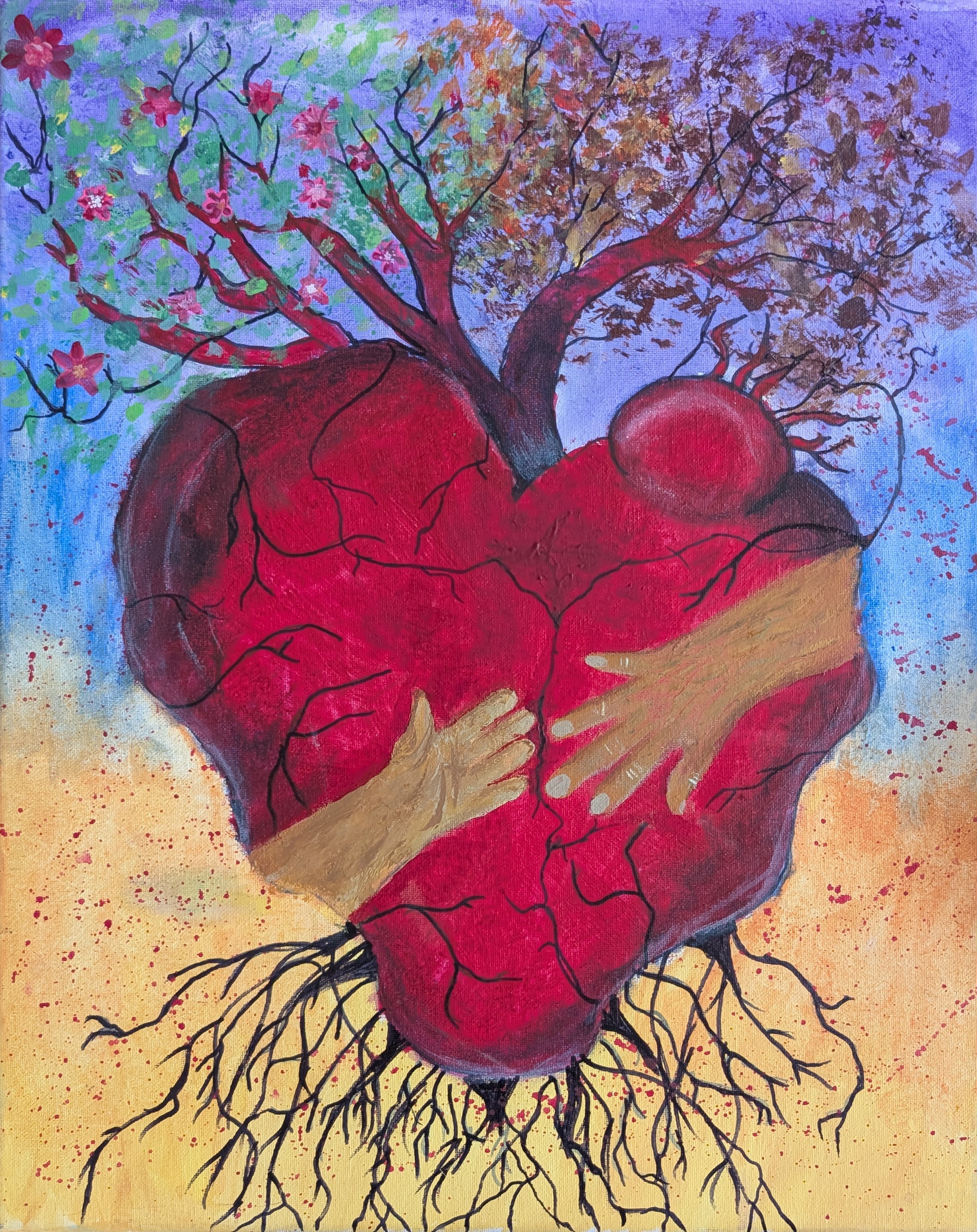 |
This picture of my human heart represents love, family roots, cultural heritage, and transformation from one form of life to another. Just like a tree, the heart evolves over time. This painting represents old generations (the brown leaves, the elderly hand) and new generations (the green leaves with flowers, the baby's hand). The living pulse of heritage nourishes growth. | 1.068 |
| 1 | Alma d’ Arte Charter High School | 11 | High School 9-12 | 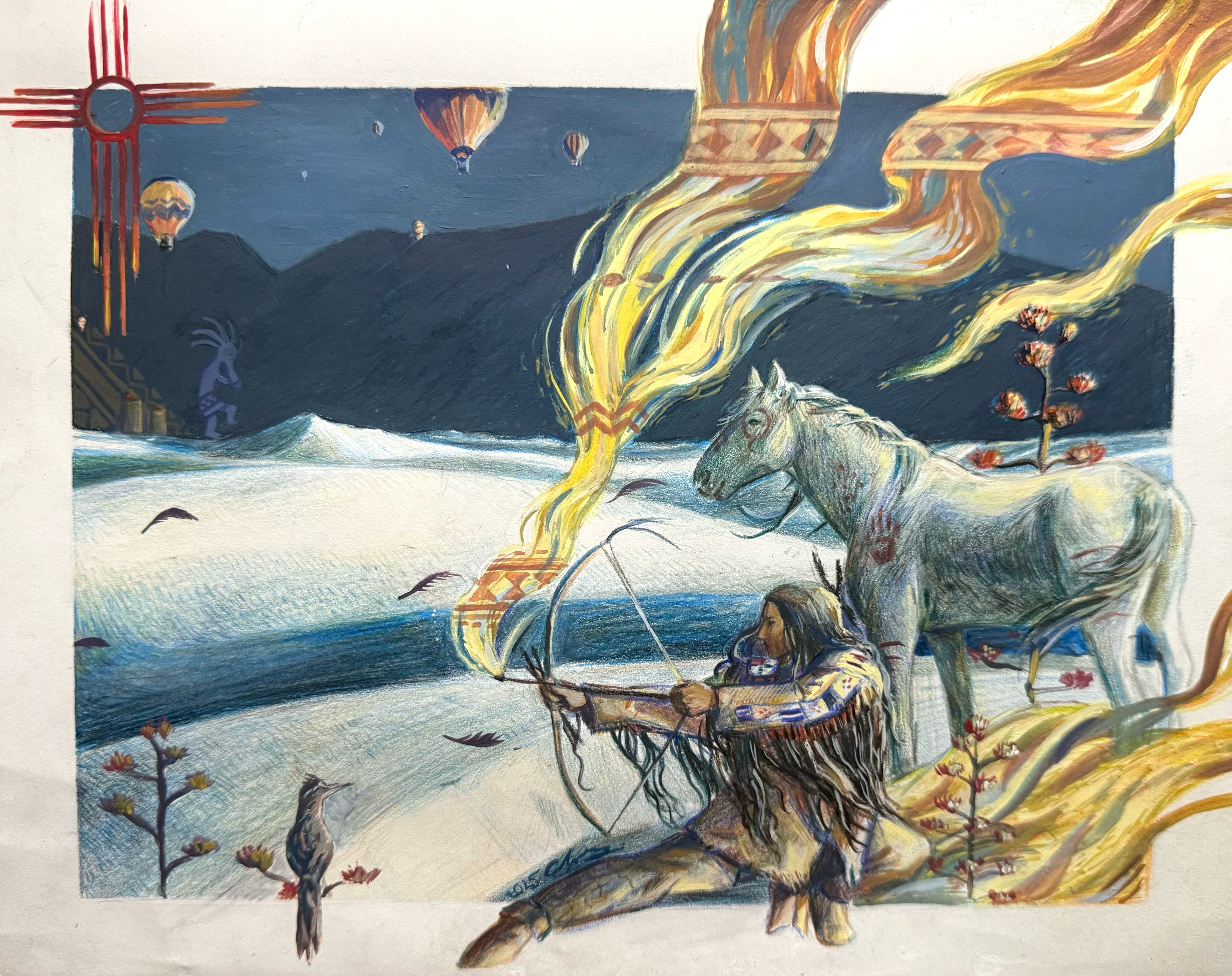 |
The theme of this artwork is “Honoring the past, inspiring the future. The mediums I used to make this were colored pencils and acrylic paint on paper. This piece shows a scene in the white sand dunes with a Native American man and a horse with patterns. Native American history is a very important part of New Mexicos past, present, and future. Hot air balloons have been an important part of New Mexico, so I put them in the top left corner next to the zilla symbol. I put the kokopelli in the bottom left corner as well, next to the Albuquerque plaza buildings. Kokopelli originated from the Native American cultures of the southwest and is commonly found in New Mexico. It is a symbol for music, abundance, and good fortune. The road runner is the state bird of New Mexico and it is on the flowers of an agave century plant. There are agave century plants in the left and right corners. It is a symbol of adaptability and strength, which is why I put a few next to the man and the horse. The colors flowing from the arrow have patterns inspired by Navajo rugs, and I used a light yellow to contrast with the cool, darker background. The arrow is something that represents the past, and it being shot to the future. This symbolizes how the past will have an influence for the future in an honorable and inspiring way. | 568 |
| Alma d’ Arte Charter High School | 10 | High School 9-12 | 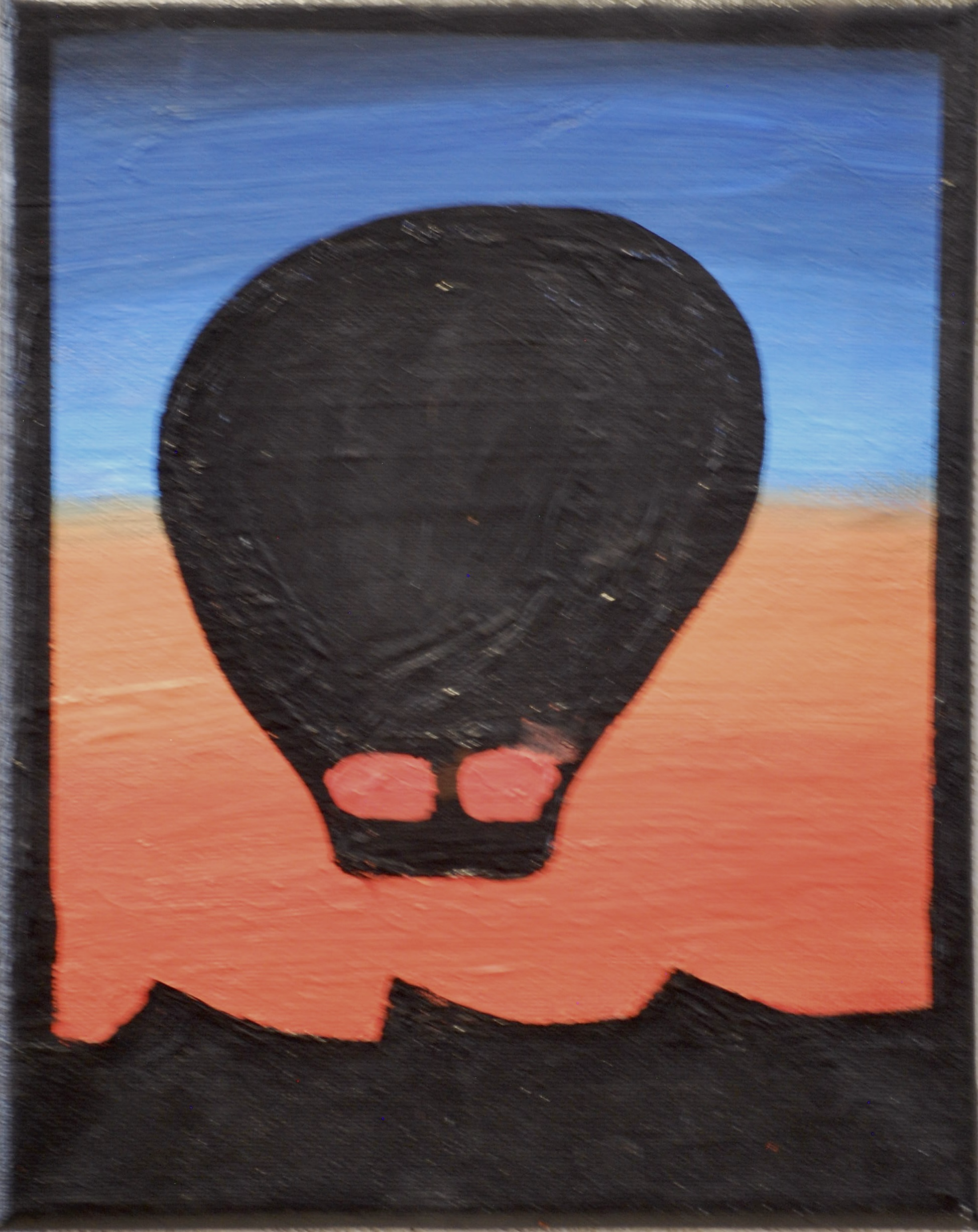 |
As I imagine the sky at sunset, vibrant shades of orange blend seamlessly into deep blue and dark blue, creating a stunning canvas that celebrates the beauty of nature’s colors. A hot air balloon gently drifts across this colorful sky, reminding me of my grandma’s love for adventure and the skies above. She would often share stories of her childhood dreams of flying and exploring new horizons, connecting her past to the future she hoped for us. The mountains below stand tall and peaceful, symbolizing strength and stability in heritage. This sunset scene reflects our collective heritage, honoring the past while inspiring us to reach for new heights, just as my grandma did with her love for hot air balloons. Her spirit of exploration and appreciation for beautiful sunsets continues to inspire me to cherish our shared cultural stories and dreams. | 1.247 | |
| Alma d’ Arte Charter High School | 10 | High School 9-12 | 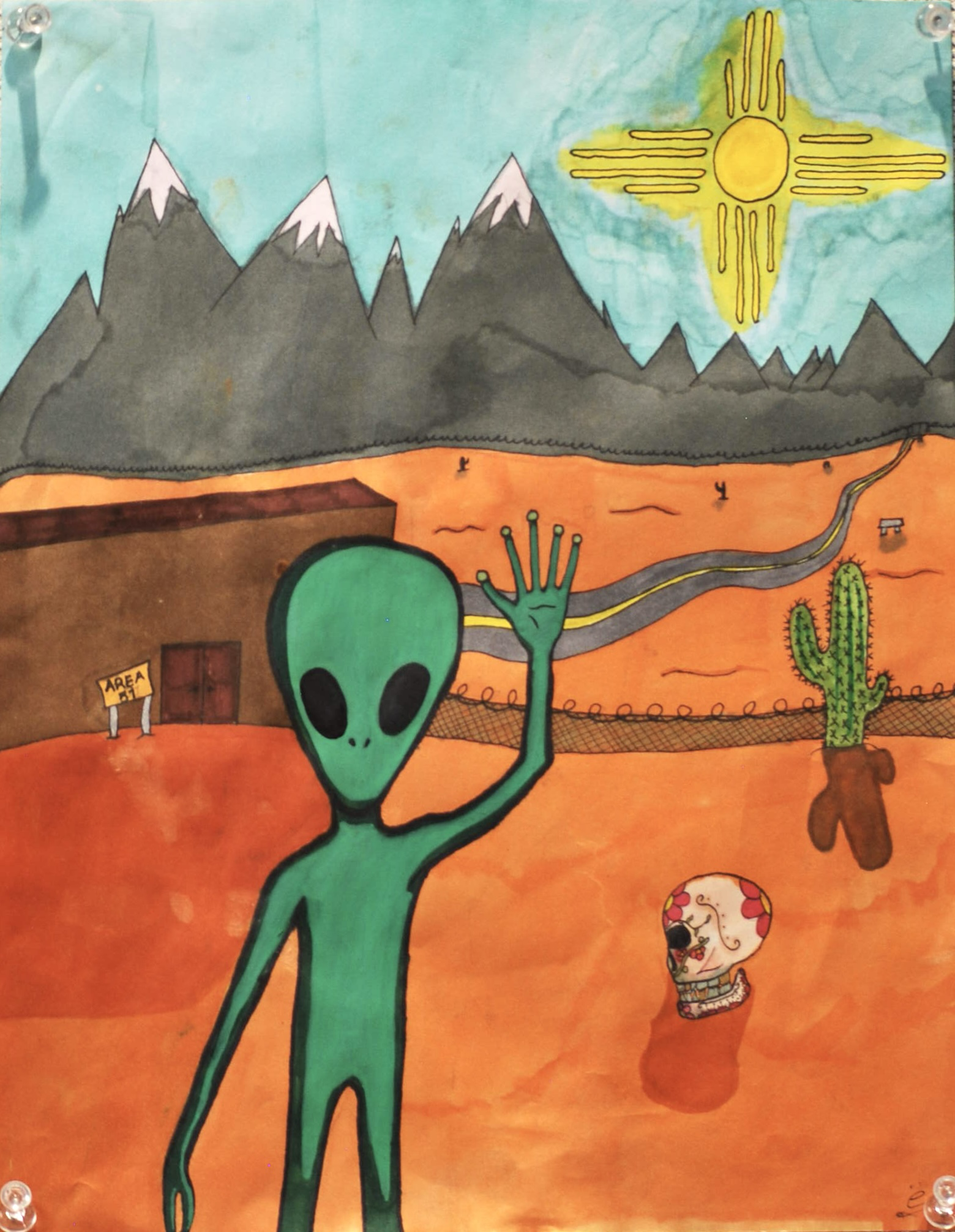 |
I've always liked aliens, so I've always liked Roswell (and area 51), thus our alien at area 51. I added the cacti as it's a very traditional desert plant, and my favorite succulent. The sugar skull is representative of not only my own, but New Mexico's Mexican history, and culture. The Zia symbol, of course, is to represent my home. I was born and have always lived here in Las Cruces, New Mexico, and my family has been here since my great grand parents. This project isn't supposed to be one time, one place, or even one season. It's all my favorite parts about New Mexico, and even other places like Arizona, as someone very dear to me lives there. Thank you for your time |
1.260 | |
| Alma d’ Arte Charter High School | 10 | High School 9-12 | 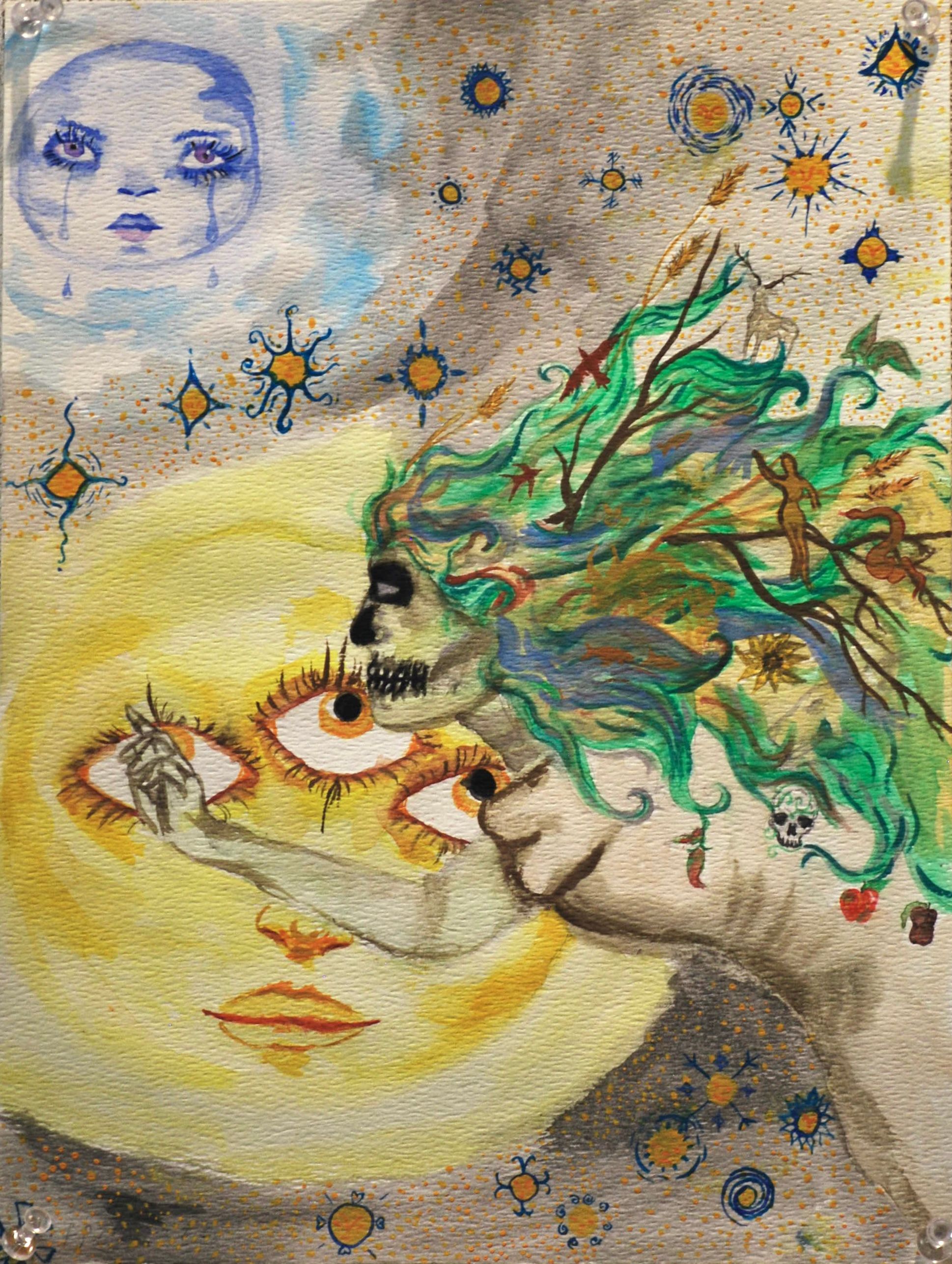 |
In my artwork I wanted to acknowledge all of the cultures of the individuals in New Mexico. Although I acknowledge this land is stolen, I wanted to go deeper into all of our roots and find common themes. Representing the old ways followed by our ancestors. I chose to represent the personification of the Earth as a feminine figure and artistic interpretations of celestial bodies, painted in watercolors. The Earth as presented in my project, is meant to symbolize all of nature. Birth and death and the life experienced in between. Around the Earth, the Sun Moon and Stars govern and guide. As much as this piece is spiritual, it’s also ecological. I felt it important to emphasize the importance of the Earth, and how we all must care for it. Through the Earth all are equal whether you’re a human, plant, animal, etc. All deserve respect on the Earth and under the skies. | 1.268 | |
| Alma d’ Arte Charter High School | 11 | High School 9-12 | 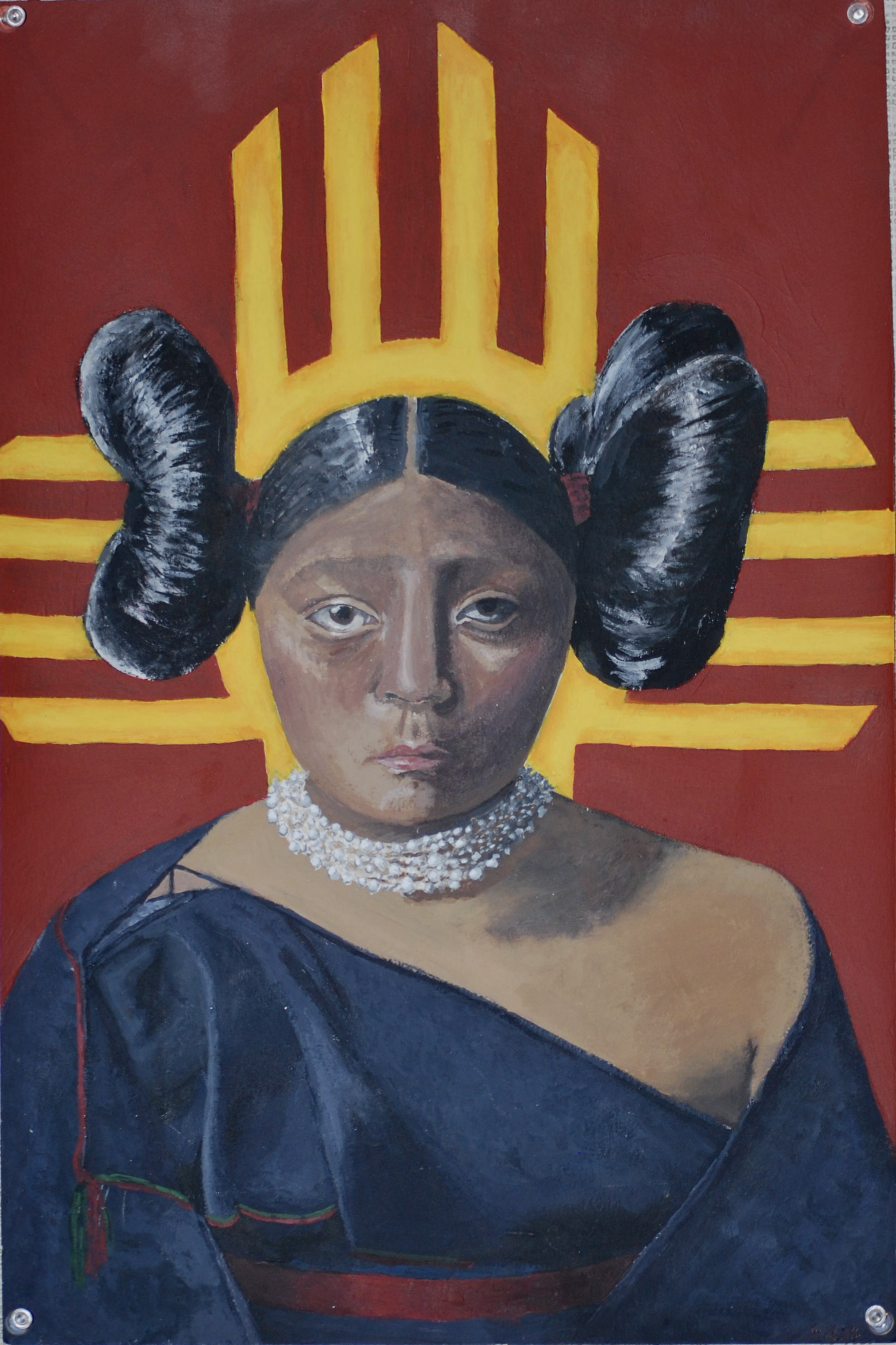 |
The woman I painted is from a photo taken by Edward S. Curtis in 1906 and given color by Senna Dullaway. She comes from the Tewa Pueblos, and the Hopi tribe. She appears here wearing a manta, (made of black wool and dyed) and a squash blossom hairstyle, which many women in her tribe wore at the time. I chose this reference photo because of her beautiful, traditional clothes and unique style. Her photo was so different from everything else I saw – with the hair and the bright colors. The entire piece is painted in acrylic; I chose the maroon color for the background because I thought it looked like the natural red clay often used in native american pottery. She is a Native American Pueblo woman looking to the future. The Zia symbol is behind her symbolizing the coming future and the importance of remembering the past. | 1.276 | |
| Alma d’ Arte Charter High School | 10 | High School 9-12 | 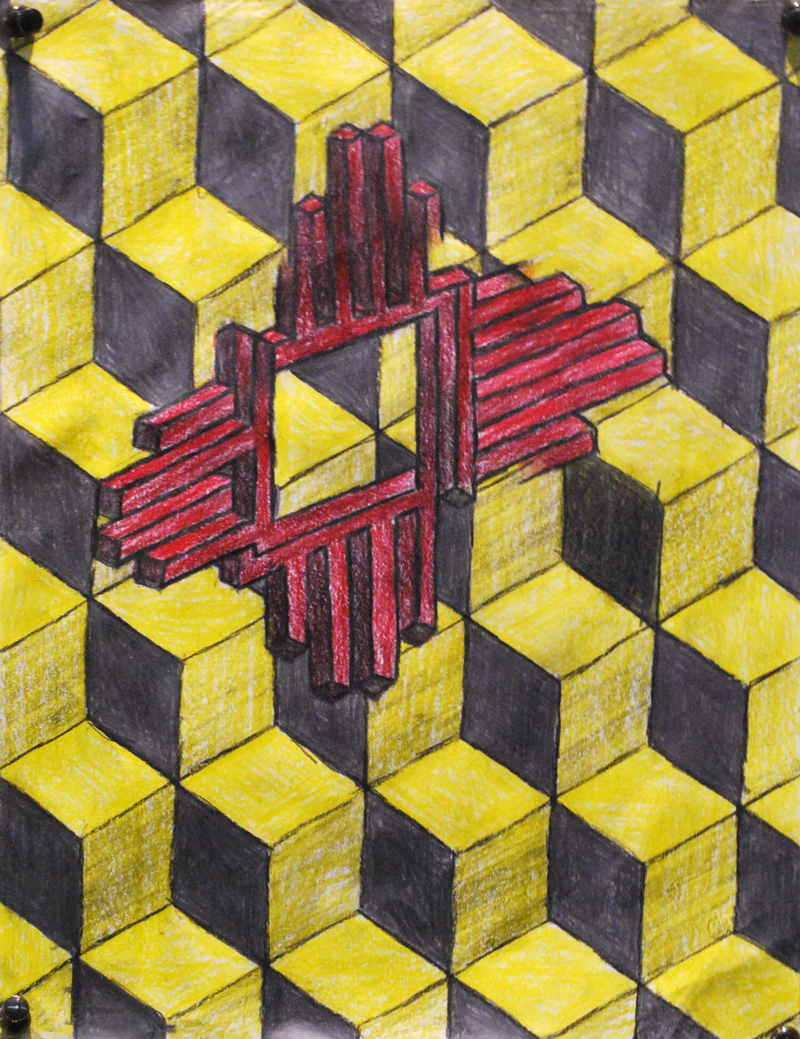 |
When I first started this project, I thought of the Zia symbol. It is on the New Mexico flag, and is a big part of our culture. It represents the four cardinal directions, seasons, and represents rays of light coming from the sun. It comes from the Zia Pueblo people, a native tribe in New Mexico. A lot of people in New Mexico have native heritage, so it makes it more relevant. I have been interested in impossible shapes for quite a while now, and so I decided to draw a Zia symbol in an Escher-like style. Everything about it makes it physically impossible to construct as a 3-d object, and only works at an isometric angle. The background was too empty, so I drew a cube pattern background that displays cubes both while the page is right side up, and upside down, The Zia symbol is red, and the cube pattern is yellow. I did this to reflect the New Mexico flag. | 1.284 | |
| Alma d’ Arte Charter High School | 10 | High School 9-12 | 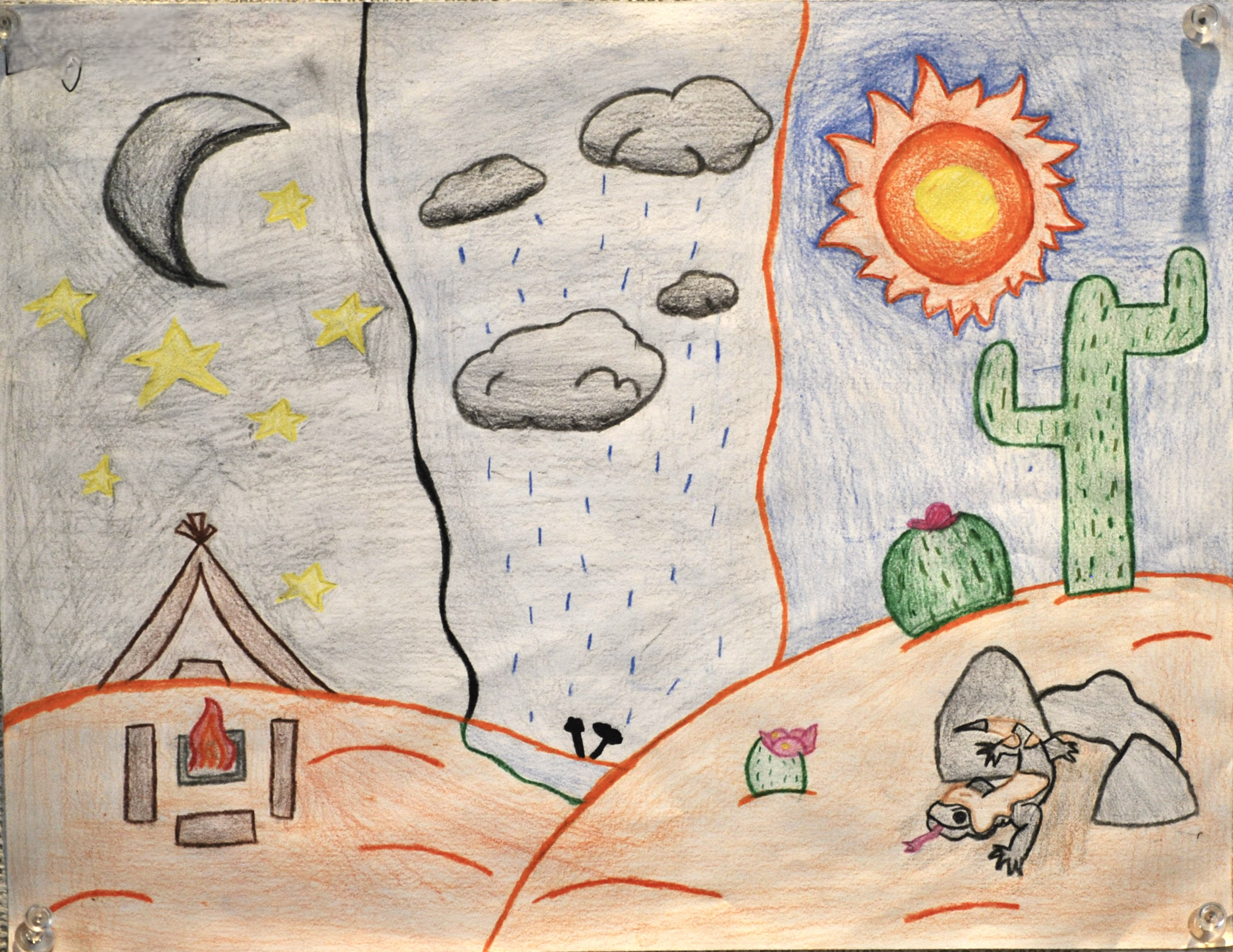 |
The way this relates to the theme is it shows the vast differences of New Mexico. On the left it shows a night sky and camp fire along with a tent. The middle shows a rainy sky and oasis in the distance. On the right it shows a hot day with the sun out with cacti and lizards. All of these elements show how different New Mexico is and how it has a long way to go. | 1.288 | |
| Alma d’ Arte Charter High School | 11 | High School 9-12 | 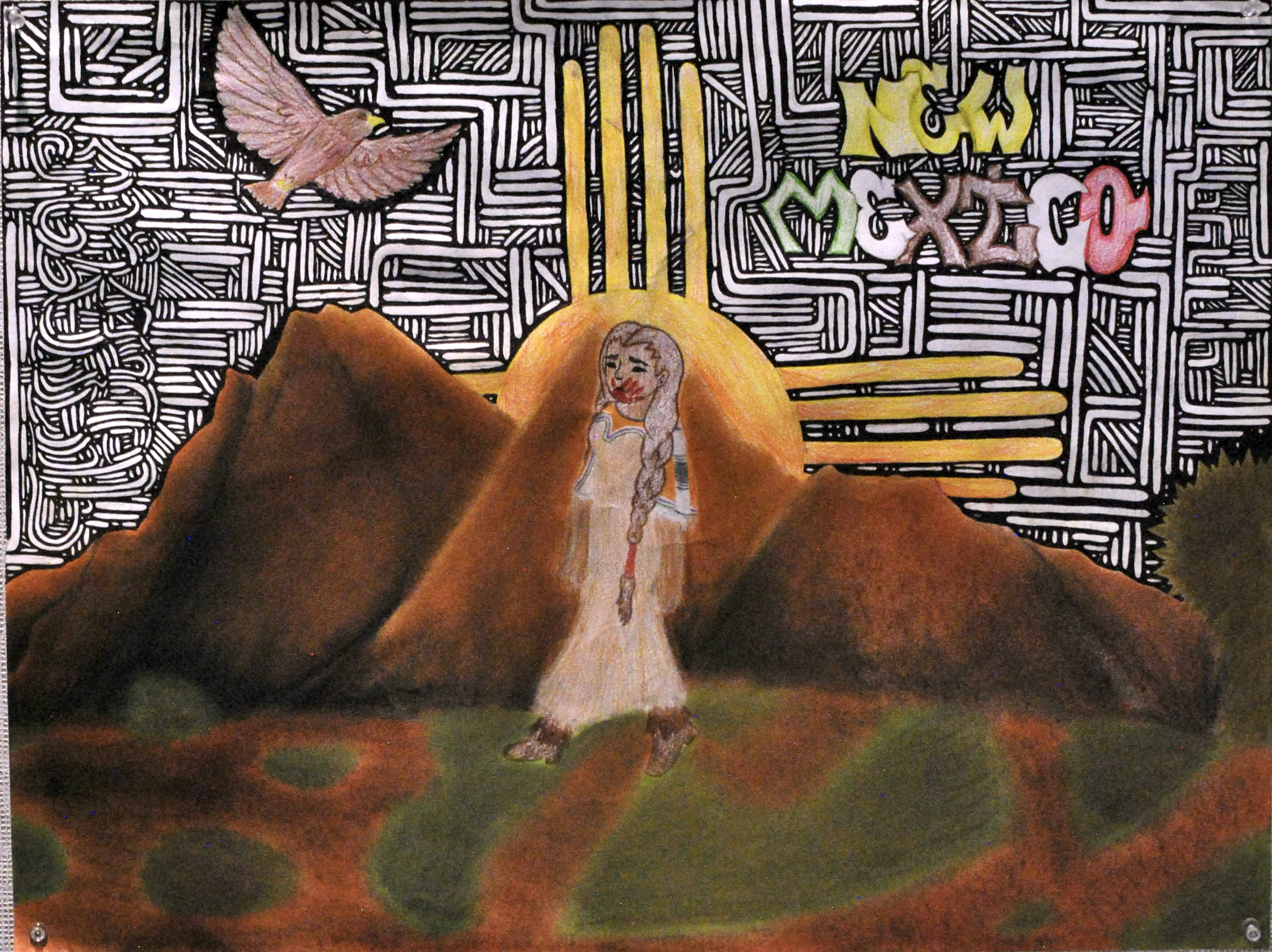 |
Walking Through New Mexico Hispanic Heritage Month is to celebrate the culture, tradition, and history of Latinos all over the world. In my drawing, I decided to make a landscape of South-Central New Mexico with a young Jicarilla girl along with a red-tailed hawk on the side, and the Zia Sun Symbol right behind the mountains in order to represent the past. For the future, I decided to go for a graffiti-like style in the background. The lines, curves, dots, and the lettering are supposed to describe how Mexican American art is seen nowadays. The red handprint over the girl’s mouth is supposed to represent the Missing and Murdered Indigenous Women act (also known as the MMIW), a symbol created in 2019. Despite it being 6 years ago, and not exactly new, violence towards Indigenous women is still very large today, and is something we should not stay quiet about. For my art, I decided to go for three different mediums such as: soft pastels for the landscape, ink for the background, and colored pencils for the Zia Sun Symbol, the lettering, red-tailed hawk, and the Jicarilla girl. In the end, my drawing is to show how much respect I have for the past and for the future for our fellow Latino and Indigenous folk. |
1.296 | |
| Alma d’ Arte Charter High School | 9 | High School 9-12 | 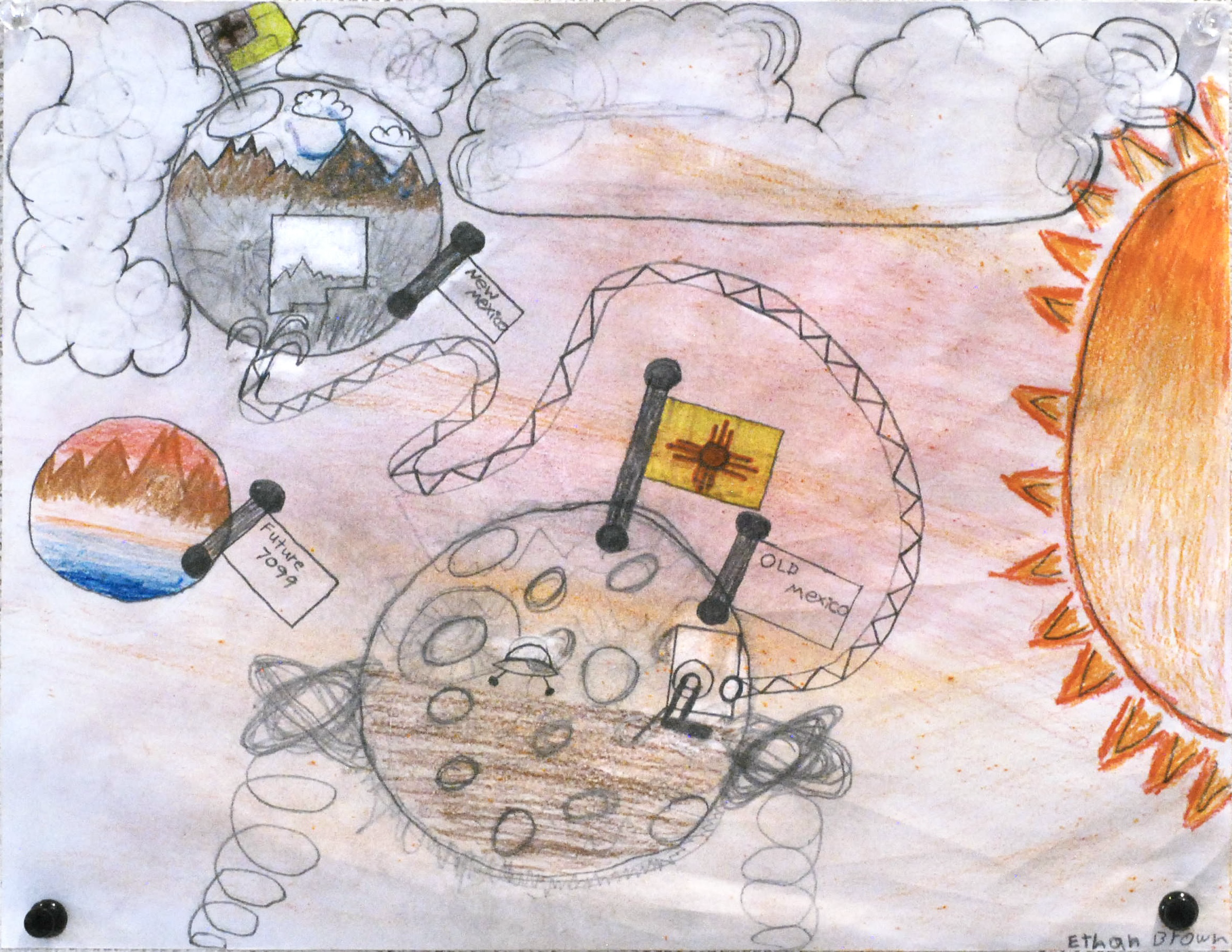 |
So I used crushed colored pencil and for shading. I use pencil for my clouds and pencil for shading my artwork. Detail for clouds was pencil shading for the color. planets was shade, a pencil. Sun was shaded colored pencil. So what I did for collective heritage was used New Mexico and old Mexico. Old Mexico is in the past and New Mexico is inspiring the future. So I made old Mexico scary because it wants to take New Mexico back. And for the UFO on old Mexico was because old Mexico is a planet turned into a space ship taking New Mexico back to the universe. So for the State, New Mexico on the planet, New Mexico, because New Mexico is New Mexico. I also put mountains on the planet because everything needs mountains for New Mexico and I did flags for the Heritage. For the mountains it makes sense because New Mexico is in the Rockies. | 1.300 | |
| Alma d’ Arte Charter High School | 12 | High School 9-12 | 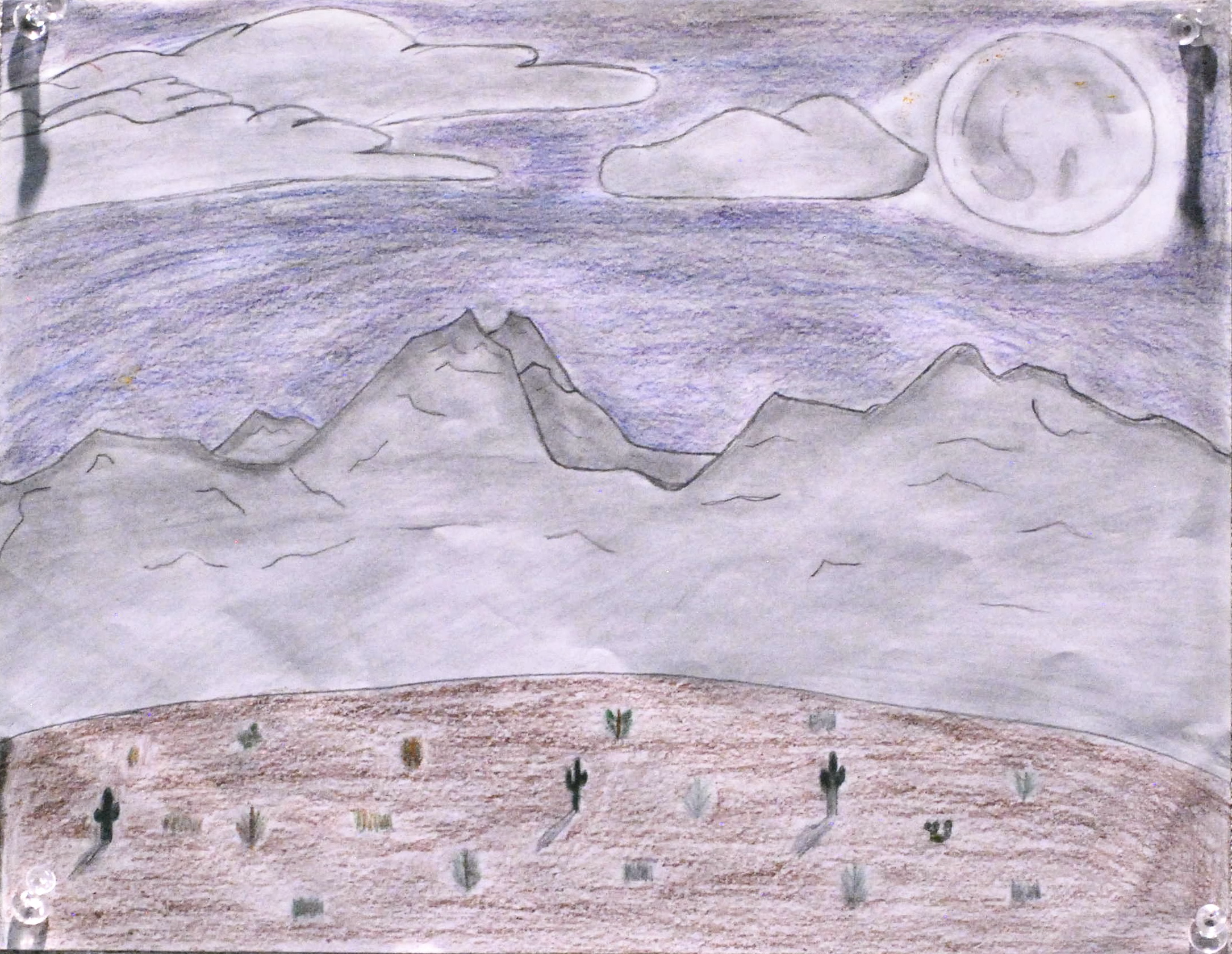 |
New Mexico is known for its beautiful mountains and the scenic views they offer; for many years, they have inspired those who gaze upon them. Not only can New Mexico’s mountains inspire those who look upon them, but they can also act as a gateway into the past by allowing us to possibly see and imagine what the ancestors of New Mexico saw. In my drawing, I aimed to honor the past by depicting mountains that have withstood the test of time and remain standing through many years. Remembering the past of these mountains can inspire the future as well. By reminding us that, as time went on, they still managed to stay strong and continue to stand tall and hopeful, New Mexico’s mountains can encourage us to face the future with the same strength and endurance. | 1.304 | |
| Alma d’ Arte Charter High School | 9 | High School 9-12 | 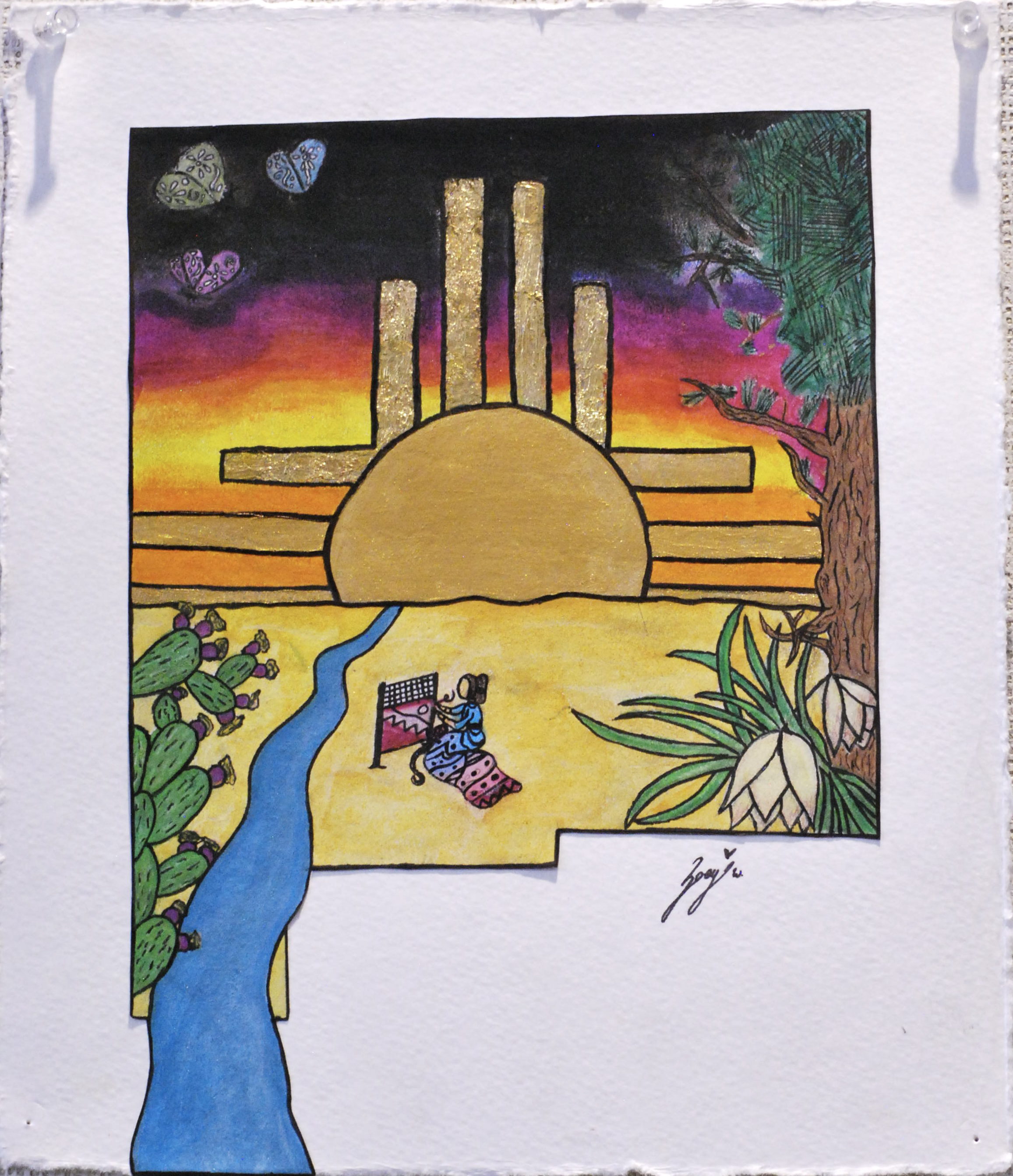 |
I have named my art piece Sun Weaver. In the center is a native american woman who is weaving a rug. I put her there because my aunt who is raising me is native american. I also find native culture so beautiful and captivating.The sun is in the shape of the Zia symbol. I did this because it is New Mexico’s state symbol, and the whole of my art piece is about New Mexico, where I was born. On the right hand side of the art is a pine tree, this symbolizes immortality, wisdom, peace, resilience, and hope. The prickly pear cactus represents resilience, and endurance. The butterflies in the top left hand corner have wings made out of papel picado, I did this to put a little bit of New Mexico’s Mexican culture. Lastly, I put the Rio Grande flowing down the page because the river plays a significant role in New Mexico’s culture and history. | 1.332 | |
| Alma d’ Arte Charter High School | 10 | High School 9-12 | 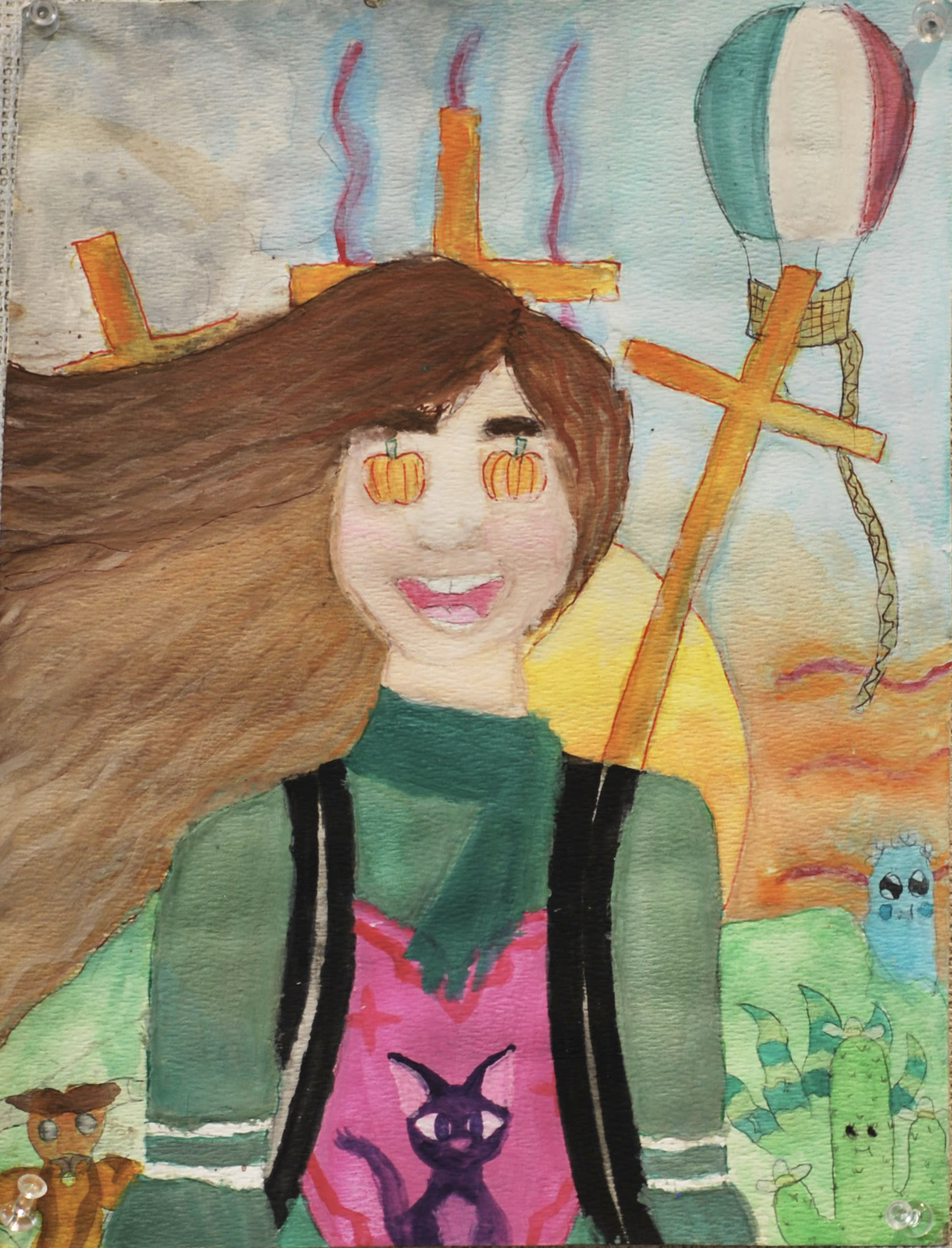 |
This self portrait represents me for the first time, spiritually connecting with New Mexico. The pumpkin eyes symbolizes connecting with New Mexico when it was fall or Halloween. Today happens to be around that time, so I am also looking forward to this Holiday. The bright pink heart with the purple cat shows what my heart really looks like in the inside. Also how my heart is strong and open which is visibly displayed on my sweat shirt. Additionally, the cat represents my pet that I am most attached to. I miss my cat terribly but she always lives in my heart. If you wonder why there are faces on the plants, it's because I see plants as faces too. I not only see them as faces too. I not only se them as faces but how whimsical and innocent they are, so as other animals. The three crosses just represents where I am specifically in Las Cruces, that I am subconciously thinking about but I am not aware of what it's really about. New beginnings is what is shown in the Zia Sun. The hot air balloon shows my subconcious feeling to see New Mexico in a better view. As you can see, my hair blow through the wind as a welcoming by nature. |
1.404 | |
| Alma d’ Arte Charter High School | 9 | High School 9-12 | 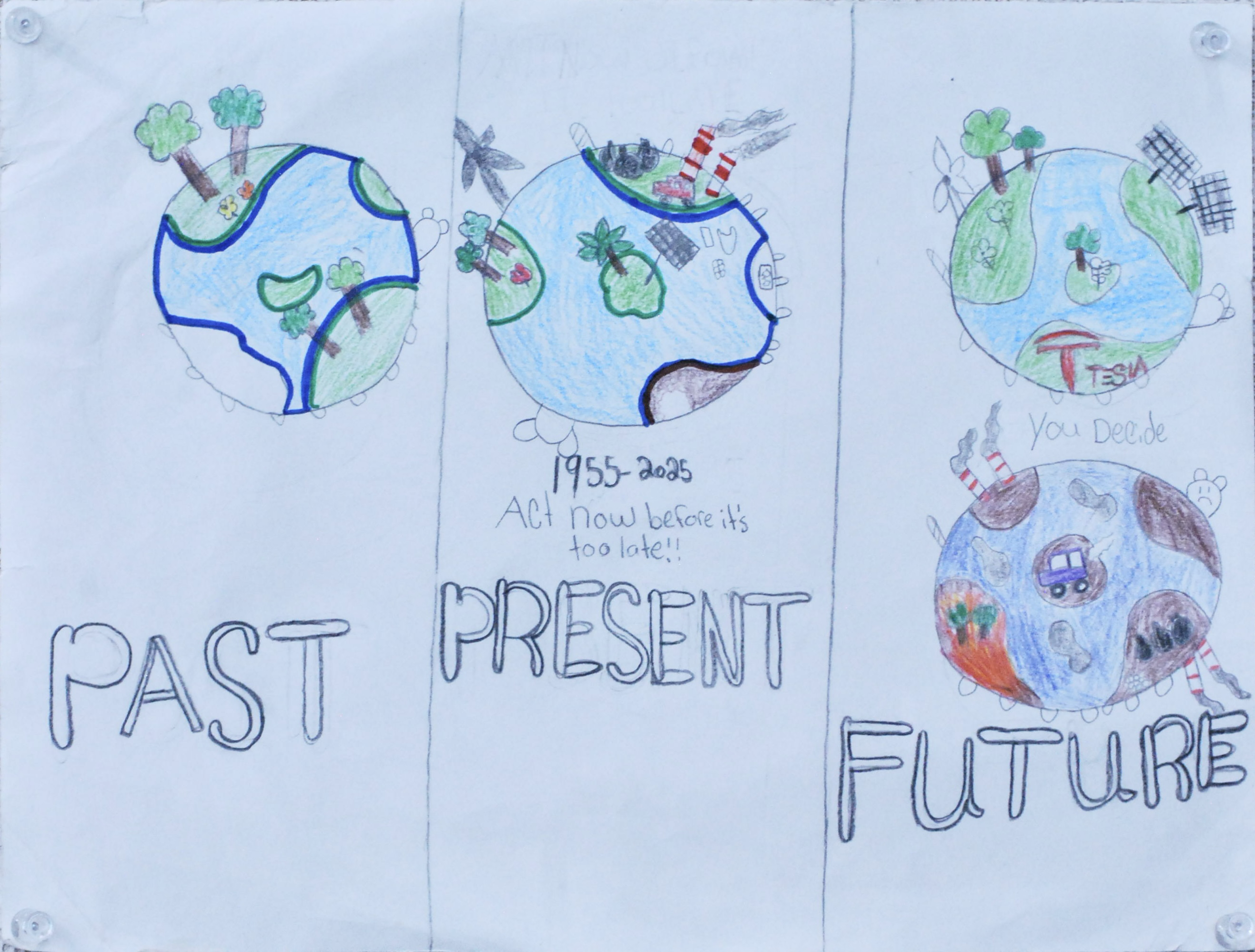 |
Earth Day,, celebrated on April 22, is a global event promoting environment awareness and action. it emphasizes the importance of protecting out plants resources and biodiversity. simple actions like reducing waste, conserving energy, and planting trees can contribate to a healthier environment. World Earth Day helps fight climate change by raising supporting hands-on projects, and pushing for stronger environments laws. We can help by turning of lights, using less plastic, most importantly spreading awareness. We should protect the environment because it is essential for human survival, providing clean air, water and food, environments degradation and pollution, which can cause health problems and economic instability. Small little things can make our world happier, and healthier place to live. We all should mainly keep our rivers and lakes clean and healthy. the inaugural Earth Day led to the Unites States environment protection agency being founded. This resulted in sighificant laws being passed. The national environment eduction act, occupational safety and health and clean air act were all initiated as a result of earth Day and the awareness it generated. Together, lets create a sustainable and balanced future. Make Earth Day everyday, not just on Earth Day. Thank you |
1.420 | |
| Alma d’ Arte Charter High School | 9 | High School 9-12 | 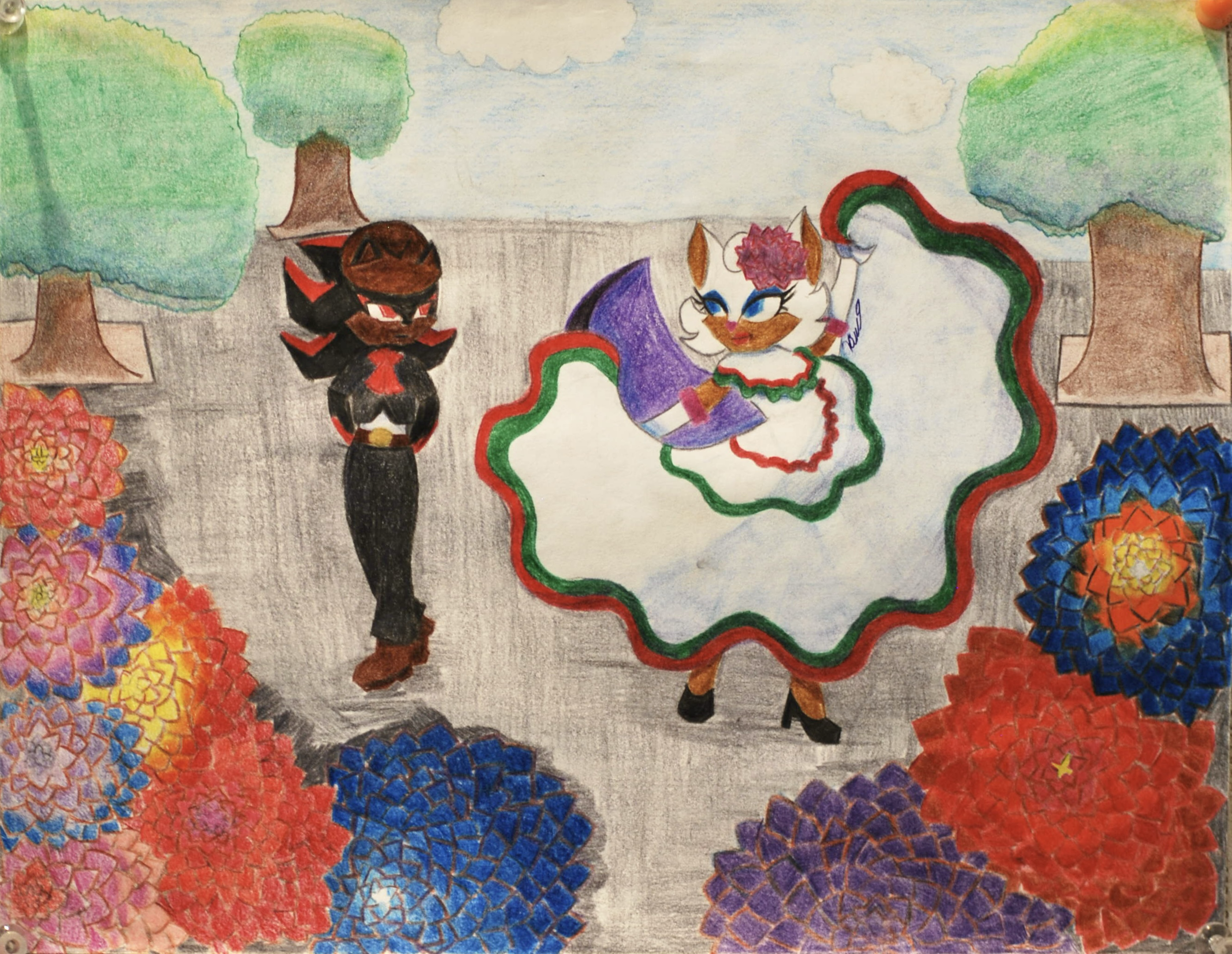 |
My artwork uses Mexico’s colors, national flower (dahlia), and folklorico. Folklorico is a way to stay close to culture, share stories, and express yourself. I like Sonic, so I decided to use Shadow and Rouge for this piece. For the colors, I picked what I thought would work best, which I incorporated in the dahlias. I used Pen + Gear and Crayola colored pencils for the whole piece. Each flower took around an hour, and Rouge took some time as well. I wanted a smooth blend of color, so I took more time. Everything else and Shadow didn’t take as long because of how frequently I draw Sonic characters. My piece took around a week to complete. | 1.506 | |
| Alma d’ Arte Charter High School | 12 | High School 9-12 | 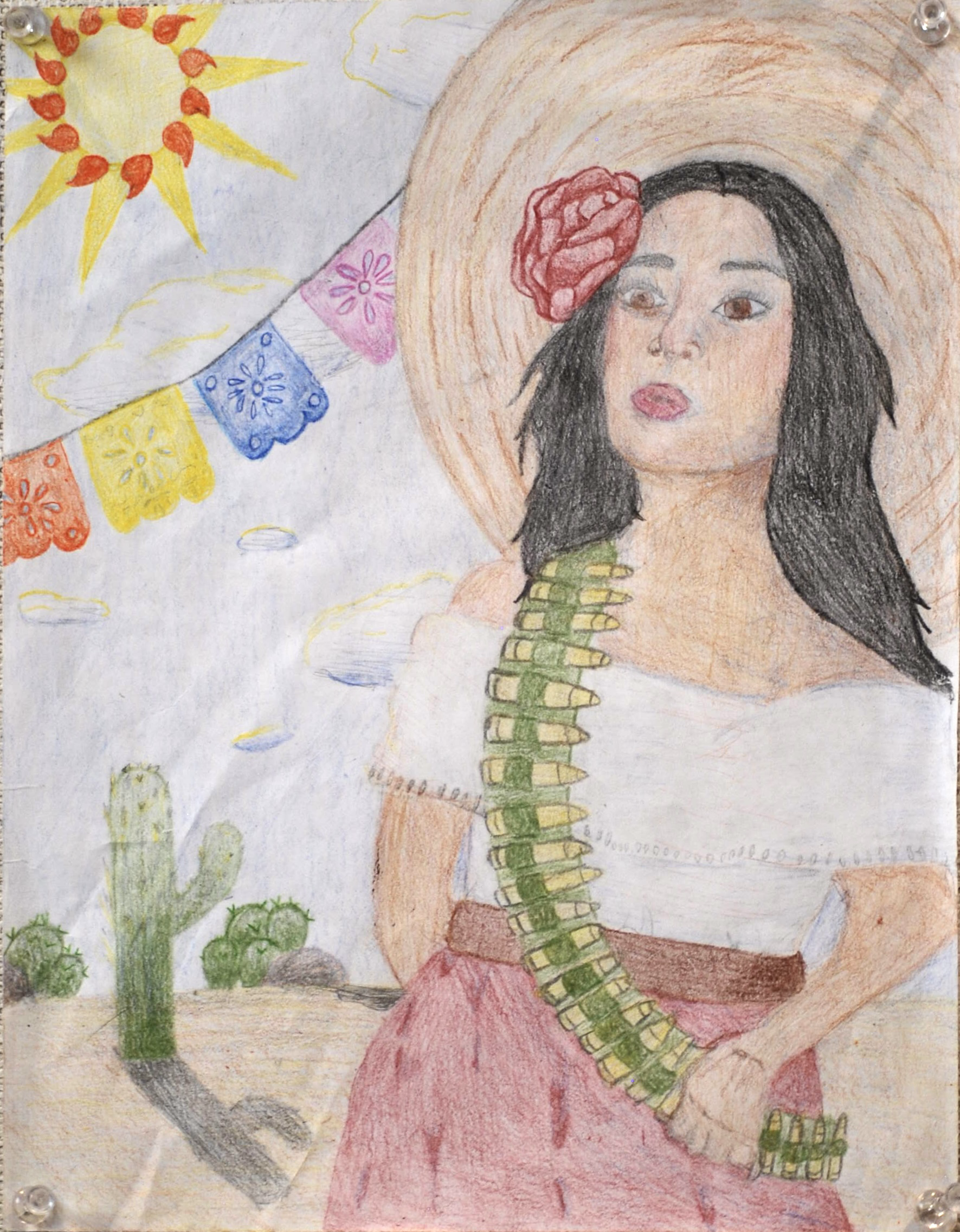 |
My art piece is called 'The Adelita'. A proud Adelita who fought in the Mexican Revolution stands in front of a decorative sun, the desert and cacti behind her. There are Papel Picado behind her, showing that even in times of vulnerability, humans will find a way to be positive. | 1.524 | |
| Alma d’ Arte Charter High School | 10 | High School 9-12 | 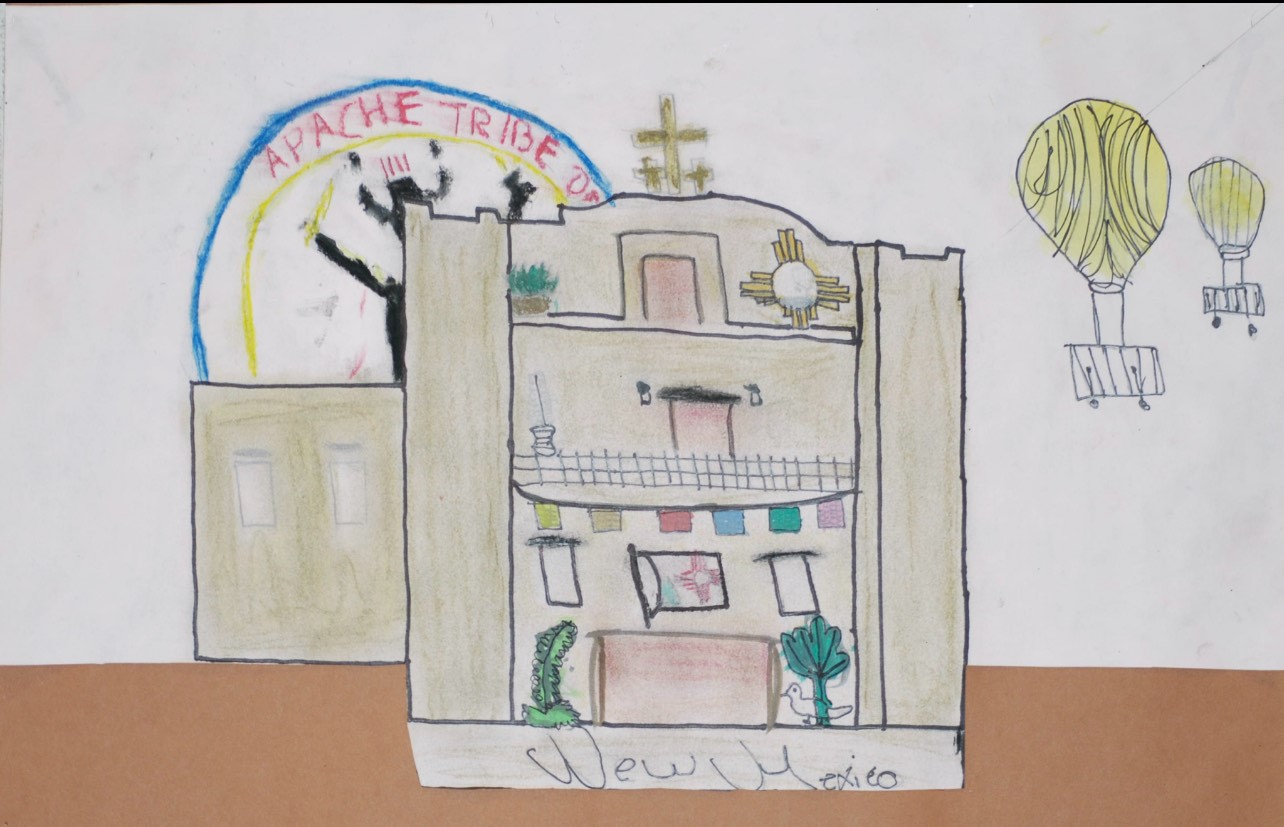 |
for my hentage theme project that i had made was a building of new mexico and in the background. i put the apache tribe logo because i'm a part of apache tribe. i put 3 crosses on top of the building because it represents my religion of apache and Mexican. i live in Las cruces nm and las cruces translates into 3 crosses in english. i also put papelpieado in different colors and its a tradition of Mexican folk art of intricately cut-out paper. | 1.564 | |
| Alma d’ Arte Charter High School | 10 | High School 9-12 | 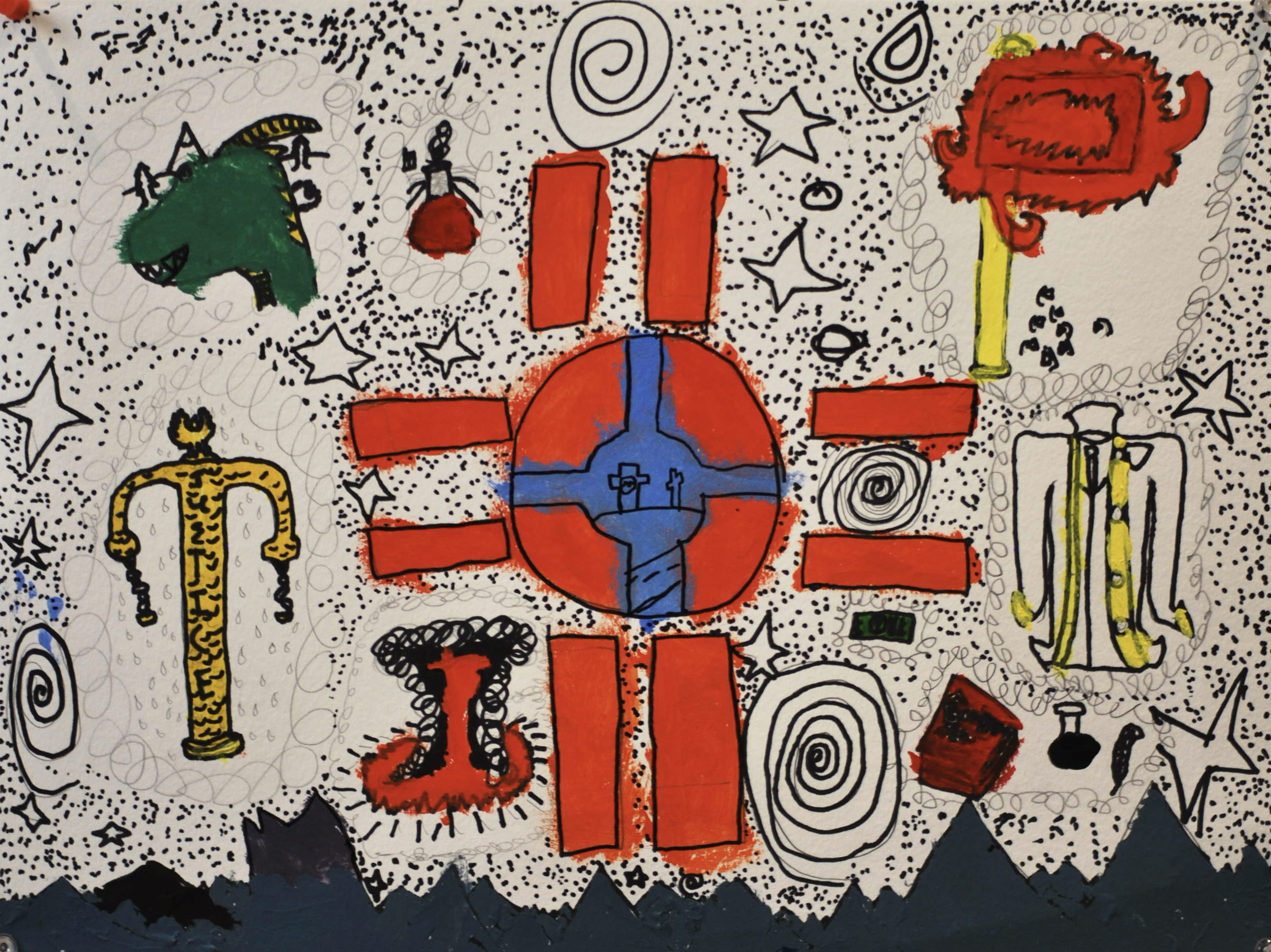 |
My artwork represents my own heritage and families history. Each image represents something about my family or me. Take for example the dragon it represents my families love for fantasizing and fantasy as a whole. Another example the burning flag as my family descended from Germany in world war 2 it represents burning our past and letting it go not letting it be a part of us anymore. Finally the centeral image represents the Zia symbol representing our state as a whole the mountains and stars surrounding it. I had a very fun time working on this I just wish I had more time. Mainly to complete the background. | 1.692 | |
| Alma d’ Arte Charter High School | 11 | High School 9-12 | 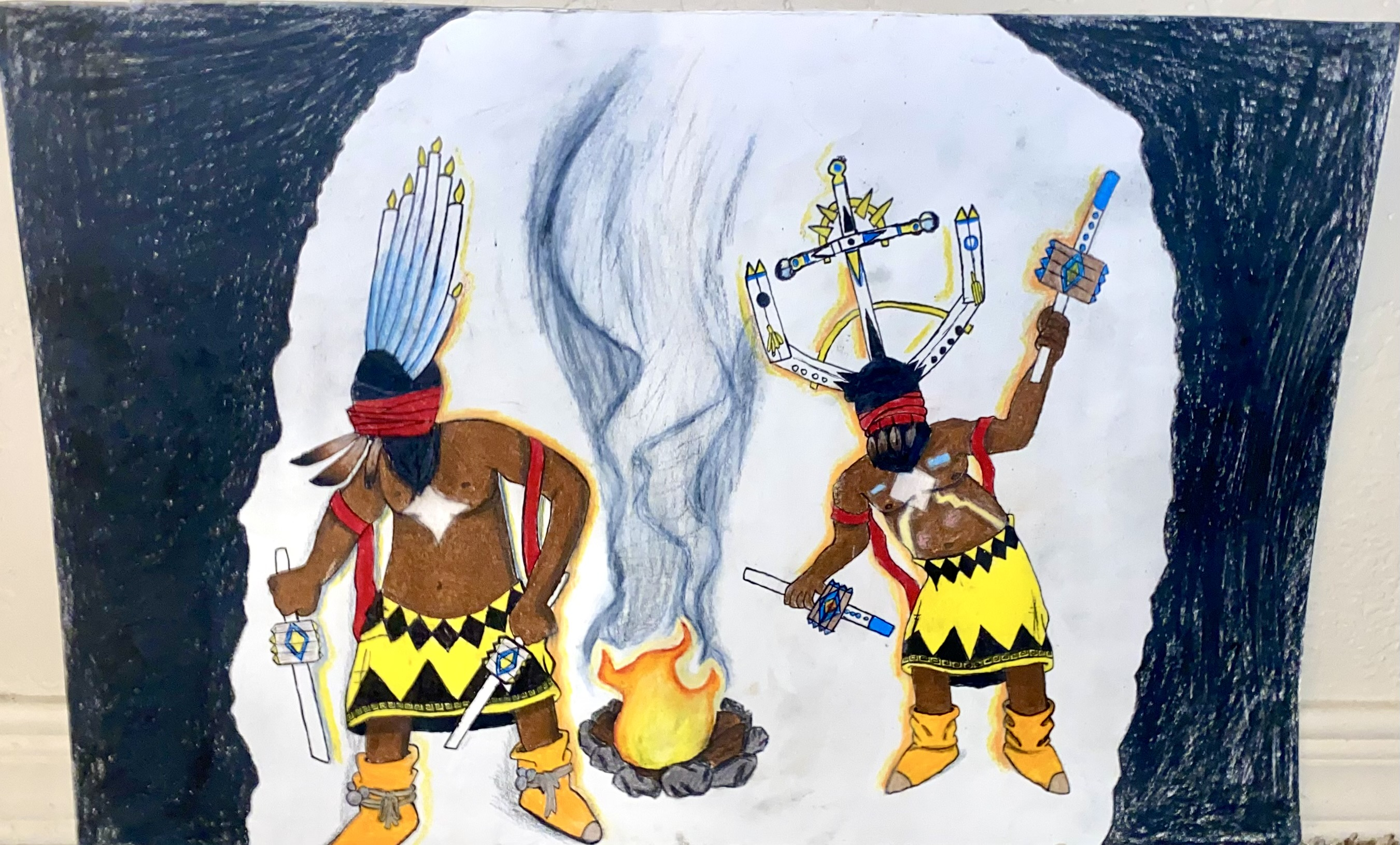 |
My artwork is inspired by the Dishchii'bikoh Apache Gaan dancers. I depict them performing the Nabii’ees around a fire inside a cave, using warm tones to evoke the ceremony’s intimacy and sacred energy. I chose this subject because it connects “honoring the past with inspiring the future.”The Nabii’ees is deeply ceremonial and rich with meaning, and I wanted the piece to reflect both its protective purpose and its role in carrying cultural memory forward. P.S. Thank you to my friend and my History Teacher for helping me with the history of the Gaan Dancers 😀 |
1.688 | |
| Alma d’ Arte Charter High School | 11 | High School 9-12 | 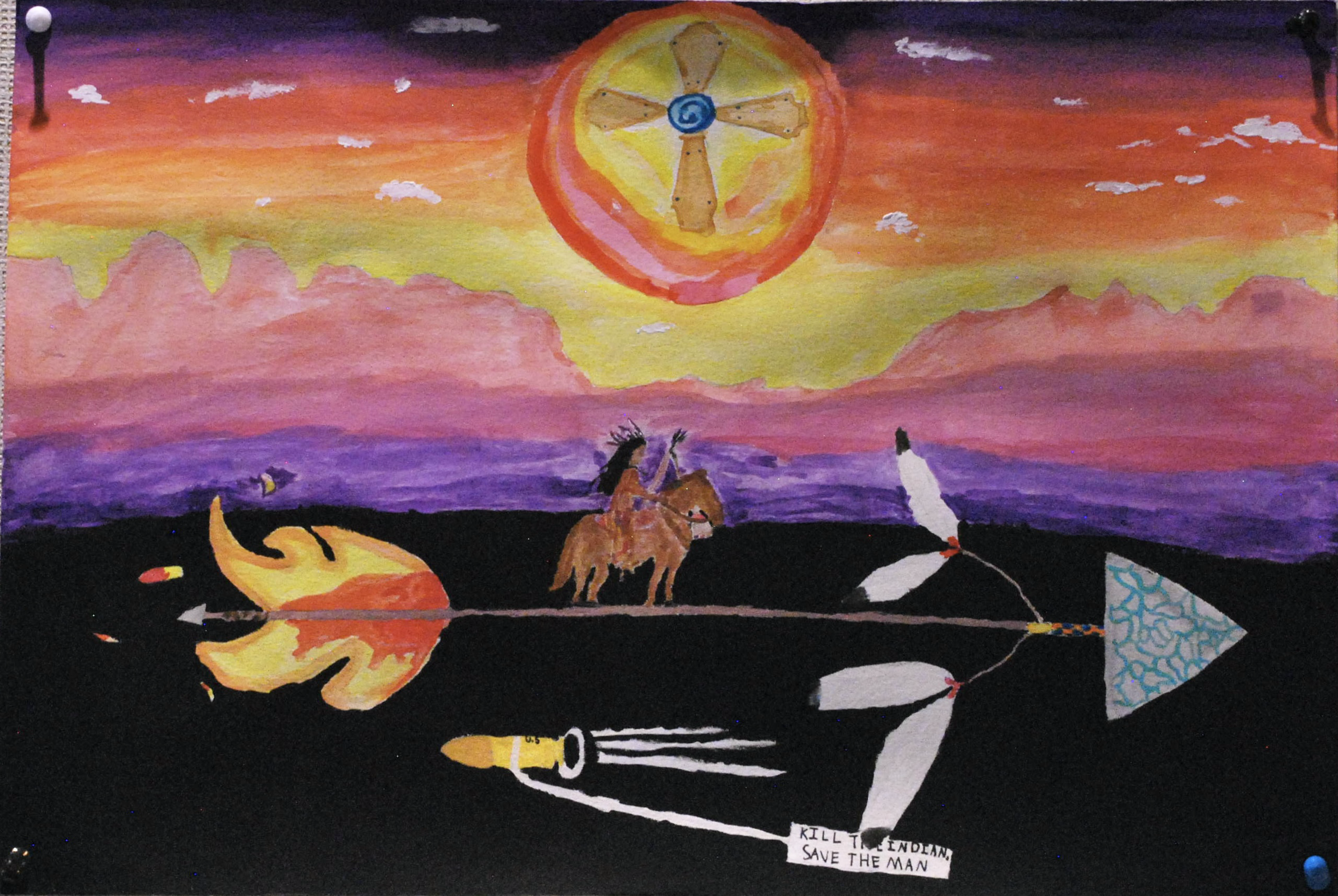 |
The medians I have used in this piece consist of watercolor, black pen, and black acrylic paint. When I moved to New Mexico, I fell in love with the sky, especially when the sun was setting. I included this in my painting of a sky that starts as a deep purple then shades of pink, orange, and finally yellow. In that sunset is a sun wrapped in a variety of oranges and reds that gets overlapped with a wooden cross with the center of the cross is dodger and Egyptian blue swirled. Along with the unique organ mountains that also include an ombre of light pink to deep purple then acrylic black takes up the rest of the background. Beneath the mountains is a Native American arrow, the arrow shooting towards the right. The arrowhead is silver with cracks on it of Below it is a checkered pattern of hot orange and night blue, black feathers are tied to the arrow all the way at the end is a flame instead of fletching which you would normally see on an arrow. A Native American man is seen riding on his horse on the arrow also going towards the right of the painting. Below the arrow is a bullet flying through the air in the opposite direction of the arrow. It is marked with the letters “U.S” tied to the bullet with a warning on it a quote “ Kill the Indian, save the man”. The overlapping of the cross on the sun shows how Christianity( religion) has been used as a way to almost control the "savageness" of Native groups. The arrow displayed going right into the future in hopes of allowing Native people to embrace their culture and identity as the first “Americans”. The arrowhead has turquoise since it's our state's gem. The flame can suggest two things. One is that the light of this culture is never burning out and has so much light or the flame is at the end burying the path of the hopes of this future for Native groups. The bullet is in the opposite direction from the past as we hopefully can leave the old hateful ways in the past. | 1.664 | |
| Alma d’Arte Charter High School | 11 | High School 9-12 | 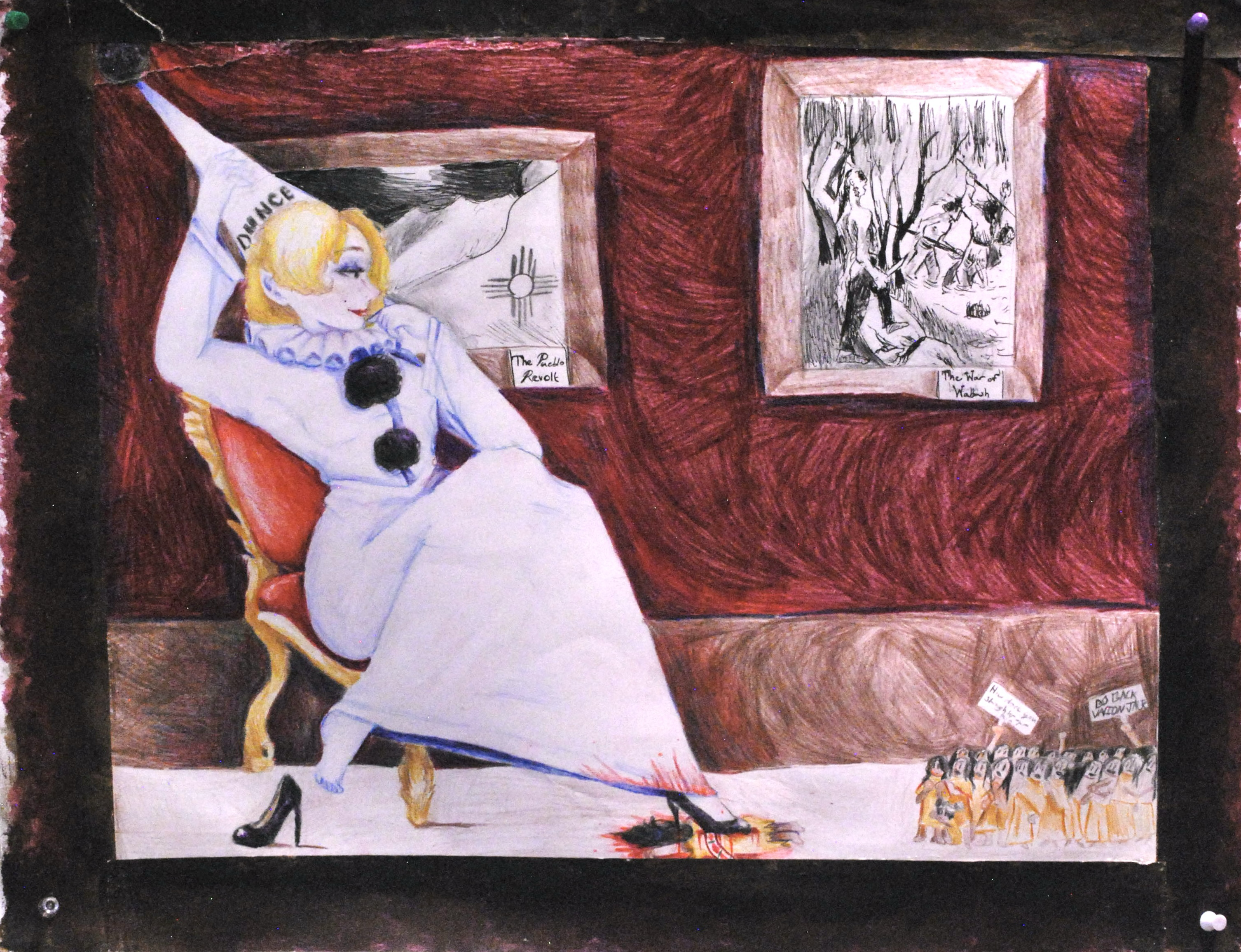 |
When it comes to this year’s current theme, “Honoring the past, Inspiring the future,” the natural conclusion of what we think of this quote as a majority, at face value would be something of positive connotations; how that the execution should be honored for years upon years to come, beyond the present day. However, one significant aspect that I would like to introduce to the aforementioned quote would be the word “Ignorance”; more specifically the ignorance of certain details about the past we wish to not acquiesce to, but neglect instead. That brings me to my interpretation of “Honoring the past,” not only bringing up but showcasing another quote that I have configured, which is thus: “Recognizing the past.” Since we are able to represent any culture we are more inclined to be speaking about, I have decided to inaugurate, with honor and dignity of the highest grandeur, to be presenting three of the many European cultures that inhabit quite the arbitrary landscape of my ancestry: Britain, France, and, as a collective, America. Dare I say well endowed to colonialism and exploitation to the point of the Indigenous man being crumbled to terrible and mournful lachrymose, as, unfortunately, my bloodline nonchalantly slaughtered and made innocent people bleed for the sake of their little endeavors. With that clarified, let me show you the insights of my artwork. (For types of medium, I’ve used both colored pencils and acrylic paint respectively.) The massive clown woman, heavily inspired by the feigned goddess Columbia, depicted in the 1872 painting, “American Progress” by John Gast, who’s reclining in a chair of utmost decadence, encompasses the colors red, white, and blue to represent the Union Jack, the French flag, and the American flag respectively. Another meaning for these would be the colors of anything but a human; inhumane, abhorrent, yet histrionic decisions and actions they’ve committed out of their blind, out-of-control, megalomaniacal motivations. She’s known as simply “The Fool.” Their foolishness of seeing these people as too alien and not understanding their customs is represented through the dunce cap crowned on her head. The Native beneath her foot represents the amount of defeat they have experienced through the hands of colonialism but their power, with the protests they are rallying in the far right corner, is still highly prevalent. That is exemplified by the background that highlights the times where the Europeans have instead relinquished to their “opposites” and the Natives regaining their power once again. During these tumultuous times, especially now, I believe that art is needed and I fear repetition amongst the United States. You might be wondering where my stance on the second half of the quote from the beginning lies. This whole piece is a painting, and inference, a cautionary tale on representing that if we keep this art of negligence and discrimination, then a foolish descension of society has been clear cut and finalized. And with that, this is my piece |
1.716 | |
| Arroyo del Oso Elementary | 1 | Elementary K-2 | 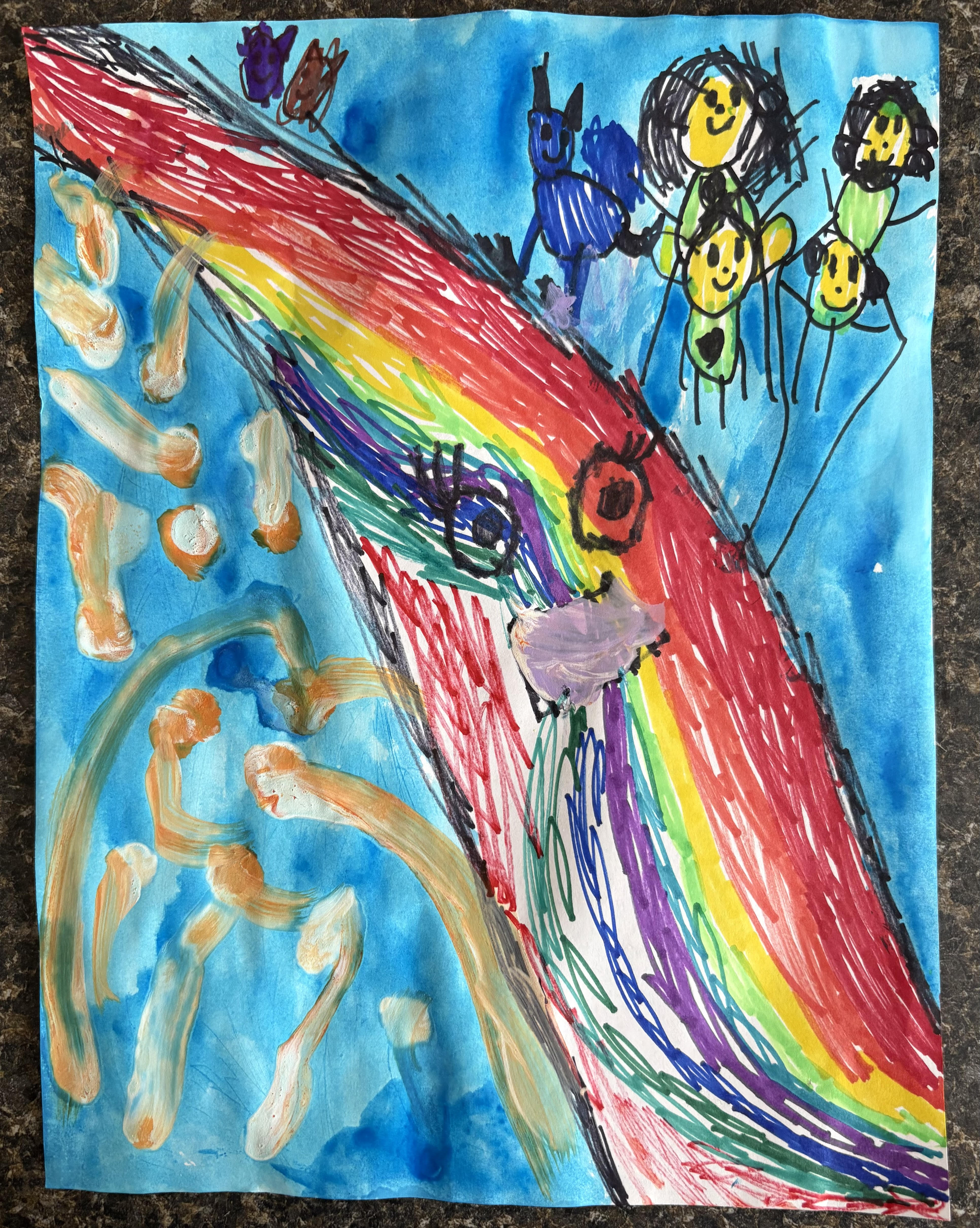 |
This is the future. With family and mine and [her] brother's cats. The future has rainbow robots and fireworks. | 552 | |
| 3 | Barranca Mesa Elementary School | 2 | Elementary K-2 | 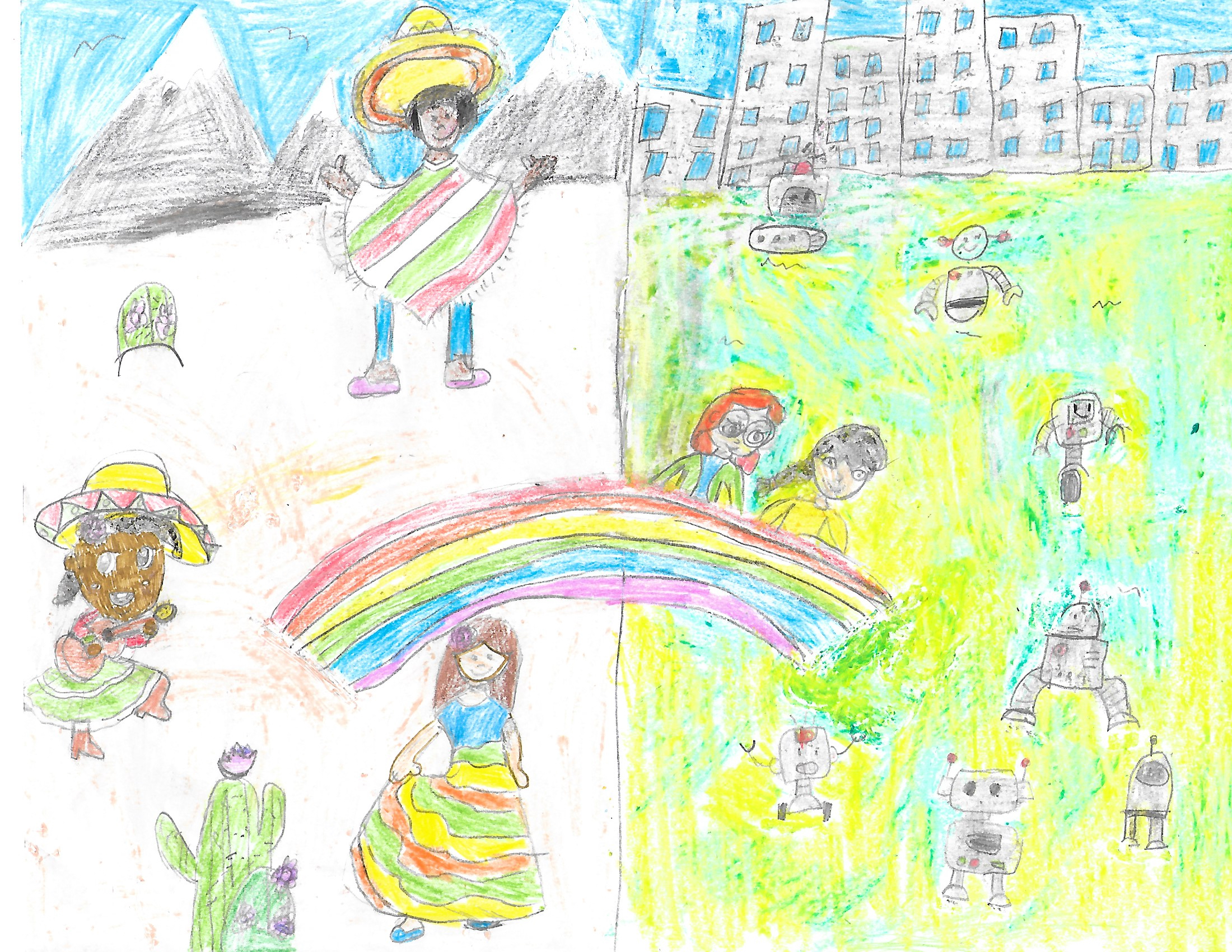 |
My picture is about a bridge that connects the past and the future. The left side shows the past with people wearing colorful clothes. The right side is the future, with robots and lots of buildings. On the bridge, there are two girls who came from the past and are going to the future. | 1.660 |
| 1 | Desert Ridge Middle School | 7 | Middle School 6-8 | 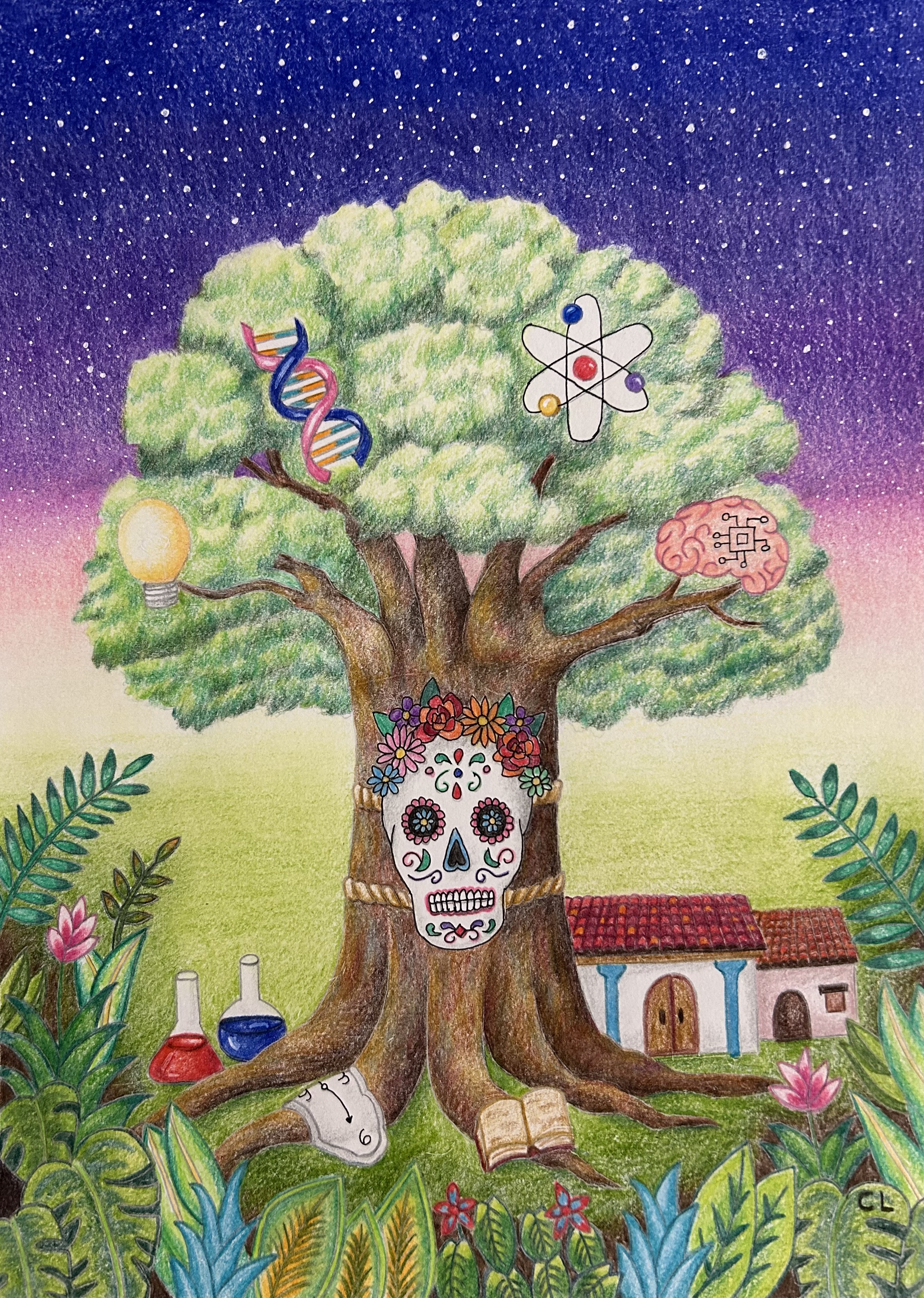 |
This symbolic artwork is inspired by One Hundred Years of Solitude by Gabriel García Márquez. It shows the village of Macondo, surrounded by a magical tropical jungle. At the center, a giant old tree stands with a calavera tied to its trunk. It is the Tree of Life, representing collective heritage. A melting clock at the root of the tree symbolizes the memory and the passage of time within the Buendía family. The scene moves from magical and superstitious elements, like alchemical tools and Melquíades’s book of prophecies, to symbols of modern science, such as light bulbs, genes, atoms, and artificial intelligence. This shows how the past can be respected while also looking forward to the future. The tree's branches and leaves blend into countless shimmering stars in the night sky, connecting Macondo to the universe. Ultimately, the artwork celebrates the power of shared memory and discovery, honoring the past while inspiring a hopeful future. | 560 |
| 1 | Desert Willow Family School | 5 | Elementary 3-5 | 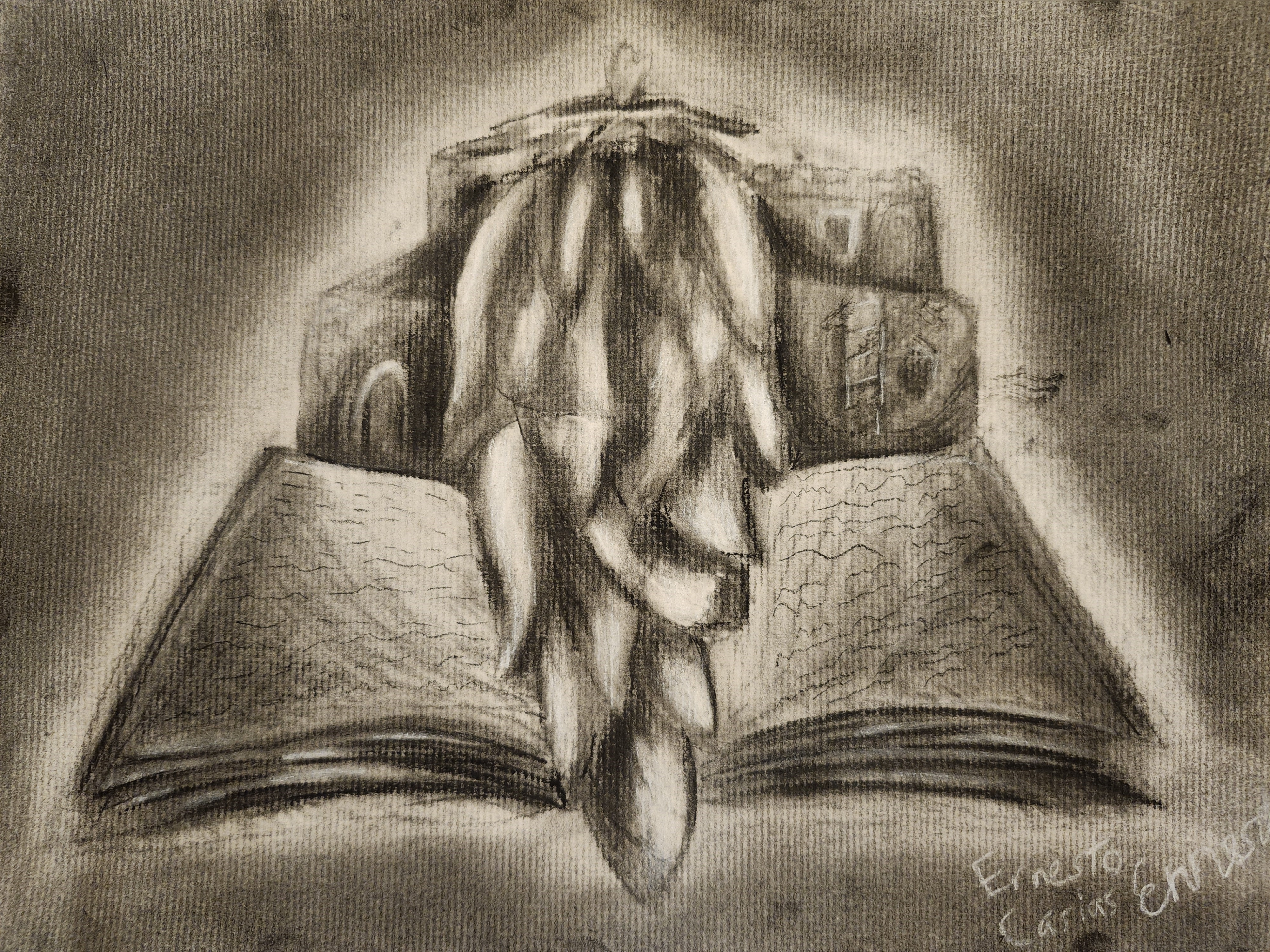 |
The Theme “Collective Heritage: Honoring the Past, Inspiring the Future” reminds me of how we pass down our heritage through gatherings with food. I choose the chile ristra to symbolize a common ingredient in Hispanic food. I choose the book to symbolize the recipes passed down through generations. I also choose the pueblo home in the background to symbolize where families gather. At these gatherings, we talk about where we come from, where we been, and where we are planning to go. I made my art work using charcoal to try a new art technique to get out of my comfort zone. | 1.316 |
| 3 | Double Eagle Elementary | 4 | Elementary 3-5 | 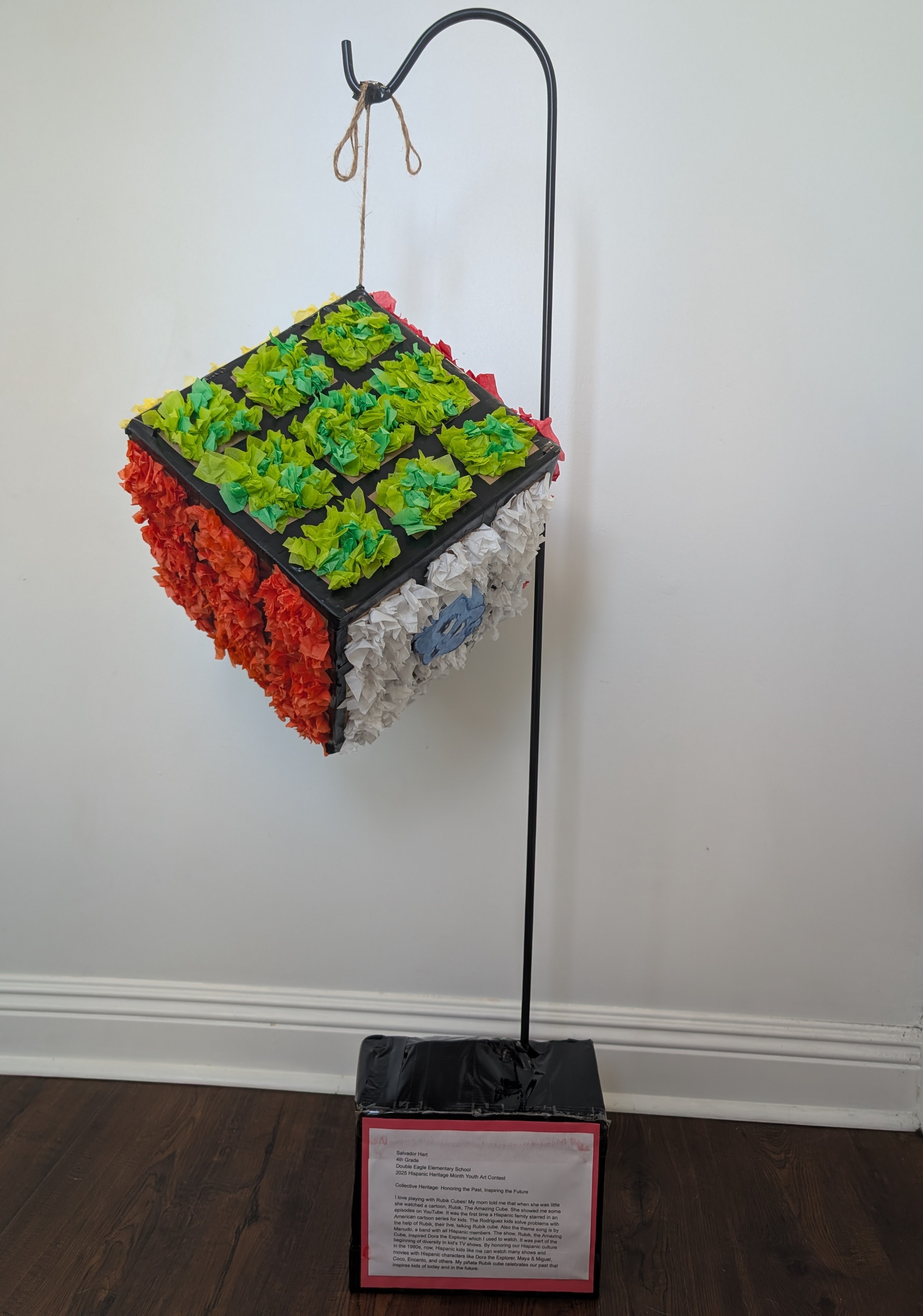 |
Collective Heritage: Honoring the Past, Inspiring the Future I love playing with Rubik Cubes! My mom told me that when she was little she watched a cartoon, Rubik, The Amazing Cube. She showed me some episodes on YouTube. It was the first time a Hispanic family starred in an American cartoon series for kids. The Rodriguez kids solve problems with the help of Rubik, their live, talking Rubik cube. Also the theme song is by Menudo, a band with all Hispanic members. The show, Rubik, the Amazing Cube, inspired Dora the Explorer which I used to watch. It was part of the beginning of diversity in kid’s TV shows. By honoring our Hispanic culture in the 1980s, now, Hispanic kids like me can watch many shows and movies with Hispanic characters like Dora the Explorer, Maya & Miguel, Coco, Encanto, and others. My piñata Rubik cube celebrates our past that inspires kids of today and in the future. |
984 |
| East San Jose Elementary | 5 | Elementary 3-5 | 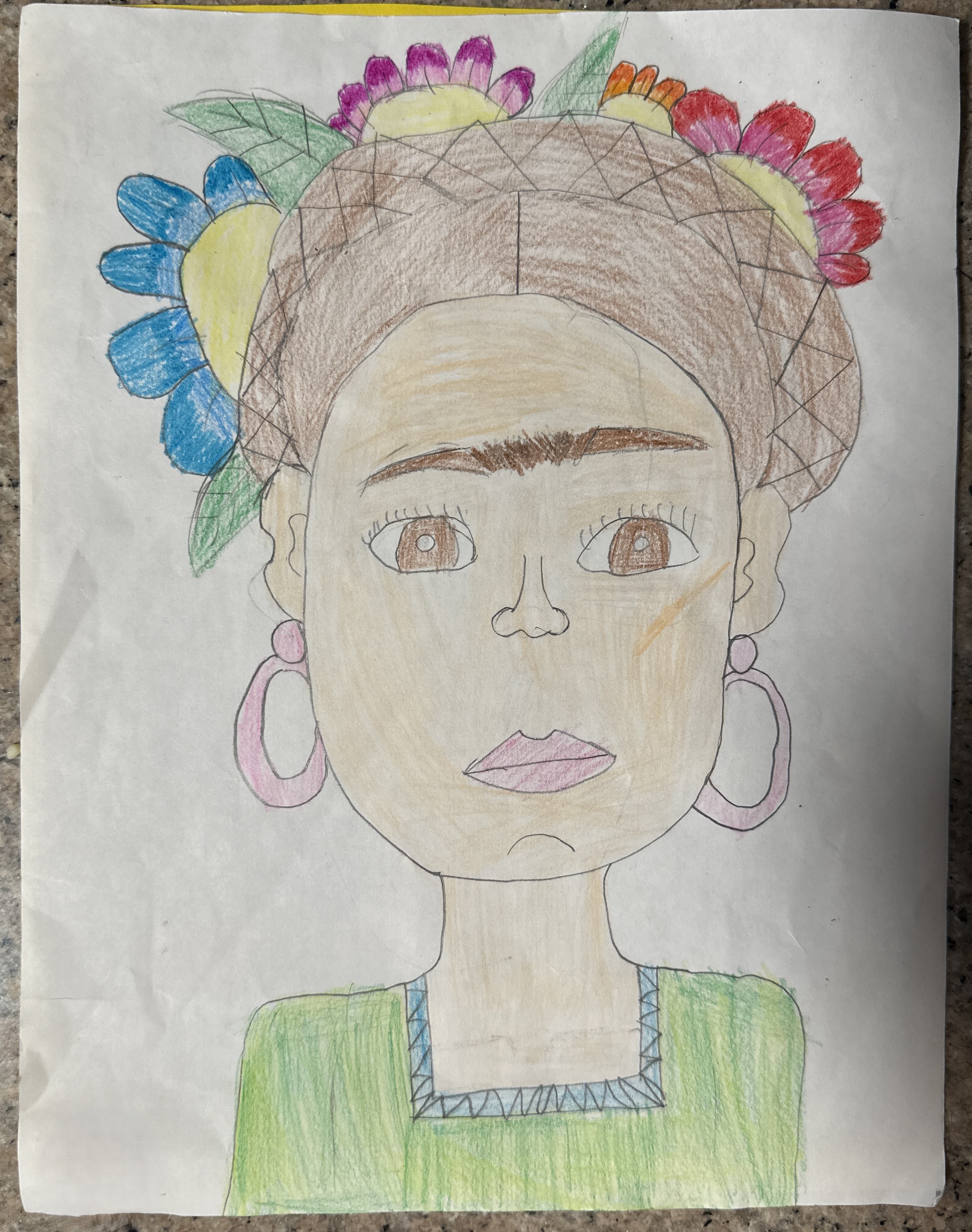 |
The artist is learning about Frida Kahlo’s art and its important role in representing Hispanic heritage. Through her powerful self-portraits and vivid imagery, Frida expressed deep aspects of Mexican culture, identity, and history. Mia attends a bilingual school where students explore a wide range of topics related to Mexican-American history and culture, helping them better understand their roots and heritage. | 546 | |
| eCademy | 8 | Middle School 6-8 | 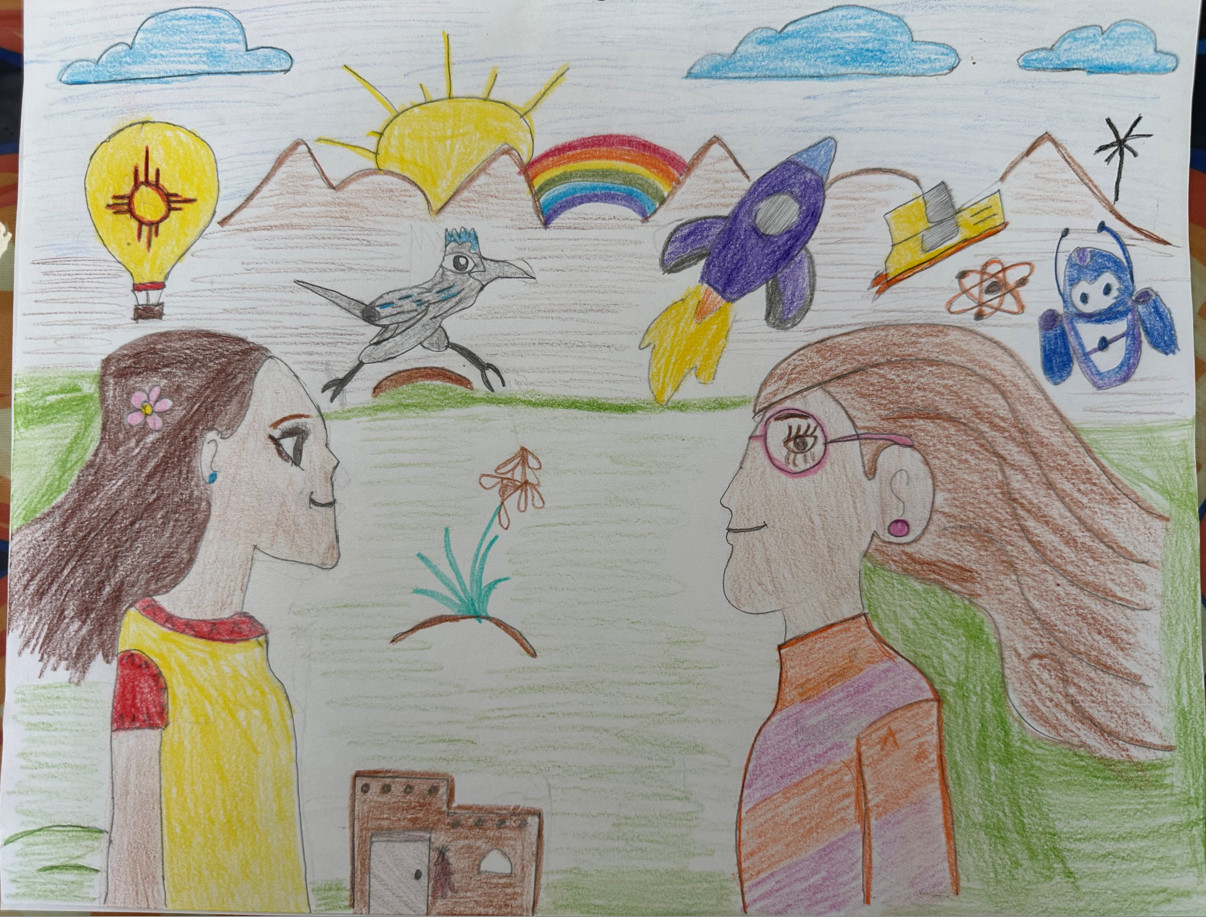 |
Hispanics have celebrated the past in many ways from family gatherings, cooking delicious traditional foods to celebrating almost anything such as birthdays, milestones, holidays, and values. They honor the past by passing down their knowledge of making food, artwork, music and leadership to their future generations. By preserving legacies Hispanics inspire the future leaders of the next generation to create and pursue positive changes for the environment and embrace their heritage by building a brighter more sustainable future for generations to come by thinking outside the box and honoring the past and future to come. | 1.388 | |
| Eisenhower Middle School | 8 | Middle School 6-8 | 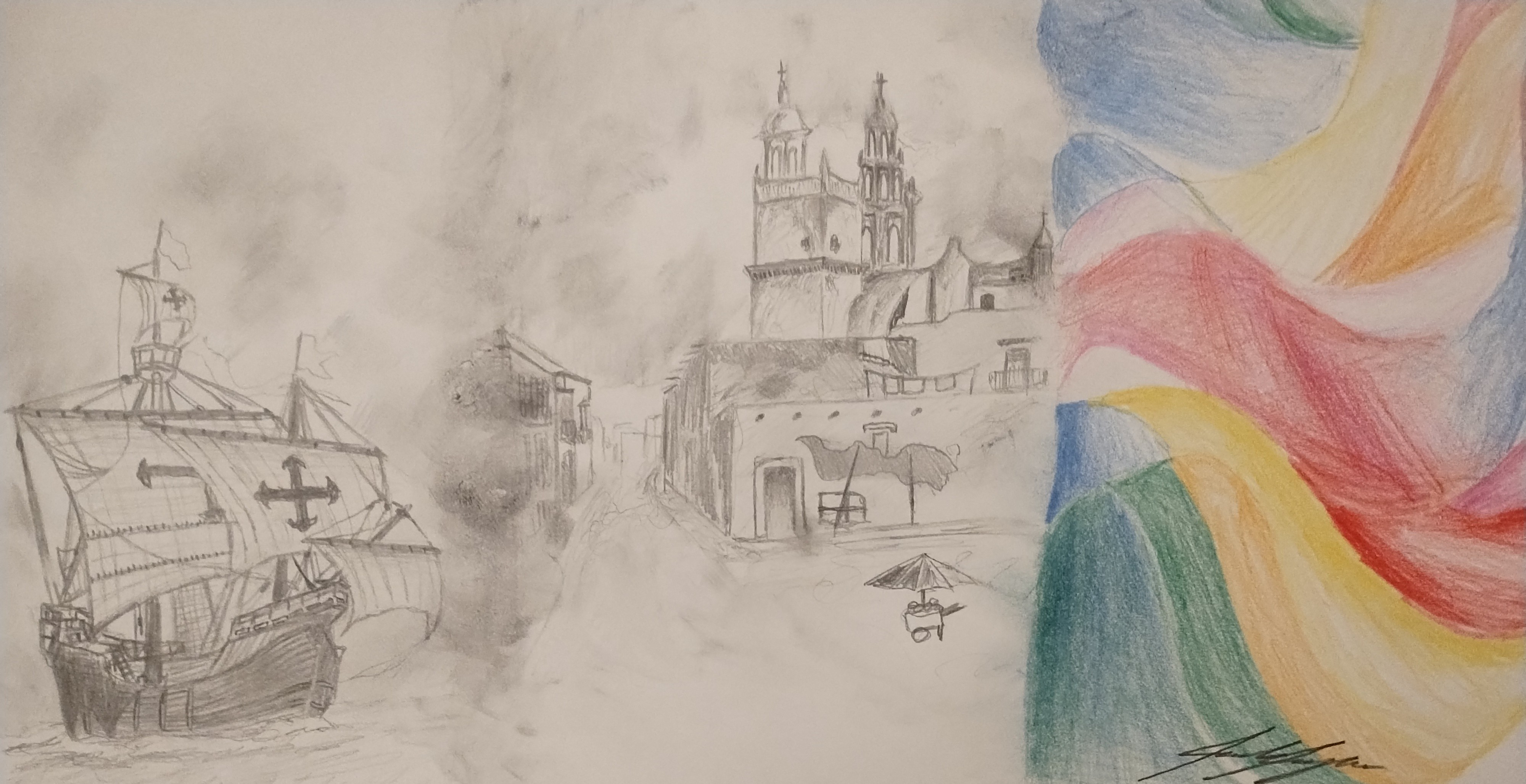 |
I decided to focus on my history of Hispanics and also how we can change the future. The Spanish ship represents when the Spanish came to America. The part of Mexico City shows the Spanish settling in America. The abstract colors represent the future. The first two pictures show the time passed and how we can look back on it. Think of what we could have done otherwise and the future is all ours for the taking. Although we may not be able to see or change the past, we can learn from it to create something vibrant and amazing for the future. | 1.684 | |
| Eisenhower Middle School | 6 | Middle School 6-8 | 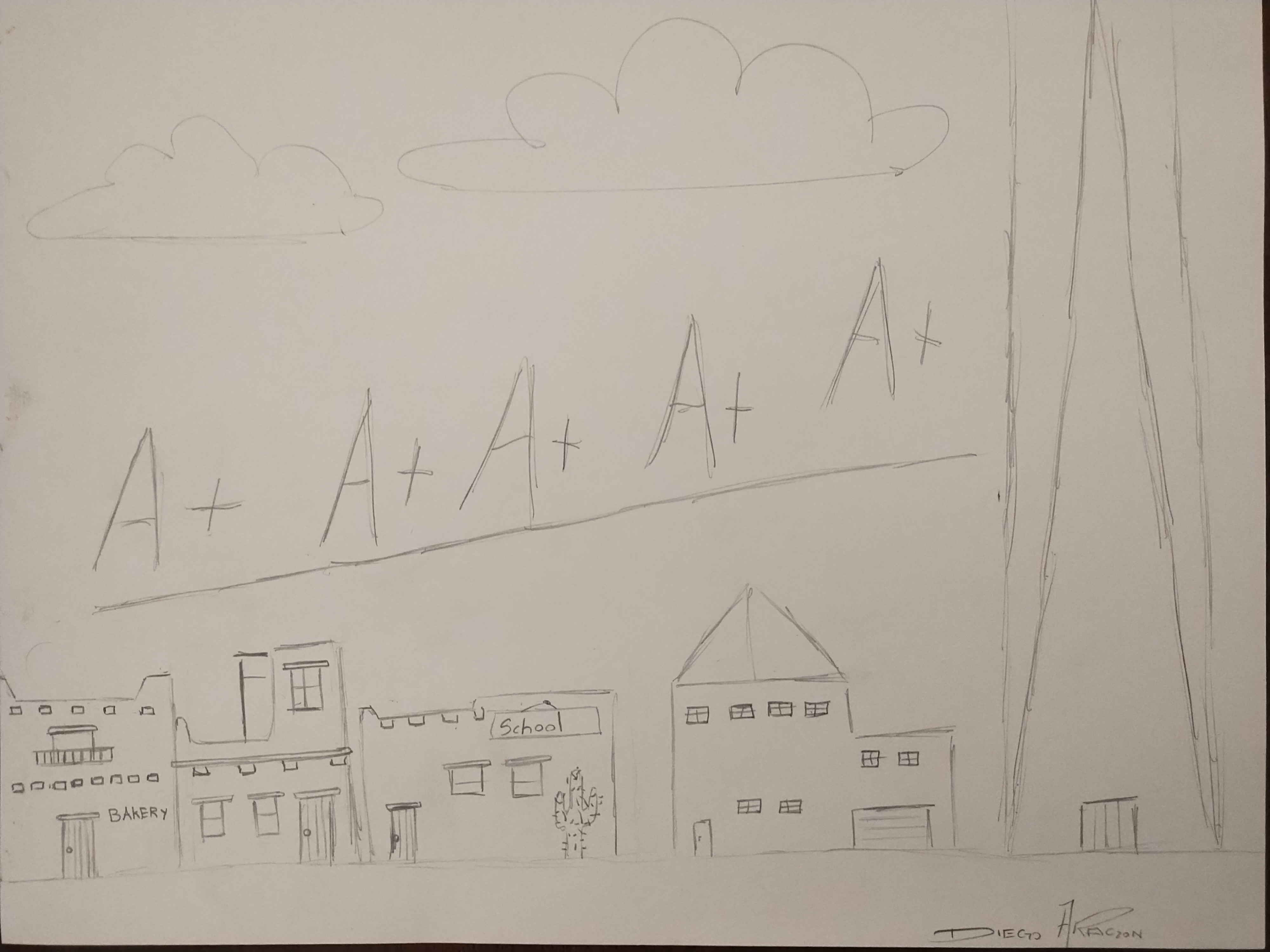 |
My grandparents always told me to work hard to get good grades. They said that it is just as important now as it was when they were kids. They said to study hard and listen to my teachers. Because of their advice I have been able to always maintain good grades. This is what my art portrays. | 1.680 | |
| Holy Ghost Catholic School | 3 | Elementary 3-5 | 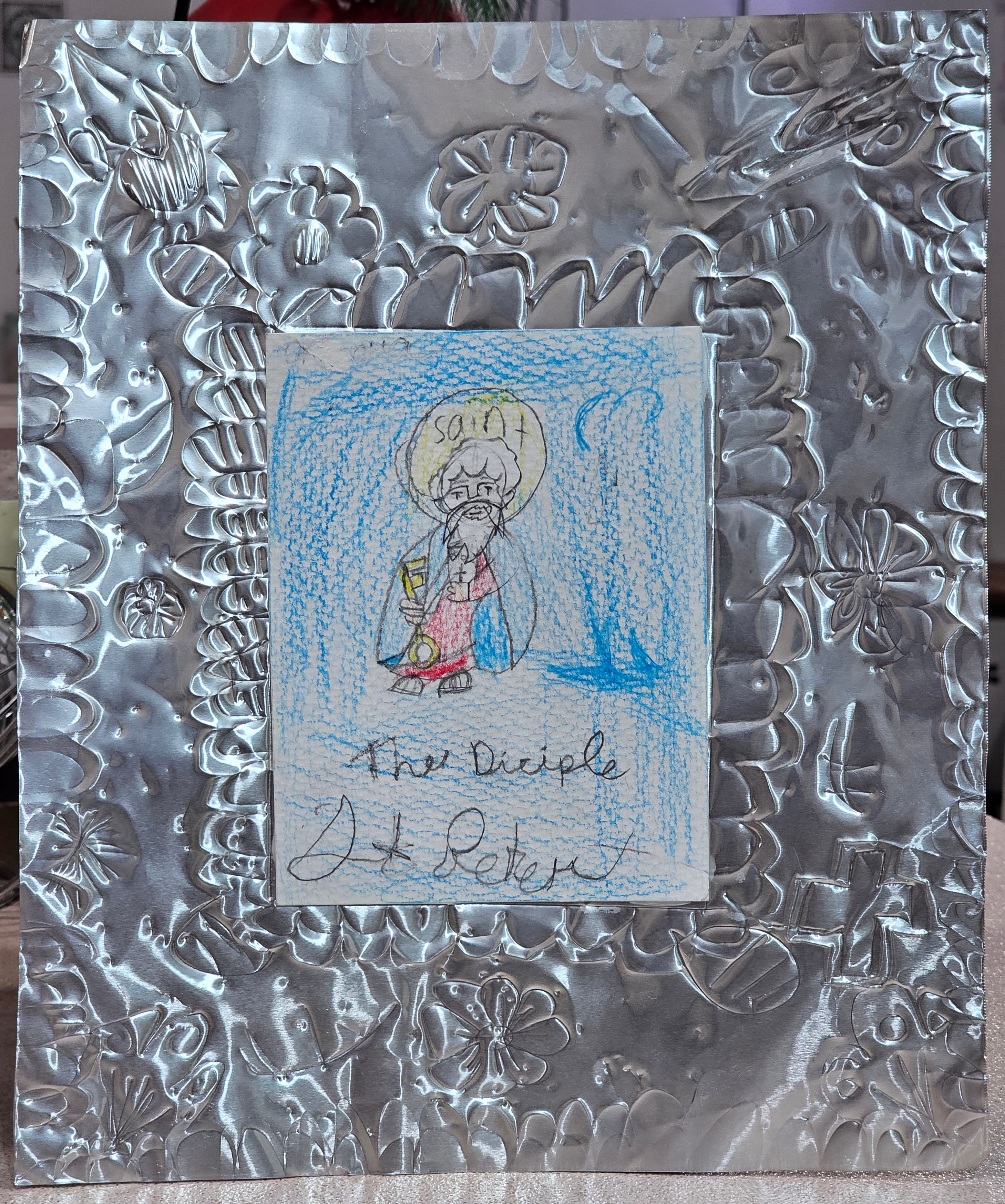 |
St. Peter Called Simon, he was given the name Peter, meaning a rock. After Jesus had described him as the rock upon which the Church would be built. Peter, like his brother and fellow apostle Andrew, was a fisherman. He accompanied Christ during his ministry. And after Christ's death, led that Apostles. He was also a witness of wife wife being crucified, and said, "Remember Jesus!" After that, his last words were," Even if everyone else deserts you, I will never... Even if I have to die with you, I will never deny you." After that, he requested to be crucified upside-down by Emperor Nero, because he felt unworthy of being killed in the same way as Jesus. He was 63-68 years old when he died, and was born in 1 AD. |
1.072 | |
| Holy Ghost Catholic School | 2 | Elementary K-2 | 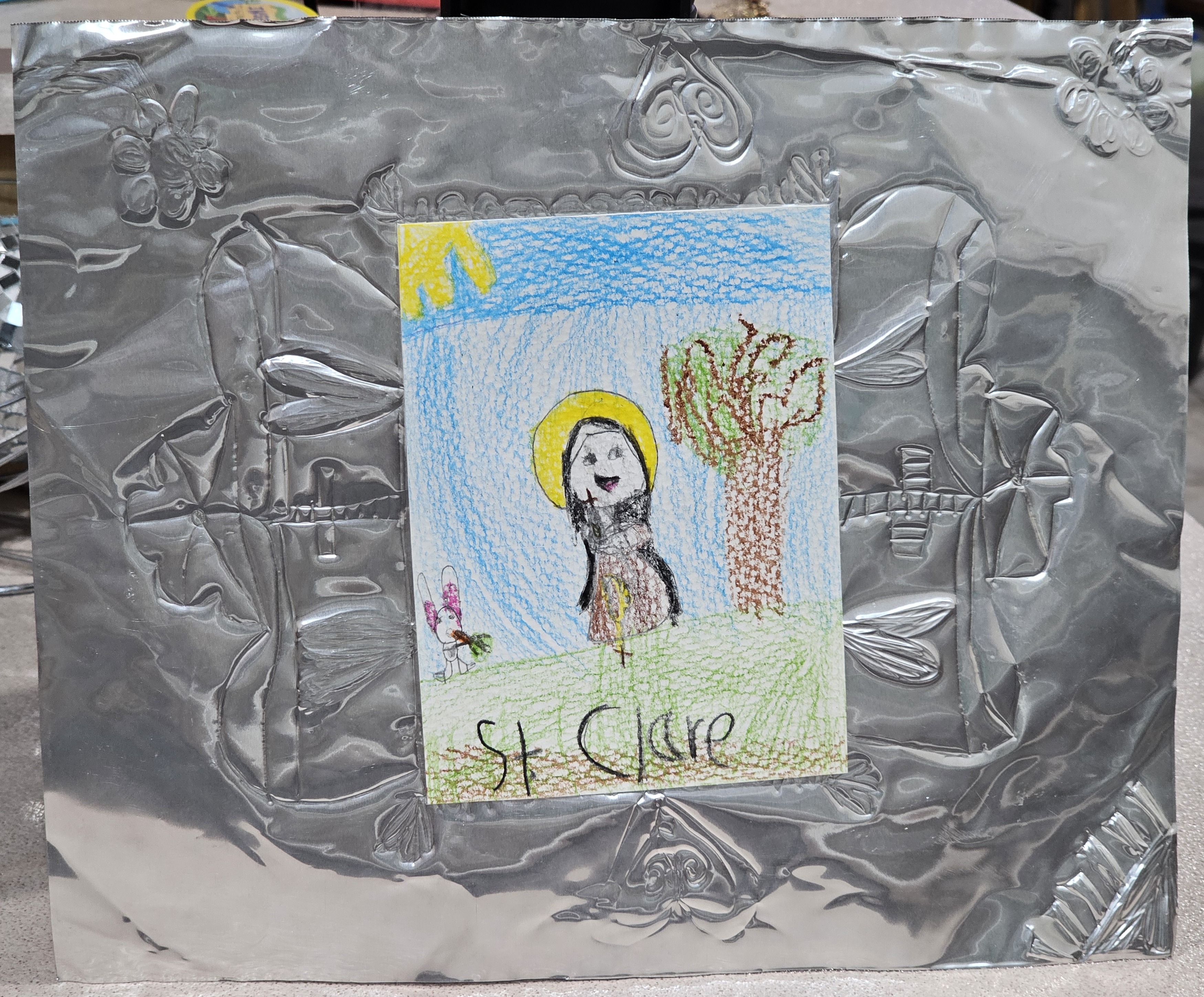 |
St. Clara Saint Clara of Assisi was a wealthy Italian noblewomen.Who inspired by saint Francis and his teachings. saint Clara is also the patron saint of television.Her final years were marked unwavering joy in her community with Christ. Saint Clara lived for 42 years as abbess of her community. |
1.076 | |
| Holy Ghost Catholic School | 3 | Elementary 3-5 | 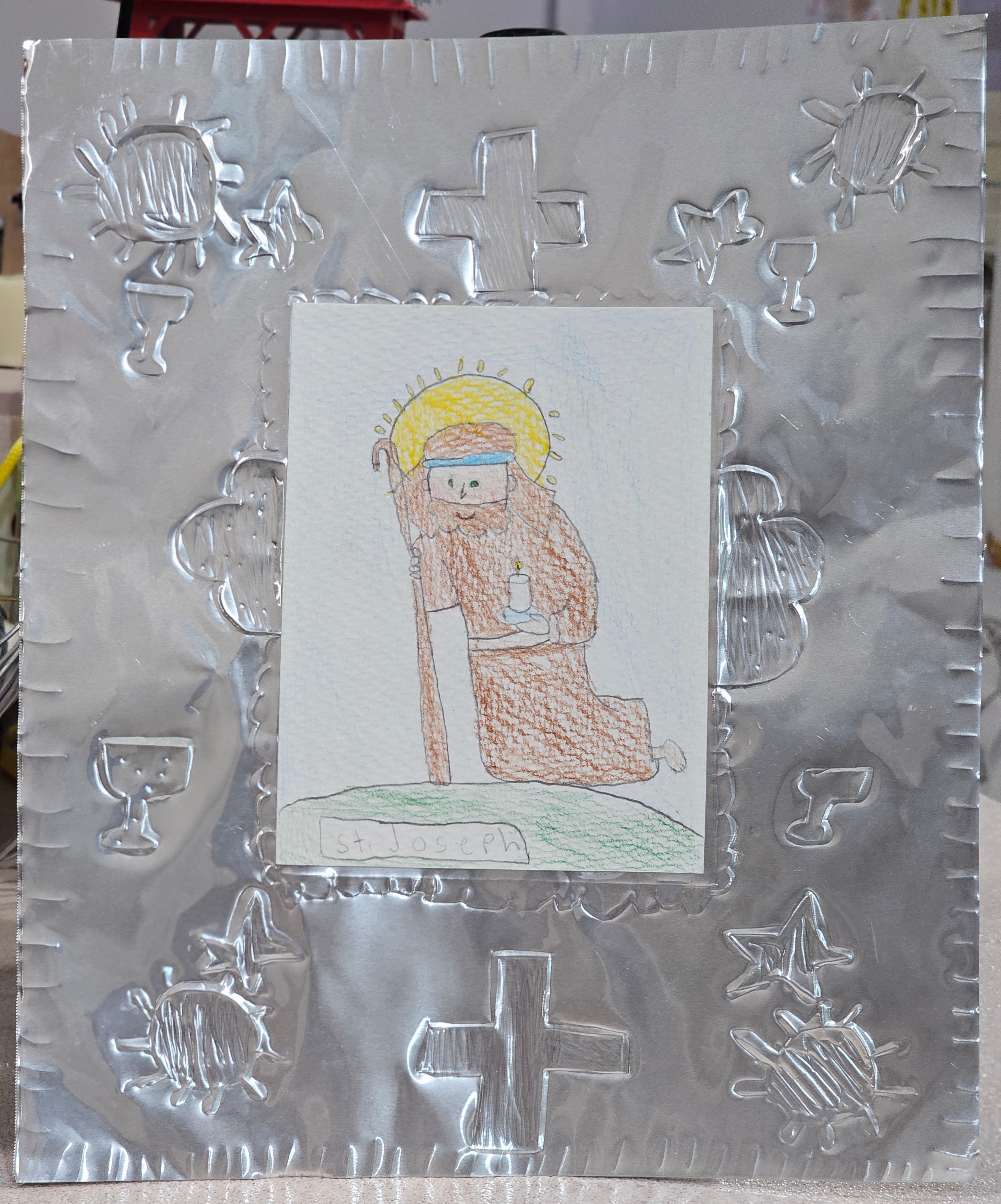 |
St. Joseph st.Joseph was the husband of Virgin Mary and the foster father of Jesus described in the gospels as a''righteous man'' and the humble carpenter who provided for and protected the holy family known for his quiet obedience and trust in God he is the patron saint of the universal church workers (especially carpenters), fathers and a happy death.The Gospel of Matthew describes Joseph is a ''just'' or ''righteous'' man, meaning he was a devoted protected and protected and provider for the holy family .He is described in the gospels as just a man and a dreamer known for his quiet strength, obedience to God's will though dreams and humble Commitment to caring Mary and Jesus. |
1.080 | |
| Holy Ghost Catholic School | 3 | Elementary 3-5 | 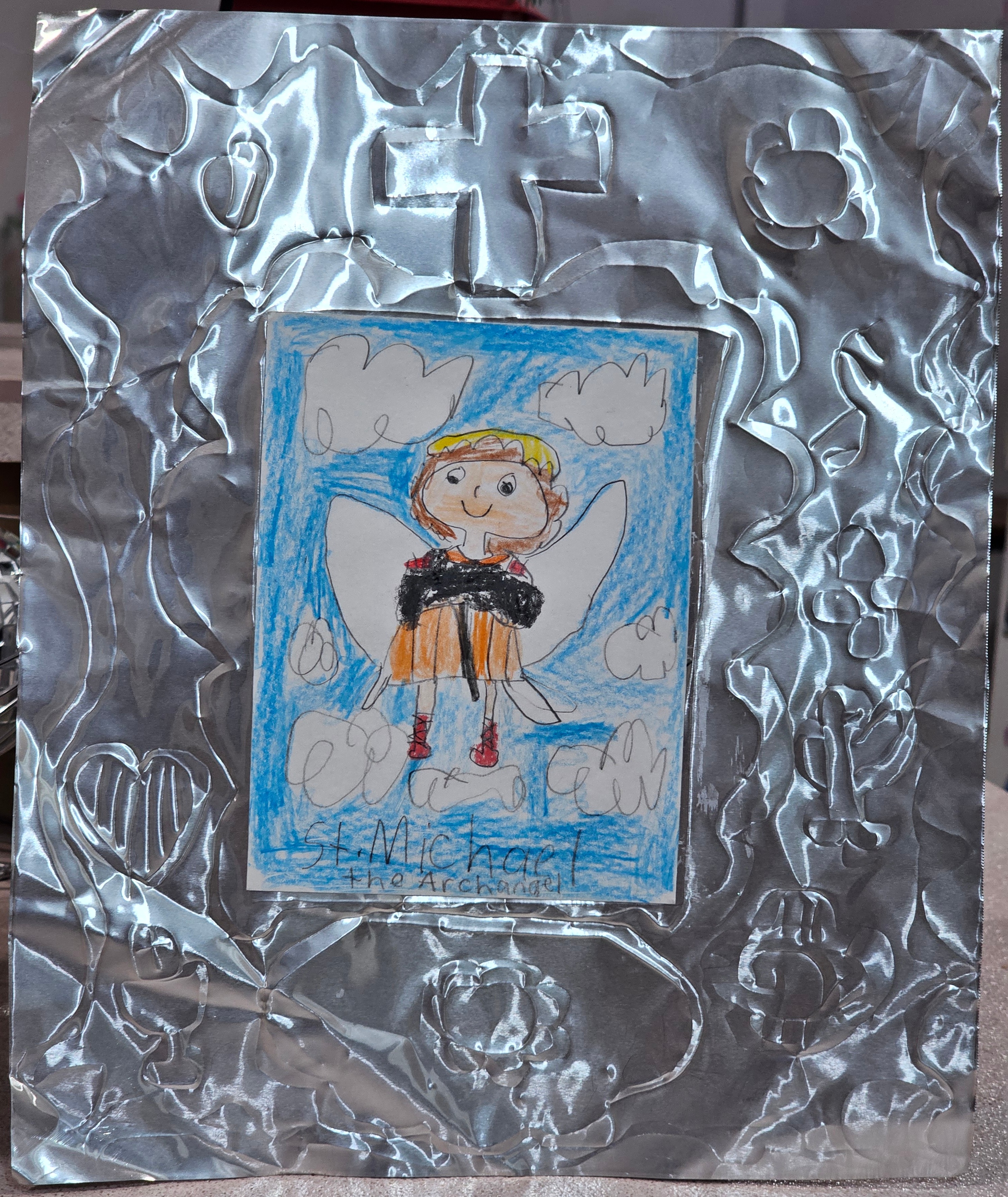 |
St. Michael The earliest surviving mentions of his name are in third -and second century.BC Jewish works,often but not always apocalyptic, where he is the chief of the angels and archangels,and he is the guardian prince of Israel.And is responsible for the care of the people of Israel.Christianity conserved nearly all the Jewish traditions concerning him.And he mentioned explicitly in Revelation.Where he does battle with Satan and the Epistle of Jude where he is the archangel. |
1.084 | |
| Holy Ghost Catholic School | 3 | Elementary 3-5 | 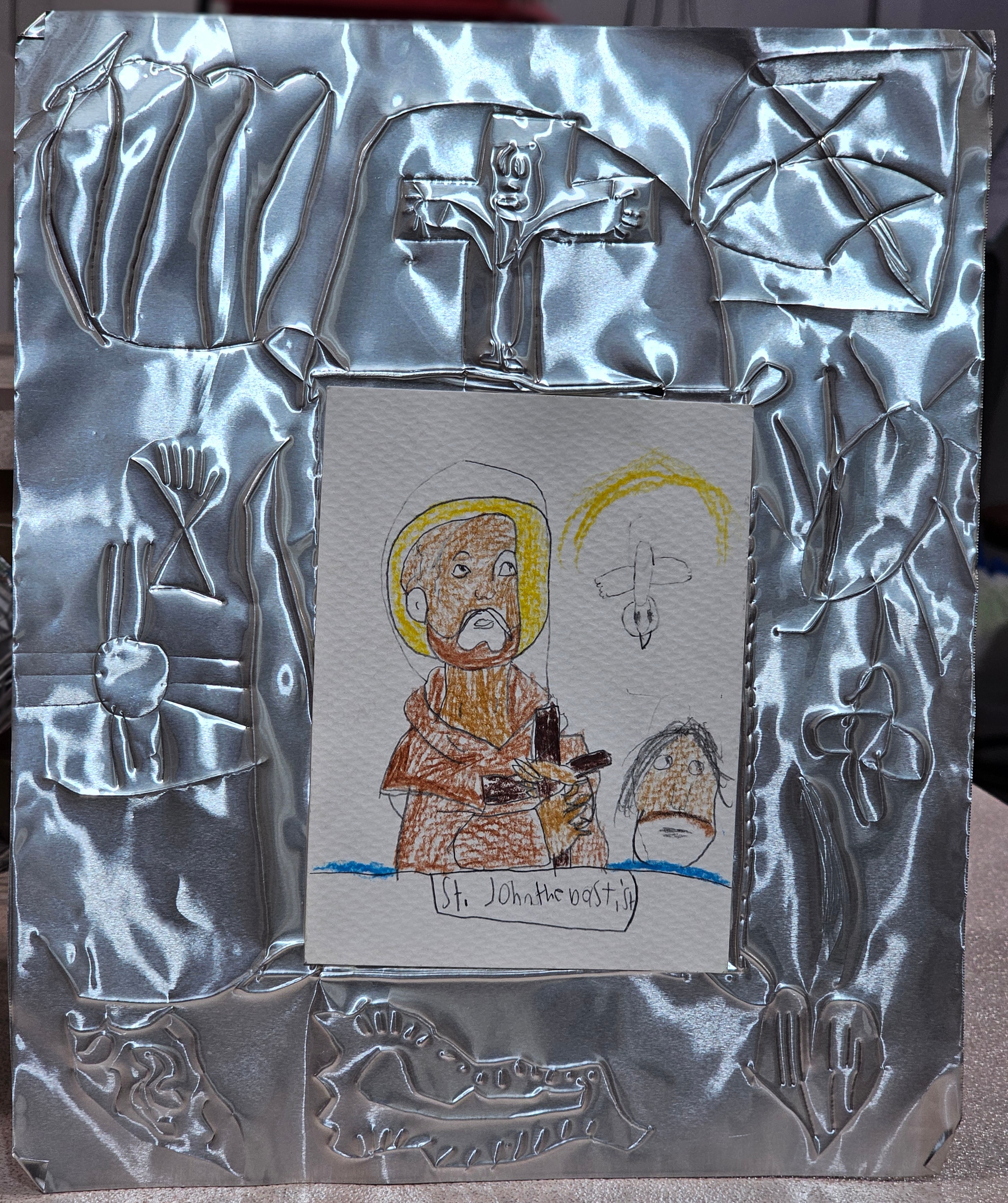 |
St. John the Baptist John the baptist was a Jewish prophet for living In the desert. He baptist Jesus in the Jordan river. His last words were I am going to a wedding in heaven and a dove came down from heaven. He was about 30 years old when he died. Jesus Baptist is considered the start of his public life and ministry. John the Baptist wore camel hair and a leather belt. He ate locusts and wild honey. John the Baptist was born around 6 B.C. |
1.088 | |
| Holy Ghost Catholic School | 2 | Elementary K-2 | 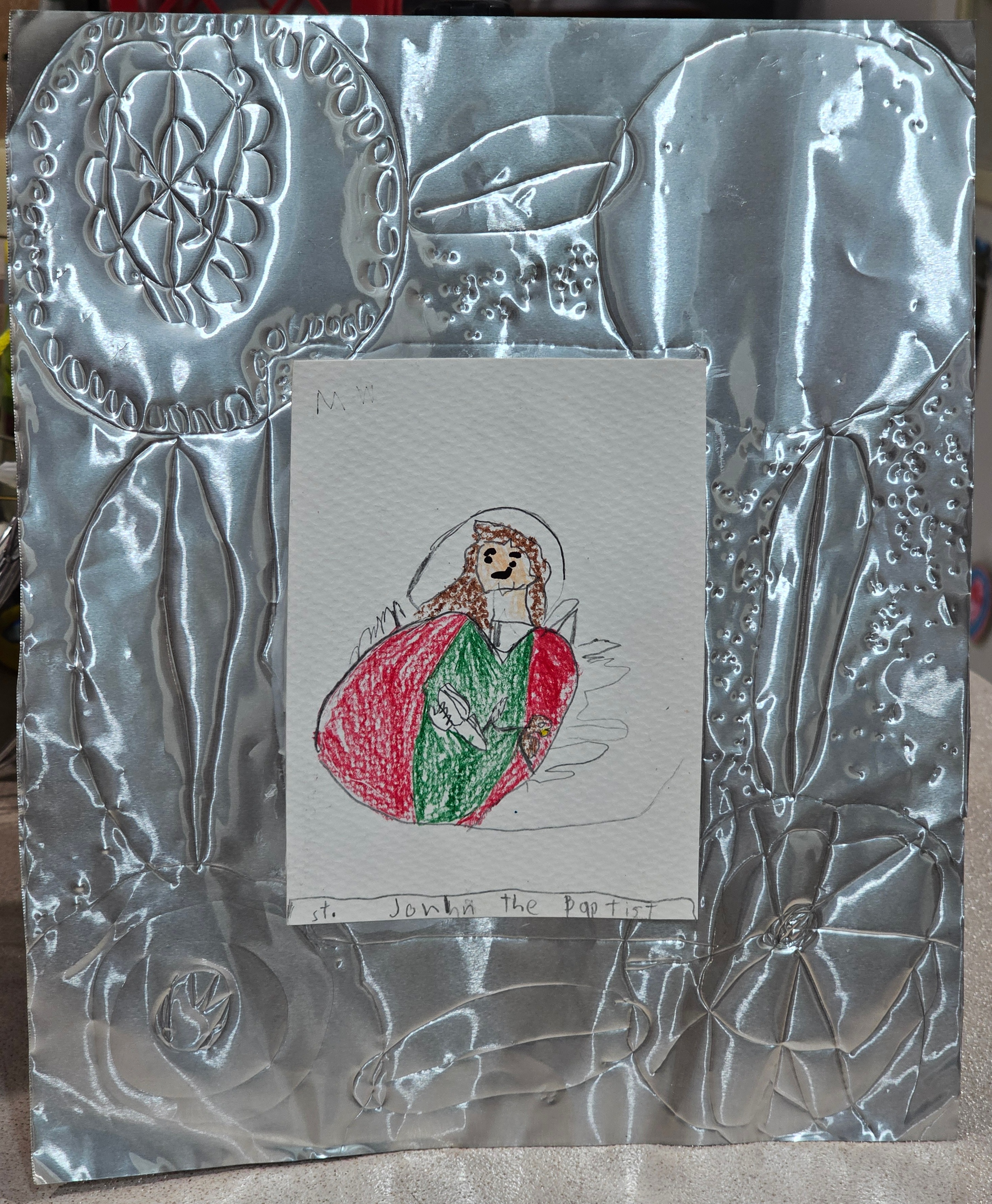 |
St.John St. John most commonly refers to either St. John the Apostle. The beloved disciple of Jesus who traditionally wrote the gospel of John and, the book of Revelation. Or St. John the Baptist the prophet who baptized Jesus and known as the forerunner of Christ. The apostle John was a son of thunder who eventually became known as the apostle of love while John the Baptist was a desert prophet preaching repentance and God's final judgement. |
1.092 | |
| Holy Ghost Catholic School | 2 | Elementary K-2 | 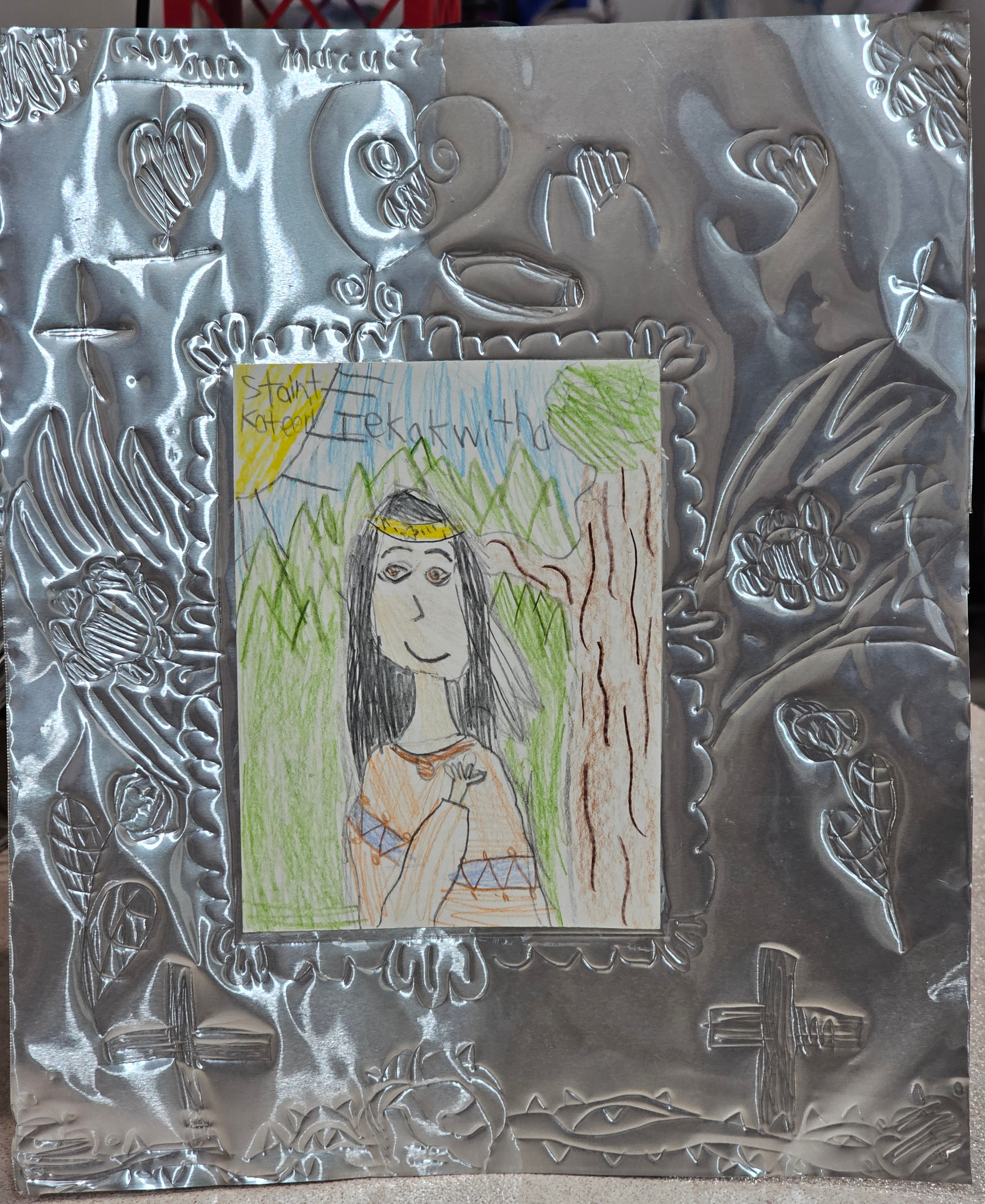 |
St. Kateri Tekawitha She is the patron saint of the outdoors. She was from the mohawk tribe, who wore there hair in a mohawk. She was born in 1656 and died in 1680 when she was 24. Her nickname was Lily of the mohawks because she was the first Native American to be made a saint and her last words were, "Jesus, I love you." |
1.096 | |
| Holy Ghost Catholic School | 2 | Elementary K-2 | 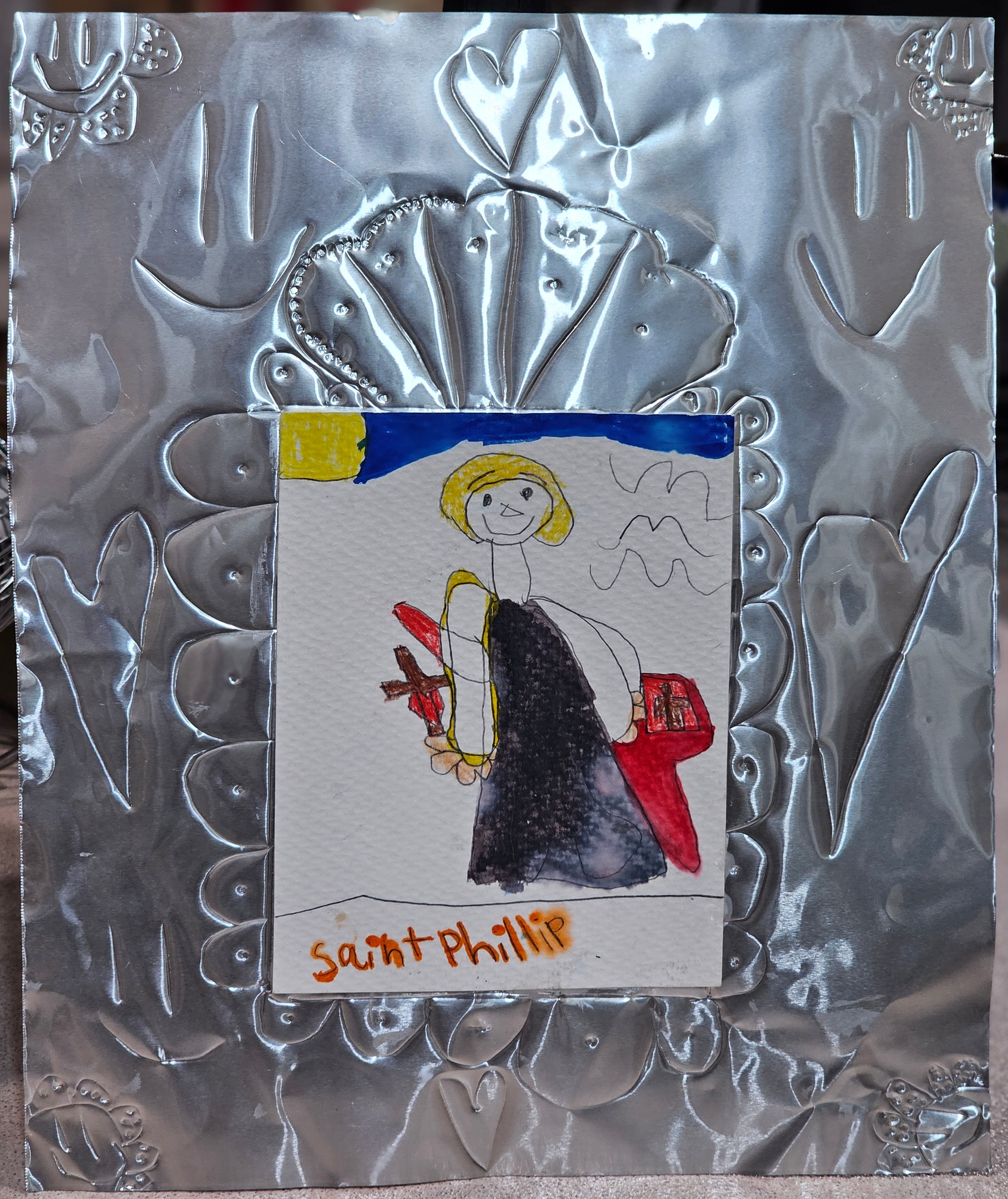 |
St.Phillip St. Phillip was one of Jesus twelve apostles from Bethsaida a fishing village in Galilee. Known for bringing. He was born on first century. And he died on 54/ED. He became a missionary and is associated with the patronages of bakers and hatters due to his hole in the feeding of the 5,000. After spreading Christianity and eventually dying a martyrs death his legacy as a follower and spreader of Christ's message continues to inspire many. |
1.100 | |
| Holy Ghost Catholic School | 2 | Elementary K-2 | 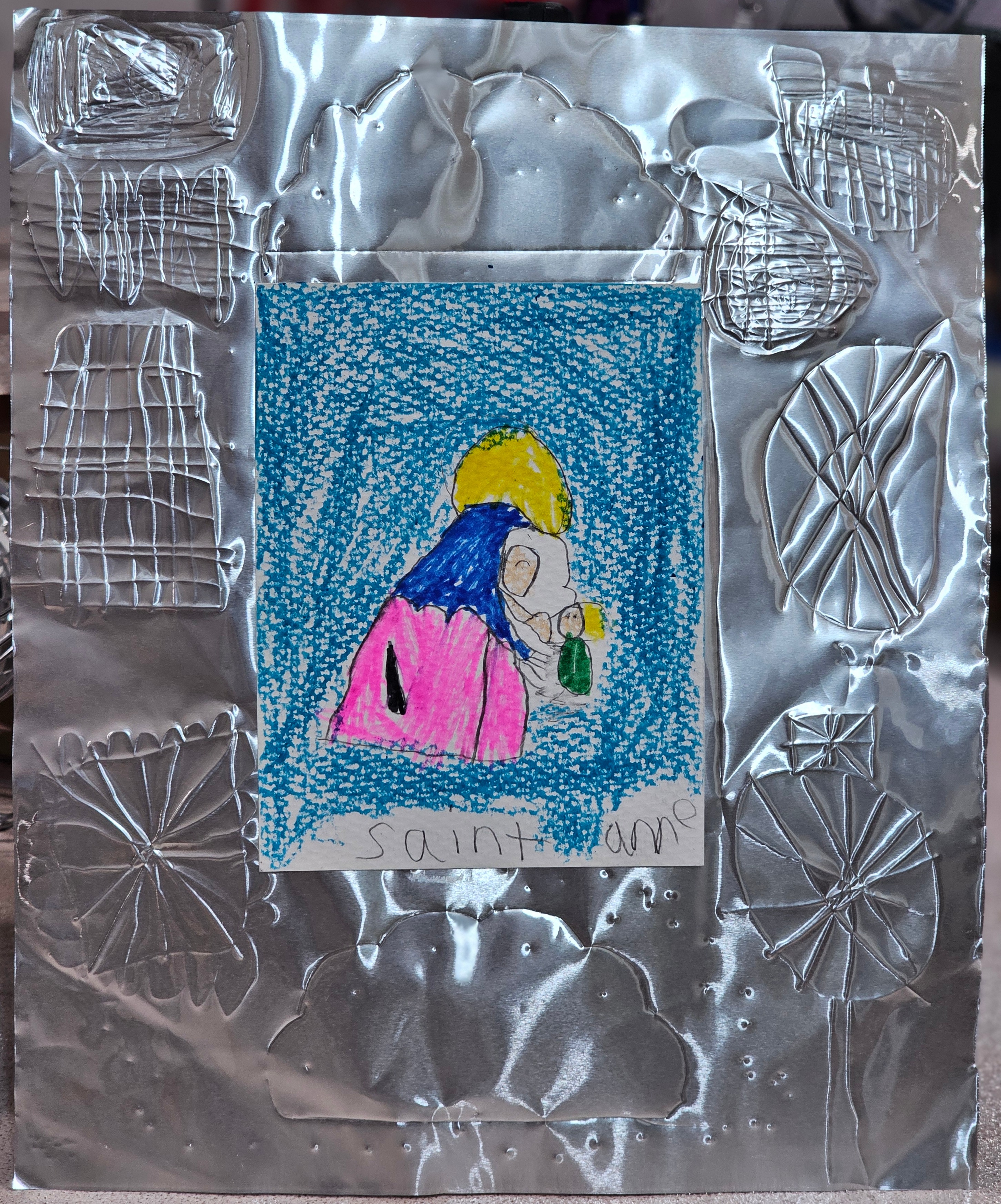 |
St. Anne St. Anne was the grandmother of Jesus Christ known for her virtue and married to St. Joachim. Thee are described as being childless for many years before an angel announced they would have a daughter. Mary who they were dedicated to get out the temple. Saint Anne is the patron saint of grandmothers and women in labor. And her feast day is celebrated on July 26. |
1.104 | |
| Holy Ghost Catholic School | 2 | Elementary K-2 | 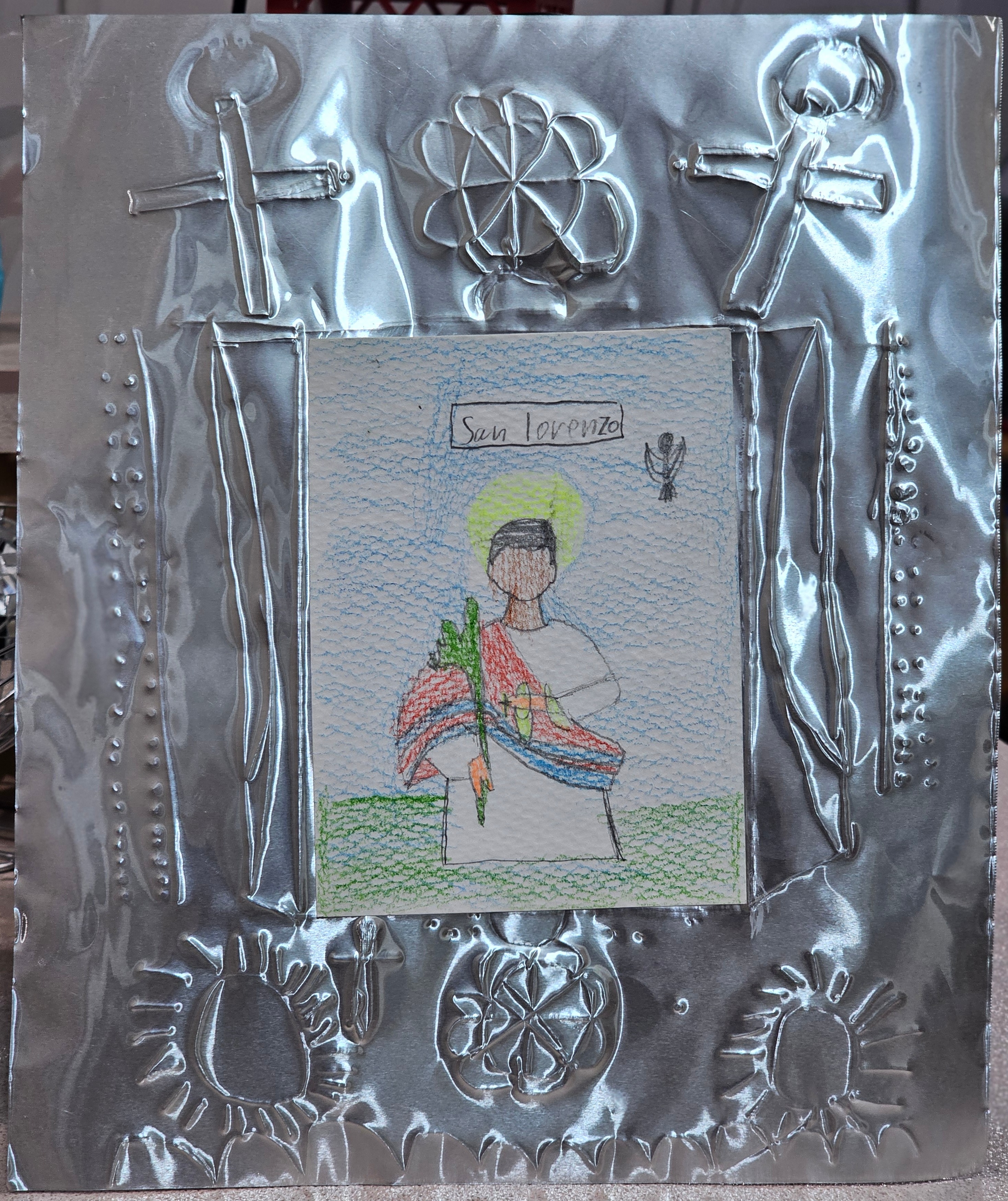 |
San Lorenzo San Lorenzo Ruiz was a 17th century Filipino Catholic layman born in Manila to a Chinese father and a Filipino mother.He was an ordinary man who worked as a calligrapher and lived a devout life with his wife and children.Falsely accused of murder and seeking refuge abroad he boarded a ship with Dominican missionaries and others in 1636. |
1.116 | |
| Holy Ghost Catholic School | 2 | Elementary K-2 | 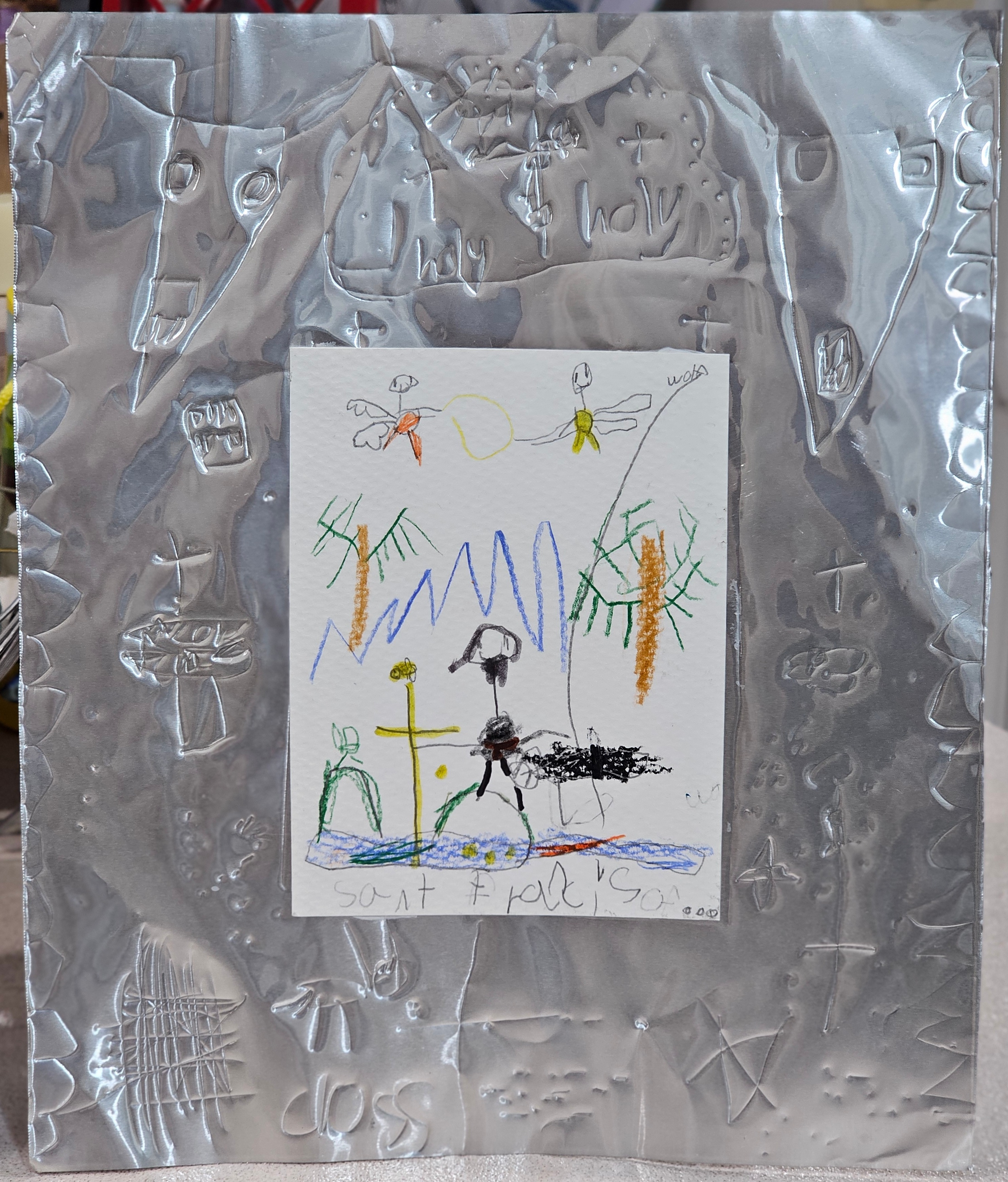 |
St. Francis of Assisi Saint Francis helped the poor and sick and love God .Saint Francis gave all his money away. St. Francis died on Oct. 3 1228. St. Francis was a soldier and prisoner of war. St. Francis loves animals. |
1.120 | |
| Holy Ghost Catholic School | 5 | Elementary 3-5 | 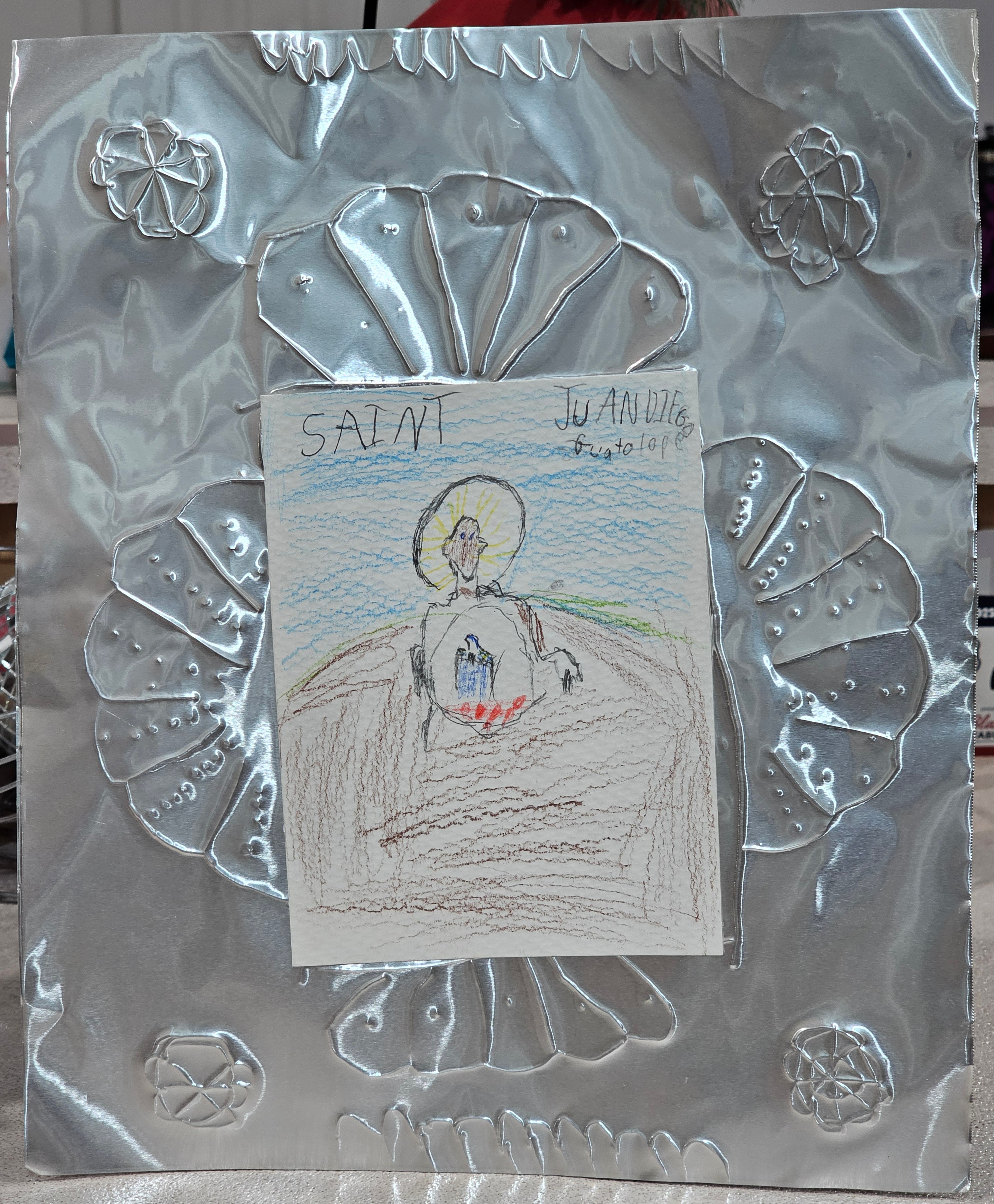 |
In this picture I made is about honoring the past and inspiring the future. There may not be art being made by humans but being made by machines. A couple hundred years ago they didn't have these machines, they had to do it by hand and it took a lot of time just for their family. They also did it for the catholic religion how they drew it is that they had an old picture of a saint. This art is called a retoblo its a type of Hispanic art that pepol made make out of tin cans becase they didnt have silver because it was to expensive. | 1.132 | |
| Holy Ghost Catholic School | 5 | Elementary 3-5 | 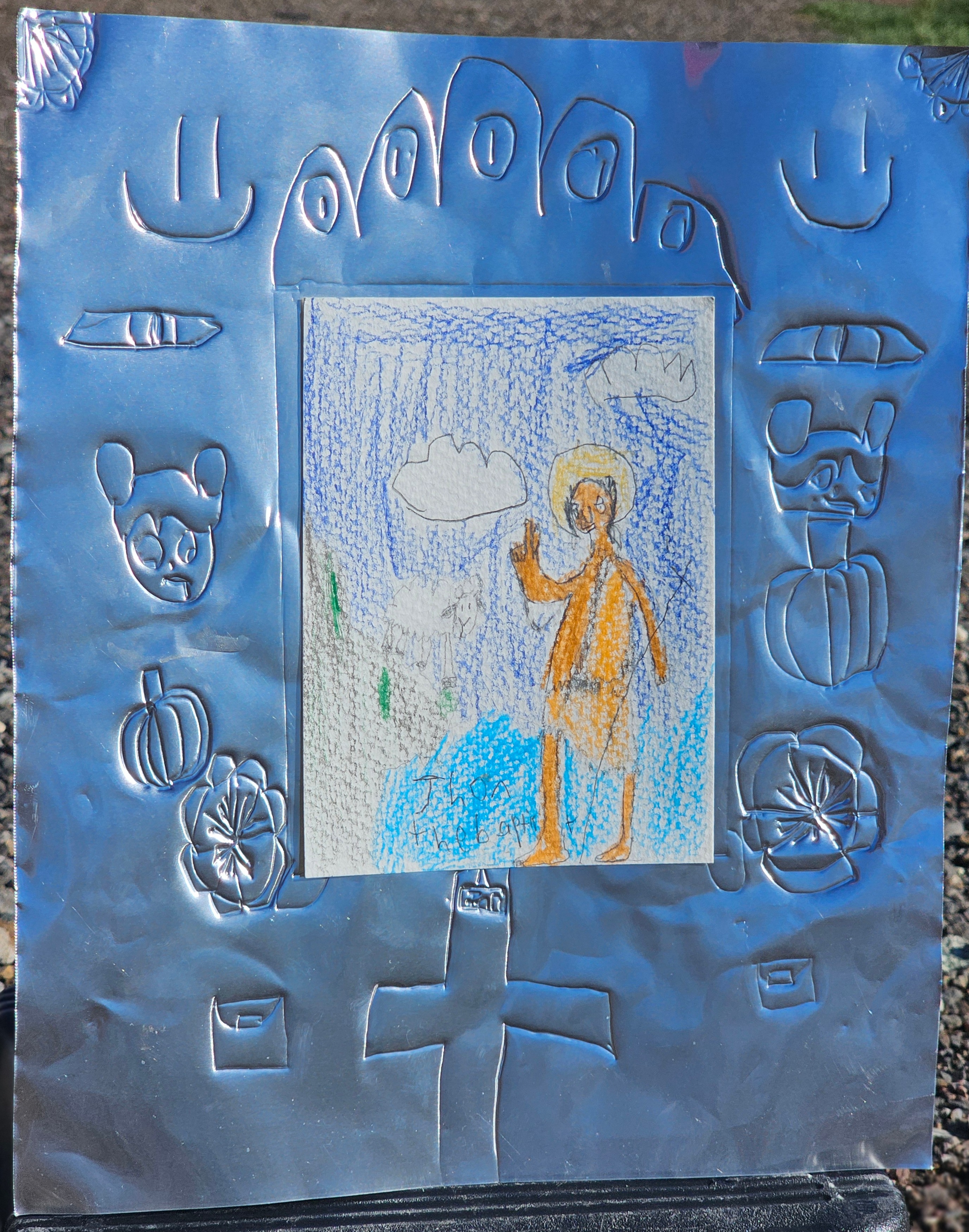 |
The retablo tin art honoring the past and inspiring the future: The retablo tin art is a Hispanic culture that goes in a lot of countries. Back in the old days the people of New Mexico did not have stores and had to rely on materials that were available. When they discovered they could use paper and tin. So they started to put designs on the tin and draw saints and religious people. “Why saints and religious people?” you may ask. Back in their time they had the statues of saints and religious people. So that's how retablo art was made. | 1.136 | |
| Holy Ghost Catholic School | 5 | Elementary 3-5 | 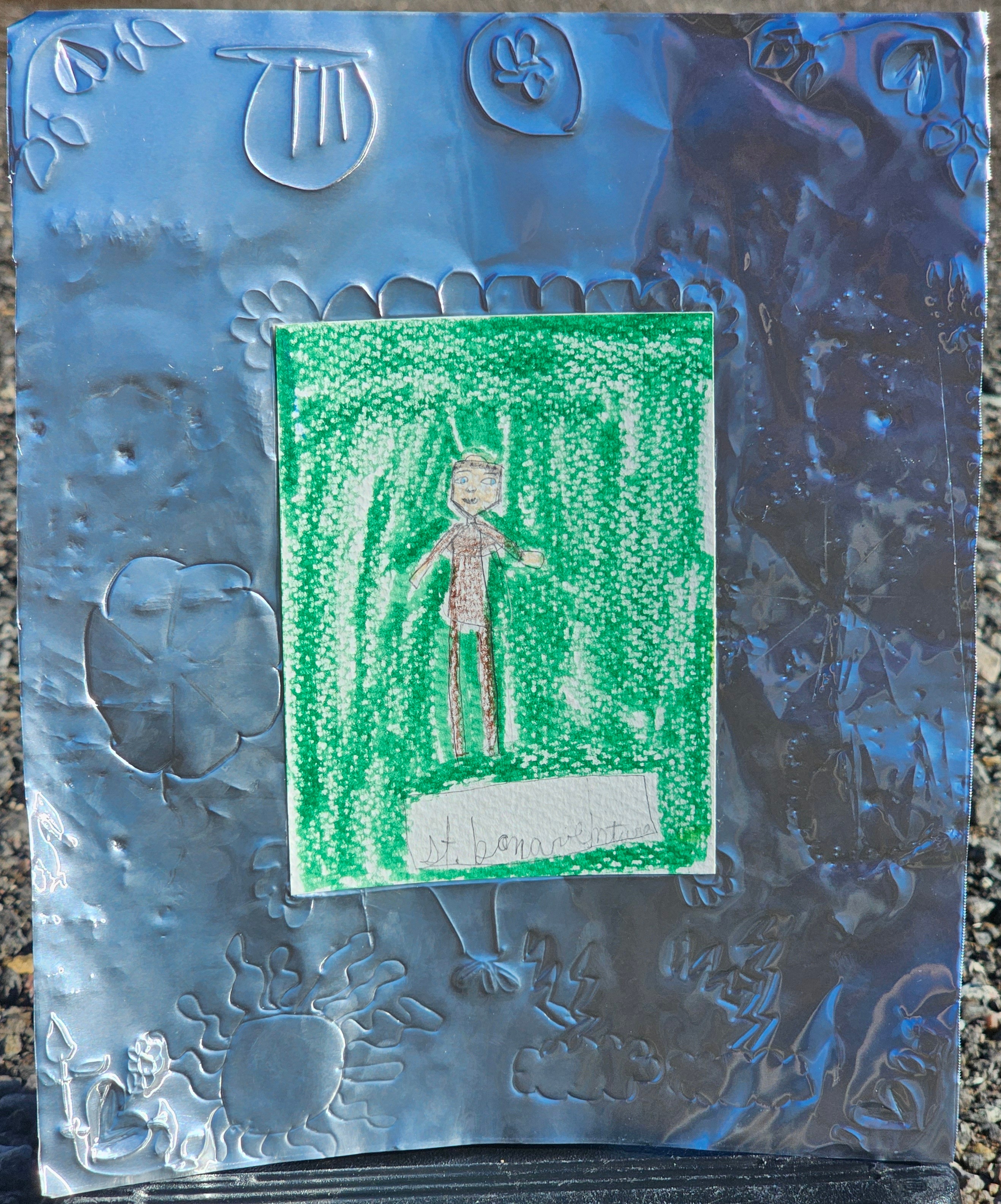 |
The reason why I picked St Bonaventure is because he is a leader in theologian. One day he made a biography about St. Francis and co-author St Thomas. St Bonaventure was born in 1257 and died in 1274 and he was only 23 when he died. His name meant good fortune so people can have a good future. That is why I picked St Bonaventure. | 1.140 | |
| Holy Ghost Catholic School | 5 | Elementary 3-5 | 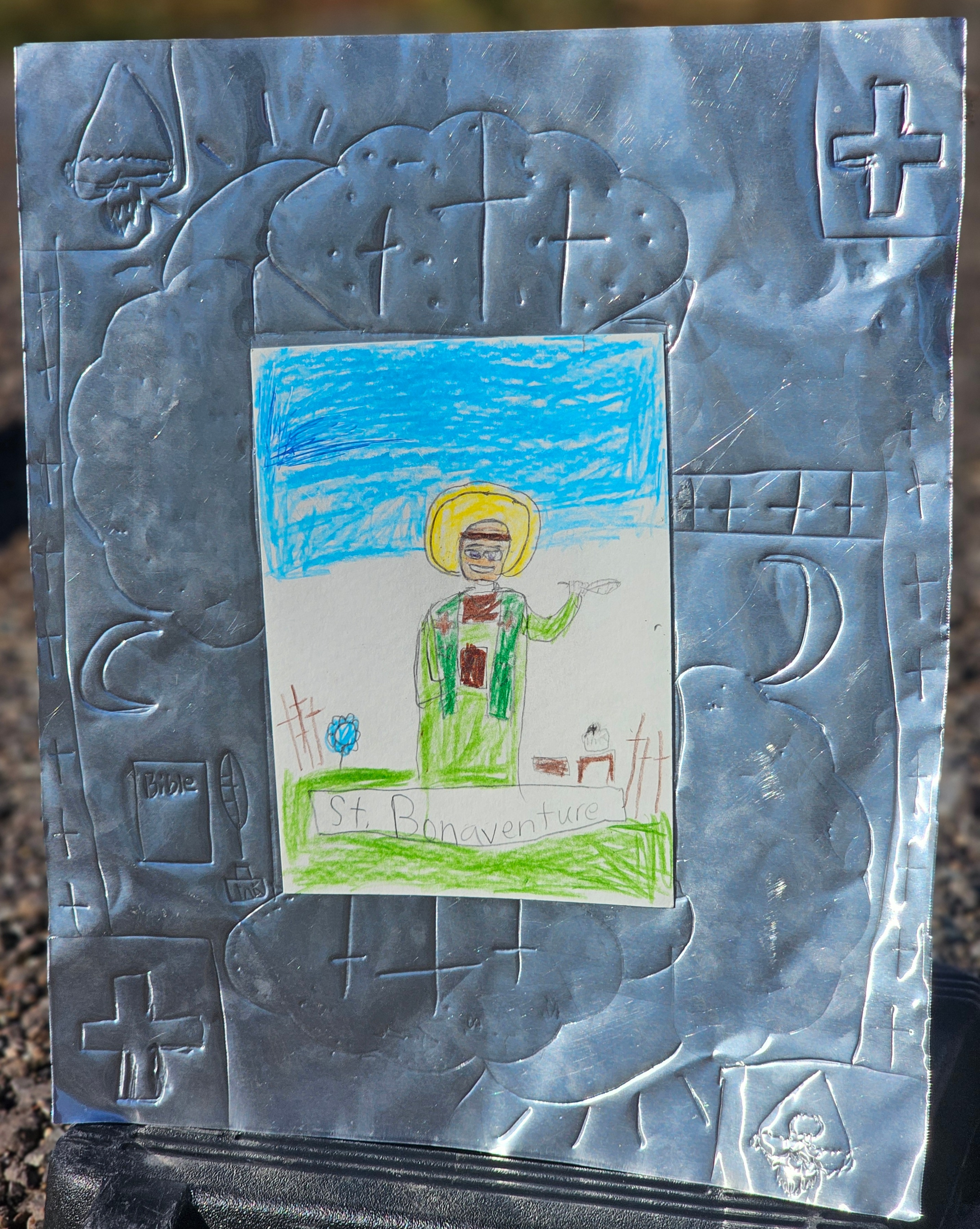 |
Facts about Saint Bonaventure . When Saint Bonaventure was a kid he fell deathly ill. Most people say that Bonaventure’s mom solemnly promised Saint Francis of Assisi that if he healed him he would join the Fransiscan Order. Saint Bonaventure is the patron saint of bowel disorders a bowel disorder is a flamery condition in the digestive tract. For example St Bonaventure would have had diarrhea, constipation, weight loss, fatigue, and body stools. So if you have bowel disorders or any type of disorder in the digestive tract you can pray to Saint Bonaventure. | 1.144 | |
| Holy Ghost Catholic School | 5 | Elementary 3-5 | 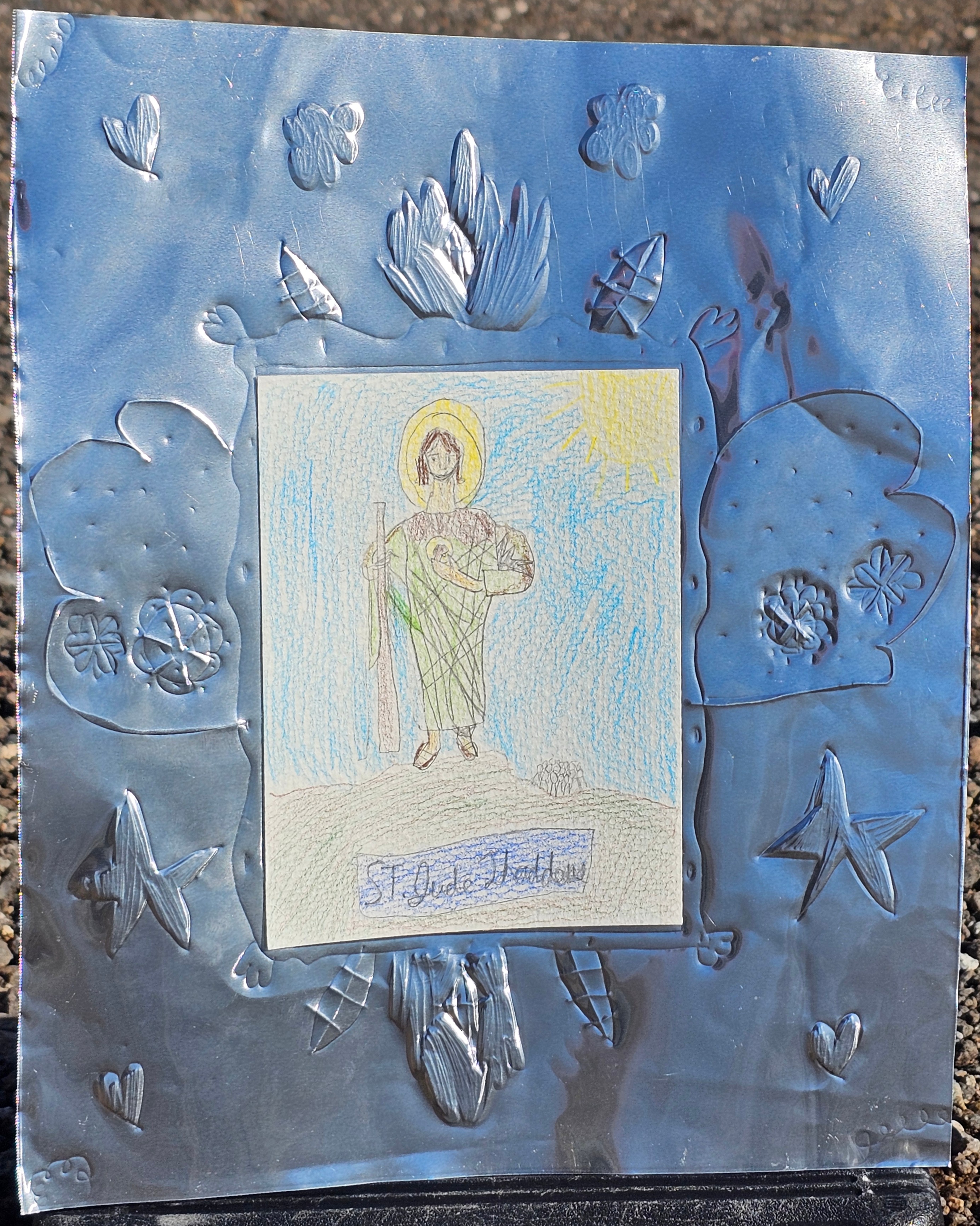 |
Honoring the past and inspiring the future! I chose St. Jude Thaddeus because he lived a very religious life as an apostle of Jesus and he taught many people about the faith all around the world. He also did lots of miracles that should not have existed and things that only Jesus can do. He did things like curing leprosy which is a very deadly disease, healing people from other diseases, family crises, financial aid, and hope for the hopeless. Though he was a good and religious man, he was still hated in some areas. In Beirut, Lebanon in 65 AD, a pagan mob murdered him by clubbing him to death and then beheading him with an axe later. He was also killed with a person named Simon the Zealot who was also an apostle of Jesus. St. Jude Thaddeus was a very good person and lived a very religious life and is also known as the Apostle of the impossible. |
1.148 | |
| Holy Ghost catholic school | 5 | Elementary 3-5 | 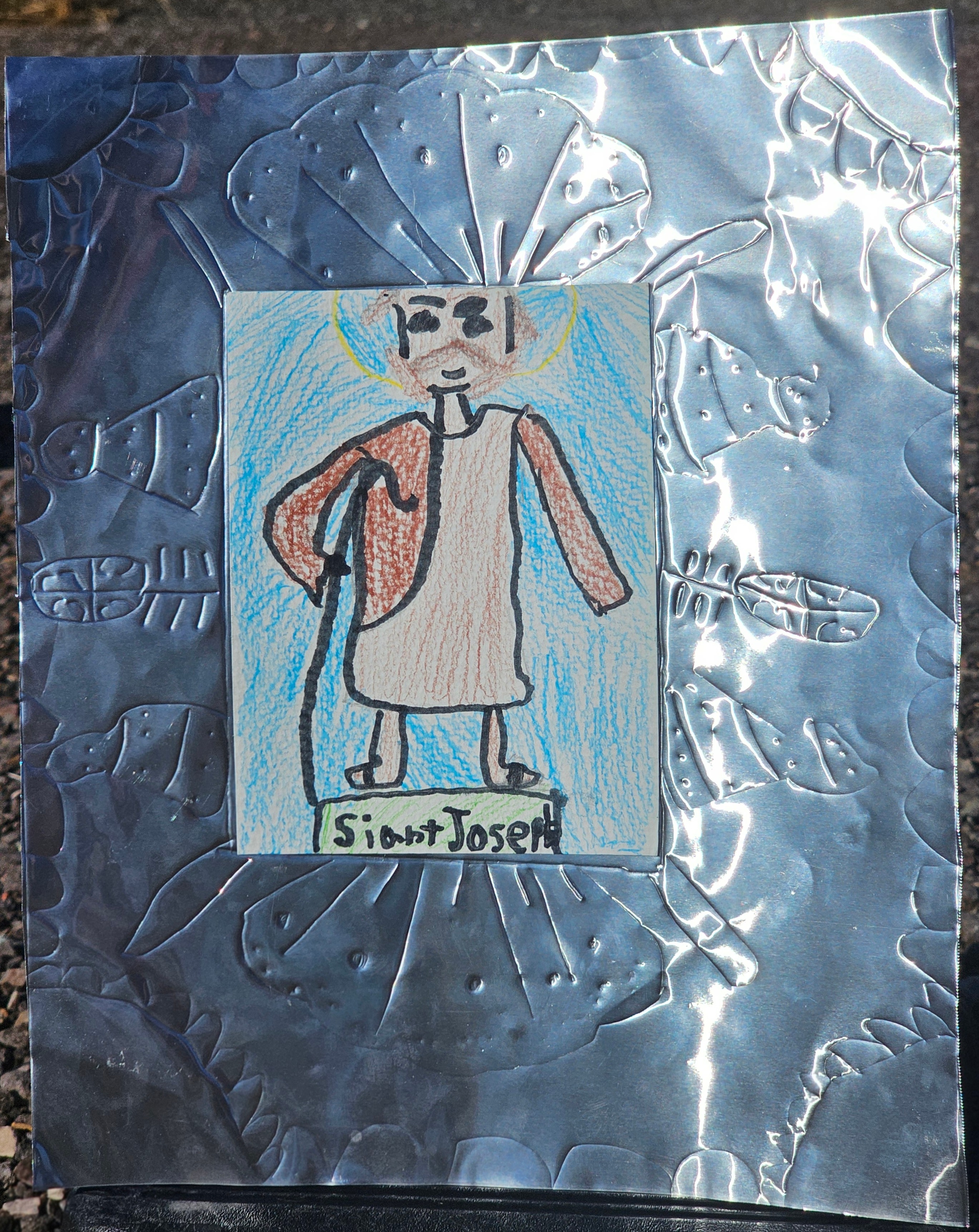 |
The reason I drew and picked Saint Joseph is because he was the first saint I ever knew. When I was a kid he was one of the first ones so he was also one of my favorite one. I was gonna pick another saint till he caught my eyes. He reminded me about my childhood and when he was one of my favorite ones so I picked him. I hope I can inspire the future about Christ more and the saints. | 1.151 | |
| Holy Ghost Catholic School | 5 | Elementary 3-5 | 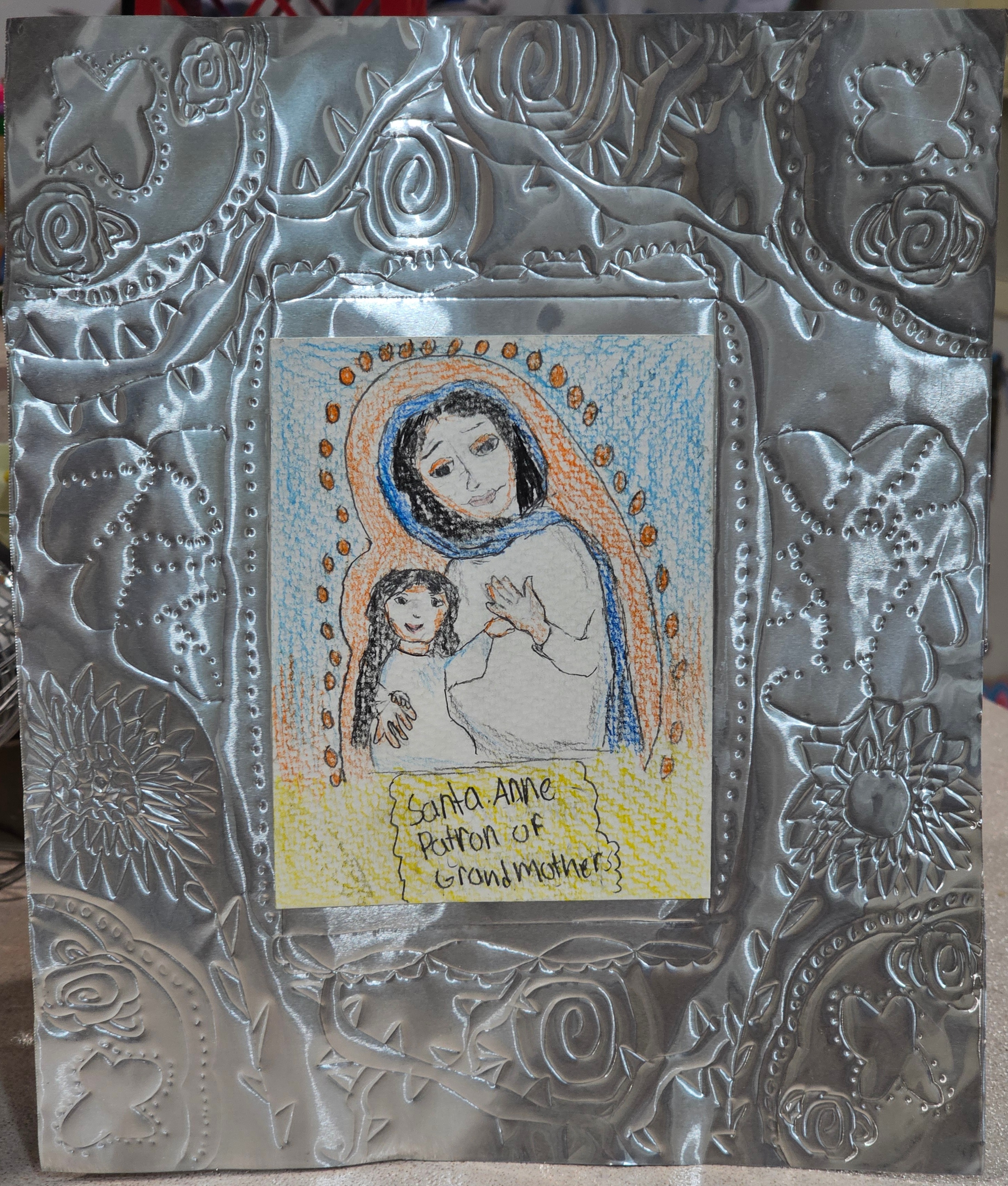 |
I chose to make art for Santa Anne. She is a Patron Saint of a few different things such as: Mothers, Grandmothers, married women, and the childlesses. Santa Anne is the mother of the virgin Mary. I am happy to honor the past and make art for Santa Anne. She is honored as a popular Saint is Chrisitinanity, known for her piety, faith and the hope that she had held for her children. This art is a Retablo, it is Hispanic Traditional art. I hope that this beautiful style of art can inspire people in the future. | 1.154 | |
| Holy Ghost Catholic School | 5 | Elementary 3-5 | 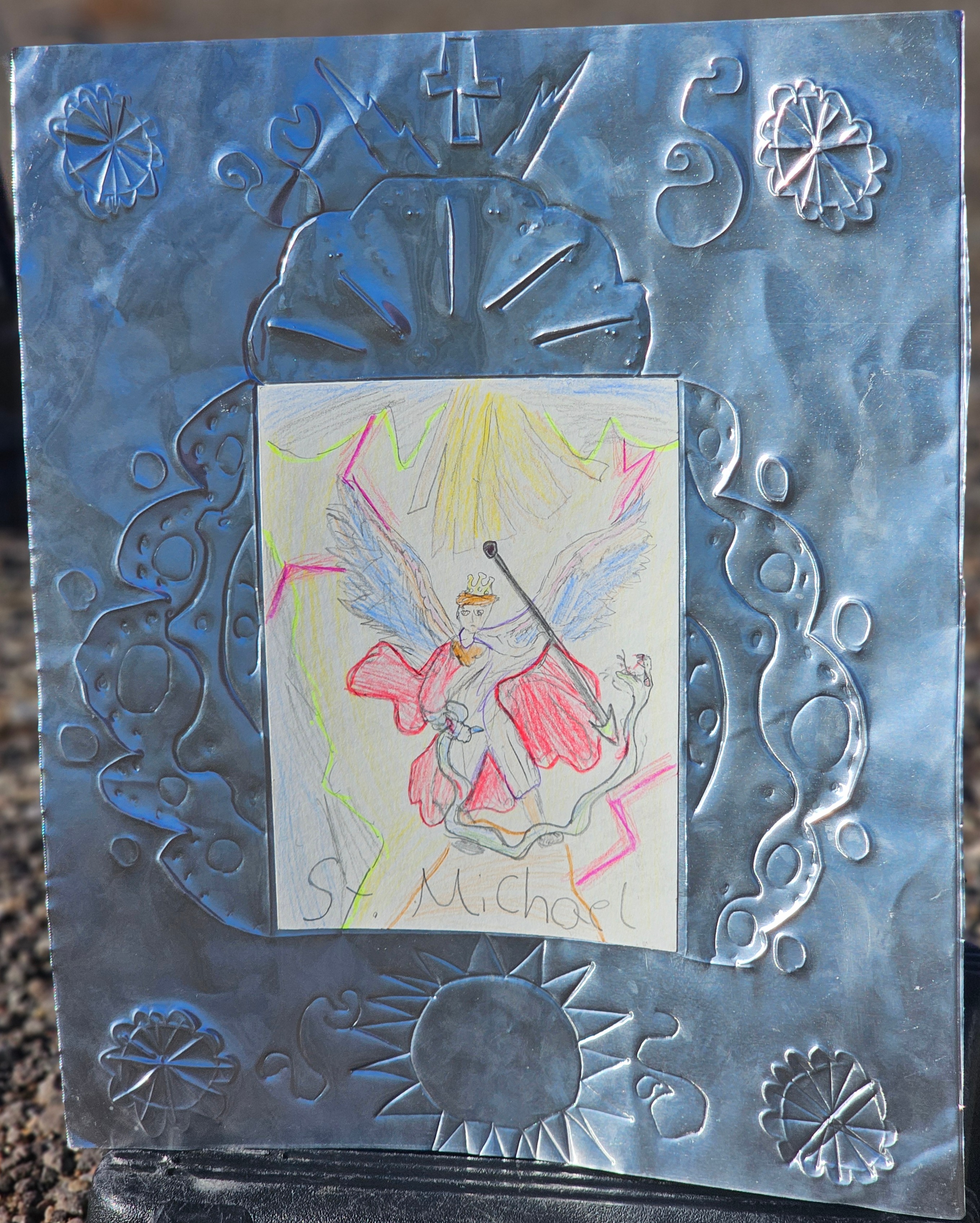 |
St. Michael is inspiring the future by honoring the past. St.Michael is known as an angel warrior by slaying demons with his giant spear.The demons he kills are snakes, dragons, goat-man,and the devil. He uses something called a crucifix to make the devil go away .St. Michael the Archangel is the patron saint of many professions and causes, including the Military, Police Officers, Firefighters, and Medical workers, due to his role as being a warrior and protecting against evil. | 1.156 | |
| Holy Ghost Catholic School | 5 | Elementary 3-5 | 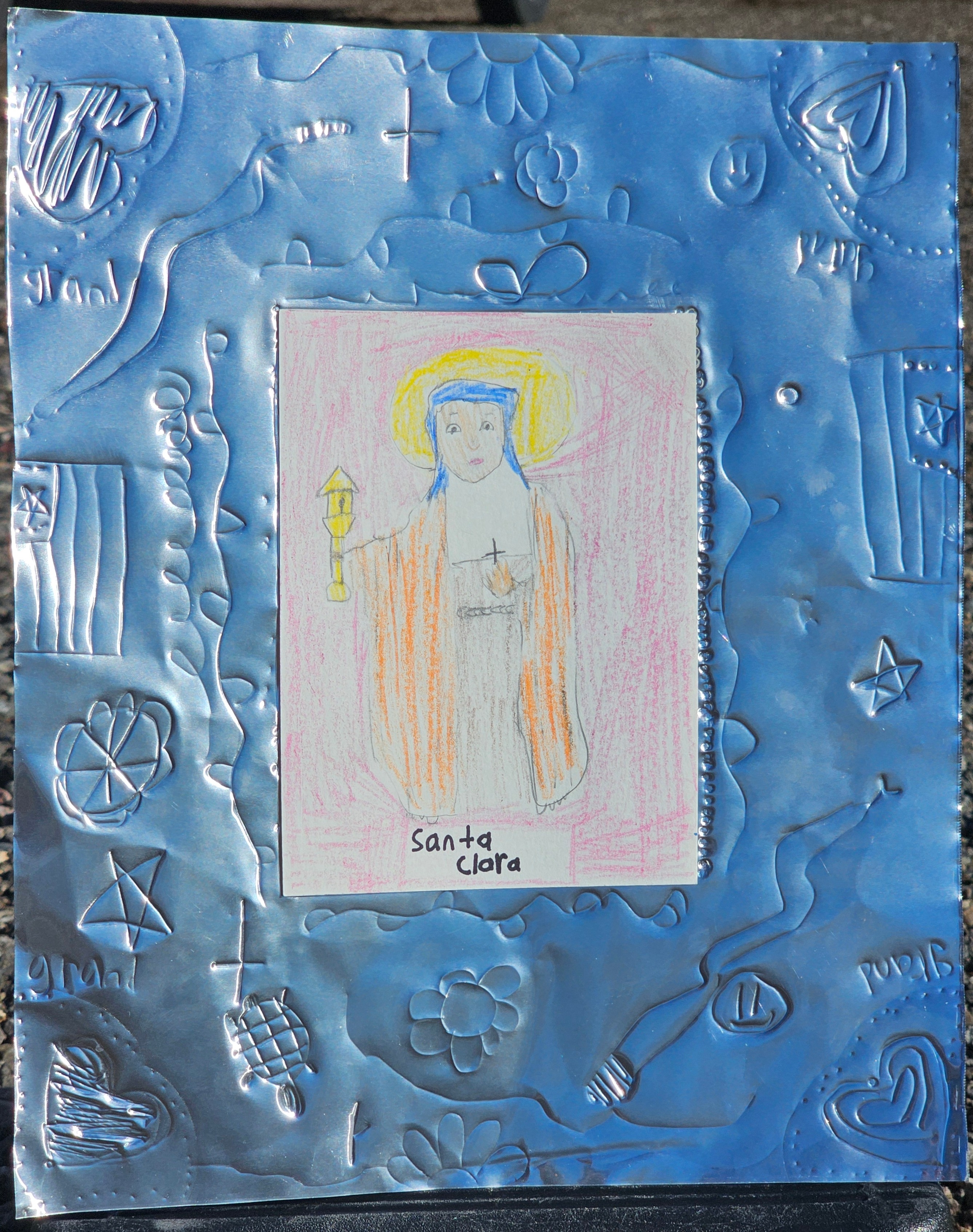 |
I made a Retablo that is a Hispanic art form long long ago. That is St.Clara the middle and she is a saint and we honor her by naming a museum after her and a college.People back then wanted to make something cool so they flattened metal and made a tin art then put some saints in the middle. and they were not arts and there were no stores to buy things from so they had to use all the materials that were available. | 1.160 | |
| Holy Ghost Catholic School | 5 | Elementary 3-5 | 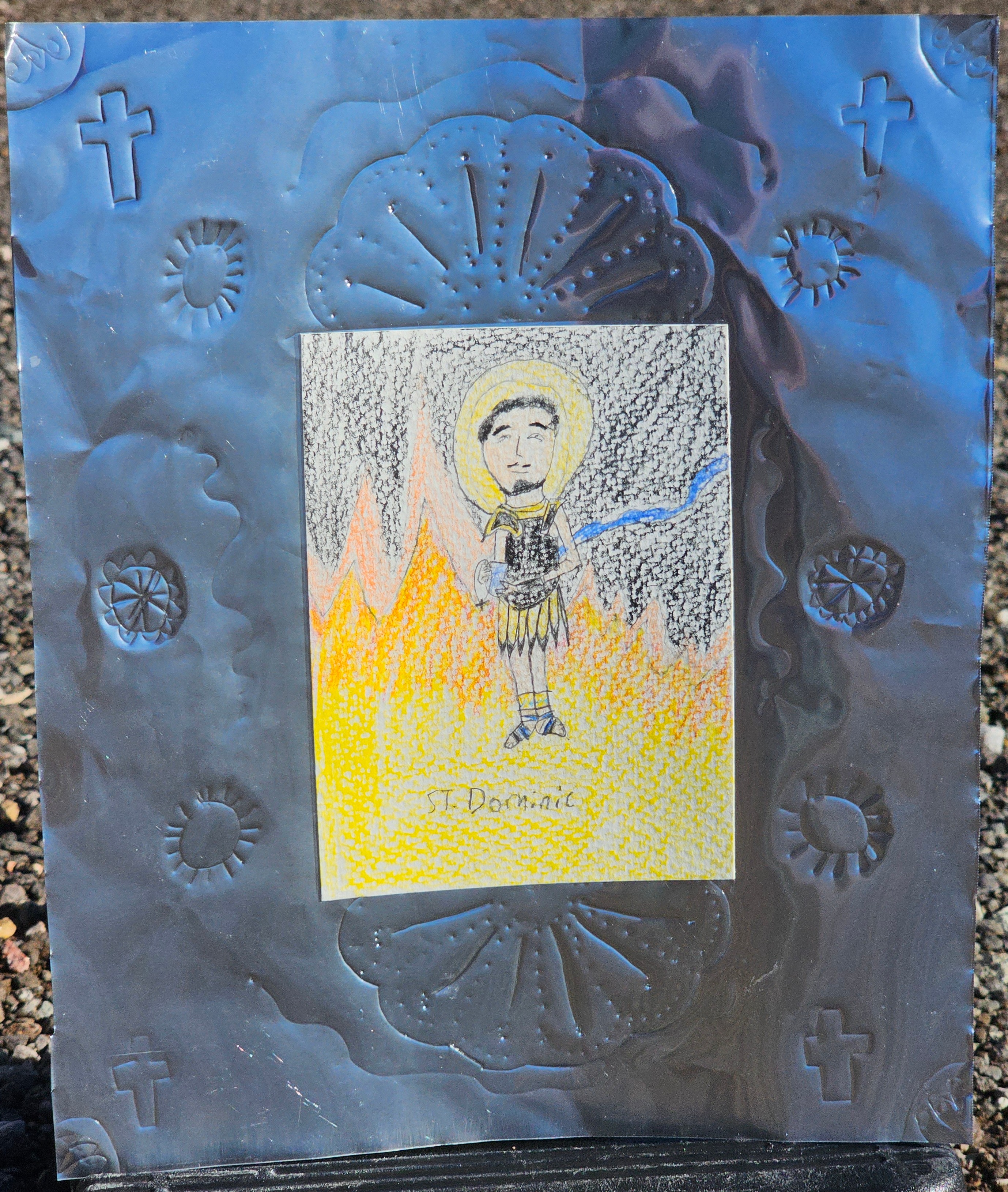 |
How We Inspire The Future And Honor The Past We are inspiring the future by honoring the past and here is how. We are inspiring the future by making these Retablo’s and giving inspiration to others. I picked Saint Dominic because he is the patron saint of astronomers, natural sciences, the Dominican Republic, and the people who are falsely accused. How Retablo’s are made is by making designs on a sheet of tin and by getting a piece of paper and drawing a saint on it then putting it in the middle of the tin sheet. That's all I got to say about this year's Hispanic Traditional Art day. |
1.164 | |
| Holy ghost catholic school | 5 | Elementary 3-5 | 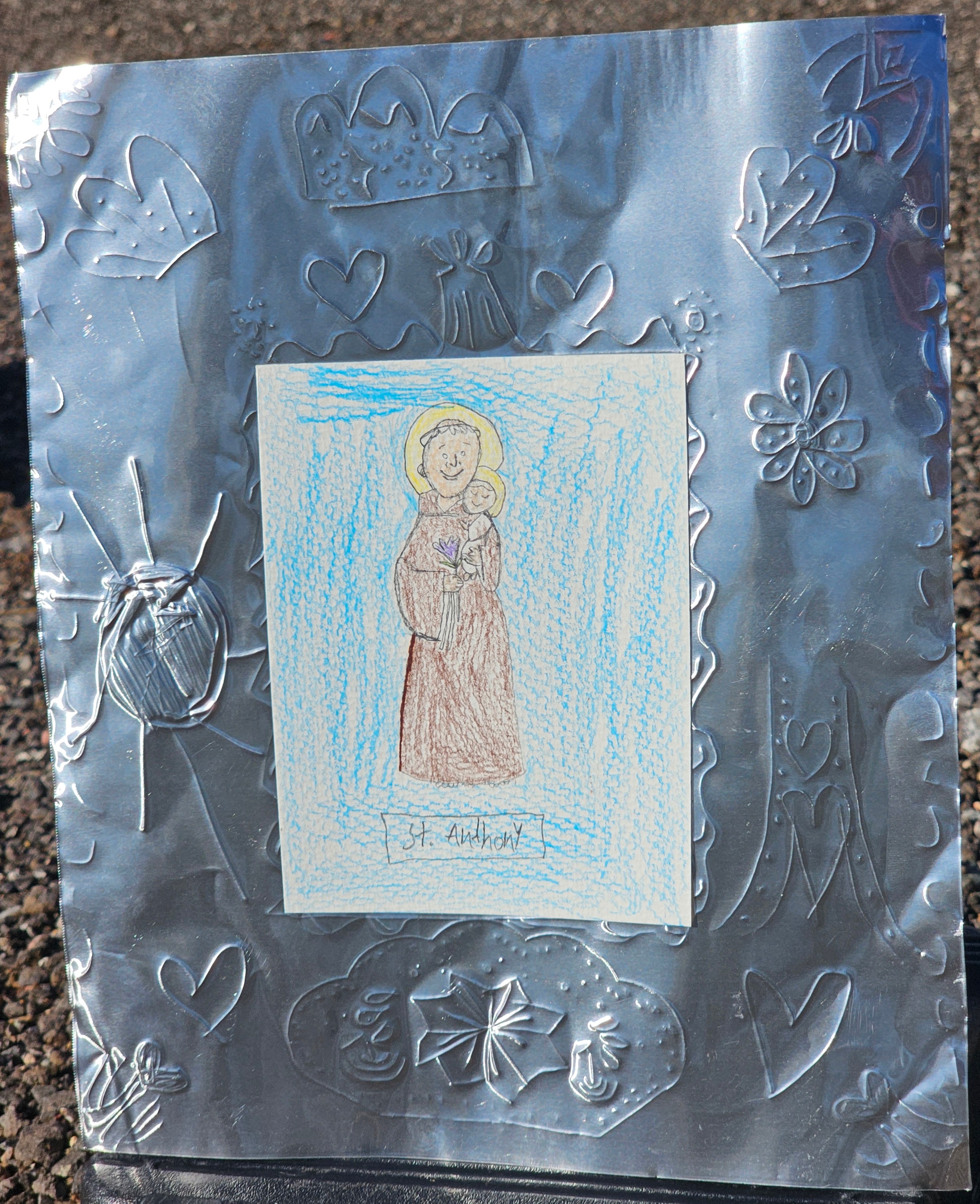 |
The reason I chose St Anthony was because if you lose something really important and you can't find it you can say a little prayer to him and maybe you can find it. We are also honoring the past and inspiring the future so the reason why I picked St Anthony was because he is a renowned preacher and was the first theology of the Franciscan order! I know it's pretty crazy right. One of St Anthony's miracles is when he rose someone from the dead, which is really crazy because you think only Jesus can do that because I don't know many saints that rose people from the dead. The other miracle that Anthony did just blew my mind because this miracle made a newborn baby talk to him. I don't know about you but I think it's crazy! This prayer I'm about to show you is the prayer of how to get lost items found and this is how the prayer goes: Dear St Anthony please come around something is lost and cannot be found. Pretty powerful right? This prayer also restores peace to the mind. The reason why he can do that is because god gave him the power to restore lost things. | 1.168 | |
| Holy Ghost Catholic School | 4 | Elementary 3-5 | 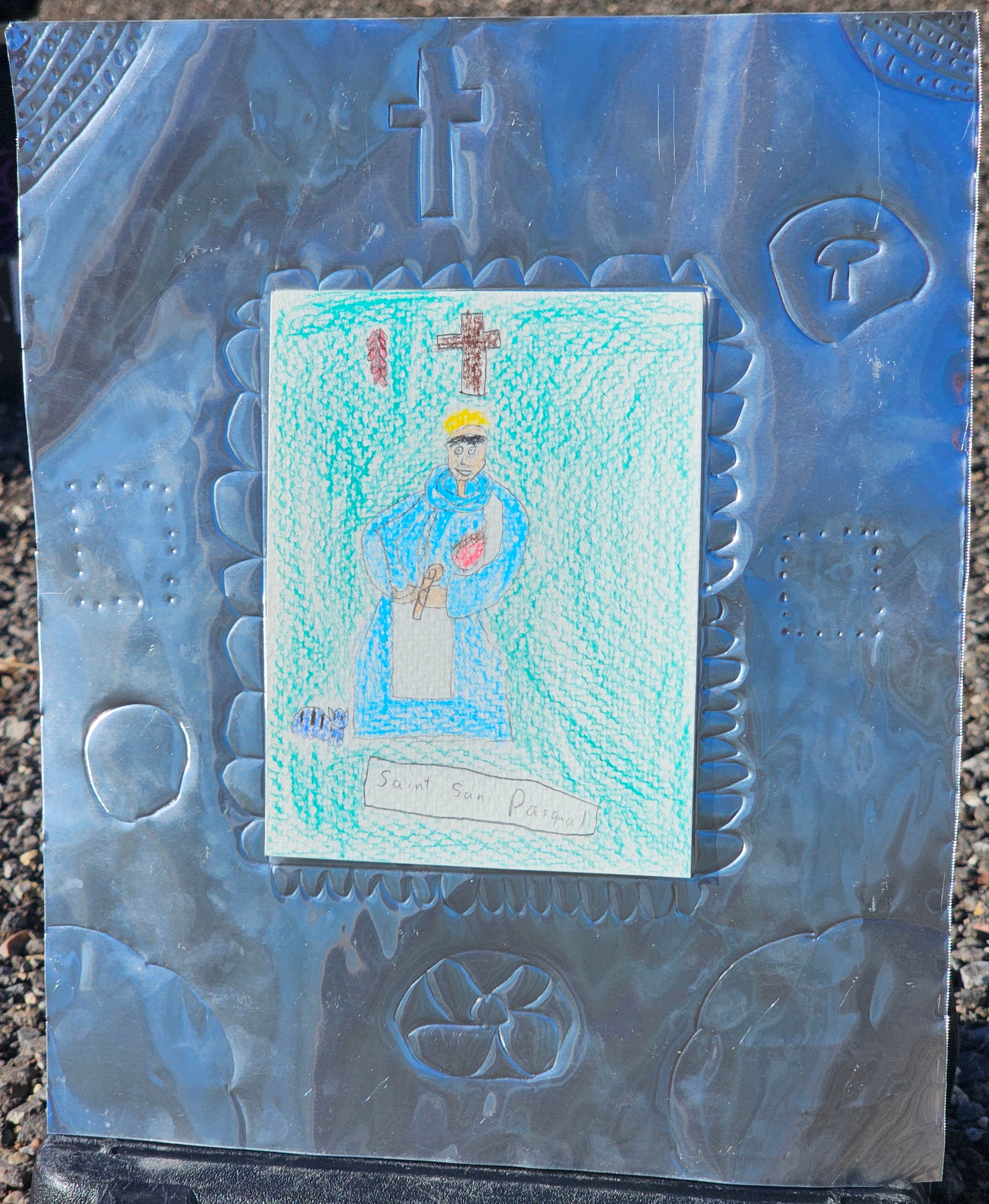 |
Saint san pasqual Saint Pasqual was born on May 16 1540. Saint Pasqual was canonized a saint on October 16 1690.Saint san pasqual is the patron saint of cooking and kitchen. He was a shepherd when he was young and he taught himself how to read and read religious books. He would pray to the Eucharist and loved it and liked to help people. San Pasqual fed the homeless and he got scolded. Saint San Pasqual got put in jail a lot of times and he got beat by some people. Saint Pasqual died on May 17 1592. |
1.172 | |
| Holy Ghost Catholic School | 4 | Elementary 3-5 | 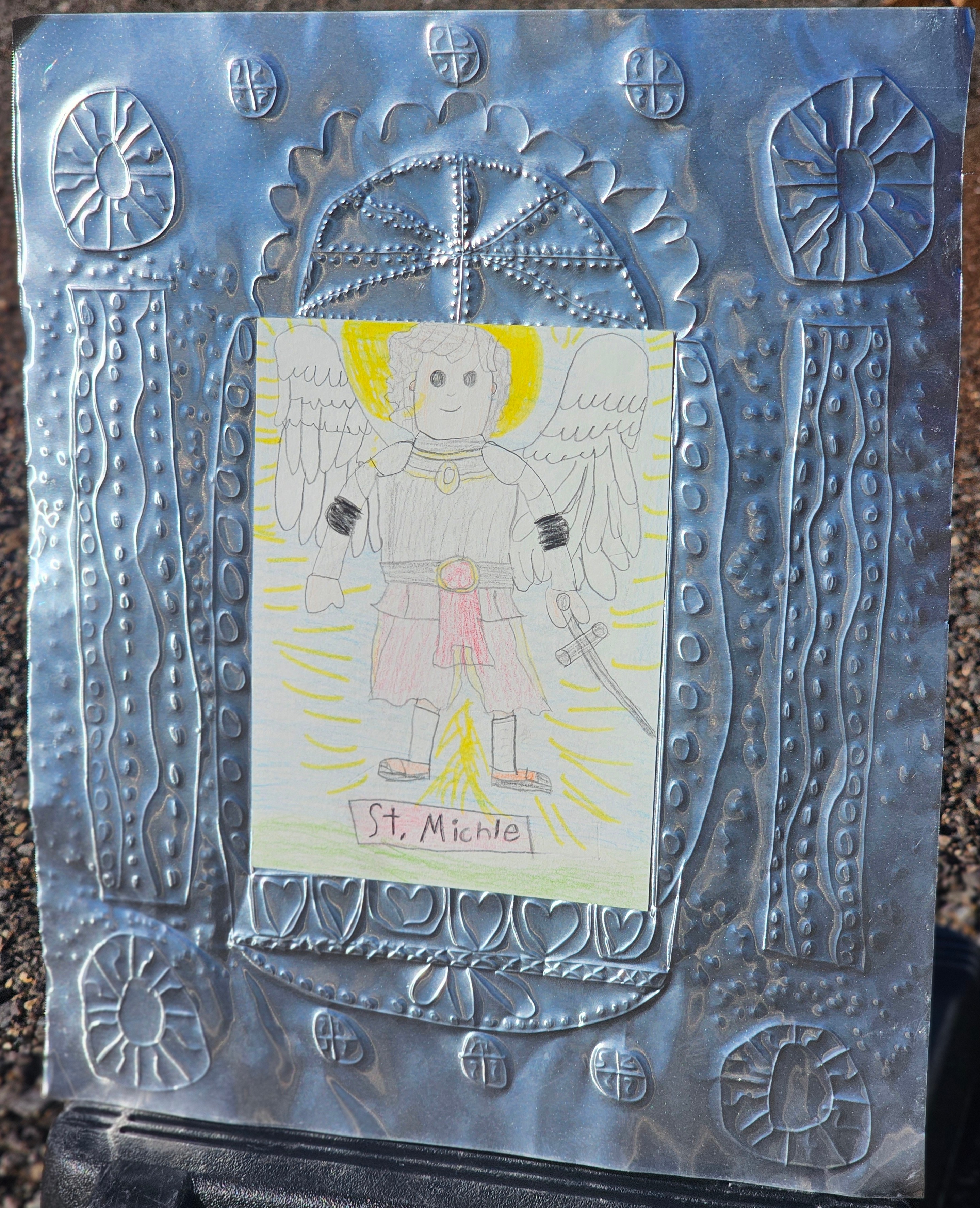 |
I chose St. Michael because he saves us from the devil. He is important to Spanish culture because he is the patron saint of communities and personalities from every walk of life, so people pray to him often. He protects Knights, Police officers, and people out at sea, like my Dad.St. Michael protects sick people security guards.He also protects painters and bakers. | 1.176 | |
| Holy Ghost Catholic School | 4 | Elementary 3-5 | 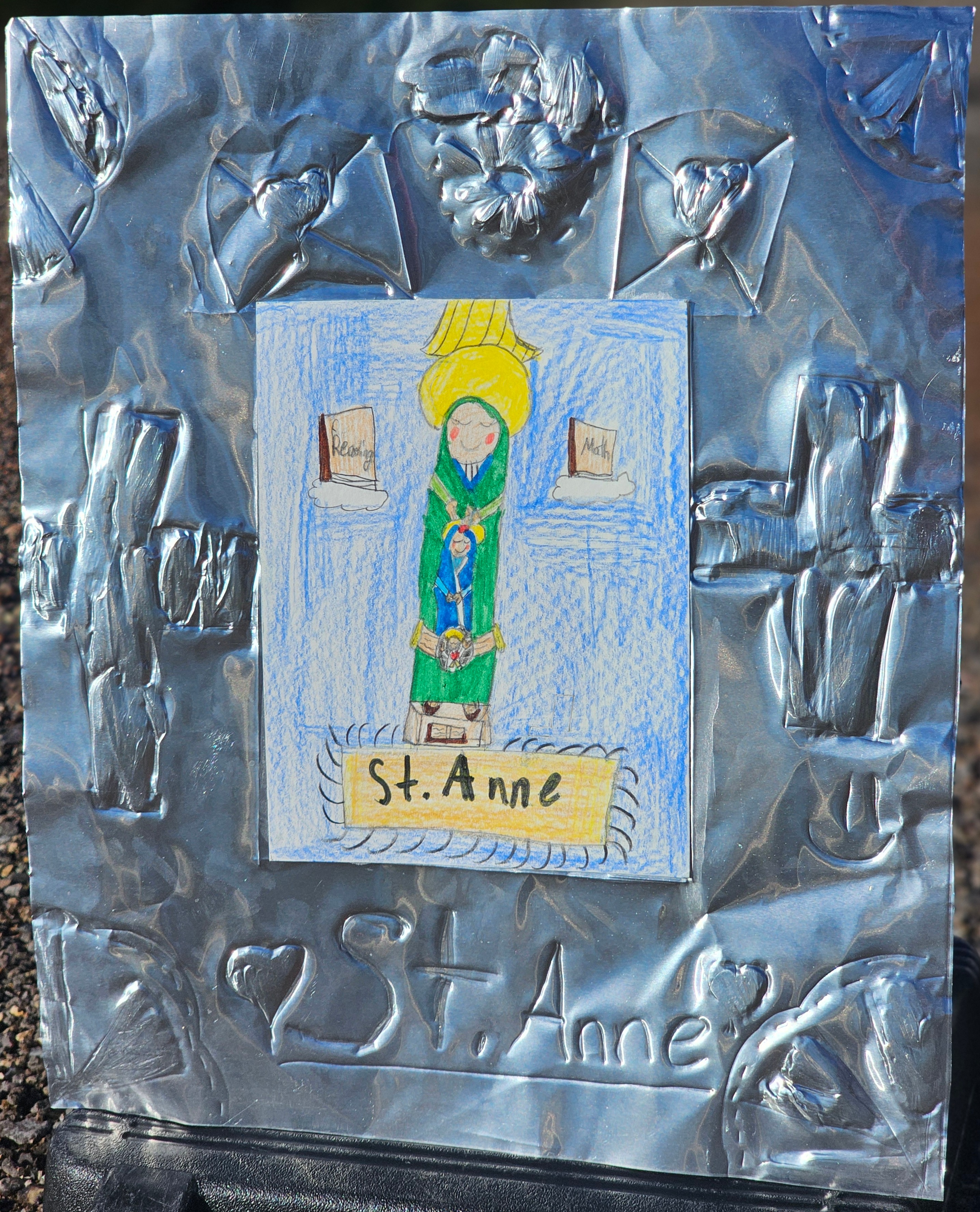 |
I got St.Anne. I picked St.Anne because she gave birth to Mary, mother of Jesus. St.Anne was born before circa 49 BC and died after circa 4AD. Her feast day is July 26. I think she is special because she gave birth to a woman free from sin.St.Anne is a teacher she opened a high school for girls I think when she did that she opened a whole new world for girls.She became a saint because she gave birth to Mary and opened a high school for girls.She is Married to a man named Joachim. | 1.180 | |
| Holy Ghost Catholic School | 4 | Elementary 3-5 | 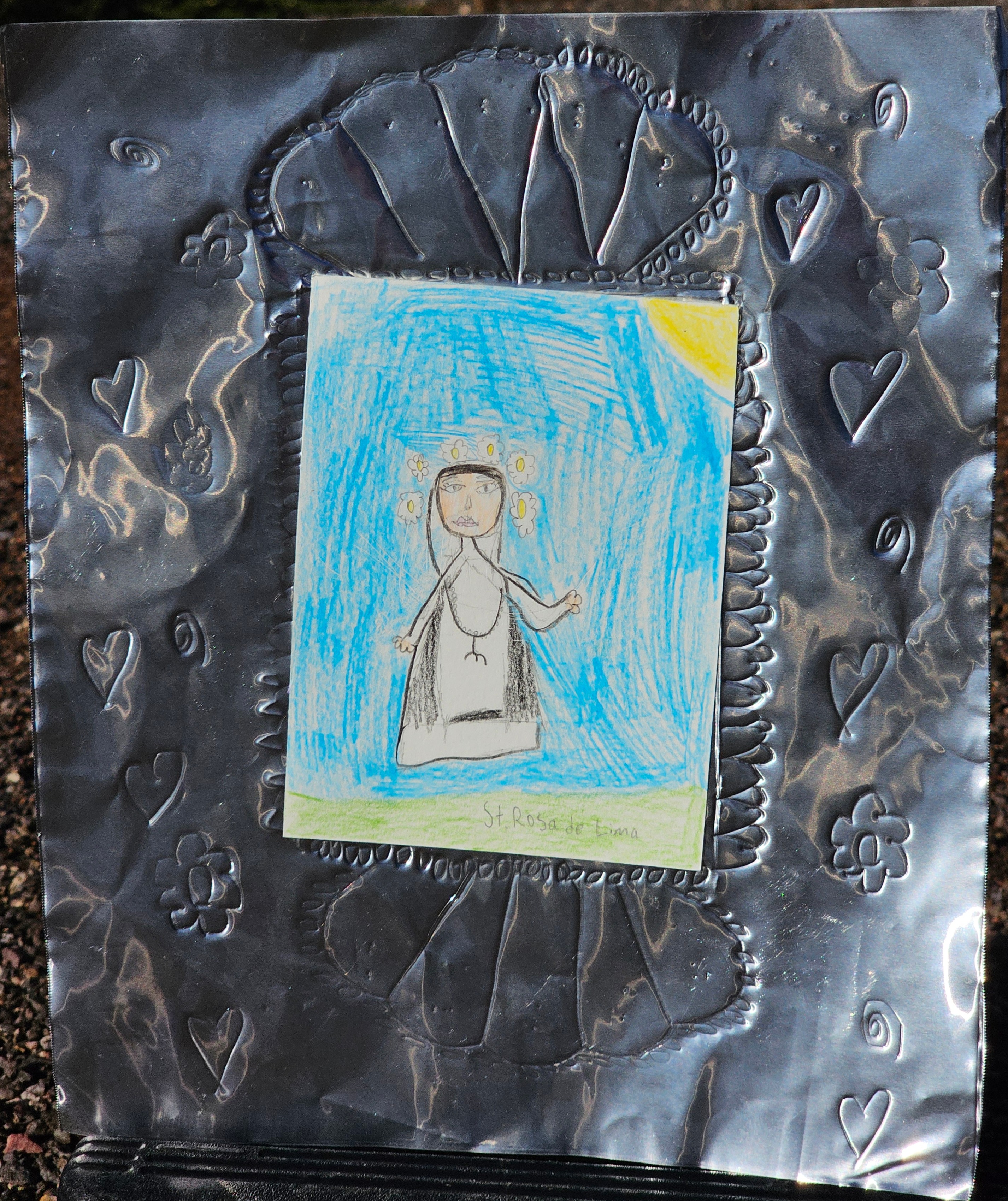 |
Saint Rose of Lima I chose Saint Rose of Lima because. She was always honest, but she got ridiculed for her piety. Saint Rose of Lima is the patron saint of the Americas, Peru, embroiders, florists, gardeners, needleworker, and people ridiculed for their piety. She was born on April 20 1586. She died at 31 years old.Her feast day is August 23. She invoked against vanity and self-love. She was canonized by Pope Clement X in 1671. She lived from 1586-1617. She was the first canonized saint in the western hemisphere. Her liturgical color is white. She was the daughter of a Peruvian soldier. She died of Tuberculosis. |
1.184 | |
| Holy Ghost Catholic School | 4 | Elementary 3-5 | 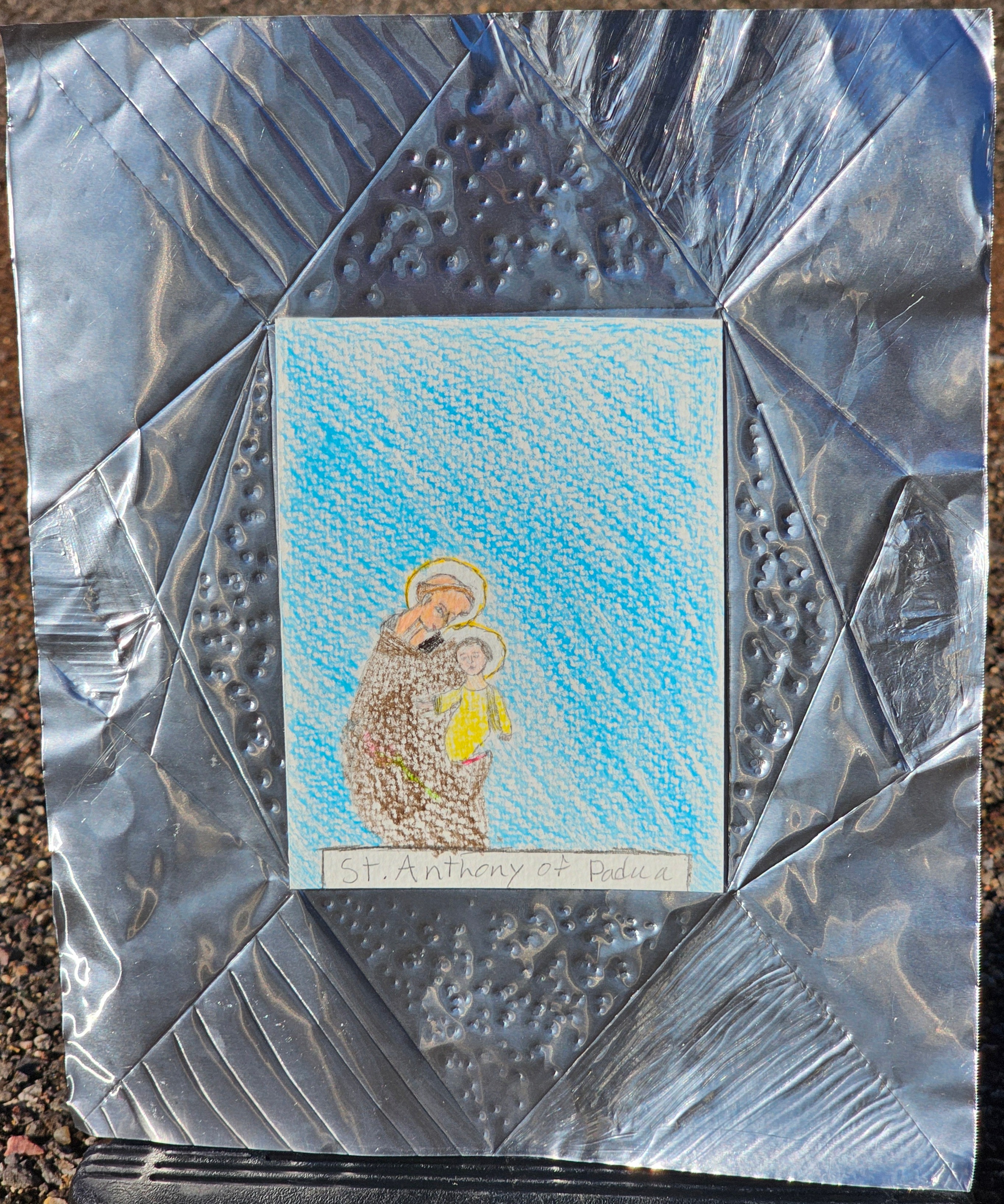 |
My Saint Paragraph The Saint I am writing about is ST. Anthony of Padua. Saint Anthony of Padua was born in Portugal, Lisbon 1195 and he died on June 13th 1231 in Padua, Italy. Saint Anthony of Padua is one of my favorite Saints because he is the Saint of lost and stolen things. I pray to him when I lose some things like my earrings that I lost the other day. Lastly, Saint Anthony of Padua’s feast day is on June 13th. |
1.188 | |
| Holy Ghost Catholic School | 4 | Elementary 3-5 | 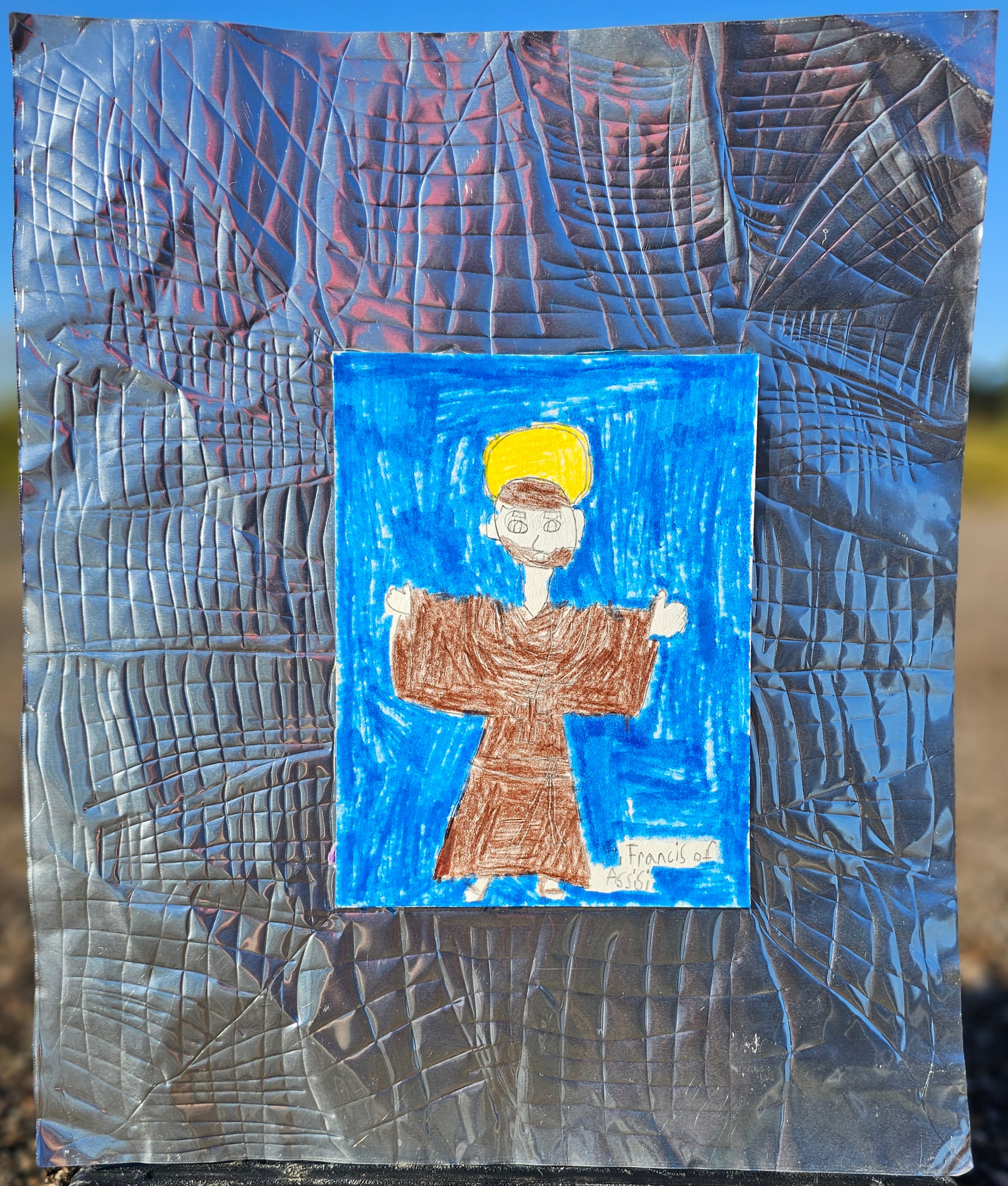 |
My Paragraph About Saint Francis Assisi Saint Francis Assisi was born in 1181. He was born in the merchant class having his Dad a seller of silk.His father wanted him to join the family business which he did but he hated it, He was more interested in having a good time with his friends.This caused arguments at home.As a young adult he wanted to be a knight. |
1.192 | |
| Holy Ghost Catholic School | 4 | Elementary 3-5 | 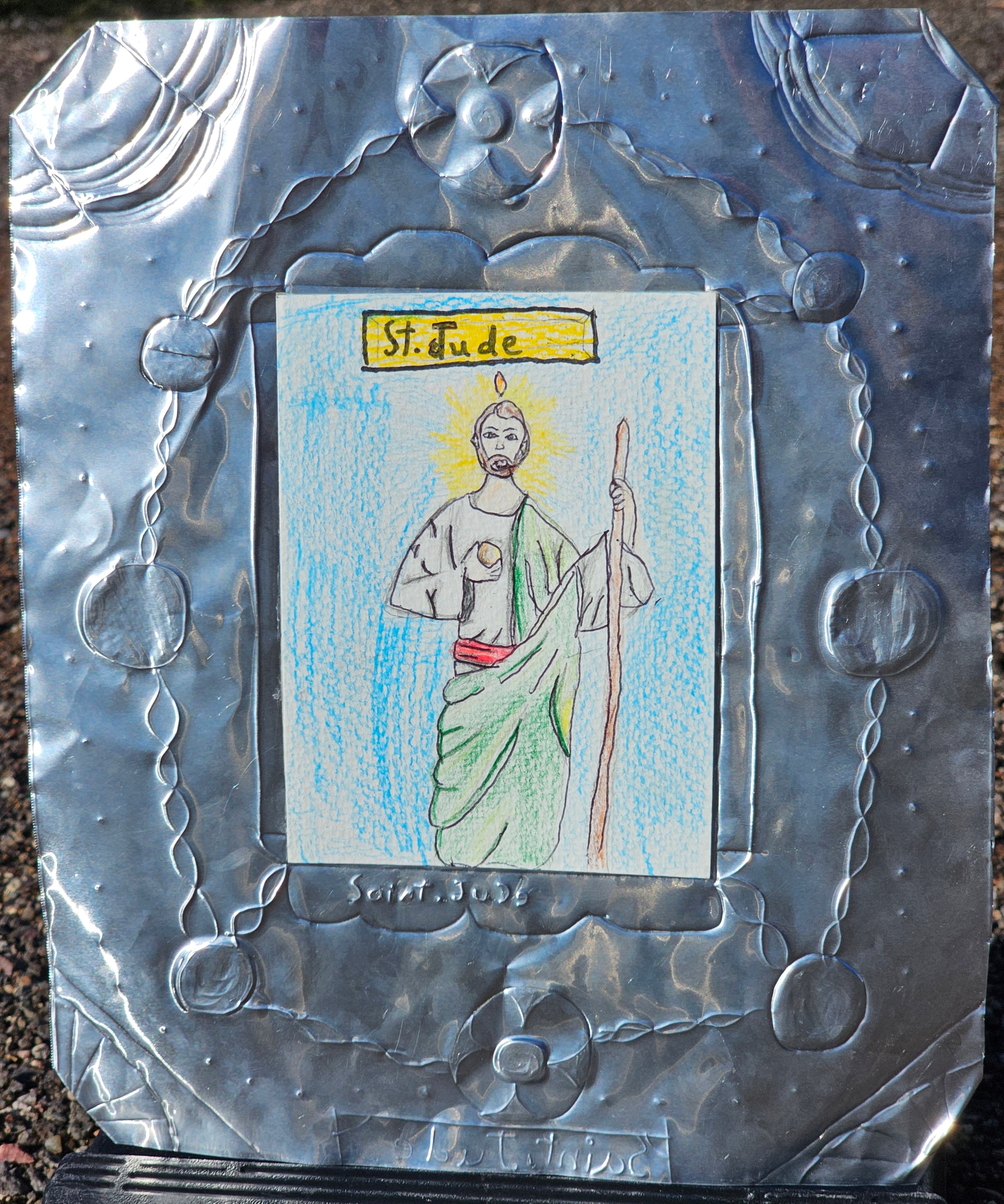 |
Saint. Jude Saint.Jude is like a cousin of Jesus Christ. His mother is the cousin of Mother Mary. His father is Joseph's brother. In my picture Saint. Jude has a tung of fire to represent the Holy Spirit.Saint. Jude is one of the apostles. One night two people who were mad at him because their families followed him killed him. Saint. Jude has a stick because it represents his martyrdom. October 28 is his feast day. Saint.Jude died in the 1st century AD, likely around 65 AD. |
1.196 | |
| Holy Ghost Catholic School | 4 | Elementary 3-5 | 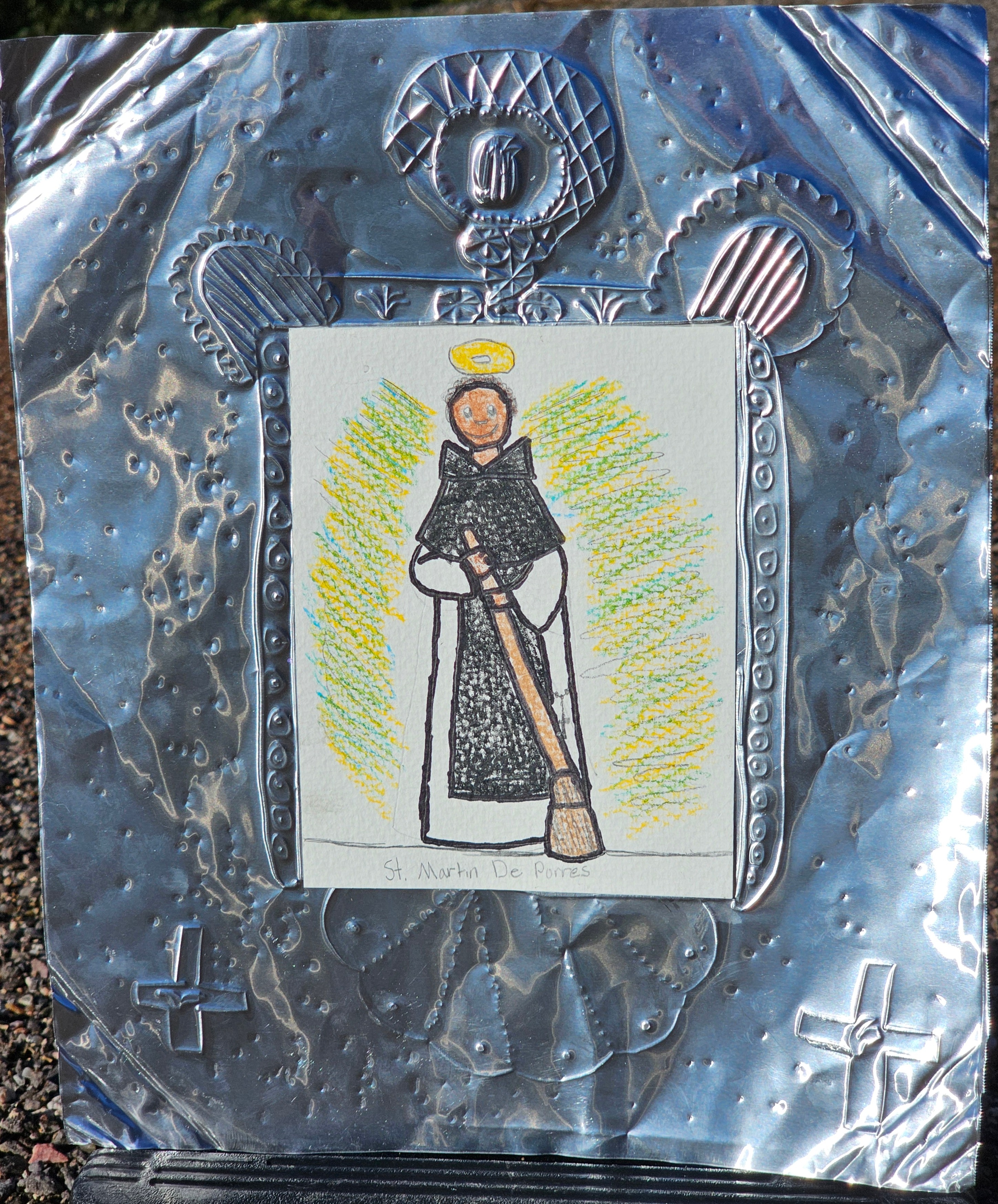 |
St. Martin De Posses St. Martin De Porres was born in Lima Peru December 9th 1519. His dad was a Spanish noble man, and adventurer. Anna, a freed daughter of slaves from Pendama,Anna was probably black,but it is also possible that she belonged to the Indigenist people of Lima. Martin had a little sister as well, her name was Wona, Martin inherited the features and dark complexion of his mother.That irked his father and abandoned the family when Martin was very young. He was raised by his mother in extreme poverty as she worked as a laundry. Stories of Martin’s remarkable generosity apparently began around him even in childhood,even as a child. Martin would give the families resources to the beggars whom he saw as less fortunate than himself. By the time he was ten he was praying a lot.One time he asked a friend for some candles, and she found him praying with the candles by him,also one time he was praying and they saw him praying.By the time he was twelve he worked at the barber shop.The barber shops back then didn’t just cut hair they also wrapped wounds, and Martin did that.when he was 19 he wanted to be a priest, but there were only whites aloud, but surprisingly they let him,and he did it for the rest of his life.He died in 1639,and had a great life. |
1.200 | |
| Holy Ghost Catholic School | 4 | Elementary 3-5 | 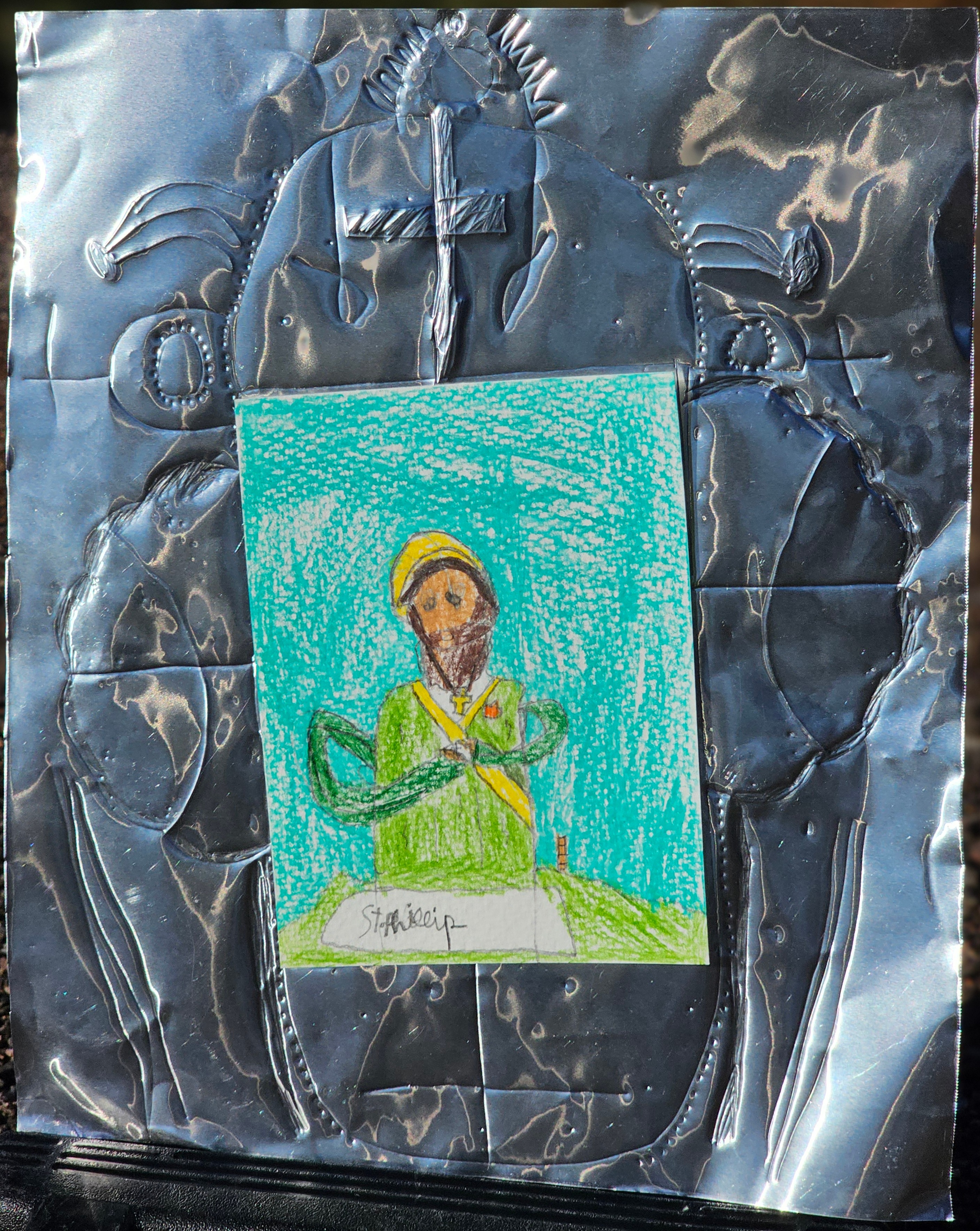 |
St.Philip I picked St.Philip because I wanted to learn about him. I put 2 items that represent my saint in my picture. The two are a eucharist and a bible. I picked them because he was a priest.he was also known as Pippo Buono. His mom died when he was 5. He was raised by his uncle.then he moved to Rome.he lived in an attic penniless. He often visited the catacombs of the martyrs. His first miracle happened in the catacombs. He was praying when a ring of fire went into his mouth.It descended into his heart. It filled him with the love of God. When he recovered he had a bump on his chest above his heart.after that when he prayed you could see his heart beating. Some people even thought his heart had grown.He then became a street preacher. Later becoming a priest. He made an order of presets. He was a happy man but he died in 1596 at the age of 79. |
1.204 | |
| Holy Ghost Catholic School | 4 | Elementary 3-5 | 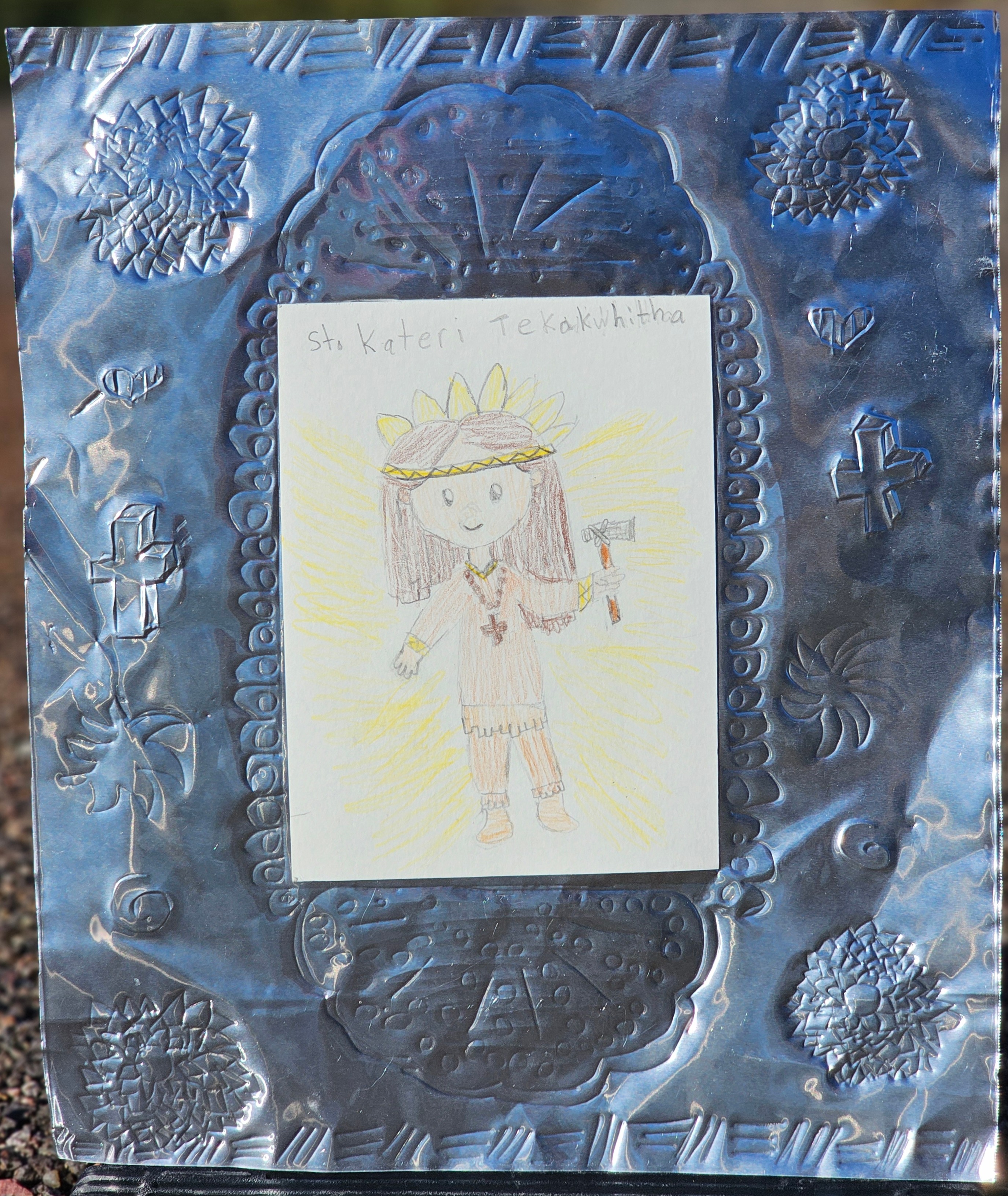 |
St. Kateri Takawitha I chose this st. because I am Native American just like her and I think she is really cool. Two hidden things that are on my st. Are a feather and a Rosary. She was a very courageous young woman. She was the first Native American woman to become a saint. Her parents were in the Mohawk tribe . She made a very tough decision by becoming a christian even though her parents did not believe in Christianity she did it anyway. Her Uncle got mad when I chose not to marry the man he had chosen for me.I slept on very uncomfortable beds to make God happy. My name Tekakwhitha means she bumps into things. She am the patron st. of the plantation of the earth. |
1.208 | |
| Holy Ghost Catholic School | 4 | Elementary 3-5 | 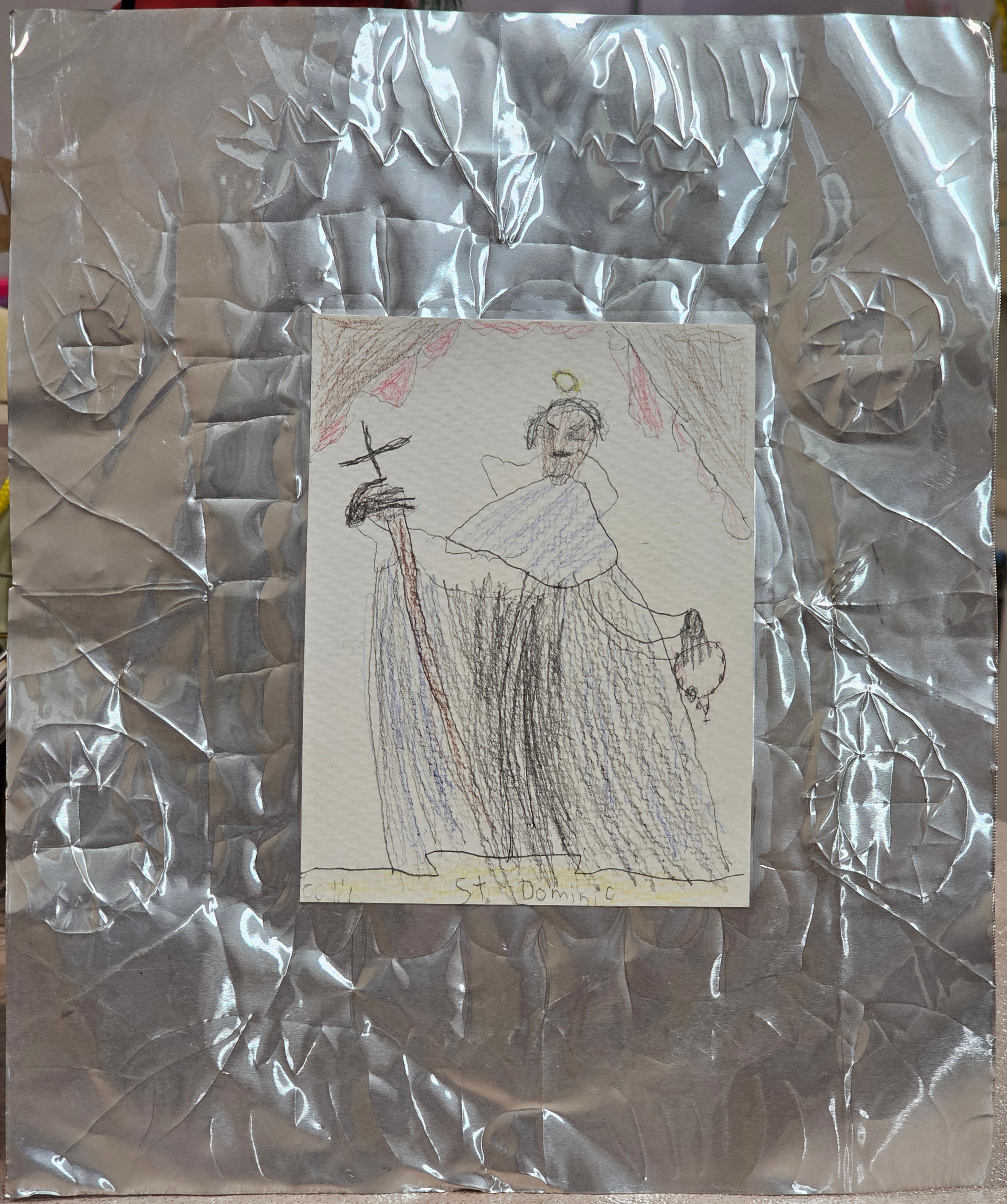 |
St.Dominic He started the Dominicans to combat Albigensian heresy and was born in Caleruega, Spain in 1170. His symbol is of a dog holding a burning torch because this was a vision that his mother had. His most famous miracle is praying to a dead man and his horse and them coming back to life. He is also the patron saint of scientists and astronomers. One of his most famous qoute is “Have charity among yourselves, hold fast to humility, keep willing poverty.” |
1.212 | |
| Holy Ghost Catholic School | 4 | Elementary 3-5 | 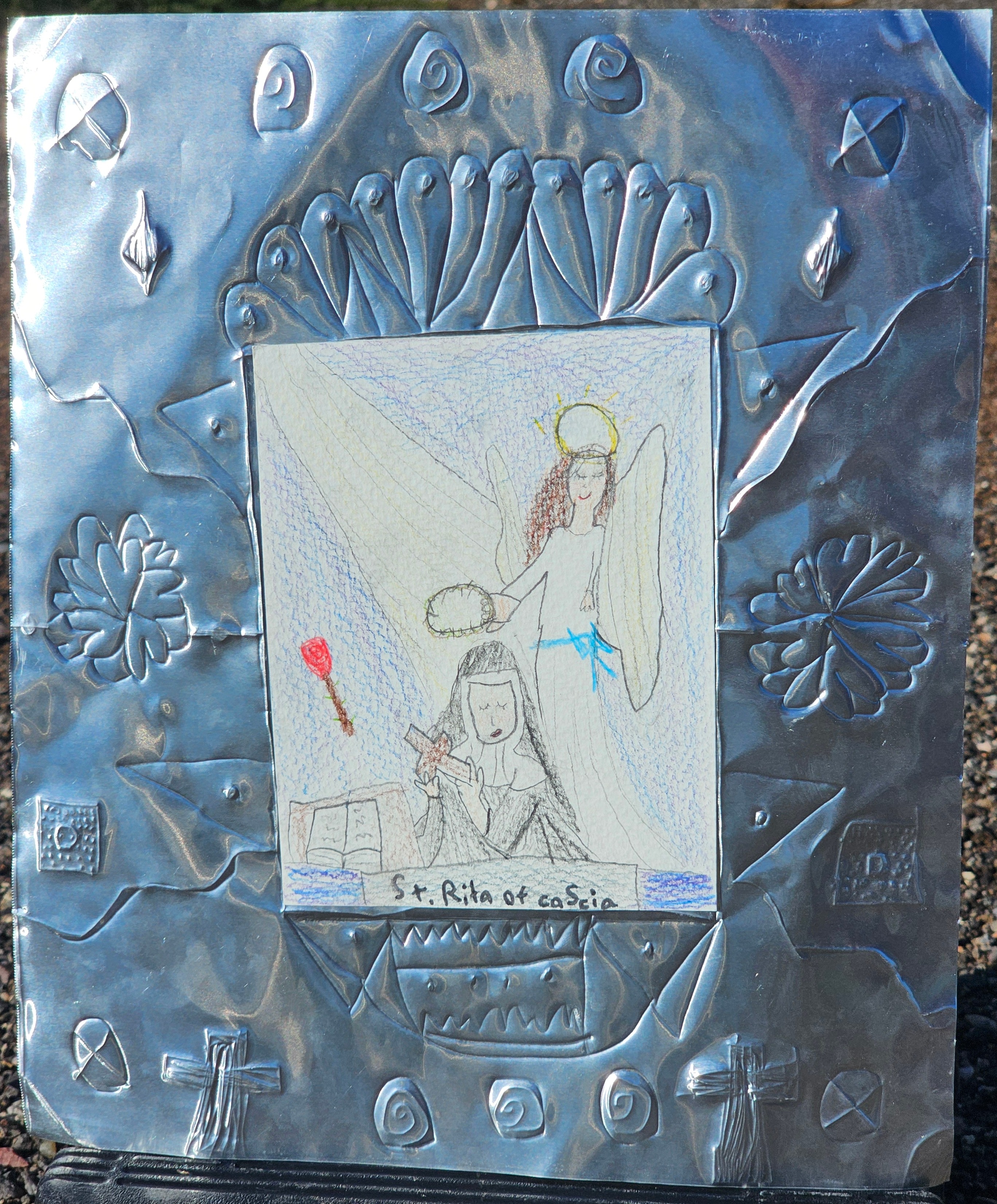 |
St.Rita of Cascia My saint is St Rita of Cascia. Her feast day is May 22.one of her favorite saints is John the baptist. She is the patron saint of the impossible.She was canonized so you can see her body that also smells like roses.She has a wound on her forehead they say it got pierced by a thorn from Jesus’s crown of thorns.St.Rita holds a rose because she had a rose in her garden in the middle of winter. I chose St.Rita because I wanted to learn more about her. |
1.216 | |
| Holy Ghost Catholic School | 4 | Elementary 3-5 | 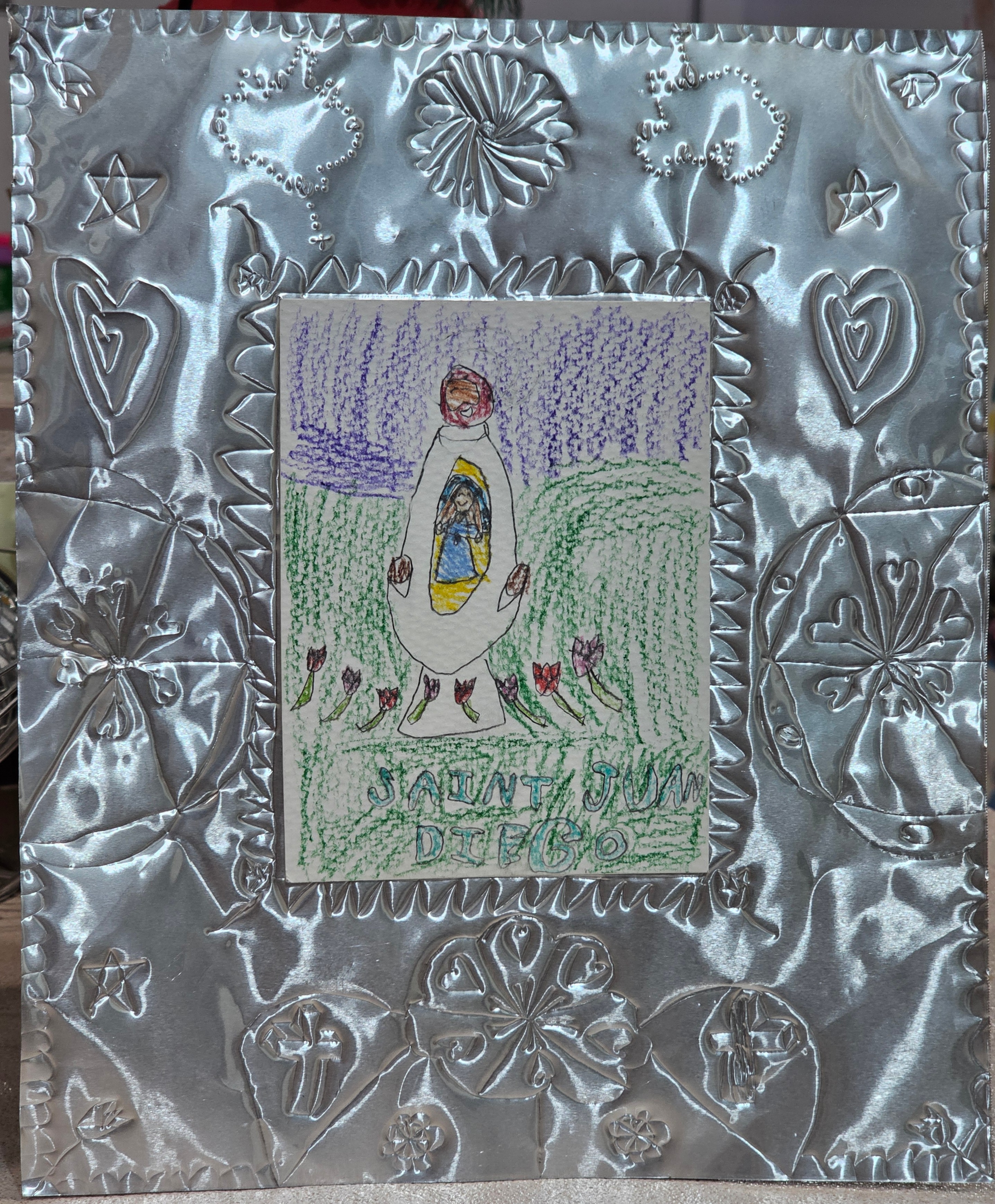 |
St. Juan Diego St. Juan Diego is the patron saint of indigenous people. He was canonized by Pope John Paul the Second on July 31, 2002. He is the first indigenous saint. He was born in Mexico in 1474. In 1524 he converted to Catholicism. Mary asked him to build a temple in her honor on top of Tepeyac Hill. He gathered rose petals in his cloak. When he dropped the rose petals a picture of Our Lady of Guadalupe showed up on his cloak. |
1.220 | |
| Holy Ghost Catholic School | 4 | Elementary 3-5 | 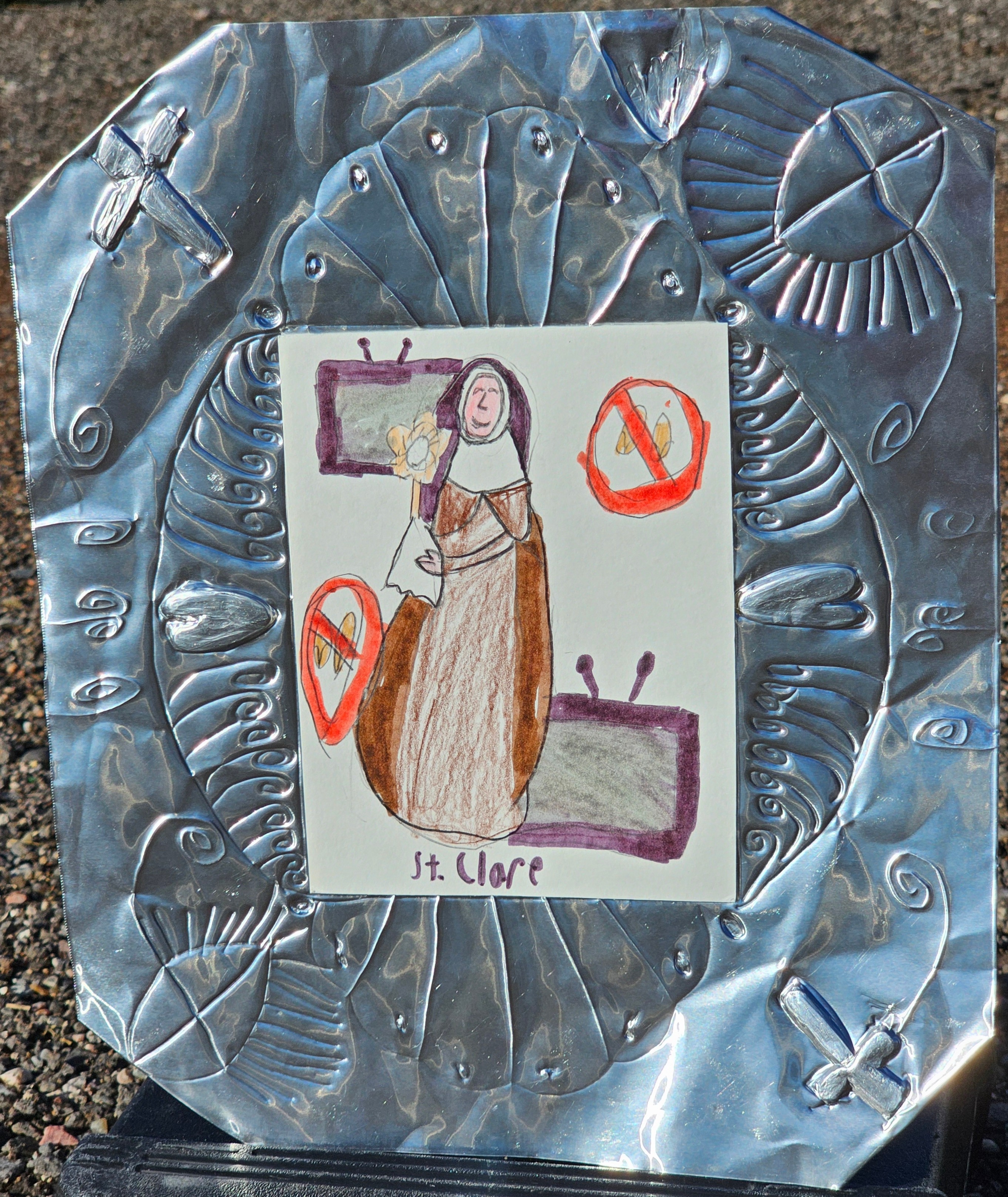 |
St.Clare St.Clare was a masking sant. She was the oldest of 3 kids.She was born into a rich family. She is so a maseing. She married Jesus in stade of humely marriage.After that she became a woman superior of her sister hood. She did not wear shoes and she was a vegetarian.She did something amazing she bet worrier with prayer and the monstrance. Her fest day is on August 11. That is why I picked St.Clare |
1.224 | |
| Holy Ghost Catholic school | 4 | Elementary 3-5 | 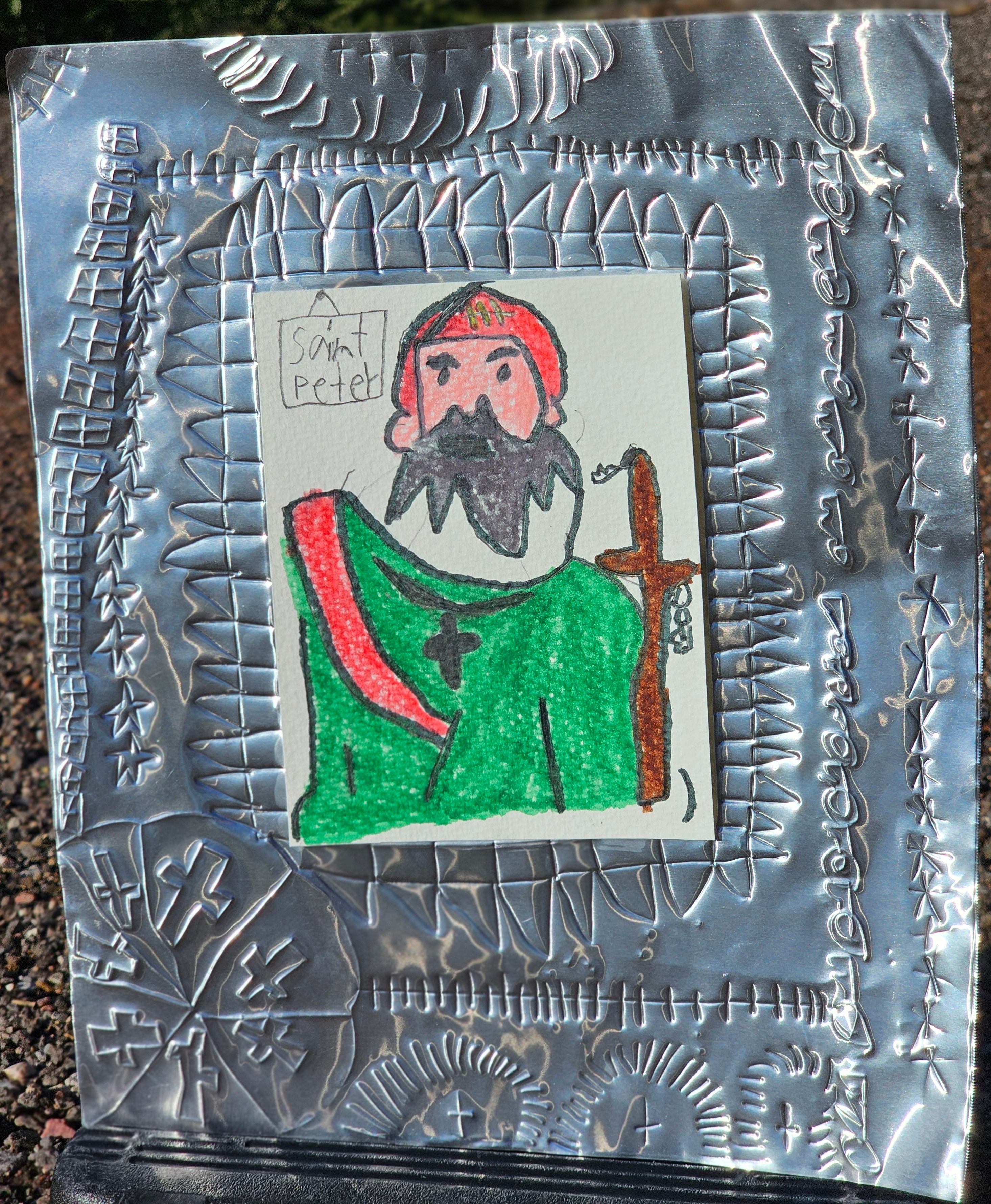 |
My paragraph of st Peter St Peter was the one who denied Jesus three times. And his toom is under st peter basilica st peter was born in 1 bc or ad and died in 64 bc. And died on Vatican hill and one of Jesus' 12 apostles died upside down because he was not worthy to die the same way of Jesus. He wears white and green and st peter and paul was told he is the barrier of the church. And St Peter was the first pope of the catholic church. |
1.228 | |
| Holy Ghost Catholic School | 4 | Elementary 3-5 | 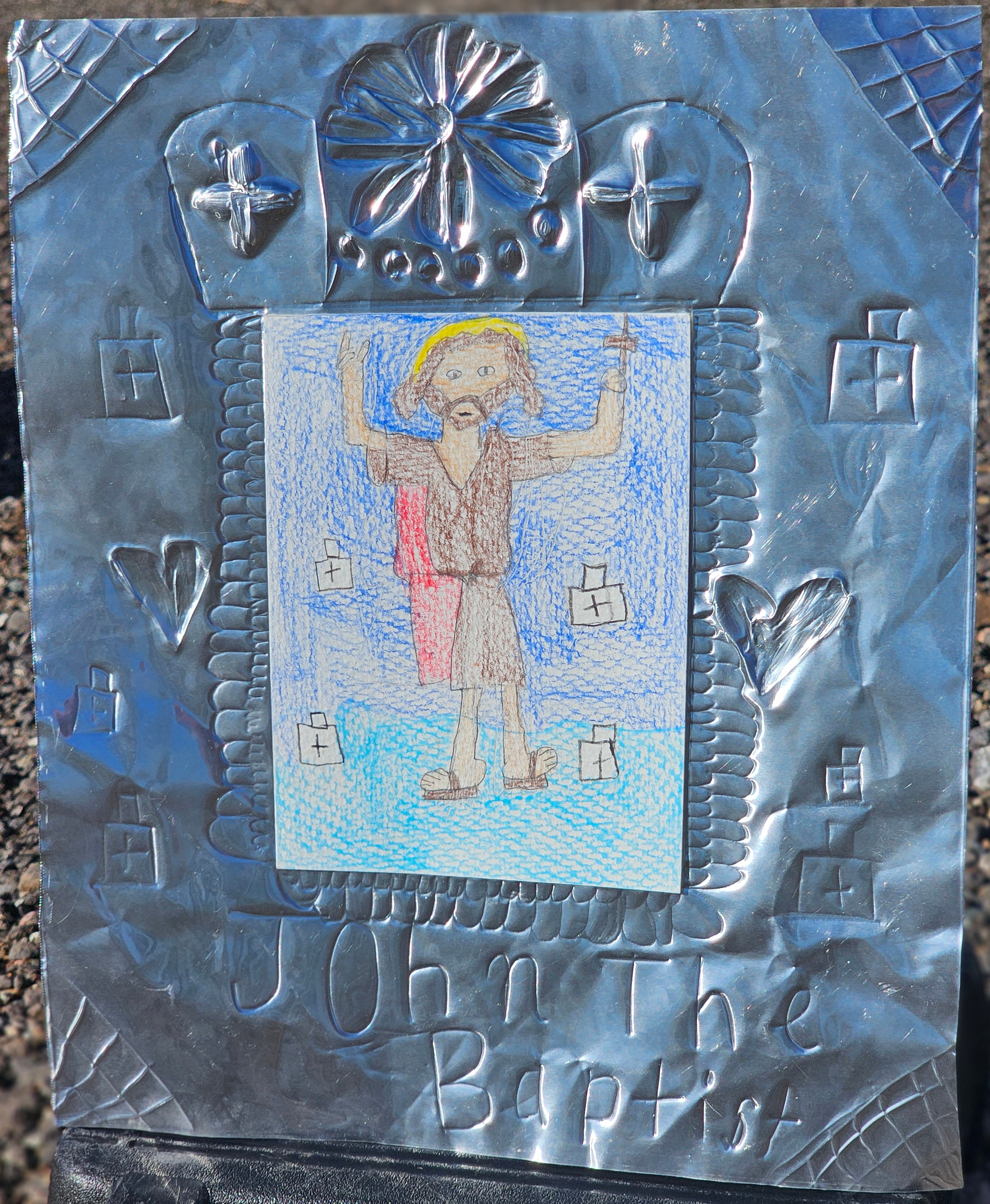 |
John The Baptist I picked John The Baptist because I thought it would be fun to learn about him. In my picture I put him in water and drew holy water because he is the patron saint of baptism. One fact about him is that he and Jesus Christ were second cousins. Another fact is that John is called John The Baptist because his main mission was fulfilled on the baptism of the Lord. John The Baptist’s original Hebrew name was Yohanan which means God is gracious. One last fact was that John The Baptist spoke Aramaic. These are the facts I found interesting about John the Baptist. |
1.232 | |
| Holy Ghost Catholic School | 4 | Elementary 3-5 | 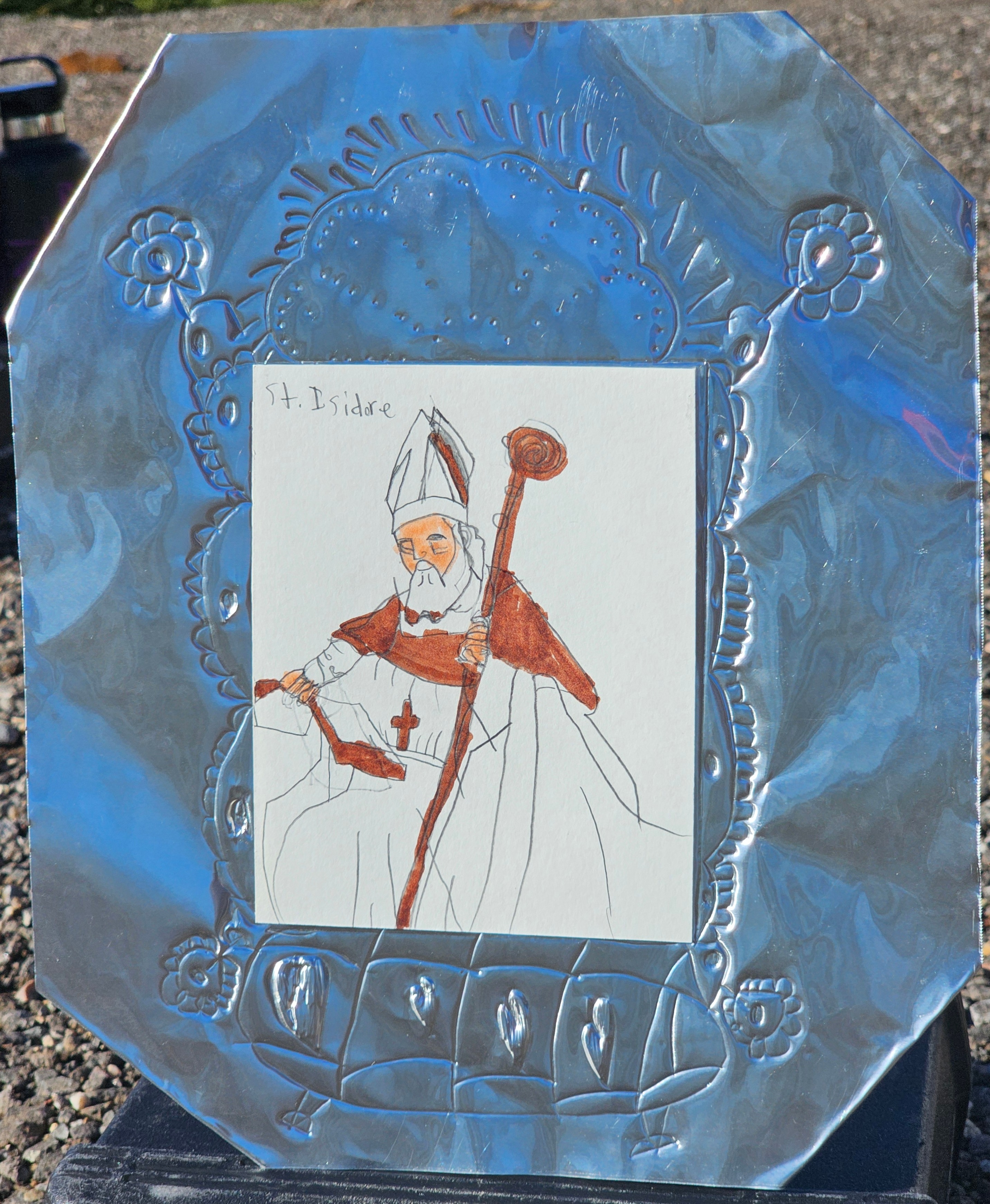 |
st.Isidore Bishop When Isidore's parents died his oldest brother took care of him and his brothers. When Isidore was older he and his brothers became bishops and his sister became a Nun and all of his siblings are saints. St. Isidore was doctor of the church he helped his brother with bishop he was a great writer he wrote 20 books in his life he died in sevilla spain he died of natural caeses in his eighties. |
1.236 | |
| Holy Ghost Catholic School | 5 | Elementary 3-5 | 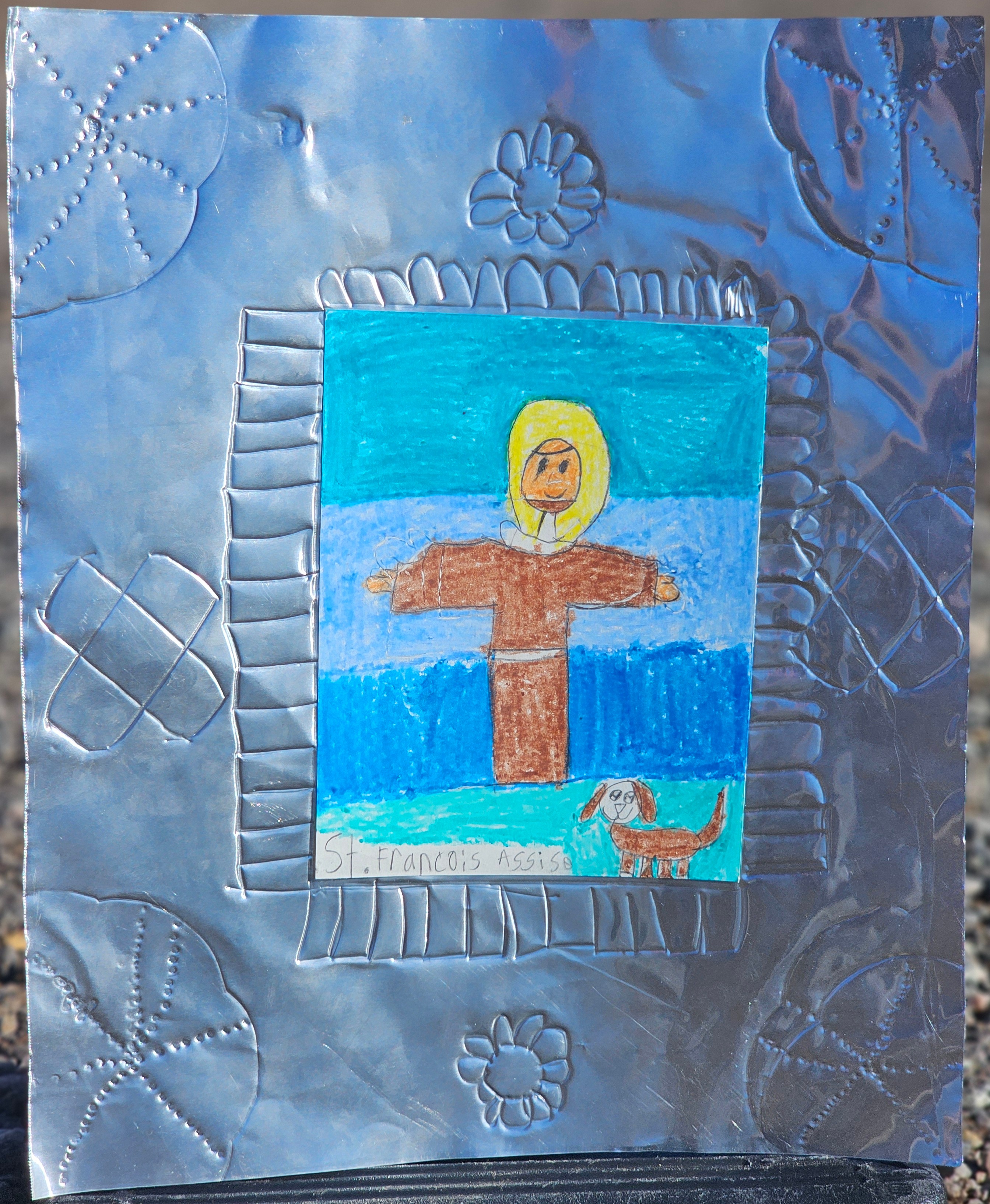 |
Retablo’s are devotional artwork of religious imagery. They are our hispanic traditional art. They honor the past and inspire the future. A saint helps people in need. Saint frascios assis is the saint of animals. Saint francios helped animals when he was on earth. | 1.240 | |
| mesa middle school | 7 | Middle School 6-8 | 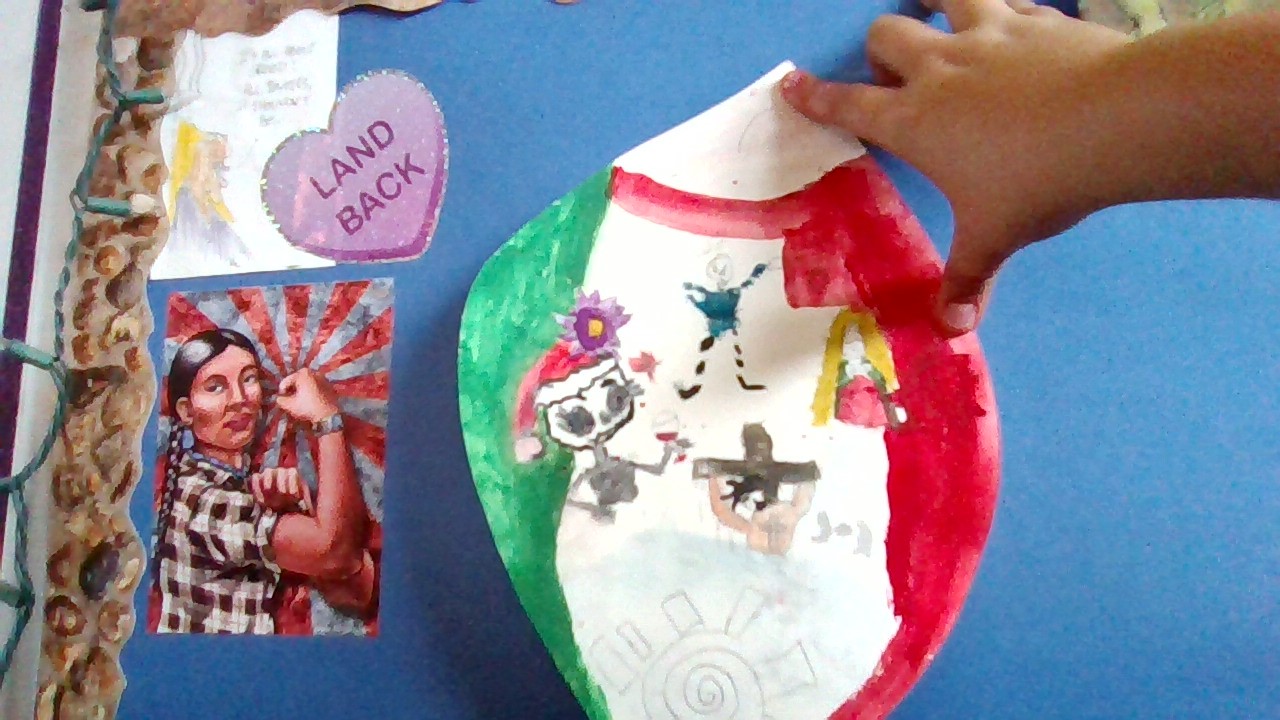 |
En mi familia mi papá y mi mama son de mexico también algunas de mis tias. Yo pinte la virgen porque es una gran parte de la cultura.también pinte un gorro de navidad Porque los mexicanos celebran la navidad un día antes. También es una gran parte de mi cultura que todos los mexicanos saben.Y pinte a dios porque todos necesitamos a dios para acer lo bueno y no lo malo. Y el esqueleto es para dia de los muertos porque me gusta celebrar con la familia que ya no puedo ver |
1.604 | |
| mesa middle school | 7 | Middle School 6-8 | 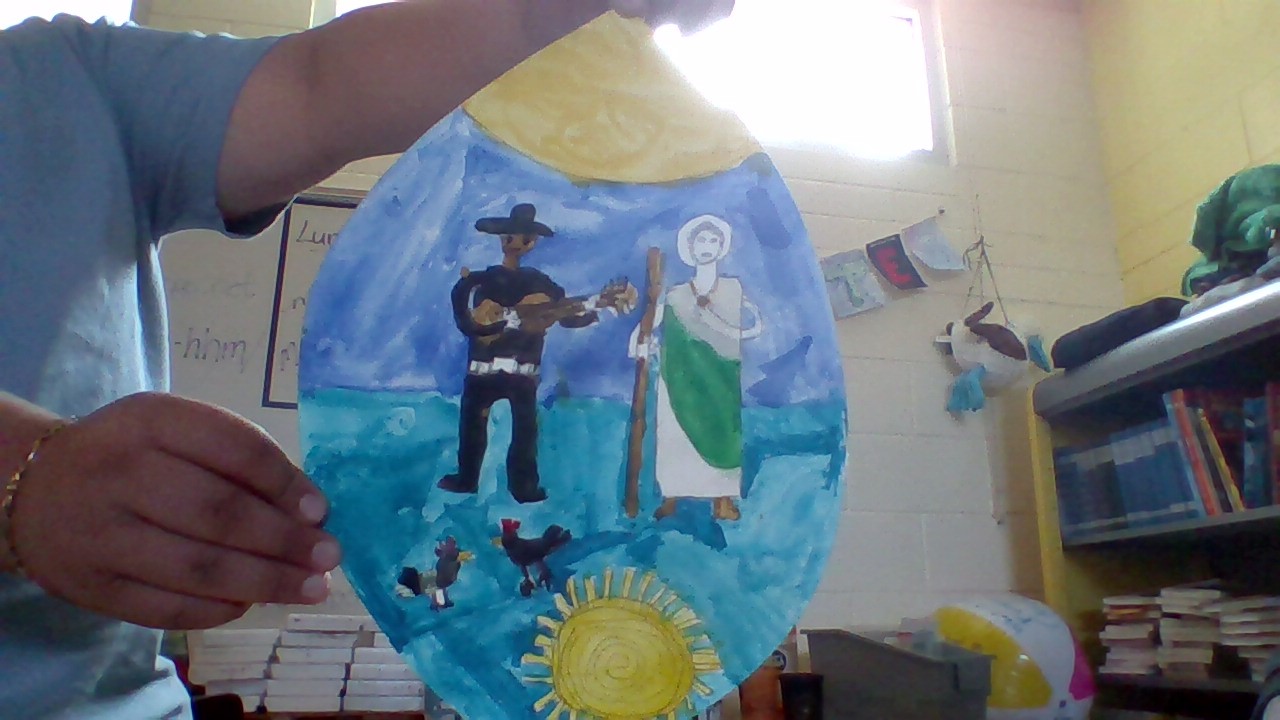 |
My mom is from Mexico My dad tow mi grandma and grandpa tow. I drew the mariachi because a lot of people like that music. I also drew san judas because a lot of people buy chains of him. I also drew tow rustlers because people make them fight for fun. What i drew is important because a lot of people in Mexico do that. The sun and the moon are important because the sun helps with farming and the moon is important because its gravity stables are planet. |
1.640 | |
| Mesa Middle School | 7 | Middle School 6-8 | 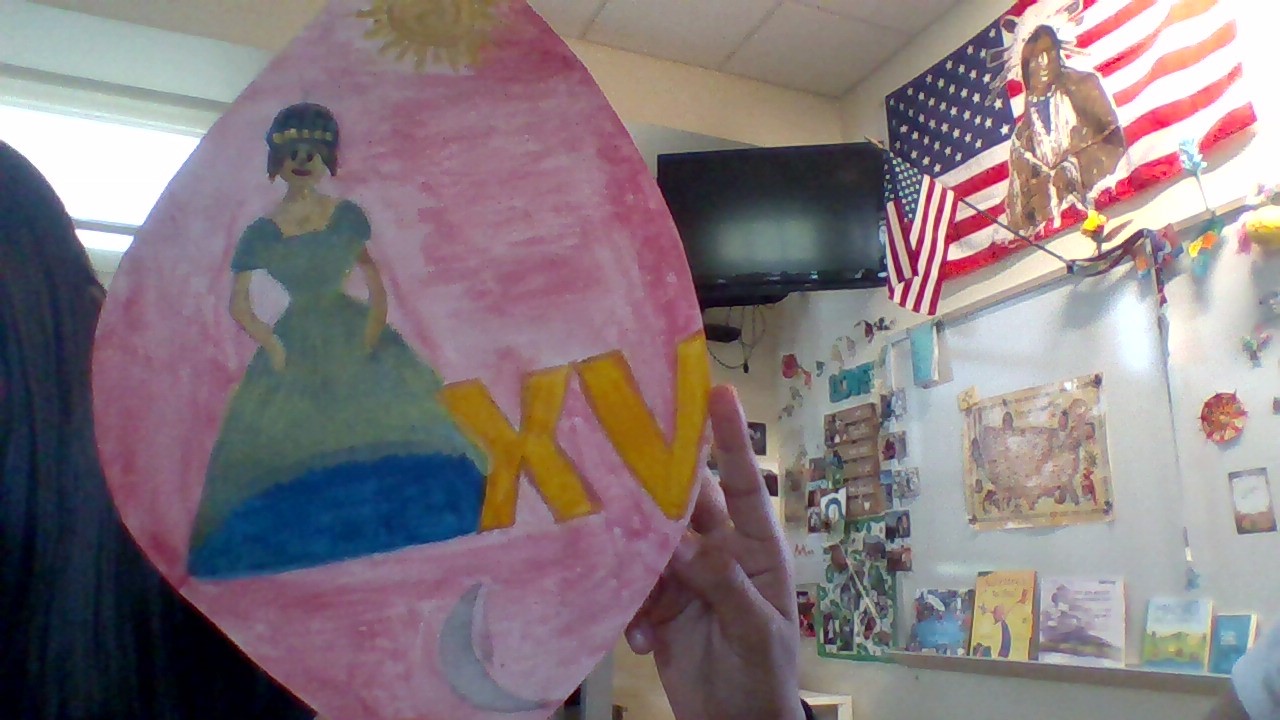 |
I choose Mexico because most of my family was born and raised in Mexico. To represent the Mexican culture I painted a quincenera. I choose to draw a quincenera because I love how us mexicans get celebrated on our special 15 years. I love all the different designs, colors, and the different styles there is. The sun and moon are also in there because of the ancient times. Some different places still go and celebrate the sun and moon as a tradition. | 1.608 | |
| Mesa Middle School | 6 | Middle School 6-8 | 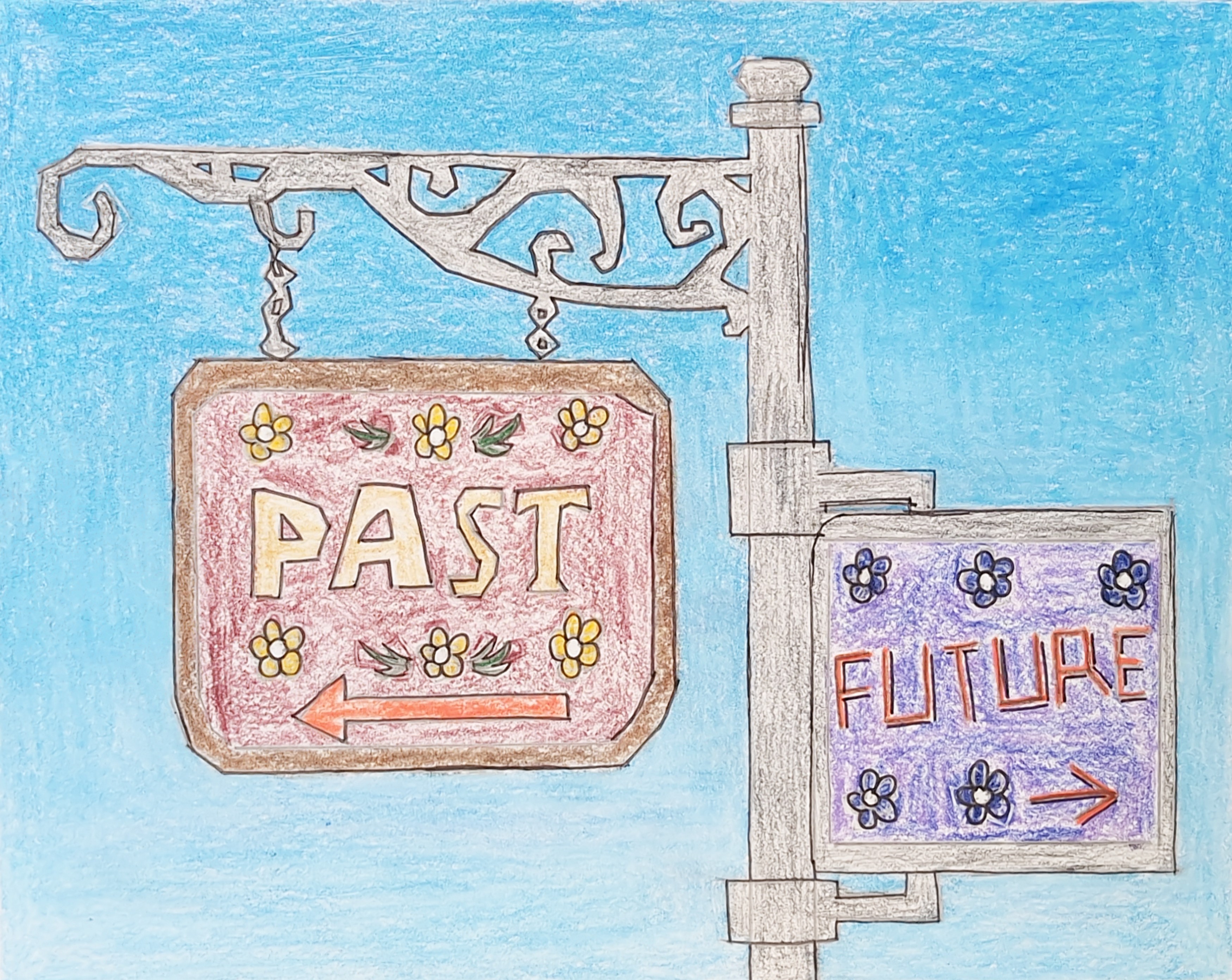 |
How my artwork honors the past and inspires the future are the flowers on the top of the sign represent cultural and tradition. Both signs are connected to the same pole that shows time isn't separate but is connected. The sign that has the LED flowers shows how the future is inspired by and honors the past. | 1.712 | |
| Mesa Middle School | 7 | Middle School 6-8 | 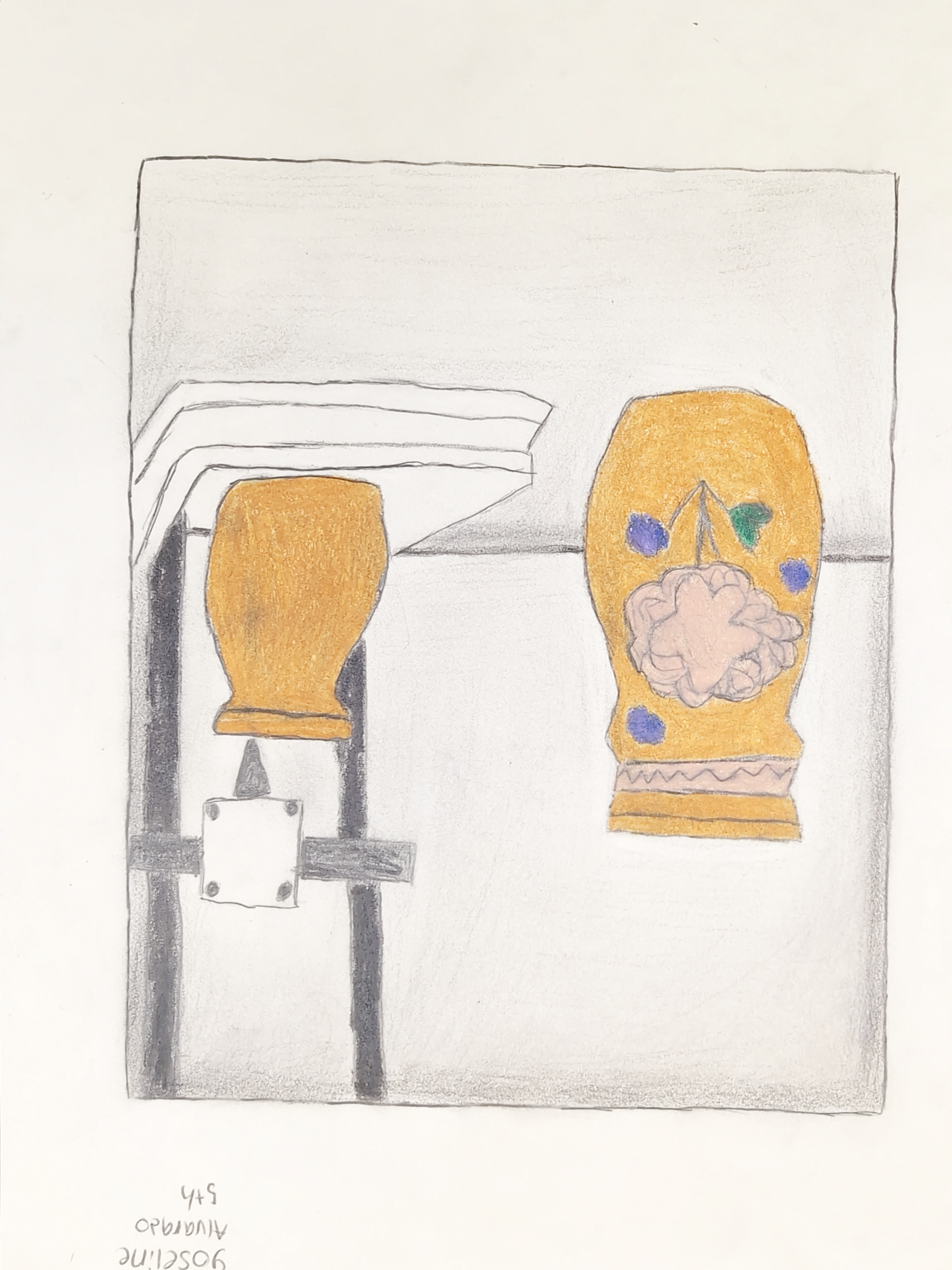 |
This artwork honors the past and inspires the future by having flowers on the pots and honoring the past by making more pots. It symbolizes our collective heritage by honoring these traditions. We can find inspiration to build a future that remains connected to our cultural roots. This also represents that now we use technology instead of handcrafted work. It also symbolizes how younger generations transitions into using technology. | 1.708 | |
| Mesa Middle School | 7 | Middle School 6-8 | 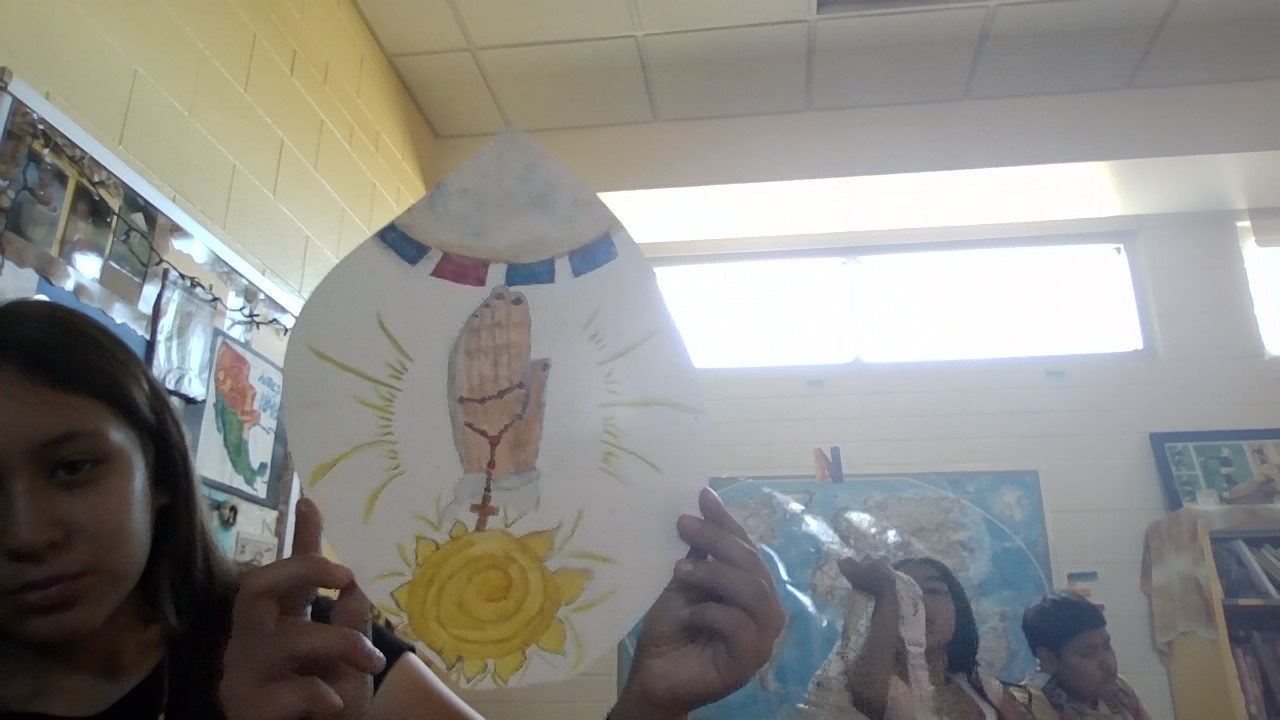 |
I chose to make my drawing about Mexico because almost all of my ancestors are from Mexico, for example my mom, dad and their parents. The two hands holding a rosary represent religion and almost every hispanics religion which is Catholic. And the sun and moon represent the native american. Y por último el papel picado es usado mucho en fiestas y eventos de México en especial en día de muertos. |
1.704 | |
| Mesa Middle School | 7 | Middle School 6-8 | 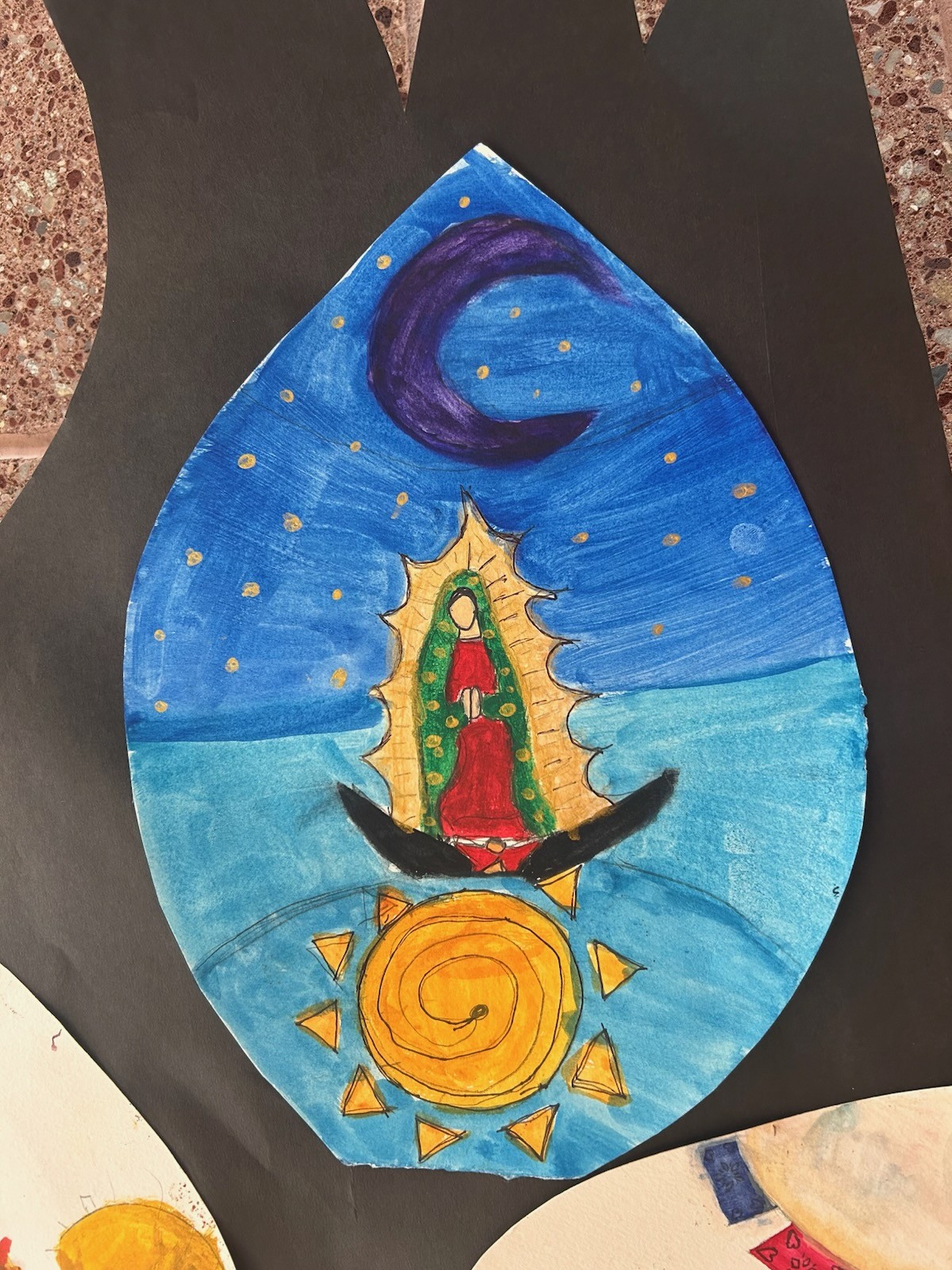 |
De mi familia mi papa y mama son de Mexico y todos sus familiares son de Mexico yo pinte a la virgencita porque ella es una buena persona tambien muy bonita y a ella la respeto por todo lo que ella abia pasado ella es importante para mi cultura por todo lo que ella paso y porque mucha gente creen en ella el significado de la luna y el sol son de los nativos americanos que estuvieron aqui antes que nosotros. | 1.700 | |
| Mesa Middle School | 7 | Middle School 6-8 |  |
In my family my mom, my dad,my sister and everyone before them are born and raised in mexico and have mexican descendants.i painted la virgencita because she is a big part of mexican culture and a lot of people love her, respect her and honor her including me and my family.I put the music notes because music is a big part of Mexican culture and also in its religion because Catholics use music to praise and love jesus, god and la virgencita. I put the sun and moon because it represents the native Americans that were here before us. | 1.672 | |
| Mesa Middle School | 7 | Middle School 6-8 | 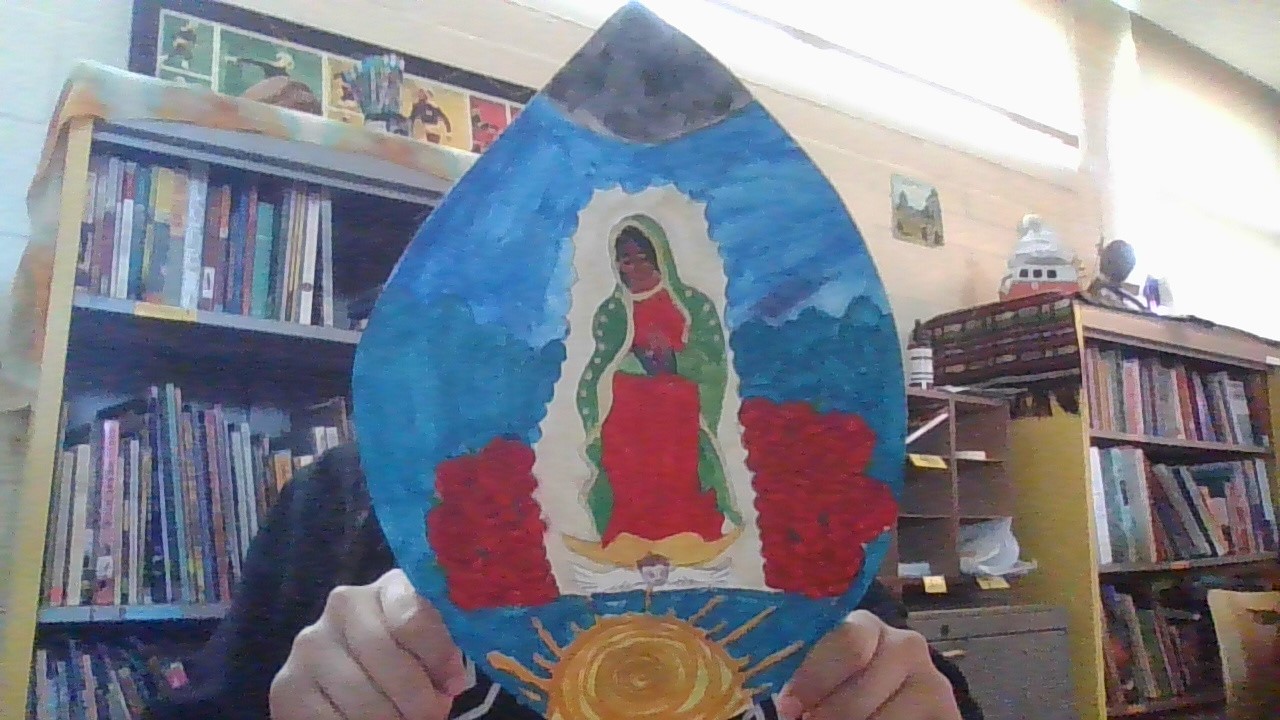 |
Me and family are Hispanics as my whole family from my mom's side was born and raised in Mexico or even some of my family members were not born in Mexico but raised in Chihuahua, Mexico. Very little of my dad's side grew up in Mexico, Like one of my grandpas and my other grandma. Virgen De Guadalupe is an icon of the catholic faith, religion and a national symbol of Mexico, The reason my painting is important is because she is a very important person to my family and other Mexican family's, as of my family follows her and respect her so they have always believed in Virgen De Guadalupe and every one of my family members have a little statue of her in all their house to show all their love and respect towards her. She is also a very big part of the Mexican Catholicism, and I who is also very close of religion appreciates her as her she is known as the "Mother of Jesus Crist " and the "Mother of Mexico". Virgen De Guadalupe is important to the Mexican community as she symbolizes national identity, Motherhood, and the connection between indigenous and Spain cultures. The sun and the moon are very important to the native American cultures as they symbolize balance, relationships, and the cycle of nature to life, and reflecting to the celestial beings, siblings, or lovers. The sun mostly represents life-giving abundance with its warmth radiation healing and peace. The moon on the other hand to the native is a vital timekeeper and cultural touchstone. | 1.656 | |
| Mesa Middle School | 7 | Middle School 6-8 | 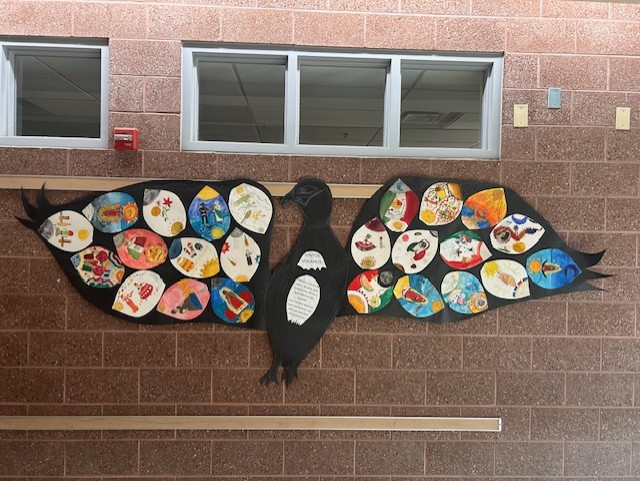 |
This entry isn't eligible for a prize, but the teacher wanted voters to see the completed piece. The teacher had her students create feathers which she put together in the art piece shown in this entry. Her note: Our class submitted one little feather each, representing our culture and speaking of the past. We chose the sun and the moon to represent ancient times, gods, fertility, agriculture, petroglyphs, etc... I am not submitting this for the contest, but I wanted you to see how all of our feathers went together to create a hawk (freedom, growth, and strength). I love this project poster contest and hope to participate every year with my students. Keep this art and culture alive! Mil gracias por todo que hacen para nuestros estudiantes. Mil besos |
1.652 | |
| mesa middle school | 7 | Middle School 6-8 | 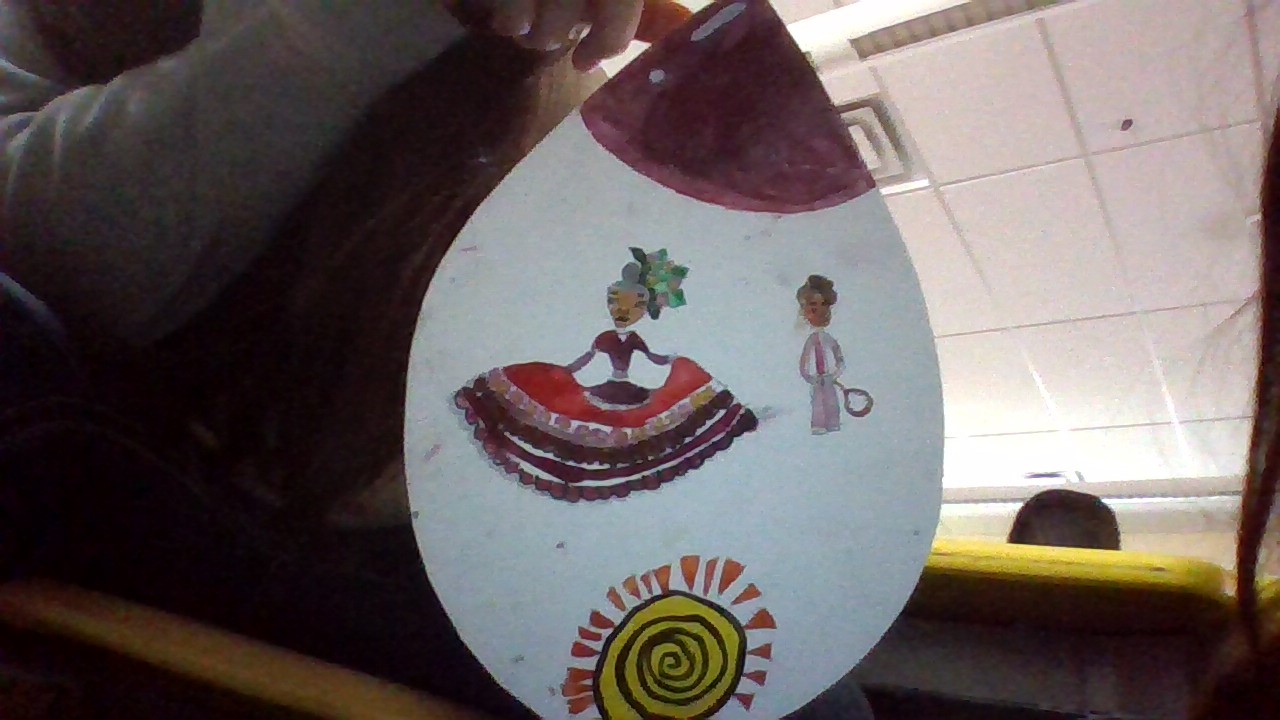 |
My mom and my dad were born and raised in mexico. my mom is from durango and my dad is from zacatecas. I painted a ballet flokorico girl and the guy because my mom used to put me in the flokorico programs. I also loved the dresses and how they moved the dresses i also love the movement. My culture is important to me because im proud of my mexican parents and that im hispanic. | 1.648 | |
| mesa middle school | 7 | Middle School 6-8 | 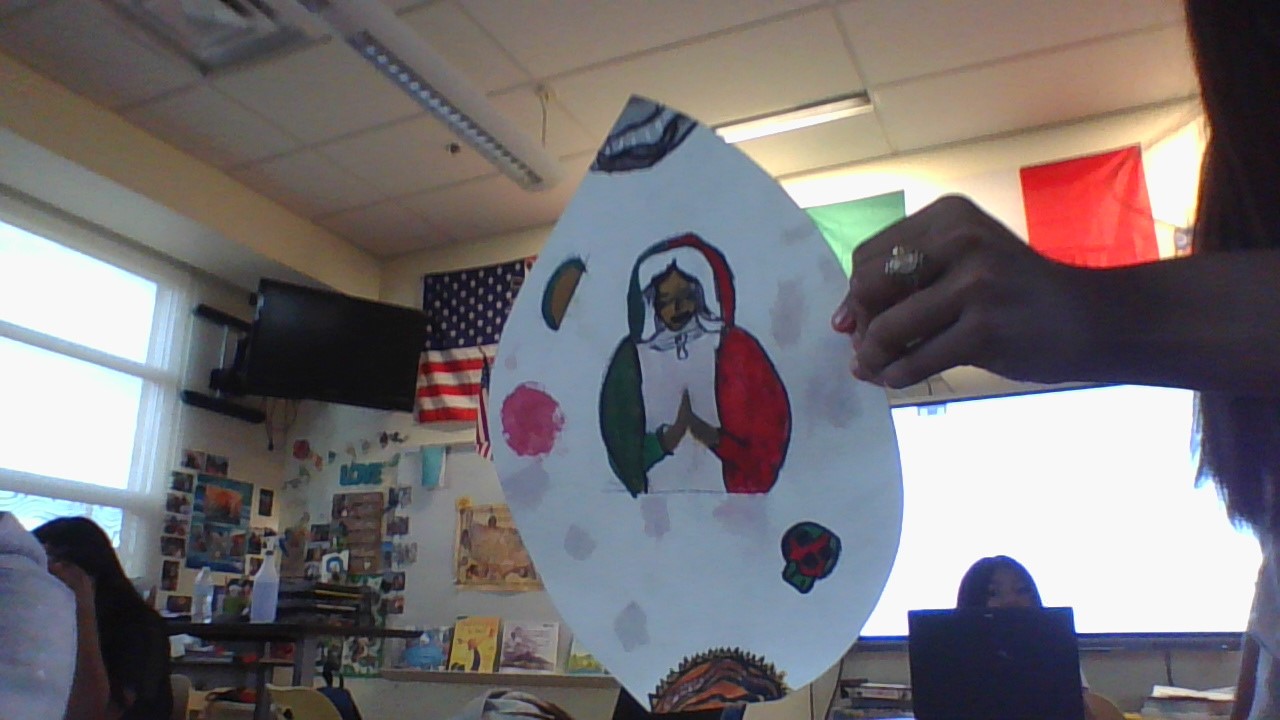 |
I chose to represent Mexican culture because my mom was born in Mexico. I live in Las Cruces, New Mexico and there's a lot of Mexican culture here. I chose to paint La Virgen De Guadalupe because I see it all over the place like cars walls and shirts. I drew a taco and I drew it because everyone likes tacos. I drew a skull because it's everywhere in Mexico. The Native Americans used the moon and the sun to plant and harvest and a lot would worship the sun and other nature. |
1.644 | |
| Mesa Middle School | 7 | Middle School 6-8 | 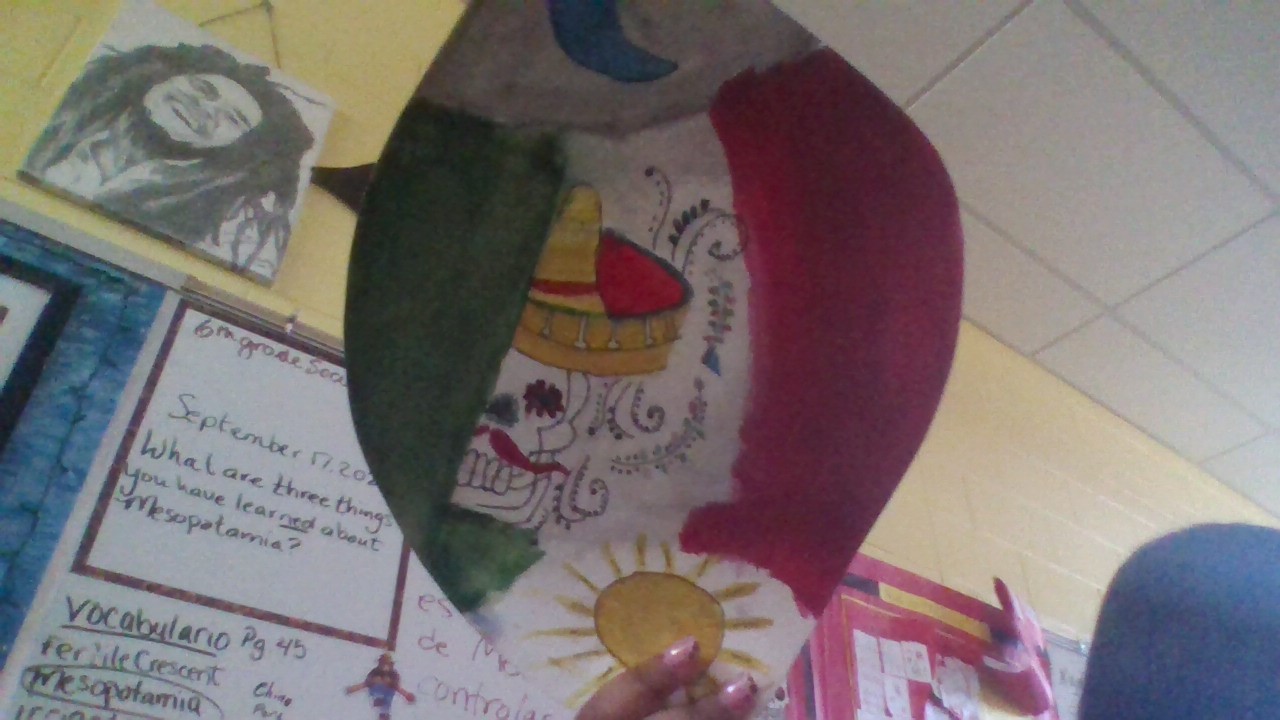 |
Mis papas son de mexico mi mama es de colonia juarez 'casas grandes' mi papa es de durango la verdad no estoy segura ,yo dibuje una calabera representando ah eldia de los muertitos como un ejemplo es coco la pelicula yo digo que nuestra coltura es inportante por que nosotros como mexicanos respetamos 'no nomas los mexicanos ' respetamos a nuestra madre la virgensita y san juditas y otros santos les asemos dansans tambien nuestra musica como mariachi el arte como frida calo fue muy famosa por su arte la luna y el sol tienen su definision y es por la jente que antes estaban aqui naive of americans . | 1.628 | |
| Mesa Middle School | 7 | Middle School 6-8 | 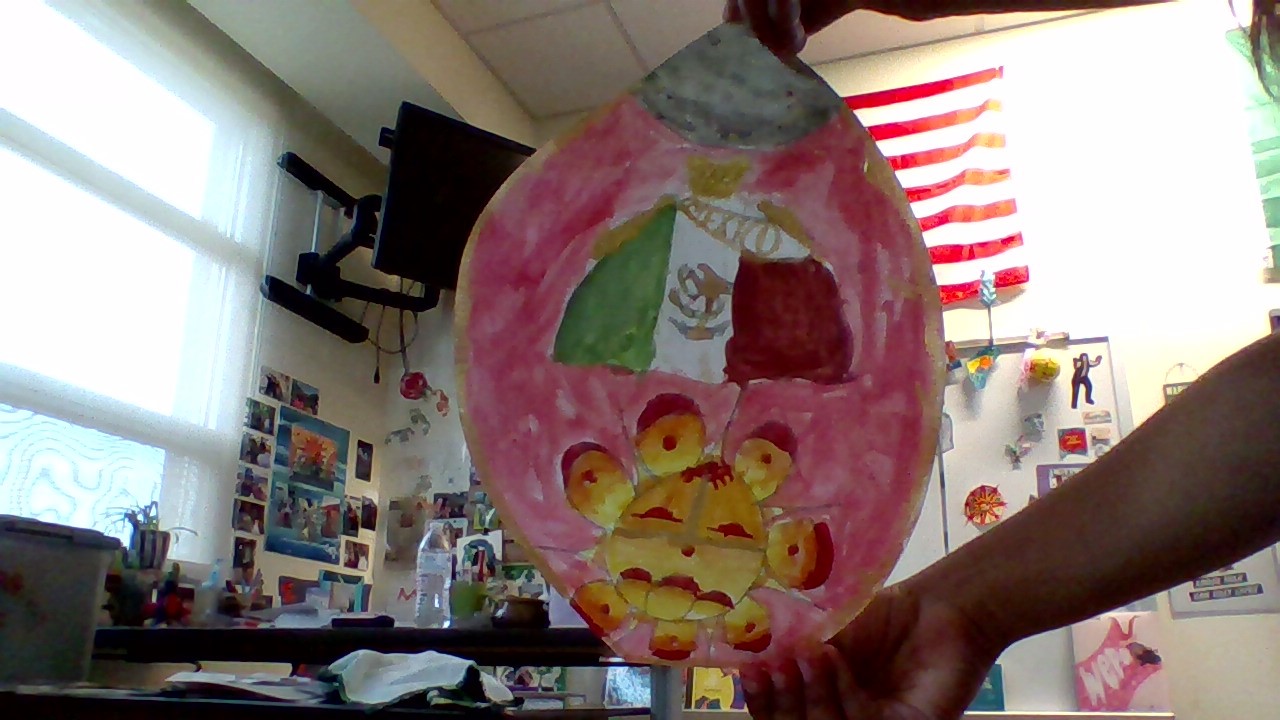 |
All of my family is from Mexico except me and my siblings because we were born in the U.S and we also have some native american blood from my grandma.I painted a quinceanera dress because I love the beauty and elegance of the quince dresses and how hispanics celebrate the on the special day. Quinceanera dresses have always been so special to me and my family because of the food and the “daddy daughter” dance and spending time with your loved ones.The sun means life giving power,warmth,light,growth and healing.The moon means time keeping,natural cycles and feminine energy. | 1.624 | |
| Mesa Middle School | 7 | Middle School 6-8 | 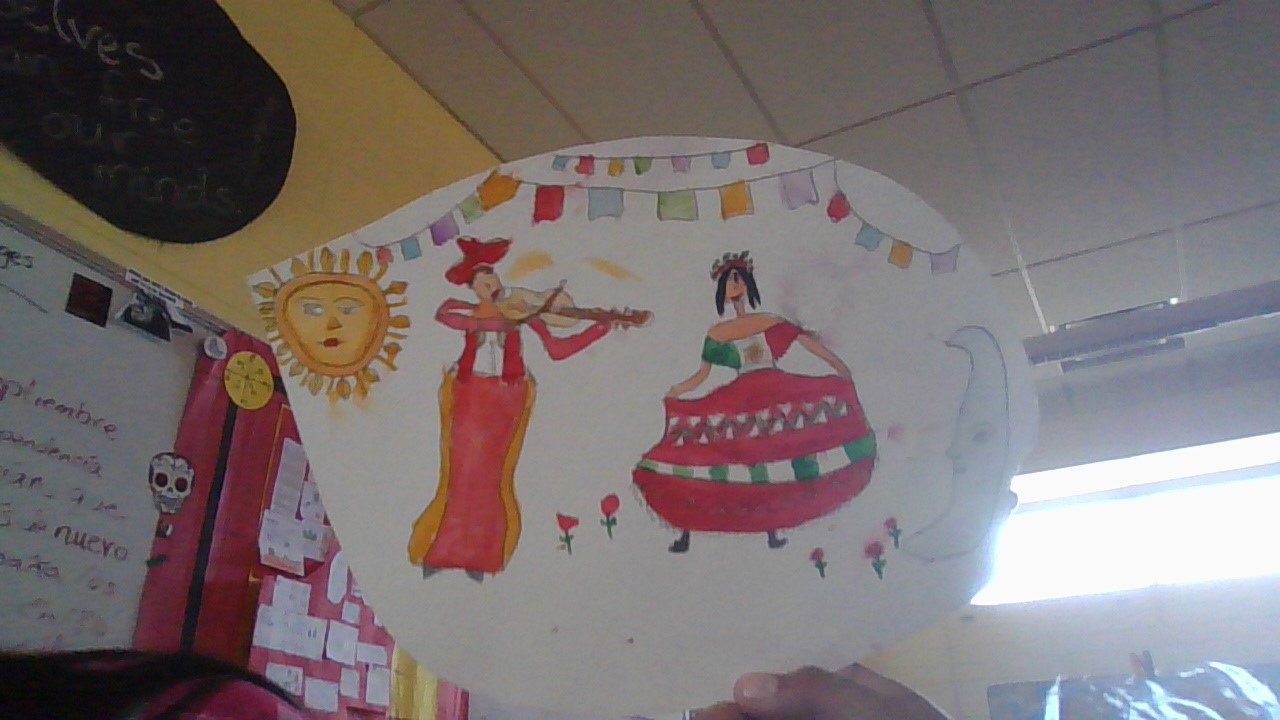 |
I chose Mexico because my culture is from there. My dad and all his siblings are from Mexico also my grandparents are from there almost my whole family is from Mexico. I painted a mariachi playing violin and a ballet folklorico dancing to the music of the mariachi. I painted the mariachi because it's a really big part of our culture. You will find a mariachi group playing in almost every Mexican party for sure. I painted the ballet folklorico because it's also a really part of our culture. The dances they do each tell a separate story about Mexican history. The sun and moon meant to them religion and architecture. The sun meant life, power, and wisdom. Then the moon meant fertility, the underworld, and weaving. They used the moon's transitions for growing their crops. | 1.612 | |
| Mesa Middle School | 7 | Middle School 6-8 | 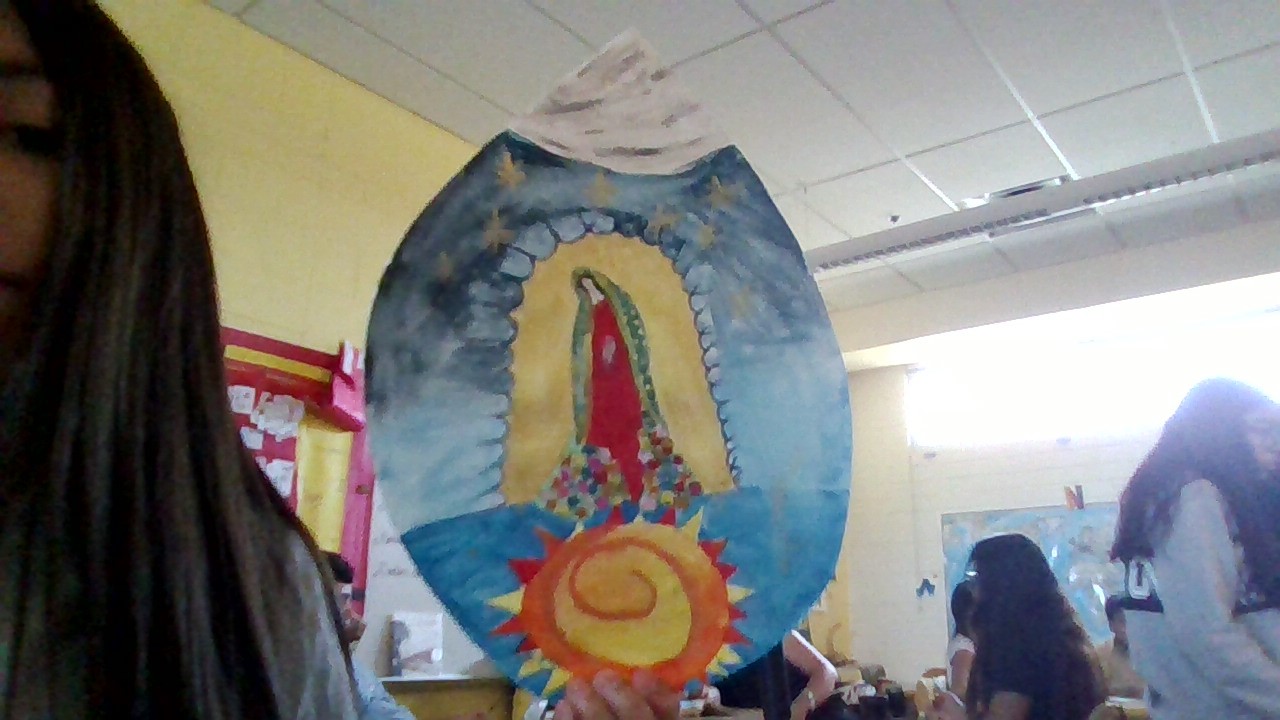 |
My mom and dad are both from Mexico and so are my grandparents.They are both from different parts of Mexico my mom is from Juarez and my dad from Delizias. I painted La Virjencita because it shows a part from my culture and a part from my religion.Because i am catholic and so is my whole family because they believe in the same things. It's important to my culture because for me it's the mother of Jesus Crist. And we respect her for giving birth to Jesus Crist. Her name is La Virjencita or Mother Mary. They represent when the Native used to worship the sun and the and when the native used to be here. They used to praise them. |
1.611 | |
| Mesa Middle School | 8 | Middle School 6-8 | 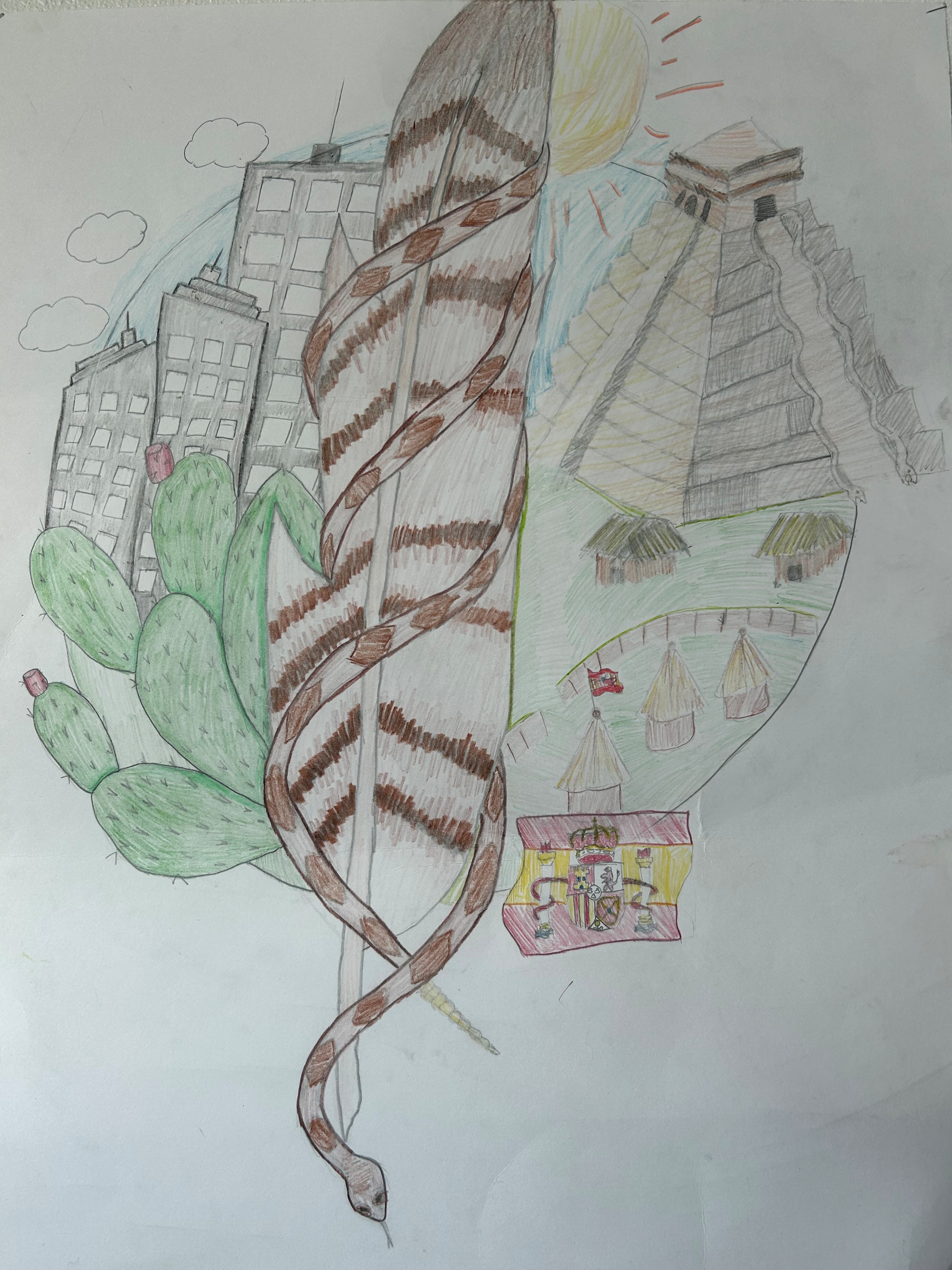 |
We thought the best way to showcase the past and to honor the future was by revisiting back to when Native Americans and Spanish explorers first interacted. We included both Native Americans and Spaniards because most Mexicans, and Hispanics have roots connected to both of these groups . For this reason we drew a settlement near a Pueblo to illustrate how both cultures mixed, traded, and interacted. Once Spaniards arrived in the Americas, many of them had children who were considered mestizos because they were a mix between Spanish and natives, which explains why most of us come from this background. It's important to acknowledge that natives faced many injustices from the Spanish. An example would be when Hernan cortez overthrew the Aztec empire and caused its people to suffer a major decline due to diseases and forced labor. Despite all of this and many events similar to this, it shaped the world we live in today, The other additions in this drawing include a cactus and modern buildings on one side and an ancient Aztec pyramid on the other. Separating both is a feather with a snake; this represents how our technology has changed since ancient times. Even though in the past their innovations were very impressive like the pyramid featuring a serpent shadow, our technology is currently improving daily. The last addition is cacti on the left side. This illustration symbolizes endurance, strength, and resilience. I think this has great symbolism and truly captures what Hispanics and Mexicans are like because it shows that us and our ancestors can work through our hardships and achieve our goals even when they seem unreachable. |
1.108 | |
| 3 | Mesa Middle School | 8 | Middle School 6-8 | 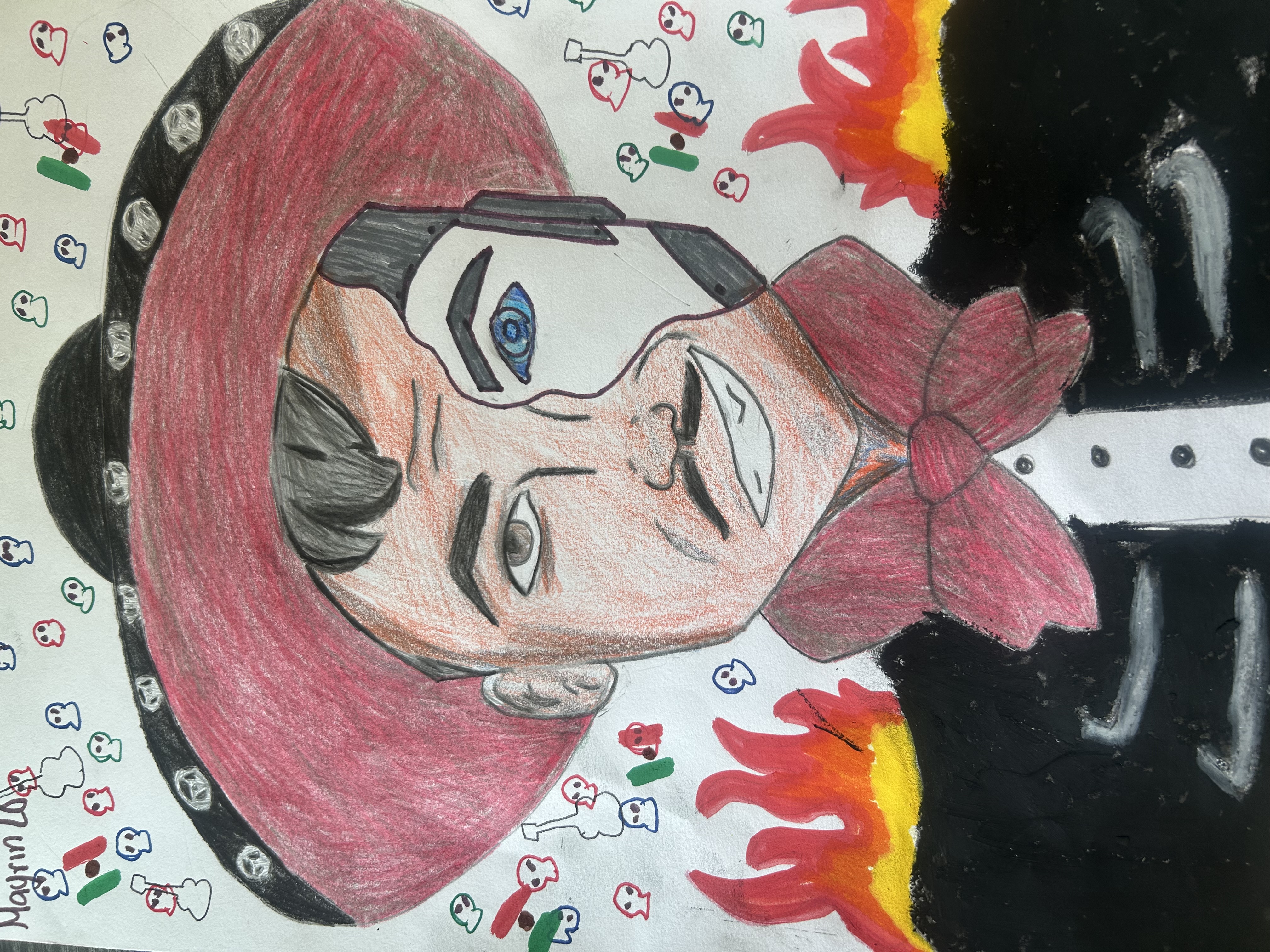 |
Mi dibujo fue inspirado en El Charro Negro con un diseño como si la mitad de él fuera un robot. El objetivo es ver como influye la tecnología. Me inspire a hacer eso, ya que es como con el paso de los años las cosas cambian. Hacer este dibujo fue como interpreter esos cambios. | 1.244 |
| Mesa Middle School | 7 | Middle School 6-8 | 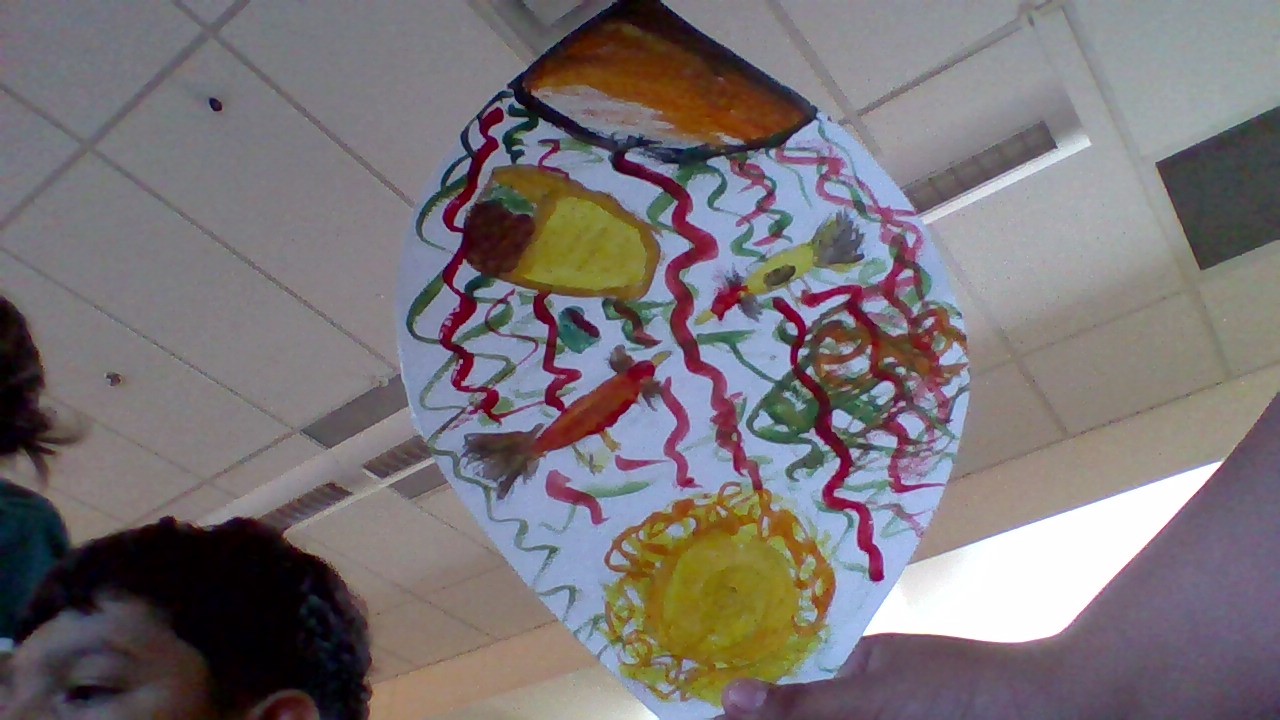 |
Yo pinte un taco con la salsa al lado.Y los gallos de pelea, los gallos en los 1900s estaban famosos o hasta ellos 1800s. Se hicieron muy famosos, también me gustan mucho. También el taco, para mi los tacos me encantan. Los tacos fueron creados en México por los mexicanos y también la salsa. Los colores verde, rojo y blanco son pa la bandera de méxico. La Luna y el Sol significa la gente que vino después de nosotros. Mi familia que yo tengo que son de mexico son mis papás y abuelos y el lado de mi mama. Todavía están en México. | 1.248 | |
| Mesa Middle School | 7 | Middle School 6-8 | 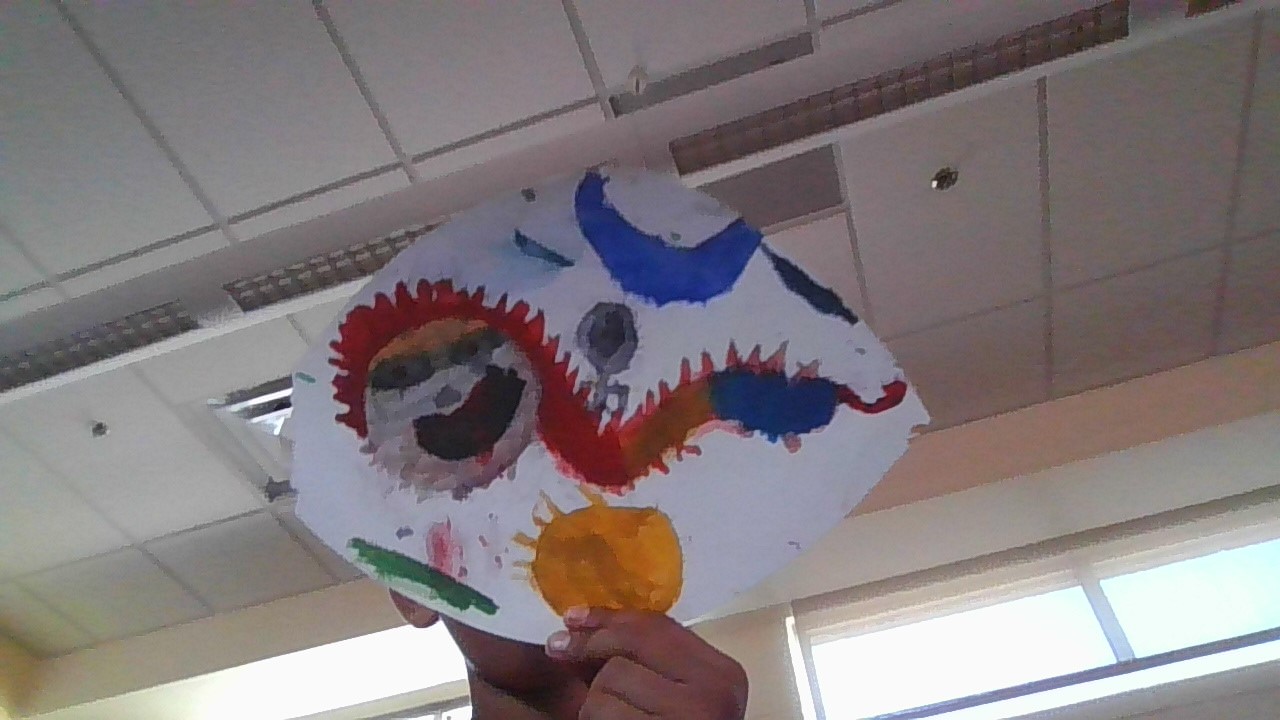 |
Toda mi familia es de Venezuela. Yo soy de Venezuela. Yo pinté un dragón que usan para los desfiles y para la independencia. Es un animal que es importante en Venezuela y en algunas otras partes. El dragón en Venezuela es importante por la fuerza de las personas. El sol y la luna la pinte por que representa el orgullo de las personas y por la cultura. |
1.252 | |
| Mesa Middle School | 7 | Middle School 6-8 | 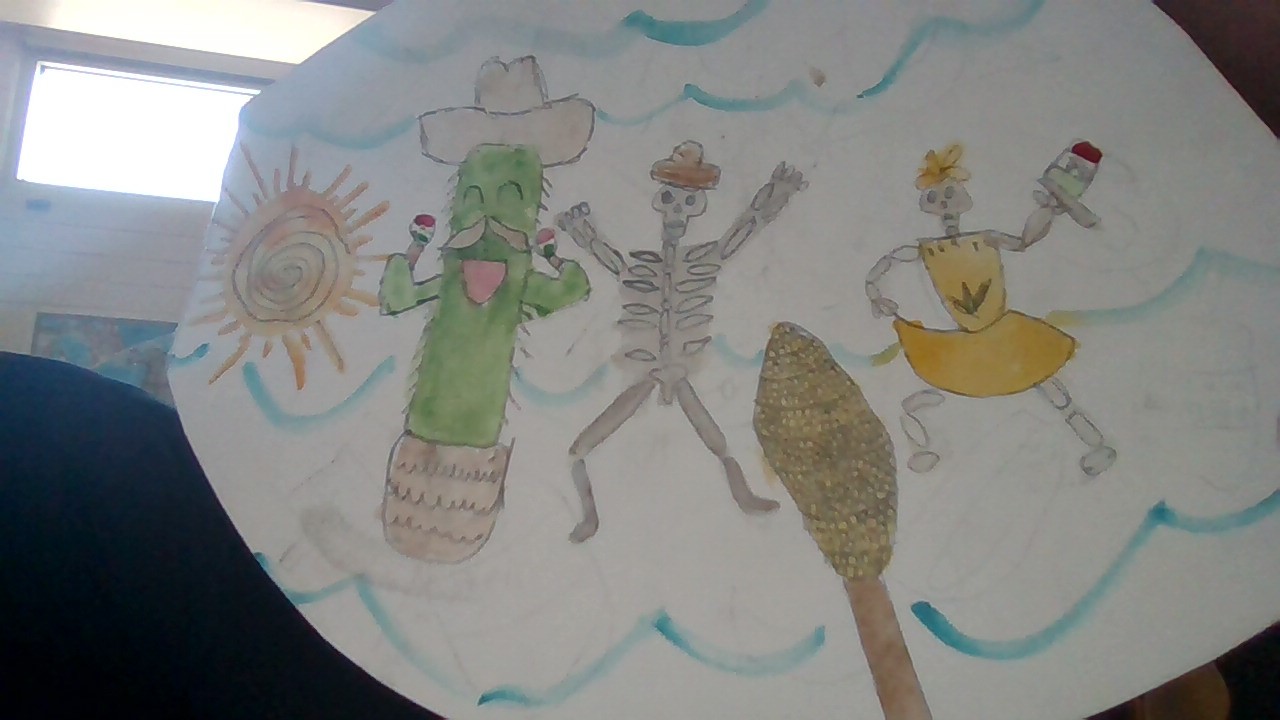 |
Escogí la cultura de México porque mi papá y mis abuelos son de México y parte de mi familia también es de México mis otros abuelos son de México. lo que pinte y dibuje fueron dos calaberas uno es un hombre con un sombrero y el otro es una mujer con un vestido amarillo y un moño amarillo tambien y con una bandera de mexico, y tambien dibuje un cactus con un sombrero y un vigote y tiene un instrumento en cada mano. También dibuje un elote en palo, y la luna, y el sol representan el tiempo antiguo. | 1.256 | |
| Mesa Middle School | 7 | Middle School 6-8 | 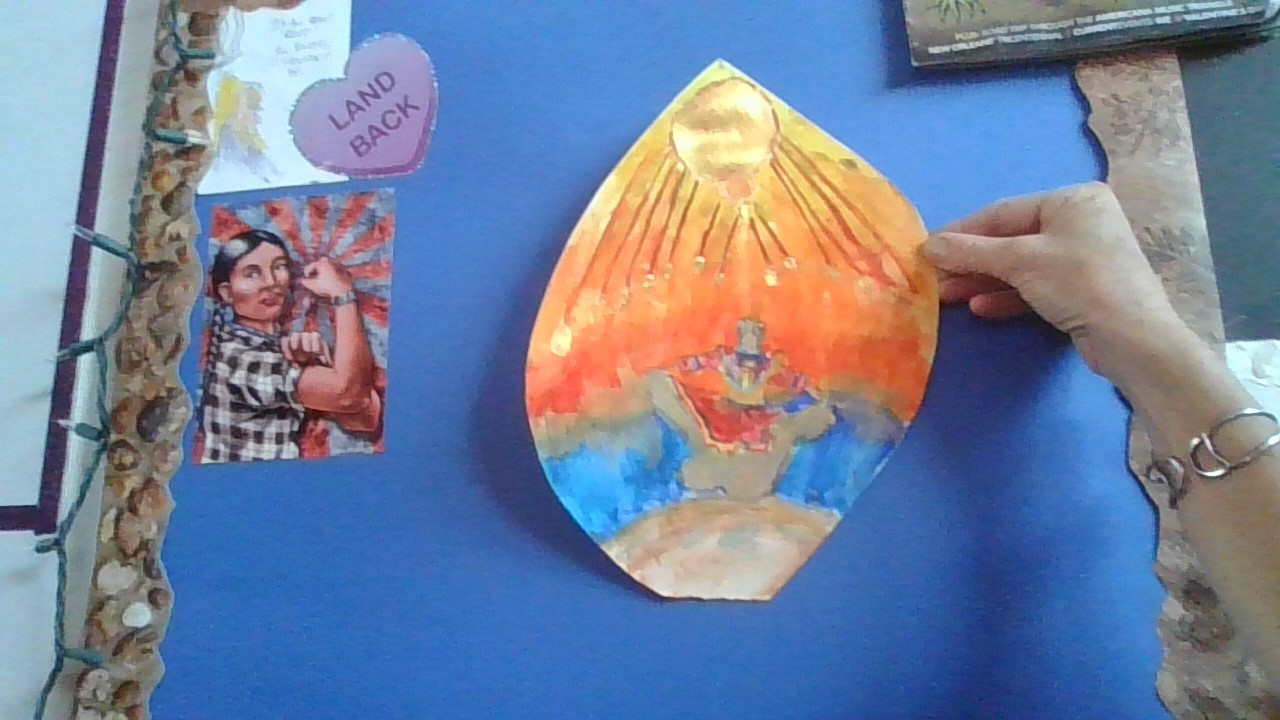 |
The folklorico woman in the middle with the sun at the top and the moon at the bottom with the gradients changing from yellow dark yellow orange blue light blue and more blues.i did that to signify that DAYS have passed since the celebration was made but after all these years its still here being celebrated by thousands of people. i picked mexico cause my dad and mom were from mexico but my dad was there the longest my dad had lived in mexico almost all his life one time we went to his hometown and we had fun but when we went back to NM the border control kept him there cause he looked mexican. an speaked spanish he did get back which im glad but i chose my dad cause hes familiar with all the celebrations. | 1.264 | |
| Mesa Middle School | 8 | Middle School 6-8 | 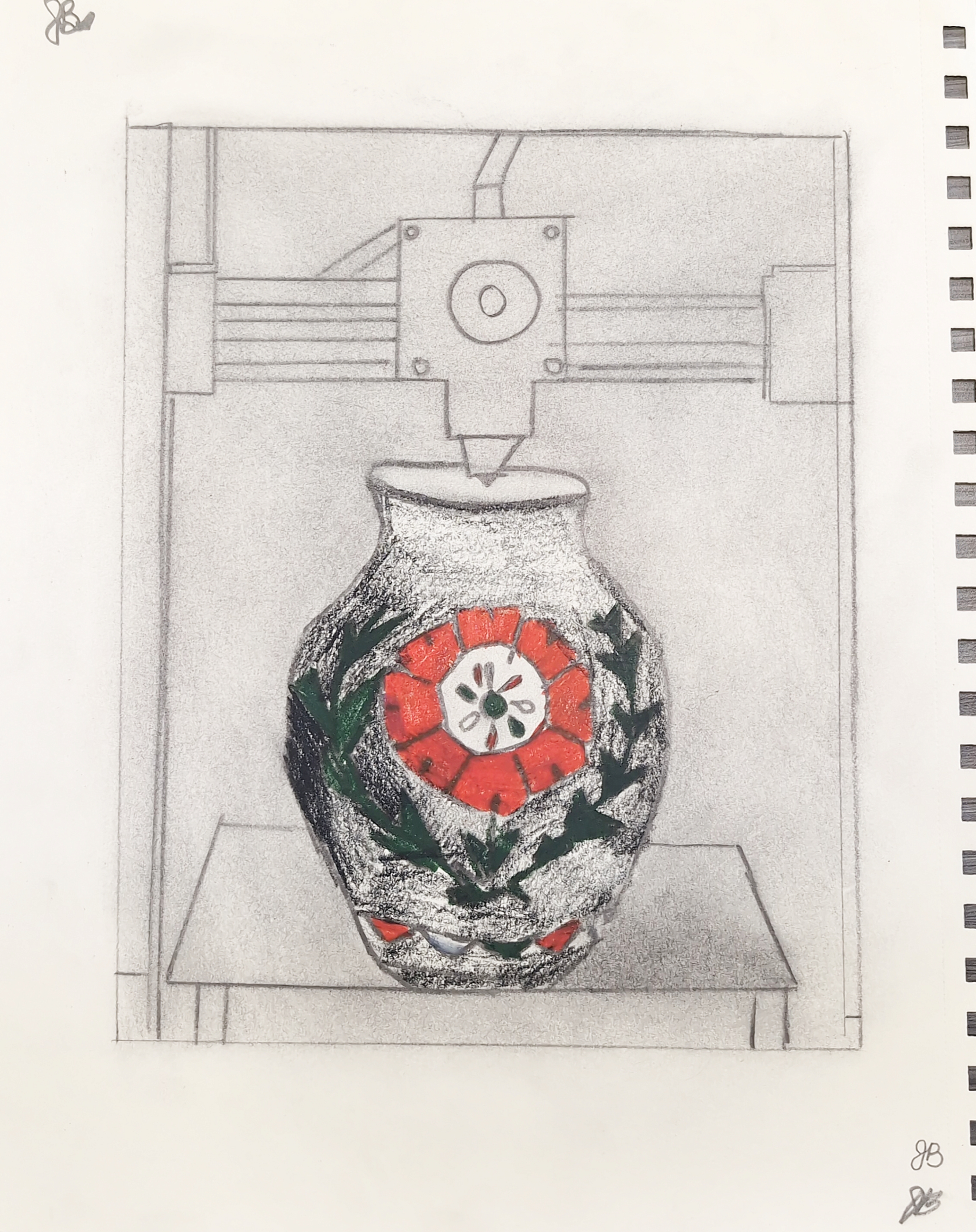 |
My artwork remembers the past by the traditional vase. And the vase inspires future manufacturing with the use of the 3D printer. The vase honors the past with using the colors of the Mexican flag to resemble Spanish heritage. | 1.584 | |
| Mesa Middle School | 7 | Middle School 6-8 | 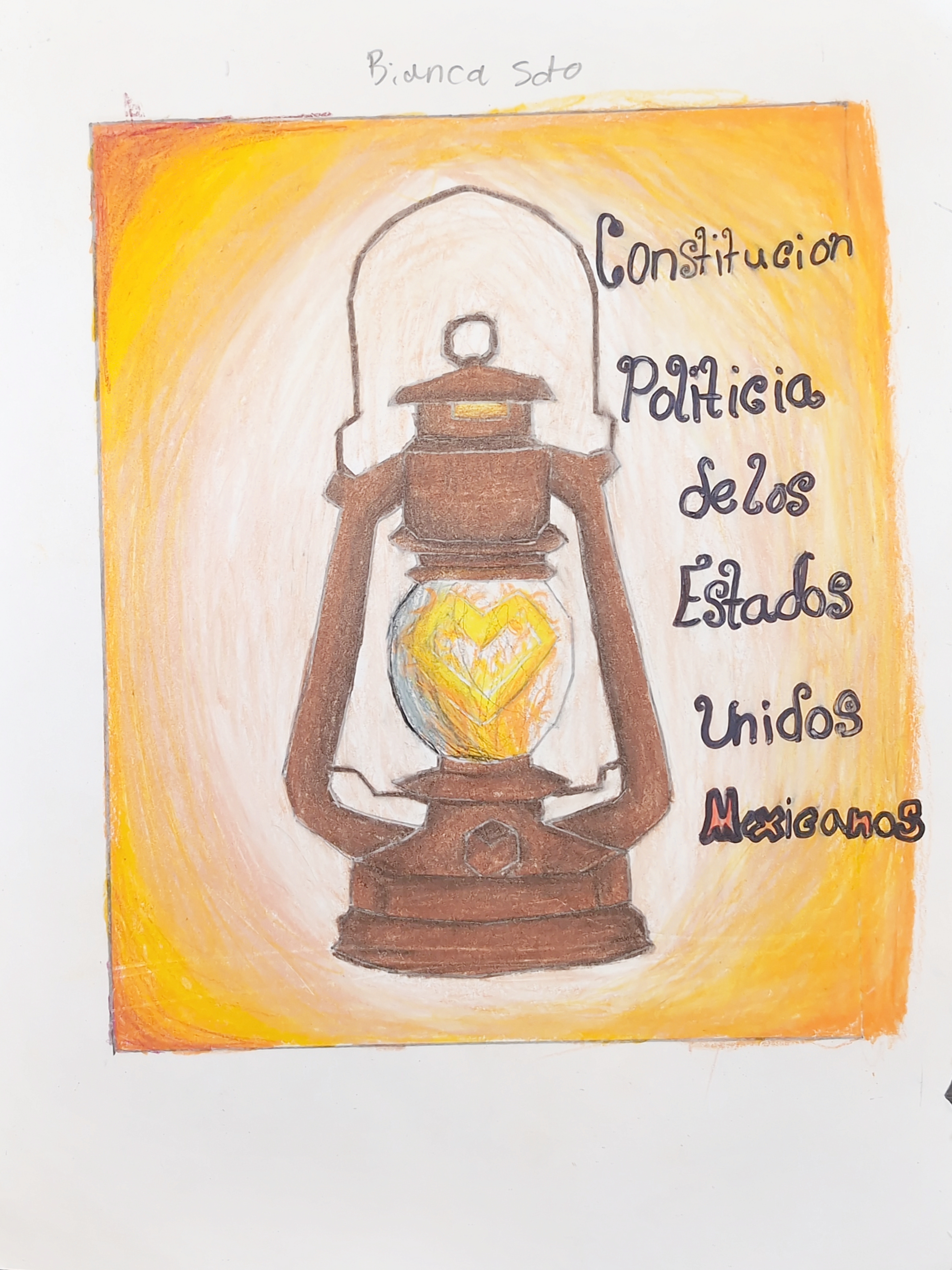 |
My art honors the past and inspires the future because the lantern symbolizes the Mexican constitution. This drawing reminds us of our history and inspires us to make a future with justice and unity. The fire represents warmth and symbolizes the wisdom of our past helping honor the future. This shows we can follow new traditions while following the constitution of our old traditions. | 1.588 | |
| Mesa Middle School | 7 | Middle School 6-8 | 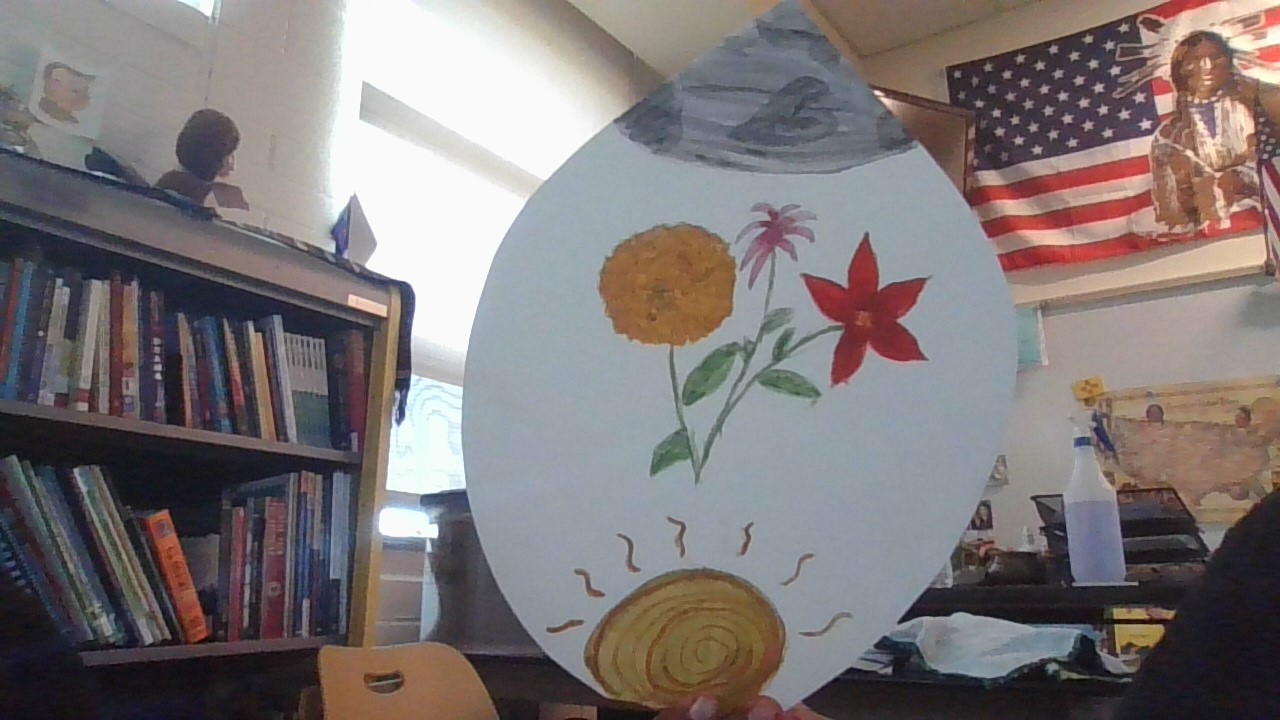 |
n my family my grandma, grandpa, dad, and mom are from mexico. I made flowers to represent mexico. The reason why is because there very colorful like mexico.I chose Tagetes Erecta for one of the flowers because they use it for the day of the dead. The reason I put the sun and the moon is because it represents the native people before anyone was here. | 1.591 | |
| Mesa Middle School | 7 | Middle School 6-8 | 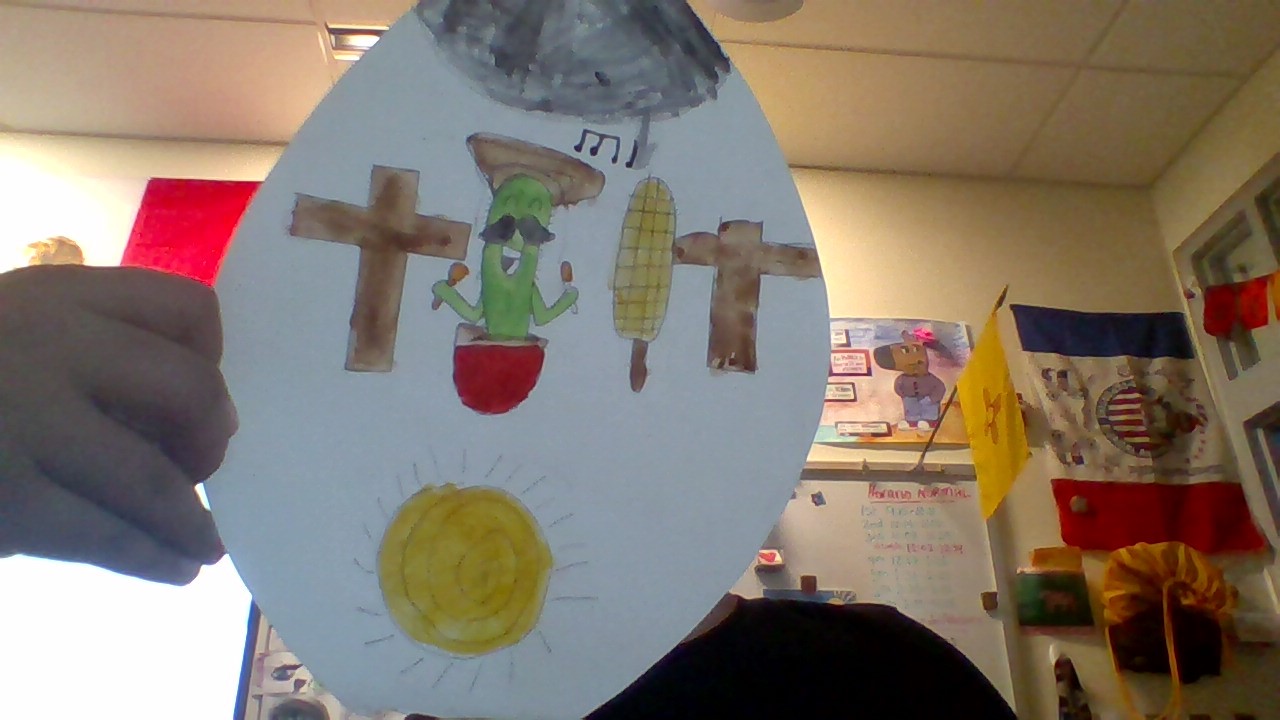 |
Why i chose mexico and cuba I chose Mexico and Cuba because they are both part of who I am. My mom is from Mexico, and my dad is from Cuba, so I know the culture and traditions of both countries. One of the things I love most about them is their music. The music from Mexico and Cuba is full of passion and emotion, and it shows the love, pride, and spirit of both cultures. It’s a big part of my family. Another tradition I really love is the Day of the Dead which comes from Mexican culture. It’s a way to honor and remember family and to show love to our family. I draw cactus to show the Mariachis and cross to show how we love god and the food |
1.592 | |
| Mesa Middle School | 7 | Middle School 6-8 | 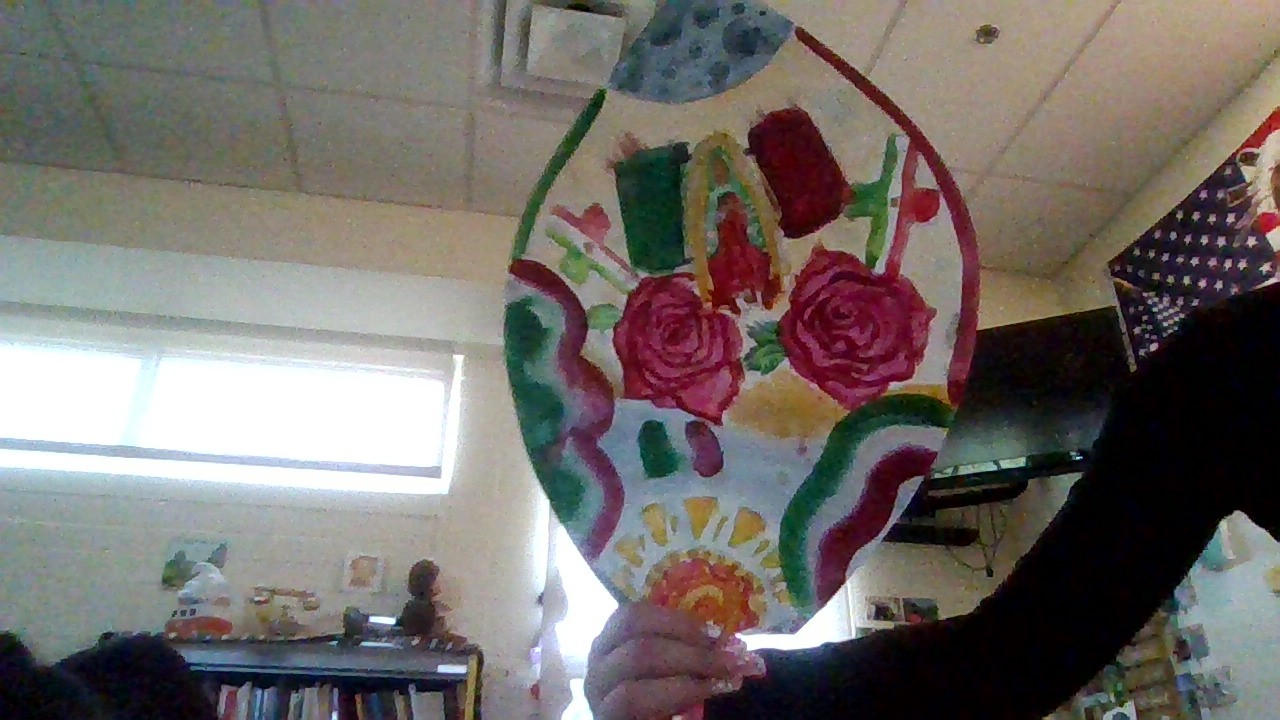 |
I chose Mexico because I am Hispanic, and my grandparents were born there. My culture is very important to me, and I wanted to honor it in my project. I drew La Virgencita because in my religion we believe in her, and she is said to protect Mexico and represent its people. I also painted the colors red, white, and green to show the pride and unity of the Mexican flag. Lastly, I added the sun and moon to honor the Native Americans who lived in Mexico long ago. My project represents my faith, my heritage, and my pride in Mexico. | 1.596 | |
| Montezuma | 3 | Elementary 3-5 | 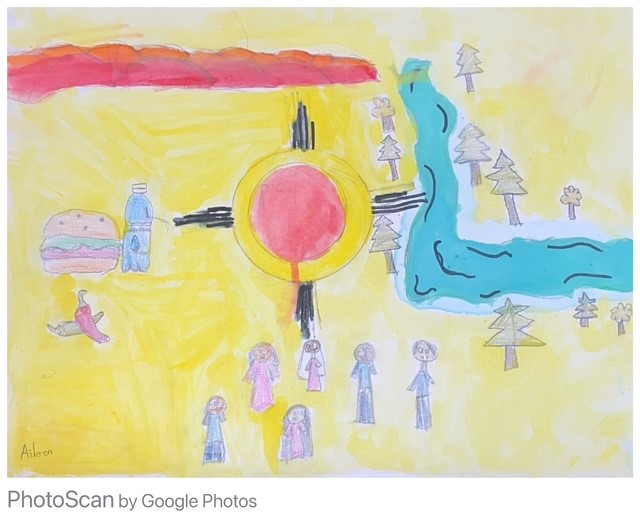 |
Dibuje las cosas que han resaltado de la ciudad en la lespectiva de una niña que recientemente se mudo a vivir a Albuquerque, por ejemplo la naturaleza, la comida, las personas y la cultura. | 932 | |
| Navajo | K | Elementary K-2 |  |
This is a taco dinosaur wearing a sombrero. It tastes like cheese. There is also a ghost, a bee and an axolotl. Also bubbles and tiny turtle. | 548 | |
| North Star Elementary School | 1 | Elementary K-2 |  |
The painting, Old, Now, and After, beautifully shows how time connects the past, present, and future. On one side, the “Old” house stands quietly with spider webs, a reminder of history and the stories that came before us. In the middle, the “Now” house represents today’s life, warm and familiar, where families grow and memories are made. On the other side, the “After” house shines with imagination and invention—complete with a keycode and face scanner at the door, security cameras, energy-saving technology, and even a secret basement. With simple yet powerful images, the artwork honors where we came from while inspiring hope for the world ahead. | 1.724 | |
| Pecos High School | 10 | High School 9-12 |  |
Maracas have a strong correlation to Hispanic heritage because their roots lie in indigenous cultures of Latin America and the Caribbean. The instruments use became widespread in many musical forms that developed in the region. It symbolizes the fusion of Indigenous, African and Spanish cultural traditions which form a modern Hispanic identity. These instruments have been an important part of Latin American culture and are traditionally used in Latin American dances. | 572 | |
| Pecos High School | 10 | High School 9-12 |  |
The reason chose this cactus is because of the landscape and culture relating to Hispanic heritage. The reason for the cactus is because in any states that have more Hispanics people into their population usually it's more of less the landscape that describes us, nevertheless Hispanic people impact the culture dramatically also but in this case it is the drawing of my cactus. The cactus can be found in any of the south western states where there is a lot of Hispanic heritage. It is also just part of the culture because you can have a cactus in your house for decoration and it can mean so much. like where you're from or your past including the sombrero to give it a little touch just to make it seem more Hispanic. Just the picture in general gives a strong symbol of Hispanic culture and landscape. | 580 | |
| Pecos high school | 11 | High School 9-12 | 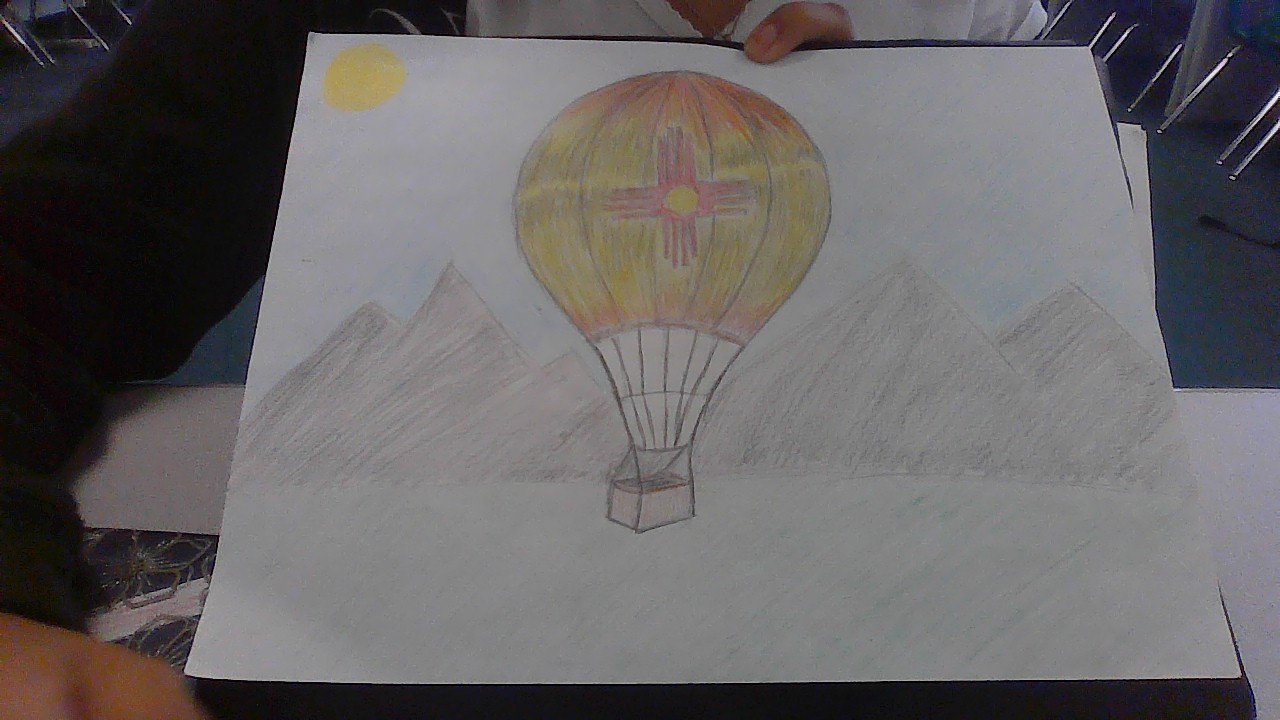 |
The thing I chose to draw is a hot air balloon because New Mexico is known for having a fiesta for the balloon fiesta. The drawing has the Zia symbol and the mountains so that there would be a glimpse of how the it would look in real life. The weather conditions in New Mexico is perfect for hot air balloons because there isn't too much wind to the point it can't go up. They have a fiesta every year and it attracts a lot of tourist since it's so unique to other states because they don't have the right weather for it. Going to the balloon fiesta is a really fun experience and when you go at night they have a night glow thing that is spectacular. | 588 | |
| Pecos High School | 11 | High School 9-12 | 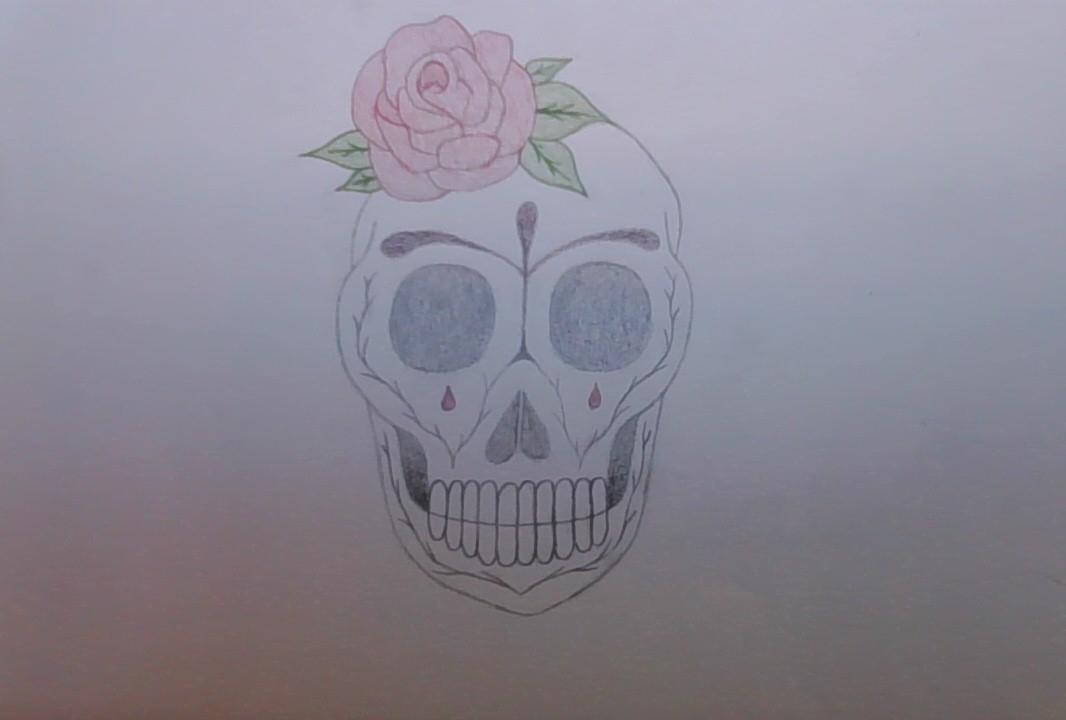 |
The object that I decided to draw was a sugar skull. It has a red rose on top of its head and two red tear drops. It also has a few small designs along the cheekbones and jaw, then connecting to a design in the t-zone area. I chose a sugar skull because it's used a lot in Latino culture, especially Dia de los Muertos. A sugar skull represents the deceased souls and celebrates the cycle of life and death. It symbolizes death as a natural, beautiful part of life rather than a somber event. Dia de los Muertos is a celebratory holiday/tradition where they believe the spirits of the dead return to visit their families, it's a way to honor and remember them to keep their spirits alive. | 1.024 | |
| Pecos Independent School Distract | 11 | High School 9-12 | 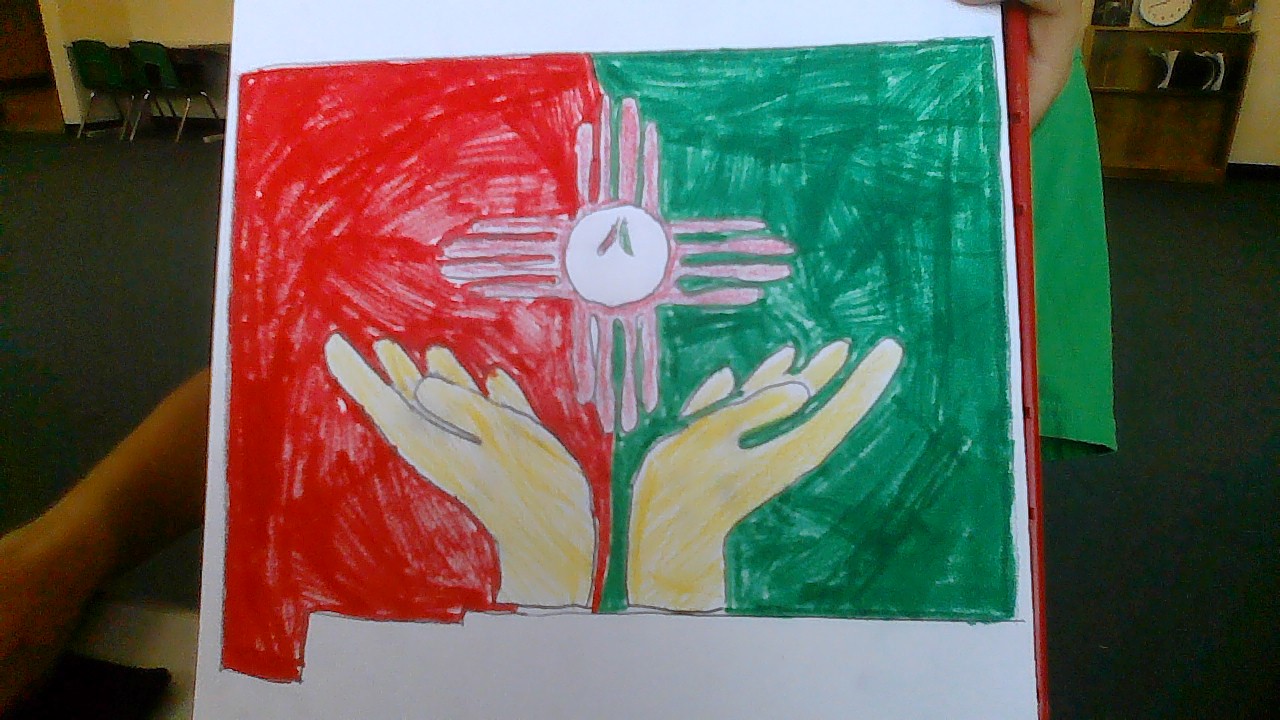 |
Red and Green New Mexico has deep roots in Hispanic culture reaching all the way back to Spain. Our lovely land of enchantment is the most cultural and traditional state I have ever been to. From our fiestas in September to balloon fiestas in October. We are all strong New Mexicans in any way we show it. My art piece is one of our state's biggest debates of do you like red or green chili better. However there are hands that show that no matter what you like we are all still strong and united as one very beautiful state of Nuevo Méjico. |
576 | |
| Public Academy for Preforming Arts | 10 | High School 9-12 |  |
2025’s Contest theme was “Collective Heritage: Honoring the Past, Inspiring the Future”. My artwork uses inspiration from Día de Los Muertos, Flamenco dance, and by El Rosedal in Parque Tres de Febrero in Buenos Aires, Argentina. Although I myself am not Hispanic, living in New Mexico has given me the chance to learn from Hispanic culture, community and traditions. My Artwork showcases 4 dancers, each wearing a flamenco dress that has been inspired by famous dancers, they are also depicted as skeletons paying tribute to Día de Los Muertos. I included a pathway of marigolds based on Disney/Pixar’s Coco, showcasing the connection between the past and present. The setting the dancers are in is taken inspiration from El Rosedal in Argentina. I had learned about this rose garden in my Spanish class and fell in love with the idea that it had an abundance of roses. These aspects of Hispanic culture are from the past and now shape our future, and I hope my artwork does its part in “Collective Heritage: Honoring the Past, Inspiring the Future”. | 1.280 | |
| Red River Valley Charter School | 4 | Elementary 3-5 | 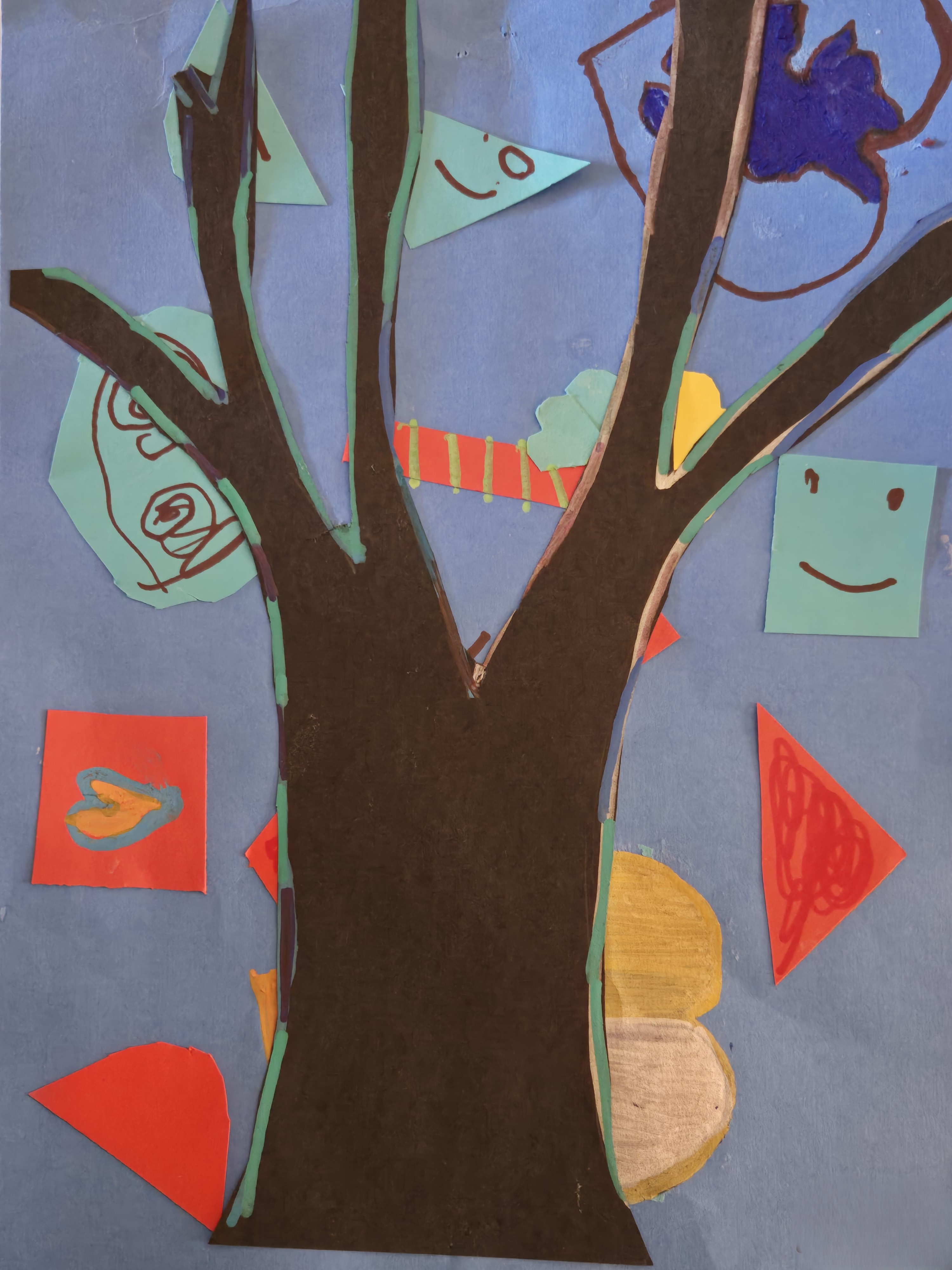 |
i am a 4th grader at Red River Valley Charter School. We did a brightly colored patterned tree inspired by Chilean born painter Carlos Catasse. My tree is made with different shapes, colors and mostly love. Mr Catasse has been doing it for a long time and spent much of his time in Ecuador. | 1.312 | |
| Red River Valley Charter School | 8 | Middle School 6-8 | 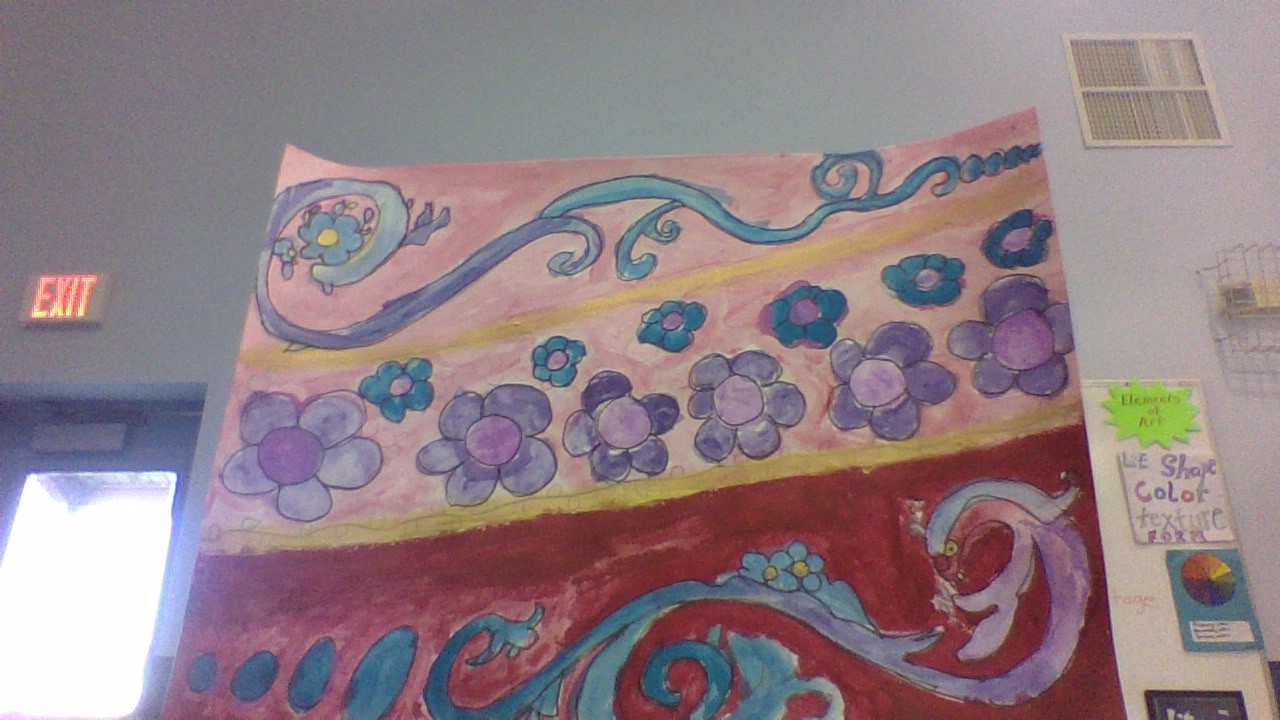 |
My picture of art is from the Fileteado Spanish art, because it has bright, Spanish colors and designs. Honoring the Past, Inspiring the Future is the contest theme, and I feel that I succeeded in correlating my piece of work to this amazing theme. I also believe that my art will inspire other students like me to create more art and to never give up on their dreams. | 1.328 | |
| Red River Valley Charter School | 8 | Middle School 6-8 | 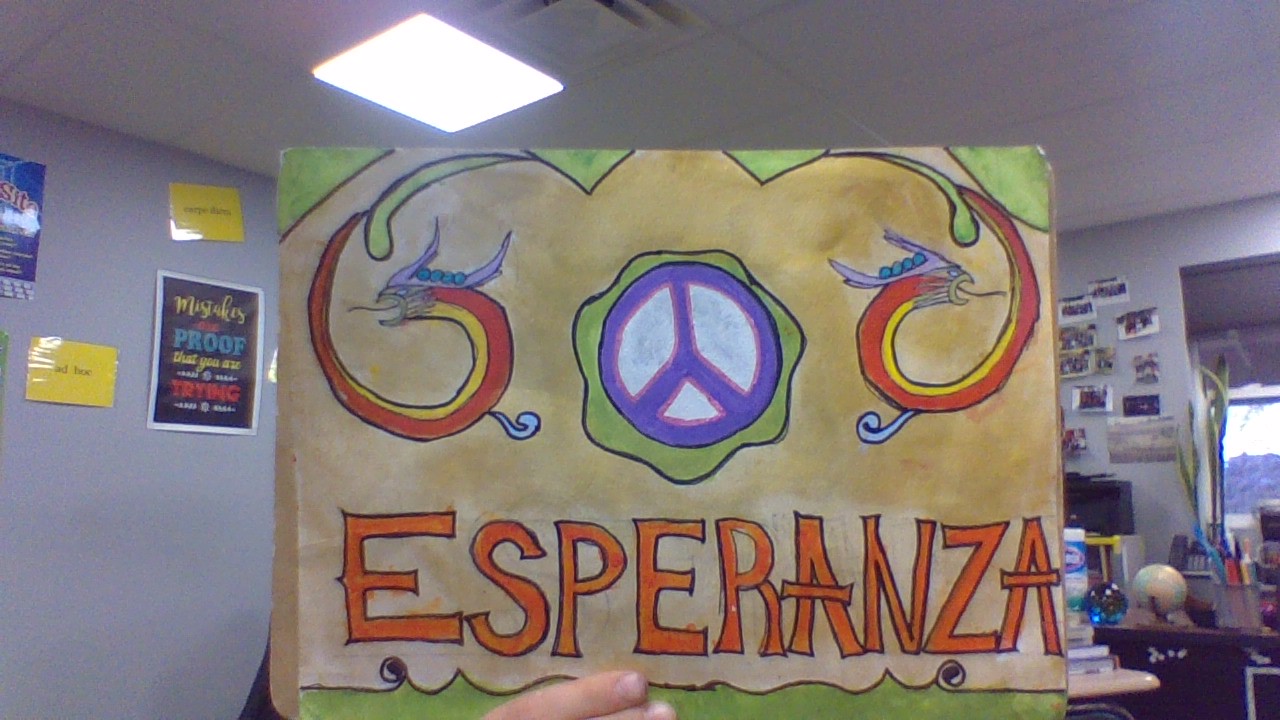 |
I think my piece of Fileteado artwork will inspire young people of new mexico to do new things to inspire and encourage others to do great things in life. And I also think that my artwork could show others that they could succeed their dreams. I chose the colors that I did because I thought that if I did colorful colors, it would be noticeable, and because I think the colors that I chose are beautiful colors. The word "Esperanza" means hope in English when translated, and this artwork gave me hope so I think my art and others art will encourage others to do art like mine, or like art in Argentina and in other countries too. | 1.336 | |
| Red River Valley Charter School | 3 | Elementary 3-5 |  |
My artwork is a tree so colorful and unique. I was inspired by Carlos Catesse. My favorite piece about my artwork is the colors on the branches. It draws your attention to them. The different shapes and colors allow your eyes to see different things. I enjoy learning art about the past and continuing it through the future. | 1.508 | |
| 2 | Red River Valley Charter School | 2 | Elementary K-2 | 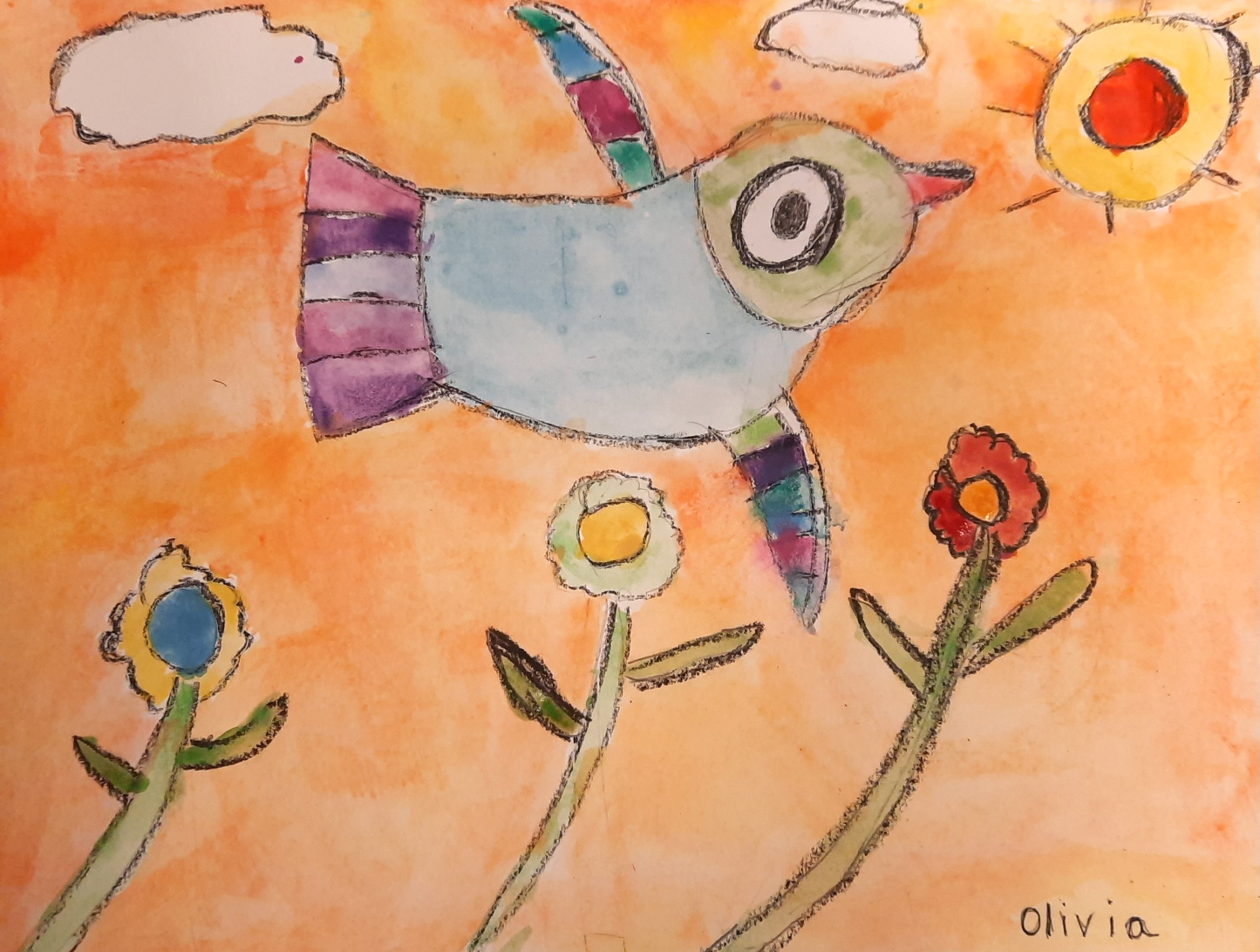 |
I drew and painted a picture of a bird in the folk art style of El Salvador. The style is very colorful and the birds have big eyes. The style was actually started by an artist from El Salvador named Fernando Llort. He studied art in different countries but then went back to El Salvador and started a new folk art style that is now famous. Before he started it, El Salvador didn’t really have its own folk art style. It's cool that one artist could invent an art style for a whole country! | 1.696 |
| South Valley Academy | 10 | High School 9-12 | 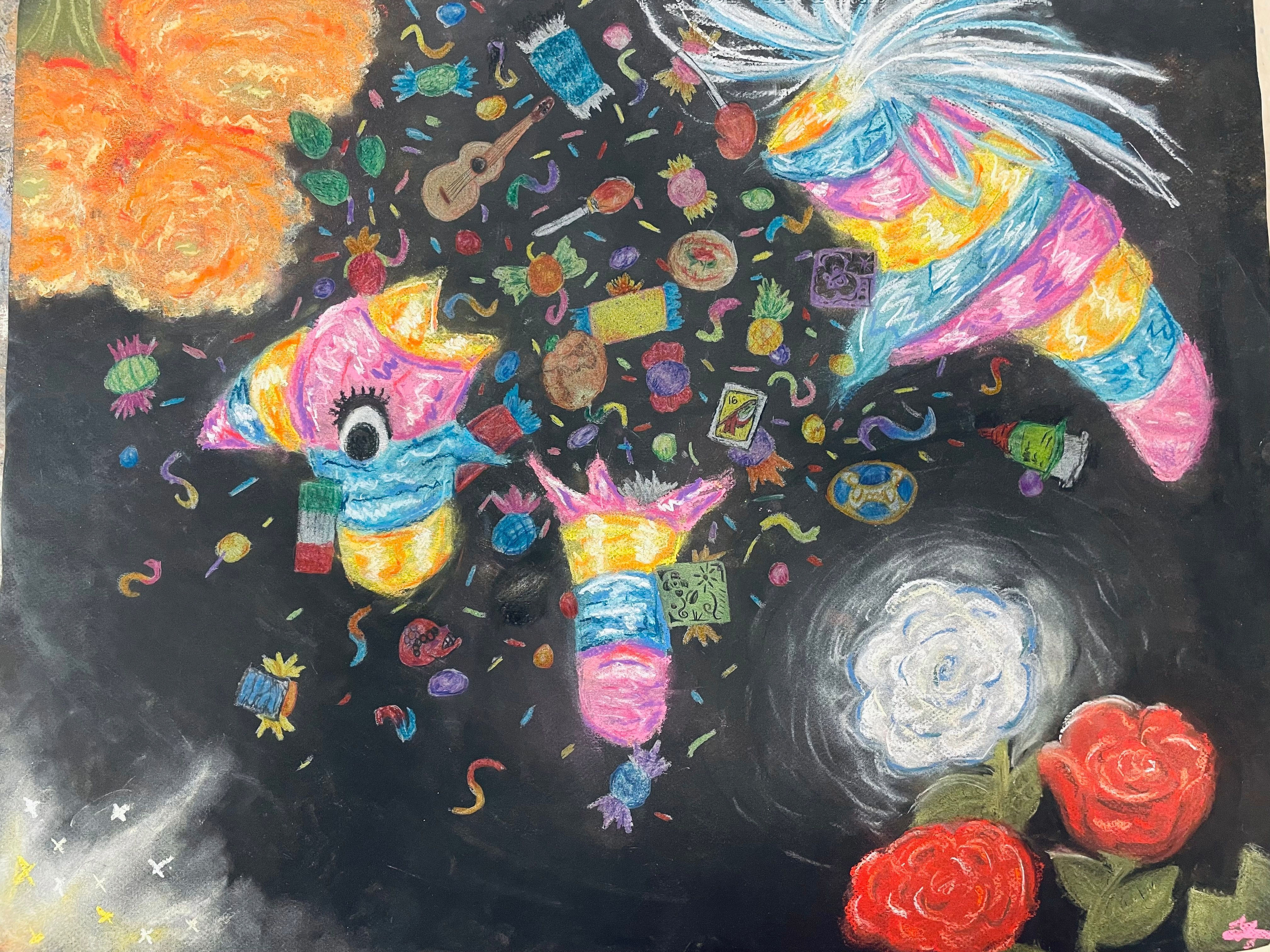 |
A broken pink, yellow, and blue donkey piñata with a white and blue ribbon tail that has Mexican traditions and candies as filler for the piñata; along with some colorful pieces of confetti around the candy. In the corners of the art piece, flowers and a bright light source. The white and red flowers are roses. The white rose emits a soft, white light that is casted upon the two red roses. The orange flowers are mary gold. The light source is bright and has small stars scattered around it. Moreover, the piñata faces the bright light. The correlation between this art and the contest theme is how we, the Hispanic community, celebrate our traditions and culture to honor our unique backgrounds while looking forward into a bright future. In times like these, our current situation in the U.S., we should celebrate our traditions the most and be proud of who we are and where we come from to show our pride for being Hispanic. Our pride and celebrations from our culture helps us look at the future as if it were a shining star that lights up the dark night sky in moments of despair. | 1.668 | |
| St. Mary's Catholic School - Belen | 6 | Middle School 6-8 | 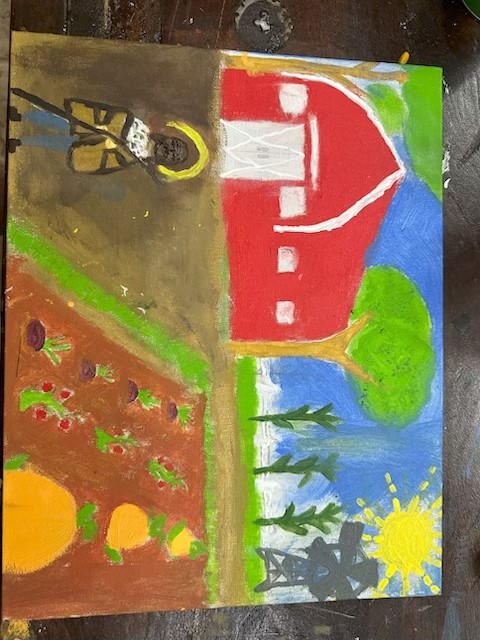 |
I choose to draw San Isidro because he is the patron saint of farming. Until recently we have struggled with a very difficult year, a difficult drought and no irrigation for over 2 months. At home we have been very worried about grass at the ranch to feed out cattle. My family and I and our livestock depend on gods mercy and we pray for intercessions through San Isidro just as our “antepasados” have done for the past 500 years and has continued thru our family and into the next generations. I also choose San Isidro because he is from Madrid Spain where my heritage came from and lived a similar live to myself and my family and my culture now and into the future. Thank you. |
1.738 | |
| St. Thomas | 8 | Middle School 6-8 | 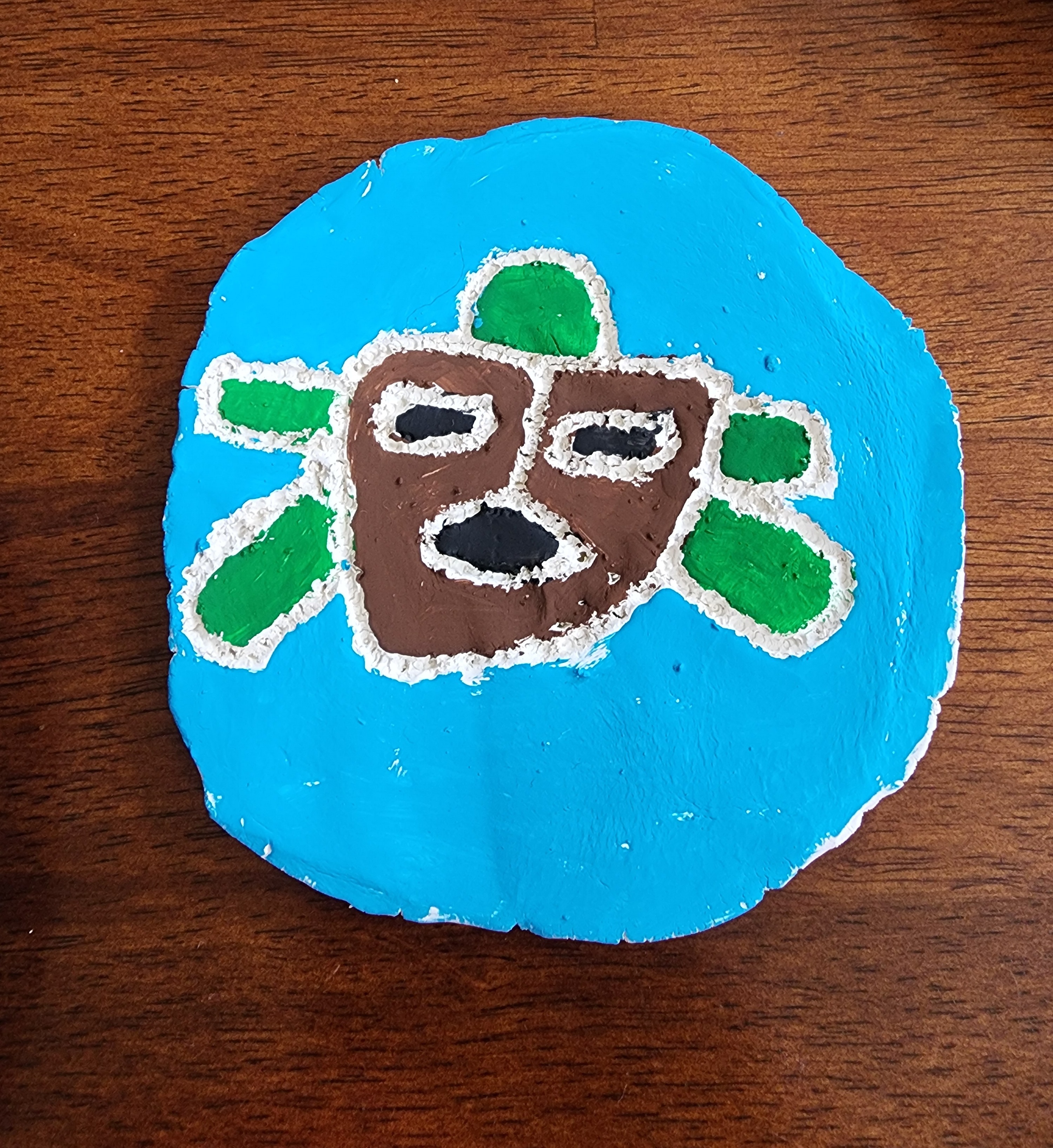 |
The Taíno sun symbol is one of the most important and sacred images in Taíno culture, representing life, energy, and the source of growth. For the Taíno people, the sun was closely connected to their spiritual beliefs and daily survival, as it provided light for crops, warmth, and guidance. The symbol is often depicted as a circular face surrounded by rays, reflecting both its power and its role as a giver of life. It was also associated with the deity Yúcahu, the god of agriculture and fertility, who depended on the sun’s strength to bless the land. Today, the Taíno sun symbol continues to serve as a reminder of the Taíno worldview, their respect for nature, and the deep connection they felt between the spiritual and natural worlds. | 1.728 | |
| St. Thomas Aquinas | 5 | Elementary 3-5 |  |
My Person Represents the Traditional Clothing of Panama Pollera: The national dress for women. It’s a beautiful, hand-embroidered white dress often decorated with bright designs, lace, and gold jewelry. Women also wear elaborate hairpieces called tembleques. |
1.320 | |
| St. Thomas Aquinas | 5 | Elementary 3-5 |  |
My Person Represents the Traditional Clothing of Venezuela Venezuela is known for its colorful festivals, lively music and dances like joropo, delicious foods such as arepas and hallacas, and beautiful traditional clothing. These traditions show the joy and richness of Venezuelan culture.” |
1.324 | |
| St. Thomas Aquinas | 5 | Elementary 3-5 |  |
"My person is representing the country of Colombia. Colombia is known for its colorful traditional clothing, delicious coffee, beautiful music and dances like cumbia, and its rich cultural traditions." | 1.340 | |
| St. Thomas Aquinas | 5 | Elementary 3-5 |  |
“My person represents the country of Argentina. Argentina is famous for tango music and dance, delicious foods like empanadas, and its passion for soccer. One of the most famous players from Argentina is Lionel Messi, who is loved all over the world.” | 1.344 | |
| St. Thomas Aquinas | 5 | Elementary 3-5 |  |
“My person represents the country of Guatemala. Guatemala is known for its colorful textiles, Mayan traditions, beautiful landscapes, and the tradition of the giant kites (barriletes) during Day of the Dead.” | 1.348 | |
| St. Thomas Aquinas | 5 | Elementary 3-5 |  |
“My person represents the country of Chile. Chile is known for its long coastline, the Andes Mountains, delicious foods like empanadas, and traditional dances such as the cueca. It is also famous for poets like Pablo Neruda and its love for soccer.” | 1.352 | |
| St. Thomas Aquinas | 5 | Elementary 3-5 |  |
“My person represents the country of Spain. Spain is known for flamenco music and dance, bullfighting, delicious foods like paella and churros, and beautiful traditions such as La Tomatina and running of the bulls. Soccer is also very popular, with famous teams like Real Madrid and FC Barcelona.” | 1.356 | |
| St. Thomas Aquinas | 5 | Elementary 3-5 |  |
“My person represents the country of Equatorial Guinea in Africa. It is the only African country where Spanish is the official language. Equatorial Guinea is known for its rich traditions, music and dances with drums, colorful clothing, and delicious foods made with fish, plantains, and yuca.” | 1.360 | |
| St. Thomas Aquinas | 5 | Elementary 3-5 |  |
“My person represents the country of the Dominican Republic. It is known for its beautiful beaches, merengue and bachata music, colorful festivals, and delicious foods like mangú. Baseball is the most popular sport, and many famous players come from the Dominican Republic.” | 1.364 | |
| St. Thomas Aquinas | 5 | Elementary 3-5 |  |
“My person represents the country of Ecuador. Ecuador is known for its rich traditions, including festivals like Inti Raymi and carnival celebrations. The traditional clothing is colorful and varies by region; women often wear embroidered blouses, skirts, and shawls, while men wear ponchos and hats. Ecuador is also famous for its music, dances, and handmade crafts.” | 1.372 | |
| St. Thomas Aquinas | 5 | Elementary 3-5 |  |
“My person represents the country of Cuba. Cuba is known for its lively traditions, including music and dances like salsa, rumba, and son. The traditional clothing is bright and colorful; women often wear flowing skirts and ruffled blouses, while men wear guayaberas (light shirts) and hats. Cuba is also famous for its festivals, art, and delicious foods like rice and beans.” | 1.376 | |
| St. Thomas Aquinas | 5 | Elementary 3-5 |  |
“My person represents the country of Argentina. Argentina is known for its rich traditions, including tango music and dance, folkloric festivals, and delicious foods like empanadas and asado. Traditional clothing varies by region women in folk dances wear colorful skirts and blouses, while men wear gaucho pants, boots, and wide-brimmed hats. Soccer is very popular in Argentina, and one of the most famous players is Lionel Messi.” | 1.380 | |
| St. Thomas Aquinas | 5 | Elementary 3-5 |  |
"My person represents the traditional clothing and cultural traditions of Peru, especially from the Andes region. This includes colorful woven textiles, layered skirts called polleras, handwoven ponchos, and warm knitted hats called chullos. They also celebrate Andean customs such as folk dances like the Huayno, music played with pan flutes and drums, and festivals like Inti Raymi, which honors the Sun God." | 1.384 | |
| St. Thomas Aquinas | 5 | Elementary 3-5 |  |
"My person represents the traditional clothing and cultural traditions of Chile. This includes the colorful outfits worn during the Cueca, Chile’s national dance, such as the huaso attire for men straw hats, ponchos, boots, and spurs and the colorful dresses with full skirts for women. It also reflects Chilean customs like folk music with guitars and tambourines, rodeos, and festivals such as Fiestas Patrias, which celebrate Chilean independence and heritage." | 1.392 | |
| St. Thomas Aquinas | 5 | Elementary 3-5 |  |
My person represents the traditional clothing and cultural traditions of Spain, especially the flamenco dress. This includes the vibrant, colorful dresses with ruffles called ‘trajes de flamenca,’ often adorned with polka dots, lace, and bright accessories. It also reflects Spanish customs such as flamenco dancing with expressive movements, rhythmic clapping and guitar music, as well as festivals like Feria de Abril in Seville, where flamenco is celebrated." | 1.396 | |
| St. Thomas Aquinas | 5 | Elementary 3-5 |  |
"My person represents the traditional clothing and cultural traditions of Equatorial Guinea in Africa. This includes colorful and patterned fabrics, such as the boubou and other flowing garments for both men and women, often worn with head wraps or hats. It also reflects cultural customs like traditional dances, drumming, and music performed during festivals and ceremonies, which celebrate community, ancestry, and important life events." | 1.400 | |
| St. Thomas Aquinas | 5 | Elementary 3-5 | 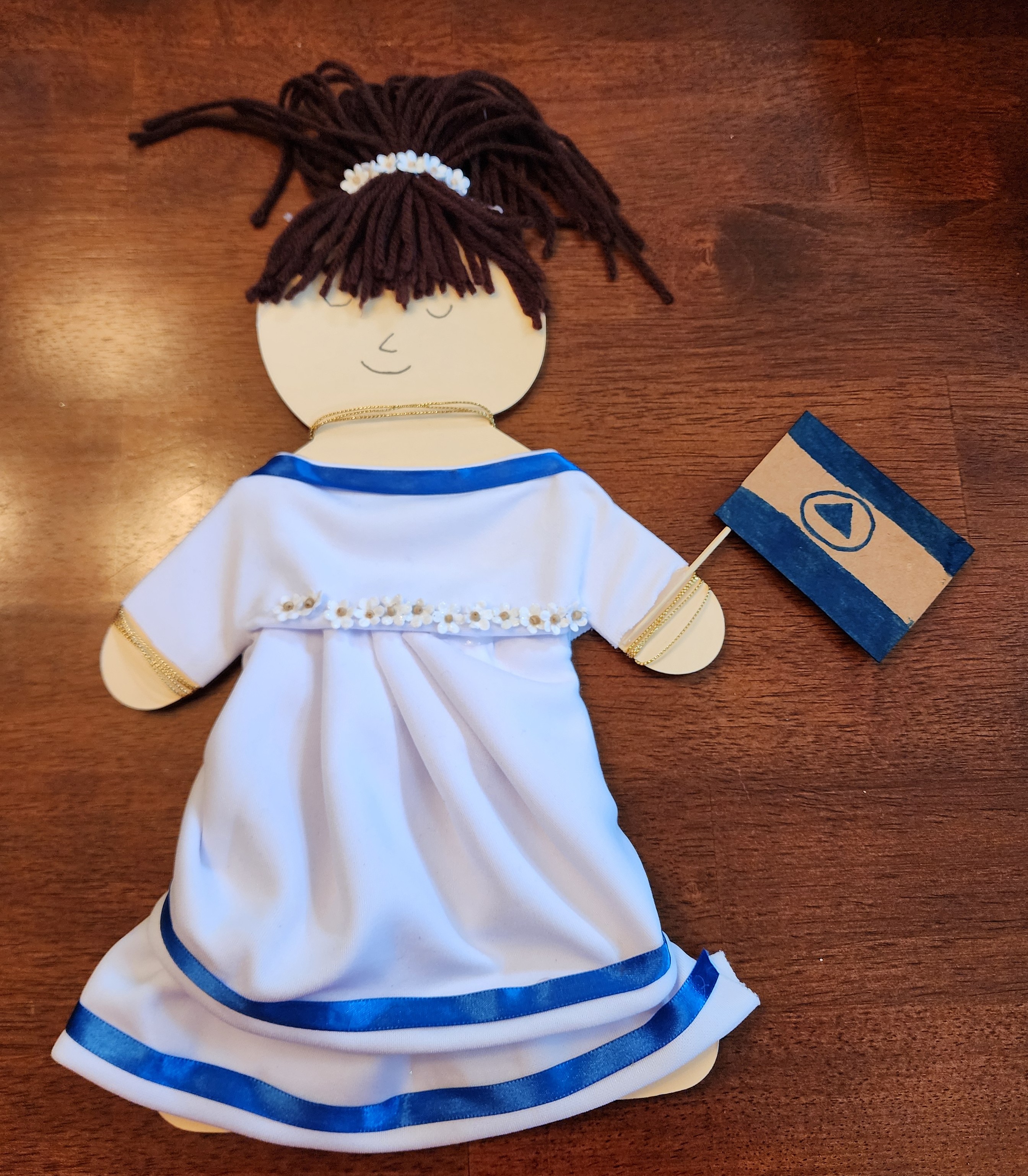 |
"My person represents the traditional clothing and cultural traditions of Nicaragua. This includes colorful dresses and skirts called trajes típicos, often adorned with embroidery and lace, and traditional shirts and pants for men. It also reflects Nicaraguan customs such as folkloric dances like the El Güegüense and Palo de Mayo, music played with marimbas and drums, and festivals that celebrate Nicaraguan heritage and community." | 1.406 | |
| St. Thomas Aquinas | 5 | Elementary 3-5 | 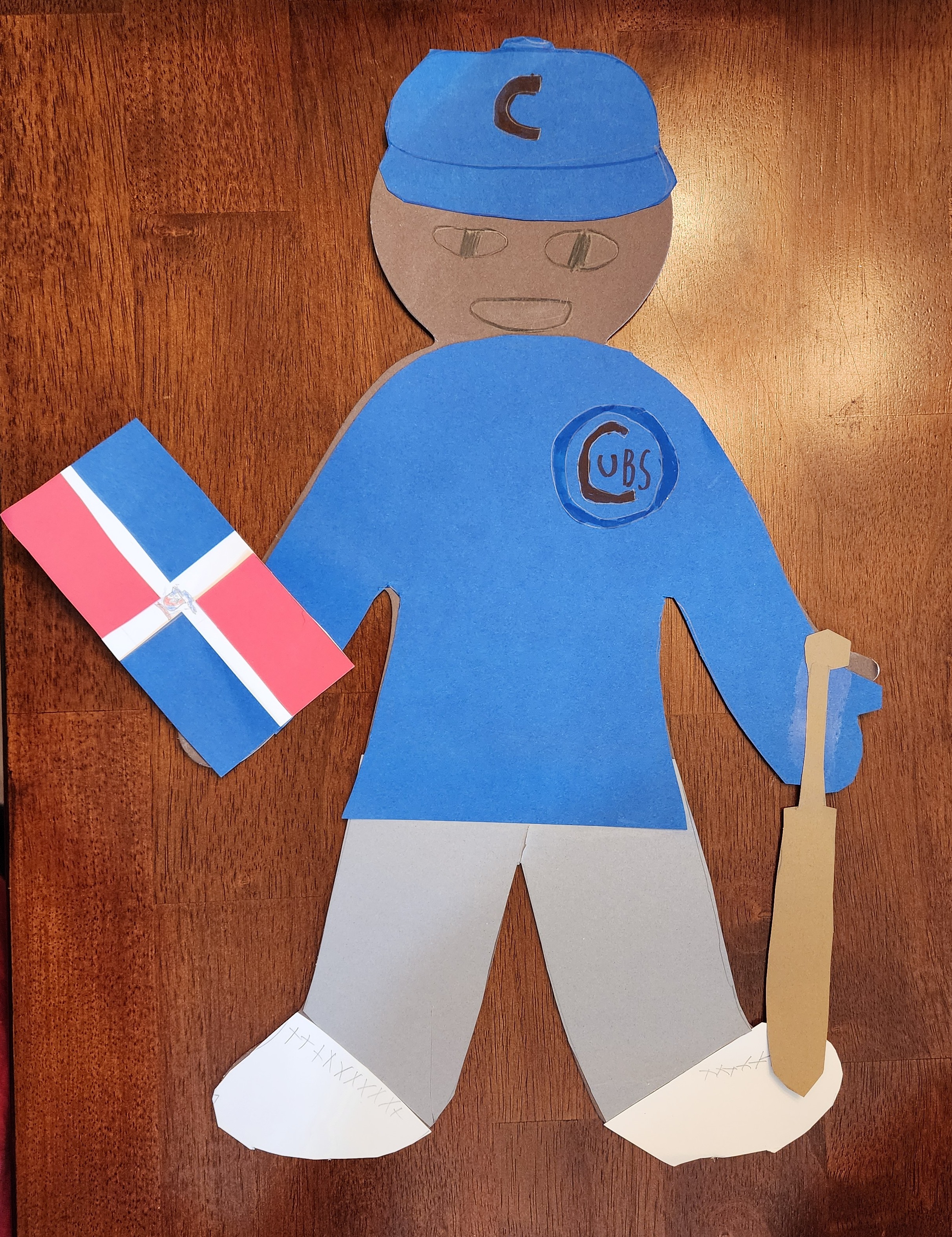 |
"My person represents the traditional sport of the Dominican Republic: baseball. Baseball is the country’s most popular sport, and it has produced many famous players, including Sammy Sosa. My person highlights the love for the game in the Dominican Republic, showing baseball uniforms, equipment like bats and gloves, and the excitement of fans who celebrate the sport as an important part of Dominican culture." | 1.408 | |
| St. Thomas Aquinas | 5 | Elementary 3-5 | 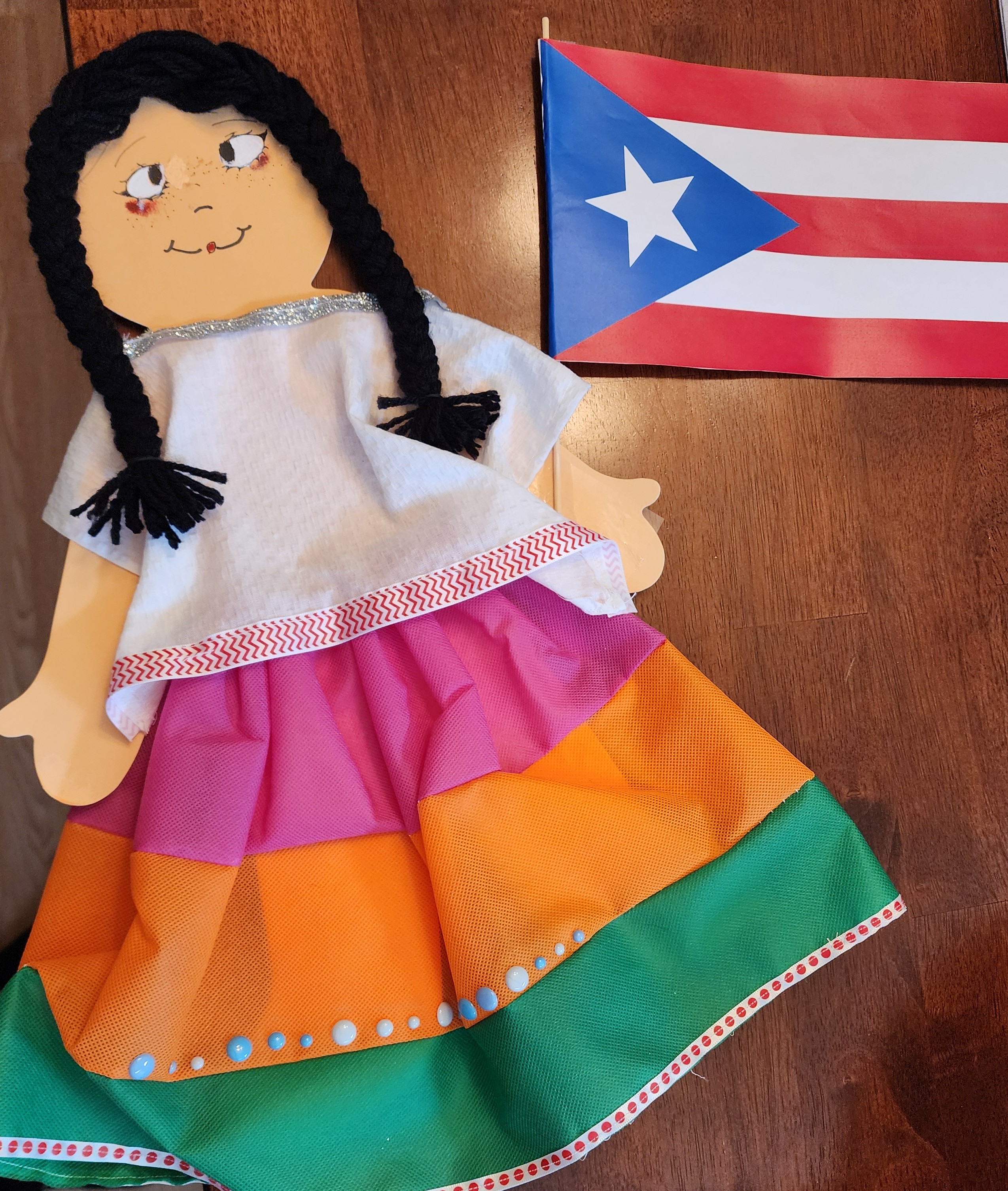 |
"My person represents the traditional clothing and cultural traditions of Puerto Rico. This includes colorful trajes típicos for women, often featuring full skirts and embroidered blouses, and traditional shirts, pants, and straw hats for men. It also reflects Puerto Rican customs such as folkloric dances like bomba and plena, music played with drums, maracas, and guitars, and festivals that celebrate Puerto Rican heritage, culture, and community." | 1.412 | |
| St. Thomas Aquinas | 7 | Middle School 6-8 | 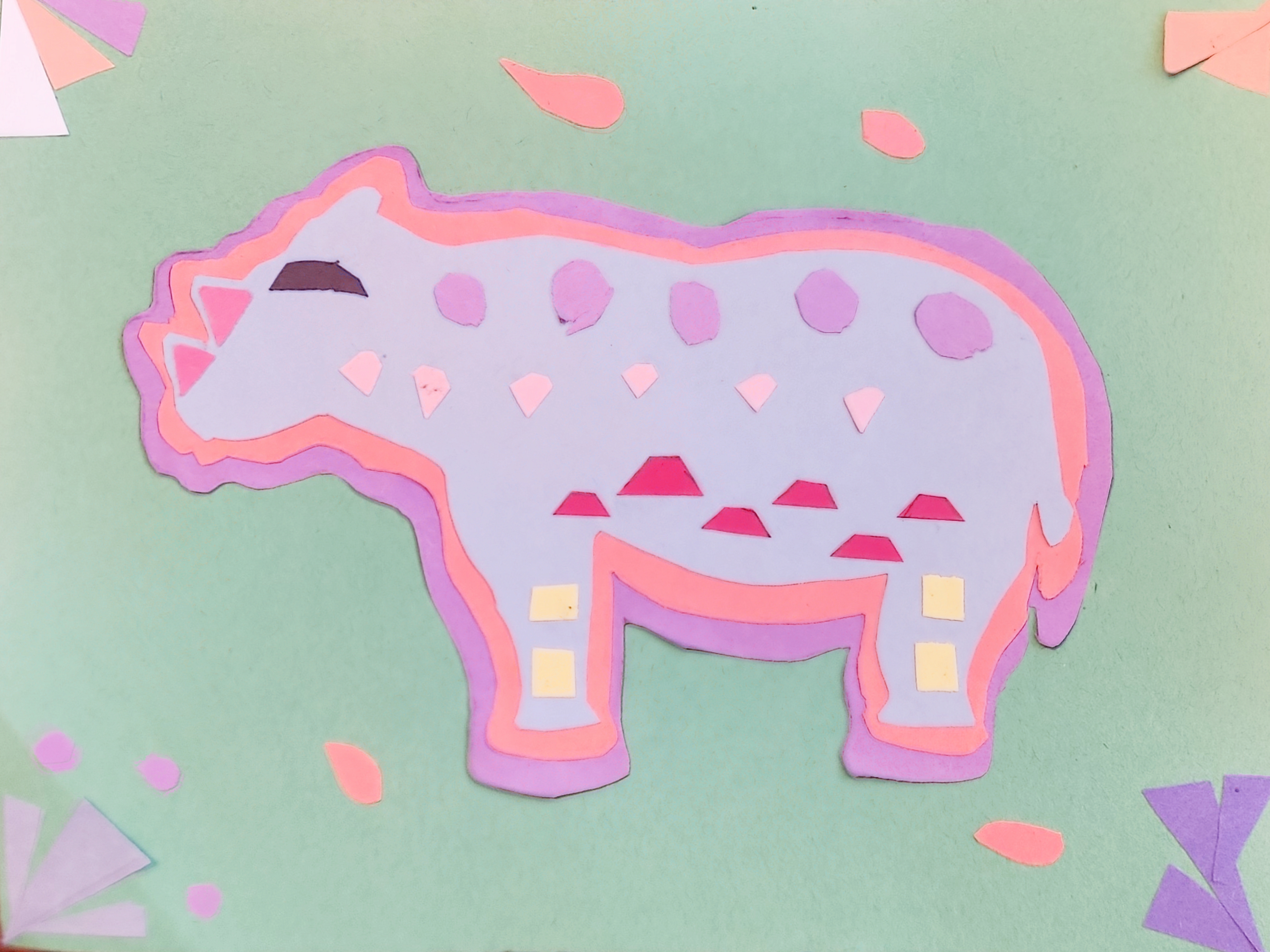 |
"My painting represents the colorful doors of Old San Juan in Puerto Rico. These bright, vibrant doors are part of the city’s historic architecture and reflect Puerto Rico’s rich history and artistic heritage. They also represent the warmth and creativity of Puerto Rican culture, as many homes display unique colors and designs that celebrate the island’s traditions and daily life." | 1.416 | |
| St. Thomas Aquinas | 7 | Middle School 6-8 | 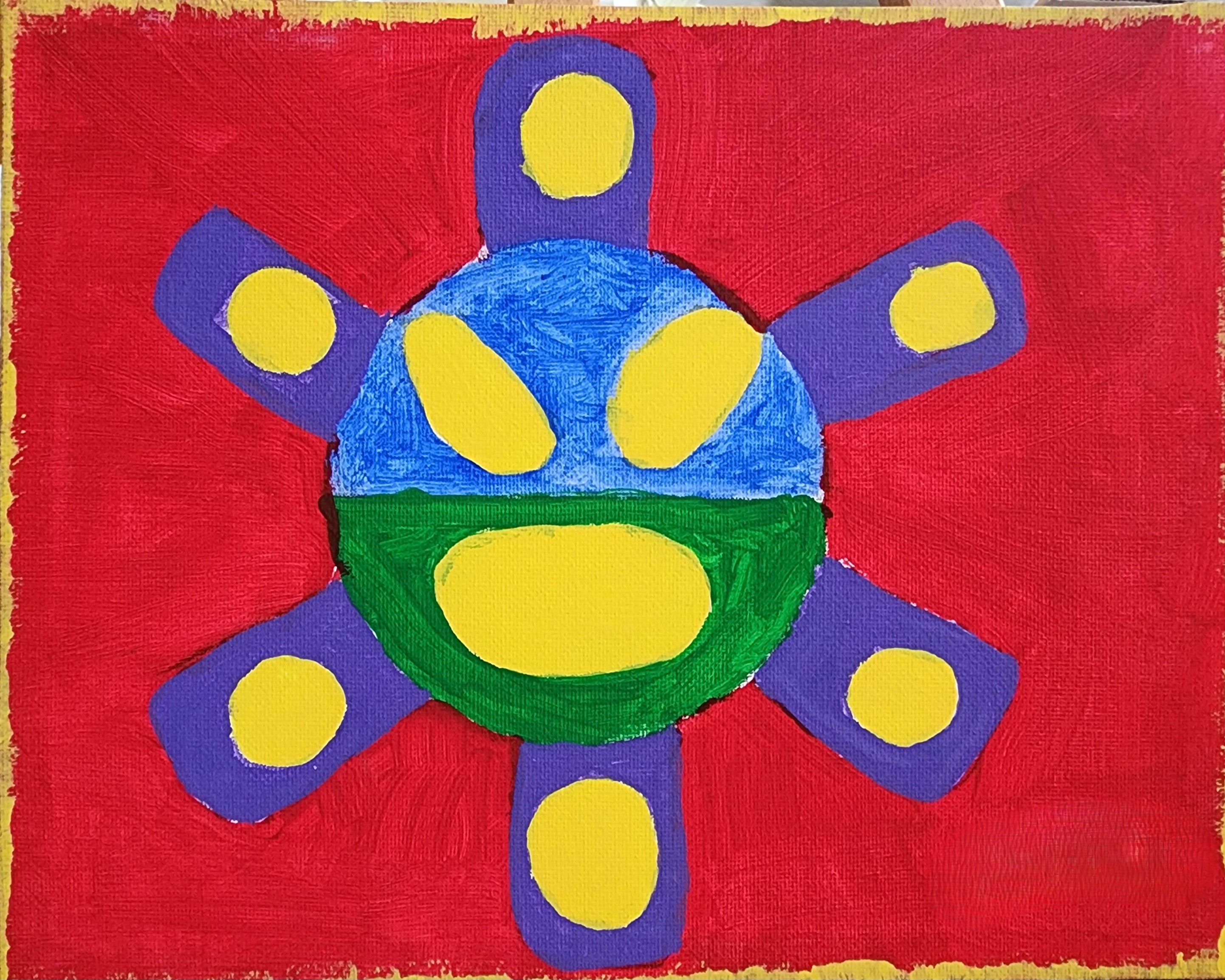 |
"My painting represents the symbols of the Taíno people in Puerto Rico. These symbols reflect the island’s indigenous heritage, including their beliefs, art, and connection to nature, and they are an important part of Puerto Rican history and culture." Note: You'll see this same paragraph on other art. The teacher did not realize we were expecting the paragraphs be unique. We decided to go ahead and include them in the contest. |
1.424 | |
| St. Thomas Aquinas | 7 | Middle School 6-8 | 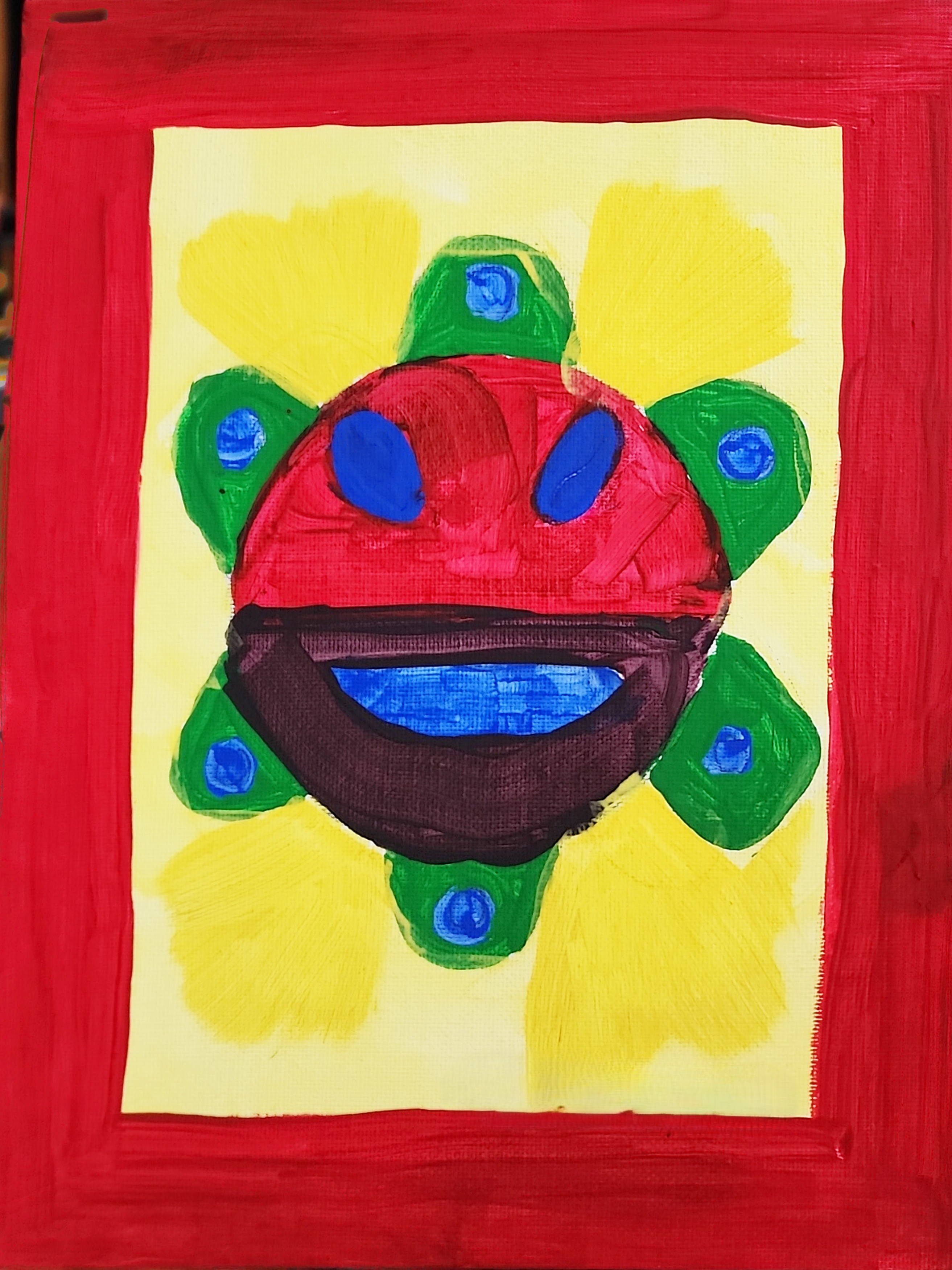 |
"My painting represents the symbols of the Taíno people in Puerto Rico. These symbols reflect the island’s indigenous heritage, including their beliefs, art, and connection to nature, and they are an important part of Puerto Rican history and culture." | 1.428 | |
| St. Thomas Aquinas | 7 | Middle School 6-8 | 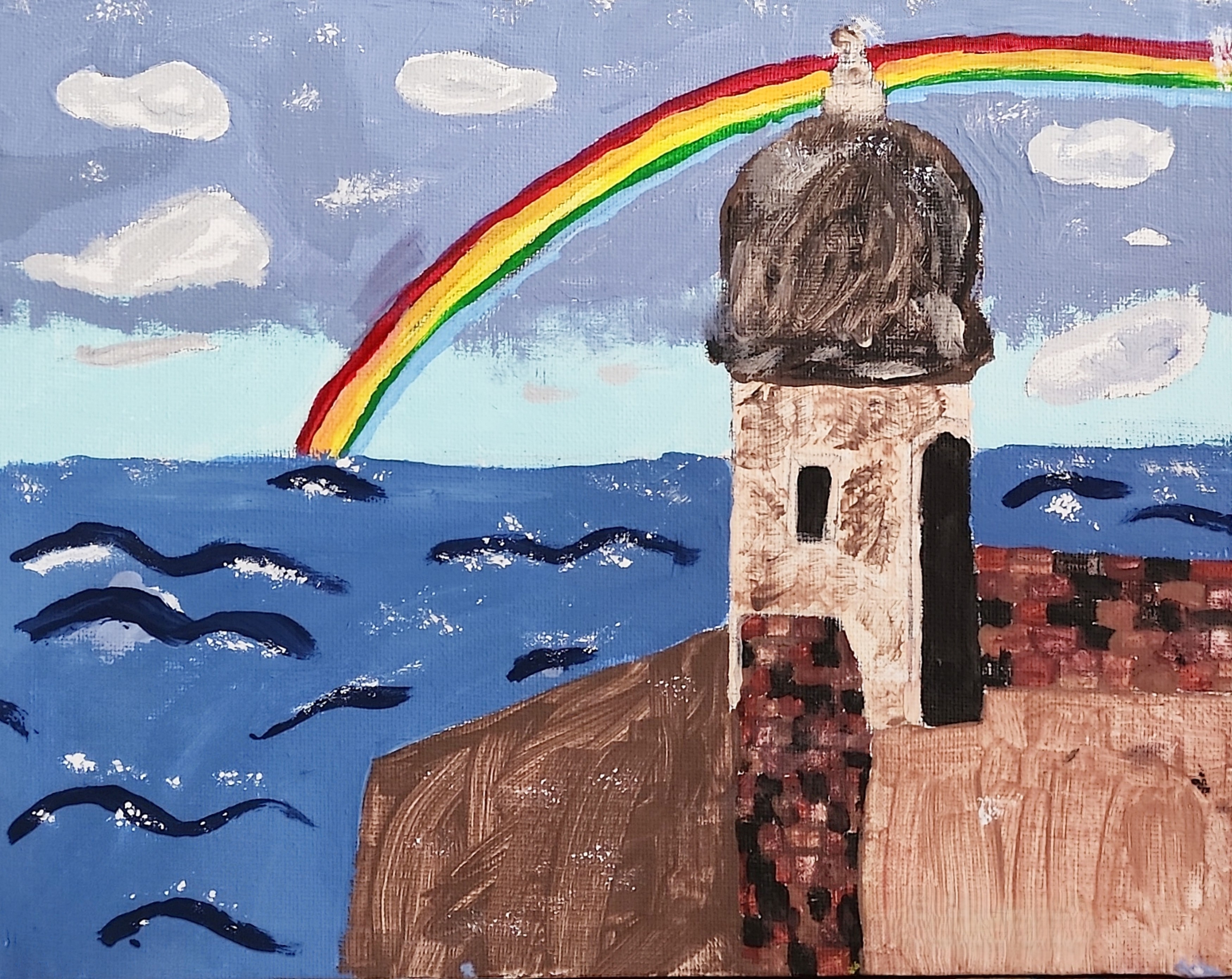 |
"My painting represents La Garita, the historic walls in Puerto Rico. The Spanish built these walls to defend the island from attacks, and they are an important symbol of Puerto Rico’s history, architecture, and cultural heritage." | 1.432 | |
| St. Thomas Aquinas | 7 | Middle School 6-8 | 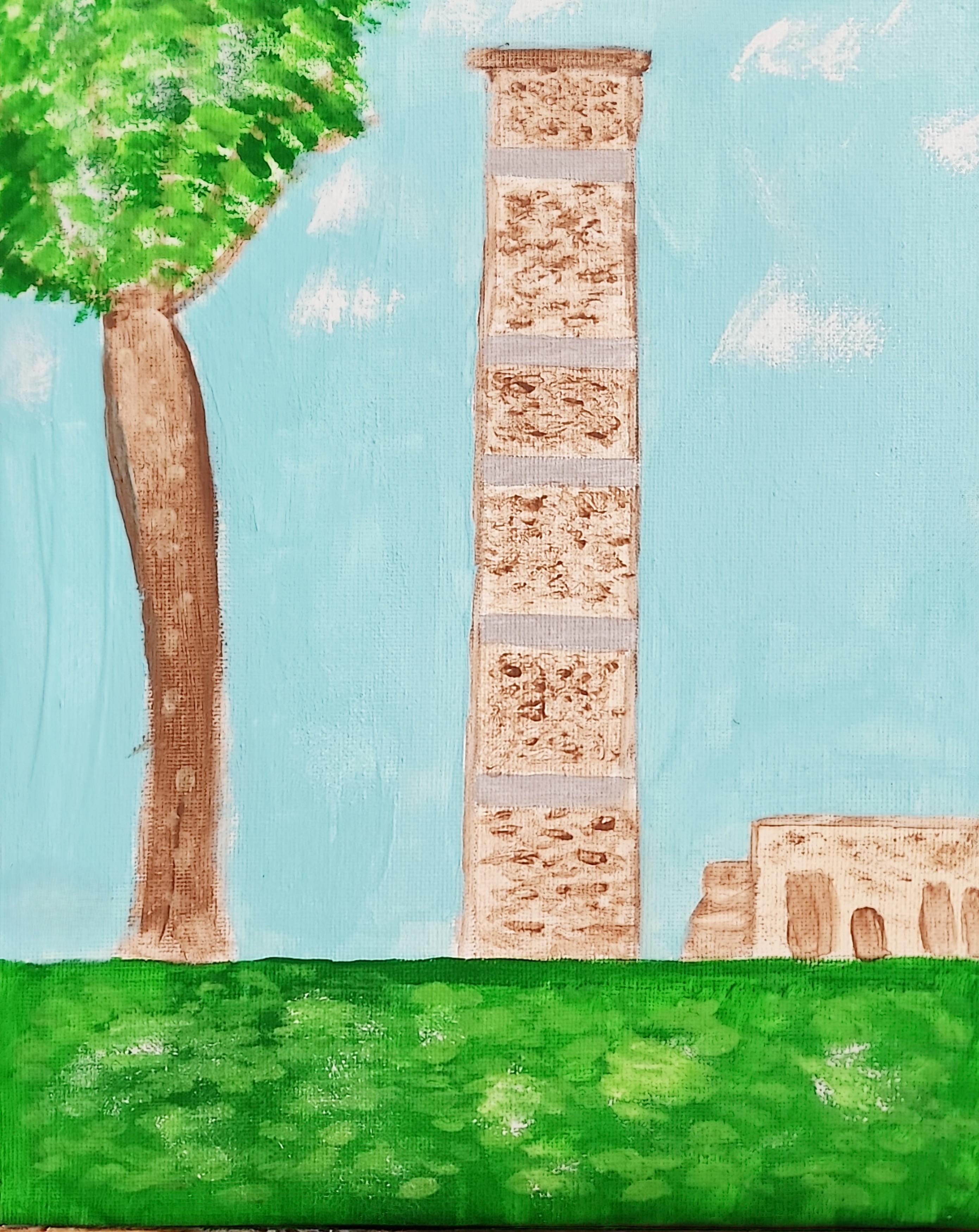 |
"My painting represents La Chimenea de Caña in Puerto Rico. In the past, every town had one, built for the processing of sugarcane. These chimneys are an important part of Puerto Rico’s history and reflect the island’s agricultural traditions and heritage." | 1.436 | |
| St. Thomas Aquinas | 7 | Middle School 6-8 |  |
"My painting represents El Coquí in Puerto Rico. This small frog is unique to the island and is famous for its distinctive call, which sounds like its own name, ‘coquí.’ The coquí is an important symbol of Puerto Rican culture and a beloved part of the island’s natural heritage." | 1.440 | |
| St. Thomas Aquinas | 7 | Middle School 6-8 |  |
"My painting represents El Coquí as a Taíno symbol in Puerto Rico. The coquí, a small frog unique to the island, is featured in Taíno art and represents Puerto Rico’s rich indigenous heritage, nature, and cultural identity." | 1.444 | |
| St. Thomas Aquinas | 7 | Middle School 6-8 |  |
"My painting represents La Flor de Maga, the national flower of Puerto Rico. This bright red flower is a symbol of the island’s natural beauty and cultural pride, and it is often celebrated in art, traditions, and festivals throughout Puerto Rico." | 1.448 | |
| St. Thomas Aquinas | 7 | Middle School 6-8 |  |
"My painting represents La Calle del Cristo in Old San Juan, Puerto Rico. This historic street is famous for its colorful buildings, cobblestone paths, and vibrant atmosphere, reflecting the rich history, architecture, and culture of the island." | 1.452 | |
| St. Thomas Aquinas | 7 | Middle School 6-8 | 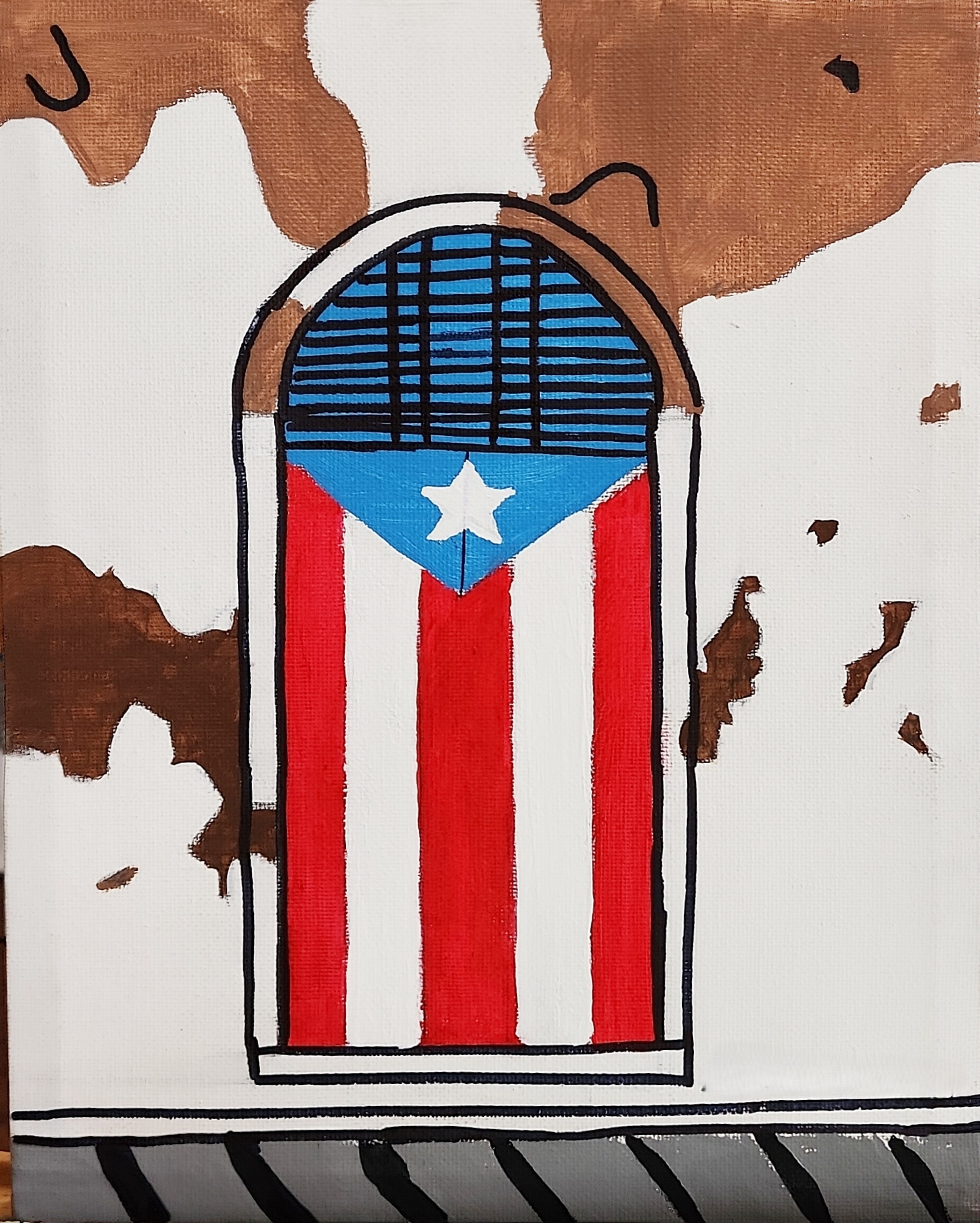 |
"My painting represents the old walls of Old San Juan in Puerto Rico. These historic walls were built to protect the city and are an important part of Puerto Rico’s history, architecture, and cultural heritage. | 1.456 | |
| St. Thomas Aquinas | 7 | Middle School 6-8 | 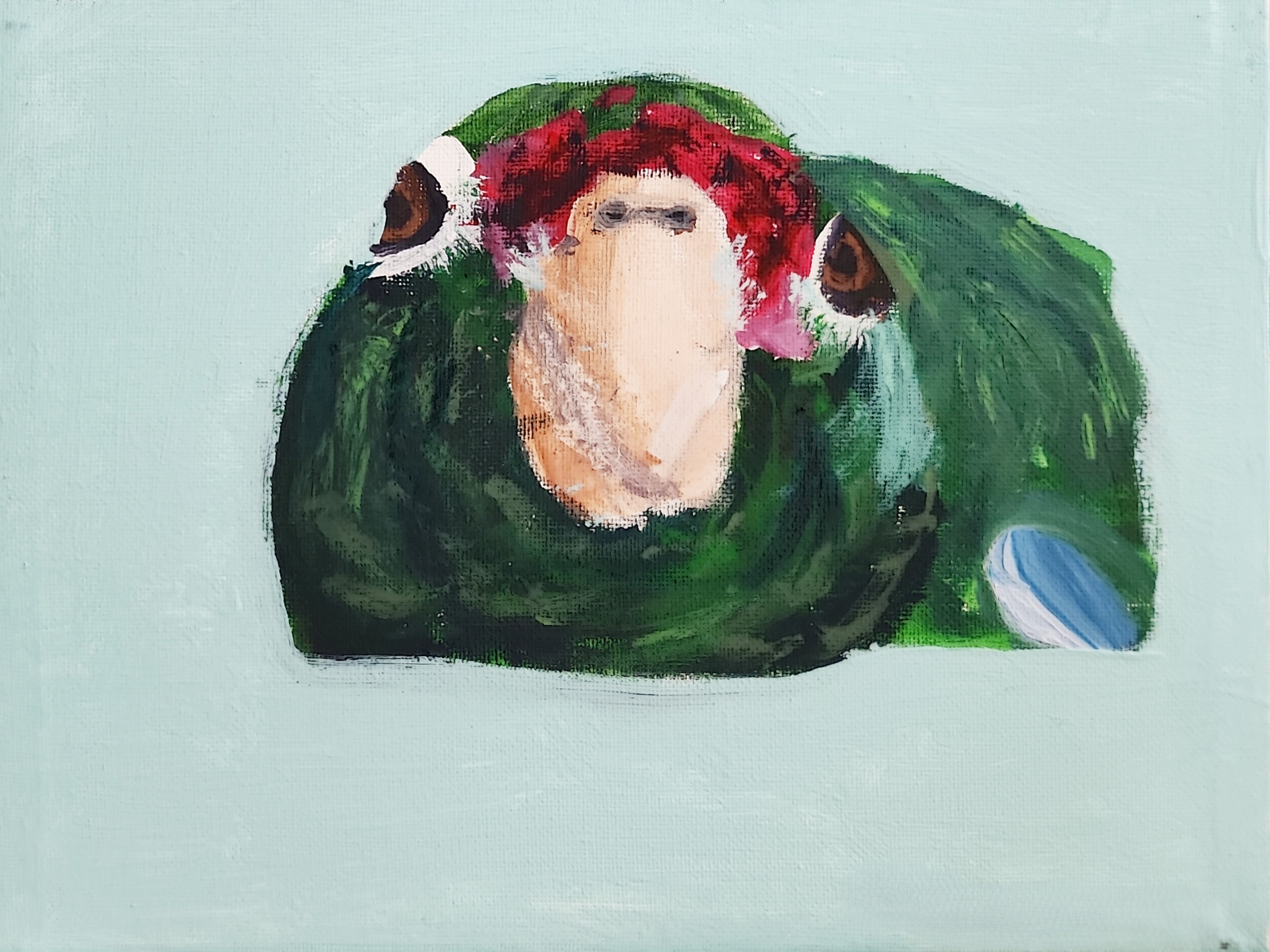 |
"My painting represents La Cotorra from Puerto Rico, the island’s national bird. These colorful parrots live in the wild, but today they are protected due to their endangered status. They are an important symbol of Puerto Rico’s wildlife and natural heritage." | 1.460 | |
| St. Thomas Aquinas | 7 | Middle School 6-8 | 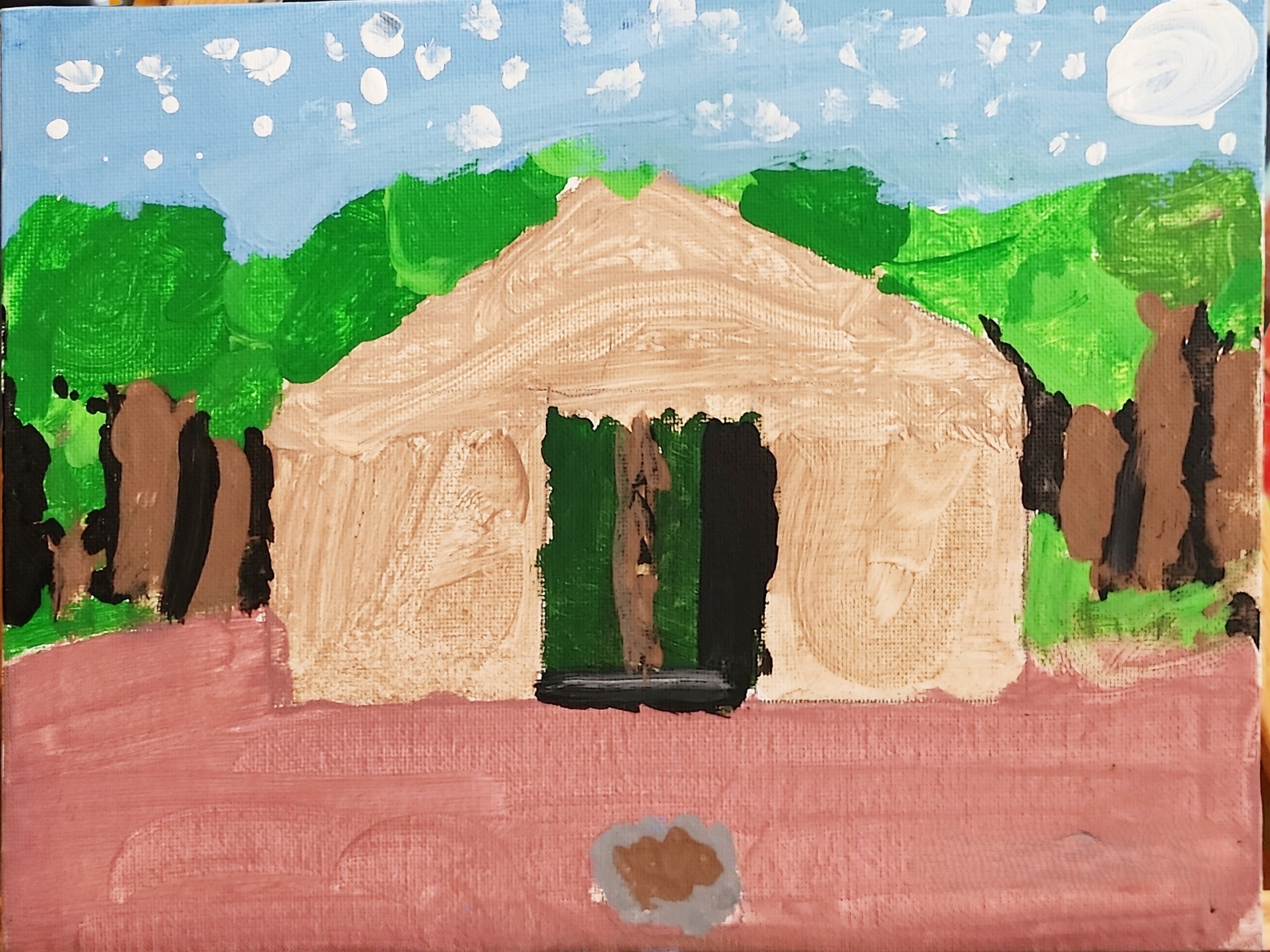 |
My painting represents El Bohío, the traditional houses of the Taíno people on the island of Puerto Rico. These circular thatched houses were made from wood, palm leaves, and natural materials, reflecting the Taíno way of life, their connection to nature, and the island’s indigenous heritage." | 1.464 | |
| St. Thomas Aquinas | 7 | Middle School 6-8 | 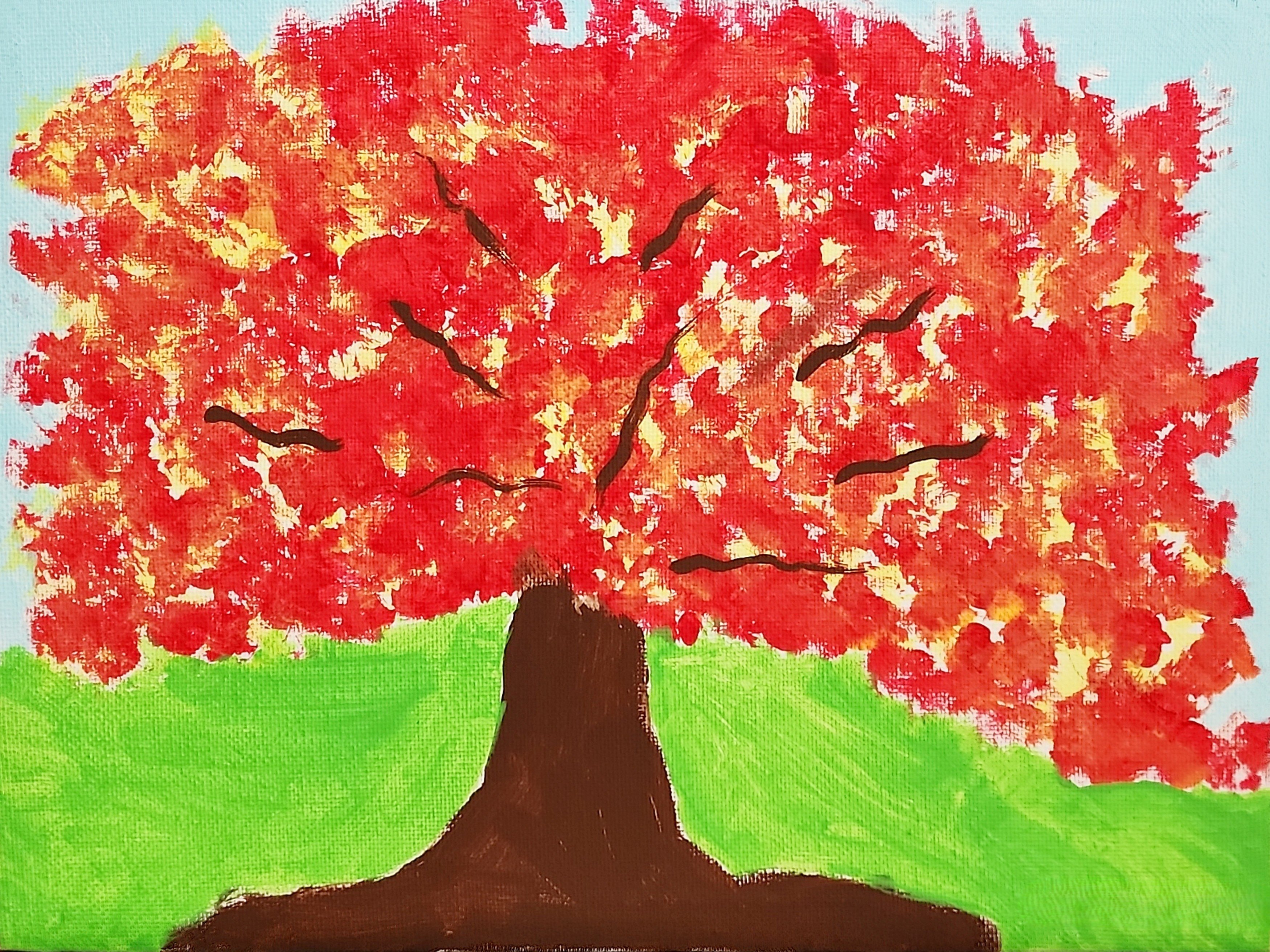 |
"My painting represents the Flamboyán, the national tree of Puerto Rico. Known for its bright red-orange flowers and wide-spreading branches, the Flamboyán is a symbol of the island’s natural beauty, tropical climate, and cultural pride." | 1.468 | |
| St. Thomas Aquinas | 7 | Middle School 6-8 | 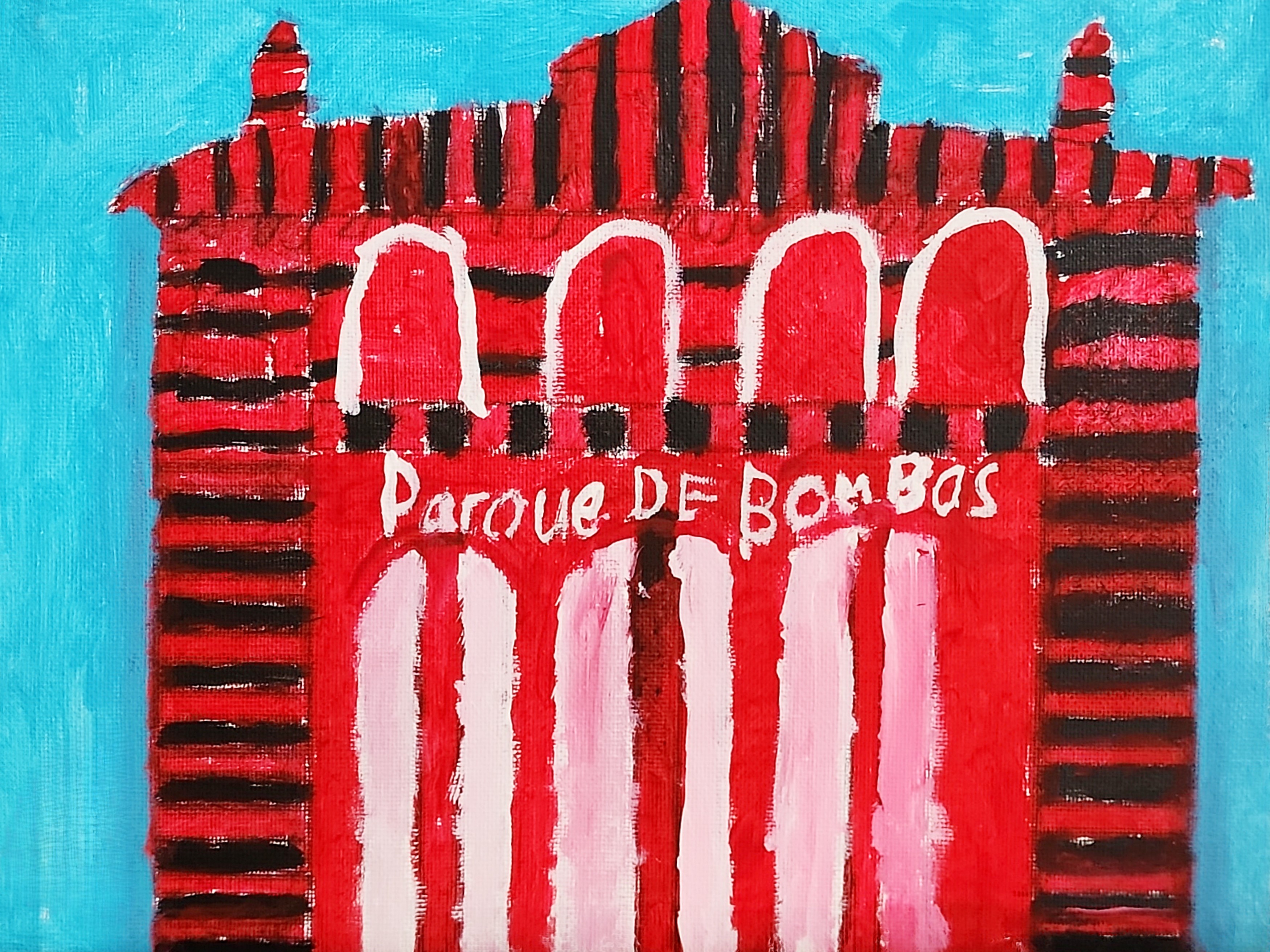 |
"My painting represents El Parque de Bombas in Ponce, Puerto Rico. This historic building is one of the oldest fire stations on the island and is a symbol of Ponce’s history, architecture, and community pride." | 1.472 | |
| St. Thomas Aquinas | 6 | Middle School 6-8 | 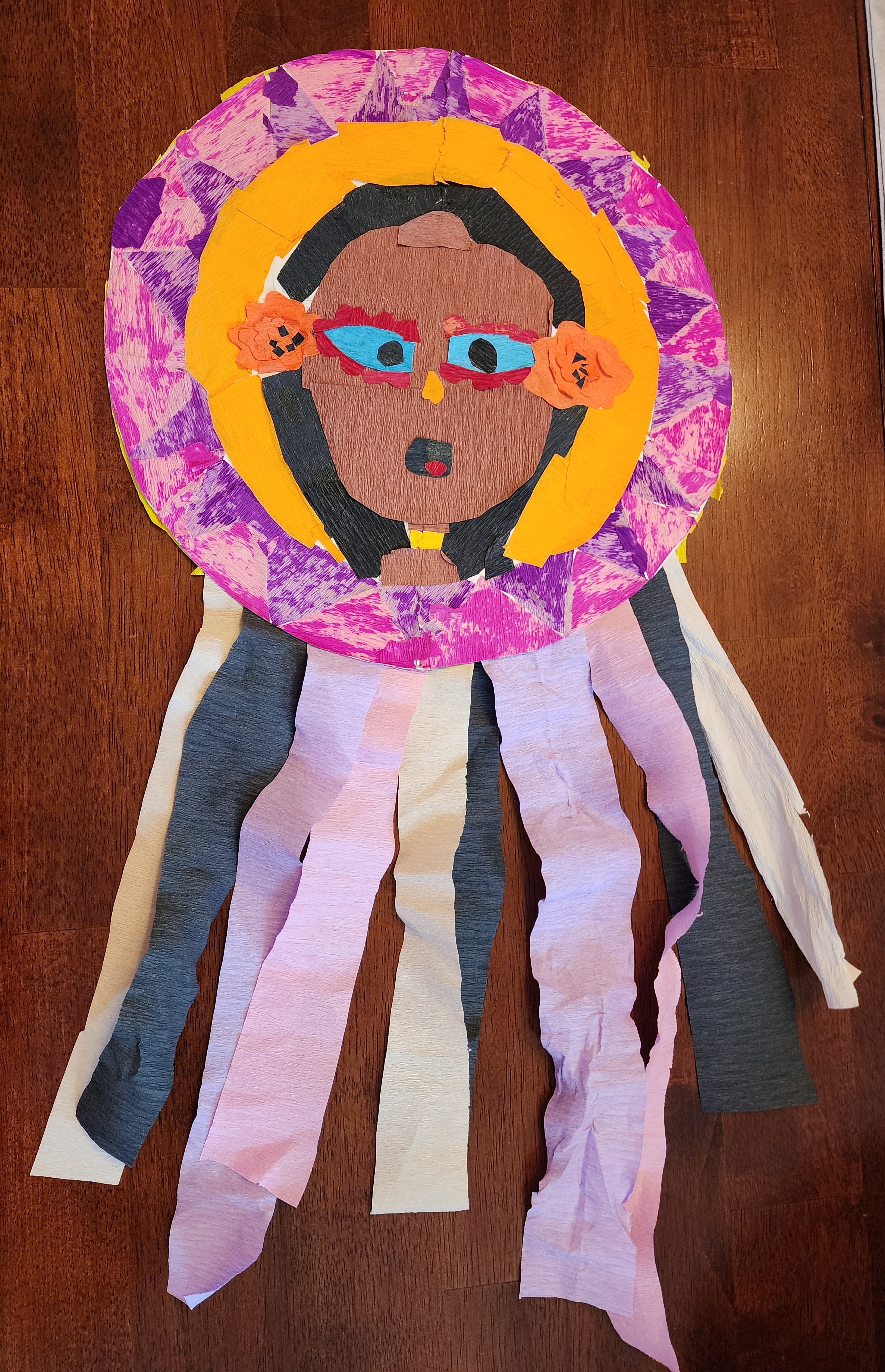 |
"My artwork represents the barriletes of Guatemala, colorful and intricate kites that are traditionally flown during the Day of the Dead. These kites are created to honor and celebrate the lives of loved ones who have passed away, symbolizing love, respect, and the connection between the living and those who have departed. Each kite carries personal messages, prayers, and designs that reflect the family’s emotions, memories, and cultural heritage, making this tradition both beautiful and deeply meaningful." Note: You'll see this same paragraph on other art. The teacher did not realize we were expecting the paragraphs be unique. We decided to go ahead and include them in the contest. |
1.476 | |
| St. Thomas Aquinas | 6 | Middle School 6-8 | 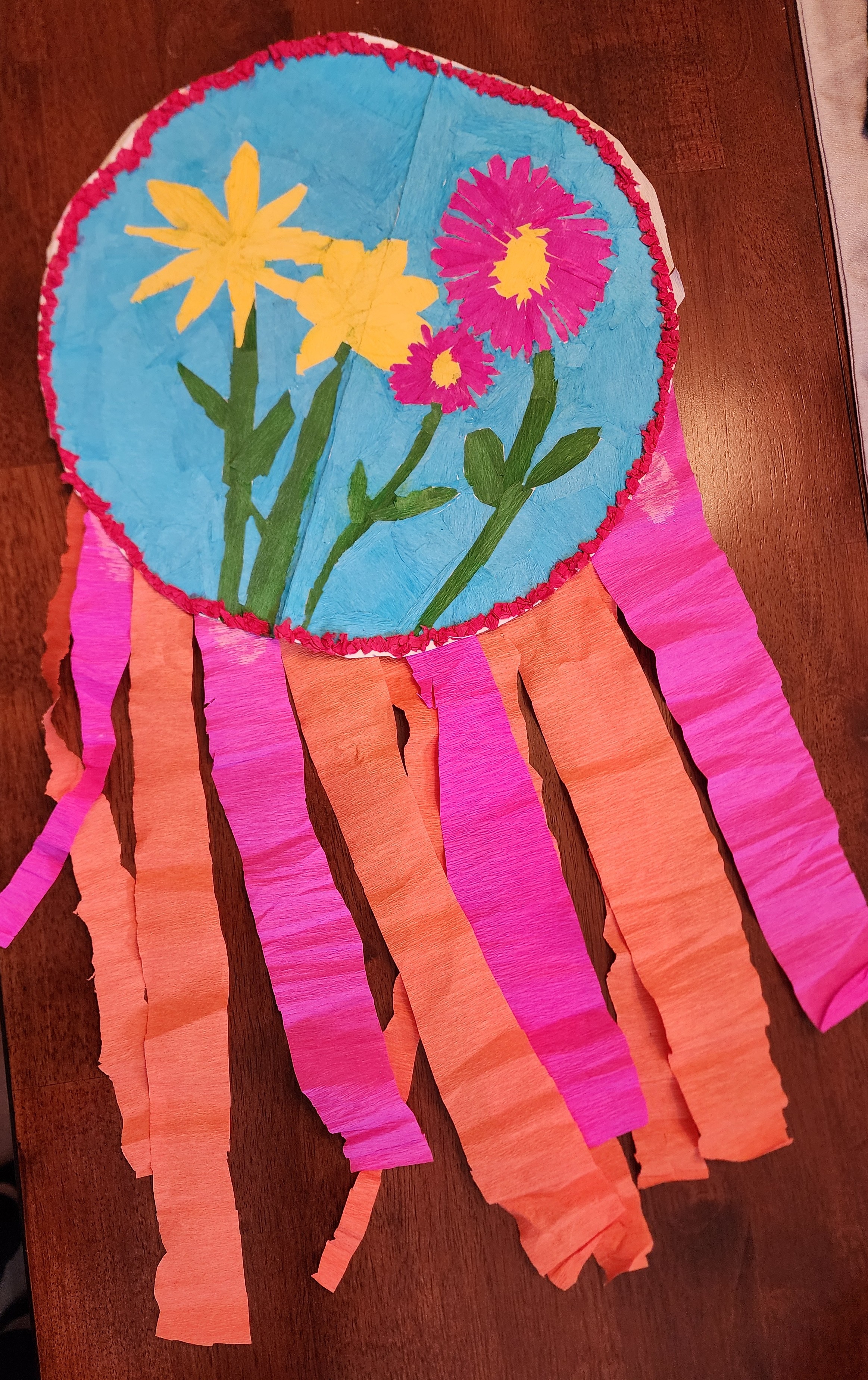 |
"My artwork represents the barriletes of Guatemala, colorful and intricate kites that are traditionally flown during the Day of the Dead. These kites are created to honor and celebrate the lives of loved ones who have passed away, symbolizing love, respect, and the connection between the living and those who have departed. Each kite carries personal messages, prayers, and designs that reflect the family’s emotions, memories, and cultural heritage, making this tradition both beautiful and deeply meaningful." Note: You'll see this same paragraph on other art. The teacher did not realize we were expecting the paragraphs be unique. We decided to go ahead and include them in the contest. |
1.480 | |
| St. Thomas Aquinas | 6 | Middle School 6-8 | 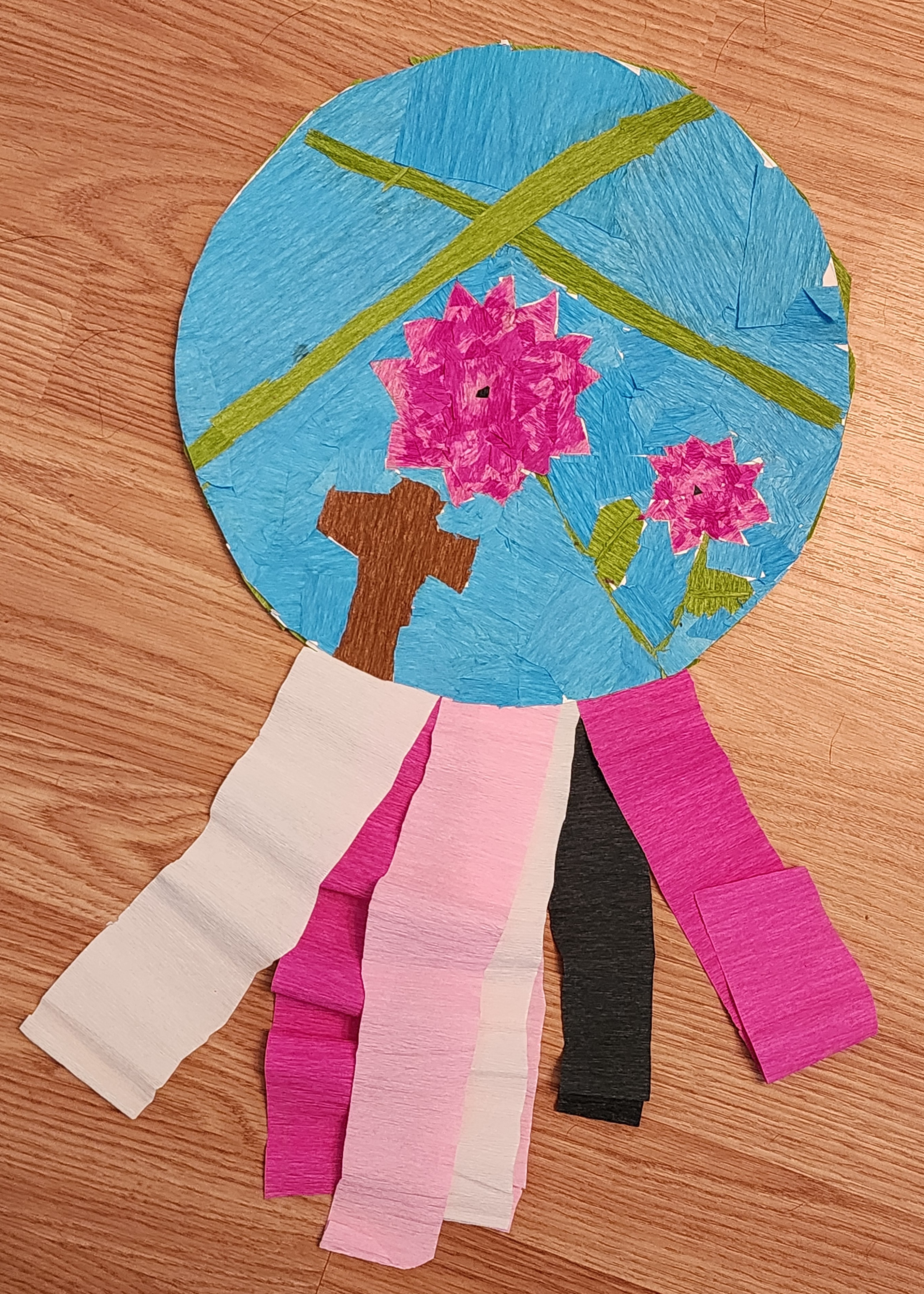 |
"My artwork represents the barriletes of Guatemala, colorful and intricate kites that are traditionally flown during the Day of the Dead. These kites are created to honor and celebrate the lives of loved ones who have passed away, symbolizing love, respect, and the connection between the living and those who have departed. Each kite carries personal messages, prayers, and designs that reflect the family’s emotions, memories, and cultural heritage, making this tradition both beautiful and deeply meaningful." Note: You'll see this same paragraph on other art. The teacher did not realize we were expecting the paragraphs be unique. We decided to go ahead and include them in the contest. |
1.484 | |
| St. Thomas Aquinas | 6 | Middle School 6-8 |  |
"My artwork represents the barriletes of Guatemala, colorful and intricate kites that are traditionally flown during the Day of the Dead. These kites are created to honor and celebrate the lives of loved ones who have passed away, symbolizing love, respect, and the connection between the living and those who have departed. Each kite carries personal messages, prayers, and designs that reflect the family’s emotions, memories, and cultural heritage, making this tradition both beautiful and deeply meaningful." Note: You'll see this same paragraph on other art. The teacher did not realize we were expecting the paragraphs be unique. We decided to go ahead and include them in the contest. |
1.488 | |
| St. Thomas Aquinas | 6 | Middle School 6-8 |  |
"My artwork represents the barriletes of Guatemala, colorful and intricate kites that are traditionally flown during the Day of the Dead. These kites are created to honor and celebrate the lives of loved ones who have passed away, symbolizing love, respect, and the connection between the living and those who have departed. Each kite carries personal messages, prayers, and designs that reflect the family’s emotions, memories, and cultural heritage, making this tradition both beautiful and deeply meaningful." Note: You'll see this same paragraph on other art. The teacher did not realize we were expecting the paragraphs be unique. We decided to go ahead and include them in the contest. |
1.492 | |
| St. Thomas Aquinas | 6 | Middle School 6-8 |  |
"My artwork represents the barriletes of Guatemala, colorful and intricate kites that are traditionally flown during the Day of the Dead. These kites are created to honor and celebrate the lives of loved ones who have passed away, symbolizing love, respect, and the connection between the living and those who have departed. Each kite carries personal messages, prayers, and designs that reflect the family’s emotions, memories, and cultural heritage, making this tradition both beautiful and deeply meaningful." | 1.496 | |
| St. Thomas Aquinas | 6 | Middle School 6-8 |  |
"My artwork represents the barriletes of Guatemala, colorful and intricate kites that are traditionally flown during the Day of the Dead. These kites are created to honor and celebrate the lives of loved ones who have passed away, symbolizing love, respect, and the connection between the living and those who have departed. Each kite carries personal messages, prayers, and designs that reflect the family’s emotions, memories, and cultural heritage, making this tradition both beautiful and deeply meaningful." Note: You'll see this same paragraph on other art. The teacher did not realize we were expecting the paragraphs be unique. We decided to go ahead and include them in the contest. |
1.500 | |
| St. Thomas Aquinas | 6 | Middle School 6-8 |  |
"My artwork represents the barriletes of Guatemala, colorful and intricate kites that are traditionally flown during the Day of the Dead. These kites are created to honor and celebrate the lives of loved ones who have passed away, symbolizing love, respect, and the connection between the living and those who have departed. Each kite carries personal messages, prayers, and designs that reflect the family’s emotions, memories, and cultural heritage, making this tradition both beautiful and deeply meaningful." Note: You'll see this same paragraph on other art. The teacher did not realize we were expecting the paragraphs be unique. We decided to go ahead and include them in the contest. |
1.504 | |
| St. Thomas Aquinas | 6 | Middle School 6-8 |  |
"My artwork represents the barriletes of Guatemala, colorful and intricate kites that are traditionally flown during the Day of the Dead. These kites are created to honor and celebrate the lives of loved ones who have passed away, symbolizing love, respect, and the connection between the living and those who have departed. Each kite carries personal messages, prayers, and designs that reflect the family’s emotions, memories, and cultural heritage, making this tradition both beautiful and deeply meaningful." Note: You'll see this same paragraph on other art. The teacher did not realize we were expecting the paragraphs be unique. We decided to go ahead and include them in the contest. |
1.512 | |
| St. Thomas Aquinas | 6 | Middle School 6-8 |  |
"My artwork represents the barriletes of Guatemala, colorful and intricate kites that are traditionally flown during the Day of the Dead. These kites are created to honor and celebrate the lives of loved ones who have passed away, symbolizing love, respect, and the connection between the living and those who have departed. Each kite carries personal messages, prayers, and designs that reflect the family’s emotions, memories, and cultural heritage, making this tradition both beautiful and deeply meaningful." Note: You'll see this same paragraph on other art. The teacher did not realize we were expecting the paragraphs be unique. We decided to go ahead and include them in the contest. |
1.516 | |
| St. Thomas Aquinas | 6 | Middle School 6-8 |  |
"My artwork represents the barriletes of Guatemala, colorful and intricate kites that are traditionally flown during the Day of the Dead. These kites are created to honor and celebrate the lives of loved ones who have passed away, symbolizing love, respect, and the connection between the living and those who have departed. Each kite carries personal messages, prayers, and designs that reflect the family’s emotions, memories, and cultural heritage, making this tradition both beautiful and deeply meaningful." | 1.520 | |
| St. Thomas Aquinas | 8 | Middle School 6-8 |  |
"My artwork represents the symbols and culture of the Taíno people, the indigenous inhabitants of Puerto Rico. Through these designs, I highlight their rich heritage, spiritual beliefs, and connection to nature. Each symbol reflects the traditions, values, and daily life of the Taíno, celebrating their lasting influence on the island’s history and culture." Note: You'll see this same paragraph on other art. The teacher did not realize we were expecting the paragraphs be unique. We decided to go ahead and include them in the contest. |
1.528 | |
| St. Thomas Aquinas | 8 | Middle School 6-8 |  |
"My artwork represents the symbols and culture of the Taíno people, the indigenous inhabitants of Puerto Rico. Through these designs, I highlight their rich heritage, spiritual beliefs, and connection to nature. Each symbol reflects the traditions, values, and daily life of the Taíno, celebrating their lasting influence on the island’s history and culture." Note: You'll see this same paragraph on other art. The teacher did not realize we were expecting the paragraphs be unique. We decided to go ahead and include them in the contest. |
1.532 | |
| St. Thomas Aquinas | 8 | Middle School 6-8 |  |
"My artwork represents the symbols and culture of the Taíno people, the indigenous inhabitants of Puerto Rico. Through these designs, I highlight their rich heritage, spiritual beliefs, and connection to nature. Each symbol reflects the traditions, values, and daily life of the Taíno, celebrating their lasting influence on the island’s history and culture." Note: You'll see this same paragraph on other art. The teacher did not realize we were expecting the paragraphs be unique. We decided to go ahead and include them in the contest. |
1.536 | |
| St. Thomas Aquinas | 8 | Middle School 6-8 |  |
"My artwork represents the symbols and culture of the Taíno people, the indigenous inhabitants of Puerto Rico. Through these designs, I highlight their rich heritage, spiritual beliefs, and connection to nature. Each symbol reflects the traditions, values, and daily life of the Taíno, celebrating their lasting influence on the island’s history and culture." Note: You'll see this same paragraph on other art. The teacher did not realize we were expecting the paragraphs be unique. We decided to go ahead and include them in the contest. |
1.540 | |
| St. Thomas Aquinas | 8 | Middle School 6-8 |  |
"My artwork represents the symbols and culture of the Taíno people, the indigenous inhabitants of Puerto Rico. Through these designs, I highlight their rich heritage, spiritual beliefs, and connection to nature. Each symbol reflects the traditions, values, and daily life of the Taíno, celebrating their lasting influence on the island’s history and culture." Note: You'll see this same paragraph on other art. The teacher did not realize we were expecting the paragraphs be unique. We decided to go ahead and include them in the contest. |
1.544 | |
| St. Thomas Aquinas | 8 | Middle School 6-8 |  |
"My artwork represents the symbols and culture of the Taíno people, the indigenous inhabitants of Puerto Rico. Through these designs, I highlight their rich heritage, spiritual beliefs, and connection to nature. Each symbol reflects the traditions, values, and daily life of the Taíno, celebrating their lasting influence on the island’s history and culture." Note: You'll see this same paragraph on other art. The teacher did not realize we were expecting the paragraphs be unique. We decided to go ahead and include them in the contest. |
1.548 | |
| St. Thomas Aquinas | 8 | Middle School 6-8 |  |
"My artwork represents the symbols and culture of the Taíno people, the indigenous inhabitants of Puerto Rico. Through these designs, I highlight their rich heritage, spiritual beliefs, and connection to nature. Each symbol reflects the traditions, values, and daily life of the Taíno, celebrating their lasting influence on the island’s history and culture." Note: You'll see this same paragraph on other art. The teacher did not realize we were expecting the paragraphs be unique. We decided to go ahead and include them in the contest. |
1.552 | |
| St. Thomas Aquinas | 8 | Middle School 6-8 |  |
"My artwork represents the symbols and culture of the Taíno people, the indigenous inhabitants of Puerto Rico. Through these designs, I highlight their rich heritage, spiritual beliefs, and connection to nature. Each symbol reflects the traditions, values, and daily life of the Taíno, celebrating their lasting influence on the island’s history and culture." Note: You'll see this same paragraph on other art. The teacher did not realize we were expecting the paragraphs be unique. We decided to go ahead and include them in the contest. |
1.556 | |
| St. Thomas Aquinas | 8 | Middle School 6-8 |  |
"My artwork represents the symbols and culture of the Taíno people, the indigenous inhabitants of Puerto Rico. Through these designs, I highlight their rich heritage, spiritual beliefs, and connection to nature. Each symbol reflects the traditions, values, and daily life of the Taíno, celebrating their lasting influence on the island’s history and culture." Note: You'll see this same paragraph on other art. The teacher did not realize we were expecting the paragraphs be unique. We decided to go ahead and include them in the contest. |
1.560 | |
| St. Thomas Aquinas | 8 | Middle School 6-8 |  |
"My artwork represents the symbols and culture of the Taíno people, the indigenous inhabitants of Puerto Rico. Through these designs, I highlight their rich heritage, spiritual beliefs, and connection to nature. Each symbol reflects the traditions, values, and daily life of the Taíno, celebrating their lasting influence on the island’s history and culture." Note: You'll see this same paragraph on other art. The teacher did not realize we were expecting the paragraphs be unique. We decided to go ahead and include them in the contest. |
1.568 | |
| St. Thomas Aquinas | 8 | Middle School 6-8 |  |
"My artwork represents the symbols and culture of the Taíno people, the indigenous inhabitants of Puerto Rico. Through these designs, I highlight their rich heritage, spiritual beliefs, and connection to nature. Each symbol reflects the traditions, values, and daily life of the Taíno, celebrating their lasting influence on the island’s history and culture." Note: You'll see this same paragraph on other art. The teacher did not realize we were expecting the paragraphs be unique. We decided to go ahead and include them in the contest. |
1.572 | |
| St. Thomas Aquinas | 8 | Middle School 6-8 |  |
"My artwork represents the symbols and culture of the Taíno people, the indigenous inhabitants of Puerto Rico. Through these designs, I highlight their rich heritage, spiritual beliefs, and connection to nature. Each symbol reflects the traditions, values, and daily life of the Taíno, celebrating their lasting influence on the island’s history and culture." Note: You'll see this same paragraph on other art. The teacher did not realize we were expecting the paragraphs be unique. We decided to go ahead and include them in the contest. |
1.576 | |
| St. Thomas Aquinas | 8 | Middle School 6-8 | 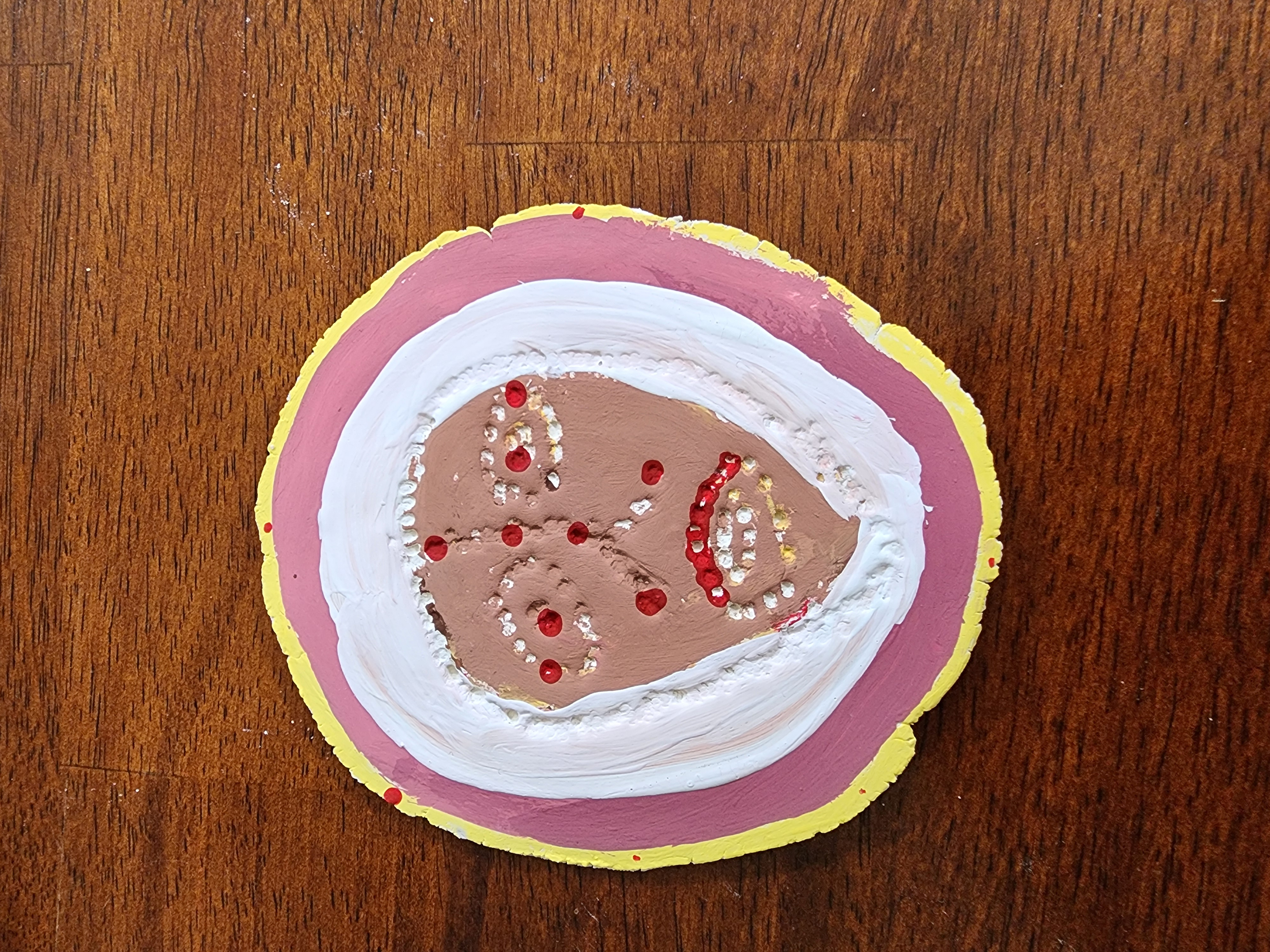 |
"My artwork represents the symbols and culture of the Taíno people, the indigenous inhabitants of Puerto Rico. Through these designs, I highlight their rich heritage, spiritual beliefs, and connection to nature. Each symbol reflects the traditions, values, and daily life of the Taíno, celebrating their lasting influence on the island’s history and culture." | 1.580 | |
| STAS St. Thomas Aquinas School Rio Rancho, NM | 3 | Elementary 3-5 | 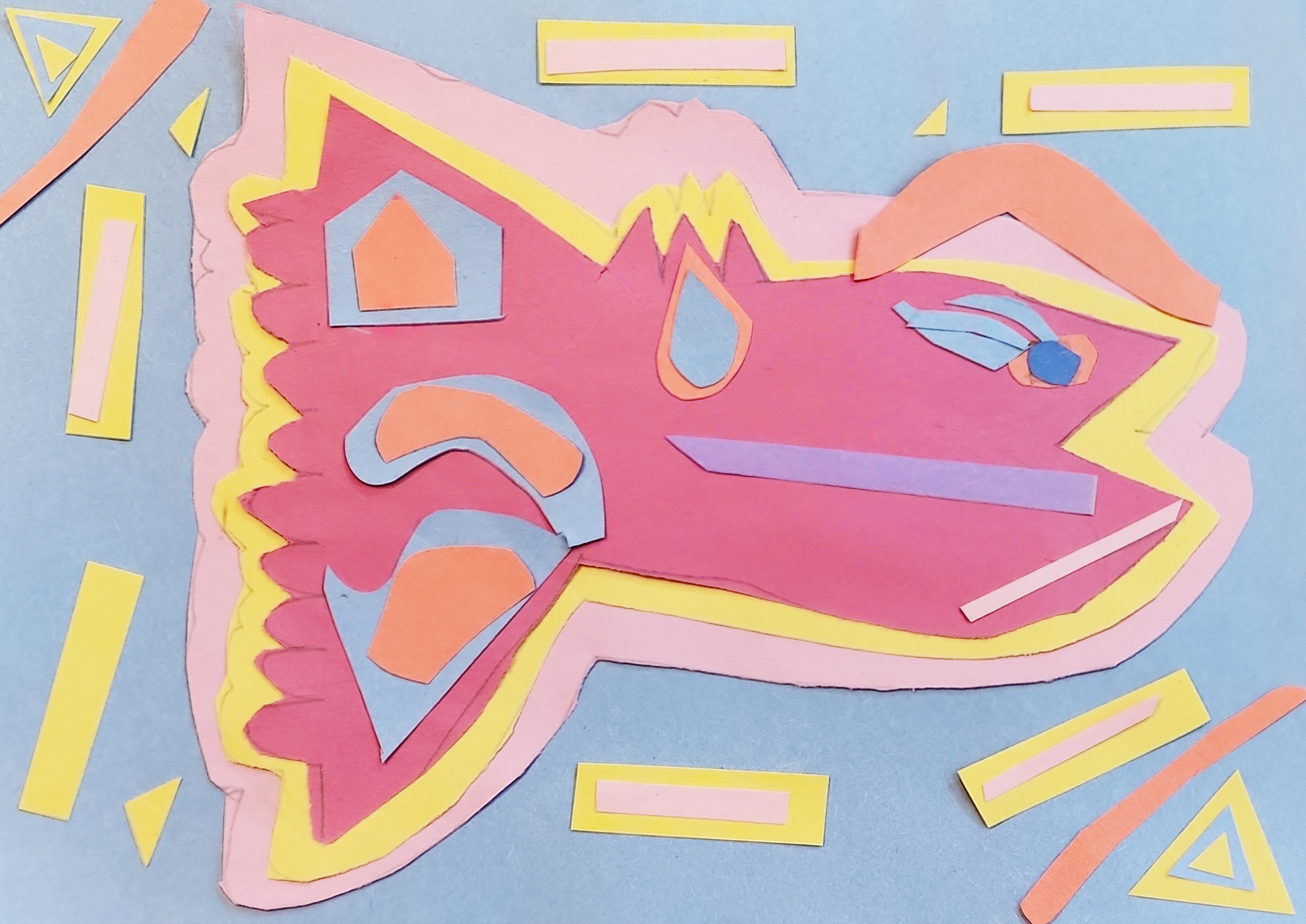 |
I decided to make a fish Mola because it looked easy to make. Molas are from Panama. I love fish they are so cute. | 780 | |
| STAS St. Thomas Aquinas School Rio Rancho, NM | 3 | Elementary 3-5 | 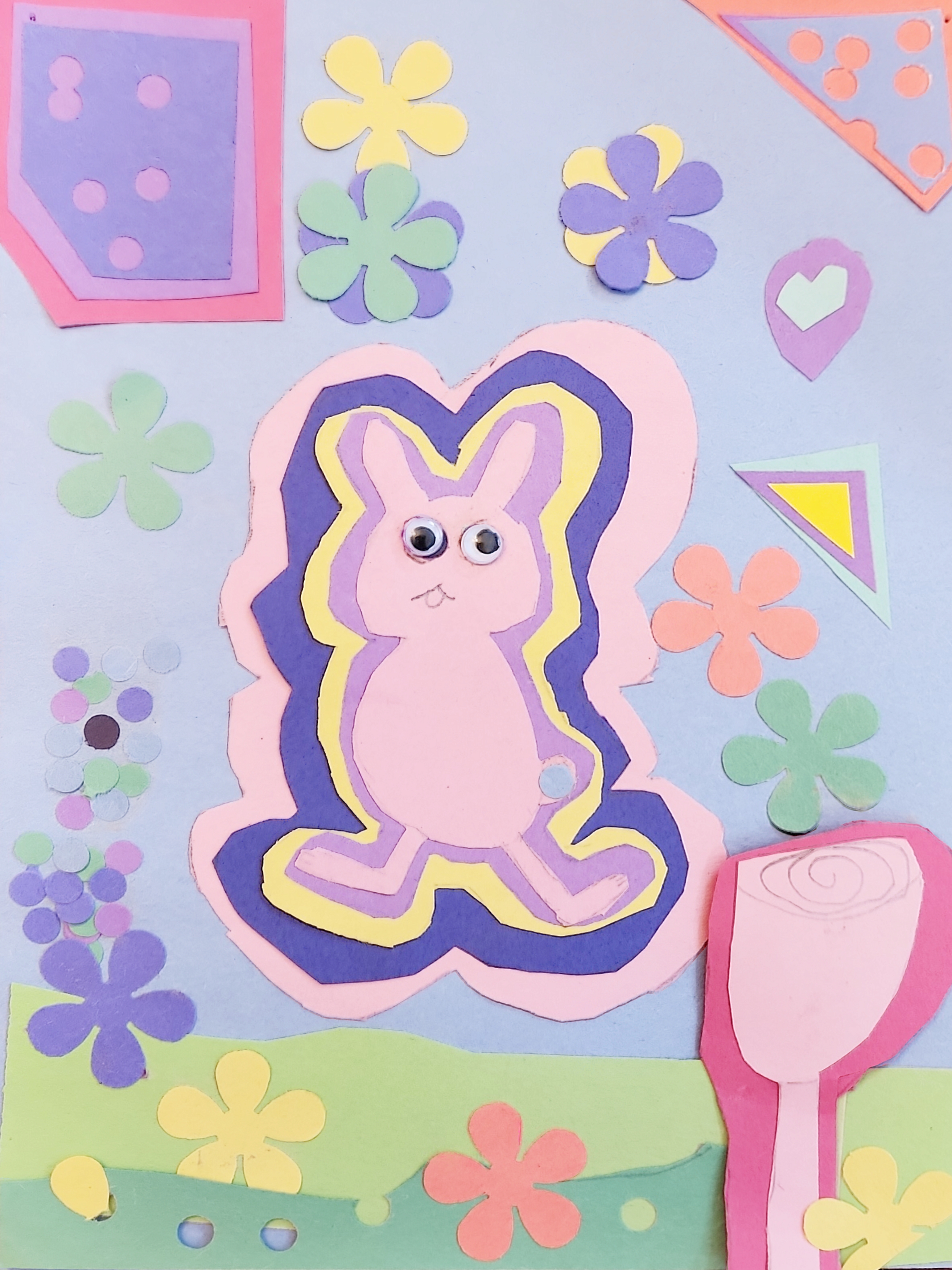 |
I decided to make this Mola because it was fun and looks cool. I love making it with my Art teacher Miss Miller. It is a fun thing to do. | 788 | |
| STAS St. Thomas Aquinas School Rio Rancho, NM | 3 | Elementary 3-5 | 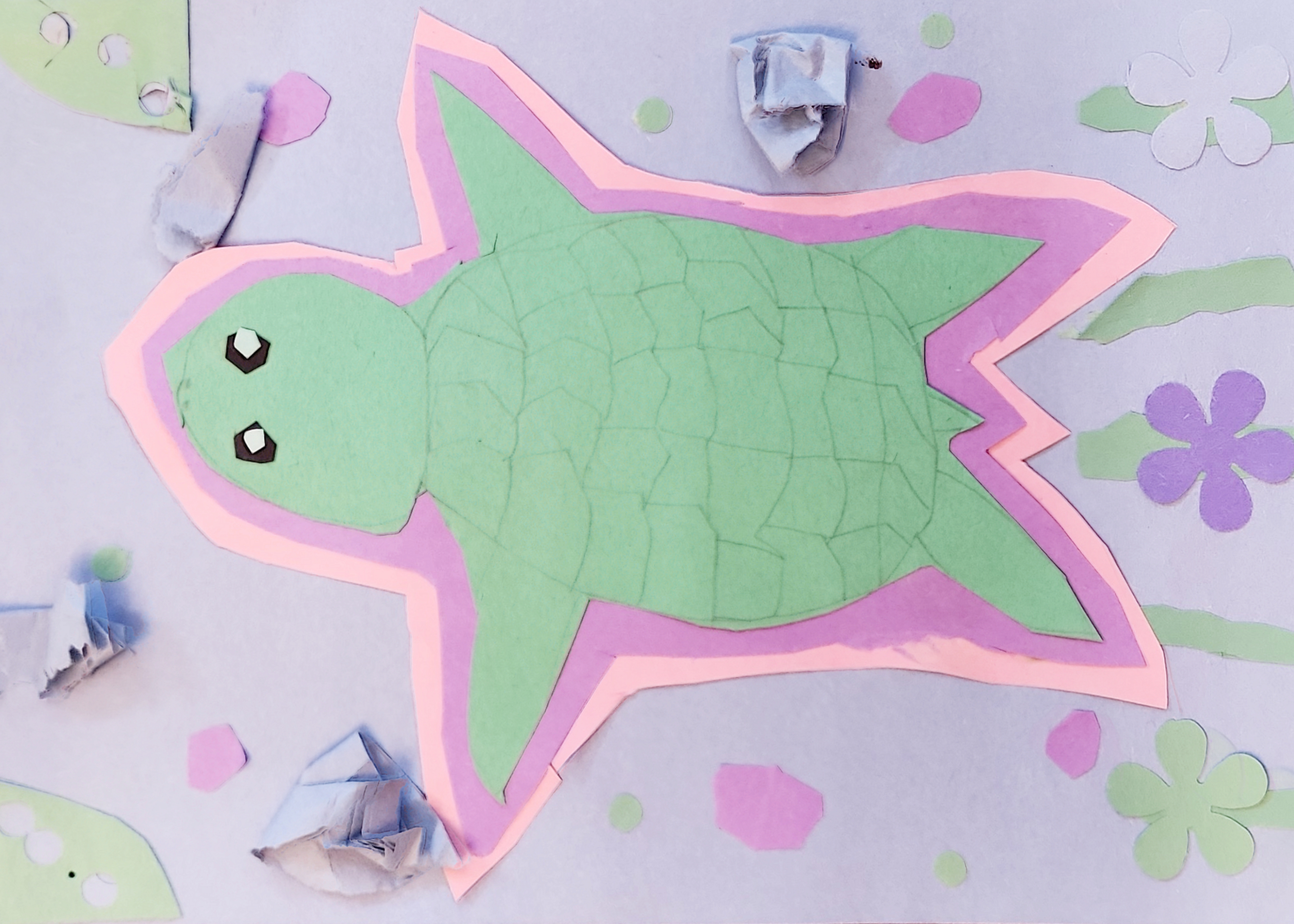 |
Molas are very bright and colorful. Usually Molas are made of fabric. I loved making this with my Art teacher. I made a turtle because turtles are my favorite animal. | 792 | |
| STAS St. Thomas Aquinas School Rio Rancho, NM | 3 | Elementary 3-5 | 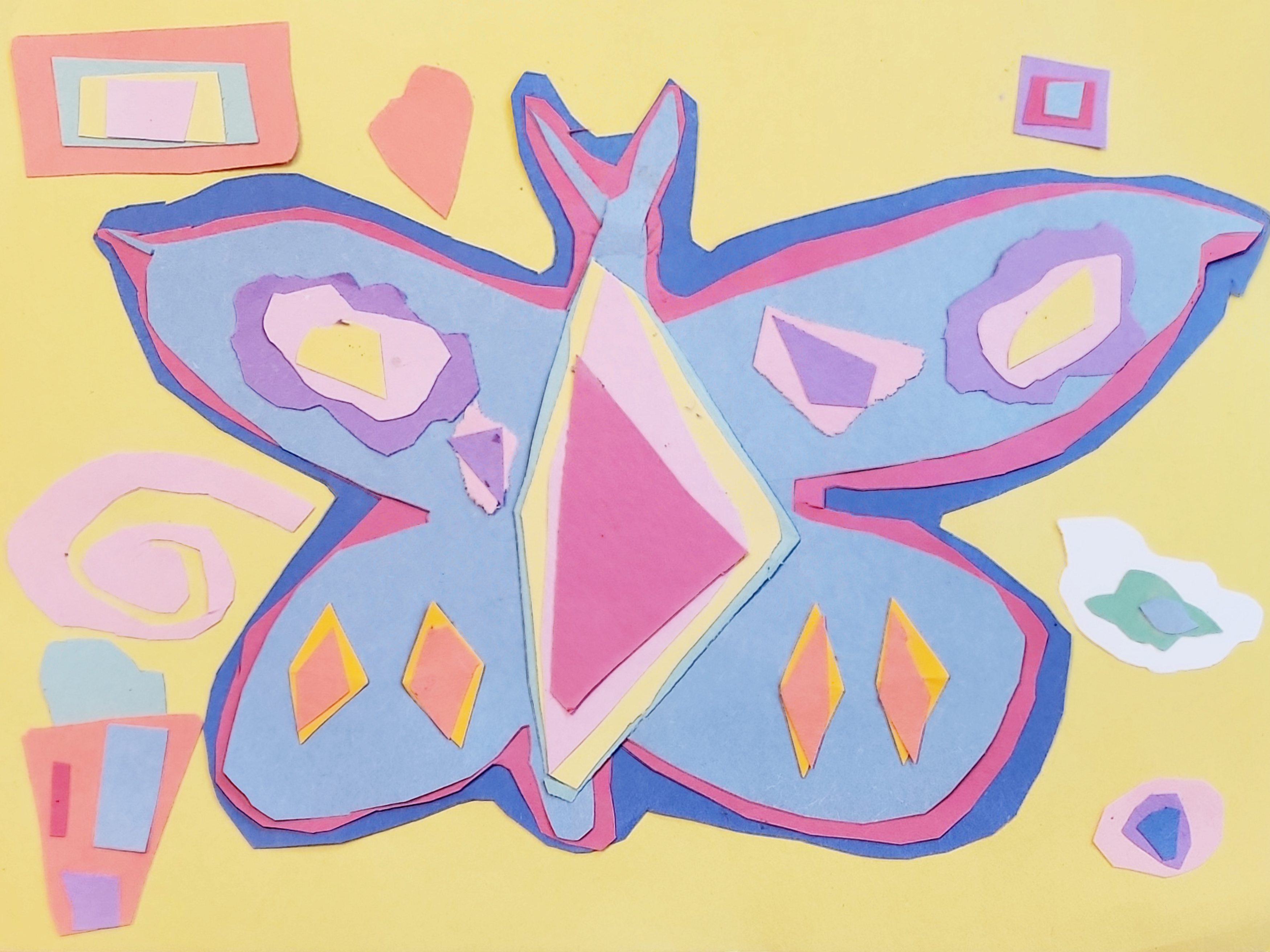 |
Molas are from Panama, I chose a butterfly because I like them. They are beautiful and very colorful. The butterfly is a Mola and Molas are fun to make. They are bright and pretty. | 796 | |
| STAS St. Thomas Aquinas School Rio Rancho, NM | 3 | Elementary 3-5 | 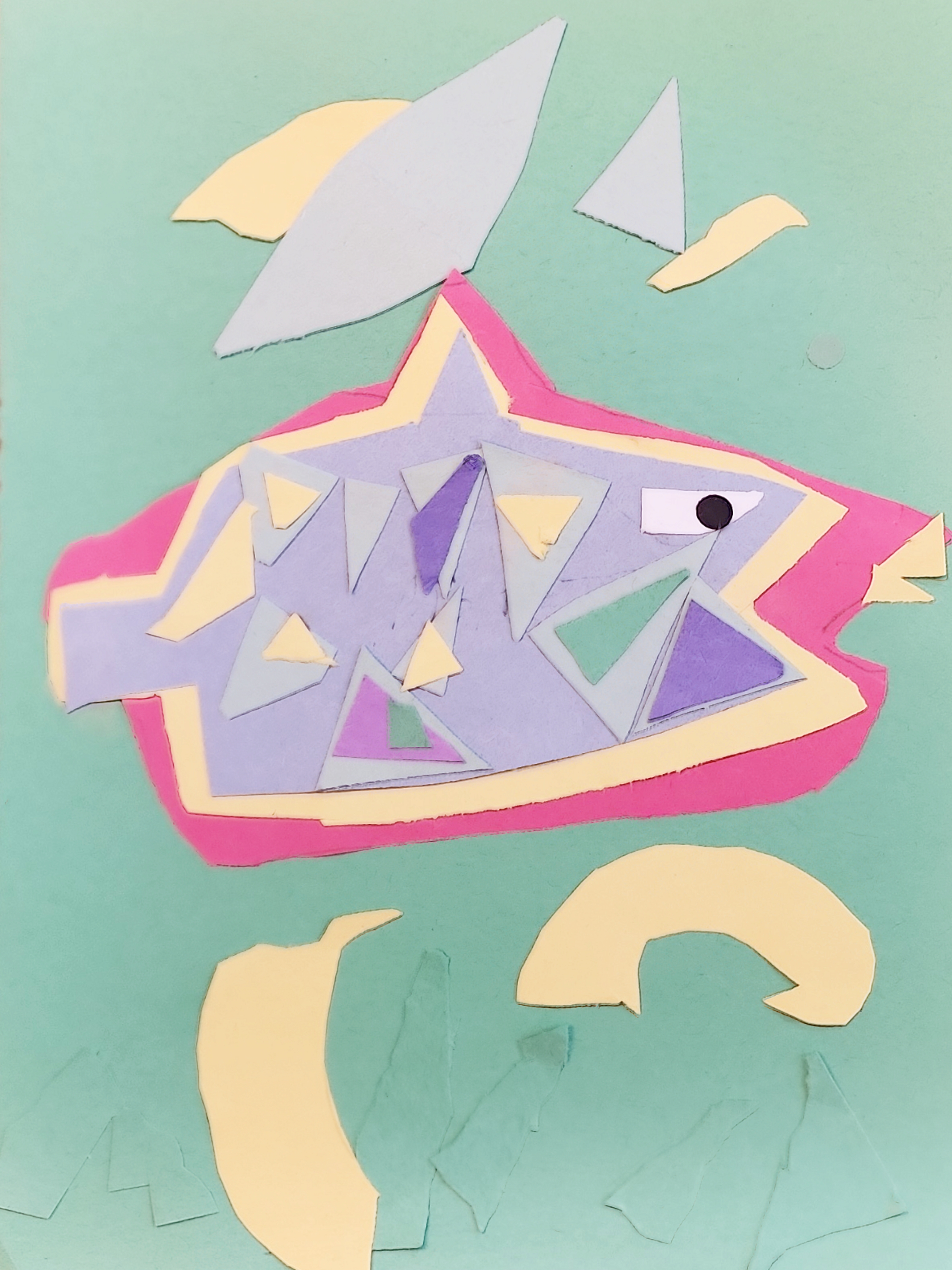 |
My are is a Mola. Molas are from Panama. They are very colorful and bright. | 800 | |
| STAS St. Thomas Aquinas School Rio Rancho, NM | 3 | Elementary 3-5 | 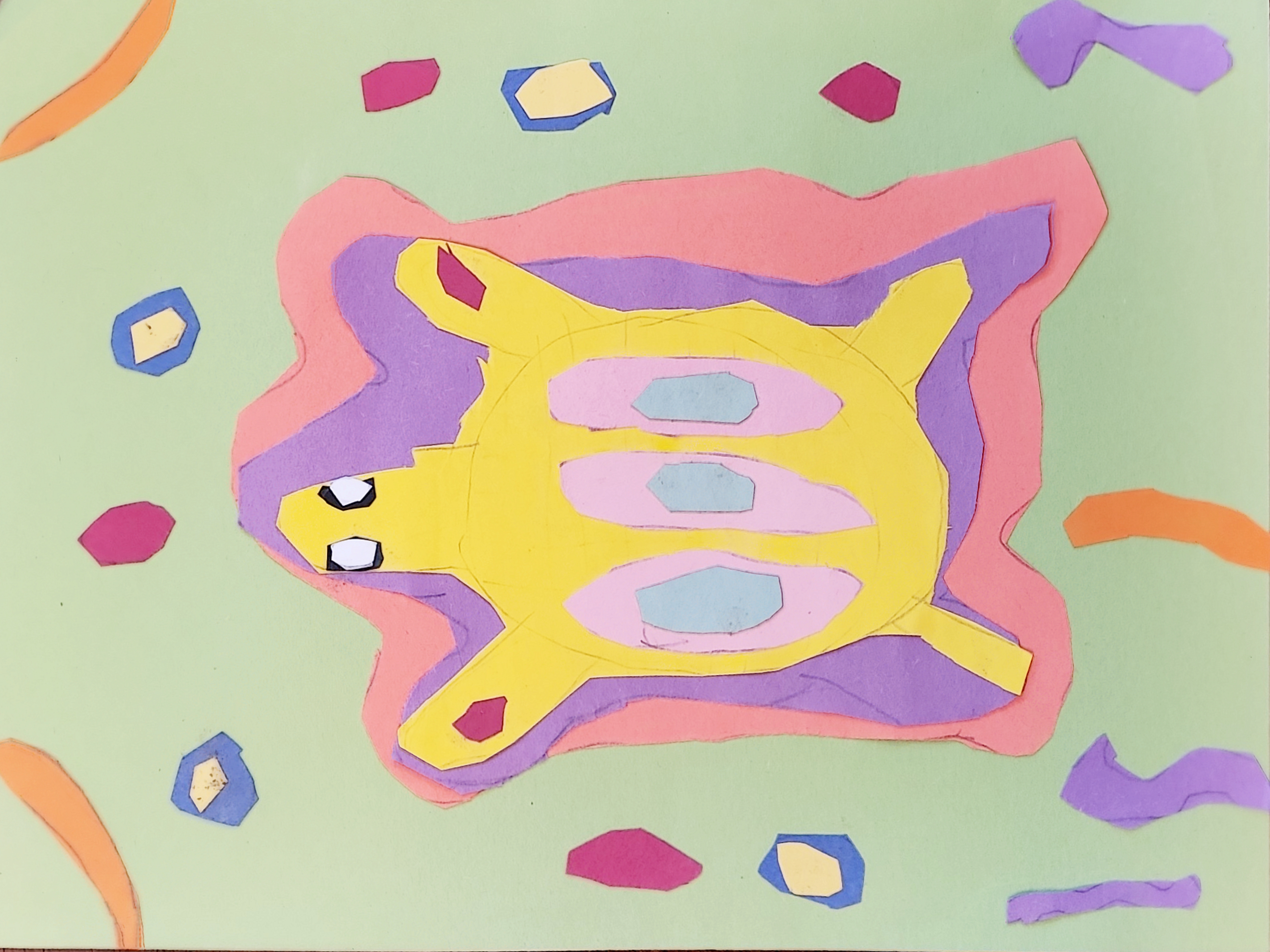 |
Molas are made in Panama. My Molas is a turtle. Molas are usually made with fabric. I think they are very cool. A lot of people like to watch how they make it and then they also can make it. I hope you try this too. | 804 | |
| STAS St. Thomas Aquinas School Rio Rancho, NM | 3 | Elementary 3-5 | 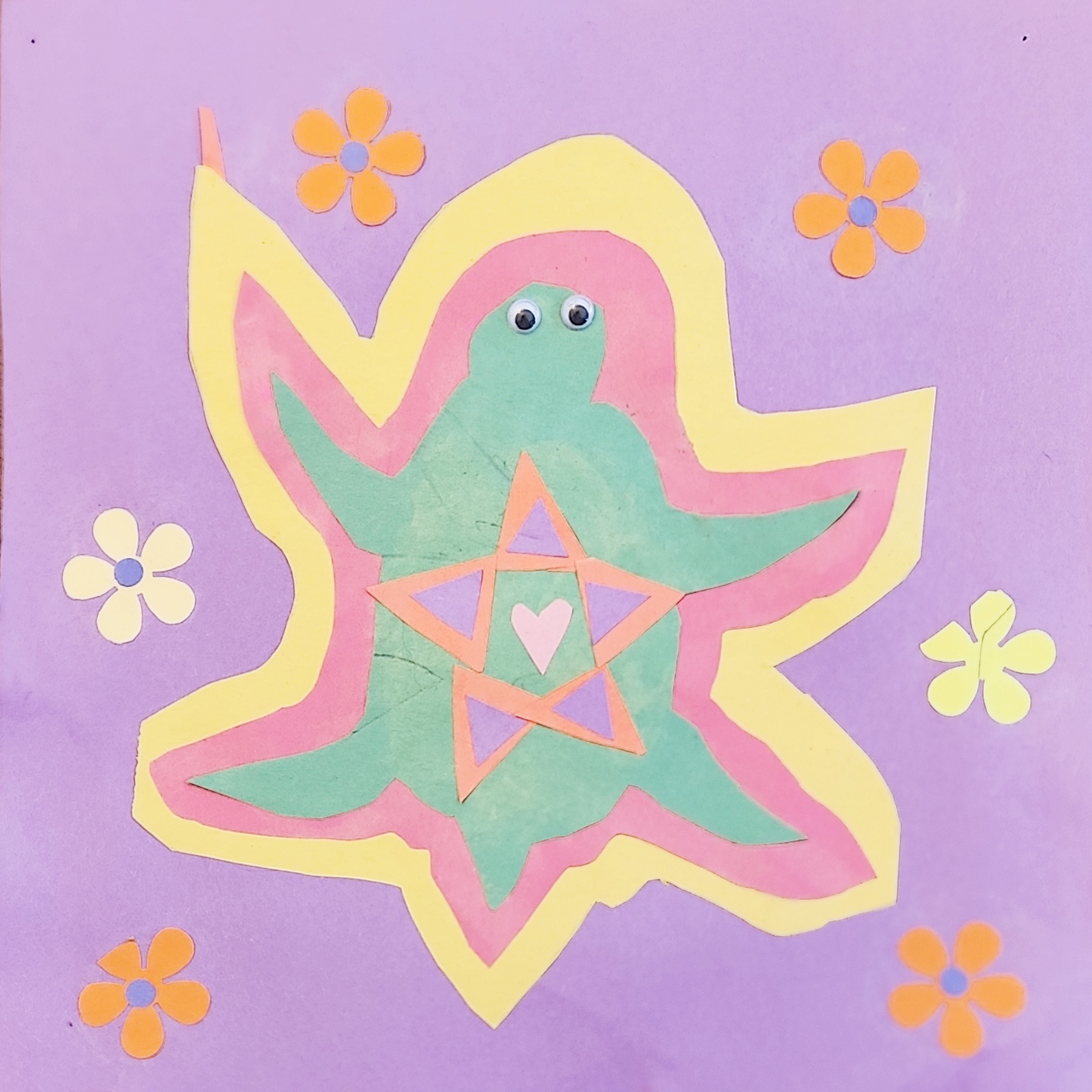 |
My art project is a Mola. A Mola is from Panama. I made a turtle because I think turtles are cute and turtles live in the sea. | 808 | |
| STAS St. Thomas Aquinas School Rio Rancho, NM | 3 | Elementary 3-5 | 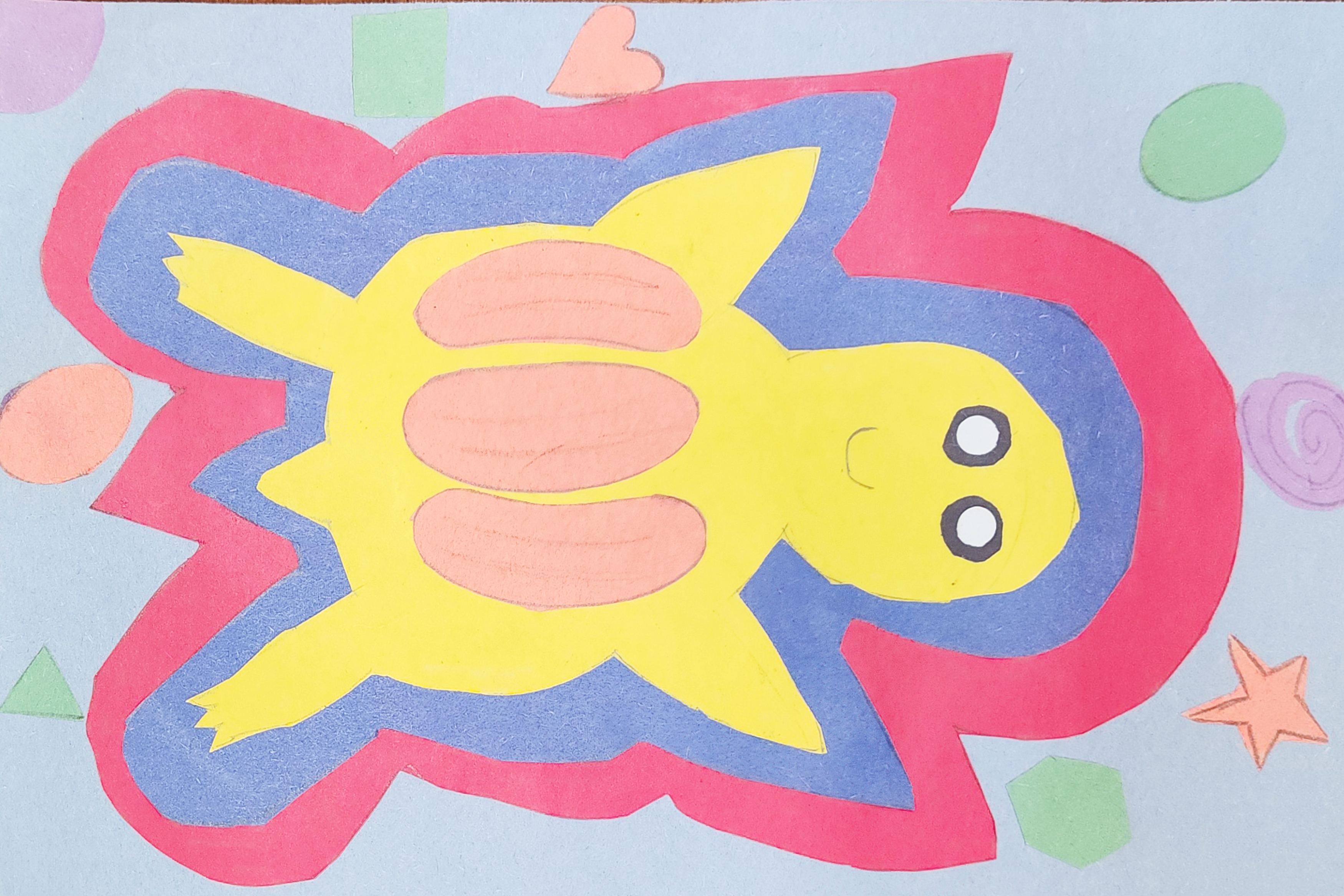 |
Molas are from Panama. Molas are very colorful. Molas are used to make blouses. Molas are hung up on the wall. Molas are made by hand. |
812 | |
| STAS St. Thomas Aquinas School Rio Rancho, NM | 3 | Elementary 3-5 | 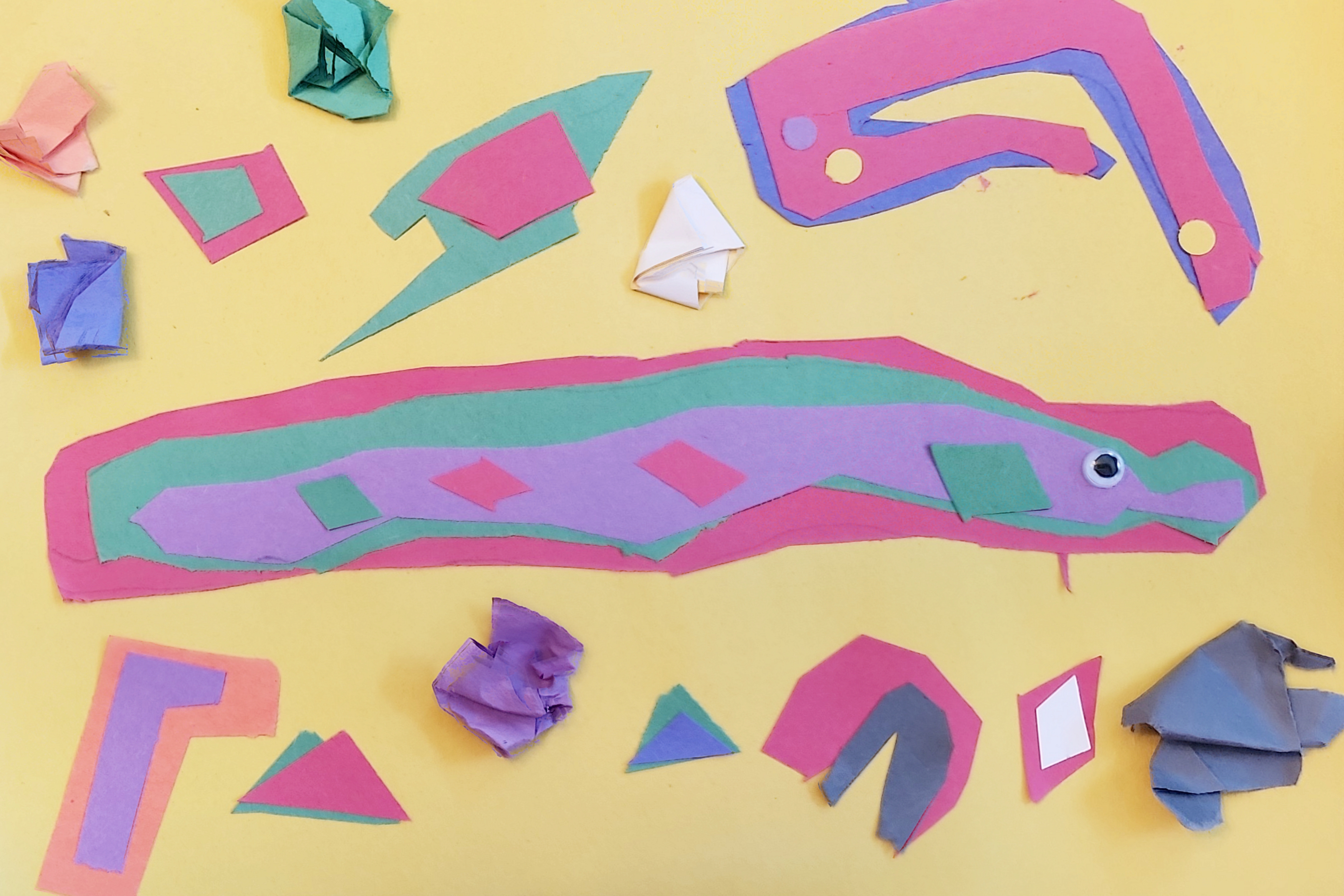 |
I made a Mola from Panama. It is a snake. I drew this snake because they are cool. Mrs. Miller helped me make this Mola. | 816 | |
| STAS St. Thomas Aquinas School Rio Rancho, NM | 3 | Elementary 3-5 | 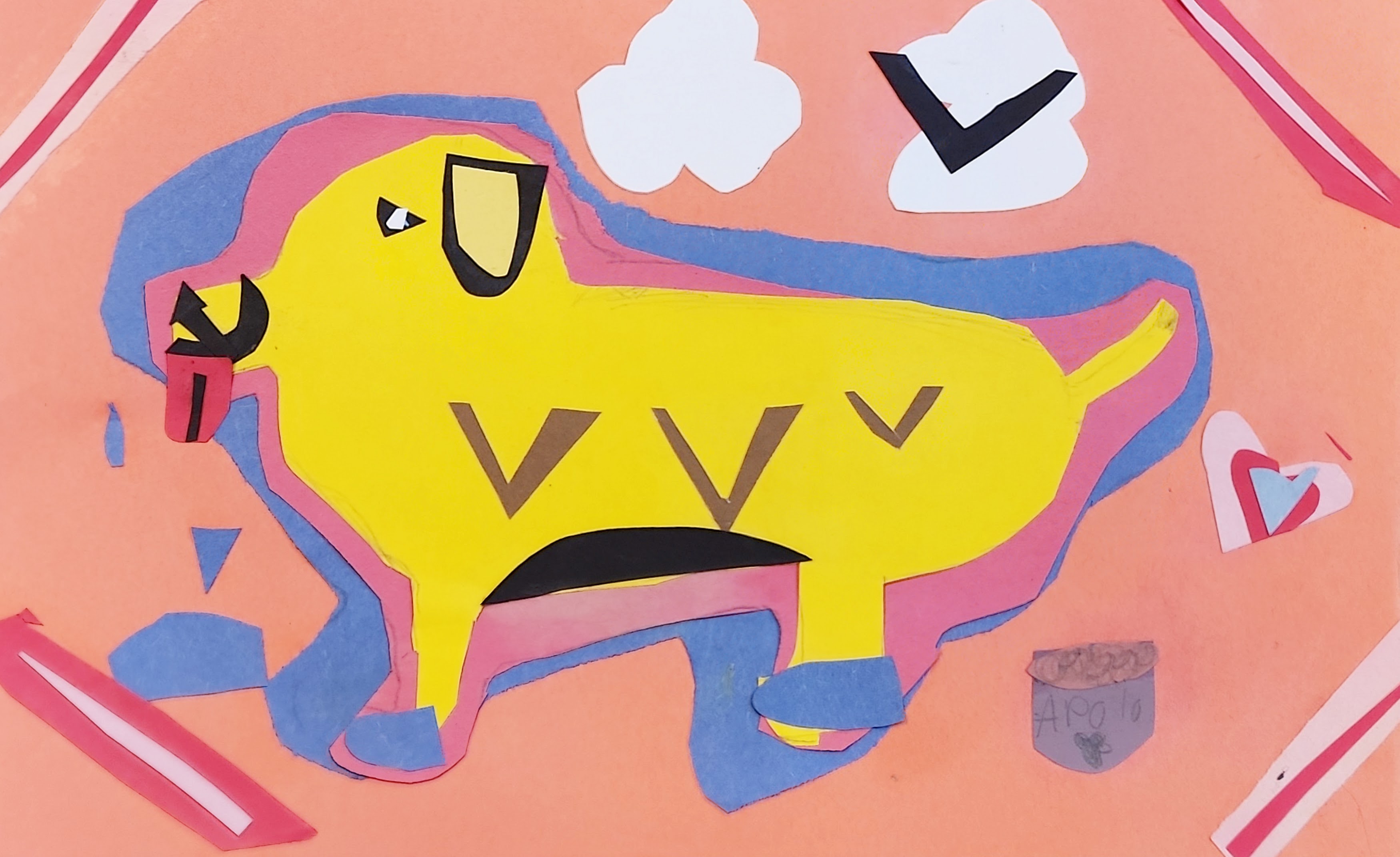 |
I drew a dog, his name is Apollo. My dog is a Mola. My dog died last year. I really miss him. Molas are from Panama. | 820 | |
| STAS St. Thomas Aquinas School Rio Rancho, NM | 3 | Elementary 3-5 | 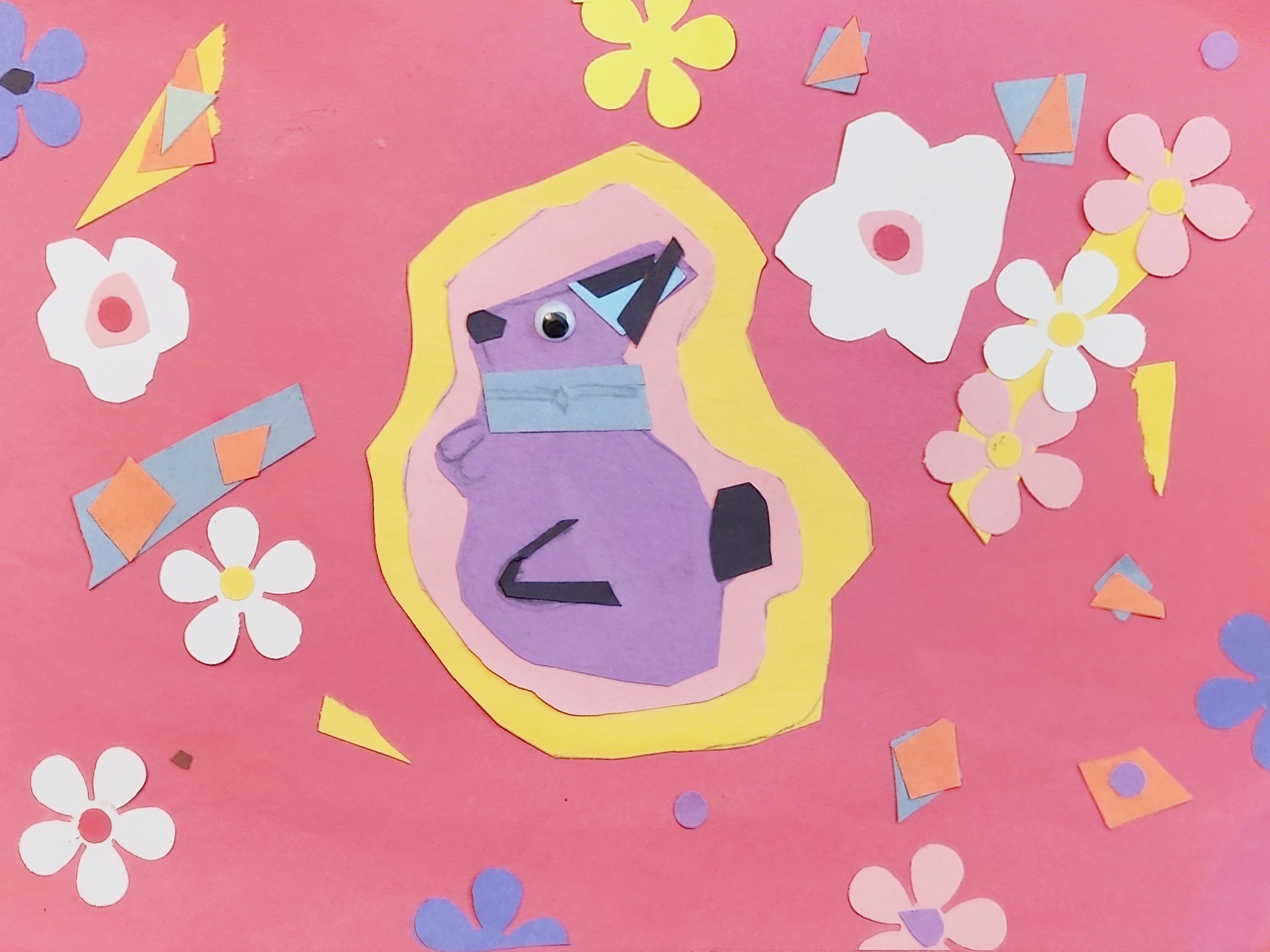 |
My Art is a bunny. A Mola is from Panama. I chose a bunny because bunnies are cute. The flowers stand for summer. | 824 | |
| STAS St. Thomas Aquinas School Rio Rancho, NM | 5 | Elementary 3-5 |  |
My Mola is a catfish. I wanted to be in the contest because I NEED art supplies. Molas are from Panama and part of Hispanic Heritage Month. Once again my Mola is a catfish swimming underwater. Hope you have a good day! | 828 | |
| STAS St. Thomas Aquinas School Rio Rancho, NM | 3 | Elementary 3-5 |  |
I made a Mola from Panama. Molas have lots of colors. Molas are made of fabric or paper. My Mola is a turtle because they're reptiles I love reptiles. Thank you for listening. | 832 | |
| STAS St. Thomas Aquinas School Rio Rancho, NM | 4 | Elementary 3-5 |  |
Molas are from Panama. My animal is a Gila trout. Gila trout live in New Mexico. Gila Trout are bigger than Rainbow Trout. Gila trout eat powerbait which I fish with. I made a Gila trout because I catch them all the time and love fishing. | 836 | |
| STAS St. Thomas Aquinas School Rio Rancho, NM | 4 | Elementary 3-5 |  |
My Mola is from Panama. My Mola is a fish. There are over a million fish . Fish eat cut up crab and other fish. | 840 | |
| STAS St. Thomas Aquinas School Rio Rancho, NM | 4 | Elementary 3-5 | 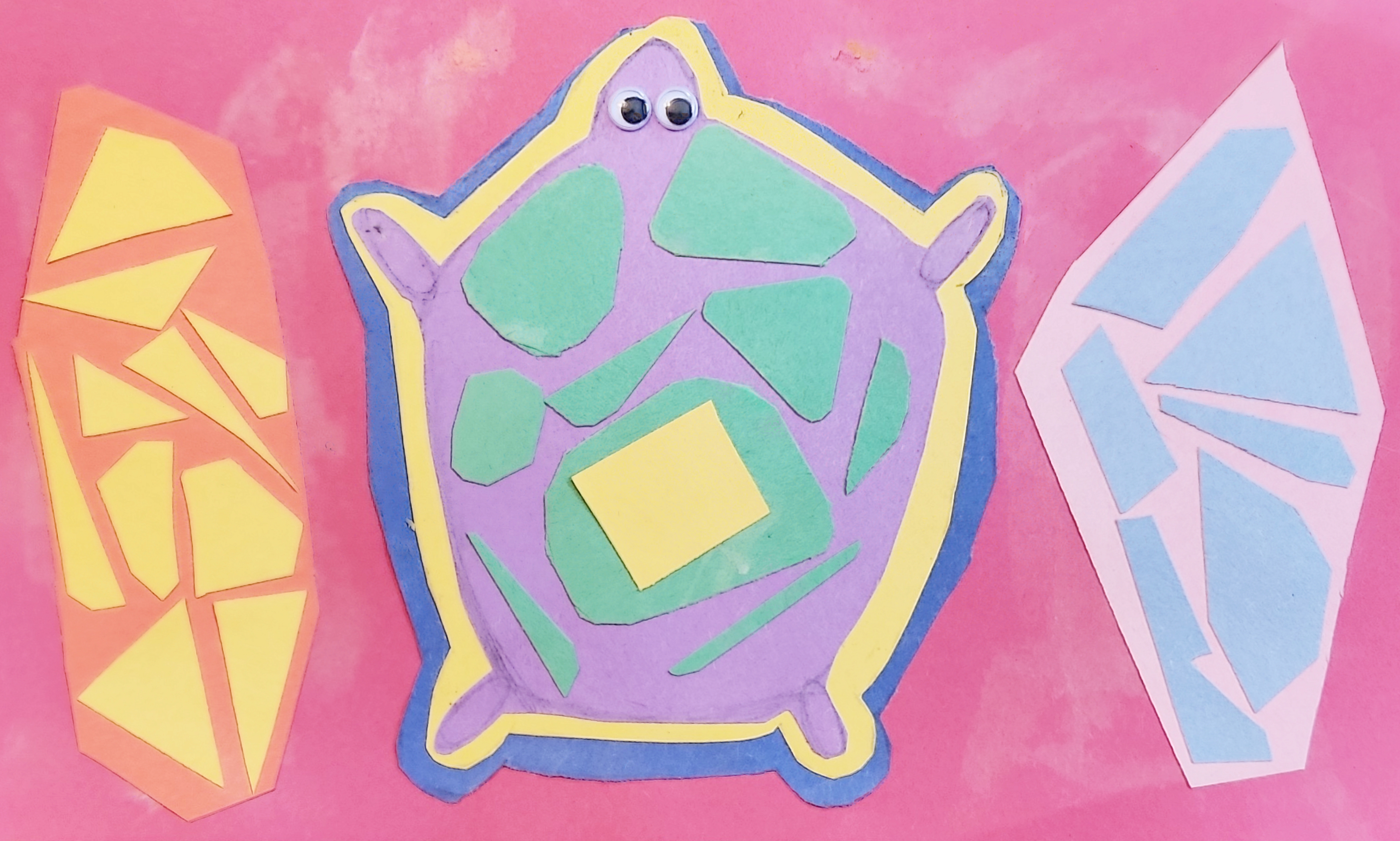 |
I did a turtle, they live in the ocean. This art is a Mola, it comes from Panama. Turtles live in water and sunny places. They eat carrots and lettuce. | 844 | |
| STAS St. Thomas Aquinas School Rio Rancho, NM | 4 | Elementary 3-5 | 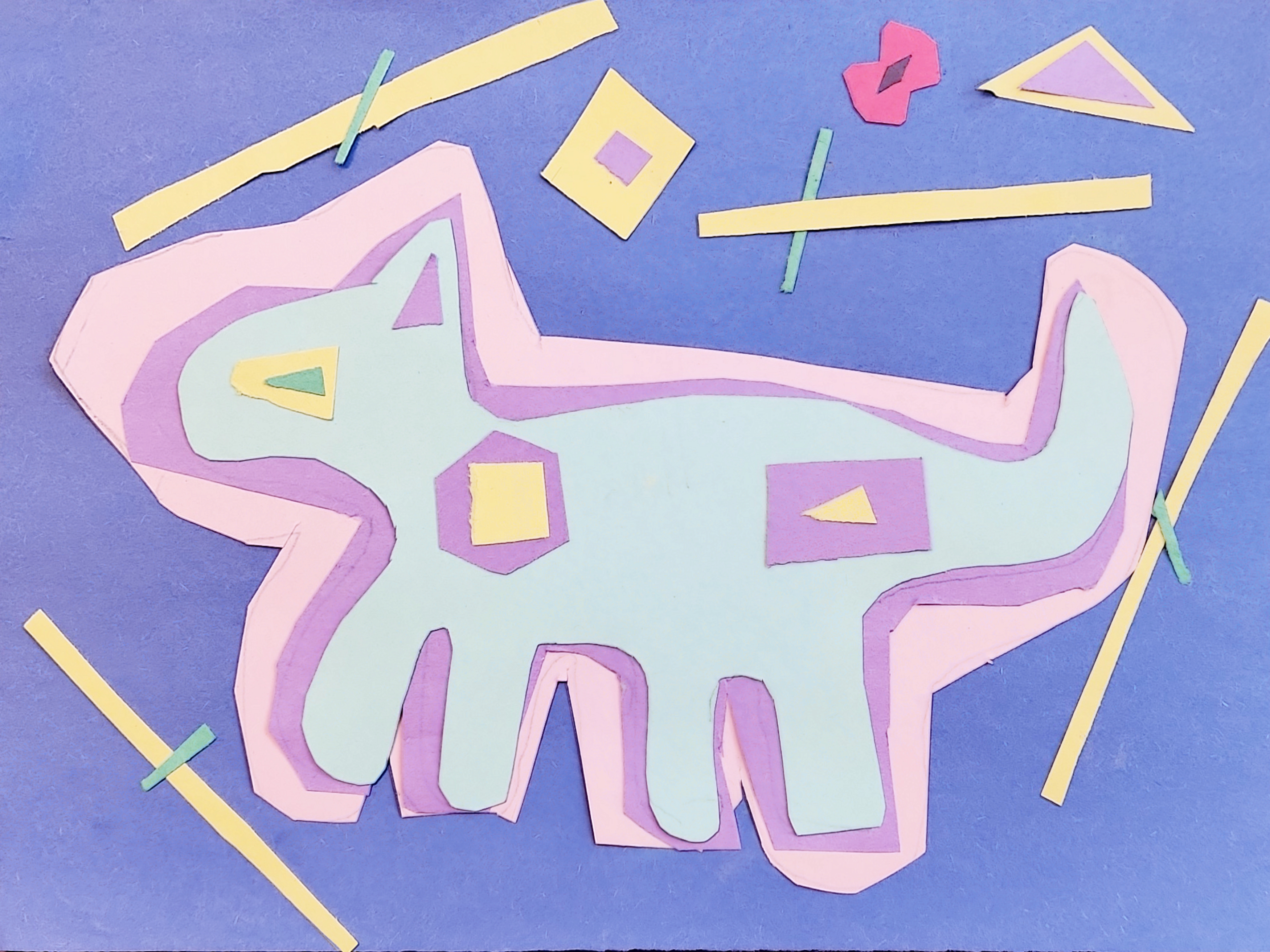 |
My project is a Mola from Panama. I chose to make a dog. I chose a dog to support my dead dogs and Hispanic Culture. I used colored paper, scissors, and glue to make this. I like this project because this represents my culture. So this is my wonderful creation. | 848 | |
| STAS St. Thomas Aquinas School Rio Rancho, NM | 4 | Elementary 3-5 | 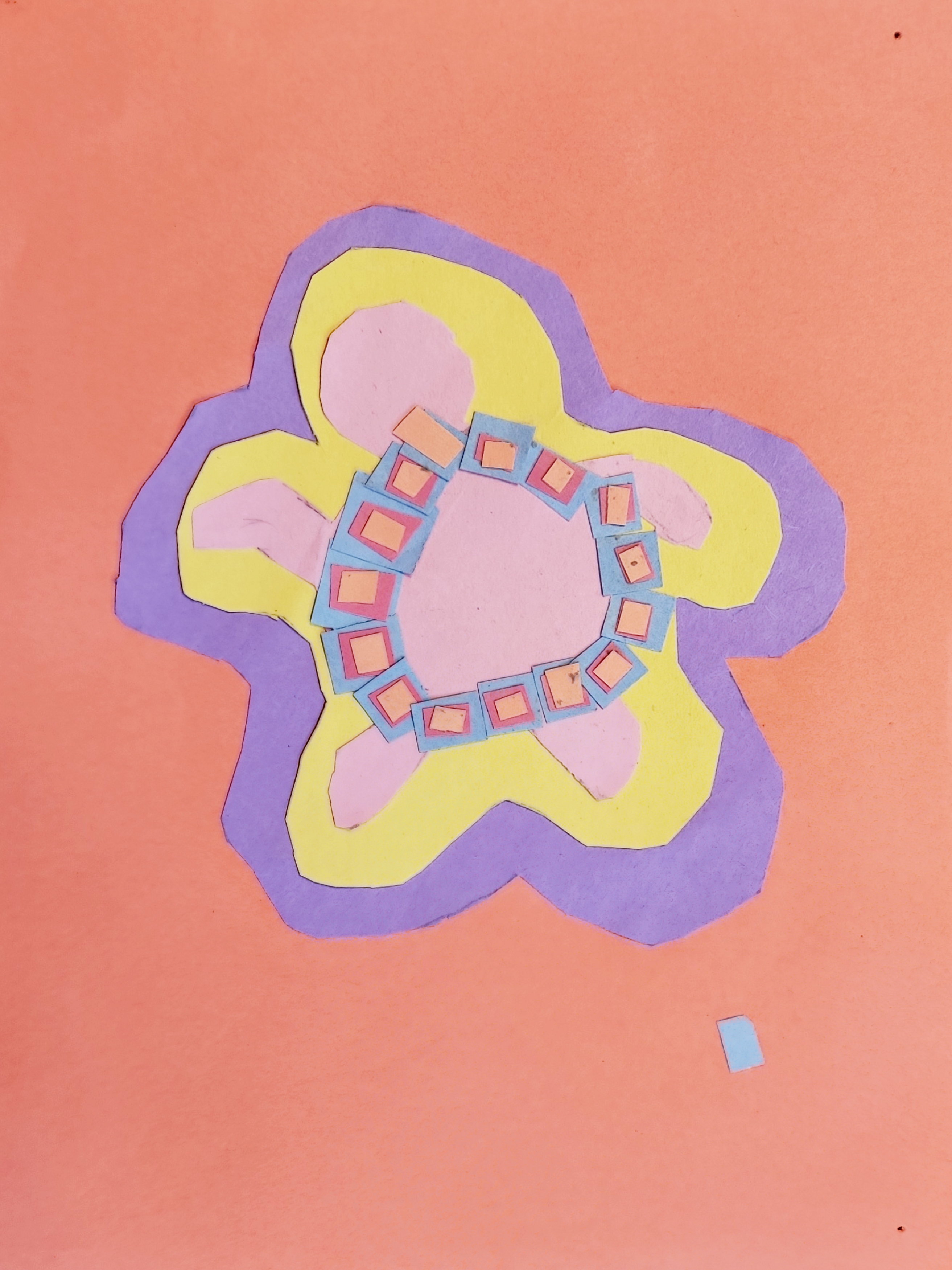 |
A Mola is a traditional textile panel created by the Guna (orKuna) people of Panama and Columbia, made using a reverse applique technique. These intricate, colorful panels are hand-sewn from multiple layers of fabric. | 852 | |
| STAS St. Thomas Aquinas School Rio Rancho, NM | 4 | Elementary 3-5 | 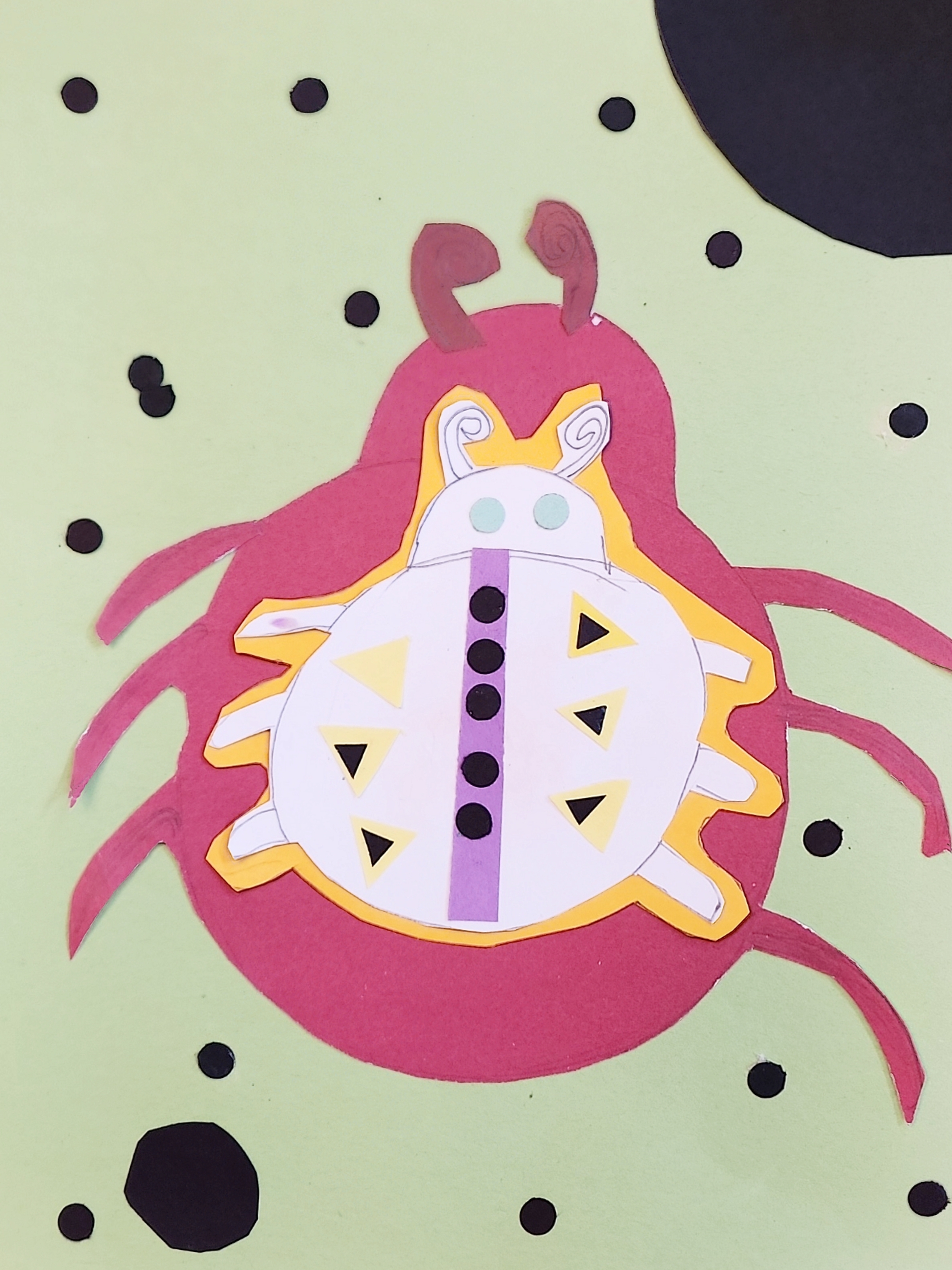 |
This magical insect is a called a ladybug. It is called this because our lady Mary. This Mola is from Panama. It is a beautiful creature and eats tiny aphids to keep the farmers crops safe. | 856 | |
| STAS St. Thomas Aquinas School Rio Rancho, NM | 4 | Elementary 3-5 |  |
This Mola is a Panda. I did a Panda because I like them. I try to do cute eyes but it didn't work out. This animal holds bamboo and eats it too. Bamboo is poisonous for humans. Pandas are very strong. | 860 | |
| STAS St. Thomas Aquinas School Rio Rancho, NM | 4 | Elementary 3-5 |  |
This has expired the way of the ostrich with its fast legs and curious mind. This is why I chose the ostrich. It is a Mola from Panama. I used colorful paper and glue. | 864 | |
| STAS St. Thomas Aquinas School Rio Rancho, NM | 4 | Elementary 3-5 |  |
Mola from Panama. My Mola is a turtle. My Mola is made with colorful paper just like the ones from Panama. It includes bright colors like red, yellow, green, blue and orange. I hope you like my Mola. | 868 | |
| STAS St. Thomas Aquinas School Rio Rancho, NM | 4 | Elementary 3-5 |  |
The Mola I chose was a flower. I also chose vibrant colors like pink, orange, yellow, blue, and green. Molas use a lot of colors and are usually made of fabric and paper. I chose a flower because they are easy to draw and they are pretty. I enjoyed making this with my Art Teacher. Molas come from the country of Panama. | 876 | |
| STAS St. Thomas Aquinas School Rio Rancho, NM | 4 | Elementary 3-5 |  |
My Mola is a cross between a rattlesnake and King Cobra. I tried to give it color. I chose a snake this not endangered, I like snakes. Molas are made in Panama. | 880 | |
| STAS St. Thomas Aquinas School Rio Rancho, NM | 4 | Elementary 3-5 |  |
Mola from Panama. This artwork is called a Mola. The animal is a fox. It has lots of fun. It has the ability to jump high. Molas come from Panama, they are made in many different shapes. | 884 | |
| STAS St. Thomas Aquinas School Rio Rancho, NM | 4 | Elementary 3-5 |  |
Molas are from Panama. My animal is a turtle. It is super colorful and creative. I love doing this art project. | 888 | |
| STAS St. Thomas Aquinas School Rio Rancho, NM | 4 | Elementary 3-5 |  |
My animal is a turtle. Molas are from Panama. My turtle eats lettuce. I did a turtle because its cool. | 892 | |
| STAS St. Thomas Aquinas School Rio Rancho, NM | 4 | Elementary 3-5 | 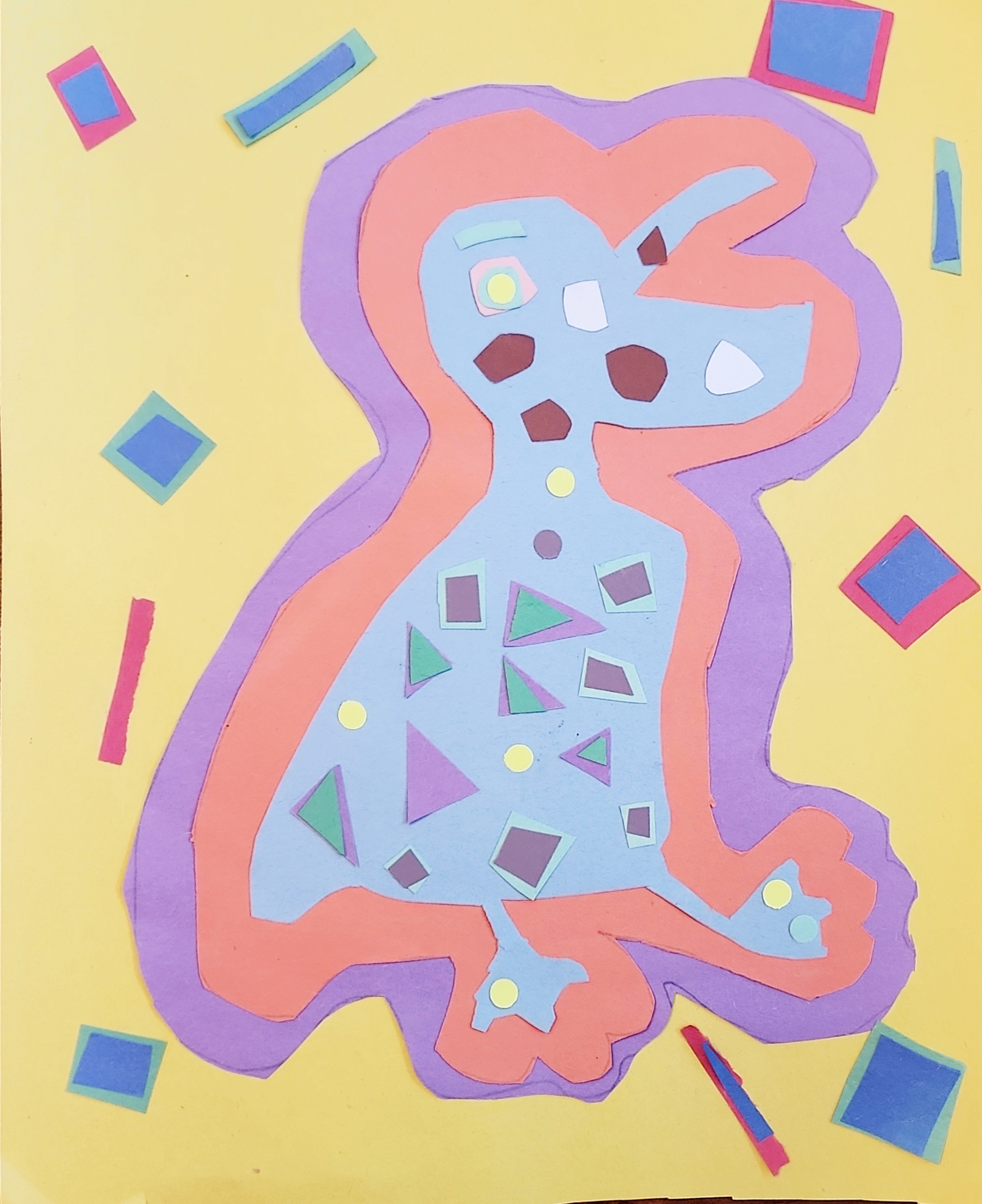 |
What I am drawing is a pelican. I drew a pelican because it's our school mascot. I wanted to represent my school so this why I drew a pelican. The type of drawing is a Mola from Panama. I drew it by cutting out pieces of paper and glueing it on the paper in many shapes and colors. That is my drawing. | 896 | |
| STAS St. Thomas Aquinas School Rio Rancho, NM | 5 | Elementary 3-5 | 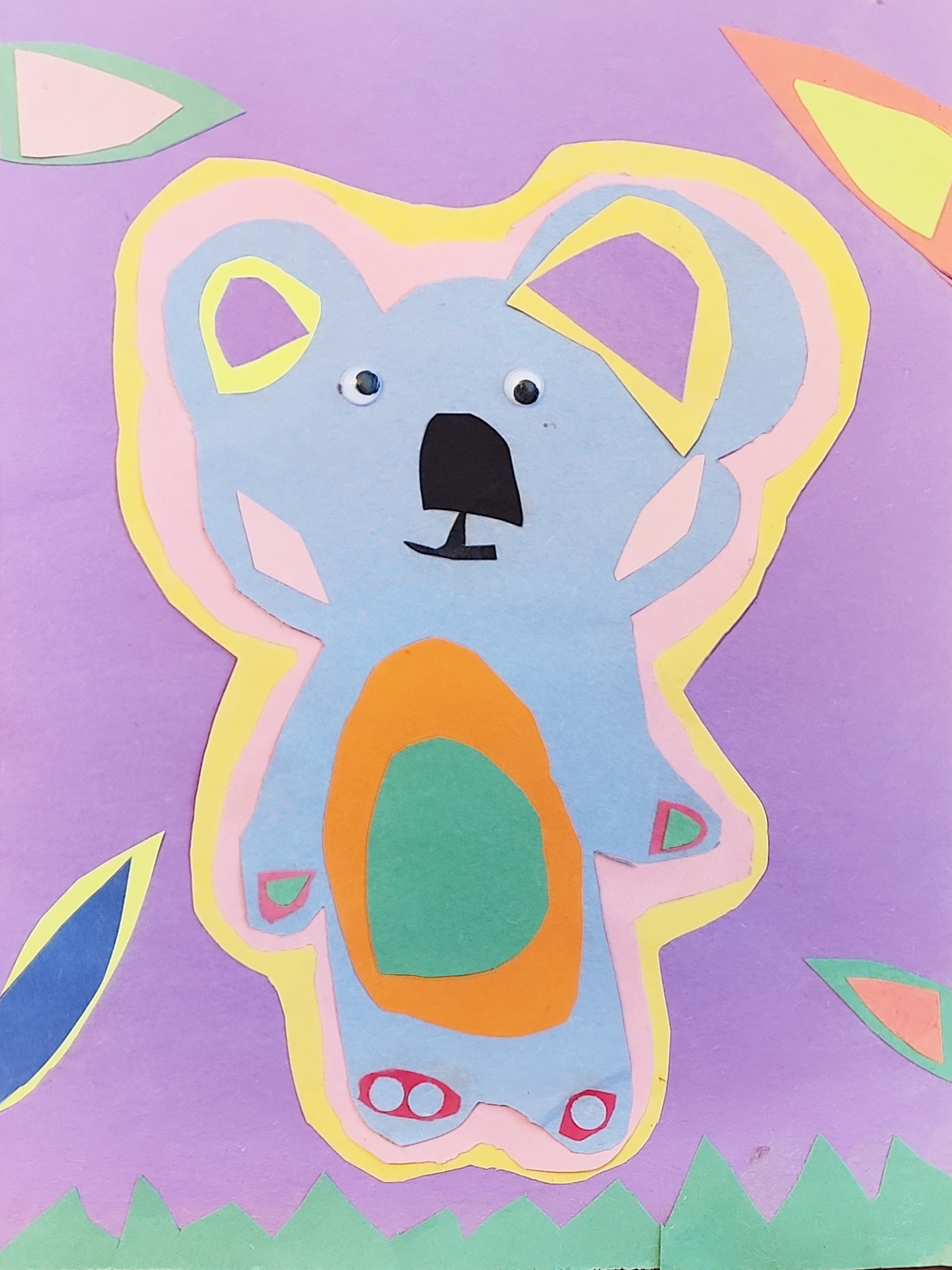 |
I did a Koala Mola. I picked a Koala because Koalas are my favorite animal. Molas are from Panama. Hispanic Heritage month is important to me because I recently did a project about Paraguay. | 900 | |
| STAS St. Thomas Aquinas School Rio Rancho, NM | 5 | Elementary 3-5 | 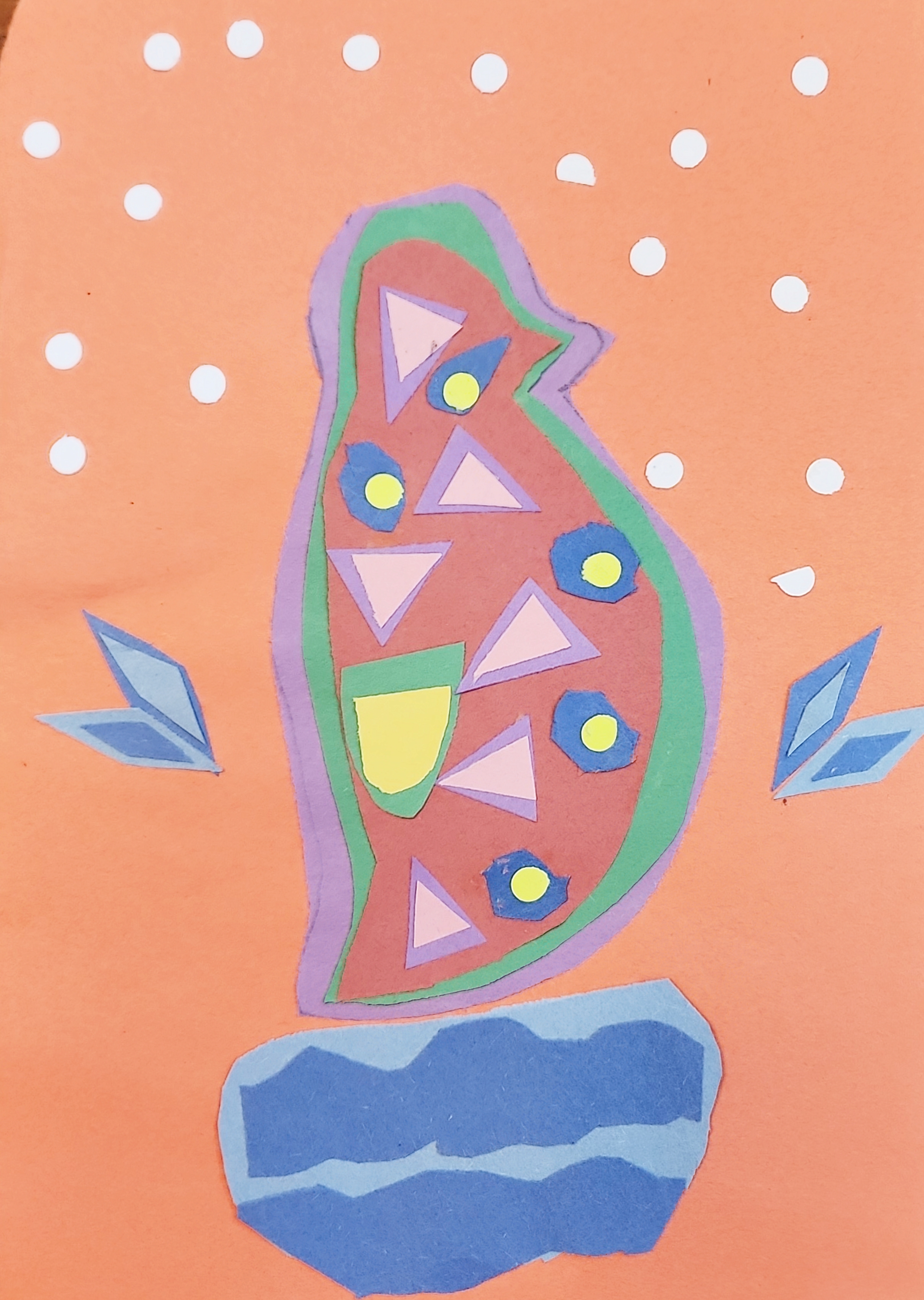 |
My Mola design is a Penguin and the reason I like Penguins is because they are birds but they can't fly. My Penguin Mola is from Panama that's why I am entering the Hispanic Heritage art contest. | 904 | |
| STAS St. Thomas Aquinas School Rio Rancho, NM | 5 | Elementary 3-5 | 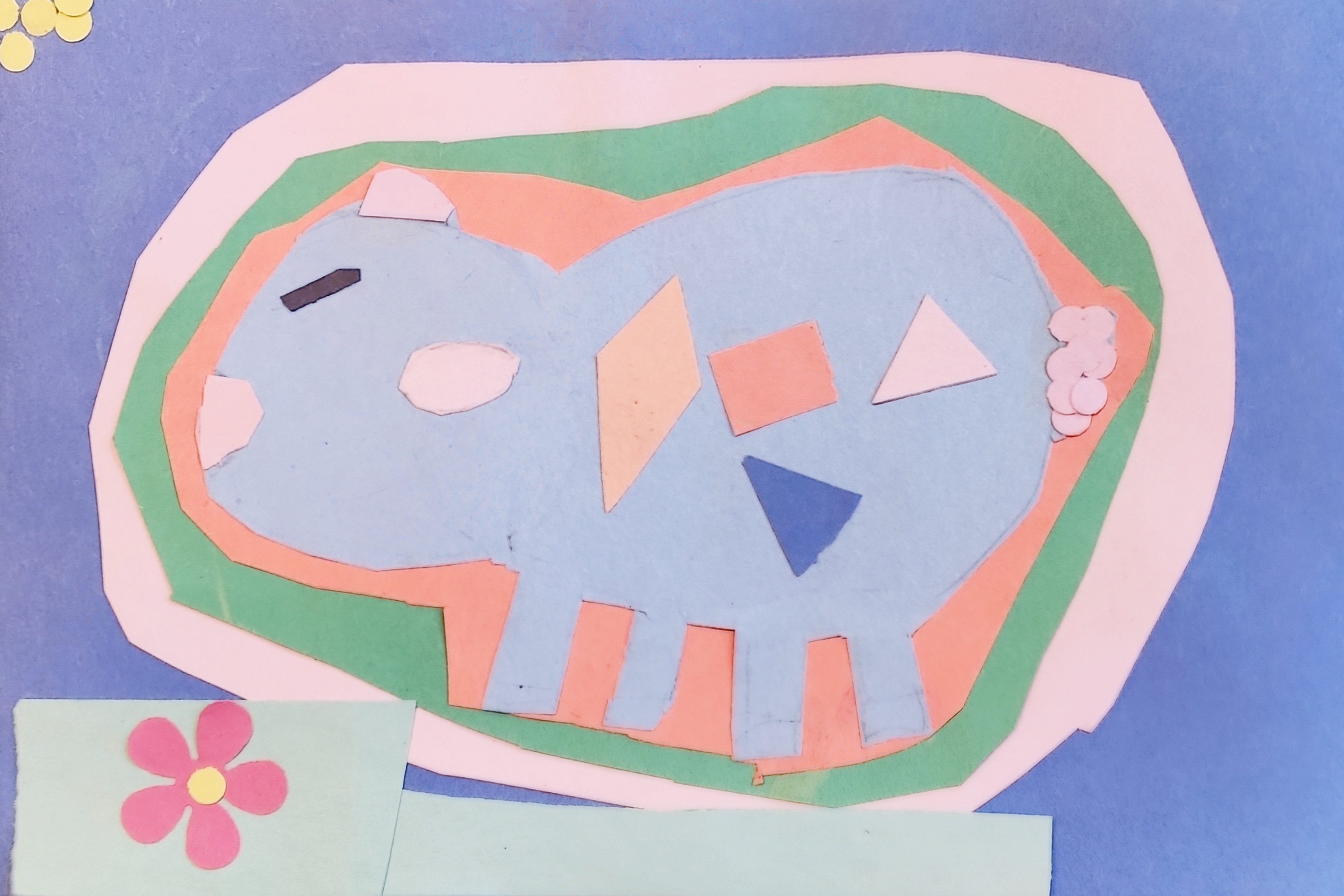 |
Molas are from Panama. My Capybara is colorful. I chose a Capybara because it is my favorite. I love Capybara in Spring. | 916 | |
| STAS St. Thomas Aquinas School Rio Rancho, NM | 5 | Elementary 3-5 |  |
My artwork is a Mola of a bear standing on two legs. The bear smells a heart shaped flower as the world around her fall apart. Like a speck of dust on the top of a bookshelf. | 920 | |
| STAS St. Thomas Aquinas School Rio Rancho, NM | 5 | Elementary 3-5 |  |
My Mola is a snake. I chose a snake because it is my favorite animal. Did you know that Molas are from Panama? | 924 | |
| STAS St. Thomas Aquinas School Rio Rancho, NM | 5 | Elementary 3-5 |  |
This is a Mola which is founded in Panama. The original Mola is made of cloth but this one is made with paper and glue. My Mola is a rose. I did a rose because I think they are very pretty. This rose Mola is a very brightly colored rose. Normally a rose is not as colorful but Molas are normally bright. | 936 | |
| STAS St. Thomas Aquinas School Rio Rancho, NM | 5 | Elementary 3-5 |  |
My art project is a Mola, it is from Panama. Molas have many bright colors. I chose a Panda because they are my favorite animal. This is Hispanic Art. | 940 | |
| STAS St. Thomas Aquinas School Rio Rancho, NM | 5 | Elementary 3-5 | 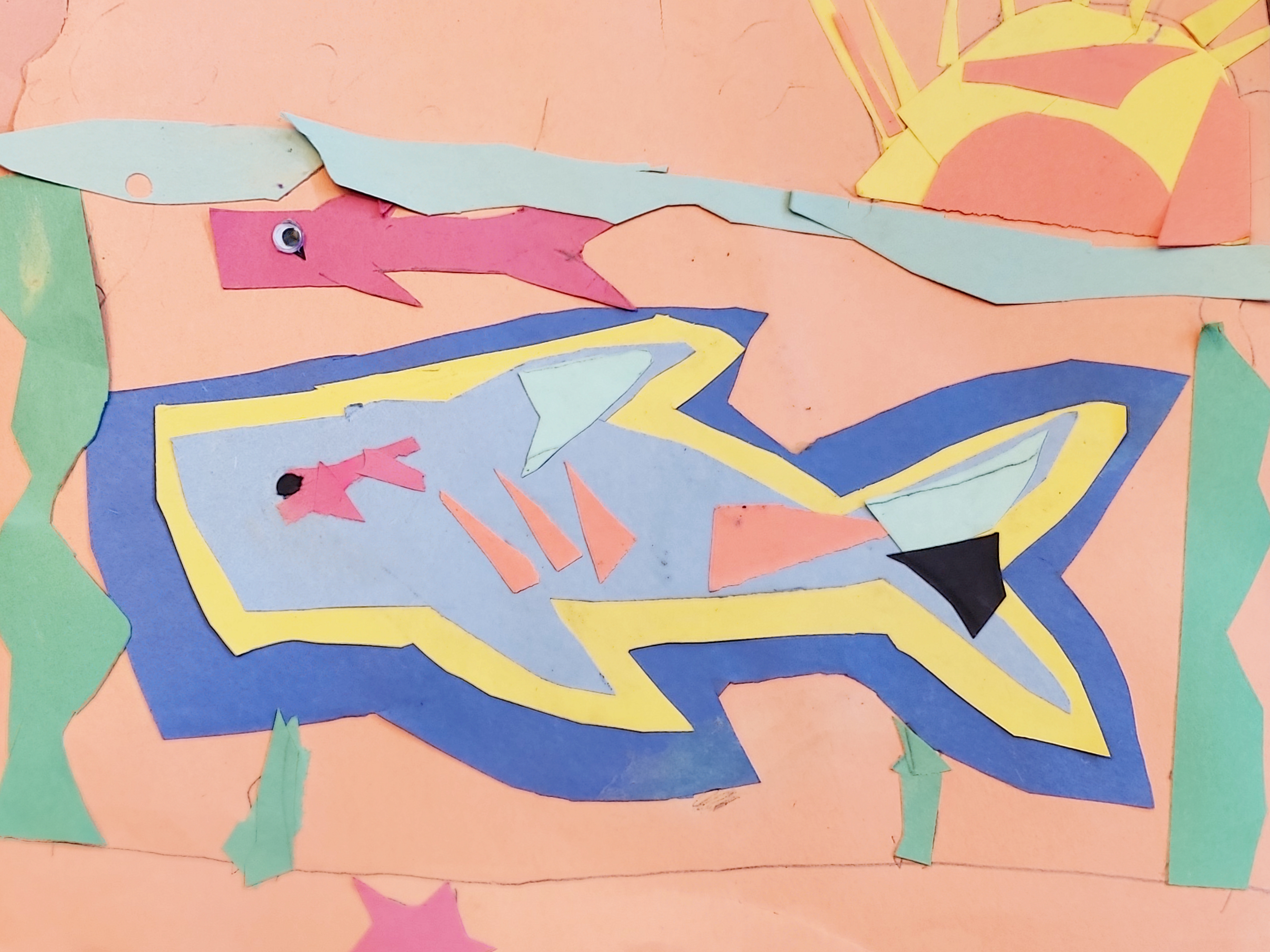 |
My Mola is a shark because sharks are cool. Molas are from Panama. I did a mola because it's Hispanic artwork. Molas are very colorful and pretty. | 944 | |
| STAS St. Thomas Aquinas School Rio Rancho, NM | 5 | Elementary 3-5 | 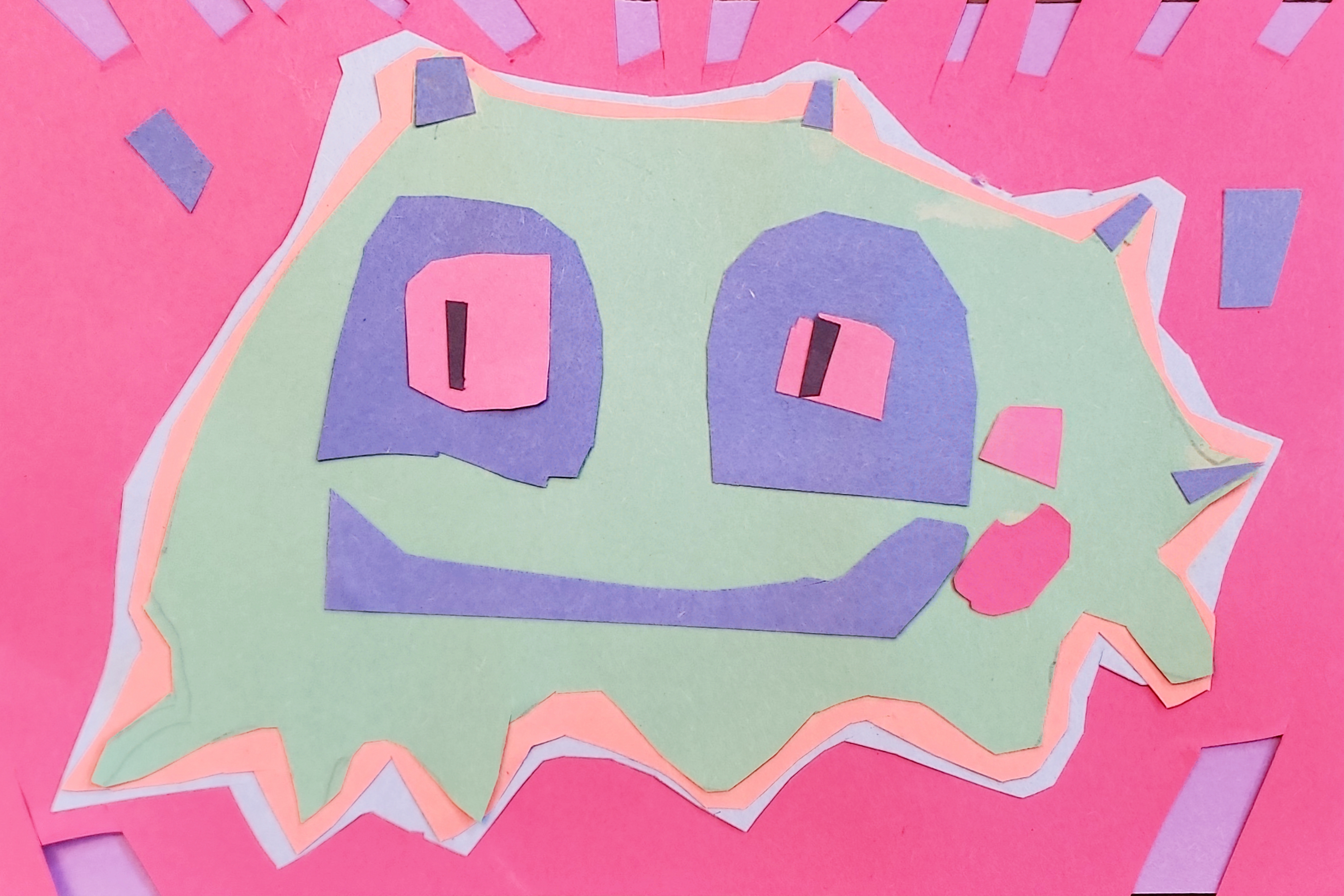 |
This monster is made in a style called a Mola. The style originated in Panama and was used on cloth. The monster I made is called "rare toejammer" from a game called "My Singing Monsters." | 956 | |
| STAS St. Thomas Aquinas School Rio Rancho, NM | 5 | Elementary 3-5 | 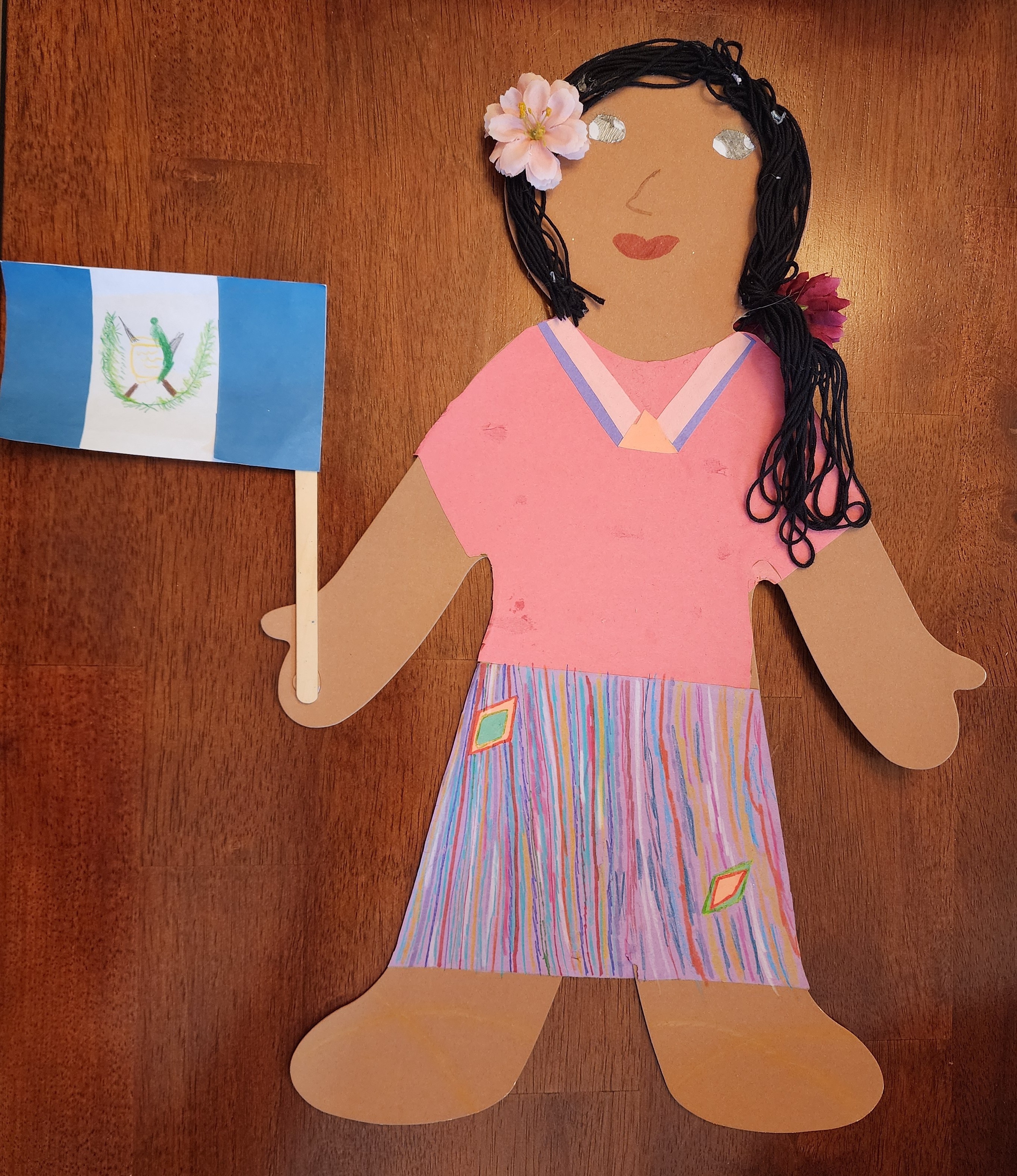 |
“My person represents the country of Guatemala. Guatemala is rich in Mayan traditions that are still celebrated today, such as special ceremonies, colorful festivals, and the giant kites during Day of the Dead. The traditional clothing is very bright and colorful, especially the huipil (embroidered blouse) worn by women, which shows designs from their region and culture.” | 1.368 | |
| SY Jackson Elementary | 2 | Elementary K-2 | 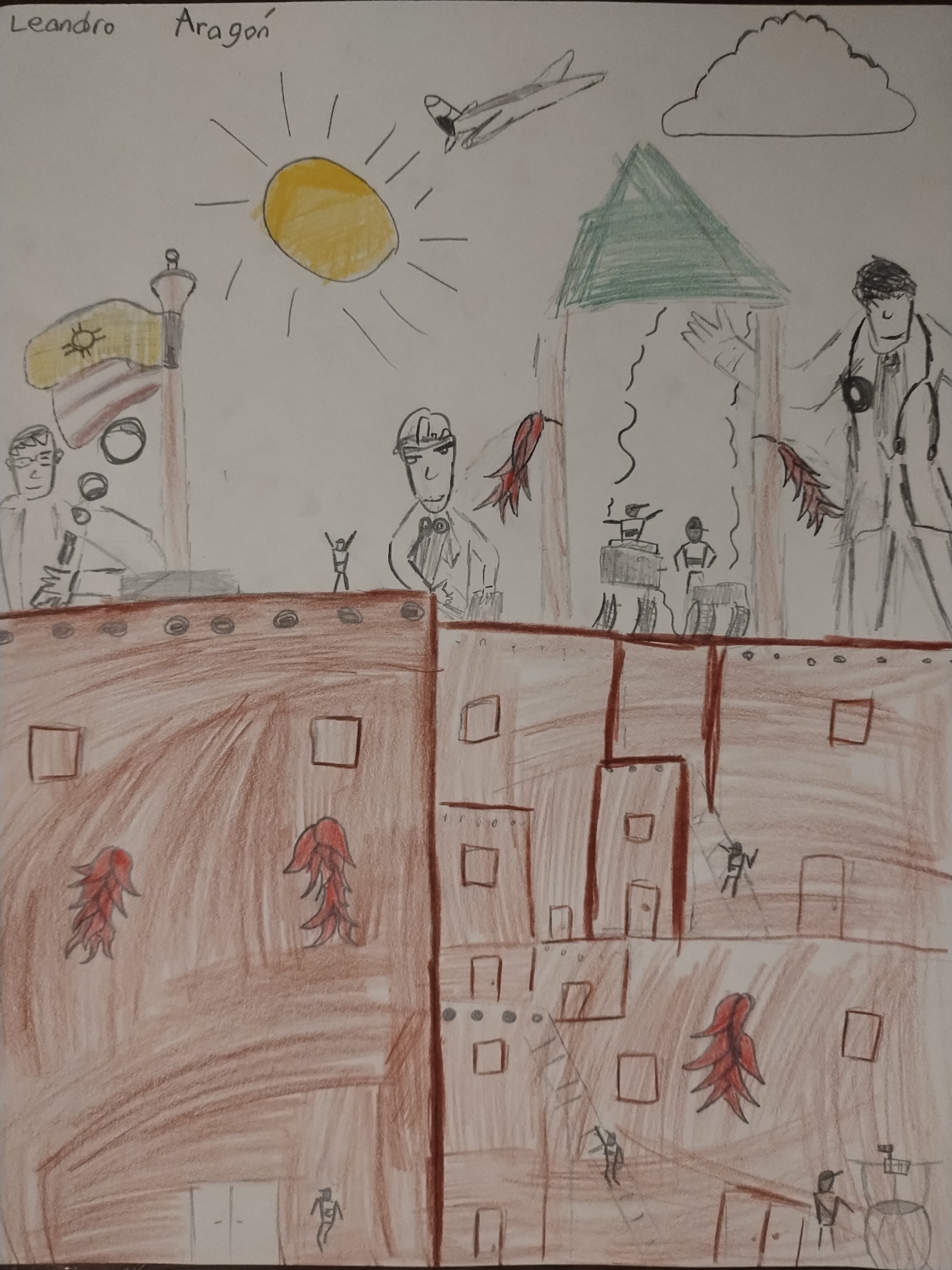 |
My family is from New Mexico with fun traditions like eating and roasting chile. They didn't have a lot of money growing up, but my parents taught me to work hard, have good friends and stay out of trouble and to be a pilot, a doctor, scientist, or an engineer. | 1.676 | |
| 3 | Tularosa High School | 11 | High School 9-12 | 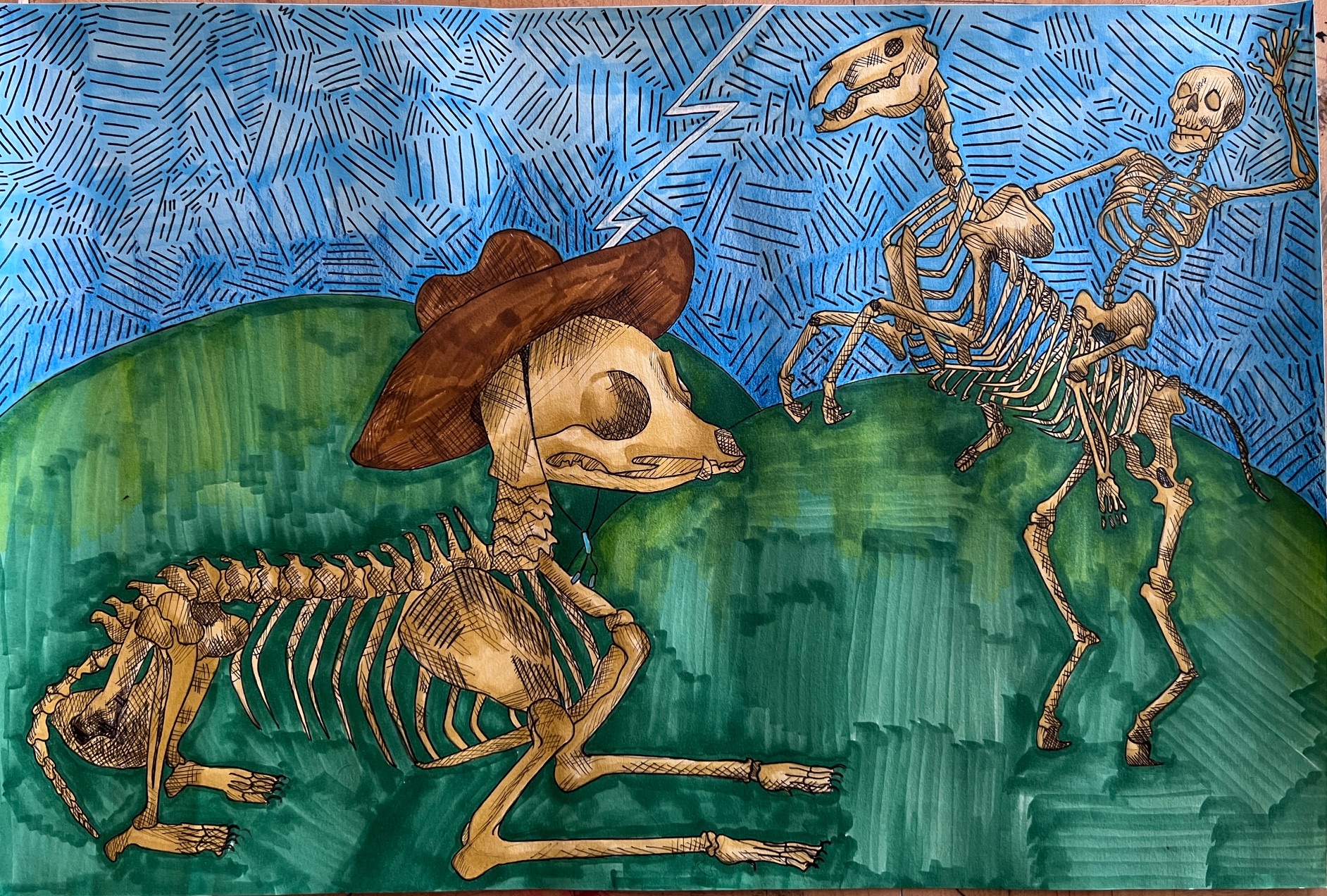 |
Growing up in a Hispanic household I was always told stories of those who had passed on, what we must do to see them again. Every year, it filled me with joy to think they could be with me once again, my family. That brings me to my artwork. A depiction of me in the afterlife riding a real horse that I had when I was younger. Meeting my childhood pet dog who sadly passed two years ago. He is held in the thought that he visits me every year, and that one day I will see him again so we can visit our family together. | 1.620 |
| Tularosa High School | 10 | High School 9-12 | 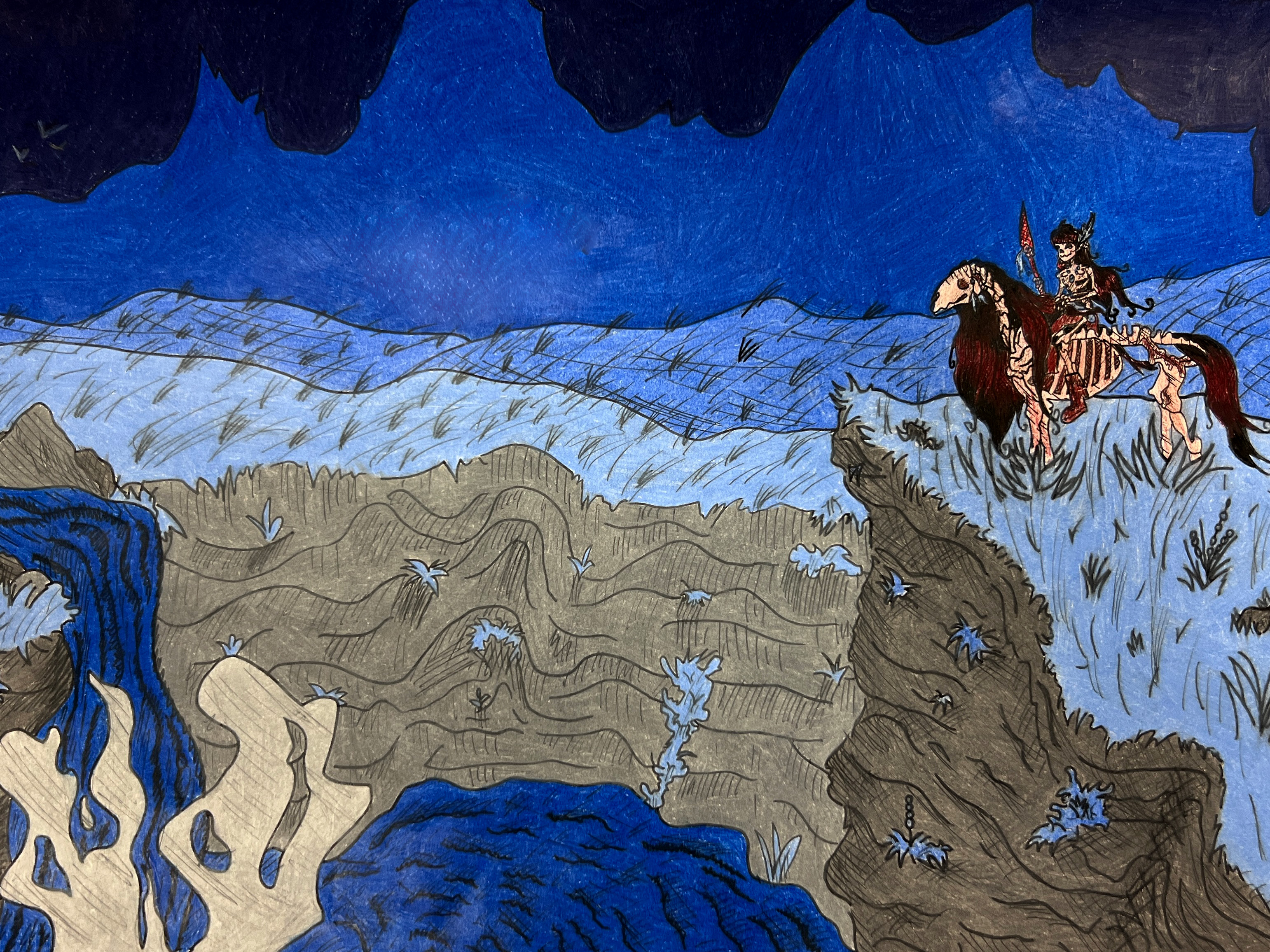 |
In this piece, I’ve created an art work that blends my Native American roots with Hispanic heritage, creating a powerful visual between the two cultures. At the center, a symbolization of a Native American rides a horse, looking out towards the distant mountain scenery, embodying the connection to nature that defines my heritage. The horse and skeleton are painted in red, chosen to stand out against the calming blue of the background. The vibrant red symbolizes strength, while the skeletons (esqueletos) serve as a tribute to the deep history of Hispanic culture, each marked by struggle yet full of untold stories. Through this work, I want to highlight the shared resilience of people who have faced adversity, but more importantly, I hope it inspires children to take pride in their roots. My goal is to ignite a sense of cultural pride and offer guidance, encouraging future generations to carry forward the lessons of both survival and unity. | 1.124 | |
| 1 | Ventana Ranch Elementary | 1 | Elementary K-2 | 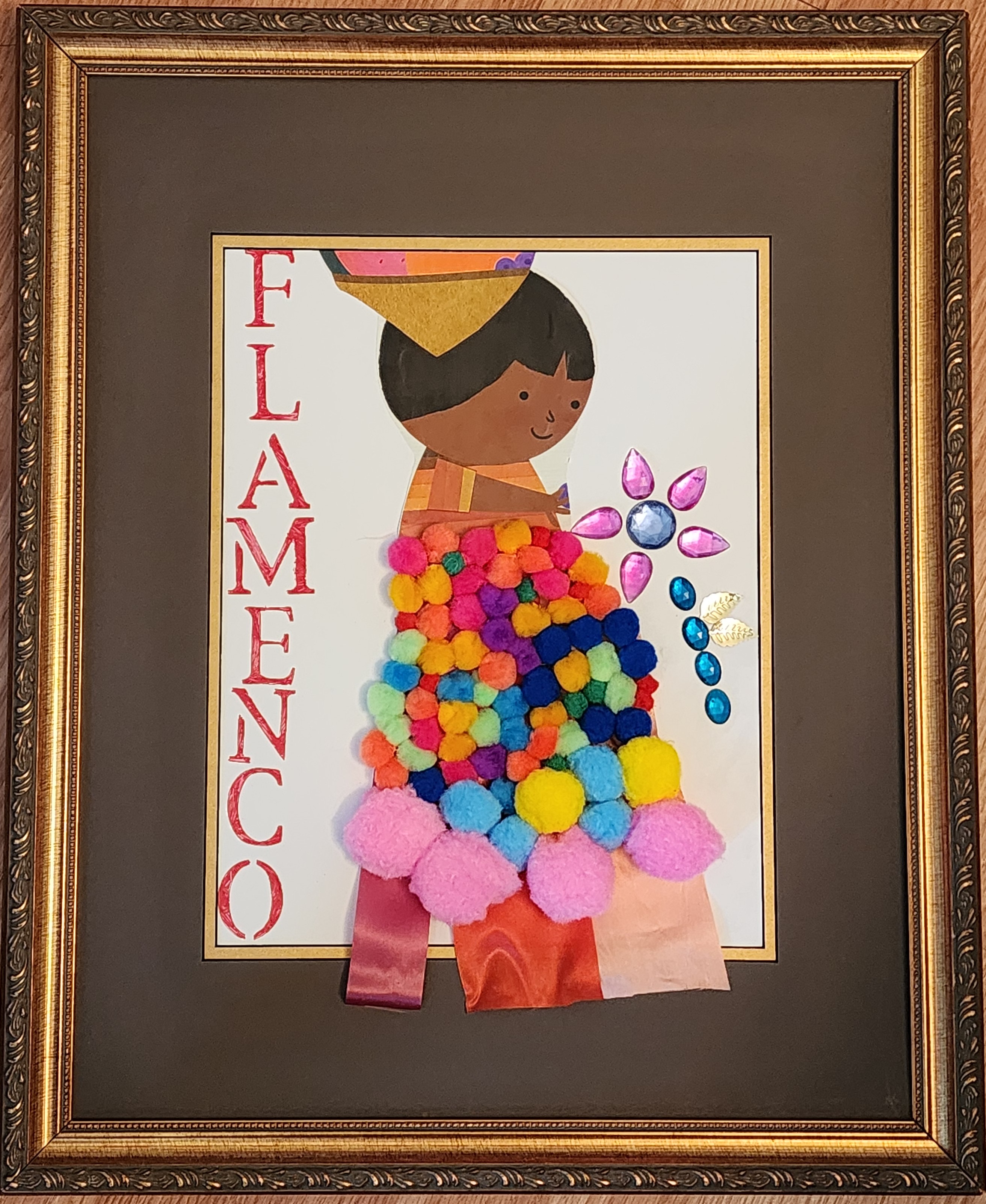 |
I danced Flamenco last year at school. Now I know where Flamenco dancing came from. Flamenco dancing started in Spain in the 18th century. My mommy started teaching me what being Hispanic means. Some of my family came from Spain. Now I know Flamenco was part of their past, and people still are dancing. | 556 |
| Volcano Vista | 10 | High School 9-12 | 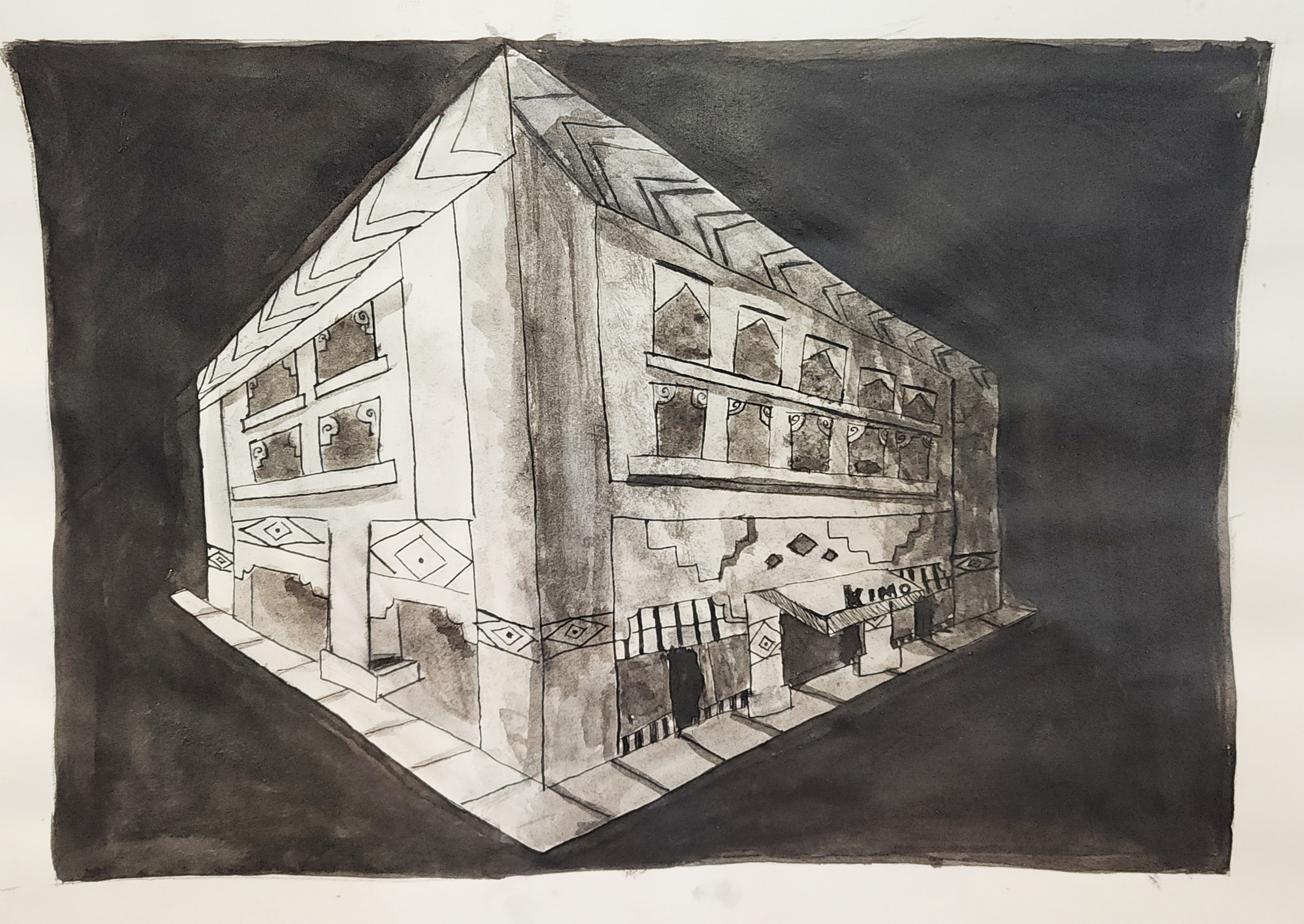 |
To represent honoring the past and inspiring the future, I chose my art of the Kimo Theater. The Kimo Theater is a distinct part of our city's architecture, having been around for 73 years. The building itself can spark creativity in its audience whether they are watching a film or live performance, or attending a community event. Some may even be inspired to have their own creations on its stage one day. | 564 | |
| Zia Elementary | K | Elementary K-2 | 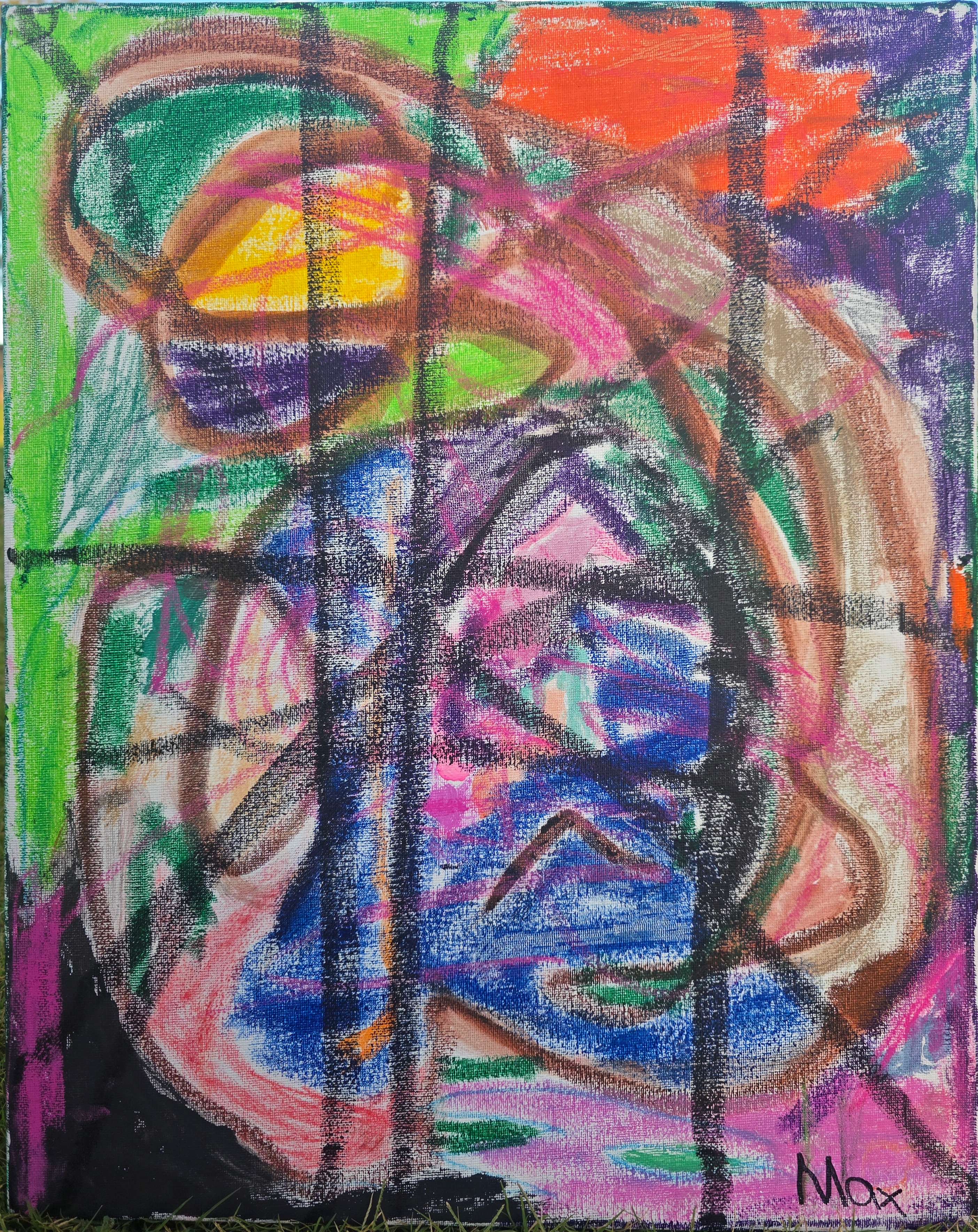 |
Abita is my great-grandmother. She passed away recently. She was 102 years old. She left her homeland of Cuba and raised her big beautiful family in the United States. Abita loved the color green, her family, food, and laughing. Her laugh was so loud. I was listening to some of her favorite music, which was made by her friend named Pedro Vargas, and it made me paint this picture. | 1.064 | |
| Place (1, 2, 3) | Judging Category |
3-5 Winners
| Place (1, 2, 3) | School Name | Student Grade | Judging Category | Artwork Image | Descriptive Paragraph | Entry ID |
|---|---|---|---|---|---|---|
| Albuquerque school of excellence | 11 | High School 9-12 | |
My drawing portrays a Hispanic mother and daughter standing in front of their adobe houses. The background is of the Sandia Mountains and a Lobo reflecting on the Hispanic community. The historical context behind the adobe houses and story of the lobo highlights their Hispanic culture and the love we have for it. This is important to Hispanic families since the significance in presenting different cultures is important to share with others. I picked the mountains because they have a nice pink and red hue in the sunset. I picked the lobo because of the romantic and tragic story it portrays. | 1.736 | |
| Albuquerque School of Excellence | 3 | Elementary K-2 | |
I drew a lizard and a bird from New Mexico. I drew cactus and sky and a lot of people. | 591 | |
| Albuquerque School of Excellence | 3 | Elementary 3-5 | |
I drew the New Mexico community and ancestors. I drew the pattern in the sun because I think it shows NEW Mexico culture. I drew what I think about New Mexico. | 592 | |
| Albuquerque School of Excellence | 4 | Elementary K-2 | |
I am a Hispanic and I like all my friends. We're all from different cultures and love playing tag. | 596 | |
| Albuquerque School of Excellence | 4 | Elementary 3-5 | |
I just love hummingbirds and lizards. and you can do whatever you dream of if you work hard. I also like pottery. The people represents community. | 600 | |
| Albuquerque School of Excellence | 4 | Elementary 3-5 | |
I like living in New Mexico because we a have no tornadoes but I like them. I like having cactuses. When I grow up I would take a Lamborghini and drive by the desert. | 604 | |
| Albuquerque School of Excellence | 3 | Elementary 3-5 | |
My picture is all about New Mexico. I love chihuahuas so I added a chihuahua.I love the sunset and I added that. My Dad plays music so I added an instrument. | 608 | |
| Albuquerque School of Excellence | 4 | Elementary 3-5 | |
The best trip was visiting my cousins, Ants, & Uncles in New Mexico. I love the desert sunsets and got to see a hummingbird and parrot. I can't wait to see them again. | 616 | |
| Albuquerque School of Excellence | 4 | Elementary 3-5 | |
This art is about New Mexico. It is about our culture. It reminds us of things in our hot culture. | 620 | |
| Albuquerque School of Excellence | 4 | Elementary 3-5 | |
So my picture is White Sands National Park. There is a sunset as well. Even though there is no bobcats there, I drew one anyway. | 624 | |
| Albuquerque School of Excellence | 4 | Elementary 3-5 | |
There was a bird that means hope. I am Native American! I love New Mexico! | 628 | |
| Albuquerque School of Excellence | 4 | Elementary 3-5 | |
I am in art. I try to draw a mountain. I like how my art came out. I still think it needs more. Still needs mountains. | 632 | |
| Albuquerque School of Excellence | 4 | Elementary 3-5 | |
I put a lizrd because my favorite animal is a lizard. I put cactuses because it is New Mexico plant. I put people for family and culture. I put a sunset because it looks cool and the ground looks orange. | 636 | |
| Albuquerque School of Excellence | 3 | Elementary 3-5 | |
In my art I painted 2 friends exploring the desert and talking to eachother. | 640 | |
| Albuquerque School of Excellence | 4 | Elementary 3-5 | |
I drew a New Mexico landscape with adobe houses and mountains. I drew about the sports that like such as soccer, basketball, and volleyball. I also made adobe houses. There are some of the animals there such as humming birds and lizards. My plants are cacti and yucca. | 644 | |
| Albuquerque School of Excellence | 3 | Elementary 3-5 | |
I like all the colors we see in the sky. The land is full of cactus and I love looking at the scorpions. This is why i love New Mexico. | 648 | |
| Albuquerque School of Excellence | 3 | Elementary K-2 | |
I drew a desert lizard because it has to stay in the desert so it does not get cold. If it does not stay in warm it will die. We want them to stay safe it will happen. Byby | 652 | |
| Albuquerque School of Excellence | 3 | Elementary 3-5 | |
I have lived in New Mexico for 8 years. I have a lot of friends at school. It is a great community. | 656 | |
| Albuquerque School of Excellence | 3 | Elementary 3-5 | |
I love New Mexico because I grew up here and it is so pretty. I draw the humming bird because its my favorite. | 660 | |
| Albuquerque School of Excellence | 3 | Elementary 3-5 | |
I chose the coyote because I like to listen to them howlingat the moon & playing with eachother. I drew this picture because we are celebrating New Mexico and how we all come from different cultures. | 664 | |
| Albuquerque School of Excellence | 3 | Elementary 3-5 | |
I love New Mexico because I was born here. | 668 | |
| Albuquerque School of Excellence | 3 | Elementary 3-5 | |
I have been in New Mexico my whole life. I like to play basketball outside. I have a big family and we have fun together. | 672 | |
| Albuquerque School of Excellence | 3 | Elementary 3-5 | |
My parents were born in Mexico and I was born in New Mexico. My painting shows us celebrating being a family. | 676 | |
| Albuquerque School of Excellence | 3 | Elementary 3-5 | |
I painted two Hispanic girls playing outside in New Mexico. They are making music with the rattle for the animals to hear. | 680 | |
| Albuquerque School of Excellence | 6 | Middle School 6-8 | |
I made one side the moon, and the other the sun to represent the culture. And then I put a designed bird. I put sand with stars to make it have culture. | 684 | |
| Albuquerque School of Excellence | 11 | High School 9-12 | |
My drawing represents the new Mexico Hispanic heritage. The skeleton girl represents the day of the dead as part of the Hispanic heritage. The sun shines just how the New Mexico flag shines. The bird and girl are both a representation of the New Mexico community, they are both together just like a family or as friends. I drew this because it reminds me that I am part of New Mexico and because I'll know that whenever I go, I won't be alone. | 688 | |
| Albuquerque school of excellence | 9 | High School 9-12 | |
This artwork resembles the New Mexico community, where everyone comes together as a cohesive unit. The mountains in the background resemble the gorgeous rocky mountains we have here in New Mexico. The Papel Picado hanging in the drawing corresponds to Dia de los Muertos, also known as the Day of the Dead. I wanted to add this because it reminds me of loved ones who have passed, and my family would do this tradition for them every year, like everyone else who does it. | 692 | |
| Albuquerque School of Excellence | 6 | Middle School 6-8 | |
I drew and painted this picture because we had to draw/paint New Mexico Culture. I put mountains as a replica to the NM mountains. I painted cactuses and geckos for the plants that are in NM, and sand because NM is a desert. | 696 | |
| Albuquerque School of Excellence | 12 | High School 9-12 | |
Note: This is a digital piece of art. This artwork references an older piece I made back in 2019, evoking that idea of the old and new generations connecting through an object or a memory. That object is represented by a dress worn by the main woman, since I can imagine her grandmother gifting that to her and passing it down to a new generation. I’m not Hispanic, but Hispanic culture is beautiful and vibrant to me, so I wanted to capture the vividness and colorful nature of its art and fashion. |
700 | |
| 2 | Albuquerque School of Excellence | 6 | Middle School 6-8 | |
In my artwork I have painted a hispanic woman who is walking through the desert of New Mexico as the moon and sun are looking down on her. As she walks she becomes more and more like the very desert she is walking in. The sun gave her a cape made of sand. The moon gave her stripes of the river in her cape. The clouds twisted her hair into a braid with wildflowers weaved in. The reason she was walking in the desert was to meet the other ladies of the land. She suddenly stopped and thought "she was the lady of the land," and she was going to stay here and wait for next year to meet the other woman with the same goal that she had in the past to meet the ladies of the land. Then the sun and the moon told her that was her destiny. | 704 |
| Albuquerque School of Excellence | 6 | Middle School 6-8 | |
I made this art work because it represents us and what New Mexico is about. Art is just not drawings, art is feelings. Thats why I did this work to show us. | 708 | |
| Albuquerque School of Excellence | 7 | Middle School 6-8 | |
A settlement on the southside of New Mexico with gators and use materials like string and cloth to make clothing. As well as pottery to make decor and supplies. I got the drawings inspiration from one of my art teachers examples. The two guys are coming back from gathering materials. The three other at the settlement are teaching each other knitting and pottery. | 712 | |
| Albuquerque School of Excellence | 6 | Middle School 6-8 | |
In my drawing, I drew a picture about the New Mexico Hispanic Culture. I drew a picture of some people taking a picture for a holiday of theirs. I chose this picture because I live in New Mexico and I like to choose picture of Hispanic Heritage Traditions. | 716 | |
| Albuquerque School of Excellence | 6 | Middle School 6-8 | |
My art shows a Hispanic girl looking at the New Mexico sunset and birds. I dew New Mexico sun. I drew Hispanic girl. I drew a desert. | 720 | |
| Albuquerque School of Excellence | 11 | High School 9-12 | |
I made this piece because it shows aspects of New Mexicothat I personally love. I love the sunset, terrain, and music. On the inside there is a dog that is colored turquoise because it is New Mexico's state color. The desert lanscape symbolizes New Mexico. | 724 | |
| Albuquerque School of Excellence | 6 | Middle School 6-8 | |
The coyote represents daylight and the little house is older house. The coyote is searching for his food day and night. Working hard you can succeed your goal. | 728 | |
| Albuquerque School of Excellence | 6 | Middle School 6-8 | |
This artwork is me and my family at our homein the desert. Which is full of beautiful cacti, and amazing views of the mountains. We go on road trips, take detours in the desert. It is one of my favorite views because of its beauty. The view of the seemingly endless sand, the mountains that look perfect, and the classic desert cactus is what makes New Mexico feel like home to me and my family. | 732 | |
| Albuquerque School of Excellence | 6 | Middle School 6-8 | |
I drew New Mexico landscape because I love he deserts and mountains of New Mexico and I drew a toucan because I think there cool. | 736 | |
| Albuquerque School of Excellence | 7 | Middle School 6-8 | |
The sun represents day and the moon represents night. The two cactus is showing that New Mexico is a desert. The casino is a hobby that some New Mexicans do. The bull represents bull fighting and bull riding. The sandy hill represents lands in Mexico and New Mexico, the people next to the hills shows how the community comes together. | 740 | |
| Albuquerque School of Excellence | 12 | High School 9-12 | |
I drew a Flamenco dancer. I used watercolors, oil pastels, and black ink. I wanted to show the tradition of Flamenco dancing in more modern dress, showing how the tradition has been passed down. | 744 | |
| Albuquerque School of Excellence | 6 | Middle School 6-8 | |
This picture has a moon and sun in a afternoon sky. There's a heart with wings and a cactus in the heart. Behind the heart is a gator, a humming bird, and a lizard on a rock. The ground contains sandy mountains and a couple of cacti. | 748 | |
| Albuquerque School of Excellence | 6 | Middle School 6-8 | |
I chose this pic because when she said "New Mexico" my mind went boom because no one know New Mexico and how cool the Hispanic Heritage is like learning the tradition or about our ancesttors history. I just wanna show the New Mexico community! I really I hope I win. | 752 | |
| Albuquerque School of Excellence | 6 | Middle School 6-8 | |
Every time, I go to Arizona and comeback to New Mexico, I see cacti and sand dunes. When I see them I feel amazement. I want to show their structure and height. They remind me of my family, because we grow them and eat their fruit. My family has a long history and respect for the desert and what it provides. | 756 | |
| Albuquerque School of Excellence | 6 | Middle School 6-8 | |
I picked guitar because a guitar really represents the Hispanic community and any community. I feel like music has been past, present, future, and it is a great way to communicate in any language. I only have 3 people because your community is your family. I drew a lizard and cacti because it is a part of New Mexico landscape for generations. | 760 | |
| Albuquerque School of Excellence | 7 | Middle School 6-8 | |
This art shows how New Mexico is known for the state being very dry and the humid weather. The lizard in the picture representsthat there are so many reptiles. I added a guitar because Hispanics celebrate with a guitar for its music. The poetry is shown for its recongition in the culture as a hobby. I drew this as a desert because New Mexico is known for its humid weather and for its area being dry. | 764 | |
| Albuquerque School of Excellence | 6 | Middle School 6-8 | |
I added two suns because New Mexico is hot and most of the time the sun is always visible. I put cacti and lizards because they are native to New Mexico. I put a fire because we get a lot of fires. And lastly , I put mountains representing the Sandia Mountains. | 768 | |
| Albuquerque School of Excellence | 6 | Middle School 6-8 | |
I drew a guitar because I still play in the present and my family plays too. I drew a wolf because they are one of my favorite animals. I drew a catus because I love the desert. I drew the sun with a lizard in it because it symbolizes a lizard lying on a rock to warm up. | 772 | |
| Albuquerque School of Excellence | 6 | Middle School 6-8 | |
I chose to draw the sun cause it's their symbol on the flag. Also their tradition so I put things that had been around for awhile. Also the landscape is representing the desert landscapes on the farther part of New Mexico. Lastly, for the two guys they are wearing things scars, hats, etc. from the past men of Mexico who wore scars, and hats a lot as it is part of their culture. | 776 | |
| Albuquerque school of excellence | 5 | Elementary 3-5 | |
My art shows a Hispanic girl that is practicing her culture. My art also shows a dog that is next to the girl that has blue on it. There is a moon and sun that shows the day and night. There is plants that show how pretty they can look in the day and night. | 988 | |
| Albuquerque school of excellence | 9 | High School 9-12 | |
My art is about a woman living in New Mexico. The woman is staring, waiting for the sun to reach its peak while it's rising bright. Waiting for the sun to fully uncover itself and dry the clothes she left. Waiting with a black coyote in a desert protecting her from danger. | 992 | |
| Albuquerque School of Excellence | 7 | Middle School 6-8 | |
In my drawing I chose a guitar because my parents taught me and I want to pass down the tradition. I chose the heart with people in it to symbolize community and friendship. I chose the humming bird and bull because they symbolize nature and New Mexico. The sun and moon because they represent light and the dark. It represents a new day. | 996 | |
| 2 | Albuquerque School of Excellence | 11 | High School 9-12 | |
In my artwork, I illustrate the shared cultural ties and identities Native American culture can have in relation to Hispanic culture in New Mexico. Both cultures are represented by origins in New Mexico. Because of this, both Indigenous and Hispanic cultures have similar but not exact traits. For this reason, I chose to draw the Navajo Nation culture. As seen in the illustration, there is a rug weaving and basket weaving, being an essential key in Navajo culture. In the background, there is a drawing of Shiprock, one of the significant landmarks in Navajo culture. Additionally, there are corn maise in rug weave style and a hummingbird. Both objects are important, being a staple in life, symbolizing the fertility of life and wisdom. Finally, in the center of the page is a Navajo woman with a squash blossom on her neck with additional turquoise bracelets and Tsiiyéél (Navajo Bun). Off to the right is a pair of moccasins with a deerskin wrap. Overall, with the factors making up the tribe, it can be seen that both Indigenous and Hispanic cultures share importance in different values/symbols. | 1.000 |
| Albuquerque School of Excellence | 9 | High School 9-12 | |
My art depicts the Sandia Mountains with adobes in the foreground. The housing below holds the Hispanic community, hence the silhouettes in the windows and doorways. To represent the sun, I chose the Zia symbol because it is featured on the New Mexico flag and the red sun, which also symbolizes life's “circle of life” and spirit. The hot air balloons show Albuquerque’s International Balloon Fiesta and attract community and family members from all over the globe. The Sandias are important to Albuquerque residents and indigenous people because it is a place of spiritual meaning and a place of historical and geological significance. The Sandias inspire local artists because of their glow at sunset and sunrise; the mountains also work as a very aesthetically pleasing backdrop for photos of the hot air balloons during the fiesta. | 1.004 | |
| Albuquerque School of Excellence | 6 | Middle School 6-8 | |
This New Mexico painting describes a lot of elements form New Mexico. Some of these architectures, buildings, animals and characters from New Mexico. All of these elements that have been listed describe my painting and also describes New Mexico. The painting that i created is filled with a community that has a guardian guarding their city. My painting also uses the Zia symbol as a sun. | 1.008 | |
| Albuquerque School of Excellence | 6 | Middle School 6-8 | |
In my drawing you can see a doll like person with two people behind her, those4 people represent the community. Even more behind them there is a big sun with some cactus in front of the sun. To your left and right there is a mountain behind the sun. Last but not least, the sunset represents a beautiful New Mexico morning. | 1.012 | |
| Albuquerque School of Excellence | 7 | Middle School 6-8 | |
I drew the lizard because it symbolizes life and to keep moving even when things are hard. I drew the heart with people for community, friendship, family and love. I drew the guitar because it's for the heritage like me I used to play the guitar, culture in New Mexico. I drew the sun to symbolize the new day when the sun rises and life for new challenges. I drew the mountains to symbolize the harder challenges in life and when you are on a trail you start to get tired but keep going not giving up all the way until the end to rest and head back. Orange is the weather and nice warm outside, red is the community and like a symbol because of the flag and some cultures. Purple is for the night and how nice it is when at night. | 1.016 | |
| Albuquerque School of Excellence | 9 | High School 9-12 | |
The many different attributes of New Mexico inspired my art. These attributes were Day of the Dead and Frida Kahlo, along with many other characteristics of Hispanic Heritage. I chose those two main ones because Day of the Dead is a beautiful holiday to remember loved ones who have passed, which brings the community together. This tradition includes putting passed family or friends on an altar and putting food there for them as if to lead their spirits there. I did an inspirational art piece of Frida Kahlo because I find it inspiring how she painted her self-portrait for who she was and what she looked like, not caring about looking appealing to look at or looking attractive for men. It’s a powerful piece because women typically have the social pressure to be beautiful and to never show insecurities due to social media and society as a whole. | 1.020 | |
| Albuquerque School of Excellence | 7 | Middle School 6-8 | |
My artwork represents 2 Hispanic Jarabe tapatío dancers dancing on the world, while imagery that represents New Mexico surrounds them, stars and flowers decorate the sky, as well as music notes. The two-toned sky, a sunset, and the night sky references the quote “Que el mundo gire mientras bailamos entre las estrellas, y mientras el sol poniente en nuestro foco de atención, mi amor,” which means “May the world turn as we dance among the stars, and as the setting sun becomes our focus, my love.” I added this quote because it shows community, and the jarabe tapatio dancers are supposed to represent tradition, ancestry, and how people continue this tradition in the present and hopefully in the future. | 1.028 | |
| Albuquerque School of Excellence | 4 | Elementary 3-5 | |
My picture is about Hispanic girl standing in the New Mexico desert, which has lots of plants. Like cactuses. She loves to plant in the garden. | 1.032 | |
| Albuquerque School of Excellence | 4 | Elementary 3-5 | |
My art shows me and my brother and my dad climbing mountains in New Mexico. And playing soccer with friends. | 1.036 | |
| Albuquerque School of Excellence | 6 | Middle School 6-8 | |
I drew a girl from New Mexico. She lost her best friend and her only one. She wants to use the guitars magic to bring her back to her and tell her thank you for everything. | 1.040 | |
| Albuquerque School of Excellence | 6 | Middle School 6-8 | |
I choose to do this drawing because me and my family love going to the rocky mountains of New Mexico. I also love spending time with my family. Me and my family also love to go on family trips. Lastly family, community is one thing I enjoy in New Mexico. | 1.044 | |
| Albuquerque School of Excellence | 5 | Elementary 3-5 | |
This picture shows Hispanic culture. Some traditional things are religious art like santos and cultural celebrations such as fiesta quinceanera. Some traditional foods are carne adovada or green chili stew. Some traditional places are El Sanuario de Chimayo and casa sanysidro. In my picture I drew a boy behind him a sunset. I drew this because it made me think of Hispanic culture. | 1.048 | |
| Albuquerque School of Excellence | 5 | Elementary 3-5 | |
The girl in the picture her top of her outfit is filled with patterns. The hat is, "well worn hats holding memories of important life events." In the background you see some Adobe houses which is apart of New Mexico history. The water in the drawings is important to us because there is not much left due to the drought. Do you see the plants in the picture? Well they represent "cultural heritage." The animals are supposed to represent our desert, mountain, and wild environment. The plants of New Mexico represent the sun and desert type of climate. | 1.052 | |
| Albuquerque School of Excellence | 5 | Elementary 3-5 | |
This drawing is about Hispanic Heritage. Hispanic Heritage is history and specific aspects of New Mexico. Dancing, singing is also a tradition of New Mexico. Another example is Day of the Dead (Día de los Muertos). In my culture (Turkey) we also appreciate the sunset. The girl in the drawing is also enjoying the sunset. Some types of traditional foods are tacos, enchiladas, chili relleno and stuffed and cooked peppers. | 1.056 | |
| Albuquerque School of Excellence | 5 | Elementary 3-5 | |
Heritage is a way to celebrate community. New Mexico has a bunch of different religions and traditions. Like food is a tradition that we all have. I chose to draw a beautiful family that represent mine. My family is Arab, it has many cool traditions too. The family is standing next to cactus, hummingbirds and flowers. The New Mexico heritage is so fascinating. | 1.060 | |
| 2 | Albuquerque School of Excellence | 4 | Elementary 3-5 | |
This picture of my human heart represents love, family roots, cultural heritage, and transformation from one form of life to another. Just like a tree, the heart evolves over time. This painting represents old generations (the brown leaves, the elderly hand) and new generations (the green leaves with flowers, the baby's hand). The living pulse of heritage nourishes growth. | 1.068 |
| 1 | Alma d’ Arte Charter High School | 11 | High School 9-12 | |
The theme of this artwork is “Honoring the past, inspiring the future. The mediums I used to make this were colored pencils and acrylic paint on paper. This piece shows a scene in the white sand dunes with a Native American man and a horse with patterns. Native American history is a very important part of New Mexicos past, present, and future. Hot air balloons have been an important part of New Mexico, so I put them in the top left corner next to the zilla symbol. I put the kokopelli in the bottom left corner as well, next to the Albuquerque plaza buildings. Kokopelli originated from the Native American cultures of the southwest and is commonly found in New Mexico. It is a symbol for music, abundance, and good fortune. The road runner is the state bird of New Mexico and it is on the flowers of an agave century plant. There are agave century plants in the left and right corners. It is a symbol of adaptability and strength, which is why I put a few next to the man and the horse. The colors flowing from the arrow have patterns inspired by Navajo rugs, and I used a light yellow to contrast with the cool, darker background. The arrow is something that represents the past, and it being shot to the future. This symbolizes how the past will have an influence for the future in an honorable and inspiring way. | 568 |
| Alma d’ Arte Charter High School | 10 | High School 9-12 | |
As I imagine the sky at sunset, vibrant shades of orange blend seamlessly into deep blue and dark blue, creating a stunning canvas that celebrates the beauty of nature’s colors. A hot air balloon gently drifts across this colorful sky, reminding me of my grandma’s love for adventure and the skies above. She would often share stories of her childhood dreams of flying and exploring new horizons, connecting her past to the future she hoped for us. The mountains below stand tall and peaceful, symbolizing strength and stability in heritage. This sunset scene reflects our collective heritage, honoring the past while inspiring us to reach for new heights, just as my grandma did with her love for hot air balloons. Her spirit of exploration and appreciation for beautiful sunsets continues to inspire me to cherish our shared cultural stories and dreams. | 1.247 | |
| Alma d’ Arte Charter High School | 10 | High School 9-12 | |
I've always liked aliens, so I've always liked Roswell (and area 51), thus our alien at area 51. I added the cacti as it's a very traditional desert plant, and my favorite succulent. The sugar skull is representative of not only my own, but New Mexico's Mexican history, and culture. The Zia symbol, of course, is to represent my home. I was born and have always lived here in Las Cruces, New Mexico, and my family has been here since my great grand parents. This project isn't supposed to be one time, one place, or even one season. It's all my favorite parts about New Mexico, and even other places like Arizona, as someone very dear to me lives there. Thank you for your time |
1.260 | |
| Alma d’ Arte Charter High School | 10 | High School 9-12 | |
In my artwork I wanted to acknowledge all of the cultures of the individuals in New Mexico. Although I acknowledge this land is stolen, I wanted to go deeper into all of our roots and find common themes. Representing the old ways followed by our ancestors. I chose to represent the personification of the Earth as a feminine figure and artistic interpretations of celestial bodies, painted in watercolors. The Earth as presented in my project, is meant to symbolize all of nature. Birth and death and the life experienced in between. Around the Earth, the Sun Moon and Stars govern and guide. As much as this piece is spiritual, it’s also ecological. I felt it important to emphasize the importance of the Earth, and how we all must care for it. Through the Earth all are equal whether you’re a human, plant, animal, etc. All deserve respect on the Earth and under the skies. | 1.268 | |
| Alma d’ Arte Charter High School | 11 | High School 9-12 | |
The woman I painted is from a photo taken by Edward S. Curtis in 1906 and given color by Senna Dullaway. She comes from the Tewa Pueblos, and the Hopi tribe. She appears here wearing a manta, (made of black wool and dyed) and a squash blossom hairstyle, which many women in her tribe wore at the time. I chose this reference photo because of her beautiful, traditional clothes and unique style. Her photo was so different from everything else I saw – with the hair and the bright colors. The entire piece is painted in acrylic; I chose the maroon color for the background because I thought it looked like the natural red clay often used in native american pottery. She is a Native American Pueblo woman looking to the future. The Zia symbol is behind her symbolizing the coming future and the importance of remembering the past. | 1.276 | |
| Alma d’ Arte Charter High School | 10 | High School 9-12 | |
When I first started this project, I thought of the Zia symbol. It is on the New Mexico flag, and is a big part of our culture. It represents the four cardinal directions, seasons, and represents rays of light coming from the sun. It comes from the Zia Pueblo people, a native tribe in New Mexico. A lot of people in New Mexico have native heritage, so it makes it more relevant. I have been interested in impossible shapes for quite a while now, and so I decided to draw a Zia symbol in an Escher-like style. Everything about it makes it physically impossible to construct as a 3-d object, and only works at an isometric angle. The background was too empty, so I drew a cube pattern background that displays cubes both while the page is right side up, and upside down, The Zia symbol is red, and the cube pattern is yellow. I did this to reflect the New Mexico flag. | 1.284 | |
| Alma d’ Arte Charter High School | 10 | High School 9-12 | |
The way this relates to the theme is it shows the vast differences of New Mexico. On the left it shows a night sky and camp fire along with a tent. The middle shows a rainy sky and oasis in the distance. On the right it shows a hot day with the sun out with cacti and lizards. All of these elements show how different New Mexico is and how it has a long way to go. | 1.288 | |
| Alma d’ Arte Charter High School | 11 | High School 9-12 | |
Walking Through New Mexico Hispanic Heritage Month is to celebrate the culture, tradition, and history of Latinos all over the world. In my drawing, I decided to make a landscape of South-Central New Mexico with a young Jicarilla girl along with a red-tailed hawk on the side, and the Zia Sun Symbol right behind the mountains in order to represent the past. For the future, I decided to go for a graffiti-like style in the background. The lines, curves, dots, and the lettering are supposed to describe how Mexican American art is seen nowadays. The red handprint over the girl’s mouth is supposed to represent the Missing and Murdered Indigenous Women act (also known as the MMIW), a symbol created in 2019. Despite it being 6 years ago, and not exactly new, violence towards Indigenous women is still very large today, and is something we should not stay quiet about. For my art, I decided to go for three different mediums such as: soft pastels for the landscape, ink for the background, and colored pencils for the Zia Sun Symbol, the lettering, red-tailed hawk, and the Jicarilla girl. In the end, my drawing is to show how much respect I have for the past and for the future for our fellow Latino and Indigenous folk. |
1.296 | |
| Alma d’ Arte Charter High School | 9 | High School 9-12 | |
So I used crushed colored pencil and for shading. I use pencil for my clouds and pencil for shading my artwork. Detail for clouds was pencil shading for the color. planets was shade, a pencil. Sun was shaded colored pencil. So what I did for collective heritage was used New Mexico and old Mexico. Old Mexico is in the past and New Mexico is inspiring the future. So I made old Mexico scary because it wants to take New Mexico back. And for the UFO on old Mexico was because old Mexico is a planet turned into a space ship taking New Mexico back to the universe. So for the State, New Mexico on the planet, New Mexico, because New Mexico is New Mexico. I also put mountains on the planet because everything needs mountains for New Mexico and I did flags for the Heritage. For the mountains it makes sense because New Mexico is in the Rockies. | 1.300 | |
| Alma d’ Arte Charter High School | 12 | High School 9-12 | |
New Mexico is known for its beautiful mountains and the scenic views they offer; for many years, they have inspired those who gaze upon them. Not only can New Mexico’s mountains inspire those who look upon them, but they can also act as a gateway into the past by allowing us to possibly see and imagine what the ancestors of New Mexico saw. In my drawing, I aimed to honor the past by depicting mountains that have withstood the test of time and remain standing through many years. Remembering the past of these mountains can inspire the future as well. By reminding us that, as time went on, they still managed to stay strong and continue to stand tall and hopeful, New Mexico’s mountains can encourage us to face the future with the same strength and endurance. | 1.304 | |
| Alma d’ Arte Charter High School | 9 | High School 9-12 | |
I have named my art piece Sun Weaver. In the center is a native american woman who is weaving a rug. I put her there because my aunt who is raising me is native american. I also find native culture so beautiful and captivating.The sun is in the shape of the Zia symbol. I did this because it is New Mexico’s state symbol, and the whole of my art piece is about New Mexico, where I was born. On the right hand side of the art is a pine tree, this symbolizes immortality, wisdom, peace, resilience, and hope. The prickly pear cactus represents resilience, and endurance. The butterflies in the top left hand corner have wings made out of papel picado, I did this to put a little bit of New Mexico’s Mexican culture. Lastly, I put the Rio Grande flowing down the page because the river plays a significant role in New Mexico’s culture and history. | 1.332 | |
| Alma d’ Arte Charter High School | 10 | High School 9-12 | |
This self portrait represents me for the first time, spiritually connecting with New Mexico. The pumpkin eyes symbolizes connecting with New Mexico when it was fall or Halloween. Today happens to be around that time, so I am also looking forward to this Holiday. The bright pink heart with the purple cat shows what my heart really looks like in the inside. Also how my heart is strong and open which is visibly displayed on my sweat shirt. Additionally, the cat represents my pet that I am most attached to. I miss my cat terribly but she always lives in my heart. If you wonder why there are faces on the plants, it's because I see plants as faces too. I not only see them as faces too. I not only se them as faces but how whimsical and innocent they are, so as other animals. The three crosses just represents where I am specifically in Las Cruces, that I am subconciously thinking about but I am not aware of what it's really about. New beginnings is what is shown in the Zia Sun. The hot air balloon shows my subconcious feeling to see New Mexico in a better view. As you can see, my hair blow through the wind as a welcoming by nature. |
1.404 | |
| Alma d’ Arte Charter High School | 9 | High School 9-12 | |
Earth Day,, celebrated on April 22, is a global event promoting environment awareness and action. it emphasizes the importance of protecting out plants resources and biodiversity. simple actions like reducing waste, conserving energy, and planting trees can contribate to a healthier environment. World Earth Day helps fight climate change by raising supporting hands-on projects, and pushing for stronger environments laws. We can help by turning of lights, using less plastic, most importantly spreading awareness. We should protect the environment because it is essential for human survival, providing clean air, water and food, environments degradation and pollution, which can cause health problems and economic instability. Small little things can make our world happier, and healthier place to live. We all should mainly keep our rivers and lakes clean and healthy. the inaugural Earth Day led to the Unites States environment protection agency being founded. This resulted in sighificant laws being passed. The national environment eduction act, occupational safety and health and clean air act were all initiated as a result of earth Day and the awareness it generated. Together, lets create a sustainable and balanced future. Make Earth Day everyday, not just on Earth Day. Thank you |
1.420 | |
| Alma d’ Arte Charter High School | 9 | High School 9-12 | |
My artwork uses Mexico’s colors, national flower (dahlia), and folklorico. Folklorico is a way to stay close to culture, share stories, and express yourself. I like Sonic, so I decided to use Shadow and Rouge for this piece. For the colors, I picked what I thought would work best, which I incorporated in the dahlias. I used Pen + Gear and Crayola colored pencils for the whole piece. Each flower took around an hour, and Rouge took some time as well. I wanted a smooth blend of color, so I took more time. Everything else and Shadow didn’t take as long because of how frequently I draw Sonic characters. My piece took around a week to complete. | 1.506 | |
| Alma d’ Arte Charter High School | 12 | High School 9-12 | |
My art piece is called 'The Adelita'. A proud Adelita who fought in the Mexican Revolution stands in front of a decorative sun, the desert and cacti behind her. There are Papel Picado behind her, showing that even in times of vulnerability, humans will find a way to be positive. | 1.524 | |
| Alma d’ Arte Charter High School | 10 | High School 9-12 | |
for my hentage theme project that i had made was a building of new mexico and in the background. i put the apache tribe logo because i'm a part of apache tribe. i put 3 crosses on top of the building because it represents my religion of apache and Mexican. i live in Las cruces nm and las cruces translates into 3 crosses in english. i also put papelpieado in different colors and its a tradition of Mexican folk art of intricately cut-out paper. | 1.564 | |
| Alma d’ Arte Charter High School | 10 | High School 9-12 | |
My artwork represents my own heritage and families history. Each image represents something about my family or me. Take for example the dragon it represents my families love for fantasizing and fantasy as a whole. Another example the burning flag as my family descended from Germany in world war 2 it represents burning our past and letting it go not letting it be a part of us anymore. Finally the centeral image represents the Zia symbol representing our state as a whole the mountains and stars surrounding it. I had a very fun time working on this I just wish I had more time. Mainly to complete the background. | 1.692 | |
| Alma d’ Arte Charter High School | 11 | High School 9-12 | |
My artwork is inspired by the Dishchii'bikoh Apache Gaan dancers. I depict them performing the Nabii’ees around a fire inside a cave, using warm tones to evoke the ceremony’s intimacy and sacred energy. I chose this subject because it connects “honoring the past with inspiring the future.”The Nabii’ees is deeply ceremonial and rich with meaning, and I wanted the piece to reflect both its protective purpose and its role in carrying cultural memory forward. P.S. Thank you to my friend and my History Teacher for helping me with the history of the Gaan Dancers 😀 |
1.688 | |
| Alma d’ Arte Charter High School | 11 | High School 9-12 | |
The medians I have used in this piece consist of watercolor, black pen, and black acrylic paint. When I moved to New Mexico, I fell in love with the sky, especially when the sun was setting. I included this in my painting of a sky that starts as a deep purple then shades of pink, orange, and finally yellow. In that sunset is a sun wrapped in a variety of oranges and reds that gets overlapped with a wooden cross with the center of the cross is dodger and Egyptian blue swirled. Along with the unique organ mountains that also include an ombre of light pink to deep purple then acrylic black takes up the rest of the background. Beneath the mountains is a Native American arrow, the arrow shooting towards the right. The arrowhead is silver with cracks on it of Below it is a checkered pattern of hot orange and night blue, black feathers are tied to the arrow all the way at the end is a flame instead of fletching which you would normally see on an arrow. A Native American man is seen riding on his horse on the arrow also going towards the right of the painting. Below the arrow is a bullet flying through the air in the opposite direction of the arrow. It is marked with the letters “U.S” tied to the bullet with a warning on it a quote “ Kill the Indian, save the man”. The overlapping of the cross on the sun shows how Christianity( religion) has been used as a way to almost control the "savageness" of Native groups. The arrow displayed going right into the future in hopes of allowing Native people to embrace their culture and identity as the first “Americans”. The arrowhead has turquoise since it's our state's gem. The flame can suggest two things. One is that the light of this culture is never burning out and has so much light or the flame is at the end burying the path of the hopes of this future for Native groups. The bullet is in the opposite direction from the past as we hopefully can leave the old hateful ways in the past. | 1.664 | |
| Alma d’Arte Charter High School | 11 | High School 9-12 | |
When it comes to this year’s current theme, “Honoring the past, Inspiring the future,” the natural conclusion of what we think of this quote as a majority, at face value would be something of positive connotations; how that the execution should be honored for years upon years to come, beyond the present day. However, one significant aspect that I would like to introduce to the aforementioned quote would be the word “Ignorance”; more specifically the ignorance of certain details about the past we wish to not acquiesce to, but neglect instead. That brings me to my interpretation of “Honoring the past,” not only bringing up but showcasing another quote that I have configured, which is thus: “Recognizing the past.” Since we are able to represent any culture we are more inclined to be speaking about, I have decided to inaugurate, with honor and dignity of the highest grandeur, to be presenting three of the many European cultures that inhabit quite the arbitrary landscape of my ancestry: Britain, France, and, as a collective, America. Dare I say well endowed to colonialism and exploitation to the point of the Indigenous man being crumbled to terrible and mournful lachrymose, as, unfortunately, my bloodline nonchalantly slaughtered and made innocent people bleed for the sake of their little endeavors. With that clarified, let me show you the insights of my artwork. (For types of medium, I’ve used both colored pencils and acrylic paint respectively.) The massive clown woman, heavily inspired by the feigned goddess Columbia, depicted in the 1872 painting, “American Progress” by John Gast, who’s reclining in a chair of utmost decadence, encompasses the colors red, white, and blue to represent the Union Jack, the French flag, and the American flag respectively. Another meaning for these would be the colors of anything but a human; inhumane, abhorrent, yet histrionic decisions and actions they’ve committed out of their blind, out-of-control, megalomaniacal motivations. She’s known as simply “The Fool.” Their foolishness of seeing these people as too alien and not understanding their customs is represented through the dunce cap crowned on her head. The Native beneath her foot represents the amount of defeat they have experienced through the hands of colonialism but their power, with the protests they are rallying in the far right corner, is still highly prevalent. That is exemplified by the background that highlights the times where the Europeans have instead relinquished to their “opposites” and the Natives regaining their power once again. During these tumultuous times, especially now, I believe that art is needed and I fear repetition amongst the United States. You might be wondering where my stance on the second half of the quote from the beginning lies. This whole piece is a painting, and inference, a cautionary tale on representing that if we keep this art of negligence and discrimination, then a foolish descension of society has been clear cut and finalized. And with that, this is my piece |
1.716 | |
| Arroyo del Oso Elementary | 1 | Elementary K-2 | |
This is the future. With family and mine and [her] brother's cats. The future has rainbow robots and fireworks. | 552 | |
| 3 | Barranca Mesa Elementary School | 2 | Elementary K-2 | |
My picture is about a bridge that connects the past and the future. The left side shows the past with people wearing colorful clothes. The right side is the future, with robots and lots of buildings. On the bridge, there are two girls who came from the past and are going to the future. | 1.660 |
| 1 | Desert Ridge Middle School | 7 | Middle School 6-8 | |
This symbolic artwork is inspired by One Hundred Years of Solitude by Gabriel García Márquez. It shows the village of Macondo, surrounded by a magical tropical jungle. At the center, a giant old tree stands with a calavera tied to its trunk. It is the Tree of Life, representing collective heritage. A melting clock at the root of the tree symbolizes the memory and the passage of time within the Buendía family. The scene moves from magical and superstitious elements, like alchemical tools and Melquíades’s book of prophecies, to symbols of modern science, such as light bulbs, genes, atoms, and artificial intelligence. This shows how the past can be respected while also looking forward to the future. The tree's branches and leaves blend into countless shimmering stars in the night sky, connecting Macondo to the universe. Ultimately, the artwork celebrates the power of shared memory and discovery, honoring the past while inspiring a hopeful future. | 560 |
| 1 | Desert Willow Family School | 5 | Elementary 3-5 | |
The Theme “Collective Heritage: Honoring the Past, Inspiring the Future” reminds me of how we pass down our heritage through gatherings with food. I choose the chile ristra to symbolize a common ingredient in Hispanic food. I choose the book to symbolize the recipes passed down through generations. I also choose the pueblo home in the background to symbolize where families gather. At these gatherings, we talk about where we come from, where we been, and where we are planning to go. I made my art work using charcoal to try a new art technique to get out of my comfort zone. | 1.316 |
| 3 | Double Eagle Elementary | 4 | Elementary 3-5 | |
Collective Heritage: Honoring the Past, Inspiring the Future I love playing with Rubik Cubes! My mom told me that when she was little she watched a cartoon, Rubik, The Amazing Cube. She showed me some episodes on YouTube. It was the first time a Hispanic family starred in an American cartoon series for kids. The Rodriguez kids solve problems with the help of Rubik, their live, talking Rubik cube. Also the theme song is by Menudo, a band with all Hispanic members. The show, Rubik, the Amazing Cube, inspired Dora the Explorer which I used to watch. It was part of the beginning of diversity in kid’s TV shows. By honoring our Hispanic culture in the 1980s, now, Hispanic kids like me can watch many shows and movies with Hispanic characters like Dora the Explorer, Maya & Miguel, Coco, Encanto, and others. My piñata Rubik cube celebrates our past that inspires kids of today and in the future. |
984 |
| East San Jose Elementary | 5 | Elementary 3-5 | |
The artist is learning about Frida Kahlo’s art and its important role in representing Hispanic heritage. Through her powerful self-portraits and vivid imagery, Frida expressed deep aspects of Mexican culture, identity, and history. Mia attends a bilingual school where students explore a wide range of topics related to Mexican-American history and culture, helping them better understand their roots and heritage. | 546 | |
| eCademy | 8 | Middle School 6-8 | |
Hispanics have celebrated the past in many ways from family gatherings, cooking delicious traditional foods to celebrating almost anything such as birthdays, milestones, holidays, and values. They honor the past by passing down their knowledge of making food, artwork, music and leadership to their future generations. By preserving legacies Hispanics inspire the future leaders of the next generation to create and pursue positive changes for the environment and embrace their heritage by building a brighter more sustainable future for generations to come by thinking outside the box and honoring the past and future to come. | 1.388 | |
| Eisenhower Middle School | 8 | Middle School 6-8 | |
I decided to focus on my history of Hispanics and also how we can change the future. The Spanish ship represents when the Spanish came to America. The part of Mexico City shows the Spanish settling in America. The abstract colors represent the future. The first two pictures show the time passed and how we can look back on it. Think of what we could have done otherwise and the future is all ours for the taking. Although we may not be able to see or change the past, we can learn from it to create something vibrant and amazing for the future. | 1.684 | |
| Eisenhower Middle School | 6 | Middle School 6-8 | |
My grandparents always told me to work hard to get good grades. They said that it is just as important now as it was when they were kids. They said to study hard and listen to my teachers. Because of their advice I have been able to always maintain good grades. This is what my art portrays. | 1.680 | |
| Holy Ghost Catholic School | 3 | Elementary 3-5 | |
St. Peter Called Simon, he was given the name Peter, meaning a rock. After Jesus had described him as the rock upon which the Church would be built. Peter, like his brother and fellow apostle Andrew, was a fisherman. He accompanied Christ during his ministry. And after Christ's death, led that Apostles. He was also a witness of wife wife being crucified, and said, "Remember Jesus!" After that, his last words were," Even if everyone else deserts you, I will never... Even if I have to die with you, I will never deny you." After that, he requested to be crucified upside-down by Emperor Nero, because he felt unworthy of being killed in the same way as Jesus. He was 63-68 years old when he died, and was born in 1 AD. |
1.072 | |
| Holy Ghost Catholic School | 2 | Elementary K-2 | |
St. Clara Saint Clara of Assisi was a wealthy Italian noblewomen.Who inspired by saint Francis and his teachings. saint Clara is also the patron saint of television.Her final years were marked unwavering joy in her community with Christ. Saint Clara lived for 42 years as abbess of her community. |
1.076 | |
| Holy Ghost Catholic School | 3 | Elementary 3-5 | |
St. Joseph st.Joseph was the husband of Virgin Mary and the foster father of Jesus described in the gospels as a''righteous man'' and the humble carpenter who provided for and protected the holy family known for his quiet obedience and trust in God he is the patron saint of the universal church workers (especially carpenters), fathers and a happy death.The Gospel of Matthew describes Joseph is a ''just'' or ''righteous'' man, meaning he was a devoted protected and protected and provider for the holy family .He is described in the gospels as just a man and a dreamer known for his quiet strength, obedience to God's will though dreams and humble Commitment to caring Mary and Jesus. |
1.080 | |
| Holy Ghost Catholic School | 3 | Elementary 3-5 | |
St. Michael The earliest surviving mentions of his name are in third -and second century.BC Jewish works,often but not always apocalyptic, where he is the chief of the angels and archangels,and he is the guardian prince of Israel.And is responsible for the care of the people of Israel.Christianity conserved nearly all the Jewish traditions concerning him.And he mentioned explicitly in Revelation.Where he does battle with Satan and the Epistle of Jude where he is the archangel. |
1.084 | |
| Holy Ghost Catholic School | 3 | Elementary 3-5 | |
St. John the Baptist John the baptist was a Jewish prophet for living In the desert. He baptist Jesus in the Jordan river. His last words were I am going to a wedding in heaven and a dove came down from heaven. He was about 30 years old when he died. Jesus Baptist is considered the start of his public life and ministry. John the Baptist wore camel hair and a leather belt. He ate locusts and wild honey. John the Baptist was born around 6 B.C. |
1.088 | |
| Holy Ghost Catholic School | 2 | Elementary K-2 | |
St.John St. John most commonly refers to either St. John the Apostle. The beloved disciple of Jesus who traditionally wrote the gospel of John and, the book of Revelation. Or St. John the Baptist the prophet who baptized Jesus and known as the forerunner of Christ. The apostle John was a son of thunder who eventually became known as the apostle of love while John the Baptist was a desert prophet preaching repentance and God's final judgement. |
1.092 | |
| Holy Ghost Catholic School | 2 | Elementary K-2 | |
St. Kateri Tekawitha She is the patron saint of the outdoors. She was from the mohawk tribe, who wore there hair in a mohawk. She was born in 1656 and died in 1680 when she was 24. Her nickname was Lily of the mohawks because she was the first Native American to be made a saint and her last words were, "Jesus, I love you." |
1.096 | |
| Holy Ghost Catholic School | 2 | Elementary K-2 | |
St.Phillip St. Phillip was one of Jesus twelve apostles from Bethsaida a fishing village in Galilee. Known for bringing. He was born on first century. And he died on 54/ED. He became a missionary and is associated with the patronages of bakers and hatters due to his hole in the feeding of the 5,000. After spreading Christianity and eventually dying a martyrs death his legacy as a follower and spreader of Christ's message continues to inspire many. |
1.100 | |
| Holy Ghost Catholic School | 2 | Elementary K-2 | |
St. Anne St. Anne was the grandmother of Jesus Christ known for her virtue and married to St. Joachim. Thee are described as being childless for many years before an angel announced they would have a daughter. Mary who they were dedicated to get out the temple. Saint Anne is the patron saint of grandmothers and women in labor. And her feast day is celebrated on July 26. |
1.104 | |
| Holy Ghost Catholic School | 2 | Elementary K-2 | |
San Lorenzo San Lorenzo Ruiz was a 17th century Filipino Catholic layman born in Manila to a Chinese father and a Filipino mother.He was an ordinary man who worked as a calligrapher and lived a devout life with his wife and children.Falsely accused of murder and seeking refuge abroad he boarded a ship with Dominican missionaries and others in 1636. |
1.116 | |
| Holy Ghost Catholic School | 2 | Elementary K-2 | |
St. Francis of Assisi Saint Francis helped the poor and sick and love God .Saint Francis gave all his money away. St. Francis died on Oct. 3 1228. St. Francis was a soldier and prisoner of war. St. Francis loves animals. |
1.120 | |
| Holy Ghost Catholic School | 5 | Elementary 3-5 | |
In this picture I made is about honoring the past and inspiring the future. There may not be art being made by humans but being made by machines. A couple hundred years ago they didn't have these machines, they had to do it by hand and it took a lot of time just for their family. They also did it for the catholic religion how they drew it is that they had an old picture of a saint. This art is called a retoblo its a type of Hispanic art that pepol made make out of tin cans becase they didnt have silver because it was to expensive. | 1.132 | |
| Holy Ghost Catholic School | 5 | Elementary 3-5 | |
The retablo tin art honoring the past and inspiring the future: The retablo tin art is a Hispanic culture that goes in a lot of countries. Back in the old days the people of New Mexico did not have stores and had to rely on materials that were available. When they discovered they could use paper and tin. So they started to put designs on the tin and draw saints and religious people. “Why saints and religious people?” you may ask. Back in their time they had the statues of saints and religious people. So that's how retablo art was made. | 1.136 | |
| Holy Ghost Catholic School | 5 | Elementary 3-5 | |
The reason why I picked St Bonaventure is because he is a leader in theologian. One day he made a biography about St. Francis and co-author St Thomas. St Bonaventure was born in 1257 and died in 1274 and he was only 23 when he died. His name meant good fortune so people can have a good future. That is why I picked St Bonaventure. | 1.140 | |
| Holy Ghost Catholic School | 5 | Elementary 3-5 | |
Facts about Saint Bonaventure . When Saint Bonaventure was a kid he fell deathly ill. Most people say that Bonaventure’s mom solemnly promised Saint Francis of Assisi that if he healed him he would join the Fransiscan Order. Saint Bonaventure is the patron saint of bowel disorders a bowel disorder is a flamery condition in the digestive tract. For example St Bonaventure would have had diarrhea, constipation, weight loss, fatigue, and body stools. So if you have bowel disorders or any type of disorder in the digestive tract you can pray to Saint Bonaventure. | 1.144 | |
| Holy Ghost Catholic School | 5 | Elementary 3-5 | |
Honoring the past and inspiring the future! I chose St. Jude Thaddeus because he lived a very religious life as an apostle of Jesus and he taught many people about the faith all around the world. He also did lots of miracles that should not have existed and things that only Jesus can do. He did things like curing leprosy which is a very deadly disease, healing people from other diseases, family crises, financial aid, and hope for the hopeless. Though he was a good and religious man, he was still hated in some areas. In Beirut, Lebanon in 65 AD, a pagan mob murdered him by clubbing him to death and then beheading him with an axe later. He was also killed with a person named Simon the Zealot who was also an apostle of Jesus. St. Jude Thaddeus was a very good person and lived a very religious life and is also known as the Apostle of the impossible. |
1.148 | |
| Holy Ghost catholic school | 5 | Elementary 3-5 | |
The reason I drew and picked Saint Joseph is because he was the first saint I ever knew. When I was a kid he was one of the first ones so he was also one of my favorite one. I was gonna pick another saint till he caught my eyes. He reminded me about my childhood and when he was one of my favorite ones so I picked him. I hope I can inspire the future about Christ more and the saints. | 1.151 | |
| Holy Ghost Catholic School | 5 | Elementary 3-5 | |
I chose to make art for Santa Anne. She is a Patron Saint of a few different things such as: Mothers, Grandmothers, married women, and the childlesses. Santa Anne is the mother of the virgin Mary. I am happy to honor the past and make art for Santa Anne. She is honored as a popular Saint is Chrisitinanity, known for her piety, faith and the hope that she had held for her children. This art is a Retablo, it is Hispanic Traditional art. I hope that this beautiful style of art can inspire people in the future. | 1.154 | |
| Holy Ghost Catholic School | 5 | Elementary 3-5 | |
St. Michael is inspiring the future by honoring the past. St.Michael is known as an angel warrior by slaying demons with his giant spear.The demons he kills are snakes, dragons, goat-man,and the devil. He uses something called a crucifix to make the devil go away .St. Michael the Archangel is the patron saint of many professions and causes, including the Military, Police Officers, Firefighters, and Medical workers, due to his role as being a warrior and protecting against evil. | 1.156 | |
| Holy Ghost Catholic School | 5 | Elementary 3-5 | |
I made a Retablo that is a Hispanic art form long long ago. That is St.Clara the middle and she is a saint and we honor her by naming a museum after her and a college.People back then wanted to make something cool so they flattened metal and made a tin art then put some saints in the middle. and they were not arts and there were no stores to buy things from so they had to use all the materials that were available. | 1.160 | |
| Holy Ghost Catholic School | 5 | Elementary 3-5 | |
How We Inspire The Future And Honor The Past We are inspiring the future by honoring the past and here is how. We are inspiring the future by making these Retablo’s and giving inspiration to others. I picked Saint Dominic because he is the patron saint of astronomers, natural sciences, the Dominican Republic, and the people who are falsely accused. How Retablo’s are made is by making designs on a sheet of tin and by getting a piece of paper and drawing a saint on it then putting it in the middle of the tin sheet. That's all I got to say about this year's Hispanic Traditional Art day. |
1.164 | |
| Holy ghost catholic school | 5 | Elementary 3-5 | |
The reason I chose St Anthony was because if you lose something really important and you can't find it you can say a little prayer to him and maybe you can find it. We are also honoring the past and inspiring the future so the reason why I picked St Anthony was because he is a renowned preacher and was the first theology of the Franciscan order! I know it's pretty crazy right. One of St Anthony's miracles is when he rose someone from the dead, which is really crazy because you think only Jesus can do that because I don't know many saints that rose people from the dead. The other miracle that Anthony did just blew my mind because this miracle made a newborn baby talk to him. I don't know about you but I think it's crazy! This prayer I'm about to show you is the prayer of how to get lost items found and this is how the prayer goes: Dear St Anthony please come around something is lost and cannot be found. Pretty powerful right? This prayer also restores peace to the mind. The reason why he can do that is because god gave him the power to restore lost things. | 1.168 | |
| Holy Ghost Catholic School | 4 | Elementary 3-5 | |
Saint san pasqual Saint Pasqual was born on May 16 1540. Saint Pasqual was canonized a saint on October 16 1690.Saint san pasqual is the patron saint of cooking and kitchen. He was a shepherd when he was young and he taught himself how to read and read religious books. He would pray to the Eucharist and loved it and liked to help people. San Pasqual fed the homeless and he got scolded. Saint San Pasqual got put in jail a lot of times and he got beat by some people. Saint Pasqual died on May 17 1592. |
1.172 | |
| Holy Ghost Catholic School | 4 | Elementary 3-5 | |
I chose St. Michael because he saves us from the devil. He is important to Spanish culture because he is the patron saint of communities and personalities from every walk of life, so people pray to him often. He protects Knights, Police officers, and people out at sea, like my Dad.St. Michael protects sick people security guards.He also protects painters and bakers. | 1.176 | |
| Holy Ghost Catholic School | 4 | Elementary 3-5 | |
I got St.Anne. I picked St.Anne because she gave birth to Mary, mother of Jesus. St.Anne was born before circa 49 BC and died after circa 4AD. Her feast day is July 26. I think she is special because she gave birth to a woman free from sin.St.Anne is a teacher she opened a high school for girls I think when she did that she opened a whole new world for girls.She became a saint because she gave birth to Mary and opened a high school for girls.She is Married to a man named Joachim. | 1.180 | |
| Holy Ghost Catholic School | 4 | Elementary 3-5 | |
Saint Rose of Lima I chose Saint Rose of Lima because. She was always honest, but she got ridiculed for her piety. Saint Rose of Lima is the patron saint of the Americas, Peru, embroiders, florists, gardeners, needleworker, and people ridiculed for their piety. She was born on April 20 1586. She died at 31 years old.Her feast day is August 23. She invoked against vanity and self-love. She was canonized by Pope Clement X in 1671. She lived from 1586-1617. She was the first canonized saint in the western hemisphere. Her liturgical color is white. She was the daughter of a Peruvian soldier. She died of Tuberculosis. |
1.184 | |
| Holy Ghost Catholic School | 4 | Elementary 3-5 | |
My Saint Paragraph The Saint I am writing about is ST. Anthony of Padua. Saint Anthony of Padua was born in Portugal, Lisbon 1195 and he died on June 13th 1231 in Padua, Italy. Saint Anthony of Padua is one of my favorite Saints because he is the Saint of lost and stolen things. I pray to him when I lose some things like my earrings that I lost the other day. Lastly, Saint Anthony of Padua’s feast day is on June 13th. |
1.188 | |
| Holy Ghost Catholic School | 4 | Elementary 3-5 | |
My Paragraph About Saint Francis Assisi Saint Francis Assisi was born in 1181. He was born in the merchant class having his Dad a seller of silk.His father wanted him to join the family business which he did but he hated it, He was more interested in having a good time with his friends.This caused arguments at home.As a young adult he wanted to be a knight. |
1.192 | |
| Holy Ghost Catholic School | 4 | Elementary 3-5 | |
Saint. Jude Saint.Jude is like a cousin of Jesus Christ. His mother is the cousin of Mother Mary. His father is Joseph's brother. In my picture Saint. Jude has a tung of fire to represent the Holy Spirit.Saint. Jude is one of the apostles. One night two people who were mad at him because their families followed him killed him. Saint. Jude has a stick because it represents his martyrdom. October 28 is his feast day. Saint.Jude died in the 1st century AD, likely around 65 AD. |
1.196 | |
| Holy Ghost Catholic School | 4 | Elementary 3-5 | |
St. Martin De Posses St. Martin De Porres was born in Lima Peru December 9th 1519. His dad was a Spanish noble man, and adventurer. Anna, a freed daughter of slaves from Pendama,Anna was probably black,but it is also possible that she belonged to the Indigenist people of Lima. Martin had a little sister as well, her name was Wona, Martin inherited the features and dark complexion of his mother.That irked his father and abandoned the family when Martin was very young. He was raised by his mother in extreme poverty as she worked as a laundry. Stories of Martin’s remarkable generosity apparently began around him even in childhood,even as a child. Martin would give the families resources to the beggars whom he saw as less fortunate than himself. By the time he was ten he was praying a lot.One time he asked a friend for some candles, and she found him praying with the candles by him,also one time he was praying and they saw him praying.By the time he was twelve he worked at the barber shop.The barber shops back then didn’t just cut hair they also wrapped wounds, and Martin did that.when he was 19 he wanted to be a priest, but there were only whites aloud, but surprisingly they let him,and he did it for the rest of his life.He died in 1639,and had a great life. |
1.200 | |
| Holy Ghost Catholic School | 4 | Elementary 3-5 | |
St.Philip I picked St.Philip because I wanted to learn about him. I put 2 items that represent my saint in my picture. The two are a eucharist and a bible. I picked them because he was a priest.he was also known as Pippo Buono. His mom died when he was 5. He was raised by his uncle.then he moved to Rome.he lived in an attic penniless. He often visited the catacombs of the martyrs. His first miracle happened in the catacombs. He was praying when a ring of fire went into his mouth.It descended into his heart. It filled him with the love of God. When he recovered he had a bump on his chest above his heart.after that when he prayed you could see his heart beating. Some people even thought his heart had grown.He then became a street preacher. Later becoming a priest. He made an order of presets. He was a happy man but he died in 1596 at the age of 79. |
1.204 | |
| Holy Ghost Catholic School | 4 | Elementary 3-5 | |
St. Kateri Takawitha I chose this st. because I am Native American just like her and I think she is really cool. Two hidden things that are on my st. Are a feather and a Rosary. She was a very courageous young woman. She was the first Native American woman to become a saint. Her parents were in the Mohawk tribe . She made a very tough decision by becoming a christian even though her parents did not believe in Christianity she did it anyway. Her Uncle got mad when I chose not to marry the man he had chosen for me.I slept on very uncomfortable beds to make God happy. My name Tekakwhitha means she bumps into things. She am the patron st. of the plantation of the earth. |
1.208 | |
| Holy Ghost Catholic School | 4 | Elementary 3-5 | |
St.Dominic He started the Dominicans to combat Albigensian heresy and was born in Caleruega, Spain in 1170. His symbol is of a dog holding a burning torch because this was a vision that his mother had. His most famous miracle is praying to a dead man and his horse and them coming back to life. He is also the patron saint of scientists and astronomers. One of his most famous qoute is “Have charity among yourselves, hold fast to humility, keep willing poverty.” |
1.212 | |
| Holy Ghost Catholic School | 4 | Elementary 3-5 | |
St.Rita of Cascia My saint is St Rita of Cascia. Her feast day is May 22.one of her favorite saints is John the baptist. She is the patron saint of the impossible.She was canonized so you can see her body that also smells like roses.She has a wound on her forehead they say it got pierced by a thorn from Jesus’s crown of thorns.St.Rita holds a rose because she had a rose in her garden in the middle of winter. I chose St.Rita because I wanted to learn more about her. |
1.216 | |
| Holy Ghost Catholic School | 4 | Elementary 3-5 | |
St. Juan Diego St. Juan Diego is the patron saint of indigenous people. He was canonized by Pope John Paul the Second on July 31, 2002. He is the first indigenous saint. He was born in Mexico in 1474. In 1524 he converted to Catholicism. Mary asked him to build a temple in her honor on top of Tepeyac Hill. He gathered rose petals in his cloak. When he dropped the rose petals a picture of Our Lady of Guadalupe showed up on his cloak. |
1.220 | |
| Holy Ghost Catholic School | 4 | Elementary 3-5 | |
St.Clare St.Clare was a masking sant. She was the oldest of 3 kids.She was born into a rich family. She is so a maseing. She married Jesus in stade of humely marriage.After that she became a woman superior of her sister hood. She did not wear shoes and she was a vegetarian.She did something amazing she bet worrier with prayer and the monstrance. Her fest day is on August 11. That is why I picked St.Clare |
1.224 | |
| Holy Ghost Catholic school | 4 | Elementary 3-5 | |
My paragraph of st Peter St Peter was the one who denied Jesus three times. And his toom is under st peter basilica st peter was born in 1 bc or ad and died in 64 bc. And died on Vatican hill and one of Jesus' 12 apostles died upside down because he was not worthy to die the same way of Jesus. He wears white and green and st peter and paul was told he is the barrier of the church. And St Peter was the first pope of the catholic church. |
1.228 | |
| Holy Ghost Catholic School | 4 | Elementary 3-5 | |
John The Baptist I picked John The Baptist because I thought it would be fun to learn about him. In my picture I put him in water and drew holy water because he is the patron saint of baptism. One fact about him is that he and Jesus Christ were second cousins. Another fact is that John is called John The Baptist because his main mission was fulfilled on the baptism of the Lord. John The Baptist’s original Hebrew name was Yohanan which means God is gracious. One last fact was that John The Baptist spoke Aramaic. These are the facts I found interesting about John the Baptist. |
1.232 | |
| Holy Ghost Catholic School | 4 | Elementary 3-5 | |
st.Isidore Bishop When Isidore's parents died his oldest brother took care of him and his brothers. When Isidore was older he and his brothers became bishops and his sister became a Nun and all of his siblings are saints. St. Isidore was doctor of the church he helped his brother with bishop he was a great writer he wrote 20 books in his life he died in sevilla spain he died of natural caeses in his eighties. |
1.236 | |
| Holy Ghost Catholic School | 5 | Elementary 3-5 | |
Retablo’s are devotional artwork of religious imagery. They are our hispanic traditional art. They honor the past and inspire the future. A saint helps people in need. Saint frascios assis is the saint of animals. Saint francios helped animals when he was on earth. | 1.240 | |
| mesa middle school | 7 | Middle School 6-8 | |
En mi familia mi papá y mi mama son de mexico también algunas de mis tias. Yo pinte la virgen porque es una gran parte de la cultura.también pinte un gorro de navidad Porque los mexicanos celebran la navidad un día antes. También es una gran parte de mi cultura que todos los mexicanos saben.Y pinte a dios porque todos necesitamos a dios para acer lo bueno y no lo malo. Y el esqueleto es para dia de los muertos porque me gusta celebrar con la familia que ya no puedo ver |
1.604 | |
| mesa middle school | 7 | Middle School 6-8 | |
My mom is from Mexico My dad tow mi grandma and grandpa tow. I drew the mariachi because a lot of people like that music. I also drew san judas because a lot of people buy chains of him. I also drew tow rustlers because people make them fight for fun. What i drew is important because a lot of people in Mexico do that. The sun and the moon are important because the sun helps with farming and the moon is important because its gravity stables are planet. |
1.640 | |
| Mesa Middle School | 7 | Middle School 6-8 | |
I choose Mexico because most of my family was born and raised in Mexico. To represent the Mexican culture I painted a quincenera. I choose to draw a quincenera because I love how us mexicans get celebrated on our special 15 years. I love all the different designs, colors, and the different styles there is. The sun and moon are also in there because of the ancient times. Some different places still go and celebrate the sun and moon as a tradition. | 1.608 | |
| Mesa Middle School | 6 | Middle School 6-8 | |
How my artwork honors the past and inspires the future are the flowers on the top of the sign represent cultural and tradition. Both signs are connected to the same pole that shows time isn't separate but is connected. The sign that has the LED flowers shows how the future is inspired by and honors the past. | 1.712 | |
| Mesa Middle School | 7 | Middle School 6-8 | |
This artwork honors the past and inspires the future by having flowers on the pots and honoring the past by making more pots. It symbolizes our collective heritage by honoring these traditions. We can find inspiration to build a future that remains connected to our cultural roots. This also represents that now we use technology instead of handcrafted work. It also symbolizes how younger generations transitions into using technology. | 1.708 | |
| Mesa Middle School | 7 | Middle School 6-8 | |
I chose to make my drawing about Mexico because almost all of my ancestors are from Mexico, for example my mom, dad and their parents. The two hands holding a rosary represent religion and almost every hispanics religion which is Catholic. And the sun and moon represent the native american. Y por último el papel picado es usado mucho en fiestas y eventos de México en especial en día de muertos. |
1.704 | |
| Mesa Middle School | 7 | Middle School 6-8 | |
De mi familia mi papa y mama son de Mexico y todos sus familiares son de Mexico yo pinte a la virgencita porque ella es una buena persona tambien muy bonita y a ella la respeto por todo lo que ella abia pasado ella es importante para mi cultura por todo lo que ella paso y porque mucha gente creen en ella el significado de la luna y el sol son de los nativos americanos que estuvieron aqui antes que nosotros. | 1.700 | |
| Mesa Middle School | 7 | Middle School 6-8 | |
In my family my mom, my dad,my sister and everyone before them are born and raised in mexico and have mexican descendants.i painted la virgencita because she is a big part of mexican culture and a lot of people love her, respect her and honor her including me and my family.I put the music notes because music is a big part of Mexican culture and also in its religion because Catholics use music to praise and love jesus, god and la virgencita. I put the sun and moon because it represents the native Americans that were here before us. | 1.672 | |
| Mesa Middle School | 7 | Middle School 6-8 | |
Me and family are Hispanics as my whole family from my mom's side was born and raised in Mexico or even some of my family members were not born in Mexico but raised in Chihuahua, Mexico. Very little of my dad's side grew up in Mexico, Like one of my grandpas and my other grandma. Virgen De Guadalupe is an icon of the catholic faith, religion and a national symbol of Mexico, The reason my painting is important is because she is a very important person to my family and other Mexican family's, as of my family follows her and respect her so they have always believed in Virgen De Guadalupe and every one of my family members have a little statue of her in all their house to show all their love and respect towards her. She is also a very big part of the Mexican Catholicism, and I who is also very close of religion appreciates her as her she is known as the "Mother of Jesus Crist " and the "Mother of Mexico". Virgen De Guadalupe is important to the Mexican community as she symbolizes national identity, Motherhood, and the connection between indigenous and Spain cultures. The sun and the moon are very important to the native American cultures as they symbolize balance, relationships, and the cycle of nature to life, and reflecting to the celestial beings, siblings, or lovers. The sun mostly represents life-giving abundance with its warmth radiation healing and peace. The moon on the other hand to the native is a vital timekeeper and cultural touchstone. | 1.656 | |
| Mesa Middle School | 7 | Middle School 6-8 | |
This entry isn't eligible for a prize, but the teacher wanted voters to see the completed piece. The teacher had her students create feathers which she put together in the art piece shown in this entry. Her note: Our class submitted one little feather each, representing our culture and speaking of the past. We chose the sun and the moon to represent ancient times, gods, fertility, agriculture, petroglyphs, etc... I am not submitting this for the contest, but I wanted you to see how all of our feathers went together to create a hawk (freedom, growth, and strength). I love this project poster contest and hope to participate every year with my students. Keep this art and culture alive! Mil gracias por todo que hacen para nuestros estudiantes. Mil besos |
1.652 | |
| mesa middle school | 7 | Middle School 6-8 | |
My mom and my dad were born and raised in mexico. my mom is from durango and my dad is from zacatecas. I painted a ballet flokorico girl and the guy because my mom used to put me in the flokorico programs. I also loved the dresses and how they moved the dresses i also love the movement. My culture is important to me because im proud of my mexican parents and that im hispanic. | 1.648 | |
| mesa middle school | 7 | Middle School 6-8 | |
I chose to represent Mexican culture because my mom was born in Mexico. I live in Las Cruces, New Mexico and there's a lot of Mexican culture here. I chose to paint La Virgen De Guadalupe because I see it all over the place like cars walls and shirts. I drew a taco and I drew it because everyone likes tacos. I drew a skull because it's everywhere in Mexico. The Native Americans used the moon and the sun to plant and harvest and a lot would worship the sun and other nature. |
1.644 | |
| Mesa Middle School | 7 | Middle School 6-8 | |
Mis papas son de mexico mi mama es de colonia juarez 'casas grandes' mi papa es de durango la verdad no estoy segura ,yo dibuje una calabera representando ah eldia de los muertitos como un ejemplo es coco la pelicula yo digo que nuestra coltura es inportante por que nosotros como mexicanos respetamos 'no nomas los mexicanos ' respetamos a nuestra madre la virgensita y san juditas y otros santos les asemos dansans tambien nuestra musica como mariachi el arte como frida calo fue muy famosa por su arte la luna y el sol tienen su definision y es por la jente que antes estaban aqui naive of americans . | 1.628 | |
| Mesa Middle School | 7 | Middle School 6-8 | |
All of my family is from Mexico except me and my siblings because we were born in the U.S and we also have some native american blood from my grandma.I painted a quinceanera dress because I love the beauty and elegance of the quince dresses and how hispanics celebrate the on the special day. Quinceanera dresses have always been so special to me and my family because of the food and the “daddy daughter” dance and spending time with your loved ones.The sun means life giving power,warmth,light,growth and healing.The moon means time keeping,natural cycles and feminine energy. | 1.624 | |
| Mesa Middle School | 7 | Middle School 6-8 | |
I chose Mexico because my culture is from there. My dad and all his siblings are from Mexico also my grandparents are from there almost my whole family is from Mexico. I painted a mariachi playing violin and a ballet folklorico dancing to the music of the mariachi. I painted the mariachi because it's a really big part of our culture. You will find a mariachi group playing in almost every Mexican party for sure. I painted the ballet folklorico because it's also a really part of our culture. The dances they do each tell a separate story about Mexican history. The sun and moon meant to them religion and architecture. The sun meant life, power, and wisdom. Then the moon meant fertility, the underworld, and weaving. They used the moon's transitions for growing their crops. | 1.612 | |
| Mesa Middle School | 7 | Middle School 6-8 | |
My mom and dad are both from Mexico and so are my grandparents.They are both from different parts of Mexico my mom is from Juarez and my dad from Delizias. I painted La Virjencita because it shows a part from my culture and a part from my religion.Because i am catholic and so is my whole family because they believe in the same things. It's important to my culture because for me it's the mother of Jesus Crist. And we respect her for giving birth to Jesus Crist. Her name is La Virjencita or Mother Mary. They represent when the Native used to worship the sun and the and when the native used to be here. They used to praise them. |
1.611 | |
| Mesa Middle School | 8 | Middle School 6-8 | |
We thought the best way to showcase the past and to honor the future was by revisiting back to when Native Americans and Spanish explorers first interacted. We included both Native Americans and Spaniards because most Mexicans, and Hispanics have roots connected to both of these groups . For this reason we drew a settlement near a Pueblo to illustrate how both cultures mixed, traded, and interacted. Once Spaniards arrived in the Americas, many of them had children who were considered mestizos because they were a mix between Spanish and natives, which explains why most of us come from this background. It's important to acknowledge that natives faced many injustices from the Spanish. An example would be when Hernan cortez overthrew the Aztec empire and caused its people to suffer a major decline due to diseases and forced labor. Despite all of this and many events similar to this, it shaped the world we live in today, The other additions in this drawing include a cactus and modern buildings on one side and an ancient Aztec pyramid on the other. Separating both is a feather with a snake; this represents how our technology has changed since ancient times. Even though in the past their innovations were very impressive like the pyramid featuring a serpent shadow, our technology is currently improving daily. The last addition is cacti on the left side. This illustration symbolizes endurance, strength, and resilience. I think this has great symbolism and truly captures what Hispanics and Mexicans are like because it shows that us and our ancestors can work through our hardships and achieve our goals even when they seem unreachable. |
1.108 | |
| 3 | Mesa Middle School | 8 | Middle School 6-8 | |
Mi dibujo fue inspirado en El Charro Negro con un diseño como si la mitad de él fuera un robot. El objetivo es ver como influye la tecnología. Me inspire a hacer eso, ya que es como con el paso de los años las cosas cambian. Hacer este dibujo fue como interpreter esos cambios. | 1.244 |
| Mesa Middle School | 7 | Middle School 6-8 | |
Yo pinte un taco con la salsa al lado.Y los gallos de pelea, los gallos en los 1900s estaban famosos o hasta ellos 1800s. Se hicieron muy famosos, también me gustan mucho. También el taco, para mi los tacos me encantan. Los tacos fueron creados en México por los mexicanos y también la salsa. Los colores verde, rojo y blanco son pa la bandera de méxico. La Luna y el Sol significa la gente que vino después de nosotros. Mi familia que yo tengo que son de mexico son mis papás y abuelos y el lado de mi mama. Todavía están en México. | 1.248 | |
| Mesa Middle School | 7 | Middle School 6-8 | |
Toda mi familia es de Venezuela. Yo soy de Venezuela. Yo pinté un dragón que usan para los desfiles y para la independencia. Es un animal que es importante en Venezuela y en algunas otras partes. El dragón en Venezuela es importante por la fuerza de las personas. El sol y la luna la pinte por que representa el orgullo de las personas y por la cultura. |
1.252 | |
| Mesa Middle School | 7 | Middle School 6-8 | |
Escogí la cultura de México porque mi papá y mis abuelos son de México y parte de mi familia también es de México mis otros abuelos son de México. lo que pinte y dibuje fueron dos calaberas uno es un hombre con un sombrero y el otro es una mujer con un vestido amarillo y un moño amarillo tambien y con una bandera de mexico, y tambien dibuje un cactus con un sombrero y un vigote y tiene un instrumento en cada mano. También dibuje un elote en palo, y la luna, y el sol representan el tiempo antiguo. | 1.256 | |
| Mesa Middle School | 7 | Middle School 6-8 | |
The folklorico woman in the middle with the sun at the top and the moon at the bottom with the gradients changing from yellow dark yellow orange blue light blue and more blues.i did that to signify that DAYS have passed since the celebration was made but after all these years its still here being celebrated by thousands of people. i picked mexico cause my dad and mom were from mexico but my dad was there the longest my dad had lived in mexico almost all his life one time we went to his hometown and we had fun but when we went back to NM the border control kept him there cause he looked mexican. an speaked spanish he did get back which im glad but i chose my dad cause hes familiar with all the celebrations. | 1.264 | |
| Mesa Middle School | 8 | Middle School 6-8 | |
My artwork remembers the past by the traditional vase. And the vase inspires future manufacturing with the use of the 3D printer. The vase honors the past with using the colors of the Mexican flag to resemble Spanish heritage. | 1.584 | |
| Mesa Middle School | 7 | Middle School 6-8 | |
My art honors the past and inspires the future because the lantern symbolizes the Mexican constitution. This drawing reminds us of our history and inspires us to make a future with justice and unity. The fire represents warmth and symbolizes the wisdom of our past helping honor the future. This shows we can follow new traditions while following the constitution of our old traditions. | 1.588 | |
| Mesa Middle School | 7 | Middle School 6-8 | |
n my family my grandma, grandpa, dad, and mom are from mexico. I made flowers to represent mexico. The reason why is because there very colorful like mexico.I chose Tagetes Erecta for one of the flowers because they use it for the day of the dead. The reason I put the sun and the moon is because it represents the native people before anyone was here. | 1.591 | |
| Mesa Middle School | 7 | Middle School 6-8 | |
Why i chose mexico and cuba I chose Mexico and Cuba because they are both part of who I am. My mom is from Mexico, and my dad is from Cuba, so I know the culture and traditions of both countries. One of the things I love most about them is their music. The music from Mexico and Cuba is full of passion and emotion, and it shows the love, pride, and spirit of both cultures. It’s a big part of my family. Another tradition I really love is the Day of the Dead which comes from Mexican culture. It’s a way to honor and remember family and to show love to our family. I draw cactus to show the Mariachis and cross to show how we love god and the food |
1.592 | |
| Mesa Middle School | 7 | Middle School 6-8 | |
I chose Mexico because I am Hispanic, and my grandparents were born there. My culture is very important to me, and I wanted to honor it in my project. I drew La Virgencita because in my religion we believe in her, and she is said to protect Mexico and represent its people. I also painted the colors red, white, and green to show the pride and unity of the Mexican flag. Lastly, I added the sun and moon to honor the Native Americans who lived in Mexico long ago. My project represents my faith, my heritage, and my pride in Mexico. | 1.596 | |
| Montezuma | 3 | Elementary 3-5 | |
Dibuje las cosas que han resaltado de la ciudad en la lespectiva de una niña que recientemente se mudo a vivir a Albuquerque, por ejemplo la naturaleza, la comida, las personas y la cultura. | 932 | |
| Navajo | K | Elementary K-2 | |
This is a taco dinosaur wearing a sombrero. It tastes like cheese. There is also a ghost, a bee and an axolotl. Also bubbles and tiny turtle. | 548 | |
| North Star Elementary School | 1 | Elementary K-2 | |
The painting, Old, Now, and After, beautifully shows how time connects the past, present, and future. On one side, the “Old” house stands quietly with spider webs, a reminder of history and the stories that came before us. In the middle, the “Now” house represents today’s life, warm and familiar, where families grow and memories are made. On the other side, the “After” house shines with imagination and invention—complete with a keycode and face scanner at the door, security cameras, energy-saving technology, and even a secret basement. With simple yet powerful images, the artwork honors where we came from while inspiring hope for the world ahead. | 1.724 | |
| Pecos High School | 10 | High School 9-12 | |
Maracas have a strong correlation to Hispanic heritage because their roots lie in indigenous cultures of Latin America and the Caribbean. The instruments use became widespread in many musical forms that developed in the region. It symbolizes the fusion of Indigenous, African and Spanish cultural traditions which form a modern Hispanic identity. These instruments have been an important part of Latin American culture and are traditionally used in Latin American dances. | 572 | |
| Pecos High School | 10 | High School 9-12 | |
The reason chose this cactus is because of the landscape and culture relating to Hispanic heritage. The reason for the cactus is because in any states that have more Hispanics people into their population usually it's more of less the landscape that describes us, nevertheless Hispanic people impact the culture dramatically also but in this case it is the drawing of my cactus. The cactus can be found in any of the south western states where there is a lot of Hispanic heritage. It is also just part of the culture because you can have a cactus in your house for decoration and it can mean so much. like where you're from or your past including the sombrero to give it a little touch just to make it seem more Hispanic. Just the picture in general gives a strong symbol of Hispanic culture and landscape. | 580 | |
| Pecos high school | 11 | High School 9-12 | |
The thing I chose to draw is a hot air balloon because New Mexico is known for having a fiesta for the balloon fiesta. The drawing has the Zia symbol and the mountains so that there would be a glimpse of how the it would look in real life. The weather conditions in New Mexico is perfect for hot air balloons because there isn't too much wind to the point it can't go up. They have a fiesta every year and it attracts a lot of tourist since it's so unique to other states because they don't have the right weather for it. Going to the balloon fiesta is a really fun experience and when you go at night they have a night glow thing that is spectacular. | 588 | |
| Pecos High School | 11 | High School 9-12 | |
The object that I decided to draw was a sugar skull. It has a red rose on top of its head and two red tear drops. It also has a few small designs along the cheekbones and jaw, then connecting to a design in the t-zone area. I chose a sugar skull because it's used a lot in Latino culture, especially Dia de los Muertos. A sugar skull represents the deceased souls and celebrates the cycle of life and death. It symbolizes death as a natural, beautiful part of life rather than a somber event. Dia de los Muertos is a celebratory holiday/tradition where they believe the spirits of the dead return to visit their families, it's a way to honor and remember them to keep their spirits alive. | 1.024 | |
| Pecos Independent School Distract | 11 | High School 9-12 | |
Red and Green New Mexico has deep roots in Hispanic culture reaching all the way back to Spain. Our lovely land of enchantment is the most cultural and traditional state I have ever been to. From our fiestas in September to balloon fiestas in October. We are all strong New Mexicans in any way we show it. My art piece is one of our state's biggest debates of do you like red or green chili better. However there are hands that show that no matter what you like we are all still strong and united as one very beautiful state of Nuevo Méjico. |
576 | |
| Public Academy for Preforming Arts | 10 | High School 9-12 | |
2025’s Contest theme was “Collective Heritage: Honoring the Past, Inspiring the Future”. My artwork uses inspiration from Día de Los Muertos, Flamenco dance, and by El Rosedal in Parque Tres de Febrero in Buenos Aires, Argentina. Although I myself am not Hispanic, living in New Mexico has given me the chance to learn from Hispanic culture, community and traditions. My Artwork showcases 4 dancers, each wearing a flamenco dress that has been inspired by famous dancers, they are also depicted as skeletons paying tribute to Día de Los Muertos. I included a pathway of marigolds based on Disney/Pixar’s Coco, showcasing the connection between the past and present. The setting the dancers are in is taken inspiration from El Rosedal in Argentina. I had learned about this rose garden in my Spanish class and fell in love with the idea that it had an abundance of roses. These aspects of Hispanic culture are from the past and now shape our future, and I hope my artwork does its part in “Collective Heritage: Honoring the Past, Inspiring the Future”. | 1.280 | |
| Red River Valley Charter School | 4 | Elementary 3-5 | |
i am a 4th grader at Red River Valley Charter School. We did a brightly colored patterned tree inspired by Chilean born painter Carlos Catasse. My tree is made with different shapes, colors and mostly love. Mr Catasse has been doing it for a long time and spent much of his time in Ecuador. | 1.312 | |
| Red River Valley Charter School | 8 | Middle School 6-8 | |
My picture of art is from the Fileteado Spanish art, because it has bright, Spanish colors and designs. Honoring the Past, Inspiring the Future is the contest theme, and I feel that I succeeded in correlating my piece of work to this amazing theme. I also believe that my art will inspire other students like me to create more art and to never give up on their dreams. | 1.328 | |
| Red River Valley Charter School | 8 | Middle School 6-8 | |
I think my piece of Fileteado artwork will inspire young people of new mexico to do new things to inspire and encourage others to do great things in life. And I also think that my artwork could show others that they could succeed their dreams. I chose the colors that I did because I thought that if I did colorful colors, it would be noticeable, and because I think the colors that I chose are beautiful colors. The word "Esperanza" means hope in English when translated, and this artwork gave me hope so I think my art and others art will encourage others to do art like mine, or like art in Argentina and in other countries too. | 1.336 | |
| Red River Valley Charter School | 3 | Elementary 3-5 | |
My artwork is a tree so colorful and unique. I was inspired by Carlos Catesse. My favorite piece about my artwork is the colors on the branches. It draws your attention to them. The different shapes and colors allow your eyes to see different things. I enjoy learning art about the past and continuing it through the future. | 1.508 | |
| 2 | Red River Valley Charter School | 2 | Elementary K-2 | |
I drew and painted a picture of a bird in the folk art style of El Salvador. The style is very colorful and the birds have big eyes. The style was actually started by an artist from El Salvador named Fernando Llort. He studied art in different countries but then went back to El Salvador and started a new folk art style that is now famous. Before he started it, El Salvador didn’t really have its own folk art style. It's cool that one artist could invent an art style for a whole country! | 1.696 |
| South Valley Academy | 10 | High School 9-12 | |
A broken pink, yellow, and blue donkey piñata with a white and blue ribbon tail that has Mexican traditions and candies as filler for the piñata; along with some colorful pieces of confetti around the candy. In the corners of the art piece, flowers and a bright light source. The white and red flowers are roses. The white rose emits a soft, white light that is casted upon the two red roses. The orange flowers are mary gold. The light source is bright and has small stars scattered around it. Moreover, the piñata faces the bright light. The correlation between this art and the contest theme is how we, the Hispanic community, celebrate our traditions and culture to honor our unique backgrounds while looking forward into a bright future. In times like these, our current situation in the U.S., we should celebrate our traditions the most and be proud of who we are and where we come from to show our pride for being Hispanic. Our pride and celebrations from our culture helps us look at the future as if it were a shining star that lights up the dark night sky in moments of despair. | 1.668 | |
| St. Mary's Catholic School - Belen | 6 | Middle School 6-8 | |
I choose to draw San Isidro because he is the patron saint of farming. Until recently we have struggled with a very difficult year, a difficult drought and no irrigation for over 2 months. At home we have been very worried about grass at the ranch to feed out cattle. My family and I and our livestock depend on gods mercy and we pray for intercessions through San Isidro just as our “antepasados” have done for the past 500 years and has continued thru our family and into the next generations. I also choose San Isidro because he is from Madrid Spain where my heritage came from and lived a similar live to myself and my family and my culture now and into the future. Thank you. |
1.738 | |
| St. Thomas | 8 | Middle School 6-8 | |
The Taíno sun symbol is one of the most important and sacred images in Taíno culture, representing life, energy, and the source of growth. For the Taíno people, the sun was closely connected to their spiritual beliefs and daily survival, as it provided light for crops, warmth, and guidance. The symbol is often depicted as a circular face surrounded by rays, reflecting both its power and its role as a giver of life. It was also associated with the deity Yúcahu, the god of agriculture and fertility, who depended on the sun’s strength to bless the land. Today, the Taíno sun symbol continues to serve as a reminder of the Taíno worldview, their respect for nature, and the deep connection they felt between the spiritual and natural worlds. | 1.728 | |
| St. Thomas Aquinas | 5 | Elementary 3-5 | |
My Person Represents the Traditional Clothing of Panama Pollera: The national dress for women. It’s a beautiful, hand-embroidered white dress often decorated with bright designs, lace, and gold jewelry. Women also wear elaborate hairpieces called tembleques. |
1.320 | |
| St. Thomas Aquinas | 5 | Elementary 3-5 | |
My Person Represents the Traditional Clothing of Venezuela Venezuela is known for its colorful festivals, lively music and dances like joropo, delicious foods such as arepas and hallacas, and beautiful traditional clothing. These traditions show the joy and richness of Venezuelan culture.” |
1.324 | |
| St. Thomas Aquinas | 5 | Elementary 3-5 | |
"My person is representing the country of Colombia. Colombia is known for its colorful traditional clothing, delicious coffee, beautiful music and dances like cumbia, and its rich cultural traditions." | 1.340 | |
| St. Thomas Aquinas | 5 | Elementary 3-5 | |
“My person represents the country of Argentina. Argentina is famous for tango music and dance, delicious foods like empanadas, and its passion for soccer. One of the most famous players from Argentina is Lionel Messi, who is loved all over the world.” | 1.344 | |
| St. Thomas Aquinas | 5 | Elementary 3-5 | |
“My person represents the country of Guatemala. Guatemala is known for its colorful textiles, Mayan traditions, beautiful landscapes, and the tradition of the giant kites (barriletes) during Day of the Dead.” | 1.348 | |
| St. Thomas Aquinas | 5 | Elementary 3-5 | |
“My person represents the country of Chile. Chile is known for its long coastline, the Andes Mountains, delicious foods like empanadas, and traditional dances such as the cueca. It is also famous for poets like Pablo Neruda and its love for soccer.” | 1.352 | |
| St. Thomas Aquinas | 5 | Elementary 3-5 | |
“My person represents the country of Spain. Spain is known for flamenco music and dance, bullfighting, delicious foods like paella and churros, and beautiful traditions such as La Tomatina and running of the bulls. Soccer is also very popular, with famous teams like Real Madrid and FC Barcelona.” | 1.356 | |
| St. Thomas Aquinas | 5 | Elementary 3-5 | |
“My person represents the country of Equatorial Guinea in Africa. It is the only African country where Spanish is the official language. Equatorial Guinea is known for its rich traditions, music and dances with drums, colorful clothing, and delicious foods made with fish, plantains, and yuca.” | 1.360 | |
| St. Thomas Aquinas | 5 | Elementary 3-5 | |
“My person represents the country of the Dominican Republic. It is known for its beautiful beaches, merengue and bachata music, colorful festivals, and delicious foods like mangú. Baseball is the most popular sport, and many famous players come from the Dominican Republic.” | 1.364 | |
| St. Thomas Aquinas | 5 | Elementary 3-5 | |
“My person represents the country of Ecuador. Ecuador is known for its rich traditions, including festivals like Inti Raymi and carnival celebrations. The traditional clothing is colorful and varies by region; women often wear embroidered blouses, skirts, and shawls, while men wear ponchos and hats. Ecuador is also famous for its music, dances, and handmade crafts.” | 1.372 | |
| St. Thomas Aquinas | 5 | Elementary 3-5 | |
“My person represents the country of Cuba. Cuba is known for its lively traditions, including music and dances like salsa, rumba, and son. The traditional clothing is bright and colorful; women often wear flowing skirts and ruffled blouses, while men wear guayaberas (light shirts) and hats. Cuba is also famous for its festivals, art, and delicious foods like rice and beans.” | 1.376 | |
| St. Thomas Aquinas | 5 | Elementary 3-5 | |
“My person represents the country of Argentina. Argentina is known for its rich traditions, including tango music and dance, folkloric festivals, and delicious foods like empanadas and asado. Traditional clothing varies by region women in folk dances wear colorful skirts and blouses, while men wear gaucho pants, boots, and wide-brimmed hats. Soccer is very popular in Argentina, and one of the most famous players is Lionel Messi.” | 1.380 | |
| St. Thomas Aquinas | 5 | Elementary 3-5 | |
"My person represents the traditional clothing and cultural traditions of Peru, especially from the Andes region. This includes colorful woven textiles, layered skirts called polleras, handwoven ponchos, and warm knitted hats called chullos. They also celebrate Andean customs such as folk dances like the Huayno, music played with pan flutes and drums, and festivals like Inti Raymi, which honors the Sun God." | 1.384 | |
| St. Thomas Aquinas | 5 | Elementary 3-5 | |
"My person represents the traditional clothing and cultural traditions of Chile. This includes the colorful outfits worn during the Cueca, Chile’s national dance, such as the huaso attire for men straw hats, ponchos, boots, and spurs and the colorful dresses with full skirts for women. It also reflects Chilean customs like folk music with guitars and tambourines, rodeos, and festivals such as Fiestas Patrias, which celebrate Chilean independence and heritage." | 1.392 | |
| St. Thomas Aquinas | 5 | Elementary 3-5 | |
My person represents the traditional clothing and cultural traditions of Spain, especially the flamenco dress. This includes the vibrant, colorful dresses with ruffles called ‘trajes de flamenca,’ often adorned with polka dots, lace, and bright accessories. It also reflects Spanish customs such as flamenco dancing with expressive movements, rhythmic clapping and guitar music, as well as festivals like Feria de Abril in Seville, where flamenco is celebrated." | 1.396 | |
| St. Thomas Aquinas | 5 | Elementary 3-5 | |
"My person represents the traditional clothing and cultural traditions of Equatorial Guinea in Africa. This includes colorful and patterned fabrics, such as the boubou and other flowing garments for both men and women, often worn with head wraps or hats. It also reflects cultural customs like traditional dances, drumming, and music performed during festivals and ceremonies, which celebrate community, ancestry, and important life events." | 1.400 | |
| St. Thomas Aquinas | 5 | Elementary 3-5 | |
"My person represents the traditional clothing and cultural traditions of Nicaragua. This includes colorful dresses and skirts called trajes típicos, often adorned with embroidery and lace, and traditional shirts and pants for men. It also reflects Nicaraguan customs such as folkloric dances like the El Güegüense and Palo de Mayo, music played with marimbas and drums, and festivals that celebrate Nicaraguan heritage and community." | 1.406 | |
| St. Thomas Aquinas | 5 | Elementary 3-5 | |
"My person represents the traditional sport of the Dominican Republic: baseball. Baseball is the country’s most popular sport, and it has produced many famous players, including Sammy Sosa. My person highlights the love for the game in the Dominican Republic, showing baseball uniforms, equipment like bats and gloves, and the excitement of fans who celebrate the sport as an important part of Dominican culture." | 1.408 | |
| St. Thomas Aquinas | 5 | Elementary 3-5 | |
"My person represents the traditional clothing and cultural traditions of Puerto Rico. This includes colorful trajes típicos for women, often featuring full skirts and embroidered blouses, and traditional shirts, pants, and straw hats for men. It also reflects Puerto Rican customs such as folkloric dances like bomba and plena, music played with drums, maracas, and guitars, and festivals that celebrate Puerto Rican heritage, culture, and community." | 1.412 | |
| St. Thomas Aquinas | 7 | Middle School 6-8 | |
"My painting represents the colorful doors of Old San Juan in Puerto Rico. These bright, vibrant doors are part of the city’s historic architecture and reflect Puerto Rico’s rich history and artistic heritage. They also represent the warmth and creativity of Puerto Rican culture, as many homes display unique colors and designs that celebrate the island’s traditions and daily life." | 1.416 | |
| St. Thomas Aquinas | 7 | Middle School 6-8 | |
"My painting represents the symbols of the Taíno people in Puerto Rico. These symbols reflect the island’s indigenous heritage, including their beliefs, art, and connection to nature, and they are an important part of Puerto Rican history and culture." Note: You'll see this same paragraph on other art. The teacher did not realize we were expecting the paragraphs be unique. We decided to go ahead and include them in the contest. |
1.424 | |
| St. Thomas Aquinas | 7 | Middle School 6-8 | |
"My painting represents the symbols of the Taíno people in Puerto Rico. These symbols reflect the island’s indigenous heritage, including their beliefs, art, and connection to nature, and they are an important part of Puerto Rican history and culture." | 1.428 | |
| St. Thomas Aquinas | 7 | Middle School 6-8 | |
"My painting represents La Garita, the historic walls in Puerto Rico. The Spanish built these walls to defend the island from attacks, and they are an important symbol of Puerto Rico’s history, architecture, and cultural heritage." | 1.432 | |
| St. Thomas Aquinas | 7 | Middle School 6-8 | |
"My painting represents La Chimenea de Caña in Puerto Rico. In the past, every town had one, built for the processing of sugarcane. These chimneys are an important part of Puerto Rico’s history and reflect the island’s agricultural traditions and heritage." | 1.436 | |
| St. Thomas Aquinas | 7 | Middle School 6-8 | |
"My painting represents El Coquí in Puerto Rico. This small frog is unique to the island and is famous for its distinctive call, which sounds like its own name, ‘coquí.’ The coquí is an important symbol of Puerto Rican culture and a beloved part of the island’s natural heritage." | 1.440 | |
| St. Thomas Aquinas | 7 | Middle School 6-8 | |
"My painting represents El Coquí as a Taíno symbol in Puerto Rico. The coquí, a small frog unique to the island, is featured in Taíno art and represents Puerto Rico’s rich indigenous heritage, nature, and cultural identity." | 1.444 | |
| St. Thomas Aquinas | 7 | Middle School 6-8 | |
"My painting represents La Flor de Maga, the national flower of Puerto Rico. This bright red flower is a symbol of the island’s natural beauty and cultural pride, and it is often celebrated in art, traditions, and festivals throughout Puerto Rico." | 1.448 | |
| St. Thomas Aquinas | 7 | Middle School 6-8 | |
"My painting represents La Calle del Cristo in Old San Juan, Puerto Rico. This historic street is famous for its colorful buildings, cobblestone paths, and vibrant atmosphere, reflecting the rich history, architecture, and culture of the island." | 1.452 | |
| St. Thomas Aquinas | 7 | Middle School 6-8 | |
"My painting represents the old walls of Old San Juan in Puerto Rico. These historic walls were built to protect the city and are an important part of Puerto Rico’s history, architecture, and cultural heritage. | 1.456 | |
| St. Thomas Aquinas | 7 | Middle School 6-8 | |
"My painting represents La Cotorra from Puerto Rico, the island’s national bird. These colorful parrots live in the wild, but today they are protected due to their endangered status. They are an important symbol of Puerto Rico’s wildlife and natural heritage." | 1.460 | |
| St. Thomas Aquinas | 7 | Middle School 6-8 | |
My painting represents El Bohío, the traditional houses of the Taíno people on the island of Puerto Rico. These circular thatched houses were made from wood, palm leaves, and natural materials, reflecting the Taíno way of life, their connection to nature, and the island’s indigenous heritage." | 1.464 | |
| St. Thomas Aquinas | 7 | Middle School 6-8 | |
"My painting represents the Flamboyán, the national tree of Puerto Rico. Known for its bright red-orange flowers and wide-spreading branches, the Flamboyán is a symbol of the island’s natural beauty, tropical climate, and cultural pride." | 1.468 | |
| St. Thomas Aquinas | 7 | Middle School 6-8 | |
"My painting represents El Parque de Bombas in Ponce, Puerto Rico. This historic building is one of the oldest fire stations on the island and is a symbol of Ponce’s history, architecture, and community pride." | 1.472 | |
| St. Thomas Aquinas | 6 | Middle School 6-8 | |
"My artwork represents the barriletes of Guatemala, colorful and intricate kites that are traditionally flown during the Day of the Dead. These kites are created to honor and celebrate the lives of loved ones who have passed away, symbolizing love, respect, and the connection between the living and those who have departed. Each kite carries personal messages, prayers, and designs that reflect the family’s emotions, memories, and cultural heritage, making this tradition both beautiful and deeply meaningful." Note: You'll see this same paragraph on other art. The teacher did not realize we were expecting the paragraphs be unique. We decided to go ahead and include them in the contest. |
1.476 | |
| St. Thomas Aquinas | 6 | Middle School 6-8 | |
"My artwork represents the barriletes of Guatemala, colorful and intricate kites that are traditionally flown during the Day of the Dead. These kites are created to honor and celebrate the lives of loved ones who have passed away, symbolizing love, respect, and the connection between the living and those who have departed. Each kite carries personal messages, prayers, and designs that reflect the family’s emotions, memories, and cultural heritage, making this tradition both beautiful and deeply meaningful." Note: You'll see this same paragraph on other art. The teacher did not realize we were expecting the paragraphs be unique. We decided to go ahead and include them in the contest. |
1.480 | |
| St. Thomas Aquinas | 6 | Middle School 6-8 | |
"My artwork represents the barriletes of Guatemala, colorful and intricate kites that are traditionally flown during the Day of the Dead. These kites are created to honor and celebrate the lives of loved ones who have passed away, symbolizing love, respect, and the connection between the living and those who have departed. Each kite carries personal messages, prayers, and designs that reflect the family’s emotions, memories, and cultural heritage, making this tradition both beautiful and deeply meaningful." Note: You'll see this same paragraph on other art. The teacher did not realize we were expecting the paragraphs be unique. We decided to go ahead and include them in the contest. |
1.484 | |
| St. Thomas Aquinas | 6 | Middle School 6-8 | |
"My artwork represents the barriletes of Guatemala, colorful and intricate kites that are traditionally flown during the Day of the Dead. These kites are created to honor and celebrate the lives of loved ones who have passed away, symbolizing love, respect, and the connection between the living and those who have departed. Each kite carries personal messages, prayers, and designs that reflect the family’s emotions, memories, and cultural heritage, making this tradition both beautiful and deeply meaningful." Note: You'll see this same paragraph on other art. The teacher did not realize we were expecting the paragraphs be unique. We decided to go ahead and include them in the contest. |
1.488 | |
| St. Thomas Aquinas | 6 | Middle School 6-8 | |
"My artwork represents the barriletes of Guatemala, colorful and intricate kites that are traditionally flown during the Day of the Dead. These kites are created to honor and celebrate the lives of loved ones who have passed away, symbolizing love, respect, and the connection between the living and those who have departed. Each kite carries personal messages, prayers, and designs that reflect the family’s emotions, memories, and cultural heritage, making this tradition both beautiful and deeply meaningful." Note: You'll see this same paragraph on other art. The teacher did not realize we were expecting the paragraphs be unique. We decided to go ahead and include them in the contest. |
1.492 | |
| St. Thomas Aquinas | 6 | Middle School 6-8 | |
"My artwork represents the barriletes of Guatemala, colorful and intricate kites that are traditionally flown during the Day of the Dead. These kites are created to honor and celebrate the lives of loved ones who have passed away, symbolizing love, respect, and the connection between the living and those who have departed. Each kite carries personal messages, prayers, and designs that reflect the family’s emotions, memories, and cultural heritage, making this tradition both beautiful and deeply meaningful." | 1.496 | |
| St. Thomas Aquinas | 6 | Middle School 6-8 | |
"My artwork represents the barriletes of Guatemala, colorful and intricate kites that are traditionally flown during the Day of the Dead. These kites are created to honor and celebrate the lives of loved ones who have passed away, symbolizing love, respect, and the connection between the living and those who have departed. Each kite carries personal messages, prayers, and designs that reflect the family’s emotions, memories, and cultural heritage, making this tradition both beautiful and deeply meaningful." Note: You'll see this same paragraph on other art. The teacher did not realize we were expecting the paragraphs be unique. We decided to go ahead and include them in the contest. |
1.500 | |
| St. Thomas Aquinas | 6 | Middle School 6-8 | |
"My artwork represents the barriletes of Guatemala, colorful and intricate kites that are traditionally flown during the Day of the Dead. These kites are created to honor and celebrate the lives of loved ones who have passed away, symbolizing love, respect, and the connection between the living and those who have departed. Each kite carries personal messages, prayers, and designs that reflect the family’s emotions, memories, and cultural heritage, making this tradition both beautiful and deeply meaningful." Note: You'll see this same paragraph on other art. The teacher did not realize we were expecting the paragraphs be unique. We decided to go ahead and include them in the contest. |
1.504 | |
| St. Thomas Aquinas | 6 | Middle School 6-8 | |
"My artwork represents the barriletes of Guatemala, colorful and intricate kites that are traditionally flown during the Day of the Dead. These kites are created to honor and celebrate the lives of loved ones who have passed away, symbolizing love, respect, and the connection between the living and those who have departed. Each kite carries personal messages, prayers, and designs that reflect the family’s emotions, memories, and cultural heritage, making this tradition both beautiful and deeply meaningful." Note: You'll see this same paragraph on other art. The teacher did not realize we were expecting the paragraphs be unique. We decided to go ahead and include them in the contest. |
1.512 | |
| St. Thomas Aquinas | 6 | Middle School 6-8 | |
"My artwork represents the barriletes of Guatemala, colorful and intricate kites that are traditionally flown during the Day of the Dead. These kites are created to honor and celebrate the lives of loved ones who have passed away, symbolizing love, respect, and the connection between the living and those who have departed. Each kite carries personal messages, prayers, and designs that reflect the family’s emotions, memories, and cultural heritage, making this tradition both beautiful and deeply meaningful." Note: You'll see this same paragraph on other art. The teacher did not realize we were expecting the paragraphs be unique. We decided to go ahead and include them in the contest. |
1.516 | |
| St. Thomas Aquinas | 6 | Middle School 6-8 | |
"My artwork represents the barriletes of Guatemala, colorful and intricate kites that are traditionally flown during the Day of the Dead. These kites are created to honor and celebrate the lives of loved ones who have passed away, symbolizing love, respect, and the connection between the living and those who have departed. Each kite carries personal messages, prayers, and designs that reflect the family’s emotions, memories, and cultural heritage, making this tradition both beautiful and deeply meaningful." | 1.520 | |
| St. Thomas Aquinas | 8 | Middle School 6-8 | |
"My artwork represents the symbols and culture of the Taíno people, the indigenous inhabitants of Puerto Rico. Through these designs, I highlight their rich heritage, spiritual beliefs, and connection to nature. Each symbol reflects the traditions, values, and daily life of the Taíno, celebrating their lasting influence on the island’s history and culture." Note: You'll see this same paragraph on other art. The teacher did not realize we were expecting the paragraphs be unique. We decided to go ahead and include them in the contest. |
1.528 | |
| St. Thomas Aquinas | 8 | Middle School 6-8 | |
"My artwork represents the symbols and culture of the Taíno people, the indigenous inhabitants of Puerto Rico. Through these designs, I highlight their rich heritage, spiritual beliefs, and connection to nature. Each symbol reflects the traditions, values, and daily life of the Taíno, celebrating their lasting influence on the island’s history and culture." Note: You'll see this same paragraph on other art. The teacher did not realize we were expecting the paragraphs be unique. We decided to go ahead and include them in the contest. |
1.532 | |
| St. Thomas Aquinas | 8 | Middle School 6-8 | |
"My artwork represents the symbols and culture of the Taíno people, the indigenous inhabitants of Puerto Rico. Through these designs, I highlight their rich heritage, spiritual beliefs, and connection to nature. Each symbol reflects the traditions, values, and daily life of the Taíno, celebrating their lasting influence on the island’s history and culture." Note: You'll see this same paragraph on other art. The teacher did not realize we were expecting the paragraphs be unique. We decided to go ahead and include them in the contest. |
1.536 | |
| St. Thomas Aquinas | 8 | Middle School 6-8 | |
"My artwork represents the symbols and culture of the Taíno people, the indigenous inhabitants of Puerto Rico. Through these designs, I highlight their rich heritage, spiritual beliefs, and connection to nature. Each symbol reflects the traditions, values, and daily life of the Taíno, celebrating their lasting influence on the island’s history and culture." Note: You'll see this same paragraph on other art. The teacher did not realize we were expecting the paragraphs be unique. We decided to go ahead and include them in the contest. |
1.540 | |
| St. Thomas Aquinas | 8 | Middle School 6-8 | |
"My artwork represents the symbols and culture of the Taíno people, the indigenous inhabitants of Puerto Rico. Through these designs, I highlight their rich heritage, spiritual beliefs, and connection to nature. Each symbol reflects the traditions, values, and daily life of the Taíno, celebrating their lasting influence on the island’s history and culture." Note: You'll see this same paragraph on other art. The teacher did not realize we were expecting the paragraphs be unique. We decided to go ahead and include them in the contest. |
1.544 | |
| St. Thomas Aquinas | 8 | Middle School 6-8 | |
"My artwork represents the symbols and culture of the Taíno people, the indigenous inhabitants of Puerto Rico. Through these designs, I highlight their rich heritage, spiritual beliefs, and connection to nature. Each symbol reflects the traditions, values, and daily life of the Taíno, celebrating their lasting influence on the island’s history and culture." Note: You'll see this same paragraph on other art. The teacher did not realize we were expecting the paragraphs be unique. We decided to go ahead and include them in the contest. |
1.548 | |
| St. Thomas Aquinas | 8 | Middle School 6-8 | |
"My artwork represents the symbols and culture of the Taíno people, the indigenous inhabitants of Puerto Rico. Through these designs, I highlight their rich heritage, spiritual beliefs, and connection to nature. Each symbol reflects the traditions, values, and daily life of the Taíno, celebrating their lasting influence on the island’s history and culture." Note: You'll see this same paragraph on other art. The teacher did not realize we were expecting the paragraphs be unique. We decided to go ahead and include them in the contest. |
1.552 | |
| St. Thomas Aquinas | 8 | Middle School 6-8 | |
"My artwork represents the symbols and culture of the Taíno people, the indigenous inhabitants of Puerto Rico. Through these designs, I highlight their rich heritage, spiritual beliefs, and connection to nature. Each symbol reflects the traditions, values, and daily life of the Taíno, celebrating their lasting influence on the island’s history and culture." Note: You'll see this same paragraph on other art. The teacher did not realize we were expecting the paragraphs be unique. We decided to go ahead and include them in the contest. |
1.556 | |
| St. Thomas Aquinas | 8 | Middle School 6-8 | |
"My artwork represents the symbols and culture of the Taíno people, the indigenous inhabitants of Puerto Rico. Through these designs, I highlight their rich heritage, spiritual beliefs, and connection to nature. Each symbol reflects the traditions, values, and daily life of the Taíno, celebrating their lasting influence on the island’s history and culture." Note: You'll see this same paragraph on other art. The teacher did not realize we were expecting the paragraphs be unique. We decided to go ahead and include them in the contest. |
1.560 | |
| St. Thomas Aquinas | 8 | Middle School 6-8 | |
"My artwork represents the symbols and culture of the Taíno people, the indigenous inhabitants of Puerto Rico. Through these designs, I highlight their rich heritage, spiritual beliefs, and connection to nature. Each symbol reflects the traditions, values, and daily life of the Taíno, celebrating their lasting influence on the island’s history and culture." Note: You'll see this same paragraph on other art. The teacher did not realize we were expecting the paragraphs be unique. We decided to go ahead and include them in the contest. |
1.568 | |
| St. Thomas Aquinas | 8 | Middle School 6-8 | |
"My artwork represents the symbols and culture of the Taíno people, the indigenous inhabitants of Puerto Rico. Through these designs, I highlight their rich heritage, spiritual beliefs, and connection to nature. Each symbol reflects the traditions, values, and daily life of the Taíno, celebrating their lasting influence on the island’s history and culture." Note: You'll see this same paragraph on other art. The teacher did not realize we were expecting the paragraphs be unique. We decided to go ahead and include them in the contest. |
1.572 | |
| St. Thomas Aquinas | 8 | Middle School 6-8 | |
"My artwork represents the symbols and culture of the Taíno people, the indigenous inhabitants of Puerto Rico. Through these designs, I highlight their rich heritage, spiritual beliefs, and connection to nature. Each symbol reflects the traditions, values, and daily life of the Taíno, celebrating their lasting influence on the island’s history and culture." Note: You'll see this same paragraph on other art. The teacher did not realize we were expecting the paragraphs be unique. We decided to go ahead and include them in the contest. |
1.576 | |
| St. Thomas Aquinas | 8 | Middle School 6-8 | |
"My artwork represents the symbols and culture of the Taíno people, the indigenous inhabitants of Puerto Rico. Through these designs, I highlight their rich heritage, spiritual beliefs, and connection to nature. Each symbol reflects the traditions, values, and daily life of the Taíno, celebrating their lasting influence on the island’s history and culture." | 1.580 | |
| STAS St. Thomas Aquinas School Rio Rancho, NM | 3 | Elementary 3-5 | |
I decided to make a fish Mola because it looked easy to make. Molas are from Panama. I love fish they are so cute. | 780 | |
| STAS St. Thomas Aquinas School Rio Rancho, NM | 3 | Elementary 3-5 | |
I decided to make this Mola because it was fun and looks cool. I love making it with my Art teacher Miss Miller. It is a fun thing to do. | 788 | |
| STAS St. Thomas Aquinas School Rio Rancho, NM | 3 | Elementary 3-5 | |
Molas are very bright and colorful. Usually Molas are made of fabric. I loved making this with my Art teacher. I made a turtle because turtles are my favorite animal. | 792 | |
| STAS St. Thomas Aquinas School Rio Rancho, NM | 3 | Elementary 3-5 | |
Molas are from Panama, I chose a butterfly because I like them. They are beautiful and very colorful. The butterfly is a Mola and Molas are fun to make. They are bright and pretty. | 796 | |
| STAS St. Thomas Aquinas School Rio Rancho, NM | 3 | Elementary 3-5 | |
My are is a Mola. Molas are from Panama. They are very colorful and bright. | 800 | |
| STAS St. Thomas Aquinas School Rio Rancho, NM | 3 | Elementary 3-5 | |
Molas are made in Panama. My Molas is a turtle. Molas are usually made with fabric. I think they are very cool. A lot of people like to watch how they make it and then they also can make it. I hope you try this too. | 804 | |
| STAS St. Thomas Aquinas School Rio Rancho, NM | 3 | Elementary 3-5 | |
My art project is a Mola. A Mola is from Panama. I made a turtle because I think turtles are cute and turtles live in the sea. | 808 | |
| STAS St. Thomas Aquinas School Rio Rancho, NM | 3 | Elementary 3-5 | |
Molas are from Panama. Molas are very colorful. Molas are used to make blouses. Molas are hung up on the wall. Molas are made by hand. |
812 | |
| STAS St. Thomas Aquinas School Rio Rancho, NM | 3 | Elementary 3-5 | |
I made a Mola from Panama. It is a snake. I drew this snake because they are cool. Mrs. Miller helped me make this Mola. | 816 | |
| STAS St. Thomas Aquinas School Rio Rancho, NM | 3 | Elementary 3-5 | |
I drew a dog, his name is Apollo. My dog is a Mola. My dog died last year. I really miss him. Molas are from Panama. | 820 | |
| STAS St. Thomas Aquinas School Rio Rancho, NM | 3 | Elementary 3-5 | |
My Art is a bunny. A Mola is from Panama. I chose a bunny because bunnies are cute. The flowers stand for summer. | 824 | |
| STAS St. Thomas Aquinas School Rio Rancho, NM | 5 | Elementary 3-5 | |
My Mola is a catfish. I wanted to be in the contest because I NEED art supplies. Molas are from Panama and part of Hispanic Heritage Month. Once again my Mola is a catfish swimming underwater. Hope you have a good day! | 828 | |
| STAS St. Thomas Aquinas School Rio Rancho, NM | 3 | Elementary 3-5 | |
I made a Mola from Panama. Molas have lots of colors. Molas are made of fabric or paper. My Mola is a turtle because they're reptiles I love reptiles. Thank you for listening. | 832 | |
| STAS St. Thomas Aquinas School Rio Rancho, NM | 4 | Elementary 3-5 | |
Molas are from Panama. My animal is a Gila trout. Gila trout live in New Mexico. Gila Trout are bigger than Rainbow Trout. Gila trout eat powerbait which I fish with. I made a Gila trout because I catch them all the time and love fishing. | 836 | |
| STAS St. Thomas Aquinas School Rio Rancho, NM | 4 | Elementary 3-5 | |
My Mola is from Panama. My Mola is a fish. There are over a million fish . Fish eat cut up crab and other fish. | 840 | |
| STAS St. Thomas Aquinas School Rio Rancho, NM | 4 | Elementary 3-5 | |
I did a turtle, they live in the ocean. This art is a Mola, it comes from Panama. Turtles live in water and sunny places. They eat carrots and lettuce. | 844 | |
| STAS St. Thomas Aquinas School Rio Rancho, NM | 4 | Elementary 3-5 | |
My project is a Mola from Panama. I chose to make a dog. I chose a dog to support my dead dogs and Hispanic Culture. I used colored paper, scissors, and glue to make this. I like this project because this represents my culture. So this is my wonderful creation. | 848 | |
| STAS St. Thomas Aquinas School Rio Rancho, NM | 4 | Elementary 3-5 | |
A Mola is a traditional textile panel created by the Guna (orKuna) people of Panama and Columbia, made using a reverse applique technique. These intricate, colorful panels are hand-sewn from multiple layers of fabric. | 852 | |
| STAS St. Thomas Aquinas School Rio Rancho, NM | 4 | Elementary 3-5 | |
This magical insect is a called a ladybug. It is called this because our lady Mary. This Mola is from Panama. It is a beautiful creature and eats tiny aphids to keep the farmers crops safe. | 856 | |
| STAS St. Thomas Aquinas School Rio Rancho, NM | 4 | Elementary 3-5 | |
This Mola is a Panda. I did a Panda because I like them. I try to do cute eyes but it didn't work out. This animal holds bamboo and eats it too. Bamboo is poisonous for humans. Pandas are very strong. | 860 | |
| STAS St. Thomas Aquinas School Rio Rancho, NM | 4 | Elementary 3-5 | |
This has expired the way of the ostrich with its fast legs and curious mind. This is why I chose the ostrich. It is a Mola from Panama. I used colorful paper and glue. | 864 | |
| STAS St. Thomas Aquinas School Rio Rancho, NM | 4 | Elementary 3-5 | |
Mola from Panama. My Mola is a turtle. My Mola is made with colorful paper just like the ones from Panama. It includes bright colors like red, yellow, green, blue and orange. I hope you like my Mola. | 868 | |
| STAS St. Thomas Aquinas School Rio Rancho, NM | 4 | Elementary 3-5 | |
The Mola I chose was a flower. I also chose vibrant colors like pink, orange, yellow, blue, and green. Molas use a lot of colors and are usually made of fabric and paper. I chose a flower because they are easy to draw and they are pretty. I enjoyed making this with my Art Teacher. Molas come from the country of Panama. | 876 | |
| STAS St. Thomas Aquinas School Rio Rancho, NM | 4 | Elementary 3-5 | |
My Mola is a cross between a rattlesnake and King Cobra. I tried to give it color. I chose a snake this not endangered, I like snakes. Molas are made in Panama. | 880 | |
| STAS St. Thomas Aquinas School Rio Rancho, NM | 4 | Elementary 3-5 | |
Mola from Panama. This artwork is called a Mola. The animal is a fox. It has lots of fun. It has the ability to jump high. Molas come from Panama, they are made in many different shapes. | 884 | |
| STAS St. Thomas Aquinas School Rio Rancho, NM | 4 | Elementary 3-5 | |
Molas are from Panama. My animal is a turtle. It is super colorful and creative. I love doing this art project. | 888 | |
| STAS St. Thomas Aquinas School Rio Rancho, NM | 4 | Elementary 3-5 | |
My animal is a turtle. Molas are from Panama. My turtle eats lettuce. I did a turtle because its cool. | 892 | |
| STAS St. Thomas Aquinas School Rio Rancho, NM | 4 | Elementary 3-5 | |
What I am drawing is a pelican. I drew a pelican because it's our school mascot. I wanted to represent my school so this why I drew a pelican. The type of drawing is a Mola from Panama. I drew it by cutting out pieces of paper and glueing it on the paper in many shapes and colors. That is my drawing. | 896 | |
| STAS St. Thomas Aquinas School Rio Rancho, NM | 5 | Elementary 3-5 | |
I did a Koala Mola. I picked a Koala because Koalas are my favorite animal. Molas are from Panama. Hispanic Heritage month is important to me because I recently did a project about Paraguay. | 900 | |
| STAS St. Thomas Aquinas School Rio Rancho, NM | 5 | Elementary 3-5 | |
My Mola design is a Penguin and the reason I like Penguins is because they are birds but they can't fly. My Penguin Mola is from Panama that's why I am entering the Hispanic Heritage art contest. | 904 | |
| STAS St. Thomas Aquinas School Rio Rancho, NM | 5 | Elementary 3-5 | |
Molas are from Panama. My Capybara is colorful. I chose a Capybara because it is my favorite. I love Capybara in Spring. | 916 | |
| STAS St. Thomas Aquinas School Rio Rancho, NM | 5 | Elementary 3-5 | |
My artwork is a Mola of a bear standing on two legs. The bear smells a heart shaped flower as the world around her fall apart. Like a speck of dust on the top of a bookshelf. | 920 | |
| STAS St. Thomas Aquinas School Rio Rancho, NM | 5 | Elementary 3-5 | |
My Mola is a snake. I chose a snake because it is my favorite animal. Did you know that Molas are from Panama? | 924 | |
| STAS St. Thomas Aquinas School Rio Rancho, NM | 5 | Elementary 3-5 | |
This is a Mola which is founded in Panama. The original Mola is made of cloth but this one is made with paper and glue. My Mola is a rose. I did a rose because I think they are very pretty. This rose Mola is a very brightly colored rose. Normally a rose is not as colorful but Molas are normally bright. | 936 | |
| STAS St. Thomas Aquinas School Rio Rancho, NM | 5 | Elementary 3-5 | |
My art project is a Mola, it is from Panama. Molas have many bright colors. I chose a Panda because they are my favorite animal. This is Hispanic Art. | 940 | |
| STAS St. Thomas Aquinas School Rio Rancho, NM | 5 | Elementary 3-5 | |
My Mola is a shark because sharks are cool. Molas are from Panama. I did a mola because it's Hispanic artwork. Molas are very colorful and pretty. | 944 | |
| STAS St. Thomas Aquinas School Rio Rancho, NM | 5 | Elementary 3-5 | |
This monster is made in a style called a Mola. The style originated in Panama and was used on cloth. The monster I made is called "rare toejammer" from a game called "My Singing Monsters." | 956 | |
| STAS St. Thomas Aquinas School Rio Rancho, NM | 5 | Elementary 3-5 | |
“My person represents the country of Guatemala. Guatemala is rich in Mayan traditions that are still celebrated today, such as special ceremonies, colorful festivals, and the giant kites during Day of the Dead. The traditional clothing is very bright and colorful, especially the huipil (embroidered blouse) worn by women, which shows designs from their region and culture.” | 1.368 | |
| SY Jackson Elementary | 2 | Elementary K-2 | |
My family is from New Mexico with fun traditions like eating and roasting chile. They didn't have a lot of money growing up, but my parents taught me to work hard, have good friends and stay out of trouble and to be a pilot, a doctor, scientist, or an engineer. | 1.676 | |
| 3 | Tularosa High School | 11 | High School 9-12 | |
Growing up in a Hispanic household I was always told stories of those who had passed on, what we must do to see them again. Every year, it filled me with joy to think they could be with me once again, my family. That brings me to my artwork. A depiction of me in the afterlife riding a real horse that I had when I was younger. Meeting my childhood pet dog who sadly passed two years ago. He is held in the thought that he visits me every year, and that one day I will see him again so we can visit our family together. | 1.620 |
| Tularosa High School | 10 | High School 9-12 | |
In this piece, I’ve created an art work that blends my Native American roots with Hispanic heritage, creating a powerful visual between the two cultures. At the center, a symbolization of a Native American rides a horse, looking out towards the distant mountain scenery, embodying the connection to nature that defines my heritage. The horse and skeleton are painted in red, chosen to stand out against the calming blue of the background. The vibrant red symbolizes strength, while the skeletons (esqueletos) serve as a tribute to the deep history of Hispanic culture, each marked by struggle yet full of untold stories. Through this work, I want to highlight the shared resilience of people who have faced adversity, but more importantly, I hope it inspires children to take pride in their roots. My goal is to ignite a sense of cultural pride and offer guidance, encouraging future generations to carry forward the lessons of both survival and unity. | 1.124 | |
| 1 | Ventana Ranch Elementary | 1 | Elementary K-2 | |
I danced Flamenco last year at school. Now I know where Flamenco dancing came from. Flamenco dancing started in Spain in the 18th century. My mommy started teaching me what being Hispanic means. Some of my family came from Spain. Now I know Flamenco was part of their past, and people still are dancing. | 556 |
| Volcano Vista | 10 | High School 9-12 | |
To represent honoring the past and inspiring the future, I chose my art of the Kimo Theater. The Kimo Theater is a distinct part of our city's architecture, having been around for 73 years. The building itself can spark creativity in its audience whether they are watching a film or live performance, or attending a community event. Some may even be inspired to have their own creations on its stage one day. | 564 | |
| Zia Elementary | K | Elementary K-2 | |
Abita is my great-grandmother. She passed away recently. She was 102 years old. She left her homeland of Cuba and raised her big beautiful family in the United States. Abita loved the color green, her family, food, and laughing. Her laugh was so loud. I was listening to some of her favorite music, which was made by her friend named Pedro Vargas, and it made me paint this picture. | 1.064 | |
| Place (1, 2, 3) | Judging Category |
6-8 Winners
| Place (1, 2, 3) | School Name | Student Grade | Judging Category | Artwork Image | Descriptive Paragraph | Entry ID |
|---|---|---|---|---|---|---|
| Albuquerque school of excellence | 11 | High School 9-12 | |
My drawing portrays a Hispanic mother and daughter standing in front of their adobe houses. The background is of the Sandia Mountains and a Lobo reflecting on the Hispanic community. The historical context behind the adobe houses and story of the lobo highlights their Hispanic culture and the love we have for it. This is important to Hispanic families since the significance in presenting different cultures is important to share with others. I picked the mountains because they have a nice pink and red hue in the sunset. I picked the lobo because of the romantic and tragic story it portrays. | 1.736 | |
| Albuquerque School of Excellence | 3 | Elementary K-2 | |
I drew a lizard and a bird from New Mexico. I drew cactus and sky and a lot of people. | 591 | |
| Albuquerque School of Excellence | 3 | Elementary 3-5 | |
I drew the New Mexico community and ancestors. I drew the pattern in the sun because I think it shows NEW Mexico culture. I drew what I think about New Mexico. | 592 | |
| Albuquerque School of Excellence | 4 | Elementary K-2 | |
I am a Hispanic and I like all my friends. We're all from different cultures and love playing tag. | 596 | |
| Albuquerque School of Excellence | 4 | Elementary 3-5 | |
I just love hummingbirds and lizards. and you can do whatever you dream of if you work hard. I also like pottery. The people represents community. | 600 | |
| Albuquerque School of Excellence | 4 | Elementary 3-5 | |
I like living in New Mexico because we a have no tornadoes but I like them. I like having cactuses. When I grow up I would take a Lamborghini and drive by the desert. | 604 | |
| Albuquerque School of Excellence | 3 | Elementary 3-5 | |
My picture is all about New Mexico. I love chihuahuas so I added a chihuahua.I love the sunset and I added that. My Dad plays music so I added an instrument. | 608 | |
| Albuquerque School of Excellence | 4 | Elementary 3-5 | |
The best trip was visiting my cousins, Ants, & Uncles in New Mexico. I love the desert sunsets and got to see a hummingbird and parrot. I can't wait to see them again. | 616 | |
| Albuquerque School of Excellence | 4 | Elementary 3-5 | |
This art is about New Mexico. It is about our culture. It reminds us of things in our hot culture. | 620 | |
| Albuquerque School of Excellence | 4 | Elementary 3-5 | |
So my picture is White Sands National Park. There is a sunset as well. Even though there is no bobcats there, I drew one anyway. | 624 | |
| Albuquerque School of Excellence | 4 | Elementary 3-5 | |
There was a bird that means hope. I am Native American! I love New Mexico! | 628 | |
| Albuquerque School of Excellence | 4 | Elementary 3-5 | |
I am in art. I try to draw a mountain. I like how my art came out. I still think it needs more. Still needs mountains. | 632 | |
| Albuquerque School of Excellence | 4 | Elementary 3-5 | |
I put a lizrd because my favorite animal is a lizard. I put cactuses because it is New Mexico plant. I put people for family and culture. I put a sunset because it looks cool and the ground looks orange. | 636 | |
| Albuquerque School of Excellence | 3 | Elementary 3-5 | |
In my art I painted 2 friends exploring the desert and talking to eachother. | 640 | |
| Albuquerque School of Excellence | 4 | Elementary 3-5 | |
I drew a New Mexico landscape with adobe houses and mountains. I drew about the sports that like such as soccer, basketball, and volleyball. I also made adobe houses. There are some of the animals there such as humming birds and lizards. My plants are cacti and yucca. | 644 | |
| Albuquerque School of Excellence | 3 | Elementary 3-5 | |
I like all the colors we see in the sky. The land is full of cactus and I love looking at the scorpions. This is why i love New Mexico. | 648 | |
| Albuquerque School of Excellence | 3 | Elementary K-2 | |
I drew a desert lizard because it has to stay in the desert so it does not get cold. If it does not stay in warm it will die. We want them to stay safe it will happen. Byby | 652 | |
| Albuquerque School of Excellence | 3 | Elementary 3-5 | |
I have lived in New Mexico for 8 years. I have a lot of friends at school. It is a great community. | 656 | |
| Albuquerque School of Excellence | 3 | Elementary 3-5 | |
I love New Mexico because I grew up here and it is so pretty. I draw the humming bird because its my favorite. | 660 | |
| Albuquerque School of Excellence | 3 | Elementary 3-5 | |
I chose the coyote because I like to listen to them howlingat the moon & playing with eachother. I drew this picture because we are celebrating New Mexico and how we all come from different cultures. | 664 | |
| Albuquerque School of Excellence | 3 | Elementary 3-5 | |
I love New Mexico because I was born here. | 668 | |
| Albuquerque School of Excellence | 3 | Elementary 3-5 | |
I have been in New Mexico my whole life. I like to play basketball outside. I have a big family and we have fun together. | 672 | |
| Albuquerque School of Excellence | 3 | Elementary 3-5 | |
My parents were born in Mexico and I was born in New Mexico. My painting shows us celebrating being a family. | 676 | |
| Albuquerque School of Excellence | 3 | Elementary 3-5 | |
I painted two Hispanic girls playing outside in New Mexico. They are making music with the rattle for the animals to hear. | 680 | |
| Albuquerque School of Excellence | 6 | Middle School 6-8 | |
I made one side the moon, and the other the sun to represent the culture. And then I put a designed bird. I put sand with stars to make it have culture. | 684 | |
| Albuquerque School of Excellence | 11 | High School 9-12 | |
My drawing represents the new Mexico Hispanic heritage. The skeleton girl represents the day of the dead as part of the Hispanic heritage. The sun shines just how the New Mexico flag shines. The bird and girl are both a representation of the New Mexico community, they are both together just like a family or as friends. I drew this because it reminds me that I am part of New Mexico and because I'll know that whenever I go, I won't be alone. | 688 | |
| Albuquerque school of excellence | 9 | High School 9-12 | |
This artwork resembles the New Mexico community, where everyone comes together as a cohesive unit. The mountains in the background resemble the gorgeous rocky mountains we have here in New Mexico. The Papel Picado hanging in the drawing corresponds to Dia de los Muertos, also known as the Day of the Dead. I wanted to add this because it reminds me of loved ones who have passed, and my family would do this tradition for them every year, like everyone else who does it. | 692 | |
| Albuquerque School of Excellence | 6 | Middle School 6-8 | |
I drew and painted this picture because we had to draw/paint New Mexico Culture. I put mountains as a replica to the NM mountains. I painted cactuses and geckos for the plants that are in NM, and sand because NM is a desert. | 696 | |
| Albuquerque School of Excellence | 12 | High School 9-12 | |
Note: This is a digital piece of art. This artwork references an older piece I made back in 2019, evoking that idea of the old and new generations connecting through an object or a memory. That object is represented by a dress worn by the main woman, since I can imagine her grandmother gifting that to her and passing it down to a new generation. I’m not Hispanic, but Hispanic culture is beautiful and vibrant to me, so I wanted to capture the vividness and colorful nature of its art and fashion. |
700 | |
| 2 | Albuquerque School of Excellence | 6 | Middle School 6-8 | |
In my artwork I have painted a hispanic woman who is walking through the desert of New Mexico as the moon and sun are looking down on her. As she walks she becomes more and more like the very desert she is walking in. The sun gave her a cape made of sand. The moon gave her stripes of the river in her cape. The clouds twisted her hair into a braid with wildflowers weaved in. The reason she was walking in the desert was to meet the other ladies of the land. She suddenly stopped and thought "she was the lady of the land," and she was going to stay here and wait for next year to meet the other woman with the same goal that she had in the past to meet the ladies of the land. Then the sun and the moon told her that was her destiny. | 704 |
| Albuquerque School of Excellence | 6 | Middle School 6-8 | |
I made this art work because it represents us and what New Mexico is about. Art is just not drawings, art is feelings. Thats why I did this work to show us. | 708 | |
| Albuquerque School of Excellence | 7 | Middle School 6-8 | |
A settlement on the southside of New Mexico with gators and use materials like string and cloth to make clothing. As well as pottery to make decor and supplies. I got the drawings inspiration from one of my art teachers examples. The two guys are coming back from gathering materials. The three other at the settlement are teaching each other knitting and pottery. | 712 | |
| Albuquerque School of Excellence | 6 | Middle School 6-8 | |
In my drawing, I drew a picture about the New Mexico Hispanic Culture. I drew a picture of some people taking a picture for a holiday of theirs. I chose this picture because I live in New Mexico and I like to choose picture of Hispanic Heritage Traditions. | 716 | |
| Albuquerque School of Excellence | 6 | Middle School 6-8 | |
My art shows a Hispanic girl looking at the New Mexico sunset and birds. I dew New Mexico sun. I drew Hispanic girl. I drew a desert. | 720 | |
| Albuquerque School of Excellence | 11 | High School 9-12 | |
I made this piece because it shows aspects of New Mexicothat I personally love. I love the sunset, terrain, and music. On the inside there is a dog that is colored turquoise because it is New Mexico's state color. The desert lanscape symbolizes New Mexico. | 724 | |
| Albuquerque School of Excellence | 6 | Middle School 6-8 | |
The coyote represents daylight and the little house is older house. The coyote is searching for his food day and night. Working hard you can succeed your goal. | 728 | |
| Albuquerque School of Excellence | 6 | Middle School 6-8 | |
This artwork is me and my family at our homein the desert. Which is full of beautiful cacti, and amazing views of the mountains. We go on road trips, take detours in the desert. It is one of my favorite views because of its beauty. The view of the seemingly endless sand, the mountains that look perfect, and the classic desert cactus is what makes New Mexico feel like home to me and my family. | 732 | |
| Albuquerque School of Excellence | 6 | Middle School 6-8 | |
I drew New Mexico landscape because I love he deserts and mountains of New Mexico and I drew a toucan because I think there cool. | 736 | |
| Albuquerque School of Excellence | 7 | Middle School 6-8 | |
The sun represents day and the moon represents night. The two cactus is showing that New Mexico is a desert. The casino is a hobby that some New Mexicans do. The bull represents bull fighting and bull riding. The sandy hill represents lands in Mexico and New Mexico, the people next to the hills shows how the community comes together. | 740 | |
| Albuquerque School of Excellence | 12 | High School 9-12 | |
I drew a Flamenco dancer. I used watercolors, oil pastels, and black ink. I wanted to show the tradition of Flamenco dancing in more modern dress, showing how the tradition has been passed down. | 744 | |
| Albuquerque School of Excellence | 6 | Middle School 6-8 | |
This picture has a moon and sun in a afternoon sky. There's a heart with wings and a cactus in the heart. Behind the heart is a gator, a humming bird, and a lizard on a rock. The ground contains sandy mountains and a couple of cacti. | 748 | |
| Albuquerque School of Excellence | 6 | Middle School 6-8 | |
I chose this pic because when she said "New Mexico" my mind went boom because no one know New Mexico and how cool the Hispanic Heritage is like learning the tradition or about our ancesttors history. I just wanna show the New Mexico community! I really I hope I win. | 752 | |
| Albuquerque School of Excellence | 6 | Middle School 6-8 | |
Every time, I go to Arizona and comeback to New Mexico, I see cacti and sand dunes. When I see them I feel amazement. I want to show their structure and height. They remind me of my family, because we grow them and eat their fruit. My family has a long history and respect for the desert and what it provides. | 756 | |
| Albuquerque School of Excellence | 6 | Middle School 6-8 | |
I picked guitar because a guitar really represents the Hispanic community and any community. I feel like music has been past, present, future, and it is a great way to communicate in any language. I only have 3 people because your community is your family. I drew a lizard and cacti because it is a part of New Mexico landscape for generations. | 760 | |
| Albuquerque School of Excellence | 7 | Middle School 6-8 | |
This art shows how New Mexico is known for the state being very dry and the humid weather. The lizard in the picture representsthat there are so many reptiles. I added a guitar because Hispanics celebrate with a guitar for its music. The poetry is shown for its recongition in the culture as a hobby. I drew this as a desert because New Mexico is known for its humid weather and for its area being dry. | 764 | |
| Albuquerque School of Excellence | 6 | Middle School 6-8 | |
I added two suns because New Mexico is hot and most of the time the sun is always visible. I put cacti and lizards because they are native to New Mexico. I put a fire because we get a lot of fires. And lastly , I put mountains representing the Sandia Mountains. | 768 | |
| Albuquerque School of Excellence | 6 | Middle School 6-8 | |
I drew a guitar because I still play in the present and my family plays too. I drew a wolf because they are one of my favorite animals. I drew a catus because I love the desert. I drew the sun with a lizard in it because it symbolizes a lizard lying on a rock to warm up. | 772 | |
| Albuquerque School of Excellence | 6 | Middle School 6-8 | |
I chose to draw the sun cause it's their symbol on the flag. Also their tradition so I put things that had been around for awhile. Also the landscape is representing the desert landscapes on the farther part of New Mexico. Lastly, for the two guys they are wearing things scars, hats, etc. from the past men of Mexico who wore scars, and hats a lot as it is part of their culture. | 776 | |
| Albuquerque school of excellence | 5 | Elementary 3-5 | |
My art shows a Hispanic girl that is practicing her culture. My art also shows a dog that is next to the girl that has blue on it. There is a moon and sun that shows the day and night. There is plants that show how pretty they can look in the day and night. | 988 | |
| Albuquerque school of excellence | 9 | High School 9-12 | |
My art is about a woman living in New Mexico. The woman is staring, waiting for the sun to reach its peak while it's rising bright. Waiting for the sun to fully uncover itself and dry the clothes she left. Waiting with a black coyote in a desert protecting her from danger. | 992 | |
| Albuquerque School of Excellence | 7 | Middle School 6-8 | |
In my drawing I chose a guitar because my parents taught me and I want to pass down the tradition. I chose the heart with people in it to symbolize community and friendship. I chose the humming bird and bull because they symbolize nature and New Mexico. The sun and moon because they represent light and the dark. It represents a new day. | 996 | |
| 2 | Albuquerque School of Excellence | 11 | High School 9-12 | |
In my artwork, I illustrate the shared cultural ties and identities Native American culture can have in relation to Hispanic culture in New Mexico. Both cultures are represented by origins in New Mexico. Because of this, both Indigenous and Hispanic cultures have similar but not exact traits. For this reason, I chose to draw the Navajo Nation culture. As seen in the illustration, there is a rug weaving and basket weaving, being an essential key in Navajo culture. In the background, there is a drawing of Shiprock, one of the significant landmarks in Navajo culture. Additionally, there are corn maise in rug weave style and a hummingbird. Both objects are important, being a staple in life, symbolizing the fertility of life and wisdom. Finally, in the center of the page is a Navajo woman with a squash blossom on her neck with additional turquoise bracelets and Tsiiyéél (Navajo Bun). Off to the right is a pair of moccasins with a deerskin wrap. Overall, with the factors making up the tribe, it can be seen that both Indigenous and Hispanic cultures share importance in different values/symbols. | 1.000 |
| Albuquerque School of Excellence | 9 | High School 9-12 | |
My art depicts the Sandia Mountains with adobes in the foreground. The housing below holds the Hispanic community, hence the silhouettes in the windows and doorways. To represent the sun, I chose the Zia symbol because it is featured on the New Mexico flag and the red sun, which also symbolizes life's “circle of life” and spirit. The hot air balloons show Albuquerque’s International Balloon Fiesta and attract community and family members from all over the globe. The Sandias are important to Albuquerque residents and indigenous people because it is a place of spiritual meaning and a place of historical and geological significance. The Sandias inspire local artists because of their glow at sunset and sunrise; the mountains also work as a very aesthetically pleasing backdrop for photos of the hot air balloons during the fiesta. | 1.004 | |
| Albuquerque School of Excellence | 6 | Middle School 6-8 | |
This New Mexico painting describes a lot of elements form New Mexico. Some of these architectures, buildings, animals and characters from New Mexico. All of these elements that have been listed describe my painting and also describes New Mexico. The painting that i created is filled with a community that has a guardian guarding their city. My painting also uses the Zia symbol as a sun. | 1.008 | |
| Albuquerque School of Excellence | 6 | Middle School 6-8 | |
In my drawing you can see a doll like person with two people behind her, those4 people represent the community. Even more behind them there is a big sun with some cactus in front of the sun. To your left and right there is a mountain behind the sun. Last but not least, the sunset represents a beautiful New Mexico morning. | 1.012 | |
| Albuquerque School of Excellence | 7 | Middle School 6-8 | |
I drew the lizard because it symbolizes life and to keep moving even when things are hard. I drew the heart with people for community, friendship, family and love. I drew the guitar because it's for the heritage like me I used to play the guitar, culture in New Mexico. I drew the sun to symbolize the new day when the sun rises and life for new challenges. I drew the mountains to symbolize the harder challenges in life and when you are on a trail you start to get tired but keep going not giving up all the way until the end to rest and head back. Orange is the weather and nice warm outside, red is the community and like a symbol because of the flag and some cultures. Purple is for the night and how nice it is when at night. | 1.016 | |
| Albuquerque School of Excellence | 9 | High School 9-12 | |
The many different attributes of New Mexico inspired my art. These attributes were Day of the Dead and Frida Kahlo, along with many other characteristics of Hispanic Heritage. I chose those two main ones because Day of the Dead is a beautiful holiday to remember loved ones who have passed, which brings the community together. This tradition includes putting passed family or friends on an altar and putting food there for them as if to lead their spirits there. I did an inspirational art piece of Frida Kahlo because I find it inspiring how she painted her self-portrait for who she was and what she looked like, not caring about looking appealing to look at or looking attractive for men. It’s a powerful piece because women typically have the social pressure to be beautiful and to never show insecurities due to social media and society as a whole. | 1.020 | |
| Albuquerque School of Excellence | 7 | Middle School 6-8 | |
My artwork represents 2 Hispanic Jarabe tapatío dancers dancing on the world, while imagery that represents New Mexico surrounds them, stars and flowers decorate the sky, as well as music notes. The two-toned sky, a sunset, and the night sky references the quote “Que el mundo gire mientras bailamos entre las estrellas, y mientras el sol poniente en nuestro foco de atención, mi amor,” which means “May the world turn as we dance among the stars, and as the setting sun becomes our focus, my love.” I added this quote because it shows community, and the jarabe tapatio dancers are supposed to represent tradition, ancestry, and how people continue this tradition in the present and hopefully in the future. | 1.028 | |
| Albuquerque School of Excellence | 4 | Elementary 3-5 | |
My picture is about Hispanic girl standing in the New Mexico desert, which has lots of plants. Like cactuses. She loves to plant in the garden. | 1.032 | |
| Albuquerque School of Excellence | 4 | Elementary 3-5 | |
My art shows me and my brother and my dad climbing mountains in New Mexico. And playing soccer with friends. | 1.036 | |
| Albuquerque School of Excellence | 6 | Middle School 6-8 | |
I drew a girl from New Mexico. She lost her best friend and her only one. She wants to use the guitars magic to bring her back to her and tell her thank you for everything. | 1.040 | |
| Albuquerque School of Excellence | 6 | Middle School 6-8 | |
I choose to do this drawing because me and my family love going to the rocky mountains of New Mexico. I also love spending time with my family. Me and my family also love to go on family trips. Lastly family, community is one thing I enjoy in New Mexico. | 1.044 | |
| Albuquerque School of Excellence | 5 | Elementary 3-5 | |
This picture shows Hispanic culture. Some traditional things are religious art like santos and cultural celebrations such as fiesta quinceanera. Some traditional foods are carne adovada or green chili stew. Some traditional places are El Sanuario de Chimayo and casa sanysidro. In my picture I drew a boy behind him a sunset. I drew this because it made me think of Hispanic culture. | 1.048 | |
| Albuquerque School of Excellence | 5 | Elementary 3-5 | |
The girl in the picture her top of her outfit is filled with patterns. The hat is, "well worn hats holding memories of important life events." In the background you see some Adobe houses which is apart of New Mexico history. The water in the drawings is important to us because there is not much left due to the drought. Do you see the plants in the picture? Well they represent "cultural heritage." The animals are supposed to represent our desert, mountain, and wild environment. The plants of New Mexico represent the sun and desert type of climate. | 1.052 | |
| Albuquerque School of Excellence | 5 | Elementary 3-5 | |
This drawing is about Hispanic Heritage. Hispanic Heritage is history and specific aspects of New Mexico. Dancing, singing is also a tradition of New Mexico. Another example is Day of the Dead (Día de los Muertos). In my culture (Turkey) we also appreciate the sunset. The girl in the drawing is also enjoying the sunset. Some types of traditional foods are tacos, enchiladas, chili relleno and stuffed and cooked peppers. | 1.056 | |
| Albuquerque School of Excellence | 5 | Elementary 3-5 | |
Heritage is a way to celebrate community. New Mexico has a bunch of different religions and traditions. Like food is a tradition that we all have. I chose to draw a beautiful family that represent mine. My family is Arab, it has many cool traditions too. The family is standing next to cactus, hummingbirds and flowers. The New Mexico heritage is so fascinating. | 1.060 | |
| 2 | Albuquerque School of Excellence | 4 | Elementary 3-5 | |
This picture of my human heart represents love, family roots, cultural heritage, and transformation from one form of life to another. Just like a tree, the heart evolves over time. This painting represents old generations (the brown leaves, the elderly hand) and new generations (the green leaves with flowers, the baby's hand). The living pulse of heritage nourishes growth. | 1.068 |
| 1 | Alma d’ Arte Charter High School | 11 | High School 9-12 | |
The theme of this artwork is “Honoring the past, inspiring the future. The mediums I used to make this were colored pencils and acrylic paint on paper. This piece shows a scene in the white sand dunes with a Native American man and a horse with patterns. Native American history is a very important part of New Mexicos past, present, and future. Hot air balloons have been an important part of New Mexico, so I put them in the top left corner next to the zilla symbol. I put the kokopelli in the bottom left corner as well, next to the Albuquerque plaza buildings. Kokopelli originated from the Native American cultures of the southwest and is commonly found in New Mexico. It is a symbol for music, abundance, and good fortune. The road runner is the state bird of New Mexico and it is on the flowers of an agave century plant. There are agave century plants in the left and right corners. It is a symbol of adaptability and strength, which is why I put a few next to the man and the horse. The colors flowing from the arrow have patterns inspired by Navajo rugs, and I used a light yellow to contrast with the cool, darker background. The arrow is something that represents the past, and it being shot to the future. This symbolizes how the past will have an influence for the future in an honorable and inspiring way. | 568 |
| Alma d’ Arte Charter High School | 10 | High School 9-12 | |
As I imagine the sky at sunset, vibrant shades of orange blend seamlessly into deep blue and dark blue, creating a stunning canvas that celebrates the beauty of nature’s colors. A hot air balloon gently drifts across this colorful sky, reminding me of my grandma’s love for adventure and the skies above. She would often share stories of her childhood dreams of flying and exploring new horizons, connecting her past to the future she hoped for us. The mountains below stand tall and peaceful, symbolizing strength and stability in heritage. This sunset scene reflects our collective heritage, honoring the past while inspiring us to reach for new heights, just as my grandma did with her love for hot air balloons. Her spirit of exploration and appreciation for beautiful sunsets continues to inspire me to cherish our shared cultural stories and dreams. | 1.247 | |
| Alma d’ Arte Charter High School | 10 | High School 9-12 | |
I've always liked aliens, so I've always liked Roswell (and area 51), thus our alien at area 51. I added the cacti as it's a very traditional desert plant, and my favorite succulent. The sugar skull is representative of not only my own, but New Mexico's Mexican history, and culture. The Zia symbol, of course, is to represent my home. I was born and have always lived here in Las Cruces, New Mexico, and my family has been here since my great grand parents. This project isn't supposed to be one time, one place, or even one season. It's all my favorite parts about New Mexico, and even other places like Arizona, as someone very dear to me lives there. Thank you for your time |
1.260 | |
| Alma d’ Arte Charter High School | 10 | High School 9-12 | |
In my artwork I wanted to acknowledge all of the cultures of the individuals in New Mexico. Although I acknowledge this land is stolen, I wanted to go deeper into all of our roots and find common themes. Representing the old ways followed by our ancestors. I chose to represent the personification of the Earth as a feminine figure and artistic interpretations of celestial bodies, painted in watercolors. The Earth as presented in my project, is meant to symbolize all of nature. Birth and death and the life experienced in between. Around the Earth, the Sun Moon and Stars govern and guide. As much as this piece is spiritual, it’s also ecological. I felt it important to emphasize the importance of the Earth, and how we all must care for it. Through the Earth all are equal whether you’re a human, plant, animal, etc. All deserve respect on the Earth and under the skies. | 1.268 | |
| Alma d’ Arte Charter High School | 11 | High School 9-12 | |
The woman I painted is from a photo taken by Edward S. Curtis in 1906 and given color by Senna Dullaway. She comes from the Tewa Pueblos, and the Hopi tribe. She appears here wearing a manta, (made of black wool and dyed) and a squash blossom hairstyle, which many women in her tribe wore at the time. I chose this reference photo because of her beautiful, traditional clothes and unique style. Her photo was so different from everything else I saw – with the hair and the bright colors. The entire piece is painted in acrylic; I chose the maroon color for the background because I thought it looked like the natural red clay often used in native american pottery. She is a Native American Pueblo woman looking to the future. The Zia symbol is behind her symbolizing the coming future and the importance of remembering the past. | 1.276 | |
| Alma d’ Arte Charter High School | 10 | High School 9-12 | |
When I first started this project, I thought of the Zia symbol. It is on the New Mexico flag, and is a big part of our culture. It represents the four cardinal directions, seasons, and represents rays of light coming from the sun. It comes from the Zia Pueblo people, a native tribe in New Mexico. A lot of people in New Mexico have native heritage, so it makes it more relevant. I have been interested in impossible shapes for quite a while now, and so I decided to draw a Zia symbol in an Escher-like style. Everything about it makes it physically impossible to construct as a 3-d object, and only works at an isometric angle. The background was too empty, so I drew a cube pattern background that displays cubes both while the page is right side up, and upside down, The Zia symbol is red, and the cube pattern is yellow. I did this to reflect the New Mexico flag. | 1.284 | |
| Alma d’ Arte Charter High School | 10 | High School 9-12 | |
The way this relates to the theme is it shows the vast differences of New Mexico. On the left it shows a night sky and camp fire along with a tent. The middle shows a rainy sky and oasis in the distance. On the right it shows a hot day with the sun out with cacti and lizards. All of these elements show how different New Mexico is and how it has a long way to go. | 1.288 | |
| Alma d’ Arte Charter High School | 11 | High School 9-12 | |
Walking Through New Mexico Hispanic Heritage Month is to celebrate the culture, tradition, and history of Latinos all over the world. In my drawing, I decided to make a landscape of South-Central New Mexico with a young Jicarilla girl along with a red-tailed hawk on the side, and the Zia Sun Symbol right behind the mountains in order to represent the past. For the future, I decided to go for a graffiti-like style in the background. The lines, curves, dots, and the lettering are supposed to describe how Mexican American art is seen nowadays. The red handprint over the girl’s mouth is supposed to represent the Missing and Murdered Indigenous Women act (also known as the MMIW), a symbol created in 2019. Despite it being 6 years ago, and not exactly new, violence towards Indigenous women is still very large today, and is something we should not stay quiet about. For my art, I decided to go for three different mediums such as: soft pastels for the landscape, ink for the background, and colored pencils for the Zia Sun Symbol, the lettering, red-tailed hawk, and the Jicarilla girl. In the end, my drawing is to show how much respect I have for the past and for the future for our fellow Latino and Indigenous folk. |
1.296 | |
| Alma d’ Arte Charter High School | 9 | High School 9-12 | |
So I used crushed colored pencil and for shading. I use pencil for my clouds and pencil for shading my artwork. Detail for clouds was pencil shading for the color. planets was shade, a pencil. Sun was shaded colored pencil. So what I did for collective heritage was used New Mexico and old Mexico. Old Mexico is in the past and New Mexico is inspiring the future. So I made old Mexico scary because it wants to take New Mexico back. And for the UFO on old Mexico was because old Mexico is a planet turned into a space ship taking New Mexico back to the universe. So for the State, New Mexico on the planet, New Mexico, because New Mexico is New Mexico. I also put mountains on the planet because everything needs mountains for New Mexico and I did flags for the Heritage. For the mountains it makes sense because New Mexico is in the Rockies. | 1.300 | |
| Alma d’ Arte Charter High School | 12 | High School 9-12 | |
New Mexico is known for its beautiful mountains and the scenic views they offer; for many years, they have inspired those who gaze upon them. Not only can New Mexico’s mountains inspire those who look upon them, but they can also act as a gateway into the past by allowing us to possibly see and imagine what the ancestors of New Mexico saw. In my drawing, I aimed to honor the past by depicting mountains that have withstood the test of time and remain standing through many years. Remembering the past of these mountains can inspire the future as well. By reminding us that, as time went on, they still managed to stay strong and continue to stand tall and hopeful, New Mexico’s mountains can encourage us to face the future with the same strength and endurance. | 1.304 | |
| Alma d’ Arte Charter High School | 9 | High School 9-12 | |
I have named my art piece Sun Weaver. In the center is a native american woman who is weaving a rug. I put her there because my aunt who is raising me is native american. I also find native culture so beautiful and captivating.The sun is in the shape of the Zia symbol. I did this because it is New Mexico’s state symbol, and the whole of my art piece is about New Mexico, where I was born. On the right hand side of the art is a pine tree, this symbolizes immortality, wisdom, peace, resilience, and hope. The prickly pear cactus represents resilience, and endurance. The butterflies in the top left hand corner have wings made out of papel picado, I did this to put a little bit of New Mexico’s Mexican culture. Lastly, I put the Rio Grande flowing down the page because the river plays a significant role in New Mexico’s culture and history. | 1.332 | |
| Alma d’ Arte Charter High School | 10 | High School 9-12 | |
This self portrait represents me for the first time, spiritually connecting with New Mexico. The pumpkin eyes symbolizes connecting with New Mexico when it was fall or Halloween. Today happens to be around that time, so I am also looking forward to this Holiday. The bright pink heart with the purple cat shows what my heart really looks like in the inside. Also how my heart is strong and open which is visibly displayed on my sweat shirt. Additionally, the cat represents my pet that I am most attached to. I miss my cat terribly but she always lives in my heart. If you wonder why there are faces on the plants, it's because I see plants as faces too. I not only see them as faces too. I not only se them as faces but how whimsical and innocent they are, so as other animals. The three crosses just represents where I am specifically in Las Cruces, that I am subconciously thinking about but I am not aware of what it's really about. New beginnings is what is shown in the Zia Sun. The hot air balloon shows my subconcious feeling to see New Mexico in a better view. As you can see, my hair blow through the wind as a welcoming by nature. |
1.404 | |
| Alma d’ Arte Charter High School | 9 | High School 9-12 | |
Earth Day,, celebrated on April 22, is a global event promoting environment awareness and action. it emphasizes the importance of protecting out plants resources and biodiversity. simple actions like reducing waste, conserving energy, and planting trees can contribate to a healthier environment. World Earth Day helps fight climate change by raising supporting hands-on projects, and pushing for stronger environments laws. We can help by turning of lights, using less plastic, most importantly spreading awareness. We should protect the environment because it is essential for human survival, providing clean air, water and food, environments degradation and pollution, which can cause health problems and economic instability. Small little things can make our world happier, and healthier place to live. We all should mainly keep our rivers and lakes clean and healthy. the inaugural Earth Day led to the Unites States environment protection agency being founded. This resulted in sighificant laws being passed. The national environment eduction act, occupational safety and health and clean air act were all initiated as a result of earth Day and the awareness it generated. Together, lets create a sustainable and balanced future. Make Earth Day everyday, not just on Earth Day. Thank you |
1.420 | |
| Alma d’ Arte Charter High School | 9 | High School 9-12 | |
My artwork uses Mexico’s colors, national flower (dahlia), and folklorico. Folklorico is a way to stay close to culture, share stories, and express yourself. I like Sonic, so I decided to use Shadow and Rouge for this piece. For the colors, I picked what I thought would work best, which I incorporated in the dahlias. I used Pen + Gear and Crayola colored pencils for the whole piece. Each flower took around an hour, and Rouge took some time as well. I wanted a smooth blend of color, so I took more time. Everything else and Shadow didn’t take as long because of how frequently I draw Sonic characters. My piece took around a week to complete. | 1.506 | |
| Alma d’ Arte Charter High School | 12 | High School 9-12 | |
My art piece is called 'The Adelita'. A proud Adelita who fought in the Mexican Revolution stands in front of a decorative sun, the desert and cacti behind her. There are Papel Picado behind her, showing that even in times of vulnerability, humans will find a way to be positive. | 1.524 | |
| Alma d’ Arte Charter High School | 10 | High School 9-12 | |
for my hentage theme project that i had made was a building of new mexico and in the background. i put the apache tribe logo because i'm a part of apache tribe. i put 3 crosses on top of the building because it represents my religion of apache and Mexican. i live in Las cruces nm and las cruces translates into 3 crosses in english. i also put papelpieado in different colors and its a tradition of Mexican folk art of intricately cut-out paper. | 1.564 | |
| Alma d’ Arte Charter High School | 10 | High School 9-12 | |
My artwork represents my own heritage and families history. Each image represents something about my family or me. Take for example the dragon it represents my families love for fantasizing and fantasy as a whole. Another example the burning flag as my family descended from Germany in world war 2 it represents burning our past and letting it go not letting it be a part of us anymore. Finally the centeral image represents the Zia symbol representing our state as a whole the mountains and stars surrounding it. I had a very fun time working on this I just wish I had more time. Mainly to complete the background. | 1.692 | |
| Alma d’ Arte Charter High School | 11 | High School 9-12 | |
My artwork is inspired by the Dishchii'bikoh Apache Gaan dancers. I depict them performing the Nabii’ees around a fire inside a cave, using warm tones to evoke the ceremony’s intimacy and sacred energy. I chose this subject because it connects “honoring the past with inspiring the future.”The Nabii’ees is deeply ceremonial and rich with meaning, and I wanted the piece to reflect both its protective purpose and its role in carrying cultural memory forward. P.S. Thank you to my friend and my History Teacher for helping me with the history of the Gaan Dancers 😀 |
1.688 | |
| Alma d’ Arte Charter High School | 11 | High School 9-12 | |
The medians I have used in this piece consist of watercolor, black pen, and black acrylic paint. When I moved to New Mexico, I fell in love with the sky, especially when the sun was setting. I included this in my painting of a sky that starts as a deep purple then shades of pink, orange, and finally yellow. In that sunset is a sun wrapped in a variety of oranges and reds that gets overlapped with a wooden cross with the center of the cross is dodger and Egyptian blue swirled. Along with the unique organ mountains that also include an ombre of light pink to deep purple then acrylic black takes up the rest of the background. Beneath the mountains is a Native American arrow, the arrow shooting towards the right. The arrowhead is silver with cracks on it of Below it is a checkered pattern of hot orange and night blue, black feathers are tied to the arrow all the way at the end is a flame instead of fletching which you would normally see on an arrow. A Native American man is seen riding on his horse on the arrow also going towards the right of the painting. Below the arrow is a bullet flying through the air in the opposite direction of the arrow. It is marked with the letters “U.S” tied to the bullet with a warning on it a quote “ Kill the Indian, save the man”. The overlapping of the cross on the sun shows how Christianity( religion) has been used as a way to almost control the "savageness" of Native groups. The arrow displayed going right into the future in hopes of allowing Native people to embrace their culture and identity as the first “Americans”. The arrowhead has turquoise since it's our state's gem. The flame can suggest two things. One is that the light of this culture is never burning out and has so much light or the flame is at the end burying the path of the hopes of this future for Native groups. The bullet is in the opposite direction from the past as we hopefully can leave the old hateful ways in the past. | 1.664 | |
| Alma d’Arte Charter High School | 11 | High School 9-12 | |
When it comes to this year’s current theme, “Honoring the past, Inspiring the future,” the natural conclusion of what we think of this quote as a majority, at face value would be something of positive connotations; how that the execution should be honored for years upon years to come, beyond the present day. However, one significant aspect that I would like to introduce to the aforementioned quote would be the word “Ignorance”; more specifically the ignorance of certain details about the past we wish to not acquiesce to, but neglect instead. That brings me to my interpretation of “Honoring the past,” not only bringing up but showcasing another quote that I have configured, which is thus: “Recognizing the past.” Since we are able to represent any culture we are more inclined to be speaking about, I have decided to inaugurate, with honor and dignity of the highest grandeur, to be presenting three of the many European cultures that inhabit quite the arbitrary landscape of my ancestry: Britain, France, and, as a collective, America. Dare I say well endowed to colonialism and exploitation to the point of the Indigenous man being crumbled to terrible and mournful lachrymose, as, unfortunately, my bloodline nonchalantly slaughtered and made innocent people bleed for the sake of their little endeavors. With that clarified, let me show you the insights of my artwork. (For types of medium, I’ve used both colored pencils and acrylic paint respectively.) The massive clown woman, heavily inspired by the feigned goddess Columbia, depicted in the 1872 painting, “American Progress” by John Gast, who’s reclining in a chair of utmost decadence, encompasses the colors red, white, and blue to represent the Union Jack, the French flag, and the American flag respectively. Another meaning for these would be the colors of anything but a human; inhumane, abhorrent, yet histrionic decisions and actions they’ve committed out of their blind, out-of-control, megalomaniacal motivations. She’s known as simply “The Fool.” Their foolishness of seeing these people as too alien and not understanding their customs is represented through the dunce cap crowned on her head. The Native beneath her foot represents the amount of defeat they have experienced through the hands of colonialism but their power, with the protests they are rallying in the far right corner, is still highly prevalent. That is exemplified by the background that highlights the times where the Europeans have instead relinquished to their “opposites” and the Natives regaining their power once again. During these tumultuous times, especially now, I believe that art is needed and I fear repetition amongst the United States. You might be wondering where my stance on the second half of the quote from the beginning lies. This whole piece is a painting, and inference, a cautionary tale on representing that if we keep this art of negligence and discrimination, then a foolish descension of society has been clear cut and finalized. And with that, this is my piece |
1.716 | |
| Arroyo del Oso Elementary | 1 | Elementary K-2 | |
This is the future. With family and mine and [her] brother's cats. The future has rainbow robots and fireworks. | 552 | |
| 3 | Barranca Mesa Elementary School | 2 | Elementary K-2 | |
My picture is about a bridge that connects the past and the future. The left side shows the past with people wearing colorful clothes. The right side is the future, with robots and lots of buildings. On the bridge, there are two girls who came from the past and are going to the future. | 1.660 |
| 1 | Desert Ridge Middle School | 7 | Middle School 6-8 | |
This symbolic artwork is inspired by One Hundred Years of Solitude by Gabriel García Márquez. It shows the village of Macondo, surrounded by a magical tropical jungle. At the center, a giant old tree stands with a calavera tied to its trunk. It is the Tree of Life, representing collective heritage. A melting clock at the root of the tree symbolizes the memory and the passage of time within the Buendía family. The scene moves from magical and superstitious elements, like alchemical tools and Melquíades’s book of prophecies, to symbols of modern science, such as light bulbs, genes, atoms, and artificial intelligence. This shows how the past can be respected while also looking forward to the future. The tree's branches and leaves blend into countless shimmering stars in the night sky, connecting Macondo to the universe. Ultimately, the artwork celebrates the power of shared memory and discovery, honoring the past while inspiring a hopeful future. | 560 |
| 1 | Desert Willow Family School | 5 | Elementary 3-5 | |
The Theme “Collective Heritage: Honoring the Past, Inspiring the Future” reminds me of how we pass down our heritage through gatherings with food. I choose the chile ristra to symbolize a common ingredient in Hispanic food. I choose the book to symbolize the recipes passed down through generations. I also choose the pueblo home in the background to symbolize where families gather. At these gatherings, we talk about where we come from, where we been, and where we are planning to go. I made my art work using charcoal to try a new art technique to get out of my comfort zone. | 1.316 |
| 3 | Double Eagle Elementary | 4 | Elementary 3-5 | |
Collective Heritage: Honoring the Past, Inspiring the Future I love playing with Rubik Cubes! My mom told me that when she was little she watched a cartoon, Rubik, The Amazing Cube. She showed me some episodes on YouTube. It was the first time a Hispanic family starred in an American cartoon series for kids. The Rodriguez kids solve problems with the help of Rubik, their live, talking Rubik cube. Also the theme song is by Menudo, a band with all Hispanic members. The show, Rubik, the Amazing Cube, inspired Dora the Explorer which I used to watch. It was part of the beginning of diversity in kid’s TV shows. By honoring our Hispanic culture in the 1980s, now, Hispanic kids like me can watch many shows and movies with Hispanic characters like Dora the Explorer, Maya & Miguel, Coco, Encanto, and others. My piñata Rubik cube celebrates our past that inspires kids of today and in the future. |
984 |
| East San Jose Elementary | 5 | Elementary 3-5 | |
The artist is learning about Frida Kahlo’s art and its important role in representing Hispanic heritage. Through her powerful self-portraits and vivid imagery, Frida expressed deep aspects of Mexican culture, identity, and history. Mia attends a bilingual school where students explore a wide range of topics related to Mexican-American history and culture, helping them better understand their roots and heritage. | 546 | |
| eCademy | 8 | Middle School 6-8 | |
Hispanics have celebrated the past in many ways from family gatherings, cooking delicious traditional foods to celebrating almost anything such as birthdays, milestones, holidays, and values. They honor the past by passing down their knowledge of making food, artwork, music and leadership to their future generations. By preserving legacies Hispanics inspire the future leaders of the next generation to create and pursue positive changes for the environment and embrace their heritage by building a brighter more sustainable future for generations to come by thinking outside the box and honoring the past and future to come. | 1.388 | |
| Eisenhower Middle School | 8 | Middle School 6-8 | |
I decided to focus on my history of Hispanics and also how we can change the future. The Spanish ship represents when the Spanish came to America. The part of Mexico City shows the Spanish settling in America. The abstract colors represent the future. The first two pictures show the time passed and how we can look back on it. Think of what we could have done otherwise and the future is all ours for the taking. Although we may not be able to see or change the past, we can learn from it to create something vibrant and amazing for the future. | 1.684 | |
| Eisenhower Middle School | 6 | Middle School 6-8 | |
My grandparents always told me to work hard to get good grades. They said that it is just as important now as it was when they were kids. They said to study hard and listen to my teachers. Because of their advice I have been able to always maintain good grades. This is what my art portrays. | 1.680 | |
| Holy Ghost Catholic School | 3 | Elementary 3-5 | |
St. Peter Called Simon, he was given the name Peter, meaning a rock. After Jesus had described him as the rock upon which the Church would be built. Peter, like his brother and fellow apostle Andrew, was a fisherman. He accompanied Christ during his ministry. And after Christ's death, led that Apostles. He was also a witness of wife wife being crucified, and said, "Remember Jesus!" After that, his last words were," Even if everyone else deserts you, I will never... Even if I have to die with you, I will never deny you." After that, he requested to be crucified upside-down by Emperor Nero, because he felt unworthy of being killed in the same way as Jesus. He was 63-68 years old when he died, and was born in 1 AD. |
1.072 | |
| Holy Ghost Catholic School | 2 | Elementary K-2 | |
St. Clara Saint Clara of Assisi was a wealthy Italian noblewomen.Who inspired by saint Francis and his teachings. saint Clara is also the patron saint of television.Her final years were marked unwavering joy in her community with Christ. Saint Clara lived for 42 years as abbess of her community. |
1.076 | |
| Holy Ghost Catholic School | 3 | Elementary 3-5 | |
St. Joseph st.Joseph was the husband of Virgin Mary and the foster father of Jesus described in the gospels as a''righteous man'' and the humble carpenter who provided for and protected the holy family known for his quiet obedience and trust in God he is the patron saint of the universal church workers (especially carpenters), fathers and a happy death.The Gospel of Matthew describes Joseph is a ''just'' or ''righteous'' man, meaning he was a devoted protected and protected and provider for the holy family .He is described in the gospels as just a man and a dreamer known for his quiet strength, obedience to God's will though dreams and humble Commitment to caring Mary and Jesus. |
1.080 | |
| Holy Ghost Catholic School | 3 | Elementary 3-5 | |
St. Michael The earliest surviving mentions of his name are in third -and second century.BC Jewish works,often but not always apocalyptic, where he is the chief of the angels and archangels,and he is the guardian prince of Israel.And is responsible for the care of the people of Israel.Christianity conserved nearly all the Jewish traditions concerning him.And he mentioned explicitly in Revelation.Where he does battle with Satan and the Epistle of Jude where he is the archangel. |
1.084 | |
| Holy Ghost Catholic School | 3 | Elementary 3-5 | |
St. John the Baptist John the baptist was a Jewish prophet for living In the desert. He baptist Jesus in the Jordan river. His last words were I am going to a wedding in heaven and a dove came down from heaven. He was about 30 years old when he died. Jesus Baptist is considered the start of his public life and ministry. John the Baptist wore camel hair and a leather belt. He ate locusts and wild honey. John the Baptist was born around 6 B.C. |
1.088 | |
| Holy Ghost Catholic School | 2 | Elementary K-2 | |
St.John St. John most commonly refers to either St. John the Apostle. The beloved disciple of Jesus who traditionally wrote the gospel of John and, the book of Revelation. Or St. John the Baptist the prophet who baptized Jesus and known as the forerunner of Christ. The apostle John was a son of thunder who eventually became known as the apostle of love while John the Baptist was a desert prophet preaching repentance and God's final judgement. |
1.092 | |
| Holy Ghost Catholic School | 2 | Elementary K-2 | |
St. Kateri Tekawitha She is the patron saint of the outdoors. She was from the mohawk tribe, who wore there hair in a mohawk. She was born in 1656 and died in 1680 when she was 24. Her nickname was Lily of the mohawks because she was the first Native American to be made a saint and her last words were, "Jesus, I love you." |
1.096 | |
| Holy Ghost Catholic School | 2 | Elementary K-2 | |
St.Phillip St. Phillip was one of Jesus twelve apostles from Bethsaida a fishing village in Galilee. Known for bringing. He was born on first century. And he died on 54/ED. He became a missionary and is associated with the patronages of bakers and hatters due to his hole in the feeding of the 5,000. After spreading Christianity and eventually dying a martyrs death his legacy as a follower and spreader of Christ's message continues to inspire many. |
1.100 | |
| Holy Ghost Catholic School | 2 | Elementary K-2 | |
St. Anne St. Anne was the grandmother of Jesus Christ known for her virtue and married to St. Joachim. Thee are described as being childless for many years before an angel announced they would have a daughter. Mary who they were dedicated to get out the temple. Saint Anne is the patron saint of grandmothers and women in labor. And her feast day is celebrated on July 26. |
1.104 | |
| Holy Ghost Catholic School | 2 | Elementary K-2 | |
San Lorenzo San Lorenzo Ruiz was a 17th century Filipino Catholic layman born in Manila to a Chinese father and a Filipino mother.He was an ordinary man who worked as a calligrapher and lived a devout life with his wife and children.Falsely accused of murder and seeking refuge abroad he boarded a ship with Dominican missionaries and others in 1636. |
1.116 | |
| Holy Ghost Catholic School | 2 | Elementary K-2 | |
St. Francis of Assisi Saint Francis helped the poor and sick and love God .Saint Francis gave all his money away. St. Francis died on Oct. 3 1228. St. Francis was a soldier and prisoner of war. St. Francis loves animals. |
1.120 | |
| Holy Ghost Catholic School | 5 | Elementary 3-5 | |
In this picture I made is about honoring the past and inspiring the future. There may not be art being made by humans but being made by machines. A couple hundred years ago they didn't have these machines, they had to do it by hand and it took a lot of time just for their family. They also did it for the catholic religion how they drew it is that they had an old picture of a saint. This art is called a retoblo its a type of Hispanic art that pepol made make out of tin cans becase they didnt have silver because it was to expensive. | 1.132 | |
| Holy Ghost Catholic School | 5 | Elementary 3-5 | |
The retablo tin art honoring the past and inspiring the future: The retablo tin art is a Hispanic culture that goes in a lot of countries. Back in the old days the people of New Mexico did not have stores and had to rely on materials that were available. When they discovered they could use paper and tin. So they started to put designs on the tin and draw saints and religious people. “Why saints and religious people?” you may ask. Back in their time they had the statues of saints and religious people. So that's how retablo art was made. | 1.136 | |
| Holy Ghost Catholic School | 5 | Elementary 3-5 | |
The reason why I picked St Bonaventure is because he is a leader in theologian. One day he made a biography about St. Francis and co-author St Thomas. St Bonaventure was born in 1257 and died in 1274 and he was only 23 when he died. His name meant good fortune so people can have a good future. That is why I picked St Bonaventure. | 1.140 | |
| Holy Ghost Catholic School | 5 | Elementary 3-5 | |
Facts about Saint Bonaventure . When Saint Bonaventure was a kid he fell deathly ill. Most people say that Bonaventure’s mom solemnly promised Saint Francis of Assisi that if he healed him he would join the Fransiscan Order. Saint Bonaventure is the patron saint of bowel disorders a bowel disorder is a flamery condition in the digestive tract. For example St Bonaventure would have had diarrhea, constipation, weight loss, fatigue, and body stools. So if you have bowel disorders or any type of disorder in the digestive tract you can pray to Saint Bonaventure. | 1.144 | |
| Holy Ghost Catholic School | 5 | Elementary 3-5 | |
Honoring the past and inspiring the future! I chose St. Jude Thaddeus because he lived a very religious life as an apostle of Jesus and he taught many people about the faith all around the world. He also did lots of miracles that should not have existed and things that only Jesus can do. He did things like curing leprosy which is a very deadly disease, healing people from other diseases, family crises, financial aid, and hope for the hopeless. Though he was a good and religious man, he was still hated in some areas. In Beirut, Lebanon in 65 AD, a pagan mob murdered him by clubbing him to death and then beheading him with an axe later. He was also killed with a person named Simon the Zealot who was also an apostle of Jesus. St. Jude Thaddeus was a very good person and lived a very religious life and is also known as the Apostle of the impossible. |
1.148 | |
| Holy Ghost catholic school | 5 | Elementary 3-5 | |
The reason I drew and picked Saint Joseph is because he was the first saint I ever knew. When I was a kid he was one of the first ones so he was also one of my favorite one. I was gonna pick another saint till he caught my eyes. He reminded me about my childhood and when he was one of my favorite ones so I picked him. I hope I can inspire the future about Christ more and the saints. | 1.151 | |
| Holy Ghost Catholic School | 5 | Elementary 3-5 | |
I chose to make art for Santa Anne. She is a Patron Saint of a few different things such as: Mothers, Grandmothers, married women, and the childlesses. Santa Anne is the mother of the virgin Mary. I am happy to honor the past and make art for Santa Anne. She is honored as a popular Saint is Chrisitinanity, known for her piety, faith and the hope that she had held for her children. This art is a Retablo, it is Hispanic Traditional art. I hope that this beautiful style of art can inspire people in the future. | 1.154 | |
| Holy Ghost Catholic School | 5 | Elementary 3-5 | |
St. Michael is inspiring the future by honoring the past. St.Michael is known as an angel warrior by slaying demons with his giant spear.The demons he kills are snakes, dragons, goat-man,and the devil. He uses something called a crucifix to make the devil go away .St. Michael the Archangel is the patron saint of many professions and causes, including the Military, Police Officers, Firefighters, and Medical workers, due to his role as being a warrior and protecting against evil. | 1.156 | |
| Holy Ghost Catholic School | 5 | Elementary 3-5 | |
I made a Retablo that is a Hispanic art form long long ago. That is St.Clara the middle and she is a saint and we honor her by naming a museum after her and a college.People back then wanted to make something cool so they flattened metal and made a tin art then put some saints in the middle. and they were not arts and there were no stores to buy things from so they had to use all the materials that were available. | 1.160 | |
| Holy Ghost Catholic School | 5 | Elementary 3-5 | |
How We Inspire The Future And Honor The Past We are inspiring the future by honoring the past and here is how. We are inspiring the future by making these Retablo’s and giving inspiration to others. I picked Saint Dominic because he is the patron saint of astronomers, natural sciences, the Dominican Republic, and the people who are falsely accused. How Retablo’s are made is by making designs on a sheet of tin and by getting a piece of paper and drawing a saint on it then putting it in the middle of the tin sheet. That's all I got to say about this year's Hispanic Traditional Art day. |
1.164 | |
| Holy ghost catholic school | 5 | Elementary 3-5 | |
The reason I chose St Anthony was because if you lose something really important and you can't find it you can say a little prayer to him and maybe you can find it. We are also honoring the past and inspiring the future so the reason why I picked St Anthony was because he is a renowned preacher and was the first theology of the Franciscan order! I know it's pretty crazy right. One of St Anthony's miracles is when he rose someone from the dead, which is really crazy because you think only Jesus can do that because I don't know many saints that rose people from the dead. The other miracle that Anthony did just blew my mind because this miracle made a newborn baby talk to him. I don't know about you but I think it's crazy! This prayer I'm about to show you is the prayer of how to get lost items found and this is how the prayer goes: Dear St Anthony please come around something is lost and cannot be found. Pretty powerful right? This prayer also restores peace to the mind. The reason why he can do that is because god gave him the power to restore lost things. | 1.168 | |
| Holy Ghost Catholic School | 4 | Elementary 3-5 | |
Saint san pasqual Saint Pasqual was born on May 16 1540. Saint Pasqual was canonized a saint on October 16 1690.Saint san pasqual is the patron saint of cooking and kitchen. He was a shepherd when he was young and he taught himself how to read and read religious books. He would pray to the Eucharist and loved it and liked to help people. San Pasqual fed the homeless and he got scolded. Saint San Pasqual got put in jail a lot of times and he got beat by some people. Saint Pasqual died on May 17 1592. |
1.172 | |
| Holy Ghost Catholic School | 4 | Elementary 3-5 | |
I chose St. Michael because he saves us from the devil. He is important to Spanish culture because he is the patron saint of communities and personalities from every walk of life, so people pray to him often. He protects Knights, Police officers, and people out at sea, like my Dad.St. Michael protects sick people security guards.He also protects painters and bakers. | 1.176 | |
| Holy Ghost Catholic School | 4 | Elementary 3-5 | |
I got St.Anne. I picked St.Anne because she gave birth to Mary, mother of Jesus. St.Anne was born before circa 49 BC and died after circa 4AD. Her feast day is July 26. I think she is special because she gave birth to a woman free from sin.St.Anne is a teacher she opened a high school for girls I think when she did that she opened a whole new world for girls.She became a saint because she gave birth to Mary and opened a high school for girls.She is Married to a man named Joachim. | 1.180 | |
| Holy Ghost Catholic School | 4 | Elementary 3-5 | |
Saint Rose of Lima I chose Saint Rose of Lima because. She was always honest, but she got ridiculed for her piety. Saint Rose of Lima is the patron saint of the Americas, Peru, embroiders, florists, gardeners, needleworker, and people ridiculed for their piety. She was born on April 20 1586. She died at 31 years old.Her feast day is August 23. She invoked against vanity and self-love. She was canonized by Pope Clement X in 1671. She lived from 1586-1617. She was the first canonized saint in the western hemisphere. Her liturgical color is white. She was the daughter of a Peruvian soldier. She died of Tuberculosis. |
1.184 | |
| Holy Ghost Catholic School | 4 | Elementary 3-5 | |
My Saint Paragraph The Saint I am writing about is ST. Anthony of Padua. Saint Anthony of Padua was born in Portugal, Lisbon 1195 and he died on June 13th 1231 in Padua, Italy. Saint Anthony of Padua is one of my favorite Saints because he is the Saint of lost and stolen things. I pray to him when I lose some things like my earrings that I lost the other day. Lastly, Saint Anthony of Padua’s feast day is on June 13th. |
1.188 | |
| Holy Ghost Catholic School | 4 | Elementary 3-5 | |
My Paragraph About Saint Francis Assisi Saint Francis Assisi was born in 1181. He was born in the merchant class having his Dad a seller of silk.His father wanted him to join the family business which he did but he hated it, He was more interested in having a good time with his friends.This caused arguments at home.As a young adult he wanted to be a knight. |
1.192 | |
| Holy Ghost Catholic School | 4 | Elementary 3-5 | |
Saint. Jude Saint.Jude is like a cousin of Jesus Christ. His mother is the cousin of Mother Mary. His father is Joseph's brother. In my picture Saint. Jude has a tung of fire to represent the Holy Spirit.Saint. Jude is one of the apostles. One night two people who were mad at him because their families followed him killed him. Saint. Jude has a stick because it represents his martyrdom. October 28 is his feast day. Saint.Jude died in the 1st century AD, likely around 65 AD. |
1.196 | |
| Holy Ghost Catholic School | 4 | Elementary 3-5 | |
St. Martin De Posses St. Martin De Porres was born in Lima Peru December 9th 1519. His dad was a Spanish noble man, and adventurer. Anna, a freed daughter of slaves from Pendama,Anna was probably black,but it is also possible that she belonged to the Indigenist people of Lima. Martin had a little sister as well, her name was Wona, Martin inherited the features and dark complexion of his mother.That irked his father and abandoned the family when Martin was very young. He was raised by his mother in extreme poverty as she worked as a laundry. Stories of Martin’s remarkable generosity apparently began around him even in childhood,even as a child. Martin would give the families resources to the beggars whom he saw as less fortunate than himself. By the time he was ten he was praying a lot.One time he asked a friend for some candles, and she found him praying with the candles by him,also one time he was praying and they saw him praying.By the time he was twelve he worked at the barber shop.The barber shops back then didn’t just cut hair they also wrapped wounds, and Martin did that.when he was 19 he wanted to be a priest, but there were only whites aloud, but surprisingly they let him,and he did it for the rest of his life.He died in 1639,and had a great life. |
1.200 | |
| Holy Ghost Catholic School | 4 | Elementary 3-5 | |
St.Philip I picked St.Philip because I wanted to learn about him. I put 2 items that represent my saint in my picture. The two are a eucharist and a bible. I picked them because he was a priest.he was also known as Pippo Buono. His mom died when he was 5. He was raised by his uncle.then he moved to Rome.he lived in an attic penniless. He often visited the catacombs of the martyrs. His first miracle happened in the catacombs. He was praying when a ring of fire went into his mouth.It descended into his heart. It filled him with the love of God. When he recovered he had a bump on his chest above his heart.after that when he prayed you could see his heart beating. Some people even thought his heart had grown.He then became a street preacher. Later becoming a priest. He made an order of presets. He was a happy man but he died in 1596 at the age of 79. |
1.204 | |
| Holy Ghost Catholic School | 4 | Elementary 3-5 | |
St. Kateri Takawitha I chose this st. because I am Native American just like her and I think she is really cool. Two hidden things that are on my st. Are a feather and a Rosary. She was a very courageous young woman. She was the first Native American woman to become a saint. Her parents were in the Mohawk tribe . She made a very tough decision by becoming a christian even though her parents did not believe in Christianity she did it anyway. Her Uncle got mad when I chose not to marry the man he had chosen for me.I slept on very uncomfortable beds to make God happy. My name Tekakwhitha means she bumps into things. She am the patron st. of the plantation of the earth. |
1.208 | |
| Holy Ghost Catholic School | 4 | Elementary 3-5 | |
St.Dominic He started the Dominicans to combat Albigensian heresy and was born in Caleruega, Spain in 1170. His symbol is of a dog holding a burning torch because this was a vision that his mother had. His most famous miracle is praying to a dead man and his horse and them coming back to life. He is also the patron saint of scientists and astronomers. One of his most famous qoute is “Have charity among yourselves, hold fast to humility, keep willing poverty.” |
1.212 | |
| Holy Ghost Catholic School | 4 | Elementary 3-5 | |
St.Rita of Cascia My saint is St Rita of Cascia. Her feast day is May 22.one of her favorite saints is John the baptist. She is the patron saint of the impossible.She was canonized so you can see her body that also smells like roses.She has a wound on her forehead they say it got pierced by a thorn from Jesus’s crown of thorns.St.Rita holds a rose because she had a rose in her garden in the middle of winter. I chose St.Rita because I wanted to learn more about her. |
1.216 | |
| Holy Ghost Catholic School | 4 | Elementary 3-5 | |
St. Juan Diego St. Juan Diego is the patron saint of indigenous people. He was canonized by Pope John Paul the Second on July 31, 2002. He is the first indigenous saint. He was born in Mexico in 1474. In 1524 he converted to Catholicism. Mary asked him to build a temple in her honor on top of Tepeyac Hill. He gathered rose petals in his cloak. When he dropped the rose petals a picture of Our Lady of Guadalupe showed up on his cloak. |
1.220 | |
| Holy Ghost Catholic School | 4 | Elementary 3-5 | |
St.Clare St.Clare was a masking sant. She was the oldest of 3 kids.She was born into a rich family. She is so a maseing. She married Jesus in stade of humely marriage.After that she became a woman superior of her sister hood. She did not wear shoes and she was a vegetarian.She did something amazing she bet worrier with prayer and the monstrance. Her fest day is on August 11. That is why I picked St.Clare |
1.224 | |
| Holy Ghost Catholic school | 4 | Elementary 3-5 | |
My paragraph of st Peter St Peter was the one who denied Jesus three times. And his toom is under st peter basilica st peter was born in 1 bc or ad and died in 64 bc. And died on Vatican hill and one of Jesus' 12 apostles died upside down because he was not worthy to die the same way of Jesus. He wears white and green and st peter and paul was told he is the barrier of the church. And St Peter was the first pope of the catholic church. |
1.228 | |
| Holy Ghost Catholic School | 4 | Elementary 3-5 | |
John The Baptist I picked John The Baptist because I thought it would be fun to learn about him. In my picture I put him in water and drew holy water because he is the patron saint of baptism. One fact about him is that he and Jesus Christ were second cousins. Another fact is that John is called John The Baptist because his main mission was fulfilled on the baptism of the Lord. John The Baptist’s original Hebrew name was Yohanan which means God is gracious. One last fact was that John The Baptist spoke Aramaic. These are the facts I found interesting about John the Baptist. |
1.232 | |
| Holy Ghost Catholic School | 4 | Elementary 3-5 | |
st.Isidore Bishop When Isidore's parents died his oldest brother took care of him and his brothers. When Isidore was older he and his brothers became bishops and his sister became a Nun and all of his siblings are saints. St. Isidore was doctor of the church he helped his brother with bishop he was a great writer he wrote 20 books in his life he died in sevilla spain he died of natural caeses in his eighties. |
1.236 | |
| Holy Ghost Catholic School | 5 | Elementary 3-5 | |
Retablo’s are devotional artwork of religious imagery. They are our hispanic traditional art. They honor the past and inspire the future. A saint helps people in need. Saint frascios assis is the saint of animals. Saint francios helped animals when he was on earth. | 1.240 | |
| mesa middle school | 7 | Middle School 6-8 | |
En mi familia mi papá y mi mama son de mexico también algunas de mis tias. Yo pinte la virgen porque es una gran parte de la cultura.también pinte un gorro de navidad Porque los mexicanos celebran la navidad un día antes. También es una gran parte de mi cultura que todos los mexicanos saben.Y pinte a dios porque todos necesitamos a dios para acer lo bueno y no lo malo. Y el esqueleto es para dia de los muertos porque me gusta celebrar con la familia que ya no puedo ver |
1.604 | |
| mesa middle school | 7 | Middle School 6-8 | |
My mom is from Mexico My dad tow mi grandma and grandpa tow. I drew the mariachi because a lot of people like that music. I also drew san judas because a lot of people buy chains of him. I also drew tow rustlers because people make them fight for fun. What i drew is important because a lot of people in Mexico do that. The sun and the moon are important because the sun helps with farming and the moon is important because its gravity stables are planet. |
1.640 | |
| Mesa Middle School | 7 | Middle School 6-8 | |
I choose Mexico because most of my family was born and raised in Mexico. To represent the Mexican culture I painted a quincenera. I choose to draw a quincenera because I love how us mexicans get celebrated on our special 15 years. I love all the different designs, colors, and the different styles there is. The sun and moon are also in there because of the ancient times. Some different places still go and celebrate the sun and moon as a tradition. | 1.608 | |
| Mesa Middle School | 6 | Middle School 6-8 | |
How my artwork honors the past and inspires the future are the flowers on the top of the sign represent cultural and tradition. Both signs are connected to the same pole that shows time isn't separate but is connected. The sign that has the LED flowers shows how the future is inspired by and honors the past. | 1.712 | |
| Mesa Middle School | 7 | Middle School 6-8 | |
This artwork honors the past and inspires the future by having flowers on the pots and honoring the past by making more pots. It symbolizes our collective heritage by honoring these traditions. We can find inspiration to build a future that remains connected to our cultural roots. This also represents that now we use technology instead of handcrafted work. It also symbolizes how younger generations transitions into using technology. | 1.708 | |
| Mesa Middle School | 7 | Middle School 6-8 | |
I chose to make my drawing about Mexico because almost all of my ancestors are from Mexico, for example my mom, dad and their parents. The two hands holding a rosary represent religion and almost every hispanics religion which is Catholic. And the sun and moon represent the native american. Y por último el papel picado es usado mucho en fiestas y eventos de México en especial en día de muertos. |
1.704 | |
| Mesa Middle School | 7 | Middle School 6-8 | |
De mi familia mi papa y mama son de Mexico y todos sus familiares son de Mexico yo pinte a la virgencita porque ella es una buena persona tambien muy bonita y a ella la respeto por todo lo que ella abia pasado ella es importante para mi cultura por todo lo que ella paso y porque mucha gente creen en ella el significado de la luna y el sol son de los nativos americanos que estuvieron aqui antes que nosotros. | 1.700 | |
| Mesa Middle School | 7 | Middle School 6-8 | |
In my family my mom, my dad,my sister and everyone before them are born and raised in mexico and have mexican descendants.i painted la virgencita because she is a big part of mexican culture and a lot of people love her, respect her and honor her including me and my family.I put the music notes because music is a big part of Mexican culture and also in its religion because Catholics use music to praise and love jesus, god and la virgencita. I put the sun and moon because it represents the native Americans that were here before us. | 1.672 | |
| Mesa Middle School | 7 | Middle School 6-8 | |
Me and family are Hispanics as my whole family from my mom's side was born and raised in Mexico or even some of my family members were not born in Mexico but raised in Chihuahua, Mexico. Very little of my dad's side grew up in Mexico, Like one of my grandpas and my other grandma. Virgen De Guadalupe is an icon of the catholic faith, religion and a national symbol of Mexico, The reason my painting is important is because she is a very important person to my family and other Mexican family's, as of my family follows her and respect her so they have always believed in Virgen De Guadalupe and every one of my family members have a little statue of her in all their house to show all their love and respect towards her. She is also a very big part of the Mexican Catholicism, and I who is also very close of religion appreciates her as her she is known as the "Mother of Jesus Crist " and the "Mother of Mexico". Virgen De Guadalupe is important to the Mexican community as she symbolizes national identity, Motherhood, and the connection between indigenous and Spain cultures. The sun and the moon are very important to the native American cultures as they symbolize balance, relationships, and the cycle of nature to life, and reflecting to the celestial beings, siblings, or lovers. The sun mostly represents life-giving abundance with its warmth radiation healing and peace. The moon on the other hand to the native is a vital timekeeper and cultural touchstone. | 1.656 | |
| Mesa Middle School | 7 | Middle School 6-8 | |
This entry isn't eligible for a prize, but the teacher wanted voters to see the completed piece. The teacher had her students create feathers which she put together in the art piece shown in this entry. Her note: Our class submitted one little feather each, representing our culture and speaking of the past. We chose the sun and the moon to represent ancient times, gods, fertility, agriculture, petroglyphs, etc... I am not submitting this for the contest, but I wanted you to see how all of our feathers went together to create a hawk (freedom, growth, and strength). I love this project poster contest and hope to participate every year with my students. Keep this art and culture alive! Mil gracias por todo que hacen para nuestros estudiantes. Mil besos |
1.652 | |
| mesa middle school | 7 | Middle School 6-8 | |
My mom and my dad were born and raised in mexico. my mom is from durango and my dad is from zacatecas. I painted a ballet flokorico girl and the guy because my mom used to put me in the flokorico programs. I also loved the dresses and how they moved the dresses i also love the movement. My culture is important to me because im proud of my mexican parents and that im hispanic. | 1.648 | |
| mesa middle school | 7 | Middle School 6-8 | |
I chose to represent Mexican culture because my mom was born in Mexico. I live in Las Cruces, New Mexico and there's a lot of Mexican culture here. I chose to paint La Virgen De Guadalupe because I see it all over the place like cars walls and shirts. I drew a taco and I drew it because everyone likes tacos. I drew a skull because it's everywhere in Mexico. The Native Americans used the moon and the sun to plant and harvest and a lot would worship the sun and other nature. |
1.644 | |
| Mesa Middle School | 7 | Middle School 6-8 | |
Mis papas son de mexico mi mama es de colonia juarez 'casas grandes' mi papa es de durango la verdad no estoy segura ,yo dibuje una calabera representando ah eldia de los muertitos como un ejemplo es coco la pelicula yo digo que nuestra coltura es inportante por que nosotros como mexicanos respetamos 'no nomas los mexicanos ' respetamos a nuestra madre la virgensita y san juditas y otros santos les asemos dansans tambien nuestra musica como mariachi el arte como frida calo fue muy famosa por su arte la luna y el sol tienen su definision y es por la jente que antes estaban aqui naive of americans . | 1.628 | |
| Mesa Middle School | 7 | Middle School 6-8 | |
All of my family is from Mexico except me and my siblings because we were born in the U.S and we also have some native american blood from my grandma.I painted a quinceanera dress because I love the beauty and elegance of the quince dresses and how hispanics celebrate the on the special day. Quinceanera dresses have always been so special to me and my family because of the food and the “daddy daughter” dance and spending time with your loved ones.The sun means life giving power,warmth,light,growth and healing.The moon means time keeping,natural cycles and feminine energy. | 1.624 | |
| Mesa Middle School | 7 | Middle School 6-8 | |
I chose Mexico because my culture is from there. My dad and all his siblings are from Mexico also my grandparents are from there almost my whole family is from Mexico. I painted a mariachi playing violin and a ballet folklorico dancing to the music of the mariachi. I painted the mariachi because it's a really big part of our culture. You will find a mariachi group playing in almost every Mexican party for sure. I painted the ballet folklorico because it's also a really part of our culture. The dances they do each tell a separate story about Mexican history. The sun and moon meant to them religion and architecture. The sun meant life, power, and wisdom. Then the moon meant fertility, the underworld, and weaving. They used the moon's transitions for growing their crops. | 1.612 | |
| Mesa Middle School | 7 | Middle School 6-8 | |
My mom and dad are both from Mexico and so are my grandparents.They are both from different parts of Mexico my mom is from Juarez and my dad from Delizias. I painted La Virjencita because it shows a part from my culture and a part from my religion.Because i am catholic and so is my whole family because they believe in the same things. It's important to my culture because for me it's the mother of Jesus Crist. And we respect her for giving birth to Jesus Crist. Her name is La Virjencita or Mother Mary. They represent when the Native used to worship the sun and the and when the native used to be here. They used to praise them. |
1.611 | |
| Mesa Middle School | 8 | Middle School 6-8 | |
We thought the best way to showcase the past and to honor the future was by revisiting back to when Native Americans and Spanish explorers first interacted. We included both Native Americans and Spaniards because most Mexicans, and Hispanics have roots connected to both of these groups . For this reason we drew a settlement near a Pueblo to illustrate how both cultures mixed, traded, and interacted. Once Spaniards arrived in the Americas, many of them had children who were considered mestizos because they were a mix between Spanish and natives, which explains why most of us come from this background. It's important to acknowledge that natives faced many injustices from the Spanish. An example would be when Hernan cortez overthrew the Aztec empire and caused its people to suffer a major decline due to diseases and forced labor. Despite all of this and many events similar to this, it shaped the world we live in today, The other additions in this drawing include a cactus and modern buildings on one side and an ancient Aztec pyramid on the other. Separating both is a feather with a snake; this represents how our technology has changed since ancient times. Even though in the past their innovations were very impressive like the pyramid featuring a serpent shadow, our technology is currently improving daily. The last addition is cacti on the left side. This illustration symbolizes endurance, strength, and resilience. I think this has great symbolism and truly captures what Hispanics and Mexicans are like because it shows that us and our ancestors can work through our hardships and achieve our goals even when they seem unreachable. |
1.108 | |
| 3 | Mesa Middle School | 8 | Middle School 6-8 | |
Mi dibujo fue inspirado en El Charro Negro con un diseño como si la mitad de él fuera un robot. El objetivo es ver como influye la tecnología. Me inspire a hacer eso, ya que es como con el paso de los años las cosas cambian. Hacer este dibujo fue como interpreter esos cambios. | 1.244 |
| Mesa Middle School | 7 | Middle School 6-8 | |
Yo pinte un taco con la salsa al lado.Y los gallos de pelea, los gallos en los 1900s estaban famosos o hasta ellos 1800s. Se hicieron muy famosos, también me gustan mucho. También el taco, para mi los tacos me encantan. Los tacos fueron creados en México por los mexicanos y también la salsa. Los colores verde, rojo y blanco son pa la bandera de méxico. La Luna y el Sol significa la gente que vino después de nosotros. Mi familia que yo tengo que son de mexico son mis papás y abuelos y el lado de mi mama. Todavía están en México. | 1.248 | |
| Mesa Middle School | 7 | Middle School 6-8 | |
Toda mi familia es de Venezuela. Yo soy de Venezuela. Yo pinté un dragón que usan para los desfiles y para la independencia. Es un animal que es importante en Venezuela y en algunas otras partes. El dragón en Venezuela es importante por la fuerza de las personas. El sol y la luna la pinte por que representa el orgullo de las personas y por la cultura. |
1.252 | |
| Mesa Middle School | 7 | Middle School 6-8 | |
Escogí la cultura de México porque mi papá y mis abuelos son de México y parte de mi familia también es de México mis otros abuelos son de México. lo que pinte y dibuje fueron dos calaberas uno es un hombre con un sombrero y el otro es una mujer con un vestido amarillo y un moño amarillo tambien y con una bandera de mexico, y tambien dibuje un cactus con un sombrero y un vigote y tiene un instrumento en cada mano. También dibuje un elote en palo, y la luna, y el sol representan el tiempo antiguo. | 1.256 | |
| Mesa Middle School | 7 | Middle School 6-8 | |
The folklorico woman in the middle with the sun at the top and the moon at the bottom with the gradients changing from yellow dark yellow orange blue light blue and more blues.i did that to signify that DAYS have passed since the celebration was made but after all these years its still here being celebrated by thousands of people. i picked mexico cause my dad and mom were from mexico but my dad was there the longest my dad had lived in mexico almost all his life one time we went to his hometown and we had fun but when we went back to NM the border control kept him there cause he looked mexican. an speaked spanish he did get back which im glad but i chose my dad cause hes familiar with all the celebrations. | 1.264 | |
| Mesa Middle School | 8 | Middle School 6-8 | |
My artwork remembers the past by the traditional vase. And the vase inspires future manufacturing with the use of the 3D printer. The vase honors the past with using the colors of the Mexican flag to resemble Spanish heritage. | 1.584 | |
| Mesa Middle School | 7 | Middle School 6-8 | |
My art honors the past and inspires the future because the lantern symbolizes the Mexican constitution. This drawing reminds us of our history and inspires us to make a future with justice and unity. The fire represents warmth and symbolizes the wisdom of our past helping honor the future. This shows we can follow new traditions while following the constitution of our old traditions. | 1.588 | |
| Mesa Middle School | 7 | Middle School 6-8 | |
n my family my grandma, grandpa, dad, and mom are from mexico. I made flowers to represent mexico. The reason why is because there very colorful like mexico.I chose Tagetes Erecta for one of the flowers because they use it for the day of the dead. The reason I put the sun and the moon is because it represents the native people before anyone was here. | 1.591 | |
| Mesa Middle School | 7 | Middle School 6-8 | |
Why i chose mexico and cuba I chose Mexico and Cuba because they are both part of who I am. My mom is from Mexico, and my dad is from Cuba, so I know the culture and traditions of both countries. One of the things I love most about them is their music. The music from Mexico and Cuba is full of passion and emotion, and it shows the love, pride, and spirit of both cultures. It’s a big part of my family. Another tradition I really love is the Day of the Dead which comes from Mexican culture. It’s a way to honor and remember family and to show love to our family. I draw cactus to show the Mariachis and cross to show how we love god and the food |
1.592 | |
| Mesa Middle School | 7 | Middle School 6-8 | |
I chose Mexico because I am Hispanic, and my grandparents were born there. My culture is very important to me, and I wanted to honor it in my project. I drew La Virgencita because in my religion we believe in her, and she is said to protect Mexico and represent its people. I also painted the colors red, white, and green to show the pride and unity of the Mexican flag. Lastly, I added the sun and moon to honor the Native Americans who lived in Mexico long ago. My project represents my faith, my heritage, and my pride in Mexico. | 1.596 | |
| Montezuma | 3 | Elementary 3-5 | |
Dibuje las cosas que han resaltado de la ciudad en la lespectiva de una niña que recientemente se mudo a vivir a Albuquerque, por ejemplo la naturaleza, la comida, las personas y la cultura. | 932 | |
| Navajo | K | Elementary K-2 | |
This is a taco dinosaur wearing a sombrero. It tastes like cheese. There is also a ghost, a bee and an axolotl. Also bubbles and tiny turtle. | 548 | |
| North Star Elementary School | 1 | Elementary K-2 | |
The painting, Old, Now, and After, beautifully shows how time connects the past, present, and future. On one side, the “Old” house stands quietly with spider webs, a reminder of history and the stories that came before us. In the middle, the “Now” house represents today’s life, warm and familiar, where families grow and memories are made. On the other side, the “After” house shines with imagination and invention—complete with a keycode and face scanner at the door, security cameras, energy-saving technology, and even a secret basement. With simple yet powerful images, the artwork honors where we came from while inspiring hope for the world ahead. | 1.724 | |
| Pecos High School | 10 | High School 9-12 | |
Maracas have a strong correlation to Hispanic heritage because their roots lie in indigenous cultures of Latin America and the Caribbean. The instruments use became widespread in many musical forms that developed in the region. It symbolizes the fusion of Indigenous, African and Spanish cultural traditions which form a modern Hispanic identity. These instruments have been an important part of Latin American culture and are traditionally used in Latin American dances. | 572 | |
| Pecos High School | 10 | High School 9-12 | |
The reason chose this cactus is because of the landscape and culture relating to Hispanic heritage. The reason for the cactus is because in any states that have more Hispanics people into their population usually it's more of less the landscape that describes us, nevertheless Hispanic people impact the culture dramatically also but in this case it is the drawing of my cactus. The cactus can be found in any of the south western states where there is a lot of Hispanic heritage. It is also just part of the culture because you can have a cactus in your house for decoration and it can mean so much. like where you're from or your past including the sombrero to give it a little touch just to make it seem more Hispanic. Just the picture in general gives a strong symbol of Hispanic culture and landscape. | 580 | |
| Pecos high school | 11 | High School 9-12 | |
The thing I chose to draw is a hot air balloon because New Mexico is known for having a fiesta for the balloon fiesta. The drawing has the Zia symbol and the mountains so that there would be a glimpse of how the it would look in real life. The weather conditions in New Mexico is perfect for hot air balloons because there isn't too much wind to the point it can't go up. They have a fiesta every year and it attracts a lot of tourist since it's so unique to other states because they don't have the right weather for it. Going to the balloon fiesta is a really fun experience and when you go at night they have a night glow thing that is spectacular. | 588 | |
| Pecos High School | 11 | High School 9-12 | |
The object that I decided to draw was a sugar skull. It has a red rose on top of its head and two red tear drops. It also has a few small designs along the cheekbones and jaw, then connecting to a design in the t-zone area. I chose a sugar skull because it's used a lot in Latino culture, especially Dia de los Muertos. A sugar skull represents the deceased souls and celebrates the cycle of life and death. It symbolizes death as a natural, beautiful part of life rather than a somber event. Dia de los Muertos is a celebratory holiday/tradition where they believe the spirits of the dead return to visit their families, it's a way to honor and remember them to keep their spirits alive. | 1.024 | |
| Pecos Independent School Distract | 11 | High School 9-12 | |
Red and Green New Mexico has deep roots in Hispanic culture reaching all the way back to Spain. Our lovely land of enchantment is the most cultural and traditional state I have ever been to. From our fiestas in September to balloon fiestas in October. We are all strong New Mexicans in any way we show it. My art piece is one of our state's biggest debates of do you like red or green chili better. However there are hands that show that no matter what you like we are all still strong and united as one very beautiful state of Nuevo Méjico. |
576 | |
| Public Academy for Preforming Arts | 10 | High School 9-12 | |
2025’s Contest theme was “Collective Heritage: Honoring the Past, Inspiring the Future”. My artwork uses inspiration from Día de Los Muertos, Flamenco dance, and by El Rosedal in Parque Tres de Febrero in Buenos Aires, Argentina. Although I myself am not Hispanic, living in New Mexico has given me the chance to learn from Hispanic culture, community and traditions. My Artwork showcases 4 dancers, each wearing a flamenco dress that has been inspired by famous dancers, they are also depicted as skeletons paying tribute to Día de Los Muertos. I included a pathway of marigolds based on Disney/Pixar’s Coco, showcasing the connection between the past and present. The setting the dancers are in is taken inspiration from El Rosedal in Argentina. I had learned about this rose garden in my Spanish class and fell in love with the idea that it had an abundance of roses. These aspects of Hispanic culture are from the past and now shape our future, and I hope my artwork does its part in “Collective Heritage: Honoring the Past, Inspiring the Future”. | 1.280 | |
| Red River Valley Charter School | 4 | Elementary 3-5 | |
i am a 4th grader at Red River Valley Charter School. We did a brightly colored patterned tree inspired by Chilean born painter Carlos Catasse. My tree is made with different shapes, colors and mostly love. Mr Catasse has been doing it for a long time and spent much of his time in Ecuador. | 1.312 | |
| Red River Valley Charter School | 8 | Middle School 6-8 | |
My picture of art is from the Fileteado Spanish art, because it has bright, Spanish colors and designs. Honoring the Past, Inspiring the Future is the contest theme, and I feel that I succeeded in correlating my piece of work to this amazing theme. I also believe that my art will inspire other students like me to create more art and to never give up on their dreams. | 1.328 | |
| Red River Valley Charter School | 8 | Middle School 6-8 | |
I think my piece of Fileteado artwork will inspire young people of new mexico to do new things to inspire and encourage others to do great things in life. And I also think that my artwork could show others that they could succeed their dreams. I chose the colors that I did because I thought that if I did colorful colors, it would be noticeable, and because I think the colors that I chose are beautiful colors. The word "Esperanza" means hope in English when translated, and this artwork gave me hope so I think my art and others art will encourage others to do art like mine, or like art in Argentina and in other countries too. | 1.336 | |
| Red River Valley Charter School | 3 | Elementary 3-5 | |
My artwork is a tree so colorful and unique. I was inspired by Carlos Catesse. My favorite piece about my artwork is the colors on the branches. It draws your attention to them. The different shapes and colors allow your eyes to see different things. I enjoy learning art about the past and continuing it through the future. | 1.508 | |
| 2 | Red River Valley Charter School | 2 | Elementary K-2 | |
I drew and painted a picture of a bird in the folk art style of El Salvador. The style is very colorful and the birds have big eyes. The style was actually started by an artist from El Salvador named Fernando Llort. He studied art in different countries but then went back to El Salvador and started a new folk art style that is now famous. Before he started it, El Salvador didn’t really have its own folk art style. It's cool that one artist could invent an art style for a whole country! | 1.696 |
| South Valley Academy | 10 | High School 9-12 | |
A broken pink, yellow, and blue donkey piñata with a white and blue ribbon tail that has Mexican traditions and candies as filler for the piñata; along with some colorful pieces of confetti around the candy. In the corners of the art piece, flowers and a bright light source. The white and red flowers are roses. The white rose emits a soft, white light that is casted upon the two red roses. The orange flowers are mary gold. The light source is bright and has small stars scattered around it. Moreover, the piñata faces the bright light. The correlation between this art and the contest theme is how we, the Hispanic community, celebrate our traditions and culture to honor our unique backgrounds while looking forward into a bright future. In times like these, our current situation in the U.S., we should celebrate our traditions the most and be proud of who we are and where we come from to show our pride for being Hispanic. Our pride and celebrations from our culture helps us look at the future as if it were a shining star that lights up the dark night sky in moments of despair. | 1.668 | |
| St. Mary's Catholic School - Belen | 6 | Middle School 6-8 | |
I choose to draw San Isidro because he is the patron saint of farming. Until recently we have struggled with a very difficult year, a difficult drought and no irrigation for over 2 months. At home we have been very worried about grass at the ranch to feed out cattle. My family and I and our livestock depend on gods mercy and we pray for intercessions through San Isidro just as our “antepasados” have done for the past 500 years and has continued thru our family and into the next generations. I also choose San Isidro because he is from Madrid Spain where my heritage came from and lived a similar live to myself and my family and my culture now and into the future. Thank you. |
1.738 | |
| St. Thomas | 8 | Middle School 6-8 | |
The Taíno sun symbol is one of the most important and sacred images in Taíno culture, representing life, energy, and the source of growth. For the Taíno people, the sun was closely connected to their spiritual beliefs and daily survival, as it provided light for crops, warmth, and guidance. The symbol is often depicted as a circular face surrounded by rays, reflecting both its power and its role as a giver of life. It was also associated with the deity Yúcahu, the god of agriculture and fertility, who depended on the sun’s strength to bless the land. Today, the Taíno sun symbol continues to serve as a reminder of the Taíno worldview, their respect for nature, and the deep connection they felt between the spiritual and natural worlds. | 1.728 | |
| St. Thomas Aquinas | 5 | Elementary 3-5 | |
My Person Represents the Traditional Clothing of Panama Pollera: The national dress for women. It’s a beautiful, hand-embroidered white dress often decorated with bright designs, lace, and gold jewelry. Women also wear elaborate hairpieces called tembleques. |
1.320 | |
| St. Thomas Aquinas | 5 | Elementary 3-5 | |
My Person Represents the Traditional Clothing of Venezuela Venezuela is known for its colorful festivals, lively music and dances like joropo, delicious foods such as arepas and hallacas, and beautiful traditional clothing. These traditions show the joy and richness of Venezuelan culture.” |
1.324 | |
| St. Thomas Aquinas | 5 | Elementary 3-5 | |
"My person is representing the country of Colombia. Colombia is known for its colorful traditional clothing, delicious coffee, beautiful music and dances like cumbia, and its rich cultural traditions." | 1.340 | |
| St. Thomas Aquinas | 5 | Elementary 3-5 | |
“My person represents the country of Argentina. Argentina is famous for tango music and dance, delicious foods like empanadas, and its passion for soccer. One of the most famous players from Argentina is Lionel Messi, who is loved all over the world.” | 1.344 | |
| St. Thomas Aquinas | 5 | Elementary 3-5 | |
“My person represents the country of Guatemala. Guatemala is known for its colorful textiles, Mayan traditions, beautiful landscapes, and the tradition of the giant kites (barriletes) during Day of the Dead.” | 1.348 | |
| St. Thomas Aquinas | 5 | Elementary 3-5 | |
“My person represents the country of Chile. Chile is known for its long coastline, the Andes Mountains, delicious foods like empanadas, and traditional dances such as the cueca. It is also famous for poets like Pablo Neruda and its love for soccer.” | 1.352 | |
| St. Thomas Aquinas | 5 | Elementary 3-5 | |
“My person represents the country of Spain. Spain is known for flamenco music and dance, bullfighting, delicious foods like paella and churros, and beautiful traditions such as La Tomatina and running of the bulls. Soccer is also very popular, with famous teams like Real Madrid and FC Barcelona.” | 1.356 | |
| St. Thomas Aquinas | 5 | Elementary 3-5 | |
“My person represents the country of Equatorial Guinea in Africa. It is the only African country where Spanish is the official language. Equatorial Guinea is known for its rich traditions, music and dances with drums, colorful clothing, and delicious foods made with fish, plantains, and yuca.” | 1.360 | |
| St. Thomas Aquinas | 5 | Elementary 3-5 | |
“My person represents the country of the Dominican Republic. It is known for its beautiful beaches, merengue and bachata music, colorful festivals, and delicious foods like mangú. Baseball is the most popular sport, and many famous players come from the Dominican Republic.” | 1.364 | |
| St. Thomas Aquinas | 5 | Elementary 3-5 | |
“My person represents the country of Ecuador. Ecuador is known for its rich traditions, including festivals like Inti Raymi and carnival celebrations. The traditional clothing is colorful and varies by region; women often wear embroidered blouses, skirts, and shawls, while men wear ponchos and hats. Ecuador is also famous for its music, dances, and handmade crafts.” | 1.372 | |
| St. Thomas Aquinas | 5 | Elementary 3-5 | |
“My person represents the country of Cuba. Cuba is known for its lively traditions, including music and dances like salsa, rumba, and son. The traditional clothing is bright and colorful; women often wear flowing skirts and ruffled blouses, while men wear guayaberas (light shirts) and hats. Cuba is also famous for its festivals, art, and delicious foods like rice and beans.” | 1.376 | |
| St. Thomas Aquinas | 5 | Elementary 3-5 | |
“My person represents the country of Argentina. Argentina is known for its rich traditions, including tango music and dance, folkloric festivals, and delicious foods like empanadas and asado. Traditional clothing varies by region women in folk dances wear colorful skirts and blouses, while men wear gaucho pants, boots, and wide-brimmed hats. Soccer is very popular in Argentina, and one of the most famous players is Lionel Messi.” | 1.380 | |
| St. Thomas Aquinas | 5 | Elementary 3-5 | |
"My person represents the traditional clothing and cultural traditions of Peru, especially from the Andes region. This includes colorful woven textiles, layered skirts called polleras, handwoven ponchos, and warm knitted hats called chullos. They also celebrate Andean customs such as folk dances like the Huayno, music played with pan flutes and drums, and festivals like Inti Raymi, which honors the Sun God." | 1.384 | |
| St. Thomas Aquinas | 5 | Elementary 3-5 | |
"My person represents the traditional clothing and cultural traditions of Chile. This includes the colorful outfits worn during the Cueca, Chile’s national dance, such as the huaso attire for men straw hats, ponchos, boots, and spurs and the colorful dresses with full skirts for women. It also reflects Chilean customs like folk music with guitars and tambourines, rodeos, and festivals such as Fiestas Patrias, which celebrate Chilean independence and heritage." | 1.392 | |
| St. Thomas Aquinas | 5 | Elementary 3-5 | |
My person represents the traditional clothing and cultural traditions of Spain, especially the flamenco dress. This includes the vibrant, colorful dresses with ruffles called ‘trajes de flamenca,’ often adorned with polka dots, lace, and bright accessories. It also reflects Spanish customs such as flamenco dancing with expressive movements, rhythmic clapping and guitar music, as well as festivals like Feria de Abril in Seville, where flamenco is celebrated." | 1.396 | |
| St. Thomas Aquinas | 5 | Elementary 3-5 | |
"My person represents the traditional clothing and cultural traditions of Equatorial Guinea in Africa. This includes colorful and patterned fabrics, such as the boubou and other flowing garments for both men and women, often worn with head wraps or hats. It also reflects cultural customs like traditional dances, drumming, and music performed during festivals and ceremonies, which celebrate community, ancestry, and important life events." | 1.400 | |
| St. Thomas Aquinas | 5 | Elementary 3-5 | |
"My person represents the traditional clothing and cultural traditions of Nicaragua. This includes colorful dresses and skirts called trajes típicos, often adorned with embroidery and lace, and traditional shirts and pants for men. It also reflects Nicaraguan customs such as folkloric dances like the El Güegüense and Palo de Mayo, music played with marimbas and drums, and festivals that celebrate Nicaraguan heritage and community." | 1.406 | |
| St. Thomas Aquinas | 5 | Elementary 3-5 | |
"My person represents the traditional sport of the Dominican Republic: baseball. Baseball is the country’s most popular sport, and it has produced many famous players, including Sammy Sosa. My person highlights the love for the game in the Dominican Republic, showing baseball uniforms, equipment like bats and gloves, and the excitement of fans who celebrate the sport as an important part of Dominican culture." | 1.408 | |
| St. Thomas Aquinas | 5 | Elementary 3-5 | |
"My person represents the traditional clothing and cultural traditions of Puerto Rico. This includes colorful trajes típicos for women, often featuring full skirts and embroidered blouses, and traditional shirts, pants, and straw hats for men. It also reflects Puerto Rican customs such as folkloric dances like bomba and plena, music played with drums, maracas, and guitars, and festivals that celebrate Puerto Rican heritage, culture, and community." | 1.412 | |
| St. Thomas Aquinas | 7 | Middle School 6-8 | |
"My painting represents the colorful doors of Old San Juan in Puerto Rico. These bright, vibrant doors are part of the city’s historic architecture and reflect Puerto Rico’s rich history and artistic heritage. They also represent the warmth and creativity of Puerto Rican culture, as many homes display unique colors and designs that celebrate the island’s traditions and daily life." | 1.416 | |
| St. Thomas Aquinas | 7 | Middle School 6-8 | |
"My painting represents the symbols of the Taíno people in Puerto Rico. These symbols reflect the island’s indigenous heritage, including their beliefs, art, and connection to nature, and they are an important part of Puerto Rican history and culture." Note: You'll see this same paragraph on other art. The teacher did not realize we were expecting the paragraphs be unique. We decided to go ahead and include them in the contest. |
1.424 | |
| St. Thomas Aquinas | 7 | Middle School 6-8 | |
"My painting represents the symbols of the Taíno people in Puerto Rico. These symbols reflect the island’s indigenous heritage, including their beliefs, art, and connection to nature, and they are an important part of Puerto Rican history and culture." | 1.428 | |
| St. Thomas Aquinas | 7 | Middle School 6-8 | |
"My painting represents La Garita, the historic walls in Puerto Rico. The Spanish built these walls to defend the island from attacks, and they are an important symbol of Puerto Rico’s history, architecture, and cultural heritage." | 1.432 | |
| St. Thomas Aquinas | 7 | Middle School 6-8 | |
"My painting represents La Chimenea de Caña in Puerto Rico. In the past, every town had one, built for the processing of sugarcane. These chimneys are an important part of Puerto Rico’s history and reflect the island’s agricultural traditions and heritage." | 1.436 | |
| St. Thomas Aquinas | 7 | Middle School 6-8 | |
"My painting represents El Coquí in Puerto Rico. This small frog is unique to the island and is famous for its distinctive call, which sounds like its own name, ‘coquí.’ The coquí is an important symbol of Puerto Rican culture and a beloved part of the island’s natural heritage." | 1.440 | |
| St. Thomas Aquinas | 7 | Middle School 6-8 | |
"My painting represents El Coquí as a Taíno symbol in Puerto Rico. The coquí, a small frog unique to the island, is featured in Taíno art and represents Puerto Rico’s rich indigenous heritage, nature, and cultural identity." | 1.444 | |
| St. Thomas Aquinas | 7 | Middle School 6-8 | |
"My painting represents La Flor de Maga, the national flower of Puerto Rico. This bright red flower is a symbol of the island’s natural beauty and cultural pride, and it is often celebrated in art, traditions, and festivals throughout Puerto Rico." | 1.448 | |
| St. Thomas Aquinas | 7 | Middle School 6-8 | |
"My painting represents La Calle del Cristo in Old San Juan, Puerto Rico. This historic street is famous for its colorful buildings, cobblestone paths, and vibrant atmosphere, reflecting the rich history, architecture, and culture of the island." | 1.452 | |
| St. Thomas Aquinas | 7 | Middle School 6-8 | |
"My painting represents the old walls of Old San Juan in Puerto Rico. These historic walls were built to protect the city and are an important part of Puerto Rico’s history, architecture, and cultural heritage. | 1.456 | |
| St. Thomas Aquinas | 7 | Middle School 6-8 | |
"My painting represents La Cotorra from Puerto Rico, the island’s national bird. These colorful parrots live in the wild, but today they are protected due to their endangered status. They are an important symbol of Puerto Rico’s wildlife and natural heritage." | 1.460 | |
| St. Thomas Aquinas | 7 | Middle School 6-8 | |
My painting represents El Bohío, the traditional houses of the Taíno people on the island of Puerto Rico. These circular thatched houses were made from wood, palm leaves, and natural materials, reflecting the Taíno way of life, their connection to nature, and the island’s indigenous heritage." | 1.464 | |
| St. Thomas Aquinas | 7 | Middle School 6-8 | |
"My painting represents the Flamboyán, the national tree of Puerto Rico. Known for its bright red-orange flowers and wide-spreading branches, the Flamboyán is a symbol of the island’s natural beauty, tropical climate, and cultural pride." | 1.468 | |
| St. Thomas Aquinas | 7 | Middle School 6-8 | |
"My painting represents El Parque de Bombas in Ponce, Puerto Rico. This historic building is one of the oldest fire stations on the island and is a symbol of Ponce’s history, architecture, and community pride." | 1.472 | |
| St. Thomas Aquinas | 6 | Middle School 6-8 | |
"My artwork represents the barriletes of Guatemala, colorful and intricate kites that are traditionally flown during the Day of the Dead. These kites are created to honor and celebrate the lives of loved ones who have passed away, symbolizing love, respect, and the connection between the living and those who have departed. Each kite carries personal messages, prayers, and designs that reflect the family’s emotions, memories, and cultural heritage, making this tradition both beautiful and deeply meaningful." Note: You'll see this same paragraph on other art. The teacher did not realize we were expecting the paragraphs be unique. We decided to go ahead and include them in the contest. |
1.476 | |
| St. Thomas Aquinas | 6 | Middle School 6-8 | |
"My artwork represents the barriletes of Guatemala, colorful and intricate kites that are traditionally flown during the Day of the Dead. These kites are created to honor and celebrate the lives of loved ones who have passed away, symbolizing love, respect, and the connection between the living and those who have departed. Each kite carries personal messages, prayers, and designs that reflect the family’s emotions, memories, and cultural heritage, making this tradition both beautiful and deeply meaningful." Note: You'll see this same paragraph on other art. The teacher did not realize we were expecting the paragraphs be unique. We decided to go ahead and include them in the contest. |
1.480 | |
| St. Thomas Aquinas | 6 | Middle School 6-8 | |
"My artwork represents the barriletes of Guatemala, colorful and intricate kites that are traditionally flown during the Day of the Dead. These kites are created to honor and celebrate the lives of loved ones who have passed away, symbolizing love, respect, and the connection between the living and those who have departed. Each kite carries personal messages, prayers, and designs that reflect the family’s emotions, memories, and cultural heritage, making this tradition both beautiful and deeply meaningful." Note: You'll see this same paragraph on other art. The teacher did not realize we were expecting the paragraphs be unique. We decided to go ahead and include them in the contest. |
1.484 | |
| St. Thomas Aquinas | 6 | Middle School 6-8 | |
"My artwork represents the barriletes of Guatemala, colorful and intricate kites that are traditionally flown during the Day of the Dead. These kites are created to honor and celebrate the lives of loved ones who have passed away, symbolizing love, respect, and the connection between the living and those who have departed. Each kite carries personal messages, prayers, and designs that reflect the family’s emotions, memories, and cultural heritage, making this tradition both beautiful and deeply meaningful." Note: You'll see this same paragraph on other art. The teacher did not realize we were expecting the paragraphs be unique. We decided to go ahead and include them in the contest. |
1.488 | |
| St. Thomas Aquinas | 6 | Middle School 6-8 | |
"My artwork represents the barriletes of Guatemala, colorful and intricate kites that are traditionally flown during the Day of the Dead. These kites are created to honor and celebrate the lives of loved ones who have passed away, symbolizing love, respect, and the connection between the living and those who have departed. Each kite carries personal messages, prayers, and designs that reflect the family’s emotions, memories, and cultural heritage, making this tradition both beautiful and deeply meaningful." Note: You'll see this same paragraph on other art. The teacher did not realize we were expecting the paragraphs be unique. We decided to go ahead and include them in the contest. |
1.492 | |
| St. Thomas Aquinas | 6 | Middle School 6-8 | |
"My artwork represents the barriletes of Guatemala, colorful and intricate kites that are traditionally flown during the Day of the Dead. These kites are created to honor and celebrate the lives of loved ones who have passed away, symbolizing love, respect, and the connection between the living and those who have departed. Each kite carries personal messages, prayers, and designs that reflect the family’s emotions, memories, and cultural heritage, making this tradition both beautiful and deeply meaningful." | 1.496 | |
| St. Thomas Aquinas | 6 | Middle School 6-8 | |
"My artwork represents the barriletes of Guatemala, colorful and intricate kites that are traditionally flown during the Day of the Dead. These kites are created to honor and celebrate the lives of loved ones who have passed away, symbolizing love, respect, and the connection between the living and those who have departed. Each kite carries personal messages, prayers, and designs that reflect the family’s emotions, memories, and cultural heritage, making this tradition both beautiful and deeply meaningful." Note: You'll see this same paragraph on other art. The teacher did not realize we were expecting the paragraphs be unique. We decided to go ahead and include them in the contest. |
1.500 | |
| St. Thomas Aquinas | 6 | Middle School 6-8 | |
"My artwork represents the barriletes of Guatemala, colorful and intricate kites that are traditionally flown during the Day of the Dead. These kites are created to honor and celebrate the lives of loved ones who have passed away, symbolizing love, respect, and the connection between the living and those who have departed. Each kite carries personal messages, prayers, and designs that reflect the family’s emotions, memories, and cultural heritage, making this tradition both beautiful and deeply meaningful." Note: You'll see this same paragraph on other art. The teacher did not realize we were expecting the paragraphs be unique. We decided to go ahead and include them in the contest. |
1.504 | |
| St. Thomas Aquinas | 6 | Middle School 6-8 | |
"My artwork represents the barriletes of Guatemala, colorful and intricate kites that are traditionally flown during the Day of the Dead. These kites are created to honor and celebrate the lives of loved ones who have passed away, symbolizing love, respect, and the connection between the living and those who have departed. Each kite carries personal messages, prayers, and designs that reflect the family’s emotions, memories, and cultural heritage, making this tradition both beautiful and deeply meaningful." Note: You'll see this same paragraph on other art. The teacher did not realize we were expecting the paragraphs be unique. We decided to go ahead and include them in the contest. |
1.512 | |
| St. Thomas Aquinas | 6 | Middle School 6-8 | |
"My artwork represents the barriletes of Guatemala, colorful and intricate kites that are traditionally flown during the Day of the Dead. These kites are created to honor and celebrate the lives of loved ones who have passed away, symbolizing love, respect, and the connection between the living and those who have departed. Each kite carries personal messages, prayers, and designs that reflect the family’s emotions, memories, and cultural heritage, making this tradition both beautiful and deeply meaningful." Note: You'll see this same paragraph on other art. The teacher did not realize we were expecting the paragraphs be unique. We decided to go ahead and include them in the contest. |
1.516 | |
| St. Thomas Aquinas | 6 | Middle School 6-8 | |
"My artwork represents the barriletes of Guatemala, colorful and intricate kites that are traditionally flown during the Day of the Dead. These kites are created to honor and celebrate the lives of loved ones who have passed away, symbolizing love, respect, and the connection between the living and those who have departed. Each kite carries personal messages, prayers, and designs that reflect the family’s emotions, memories, and cultural heritage, making this tradition both beautiful and deeply meaningful." | 1.520 | |
| St. Thomas Aquinas | 8 | Middle School 6-8 | |
"My artwork represents the symbols and culture of the Taíno people, the indigenous inhabitants of Puerto Rico. Through these designs, I highlight their rich heritage, spiritual beliefs, and connection to nature. Each symbol reflects the traditions, values, and daily life of the Taíno, celebrating their lasting influence on the island’s history and culture." Note: You'll see this same paragraph on other art. The teacher did not realize we were expecting the paragraphs be unique. We decided to go ahead and include them in the contest. |
1.528 | |
| St. Thomas Aquinas | 8 | Middle School 6-8 | |
"My artwork represents the symbols and culture of the Taíno people, the indigenous inhabitants of Puerto Rico. Through these designs, I highlight their rich heritage, spiritual beliefs, and connection to nature. Each symbol reflects the traditions, values, and daily life of the Taíno, celebrating their lasting influence on the island’s history and culture." Note: You'll see this same paragraph on other art. The teacher did not realize we were expecting the paragraphs be unique. We decided to go ahead and include them in the contest. |
1.532 | |
| St. Thomas Aquinas | 8 | Middle School 6-8 | |
"My artwork represents the symbols and culture of the Taíno people, the indigenous inhabitants of Puerto Rico. Through these designs, I highlight their rich heritage, spiritual beliefs, and connection to nature. Each symbol reflects the traditions, values, and daily life of the Taíno, celebrating their lasting influence on the island’s history and culture." Note: You'll see this same paragraph on other art. The teacher did not realize we were expecting the paragraphs be unique. We decided to go ahead and include them in the contest. |
1.536 | |
| St. Thomas Aquinas | 8 | Middle School 6-8 | |
"My artwork represents the symbols and culture of the Taíno people, the indigenous inhabitants of Puerto Rico. Through these designs, I highlight their rich heritage, spiritual beliefs, and connection to nature. Each symbol reflects the traditions, values, and daily life of the Taíno, celebrating their lasting influence on the island’s history and culture." Note: You'll see this same paragraph on other art. The teacher did not realize we were expecting the paragraphs be unique. We decided to go ahead and include them in the contest. |
1.540 | |
| St. Thomas Aquinas | 8 | Middle School 6-8 | |
"My artwork represents the symbols and culture of the Taíno people, the indigenous inhabitants of Puerto Rico. Through these designs, I highlight their rich heritage, spiritual beliefs, and connection to nature. Each symbol reflects the traditions, values, and daily life of the Taíno, celebrating their lasting influence on the island’s history and culture." Note: You'll see this same paragraph on other art. The teacher did not realize we were expecting the paragraphs be unique. We decided to go ahead and include them in the contest. |
1.544 | |
| St. Thomas Aquinas | 8 | Middle School 6-8 | |
"My artwork represents the symbols and culture of the Taíno people, the indigenous inhabitants of Puerto Rico. Through these designs, I highlight their rich heritage, spiritual beliefs, and connection to nature. Each symbol reflects the traditions, values, and daily life of the Taíno, celebrating their lasting influence on the island’s history and culture." Note: You'll see this same paragraph on other art. The teacher did not realize we were expecting the paragraphs be unique. We decided to go ahead and include them in the contest. |
1.548 | |
| St. Thomas Aquinas | 8 | Middle School 6-8 | |
"My artwork represents the symbols and culture of the Taíno people, the indigenous inhabitants of Puerto Rico. Through these designs, I highlight their rich heritage, spiritual beliefs, and connection to nature. Each symbol reflects the traditions, values, and daily life of the Taíno, celebrating their lasting influence on the island’s history and culture." Note: You'll see this same paragraph on other art. The teacher did not realize we were expecting the paragraphs be unique. We decided to go ahead and include them in the contest. |
1.552 | |
| St. Thomas Aquinas | 8 | Middle School 6-8 | |
"My artwork represents the symbols and culture of the Taíno people, the indigenous inhabitants of Puerto Rico. Through these designs, I highlight their rich heritage, spiritual beliefs, and connection to nature. Each symbol reflects the traditions, values, and daily life of the Taíno, celebrating their lasting influence on the island’s history and culture." Note: You'll see this same paragraph on other art. The teacher did not realize we were expecting the paragraphs be unique. We decided to go ahead and include them in the contest. |
1.556 | |
| St. Thomas Aquinas | 8 | Middle School 6-8 | |
"My artwork represents the symbols and culture of the Taíno people, the indigenous inhabitants of Puerto Rico. Through these designs, I highlight their rich heritage, spiritual beliefs, and connection to nature. Each symbol reflects the traditions, values, and daily life of the Taíno, celebrating their lasting influence on the island’s history and culture." Note: You'll see this same paragraph on other art. The teacher did not realize we were expecting the paragraphs be unique. We decided to go ahead and include them in the contest. |
1.560 | |
| St. Thomas Aquinas | 8 | Middle School 6-8 | |
"My artwork represents the symbols and culture of the Taíno people, the indigenous inhabitants of Puerto Rico. Through these designs, I highlight their rich heritage, spiritual beliefs, and connection to nature. Each symbol reflects the traditions, values, and daily life of the Taíno, celebrating their lasting influence on the island’s history and culture." Note: You'll see this same paragraph on other art. The teacher did not realize we were expecting the paragraphs be unique. We decided to go ahead and include them in the contest. |
1.568 | |
| St. Thomas Aquinas | 8 | Middle School 6-8 | |
"My artwork represents the symbols and culture of the Taíno people, the indigenous inhabitants of Puerto Rico. Through these designs, I highlight their rich heritage, spiritual beliefs, and connection to nature. Each symbol reflects the traditions, values, and daily life of the Taíno, celebrating their lasting influence on the island’s history and culture." Note: You'll see this same paragraph on other art. The teacher did not realize we were expecting the paragraphs be unique. We decided to go ahead and include them in the contest. |
1.572 | |
| St. Thomas Aquinas | 8 | Middle School 6-8 | |
"My artwork represents the symbols and culture of the Taíno people, the indigenous inhabitants of Puerto Rico. Through these designs, I highlight their rich heritage, spiritual beliefs, and connection to nature. Each symbol reflects the traditions, values, and daily life of the Taíno, celebrating their lasting influence on the island’s history and culture." Note: You'll see this same paragraph on other art. The teacher did not realize we were expecting the paragraphs be unique. We decided to go ahead and include them in the contest. |
1.576 | |
| St. Thomas Aquinas | 8 | Middle School 6-8 | |
"My artwork represents the symbols and culture of the Taíno people, the indigenous inhabitants of Puerto Rico. Through these designs, I highlight their rich heritage, spiritual beliefs, and connection to nature. Each symbol reflects the traditions, values, and daily life of the Taíno, celebrating their lasting influence on the island’s history and culture." | 1.580 | |
| STAS St. Thomas Aquinas School Rio Rancho, NM | 3 | Elementary 3-5 | |
I decided to make a fish Mola because it looked easy to make. Molas are from Panama. I love fish they are so cute. | 780 | |
| STAS St. Thomas Aquinas School Rio Rancho, NM | 3 | Elementary 3-5 | |
I decided to make this Mola because it was fun and looks cool. I love making it with my Art teacher Miss Miller. It is a fun thing to do. | 788 | |
| STAS St. Thomas Aquinas School Rio Rancho, NM | 3 | Elementary 3-5 | |
Molas are very bright and colorful. Usually Molas are made of fabric. I loved making this with my Art teacher. I made a turtle because turtles are my favorite animal. | 792 | |
| STAS St. Thomas Aquinas School Rio Rancho, NM | 3 | Elementary 3-5 | |
Molas are from Panama, I chose a butterfly because I like them. They are beautiful and very colorful. The butterfly is a Mola and Molas are fun to make. They are bright and pretty. | 796 | |
| STAS St. Thomas Aquinas School Rio Rancho, NM | 3 | Elementary 3-5 | |
My are is a Mola. Molas are from Panama. They are very colorful and bright. | 800 | |
| STAS St. Thomas Aquinas School Rio Rancho, NM | 3 | Elementary 3-5 | |
Molas are made in Panama. My Molas is a turtle. Molas are usually made with fabric. I think they are very cool. A lot of people like to watch how they make it and then they also can make it. I hope you try this too. | 804 | |
| STAS St. Thomas Aquinas School Rio Rancho, NM | 3 | Elementary 3-5 | |
My art project is a Mola. A Mola is from Panama. I made a turtle because I think turtles are cute and turtles live in the sea. | 808 | |
| STAS St. Thomas Aquinas School Rio Rancho, NM | 3 | Elementary 3-5 | |
Molas are from Panama. Molas are very colorful. Molas are used to make blouses. Molas are hung up on the wall. Molas are made by hand. |
812 | |
| STAS St. Thomas Aquinas School Rio Rancho, NM | 3 | Elementary 3-5 | |
I made a Mola from Panama. It is a snake. I drew this snake because they are cool. Mrs. Miller helped me make this Mola. | 816 | |
| STAS St. Thomas Aquinas School Rio Rancho, NM | 3 | Elementary 3-5 | |
I drew a dog, his name is Apollo. My dog is a Mola. My dog died last year. I really miss him. Molas are from Panama. | 820 | |
| STAS St. Thomas Aquinas School Rio Rancho, NM | 3 | Elementary 3-5 | |
My Art is a bunny. A Mola is from Panama. I chose a bunny because bunnies are cute. The flowers stand for summer. | 824 | |
| STAS St. Thomas Aquinas School Rio Rancho, NM | 5 | Elementary 3-5 | |
My Mola is a catfish. I wanted to be in the contest because I NEED art supplies. Molas are from Panama and part of Hispanic Heritage Month. Once again my Mola is a catfish swimming underwater. Hope you have a good day! | 828 | |
| STAS St. Thomas Aquinas School Rio Rancho, NM | 3 | Elementary 3-5 | |
I made a Mola from Panama. Molas have lots of colors. Molas are made of fabric or paper. My Mola is a turtle because they're reptiles I love reptiles. Thank you for listening. | 832 | |
| STAS St. Thomas Aquinas School Rio Rancho, NM | 4 | Elementary 3-5 | |
Molas are from Panama. My animal is a Gila trout. Gila trout live in New Mexico. Gila Trout are bigger than Rainbow Trout. Gila trout eat powerbait which I fish with. I made a Gila trout because I catch them all the time and love fishing. | 836 | |
| STAS St. Thomas Aquinas School Rio Rancho, NM | 4 | Elementary 3-5 | |
My Mola is from Panama. My Mola is a fish. There are over a million fish . Fish eat cut up crab and other fish. | 840 | |
| STAS St. Thomas Aquinas School Rio Rancho, NM | 4 | Elementary 3-5 | |
I did a turtle, they live in the ocean. This art is a Mola, it comes from Panama. Turtles live in water and sunny places. They eat carrots and lettuce. | 844 | |
| STAS St. Thomas Aquinas School Rio Rancho, NM | 4 | Elementary 3-5 | |
My project is a Mola from Panama. I chose to make a dog. I chose a dog to support my dead dogs and Hispanic Culture. I used colored paper, scissors, and glue to make this. I like this project because this represents my culture. So this is my wonderful creation. | 848 | |
| STAS St. Thomas Aquinas School Rio Rancho, NM | 4 | Elementary 3-5 | |
A Mola is a traditional textile panel created by the Guna (orKuna) people of Panama and Columbia, made using a reverse applique technique. These intricate, colorful panels are hand-sewn from multiple layers of fabric. | 852 | |
| STAS St. Thomas Aquinas School Rio Rancho, NM | 4 | Elementary 3-5 | |
This magical insect is a called a ladybug. It is called this because our lady Mary. This Mola is from Panama. It is a beautiful creature and eats tiny aphids to keep the farmers crops safe. | 856 | |
| STAS St. Thomas Aquinas School Rio Rancho, NM | 4 | Elementary 3-5 | |
This Mola is a Panda. I did a Panda because I like them. I try to do cute eyes but it didn't work out. This animal holds bamboo and eats it too. Bamboo is poisonous for humans. Pandas are very strong. | 860 | |
| STAS St. Thomas Aquinas School Rio Rancho, NM | 4 | Elementary 3-5 | |
This has expired the way of the ostrich with its fast legs and curious mind. This is why I chose the ostrich. It is a Mola from Panama. I used colorful paper and glue. | 864 | |
| STAS St. Thomas Aquinas School Rio Rancho, NM | 4 | Elementary 3-5 | |
Mola from Panama. My Mola is a turtle. My Mola is made with colorful paper just like the ones from Panama. It includes bright colors like red, yellow, green, blue and orange. I hope you like my Mola. | 868 | |
| STAS St. Thomas Aquinas School Rio Rancho, NM | 4 | Elementary 3-5 | |
The Mola I chose was a flower. I also chose vibrant colors like pink, orange, yellow, blue, and green. Molas use a lot of colors and are usually made of fabric and paper. I chose a flower because they are easy to draw and they are pretty. I enjoyed making this with my Art Teacher. Molas come from the country of Panama. | 876 | |
| STAS St. Thomas Aquinas School Rio Rancho, NM | 4 | Elementary 3-5 | |
My Mola is a cross between a rattlesnake and King Cobra. I tried to give it color. I chose a snake this not endangered, I like snakes. Molas are made in Panama. | 880 | |
| STAS St. Thomas Aquinas School Rio Rancho, NM | 4 | Elementary 3-5 | |
Mola from Panama. This artwork is called a Mola. The animal is a fox. It has lots of fun. It has the ability to jump high. Molas come from Panama, they are made in many different shapes. | 884 | |
| STAS St. Thomas Aquinas School Rio Rancho, NM | 4 | Elementary 3-5 | |
Molas are from Panama. My animal is a turtle. It is super colorful and creative. I love doing this art project. | 888 | |
| STAS St. Thomas Aquinas School Rio Rancho, NM | 4 | Elementary 3-5 | |
My animal is a turtle. Molas are from Panama. My turtle eats lettuce. I did a turtle because its cool. | 892 | |
| STAS St. Thomas Aquinas School Rio Rancho, NM | 4 | Elementary 3-5 | |
What I am drawing is a pelican. I drew a pelican because it's our school mascot. I wanted to represent my school so this why I drew a pelican. The type of drawing is a Mola from Panama. I drew it by cutting out pieces of paper and glueing it on the paper in many shapes and colors. That is my drawing. | 896 | |
| STAS St. Thomas Aquinas School Rio Rancho, NM | 5 | Elementary 3-5 | |
I did a Koala Mola. I picked a Koala because Koalas are my favorite animal. Molas are from Panama. Hispanic Heritage month is important to me because I recently did a project about Paraguay. | 900 | |
| STAS St. Thomas Aquinas School Rio Rancho, NM | 5 | Elementary 3-5 | |
My Mola design is a Penguin and the reason I like Penguins is because they are birds but they can't fly. My Penguin Mola is from Panama that's why I am entering the Hispanic Heritage art contest. | 904 | |
| STAS St. Thomas Aquinas School Rio Rancho, NM | 5 | Elementary 3-5 | |
Molas are from Panama. My Capybara is colorful. I chose a Capybara because it is my favorite. I love Capybara in Spring. | 916 | |
| STAS St. Thomas Aquinas School Rio Rancho, NM | 5 | Elementary 3-5 | |
My artwork is a Mola of a bear standing on two legs. The bear smells a heart shaped flower as the world around her fall apart. Like a speck of dust on the top of a bookshelf. | 920 | |
| STAS St. Thomas Aquinas School Rio Rancho, NM | 5 | Elementary 3-5 | |
My Mola is a snake. I chose a snake because it is my favorite animal. Did you know that Molas are from Panama? | 924 | |
| STAS St. Thomas Aquinas School Rio Rancho, NM | 5 | Elementary 3-5 | |
This is a Mola which is founded in Panama. The original Mola is made of cloth but this one is made with paper and glue. My Mola is a rose. I did a rose because I think they are very pretty. This rose Mola is a very brightly colored rose. Normally a rose is not as colorful but Molas are normally bright. | 936 | |
| STAS St. Thomas Aquinas School Rio Rancho, NM | 5 | Elementary 3-5 | |
My art project is a Mola, it is from Panama. Molas have many bright colors. I chose a Panda because they are my favorite animal. This is Hispanic Art. | 940 | |
| STAS St. Thomas Aquinas School Rio Rancho, NM | 5 | Elementary 3-5 | |
My Mola is a shark because sharks are cool. Molas are from Panama. I did a mola because it's Hispanic artwork. Molas are very colorful and pretty. | 944 | |
| STAS St. Thomas Aquinas School Rio Rancho, NM | 5 | Elementary 3-5 | |
This monster is made in a style called a Mola. The style originated in Panama and was used on cloth. The monster I made is called "rare toejammer" from a game called "My Singing Monsters." | 956 | |
| STAS St. Thomas Aquinas School Rio Rancho, NM | 5 | Elementary 3-5 | |
“My person represents the country of Guatemala. Guatemala is rich in Mayan traditions that are still celebrated today, such as special ceremonies, colorful festivals, and the giant kites during Day of the Dead. The traditional clothing is very bright and colorful, especially the huipil (embroidered blouse) worn by women, which shows designs from their region and culture.” | 1.368 | |
| SY Jackson Elementary | 2 | Elementary K-2 | |
My family is from New Mexico with fun traditions like eating and roasting chile. They didn't have a lot of money growing up, but my parents taught me to work hard, have good friends and stay out of trouble and to be a pilot, a doctor, scientist, or an engineer. | 1.676 | |
| 3 | Tularosa High School | 11 | High School 9-12 | |
Growing up in a Hispanic household I was always told stories of those who had passed on, what we must do to see them again. Every year, it filled me with joy to think they could be with me once again, my family. That brings me to my artwork. A depiction of me in the afterlife riding a real horse that I had when I was younger. Meeting my childhood pet dog who sadly passed two years ago. He is held in the thought that he visits me every year, and that one day I will see him again so we can visit our family together. | 1.620 |
| Tularosa High School | 10 | High School 9-12 | |
In this piece, I’ve created an art work that blends my Native American roots with Hispanic heritage, creating a powerful visual between the two cultures. At the center, a symbolization of a Native American rides a horse, looking out towards the distant mountain scenery, embodying the connection to nature that defines my heritage. The horse and skeleton are painted in red, chosen to stand out against the calming blue of the background. The vibrant red symbolizes strength, while the skeletons (esqueletos) serve as a tribute to the deep history of Hispanic culture, each marked by struggle yet full of untold stories. Through this work, I want to highlight the shared resilience of people who have faced adversity, but more importantly, I hope it inspires children to take pride in their roots. My goal is to ignite a sense of cultural pride and offer guidance, encouraging future generations to carry forward the lessons of both survival and unity. | 1.124 | |
| 1 | Ventana Ranch Elementary | 1 | Elementary K-2 | |
I danced Flamenco last year at school. Now I know where Flamenco dancing came from. Flamenco dancing started in Spain in the 18th century. My mommy started teaching me what being Hispanic means. Some of my family came from Spain. Now I know Flamenco was part of their past, and people still are dancing. | 556 |
| Volcano Vista | 10 | High School 9-12 | |
To represent honoring the past and inspiring the future, I chose my art of the Kimo Theater. The Kimo Theater is a distinct part of our city's architecture, having been around for 73 years. The building itself can spark creativity in its audience whether they are watching a film or live performance, or attending a community event. Some may even be inspired to have their own creations on its stage one day. | 564 | |
| Zia Elementary | K | Elementary K-2 | |
Abita is my great-grandmother. She passed away recently. She was 102 years old. She left her homeland of Cuba and raised her big beautiful family in the United States. Abita loved the color green, her family, food, and laughing. Her laugh was so loud. I was listening to some of her favorite music, which was made by her friend named Pedro Vargas, and it made me paint this picture. | 1.064 | |
| Place (1, 2, 3) | Judging Category |
9-12 Winners
| Place (1, 2, 3) | School Name | Student Grade | Judging Category | Artwork Image | Descriptive Paragraph | Entry ID |
|---|---|---|---|---|---|---|
| Albuquerque school of excellence | 11 | High School 9-12 | |
My drawing portrays a Hispanic mother and daughter standing in front of their adobe houses. The background is of the Sandia Mountains and a Lobo reflecting on the Hispanic community. The historical context behind the adobe houses and story of the lobo highlights their Hispanic culture and the love we have for it. This is important to Hispanic families since the significance in presenting different cultures is important to share with others. I picked the mountains because they have a nice pink and red hue in the sunset. I picked the lobo because of the romantic and tragic story it portrays. | 1.736 | |
| Albuquerque School of Excellence | 3 | Elementary K-2 | |
I drew a lizard and a bird from New Mexico. I drew cactus and sky and a lot of people. | 591 | |
| Albuquerque School of Excellence | 3 | Elementary 3-5 | |
I drew the New Mexico community and ancestors. I drew the pattern in the sun because I think it shows NEW Mexico culture. I drew what I think about New Mexico. | 592 | |
| Albuquerque School of Excellence | 4 | Elementary K-2 | |
I am a Hispanic and I like all my friends. We're all from different cultures and love playing tag. | 596 | |
| Albuquerque School of Excellence | 4 | Elementary 3-5 | |
I just love hummingbirds and lizards. and you can do whatever you dream of if you work hard. I also like pottery. The people represents community. | 600 | |
| Albuquerque School of Excellence | 4 | Elementary 3-5 | |
I like living in New Mexico because we a have no tornadoes but I like them. I like having cactuses. When I grow up I would take a Lamborghini and drive by the desert. | 604 | |
| Albuquerque School of Excellence | 3 | Elementary 3-5 | |
My picture is all about New Mexico. I love chihuahuas so I added a chihuahua.I love the sunset and I added that. My Dad plays music so I added an instrument. | 608 | |
| Albuquerque School of Excellence | 4 | Elementary 3-5 | |
The best trip was visiting my cousins, Ants, & Uncles in New Mexico. I love the desert sunsets and got to see a hummingbird and parrot. I can't wait to see them again. | 616 | |
| Albuquerque School of Excellence | 4 | Elementary 3-5 | |
This art is about New Mexico. It is about our culture. It reminds us of things in our hot culture. | 620 | |
| Albuquerque School of Excellence | 4 | Elementary 3-5 | |
So my picture is White Sands National Park. There is a sunset as well. Even though there is no bobcats there, I drew one anyway. | 624 | |
| Albuquerque School of Excellence | 4 | Elementary 3-5 | |
There was a bird that means hope. I am Native American! I love New Mexico! | 628 | |
| Albuquerque School of Excellence | 4 | Elementary 3-5 | |
I am in art. I try to draw a mountain. I like how my art came out. I still think it needs more. Still needs mountains. | 632 | |
| Albuquerque School of Excellence | 4 | Elementary 3-5 | |
I put a lizrd because my favorite animal is a lizard. I put cactuses because it is New Mexico plant. I put people for family and culture. I put a sunset because it looks cool and the ground looks orange. | 636 | |
| Albuquerque School of Excellence | 3 | Elementary 3-5 | |
In my art I painted 2 friends exploring the desert and talking to eachother. | 640 | |
| Albuquerque School of Excellence | 4 | Elementary 3-5 | |
I drew a New Mexico landscape with adobe houses and mountains. I drew about the sports that like such as soccer, basketball, and volleyball. I also made adobe houses. There are some of the animals there such as humming birds and lizards. My plants are cacti and yucca. | 644 | |
| Albuquerque School of Excellence | 3 | Elementary 3-5 | |
I like all the colors we see in the sky. The land is full of cactus and I love looking at the scorpions. This is why i love New Mexico. | 648 | |
| Albuquerque School of Excellence | 3 | Elementary K-2 | |
I drew a desert lizard because it has to stay in the desert so it does not get cold. If it does not stay in warm it will die. We want them to stay safe it will happen. Byby | 652 | |
| Albuquerque School of Excellence | 3 | Elementary 3-5 | |
I have lived in New Mexico for 8 years. I have a lot of friends at school. It is a great community. | 656 | |
| Albuquerque School of Excellence | 3 | Elementary 3-5 | |
I love New Mexico because I grew up here and it is so pretty. I draw the humming bird because its my favorite. | 660 | |
| Albuquerque School of Excellence | 3 | Elementary 3-5 | |
I chose the coyote because I like to listen to them howlingat the moon & playing with eachother. I drew this picture because we are celebrating New Mexico and how we all come from different cultures. | 664 | |
| Albuquerque School of Excellence | 3 | Elementary 3-5 | |
I love New Mexico because I was born here. | 668 | |
| Albuquerque School of Excellence | 3 | Elementary 3-5 | |
I have been in New Mexico my whole life. I like to play basketball outside. I have a big family and we have fun together. | 672 | |
| Albuquerque School of Excellence | 3 | Elementary 3-5 | |
My parents were born in Mexico and I was born in New Mexico. My painting shows us celebrating being a family. | 676 | |
| Albuquerque School of Excellence | 3 | Elementary 3-5 | |
I painted two Hispanic girls playing outside in New Mexico. They are making music with the rattle for the animals to hear. | 680 | |
| Albuquerque School of Excellence | 6 | Middle School 6-8 | |
I made one side the moon, and the other the sun to represent the culture. And then I put a designed bird. I put sand with stars to make it have culture. | 684 | |
| Albuquerque School of Excellence | 11 | High School 9-12 | |
My drawing represents the new Mexico Hispanic heritage. The skeleton girl represents the day of the dead as part of the Hispanic heritage. The sun shines just how the New Mexico flag shines. The bird and girl are both a representation of the New Mexico community, they are both together just like a family or as friends. I drew this because it reminds me that I am part of New Mexico and because I'll know that whenever I go, I won't be alone. | 688 | |
| Albuquerque school of excellence | 9 | High School 9-12 | |
This artwork resembles the New Mexico community, where everyone comes together as a cohesive unit. The mountains in the background resemble the gorgeous rocky mountains we have here in New Mexico. The Papel Picado hanging in the drawing corresponds to Dia de los Muertos, also known as the Day of the Dead. I wanted to add this because it reminds me of loved ones who have passed, and my family would do this tradition for them every year, like everyone else who does it. | 692 | |
| Albuquerque School of Excellence | 6 | Middle School 6-8 | |
I drew and painted this picture because we had to draw/paint New Mexico Culture. I put mountains as a replica to the NM mountains. I painted cactuses and geckos for the plants that are in NM, and sand because NM is a desert. | 696 | |
| Albuquerque School of Excellence | 12 | High School 9-12 | |
Note: This is a digital piece of art. This artwork references an older piece I made back in 2019, evoking that idea of the old and new generations connecting through an object or a memory. That object is represented by a dress worn by the main woman, since I can imagine her grandmother gifting that to her and passing it down to a new generation. I’m not Hispanic, but Hispanic culture is beautiful and vibrant to me, so I wanted to capture the vividness and colorful nature of its art and fashion. |
700 | |
| 2 | Albuquerque School of Excellence | 6 | Middle School 6-8 | |
In my artwork I have painted a hispanic woman who is walking through the desert of New Mexico as the moon and sun are looking down on her. As she walks she becomes more and more like the very desert she is walking in. The sun gave her a cape made of sand. The moon gave her stripes of the river in her cape. The clouds twisted her hair into a braid with wildflowers weaved in. The reason she was walking in the desert was to meet the other ladies of the land. She suddenly stopped and thought "she was the lady of the land," and she was going to stay here and wait for next year to meet the other woman with the same goal that she had in the past to meet the ladies of the land. Then the sun and the moon told her that was her destiny. | 704 |
| Albuquerque School of Excellence | 6 | Middle School 6-8 | |
I made this art work because it represents us and what New Mexico is about. Art is just not drawings, art is feelings. Thats why I did this work to show us. | 708 | |
| Albuquerque School of Excellence | 7 | Middle School 6-8 | |
A settlement on the southside of New Mexico with gators and use materials like string and cloth to make clothing. As well as pottery to make decor and supplies. I got the drawings inspiration from one of my art teachers examples. The two guys are coming back from gathering materials. The three other at the settlement are teaching each other knitting and pottery. | 712 | |
| Albuquerque School of Excellence | 6 | Middle School 6-8 | |
In my drawing, I drew a picture about the New Mexico Hispanic Culture. I drew a picture of some people taking a picture for a holiday of theirs. I chose this picture because I live in New Mexico and I like to choose picture of Hispanic Heritage Traditions. | 716 | |
| Albuquerque School of Excellence | 6 | Middle School 6-8 | |
My art shows a Hispanic girl looking at the New Mexico sunset and birds. I dew New Mexico sun. I drew Hispanic girl. I drew a desert. | 720 | |
| Albuquerque School of Excellence | 11 | High School 9-12 | |
I made this piece because it shows aspects of New Mexicothat I personally love. I love the sunset, terrain, and music. On the inside there is a dog that is colored turquoise because it is New Mexico's state color. The desert lanscape symbolizes New Mexico. | 724 | |
| Albuquerque School of Excellence | 6 | Middle School 6-8 | |
The coyote represents daylight and the little house is older house. The coyote is searching for his food day and night. Working hard you can succeed your goal. | 728 | |
| Albuquerque School of Excellence | 6 | Middle School 6-8 | |
This artwork is me and my family at our homein the desert. Which is full of beautiful cacti, and amazing views of the mountains. We go on road trips, take detours in the desert. It is one of my favorite views because of its beauty. The view of the seemingly endless sand, the mountains that look perfect, and the classic desert cactus is what makes New Mexico feel like home to me and my family. | 732 | |
| Albuquerque School of Excellence | 6 | Middle School 6-8 | |
I drew New Mexico landscape because I love he deserts and mountains of New Mexico and I drew a toucan because I think there cool. | 736 | |
| Albuquerque School of Excellence | 7 | Middle School 6-8 | |
The sun represents day and the moon represents night. The two cactus is showing that New Mexico is a desert. The casino is a hobby that some New Mexicans do. The bull represents bull fighting and bull riding. The sandy hill represents lands in Mexico and New Mexico, the people next to the hills shows how the community comes together. | 740 | |
| Albuquerque School of Excellence | 12 | High School 9-12 | |
I drew a Flamenco dancer. I used watercolors, oil pastels, and black ink. I wanted to show the tradition of Flamenco dancing in more modern dress, showing how the tradition has been passed down. | 744 | |
| Albuquerque School of Excellence | 6 | Middle School 6-8 | |
This picture has a moon and sun in a afternoon sky. There's a heart with wings and a cactus in the heart. Behind the heart is a gator, a humming bird, and a lizard on a rock. The ground contains sandy mountains and a couple of cacti. | 748 | |
| Albuquerque School of Excellence | 6 | Middle School 6-8 | |
I chose this pic because when she said "New Mexico" my mind went boom because no one know New Mexico and how cool the Hispanic Heritage is like learning the tradition or about our ancesttors history. I just wanna show the New Mexico community! I really I hope I win. | 752 | |
| Albuquerque School of Excellence | 6 | Middle School 6-8 | |
Every time, I go to Arizona and comeback to New Mexico, I see cacti and sand dunes. When I see them I feel amazement. I want to show their structure and height. They remind me of my family, because we grow them and eat their fruit. My family has a long history and respect for the desert and what it provides. | 756 | |
| Albuquerque School of Excellence | 6 | Middle School 6-8 | |
I picked guitar because a guitar really represents the Hispanic community and any community. I feel like music has been past, present, future, and it is a great way to communicate in any language. I only have 3 people because your community is your family. I drew a lizard and cacti because it is a part of New Mexico landscape for generations. | 760 | |
| Albuquerque School of Excellence | 7 | Middle School 6-8 | |
This art shows how New Mexico is known for the state being very dry and the humid weather. The lizard in the picture representsthat there are so many reptiles. I added a guitar because Hispanics celebrate with a guitar for its music. The poetry is shown for its recongition in the culture as a hobby. I drew this as a desert because New Mexico is known for its humid weather and for its area being dry. | 764 | |
| Albuquerque School of Excellence | 6 | Middle School 6-8 | |
I added two suns because New Mexico is hot and most of the time the sun is always visible. I put cacti and lizards because they are native to New Mexico. I put a fire because we get a lot of fires. And lastly , I put mountains representing the Sandia Mountains. | 768 | |
| Albuquerque School of Excellence | 6 | Middle School 6-8 | |
I drew a guitar because I still play in the present and my family plays too. I drew a wolf because they are one of my favorite animals. I drew a catus because I love the desert. I drew the sun with a lizard in it because it symbolizes a lizard lying on a rock to warm up. | 772 | |
| Albuquerque School of Excellence | 6 | Middle School 6-8 | |
I chose to draw the sun cause it's their symbol on the flag. Also their tradition so I put things that had been around for awhile. Also the landscape is representing the desert landscapes on the farther part of New Mexico. Lastly, for the two guys they are wearing things scars, hats, etc. from the past men of Mexico who wore scars, and hats a lot as it is part of their culture. | 776 | |
| Albuquerque school of excellence | 5 | Elementary 3-5 | |
My art shows a Hispanic girl that is practicing her culture. My art also shows a dog that is next to the girl that has blue on it. There is a moon and sun that shows the day and night. There is plants that show how pretty they can look in the day and night. | 988 | |
| Albuquerque school of excellence | 9 | High School 9-12 | |
My art is about a woman living in New Mexico. The woman is staring, waiting for the sun to reach its peak while it's rising bright. Waiting for the sun to fully uncover itself and dry the clothes she left. Waiting with a black coyote in a desert protecting her from danger. | 992 | |
| Albuquerque School of Excellence | 7 | Middle School 6-8 | |
In my drawing I chose a guitar because my parents taught me and I want to pass down the tradition. I chose the heart with people in it to symbolize community and friendship. I chose the humming bird and bull because they symbolize nature and New Mexico. The sun and moon because they represent light and the dark. It represents a new day. | 996 | |
| 2 | Albuquerque School of Excellence | 11 | High School 9-12 | |
In my artwork, I illustrate the shared cultural ties and identities Native American culture can have in relation to Hispanic culture in New Mexico. Both cultures are represented by origins in New Mexico. Because of this, both Indigenous and Hispanic cultures have similar but not exact traits. For this reason, I chose to draw the Navajo Nation culture. As seen in the illustration, there is a rug weaving and basket weaving, being an essential key in Navajo culture. In the background, there is a drawing of Shiprock, one of the significant landmarks in Navajo culture. Additionally, there are corn maise in rug weave style and a hummingbird. Both objects are important, being a staple in life, symbolizing the fertility of life and wisdom. Finally, in the center of the page is a Navajo woman with a squash blossom on her neck with additional turquoise bracelets and Tsiiyéél (Navajo Bun). Off to the right is a pair of moccasins with a deerskin wrap. Overall, with the factors making up the tribe, it can be seen that both Indigenous and Hispanic cultures share importance in different values/symbols. | 1.000 |
| Albuquerque School of Excellence | 9 | High School 9-12 | |
My art depicts the Sandia Mountains with adobes in the foreground. The housing below holds the Hispanic community, hence the silhouettes in the windows and doorways. To represent the sun, I chose the Zia symbol because it is featured on the New Mexico flag and the red sun, which also symbolizes life's “circle of life” and spirit. The hot air balloons show Albuquerque’s International Balloon Fiesta and attract community and family members from all over the globe. The Sandias are important to Albuquerque residents and indigenous people because it is a place of spiritual meaning and a place of historical and geological significance. The Sandias inspire local artists because of their glow at sunset and sunrise; the mountains also work as a very aesthetically pleasing backdrop for photos of the hot air balloons during the fiesta. | 1.004 | |
| Albuquerque School of Excellence | 6 | Middle School 6-8 | |
This New Mexico painting describes a lot of elements form New Mexico. Some of these architectures, buildings, animals and characters from New Mexico. All of these elements that have been listed describe my painting and also describes New Mexico. The painting that i created is filled with a community that has a guardian guarding their city. My painting also uses the Zia symbol as a sun. | 1.008 | |
| Albuquerque School of Excellence | 6 | Middle School 6-8 | |
In my drawing you can see a doll like person with two people behind her, those4 people represent the community. Even more behind them there is a big sun with some cactus in front of the sun. To your left and right there is a mountain behind the sun. Last but not least, the sunset represents a beautiful New Mexico morning. | 1.012 | |
| Albuquerque School of Excellence | 7 | Middle School 6-8 | |
I drew the lizard because it symbolizes life and to keep moving even when things are hard. I drew the heart with people for community, friendship, family and love. I drew the guitar because it's for the heritage like me I used to play the guitar, culture in New Mexico. I drew the sun to symbolize the new day when the sun rises and life for new challenges. I drew the mountains to symbolize the harder challenges in life and when you are on a trail you start to get tired but keep going not giving up all the way until the end to rest and head back. Orange is the weather and nice warm outside, red is the community and like a symbol because of the flag and some cultures. Purple is for the night and how nice it is when at night. | 1.016 | |
| Albuquerque School of Excellence | 9 | High School 9-12 | |
The many different attributes of New Mexico inspired my art. These attributes were Day of the Dead and Frida Kahlo, along with many other characteristics of Hispanic Heritage. I chose those two main ones because Day of the Dead is a beautiful holiday to remember loved ones who have passed, which brings the community together. This tradition includes putting passed family or friends on an altar and putting food there for them as if to lead their spirits there. I did an inspirational art piece of Frida Kahlo because I find it inspiring how she painted her self-portrait for who she was and what she looked like, not caring about looking appealing to look at or looking attractive for men. It’s a powerful piece because women typically have the social pressure to be beautiful and to never show insecurities due to social media and society as a whole. | 1.020 | |
| Albuquerque School of Excellence | 7 | Middle School 6-8 | |
My artwork represents 2 Hispanic Jarabe tapatío dancers dancing on the world, while imagery that represents New Mexico surrounds them, stars and flowers decorate the sky, as well as music notes. The two-toned sky, a sunset, and the night sky references the quote “Que el mundo gire mientras bailamos entre las estrellas, y mientras el sol poniente en nuestro foco de atención, mi amor,” which means “May the world turn as we dance among the stars, and as the setting sun becomes our focus, my love.” I added this quote because it shows community, and the jarabe tapatio dancers are supposed to represent tradition, ancestry, and how people continue this tradition in the present and hopefully in the future. | 1.028 | |
| Albuquerque School of Excellence | 4 | Elementary 3-5 | |
My picture is about Hispanic girl standing in the New Mexico desert, which has lots of plants. Like cactuses. She loves to plant in the garden. | 1.032 | |
| Albuquerque School of Excellence | 4 | Elementary 3-5 | |
My art shows me and my brother and my dad climbing mountains in New Mexico. And playing soccer with friends. | 1.036 | |
| Albuquerque School of Excellence | 6 | Middle School 6-8 | |
I drew a girl from New Mexico. She lost her best friend and her only one. She wants to use the guitars magic to bring her back to her and tell her thank you for everything. | 1.040 | |
| Albuquerque School of Excellence | 6 | Middle School 6-8 | |
I choose to do this drawing because me and my family love going to the rocky mountains of New Mexico. I also love spending time with my family. Me and my family also love to go on family trips. Lastly family, community is one thing I enjoy in New Mexico. | 1.044 | |
| Albuquerque School of Excellence | 5 | Elementary 3-5 | |
This picture shows Hispanic culture. Some traditional things are religious art like santos and cultural celebrations such as fiesta quinceanera. Some traditional foods are carne adovada or green chili stew. Some traditional places are El Sanuario de Chimayo and casa sanysidro. In my picture I drew a boy behind him a sunset. I drew this because it made me think of Hispanic culture. | 1.048 | |
| Albuquerque School of Excellence | 5 | Elementary 3-5 | |
The girl in the picture her top of her outfit is filled with patterns. The hat is, "well worn hats holding memories of important life events." In the background you see some Adobe houses which is apart of New Mexico history. The water in the drawings is important to us because there is not much left due to the drought. Do you see the plants in the picture? Well they represent "cultural heritage." The animals are supposed to represent our desert, mountain, and wild environment. The plants of New Mexico represent the sun and desert type of climate. | 1.052 | |
| Albuquerque School of Excellence | 5 | Elementary 3-5 | |
This drawing is about Hispanic Heritage. Hispanic Heritage is history and specific aspects of New Mexico. Dancing, singing is also a tradition of New Mexico. Another example is Day of the Dead (Día de los Muertos). In my culture (Turkey) we also appreciate the sunset. The girl in the drawing is also enjoying the sunset. Some types of traditional foods are tacos, enchiladas, chili relleno and stuffed and cooked peppers. | 1.056 | |
| Albuquerque School of Excellence | 5 | Elementary 3-5 | |
Heritage is a way to celebrate community. New Mexico has a bunch of different religions and traditions. Like food is a tradition that we all have. I chose to draw a beautiful family that represent mine. My family is Arab, it has many cool traditions too. The family is standing next to cactus, hummingbirds and flowers. The New Mexico heritage is so fascinating. | 1.060 | |
| 2 | Albuquerque School of Excellence | 4 | Elementary 3-5 | |
This picture of my human heart represents love, family roots, cultural heritage, and transformation from one form of life to another. Just like a tree, the heart evolves over time. This painting represents old generations (the brown leaves, the elderly hand) and new generations (the green leaves with flowers, the baby's hand). The living pulse of heritage nourishes growth. | 1.068 |
| 1 | Alma d’ Arte Charter High School | 11 | High School 9-12 | |
The theme of this artwork is “Honoring the past, inspiring the future. The mediums I used to make this were colored pencils and acrylic paint on paper. This piece shows a scene in the white sand dunes with a Native American man and a horse with patterns. Native American history is a very important part of New Mexicos past, present, and future. Hot air balloons have been an important part of New Mexico, so I put them in the top left corner next to the zilla symbol. I put the kokopelli in the bottom left corner as well, next to the Albuquerque plaza buildings. Kokopelli originated from the Native American cultures of the southwest and is commonly found in New Mexico. It is a symbol for music, abundance, and good fortune. The road runner is the state bird of New Mexico and it is on the flowers of an agave century plant. There are agave century plants in the left and right corners. It is a symbol of adaptability and strength, which is why I put a few next to the man and the horse. The colors flowing from the arrow have patterns inspired by Navajo rugs, and I used a light yellow to contrast with the cool, darker background. The arrow is something that represents the past, and it being shot to the future. This symbolizes how the past will have an influence for the future in an honorable and inspiring way. | 568 |
| Alma d’ Arte Charter High School | 10 | High School 9-12 | |
As I imagine the sky at sunset, vibrant shades of orange blend seamlessly into deep blue and dark blue, creating a stunning canvas that celebrates the beauty of nature’s colors. A hot air balloon gently drifts across this colorful sky, reminding me of my grandma’s love for adventure and the skies above. She would often share stories of her childhood dreams of flying and exploring new horizons, connecting her past to the future she hoped for us. The mountains below stand tall and peaceful, symbolizing strength and stability in heritage. This sunset scene reflects our collective heritage, honoring the past while inspiring us to reach for new heights, just as my grandma did with her love for hot air balloons. Her spirit of exploration and appreciation for beautiful sunsets continues to inspire me to cherish our shared cultural stories and dreams. | 1.247 | |
| Alma d’ Arte Charter High School | 10 | High School 9-12 | |
I've always liked aliens, so I've always liked Roswell (and area 51), thus our alien at area 51. I added the cacti as it's a very traditional desert plant, and my favorite succulent. The sugar skull is representative of not only my own, but New Mexico's Mexican history, and culture. The Zia symbol, of course, is to represent my home. I was born and have always lived here in Las Cruces, New Mexico, and my family has been here since my great grand parents. This project isn't supposed to be one time, one place, or even one season. It's all my favorite parts about New Mexico, and even other places like Arizona, as someone very dear to me lives there. Thank you for your time |
1.260 | |
| Alma d’ Arte Charter High School | 10 | High School 9-12 | |
In my artwork I wanted to acknowledge all of the cultures of the individuals in New Mexico. Although I acknowledge this land is stolen, I wanted to go deeper into all of our roots and find common themes. Representing the old ways followed by our ancestors. I chose to represent the personification of the Earth as a feminine figure and artistic interpretations of celestial bodies, painted in watercolors. The Earth as presented in my project, is meant to symbolize all of nature. Birth and death and the life experienced in between. Around the Earth, the Sun Moon and Stars govern and guide. As much as this piece is spiritual, it’s also ecological. I felt it important to emphasize the importance of the Earth, and how we all must care for it. Through the Earth all are equal whether you’re a human, plant, animal, etc. All deserve respect on the Earth and under the skies. | 1.268 | |
| Alma d’ Arte Charter High School | 11 | High School 9-12 | |
The woman I painted is from a photo taken by Edward S. Curtis in 1906 and given color by Senna Dullaway. She comes from the Tewa Pueblos, and the Hopi tribe. She appears here wearing a manta, (made of black wool and dyed) and a squash blossom hairstyle, which many women in her tribe wore at the time. I chose this reference photo because of her beautiful, traditional clothes and unique style. Her photo was so different from everything else I saw – with the hair and the bright colors. The entire piece is painted in acrylic; I chose the maroon color for the background because I thought it looked like the natural red clay often used in native american pottery. She is a Native American Pueblo woman looking to the future. The Zia symbol is behind her symbolizing the coming future and the importance of remembering the past. | 1.276 | |
| Alma d’ Arte Charter High School | 10 | High School 9-12 | |
When I first started this project, I thought of the Zia symbol. It is on the New Mexico flag, and is a big part of our culture. It represents the four cardinal directions, seasons, and represents rays of light coming from the sun. It comes from the Zia Pueblo people, a native tribe in New Mexico. A lot of people in New Mexico have native heritage, so it makes it more relevant. I have been interested in impossible shapes for quite a while now, and so I decided to draw a Zia symbol in an Escher-like style. Everything about it makes it physically impossible to construct as a 3-d object, and only works at an isometric angle. The background was too empty, so I drew a cube pattern background that displays cubes both while the page is right side up, and upside down, The Zia symbol is red, and the cube pattern is yellow. I did this to reflect the New Mexico flag. | 1.284 | |
| Alma d’ Arte Charter High School | 10 | High School 9-12 | |
The way this relates to the theme is it shows the vast differences of New Mexico. On the left it shows a night sky and camp fire along with a tent. The middle shows a rainy sky and oasis in the distance. On the right it shows a hot day with the sun out with cacti and lizards. All of these elements show how different New Mexico is and how it has a long way to go. | 1.288 | |
| Alma d’ Arte Charter High School | 11 | High School 9-12 | |
Walking Through New Mexico Hispanic Heritage Month is to celebrate the culture, tradition, and history of Latinos all over the world. In my drawing, I decided to make a landscape of South-Central New Mexico with a young Jicarilla girl along with a red-tailed hawk on the side, and the Zia Sun Symbol right behind the mountains in order to represent the past. For the future, I decided to go for a graffiti-like style in the background. The lines, curves, dots, and the lettering are supposed to describe how Mexican American art is seen nowadays. The red handprint over the girl’s mouth is supposed to represent the Missing and Murdered Indigenous Women act (also known as the MMIW), a symbol created in 2019. Despite it being 6 years ago, and not exactly new, violence towards Indigenous women is still very large today, and is something we should not stay quiet about. For my art, I decided to go for three different mediums such as: soft pastels for the landscape, ink for the background, and colored pencils for the Zia Sun Symbol, the lettering, red-tailed hawk, and the Jicarilla girl. In the end, my drawing is to show how much respect I have for the past and for the future for our fellow Latino and Indigenous folk. |
1.296 | |
| Alma d’ Arte Charter High School | 9 | High School 9-12 | |
So I used crushed colored pencil and for shading. I use pencil for my clouds and pencil for shading my artwork. Detail for clouds was pencil shading for the color. planets was shade, a pencil. Sun was shaded colored pencil. So what I did for collective heritage was used New Mexico and old Mexico. Old Mexico is in the past and New Mexico is inspiring the future. So I made old Mexico scary because it wants to take New Mexico back. And for the UFO on old Mexico was because old Mexico is a planet turned into a space ship taking New Mexico back to the universe. So for the State, New Mexico on the planet, New Mexico, because New Mexico is New Mexico. I also put mountains on the planet because everything needs mountains for New Mexico and I did flags for the Heritage. For the mountains it makes sense because New Mexico is in the Rockies. | 1.300 | |
| Alma d’ Arte Charter High School | 12 | High School 9-12 | |
New Mexico is known for its beautiful mountains and the scenic views they offer; for many years, they have inspired those who gaze upon them. Not only can New Mexico’s mountains inspire those who look upon them, but they can also act as a gateway into the past by allowing us to possibly see and imagine what the ancestors of New Mexico saw. In my drawing, I aimed to honor the past by depicting mountains that have withstood the test of time and remain standing through many years. Remembering the past of these mountains can inspire the future as well. By reminding us that, as time went on, they still managed to stay strong and continue to stand tall and hopeful, New Mexico’s mountains can encourage us to face the future with the same strength and endurance. | 1.304 | |
| Alma d’ Arte Charter High School | 9 | High School 9-12 | |
I have named my art piece Sun Weaver. In the center is a native american woman who is weaving a rug. I put her there because my aunt who is raising me is native american. I also find native culture so beautiful and captivating.The sun is in the shape of the Zia symbol. I did this because it is New Mexico’s state symbol, and the whole of my art piece is about New Mexico, where I was born. On the right hand side of the art is a pine tree, this symbolizes immortality, wisdom, peace, resilience, and hope. The prickly pear cactus represents resilience, and endurance. The butterflies in the top left hand corner have wings made out of papel picado, I did this to put a little bit of New Mexico’s Mexican culture. Lastly, I put the Rio Grande flowing down the page because the river plays a significant role in New Mexico’s culture and history. | 1.332 | |
| Alma d’ Arte Charter High School | 10 | High School 9-12 | |
This self portrait represents me for the first time, spiritually connecting with New Mexico. The pumpkin eyes symbolizes connecting with New Mexico when it was fall or Halloween. Today happens to be around that time, so I am also looking forward to this Holiday. The bright pink heart with the purple cat shows what my heart really looks like in the inside. Also how my heart is strong and open which is visibly displayed on my sweat shirt. Additionally, the cat represents my pet that I am most attached to. I miss my cat terribly but she always lives in my heart. If you wonder why there are faces on the plants, it's because I see plants as faces too. I not only see them as faces too. I not only se them as faces but how whimsical and innocent they are, so as other animals. The three crosses just represents where I am specifically in Las Cruces, that I am subconciously thinking about but I am not aware of what it's really about. New beginnings is what is shown in the Zia Sun. The hot air balloon shows my subconcious feeling to see New Mexico in a better view. As you can see, my hair blow through the wind as a welcoming by nature. |
1.404 | |
| Alma d’ Arte Charter High School | 9 | High School 9-12 | |
Earth Day,, celebrated on April 22, is a global event promoting environment awareness and action. it emphasizes the importance of protecting out plants resources and biodiversity. simple actions like reducing waste, conserving energy, and planting trees can contribate to a healthier environment. World Earth Day helps fight climate change by raising supporting hands-on projects, and pushing for stronger environments laws. We can help by turning of lights, using less plastic, most importantly spreading awareness. We should protect the environment because it is essential for human survival, providing clean air, water and food, environments degradation and pollution, which can cause health problems and economic instability. Small little things can make our world happier, and healthier place to live. We all should mainly keep our rivers and lakes clean and healthy. the inaugural Earth Day led to the Unites States environment protection agency being founded. This resulted in sighificant laws being passed. The national environment eduction act, occupational safety and health and clean air act were all initiated as a result of earth Day and the awareness it generated. Together, lets create a sustainable and balanced future. Make Earth Day everyday, not just on Earth Day. Thank you |
1.420 | |
| Alma d’ Arte Charter High School | 9 | High School 9-12 | |
My artwork uses Mexico’s colors, national flower (dahlia), and folklorico. Folklorico is a way to stay close to culture, share stories, and express yourself. I like Sonic, so I decided to use Shadow and Rouge for this piece. For the colors, I picked what I thought would work best, which I incorporated in the dahlias. I used Pen + Gear and Crayola colored pencils for the whole piece. Each flower took around an hour, and Rouge took some time as well. I wanted a smooth blend of color, so I took more time. Everything else and Shadow didn’t take as long because of how frequently I draw Sonic characters. My piece took around a week to complete. | 1.506 | |
| Alma d’ Arte Charter High School | 12 | High School 9-12 | |
My art piece is called 'The Adelita'. A proud Adelita who fought in the Mexican Revolution stands in front of a decorative sun, the desert and cacti behind her. There are Papel Picado behind her, showing that even in times of vulnerability, humans will find a way to be positive. | 1.524 | |
| Alma d’ Arte Charter High School | 10 | High School 9-12 | |
for my hentage theme project that i had made was a building of new mexico and in the background. i put the apache tribe logo because i'm a part of apache tribe. i put 3 crosses on top of the building because it represents my religion of apache and Mexican. i live in Las cruces nm and las cruces translates into 3 crosses in english. i also put papelpieado in different colors and its a tradition of Mexican folk art of intricately cut-out paper. | 1.564 | |
| Alma d’ Arte Charter High School | 10 | High School 9-12 | |
My artwork represents my own heritage and families history. Each image represents something about my family or me. Take for example the dragon it represents my families love for fantasizing and fantasy as a whole. Another example the burning flag as my family descended from Germany in world war 2 it represents burning our past and letting it go not letting it be a part of us anymore. Finally the centeral image represents the Zia symbol representing our state as a whole the mountains and stars surrounding it. I had a very fun time working on this I just wish I had more time. Mainly to complete the background. | 1.692 | |
| Alma d’ Arte Charter High School | 11 | High School 9-12 | |
My artwork is inspired by the Dishchii'bikoh Apache Gaan dancers. I depict them performing the Nabii’ees around a fire inside a cave, using warm tones to evoke the ceremony’s intimacy and sacred energy. I chose this subject because it connects “honoring the past with inspiring the future.”The Nabii’ees is deeply ceremonial and rich with meaning, and I wanted the piece to reflect both its protective purpose and its role in carrying cultural memory forward. P.S. Thank you to my friend and my History Teacher for helping me with the history of the Gaan Dancers 😀 |
1.688 | |
| Alma d’ Arte Charter High School | 11 | High School 9-12 | |
The medians I have used in this piece consist of watercolor, black pen, and black acrylic paint. When I moved to New Mexico, I fell in love with the sky, especially when the sun was setting. I included this in my painting of a sky that starts as a deep purple then shades of pink, orange, and finally yellow. In that sunset is a sun wrapped in a variety of oranges and reds that gets overlapped with a wooden cross with the center of the cross is dodger and Egyptian blue swirled. Along with the unique organ mountains that also include an ombre of light pink to deep purple then acrylic black takes up the rest of the background. Beneath the mountains is a Native American arrow, the arrow shooting towards the right. The arrowhead is silver with cracks on it of Below it is a checkered pattern of hot orange and night blue, black feathers are tied to the arrow all the way at the end is a flame instead of fletching which you would normally see on an arrow. A Native American man is seen riding on his horse on the arrow also going towards the right of the painting. Below the arrow is a bullet flying through the air in the opposite direction of the arrow. It is marked with the letters “U.S” tied to the bullet with a warning on it a quote “ Kill the Indian, save the man”. The overlapping of the cross on the sun shows how Christianity( religion) has been used as a way to almost control the "savageness" of Native groups. The arrow displayed going right into the future in hopes of allowing Native people to embrace their culture and identity as the first “Americans”. The arrowhead has turquoise since it's our state's gem. The flame can suggest two things. One is that the light of this culture is never burning out and has so much light or the flame is at the end burying the path of the hopes of this future for Native groups. The bullet is in the opposite direction from the past as we hopefully can leave the old hateful ways in the past. | 1.664 | |
| Alma d’Arte Charter High School | 11 | High School 9-12 | |
When it comes to this year’s current theme, “Honoring the past, Inspiring the future,” the natural conclusion of what we think of this quote as a majority, at face value would be something of positive connotations; how that the execution should be honored for years upon years to come, beyond the present day. However, one significant aspect that I would like to introduce to the aforementioned quote would be the word “Ignorance”; more specifically the ignorance of certain details about the past we wish to not acquiesce to, but neglect instead. That brings me to my interpretation of “Honoring the past,” not only bringing up but showcasing another quote that I have configured, which is thus: “Recognizing the past.” Since we are able to represent any culture we are more inclined to be speaking about, I have decided to inaugurate, with honor and dignity of the highest grandeur, to be presenting three of the many European cultures that inhabit quite the arbitrary landscape of my ancestry: Britain, France, and, as a collective, America. Dare I say well endowed to colonialism and exploitation to the point of the Indigenous man being crumbled to terrible and mournful lachrymose, as, unfortunately, my bloodline nonchalantly slaughtered and made innocent people bleed for the sake of their little endeavors. With that clarified, let me show you the insights of my artwork. (For types of medium, I’ve used both colored pencils and acrylic paint respectively.) The massive clown woman, heavily inspired by the feigned goddess Columbia, depicted in the 1872 painting, “American Progress” by John Gast, who’s reclining in a chair of utmost decadence, encompasses the colors red, white, and blue to represent the Union Jack, the French flag, and the American flag respectively. Another meaning for these would be the colors of anything but a human; inhumane, abhorrent, yet histrionic decisions and actions they’ve committed out of their blind, out-of-control, megalomaniacal motivations. She’s known as simply “The Fool.” Their foolishness of seeing these people as too alien and not understanding their customs is represented through the dunce cap crowned on her head. The Native beneath her foot represents the amount of defeat they have experienced through the hands of colonialism but their power, with the protests they are rallying in the far right corner, is still highly prevalent. That is exemplified by the background that highlights the times where the Europeans have instead relinquished to their “opposites” and the Natives regaining their power once again. During these tumultuous times, especially now, I believe that art is needed and I fear repetition amongst the United States. You might be wondering where my stance on the second half of the quote from the beginning lies. This whole piece is a painting, and inference, a cautionary tale on representing that if we keep this art of negligence and discrimination, then a foolish descension of society has been clear cut and finalized. And with that, this is my piece |
1.716 | |
| Arroyo del Oso Elementary | 1 | Elementary K-2 | |
This is the future. With family and mine and [her] brother's cats. The future has rainbow robots and fireworks. | 552 | |
| 3 | Barranca Mesa Elementary School | 2 | Elementary K-2 | |
My picture is about a bridge that connects the past and the future. The left side shows the past with people wearing colorful clothes. The right side is the future, with robots and lots of buildings. On the bridge, there are two girls who came from the past and are going to the future. | 1.660 |
| 1 | Desert Ridge Middle School | 7 | Middle School 6-8 | |
This symbolic artwork is inspired by One Hundred Years of Solitude by Gabriel García Márquez. It shows the village of Macondo, surrounded by a magical tropical jungle. At the center, a giant old tree stands with a calavera tied to its trunk. It is the Tree of Life, representing collective heritage. A melting clock at the root of the tree symbolizes the memory and the passage of time within the Buendía family. The scene moves from magical and superstitious elements, like alchemical tools and Melquíades’s book of prophecies, to symbols of modern science, such as light bulbs, genes, atoms, and artificial intelligence. This shows how the past can be respected while also looking forward to the future. The tree's branches and leaves blend into countless shimmering stars in the night sky, connecting Macondo to the universe. Ultimately, the artwork celebrates the power of shared memory and discovery, honoring the past while inspiring a hopeful future. | 560 |
| 1 | Desert Willow Family School | 5 | Elementary 3-5 | |
The Theme “Collective Heritage: Honoring the Past, Inspiring the Future” reminds me of how we pass down our heritage through gatherings with food. I choose the chile ristra to symbolize a common ingredient in Hispanic food. I choose the book to symbolize the recipes passed down through generations. I also choose the pueblo home in the background to symbolize where families gather. At these gatherings, we talk about where we come from, where we been, and where we are planning to go. I made my art work using charcoal to try a new art technique to get out of my comfort zone. | 1.316 |
| 3 | Double Eagle Elementary | 4 | Elementary 3-5 | |
Collective Heritage: Honoring the Past, Inspiring the Future I love playing with Rubik Cubes! My mom told me that when she was little she watched a cartoon, Rubik, The Amazing Cube. She showed me some episodes on YouTube. It was the first time a Hispanic family starred in an American cartoon series for kids. The Rodriguez kids solve problems with the help of Rubik, their live, talking Rubik cube. Also the theme song is by Menudo, a band with all Hispanic members. The show, Rubik, the Amazing Cube, inspired Dora the Explorer which I used to watch. It was part of the beginning of diversity in kid’s TV shows. By honoring our Hispanic culture in the 1980s, now, Hispanic kids like me can watch many shows and movies with Hispanic characters like Dora the Explorer, Maya & Miguel, Coco, Encanto, and others. My piñata Rubik cube celebrates our past that inspires kids of today and in the future. |
984 |
| East San Jose Elementary | 5 | Elementary 3-5 | |
The artist is learning about Frida Kahlo’s art and its important role in representing Hispanic heritage. Through her powerful self-portraits and vivid imagery, Frida expressed deep aspects of Mexican culture, identity, and history. Mia attends a bilingual school where students explore a wide range of topics related to Mexican-American history and culture, helping them better understand their roots and heritage. | 546 | |
| eCademy | 8 | Middle School 6-8 | |
Hispanics have celebrated the past in many ways from family gatherings, cooking delicious traditional foods to celebrating almost anything such as birthdays, milestones, holidays, and values. They honor the past by passing down their knowledge of making food, artwork, music and leadership to their future generations. By preserving legacies Hispanics inspire the future leaders of the next generation to create and pursue positive changes for the environment and embrace their heritage by building a brighter more sustainable future for generations to come by thinking outside the box and honoring the past and future to come. | 1.388 | |
| Eisenhower Middle School | 8 | Middle School 6-8 | |
I decided to focus on my history of Hispanics and also how we can change the future. The Spanish ship represents when the Spanish came to America. The part of Mexico City shows the Spanish settling in America. The abstract colors represent the future. The first two pictures show the time passed and how we can look back on it. Think of what we could have done otherwise and the future is all ours for the taking. Although we may not be able to see or change the past, we can learn from it to create something vibrant and amazing for the future. | 1.684 | |
| Eisenhower Middle School | 6 | Middle School 6-8 | |
My grandparents always told me to work hard to get good grades. They said that it is just as important now as it was when they were kids. They said to study hard and listen to my teachers. Because of their advice I have been able to always maintain good grades. This is what my art portrays. | 1.680 | |
| Holy Ghost Catholic School | 3 | Elementary 3-5 | |
St. Peter Called Simon, he was given the name Peter, meaning a rock. After Jesus had described him as the rock upon which the Church would be built. Peter, like his brother and fellow apostle Andrew, was a fisherman. He accompanied Christ during his ministry. And after Christ's death, led that Apostles. He was also a witness of wife wife being crucified, and said, "Remember Jesus!" After that, his last words were," Even if everyone else deserts you, I will never... Even if I have to die with you, I will never deny you." After that, he requested to be crucified upside-down by Emperor Nero, because he felt unworthy of being killed in the same way as Jesus. He was 63-68 years old when he died, and was born in 1 AD. |
1.072 | |
| Holy Ghost Catholic School | 2 | Elementary K-2 | |
St. Clara Saint Clara of Assisi was a wealthy Italian noblewomen.Who inspired by saint Francis and his teachings. saint Clara is also the patron saint of television.Her final years were marked unwavering joy in her community with Christ. Saint Clara lived for 42 years as abbess of her community. |
1.076 | |
| Holy Ghost Catholic School | 3 | Elementary 3-5 | |
St. Joseph st.Joseph was the husband of Virgin Mary and the foster father of Jesus described in the gospels as a''righteous man'' and the humble carpenter who provided for and protected the holy family known for his quiet obedience and trust in God he is the patron saint of the universal church workers (especially carpenters), fathers and a happy death.The Gospel of Matthew describes Joseph is a ''just'' or ''righteous'' man, meaning he was a devoted protected and protected and provider for the holy family .He is described in the gospels as just a man and a dreamer known for his quiet strength, obedience to God's will though dreams and humble Commitment to caring Mary and Jesus. |
1.080 | |
| Holy Ghost Catholic School | 3 | Elementary 3-5 | |
St. Michael The earliest surviving mentions of his name are in third -and second century.BC Jewish works,often but not always apocalyptic, where he is the chief of the angels and archangels,and he is the guardian prince of Israel.And is responsible for the care of the people of Israel.Christianity conserved nearly all the Jewish traditions concerning him.And he mentioned explicitly in Revelation.Where he does battle with Satan and the Epistle of Jude where he is the archangel. |
1.084 | |
| Holy Ghost Catholic School | 3 | Elementary 3-5 | |
St. John the Baptist John the baptist was a Jewish prophet for living In the desert. He baptist Jesus in the Jordan river. His last words were I am going to a wedding in heaven and a dove came down from heaven. He was about 30 years old when he died. Jesus Baptist is considered the start of his public life and ministry. John the Baptist wore camel hair and a leather belt. He ate locusts and wild honey. John the Baptist was born around 6 B.C. |
1.088 | |
| Holy Ghost Catholic School | 2 | Elementary K-2 | |
St.John St. John most commonly refers to either St. John the Apostle. The beloved disciple of Jesus who traditionally wrote the gospel of John and, the book of Revelation. Or St. John the Baptist the prophet who baptized Jesus and known as the forerunner of Christ. The apostle John was a son of thunder who eventually became known as the apostle of love while John the Baptist was a desert prophet preaching repentance and God's final judgement. |
1.092 | |
| Holy Ghost Catholic School | 2 | Elementary K-2 | |
St. Kateri Tekawitha She is the patron saint of the outdoors. She was from the mohawk tribe, who wore there hair in a mohawk. She was born in 1656 and died in 1680 when she was 24. Her nickname was Lily of the mohawks because she was the first Native American to be made a saint and her last words were, "Jesus, I love you." |
1.096 | |
| Holy Ghost Catholic School | 2 | Elementary K-2 | |
St.Phillip St. Phillip was one of Jesus twelve apostles from Bethsaida a fishing village in Galilee. Known for bringing. He was born on first century. And he died on 54/ED. He became a missionary and is associated with the patronages of bakers and hatters due to his hole in the feeding of the 5,000. After spreading Christianity and eventually dying a martyrs death his legacy as a follower and spreader of Christ's message continues to inspire many. |
1.100 | |
| Holy Ghost Catholic School | 2 | Elementary K-2 | |
St. Anne St. Anne was the grandmother of Jesus Christ known for her virtue and married to St. Joachim. Thee are described as being childless for many years before an angel announced they would have a daughter. Mary who they were dedicated to get out the temple. Saint Anne is the patron saint of grandmothers and women in labor. And her feast day is celebrated on July 26. |
1.104 | |
| Holy Ghost Catholic School | 2 | Elementary K-2 | |
San Lorenzo San Lorenzo Ruiz was a 17th century Filipino Catholic layman born in Manila to a Chinese father and a Filipino mother.He was an ordinary man who worked as a calligrapher and lived a devout life with his wife and children.Falsely accused of murder and seeking refuge abroad he boarded a ship with Dominican missionaries and others in 1636. |
1.116 | |
| Holy Ghost Catholic School | 2 | Elementary K-2 | |
St. Francis of Assisi Saint Francis helped the poor and sick and love God .Saint Francis gave all his money away. St. Francis died on Oct. 3 1228. St. Francis was a soldier and prisoner of war. St. Francis loves animals. |
1.120 | |
| Holy Ghost Catholic School | 5 | Elementary 3-5 | |
In this picture I made is about honoring the past and inspiring the future. There may not be art being made by humans but being made by machines. A couple hundred years ago they didn't have these machines, they had to do it by hand and it took a lot of time just for their family. They also did it for the catholic religion how they drew it is that they had an old picture of a saint. This art is called a retoblo its a type of Hispanic art that pepol made make out of tin cans becase they didnt have silver because it was to expensive. | 1.132 | |
| Holy Ghost Catholic School | 5 | Elementary 3-5 | |
The retablo tin art honoring the past and inspiring the future: The retablo tin art is a Hispanic culture that goes in a lot of countries. Back in the old days the people of New Mexico did not have stores and had to rely on materials that were available. When they discovered they could use paper and tin. So they started to put designs on the tin and draw saints and religious people. “Why saints and religious people?” you may ask. Back in their time they had the statues of saints and religious people. So that's how retablo art was made. | 1.136 | |
| Holy Ghost Catholic School | 5 | Elementary 3-5 | |
The reason why I picked St Bonaventure is because he is a leader in theologian. One day he made a biography about St. Francis and co-author St Thomas. St Bonaventure was born in 1257 and died in 1274 and he was only 23 when he died. His name meant good fortune so people can have a good future. That is why I picked St Bonaventure. | 1.140 | |
| Holy Ghost Catholic School | 5 | Elementary 3-5 | |
Facts about Saint Bonaventure . When Saint Bonaventure was a kid he fell deathly ill. Most people say that Bonaventure’s mom solemnly promised Saint Francis of Assisi that if he healed him he would join the Fransiscan Order. Saint Bonaventure is the patron saint of bowel disorders a bowel disorder is a flamery condition in the digestive tract. For example St Bonaventure would have had diarrhea, constipation, weight loss, fatigue, and body stools. So if you have bowel disorders or any type of disorder in the digestive tract you can pray to Saint Bonaventure. | 1.144 | |
| Holy Ghost Catholic School | 5 | Elementary 3-5 | |
Honoring the past and inspiring the future! I chose St. Jude Thaddeus because he lived a very religious life as an apostle of Jesus and he taught many people about the faith all around the world. He also did lots of miracles that should not have existed and things that only Jesus can do. He did things like curing leprosy which is a very deadly disease, healing people from other diseases, family crises, financial aid, and hope for the hopeless. Though he was a good and religious man, he was still hated in some areas. In Beirut, Lebanon in 65 AD, a pagan mob murdered him by clubbing him to death and then beheading him with an axe later. He was also killed with a person named Simon the Zealot who was also an apostle of Jesus. St. Jude Thaddeus was a very good person and lived a very religious life and is also known as the Apostle of the impossible. |
1.148 | |
| Holy Ghost catholic school | 5 | Elementary 3-5 | |
The reason I drew and picked Saint Joseph is because he was the first saint I ever knew. When I was a kid he was one of the first ones so he was also one of my favorite one. I was gonna pick another saint till he caught my eyes. He reminded me about my childhood and when he was one of my favorite ones so I picked him. I hope I can inspire the future about Christ more and the saints. | 1.151 | |
| Holy Ghost Catholic School | 5 | Elementary 3-5 | |
I chose to make art for Santa Anne. She is a Patron Saint of a few different things such as: Mothers, Grandmothers, married women, and the childlesses. Santa Anne is the mother of the virgin Mary. I am happy to honor the past and make art for Santa Anne. She is honored as a popular Saint is Chrisitinanity, known for her piety, faith and the hope that she had held for her children. This art is a Retablo, it is Hispanic Traditional art. I hope that this beautiful style of art can inspire people in the future. | 1.154 | |
| Holy Ghost Catholic School | 5 | Elementary 3-5 | |
St. Michael is inspiring the future by honoring the past. St.Michael is known as an angel warrior by slaying demons with his giant spear.The demons he kills are snakes, dragons, goat-man,and the devil. He uses something called a crucifix to make the devil go away .St. Michael the Archangel is the patron saint of many professions and causes, including the Military, Police Officers, Firefighters, and Medical workers, due to his role as being a warrior and protecting against evil. | 1.156 | |
| Holy Ghost Catholic School | 5 | Elementary 3-5 | |
I made a Retablo that is a Hispanic art form long long ago. That is St.Clara the middle and she is a saint and we honor her by naming a museum after her and a college.People back then wanted to make something cool so they flattened metal and made a tin art then put some saints in the middle. and they were not arts and there were no stores to buy things from so they had to use all the materials that were available. | 1.160 | |
| Holy Ghost Catholic School | 5 | Elementary 3-5 | |
How We Inspire The Future And Honor The Past We are inspiring the future by honoring the past and here is how. We are inspiring the future by making these Retablo’s and giving inspiration to others. I picked Saint Dominic because he is the patron saint of astronomers, natural sciences, the Dominican Republic, and the people who are falsely accused. How Retablo’s are made is by making designs on a sheet of tin and by getting a piece of paper and drawing a saint on it then putting it in the middle of the tin sheet. That's all I got to say about this year's Hispanic Traditional Art day. |
1.164 | |
| Holy ghost catholic school | 5 | Elementary 3-5 | |
The reason I chose St Anthony was because if you lose something really important and you can't find it you can say a little prayer to him and maybe you can find it. We are also honoring the past and inspiring the future so the reason why I picked St Anthony was because he is a renowned preacher and was the first theology of the Franciscan order! I know it's pretty crazy right. One of St Anthony's miracles is when he rose someone from the dead, which is really crazy because you think only Jesus can do that because I don't know many saints that rose people from the dead. The other miracle that Anthony did just blew my mind because this miracle made a newborn baby talk to him. I don't know about you but I think it's crazy! This prayer I'm about to show you is the prayer of how to get lost items found and this is how the prayer goes: Dear St Anthony please come around something is lost and cannot be found. Pretty powerful right? This prayer also restores peace to the mind. The reason why he can do that is because god gave him the power to restore lost things. | 1.168 | |
| Holy Ghost Catholic School | 4 | Elementary 3-5 | |
Saint san pasqual Saint Pasqual was born on May 16 1540. Saint Pasqual was canonized a saint on October 16 1690.Saint san pasqual is the patron saint of cooking and kitchen. He was a shepherd when he was young and he taught himself how to read and read religious books. He would pray to the Eucharist and loved it and liked to help people. San Pasqual fed the homeless and he got scolded. Saint San Pasqual got put in jail a lot of times and he got beat by some people. Saint Pasqual died on May 17 1592. |
1.172 | |
| Holy Ghost Catholic School | 4 | Elementary 3-5 | |
I chose St. Michael because he saves us from the devil. He is important to Spanish culture because he is the patron saint of communities and personalities from every walk of life, so people pray to him often. He protects Knights, Police officers, and people out at sea, like my Dad.St. Michael protects sick people security guards.He also protects painters and bakers. | 1.176 | |
| Holy Ghost Catholic School | 4 | Elementary 3-5 | |
I got St.Anne. I picked St.Anne because she gave birth to Mary, mother of Jesus. St.Anne was born before circa 49 BC and died after circa 4AD. Her feast day is July 26. I think she is special because she gave birth to a woman free from sin.St.Anne is a teacher she opened a high school for girls I think when she did that she opened a whole new world for girls.She became a saint because she gave birth to Mary and opened a high school for girls.She is Married to a man named Joachim. | 1.180 | |
| Holy Ghost Catholic School | 4 | Elementary 3-5 | |
Saint Rose of Lima I chose Saint Rose of Lima because. She was always honest, but she got ridiculed for her piety. Saint Rose of Lima is the patron saint of the Americas, Peru, embroiders, florists, gardeners, needleworker, and people ridiculed for their piety. She was born on April 20 1586. She died at 31 years old.Her feast day is August 23. She invoked against vanity and self-love. She was canonized by Pope Clement X in 1671. She lived from 1586-1617. She was the first canonized saint in the western hemisphere. Her liturgical color is white. She was the daughter of a Peruvian soldier. She died of Tuberculosis. |
1.184 | |
| Holy Ghost Catholic School | 4 | Elementary 3-5 | |
My Saint Paragraph The Saint I am writing about is ST. Anthony of Padua. Saint Anthony of Padua was born in Portugal, Lisbon 1195 and he died on June 13th 1231 in Padua, Italy. Saint Anthony of Padua is one of my favorite Saints because he is the Saint of lost and stolen things. I pray to him when I lose some things like my earrings that I lost the other day. Lastly, Saint Anthony of Padua’s feast day is on June 13th. |
1.188 | |
| Holy Ghost Catholic School | 4 | Elementary 3-5 | |
My Paragraph About Saint Francis Assisi Saint Francis Assisi was born in 1181. He was born in the merchant class having his Dad a seller of silk.His father wanted him to join the family business which he did but he hated it, He was more interested in having a good time with his friends.This caused arguments at home.As a young adult he wanted to be a knight. |
1.192 | |
| Holy Ghost Catholic School | 4 | Elementary 3-5 | |
Saint. Jude Saint.Jude is like a cousin of Jesus Christ. His mother is the cousin of Mother Mary. His father is Joseph's brother. In my picture Saint. Jude has a tung of fire to represent the Holy Spirit.Saint. Jude is one of the apostles. One night two people who were mad at him because their families followed him killed him. Saint. Jude has a stick because it represents his martyrdom. October 28 is his feast day. Saint.Jude died in the 1st century AD, likely around 65 AD. |
1.196 | |
| Holy Ghost Catholic School | 4 | Elementary 3-5 | |
St. Martin De Posses St. Martin De Porres was born in Lima Peru December 9th 1519. His dad was a Spanish noble man, and adventurer. Anna, a freed daughter of slaves from Pendama,Anna was probably black,but it is also possible that she belonged to the Indigenist people of Lima. Martin had a little sister as well, her name was Wona, Martin inherited the features and dark complexion of his mother.That irked his father and abandoned the family when Martin was very young. He was raised by his mother in extreme poverty as she worked as a laundry. Stories of Martin’s remarkable generosity apparently began around him even in childhood,even as a child. Martin would give the families resources to the beggars whom he saw as less fortunate than himself. By the time he was ten he was praying a lot.One time he asked a friend for some candles, and she found him praying with the candles by him,also one time he was praying and they saw him praying.By the time he was twelve he worked at the barber shop.The barber shops back then didn’t just cut hair they also wrapped wounds, and Martin did that.when he was 19 he wanted to be a priest, but there were only whites aloud, but surprisingly they let him,and he did it for the rest of his life.He died in 1639,and had a great life. |
1.200 | |
| Holy Ghost Catholic School | 4 | Elementary 3-5 | |
St.Philip I picked St.Philip because I wanted to learn about him. I put 2 items that represent my saint in my picture. The two are a eucharist and a bible. I picked them because he was a priest.he was also known as Pippo Buono. His mom died when he was 5. He was raised by his uncle.then he moved to Rome.he lived in an attic penniless. He often visited the catacombs of the martyrs. His first miracle happened in the catacombs. He was praying when a ring of fire went into his mouth.It descended into his heart. It filled him with the love of God. When he recovered he had a bump on his chest above his heart.after that when he prayed you could see his heart beating. Some people even thought his heart had grown.He then became a street preacher. Later becoming a priest. He made an order of presets. He was a happy man but he died in 1596 at the age of 79. |
1.204 | |
| Holy Ghost Catholic School | 4 | Elementary 3-5 | |
St. Kateri Takawitha I chose this st. because I am Native American just like her and I think she is really cool. Two hidden things that are on my st. Are a feather and a Rosary. She was a very courageous young woman. She was the first Native American woman to become a saint. Her parents were in the Mohawk tribe . She made a very tough decision by becoming a christian even though her parents did not believe in Christianity she did it anyway. Her Uncle got mad when I chose not to marry the man he had chosen for me.I slept on very uncomfortable beds to make God happy. My name Tekakwhitha means she bumps into things. She am the patron st. of the plantation of the earth. |
1.208 | |
| Holy Ghost Catholic School | 4 | Elementary 3-5 | |
St.Dominic He started the Dominicans to combat Albigensian heresy and was born in Caleruega, Spain in 1170. His symbol is of a dog holding a burning torch because this was a vision that his mother had. His most famous miracle is praying to a dead man and his horse and them coming back to life. He is also the patron saint of scientists and astronomers. One of his most famous qoute is “Have charity among yourselves, hold fast to humility, keep willing poverty.” |
1.212 | |
| Holy Ghost Catholic School | 4 | Elementary 3-5 | |
St.Rita of Cascia My saint is St Rita of Cascia. Her feast day is May 22.one of her favorite saints is John the baptist. She is the patron saint of the impossible.She was canonized so you can see her body that also smells like roses.She has a wound on her forehead they say it got pierced by a thorn from Jesus’s crown of thorns.St.Rita holds a rose because she had a rose in her garden in the middle of winter. I chose St.Rita because I wanted to learn more about her. |
1.216 | |
| Holy Ghost Catholic School | 4 | Elementary 3-5 | |
St. Juan Diego St. Juan Diego is the patron saint of indigenous people. He was canonized by Pope John Paul the Second on July 31, 2002. He is the first indigenous saint. He was born in Mexico in 1474. In 1524 he converted to Catholicism. Mary asked him to build a temple in her honor on top of Tepeyac Hill. He gathered rose petals in his cloak. When he dropped the rose petals a picture of Our Lady of Guadalupe showed up on his cloak. |
1.220 | |
| Holy Ghost Catholic School | 4 | Elementary 3-5 | |
St.Clare St.Clare was a masking sant. She was the oldest of 3 kids.She was born into a rich family. She is so a maseing. She married Jesus in stade of humely marriage.After that she became a woman superior of her sister hood. She did not wear shoes and she was a vegetarian.She did something amazing she bet worrier with prayer and the monstrance. Her fest day is on August 11. That is why I picked St.Clare |
1.224 | |
| Holy Ghost Catholic school | 4 | Elementary 3-5 | |
My paragraph of st Peter St Peter was the one who denied Jesus three times. And his toom is under st peter basilica st peter was born in 1 bc or ad and died in 64 bc. And died on Vatican hill and one of Jesus' 12 apostles died upside down because he was not worthy to die the same way of Jesus. He wears white and green and st peter and paul was told he is the barrier of the church. And St Peter was the first pope of the catholic church. |
1.228 | |
| Holy Ghost Catholic School | 4 | Elementary 3-5 | |
John The Baptist I picked John The Baptist because I thought it would be fun to learn about him. In my picture I put him in water and drew holy water because he is the patron saint of baptism. One fact about him is that he and Jesus Christ were second cousins. Another fact is that John is called John The Baptist because his main mission was fulfilled on the baptism of the Lord. John The Baptist’s original Hebrew name was Yohanan which means God is gracious. One last fact was that John The Baptist spoke Aramaic. These are the facts I found interesting about John the Baptist. |
1.232 | |
| Holy Ghost Catholic School | 4 | Elementary 3-5 | |
st.Isidore Bishop When Isidore's parents died his oldest brother took care of him and his brothers. When Isidore was older he and his brothers became bishops and his sister became a Nun and all of his siblings are saints. St. Isidore was doctor of the church he helped his brother with bishop he was a great writer he wrote 20 books in his life he died in sevilla spain he died of natural caeses in his eighties. |
1.236 | |
| Holy Ghost Catholic School | 5 | Elementary 3-5 | |
Retablo’s are devotional artwork of religious imagery. They are our hispanic traditional art. They honor the past and inspire the future. A saint helps people in need. Saint frascios assis is the saint of animals. Saint francios helped animals when he was on earth. | 1.240 | |
| mesa middle school | 7 | Middle School 6-8 | |
En mi familia mi papá y mi mama son de mexico también algunas de mis tias. Yo pinte la virgen porque es una gran parte de la cultura.también pinte un gorro de navidad Porque los mexicanos celebran la navidad un día antes. También es una gran parte de mi cultura que todos los mexicanos saben.Y pinte a dios porque todos necesitamos a dios para acer lo bueno y no lo malo. Y el esqueleto es para dia de los muertos porque me gusta celebrar con la familia que ya no puedo ver |
1.604 | |
| mesa middle school | 7 | Middle School 6-8 | |
My mom is from Mexico My dad tow mi grandma and grandpa tow. I drew the mariachi because a lot of people like that music. I also drew san judas because a lot of people buy chains of him. I also drew tow rustlers because people make them fight for fun. What i drew is important because a lot of people in Mexico do that. The sun and the moon are important because the sun helps with farming and the moon is important because its gravity stables are planet. |
1.640 | |
| Mesa Middle School | 7 | Middle School 6-8 | |
I choose Mexico because most of my family was born and raised in Mexico. To represent the Mexican culture I painted a quincenera. I choose to draw a quincenera because I love how us mexicans get celebrated on our special 15 years. I love all the different designs, colors, and the different styles there is. The sun and moon are also in there because of the ancient times. Some different places still go and celebrate the sun and moon as a tradition. | 1.608 | |
| Mesa Middle School | 6 | Middle School 6-8 | |
How my artwork honors the past and inspires the future are the flowers on the top of the sign represent cultural and tradition. Both signs are connected to the same pole that shows time isn't separate but is connected. The sign that has the LED flowers shows how the future is inspired by and honors the past. | 1.712 | |
| Mesa Middle School | 7 | Middle School 6-8 | |
This artwork honors the past and inspires the future by having flowers on the pots and honoring the past by making more pots. It symbolizes our collective heritage by honoring these traditions. We can find inspiration to build a future that remains connected to our cultural roots. This also represents that now we use technology instead of handcrafted work. It also symbolizes how younger generations transitions into using technology. | 1.708 | |
| Mesa Middle School | 7 | Middle School 6-8 | |
I chose to make my drawing about Mexico because almost all of my ancestors are from Mexico, for example my mom, dad and their parents. The two hands holding a rosary represent religion and almost every hispanics religion which is Catholic. And the sun and moon represent the native american. Y por último el papel picado es usado mucho en fiestas y eventos de México en especial en día de muertos. |
1.704 | |
| Mesa Middle School | 7 | Middle School 6-8 | |
De mi familia mi papa y mama son de Mexico y todos sus familiares son de Mexico yo pinte a la virgencita porque ella es una buena persona tambien muy bonita y a ella la respeto por todo lo que ella abia pasado ella es importante para mi cultura por todo lo que ella paso y porque mucha gente creen en ella el significado de la luna y el sol son de los nativos americanos que estuvieron aqui antes que nosotros. | 1.700 | |
| Mesa Middle School | 7 | Middle School 6-8 | |
In my family my mom, my dad,my sister and everyone before them are born and raised in mexico and have mexican descendants.i painted la virgencita because she is a big part of mexican culture and a lot of people love her, respect her and honor her including me and my family.I put the music notes because music is a big part of Mexican culture and also in its religion because Catholics use music to praise and love jesus, god and la virgencita. I put the sun and moon because it represents the native Americans that were here before us. | 1.672 | |
| Mesa Middle School | 7 | Middle School 6-8 | |
Me and family are Hispanics as my whole family from my mom's side was born and raised in Mexico or even some of my family members were not born in Mexico but raised in Chihuahua, Mexico. Very little of my dad's side grew up in Mexico, Like one of my grandpas and my other grandma. Virgen De Guadalupe is an icon of the catholic faith, religion and a national symbol of Mexico, The reason my painting is important is because she is a very important person to my family and other Mexican family's, as of my family follows her and respect her so they have always believed in Virgen De Guadalupe and every one of my family members have a little statue of her in all their house to show all their love and respect towards her. She is also a very big part of the Mexican Catholicism, and I who is also very close of religion appreciates her as her she is known as the "Mother of Jesus Crist " and the "Mother of Mexico". Virgen De Guadalupe is important to the Mexican community as she symbolizes national identity, Motherhood, and the connection between indigenous and Spain cultures. The sun and the moon are very important to the native American cultures as they symbolize balance, relationships, and the cycle of nature to life, and reflecting to the celestial beings, siblings, or lovers. The sun mostly represents life-giving abundance with its warmth radiation healing and peace. The moon on the other hand to the native is a vital timekeeper and cultural touchstone. | 1.656 | |
| Mesa Middle School | 7 | Middle School 6-8 | |
This entry isn't eligible for a prize, but the teacher wanted voters to see the completed piece. The teacher had her students create feathers which she put together in the art piece shown in this entry. Her note: Our class submitted one little feather each, representing our culture and speaking of the past. We chose the sun and the moon to represent ancient times, gods, fertility, agriculture, petroglyphs, etc... I am not submitting this for the contest, but I wanted you to see how all of our feathers went together to create a hawk (freedom, growth, and strength). I love this project poster contest and hope to participate every year with my students. Keep this art and culture alive! Mil gracias por todo que hacen para nuestros estudiantes. Mil besos |
1.652 | |
| mesa middle school | 7 | Middle School 6-8 | |
My mom and my dad were born and raised in mexico. my mom is from durango and my dad is from zacatecas. I painted a ballet flokorico girl and the guy because my mom used to put me in the flokorico programs. I also loved the dresses and how they moved the dresses i also love the movement. My culture is important to me because im proud of my mexican parents and that im hispanic. | 1.648 | |
| mesa middle school | 7 | Middle School 6-8 | |
I chose to represent Mexican culture because my mom was born in Mexico. I live in Las Cruces, New Mexico and there's a lot of Mexican culture here. I chose to paint La Virgen De Guadalupe because I see it all over the place like cars walls and shirts. I drew a taco and I drew it because everyone likes tacos. I drew a skull because it's everywhere in Mexico. The Native Americans used the moon and the sun to plant and harvest and a lot would worship the sun and other nature. |
1.644 | |
| Mesa Middle School | 7 | Middle School 6-8 | |
Mis papas son de mexico mi mama es de colonia juarez 'casas grandes' mi papa es de durango la verdad no estoy segura ,yo dibuje una calabera representando ah eldia de los muertitos como un ejemplo es coco la pelicula yo digo que nuestra coltura es inportante por que nosotros como mexicanos respetamos 'no nomas los mexicanos ' respetamos a nuestra madre la virgensita y san juditas y otros santos les asemos dansans tambien nuestra musica como mariachi el arte como frida calo fue muy famosa por su arte la luna y el sol tienen su definision y es por la jente que antes estaban aqui naive of americans . | 1.628 | |
| Mesa Middle School | 7 | Middle School 6-8 | |
All of my family is from Mexico except me and my siblings because we were born in the U.S and we also have some native american blood from my grandma.I painted a quinceanera dress because I love the beauty and elegance of the quince dresses and how hispanics celebrate the on the special day. Quinceanera dresses have always been so special to me and my family because of the food and the “daddy daughter” dance and spending time with your loved ones.The sun means life giving power,warmth,light,growth and healing.The moon means time keeping,natural cycles and feminine energy. | 1.624 | |
| Mesa Middle School | 7 | Middle School 6-8 | |
I chose Mexico because my culture is from there. My dad and all his siblings are from Mexico also my grandparents are from there almost my whole family is from Mexico. I painted a mariachi playing violin and a ballet folklorico dancing to the music of the mariachi. I painted the mariachi because it's a really big part of our culture. You will find a mariachi group playing in almost every Mexican party for sure. I painted the ballet folklorico because it's also a really part of our culture. The dances they do each tell a separate story about Mexican history. The sun and moon meant to them religion and architecture. The sun meant life, power, and wisdom. Then the moon meant fertility, the underworld, and weaving. They used the moon's transitions for growing their crops. | 1.612 | |
| Mesa Middle School | 7 | Middle School 6-8 | |
My mom and dad are both from Mexico and so are my grandparents.They are both from different parts of Mexico my mom is from Juarez and my dad from Delizias. I painted La Virjencita because it shows a part from my culture and a part from my religion.Because i am catholic and so is my whole family because they believe in the same things. It's important to my culture because for me it's the mother of Jesus Crist. And we respect her for giving birth to Jesus Crist. Her name is La Virjencita or Mother Mary. They represent when the Native used to worship the sun and the and when the native used to be here. They used to praise them. |
1.611 | |
| Mesa Middle School | 8 | Middle School 6-8 | |
We thought the best way to showcase the past and to honor the future was by revisiting back to when Native Americans and Spanish explorers first interacted. We included both Native Americans and Spaniards because most Mexicans, and Hispanics have roots connected to both of these groups . For this reason we drew a settlement near a Pueblo to illustrate how both cultures mixed, traded, and interacted. Once Spaniards arrived in the Americas, many of them had children who were considered mestizos because they were a mix between Spanish and natives, which explains why most of us come from this background. It's important to acknowledge that natives faced many injustices from the Spanish. An example would be when Hernan cortez overthrew the Aztec empire and caused its people to suffer a major decline due to diseases and forced labor. Despite all of this and many events similar to this, it shaped the world we live in today, The other additions in this drawing include a cactus and modern buildings on one side and an ancient Aztec pyramid on the other. Separating both is a feather with a snake; this represents how our technology has changed since ancient times. Even though in the past their innovations were very impressive like the pyramid featuring a serpent shadow, our technology is currently improving daily. The last addition is cacti on the left side. This illustration symbolizes endurance, strength, and resilience. I think this has great symbolism and truly captures what Hispanics and Mexicans are like because it shows that us and our ancestors can work through our hardships and achieve our goals even when they seem unreachable. |
1.108 | |
| 3 | Mesa Middle School | 8 | Middle School 6-8 | |
Mi dibujo fue inspirado en El Charro Negro con un diseño como si la mitad de él fuera un robot. El objetivo es ver como influye la tecnología. Me inspire a hacer eso, ya que es como con el paso de los años las cosas cambian. Hacer este dibujo fue como interpreter esos cambios. | 1.244 |
| Mesa Middle School | 7 | Middle School 6-8 | |
Yo pinte un taco con la salsa al lado.Y los gallos de pelea, los gallos en los 1900s estaban famosos o hasta ellos 1800s. Se hicieron muy famosos, también me gustan mucho. También el taco, para mi los tacos me encantan. Los tacos fueron creados en México por los mexicanos y también la salsa. Los colores verde, rojo y blanco son pa la bandera de méxico. La Luna y el Sol significa la gente que vino después de nosotros. Mi familia que yo tengo que son de mexico son mis papás y abuelos y el lado de mi mama. Todavía están en México. | 1.248 | |
| Mesa Middle School | 7 | Middle School 6-8 | |
Toda mi familia es de Venezuela. Yo soy de Venezuela. Yo pinté un dragón que usan para los desfiles y para la independencia. Es un animal que es importante en Venezuela y en algunas otras partes. El dragón en Venezuela es importante por la fuerza de las personas. El sol y la luna la pinte por que representa el orgullo de las personas y por la cultura. |
1.252 | |
| Mesa Middle School | 7 | Middle School 6-8 | |
Escogí la cultura de México porque mi papá y mis abuelos son de México y parte de mi familia también es de México mis otros abuelos son de México. lo que pinte y dibuje fueron dos calaberas uno es un hombre con un sombrero y el otro es una mujer con un vestido amarillo y un moño amarillo tambien y con una bandera de mexico, y tambien dibuje un cactus con un sombrero y un vigote y tiene un instrumento en cada mano. También dibuje un elote en palo, y la luna, y el sol representan el tiempo antiguo. | 1.256 | |
| Mesa Middle School | 7 | Middle School 6-8 | |
The folklorico woman in the middle with the sun at the top and the moon at the bottom with the gradients changing from yellow dark yellow orange blue light blue and more blues.i did that to signify that DAYS have passed since the celebration was made but after all these years its still here being celebrated by thousands of people. i picked mexico cause my dad and mom were from mexico but my dad was there the longest my dad had lived in mexico almost all his life one time we went to his hometown and we had fun but when we went back to NM the border control kept him there cause he looked mexican. an speaked spanish he did get back which im glad but i chose my dad cause hes familiar with all the celebrations. | 1.264 | |
| Mesa Middle School | 8 | Middle School 6-8 | |
My artwork remembers the past by the traditional vase. And the vase inspires future manufacturing with the use of the 3D printer. The vase honors the past with using the colors of the Mexican flag to resemble Spanish heritage. | 1.584 | |
| Mesa Middle School | 7 | Middle School 6-8 | |
My art honors the past and inspires the future because the lantern symbolizes the Mexican constitution. This drawing reminds us of our history and inspires us to make a future with justice and unity. The fire represents warmth and symbolizes the wisdom of our past helping honor the future. This shows we can follow new traditions while following the constitution of our old traditions. | 1.588 | |
| Mesa Middle School | 7 | Middle School 6-8 | |
n my family my grandma, grandpa, dad, and mom are from mexico. I made flowers to represent mexico. The reason why is because there very colorful like mexico.I chose Tagetes Erecta for one of the flowers because they use it for the day of the dead. The reason I put the sun and the moon is because it represents the native people before anyone was here. | 1.591 | |
| Mesa Middle School | 7 | Middle School 6-8 | |
Why i chose mexico and cuba I chose Mexico and Cuba because they are both part of who I am. My mom is from Mexico, and my dad is from Cuba, so I know the culture and traditions of both countries. One of the things I love most about them is their music. The music from Mexico and Cuba is full of passion and emotion, and it shows the love, pride, and spirit of both cultures. It’s a big part of my family. Another tradition I really love is the Day of the Dead which comes from Mexican culture. It’s a way to honor and remember family and to show love to our family. I draw cactus to show the Mariachis and cross to show how we love god and the food |
1.592 | |
| Mesa Middle School | 7 | Middle School 6-8 | |
I chose Mexico because I am Hispanic, and my grandparents were born there. My culture is very important to me, and I wanted to honor it in my project. I drew La Virgencita because in my religion we believe in her, and she is said to protect Mexico and represent its people. I also painted the colors red, white, and green to show the pride and unity of the Mexican flag. Lastly, I added the sun and moon to honor the Native Americans who lived in Mexico long ago. My project represents my faith, my heritage, and my pride in Mexico. | 1.596 | |
| Montezuma | 3 | Elementary 3-5 | |
Dibuje las cosas que han resaltado de la ciudad en la lespectiva de una niña que recientemente se mudo a vivir a Albuquerque, por ejemplo la naturaleza, la comida, las personas y la cultura. | 932 | |
| Navajo | K | Elementary K-2 | |
This is a taco dinosaur wearing a sombrero. It tastes like cheese. There is also a ghost, a bee and an axolotl. Also bubbles and tiny turtle. | 548 | |
| North Star Elementary School | 1 | Elementary K-2 | |
The painting, Old, Now, and After, beautifully shows how time connects the past, present, and future. On one side, the “Old” house stands quietly with spider webs, a reminder of history and the stories that came before us. In the middle, the “Now” house represents today’s life, warm and familiar, where families grow and memories are made. On the other side, the “After” house shines with imagination and invention—complete with a keycode and face scanner at the door, security cameras, energy-saving technology, and even a secret basement. With simple yet powerful images, the artwork honors where we came from while inspiring hope for the world ahead. | 1.724 | |
| Pecos High School | 10 | High School 9-12 | |
Maracas have a strong correlation to Hispanic heritage because their roots lie in indigenous cultures of Latin America and the Caribbean. The instruments use became widespread in many musical forms that developed in the region. It symbolizes the fusion of Indigenous, African and Spanish cultural traditions which form a modern Hispanic identity. These instruments have been an important part of Latin American culture and are traditionally used in Latin American dances. | 572 | |
| Pecos High School | 10 | High School 9-12 | |
The reason chose this cactus is because of the landscape and culture relating to Hispanic heritage. The reason for the cactus is because in any states that have more Hispanics people into their population usually it's more of less the landscape that describes us, nevertheless Hispanic people impact the culture dramatically also but in this case it is the drawing of my cactus. The cactus can be found in any of the south western states where there is a lot of Hispanic heritage. It is also just part of the culture because you can have a cactus in your house for decoration and it can mean so much. like where you're from or your past including the sombrero to give it a little touch just to make it seem more Hispanic. Just the picture in general gives a strong symbol of Hispanic culture and landscape. | 580 | |
| Pecos high school | 11 | High School 9-12 | |
The thing I chose to draw is a hot air balloon because New Mexico is known for having a fiesta for the balloon fiesta. The drawing has the Zia symbol and the mountains so that there would be a glimpse of how the it would look in real life. The weather conditions in New Mexico is perfect for hot air balloons because there isn't too much wind to the point it can't go up. They have a fiesta every year and it attracts a lot of tourist since it's so unique to other states because they don't have the right weather for it. Going to the balloon fiesta is a really fun experience and when you go at night they have a night glow thing that is spectacular. | 588 | |
| Pecos High School | 11 | High School 9-12 | |
The object that I decided to draw was a sugar skull. It has a red rose on top of its head and two red tear drops. It also has a few small designs along the cheekbones and jaw, then connecting to a design in the t-zone area. I chose a sugar skull because it's used a lot in Latino culture, especially Dia de los Muertos. A sugar skull represents the deceased souls and celebrates the cycle of life and death. It symbolizes death as a natural, beautiful part of life rather than a somber event. Dia de los Muertos is a celebratory holiday/tradition where they believe the spirits of the dead return to visit their families, it's a way to honor and remember them to keep their spirits alive. | 1.024 | |
| Pecos Independent School Distract | 11 | High School 9-12 | |
Red and Green New Mexico has deep roots in Hispanic culture reaching all the way back to Spain. Our lovely land of enchantment is the most cultural and traditional state I have ever been to. From our fiestas in September to balloon fiestas in October. We are all strong New Mexicans in any way we show it. My art piece is one of our state's biggest debates of do you like red or green chili better. However there are hands that show that no matter what you like we are all still strong and united as one very beautiful state of Nuevo Méjico. |
576 | |
| Public Academy for Preforming Arts | 10 | High School 9-12 | |
2025’s Contest theme was “Collective Heritage: Honoring the Past, Inspiring the Future”. My artwork uses inspiration from Día de Los Muertos, Flamenco dance, and by El Rosedal in Parque Tres de Febrero in Buenos Aires, Argentina. Although I myself am not Hispanic, living in New Mexico has given me the chance to learn from Hispanic culture, community and traditions. My Artwork showcases 4 dancers, each wearing a flamenco dress that has been inspired by famous dancers, they are also depicted as skeletons paying tribute to Día de Los Muertos. I included a pathway of marigolds based on Disney/Pixar’s Coco, showcasing the connection between the past and present. The setting the dancers are in is taken inspiration from El Rosedal in Argentina. I had learned about this rose garden in my Spanish class and fell in love with the idea that it had an abundance of roses. These aspects of Hispanic culture are from the past and now shape our future, and I hope my artwork does its part in “Collective Heritage: Honoring the Past, Inspiring the Future”. | 1.280 | |
| Red River Valley Charter School | 4 | Elementary 3-5 | |
i am a 4th grader at Red River Valley Charter School. We did a brightly colored patterned tree inspired by Chilean born painter Carlos Catasse. My tree is made with different shapes, colors and mostly love. Mr Catasse has been doing it for a long time and spent much of his time in Ecuador. | 1.312 | |
| Red River Valley Charter School | 8 | Middle School 6-8 | |
My picture of art is from the Fileteado Spanish art, because it has bright, Spanish colors and designs. Honoring the Past, Inspiring the Future is the contest theme, and I feel that I succeeded in correlating my piece of work to this amazing theme. I also believe that my art will inspire other students like me to create more art and to never give up on their dreams. | 1.328 | |
| Red River Valley Charter School | 8 | Middle School 6-8 | |
I think my piece of Fileteado artwork will inspire young people of new mexico to do new things to inspire and encourage others to do great things in life. And I also think that my artwork could show others that they could succeed their dreams. I chose the colors that I did because I thought that if I did colorful colors, it would be noticeable, and because I think the colors that I chose are beautiful colors. The word "Esperanza" means hope in English when translated, and this artwork gave me hope so I think my art and others art will encourage others to do art like mine, or like art in Argentina and in other countries too. | 1.336 | |
| Red River Valley Charter School | 3 | Elementary 3-5 | |
My artwork is a tree so colorful and unique. I was inspired by Carlos Catesse. My favorite piece about my artwork is the colors on the branches. It draws your attention to them. The different shapes and colors allow your eyes to see different things. I enjoy learning art about the past and continuing it through the future. | 1.508 | |
| 2 | Red River Valley Charter School | 2 | Elementary K-2 | |
I drew and painted a picture of a bird in the folk art style of El Salvador. The style is very colorful and the birds have big eyes. The style was actually started by an artist from El Salvador named Fernando Llort. He studied art in different countries but then went back to El Salvador and started a new folk art style that is now famous. Before he started it, El Salvador didn’t really have its own folk art style. It's cool that one artist could invent an art style for a whole country! | 1.696 |
| South Valley Academy | 10 | High School 9-12 | |
A broken pink, yellow, and blue donkey piñata with a white and blue ribbon tail that has Mexican traditions and candies as filler for the piñata; along with some colorful pieces of confetti around the candy. In the corners of the art piece, flowers and a bright light source. The white and red flowers are roses. The white rose emits a soft, white light that is casted upon the two red roses. The orange flowers are mary gold. The light source is bright and has small stars scattered around it. Moreover, the piñata faces the bright light. The correlation between this art and the contest theme is how we, the Hispanic community, celebrate our traditions and culture to honor our unique backgrounds while looking forward into a bright future. In times like these, our current situation in the U.S., we should celebrate our traditions the most and be proud of who we are and where we come from to show our pride for being Hispanic. Our pride and celebrations from our culture helps us look at the future as if it were a shining star that lights up the dark night sky in moments of despair. | 1.668 | |
| St. Mary's Catholic School - Belen | 6 | Middle School 6-8 | |
I choose to draw San Isidro because he is the patron saint of farming. Until recently we have struggled with a very difficult year, a difficult drought and no irrigation for over 2 months. At home we have been very worried about grass at the ranch to feed out cattle. My family and I and our livestock depend on gods mercy and we pray for intercessions through San Isidro just as our “antepasados” have done for the past 500 years and has continued thru our family and into the next generations. I also choose San Isidro because he is from Madrid Spain where my heritage came from and lived a similar live to myself and my family and my culture now and into the future. Thank you. |
1.738 | |
| St. Thomas | 8 | Middle School 6-8 | |
The Taíno sun symbol is one of the most important and sacred images in Taíno culture, representing life, energy, and the source of growth. For the Taíno people, the sun was closely connected to their spiritual beliefs and daily survival, as it provided light for crops, warmth, and guidance. The symbol is often depicted as a circular face surrounded by rays, reflecting both its power and its role as a giver of life. It was also associated with the deity Yúcahu, the god of agriculture and fertility, who depended on the sun’s strength to bless the land. Today, the Taíno sun symbol continues to serve as a reminder of the Taíno worldview, their respect for nature, and the deep connection they felt between the spiritual and natural worlds. | 1.728 | |
| St. Thomas Aquinas | 5 | Elementary 3-5 | |
My Person Represents the Traditional Clothing of Panama Pollera: The national dress for women. It’s a beautiful, hand-embroidered white dress often decorated with bright designs, lace, and gold jewelry. Women also wear elaborate hairpieces called tembleques. |
1.320 | |
| St. Thomas Aquinas | 5 | Elementary 3-5 | |
My Person Represents the Traditional Clothing of Venezuela Venezuela is known for its colorful festivals, lively music and dances like joropo, delicious foods such as arepas and hallacas, and beautiful traditional clothing. These traditions show the joy and richness of Venezuelan culture.” |
1.324 | |
| St. Thomas Aquinas | 5 | Elementary 3-5 | |
"My person is representing the country of Colombia. Colombia is known for its colorful traditional clothing, delicious coffee, beautiful music and dances like cumbia, and its rich cultural traditions." | 1.340 | |
| St. Thomas Aquinas | 5 | Elementary 3-5 | |
“My person represents the country of Argentina. Argentina is famous for tango music and dance, delicious foods like empanadas, and its passion for soccer. One of the most famous players from Argentina is Lionel Messi, who is loved all over the world.” | 1.344 | |
| St. Thomas Aquinas | 5 | Elementary 3-5 | |
“My person represents the country of Guatemala. Guatemala is known for its colorful textiles, Mayan traditions, beautiful landscapes, and the tradition of the giant kites (barriletes) during Day of the Dead.” | 1.348 | |
| St. Thomas Aquinas | 5 | Elementary 3-5 | |
“My person represents the country of Chile. Chile is known for its long coastline, the Andes Mountains, delicious foods like empanadas, and traditional dances such as the cueca. It is also famous for poets like Pablo Neruda and its love for soccer.” | 1.352 | |
| St. Thomas Aquinas | 5 | Elementary 3-5 | |
“My person represents the country of Spain. Spain is known for flamenco music and dance, bullfighting, delicious foods like paella and churros, and beautiful traditions such as La Tomatina and running of the bulls. Soccer is also very popular, with famous teams like Real Madrid and FC Barcelona.” | 1.356 | |
| St. Thomas Aquinas | 5 | Elementary 3-5 | |
“My person represents the country of Equatorial Guinea in Africa. It is the only African country where Spanish is the official language. Equatorial Guinea is known for its rich traditions, music and dances with drums, colorful clothing, and delicious foods made with fish, plantains, and yuca.” | 1.360 | |
| St. Thomas Aquinas | 5 | Elementary 3-5 | |
“My person represents the country of the Dominican Republic. It is known for its beautiful beaches, merengue and bachata music, colorful festivals, and delicious foods like mangú. Baseball is the most popular sport, and many famous players come from the Dominican Republic.” | 1.364 | |
| St. Thomas Aquinas | 5 | Elementary 3-5 | |
“My person represents the country of Ecuador. Ecuador is known for its rich traditions, including festivals like Inti Raymi and carnival celebrations. The traditional clothing is colorful and varies by region; women often wear embroidered blouses, skirts, and shawls, while men wear ponchos and hats. Ecuador is also famous for its music, dances, and handmade crafts.” | 1.372 | |
| St. Thomas Aquinas | 5 | Elementary 3-5 | |
“My person represents the country of Cuba. Cuba is known for its lively traditions, including music and dances like salsa, rumba, and son. The traditional clothing is bright and colorful; women often wear flowing skirts and ruffled blouses, while men wear guayaberas (light shirts) and hats. Cuba is also famous for its festivals, art, and delicious foods like rice and beans.” | 1.376 | |
| St. Thomas Aquinas | 5 | Elementary 3-5 | |
“My person represents the country of Argentina. Argentina is known for its rich traditions, including tango music and dance, folkloric festivals, and delicious foods like empanadas and asado. Traditional clothing varies by region women in folk dances wear colorful skirts and blouses, while men wear gaucho pants, boots, and wide-brimmed hats. Soccer is very popular in Argentina, and one of the most famous players is Lionel Messi.” | 1.380 | |
| St. Thomas Aquinas | 5 | Elementary 3-5 | |
"My person represents the traditional clothing and cultural traditions of Peru, especially from the Andes region. This includes colorful woven textiles, layered skirts called polleras, handwoven ponchos, and warm knitted hats called chullos. They also celebrate Andean customs such as folk dances like the Huayno, music played with pan flutes and drums, and festivals like Inti Raymi, which honors the Sun God." | 1.384 | |
| St. Thomas Aquinas | 5 | Elementary 3-5 | |
"My person represents the traditional clothing and cultural traditions of Chile. This includes the colorful outfits worn during the Cueca, Chile’s national dance, such as the huaso attire for men straw hats, ponchos, boots, and spurs and the colorful dresses with full skirts for women. It also reflects Chilean customs like folk music with guitars and tambourines, rodeos, and festivals such as Fiestas Patrias, which celebrate Chilean independence and heritage." | 1.392 | |
| St. Thomas Aquinas | 5 | Elementary 3-5 | |
My person represents the traditional clothing and cultural traditions of Spain, especially the flamenco dress. This includes the vibrant, colorful dresses with ruffles called ‘trajes de flamenca,’ often adorned with polka dots, lace, and bright accessories. It also reflects Spanish customs such as flamenco dancing with expressive movements, rhythmic clapping and guitar music, as well as festivals like Feria de Abril in Seville, where flamenco is celebrated." | 1.396 | |
| St. Thomas Aquinas | 5 | Elementary 3-5 | |
"My person represents the traditional clothing and cultural traditions of Equatorial Guinea in Africa. This includes colorful and patterned fabrics, such as the boubou and other flowing garments for both men and women, often worn with head wraps or hats. It also reflects cultural customs like traditional dances, drumming, and music performed during festivals and ceremonies, which celebrate community, ancestry, and important life events." | 1.400 | |
| St. Thomas Aquinas | 5 | Elementary 3-5 | |
"My person represents the traditional clothing and cultural traditions of Nicaragua. This includes colorful dresses and skirts called trajes típicos, often adorned with embroidery and lace, and traditional shirts and pants for men. It also reflects Nicaraguan customs such as folkloric dances like the El Güegüense and Palo de Mayo, music played with marimbas and drums, and festivals that celebrate Nicaraguan heritage and community." | 1.406 | |
| St. Thomas Aquinas | 5 | Elementary 3-5 | |
"My person represents the traditional sport of the Dominican Republic: baseball. Baseball is the country’s most popular sport, and it has produced many famous players, including Sammy Sosa. My person highlights the love for the game in the Dominican Republic, showing baseball uniforms, equipment like bats and gloves, and the excitement of fans who celebrate the sport as an important part of Dominican culture." | 1.408 | |
| St. Thomas Aquinas | 5 | Elementary 3-5 | |
"My person represents the traditional clothing and cultural traditions of Puerto Rico. This includes colorful trajes típicos for women, often featuring full skirts and embroidered blouses, and traditional shirts, pants, and straw hats for men. It also reflects Puerto Rican customs such as folkloric dances like bomba and plena, music played with drums, maracas, and guitars, and festivals that celebrate Puerto Rican heritage, culture, and community." | 1.412 | |
| St. Thomas Aquinas | 7 | Middle School 6-8 | |
"My painting represents the colorful doors of Old San Juan in Puerto Rico. These bright, vibrant doors are part of the city’s historic architecture and reflect Puerto Rico’s rich history and artistic heritage. They also represent the warmth and creativity of Puerto Rican culture, as many homes display unique colors and designs that celebrate the island’s traditions and daily life." | 1.416 | |
| St. Thomas Aquinas | 7 | Middle School 6-8 | |
"My painting represents the symbols of the Taíno people in Puerto Rico. These symbols reflect the island’s indigenous heritage, including their beliefs, art, and connection to nature, and they are an important part of Puerto Rican history and culture." Note: You'll see this same paragraph on other art. The teacher did not realize we were expecting the paragraphs be unique. We decided to go ahead and include them in the contest. |
1.424 | |
| St. Thomas Aquinas | 7 | Middle School 6-8 | |
"My painting represents the symbols of the Taíno people in Puerto Rico. These symbols reflect the island’s indigenous heritage, including their beliefs, art, and connection to nature, and they are an important part of Puerto Rican history and culture." | 1.428 | |
| St. Thomas Aquinas | 7 | Middle School 6-8 | |
"My painting represents La Garita, the historic walls in Puerto Rico. The Spanish built these walls to defend the island from attacks, and they are an important symbol of Puerto Rico’s history, architecture, and cultural heritage." | 1.432 | |
| St. Thomas Aquinas | 7 | Middle School 6-8 | |
"My painting represents La Chimenea de Caña in Puerto Rico. In the past, every town had one, built for the processing of sugarcane. These chimneys are an important part of Puerto Rico’s history and reflect the island’s agricultural traditions and heritage." | 1.436 | |
| St. Thomas Aquinas | 7 | Middle School 6-8 | |
"My painting represents El Coquí in Puerto Rico. This small frog is unique to the island and is famous for its distinctive call, which sounds like its own name, ‘coquí.’ The coquí is an important symbol of Puerto Rican culture and a beloved part of the island’s natural heritage." | 1.440 | |
| St. Thomas Aquinas | 7 | Middle School 6-8 | |
"My painting represents El Coquí as a Taíno symbol in Puerto Rico. The coquí, a small frog unique to the island, is featured in Taíno art and represents Puerto Rico’s rich indigenous heritage, nature, and cultural identity." | 1.444 | |
| St. Thomas Aquinas | 7 | Middle School 6-8 | |
"My painting represents La Flor de Maga, the national flower of Puerto Rico. This bright red flower is a symbol of the island’s natural beauty and cultural pride, and it is often celebrated in art, traditions, and festivals throughout Puerto Rico." | 1.448 | |
| St. Thomas Aquinas | 7 | Middle School 6-8 | |
"My painting represents La Calle del Cristo in Old San Juan, Puerto Rico. This historic street is famous for its colorful buildings, cobblestone paths, and vibrant atmosphere, reflecting the rich history, architecture, and culture of the island." | 1.452 | |
| St. Thomas Aquinas | 7 | Middle School 6-8 | |
"My painting represents the old walls of Old San Juan in Puerto Rico. These historic walls were built to protect the city and are an important part of Puerto Rico’s history, architecture, and cultural heritage. | 1.456 | |
| St. Thomas Aquinas | 7 | Middle School 6-8 | |
"My painting represents La Cotorra from Puerto Rico, the island’s national bird. These colorful parrots live in the wild, but today they are protected due to their endangered status. They are an important symbol of Puerto Rico’s wildlife and natural heritage." | 1.460 | |
| St. Thomas Aquinas | 7 | Middle School 6-8 | |
My painting represents El Bohío, the traditional houses of the Taíno people on the island of Puerto Rico. These circular thatched houses were made from wood, palm leaves, and natural materials, reflecting the Taíno way of life, their connection to nature, and the island’s indigenous heritage." | 1.464 | |
| St. Thomas Aquinas | 7 | Middle School 6-8 | |
"My painting represents the Flamboyán, the national tree of Puerto Rico. Known for its bright red-orange flowers and wide-spreading branches, the Flamboyán is a symbol of the island’s natural beauty, tropical climate, and cultural pride." | 1.468 | |
| St. Thomas Aquinas | 7 | Middle School 6-8 | |
"My painting represents El Parque de Bombas in Ponce, Puerto Rico. This historic building is one of the oldest fire stations on the island and is a symbol of Ponce’s history, architecture, and community pride." | 1.472 | |
| St. Thomas Aquinas | 6 | Middle School 6-8 | |
"My artwork represents the barriletes of Guatemala, colorful and intricate kites that are traditionally flown during the Day of the Dead. These kites are created to honor and celebrate the lives of loved ones who have passed away, symbolizing love, respect, and the connection between the living and those who have departed. Each kite carries personal messages, prayers, and designs that reflect the family’s emotions, memories, and cultural heritage, making this tradition both beautiful and deeply meaningful." Note: You'll see this same paragraph on other art. The teacher did not realize we were expecting the paragraphs be unique. We decided to go ahead and include them in the contest. |
1.476 | |
| St. Thomas Aquinas | 6 | Middle School 6-8 | |
"My artwork represents the barriletes of Guatemala, colorful and intricate kites that are traditionally flown during the Day of the Dead. These kites are created to honor and celebrate the lives of loved ones who have passed away, symbolizing love, respect, and the connection between the living and those who have departed. Each kite carries personal messages, prayers, and designs that reflect the family’s emotions, memories, and cultural heritage, making this tradition both beautiful and deeply meaningful." Note: You'll see this same paragraph on other art. The teacher did not realize we were expecting the paragraphs be unique. We decided to go ahead and include them in the contest. |
1.480 | |
| St. Thomas Aquinas | 6 | Middle School 6-8 | |
"My artwork represents the barriletes of Guatemala, colorful and intricate kites that are traditionally flown during the Day of the Dead. These kites are created to honor and celebrate the lives of loved ones who have passed away, symbolizing love, respect, and the connection between the living and those who have departed. Each kite carries personal messages, prayers, and designs that reflect the family’s emotions, memories, and cultural heritage, making this tradition both beautiful and deeply meaningful." Note: You'll see this same paragraph on other art. The teacher did not realize we were expecting the paragraphs be unique. We decided to go ahead and include them in the contest. |
1.484 | |
| St. Thomas Aquinas | 6 | Middle School 6-8 | |
"My artwork represents the barriletes of Guatemala, colorful and intricate kites that are traditionally flown during the Day of the Dead. These kites are created to honor and celebrate the lives of loved ones who have passed away, symbolizing love, respect, and the connection between the living and those who have departed. Each kite carries personal messages, prayers, and designs that reflect the family’s emotions, memories, and cultural heritage, making this tradition both beautiful and deeply meaningful." Note: You'll see this same paragraph on other art. The teacher did not realize we were expecting the paragraphs be unique. We decided to go ahead and include them in the contest. |
1.488 | |
| St. Thomas Aquinas | 6 | Middle School 6-8 | |
"My artwork represents the barriletes of Guatemala, colorful and intricate kites that are traditionally flown during the Day of the Dead. These kites are created to honor and celebrate the lives of loved ones who have passed away, symbolizing love, respect, and the connection between the living and those who have departed. Each kite carries personal messages, prayers, and designs that reflect the family’s emotions, memories, and cultural heritage, making this tradition both beautiful and deeply meaningful." Note: You'll see this same paragraph on other art. The teacher did not realize we were expecting the paragraphs be unique. We decided to go ahead and include them in the contest. |
1.492 | |
| St. Thomas Aquinas | 6 | Middle School 6-8 | |
"My artwork represents the barriletes of Guatemala, colorful and intricate kites that are traditionally flown during the Day of the Dead. These kites are created to honor and celebrate the lives of loved ones who have passed away, symbolizing love, respect, and the connection between the living and those who have departed. Each kite carries personal messages, prayers, and designs that reflect the family’s emotions, memories, and cultural heritage, making this tradition both beautiful and deeply meaningful." | 1.496 | |
| St. Thomas Aquinas | 6 | Middle School 6-8 | |
"My artwork represents the barriletes of Guatemala, colorful and intricate kites that are traditionally flown during the Day of the Dead. These kites are created to honor and celebrate the lives of loved ones who have passed away, symbolizing love, respect, and the connection between the living and those who have departed. Each kite carries personal messages, prayers, and designs that reflect the family’s emotions, memories, and cultural heritage, making this tradition both beautiful and deeply meaningful." Note: You'll see this same paragraph on other art. The teacher did not realize we were expecting the paragraphs be unique. We decided to go ahead and include them in the contest. |
1.500 | |
| St. Thomas Aquinas | 6 | Middle School 6-8 | |
"My artwork represents the barriletes of Guatemala, colorful and intricate kites that are traditionally flown during the Day of the Dead. These kites are created to honor and celebrate the lives of loved ones who have passed away, symbolizing love, respect, and the connection between the living and those who have departed. Each kite carries personal messages, prayers, and designs that reflect the family’s emotions, memories, and cultural heritage, making this tradition both beautiful and deeply meaningful." Note: You'll see this same paragraph on other art. The teacher did not realize we were expecting the paragraphs be unique. We decided to go ahead and include them in the contest. |
1.504 | |
| St. Thomas Aquinas | 6 | Middle School 6-8 | |
"My artwork represents the barriletes of Guatemala, colorful and intricate kites that are traditionally flown during the Day of the Dead. These kites are created to honor and celebrate the lives of loved ones who have passed away, symbolizing love, respect, and the connection between the living and those who have departed. Each kite carries personal messages, prayers, and designs that reflect the family’s emotions, memories, and cultural heritage, making this tradition both beautiful and deeply meaningful." Note: You'll see this same paragraph on other art. The teacher did not realize we were expecting the paragraphs be unique. We decided to go ahead and include them in the contest. |
1.512 | |
| St. Thomas Aquinas | 6 | Middle School 6-8 | |
"My artwork represents the barriletes of Guatemala, colorful and intricate kites that are traditionally flown during the Day of the Dead. These kites are created to honor and celebrate the lives of loved ones who have passed away, symbolizing love, respect, and the connection between the living and those who have departed. Each kite carries personal messages, prayers, and designs that reflect the family’s emotions, memories, and cultural heritage, making this tradition both beautiful and deeply meaningful." Note: You'll see this same paragraph on other art. The teacher did not realize we were expecting the paragraphs be unique. We decided to go ahead and include them in the contest. |
1.516 | |
| St. Thomas Aquinas | 6 | Middle School 6-8 | |
"My artwork represents the barriletes of Guatemala, colorful and intricate kites that are traditionally flown during the Day of the Dead. These kites are created to honor and celebrate the lives of loved ones who have passed away, symbolizing love, respect, and the connection between the living and those who have departed. Each kite carries personal messages, prayers, and designs that reflect the family’s emotions, memories, and cultural heritage, making this tradition both beautiful and deeply meaningful." | 1.520 | |
| St. Thomas Aquinas | 8 | Middle School 6-8 | |
"My artwork represents the symbols and culture of the Taíno people, the indigenous inhabitants of Puerto Rico. Through these designs, I highlight their rich heritage, spiritual beliefs, and connection to nature. Each symbol reflects the traditions, values, and daily life of the Taíno, celebrating their lasting influence on the island’s history and culture." Note: You'll see this same paragraph on other art. The teacher did not realize we were expecting the paragraphs be unique. We decided to go ahead and include them in the contest. |
1.528 | |
| St. Thomas Aquinas | 8 | Middle School 6-8 | |
"My artwork represents the symbols and culture of the Taíno people, the indigenous inhabitants of Puerto Rico. Through these designs, I highlight their rich heritage, spiritual beliefs, and connection to nature. Each symbol reflects the traditions, values, and daily life of the Taíno, celebrating their lasting influence on the island’s history and culture." Note: You'll see this same paragraph on other art. The teacher did not realize we were expecting the paragraphs be unique. We decided to go ahead and include them in the contest. |
1.532 | |
| St. Thomas Aquinas | 8 | Middle School 6-8 | |
"My artwork represents the symbols and culture of the Taíno people, the indigenous inhabitants of Puerto Rico. Through these designs, I highlight their rich heritage, spiritual beliefs, and connection to nature. Each symbol reflects the traditions, values, and daily life of the Taíno, celebrating their lasting influence on the island’s history and culture." Note: You'll see this same paragraph on other art. The teacher did not realize we were expecting the paragraphs be unique. We decided to go ahead and include them in the contest. |
1.536 | |
| St. Thomas Aquinas | 8 | Middle School 6-8 | |
"My artwork represents the symbols and culture of the Taíno people, the indigenous inhabitants of Puerto Rico. Through these designs, I highlight their rich heritage, spiritual beliefs, and connection to nature. Each symbol reflects the traditions, values, and daily life of the Taíno, celebrating their lasting influence on the island’s history and culture." Note: You'll see this same paragraph on other art. The teacher did not realize we were expecting the paragraphs be unique. We decided to go ahead and include them in the contest. |
1.540 | |
| St. Thomas Aquinas | 8 | Middle School 6-8 | |
"My artwork represents the symbols and culture of the Taíno people, the indigenous inhabitants of Puerto Rico. Through these designs, I highlight their rich heritage, spiritual beliefs, and connection to nature. Each symbol reflects the traditions, values, and daily life of the Taíno, celebrating their lasting influence on the island’s history and culture." Note: You'll see this same paragraph on other art. The teacher did not realize we were expecting the paragraphs be unique. We decided to go ahead and include them in the contest. |
1.544 | |
| St. Thomas Aquinas | 8 | Middle School 6-8 | |
"My artwork represents the symbols and culture of the Taíno people, the indigenous inhabitants of Puerto Rico. Through these designs, I highlight their rich heritage, spiritual beliefs, and connection to nature. Each symbol reflects the traditions, values, and daily life of the Taíno, celebrating their lasting influence on the island’s history and culture." Note: You'll see this same paragraph on other art. The teacher did not realize we were expecting the paragraphs be unique. We decided to go ahead and include them in the contest. |
1.548 | |
| St. Thomas Aquinas | 8 | Middle School 6-8 | |
"My artwork represents the symbols and culture of the Taíno people, the indigenous inhabitants of Puerto Rico. Through these designs, I highlight their rich heritage, spiritual beliefs, and connection to nature. Each symbol reflects the traditions, values, and daily life of the Taíno, celebrating their lasting influence on the island’s history and culture." Note: You'll see this same paragraph on other art. The teacher did not realize we were expecting the paragraphs be unique. We decided to go ahead and include them in the contest. |
1.552 | |
| St. Thomas Aquinas | 8 | Middle School 6-8 | |
"My artwork represents the symbols and culture of the Taíno people, the indigenous inhabitants of Puerto Rico. Through these designs, I highlight their rich heritage, spiritual beliefs, and connection to nature. Each symbol reflects the traditions, values, and daily life of the Taíno, celebrating their lasting influence on the island’s history and culture." Note: You'll see this same paragraph on other art. The teacher did not realize we were expecting the paragraphs be unique. We decided to go ahead and include them in the contest. |
1.556 | |
| St. Thomas Aquinas | 8 | Middle School 6-8 | |
"My artwork represents the symbols and culture of the Taíno people, the indigenous inhabitants of Puerto Rico. Through these designs, I highlight their rich heritage, spiritual beliefs, and connection to nature. Each symbol reflects the traditions, values, and daily life of the Taíno, celebrating their lasting influence on the island’s history and culture." Note: You'll see this same paragraph on other art. The teacher did not realize we were expecting the paragraphs be unique. We decided to go ahead and include them in the contest. |
1.560 | |
| St. Thomas Aquinas | 8 | Middle School 6-8 | |
"My artwork represents the symbols and culture of the Taíno people, the indigenous inhabitants of Puerto Rico. Through these designs, I highlight their rich heritage, spiritual beliefs, and connection to nature. Each symbol reflects the traditions, values, and daily life of the Taíno, celebrating their lasting influence on the island’s history and culture." Note: You'll see this same paragraph on other art. The teacher did not realize we were expecting the paragraphs be unique. We decided to go ahead and include them in the contest. |
1.568 | |
| St. Thomas Aquinas | 8 | Middle School 6-8 | |
"My artwork represents the symbols and culture of the Taíno people, the indigenous inhabitants of Puerto Rico. Through these designs, I highlight their rich heritage, spiritual beliefs, and connection to nature. Each symbol reflects the traditions, values, and daily life of the Taíno, celebrating their lasting influence on the island’s history and culture." Note: You'll see this same paragraph on other art. The teacher did not realize we were expecting the paragraphs be unique. We decided to go ahead and include them in the contest. |
1.572 | |
| St. Thomas Aquinas | 8 | Middle School 6-8 | |
"My artwork represents the symbols and culture of the Taíno people, the indigenous inhabitants of Puerto Rico. Through these designs, I highlight their rich heritage, spiritual beliefs, and connection to nature. Each symbol reflects the traditions, values, and daily life of the Taíno, celebrating their lasting influence on the island’s history and culture." Note: You'll see this same paragraph on other art. The teacher did not realize we were expecting the paragraphs be unique. We decided to go ahead and include them in the contest. |
1.576 | |
| St. Thomas Aquinas | 8 | Middle School 6-8 | |
"My artwork represents the symbols and culture of the Taíno people, the indigenous inhabitants of Puerto Rico. Through these designs, I highlight their rich heritage, spiritual beliefs, and connection to nature. Each symbol reflects the traditions, values, and daily life of the Taíno, celebrating their lasting influence on the island’s history and culture." | 1.580 | |
| STAS St. Thomas Aquinas School Rio Rancho, NM | 3 | Elementary 3-5 | |
I decided to make a fish Mola because it looked easy to make. Molas are from Panama. I love fish they are so cute. | 780 | |
| STAS St. Thomas Aquinas School Rio Rancho, NM | 3 | Elementary 3-5 | |
I decided to make this Mola because it was fun and looks cool. I love making it with my Art teacher Miss Miller. It is a fun thing to do. | 788 | |
| STAS St. Thomas Aquinas School Rio Rancho, NM | 3 | Elementary 3-5 | |
Molas are very bright and colorful. Usually Molas are made of fabric. I loved making this with my Art teacher. I made a turtle because turtles are my favorite animal. | 792 | |
| STAS St. Thomas Aquinas School Rio Rancho, NM | 3 | Elementary 3-5 | |
Molas are from Panama, I chose a butterfly because I like them. They are beautiful and very colorful. The butterfly is a Mola and Molas are fun to make. They are bright and pretty. | 796 | |
| STAS St. Thomas Aquinas School Rio Rancho, NM | 3 | Elementary 3-5 | |
My are is a Mola. Molas are from Panama. They are very colorful and bright. | 800 | |
| STAS St. Thomas Aquinas School Rio Rancho, NM | 3 | Elementary 3-5 | |
Molas are made in Panama. My Molas is a turtle. Molas are usually made with fabric. I think they are very cool. A lot of people like to watch how they make it and then they also can make it. I hope you try this too. | 804 | |
| STAS St. Thomas Aquinas School Rio Rancho, NM | 3 | Elementary 3-5 | |
My art project is a Mola. A Mola is from Panama. I made a turtle because I think turtles are cute and turtles live in the sea. | 808 | |
| STAS St. Thomas Aquinas School Rio Rancho, NM | 3 | Elementary 3-5 | |
Molas are from Panama. Molas are very colorful. Molas are used to make blouses. Molas are hung up on the wall. Molas are made by hand. |
812 | |
| STAS St. Thomas Aquinas School Rio Rancho, NM | 3 | Elementary 3-5 | |
I made a Mola from Panama. It is a snake. I drew this snake because they are cool. Mrs. Miller helped me make this Mola. | 816 | |
| STAS St. Thomas Aquinas School Rio Rancho, NM | 3 | Elementary 3-5 | |
I drew a dog, his name is Apollo. My dog is a Mola. My dog died last year. I really miss him. Molas are from Panama. | 820 | |
| STAS St. Thomas Aquinas School Rio Rancho, NM | 3 | Elementary 3-5 | |
My Art is a bunny. A Mola is from Panama. I chose a bunny because bunnies are cute. The flowers stand for summer. | 824 | |
| STAS St. Thomas Aquinas School Rio Rancho, NM | 5 | Elementary 3-5 | |
My Mola is a catfish. I wanted to be in the contest because I NEED art supplies. Molas are from Panama and part of Hispanic Heritage Month. Once again my Mola is a catfish swimming underwater. Hope you have a good day! | 828 | |
| STAS St. Thomas Aquinas School Rio Rancho, NM | 3 | Elementary 3-5 | |
I made a Mola from Panama. Molas have lots of colors. Molas are made of fabric or paper. My Mola is a turtle because they're reptiles I love reptiles. Thank you for listening. | 832 | |
| STAS St. Thomas Aquinas School Rio Rancho, NM | 4 | Elementary 3-5 | |
Molas are from Panama. My animal is a Gila trout. Gila trout live in New Mexico. Gila Trout are bigger than Rainbow Trout. Gila trout eat powerbait which I fish with. I made a Gila trout because I catch them all the time and love fishing. | 836 | |
| STAS St. Thomas Aquinas School Rio Rancho, NM | 4 | Elementary 3-5 | |
My Mola is from Panama. My Mola is a fish. There are over a million fish . Fish eat cut up crab and other fish. | 840 | |
| STAS St. Thomas Aquinas School Rio Rancho, NM | 4 | Elementary 3-5 | |
I did a turtle, they live in the ocean. This art is a Mola, it comes from Panama. Turtles live in water and sunny places. They eat carrots and lettuce. | 844 | |
| STAS St. Thomas Aquinas School Rio Rancho, NM | 4 | Elementary 3-5 | |
My project is a Mola from Panama. I chose to make a dog. I chose a dog to support my dead dogs and Hispanic Culture. I used colored paper, scissors, and glue to make this. I like this project because this represents my culture. So this is my wonderful creation. | 848 | |
| STAS St. Thomas Aquinas School Rio Rancho, NM | 4 | Elementary 3-5 | |
A Mola is a traditional textile panel created by the Guna (orKuna) people of Panama and Columbia, made using a reverse applique technique. These intricate, colorful panels are hand-sewn from multiple layers of fabric. | 852 | |
| STAS St. Thomas Aquinas School Rio Rancho, NM | 4 | Elementary 3-5 | |
This magical insect is a called a ladybug. It is called this because our lady Mary. This Mola is from Panama. It is a beautiful creature and eats tiny aphids to keep the farmers crops safe. | 856 | |
| STAS St. Thomas Aquinas School Rio Rancho, NM | 4 | Elementary 3-5 | |
This Mola is a Panda. I did a Panda because I like them. I try to do cute eyes but it didn't work out. This animal holds bamboo and eats it too. Bamboo is poisonous for humans. Pandas are very strong. | 860 | |
| STAS St. Thomas Aquinas School Rio Rancho, NM | 4 | Elementary 3-5 | |
This has expired the way of the ostrich with its fast legs and curious mind. This is why I chose the ostrich. It is a Mola from Panama. I used colorful paper and glue. | 864 | |
| STAS St. Thomas Aquinas School Rio Rancho, NM | 4 | Elementary 3-5 | |
Mola from Panama. My Mola is a turtle. My Mola is made with colorful paper just like the ones from Panama. It includes bright colors like red, yellow, green, blue and orange. I hope you like my Mola. | 868 | |
| STAS St. Thomas Aquinas School Rio Rancho, NM | 4 | Elementary 3-5 | |
The Mola I chose was a flower. I also chose vibrant colors like pink, orange, yellow, blue, and green. Molas use a lot of colors and are usually made of fabric and paper. I chose a flower because they are easy to draw and they are pretty. I enjoyed making this with my Art Teacher. Molas come from the country of Panama. | 876 | |
| STAS St. Thomas Aquinas School Rio Rancho, NM | 4 | Elementary 3-5 | |
My Mola is a cross between a rattlesnake and King Cobra. I tried to give it color. I chose a snake this not endangered, I like snakes. Molas are made in Panama. | 880 | |
| STAS St. Thomas Aquinas School Rio Rancho, NM | 4 | Elementary 3-5 | |
Mola from Panama. This artwork is called a Mola. The animal is a fox. It has lots of fun. It has the ability to jump high. Molas come from Panama, they are made in many different shapes. | 884 | |
| STAS St. Thomas Aquinas School Rio Rancho, NM | 4 | Elementary 3-5 | |
Molas are from Panama. My animal is a turtle. It is super colorful and creative. I love doing this art project. | 888 | |
| STAS St. Thomas Aquinas School Rio Rancho, NM | 4 | Elementary 3-5 | |
My animal is a turtle. Molas are from Panama. My turtle eats lettuce. I did a turtle because its cool. | 892 | |
| STAS St. Thomas Aquinas School Rio Rancho, NM | 4 | Elementary 3-5 | |
What I am drawing is a pelican. I drew a pelican because it's our school mascot. I wanted to represent my school so this why I drew a pelican. The type of drawing is a Mola from Panama. I drew it by cutting out pieces of paper and glueing it on the paper in many shapes and colors. That is my drawing. | 896 | |
| STAS St. Thomas Aquinas School Rio Rancho, NM | 5 | Elementary 3-5 | |
I did a Koala Mola. I picked a Koala because Koalas are my favorite animal. Molas are from Panama. Hispanic Heritage month is important to me because I recently did a project about Paraguay. | 900 | |
| STAS St. Thomas Aquinas School Rio Rancho, NM | 5 | Elementary 3-5 | |
My Mola design is a Penguin and the reason I like Penguins is because they are birds but they can't fly. My Penguin Mola is from Panama that's why I am entering the Hispanic Heritage art contest. | 904 | |
| STAS St. Thomas Aquinas School Rio Rancho, NM | 5 | Elementary 3-5 | |
Molas are from Panama. My Capybara is colorful. I chose a Capybara because it is my favorite. I love Capybara in Spring. | 916 | |
| STAS St. Thomas Aquinas School Rio Rancho, NM | 5 | Elementary 3-5 | |
My artwork is a Mola of a bear standing on two legs. The bear smells a heart shaped flower as the world around her fall apart. Like a speck of dust on the top of a bookshelf. | 920 | |
| STAS St. Thomas Aquinas School Rio Rancho, NM | 5 | Elementary 3-5 | |
My Mola is a snake. I chose a snake because it is my favorite animal. Did you know that Molas are from Panama? | 924 | |
| STAS St. Thomas Aquinas School Rio Rancho, NM | 5 | Elementary 3-5 | |
This is a Mola which is founded in Panama. The original Mola is made of cloth but this one is made with paper and glue. My Mola is a rose. I did a rose because I think they are very pretty. This rose Mola is a very brightly colored rose. Normally a rose is not as colorful but Molas are normally bright. | 936 | |
| STAS St. Thomas Aquinas School Rio Rancho, NM | 5 | Elementary 3-5 | |
My art project is a Mola, it is from Panama. Molas have many bright colors. I chose a Panda because they are my favorite animal. This is Hispanic Art. | 940 | |
| STAS St. Thomas Aquinas School Rio Rancho, NM | 5 | Elementary 3-5 | |
My Mola is a shark because sharks are cool. Molas are from Panama. I did a mola because it's Hispanic artwork. Molas are very colorful and pretty. | 944 | |
| STAS St. Thomas Aquinas School Rio Rancho, NM | 5 | Elementary 3-5 | |
This monster is made in a style called a Mola. The style originated in Panama and was used on cloth. The monster I made is called "rare toejammer" from a game called "My Singing Monsters." | 956 | |
| STAS St. Thomas Aquinas School Rio Rancho, NM | 5 | Elementary 3-5 | |
“My person represents the country of Guatemala. Guatemala is rich in Mayan traditions that are still celebrated today, such as special ceremonies, colorful festivals, and the giant kites during Day of the Dead. The traditional clothing is very bright and colorful, especially the huipil (embroidered blouse) worn by women, which shows designs from their region and culture.” | 1.368 | |
| SY Jackson Elementary | 2 | Elementary K-2 | |
My family is from New Mexico with fun traditions like eating and roasting chile. They didn't have a lot of money growing up, but my parents taught me to work hard, have good friends and stay out of trouble and to be a pilot, a doctor, scientist, or an engineer. | 1.676 | |
| 3 | Tularosa High School | 11 | High School 9-12 | |
Growing up in a Hispanic household I was always told stories of those who had passed on, what we must do to see them again. Every year, it filled me with joy to think they could be with me once again, my family. That brings me to my artwork. A depiction of me in the afterlife riding a real horse that I had when I was younger. Meeting my childhood pet dog who sadly passed two years ago. He is held in the thought that he visits me every year, and that one day I will see him again so we can visit our family together. | 1.620 |
| Tularosa High School | 10 | High School 9-12 | |
In this piece, I’ve created an art work that blends my Native American roots with Hispanic heritage, creating a powerful visual between the two cultures. At the center, a symbolization of a Native American rides a horse, looking out towards the distant mountain scenery, embodying the connection to nature that defines my heritage. The horse and skeleton are painted in red, chosen to stand out against the calming blue of the background. The vibrant red symbolizes strength, while the skeletons (esqueletos) serve as a tribute to the deep history of Hispanic culture, each marked by struggle yet full of untold stories. Through this work, I want to highlight the shared resilience of people who have faced adversity, but more importantly, I hope it inspires children to take pride in their roots. My goal is to ignite a sense of cultural pride and offer guidance, encouraging future generations to carry forward the lessons of both survival and unity. | 1.124 | |
| 1 | Ventana Ranch Elementary | 1 | Elementary K-2 | |
I danced Flamenco last year at school. Now I know where Flamenco dancing came from. Flamenco dancing started in Spain in the 18th century. My mommy started teaching me what being Hispanic means. Some of my family came from Spain. Now I know Flamenco was part of their past, and people still are dancing. | 556 |
| Volcano Vista | 10 | High School 9-12 | |
To represent honoring the past and inspiring the future, I chose my art of the Kimo Theater. The Kimo Theater is a distinct part of our city's architecture, having been around for 73 years. The building itself can spark creativity in its audience whether they are watching a film or live performance, or attending a community event. Some may even be inspired to have their own creations on its stage one day. | 564 | |
| Zia Elementary | K | Elementary K-2 | |
Abita is my great-grandmother. She passed away recently. She was 102 years old. She left her homeland of Cuba and raised her big beautiful family in the United States. Abita loved the color green, her family, food, and laughing. Her laugh was so loud. I was listening to some of her favorite music, which was made by her friend named Pedro Vargas, and it made me paint this picture. | 1.064 | |
| Place (1, 2, 3) | Judging Category |