
Albuquerque, NM | June 2-4
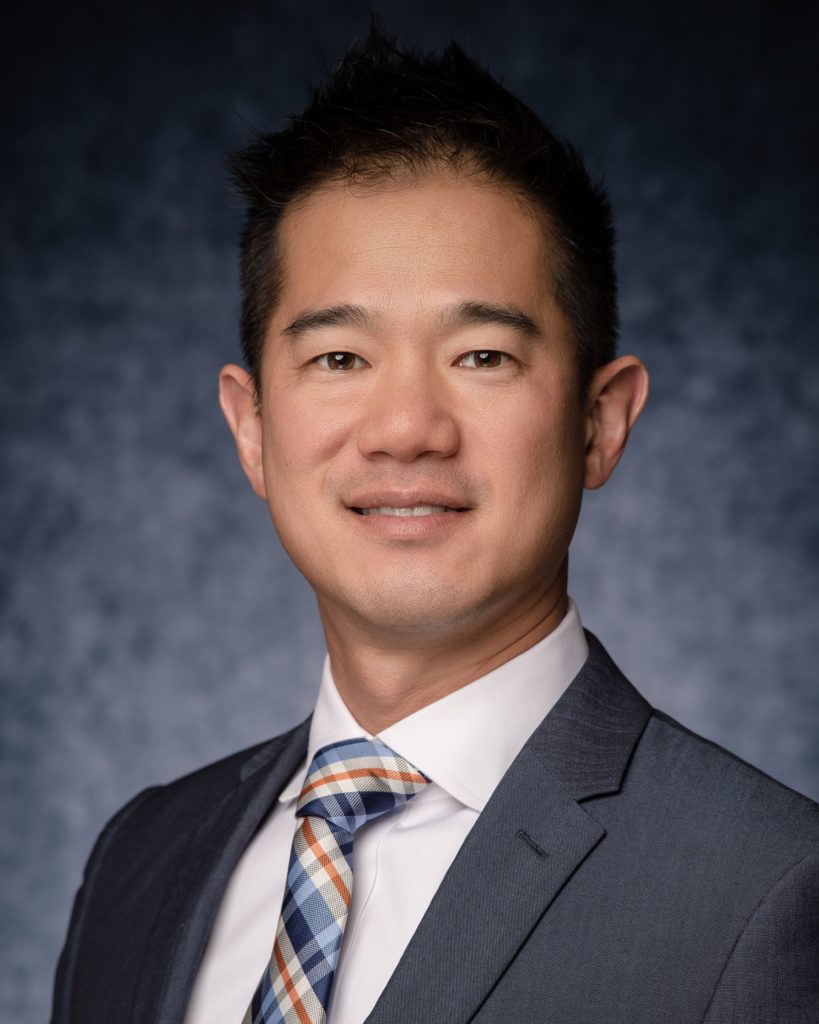
Eric Hsieh – Department of Energy
Eric Hsieh is the Deputy Assistant Secretary for Energy Storage in the U.S. Department of Energy’s (DOE) Office of Electricity (OE), where he leads a team accelerating the next generation of energy storage technologies that deliver affordability, reliability, and security benefits. He is an energy policy, financial, and engineering thought leader with over 20 years of experience in improving energy delivery through innovation. Prior to his current role, Mr. Hsieh was the director of grid components and systems within OE.
As director of grid components and systems, Mr. Hsieh led strategy development and execution for grid hardware innovations including power conversion, energy storage, and robotics. He has more than 10 years of federal service, having also been the director of the Office of Finance and Incentive Analysis, where he applied geospatial and computational techniques to modernize utility industry analysis.

Mohamed Kamaludeen – Department of Energy
Mohamed Kamaludeen is the Director of Energy Storage Validation at the Office of Electricity (OE), U.S. Department of Energy. His team in OE leads the nation’s energy storage effort by validating and bringing technologies to market. This includes designing, executing, and evaluating a RD&D portfolio that accelerates commercial adoption of next-generation grid storage technologies.
Mohamed has more than 15 years of experience in the electric utility industry, specifically the electric system planning process, including engineering and design, forecasting, substation planning, and energy storage. He is a change management leader with a record of building energy storage businesses in a regulated utility environment. With a portfolio of utility-owned and third-party projects exceeding 120MW, Mohamed positioned Con Edison of New York to advance energy storage development.

Vinod Siberry – Department of Energy
Vinod Siberry is a technology manager in the Energy Storage Division of the Department of Energy’s (DOE) Office of Electricity (OE) and has been at DOE since 2019. Most of Vinod’s work has been on the storage validation team which covers a portfolio of activities that address a wide range commercialization and deployment barriers for emerging storage technologies. Vinod is currently leading activities in three specific thrust areas of the program: safety & reliability, grid deployment & field validation, and analytics. He also oversees major research, development, and demonstration initiatives such as the Rapid Operational Validation Initiative (ROVI) and multiple first of a kind demonstrations of emerging storage technologies. Vinod graduated from the University of Maryland, College Park where he majored in mechanical engineering and minored in sustainability.
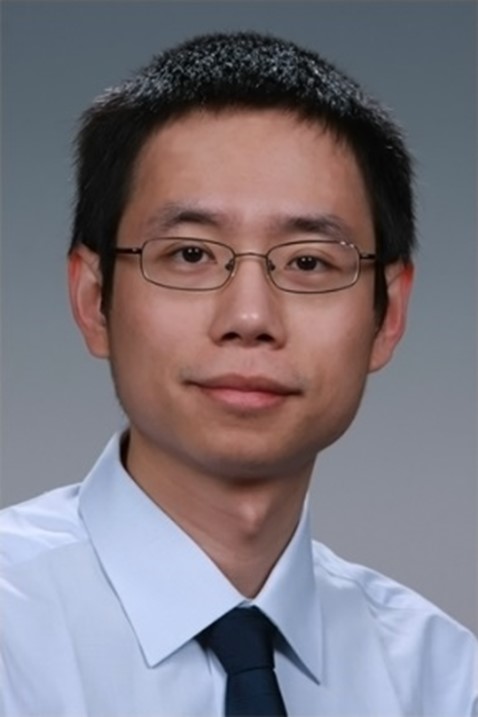
Jie Bao – Pacific Northwest National Laboratory
Dr. Jie Bao joined Pacific Northwest National Laboratory in 2010 after receiving his doctorate in Mechanical Engineering from the University of Pittsburgh. His research encompasses a broad range of areas, including multiphase computational fluid dynamics, geomechanics, electrochemical reactions, turbulent flows, mass and heat transport, energy storage systems, digital twins, uncertainty quantification, and machine learning. Over the past decade, his work has increasingly focused on physics-based modeling, AI-driven models, and digital twins for redox flow batteries.
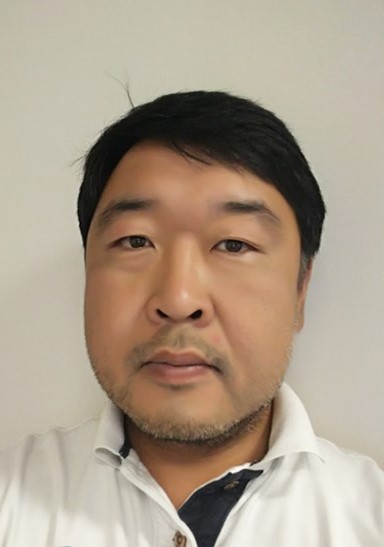
Daiwon Choi – Pacific Northwest National Laboratory
Daiwon Choi is an energy storage researcher at Pacific Northwest National Laboratory with a background in materials science. His work focuses on advanced battery technologies for grid-scale and transportation applications, including lithium-ion and emerging sodium-ion systems.
He combines materials science, electrochemistry, and system-level analysis to understand degradation mechanisms, improve safety, and extend battery lifetime. His research includes comparative evaluation of chemistries such as NMC and LFP, with emphasis on energy density, cycle life, and cost-effectiveness.
Choi has authored and co-authored peer-reviewed publications in leading energy and materials science journals, contributing to advancements in battery materials, performance characterization, and large-scale energy storage systems.

Waylon Clark – Sandia National Laboratories
Waylon Clark is a principal member of staff for Sandia National Laboratories’ Energy Storage Program as an R&D electrical engineer in the Energy Storage Technologies and Systems Department. He currently leads the Grid Integration & Field Validation Team. He has worked on energy storage installations ranging from coastal and interior Alaska to the central mountainous regions of Puerto Rico.
Waylon Clark has spent over 15 years working in the field of electrical engineering, project management, and technical leadership. His experience includes development of both brown and green-field projects from initiation, design, to commissioning/operations and decommissioning and disposal. His expertise includes battery energy storage systems, codes, standards, and regulations (Technical Committee Member NFPA 855), medium- and low-voltage substations and distribution systems, process controls, and data analytics. Waylon has been at Sandia National Laboratories for 10+ years in a variety of technical and leadership roles.
Matthieu Dubarry – Hawai‘i Natural Energy Institute
Matthieu Dubarry (PhD, Electrochemistry & Solid-State Science, University of Nantes), has over 20 years of experience in energy, with an emphasis in the area of lithium-ion batteries.
Following his PhD on the synthesis and characterization of materials for lithium batteries, Dr. Dubarry joined the Hawai‘i Natural Energy Institute at the University of Hawai‘i at Mānoa as a post-doctoral fellow in 2005 to work on the analysis of the usage of a fleet of electric vehicles. He was later appointed a faculty position in 2010 with a focus on battery testing, modeling and simulation. He is now a tenured researcher and has been leading his own group since 2014 with funding from both federal and industry sources. In 2025 he was awarded the University of Hawaii Regents’ Medal for Excellence in Research.
While working for HNEI, Dr. Dubarry pioneered the use of data-driven techniques for the non-destructive analysis of the degradation of lithium-ion cells and developed numerous software tools facilitating the prognosis of battery degradation both at the single cell and the battery pack level. His model, ʻalawa (Hawaiian for “to diagnose with insight”), received significant accolades from the community and is used worldwide by universities and industry.
Current projects include further development of the ‘alawa framework, the testing of emerging battery technologies, both lithium and sodium based for grid-connected and transportation applications, and the evaluation of sodium ion intercalation materials for desalination batteries.
Brian Engle – Amphenol
Brian is director of business development at Amphenol where he is responsible for a complete portfolio of battery, data center, transportation, and electrification sensors, as well as research and development of new and emerging sensor technologies in support of Amphenol’s aggressive global growth strategy.
As Chief Safety Officer and 2026 Chairman Emeritus of NAATBatt International, Brian supports the growth of NAATBatt’s nearly 400 member companies within all aspects of the battery supply chain. He also serves as part of the U.S. Department of Energy’s Li-Bridge initiative to accelerate adoption and deployment of battery technologies in North America, including work on battery materials provenance and supply chain resilience.
As SAE Fellow and Chair of SAE’s Battery Standards Steering Committee, he supports the work of over 850 engineers and scientists on 28 SAE standards committees supporting more than 50 battery-related standards and publications and serves as chair of the SAE First & Second Responders Task Force responsible for emergency response guidance and EV/battery safety.
Brian also serves as technical advisor for numerous battery research projects, global battery safety regulations and standards development, has developed critical intellectual properties in sensor and safety technologies, co-authored technical papers, and performed safety training for industry.
Josh Gerber – Symphonic Energy
Josh Gerber is founder & CEO of Symphonic Energy, focused on battery energy storage safety and management. He brings 25+ years of experience across IT and energy, including 15 years at San Diego Gas & Electric as smart grid architect and energy storage lead/manager, where he led development of SDG&E’s first utility-scale battery energy storage system — the largest in the world at the time of deployment. Josh is a co-author of the Open Compute Project white paper “Requirements for Energy Storage Systems Used in Data Centers” (published January 2026) and a consulting expert on BESS, supporting utilities, independent power producers, developers, and a major research university.
Maxime Grand – Moss Landing Marine Laboratories
Dr. Maxime Grand is an Associate Professor at Moss Landing Marine Laboratories, San José State University, where he leads the Chemical Oceanography group. An oceanographer and analytical chemist by training, his research focuses on the cycling of trace metals in marine systems and the development of miniaturized chemical sensors for environmental monitoring.
Following the 2025 Vistra Moss Landing battery fire in Monterey County, California, Dr. Grand co-founded the Estuarine Monitoring of Battery Emissions and Residues (EMBER) research group to document metal deposition and transport in the adjacent Elkhorn Slough, a sensitive estuarine ecosystem. This collaborative effort has characterized cathode-derived metal deposition in marsh soils and examined their fate in surface waters and suspended particulate matter, providing one of the first field-based perspectives on the environmental and ecological consequences of large-scale ESS failures in a coastal setting.
Jan Gromadzki – Tesla
Jan brings more than 15 years of experience in the energy storage industry, including a decade at Tesla, where he has worked at the intersection of battery safety across both product development and business development roles at Tesla Energy. A committee member for the first two revisions of NFPA 855, Jan has helped shape foundational standards for the safe installation of stationary energy storage systems. His work advances a deeper understanding of grid-scale batteries – from safety to performance – to enable easier and more aligned global adoption of BESS.

Adam Han – AEES Consulting
Adam Han is a consulting engineer and audit/risk advisor with nearly 20 years of experience in energy storage infrastructure, spanning project development, financeability, investment diligence, and asset operations.
His work includes utility-scale solar, battery storage, environmental compliance, contractor oversight, operational controls, and project risk management. Adam helps organizations assess whether development assumptions, field practices, documentation, vendor management, and compliance processes support safe, reliable, and financeable long-term operations.

Andrew Hoover – Redwood Materials
Andrew Hoover is principal of risk management and product compliance at Redwood Energy. He leads Redwood Energy’s regulatory strategy, risk management, product compliance, and standards development for Redwood Materials, a company involved in battery recycling and repurposing, cathode active material manufacturing, and energy storage system manufacturing and decommissioning. Previously, he worked at Tesla, where he led the toxicology program and managed global chemical compliance across Gigafactories and cell manufacturing. In that role, he developed deep expertise in the hazards of battery materials and their safe handling at industrial scale. He was instrumental in developing NFPA 800, the Battery Safety Code, which is the world’s first comprehensive code addressing battery safety across the full lifecycle, from manufacturing through recycling and disposal. He also contributes to the evolution of key UL standards governing the battery industry by chairing several task groups for UL 9540 (Standard for Energy Storage Systems and Equipment) and UL 1974 (Standard for Evaluation for Repurposing Batteries). Through this work, he helps shape requirements for energy storage system safety and second-life battery evaluation. Most recently, he chaired the Cathode Active Material Science Alliance, a cross-industry group dedicated to studying the long-term health effects of high-nickel cathode active materials such as NMC and NCA.

Jackie Huynh – Pacific Northwest National Laboratory
Jackie Huynh, PE, is an electrical engineer at the Pacific Northwest National Laboratory (PNNL), where he’s focused on building the workforce of the future for the DOE’s Grid Storage Launchpad. Before joining PNNL, Jackie spent over a decade in the commercial energy sector, working on everything from small-scale applications to large-scale infrastructure projects exceeding 1 GWh for energy storage. With a background spanning more than a decade, Jackie is no stranger to the realities of project development. Having worked various positions from owner-operator to technology provider, he brings a unique, hands-on perspective to his current work at the national lab. Jackie’s goal is to make complex energy concepts accessible and actionable, ensuring the safe and affordable deployment of storage technologies for local communities.
Victoria Hutchison – Energy Safety Response Group
Victoria Hutchison is a fire protection engineer and safety advocate specializing in battery safety, emergency response, and the fire-safe energy transition. As chief operating officer at Energy Safety Response Group (ESRG), she leads operations and technical strategy across safety consulting, testing, and emergency response programs for advanced energy systems. Prior to ESRG, she spent nearly a decade with the NFPA Fire Protection Research Foundation, leading high‑impact fire safety research on energy storage, electric vehicle fire safety, and the energy transition. Victoria is a recognized author and frequent speaker on battery safety, fire protection, and emergency response. Victoria has a bachelor’s and master’s degree in Fire Protection Engineering, she serves on SAE J2990 technical committee, participates in industry working groups, and serves as Deputy Editor for the SFPE Handbook of Fire Protection Engineering.
Nathan Johnson – Sandia National Laboratories
Dr. Nathan B. Johnson is a senior member of technical staff at Sandia National Laboratories, where he has worked for the past three years. He brings eight years of experience in battery safety across lithium ion, sodium ion, lithium sulfur, and solid state chemistries. His work spans materials level safety characterization, finite element continuum modeling, single cell abuse testing, diagnostic development, and module level abuse testing. His current research focuses on developing a mechanistic understanding of thermal runaway in commercial cells and on predicting cell safety and stability through advanced material characterization. He holds a doctorate in chemical engineering from the University of Maryland, College Park.
Andrew Kurzawski – Sandia National Laboratories
Andrew Kurzawski is a researcher in the Fire Science and Technology group at Sandia National Laboratories in Albuquerque, New Mexico. He received a doctorate in mechanical engineering from The University of Texas at Austin. He is currently conducting research on propagating thermal runaway in systems of Li-ion batteries in collaboration with Sandia’s Energy Storage Safety group. His other research interests include computational fire and heat transfer modeling, inverse problems, and software development.
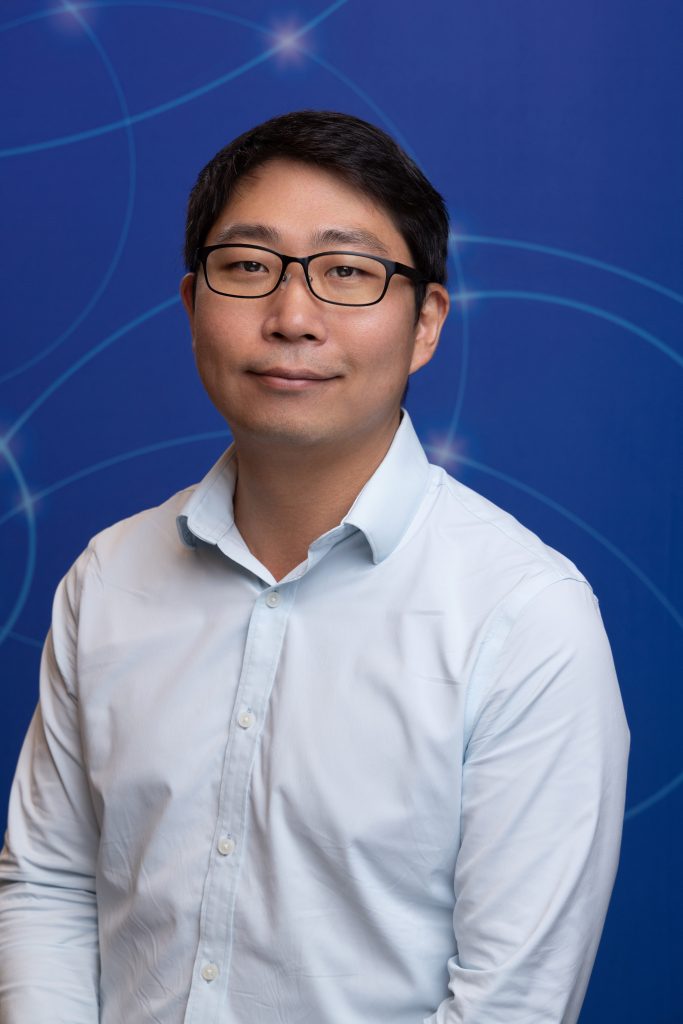
Byoungchul Kwon – Electrochemical Safety Research Institute (ULRI)
Dr. Byoungchul Kwon is a research scientist at the Electrochemical Safety Research Institute (ESRI) within UL Research Institutes (ULRI). At ULRI, he has led and contributed to multiple experimental and simulation projects addressing safety challenges associated with lithiumion batteries in energy storage and transportation applications. His research focuses on characterization of thermal runaway at the cell level, thermal runaway propagation in battery modules and packs, gas and particulate emissions during battery failure events, fire suppression in battery energy storage systems, and safety considerations for aviation applications.
Prior to joining ESRI, Dr. Kwon earned his doctorate from Case Western Reserve University in Cleveland, Ohio. His doctoral research investigated firebrand-induced ignition in wildland–urban interface fires, with a focus on interactions between flaming and smoldering firebrands and the pyrolysis kinetics of combustible materials. In addition, he designed and built a customized experimental setup incorporating an FT‑IR gas analyzer to perform in‑situ gas analysis during lithium‑ion battery thermal runaway, experience that now supports diagnostic testing and failure analysis for industry-relevant battery safety investigations.
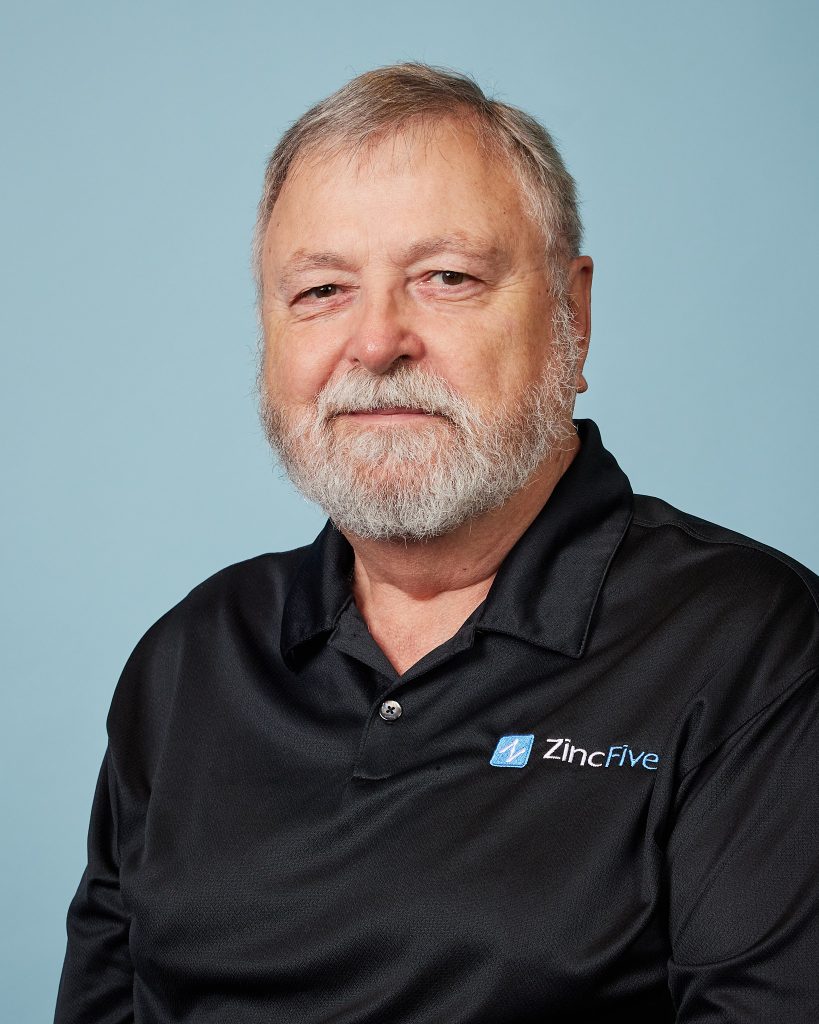
Dan Lambert
Dan Lambert has over 40 years of commercial and industrial electrical experience and has worked with AC and DC power systems, with a primary focus on mission-critical power systems. Working with stationary battery systems since 1985, he has worked with many battery chemistries and has contributed to large-scale energy storage analysis projects, as well as testing other storage systems. Dan is currently a member of the IEEE Power and Energy Society serving as the vice-chair for the IEEE Energy Storage and Stationary Battery (ESSB) Committee’s IEEE 1679.4 Alkaline Chemistries Working Group and as a member of the ESSB Codes and Standards Task Group. He is also a member of the Battcon conference technical committee, and serves a co-leader of the Open Compute Project’s energy storage systems subproject within the data center facilities project.

Jody Leber – CSA Group
Jody Leber is a distinguished international compliance professional with over 35 years of expertise in product testing and certification, currently serving as a global business manager at CSA Group. His extensive career is marked by a commitment to advancing safety and efficiency in the energy sector, particularly in the realms of batteries and energy storage systems.
Jody’s academic foundation in engineering and technology provided the bedrock for his deep understanding of critical areas such as electromagnetic interference, electromagnetic compatibility, environmental simulation, and product safety. He has honed his skills in laboratory management and operations, driving market expansion through innovative strategies and rigorous compliance standards.
In addition to his role at CSA Group, Jody is an active contributor to various standards technical committees focused on batteries and energy storage.

Jim McDowall – McDowall Advisors, IEEE Fellow
Jim McDowall is an IEEE Life Fellow, cited for leadership in stationary battery standards and the energy storage industry. As a consultant with decades of experience, Jim specializes in energy storage safety and related codes and standards. He is an expert in lithium-ion batteries and energy storage applications and is a member of the DOE ESS Safety Strategic Plan Advisory Committee. Jim was a director of the Energy Storage Association (now American Clean Power Association) for 14 years, including two years as chairman. Jim is a former Chair of the IEEE Energy Storage and Stationary Battery Committee, has led numerous standards projects, and is currently serving as the committee’s standards coordinator.
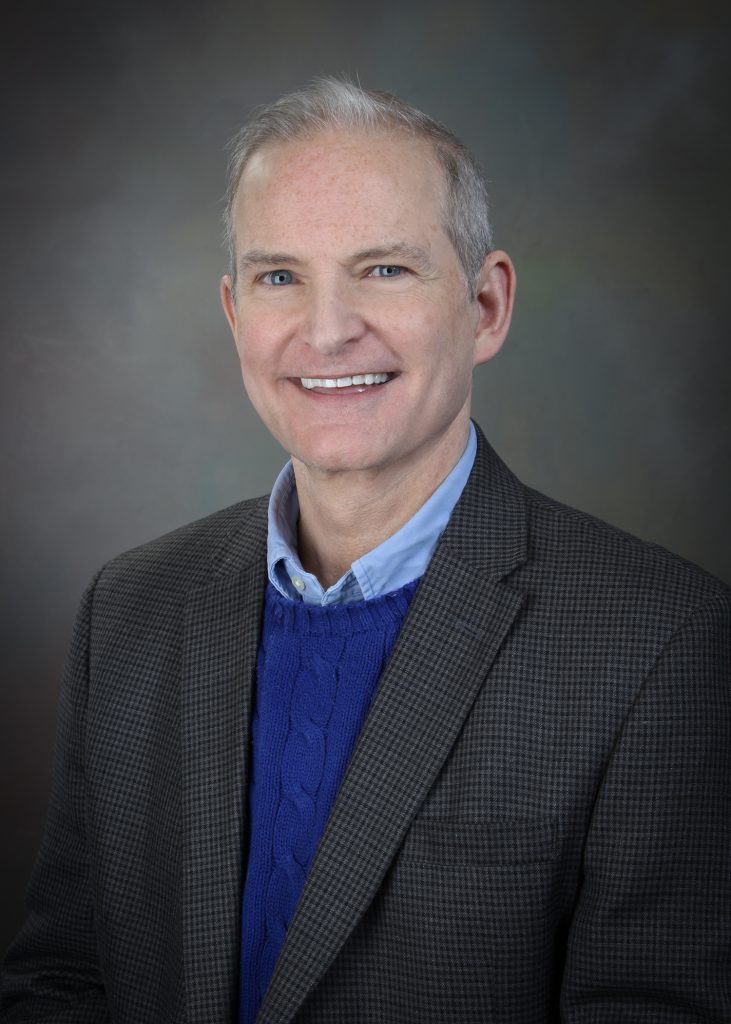
Will McNamara – Sandia National Laboratories
Will McNamara is the principal investigator for the Long Duration Energy Storage (LDES) National Consortium, representing Sandia National Laboratories as the lead lab for this effort. The LDES National Consortium is a DOE-funded initiative through which stakeholders across the LDES ecosystem can convene to identify barriers, determine potential synergies, and collaboratively develop and implement strategies necessary to achieve LDES technology commercialization within the next decade.
Will serves as Grid Energy Storage Policy Analyst for Sandia National Laboratories with a focus on energy storage policy development at the federal and state levels. Will has spent his entire 30-year career in the energy and utilities industry with a concentration on regulatory and legislative policy. He has served as a lobbyist in California and has represented major utilities across the U.S. in numerous jurisdictions in proceedings pertaining to integrated resource planning, procurement, cost recovery, rate design, and the development of policymaking best practices. Will’s areas of subject matter expertise, in addition to LDES policy, include distributed energy resources, AMI/smart grid, renewables, and competitive retail markets.
Jack Norris – North American Electric Reliability Corporation (NERC)
Jack Norris is the manager of NERC’s Performance Analysis team and program. With over a decade of experience in bulk power system reliability, his team leads the analysis and authoring of NERC’s annual State of Reliability report, an unbiased, data-driven source to support industry leadership and policymakers alike in making informed decisions. The program also supports various NERC Section 1600 data collection efforts, such as the Generation Availability Data System (GADS), to ensure quality information is utilized for numerous international NERC, FERC, industry, and research group products.
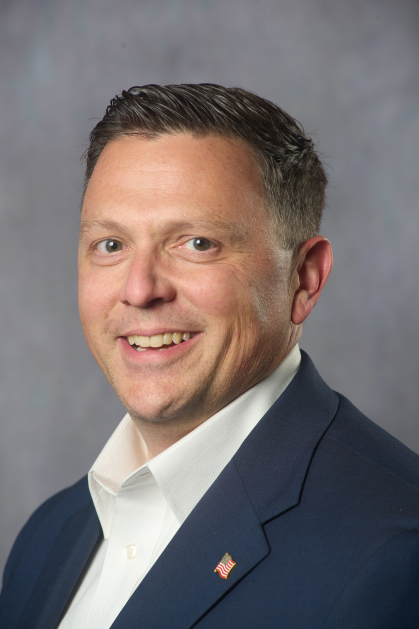
Michael O’Brian – Brighton Area Fire Department
Michael O’Brian is the fire chief for the Brighton Area Fire Authority in Michigan, overseeing fire protection across 74 square miles with five stations. He is also the managing partner for Code Concepts Group, a top consulting firm helping communities with technical projects from fire protection, to battery facilities and everything in-between. Code Concepts Group is an international firm aimed at providing technical assistance to communities, developers and businesses based on core
code principles.
Chief O’Brian serves on the board of the International Association of Fire Chiefs as the International Director of the Fire and Life Safety Section. He was president of the Michigan Association of Fire Chiefs from 2013-2017. He holds a Bachelor of Science in Public Safety Administration from Eastern Michigan University, where he also teaches as an adjunct instructor.
A dedicated member of multiple ICC and NFPA technical committees, Chief O’Brian is a past chair of the Fire Code Action Committee with the International Code Council. His actions have helped shape modern fire and building codes across the globe. His expertise was vital in the actions of the ICC Ad-Hoc Committee on BESS and Lithium-ion Batteries. He is a national leader in fire service preparedness for lithium-ion batteries and chairs the IAFC committee on Lithium ion Batteries.
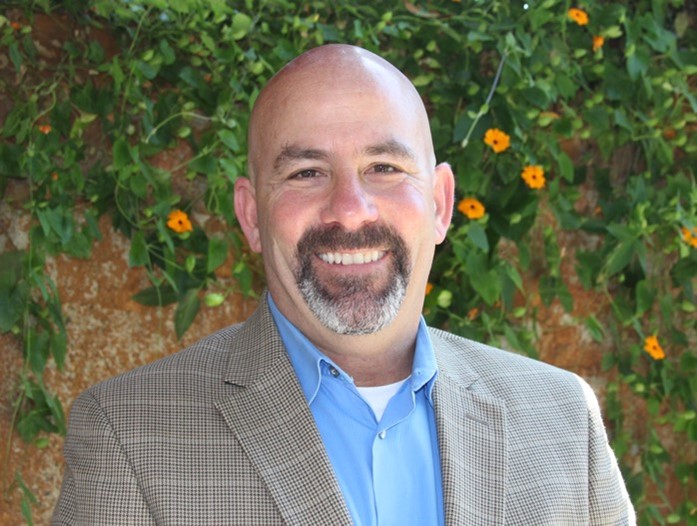
Matthew Paiss – Sandia National Laboratories
Matthew Paiss serves as a contractor to Sandia National Laboratories supporting battery safety codes and standards development. Prior to joining Sandia, he led the energy storage safety efforts for Pacific Northwest National Laboratory after retiring as a fire captain with 23 years in the San Jose Fire Department.
Matthew has two decades experience with energy standards committee work and currently serves as the chair for NFPA 800 Battery Safety Code, as well as a TC member on NFPA 855 Energy Storage Systems, UL 9540, 1973,1974, and 3202. He serves as a member of the board of trustees for the Fire Protection Research Foundation. He has presented internationally on a variety of battery safety R&D topics for a wide selection of stakeholders.
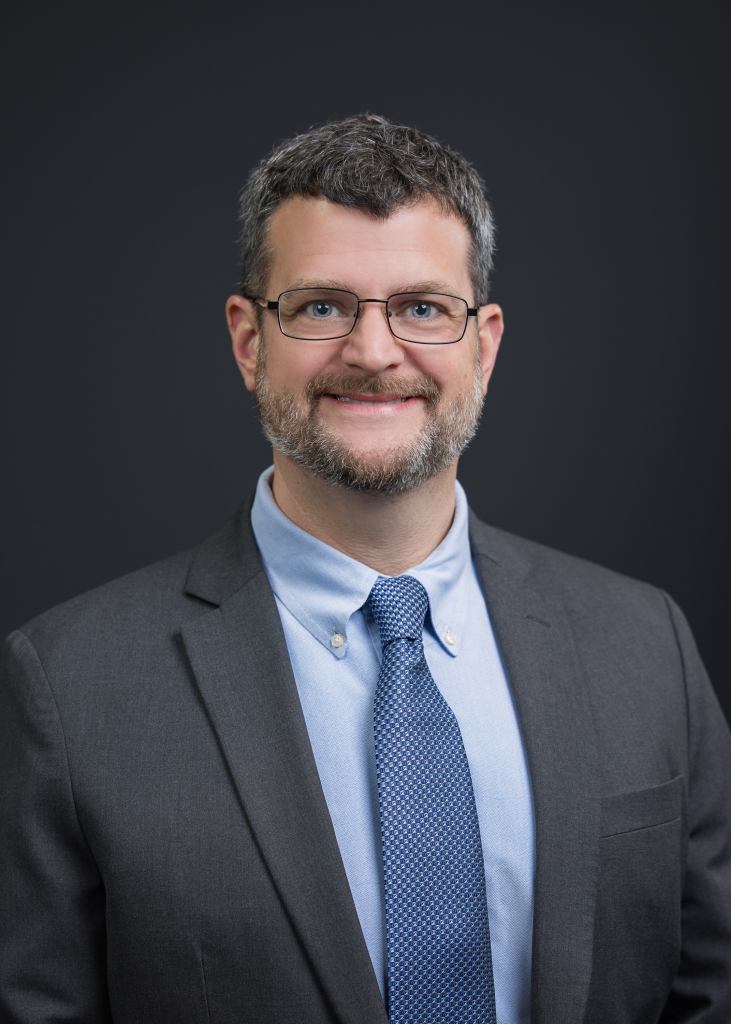
Aron Patrick – PPL Corporation
Aron Patrick serves as vice president of research and development for PPL Corporation, where he leads an enterprise-wide R&D and innovation strategy across all operating companies, including generation, electric and gas delivery, and behind-the-meter opportunities. He oversees partnerships with external research organizations such as the Electric Power Research Institute (EPRI), national laboratories, and universities, and coordinates PPL’s participation in venture capital partnerships with Energy Impact Partners (EIP) and The Westly Group through PPL Technology Ventures LLC. Prior to joining PPL, Aron held leadership roles with the Commonwealth of Kentucky’s Energy and Environment Cabinet, including Assistant Director of Energy Policy.

Heather Platt – Mana Battery
Dr. Heather A.S. Platt excels in demonstrating the feasibility of early stage energy storage technology by inventing new solutions to industrially relevant problems, as well as by working with academic and national laboratory inventors to vet and scale their discoveries. Her experience is rooted in post doctoral work at the National Renewable Energy Lab, six years at Solid Power that included spinning out of CU Boulder, and several years of independent consulting. Dr. Platt is currently an NLR West Gate fellow and Director of Materials Engineering at Mana Battery, where she and her team are working to develop and scale the highest energy density sodium-ion battery cell design in the market.
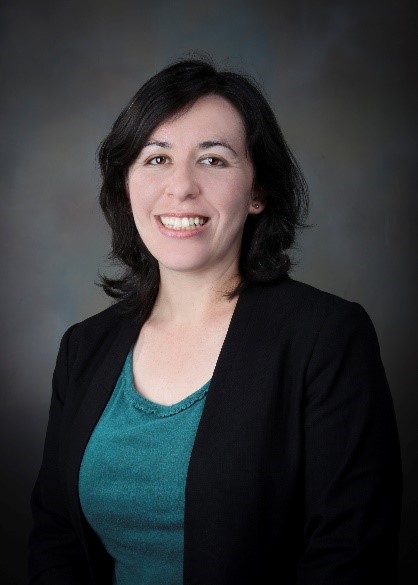
Yuliya Preger – Sandia National Laboratories
Yuliya Preger is a principal member of technical staff in the Energy Storage Technology and Systems Group at Sandia National Laboratories. She earned her doctorate and bachelor degrees in chemical engineering from the University of Wisconsin-Madison and MIT, respectively. Her work spans battery degradation, application of power electronics to energy storage safety, and system level energy storage analysis. This research has informed guidance to groups such as the California Energy Commission, Electric Power Research Institute, and various standards agencies. Dr. Preger is co-founder of Battery Archive, the first public repository for visualization and comparison of battery degradation data across institutions, which has been used by thousands of individuals in academia and industry in over sixty countries.

David Rosewater – Sandia National Laboratories
David Rosewater received bachelor’s and master’s degrees in electrical engineering from Montana Tech of the University of Montana, Butte, MT, USA, and a doctorate degree in electrical and computer engineering from the University of Texas at Austin, Austin, TX, USA. He currently works as a grid energy storage researcher with Sandia National Laboratories in Albuquerque, NM, USA. His research focuses on all aspects of integrating batteries into the power grid including safety, technology standards, modeling, control, and economics. David has served as the chair of the IEEE Std. 2686 working group, chair of the IEEE PES Energy Storage Applications and Technologies (EESAT) conference and was awarded the 2025 Young Professional Achievement Award from the IEEE IAS Electrical Safety Committee. He has held a Professional Engineering license in New Mexico since 2014.

Hugh Ross – Peak Energy
Hugh Ross is head of product at Peak Energy. He leads product strategy at Peak including the launch of its passively cooled utility-scale sodium-ion energy storage system. Hugh is a mechanical engineer by training, with a decade of battery design experience spanning Tesla’s vehicle and energy storage programs and Fluence’s BESS platforms.

Ankit Sharma – Jensen Hughes
Dr. Ankit Sharma, PhD, is a lead research consultant at Jensen Hughes, USA, with 10+ years of experience advancing fire safety for complex and emerging hazards. His work brings together fundamental fire science, large-scale testing, advanced modeling, hazard analysis, and code-based engineering to translate fire behavior into practical safety solutions for energy storage systems.
He is a recipient of the 2023 Global “5 Under 35” Award by the Society of Fire Protection Engineers (SFPE) and was a 2022 SFPE Foundation GCI Fellow for the Fire and Climate Change. He has previously contributed to research projects at NIST, Johns Hopkins University, and Case Western Reserve University on a NASA-sponsored project on microgravity and partial-gravity fire research. Dr. Sharma holds a PhD from IIT Roorkee, India, and has authored patents, peer-reviewed journal papers, and conference publications.
He is actively engaged in the broader fire safety community and serves in editorial and peer-review roles for research journals, participates as a review panelist for funding agencies including NASA and NSF, and contributes to technical committees with UL, ICC, NFPA, and others. He also co-chairs the SFPE Foundation’s Energy and Infrastructure Working Group and serves as co-subgroup leader for Emergency Management and Evacuation under the IAFSS LOF&BE Working Group.

Vincent Sprenkle – Pacific Northwest National Laboratory
Developing technology to store electrical energy to meet demand when needed represents a breakthrough in electricity distribution. For more than a decade, Vince Sprenkle has been at the forefront of this effort.
Sprenkle, a recognized leader in electrochemical energy conversion and storage, serves as the director of the Grid Storage Launchpad (GSL), a national research and development (R&D) facility of the U.S. Department of Energy (DOE)-Office of Electricity (OE) at Pacific Northwest National Laboratory (PNNL). In this role, Sprenkle provides leadership and guidance for PNNL’s R&D activities in support of OE’s energy storage program.
Sprenkle and the PNNL team are advancing the next generation of storage solutions that will strengthen the country’s global competitiveness and make energy more affordable, abundant, and secure. The GSL will be instrumental in helping the DOE meet the nation’s long-term energy storage needs and serve as an innovation and testing facility to accelerate development, validation, and commercial readiness of next generation grid storage technologies for the power grid.
Sprenkle holds 32 patents for his work on fuel cells, batteries, and electrochemical devices with 17 pending patent applications. He was named the Distinguished Inventor of Battelle in 2017 and PNNL Inventor of the Year in 2014. In addition, Dr. Sprenkle currently serves as Co-Director of DOE’s Energy Storage Grand Challenge Laboratory Coordinating Team and Director of DOE-OE’s Rapid Operational Validation Initiative.
Vince received his undergraduate and doctoral degrees in ceramic engineering from the Missouri University of Science & Technology.

LaTanya Schwalb – UL Solutions
LaTanya Schwalb is a principal pngineer in energy and industrial automation at UL Solutions and a distinguished member of technical staff in the William Henry Merrill Society. She is responsible for developing technical requirements and interpreting UL Standards for stationary batteries, energy storage systems, fuel cells, and hydrogen generators. She represents UL Solutions on technical committees for UL 1973 (Batteries for Use in Stationary and Motive Auxiliary Power Applications), UL 9540 (Energy Storage Systems and Equipment), and UL 9540A (Test Method for Evaluating Thermal Runaway Fire Propagation in Battery Energy Storage Systems). She serves on multiple NFPA technical committees, including NFPA 855 (energy storage systems), NFPA 850 (electric generating plants), NFPA 853 (fuel cells), NFPA 800 (Battery Code), and NFPA 2 (hydrogen technology). She is also a member of several IEC technical committees, including TC 21/SC 21A (secondary cells and batteries), TC 105/MT 201, 301, and 401 (fuel cell technologies), TC 120/MT 7 and 8 and WG 4 and 5 (electrical energy storage systems), and TC 31/WG47 (cells and batteries in equipment for hazardous locations). In addition, she is a member of CSA technical committees for fuel cells and hydrogen generators using water electrolysis. She has more than 20 years of experience in product safety certification.

Beth Schroeder – Belay Energy Solutions
Beth is a seasoned battery engineer and safety advocate with nearly twenty years of experience across the Chevy Volt, next-generation EV platforms, and some of the earliest ESS products developed in the U.S. She has designed battery systems from the ground up and brings a rare combination of EV and energy storage experience across the broader battery industry.
Beth is known for helping companies solve complex technical and safety challenges in ways that reduce costly delays, accelerate commercialization, and increase product value. She specializes in turning difficult engineering problems into practical business decisions that keep programs moving forward and revenue on track.

Lakshmi Srinivasan – Electric Power Research Institute
Lakshmi Srinivasan is a senior technical leader within the energy storage program at EPRI. She leads the battery safety research program developing new learnings and guidance for the industry. Lakshmi also does research in emerging storage and controls technologies, evaluating the performance and viability of new products. She aims to incorporate social equity and environmental justice into EPRI’s storage research. She serves on technical panels for standards making bodies, such IEEE and CSA. Prior to EPRI, Lakshmi spent ten years commercializing various storage technologies, including compressed-air energy storage, Lithium-ion batteries and flow batteries. Lakshmi earned a bachelor’s degree in Mechanical Engineering from Dartmouth College and a master’s degree in Energy Science and Technology from ETH Zurich.
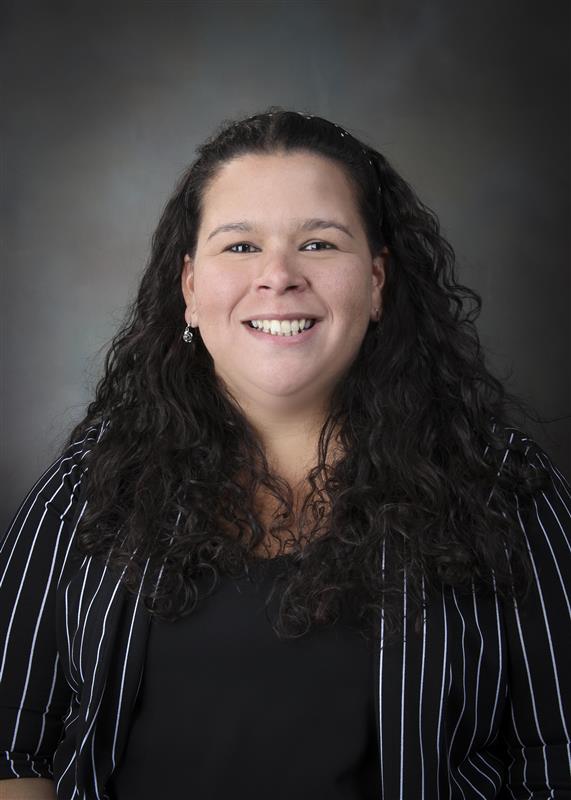
Loraine Torres-Castro – Sandia National Laboratories
Dr. Loraine Torres-Castro is the battery safety lead and principal member of technical staff at Sandia National Laboratories, where she leads research on the safety and reliability of electrochemical energy storage systems under off-normal and abuse conditions. Her work focuses on identifying the mechanisms that drive battery failure, from material-scale reactions to cell- and system-level hazards, and translating those findings into practical safety evaluation methods.
Since joining Sandia in 2016, Dr. Torres-Castro has led the growth of Sandia’s battery abuse testing portfolio and directs multidisciplinary work spanning destructive testing, thermal abuse, diagnostic methods, microcell-scale safety evaluation, and predictive safety modeling. Her current research emphasizes early identification of interaction-driven hazards in emerging battery chemistries, including solid-state and sodium-ion systems, where conventional component-level safety assumptions may not capture full-cell failure behavior.
Dr. Torres-Castro is the author of the USABC Battery Abuse Testing Manual for Electric Vehicle Applications and advises national and international efforts in battery safety, standards development, and energy storage reliability. She received her doctorate in chemical physics and bachelor’s of science in physics from the University of Puerto Rico.

Jeremy Twitchell – Pacific Northwest National Laboratory
Jeremy Twitchell is a senior energy analyst at the Pacific Northwest National Laboratory, where he leads PNNL’s work on the Energy Storage Analysis area of the Energy Storage Program funded by the Department of Energy – Office of Electricity. His research focuses on identifying the regulatory barriers that impede the deployment of energy storage technologies and options for reducing or eliminating those barriers, as well as providing technical assistance to states on energy storage-related topics. He also supports other efforts at the lab in areas related to grid planning, energy policy, and energy regulation. Prior to joining PNNL, Jeremy spent five years at the Washington Utilities and Transportation Commission.
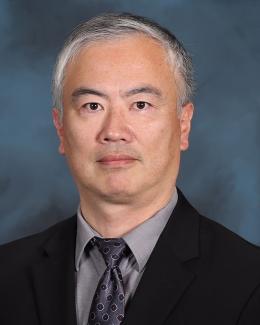
Hsin Wang – Oak Ridge National Laboratory
Dr. Hsin Wang is a distinguished scientist at ORNL with expertise in the thermal transport properties of materials, energy conversion materials, and energy storage materials. He has conducted extensive research on thermal management of energy storage systems and safety testing of Li-ion batteries. Dr. Wang has developed various thermal runaway test methods, including pinch and pinch-torsion tests. He is the PI of multiple DOE and NTHSA projects on disassembly of EV packs and modules. Recently, his focus is on early detection of battery overheating using acoustic emission (AE). He served as the past chairman and is current board member of the international Thermal Conductivity Conference (ITCC).

Russ Weed – CleanTech Strategies
Russ Weed is president of CleanTech Strategies LLC (CTS), established in 2018 and based in Seattle, WA. CTS is a team of four subject matter experts in energy storage, power electronics & controls, microgrids, generation integration, and advanced materials. The team brings to bear many decades of industry experience, with JD, PE, and EE professional training. CTS customers and partners include nine energy storage system developers headquartered in the U.S. and Europe and six U.S. national labs, as well as non-governmental organizations, conference companies, and national consulting firms.
Russ individually is a business and project developer, market expert, legal manager, and company advisor. He has diverse experience in start-ups, mid-market companies, conglomerates, and law firms. This includes 24 years of work in business and legal positions with private and public companies including General Electric (GE), and 10 years as an attorney, working widely in North America, Europe, and Asia.